
Compost Pile Problems: Solutions for a Thriving Compost

Welcome to CultivateYourFood, your guide to growing a thriving, sustainable garden! Ready to unlock the secrets to bountiful harvests? We know that even the most dedicated gardeners face challenges, so let's tackle those frustrating compost pile problems. Discover practical solutions and expert advice to transform your compost from a pile of potential into a rich, life-giving resource for your plants. Dive in and learn how to cultivate the perfect compost – the key to a truly flourishing garden!
- Diagnosing Your Compost Pile Issues: Identifying Common Problems
- Fixing Common Compost Pile Problems: Practical Solutions
- Preventing Future Compost Pile Problems: Proactive Measures
- Creating a Thriving Compost: From Problem to Perfection
- Frequently Asked Questions
- Final Reflection: Cultivating a Richer Future, One Compost Pile at a Time
- Unlock Your Compost's Potential: Grow a Bountiful Garden!
Diagnosing Your Compost Pile Issues: Identifying Common Problems
Creating a thriving compost pile is a rewarding experience, transforming kitchen scraps and yard waste into nutrient-rich soil amendment for your garden. However, the composting process isn't always smooth sailing. Many common issues can arise, hindering decomposition and even producing unpleasant smells or attracting pests. This guide will help you diagnose problems with your compost pile and implement effective solutions to get your compost back on track, maximizing its efficiency and minimizing any negative impacts.
We'll explore the most frequent challenges faced by home composters, providing practical, step-by-step solutions to ensure a successful and sustainable composting journey. Understanding the underlying causes of these issues is crucial for maintaining a healthy and productive compost heap, ultimately enriching your soil and benefiting your garden's overall health. Let's delve into the common difficulties and how to effectively "fix compost pile problems."
Troubleshooting Slow Decomposition: Why Isn't My Compost Breaking Down?
Slow decomposition is a frequent complaint among composters. Several factors can contribute to this frustrating issue. The most common culprits include:
- Incorrect Carbon-to-Nitrogen Ratio: A balanced ratio of "browns" (carbon-rich materials like dried leaves and twigs) and "greens" (nitrogen-rich materials like grass clippings and vegetable scraps) is essential. Too many browns result in slow decomposition due to a lack of nitrogen, the essential nutrient for microbial activity. Too many greens lead to anaerobic conditions (lack of oxygen), also slowing the process and potentially creating foul odors. Aim for a ratio of approximately 30:1 (browns to greens).
- Insufficient Moisture: Compost needs moisture to thrive. Think of it like a damp sponge – not soaking wet, but consistently moist. Regularly check the moisture level and add water if necessary. A simple test is to squeeze a handful of compost; it should release a few drops of water.
- Lack of Oxygen: Microbes need oxygen to break down organic matter. Turning your compost regularly (at least once a week) aerates the pile, ensuring sufficient oxygen flow. Using a compost bin with built-in aeration features can also help.
- Large Chunk Size: Breaking down large pieces of material into smaller pieces significantly speeds up decomposition. Shredding or chopping larger items before adding them to your compost bin is highly recommended.
- Incorrect Temperature: The ideal temperature range for active composting is between 130-160°F (54-71°C). A thermometer can help monitor the temperature. If it's too cold, add more "greens" to increase microbial activity and generate heat.
Dealing with Unpleasant Odors: Tackling Foul Smells in Your Compost Bin
Foul smells emanating from your compost bin are usually a sign of anaerobic conditions (lack of oxygen) or an imbalance in the carbon-to-nitrogen ratio. Here's how to tackle these unpleasant odors:
- Increase Aeration: Immediately increase the amount of air circulating through the pile. Turn the compost frequently, ensuring good airflow throughout. Consider adding more "browns" to improve drainage and aeration.
- Adjust the Carbon-to-Nitrogen Ratio: If the smell is pungent and ammonia-like, it indicates an excess of nitrogen. Add more carbon-rich materials like dried leaves, shredded paper, or wood chips to balance the ratio.
- Add Brown Materials: Brown materials help absorb excess moisture and improve drainage, preventing anaerobic conditions.
- Reduce Moisture: If the compost is too wet, allow it to dry slightly before turning and adding more "browns".
Pest Problems in Your Compost: Dealing with Flies, Rodents, and Other Pests
Fruit flies, rodents, and other pests can be attracted to your compost pile, especially if it's not managed correctly. Here are some strategies to deter them:
- Cover Your Compost: Using a lid or covering your compost bin with a tarp helps prevent flies from laying eggs and keeps out rodents.
- Regular Turning: Turning the compost regularly helps to reduce the attractiveness of the pile to pests by disrupting breeding grounds.
- Avoid Adding Meat and Dairy: These attract unwanted pests and can lead to foul odors and slow decomposition. Stick to plant-based materials.
- Maintain Proper Moisture Levels: Very wet compost attracts pests. Ensure your compost has the correct moisture content, neither too wet nor too dry.
- Choose the Right Location: Avoid placing your compost bin too close to your house or other structures, as this might attract rodents.
By addressing these common compost pile problems proactively, you can cultivate a healthy and productive compost system, enriching your garden and promoting sustainable gardening practices. Remember, consistent monitoring and adjustments are key to success!
Compost Pile Moisture Issues: Too Wet or Too Dry?
Maintaining the correct moisture level is crucial for successful composting. Think of your compost pile as a sponge – it needs to be damp, not soaking wet or bone dry. Too much moisture inhibits the aerobic bacteria vital for decomposition, leading to anaerobic conditions and foul odors. Anaerobic decomposition produces methane, a potent greenhouse gas, which is something we want to avoid in our sustainable gardening practices.
Furthermore, excessive moisture can create a slimy, unpleasant mess and attract unwanted pests like rodents and insects. Conversely, a dry compost pile will slow down or halt decomposition altogether. The microorganisms responsible for breaking down organic matter need moisture to thrive and function effectively. A dry pile will simply sit there, failing to heat up and decompose effectively.
How do you know if your pile's moisture is off? A well-hydrated compost pile will feel like a wrung-out sponge. If you squeeze a handful, a little liquid might drip out, but it shouldn't be pouring. If water pools at the bottom, it's too wet. If the material feels dry and crumbly, it's too dry. Addressing moisture issues requires different approaches depending on the problem:
Too Wet: Several solutions exist for excessively wet compost. First, you can add more “browns” – dry, carbon-rich materials like shredded paper, dried leaves, or straw. These materials will absorb excess moisture. You might also need to improve aeration.
Turning the pile regularly, using a pitchfork or shovel, will help to introduce oxygen and allow excess water to drain. Consider adding a layer of coarse materials, such as sticks or branches, at the bottom of your pile to improve drainage. In extreme cases, you might need to temporarily remove some of the wettest material and let it dry out before reintroducing it to the pile.
Too Dry: If your compost is too dry, the solution is simple: add water! But don’t just dump water on top; instead, gently water the pile, allowing the water to penetrate evenly. You can use a hose with a gentle spray or a watering can. Water until the pile is consistently moist, but avoid overwatering. It's best to water in stages, allowing time for the water to absorb before adding more.
You could also cover your pile with a tarp or a sheet of plastic to help retain moisture, particularly during dry spells. Remember to monitor the moisture level regularly and adjust accordingly. Regular turning and monitoring can prevent both excessively wet and dry conditions from developing in the first place. A little attention goes a long way in creating a thriving compost pile!
Fixing Common Compost Pile Problems: Practical Solutions
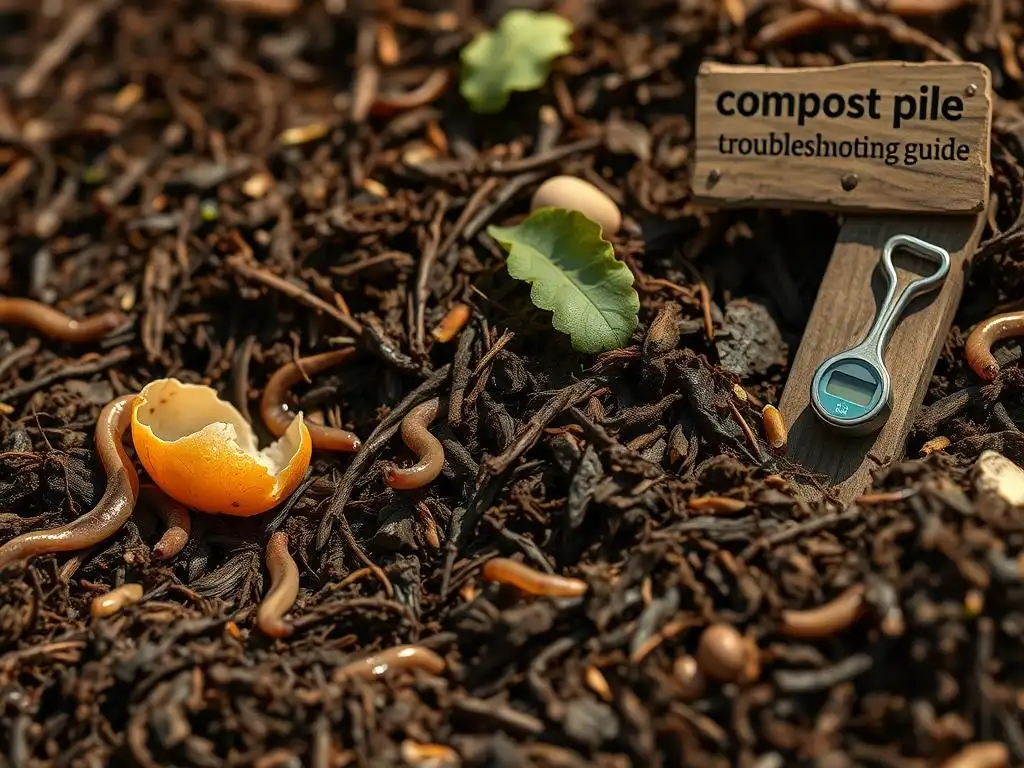
This section tackles common issues encountered when building and maintaining a compost pile, offering practical solutions to help you achieve a thriving and efficient system. Successfully fixing compost pile problems often involves understanding the delicate balance of ingredients and environmental factors. Let's delve into some of the most frequently encountered challenges and how to overcome them.
Accelerating Decomposition: Tips for Faster Compost Breakdown
A slow-decomposing compost pile is a frustrating experience. Several factors can contribute to this, and addressing them proactively can significantly speed up the process. Remember, patience is key, but understanding these techniques can drastically reduce the time it takes to create rich, dark compost.
Improving Aeration Techniques for Faster Compost
Insufficient aeration is a major culprit in slow decomposition. Anaerobic conditions (lack of oxygen) hinder the activity of aerobic microorganisms responsible for breaking down organic matter. To improve aeration:
- Turn your pile regularly: Aim for at least once a week, or more frequently in warmer weather. This introduces oxygen and distributes moisture evenly.
- Use a compost bin with adequate ventilation: Bins with slats or built-in air vents promote airflow. Consider building your own bin with sufficient spacing between components.
- Avoid compacting the pile: Add materials in layers, avoiding excessive compression which restricts oxygen flow. Larger pieces decompose slower, but smaller, more readily broken-down materials help to improve aeration for the others.
By prioritizing aeration, you'll notice a considerable difference in the rate of decomposition.
Adjusting the Carbon-to-Nitrogen Ratio for Optimal Decomposition
The ideal carbon-to-nitrogen (C:N) ratio is crucial for efficient decomposition. Too much nitrogen (green materials) leads to foul odors and slow decomposition, while too much carbon (brown materials) results in a slow process. Aim for a ratio of approximately 30:1.
- Brown Materials (Carbon-rich): Dried leaves, twigs, shredded paper, cardboard, straw.
- Green Materials (Nitrogen-rich): Grass clippings, fruit and vegetable scraps, coffee grounds, tea bags.
Regularly assess your pile's composition. If decomposition is slow, add more green materials. If you detect strong odors, add more brown materials to balance the mix. A balanced ratio fuels microbial activity and accelerates the composting process.
Adding Beneficial Microbes to Boost Compost Activity
Introducing beneficial microbes can significantly enhance the decomposition process. These microorganisms are the workhorses of composting, breaking down organic matter efficiently.
- Compost starters: Commercially available compost starters contain beneficial bacteria and fungi that accelerate decomposition.
- Finished compost: Adding a small amount of finished compost to your new pile introduces established microbial communities.
- Worm castings: These are the excrement of earthworms and are rich in beneficial microbes and nutrients.
These additions can jumpstart the microbial activity in your pile, leading to faster and more efficient decomposition. Consider the benefits of introducing a diverse microbial population.
Eliminating Foul Odors: Strategies for Sweet-Smelling Compost
Unpleasant smells emanating from your compost pile are often a sign of anaerobic conditions or an imbalance in the C:N ratio. Addressing these issues will help you maintain a sweet-smelling compost area.
Improving Aeration to Reduce Anaerobic Conditions
As previously mentioned, poor aeration contributes significantly to foul odors. Anaerobic decomposition produces unpleasant gases. Regular turning and using a well-ventilated bin are crucial for preventing this. Consider adding coarse materials to help with aeration within the pile itself.
Adjusting Moisture Levels for Odor Control
Excessive moisture creates anaerobic conditions, leading to unpleasant smells. The ideal moisture content should resemble a damp sponge. If your pile is too wet, add more brown materials to absorb excess moisture. If it’s too dry, add water carefully. Regular monitoring and adjustment will help maintain optimal moisture levels.
Adding Brown Materials to Balance the Compost Mix
An excess of nitrogen-rich green materials can cause foul smells. Adding brown materials, such as dried leaves or shredded paper, helps balance the C:N ratio and reduce odor. This process balances the microbial activity, preventing the build-up of unpleasant gases. Remember to monitor and adjust the ratio as needed. The goal is a balanced, well-aerated, and appropriately moist pile.
Pest Control in Your Compost: Natural and Effective Methods
Maintaining a healthy compost pile involves more than just the right mix of "greens" and "browns." Successfully managing pests is crucial for preventing unpleasant odors and ensuring the decomposition process proceeds efficiently. Ignoring pest infestations can lead to a slow or stalled compost process, attracting unwanted animals and potentially contaminating your garden soil. A proactive approach to pest control, focusing on natural and effective methods, is key to a thriving compost pile. This approach minimizes the use of harmful chemicals, aligning with the sustainable practices advocated by CultivateYourFood.
Many pest problems stem from imbalances within the compost itself. A pile that's too wet, for instance, becomes a breeding ground for flies and other insects. Conversely, a pile that's too dry can attract rodents searching for moisture. Therefore, maintaining the correct moisture content – think of a wrung-out sponge – is the first line of defense against many compost pests. Regular turning of the pile also helps to aerate the compost, reducing moisture buildup and creating an environment less hospitable to pests.
Preventing Fly Infestation in Your Compost Bin
Fruit flies and other flying insects are a common nuisance in compost piles, particularly those containing a high proportion of fresh fruit and vegetable scraps. These pests are attracted to the fermenting sugars and moisture present in the decomposing material. To prevent fly infestations, cover your compost bin with a lid or a mesh netting.
This simple barrier significantly reduces access for flies laying their eggs. Adding a layer of dry brown materials, such as shredded paper or dried leaves, to the top of the pile can also deter flies. This layer acts as a physical barrier and reduces the attractiveness of the pile to these pests.
Regularly turning the compost also helps to disrupt the fly life cycle, preventing larvae from developing. For persistent infestations, consider adding a layer of diatomaceous earth (DE) to the top of the pile. DE is a natural, non-toxic powder that dehydrates insects, killing them without harming beneficial organisms in your compost.
Deterring Rodents from Your Compost Pile
Rodents like mice and rats are attracted to compost piles seeking food and shelter. They can contaminate the compost with their droppings and urine, making it unsuitable for use in your garden. Preventing rodent access to your compost pile is crucial. The first step is to ensure your compost bin is sturdy and well-constructed, with no gaps or openings that rodents could exploit. Elevate your compost bin off the ground on bricks or a platform to make it more difficult for rodents to access.
Avoid adding meat, dairy products, or oily foods to your compost, as these attract rodents. Instead, focus on plant-based materials. Consider using a wire mesh around the base of your bin as an extra layer of protection. Regularly inspecting your pile for signs of rodent activity, such as burrows or droppings, is also essential for early detection and prevention.
Dealing with Other Compost Pests: Specific pest examples
Besides flies and rodents, other pests can sometimes infest compost piles. Slugs and snails, attracted to the moist environment, can be controlled by creating a barrier around the base of the compost bin using copper tape or crushed eggshells. Earwigs, often found in damp compost, can be deterred by placing a shallow dish filled with water near the compost pile – they will fall in and drown.
Ants may also be attracted to sugary materials in the compost; regularly turning the pile and ensuring proper drainage can help to deter them. In the case of more serious infestations or unusual pest activity, consulting with a local gardening expert or agricultural extension office can provide tailored advice and solutions specific to your region and the type of pest encountered.
Remember, a healthy, well-maintained compost pile is less susceptible to pests, so focusing on proper management practices is the best long-term solution. Always prioritize natural methods to avoid harming beneficial organisms and maintaining the integrity of your compost.
Preventing Future Compost Pile Problems: Proactive Measures
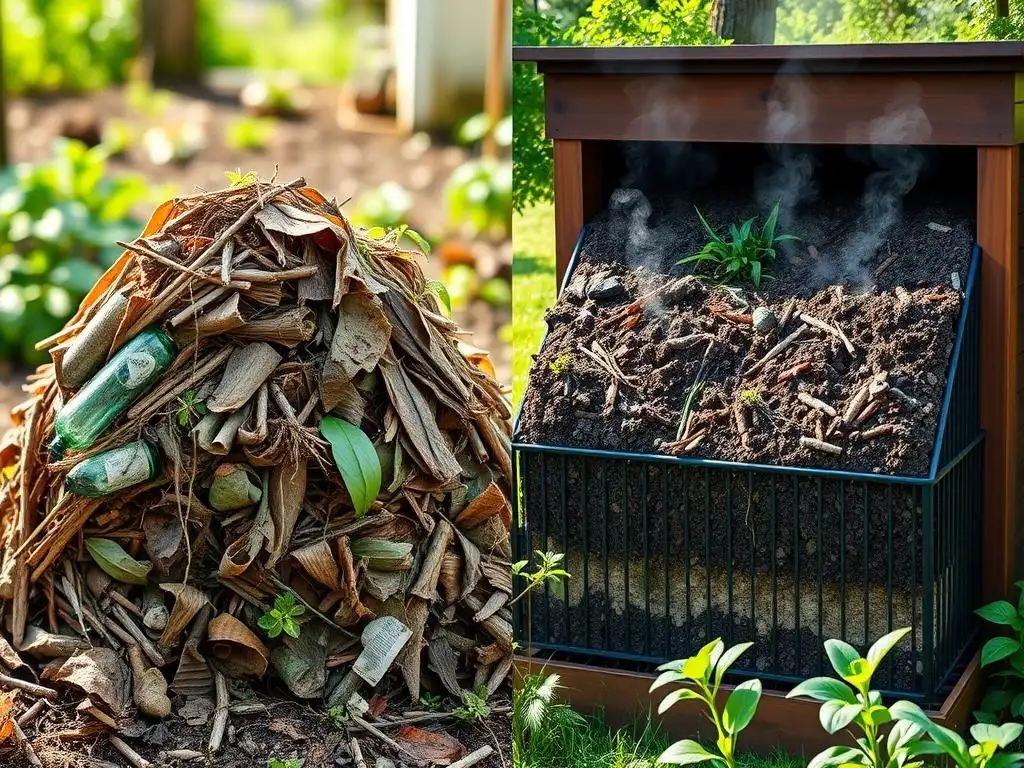
Successfully composting isn't just about fixing problems; it's about preventing them in the first place. Proactive measures significantly increase your chances of a thriving compost pile, reducing the need for troubleshooting later. By understanding and implementing these preventative strategies, you'll cultivate a healthy decomposition process and yield nutrient-rich compost for your garden.
This section focuses on key proactive steps to ensure your compost bin functions efficiently and effectively. Ignoring these preventative steps can lead to a variety of issues, from slow decomposition to foul odors and pest infestations. Let's delve into the specifics to help you "fix compost pile problems" before they even arise.
Maintaining Optimal Moisture Levels: A Key to Successful Composting
Maintaining the right moisture content is crucial for successful composting. Think of your compost pile as a sponge – neither soaking wet nor bone dry. Too much moisture creates anaerobic conditions, leading to foul smells and slow decomposition. Conversely, overly dry compost inhibits microbial activity, slowing down the breakdown process. The ideal moisture level should resemble a wrung-out sponge. You should be able to squeeze a handful of compost, and a few drops of water should emerge.
To monitor moisture levels, regularly check your compost pile. If it feels too dry, gently water it using a hose or watering can. Avoid overwatering; it's better to water gradually and frequently than to drench the pile all at once. For larger piles, consider using a garden hose with a gentle spray setting.
Conversely, if your compost is overly wet, you might need to add more "brown" materials (carbon-rich) such as dried leaves or shredded paper to absorb excess moisture and improve aeration. Consistent monitoring and adjustment of moisture levels are key to preventing common compost pile issues. Regularly assessing the moisture content is a simple yet effective way to "fix compost pile problems" before they become significant.
Ensuring Proper Aeration: Building and Maintaining an Aerated Compost Pile
Aeration is paramount for healthy composting. Microbial activity, essential for decomposition, requires oxygen. Poor aeration leads to anaerobic conditions, resulting in slow decomposition, unpleasant odors, and potentially harmful pathogens. Therefore, building and maintaining an aerated compost pile is a preventative measure of the utmost importance.
Several techniques promote proper aeration. Firstly, consider the structure of your compost bin. Bins with ample ventilation, such as those with slats or gaps, are ideal. Turning your compost regularly is crucial. This introduces oxygen and ensures even decomposition.
Aim for turning your pile at least once a week, or more frequently for smaller piles. Using a pitchfork or compost aerator helps break up clumps and improve airflow. Adding coarser materials like twigs or shredded branches further enhances aeration by creating channels for oxygen to penetrate the pile. These simple steps in aeration significantly reduce the likelihood of facing common composting problems and contribute to a successful composting process, helping you proactively "fix compost pile problems".
Balancing Brown and Green Materials: The Importance of the Carbon-Nitrogen Ratio
Maintaining the correct carbon-to-nitrogen ratio (C:N ratio) is fundamental to prevent compost pile problems. "Brown" materials, such as dried leaves, twigs, and shredded paper, are rich in carbon. "Green" materials, such as grass clippings, fruit and vegetable scraps, and coffee grounds, are rich in nitrogen. An ideal C:N ratio is around 30:1. An imbalance can lead to several issues. Too much nitrogen (too many greens) can result in a smelly, slimy pile with slow decomposition. Conversely, too much carbon (too many browns) leads to a slow, dry compost process.
To achieve a balanced ratio, strive for a mix of brown and green materials. Observe the visual characteristics of your compost. If your pile is too wet and smelly, you likely have an excess of nitrogen. Add more brown materials to balance it.
If your pile is dry and decomposing slowly, you need more green materials to boost the decomposition process. A balanced C:N ratio ensures efficient decomposition and minimizes the risk of unpleasant odors and slow decomposition, significantly contributing to your ability to "fix compost pile problems" before they start. Regularly monitoring and adjusting the ratio is key to preventing future issues and maintaining a healthy, productive compost pile.
Regular Monitoring and Maintenance: Keeping Your Compost Pile Healthy
Regular monitoring is crucial for preventing compost pile problems before they arise. Think of your compost pile as a living ecosystem; it needs attention to thrive. Consistent observation allows you to identify potential issues early on, such as insufficient moisture, a lack of aeration, or an imbalance in the carbon-to-nitrogen ratio. Early detection means quicker and easier solutions, preventing a complete compost pile failure.
A simple weekly check-up is a good starting point. Assess the moisture level by squeezing a handful of compost. It should feel like a damp sponge. If it's too dry, add water; if it's too wet, add more brown materials (like dried leaves or shredded paper) to improve drainage and aeration.
Turn the pile with a pitchfork or shovel to introduce oxygen and ensure even decomposition. This process also helps to distribute moisture and break down larger pieces. Remember, a well-aerated compost pile will generally have a pleasant earthy smell; foul odors indicate anaerobic conditions (lack of oxygen) and potential problems.
Beyond weekly checks, consider more frequent monitoring during periods of extreme weather. Prolonged periods of heavy rainfall can lead to waterlogged compost, while extended dry spells can result in overly dry material. Adjust your watering and aeration strategies accordingly to maintain optimal conditions. Regular monitoring is not just about preventing problems; it's about understanding the dynamics of your compost pile and adjusting your techniques based on its specific needs and the prevailing environmental conditions.
This proactive approach will ensure a consistently productive and healthy compost system. Regularly inspecting your compost for signs of pests, such as fruit flies or rodents, is also a key element of preventative maintenance. Addressing these issues promptly prevents larger infestations and potential contamination. A healthy compost pile, after all, is a reflection of consistent care and attention to detail.
Creating a Thriving Compost: From Problem to Perfection
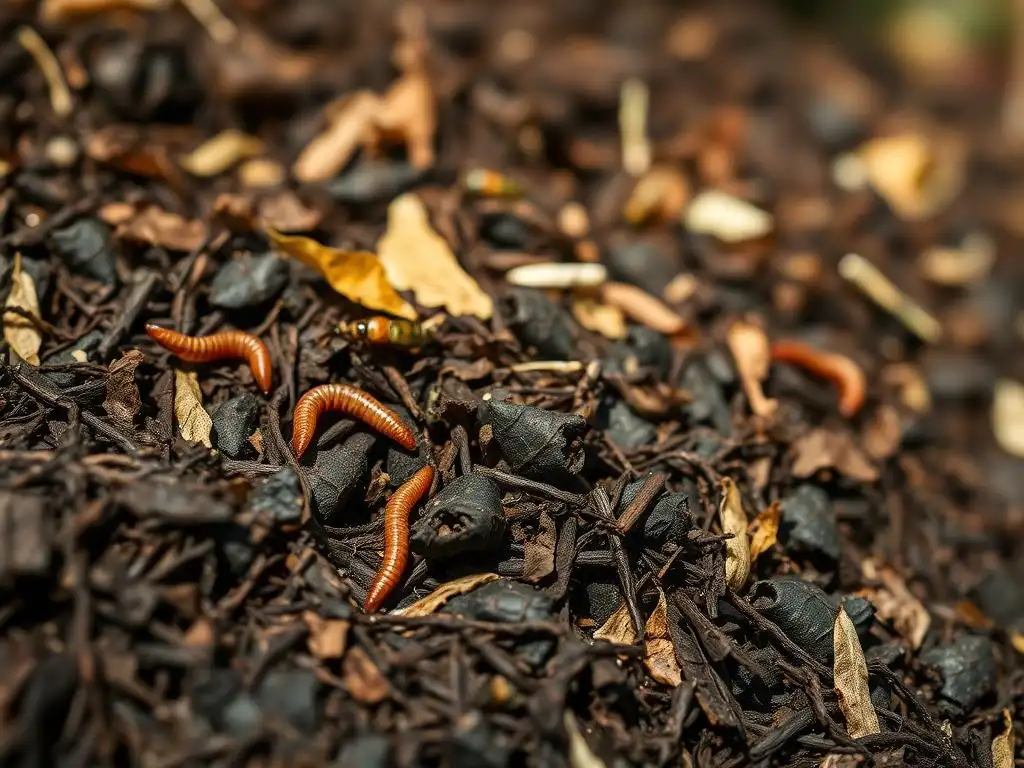
This section focuses on proactive strategies to avoid common compost pile issues, ensuring a consistently productive composting process. A successful compost pile relies on a delicate balance of "greens" (nitrogen-rich materials like grass clippings and vegetable scraps) and "browns" (carbon-rich materials such as dried leaves, twigs, and shredded paper). Maintaining this balance is crucial for efficient decomposition. Ignoring this balance is one of the most common reasons people struggle to fix compost pile problems.
Harvesting Your Mature Compost: Knowing When It's Ready
Determining when your compost is ready for use is key. Overly mature compost can lose its beneficial nutrients, while under-mature compost may contain harmful pathogens and not offer the soil-enhancing properties you desire. Several indicators signal compost readiness. Firstly, the color should be dark brown or black, resembling rich soil. Secondly, the texture should be crumbly and earthy, easily breaking apart when squeezed. Thirdly, the smell should be earthy and pleasant, not foul or pungent. A lack of easily identifiable food scraps is another strong indicator.
The time it takes for compost to mature depends on various factors, including the initial composition of your pile, moisture levels, and ambient temperature. While some fast composting methods might yield ready compost in a few weeks, a slower, more natural process might take several months. Patience is key! You can speed up the process by regularly turning the pile, ensuring proper aeration, and maintaining optimal moisture levels. Think of it like baking a cake – you can't rush the process without compromising the final product. 🎂
A simple test involves taking a handful of compost and squeezing it. If it holds its shape like a damp ball, it’s likely ready. If it crumbles easily, it’s probably too dry. If it's slimy or smells foul, it's likely too wet and needs more browns added. Remember, you can always leave the compost to mature further if necessary; it won't spoil.
Using Your Compost to Enhance Your Garden: Benefits and Application
Compost is a gardener's gold! Its benefits extend far beyond just enriching your soil. Mature compost acts as a natural fertilizer, providing essential nutrients to your plants, improving soil structure, and promoting beneficial microbial activity. It enhances water retention, allowing your plants to thrive even during periods of drought. Furthermore, it helps suppress soilborne diseases and pests, reducing your reliance on chemical pesticides and fertilizers. This makes your garden more sustainable and environmentally friendly.
Applying compost is straightforward. You can incorporate it directly into the soil during planting or as a top dressing around existing plants. The amount you use depends on your soil's condition and the type of plants you're growing. For most situations, a layer of 2-4 inches is suitable, but always follow specific recommendations for your plants. Remember that you should avoid adding fresh compost directly to the planting hole as it may “burn” the seedlings with its high concentration of nitrogen. Instead, mix your compost thoroughly into the surrounding soil.
Using your homemade compost offers several significant advantages compared to commercially produced fertilizers. It's cost-effective, eco-friendly, and tailored to the specific needs of your garden. By using your compost, you actively participate in a sustainable gardening practice, reducing your environmental footprint and nurturing the health of your plants and soil. This commitment to sustainable gardening helps fix compost pile problems by ensuring a continuous cycle of nutrient replenishment.
Frequently Asked Questions
Why is my compost pile not heating up?
This often indicates a lack of sufficient nitrogen or moisture. Ensure you're adding enough "greens" (nitrogen-rich materials) and regularly watering the pile to maintain moisture. Proper layering is also key.
My compost smells really bad; what should I do?
A foul odor usually points to anaerobic conditions. This means there isn't enough oxygen. Turn the pile more frequently to aerate it, add brown materials (carbon-rich) to improve air circulation, and ensure sufficient moisture.
How can I deal with pests in my compost pile?
While some pests are beneficial, excessive numbers can be problematic. Regular turning helps to deter pests. Adding too much meat or dairy can attract unwanted creatures, so avoid overdoing it.
My compost is too dry or too wet; how do I fix it?
Dry compost needs watering. Wet compost needs more brown materials (like shredded paper or dry leaves) added to absorb excess moisture and improve aeration. Adjust your water and brown material additions accordingly.
How long does it take for my compost to break down completely?
The decomposition time varies greatly depending on factors like materials used, pile size, and environmental conditions. It can range from a few months to over a year. Patience is key! Regular turning will accelerate the process.
Final Reflection: Cultivating a Richer Future, One Compost Pile at a Time
The seemingly simple act of composting holds a powerful mirror to our relationship with the environment. Successfully managing a compost pile isn't just about creating nutrient-rich soil; it's a microcosm of sustainable living, reflecting our commitment to resourcefulness and responsible waste management in a world grappling with climate change and dwindling resources. The solutions explored in this article – from addressing imbalances in the carbon-nitrogen ratio to managing moisture levels – are crucial steps toward a more environmentally conscious future.
The journey of composting, with its triumphs and setbacks, mirrors our own personal growth. It teaches patience, observation, and the importance of understanding natural processes. The rewards, however, are immeasurable: the satisfaction of transforming waste into a valuable resource, the connection to the earth, and the knowledge that we are actively contributing to a healthier planet. The earth laughs in flowers.
– Ralph Waldo Emerson. This quote beautifully encapsulates the joy and abundance that can be found in nurturing life, even in the seemingly humble act of composting.
Now, consider your own "compost pile" – be it a literal one in your backyard or a metaphorical representation of an area in your life needing attention. What imbalances need addressing? What adjustments can you make to foster growth and abundance? Embrace the lessons learned here, apply them to your own circumstances, and watch as you cultivate a richer, more sustainable life, one mindful action at a time.
Unlock Your Compost's Potential: Grow a Bountiful Garden!
Thanks for exploring the world of composting! You now have the knowledge to transform your kitchen scraps and yard waste into rich, fertile soil for your garden. Ready to put your new skills to the test?
- Start your compost pile today! Gather your materials and begin layering—you'll be amazed at how quickly decomposition begins.
- Share your composting journey on social media and inspire others to grow their own food! Use #CompostWithCultivate.
- Experiment with different composting methods. Try adding various materials and observe the results—this is where the real learning begins!
What composting challenge are you most excited to overcome?