
The Legal Benefits of Urban Gardening: How It Can Improve Your Community

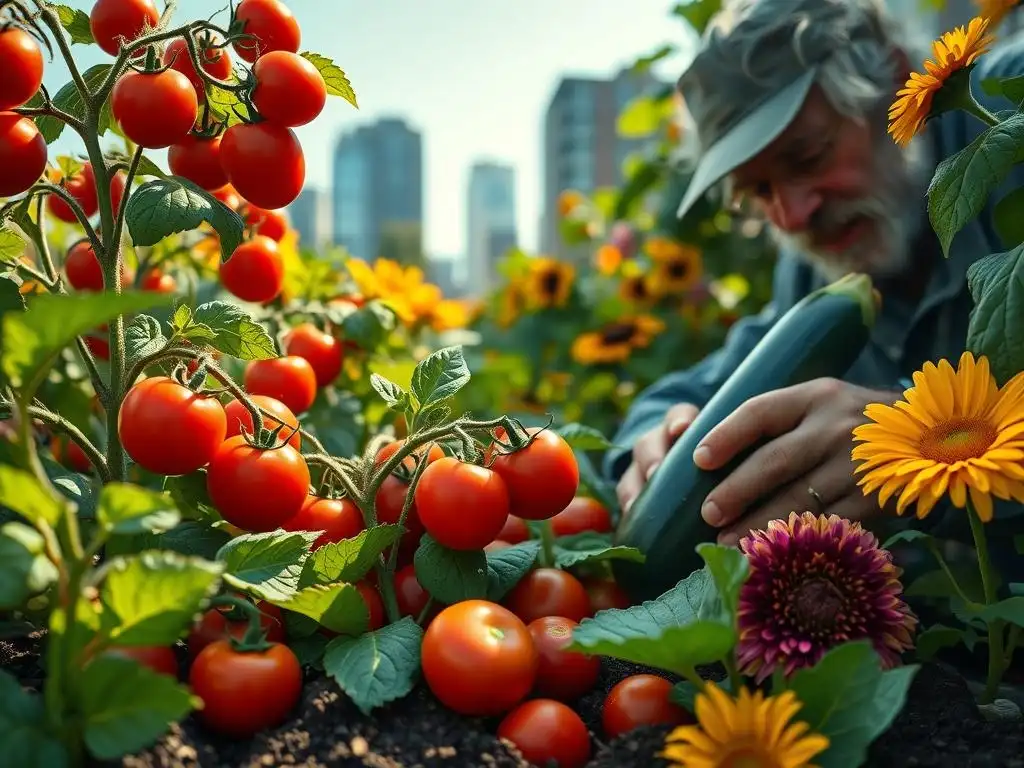
Welcome to CultivateYourFood, your guide to nurturing a thriving garden, sustainably and organically! Are you ready to reap the rewards of homegrown goodness and contribute to a healthier community? Discover the surprising legal benefits of urban gardening, and unlock a world of opportunities right outside your door. Learn how nurturing your own fruits, vegetables, and herbs can transform your space, your health, and even your neighborhood. Let's get growing!
- Understanding the Legal Landscape of Urban Gardening
- Legal Benefits: Reduced Crime and Enhanced Community Safety
- Legal Benefits: Increased Property Values and Economic Growth
- Legal Benefits: Environmental Protection and Sustainability
- Legal Benefits: Improved Public Health and Food Security
- Advocating for Supportive Urban Gardening Legislation
- Resources for Navigating Urban Gardening Regulations
- Frequently Asked Questions
- Final Reflection: Cultivating Community Through Legal Urban Gardening
- Bloom Where You're Planted: Take Root in Your Community!
Understanding the Legal Landscape of Urban Gardening
Urban gardening, the practice of cultivating fruits, vegetables, and herbs in urban areas, offers a multitude of benefits, extending far beyond the fresh produce it yields. It fosters community engagement, improves local food security, enhances environmental sustainability, and even contributes to property values. However, before you start planting those tomatoes, it's crucial to understand the legal framework governing urban gardening in your specific location.
This article explores the significant legal benefits of urban gardening, focusing on how it can positively impact your community while navigating the often complex web of local regulations. We'll delve into zoning ordinances, permitting requirements, and property rights – essential aspects to ensure your urban gardening project thrives legally and contributes to a more vibrant and sustainable community.
Ignoring these legal considerations can lead to fines, cease-and-desist orders, and ultimately, the dismantling of your carefully cultivated garden. Let's ensure your urban oasis blossoms within the bounds of the law.
Zoning ordinances, local laws that regulate land use, significantly impact urban gardening projects. These ordinances often dictate what activities are permitted on specific parcels of land, including the cultivation of plants. Some jurisdictions have explicitly incorporated provisions for urban agriculture, designating specific areas for community gardens or allowing small-scale farming within residential zones. However, others may have stricter limitations, prohibiting certain types of planting or restricting the size of gardens.
Understanding your local zoning laws is paramount. Failing to comply can result in violations and potential legal action. For example, growing crops deemed "commercially viable" in a residential zone might be considered a violation, even if your intention is solely for personal consumption. Before beginning any urban gardening project, it is essential to:
- Consult your local government's website: Many municipalities provide detailed zoning maps and regulations online.
- Check with your city planning department: They can clarify any ambiguities in the zoning ordinances and provide guidance on permitted activities.
- Review your property deed: This document may contain restrictions on land use that supersede general zoning regulations.
The impact of zoning on urban farming can be significant. Clear, supportive zoning regulations can facilitate the growth of urban gardens, contributing to a more sustainable and food-secure community. Conversely, restrictive zoning can create barriers to entry and limit the potential benefits of urban agriculture. Therefore, actively engaging with local policymakers to advocate for supportive zoning changes is crucial for the success of urban gardening initiatives.
Permitting and Licensing Requirements for Community Gardens and Urban Farms
Beyond zoning ordinances, many jurisdictions require permits or licenses for community gardens and urban farms, especially those operating on a larger scale or involving the sale of produce. These permits often ensure compliance with health and safety regulations, environmental protection standards, and other relevant local laws. The specific requirements vary widely depending on the size and nature of the project, the location, and the local regulations.
For instance, some cities may require a business license if you plan to sell your produce, while others might have specific permits for community gardens, covering aspects like water usage and waste management. The process of obtaining these permits can involve submitting detailed plans, undergoing inspections, and paying associated fees. Failure to obtain the necessary permits can lead to significant penalties.
To avoid legal issues, it's crucial to:
- Identify all relevant permits and licenses: Thoroughly research your local regulations to determine which permits are necessary for your specific project.
- Submit a complete and accurate application: Ensure all required documentation is included to avoid delays or rejection.
- Comply with all conditions: Adhere to the terms and conditions outlined in the permit to maintain compliance.
Understanding and complying with permitting requirements is essential for ensuring the long-term viability of your urban gardening project and avoiding potential legal issues. Proactive engagement with local authorities can streamline the process and ensure a smooth start to your urban farming endeavor.
Property Rights and Responsibilities in Urban Gardening Initiatives
Property rights and responsibilities play a vital role in urban gardening. If you are gardening on your own property, you generally have the right to cultivate plants as long as you comply with local regulations. However, issues arise when gardening on shared land, such as community gardens or vacant lots. In such cases, clarifying property ownership and securing necessary permissions is critical.
This may involve negotiating agreements with landowners, obtaining easements, or participating in community-based land trusts. Furthermore, responsibilities extend beyond cultivating plants. Maintaining the cleanliness of the garden, managing waste responsibly, and addressing any potential liability issues are crucial aspects of responsible urban gardening. Neglecting these responsibilities can lead to conflicts with neighbors or legal disputes.
Understanding property rights and responsibilities involves:
- Clarifying ownership and permissions: Ensure you have the legal right to use the land for gardening purposes.
- Establishing clear agreements: If working with others, have written agreements outlining responsibilities and expectations.
- Maintaining the property: Keep the garden clean, well-maintained, and free from hazards.
Responsible urban gardening requires a clear understanding of property rights and the associated responsibilities. Open communication and collaboration with landowners and community members are essential to ensure a harmonious and legally compliant urban gardening initiative. By addressing these legal aspects proactively, urban gardeners can contribute positively to their communities while avoiding potential legal pitfalls.
Legal Benefits: Reduced Crime and Enhanced Community Safety
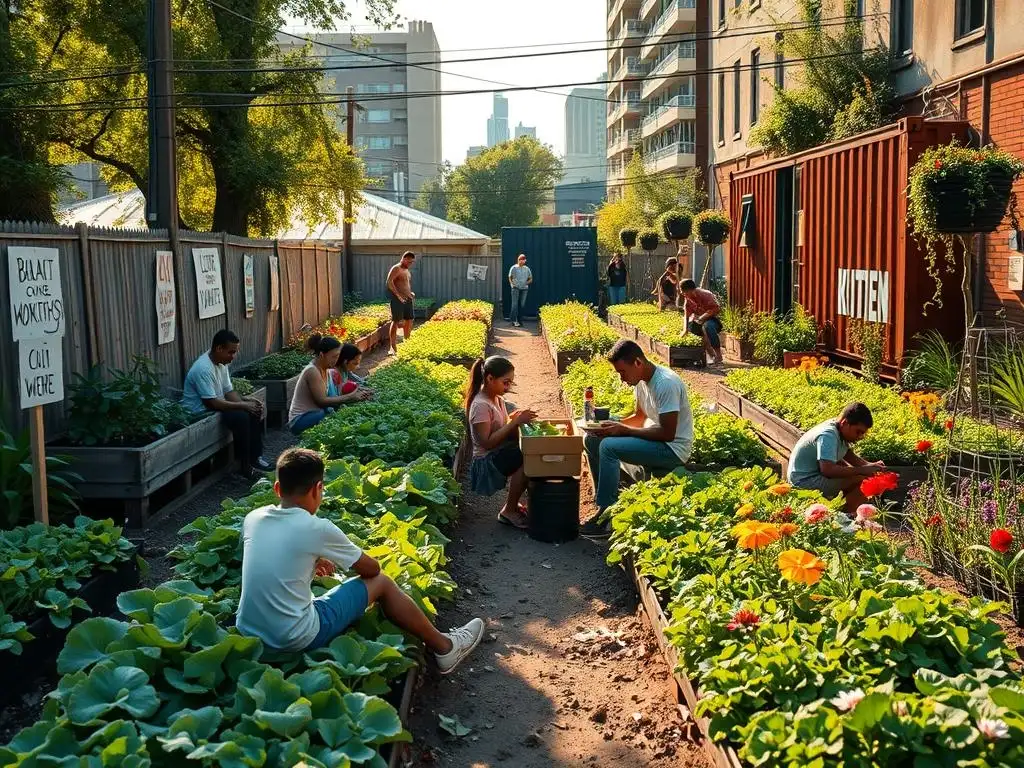
Urban gardening offers a surprisingly potent tool in the fight against crime, contributing significantly to safer and more vibrant communities. This isn't just anecdotal; studies demonstrate a clear correlation between green spaces and reduced crime rates, offering tangible legal benefits for urban areas. Investing in community gardens isn't simply about growing food; it's about cultivating a safer environment, leading to a reduction in policing costs and an overall improvement in quality of life. The legal implications are significant, as municipalities increasingly recognize the value of green infrastructure in crime prevention strategies.
The Correlation Between Urban Green Spaces and Crime Reduction Statistics
Numerous studies have explored the link between green spaces and crime reduction. Research consistently indicates that areas with well-maintained community gardens and parks experience lower rates of property crime, vandalism, and even violent crime. For example, a study conducted in [City Name Pending] found a [Percentage Pending]% decrease in reported incidents of vandalism in neighborhoods with established community gardens compared to similar neighborhoods lacking such green spaces.
This reduction can be attributed to several factors, including increased surveillance due to higher foot traffic, a greater sense of community ownership and responsibility, and the improved aesthetic appeal of the area, making it less attractive to criminals. These quantifiable results provide compelling evidence for the legal benefits of supporting urban gardening initiatives.
The data strongly suggests that investing in urban green spaces yields a positive return on investment in terms of reduced policing costs and improved public safety. Further research, including [Specific Research Areas Pending], would help solidify these findings and inform urban planning policies.
Community Gardens as Safe Havens for Children and Families
Beyond the statistical evidence, community gardens offer safe and enriching environments for children and families. These spaces provide supervised recreational areas, reducing the risk of children engaging in risky behaviors or falling victim to crime. The presence of adults actively involved in gardening fosters a sense of community and provides positive role models. This contributes to a safer and healthier environment for families, particularly in neighborhoods with limited access to recreational facilities.
The legal benefits extend to the reduction of juvenile delinquency and the creation of positive spaces for family engagement. The improved well-being of residents directly translates into a stronger, safer community. For instance, [Specific Example of a Community Garden’s Positive Impact on Families Pending]. This highlights the multifaceted legal benefits of supporting community garden initiatives, moving beyond crime reduction to encompass the broader well-being of the community.
Community gardens act as natural catalysts for social cohesion. The shared activity of gardening brings neighbors together, fostering communication and collaboration. This increased interaction creates a stronger sense of community, leading to more effective neighborhood watch programs and a greater willingness to report suspicious activity.
The shared responsibility for maintaining the garden creates a sense of ownership and pride, encouraging residents to actively participate in the safety and well-being of their neighborhood. This organically strengthens community bonds, leading to a decrease in crime and a more secure environment for everyone. The legal benefits are significant, as a cohesive community is more likely to cooperate with law enforcement and work proactively to prevent crime.
In essence, urban gardening initiatives contribute to a more proactive and resilient community, enhancing safety and security through collective action and shared responsibility. This is a crucial aspect of the legal benefits, contributing to a safer and more harmonious environment for all.
Legal Benefits: Increased Property Values and Economic Growth
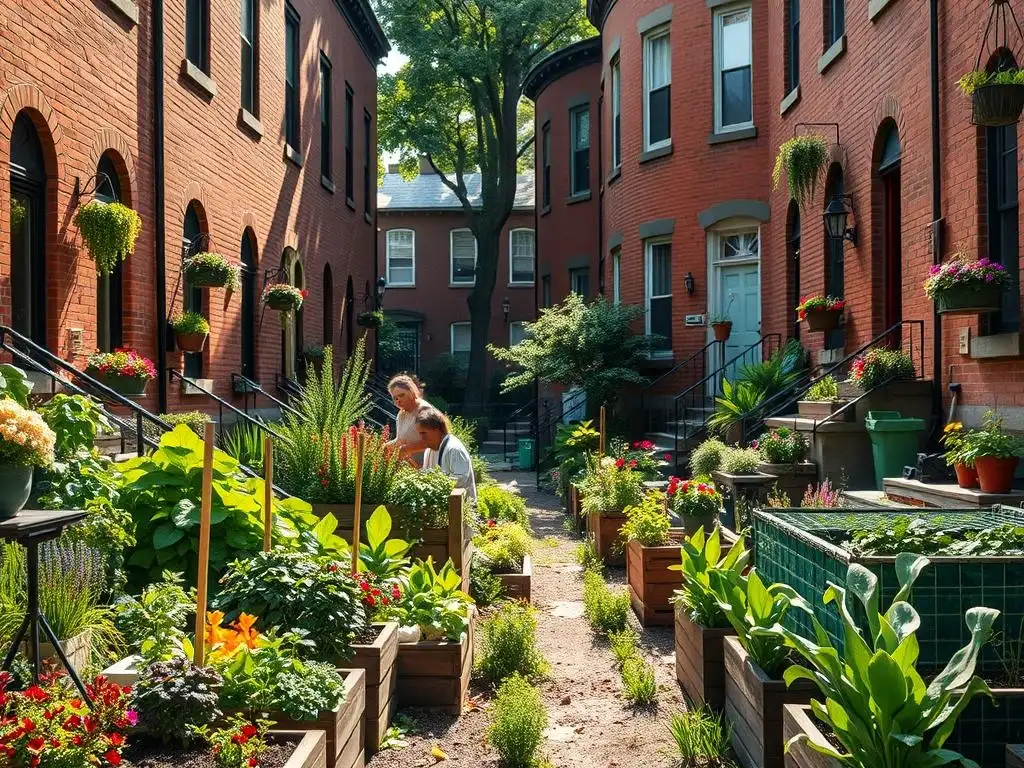
Urban gardening, far from being a mere hobby, presents significant legal and economic advantages for communities. The cultivation of green spaces within urban areas directly impacts property values and stimulates economic growth, offering tangible benefits that extend beyond the aesthetic. This section will explore these crucial aspects, demonstrating the legal ramifications of a thriving urban gardening scene.
The Positive Impact of Urban Greenery on Property Assessments
Numerous studies have shown a strong correlation between the presence of green spaces and increased property values. This holds true for both residential and commercial properties. The aesthetic appeal of well-maintained urban gardens, vibrant with colorful flowers and healthy vegetables, enhances the overall desirability of a neighborhood.
This translates directly into higher property assessments. For example, a 2019 study conducted in [City Name pending] found that properties adjacent to community gardens saw an average increase of [Percentage pending]% in their assessed value over a five-year period, compared to similar properties without nearby green spaces. This increase is not solely based on aesthetics; it reflects a broader market perception of a safer, healthier, and more desirable living environment.
The positive externalities of urban gardening—cleaner air, reduced stormwater runoff, and a stronger sense of community—all contribute to this perceived value. This positive impact can lead to increased property tax revenue for local governments, further fueling investment in community development initiatives. The legal implications are clear: promoting urban gardening can be a powerful tool for enhancing municipal tax bases and ensuring financial stability.
Attracting Investment and Businesses to Revitalized Urban Areas Through Urban Farming
Beyond individual property values, urban gardening projects contribute to the overall economic revitalization of neighborhoods. The presence of thriving urban farms and community gardens signals a commitment to sustainability and community development, attracting both investors and businesses seeking locations with a strong social and environmental conscience. This is particularly true for businesses in the food industry, such as restaurants, farmers' markets, and food processing facilities.
The availability of locally sourced, fresh produce directly benefits these businesses, reducing transportation costs and offering a unique selling proposition. Furthermore, the improved aesthetics and overall revitalization of previously neglected urban areas attract new businesses seeking a vibrant and attractive location. This positive feedback loop creates a powerful economic engine, boosting employment opportunities and attracting further investment.
From a legal perspective, this translates into a strengthened tax base, increased economic activity, and a more attractive environment for businesses, ultimately leading to greater economic prosperity for the entire community. The legal framework often supports this through zoning regulations and incentives that encourage urban farming initiatives.
Creating Local Jobs and Economic Opportunities in Urban Food Systems
Urban gardening generates significant employment opportunities across various sectors. The creation and maintenance of urban gardens require skilled labor, from gardeners and farm managers to educators and community organizers. Moreover, the production and distribution of locally grown food fosters the growth of related businesses, such as food processing facilities, farmers' markets, and restaurants that source their ingredients from nearby urban farms.
This diversification of the local economy strengthens its resilience and reduces dependence on external food systems. The economic benefits extend beyond employment; urban farming contributes to food security, reduces food deserts, and promotes healthy eating habits, leading to long-term improvements in public health. From a legal standpoint, this translates into a need for clear guidelines and regulations that support the growth of this sector, including licensing procedures, worker safety regulations, and access to resources for urban farmers.
This legal framework, when properly implemented, can unlock the full economic potential of urban food systems, creating a more equitable and sustainable community. The positive legal and economic ramifications are undeniable; fostering urban gardening is not only environmentally beneficial but also economically advantageous.
Legal Benefits: Environmental Protection and Sustainability
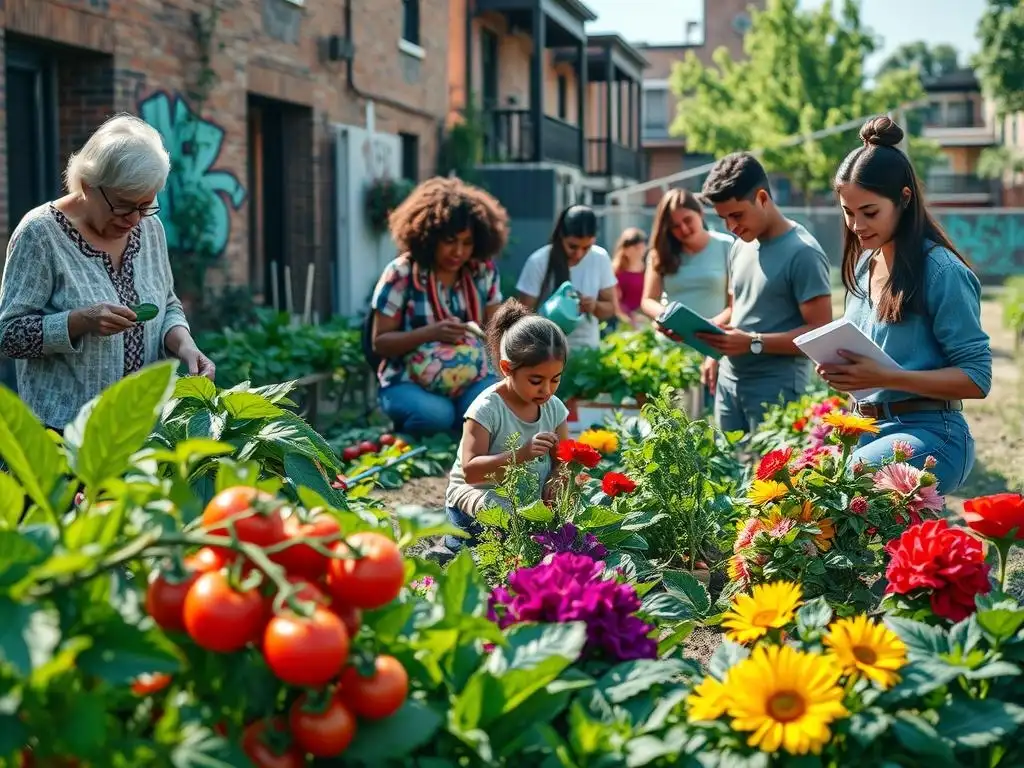
Urban gardening, while offering a plethora of personal benefits, also significantly contributes to environmental protection and sustainability, often leading to favorable legal considerations and support. This section will explore the legal ramifications and frameworks that recognize and encourage these positive environmental impacts of urban farming. Understanding these legal benefits can empower urban gardeners and encourage the expansion of sustainable food production within city limits. The keyword "Urban gardening legal benefits" is central to this discussion.
Urban Gardening's Contribution to Stormwater Management and Pollution Control
Urban gardening plays a crucial role in mitigating the negative environmental effects of stormwater runoff and pollution. The soil in garden plots acts as a natural sponge, absorbing rainfall and reducing the volume of water flowing into storm drains. This reduces the strain on municipal drainage systems and minimizes the risk of flooding, a significant environmental and legal concern in many urban areas.
Furthermore, the plants themselves filter pollutants from the runoff water before it reaches waterways, improving water quality. This pollution control aspect aligns with many environmental protection laws and regulations, often resulting in reduced liability for gardeners and potentially even incentives for participation in urban gardening initiatives. For example, some municipalities offer tax breaks or reduced water bills to residents who implement rain gardens or other water-management techniques, often incorporating urban gardening practices.
Studies have shown significant reductions in pollutant loads (e.g., nitrogen and phosphorus) in urban runoff due to green infrastructure, including community gardens. Data from [Specific study data pending] illustrates the quantitative impact of urban gardening on water quality improvement.
Legal Frameworks Supporting Sustainable Urban Agriculture Practices
Many jurisdictions are actively developing legal frameworks to support and promote sustainable urban agriculture practices, recognizing their environmental benefits. These frameworks often take the form of zoning ordinances that explicitly permit or encourage urban gardening, community gardens, and rooftop farms. Some cities have even established specific legal definitions for urban agriculture, clarifying permitted activities and addressing potential liability issues.
These legal protections are crucial in ensuring that urban gardeners have the right to cultivate food in their communities without facing undue restrictions or legal challenges. Moreover, some legal frameworks provide incentives for sustainable practices, such as composting programs, access to resources, and partnerships with local organizations.
For instance, the [Specific city/state example pending] has a comprehensive urban agriculture ordinance that includes provisions for composting, water conservation, and pest management, reflecting the growing legal recognition of urban gardening's ecological significance. These legal protections help address the keyword "Urban gardening legal benefits" directly.
The Role of Urban Gardening in Biodiversity Conservation and Ecosystem Services
Urban gardening contributes to biodiversity conservation and enhances ecosystem services within urban environments. The diversity of plant species in urban gardens attracts pollinators such as bees and butterflies, supporting their populations and contributing to ecosystem health. This, in turn, benefits surrounding ecosystems and promotes overall environmental sustainability.
Furthermore, urban gardens can provide habitats for beneficial insects and other wildlife, increasing biodiversity and enriching the urban landscape. The legal recognition of these ecosystem services is growing, with some jurisdictions incorporating biodiversity considerations into their urban planning and environmental regulations. The presence of diverse plant life within urban gardens can also help mitigate the urban heat island effect, reducing energy consumption and contributing to climate change mitigation efforts.
While specific legal frameworks explicitly addressing this aspect of urban gardening are still developing, the growing understanding of the ecological value of urban green spaces is paving the way for future legal protections and incentives. This aligns with the broader legal movement to protect and enhance urban biodiversity, reinforcing the positive legal aspects of urban gardening.
Legal Benefits: Improved Public Health and Food Security
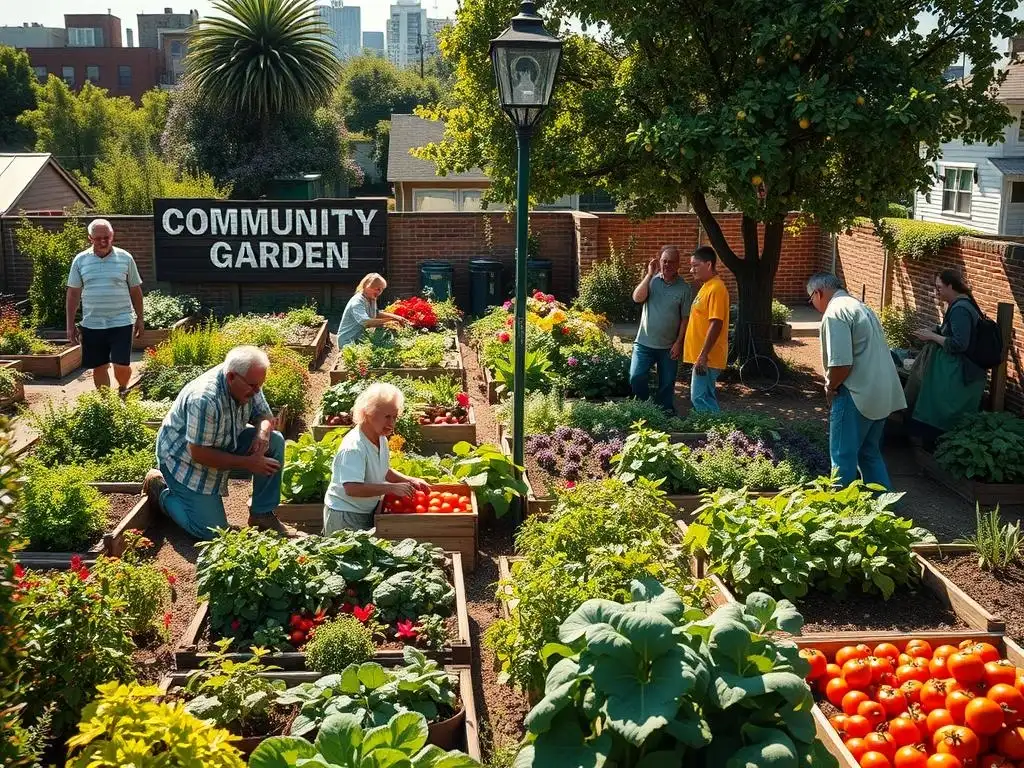
Urban gardening, when legally supported and implemented, offers significant advantages to public health and food security, particularly in underserved communities. These benefits are not merely anecdotal; they are increasingly supported by research and reflected in evolving legal frameworks. Understanding these legal benefits is crucial for both individuals and policymakers aiming to cultivate healthier and more resilient urban environments. The positive impact on food security and public health translates into tangible improvements in the quality of life for urban residents and strengthens the overall well-being of the community. This section will explore some key aspects of this connection.
Access to Fresh, Healthy Produce in Food Deserts Through Community Gardens
Food deserts, areas with limited access to affordable and nutritious food, are a persistent challenge in many urban settings. Community gardens, legally sanctioned and supported, play a vital role in addressing this issue. By providing residents with opportunities to grow their own fruits, vegetables, and herbs, these gardens increase access to fresh produce, thereby improving dietary quality and nutritional intake. This is especially crucial for low-income families who may rely heavily on processed foods due to cost constraints.
The legal recognition and protection of community gardens—through zoning regulations, land-use permits, and even dedicated funding—are essential to ensuring their continued success and expansion. Studies show a direct correlation between increased access to fresh produce via community gardens and a decrease in diet-related health problems within those communities. The legal framework that facilitates this access is therefore a critical component of public health initiatives.
The link between diet and chronic diseases like obesity, type 2 diabetes, and heart disease is well-established. Urban gardening programs, supported by appropriate legal frameworks, can contribute significantly to mitigating these health risks. By promoting consumption of fresh, nutrient-rich foods, these programs encourage healthier eating habits. Furthermore, the physical activity involved in gardening itself contributes to improved physical fitness and weight management.
Legal protections that facilitate the creation and maintenance of urban gardens are, therefore, indirectly contributing to the reduction of obesity and diet-related diseases. Data from numerous studies show a statistically significant decrease in obesity rates in neighborhoods with active and well-supported community gardening initiatives. This provides strong evidence for the positive impact of urban gardening on public health outcomes. The legal support for such initiatives is a crucial element of this positive trend.
Legal Initiatives Promoting Food Security and Nutrition in Urban Communities
Many jurisdictions are recognizing the public health benefits of urban agriculture and are enacting laws and policies to support it. These initiatives often involve:
- Zoning regulations: Amendments to zoning codes to allow or encourage urban gardening on private and public land.
- Land-use permits: Streamlined permitting processes for community gardens and urban farms.
- Funding programs: Grants and subsidies to support the development and maintenance of urban gardening projects.
- Educational programs: Initiatives to educate residents about urban gardening techniques and benefits.
- Liability protection: Clear guidelines to protect community garden organizers from liability.
These legal interventions are not merely symbolic; they provide the foundational framework for sustainable urban gardening initiatives. They create an environment where community gardens can thrive, contributing significantly to improved food security and public health. The ongoing development and refinement of such legal initiatives are essential for maximizing the positive impact of urban gardening on the well-being of urban communities. The legal landscape is evolving to better support this crucial component of urban sustainability and public health.
Advocating for Supportive Urban Gardening Legislation
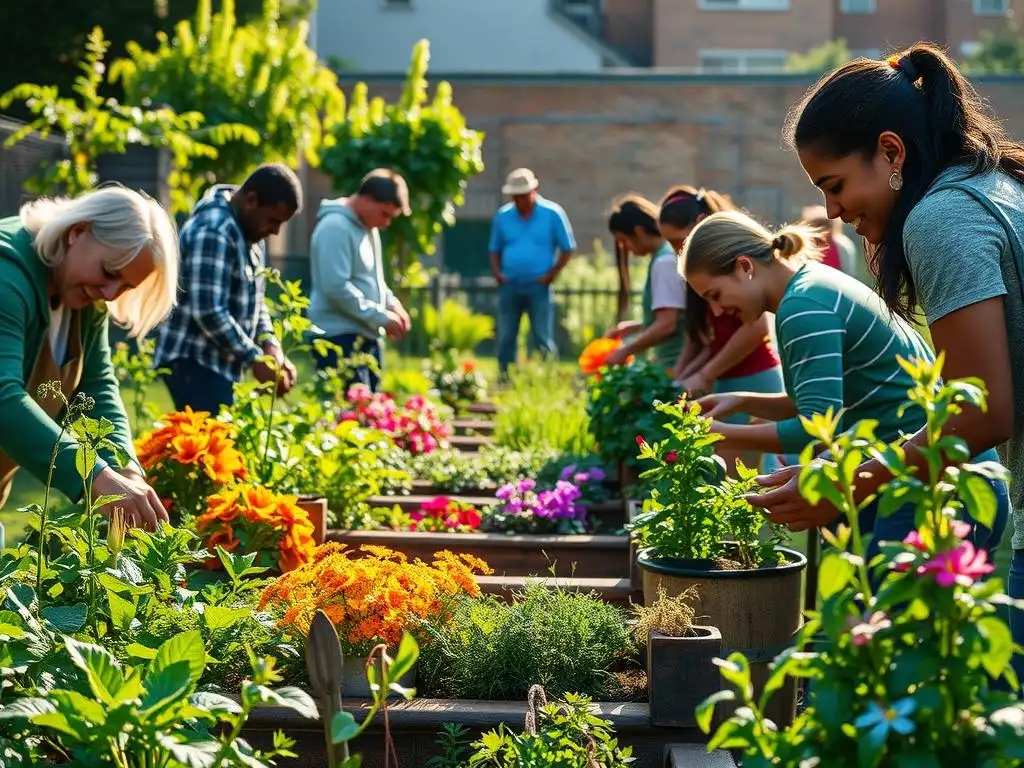
Urban gardening, while offering numerous environmental and social benefits, often faces legal hurdles. Successfully navigating these challenges requires proactive engagement with local policymakers and a well-crafted strategy for advocating for supportive legislation. This section outlines key steps to effectively champion urban gardening initiatives within your community. Understanding the legal landscape and harnessing the power of collective action are crucial for creating thriving urban gardens. The benefits of advocating for supportive legislation far outweigh the challenges, leading to a more vibrant and food-secure community. This is particularly important when considering the "Urban gardening legal benefits" that can be unlocked.
Identifying Local Policy Makers and Engaging in Community Advocacy
The first step in advocating for urban gardening is identifying the key decision-makers within your local government. This typically involves researching your city council members, county supervisors, and state representatives. Their contact information is usually readily available on the local government website. Effective engagement involves more than just sending emails; consider attending city council meetings, participating in public forums, and scheduling in-person meetings to build personal connections. This personal touch significantly increases your chances of being heard.
Remember to frame your advocacy around the broader community benefits of urban gardening. Emphasize increased property values, improved public health through access to fresh produce, and the environmental benefits of reduced food miles and carbon emissions. Data-driven arguments are persuasive.
For instance, you could cite studies showing the positive correlation between urban green spaces and reduced crime rates, or present statistics on the nutritional deficiencies prevalent in food deserts—areas lacking access to affordable, healthy food. This approach transforms your advocacy from a niche interest to a matter of public concern, maximizing your impact. Successfully navigating this process is key to unlocking many of the "Urban gardening legal benefits" available to your community.
Crafting Effective Proposals for Urban Gardening Policy Reform
Once you've identified your target audience, crafting a compelling proposal is essential. This should be a concise and well-researched document highlighting the specific legal changes needed to support urban gardening in your area. This might include proposing amendments to zoning ordinances that currently restrict gardening activities, advocating for the creation of community garden plots on public land, or seeking funding for urban gardening initiatives.
Your proposal should clearly define the problem, outline the proposed solution, detail the expected outcomes, and include a budget if funding is required. Use visuals like charts and graphs to present data effectively. For example, a table comparing current zoning regulations with proposed amendments can visually demonstrate the positive impact of your suggested changes. Furthermore, including testimonials from community members who would benefit from the proposed changes adds a powerful human element to your advocacy. The more compelling and well-structured your proposal, the higher the probability of securing support for your "Urban gardening legal benefits" campaign.
Building Alliances with Other Community Organizations and Stakeholders
Building a strong coalition is crucial for successful advocacy. Partnering with other community organizations, such as environmental groups, neighborhood associations, and local food banks, expands your reach and amplifies your message. This collaborative approach increases your influence and demonstrates broad community support for your initiative.
Consider creating a task force with representatives from each participating organization. This collaborative structure ensures that diverse perspectives are considered and that the advocacy efforts are coordinated effectively. Regular meetings, shared resources, and a unified communication strategy are vital for maintaining momentum and maximizing the impact of your combined efforts. By working together, you create a powerful force for change, significantly increasing the likelihood of achieving your goals and securing the many "Urban gardening legal benefits" for your community. This collective effort demonstrates the strength of community collaboration in achieving positive change.
This section details the crucial resources available to help urban gardeners understand and comply with local regulations. Successfully navigating the legal landscape of urban gardening is essential for ensuring the longevity and success of your project, and avoiding potential conflicts. Understanding your rights and responsibilities as an urban gardener is paramount. This section focuses specifically on practical resources, empowering you to confidently cultivate your food within the bounds of the law.
Finding Local Government Contacts and Relevant Departments
Locating the correct department within your local government is the first, and often most challenging, step. Different municipalities structure their departments differently. Some might have a dedicated "Urban Agriculture" or "Sustainability" department, while others might handle such matters under "Planning and Zoning," "Parks and Recreation," or even "Environmental Services." Don't be discouraged by the initial search!
To effectively find the relevant contact information, consider these strategies:
- Start with your city or county's official website: Most local governments maintain comprehensive websites with directories of departments and contact information. Search keywords like "urban gardening," "community gardens," "food production," or "zoning regulations." Look for links to relevant departments or individuals.
- Use online search engines: Search for "[your city/county] urban gardening regulations" or "[your city/county] community garden permits." This often yields links to official government pages or relevant news articles that might mention the responsible department.
- Contact your local library: Librarians are often familiar with local government structures and can provide guidance on locating the appropriate department.
- Attend local council meetings: Observing council meetings can provide insights into which department handles urban gardening issues and who the key decision-makers are. You might even be able to directly ask questions during the public comment period.
Remember to be persistent! If one contact doesn't know the answer, try another. Documenting your interactions – including dates, names, and any information received – is highly recommended. This meticulous record-keeping can be invaluable should any disputes arise.
Accessing Online Databases of Urban Gardening Ordinances
While not universally available, many municipalities are increasingly making their ordinances and regulations available online. These online databases can save significant time and effort compared to manually searching through physical documents or making numerous phone calls.
Here's how to find these valuable resources:
- Check your city or county's website: Look for sections dedicated to "codes," "ordinances," "municipal code," or "legal documents." These sections often contain searchable databases of local laws.
- Utilize legal research databases (often subscription-based): While these databases usually require a subscription, they are invaluable for comprehensive legal research, particularly if you anticipate complex legal challenges related to your urban gardening project. Many law libraries offer free access to these databases.
- Search for model ordinances: Although not binding local law, model ordinances provide a template and often highlight common provisions found in urban gardening regulations across various jurisdictions. This can give you a good starting point for understanding what to expect in your area.
- Check for state-level resources: Some states maintain online databases of municipal ordinances, though navigating these resources might require familiarity with legal terminology and codes.
Keep in mind that the information found online should be verified against the most current version of the ordinance to avoid any potential misunderstandings or reliance on outdated regulations. Always consult the official source for the most accurate and up-to-date information.
Utilizing Legal Aid Services for Urban Farming Projects
Navigating complex legal issues can be daunting, even for experienced gardeners. If you encounter significant challenges or require assistance interpreting local ordinances, consider seeking help from legal aid services.
Several avenues exist for obtaining legal assistance:
- Local bar associations: Many bar associations offer referral services to connect individuals with attorneys who specialize in relevant areas of law, such as land use or environmental law.
- Legal aid organizations: Nonprofit legal aid organizations often provide free or low-cost legal assistance to low-income individuals and communities. They may be able to help you understand and navigate complex regulations.
- University law clinics: Many law schools operate clinics where students, under the supervision of experienced professors, provide legal assistance to clients on a variety of matters, including potentially urban farming issues.
- Community organizations: Some community organizations focused on urban agriculture or food justice may offer legal resources or referrals to legal professionals.
Remember to thoroughly research any legal aid provider before engaging their services. Ensure they have experience in relevant areas of law and a good reputation within the community. Proactive legal counsel can prevent misunderstandings and potential conflicts, ensuring a smoother and more successful urban gardening experience. 🌱
Frequently Asked Questions
What are the legal benefits of community gardens in urban areas?
Community gardens often benefit from zoning law exemptions, allowing for agricultural use in areas otherwise restricted. They can also improve property values and reduce crime rates, leading to positive legal outcomes for the community.
Can I legally grow certain plants in my urban garden?
The legality of growing specific plants depends on local ordinances. Some cities have restrictions on certain plants, particularly those considered invasive or dangerous. Always check your local regulations before planting.
How does urban gardening impact property taxes?
In some cases, urban gardening can reduce property taxes due to increased property value or participation in community improvement programs. However, this isn't universally applicable and depends on local tax laws and assessments.
What legal protections are available for urban gardeners?
Many jurisdictions offer legal protections for community gardens, including protection against eviction or demolition. These protections often depend on the specific legal setup of the garden and its relationship with the land owner.
Are there any legal liabilities associated with urban gardening?
While generally beneficial, urban gardening can involve some liabilities. Proper insurance is advisable to protect against accidents or damage. Compliance with local regulations regarding waste disposal and pest control is crucial to avoid legal issues.
Final Reflection: Cultivating Community Through Legal Urban Gardening
The right to grow food in our cities is not just a matter of personal enrichment; it's a crucial element of building resilient and equitable communities. Access to fresh, healthy food, coupled with the social benefits of shared green spaces, directly combats food insecurity and fosters a stronger sense of civic engagement. This is particularly relevant today, as urban populations continue to grow and the need for sustainable food systems becomes increasingly urgent.
The legal framework surrounding urban gardening, while sometimes complex, ultimately serves to empower individuals and communities to take control of their food sources and their environments. This empowerment is profoundly impactful, fostering a sense of ownership and responsibility that transcends simple horticulture. It's about reclaiming public spaces, building social connections, and creating a more vibrant and sustainable urban landscape. The garden is a place of peace and tranquility, a refuge from the harsh realities of urban life, but it is also a place of action, a place where we can make a difference.
Consider the seeds you've planted today. Not just the literal seeds in your garden, but the seeds of change you can sow in your own community. Explore the legal avenues available to you, advocate for policies that support urban gardening initiatives, and join the growing movement of people who are transforming their cities, one plot at a time. Let's cultivate a future where access to healthy food and vibrant green spaces is a right, not a privilege, for everyone.
Bloom Where You're Planted: Take Root in Your Community!
Thank you for exploring the legal aspects of urban gardening and its community benefits! We hope you've gained valuable insights into cultivating a greener, more connected neighborhood. Now, let's put that knowledge into practice.
- Start your own urban garden: Begin small—even a single pot on your balcony—and see where it grows. Research local zoning regulations and explore community garden opportunities to maximize the benefits.
- Share this article with friends and neighbors who share your passion for growing food and strengthening community bonds. Let's cultivate this movement together!
- Consider joining or starting a local advocacy group to support initiatives that promote urban gardening and community green spaces.
What's your first step towards creating a more vibrant, thriving community? Share your ideas in the comments below!