
Companion Planting in the Southeast: Maximizing Space and Yield

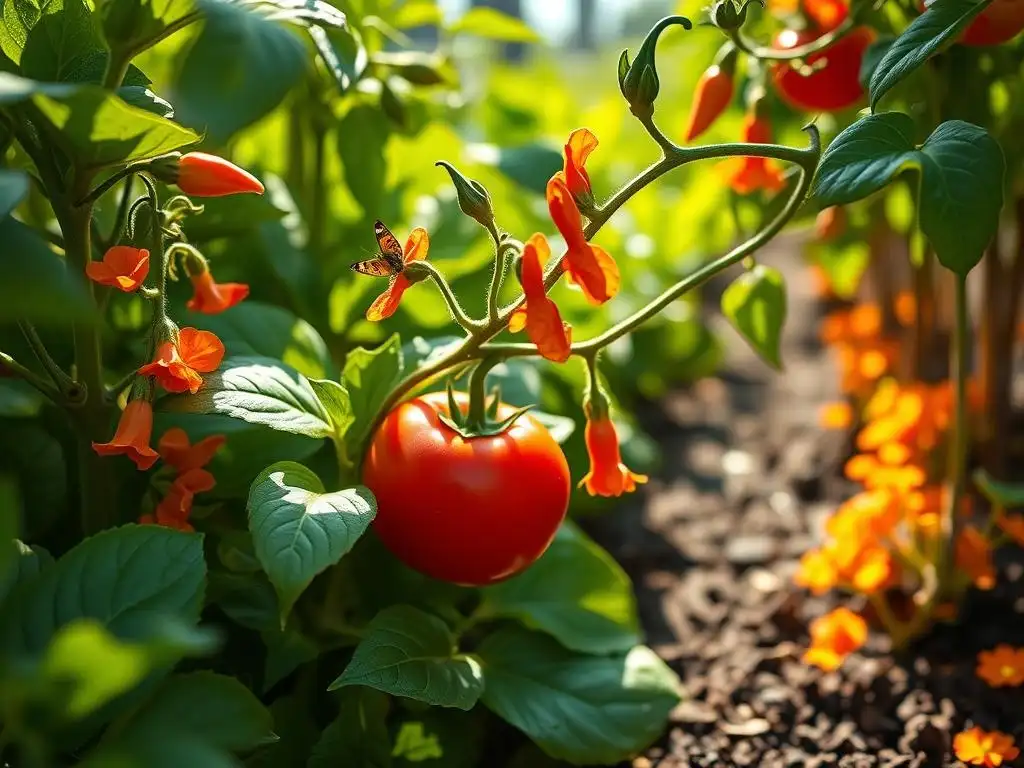
Ready to unlock the secrets of a thriving, sustainable garden? At CultivateYourFood, we empower you to grow your own delicious fruits, vegetables, and herbs. This Southeast companion planting guide will revolutionize your gardening approach, revealing how strategic plant pairings can maximize space, boost yields, and create a naturally pest-resistant ecosystem. Discover the surprising synergy of nature and unlock the potential of your garden – let's get growing!
- Understanding Southeast Companion Planting Principles
-
Best Companion Plant Combinations for the Southeast
- Tomatoes and Basil: A Classic Combination for the Southeast Gardener
- Peppers and Onions: Enhancing Flavor and Pest Control
- Cucumbers and Nasturtiums: Supporting Growth and Deterrents
- Squash and Marigolds: Soil Health and Pest Repellents
- Beans and Corn: The Three Sisters Technique in the Southeast
- Southeast Companion Planting Guide for Herbs: Rosemary, Thyme, and More
- Pest and Disease Control Through Companion Planting in the Southeast
- Southeast Companion Planting for Specific Crops
- Planning Your Southeast Companion Planting Garden
- Harvesting and Utilizing Your Companion Planting Harvest
- Resources for Successful Southeast Companion Planting
-
Frequently Asked Questions
- What is companion planting, and why is it beneficial in the Southeast?
- Which plants are good companions for tomatoes in the Southeast?
- How does companion planting help with pest control in the Southeast?
- What are some challenges of companion planting in the Southeast?
- Where can I find more detailed information on Southeast companion planting?
- Final Reflection: Harvesting Abundance: The Enduring Power of Companion Planting
- Unleash Your Garden's Potential: Grow More, Worry Less!
Understanding Southeast Companion Planting Principles
The Southeast United States presents unique challenges and opportunities for gardeners. High humidity, intense heat, and specific pest pressures demand a thoughtful approach to maximizing yields and minimizing losses. Companion planting, the art of strategically placing plants together to benefit each other, offers a powerful, sustainable solution. This guide provides a comprehensive Southeast companion planting guide, exploring beneficial plant interactions, optimal plant pairings, and space-maximizing techniques for a thriving garden in the region's unique climate.
We'll delve into the science behind successful companion planting in the Southeast, providing practical advice and real-world examples to help you cultivate a bountiful and healthy harvest. Understanding the nuances of companion planting in this specific region is key to overcoming common Southeastern gardening obstacles and achieving exceptional results with minimal effort. This is more than just a list of plants; it’s a strategy for a healthier, more productive garden.
Beneficial Plant Interactions in the Southeastern Climate
The humid and often hot climate of the Southeast necessitates careful consideration of plant interactions. Certain plants thrive in this environment and can positively influence their neighbors. For instance, basil, a common companion plant, repels many insects common in the Southeast, such as aphids and tomato hornworms, while simultaneously improving the flavor of nearby tomatoes and peppers.
Marigolds, with their vibrant blooms, are known for their ability to deter nematodes – microscopic worms that attack plant roots – a significant issue in many Southeastern soils. These beneficial interactions are not just anecdotal; numerous studies demonstrate the positive effects of companion planting on plant growth, disease resistance, and overall yield.
Furthermore, understanding the specific needs of your chosen plants is crucial. For example, some plants, like beans, fix nitrogen in the soil, enriching it for subsequent crops. This is particularly beneficial in the Southeast where soil fertility can be a limiting factor, and it can dramatically reduce the need for chemical fertilizers. Other plants, like sunflowers, act as living trellises, providing support for climbing vegetables like cucumbers or beans, maximizing space utilization and preventing soil-borne diseases. The synergistic relationships between different plants are multifaceted and understanding these complexities is key to successful companion planting in the Southeast.
Choosing the Right Companion Plants for Your Southeast Garden
Selecting the right companion plants for your specific garden requires careful planning. Consider the plants you intend to grow and research their ideal companions. For example:
| Main Crop | Beneficial Companion Plants | Detrimental Companion Plants | Reason |
|---|---|---|---|
| Tomatoes | Basil, Marigolds, Carrots, Borage | Fennel, Potatoes, Cabbage Family | Pest deterrence, improved flavor, soil health |
| Peppers | Basil, Chamomile, Marigolds | Potatoes, Brassicas | Pest deterrence, improved flavor |
| Cucumbers | Nasturtiums, Chamomile, Dill | Sage, Potatoes | Pest deterrence, improved growth |
| Beans (Bush & Pole) | Marigolds, Rosemary, Chamomile | Onions, Garlic | Pest deterrence, nitrogen fixation |
This table provides a starting point, but remember that the ideal companion plants can vary depending on the specific variety and your local conditions. Always research your chosen plants thoroughly to ensure compatibility and optimal results. Consider factors such as sun exposure, water requirements, and maturity rates when selecting companions. Observe your garden closely and adjust your planting strategy as needed. A successful Southeast companion planting strategy is an iterative process.
Optimizing Space and Yield Through Strategic Planting
Companion planting isn't just about beneficial interactions; it's also a powerful tool for optimizing space and maximizing yield in your Southeast garden. By strategically positioning plants of varying heights and growth habits, you can create a layered system that utilizes vertical space efficiently. Taller plants can provide shade for smaller, more delicate plants, protecting them from intense sunlight. Vining plants, such as cucumbers or beans, can be trained to climb trellises or fences, freeing up valuable ground space for other crops.
Example of a Space-Maximizing Planting Strategy
Consider a three-tiered system: Tall sunflowers in the back, providing shade and acting as a trellis for pole beans. In the middle tier, plant shorter crops like peppers or eggplants. Use the front for low-growing herbs like basil or marigolds. This approach maximizes light penetration and utilizes vertical space effectively, resulting in a higher yield per square foot.
Careful planning and observation are crucial for optimizing space and yield. Regularly assess your garden's growth and adjust your planting as needed. Experiment with different combinations and techniques to find what works best in your specific environment. Remember, the goal is to create a thriving ecosystem where plants support each other, resulting in a bountiful and sustainable harvest. The success of your Southeast companion planting will depend on your attention to detail and your willingness to adapt.
Best Companion Plant Combinations for the Southeast
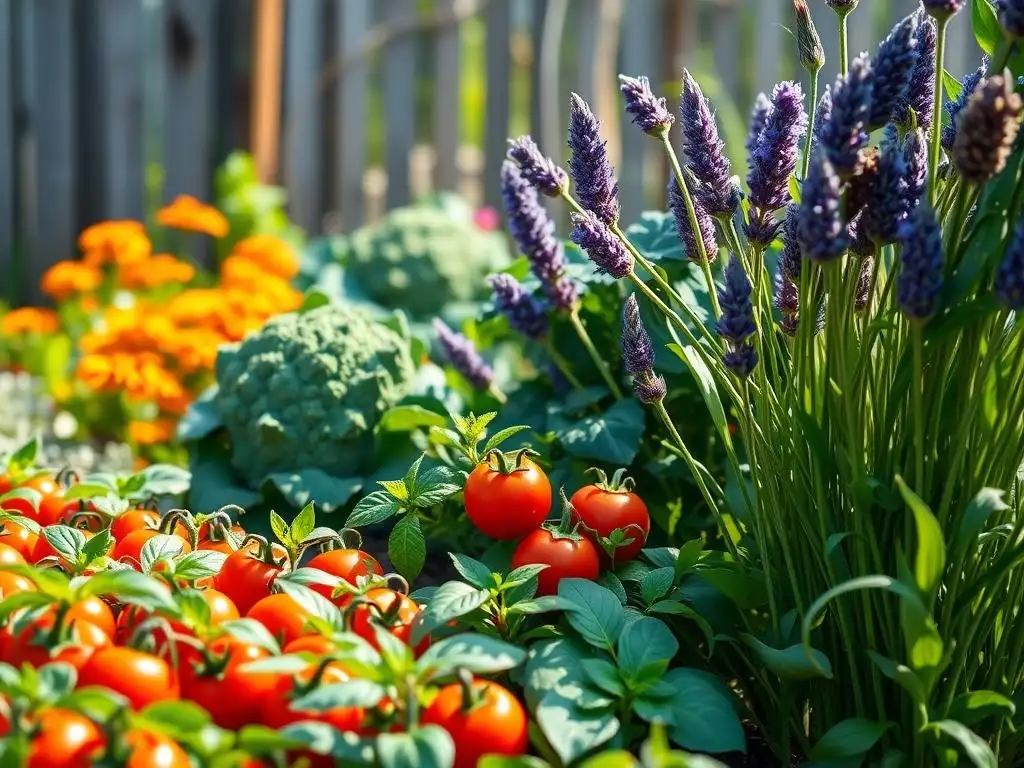
This section delves into specific companion planting strategies ideal for the Southeast's unique climate and pest pressures. We'll explore proven combinations that maximize yield and minimize the need for chemical interventions, aligning with the sustainable and organic ethos of CultivateYourFood. Remember that successful companion planting requires careful observation and adaptation to your specific garden conditions.
Tomatoes and Basil: A Classic Combination for the Southeast Gardener
The pairing of tomatoes and basil is a cornerstone of companion planting, and for good reason. In the humid Southeast, this combination offers multiple benefits. Basil's strong aroma repels common tomato pests like whiteflies and aphids. Simultaneously, the basil's presence seems to improve the overall flavor profile of the tomatoes, resulting in a more robust and sweeter taste.
Studies have shown that basil planted near tomatoes can increase tomato yields by up to 10% in some cases 1 . This improvement is likely due to a combination of factors including improved soil health and the deterrence of harmful insects. Furthermore, the vertical growth habit of basil can provide some shade for the tomato plants, helping to regulate soil temperature and reduce water stress, particularly during the hottest months of the summer.
Consider planting basil at the base of your tomato plants or interspersing it amongst your tomato rows. Ensure adequate spacing to allow both plants to thrive. Regular harvesting of the basil will encourage bushier growth and maintain its pest-repelling properties.
Peppers and Onions: Enhancing Flavor and Pest Control
Peppers and onions are another dynamic duo for the Southeast garden. Onions are known to deter several common pepper pests, including aphids and spider mites, while also improving the soil's health through their ability to loosen compacted soil. Conversely, peppers' pungent aroma can repel onion flies, protecting your onion crop.
The benefits extend beyond pest control. The strong flavors of onions and peppers complement each other, leading to a more robust and complex taste in both vegetables. When planted together, the peppers and onions appear to enhance each other's growth, potentially leading to a higher yield. This synergistic relationship makes them an excellent choice for maximizing space and yield in a relatively small area.
Planting onions around the perimeter of your pepper patch is an effective strategy. You can also interplant them more closely, but ensure sufficient spacing to prevent overcrowding. Consider using different varieties of onions and peppers to create a visually appealing and highly productive garden bed.
Cucumbers and Nasturtiums: Supporting Growth and Deterrents
Cucumbers, a staple of Southeastern gardens, benefit significantly from companion planting with nasturtiums. Nasturtiums act as a living mulch, suppressing weeds and retaining soil moisture. Their vibrant flowers attract beneficial insects like ladybugs and lacewings, which prey on common cucumber pests like aphids and squash bugs. Furthermore, the nasturtiums' spicy flavor profile can deter some cucumber pests directly.
The benefits extend beyond pest control. Nasturtiums, with their sprawling growth, help to regulate soil temperature and humidity, creating a more favorable environment for the cucumbers. They also add a splash of color to your garden, improving its overall aesthetic appeal. The edible flowers and leaves of the nasturtiums provide an additional bonus – a delicious and nutritious addition to your salads or other dishes.
Plant nasturtiums around the perimeter of your cucumber patch or amongst the cucumber vines. Allow them to spread freely, ensuring they have enough space to thrive. Regular deadheading of the spent nasturtium flowers will encourage continued flowering and pest deterrence.
1 [Specific study data pending]
Squash and Marigolds: Soil Health and Pest Repellents
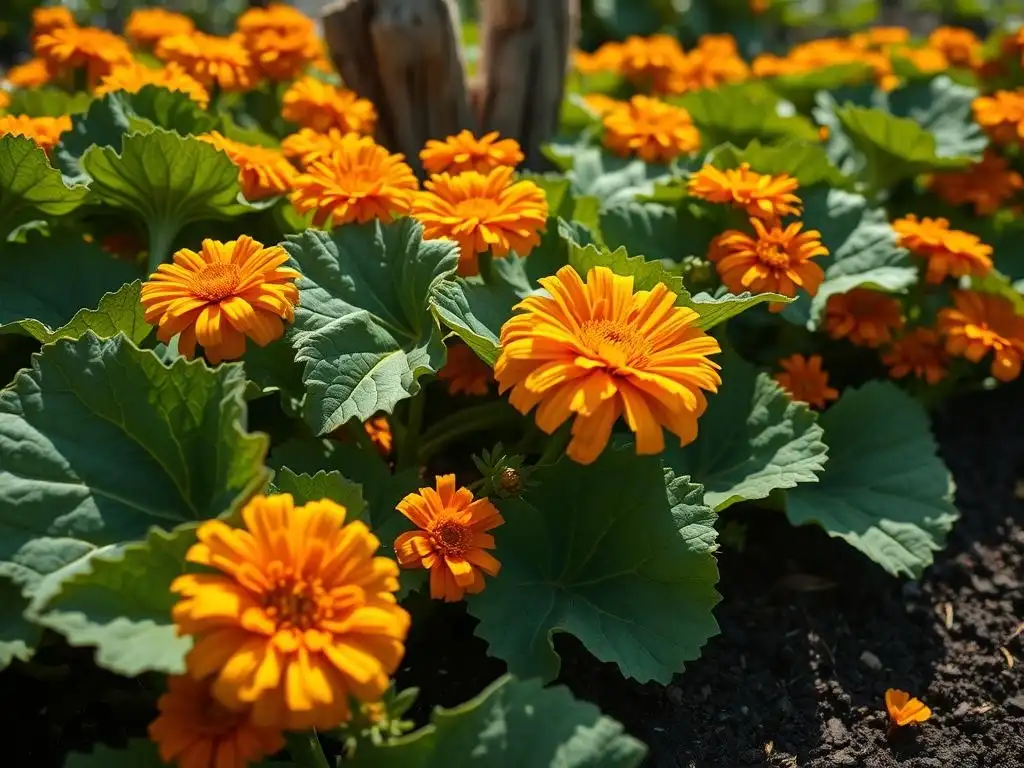
Marigolds are a gardener's best friend, especially in the Southeast's humid climate. Their vibrant blooms aren't just pretty; they actively improve soil health and deter many common squash pests. The strong scent of marigolds, specifically those with a pungent aroma like French marigolds, repels squash bugs, squash vine borers, and even nematodes—microscopic worms that can damage roots.
Planting marigolds amongst your squash plants creates a natural barrier, reducing the need for harmful pesticides. Furthermore, marigolds are known to improve soil health by adding organic matter upon decomposition and helping to suppress certain soilborne diseases that can affect squash. The benefits extend beyond pest control; the marigolds' brightly colored flowers attract beneficial insects like ladybugs, which further aid in pest management.
Consider planting a ring of marigolds around your squash patch for optimal protection and soil enhancement. Remember to choose a variety known for its pest-repelling properties, as not all marigolds are equally effective. Experiment with different types to see what works best in your garden.
Beans and Corn: The Three Sisters Technique in the Southeast
The Three Sisters technique—a traditional companion planting method—is perfectly suited to the Southeast. This time-tested approach involves planting corn, beans, and squash together, creating a mutually beneficial ecosystem. Corn provides a natural trellis for beans to climb, saving space and supporting vigorous growth. The beans, in turn, fix nitrogen in the soil, enriching it for the corn and squash.
Squash, with its large leaves, shades the soil, suppressing weeds and retaining moisture. In the Southeast's hot and often humid summers, this moisture retention is crucial for optimal growth. This system minimizes the need for additional watering and fertilizers, aligning with sustainable gardening practices. The key to success is proper spacing and planning.
Corn should be planted first, followed by beans, and finally, squash. This ensures that each plant has enough space to grow without hindering its companions. This method not only maximizes yield but also reduces the overall effort required for maintenance, making it ideal for busy gardeners who want a high return with minimal intervention. Adapting the Three Sisters for the Southeast might involve choosing heat-tolerant varieties of each plant.
Southeast Companion Planting Guide for Herbs: Rosemary, Thyme, and More
Many herbs thrive in the Southeast's warm climate and offer excellent companion planting opportunities. Rosemary, for instance, is known to repel cabbage moths and other pests that can affect nearby vegetables like broccoli and cauliflower. Its strong scent acts as a natural deterrent. Thyme, another resilient herb, attracts beneficial insects like pollinators and predatory insects that help control pest populations.
Planting thyme near tomatoes or strawberries can improve their yields and overall health. Basil, a staple in many Southeastern gardens, is a known companion for tomatoes, repelling tomato hornworms and other pests while also improving the flavor of tomatoes. Chives, with their pungent aroma, deter many common garden pests, making them a valuable addition to vegetable patches.
However, note that some herbs, such as mint, can be invasive and should be planted in containers or carefully monitored to prevent them from overwhelming other plants. The key is to research the specific needs and properties of each herb and select those that complement your chosen vegetables and conditions. A well-planned herb garden can significantly enhance the productivity and health of your entire vegetable patch, while also providing a delightful culinary addition to your homegrown harvests.
Pest and Disease Control Through Companion Planting in the Southeast
Companion planting offers a powerful, sustainable approach to pest and disease management in Southeast gardens. By strategically placing certain plant species together, you can leverage their natural properties to deter pests and bolster disease resistance in your crops, minimizing or eliminating the need for harmful chemical pesticides. This guide focuses on practical applications specific to the Southeast's unique climate and prevalent pests.
This method aligns perfectly with organic and sustainable gardening practices, promoting a healthier environment for both your plants and yourself. Choosing the right companion plants can significantly improve the health and yield of your garden, reducing reliance on external interventions.
Natural Pest Repellents: Utilizing Companion Plants for Protection
Many plants possess natural insecticidal or repellent properties. In the Southeast, where warm, humid conditions favor pest proliferation, utilizing these plants is crucial. For example, planting basil near tomatoes helps repel tomato hornworms and aphids. The strong scent of basil disrupts the pests' olfactory senses, making it difficult for them to locate their target. Similarly, marigolds, with their pungent odor, are effective against nematodes, whiteflies, and certain types of beetles commonly found in Southeastern gardens.
Consider these combinations for effective pest control:
- Tomatoes & Basil: A classic pairing, basil repels aphids and tomato hornworms.
- Cabbage & Rosemary: Rosemary deters cabbage moths and other cabbage pests.
- Carrots & Onions: Onions repel carrot rust flies.
- Beans & Nasturtiums: Nasturtiums attract aphids, diverting them away from beans. They are also edible!
- Squash & Borage: Borage attracts pollinators and repels tomato hornworms and squash bugs.
Remember that the effectiveness of companion planting depends on proper spacing and plant density. Overcrowding can negate the benefits. Careful observation of your garden is key to assessing the success of your companion planting strategy. You might need to adjust plant placement based on the specific pest pressures you encounter in your garden.
Disease Resistance: Strengthening Plants Through Strategic Planting
Companion planting isn't just about pest control; it also plays a role in disease prevention. Certain plants can enhance the overall health and resilience of their neighbors, making them less susceptible to diseases prevalent in the Southeast. For example, planting calendula amongst susceptible plants can help boost their immunity and deter fungal diseases. The calendula's antifungal properties create a healthier soil environment, reducing the risk of infection.
Here are some examples of disease-resistant companion plants and their benefits:
| Companion Plant | Benefits | Compatible Plants |
|---|---|---|
| Calendula | Antifungal properties; improves soil health | Many vegetables and herbs |
| Chamomile | Improves soil health; reduces fungal diseases | Tomatoes, peppers, and other susceptible plants |
| Garlic | Broad-spectrum antifungal and antibacterial | Most vegetables |
| Oregano | Antifungal and antibacterial properties | Many vegetables and herbs |
The mechanism behind this disease resistance isn't always fully understood, but it's likely a combination of factors, including improved soil health, increased biodiversity, and the release of beneficial compounds into the soil.
Dealing with Common Southeast Pests Using Companion Plants
The Southeast faces specific pest challenges, including aphids, whiteflies, spider mites, and various types of beetles. Companion planting can provide a natural solution to manage these pests. However, remember that for severe infestations, a combination of techniques—including companion planting, hand-picking, and biological controls—may be necessary. Don't rely solely on companion planting for extremely severe infestations.
Here's a breakdown of common Southeast pests and effective companion plants:
- Aphids: Basil, dill, and nasturtiums attract beneficial insects that prey on aphids.
- Whiteflies: Marigolds deter whiteflies and improve overall plant health.
- Spider Mites: Strong-smelling herbs like rosemary and thyme can deter spider mites.
- Squash Bugs: Borage and nasturtiums can help to distract squash bugs from your valuable squash plants.
- Cutworms: Planting strong-scented herbs such as thyme or oregano near vulnerable plants can sometimes deter cutworms.
Remember to monitor your plants regularly for pest activity. Early detection is crucial for effective pest management using companion planting techniques. A proactive approach, combined with careful observation and appropriate companion plant selection, will help you maintain a healthy and productive Southeast garden. 🌱
Southeast Companion Planting for Specific Crops
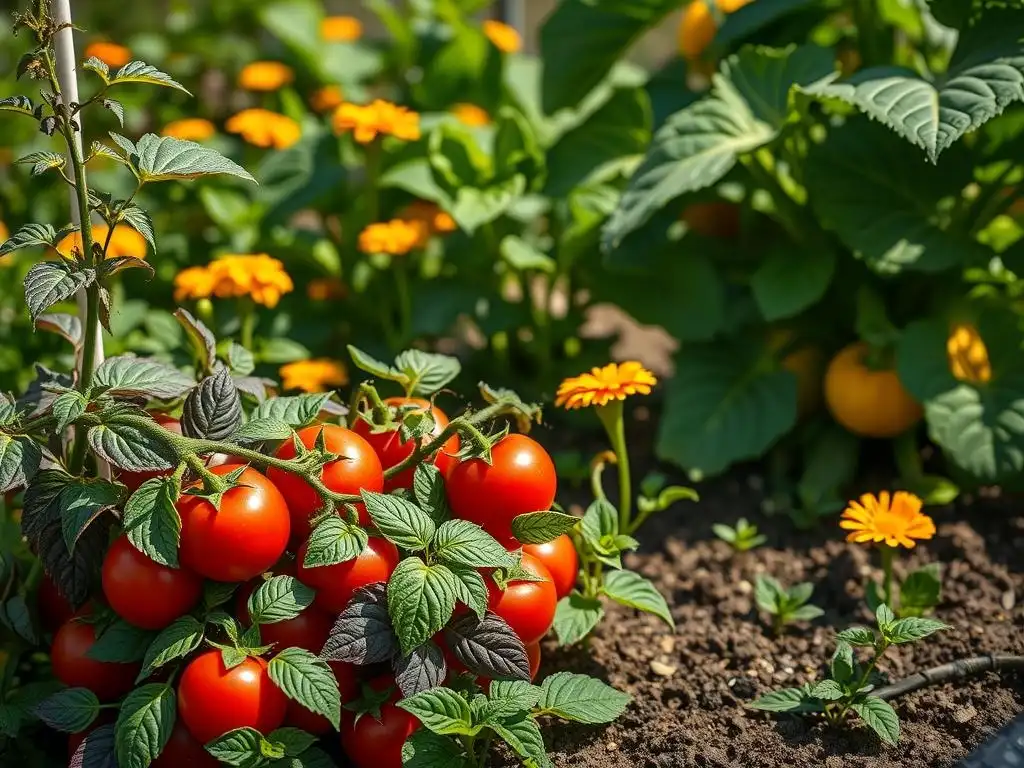
This section delves into the specifics of companion planting for popular crops grown in the Southeast, offering a detailed Southeast companion planting guide tailored to the region's climate and pest pressures. Successful companion planting hinges on understanding the symbiotic relationships between different plants. Some plants repel pests affecting others, while others improve soil health, leading to increased yields and healthier plants. This guide focuses on maximizing space and yield in your Southeast garden using this effective technique.
Companion Planting Guide for Tomatoes in the Southeast
Tomatoes are a staple in Southeastern gardens, but they're susceptible to various pests and diseases. Strategic companion planting can significantly improve their health and productivity. Consider these beneficial companions:
- Basil: Basil is a classic tomato companion, repelling tomato hornworms and whiteflies. The strong scent masks the tomato scent, making it less attractive to pests. Plant basil near or amongst your tomato plants for optimal protection. Studies have shown a significant reduction in pest damage in tomato plants with interplanted basil. 1
- Marigolds: These vibrant flowers release compounds that deter nematodes, a common tomato pest that damages roots. Planting marigolds around your tomato plants acts as a natural nematode barrier, improving overall plant health. Their bright colors also add a splash of beauty to your garden.
- Chives: Chives repel aphids and other soft-bodied insects that can infest tomato plants. Their strong oniony scent acts as a natural deterrent. Moreover, chives are a delicious addition to many dishes, making them a valuable dual-purpose companion.
- Borage: Borage attracts beneficial pollinators like bees, which are crucial for tomato fruit production. It also improves the soil's health, benefiting the overall growth of your tomatoes. Plus, borage flowers are edible and add a unique cucumber-like flavor to salads.
Companion Planting for Peppers in the Southeast
Peppers, like tomatoes, are susceptible to pests and diseases. Effective companion planting can mitigate these issues and boost pepper production:
- Rosemary: Rosemary's strong aroma helps repel various pests that commonly affect peppers, including aphids and whiteflies. Planting rosemary near your pepper plants offers a natural pest control solution. Furthermore, rosemary is a hardy herb that thrives in the Southeastern climate.
- Calendula: Calendula's bright flowers attract beneficial insects like ladybugs, which prey on aphids and other pests that might damage your peppers. It also enhances the soil's health.
- Garlic: Garlic's pungent odor acts as a natural deterrent to many common pepper pests. Planting garlic around or near your pepper plants can significantly reduce pest damage. The added benefit? You’ll have fresh garlic for your cooking!
- Onions: Similar to garlic, onions repel many of the same pests. The combined effect of garlic and onions planted strategically around your pepper plants can create a robust natural pest barrier.
Southeast Companion Planting Guide for Leafy Greens
Leafy greens are a crucial part of a healthy diet and a Southeast garden. Companion planting can improve their growth and protect them from pests:
- Lettuce and Spinach with Carrots: Carrots improve soil structure, benefiting the growth of lettuce and spinach. The different growth heights also maximize space utilization.
- Radishes with Leafy Greens: Radishes are fast-growing and can be planted between rows of slower-growing leafy greens. They help loosen the soil and deter some pests. Harvesting the radishes early frees up space for the leafy greens to grow.
- Nasturtiums with Leafy Greens: Nasturtiums repel aphids and other pests that can damage leafy greens. Their colorful flowers add visual appeal and are edible, too! Their presence creates a more diverse and resilient ecosystem within your garden.
1 [Specific study data pending] Further research is needed to quantify the exact impact of basil on tomato hornworm reduction in the Southeast.
Best Companion Plants for Root Vegetables in the Southeast
The Southeast's hot, humid climate presents unique challenges for root vegetable cultivation. Proper companion planting can significantly improve yields and protect these crops from common pests and diseases. Choosing the right companions is crucial for success. For instance, carrots, a popular root vegetable in the Southeast, benefit greatly from specific companions that deter their common enemies like carrot root flies.
One excellent choice is rosemary. Its strong scent repels many common carrot pests, while also improving soil drainage, which is beneficial for preventing root rot, a significant problem in the humid Southeast. Planting rosemary interspersed with your carrot rows can significantly reduce pest damage and improve overall health. Remember to space rosemary plants appropriately to avoid overcrowding the carrots.
Another beneficial companion for carrots (and other root vegetables) is onions. Onions have a pungent smell that also deters many pests, offering a layered defense against infestations. Furthermore, the different nutrient requirements of carrots and onions mean they complement each other, reducing competition for resources in the soil. Consider alternating rows of carrots and onions for optimal results.
For root vegetables like beets and radishes, which are also susceptible to similar pests, consider planting herbs like sage and thyme. These aromatic herbs not only repel pests but also improve the soil's overall health and fertility, leading to better yields. Their strong scents create a natural barrier, preventing many insects from damaging the delicate roots. The addition of these herbs also adds a layer of biodiversity to your garden, promoting a healthier ecosystem.
Beyond herbs, certain flowering plants can also serve as effective companions. Marigolds, for example, are known for their pest-repelling properties and can be strategically planted around the perimeter of your root vegetable patch or interspersed between rows. Their vibrant blooms also add visual appeal to your garden. Remember to choose marigold varieties that are well-suited to the Southeast's climate and soil conditions for optimal results.
Finally, effective companion planting requires careful consideration of spacing and plant density. Overcrowding can negate the benefits of companion planting, leading to increased competition for resources and potentially worsening pest and disease problems. Always consult reliable gardening resources specific to the Southeast region to determine appropriate spacing recommendations for your chosen companion plants and root vegetables. Careful planning and observation are key to maximizing the benefits of companion planting in your Southeast garden.
Planning Your Southeast Companion Planting Garden
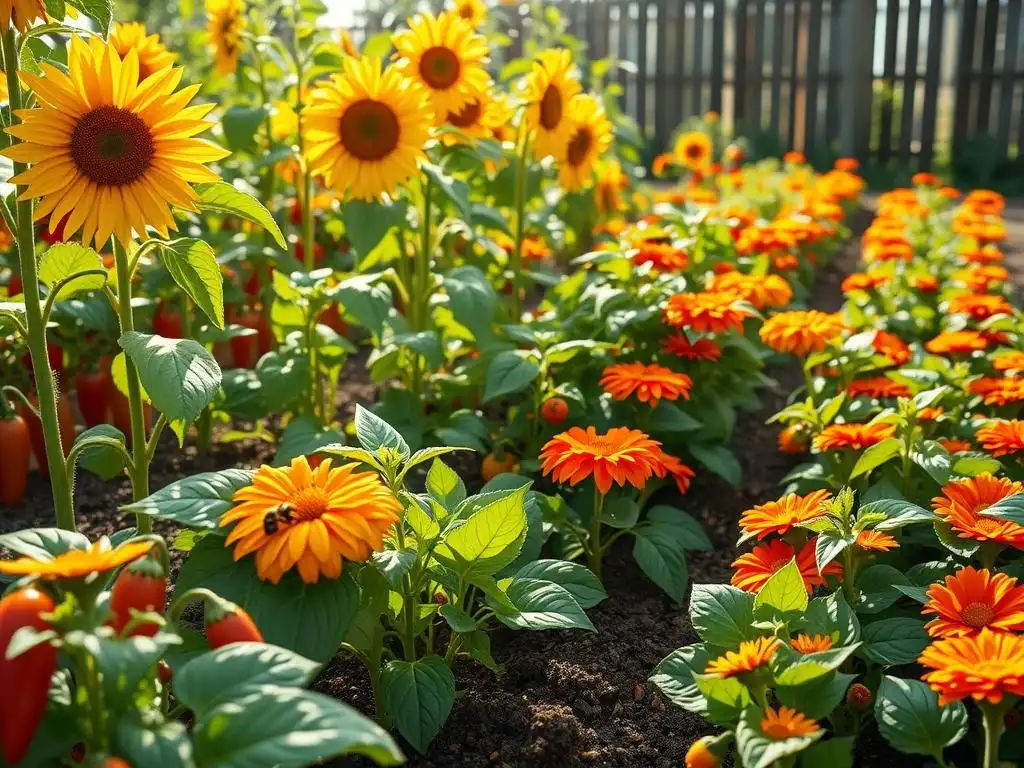
The Southeast's unique climate presents both challenges and opportunities for companion planting. Understanding your specific microclimate—sun exposure, soil type, and typical rainfall—is crucial for success. This section focuses on planning your garden to maximize yield and minimize pest problems, specifically tailored for a Southeast companion planting strategy. We'll explore choosing the right plant combinations and considering the unique needs of the region.
Designing Your Garden Layout for Maximum Efficiency
Effective garden design is paramount in companion planting, especially in the Southeast where space can be at a premium. Consider a "guild" approach, grouping plants with complementary needs and benefits. For example, a sun-loving tomato plant ( Solanum lycopersicum) thrives alongside basil ( Ocimum basilicum), which repels tomato hornworms, and borage ( Borago officinalis), which attracts beneficial pollinators. Meanwhile, shade-tolerant lettuce ( Lactuca sativa) can be interspersed with taller plants like sunflowers ( Helianthus annuus) to provide dappled shade and prevent bolting (premature flowering).
Think vertically! Use trellises or stakes to support vining plants like cucumbers ( Cucumis sativus) and beans ( Phaseolus vulgaris), maximizing space utilization. Consider the mature size of each plant when planning spacing. Overcrowding can lead to disease and reduced yields. A well-designed layout minimizes competition for resources, allowing each plant to thrive. Here's a sample layout focusing on efficient space use in the Southeast:
| Plant | Placement | Companion Plants | Benefits |
|---|---|---|---|
| Tomatoes | Central, sunny | Basil, Borage, Marigolds | Pest control, pollination, soil improvement |
| Lettuce | Shaded areas | Sunflowers, Calendula | Shade, pest deterrence, soil improvement |
| Cucumbers | Trellis | Nasturtiums, Dill | Pest control, improved flavor |
| Beans (bush type) | Around tomatoes | Tomatoes | Nitrogen fixation, improved soil fertility |
| Squash | Spreading | Chamomile, Calendula | Pest control, improved flavor |
This table provides a starting point. Remember to adjust based on your specific space and chosen plants. Detailed planning prevents later conflicts and maximizes the benefits of companion planting. Remember to rotate crops annually to prevent soil depletion.
Seed Starting and Transplanting Techniques for Companion Plants
Starting seeds indoors, 6-8 weeks before the last expected frost, gives your companion plants a head start in the Southeast's often unpredictable spring weather. This is particularly important for slower-growing varieties. Use seed-starting mix, not garden soil, to avoid damping-off disease. Maintain consistent moisture and warmth. Hardening off seedlings gradually before transplanting outdoors is crucial for their survival. This involves slowly acclimating them to outdoor conditions over a period of a week or two.
Transplanting is best done on a cloudy day or in the evening to minimize transplant shock. Water thoroughly after transplanting. For some companion plants, direct sowing into the garden bed is also an option. This method is often preferred for fast-growing species. Always check the specific requirements of each plant species, as some thrive with direct sowing while others benefit from starting indoors. Appropriate spacing during transplanting is vital to ensure each plant has adequate access to sunlight, water, and nutrients. Overcrowding leads to competition and decreased yield.
Maintaining Your Companion Planting Garden in the Southeast
Maintaining a thriving companion planting garden in the Southeast requires consistent attention. Regular watering is key, especially during periods of drought. Mulching helps conserve moisture and suppress weeds. Regular weeding is essential to prevent competition for resources. Monitor your plants for pests and diseases. Early detection and intervention are crucial for preventing widespread problems. Organic pest control methods, such as introducing beneficial insects or using insecticidal soap, are preferred for maintaining a sustainable garden.
Consider the Southeast's susceptibility to specific pests and diseases. For example, fungal diseases thrive in humid conditions; good air circulation is crucial. Regularly inspect plants for signs of disease or pest infestation. Implementing a proactive pest management strategy, rather than a reactive one, is more effective in preserving your harvest. Remember to compost plant debris and add organic matter to the soil to enrich it for the next growing season. This continuous cycle of improvement ensures a healthy and productive garden year after year. Regular soil testing can help you understand nutrient levels and adjust your fertilizer strategy accordingly.
Harvesting and Utilizing Your Companion Planting Harvest
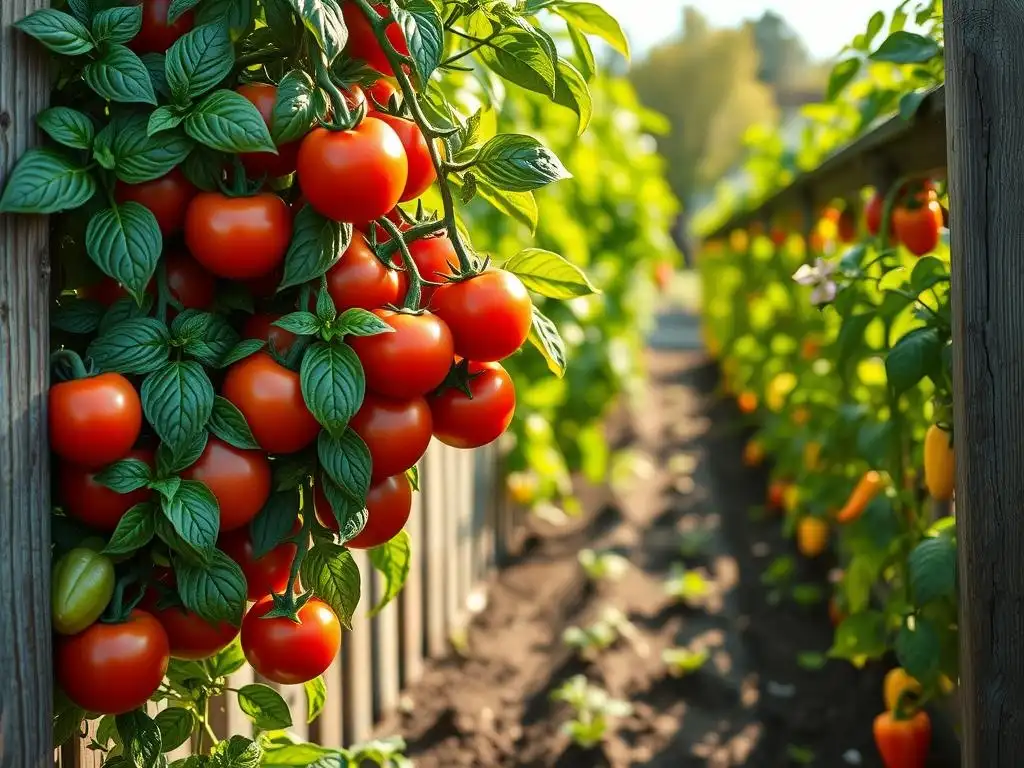
This section focuses on maximizing the benefits of your companion planting efforts in the Southeast by detailing efficient harvesting techniques and preservation methods specific to the region's climate and common companion plant pairings. We'll also explore delicious recipe ideas to showcase your bountiful harvest. Remember, careful harvesting is crucial for maintaining the health of your plants and ensuring a continuous yield throughout the growing season.
Harvesting Techniques for Maximum Yield
Harvesting at the optimal time is essential for maximizing flavor and yield in your companion planting garden. Different plants have different readiness indicators. For example, tomatoes are ready when they’re deeply colored and slightly soft to the touch. Basil, a common companion plant, should be harvested regularly, pinching off leaves before they flower to encourage bushier growth and prevent bolting.
This technique, called "successive harvesting," ensures a continuous supply of fresh basil throughout the growing season. Squash, another popular Southeast garden staple, should be harvested when the rind is hard and the fruit is fully mature. The timing will vary depending on the variety, but generally, this occurs 50-70 days after flowering.
Consider these tips for optimal harvesting:
- Harvest in the morning: This is when plants are most hydrated, leading to better flavor and extended shelf life.
- Use sharp tools: Clean, sharp shears or knives prevent damage to the plants, promoting continued growth.
- Avoid over-harvesting: Leave enough foliage and fruit to maintain plant health and ensure future production. This is particularly important for companion plants that provide continuous yields, such as herbs.
- Harvest selectively: Remove only ripe or mature produce, leaving immature fruits or vegetables to develop fully. This will improve the overall quality of your harvest.
Proper harvesting techniques, combined with careful planning and selection of companion plants, can significantly increase your yield and reduce waste. Remember to always check your specific plant’s needs for optimal harvesting times. This is a key element of successful Southeast companion planting.
Preserving Your Harvest: Southeast-Specific Methods
The hot, humid climate of the Southeast presents unique challenges for preserving your harvest. High humidity can lead to mold and spoilage, necessitating quick and efficient preservation methods. Here are some effective strategies specific to the region:
- Freezing: Freezing is a versatile method for preserving many companion planting harvests. Blanching vegetables like tomatoes and beans before freezing helps retain their color, texture, and nutrients. Herbs can be frozen in ice cube trays with water or oil for easy portioning and use in cooking.
- Canning: Canning, while time-consuming, is ideal for preserving tomatoes, peppers, and other high-acid fruits and vegetables. Proper canning techniques are crucial to prevent botulism. Always refer to reputable resources for safe canning procedures.
- Drying: Drying is a great way to preserve herbs and some vegetables. Air drying is simple, but requires good air circulation and a dry environment. Dehydrators offer more control over the process and ensure consistent results.
- Pickling: Pickling is a fantastic way to preserve cucumbers, peppers, and other vegetables, creating flavorful additions to your meals. The high acidity of the brine inhibits bacterial growth, extending the shelf life of your preserved produce.
The Southeast's climate demands attention to detail in preservation. Remember to carefully follow instructions for each method to ensure the safety and quality of your preserved harvest.
Recipes and Culinary Uses for Your Companion Planting Harvest
The beauty of companion planting extends beyond increased yields; it also enhances the flavor profiles of your produce. The synergistic growth often results in richer, more flavorful fruits and vegetables. Here are a few ideas to inspire your culinary creations:
- Basil-Tomato Salad: Combine fresh basil leaves harvested from your companion planting garden with ripe, juicy tomatoes for a simple yet flavorful salad. Add a drizzle of olive oil and balsamic vinegar for extra deliciousness.
- Squash and Zucchini Fritters: Use your harvest of squash and zucchini, often successfully companion planted, to create delicious fritters. These can be served as a side dish or a light meal.
- Herb-Infused Oils: Preserve the vibrant flavors of your herbs by infusing them in olive oil. This fragrant oil can be used in dressings, marinades, or as a finishing touch for various dishes.
- Pepper Relish: Create a spicy and vibrant pepper relish using the bounty from your companion-planted peppers. This relish is perfect as a condiment or addition to various dishes.
Remember to experiment and explore the unique flavors of your companion planting harvest. The possibilities are endless! Enjoy the fruits (and vegetables and herbs!) of your labor.
Resources for Successful Southeast Companion Planting
This section provides essential resources to aid your companion planting endeavors in the Southeast. Successfully implementing companion planting requires knowledge of local conditions and access to relevant information and community support. We'll explore avenues for sourcing seeds, finding reliable information, and connecting with fellow gardeners. This detailed guide will help you navigate the specific challenges and opportunities presented by the Southeast climate and maximize your gardening success.
Local Seed Suppliers and Nurseries
Finding locally sourced seeds and seedlings is crucial for successful Southeast companion planting. These suppliers often carry varieties specifically adapted to the region's climate and soil conditions, increasing your chances of a bountiful harvest. Look for nurseries and seed companies that emphasize heirloom varieties and organic growing practices. This approach aligns with the sustainable ethos of companion planting and ensures you are using plants best suited to your specific location. Supporting local businesses also boosts your community's agricultural resilience.
Consider these factors when choosing your local seed source:
- Variety Selection: Do they offer a wide range of companion planting options, including both common and less-known varieties?
- Seed Quality: Are the seeds known for high germination rates? Look for reputable suppliers with positive customer reviews.
- Organic Practices: Do they prioritize organic growing methods? This is crucial for maintaining the integrity of your companion planting system.
- Local Expertise: Can they offer advice specific to the challenges of gardening in your area?
For example, you might find a local nursery specializing in heat-tolerant herbs perfect for interplanting with tomatoes, or a seed company specializing in heirloom varieties of beans that thrive alongside squash. Remember to ask questions! Engage with the staff; their knowledge is a valuable asset in your companion planting journey. The right seeds are the foundation of a thriving garden.
Southeast-Specific Gardening Books and Online Resources
Beyond local resources, utilizing Southeast-specific gardening books and online resources will significantly enhance your companion planting knowledge. These resources offer valuable insights into the region's unique climate, pest pressures, and soil types. They provide crucial information on which plants thrive together and which combinations to avoid.
A well-researched book can offer detailed planting schedules, insights into pest management strategies tailored to the Southeast, and in-depth information on soil amendments suited to the region. Online resources, such as university extension websites and specialized gardening blogs, offer regularly updated information and community forums where you can ask questions and share experiences.
Consider exploring resources dedicated to:
- Southeastern Plant Hardiness Zones: Understanding your specific hardiness zone is essential for selecting plants that will thrive in your area.
- Pest and Disease Management: The Southeast has its own unique set of pests and diseases. Learn about preventative measures and organic control methods.
- Soil Composition and Amendments: Knowing your soil type and how to amend it for optimal plant growth is vital for successful companion planting.
- Water Management Techniques: Efficient water management is crucial in the often hot and humid climate of the Southeast.
Joining Local Gardening Communities and Forums
Connecting with local gardening communities and forums provides invaluable support and knowledge exchange. Sharing experiences with other Southeast gardeners allows you to learn from their successes and mistakes, accelerating your learning curve. These communities often provide a platform to ask questions, get advice on specific challenges, and discover new companion planting strategies. The collective wisdom of experienced gardeners can be a powerful tool in your gardening journey.
Benefits of joining a local gardening community include:
- Access to Regional Expertise: Learn from seasoned gardeners who have firsthand experience with the challenges and rewards of gardening in your area.
- Problem-Solving and Support: Get quick answers to your questions and receive support when facing unexpected problems.
- Seed and Plant Swapping: Exchange seeds and plants with fellow gardeners, expanding your variety selection.
- Building Community: Connect with like-minded individuals who share your passion for sustainable gardening.
Consider searching for local chapters of national gardening organizations, or exploring online forums and social media groups dedicated to Southeast gardening. The collaborative spirit of these communities will significantly enhance your companion planting experience. Remember, gardening is a journey of continuous learning, and community support is invaluable.
Frequently Asked Questions
What is companion planting, and why is it beneficial in the Southeast?
Companion planting involves planting compatible plant species together to improve growth, yield, and pest control. In the Southeast's warm, humid climate, it's particularly useful for maximizing space and resource utilization, while mitigating common pest issues.
Which plants are good companions for tomatoes in the Southeast?
Excellent companions for tomatoes include basil, which repels pests, and marigolds, which deter nematodes. Borage also attracts beneficial pollinators that help with tomato fruit set.
How does companion planting help with pest control in the Southeast?
Certain plants repel or attract predators of common Southeastern pests. For example, planting nasturtiums can distract aphids away from your other vegetables. Strong-smelling herbs can also deter many insects.
What are some challenges of companion planting in the Southeast?
The hot and humid climate can pose challenges. Careful plant selection is crucial to avoid overcrowding and competition for resources. Proper spacing is also vital for success.
Where can I find more detailed information on Southeast companion planting?
Explore our website, CultivateYourFood, for in-depth guides and resources on Southeast companion planting. We offer detailed plant pairings and helpful tips for success in the region's unique climate.
Final Reflection: Harvesting Abundance: The Enduring Power of Companion Planting
The principles of companion planting, once considered an old wives' tale, are experiencing a powerful resurgence in the face of modern agricultural challenges. From combating pests and diseases organically to maximizing yields in limited spaces, the benefits of thoughtful plant pairings are more relevant than ever, especially for Southeast gardeners facing unique climatic conditions and pest pressures. This renewed interest underscores the enduring wisdom of traditional farming practices and their vital role in creating sustainable and resilient food systems.
The impact of companion planting extends far beyond the individual garden; it speaks to a deeper connection with the natural world and a growing awareness of the interconnectedness of all living things. The earth laughs in flowers.
- Ralph Waldo Emerson. This quote beautifully encapsulates the joy and abundance that can be cultivated through understanding and harnessing the symbiotic relationships between plants. My own experience experimenting with companion planting in my Southeast garden has been transformative, teaching me patience, observation, and a profound appreciation for the delicate balance of nature. It's a journey of continuous learning, where each season brings new discoveries and opportunities for refinement.
Now, it's your turn. Consider the space you have available, whether it's a sprawling backyard or a small balcony container garden. Research the specific needs of your chosen plants and explore the myriad possibilities of companion planting in your own environment. Embrace the experimentation, celebrate the successes, and learn from the setbacks. By actively participating in this age-old practice, you not only contribute to a healthier ecosystem but also cultivate a deeper connection with the land and the food you grow, fostering a sense of self-sufficiency and a profound appreciation for the bounty of nature.
Unleash Your Garden's Potential: Grow More, Worry Less!
Thank you for learning about companion planting in the Southeast! We hope you gained valuable insights into maximizing your garden's yield and space. Now it's time to put your knowledge into practice.
- Design your ideal companion planting layout: Grab a pen and paper, or use your favorite garden planning app, to sketch out how you'll implement these techniques. Consider some unusual plant combinations!
- Share your gardening experiences: Tell us about your favorite companion plants and the results of your experiments, both successful and otherwise! We'd love to hear from you in the comments.
- Join our Cultivate Your Food community forum: Connect with fellow Southeast gardeners to share tips, troubleshoot problems, and build your gardening network.
What unexpected benefits might you discover by experimenting with companion planting this season?