
How to Improve Soil Drainage for Carrots: CultivateYourFood's Expert Advice

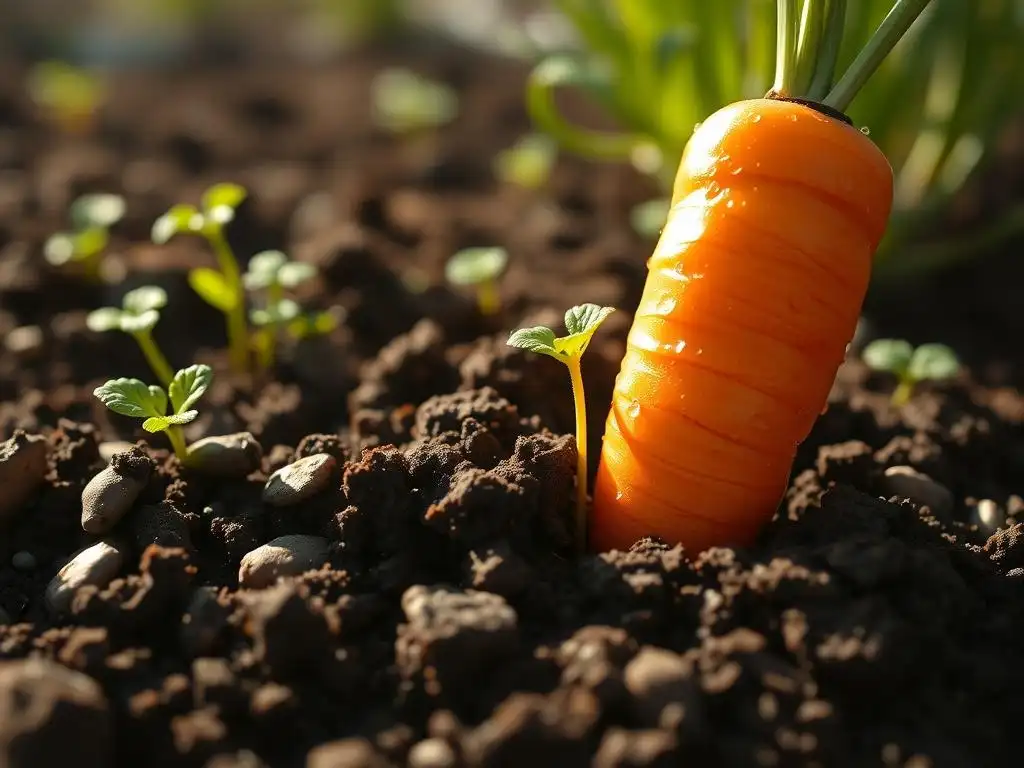
Welcome to CultivateYourFood, your guide to a thriving home garden! Are you ready to unlock the secrets to bountiful harvests using sustainable, organic methods? We'll show you how to nurture your plants from seed to table, and today we're tackling a common gardening challenge: improving carrot soil drainage. Discover our expert advice and learn how to cultivate perfectly sweet, juicy carrots—even in challenging soil conditions. Let's get growing!
- Understanding Poor Drainage and its Impact on Carrot Growth
- Assessing Your Soil Type and Composition
- Effective Methods to Improve Carrot Soil Drainage
- Choosing the Right Planting Location and Time
- Maintaining Optimal Soil Moisture for Carrots
- Troubleshooting Persistent Drainage Problems
- Frequently Asked Questions
- Final Reflection: Harvesting a Bountiful Future, One Well-Drained Carrot at a Time
- Unleash Your Carrot's Potential: Get Growing!
Understanding Poor Drainage and its Impact on Carrot Growth
Carrots, with their long, slender taproots, are particularly sensitive to poor soil drainage. Unlike shallow-rooted plants that can tolerate some waterlogging, carrots require well-drained soil to thrive. Poor drainage leads to a host of problems, hindering growth and potentially ruining your harvest. This article, from CultivateYourFood, your guide to sustainable and organic gardening, will provide expert advice on how to improve soil drainage specifically for cultivating healthy, delicious carrots.
We'll explore how to identify drainage issues, understand the detrimental effects of soggy soil, and implement effective solutions to ensure your carrots receive the optimal growing conditions they need. Improving your soil's drainage isn't just about getting a better carrot yield; it's about practicing sustainable gardening techniques that benefit the entire garden ecosystem. Let's delve into the details and learn how to cultivate those perfect, crunchy carrots!
Identifying Poor Drainage in Your Garden Bed
Identifying poor drainage is the first crucial step in improving your carrot patch. Several telltale signs indicate that your soil isn't draining properly. These include:
- Puddles persisting after rainfall: If water sits on the surface of your garden bed for hours or even days after rain, this is a clear indicator of poor drainage.
- Muddy soil: Consistently muddy soil suggests that water isn't percolating down effectively.
- Slow water absorption: When you water your garden, observe how quickly the water is absorbed. Slow absorption points to compacted soil, hindering drainage.
- Yellowing or wilting plants: Even with regular watering, plants showing signs of stress (yellowing leaves, wilting) might be suffering from waterlogged roots, despite the apparent moisture.
- Presence of weeds that thrive in wet conditions: Certain weeds prefer damp or waterlogged conditions. Their presence can be an indirect sign of poor drainage.
Conduct a simple test: dig a hole about 12 inches deep and fill it with water. Observe how quickly the water drains. If it takes more than a few hours to drain completely, your soil drainage needs improvement. This simple test offers a practical, hands-on way to evaluate your soil's drainage capabilities before planting your carrots.
The Effects of Soggy Soil on Carrot Development: Root Rot and Other Issues
Soggy soil creates a perfect breeding ground for harmful soilborne pathogens, leading to various problems for your carrot crop. The most significant issue is root rot, a fungal disease that attacks the roots, causing them to decay and ultimately kill the plant. The anaerobic conditions (lack of oxygen) in waterlogged soil suffocate the carrot roots, preventing them from absorbing essential nutrients and water. Furthermore, consistently wet soil can lead to:
- Stunted growth: Carrots struggle to develop their characteristic long taproots in waterlogged conditions. They may become short, stubby, and misshapen.
- Splitting and cracking: Fluctuations in soil moisture can cause carrots to split or crack, rendering them unmarketable and reducing their quality.
- Increased susceptibility to pests and diseases: Waterlogged soil weakens the plants, making them more vulnerable to other diseases and pest infestations.
These issues not only reduce the yield but also compromise the quality and marketability of your carrots. Addressing poor drainage is therefore critical for ensuring a healthy and productive carrot harvest.
Recognizing the Signs of Waterlogged Soil
Recognizing waterlogged soil is crucial for timely intervention. Beyond the previously mentioned indicators, pay close attention to these specific signs:
- Dark, compacted soil: Waterlogged soil often appears darker and more compacted than well-drained soil.
- Presence of standing water: Obvious puddles or standing water are the most straightforward signs of waterlogging.
- A musty or foul odor: Waterlogged soil often emits a musty or unpleasant odor due to anaerobic decomposition.
- Difficulty digging: Waterlogged soil is often heavy and difficult to work with, requiring significant effort to dig or till.
By diligently observing these signs, you can proactively address drainage problems before they significantly impact your carrot crop. Early detection allows for swift implementation of corrective measures, safeguarding your harvest and promoting healthy carrot growth. 🥕
Assessing Your Soil Type and Composition
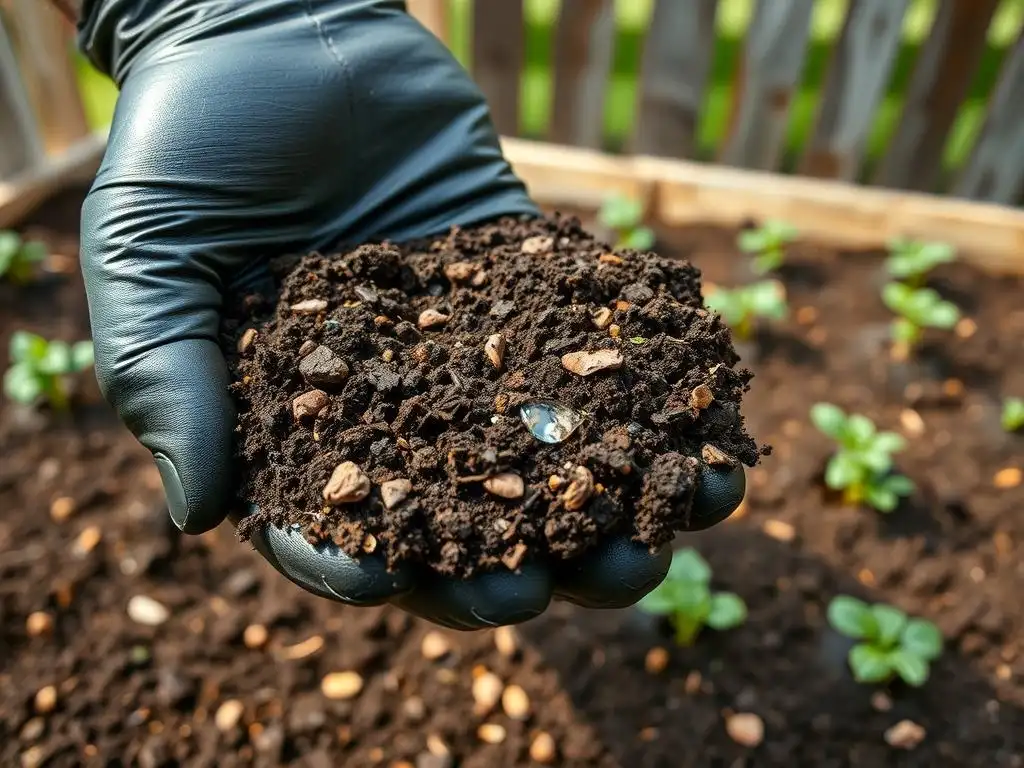
Improving carrot soil drainage begins with understanding your soil. Carrots, like other root vegetables, need well-drained soil to thrive. Poor drainage leads to stunted growth, root rot, and ultimately, a poor harvest. This section will guide you through assessing your soil's type and composition to pinpoint drainage problems and plan effective solutions. Remember, the goal is to improve carrot soil drainage and achieve optimal growing conditions.
Conducting a Simple Soil Drainage Test
A simple test can quickly reveal your soil's drainage capabilities. Dig a hole about 12 inches deep and 12 inches wide. Fill it with water and let it drain completely. Then, refill the hole with water and time how long it takes for the water level to drop by six inches.
- Excellent drainage: Water drains in less than 3 hours. This is ideal for carrots.
- Good drainage: Water drains in 3-6 hours. You may need some minor improvements.
- Poor drainage: Water drains in more than 6 hours. Significant improvements are necessary.
- Very poor drainage: Water remains standing after 6 hours. This indicates serious drainage issues requiring immediate attention.
This test provides a crucial first step in understanding your soil's drainage capacity. Consider conducting this test in multiple areas of your garden to account for variations in soil composition. Remember to record your findings for future reference and to track the effectiveness of any drainage improvements you implement. Consistent monitoring is key to successful carrot soil drainage management.
Understanding Soil Texture: Clay, Sandy, and Loamy Soils
Soil texture significantly impacts drainage. Different soil types retain water differently:
| Soil Texture | Drainage Characteristics | Carrot Suitability |
|---|---|---|
| Clay | Poor drainage; waterlogged easily | Poor; requires significant amendment |
| Sandy | Excellent drainage; dries quickly | Good but may require extra watering |
| Loamy | Good drainage; retains moisture well | Ideal; good balance of drainage and moisture retention |
Clay soils, with their fine particles, compact easily, restricting water flow. Sandy soils, conversely, drain too quickly, potentially leading to insufficient moisture for carrots. Loamy soils, a mix of sand, silt, and clay, offer the best balance for optimal carrot soil drainage and moisture retention. Understanding your soil's texture is essential for choosing the right amendment to improve drainage.
Identifying Soil Compaction Issues
Soil compaction, often caused by heavy foot traffic or improper tillage, restricts water infiltration and root penetration. This is detrimental to carrots, which need loose soil for their taproots to grow deep and straight. Signs of compaction include:
- Difficulty digging or tilling the soil.
- Puddling of water on the surface after rain or watering.
- Poor root development in other plants.
- Surface crusting after rain.
To assess compaction, dig a hole and observe the soil structure. Compacted soil will appear dense and hard, lacking the crumbly structure of healthy soil. Addressing compaction is crucial for improving carrot soil drainage and ensuring a bountiful carrot harvest. Techniques like tilling with a broadfork (to avoid further compaction) or adding organic matter can help alleviate compaction issues and improve soil structure. Remember, loose, well-aerated soil is the foundation for healthy carrot growth.
Effective Methods to Improve Carrot Soil Drainage
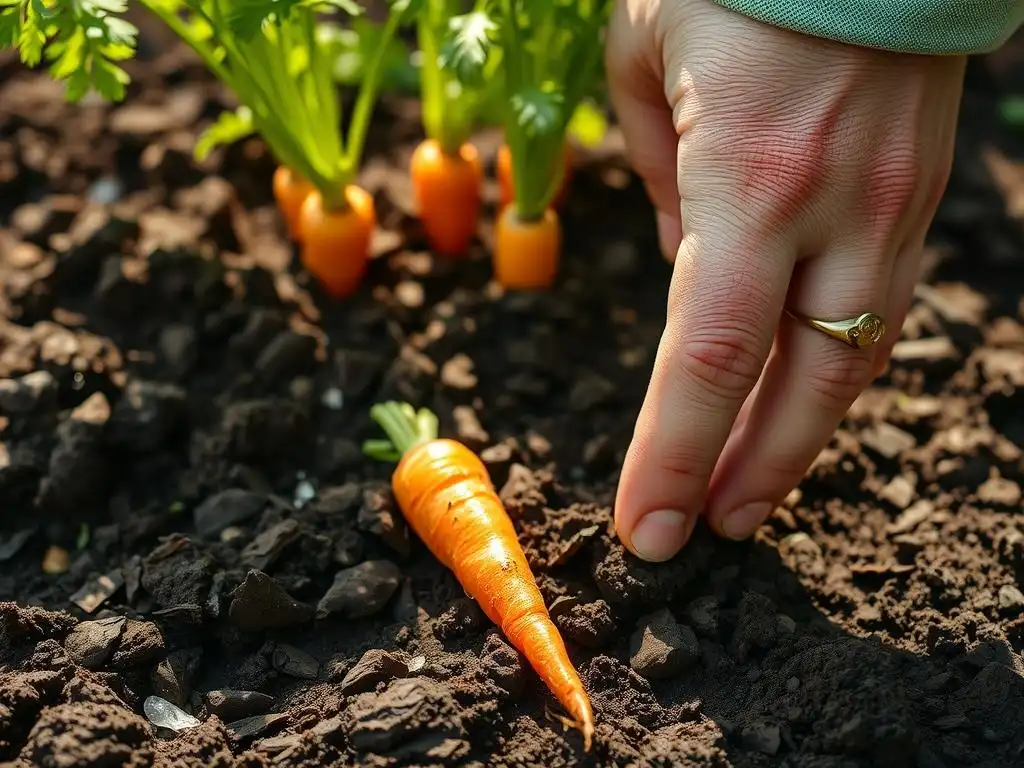
Carrots, with their long taproots, require well-drained soil to thrive. Poor drainage leads to stunted growth, cracked roots, and increased susceptibility to diseases. Improving carrot soil drainage is crucial for a bountiful harvest. This section details effective methods to achieve this, focusing on amending heavy clay soils, leveraging organic matter, and utilizing raised garden beds. Understanding these techniques will significantly improve your chances of cultivating plump, healthy carrots.
Amending Heavy Clay Soil for Better Drainage: Adding Organic Matter
Heavy clay soils are notorious for their poor drainage. Waterlogging suffocates carrot roots, preventing proper oxygen uptake and nutrient absorption. Amending clay soil with organic matter is a fundamental step in improving its drainage. This process enhances soil structure, creating air pockets that allow for better water percolation.
Several organic amendments are highly effective. Compost, for instance, is a readily available and excellent choice. Its decomposition improves soil aeration and water retention simultaneously – a crucial balance for carrot growth. Adding 2-4 inches of well-rotted compost to your soil before planting significantly improves drainage. The exact amount needed will depend on the existing soil composition; a soil test can help determine the optimal quantity.
Other organic materials, such as aged manure (well-composted to avoid burning the plants) and peat moss, also provide similar benefits. Peat moss, in particular, helps to lighten heavy clay soils and improve their overall texture. Remember to work these amendments thoroughly into the soil to a depth of at least 12 inches, ensuring even distribution. This thorough mixing is vital for creating a consistent soil structure that promotes drainage throughout the root zone. Improper mixing can lead to uneven drainage, negating the benefits of the amendments.
Improving Soil Structure with Compost and Other Organic Amendments
The addition of organic matter isn't just about improving drainage; it also significantly enhances the overall soil structure. A well-structured soil is crumbly and porous, allowing for easy water penetration and aeration. This is particularly important for carrots, as their long taproots need to easily penetrate the soil.
Beyond compost, other organic amendments contribute to improved soil structure. For example, incorporating cover crops like rye or clover before planting carrots can greatly improve drainage. These plants' root systems help break up compacted soil, creating channels for water to flow through. Furthermore, their decaying matter adds organic material, further enhancing soil structure and drainage.
Consider the following table summarizing the benefits of various organic amendments for improving soil drainage and structure for carrots:
| Amendment | Primary Benefit | Secondary Benefits | Application Rate |
|---|---|---|---|
| Compost | Improved drainage, aeration | Enhanced nutrient content, improved soil structure | 2-4 inches |
| Aged Manure | Improved drainage, nutrient boost | Improved soil structure, water retention | 2-3 inches |
| Peat Moss | Lightens heavy clay, improves aeration | Increased water retention (in moderation) | 1-2 inches |
| Cover Crops (Rye/Clover) | Breaks up compacted soil, adds OM | Improves soil fertility, suppresses weeds | Plant and till under |
Remember, consistent application of organic matter over time is key to achieving long-term improvements in soil drainage and overall soil health. This is a sustainable practice that benefits not only your carrots but also future crops.
Utilizing Raised Garden Beds for Optimal Carrot Growth
For gardeners with particularly challenging soil conditions, raised garden beds offer a simple yet effective solution. Raised beds allow you to completely control the soil composition, eliminating the need to amend existing heavy clay soil. This is especially beneficial for improving carrot soil drainage.
Constructing a raised bed involves creating a box-like structure filled with a well-draining soil mix. A typical mix might consist of a blend of topsoil, compost, and perlite or sand to improve drainage and aeration. The height of the bed should be sufficient to allow for ample root development (at least 12 inches is recommended). The use of raised beds also allows for better temperature regulation, which can further enhance carrot growth.
Moreover, raised beds are often easier to manage, reducing bending and strain on the gardener. They also help prevent soil compaction from foot traffic, a common problem in traditional garden beds that can negatively impact drainage. The ease of management and improved drainage make raised beds an excellent option for growing carrots, even in areas with naturally poor soil drainage. Careful planning and construction of raised beds can lead to significantly improved carrot yields and quality.
Creating Drainage Channels and Trenches in Problem Areas
Poor drainage often manifests as localized pockets of saturated soil, rather than uniformly bad drainage across the entire garden bed. Identifying these problem areas is the first step towards effective drainage improvement for your carrots. These areas might be low-lying spots in your garden, or regions where clay soils accumulate, hindering water percolation. For these specific areas, creating drainage channels or trenches is an excellent solution.
This approach involves digging shallow channels or trenches, typically 6-12 inches deep and several inches wide, to direct excess water away from the carrot planting area. The channels should be strategically positioned to intercept runoff before it pools around your carrot rows. Consider the natural slope of your land when designing the channels, ensuring the water flows away from your carrots, ideally towards a designated drainage area or a collection point where the water can be absorbed or safely diverted.
The material used to line the channels is important. While leaving the channels bare earth is an option, it can lead to erosion over time. A more sustainable approach involves lining the channels with permeable materials like gravel or landscape fabric. Gravel allows for water infiltration while preventing erosion. Landscape fabric helps to retain the gravel and prevent soil from clogging the drainage system. This method requires a bit more initial effort, but the long-term benefits of reduced maintenance and improved drainage make it a worthwhile investment.
Remember, the goal isn't to create deep, wide ditches that disrupt the root system of your plants. Instead, focus on gently guiding excess water away from the sensitive carrot roots, allowing for optimal soil moisture levels that promote healthy carrot growth. Regularly inspect these channels, particularly after heavy rainfall, to ensure they remain free of debris and continue to function effectively. Clearing out any accumulated soil or leaves will maintain their drainage capacity throughout the growing season. This proactive maintenance is key to maximizing the benefits of this drainage improvement technique.
Choosing the Right Planting Location and Time
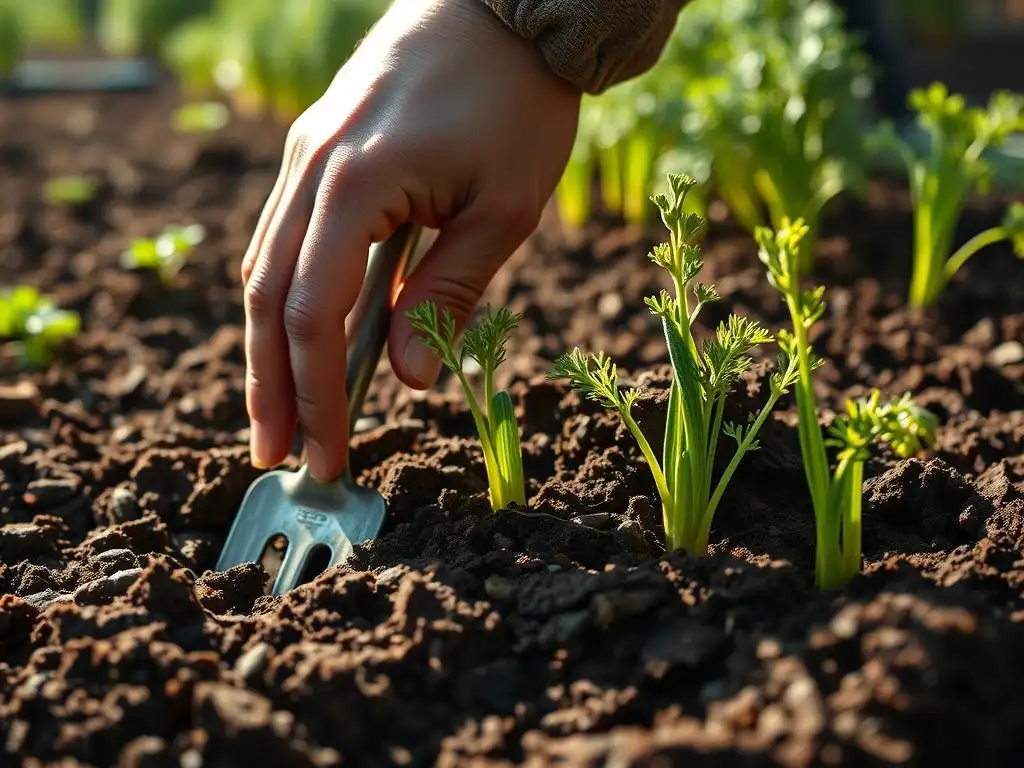
This section focuses on crucial initial steps to improve carrot soil drainage, setting the stage for a successful harvest. Carrot cultivation hinges on well-drained soil; poor drainage leads to stunted growth, root rot, and ultimately, a poor yield. Therefore, careful selection of planting location and timing is paramount. We'll explore optimal conditions to maximize your chances of growing healthy, vibrant carrots.
Selecting a Sunny and Well-Drained Spot for Your Carrot Patch
Carrots thrive in full sun, requiring at least six hours of direct sunlight daily. Insufficient sunlight can lead to weak growth and poor root development. However, sunlight alone isn't enough. The chosen location must also boast excellent drainage. Before planting, assess the soil's drainage capacity. A simple test involves digging a hole about 12 inches deep and filling it with water.
If the water drains completely within an hour, the drainage is generally good. Slower drainage indicates a need for soil amendment, a topic we'll cover later. Observe the area after rainfall; standing water is a clear sign of poor drainage, unsuitable for carrot cultivation. Look for slightly elevated areas to minimize water accumulation. Remember, consistent moisture is crucial, but waterlogging is detrimental. Choosing a well-drained spot is the first step to successfully improve carrot soil drainage.
Avoiding Low-Lying Areas Prone to Waterlogging
Low-lying areas are often the first to collect excess water, creating waterlogged conditions that suffocate carrot roots. These areas frequently have poor air circulation, further exacerbating the problem. The saturated soil deprives carrot roots of oxygen, leading to root rot and other fungal diseases. This results in misshapen, stunted carrots, often inedible. To effectively improve carrot soil drainage, actively avoid low-lying areas.
Instead, opt for higher ground with a gentle slope to facilitate natural water runoff. Even a slight incline can make a significant difference in preventing waterlogging and promoting healthy carrot growth. Consider the natural topography of your garden when selecting your carrot patch. A well-placed raised bed can also be a valuable solution in areas with consistently poor drainage. This provides better control over soil moisture and air circulation.
Optimizing Planting Time for Better Drainage and Growth
The timing of your carrot planting significantly impacts drainage and overall growth. Planting too early in the season, when the soil is still cold and potentially waterlogged from winter rains, can lead to poor germination and root rot. Conversely, planting too late can result in insufficient time for the carrots to mature before the onset of hot, dry weather. Therefore, carefully consider your local climate and soil conditions when deciding when to plant.
Aim for a time when the soil has warmed sufficiently, is well-drained, and the threat of heavy spring rains has subsided. Check your local weather forecasts and consult gardening calendars specific to your region to determine the optimal planting window for carrots in your area. This careful timing is another crucial strategy to improve carrot soil drainage and achieve a bountiful harvest.
Maintaining Optimal Soil Moisture for Carrots
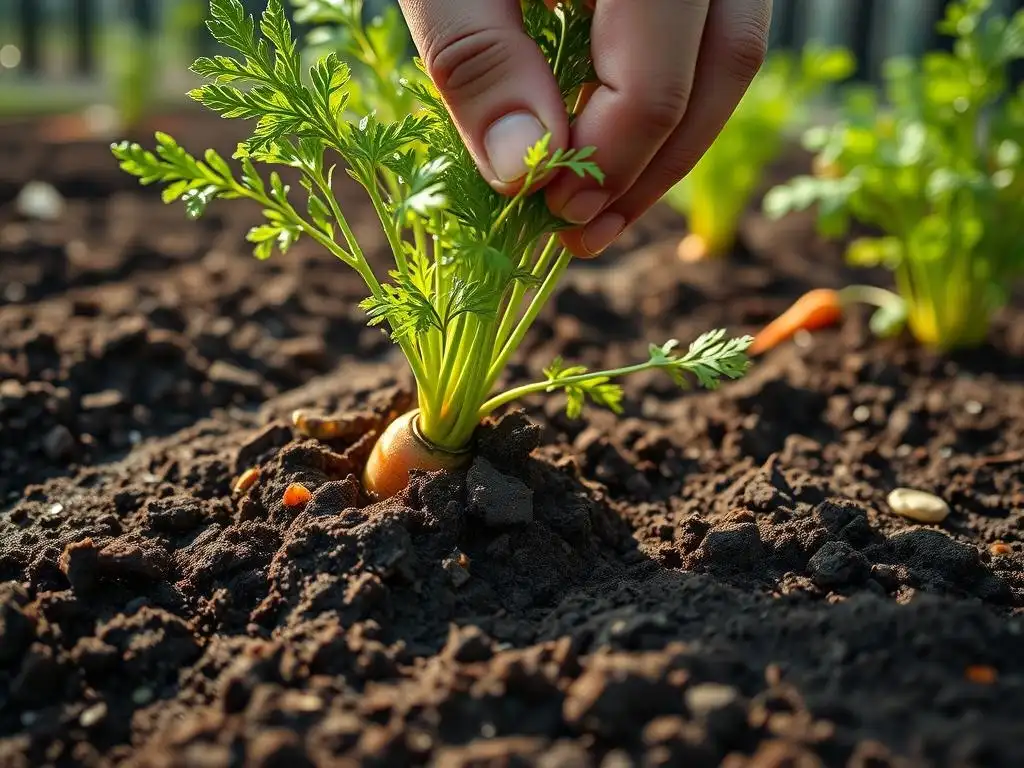
Carrots, with their long taproots, thrive in well-drained soil that remains consistently moist but not waterlogged. Poor drainage leads to stunted growth, root rot, and ultimately, a poor harvest. Improving carrot soil drainage is crucial for maximizing yield and quality. This section focuses on practical techniques to achieve this, ensuring your carrots receive the perfect balance of water and air. Understanding and implementing these methods will significantly improve your carrot cultivation success. We'll explore various strategies to achieve optimal soil moisture, key to cultivating healthy and delicious carrots.
Watering Techniques for Improved Carrot Drainage
Efficient watering is paramount for improving carrot soil drainage and preventing waterlogging. Avoid overhead watering, which can compact the soil and lead to surface runoff, preventing water from penetrating deeply. Instead, employ techniques that encourage deeper water penetration:
- Drip irrigation: This method delivers water directly to the root zone, minimizing water waste and surface runoff. The slow, steady release of water allows for better absorption, reducing the risk of compaction. Drip irrigation systems are particularly beneficial for long rows of carrots.
- Soaker hoses: Similar to drip irrigation, soaker hoses provide a gentle, consistent watering directly to the roots. They are a cost-effective and efficient alternative for smaller gardens.
- Deep, infrequent watering: Instead of frequent shallow watering, opt for deep, infrequent watering. This encourages the roots to grow deeper in search of moisture, improving drainage and drought tolerance. Aim for thoroughly saturating the soil to a depth of at least 6-8 inches. The frequency will depend on your climate and soil type, but less frequent, deeper watering is generally preferred.
- Water early in the day: Watering in the morning allows the soil to dry somewhat before nightfall, reducing the risk of fungal diseases thriving in consistently damp conditions. This is particularly important in humid climates.
Mulching Strategies to Enhance Drainage and Moisture Retention
Mulching plays a dual role in improving carrot soil drainage and moisture retention. A proper mulch layer prevents surface compaction from rain, allowing water to penetrate the soil more easily. Simultaneously, it helps retain moisture in the soil, reducing the frequency of watering. The best mulches for carrots are those that allow for good air circulation while preventing excessive moisture loss:
- Organic mulches: Materials like straw, shredded leaves, or wood chips provide excellent drainage and moisture retention. They decompose slowly, enriching the soil over time. Ensure the mulch layer is not too thick (around 2-3 inches) to avoid hindering carrot growth.
- Avoid heavy clay mulches: Heavy clay or similar materials can compact the soil and impede drainage, negating the benefits of mulching.
- Proper application: Spread the mulch evenly around the carrot plants, leaving a small space around the plants themselves to prevent rot.
Monitoring Soil Moisture Levels Regularly
Regular monitoring of soil moisture is essential for successful carrot cultivation. Overwatering or underwatering can both negatively impact growth. Here are several methods for monitoring soil moisture:
- Finger test: Insert your finger about 2-3 inches into the soil. If the soil feels dry, it's time to water. If it feels moist, you can wait a bit longer.
- Soil moisture meter: A soil moisture meter provides a more precise reading of soil moisture levels. These meters are readily available and can help you optimize your watering schedule. Using a meter ensures you're neither overwatering nor underwatering.
- Observing plant wilting: While not as precise, observing your carrot plants for signs of wilting can indicate the need for watering. However, don't wait until the plants show severe wilting before watering, as this can stress the plants. Regular monitoring is key. A slightly damp soil is ideal.
By implementing these techniques, you can effectively improve carrot soil drainage, ensuring optimal moisture levels for healthy, high-yielding carrot crops. Remember, consistent monitoring and adaptation to your specific growing conditions are vital for success. Happy growing! 🥕
Troubleshooting Persistent Drainage Problems
Even after implementing initial drainage improvements, some gardeners may still encounter persistent issues with waterlogging, hindering carrot growth. This section addresses more challenging scenarios requiring advanced techniques to effectively improve carrot soil drainage. Remember, well-drained soil is paramount for healthy, long, and sweet carrots. Poor drainage leads to root rot, stunted growth, and reduced yields. Let's explore some solutions for stubborn drainage problems.
Dealing with Extremely Heavy Clay Soil: Deep Soil Amendment
Extremely heavy clay soil presents a significant challenge for carrot cultivation. Its dense structure restricts water infiltration and oxygen flow, creating an environment unsuitable for root vegetables. Simply adding compost to the surface won't suffice; the amendment needs to penetrate deeply to break up the compacted clay. This requires a more significant, long-term approach.
One effective strategy is deep soil amendment. This involves digging down to at least 12-18 inches (30-45 cm), incorporating generous amounts of organic matter such as well-rotted compost, aged manure, and coarse sand. The sand improves soil structure by creating larger pore spaces, enhancing drainage and aeration. The organic matter improves soil structure, water retention (while still improving drainage), and provides essential nutrients.
The process is labor-intensive but yields significant long-term improvements. Consider amending the soil in the fall, allowing the materials to break down over the winter before planting carrots in the spring. You can also incorporate gypsum, which helps to improve soil structure in clay soils. A soil test before starting can help determine the precise amounts of amendments needed to suit your specific soil conditions. Remember to avoid over-amending, as too much organic matter can initially create a waterlogged situation until it decomposes.
Addressing Compacted Soil: Aeration Techniques
Compacted soil, often resulting from heavy foot traffic or machinery use, also impedes drainage. Water struggles to penetrate the hard-packed earth, leading to waterlogging around the carrot roots. Several aeration techniques can alleviate this problem.
One approach is forking. Using a garden fork, systematically insert the tines deep into the soil, creating channels for water to penetrate. This is best done before planting. The process breaks up compacted layers, allowing for better water infiltration and root penetration.
Another effective technique involves the use of aeration tools. These specialized tools, available at most garden centers, create small holes in the soil, improving aeration and drainage. These tools are particularly helpful for larger areas.
For smaller garden beds, you might consider a broadfork. This is a less aggressive method than forking, but still effective for loosening compacted soil without turning it over. This helps to maintain beneficial soil organisms. Remember, consistent aeration, especially in clay soils, is often required for optimal drainage. Regular cultivation between rows can also help.
Poor drainage can also stem from unseen obstacles beneath the soil surface, such as rocks, compacted layers, or even old buried debris. These obstructions can create barriers to water flow, leading to localized waterlogging. Identifying and addressing these obstructions requires careful observation and potentially some digging.
Before planting, thoroughly inspect the area. Look for any signs of uneven settling or areas where water tends to pool. If you suspect an obstruction, carefully excavate a small test pit to investigate. If you discover significant obstructions, you may need to remove them or carefully work around them.
In some cases, creating raised beds might be the most effective solution, bypassing the problematic areas. Remember that safety is paramount; always exercise caution when digging, and if unsure, consult a professional. This ensures the long-term health and success of your carrot crop and helps to truly improve carrot soil drainage.
Frequently Asked Questions
Why is good soil drainage important for carrots?
Carrots need well-drained soil to grow properly. Poor drainage leads to root rot and stunted, misshapen vegetables. Oxygen is crucial for healthy carrot root development.
What are the signs of poor soil drainage?
Look for puddles of water remaining on the soil surface after watering or rainfall. Your soil might also feel heavy and compacted, and your carrots may be small and forked. Muddy soil is also a telltale sign.
How can I improve soil drainage in my garden beds?
Amend heavy clay soils with organic matter like compost or well-rotted manure. This improves soil structure and increases aeration. You can also incorporate sand to improve drainage but be mindful not to make it too sandy.
What's the best soil type for growing carrots?
Carrots thrive in loose, sandy loam. This soil type offers the perfect balance of drainage and water retention. Ensure your soil is free of rocks and debris to prevent misshapen roots.
Can I grow carrots in containers if I have poor soil drainage?
Yes! Growing carrots in containers with well-draining potting mix is a great solution for areas with poor soil drainage. Choose containers with drainage holes to prevent waterlogging.
Final Reflection: Harvesting a Bountiful Future, One Well-Drained Carrot at a Time
Improving soil drainage isn't just about bigger, healthier carrots; it's about cultivating a sustainable and resilient food system. The seemingly simple act of ensuring proper drainage has profound implications for our ability to feed ourselves and future generations, impacting everything from crop yields to the overall health of our planet. This is a challenge that demands our attention, not just as gardeners, but as stewards of the land.
The journey to understanding soil health has been a deeply enriching one for me, revealing the intricate interconnectedness of seemingly disparate elements. The simple act of amending soil, improving its structure, and ensuring proper drainage isn't just about producing a perfect carrot; it's about fostering a thriving ecosystem. As the old adage goes, The land is our mother; we must treat her with respect.
This respect translates into mindful practices that prioritize soil health, ensuring its fertility and productivity for years to come. This isn't just about growing carrots; it's about nurturing a relationship with the earth that sustains us all.
Now, consider your own garden, your own patch of earth. What steps can you take today to improve its drainage? Perhaps it's as simple as adding compost, or as involved as installing a drainage system. No matter the scale, the act of actively engaging with your soil, understanding its needs, and working to improve it is a powerful act of self-sufficiency and environmental stewardship. Begin your journey towards healthier soil, healthier plants, and a healthier planet – one well-drained carrot at a time.
Unleash Your Carrot's Potential: Get Growing!
Thank you for learning how to improve soil drainage for healthier, happier carrots! You now have the knowledge to cultivate amazing crops. Ready to put your expertise into practice?
- Start digging! Amend your soil today using the techniques discussed—your carrots will thrive!
- Share this article with fellow gardening enthusiasts! Let's build a thriving community of gardeners.
- Experiment with a new drainage method this season and document your results—you might discover a surprising and effective technique!
What drainage solution will you implement in your garden this year?