
Attracting Pollinators: Enhancing Your Southeast Garden's Biodiversity

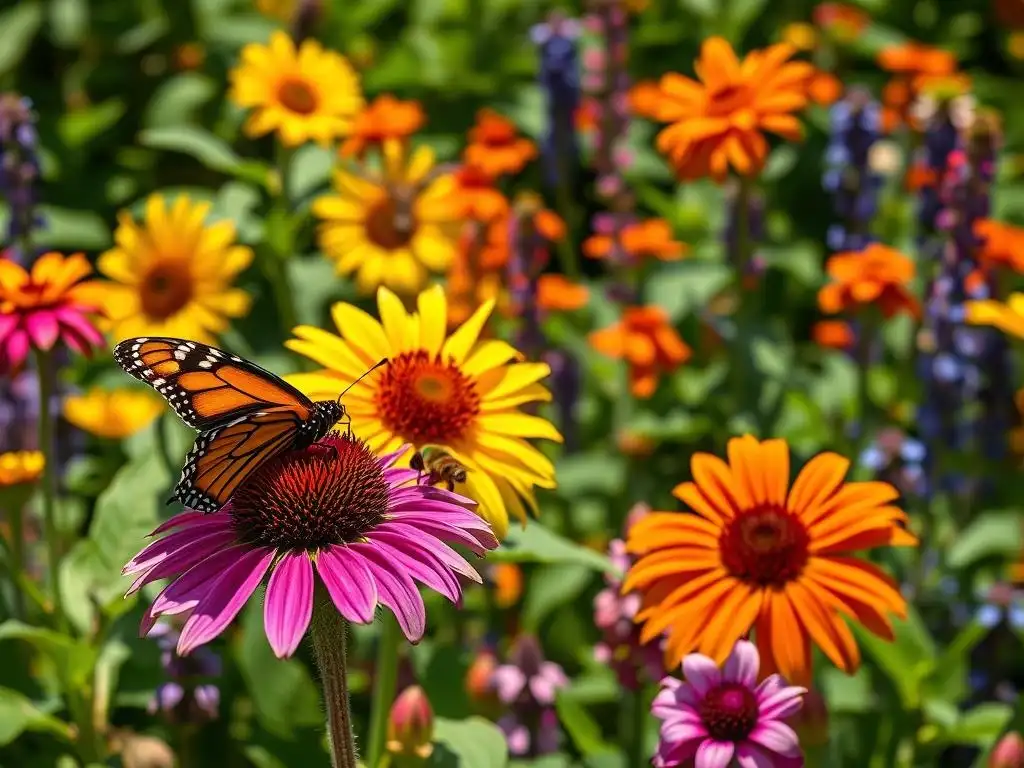
Welcome to CultivateYourFood, your guide to a thriving, sustainable garden! Are you ready to transform your outdoor space into a vibrant ecosystem teeming with life? Discover the secrets to attracting beneficial pollinators to your Southeast garden, crucial for bountiful harvests. Learn how simple, organic practices can dramatically increase the biodiversity and productivity of your fruits, vegetables, and herbs. Dive into our Regional Gardening Guides and unlock the potential of your own backyard oasis – starting with our essential guide on "Southeast garden attract pollinators."
- Understanding Pollinator Importance in Southeast Gardens
- Creating a Pollinator-Friendly Southeast Garden
- Southeast Garden Design for Pollinator Habitat Enhancement
- Maintaining a Thriving Pollinator Ecosystem in Your Southeast Garden
- Enhancing Your Southeast Garden's Biodiversity Through Pollinator Attraction
-
Frequently Asked Questions
- What are the best plants to attract pollinators in a Southeast garden?
- When is the best time to plant pollinator-attracting plants in the Southeast?
- How can I create a pollinator-friendly habitat in my Southeast garden without using pesticides?
- What are some common pollinators I can expect to see in my Southeast garden?
- How can I make my Southeast garden more attractive to pollinators throughout the year?
- Final Reflection: A Buzzworthy Legacy for Southeastern Gardens
- Unleash Your Garden's Buzz: Attract More Pollinators Today!
Understanding Pollinator Importance in Southeast Gardens
The vibrant ecosystems of Southeast gardens thrive on a delicate balance, and pollinators are key players in maintaining this equilibrium. Attracting a diverse range of pollinators to your Southeast garden is not just aesthetically pleasing; it's crucial for the health and productivity of your plants, particularly your fruits, vegetables, and herbs. This article will explore the vital role pollinators play in the Southeast's unique agricultural landscape, highlighting the native species that call this region home and discussing the concerning impact of pollinator decline.
Understanding these factors is essential for cultivating a thriving and sustainable garden that benefits both you and the environment. By actively attracting and supporting pollinators, you're contributing to a healthier ecosystem and ensuring bountiful harvests for years to come.
This guide provides practical steps and insights to help you create a pollinator-friendly haven in your own backyard, enhancing the biodiversity and productivity of your Southeast garden. Let's delve into the fascinating world of pollination and discover how you can make a significant difference.
The Role of Pollinators in Fruit and Vegetable Production
Pollinators are the unsung heroes of our food system. Their tireless work transferring pollen between flowers is essential for the production of the fruits, vegetables, and nuts we enjoy. In the Southeast, where a wide variety of crops are cultivated, this role is especially critical.
Consider the humble tomato: without the diligent work of bees, bumblebees, and other pollinators, tomato yields would plummet dramatically. The same is true for many other fruits and vegetables commonly grown in the region, including squash, peppers, blueberries, and melons. These plants rely on cross-pollination – the transfer of pollen from one plant to another – to produce viable seeds and fruits.
Without sufficient pollinators, fruit set (the development of fruit after pollination) is significantly reduced, leading to smaller harvests and potentially impacting the quality of the produce. The economic impact of pollinator decline on Southeast agriculture is substantial, underscoring the importance of protecting and supporting these vital creatures. A healthy population of pollinators directly translates to a more abundant and diverse harvest in your garden.
Native Pollinators of the Southeast: Bees, Butterflies, and More
The Southeast boasts a remarkable diversity of native pollinators, each playing a unique role in the ecosystem. Bees, of course, are a dominant force, with numerous species, including honeybees, bumblebees, and various solitary bee species, contributing significantly to pollination. These bees exhibit different foraging preferences and behaviors, making a diverse bee population crucial for effective pollination across a wide range of plants.
Beyond bees, butterflies are equally important, their vibrant wings carrying pollen from flower to flower. Species like the Monarch butterfly, known for its long migration, are vital pollinators, as are numerous other butterfly species native to the Southeast. Furthermore, moths, hummingbirds, and even some beetles contribute to the pollination process, highlighting the intricate web of life that supports a healthy garden.
Understanding the specific pollinator species in your area allows for targeted efforts in attracting and supporting them. Providing appropriate habitats and food sources is key to fostering a thriving pollinator community.
The Impact of Pollinator Decline on Southeast Agriculture
The decline in pollinator populations is a significant concern globally, and the Southeast is not immune to this trend. Habitat loss, pesticide use, and climate change are all contributing factors to this alarming trend. The consequences of pollinator decline are far-reaching, impacting not only the quantity and quality of agricultural yields but also the overall biodiversity of the region. Reduced pollinator activity translates directly to lower crop yields, potentially leading to increased food prices and food insecurity.
Moreover, the loss of pollinators disrupts the delicate balance of the ecosystem, impacting other plant and animal species that rely on these vital creatures. Protecting and supporting pollinators is not just beneficial for your garden; it's essential for the long-term health and sustainability of the Southeast's agricultural landscape and its biodiversity. By creating a pollinator-friendly garden, you're contributing to a solution to this critical environmental challenge.
Creating a Pollinator-Friendly Southeast Garden
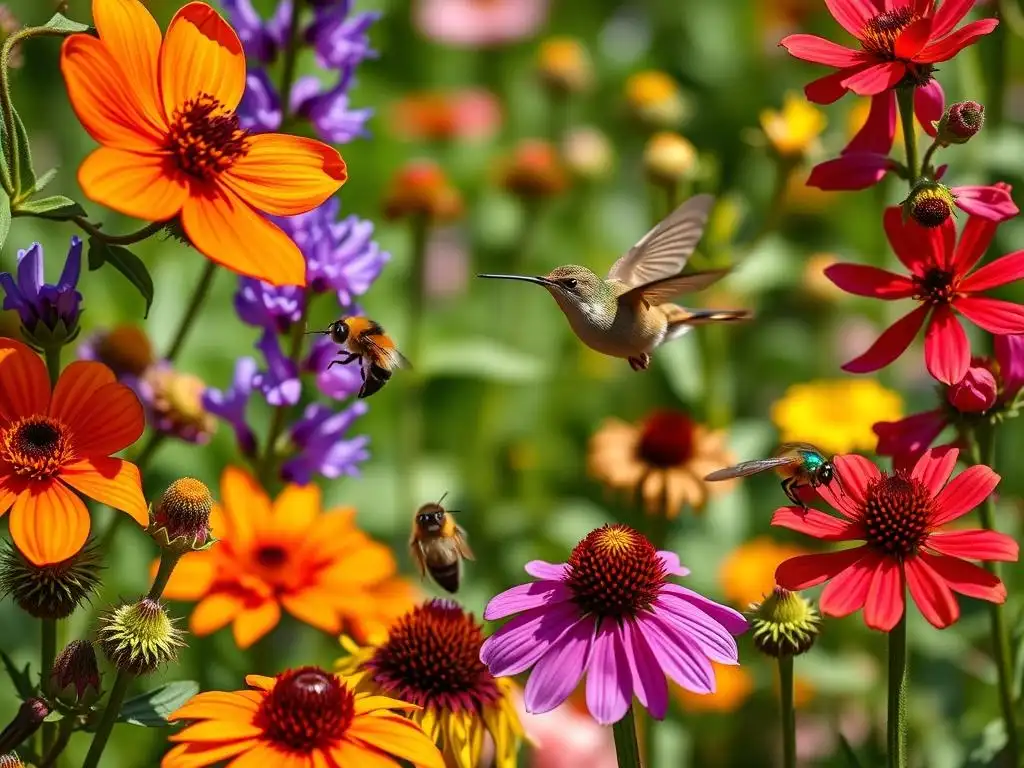
This section focuses on establishing a thriving pollinator habitat within your Southeast garden. Attracting pollinators is crucial for successful fruit, vegetable, and herb cultivation, boosting yields and contributing to a vibrant ecosystem. By strategically selecting plants and providing necessary resources, you can significantly improve pollinator activity in your Southeast garden. Remember, a diverse range of pollinators, including bees, butterflies, hummingbirds, and moths, each have slightly different needs, so a multifaceted approach is most effective.
Choosing the Right Plants: Native Flowers for Southeast Pollinators
Selecting native plants is paramount for attracting Southeast pollinators. These plants have co-evolved with local pollinator species, offering the perfect nectar and pollen sources. Non-native plants may not provide adequate sustenance or even be toxic to certain pollinators. Prioritize planting a variety of species to cater to the diverse needs of different pollinator types.
Consider incorporating these native Southeast flowering plants known for attracting pollinators:
- Butterfly Milkweed (Asclepias tuberosa): A vital host plant for monarch butterflies, providing both nectar and a crucial breeding ground.
- Coneflower (Echinacea): Attracts a wide range of pollinators, including bees and butterflies, with its daisy-like blooms.
- Salvia species: Many Salvia varieties, like Salvia coccinea (Scarlet Sage), are highly attractive to hummingbirds and bees.
- Goldenrod (Solidago): A late-season bloomer that provides crucial nectar for pollinators during a time when other flowers are scarce.
- Bee balm (Monarda): Known for its vibrant colors and ability to attract numerous bee species.
Remember to choose plants with varying bloom times to ensure a continuous supply of nectar and pollen throughout the growing season. This constant food source is key to sustaining a healthy pollinator population in your Southeast garden. Planting in drifts or clumps, rather than scattering individual plants, also increases their visibility to pollinators.
Planting Strategies for Maximum Pollinator Attraction in the Southeast
Strategic planting significantly impacts pollinator attraction. Avoid using pesticides, especially broad-spectrum insecticides, which can harm pollinators indiscriminately. Instead, utilize organic pest control methods to protect your plants while preserving beneficial insects.
Here are some key planting strategies for maximizing pollinator attraction in your Southeast garden:
- Sun Exposure: Ensure a balance of sunny and partially shaded areas. Different pollinators prefer various light conditions.
- Plant Diversity: A diversity of plant species, heights, and bloom times is essential to attract a wide range of pollinators. Consider creating a "pollinator meadow" section of your garden.
- Cluster Planting: Plant flowers in clusters or drifts to create more visually appealing and easily accessible food sources for pollinators.
- Avoid Monocultures: Avoid planting large swathes of the same species, as this reduces biodiversity and can limit the number of pollinators attracted.
- Seasonal Considerations: Choose plants that bloom at different times of the year to provide a continuous food source for pollinators throughout the growing season.
The success of attracting pollinators hinges on creating a habitat that provides consistent food and shelter. This requires thoughtful planning and an understanding of the specific needs of the pollinators you wish to attract. A healthy pollinator population contributes significantly to the overall health and productivity of your Southeast garden.
Providing Water Sources for Pollinators in Your Southeast Garden
Pollinators, like all living creatures, require a reliable water source. Especially during hot and dry periods, access to water can be the difference between life and death for these beneficial insects. Providing a clean and shallow water source is a simple yet effective way to support your pollinator population.
Here are a few ways to provide water for pollinators in your Southeast garden:
- Shallow Dishes: Place shallow dishes filled with water and pebbles or marbles for pollinators to land on. This prevents drowning.
- Bird Baths: A bird bath can also serve as a water source for pollinators, especially if it has shallow edges.
- Dripping Faucet: A slow drip from a garden hose or faucet can create a small, constantly replenished water source. Ensure it's easily accessible but not a potential hazard.
Remember to regularly clean and refill these water sources to prevent the growth of algae and bacteria, maintaining a clean and safe hydration station for your hardworking pollinators. The addition of water sources is a simple yet impactful enhancement to your pollinator-friendly Southeast garden, contributing to a healthier ecosystem and improved plant productivity.
Southeast Garden Design for Pollinator Habitat Enhancement
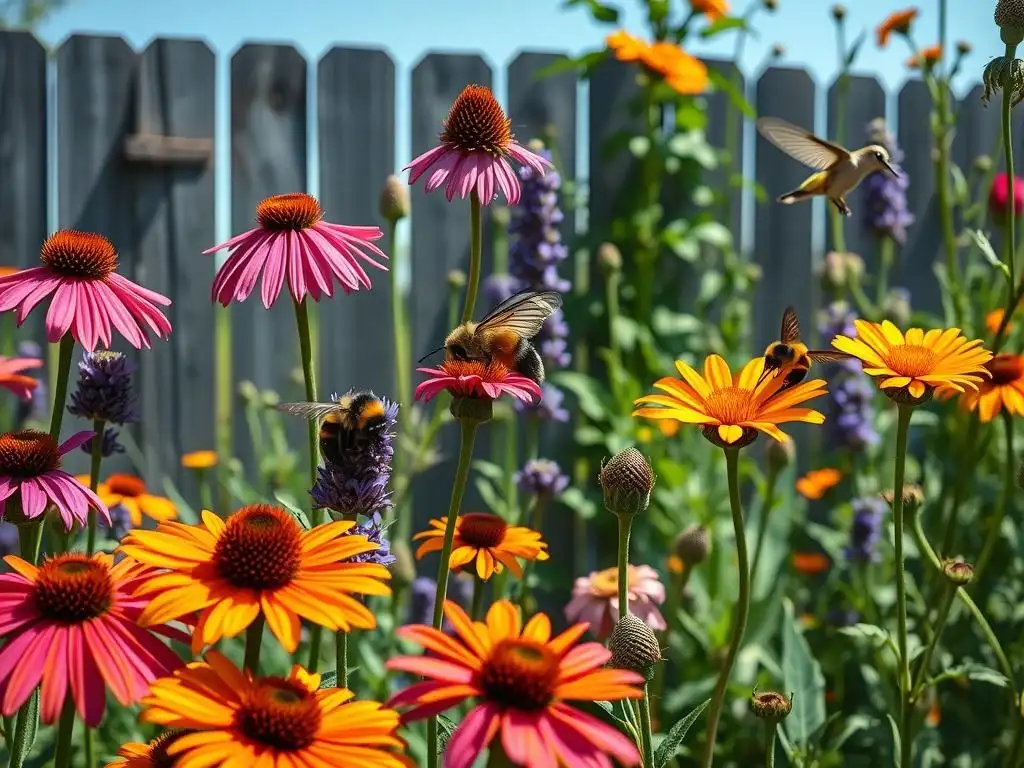
This section focuses on optimizing your Southeast garden's design to maximize its attractiveness to pollinators. By thoughtfully considering plant placement, habitat diversity, and pest control strategies, you can create a thriving ecosystem that supports a wide range of beneficial insects and birds. Successfully attracting pollinators to your Southeast garden not only boosts fruit and vegetable yields but also contributes to the overall health and biodiversity of your local environment. Remember, a healthy ecosystem is a productive ecosystem.
Designing for Sun and Shade: Optimal Conditions for Pollinator Plants
Pollinators, like bees and butterflies, have specific sunlight requirements. Understanding these needs is crucial for designing a pollinator-friendly garden in the Southeast. Many pollinators prefer sunny areas, particularly native bees which often nest in the ground exposed to direct sunlight. However, providing a mix of sun and shade is beneficial to attract a wider variety of species.
Consider the following when planning your Southeast garden layout for optimal pollinator attraction:
- Sunny Spots: Dedicate areas with at least 6 hours of direct sunlight for sun-loving plants like coneflowers ( Echinacea), sunflowers ( Helianthus), and bee balm ( Monarda). These plants are crucial for providing nectar and pollen for many pollinator species. These areas are also ideal for ground-nesting bees.
- Partial Shade: Areas receiving dappled sunlight or filtered shade throughout the day are ideal for shade-tolerant plants such as hostas ( Hosta), ferns ( Dryopteris), and columbines ( Aquilegia). These provide habitat and resources for pollinators that prefer cooler, less intense light.
- Water Sources: A shallow dish of water with pebbles or rocks to provide a landing area is essential, particularly during dry periods. Pollinators need hydration just as much as they need food. Consider installing a small birdbath as well to attract beneficial birds that also help with pest control.
- Plant Diversity: Aim for a diverse range of flowering plants that bloom sequentially throughout the growing season. This ensures a continuous supply of nectar and pollen for pollinators from spring through fall. A diverse garden is a resilient garden.
Creating Diverse Habitats: Nesting Sites and Shelter for Pollinators
Attracting pollinators goes beyond simply providing food sources. They also need suitable nesting sites and shelter from predators and harsh weather conditions. Creating diverse habitats within your Southeast garden is crucial for supporting a robust pollinator population.
Here's how to enhance your Southeast garden for pollinator nesting and shelter:
- Leave some areas wild: Resist the urge to completely tidy your garden. Leave patches of bare ground for ground-nesting bees, and allow some plant stalks to remain over winter to provide shelter for beneficial insects.
- Create bee hotels: Construct or purchase bee hotels which provide nesting cavities for solitary bees. These are simple structures that offer a safe place for these important pollinators to lay their eggs.
- Plant native shrubs and trees: Native plants provide not only food but also nesting and shelter opportunities for a wide variety of pollinators, including birds. Consider adding native shrubs like blueberries ( Vaccinium) or serviceberries ( Amelanchier) to your garden.
- Utilize dead wood and leaf litter: Don't remove all the dead wood and leaf litter from your garden. These provide valuable overwintering habitat for many beneficial insects and other pollinators. This is a crucial aspect of creating a sustainable ecosystem.
Avoiding Pesticides: Protecting Pollinators in Your Southeast Garden
Pesticides, herbicides, and insecticides pose a significant threat to pollinators. These chemicals can directly kill pollinators or contaminate their food sources, leading to population decline. Protecting pollinators in your Southeast garden requires a commitment to sustainable and organic pest control methods.
Here are some strategies for minimizing pesticide use in your Southeast garden:
- Integrated Pest Management (IPM): Adopt IPM strategies that prioritize prevention and natural pest control methods before resorting to chemical interventions. This includes monitoring for pests, using beneficial insects, and employing physical barriers when necessary.
- Natural pest control: Introduce beneficial insects such as ladybugs ( Coccinellidae) and lacewings ( Chrysopidae) to your garden to control pest populations naturally. These insects prey on common garden pests, reducing the need for chemical pesticides.
- Handpicking pests: Regularly inspect your plants for pests and remove them manually whenever possible. This is particularly effective for dealing with small infestations of common garden pests.
- Organic pest control methods: Use organic pest control methods such as neem oil or insecticidal soap as a last resort, always following label instructions carefully. These methods are generally less harmful to pollinators than synthetic pesticides.
By following these guidelines, you can create a thriving Southeast garden that attracts and supports a diverse range of pollinators, leading to a healthier garden and a more vibrant ecosystem. Remember, a pollinator-friendly garden is a productive and beautiful garden.
Maintaining a Thriving Pollinator Ecosystem in Your Southeast Garden
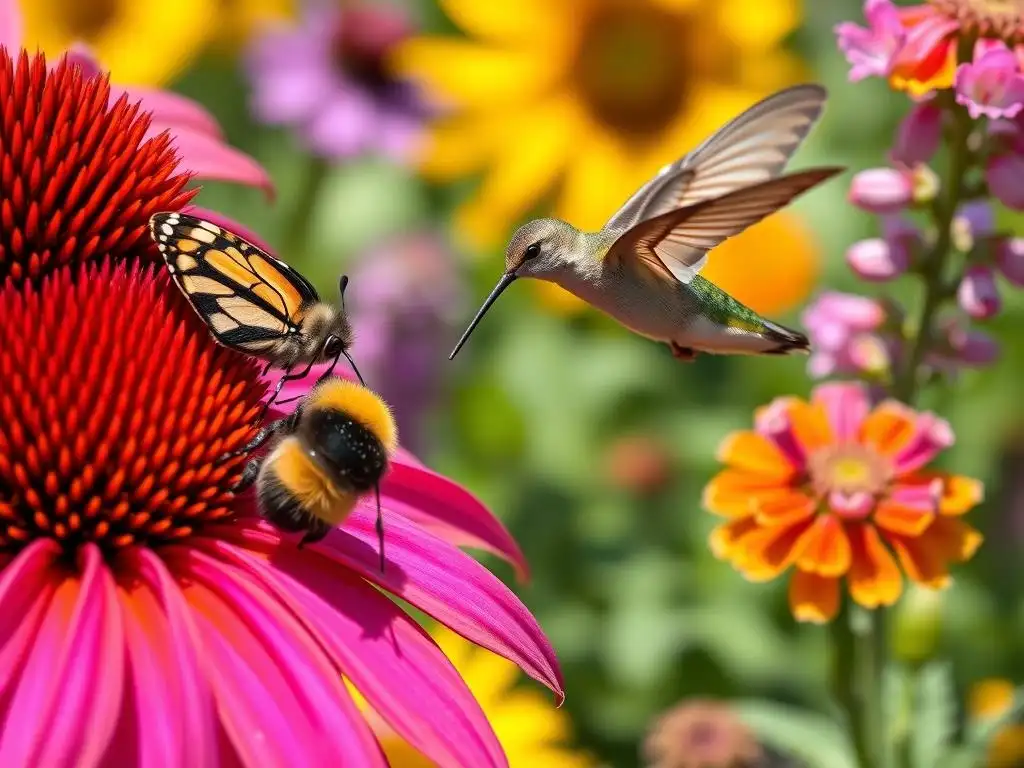
The Southeast boasts a rich biodiversity, but creating a haven for pollinators in your garden requires more than just planting pretty flowers. A thriving pollinator ecosystem depends on a holistic approach, encompassing diverse plant choices, habitat creation, and responsible pest management. This section details crucial steps to cultivate a vibrant and healthy pollinator population in your Southeast garden, boosting your harvest and contributing to the overall ecological health of your region. Remember, attracting pollinators to your Southeast garden is a vital step towards sustainable gardening.
Sustainable Gardening Practices to Attract Pollinators
Sustainable practices are paramount for attracting and supporting pollinators. Avoid using synthetic pesticides and herbicides, opting instead for organic methods. These chemicals can directly harm pollinators or destroy the plants they rely on. Consider these key strategies:
- Diverse Planting: Plant a variety of flowering plants that bloom throughout the growing season. This ensures a continuous food source for pollinators. Focus on native plants, as they are best adapted to the local climate and support native pollinator species. Aim for a mix of shapes, colors, and heights to cater to different pollinator preferences. For example, consider incorporating sunflowers, coneflowers, bee balm, and salvia, which are all excellent choices for the Southeast.
- Water Source: Provide a clean water source for pollinators, such as a shallow dish of water with pebbles or rocks for them to land on. This is especially critical during dry periods. A birdbath can also serve this purpose, but ensure it's accessible to pollinators.
- Minimal Tilling: Reduce soil disturbance through minimal tillage. This protects beneficial insects and their habitats within the soil. Over-tilling can disrupt the delicate balance of the ecosystem, harming the very pollinators you're trying to attract.
- Composting: Composting provides nutrient-rich soil, improving plant health and indirectly benefiting pollinators by supporting a robust plant community. It’s a cornerstone of sustainable gardening and vital for a healthy Southeast garden.
Monitoring Pollinator Activity in Your Southeast Garden
Regular monitoring of your garden’s pollinator activity is crucial to assess the effectiveness of your efforts and make necessary adjustments. This involves observing which plants attract the most pollinators, identifying the different pollinator species present, and noting any potential problems.
- Observation: Spend time observing your garden, noting which flowers are most visited and the types of pollinators attracted (bees, butterflies, hummingbirds, etc.). Keep a journal or log to record your observations, including dates, times, and species identified. This provides valuable data over time.
- Pollinator Counts: For a more quantitative assessment, consider conducting regular pollinator counts. Choose a specific area of your garden and count the number of pollinators visiting flowers within a set time frame. Repeat this at different times of the day and throughout the growing season.
- Identifying Challenges: Pay close attention to any signs of stress or decline in pollinator populations. This might include a noticeable decrease in visitor numbers, signs of disease or parasite infestations on pollinators, or a lack of diversity in pollinator species.
Dealing with Pests and Diseases Without Harming Pollinators
Pest and disease management is a critical aspect of maintaining a healthy pollinator-friendly garden. Avoid using broad-spectrum insecticides that can harm beneficial insects, including pollinators. Instead, focus on integrated pest management (IPM) strategies:
- Beneficial Insects: Encourage the presence of beneficial insects that prey on garden pests. Ladybugs, lacewings, and praying mantises are examples of beneficial insects that can help control pest populations naturally. Providing habitat for these insects, such as by planting flowering plants that attract them, is key.
- Natural Pest Control: Utilize natural pest control methods, such as handpicking pests, using insecticidal soap, or introducing nematodes to control specific pests. These methods are less harmful to pollinators and the overall ecosystem.
- Disease Prevention: Practice good sanitation to prevent the spread of diseases. Remove diseased plants promptly, avoid overcrowding, and ensure adequate air circulation to minimize fungal growth. A healthy plant is less susceptible to disease, reducing the need for chemical interventions.
Remember, a healthy, thriving Southeast garden that attracts pollinators is a testament to sustainable gardening practices and a significant contribution to local biodiversity. By implementing these strategies, you can create a haven for pollinators while ensuring a bountiful harvest for yourself.
Enhancing Your Southeast Garden's Biodiversity Through Pollinator Attraction
This section delves into the practical strategies for attracting pollinators to your Southeast garden, focusing on techniques that enhance biodiversity and promote a thriving ecosystem. A diverse pollinator population isn't just beneficial for your fruit and vegetable yields; it's crucial for the overall health of your garden and the surrounding environment. We'll explore specific plant choices, habitat creation, and sustainable practices tailored to the Southeast's unique climate and flora.
The Long-Term Benefits of a Pollinator-Rich Southeast Garden
A healthy Southeast garden brimming with pollinators offers numerous long-term advantages. Increased yields are a primary benefit. Pollinators, including bees, butterflies, hummingbirds, and even some beetles, are essential for the fertilization of many fruits, vegetables, and herbs. A study by the University of Florida found that tomato yields increased by 30% in plots with high pollinator activity. 🍅 This translates to more abundant harvests and potentially significant cost savings over time.
Beyond increased yields, a pollinator-rich garden fosters greater biodiversity. This means a wider variety of plant and animal life thrives within your garden, creating a more resilient and self-sustaining ecosystem. A diverse ecosystem is less susceptible to pests and diseases, reducing your reliance on chemical interventions – a cornerstone of sustainable gardening.
Furthermore, a biodiverse garden provides aesthetic appeal, transforming your outdoor space into a vibrant and engaging habitat. The constant buzz of bees and the flutter of butterflies add a captivating dimension to your gardening experience. Finally, supporting pollinators contributes to the larger ecological picture, playing a vital role in maintaining the health of the entire region's plant life.
Contributions to the Local Ecosystem Through Pollinator Support
Your efforts to attract pollinators to your Southeast garden extend far beyond the boundaries of your property. By providing a haven for these crucial creatures, you contribute significantly to the local ecosystem. Pollinators are essential for the reproduction of many native plant species, ensuring the continued existence of wildflowers, shrubs, and trees that form the foundation of the Southeast's diverse flora. This, in turn, supports a wider range of wildlife, including birds, mammals, and other insects, creating a complex and interconnected web of life.
Consider the impact on native bee populations. Many native bee species are facing decline due to habitat loss and pesticide use. By planting a variety of native flowering plants that bloom throughout the growing season, you provide critical nesting and foraging habitats for these vital pollinators.
This is especially important in urban and suburban areas where natural habitats are often fragmented. Supporting native pollinators is a crucial step in preserving biodiversity and ensuring the long-term health of the Southeast ecosystem. The ripple effect of your actions can be substantial, contributing to a healthier and more vibrant environment for generations to come.
Resources for Further Learning about Southeast Pollinator Gardening
To further enhance your knowledge and skills in attracting pollinators to your Southeast garden, consider exploring the following avenues:
- Local agricultural extension offices: These offices often offer workshops and resources specific to your region's climate and plant life. They can provide tailored advice on plant selection and pest management, ensuring your efforts are effective and sustainable.
- Native plant societies: These organizations can provide valuable information on native plant species that are particularly attractive to pollinators in your area. They often host events and offer guidance on creating pollinator-friendly habitats.
- Online resources and publications: Numerous websites and books offer detailed information on pollinator gardening techniques. Look for resources that specifically address the needs of Southeast gardens, considering the region’s unique climate and plant communities. Remember to always verify the credibility and accuracy of the information you find online.
- Master Gardener programs: These programs offer extensive training in various aspects of gardening, including pollinator conservation. The knowledge and skills gained can greatly enhance your ability to create a thriving pollinator habitat.
Remember, creating a pollinator-friendly garden is an ongoing process. By consistently implementing these strategies and staying informed, you can contribute to a healthier and more vibrant ecosystem for years to come. Enjoy the beauty and bounty of a truly biodiverse Southeast garden!
Frequently Asked Questions
What are the best plants to attract pollinators in a Southeast garden?
Many native plants are excellent choices. Consider planting sunflowers, coneflowers, and salvia, which are known to attract a wide variety of pollinators. Choose plants that bloom at different times for continuous attraction.
When is the best time to plant pollinator-attracting plants in the Southeast?
The best time is usually in the spring or fall, depending on the specific plant. Spring planting allows plants to establish themselves before the hot summer months, while fall planting allows for root development before spring blooms. Check individual plant requirements.
How can I create a pollinator-friendly habitat in my Southeast garden without using pesticides?
Avoid using any pesticides or herbicides, as these can harm pollinators. Instead, use organic pest control methods like introducing beneficial insects or companion planting. Provide water sources like shallow dishes of water with pebbles for safe landing.
What are some common pollinators I can expect to see in my Southeast garden?
You'll likely see honeybees, bumblebees, butterflies, and various species of moths. You might also attract hummingbirds with brightly colored, tubular flowers. Diversity in plantings attracts diverse pollinators.
How can I make my Southeast garden more attractive to pollinators throughout the year?
Plant a variety of flowers with different bloom times, ensuring continuous nectar and pollen sources. Include plants that offer blooms in spring, summer, and fall. Consider adding some evergreen shrubs for winter interest and shelter.
Final Reflection: A Buzzworthy Legacy for Southeastern Gardens
The health of our Southeastern gardens is inextricably linked to the survival of pollinators, and the time to act is now. The decline in pollinator populations poses a significant threat to our ecosystems and food security, making the creation of pollinator-friendly habitats more crucial than ever. Ignoring this issue is not an option; embracing biodiversity in our gardens is a responsibility we must all shoulder.
Witnessing the vibrant dance of a hummingbird hovering over a trumpet vine, or the industrious buzz of a bee collecting pollen from a coneflower, is a privilege that underscores the interconnectedness of life. These interactions are not merely aesthetically pleasing; they are fundamental to the health of our environment. As E.O. Wilson eloquently stated, Biodiversity is not just about the number of species; it's about the interactions between them, the intricate web of life that sustains us all.
Understanding this intricate web and actively contributing to its preservation through thoughtful gardening practices is a deeply rewarding endeavor.
Consider the impact you can have. By planting native species, providing water sources, and minimizing pesticide use, you're not just beautifying your garden; you're creating a haven for pollinators, contributing to a larger ecological network, and leaving a legacy of biodiversity for future generations. Choose to plant a seed of change, one flower at a time. Let your garden become a vibrant testament to the power of individual action and the beauty of a thriving ecosystem.
Unleash Your Garden's Buzz: Attract More Pollinators Today!
Thank you for learning how to create a pollinator paradise in your Southeast garden! You've gained valuable insights into boosting biodiversity and supporting these essential creatures. Now, let's put that knowledge into action.
- Plant a pollinator-friendly patch: Planting several native flowering plants is the most impactful step you can take. Start with at least three varieties from our recommended list (found in this article) and get them in the ground this weekend!
- Share this article with your gardening friends and family! Inspire them to create their own pollinator havens.
- Consider documenting your progress – take photos of your thriving pollinator garden and share them with our CultivateYourFood community on social media using #PollinatorPower.
Ready to watch your garden come alive with buzzing activity? What's the first native plant you'll add?