
Organic Pesticides in IPM: When and How to Use Them

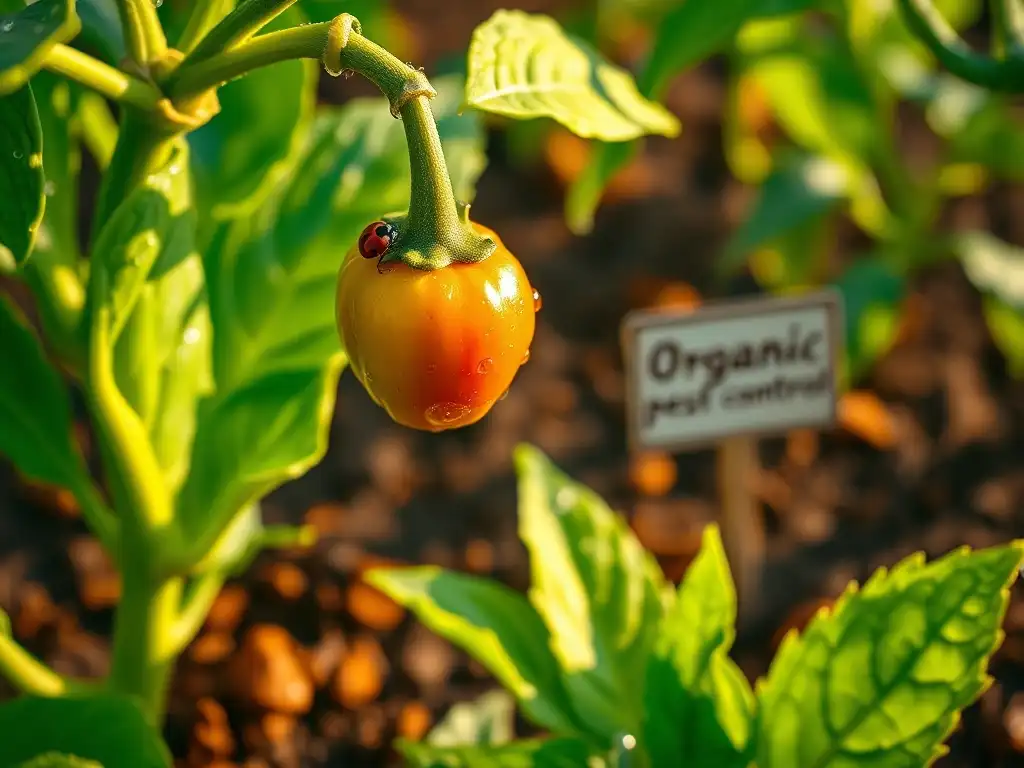
Welcome to CultivateYourFood, your guide to nurturing a thriving garden using sustainable and organic methods! Are you ready to take your homegrown harvest to the next level? Then delve into our Advanced Topics in Pest Management and discover the secrets of effective Organic pest control IPM methods. We'll reveal when and how to utilize organic pesticides within an Integrated Pest Management system, ensuring a bountiful yield without harming the environment. Let's cultivate a healthier, more vibrant garden together!
- Understanding Organic Pest Control IPM Methods
- When to Consider Organic Pesticides in Your IPM Plan
- Choosing the Right Organic Pesticide
- How to Apply Organic Pesticides Effectively
- Maintaining a Sustainable Organic Pest Control Program
- Organic Pest Control IPM Methods: Case Studies
-
Frequently Asked Questions
- What is Integrated Pest Management (IPM)?
- When should I consider using organic pesticides in my IPM strategy?
- What types of organic pesticides are available?
- Are organic pesticides safe for beneficial insects and pollinators?
- How do I ensure I'm using organic pesticides effectively within an IPM framework?
- Final Reflection: The Sustainable Future of Organic Pest Control
- Unlock Your Garden's Potential: Take Charge of Pest Control!
Understanding Organic Pest Control IPM Methods
Cultivating a thriving garden, bursting with vibrant fruits, vegetables, and herbs, often involves navigating the challenges of pest infestations. While chemical pesticides offer a quick fix, they can harm beneficial insects, contaminate soil, and ultimately compromise the health of your plants and the environment.
This article delves into the world of Integrated Pest Management (IPM) and its powerful organic approach, focusing specifically on when and how to utilize organic pesticides as a last resort within a comprehensive, sustainable pest control strategy. We'll explore the core principles of IPM, the crucial role of organic pesticides within this framework, and the myriad benefits of choosing an organic approach for your home garden, aligning perfectly with the principles of sustainable and organic gardening championed by CultivateYourFood.
Understanding these methods is crucial for achieving healthy, thriving plants while minimizing environmental impact and protecting beneficial pollinators. This guide will equip you with the knowledge to effectively manage pests organically, ensuring a bountiful harvest year after year.
Defining Integrated Pest Management (IPM) and its Organic Approach
Integrated Pest Management (IPM) is a holistic approach to pest control that prioritizes prevention and minimizes the use of pesticides. Instead of relying solely on chemical intervention, IPM utilizes a multi-pronged strategy that combines various methods to manage pest populations. The organic approach to IPM emphasizes the use of naturally occurring substances and techniques to control pests, avoiding synthetic chemicals altogether. This might include:
- Cultural controls: Proper planting techniques, crop rotation, and maintaining healthy soil conditions to prevent pest infestations.
- Biological controls: Introducing beneficial insects, such as ladybugs or lacewings, to prey on harmful pests.
- Mechanical controls: Manually removing pests, using traps, or employing barriers to prevent pest access.
- Organic pesticides: Employing naturally derived pesticides as a last resort when other methods prove insufficient. These pesticides are derived from natural sources like plants, minerals, or microorganisms.
The core principle of organic IPM is to maintain a balance within the ecosystem, minimizing disruption and promoting the natural resilience of the plants. It’s about working with nature, not against it. This approach requires careful observation, proactive monitoring, and a willingness to adapt strategies based on the specific needs of your garden. 🌱
The Role of Organic Pesticides within an IPM Strategy
Organic pesticides are a valuable tool within an IPM strategy, but they shouldn't be the first line of defense. They should be considered only after implementing cultural, biological, and mechanical controls have failed to adequately manage the pest population. The overuse of any pesticide, even organic ones, can lead to the development of resistance in pests and disrupt the natural balance of the garden ecosystem. Therefore, careful consideration and precise application are crucial.
Choosing the right organic pesticide is also vital. Several options exist, each with its own strengths and weaknesses. Factors to consider include the target pest, the type of plant being treated, and the potential impact on beneficial insects and pollinators. Always follow label instructions meticulously to ensure safe and effective application. Regular monitoring of the pest population is crucial to assess the effectiveness of the treatment and avoid unnecessary applications.
Benefits of Organic Pest Control for Home Gardens
Choosing organic pest control methods offers numerous advantages for home gardeners:
| Benefit | Description |
|---|---|
| Environmental Protection | Minimizes harm to beneficial insects, birds, and other wildlife, protecting biodiversity and promoting a healthy ecosystem. |
| Human Health | Reduces exposure to harmful synthetic chemicals, safeguarding the health of gardeners and their families. |
| Soil Health | Promotes healthy soil by avoiding the use of harsh chemicals that can disrupt soil organisms and nutrient cycles. |
| Plant Health | Fosters stronger, more resilient plants less susceptible to disease and pests. |
| Cost-Effectiveness | Organic pest control methods can be more cost-effective in the long run, requiring fewer expensive chemical treatments. |
| Reduced Pesticide Resistance | Reduces the risk of pest resistance development, ensuring the long-term effectiveness of control measures. |
By adopting organic IPM methods, including the judicious use of organic pesticides, you can cultivate a thriving garden that is both productive and environmentally responsible. It's a commitment to sustainable practices that benefits both your garden and the planet. 🌎
When to Consider Organic Pesticides in Your IPM Plan
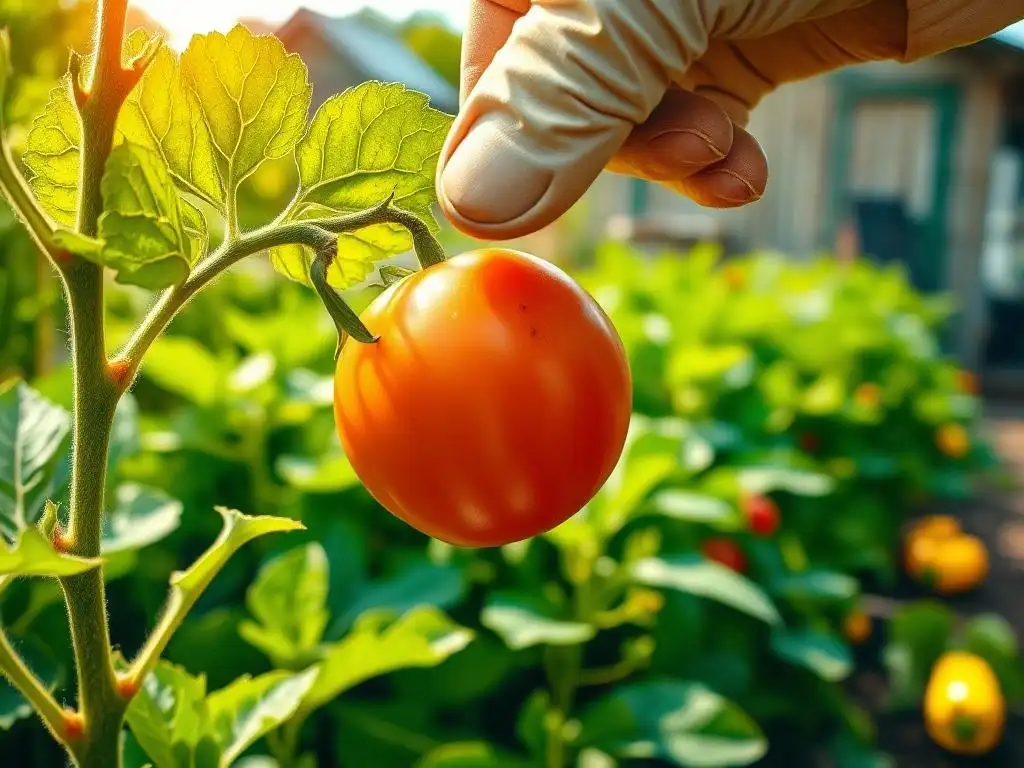
Organic pest control IPM methods prioritize preventative measures and less-toxic interventions. However, sometimes, despite your best efforts, pest populations explode, threatening your harvest. This section clarifies when integrating organic pesticides becomes a necessary component of your IPM strategy. The key is careful consideration and a balanced approach, always remembering the overarching goal of minimizing environmental impact while protecting your plants. Rushing to organic pesticides before exhausting other IPM strategies can be counterproductive and potentially harmful.
Identifying Pests Requiring Organic Intervention
Not all pests require the intervention of organic pesticides. Many can be managed effectively through cultural controls (crop rotation, companion planting), mechanical controls (handpicking, traps), or biological controls (introducing beneficial insects). However, certain pests, due to their rapid reproductive rates, voracious appetites, or ability to spread disease, may necessitate a more direct approach. Examples include:
- Aphids: These tiny insects can quickly decimate plants, causing stunted growth and leaf curling. While ladybugs and lacewings can help control aphid populations, severe infestations may warrant the use of insecticidal soap or neem oil.
- Whiteflies: Similar to aphids, whiteflies reproduce rapidly and can cause significant damage. Sticky traps can help monitor populations, but organic pesticides might be necessary for heavy infestations.
- Powdery Mildew: This fungal disease, often favored by humid conditions, can severely affect plant health. While good air circulation and preventative measures are crucial, organic fungicides like potassium bicarbonate may be necessary in severe cases.
- Tomato Hornworms: These large caterpillars can quickly defoliate tomato plants. Handpicking is effective for small infestations, but for larger populations, Bacillus thuringiensis (Bt) – a naturally occurring bacterium – is a safe and effective organic control option.
The decision to use organic pesticides should be based on a thorough assessment of the pest, its impact on your plants, and the effectiveness of other IPM methods you've already employed. Remember to always identify the pest accurately before selecting a control method.
Assessing Pest Population Thresholds for Organic Pesticide Application
Before reaching for organic pesticides, it's crucial to accurately assess the pest population. The concept of an "economic threshold" is key. This represents the pest population level at which the economic damage caused by the pest outweighs the cost of control measures. For example, a few aphids on a large tomato plant might not warrant intervention, but a widespread infestation requiring significant plant damage justifies organic pesticide use.
To effectively assess pest populations, regular monitoring is essential. This could involve:
- Visual inspections: Regularly examine your plants for signs of pest activity, damage, and the presence of pests themselves.
- Sticky traps: These traps can effectively monitor flying insects like whiteflies and aphids.
- Sampling techniques: Depending on the pest, specific sampling methods might be required to accurately estimate population density.
Using a detailed record-keeping system to track pest populations over time allows you to determine trends and make informed decisions about intervention. This data-driven approach ensures that organic pesticide application is only undertaken when truly necessary, minimizing potential harm to beneficial organisms and the environment. Remember, prevention is always better than cure, and proactive monitoring is a cornerstone of effective IPM.
Evaluating the Impact of Organic Pesticides on Beneficial Insects and Pollinators
While organic pesticides are generally considered less harmful than synthetic counterparts, they can still have unintended consequences. It’s essential to understand their potential impact on beneficial insects and pollinators. Some organic pesticides, while effective against target pests, may also affect beneficial insects such as ladybugs, lacewings, and pollinators like bees.
Choosing selective organic pesticides is crucial. For example, insecticidal soaps and neem oil are generally less harmful to beneficial insects compared to some microbial pesticides. However, even these can have negative impacts if applied improperly or at the wrong time. Consider:
- Application timing: Avoid spraying during peak pollinator activity (early morning or evening).
- Targeted application: Apply pesticides directly to the affected plant parts, minimizing drift and contact with beneficial insects.
- Rotation of pesticides: Rotating different types of organic pesticides can help prevent the development of resistance in target pests and reduce the risk of harming beneficial organisms.
Careful consideration of these factors can minimize the negative impact of organic pesticides on beneficial insects and maintain a healthy ecosystem within your garden. Remember, the goal of IPM is not simply to eliminate pests, but to maintain a balanced ecosystem that supports both plant health and biodiversity.
Choosing the Right Organic Pesticide
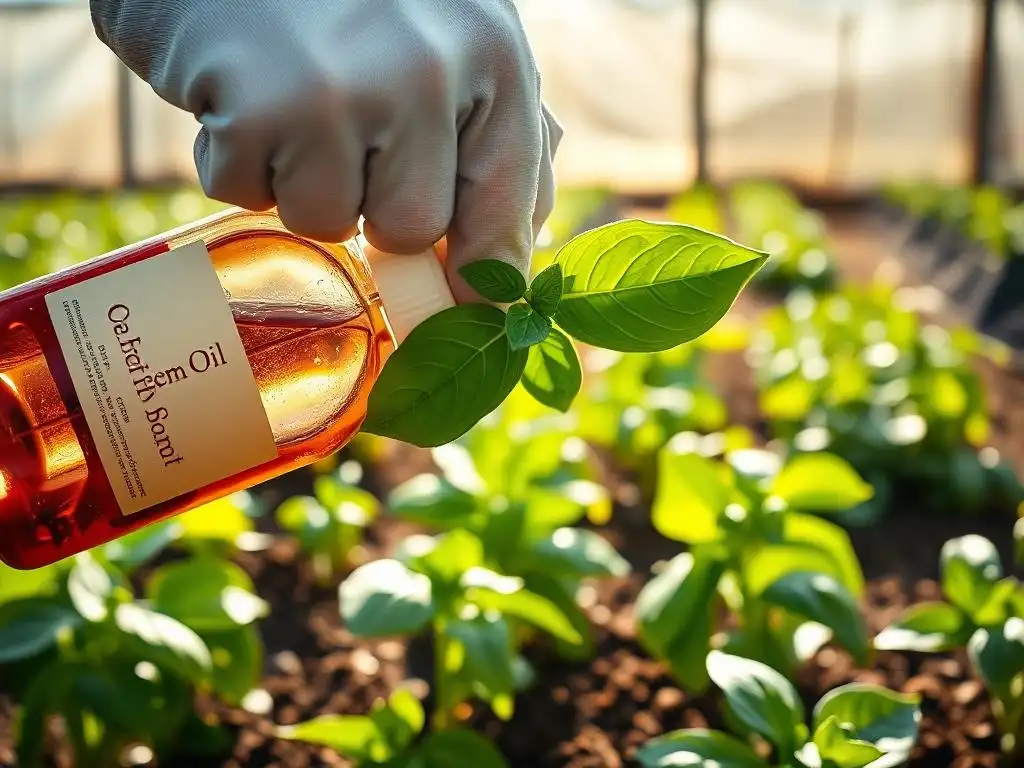
Choosing the right organic pesticide is crucial for effective pest control while minimizing environmental impact and ensuring the safety of your produce and family. Organic pest control IPM methods require careful consideration of several factors before application. This section will guide you through the process, helping you make informed decisions to protect your garden. Remember, prevention is always the best strategy, so implementing strong cultural controls (like proper plant spacing and crop rotation) is paramount before resorting to pesticides.
Types of Organic Pesticides
Organic pesticides encompass a broad range of naturally derived substances. Understanding the different types is essential for selecting the most appropriate option for your specific needs. Some common categories include:
- Insecticidal soaps: These are effective against soft-bodied insects like aphids, spider mites, and whiteflies. They work by disrupting the insect's cell membranes, leading to dehydration and death. They are generally considered safe for beneficial insects and pollinators when used correctly.
- Neem oil: Derived from the neem tree, this oil acts as a natural insecticide, fungicide, and miticide. It disrupts insect development and feeding, making it effective against a wide range of pests. Neem oil is also known for its ability to repel insects.
- Bacillus thuringiensis (Bt): This bacterium produces toxins that are lethal to specific insect larvae, primarily caterpillars. Different strains of Bt target different insect species, making it crucial to select the correct strain for your specific pest problem. It's generally considered safe for humans, beneficial insects, and pollinators.
- Spinosad: A naturally occurring compound derived from soil bacteria, spinosad is effective against a broad spectrum of insects. It works by affecting the insect's nervous system, leading to paralysis and death. While generally considered safe, it can have some negative impacts on beneficial insects, so targeted application is key.
- Botanical insecticides: These are derived from plants and include pyrethrins (from chrysanthemum flowers) and rotenone (from certain plant roots). Pyrethrins are fast-acting and effective against flying insects, but they can also be toxic to bees. Rotenone is a broader-spectrum insecticide, but its toxicity to fish and other non-target organisms necessitates cautious use.
Selecting Organic Pesticides Based on Target Pest and Plant Type
The effectiveness of an organic pesticide varies depending on the target pest and the type of plant being treated. For example, insecticidal soap might be highly effective against aphids on roses, but ineffective against root-feeding insects. Similarly, some organic pesticides might be phytotoxic (harmful) to certain plant species.
| Pest Type | Recommended Organic Pesticide(s) | Considerations |
|---|---|---|
| Aphids | Insecticidal soap, neem oil | Reapplication may be necessary; monitor for resurgence |
| Spider Mites | Neem oil, insecticidal soap | Thorough coverage is crucial; consider multiple applications |
| Cabbage Worms | Bacillus thuringiensis (Bt) | Target specific Bt strain to the pest; use early in larval stage |
| Colorado Potato Beetles | Spinosad | May require multiple applications; rotate with other methods |
| Powdery Mildew | Neem oil, potassium bicarbonate | Focus on preventative measures; good air circulation is vital |
Careful observation and identification of the pest are paramount before selecting and applying any pesticide. Consult reliable resources or seek expert advice if you're unsure about the pest identification.
Understanding Organic Pesticide Labels and Safety Precautions
Always read and understand the label instructions before using any organic pesticide. The label contains vital information about the product's active ingredients, application rates, safety precautions, and potential hazards. Pay close attention to:
- Active Ingredients: Knowing the active ingredient(s) allows you to compare products and choose the most appropriate one for your needs.
- Application Rate: Using the correct application rate is essential for effectiveness and safety. Too little might be ineffective, while too much could harm your plants or beneficial insects.
- Safety Precautions: Follow all safety instructions carefully, including wearing protective clothing (gloves, eye protection), avoiding inhalation, and properly disposing of empty containers.
- Pre-harvest Interval (PHI): The PHI indicates the time period between pesticide application and harvest. Failure to adhere to the PHI can result in pesticide residues on your produce.
Remember, even organic pesticides can have unintended consequences if misused. Always prioritize preventive measures, such as proper sanitation, crop rotation, and companion planting, to minimize the need for pesticides. Careful planning and informed decision-making are key to successful and sustainable organic pest control. 🌱
How to Apply Organic Pesticides Effectively
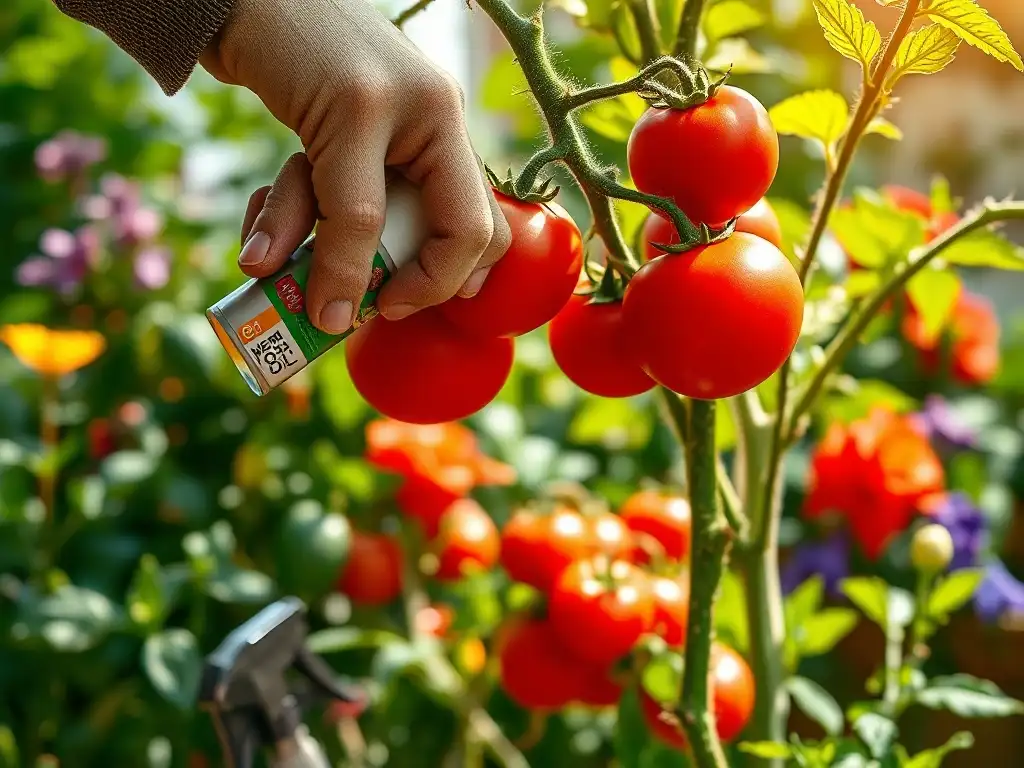
Organic pest control, a cornerstone of Integrated Pest Management (IPM) methods, requires careful application of organic pesticides to maximize their efficacy and minimize environmental impact. This section details best practices for achieving effective organic pest control. Remember, even organic pesticides can harm beneficial insects and pollinators if misused. Always follow label instructions meticulously.
Proper Mixing and Dilution Techniques for Organic Pesticides
Precise mixing and dilution are crucial for effective organic pest control using IPM methods. Incorrect dilutions can lead to ineffective pest control or, conversely, phytotoxicity (damage to plants). Always use clean, calibrated measuring equipment – avoid using kitchen utensils that might later be used for food preparation. Most organic pesticide labels provide specific instructions for mixing and dilution, usually expressed as a ratio (e.g., 1:10, meaning 1 part pesticide to 10 parts water).
Here's a step-by-step guide:
- Read the Label Carefully: Before you begin, thoroughly read the label instructions for the specific organic pesticide you are using. Note the recommended dilution ratio, application method, and any safety precautions.
- Gather Your Materials: You'll need a clean, calibrated measuring container (graduated cylinder or marked jug), a clean mixing container (plastic bucket is ideal), and a stirring implement (a wooden spoon or stick is preferable to metal).
- Measure the Pesticide: Accurately measure the required amount of organic pesticide using your calibrated measuring container. Avoid overfilling or underfilling.
- Add Water: Add the correct amount of water to the mixing container. It’s generally better to add the pesticide to the water, rather than vice versa, to ensure thorough mixing and prevent clumping.
- Mix Thoroughly: Gently stir the mixture until the pesticide is completely dissolved and evenly distributed. Avoid creating excessive foam.
- Test Spray: Before applying to your entire crop, test the mixture on a small, inconspicuous area of plants to check for any adverse reactions. Observe for any signs of phytotoxicity (e.g., leaf burn, wilting) within 24-48 hours.
Example: If the label instructs you to use a 1:100 dilution of neem oil, you would mix 1 ounce of neem oil with 100 ounces (approximately 12.5 cups) of water. Always double-check your calculations to ensure accuracy.
Application Methods: Spraying, Drenching, Dusting
Organic pest control within an IPM framework utilizes various application methods tailored to the specific pest and plant. The most common methods include spraying, drenching, and dusting.
- Spraying: This is the most common method for applying liquid organic pesticides. Use a hand-held sprayer with adjustable nozzle for even coverage. Avoid spraying during peak sun hours to prevent leaf burn and ensure the pesticide doesn't evaporate too quickly. Aim for thorough coverage of plant surfaces, including the undersides of leaves, where many pests hide.
- Drenching: This method involves applying a concentrated solution of organic pesticide directly to the soil around the base of plants. It's effective against soilborne pests and diseases. Ensure the soil is adequately moist before application to facilitate absorption.
- Dusting: This involves applying a fine powder of an organic pesticide, such as diatomaceous earth, to the plant surfaces. It's particularly effective against crawling insects. Apply on a calm day to prevent wind dispersal and ensure even coverage.
Timing of Application for Maximum Effectiveness
Timing is critical for effective organic pest control within IPM strategies. Applying organic pesticides at the right time maximizes their impact and minimizes the need for repeated treatments.
- Early Detection: Regular monitoring of your plants for signs of pest infestation is crucial. Early detection allows for timely intervention, preventing significant damage and reducing the need for aggressive pesticide applications.
- Life Cycle Targeting: Many organic pesticides are most effective against certain pest life stages (eggs, larvae, adults). Understanding the pest's life cycle helps determine the optimal timing for application. For example, some organic pesticides are most effective when applied to young larvae.
- Weather Conditions: Avoid applying organic pesticides during periods of heavy rain or high winds, as these conditions can wash or blow away the pesticide, reducing its effectiveness. Optimal conditions typically involve calm weather with little to no rain expected in the following 24 hours.
- Rotational Application: To prevent pest resistance, consider rotating different organic pesticides with varying modes of action. This strategy helps maintain control while minimizing the development of pesticide resistance within pest populations. Consult resources on organic pest control IPM methods for guidance on appropriate rotations.
Monitoring Pest Populations After Organic Pesticide Application
After applying any organic pesticide, consistent monitoring is crucial to assess its effectiveness and determine the next steps in your integrated pest management (IPM) strategy. This isn't just about checking if the pests are gone; it's about understanding the impact of your treatment. Did it significantly reduce the pest population? Did it eliminate the problem entirely? Or is a follow-up treatment necessary? Ignoring this step can lead to a resurgence of pests, potentially at even higher numbers than before.
Effective monitoring involves a combination of visual inspections and potentially more sophisticated techniques. Regularly inspect your plants, paying close attention to areas where pests are known to congregate. Look for signs of pest activity, such as chewed leaves, holes in fruits, or the presence of pests themselves.
Note the number of pests you observe, their location on the plant, and any signs of damage. Keeping a detailed record, perhaps in a journal or a spreadsheet, will allow you to track changes in pest populations over time and correlate them with your pesticide applications. This data is invaluable for refining your IPM strategy.
The frequency of monitoring depends on several factors, including the type of pest, the severity of the infestation, and the type of organic pesticide used. For example, if you're dealing with a rapidly reproducing pest like aphids, you'll need to monitor more frequently – perhaps daily or every other day – compared to a slower-spreading pest. Similarly, some organic pesticides have a longer residual effect than others, allowing for less frequent monitoring. However, a general rule of thumb is to monitor at least once a week following the application of an organic pesticide.
Beyond visual inspection, you might consider using traps or other monitoring tools to get a more quantitative assessment of pest populations. Sticky traps can be effective for capturing flying insects, while pheromone traps can attract specific pests for monitoring purposes. These methods can provide a more accurate measure of pest numbers and help you make informed decisions about subsequent treatments.
Remember, the goal is not to eradicate every single pest, but to maintain pest populations below the economic injury level – the point at which the damage caused by pests outweighs the cost of control. Careful monitoring helps you achieve this balance. Remember to always consider the environmental impact and choose your monitoring methods accordingly, prioritizing non-invasive techniques whenever possible.
Maintaining a Sustainable Organic Pest Control Program
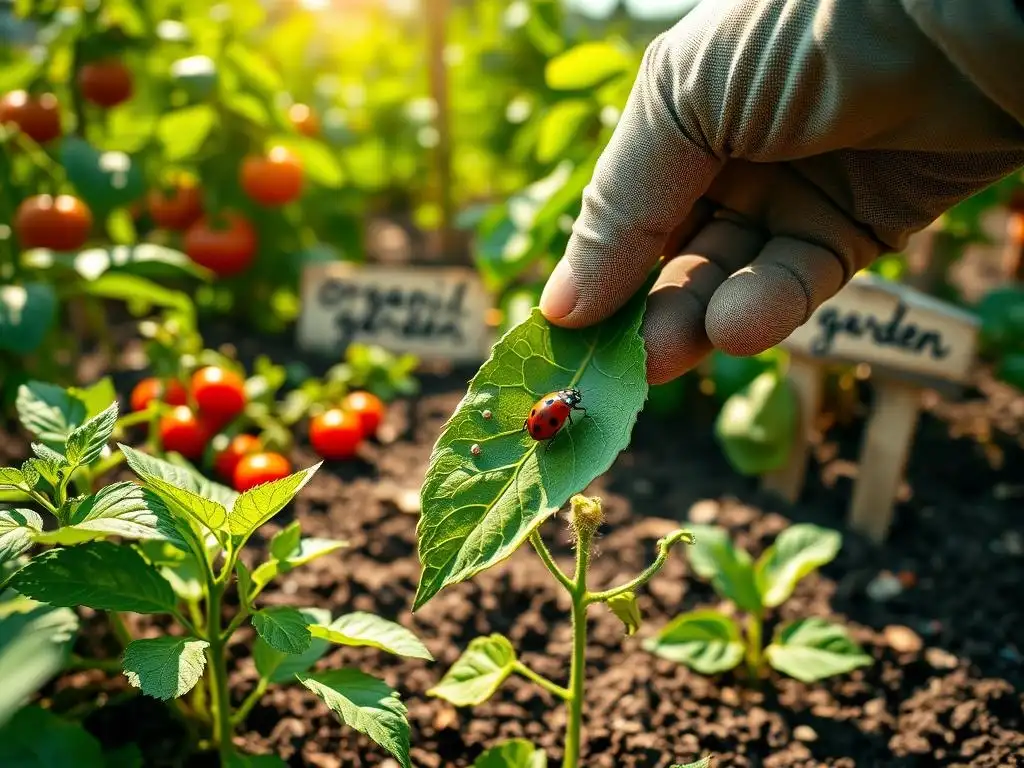
This section delves into the crucial aspects of establishing and upholding a sustainable organic pest control program within your home garden. Success hinges not just on reacting to pest problems, but on proactively preventing them and understanding the long-term implications of your choices. A truly sustainable approach considers the entire ecosystem of your garden, minimizing disruption and maximizing the health of your plants and the environment. Effective organic pest control IPM methods require careful planning and consistent effort.
Preventing Pest Infestations Through Cultural Practices
Proactive measures are the cornerstone of any successful organic pest control strategy. By implementing sound cultural practices, you significantly reduce the likelihood of pest infestations, minimizing the need for pesticide intervention. This preventative approach is environmentally friendly and reduces the workload associated with pest management.
Several key cultural practices contribute to pest prevention:
- Crop Rotation: Rotating crops annually disrupts the life cycles of many pests, preventing the buildup of specific pests in the soil or on plants. For example, rotating tomatoes with legumes helps to break the cycle of tomato hornworms and other tomato-specific pests.
- Companion Planting: Strategically planting certain species together can deter pests. Marigolds, for instance, are known to repel nematodes and some insects. Basil planted near tomatoes can also help to deter some common tomato pests.
- Healthy Soil: Healthy soil supports healthy plants, which are naturally more resistant to pests. Composting, cover cropping, and avoiding excessive tillage all contribute to soil health. A rich, balanced soil provides plants with the nutrients they need to thrive and resist pests.
- Proper Watering and Fertilization: Consistent watering and appropriate fertilization provide plants with the resources they need to grow strong and healthy, making them less susceptible to pest damage. Avoid overwatering, which can create favorable conditions for fungal diseases and attract certain pests.
Combining Organic Pesticides with Other IPM Techniques
Organic pesticides, when used judiciously as part of an Integrated Pest Management (IPM) strategy, can be effective tools for controlling pests. However, they should never be used in isolation. The most successful approach involves combining organic pesticides with other IPM techniques for a holistic and sustainable approach to organic pest control IPM methods.
Consider these complementary strategies:
- Monitoring: Regular monitoring of your plants allows you to detect pest problems early, before they become widespread. This enables timely intervention with minimal pesticide use. Careful observation can reveal the presence of pests, even before visible damage occurs.
- Beneficial Insects: Introducing beneficial insects, like ladybugs or lacewings, can help control pest populations naturally. These predators feed on many common garden pests, reducing the need for chemical intervention.
- Physical Barriers: Row covers, netting, or sticky traps can prevent pests from accessing your plants. These physical barriers offer a non-toxic way to protect crops.
- Handpicking: For small infestations, handpicking pests is an effective and environmentally friendly solution. This method is particularly useful for removing larger pests or those that are easily visible.
Long-Term Organic Pest Management Strategies for Home Gardens
Long-term success in organic pest management requires a commitment to sustainable practices and a willingness to adapt your strategies as needed. This is an ongoing process of learning and refinement.
Key elements of a long-term strategy include:
- Record Keeping: Maintaining detailed records of pest occurrences, treatments, and their effectiveness helps you track trends and refine your approach over time. This data-driven approach allows for informed decision-making in future seasons.
- Diversification: Planting a diverse range of crops helps to prevent the buildup of any single pest population. A diverse garden is naturally more resilient to pest outbreaks.
- Soil Improvement: Continuously improving soil health through composting and cover cropping enhances plant vigor and resistance to pests. This is a foundational element of sustainable organic gardening.
- Education and Adaptation: Staying informed about new pest control techniques and adapting your strategies as needed ensures that your approach remains effective and sustainable over the long term. Organic pest control is an evolving field, and continuous learning is essential.
Evaluating the Success of Your Organic Pest Control Program
Evaluating the effectiveness of your organic pest control program is crucial for maintaining a healthy and productive garden. Simply applying treatments isn't enough; you need to actively monitor their impact and adjust your strategy as needed. This involves a multi-faceted approach, combining regular observation with data collection.
One key aspect is consistent monitoring. Regularly inspect your plants for signs of pest infestation, noting the types of pests present, their population density, and the extent of damage to your crops. Keep a detailed journal or spreadsheet, recording your observations with dates and locations within your garden.
This data forms the bedrock of your evaluation, allowing you to track trends over time. For example, you might notice a significant decrease in aphid populations after introducing ladybugs, or an increase in whitefly numbers despite consistent neem oil application. These observations are invaluable in determining the efficacy of your chosen organic pest control methods.
Beyond visual inspection, consider using traps to quantify pest populations. Sticky traps for flying insects, pheromone traps for specific pests, or pitfall traps for crawling insects can provide quantitative data on pest presence. Comparing trap catches over time gives a clearer picture of population fluctuations and the effectiveness of your control measures. For instance, a significant drop in the number of moths caught in pheromone traps after implementing a Bacillus thuringiensis (Bt) spray indicates the success of that biological control agent.
Another important element is assessing the overall health of your plants. Are they exhibiting vigorous growth, producing healthy fruits and vegetables? Or are they showing signs of stress, such as wilting, yellowing leaves, or stunted growth? Healthy plants are often more resilient to pest infestations, indicating a successful overall pest management strategy. Conversely, persistent pest damage despite your efforts points to the need for adjustments in your approach. Remember that healthy soil, proper watering, and appropriate fertilization also play vital roles in the overall health of your plants and their resistance to pests.
Finally, don't underestimate the importance of comparing your results to previous years or seasons. This historical data helps establish a baseline and provides context for your current observations. Did you experience a similar pest outbreak last year? How did you manage it, and what were the outcomes?
By analyzing these trends, you can refine your organic pest control strategies for improved effectiveness and sustainability in the long term. The goal isn't pest eradication, but rather maintaining pest populations below the economic injury level—the point at which pest damage outweighs the cost of control. This holistic approach ensures a balanced and sustainable organic gardening practice. Regular evaluation, therefore, is not just a good practice, but an essential component of successful organic pest control within an IPM framework.
Organic Pest Control IPM Methods: Case Studies
This section delves into specific examples showcasing the practical application of organic pest control within an Integrated Pest Management (IPM) framework. We'll examine real-world scenarios, highlighting the effectiveness and limitations of various organic pest control strategies. Understanding these case studies will help you tailor your own IPM approach to your specific needs and the unique challenges presented by your garden. Remember, successful organic pest control relies on careful observation, proactive measures, and a nuanced understanding of your garden ecosystem.
Case Study 1: Aphids on Roses
Roses, beloved for their beauty, are unfortunately susceptible to aphid infestations. A conventional approach might involve broad-spectrum insecticides, harming beneficial insects in the process. However, an IPM strategy focusing on organic pest control offers a more sustainable solution.
In this case study, a homeowner noticed a significant aphid colony on their rose bushes. Instead of immediately resorting to chemicals, they first implemented cultural controls. This involved regularly inspecting the plants, removing infested leaves and buds by hand, and ensuring proper watering and fertilization to promote strong plant growth. Stronger plants are naturally more resistant to pest pressure.
Next, they introduced biological controls. Ladybugs, known aphid predators, were released into the garden. The homeowner also encouraged the presence of lacewings and parasitic wasps, natural enemies of aphids, by planting flowering plants that attract them. These beneficial insects helped significantly reduce the aphid population.
Finally, as a last resort for a small, persistent infestation, they used a neem oil spray, a naturally derived insecticide. Neem oil disrupts the aphids' life cycle without harming beneficial insects to the same extent as synthetic pesticides. The combination of these methods resulted in effective aphid control without resorting to harmful chemicals, demonstrating a successful organic pest control strategy within an IPM framework. The key here was a multi-pronged approach, prioritizing preventative measures and biological controls before using any direct intervention.
Case Study 2: Tomato Hornworms on Tomatoes
Tomato hornworms are voracious eaters, capable of decimating a tomato crop quickly. Again, an IPM approach utilizing organic pest control methods proved highly effective.
The gardener, noticing significant leaf damage on their tomato plants, initially employed careful monitoring. They hand-picked and removed the large, easily visible hornworms. This direct action is often sufficient for small infestations.
To prevent future infestations, they implemented crop rotation, planting tomatoes in a different location the following year. This disrupts the hornworm's life cycle, as the larvae overwinter in the soil near their host plants. They also introduced Bacillus thuringiensis (Bt), a naturally occurring bacterium that is toxic to hornworms but harmless to humans and most other beneficial insects. Bt was applied as a foliar spray, targeting the hornworms directly. The gardener avoided excessive use of Bt, applying it only when necessary based on their ongoing monitoring.
The combination of hand-picking, crop rotation, and targeted use of Bt resulted in effective control of the hornworms while minimizing environmental impact. This case demonstrates the efficacy of integrating multiple organic pest control strategies within a comprehensive IPM plan. The focus on preventative measures and a targeted, rather than blanket, approach minimized the need for extensive interventions. This strategy also reduced the risk of developing pesticide resistance in the hornworm population, a common problem with repeated applications of synthetic insecticides.
Frequently Asked Questions
What is Integrated Pest Management (IPM)?
IPM is a sustainable approach to pest control that involves using a combination of methods, including biological controls, cultural practices, and pesticides only when absolutely necessary and as a last resort. The goal is to minimize environmental impact while maximizing effectiveness.
When should I consider using organic pesticides in my IPM strategy?
You should consider organic pesticides only after less harmful methods like crop rotation, companion planting, and beneficial insect introduction have proven insufficient to control the pest population. Use them only when the pest infestation threatens significant crop loss.
What types of organic pesticides are available?
Several organic pesticides exist, including those derived from botanical sources (like neem oil or pyrethrum) and microbial pesticides (like Bacillus thuringiensis). Always choose products specifically labeled for organic gardening.
Are organic pesticides safe for beneficial insects and pollinators?
While generally safer than synthetic pesticides, some organic pesticides can still harm beneficial insects and pollinators. Choose selectively toxic options and apply them carefully, following all label instructions to minimize harm to non-target organisms.
How do I ensure I'm using organic pesticides effectively within an IPM framework?
Effective use involves accurate identification of the pest, monitoring its population levels, and using the least toxic method appropriate for the situation. Always follow label instructions precisely and consider the environmental impact of your actions.
Final Reflection: The Sustainable Future of Organic Pest Control
The responsible integration of organic pesticides within Integrated Pest Management (IPM) strategies is not merely a niche practice; it's a crucial component of a sustainable agricultural future. Our planet's health depends on finding innovative and environmentally conscious solutions to pest control, and IPM, with its careful consideration of organic options, offers a powerful pathway forward. The future of food security and ecological balance hinges on our collective commitment to these methods.
The shift towards organic pest control reflects a growing awareness of the long-term consequences of synthetic pesticide use. The impact on biodiversity, human health, and soil fertility is undeniable. Nature always wears the colors of the spirit.
– Ralph Waldo Emerson. This quote speaks to the interconnectedness of our actions and their repercussions on the environment. We've seen firsthand the damage caused by indiscriminate pesticide application, and the movement towards organic alternatives represents a profound shift in our understanding of responsible stewardship. This isn't just about farming; it's about our relationship with the natural world.
Consider the information presented in this article. Think about the specific organic pesticides discussed and their applications. You now possess the knowledge to make informed choices about pest control in your own garden, farm, or community. Don't just passively accept conventional methods; actively seek out sustainable solutions. Embrace the principles of IPM, and become a champion for a healthier, more vibrant future for all. The power to create a more sustainable world lies within your hands.
Unlock Your Garden's Potential: Take Charge of Pest Control!
Thanks for exploring the world of organic pest control with us! We hope you gained valuable insights into using organic pesticides effectively as part of an Integrated Pest Management (IPM) system. Now, it's time to put your knowledge into practice.
- Craft your personalized IPM plan: Begin by identifying the key pests affecting your garden and develop a tailored strategy based on the principles discussed. Consider factors such as the type of crops you're growing, the pest's life cycle, and prevailing environmental conditions. This is crucial for successful organic pest control.
- Share your experiences: Join our online community forum and discuss your successes (and challenges!) with fellow gardeners. Let's build a supportive network dedicated to sustainable pest management.
- Explore further: Learn more about specific organic pesticides mentioned in the article, or research other organic gardening methods to enhance your overall IPM approach.
Ready to nurture a thriving, pest-resistant garden? What's the first step you'll take to implement your IPM plan today?