
The Impact of Soil Types on Plant Growth: What You Need to Know

Welcome to CultivateYourFood, your guide to a thriving home garden! Are you ready to unlock the secrets to bountiful harvests? We believe everyone can grow their own food, and it all starts with the right foundation. Discover the critical role of soil in achieving your gardening dreams, beginning with our in-depth exploration of the best soil type for your vegetable garden. Let's cultivate a greener, healthier future, together.
- Understanding the Best Soil Type for a Vegetable Garden
- Different Soil Types and Their Impact on Plant Growth
- Improving Soil Quality for Better Vegetable Growth
- Case Study: Transforming a Poor Soil Type into a Thriving Vegetable Garden
- Choosing the Right Plants for Your Soil Type
- Frequently Asked Questions
- Final Reflection: Cultivating a Bountiful Future, One Soil Type at a Time
- Unlock Your Garden's Potential: Nurture Thriving Plants!
Understanding the Best Soil Type for a Vegetable Garden
Choosing the right soil is paramount for a thriving vegetable garden. The success of your homegrown fruits, vegetables, and herbs hinges significantly on the quality and composition of your soil. This article delves into the crucial role soil type plays in plant growth, providing you with the knowledge to cultivate a bountiful harvest using sustainable and organic practices.
We'll explore the ideal soil composition for optimal vegetable growth, guide you through identifying your existing soil type, and show you how to test for essential factors like pH levels and nutrient content. Ultimately, understanding your soil is the key to unlocking the potential of your vegetable garden and achieving the best results – a crucial step towards realizing your dream of a flourishing, organic vegetable patch. This comprehensive guide will help you determine the best soil type for your vegetable garden, leading you towards a more productive and rewarding gardening experience.
Let's dig in! 🥕
Ideal Soil Composition for Optimal Vegetable Growth
The "best" soil type for a vegetable garden isn't a single, definitive answer; it's a combination of factors creating the perfect environment for root development and nutrient uptake. Ideally, your soil should be a well-balanced mix offering excellent drainage, aeration, and water retention. Think of it like a sponge – able to hold enough water for your plants but not so much that it becomes waterlogged.
This "ideal" soil is often described as loam. Loam is a balanced mix of sand, silt, and clay, each contributing vital properties:
- Sand: Provides excellent drainage and aeration, preventing waterlogging. Think of it as the air pockets in your soil.
- Silt: Offers a good balance between drainage and water retention, holding onto essential nutrients. It's like the fine, powdery component that helps retain moisture.
- Clay: Retains water and nutrients, crucial for providing your plants with a consistent supply. However, too much clay can lead to compaction and poor drainage.
The optimal ratio is generally considered to be roughly 40% sand, 40% silt, and 20% clay, although this can vary depending on your specific climate and the vegetables you're growing. Adding organic matter like compost significantly improves even less-than-ideal soil structures, increasing its water-holding capacity, aeration, and nutrient content. This is crucial for achieving the best results in your vegetable garden.
Identifying Your Existing Soil Type: A Simple Guide
Before you start amending your soil, it's vital to understand what you're working with. A simple “feel test” can provide a good initial assessment of your soil type:
- Take a sample: Collect a handful of moist soil from different areas of your garden.
- Rub it between your fingers: Feel the texture. Sand feels gritty, silt feels smooth and floury, and clay feels sticky and pliable.
- Roll it into a ball: Try to form a ball or sausage shape. Sand won't hold a shape, silt will form a loose ball, and clay will hold a strong, firm shape.
- Observe the drainage: After watering a small area, observe how quickly the water drains. Poor drainage often indicates a high clay content.
This simple test gives you a preliminary idea of your soil's composition. Remember, however, that this is just a starting point; a more detailed soil test is recommended for a comprehensive understanding.
Testing Your Soil: pH Levels and Nutrient Content
While knowing your soil type is important, understanding its pH level and nutrient content is equally crucial for successful vegetable gardening. Soil pH measures the acidity or alkalinity of your soil, impacting nutrient availability. Most vegetables thrive in slightly acidic to neutral pH levels (around 6.0-7.0). Nutrient deficiencies can significantly hinder plant growth, affecting yield and overall health.
A professional soil test from a local agricultural extension office or gardening center provides detailed information on your soil's pH, nutrient levels (nitrogen, phosphorus, potassium, etc. ), and potential issues. This test is invaluable in guiding your soil amendment strategy. The results will inform what adjustments you need to make—whether it's adding lime to raise pH, organic matter to improve structure, or specific fertilizers to address nutrient deficiencies. Investing in a soil test is a small price to pay for a potentially significantly larger harvest! 🌱
Different Soil Types and Their Impact on Plant Growth
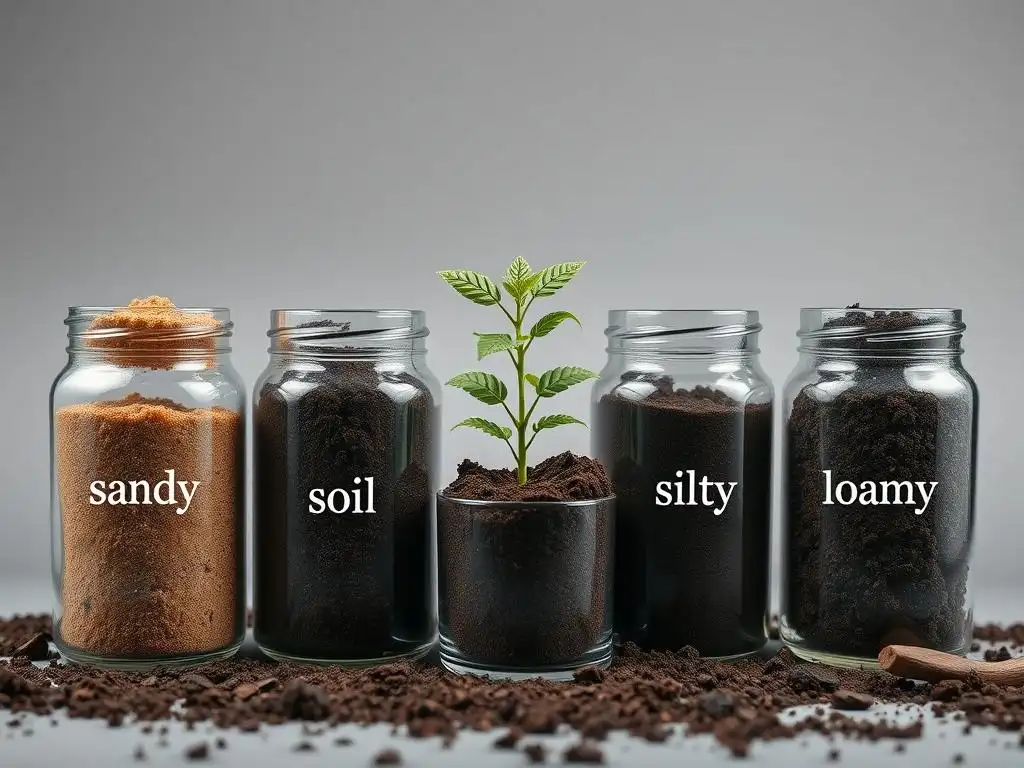
This section delves into the specifics of various soil types and their suitability for a thriving vegetable garden. Understanding your soil's composition is crucial for optimizing plant growth and achieving the best possible harvest. Selecting the best soil type for a vegetable garden depends heavily on the specific needs of your chosen plants and your local climate.
Sandy Soil: Characteristics, Pros, and Cons for Vegetable Gardening
Sandy soil is characterized by its large particle size, resulting in excellent drainage and aeration. Water percolates quickly, leaving little room for water retention. This makes sandy soil easy to work with, especially when compared to heavier clay soils. However, this excellent drainage comes at a cost: nutrients leach out rapidly, requiring more frequent fertilization. Plants grown in sandy soil often need more frequent watering, especially during dry spells.
The pros of using sandy soil for vegetable gardening include:
- Excellent Drainage: Prevents root rot and other waterlogged-soil diseases. This is especially beneficial for plants that dislike consistently damp soil.
- Easy Workability: Sandy soil is easy to till and amend, making planting and weeding relatively straightforward.
- Warm-up Quickly: Sandy soils warm up faster in the spring, allowing for earlier planting.
However, the cons are significant:
- Poor Water Retention: Requires more frequent watering, increasing your water bill and potentially creating more work for you.
- Low Nutrient Retention: Nutrients leach out quickly, necessitating frequent fertilization to maintain plant health. This adds to the cost of gardening.
- Susceptibility to Erosion: The loose structure of sandy soil makes it vulnerable to erosion, especially on slopes.
To improve sandy soil for vegetable gardening, consider incorporating organic matter such as compost, well-rotted manure, or peat moss. These amendments increase the soil's water retention capacity and improve its nutrient-holding ability. Adding a layer of mulch also helps retain moisture and suppress weeds. Consider using raised beds filled with a rich soil mix to create a more optimal environment for your plants.
Clay Soil: Understanding Drainage, Aeration, and Amendments
Clay soil, on the other hand, is characterized by its fine particles, resulting in poor drainage and aeration. Water tends to sit on the surface, leading to waterlogging and potentially damaging plant roots. Clay soil can be difficult to work with, becoming hard and compacted when dry and sticky and difficult to till when wet. While it holds onto nutrients well, poor drainage often restricts root growth and oxygen uptake.
The major challenges with clay soil include:
- Poor Drainage: Leads to waterlogged conditions, increasing the risk of root rot and fungal diseases. Plants struggle to access oxygen in waterlogged soil.
- Poor Aeration: Limited air circulation hinders root growth and nutrient uptake.
- Compaction: Clay soil can become compacted, making it difficult for roots to penetrate and for water to infiltrate.
However, clay soils do have some advantages:
- High Nutrient Retention: Clay's fine texture holds onto nutrients effectively, reducing the need for frequent fertilization compared to sandy soils.
- Good Water Retention (when managed properly): Once amended, clay soil can retain moisture well, reducing the need for frequent watering.
Improving clay soil for vegetable gardening requires amending it with organic matter to improve drainage and aeration. Adding compost, well-rotted manure, and other organic materials helps to break up the clay particles, creating more pore space for water and air to penetrate. Avoid working clay soil when it's wet, as this can further compact it. Consider raised beds or creating mounds to improve drainage. Adding gypsum can also improve soil structure over time.
Silty Soil: Balancing Water Retention and Drainage for Vegetables
Silty soil is composed of medium-sized particles, offering a balance between sandy and clay soils. It generally drains better than clay soil but retains more moisture than sandy soil. Silty soil is often fertile and easy to work with, making it a relatively good choice for vegetable gardening. However, it can become compacted if not properly managed.
Silty soil provides a good compromise:
- Moderate Drainage: Generally well-drained, avoiding the waterlogging problems of clay soil.
- Good Water Retention: Retains moisture better than sandy soil, reducing the frequency of watering.
- Good Nutrient Retention: Holds onto nutrients reasonably well, although not as effectively as clay soil.
However, silty soil also presents some challenges:
- Susceptibility to Compaction: Can become compacted under heavy foot traffic or machinery, reducing drainage and aeration.
- Potential for Erosion: Although less prone to erosion than sandy soil, silty soil can still be susceptible to erosion, especially on slopes.
To optimize silty soil for your vegetable garden, maintain good soil structure by avoiding excessive tilling or compaction. Adding organic matter can further improve water retention and drainage, while also enhancing fertility. Mulching helps to suppress weeds, retain moisture, and reduce erosion. Regular soil testing will help you monitor nutrient levels and adjust fertilization accordingly. The best way to ensure success is to carefully choose vegetables that thrive in your specific soil conditions.
Loamy Soil: The Goldilocks of Soil Types for Abundant Harvests
Loamy soil is often lauded as the "Goldilocks" of soil types for vegetable gardens, representing the ideal balance of sand, silt, and clay. This optimal blend provides the perfect environment for robust plant growth, making it a top contender for the title of "best soil type vegetable garden". Its excellent drainage prevents waterlogging, a common problem that can suffocate roots and lead to fungal diseases. Simultaneously, its ability to retain moisture ensures that plants have consistent access to water, even during periods of drought. This crucial balance is what makes loamy soil so effective for nurturing thriving vegetable gardens.
The composition of loamy soil contributes significantly to its success. The sand component improves drainage and aeration, allowing roots to breathe and access oxygen readily. Silt provides a fine texture that retains moisture and nutrients effectively.
Clay, while often seen as problematic in its pure form, contributes to the soil's overall structure in loam, improving its ability to hold onto essential nutrients plants need to flourish. This intricate interplay of components results in a soil rich in organic matter and beneficial microorganisms, creating a fertile ground for abundant harvests. The presence of these microorganisms further enhances nutrient cycling, ensuring a constant supply of readily available nutrients for your plants.
Choosing loamy soil for your vegetable garden significantly reduces the need for frequent watering and fertilization. The soil's inherent water retention capabilities minimize water waste, contributing to a more sustainable gardening practice, aligning perfectly with the CultivateYourFood ethos of organic and sustainable food production. Furthermore, the excellent nutrient retention means that fewer fertilizers are needed, lowering your environmental impact and minimizing the risk of nutrient runoff, which can pollute water sources.
This makes loamy soil not only the best choice for your plants but also a responsible choice for the environment. You'll find your plants are healthier, more vigorous, and ultimately more productive with less effort on your part. This translates to a more enjoyable gardening experience and, of course, a bountiful harvest of delicious homegrown vegetables.
Improving Soil Quality for Better Vegetable Growth
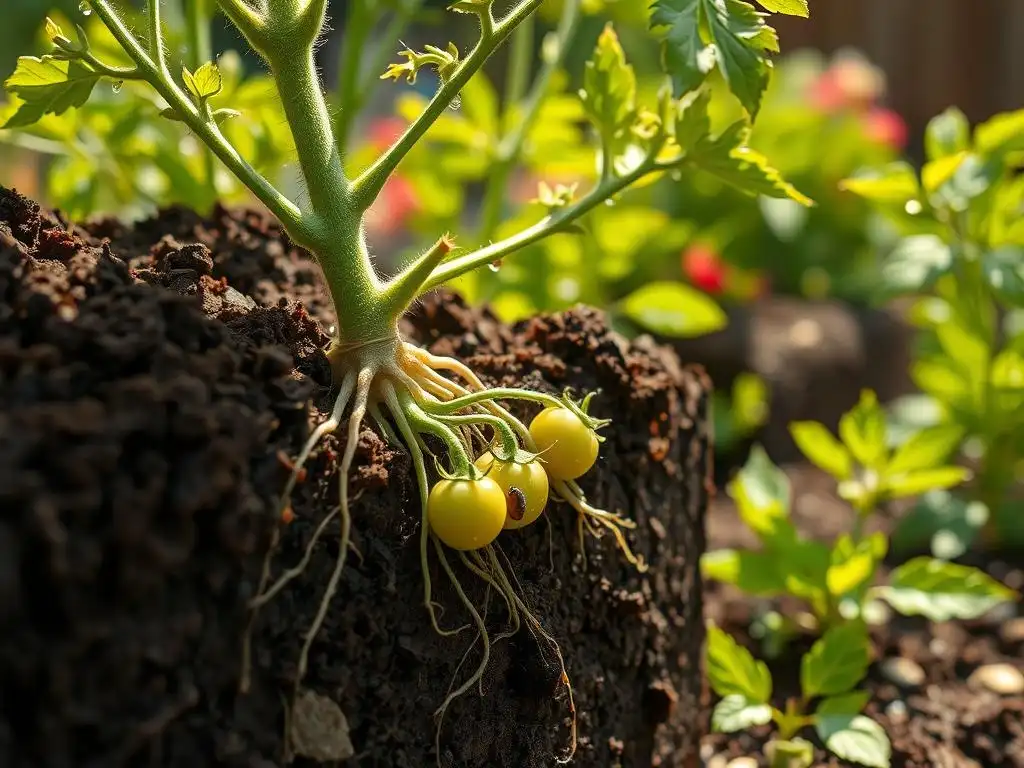
This section delves into practical methods for enhancing your soil's properties to cultivate a thriving vegetable garden. Achieving the "best soil type vegetable garden" isn't just about the initial soil composition; it's about actively improving its structure and nutrient content. We'll explore key techniques to transform your soil into a fertile haven for your plants. Remember, consistent soil improvement is key to long-term gardening success.
Organic Matter and Compost: Building Healthy Soil Structure
Incorporating organic matter is paramount for creating the ideal soil structure for a vegetable garden. Organic matter, such as compost, significantly improves soil drainage, aeration, and water retention – all crucial factors for healthy root development. Compost acts like a sponge, holding onto water and nutrients, preventing them from leaching away. This slow release of nutrients provides a consistent food source for your plants, promoting vigorous growth.
The benefits extend beyond nutrient provision. Organic matter introduces beneficial microorganisms to the soil, enhancing its overall biological activity. These microbes break down organic matter, releasing essential nutrients and improving soil structure. A healthy soil ecosystem is a resilient one, better able to withstand drought, pests, and diseases.
Consider this example: A sandy soil, typically lacking in water retention, can be dramatically improved by adding a generous amount of compost. The compost particles create spaces within the sandy structure, increasing its water-holding capacity. Conversely, heavy clay soils, prone to compaction, benefit from compost's ability to break up clay particles, improving drainage and aeration. Aim for at least 2-4 inches of compost incorporated into your soil before planting. Regular additions throughout the growing season will further enhance soil health. The improved soil structure translates directly to healthier, more productive vegetable plants.
Adding other organic matter, like well-rotted manure or leaf mold, further enhances the soil's structure and fertility. Each type of organic matter contributes unique benefits, creating a diverse and thriving soil ecosystem. The key is to create a balanced mix to meet the specific needs of your vegetables.
Aeration Techniques for Improved Root Development
Adequate soil aeration is crucial for healthy root growth. Roots need oxygen to function properly, and compacted soils restrict oxygen flow, leading to stunted growth and reduced nutrient uptake. This is especially important for vegetables with deep root systems, such as carrots or tomatoes. The "best soil type vegetable garden" is one that allows for optimal root penetration and oxygen exchange.
Several techniques can improve soil aeration:
- Forking: Regular forking, especially in clay soils, helps to break up compacted layers and create air pockets. This simple technique can significantly improve drainage and aeration.
- No-Till Gardening: No-till methods minimize soil disturbance, preserving soil structure and enhancing aeration. Adding compost directly to the surface further improves soil health without disrupting the existing structure.
- Raised Beds: Raised beds offer improved drainage and aeration, particularly beneficial in areas with heavy clay soils. The elevated position allows for better water drainage and oxygen circulation.
- Cover Crops: Planting cover crops like clover or rye helps improve soil structure and aeration. Their roots penetrate the soil, creating channels for better air and water movement. Plus, when the cover crop is tilled back into the soil, it adds valuable organic matter.
Proper aeration directly contributes to a thriving root system. Healthy roots are essential for nutrient uptake and overall plant vigor. The benefits are evident in increased yields and disease resistance. Ignoring aeration can lead to poor plant performance, even in nutrient-rich soil.
Soil pH Adjustment: Optimizing for Specific Vegetable Needs
Soil pH, a measure of soil acidity or alkalinity, significantly impacts nutrient availability. Different vegetables thrive in different pH ranges. Achieving the optimal pH for your chosen vegetables is crucial for maximizing their growth and yield. Understanding and adjusting your soil pH is a key aspect of achieving the "best soil type vegetable garden."
Many vegetables prefer a slightly acidic to neutral pH range (6.0-7.0), while others tolerate a wider range. For example:
| Vegetable | Ideal pH Range |
|---|---|
| Tomatoes | 6.0 - 6.8 |
| Peppers | 6.0 - 6.8 |
| Leafy Greens | 6.0 - 7.0 |
| Potatoes | 5.0 - 6.0 |
| Broccoli | 6.0 - 7.0 |
Testing your soil pH is the first step. Home soil testing kits are readily available, providing a quick and easy way to determine your soil's pH level. If your soil pH is outside the ideal range for your chosen vegetables, you can adjust it using readily available methods:
- Lowering pH (increasing acidity): Elemental sulfur or aluminum sulfate are commonly used to lower soil pH. Apply according to package instructions, and retest after a few weeks.
- Raising pH (decreasing acidity): Lime, either dolomitic or calcitic, is typically used to raise soil pH. Apply according to package instructions, and retest after a few weeks.
Remember that adjusting soil pH is a gradual process. Multiple applications may be necessary to achieve the desired pH level. Regular monitoring and adjustments are essential for maintaining optimal conditions for your vegetable garden. By addressing soil pH, you create a more hospitable environment for your plants, leading to healthier growth and increased yields. This contributes significantly to the overall success of your vegetable garden and helps you achieve the "best soil type vegetable garden" possible.
Choosing the Right Fertilizer for Your Soil Type and Vegetables
Choosing the right fertilizer is crucial for maximizing your vegetable garden's yield and ensuring healthy plant growth. The best soil type for a vegetable garden isn't just about the base composition; it's also about providing the necessary nutrients through proper fertilization. Different soil types have different nutrient-holding capacities and drainage properties, influencing how plants access nutrients.
For example, sandy soils, while well-draining, are notoriously poor at retaining nutrients, requiring more frequent fertilization. Clay soils, on the other hand, can hold onto nutrients well, but their poor drainage can lead to nutrient deficiencies if not managed correctly. Understanding these characteristics is paramount in selecting the appropriate fertilizer.
The type of vegetables you're growing also significantly impacts your fertilizer choice. Heavy feeders, such as tomatoes, peppers, and squash, demand a higher nutrient concentration than lighter feeders like lettuce and spinach. This means that while a balanced fertilizer (e.g., a 10-10-10 formulation) might suffice for leafy greens, heavier feeders will benefit from fertilizers with a higher nitrogen (N) content for vigorous vegetative growth.
Nitrogen promotes leaf and stem development. Phosphorus (P) is essential for root growth and flowering, while potassium (K) contributes to overall plant health and disease resistance. The N-P-K ratio on the fertilizer packaging indicates the relative proportions of these crucial elements.
Furthermore, organic versus synthetic fertilizers present a crucial decision. Organic fertilizers, such as compost, manure, and bone meal, release nutrients gradually, providing a sustained supply over time. This slow-release mechanism minimizes the risk of nutrient burn and promotes healthy soil microbial activity. Synthetic fertilizers, while providing a quick boost of nutrients, can potentially damage soil structure and harm beneficial microorganisms if used improperly. They also present a greater risk of nutrient runoff, polluting waterways.
Consider soil testing to determine your soil's precise nutrient levels. A soil test provides a detailed analysis of your soil's pH and nutrient composition, guiding you toward a more precise fertilizer choice. This avoids unnecessary fertilizer application, saving you money and protecting the environment. Based on the results, you can tailor your fertilizer application to address specific deficiencies, maximizing the effectiveness of your fertilization strategy and resulting in a thriving vegetable garden.
For instance, if your soil test reveals a low phosphorus level, you can choose a fertilizer with a higher phosphorus content to address this deficiency. Remember that consistent monitoring and adjustments are key to maintaining optimal soil fertility and achieving bountiful harvests. Ignoring the specific needs of your soil and plants can lead to nutrient imbalances and reduced yields.
Case Study: Transforming a Poor Soil Type into a Thriving Vegetable Garden
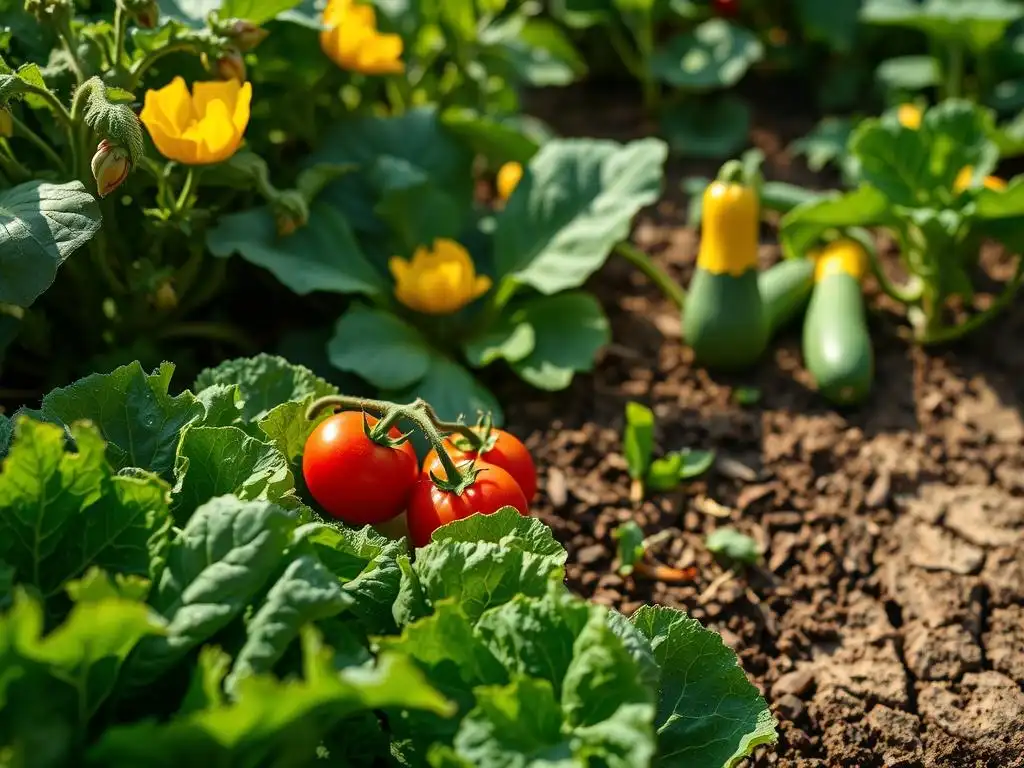
This case study details the successful transformation of a clay-heavy soil, initially unsuitable for a thriving vegetable garden, into a productive and healthy growing environment. We'll explore the challenges faced, the strategies implemented, and the lessons learned throughout the process. This exemplifies how even the most challenging soil types can be improved to achieve optimal results for your home vegetable garden, ultimately leading to the "best soil type vegetable garden" you can create.
Initial Soil Analysis and Challenges
The initial soil analysis revealed a heavy clay soil with poor drainage, low organic matter content (less than 2%), and a slightly acidic pH of 5.5. This presented several significant challenges for vegetable cultivation:
- Poor Drainage: Excess water led to root rot and stunted plant growth. Vegetables like tomatoes, peppers, and cucumbers, which require well-drained soil, struggled to establish strong root systems.
- Low Organic Matter: The lack of organic matter resulted in poor soil structure, reduced water retention, and limited nutrient availability. This significantly impacted plant vigor and overall yield.
- Suboptimal pH: A pH of 5.5, while not extremely acidic, was still slightly below the ideal range (6.0-7.0) for most vegetables. This affected nutrient uptake, potentially leading to nutrient deficiencies and reduced growth.
The garden plot also showed signs of compaction, making it difficult for roots to penetrate and hindering proper aeration. This further exacerbated the drainage problems and limited root development. Early attempts at planting resulted in weak seedlings and poor yields, highlighting the urgent need for soil improvement. This wasn't just about achieving a "best soil type vegetable garden," it was about creating a garden that could even support plant life.
Implementing Soil Improvement Strategies
To address these challenges, a multi-pronged approach was adopted focusing on improving soil structure, increasing organic matter, and adjusting the pH. Specific strategies included:
- Adding Organic Matter: Over several months, significant amounts of organic amendments were incorporated. This included:
- Compost: Approximately 4 cubic yards of well-rotted compost were mixed into the top 12 inches of soil. This provided essential nutrients and improved soil structure.
- Aged Manure: Two cubic yards of aged cow manure were added to further enhance organic matter content and nutrient levels. This provided a slow-release source of nutrients.
- Leaf Mold: A layer of leaf mold was used as a top dressing to improve soil texture and provide additional organic matter.
- Improving Drainage: Raised beds were constructed to enhance drainage and prevent waterlogging. This also provided better aeration for the roots.
- Adjusting pH: Lime was applied to raise the soil pH to the optimal range. Soil tests were conducted regularly to monitor pH levels and adjust lime applications as needed. This was a crucial step in ensuring nutrient availability.
- Cover Cropping: Between planting seasons, cover crops like clover and rye were planted to further improve soil health and fertility. These plants helped to break up compacted soil, add organic matter, and suppress weeds. This was a sustainable approach to long-term soil improvement.
The entire process was gradual, with amendments added in stages over a period of several months to avoid shocking the soil ecosystem. Consistent monitoring and adjustments were critical to success.
Results and Lessons Learned: A Successful Transformation
After implementing these soil improvement strategies, a dramatic transformation was observed. The soil structure significantly improved, transitioning from heavy clay to a more friable loam. Drainage was greatly enhanced, and water retention improved. The organic matter content increased to over 5%, resulting in healthier and more vigorous plant growth. The pH stabilized within the ideal range for vegetable cultivation (6.5-7.0).
The improved soil conditions led to significantly higher yields and healthier plants. Vegetables that previously struggled to thrive now flourished, resulting in a bountiful and diverse harvest. The "best soil type vegetable garden" was achieved through a combination of careful planning, consistent effort, and a commitment to sustainable soil management practices.
Key lessons learned include the importance of regular soil testing, the gradual approach to soil amendment, and the long-term benefits of incorporating organic matter and cover cropping. This case study demonstrates that transforming poor soil into a productive vegetable garden is achievable with dedication and the right approach. It underscores the critical role soil plays in achieving a successful and bountiful home vegetable garden.
Choosing the Right Plants for Your Soil Type
Understanding your soil type is paramount for a thriving vegetable garden. The "best soil type" is subjective and depends entirely on the plants you wish to cultivate. Different plants have different needs and tolerances, making soil selection crucial for optimal growth and yield.
Ignoring this fundamental aspect can lead to poor plant health, reduced harvests, and ultimately, a disappointing gardening experience. This section explores the best vegetable choices for various soil types, helping you create a productive and flourishing garden tailored to your specific soil conditions. Mastering this skill is key to achieving the "best soil type vegetable garden" for your needs.
Selecting Vegetables Suitable for Sandy Soil
Sandy soil, characterized by its excellent drainage and aeration, presents unique challenges. Its low water retention capacity means plants need frequent watering, and its lack of nutrients requires regular fertilization. However, many vegetables thrive in well-amended sandy soil, provided they receive consistent care.
Sandy soil's benefits include rapid warming in spring, allowing for earlier planting. Root vegetables, which prefer loose soil for easy growth, often perform well. Consider these vegetables for your sandy soil:
- Root Vegetables: Carrots, radishes, beets, and turnips all appreciate the loose texture of sandy soil. Their roots can easily penetrate the soil without encountering resistance.
- Vining Vegetables: Cucumbers, squash, and melons can handle the quick drainage, provided you water frequently and mulch generously to retain moisture.
- Leafy Greens: Lettuce and spinach can also grow successfully in sandy soil, particularly if supplemented with organic matter.
However, remember that sandy soil needs frequent watering. Consider using drip irrigation or soaker hoses to deliver water directly to the roots, minimizing water loss through evaporation. Adding organic matter like compost will improve water retention and nutrient levels over time. This amendment is vital for achieving the "best soil type vegetable garden" even in sandy conditions.
Vegetable Varieties Thriving in Clay Soil
Clay soil, dense and heavy, presents the opposite challenge to sandy soil. Its poor drainage can lead to waterlogging and root rot, while its compact nature hinders root penetration. However, with careful planning and soil amendment, you can still cultivate a successful vegetable garden.
Clay soils, while difficult, retain nutrients well, providing a long-term benefit. The key is to improve drainage and aeration. This can be achieved by adding organic matter such as compost, well-rotted manure, or peat moss. This improves soil structure and creates better spaces for roots to grow.
Here are some vegetables that tolerate clay soil better than others:
- Deep-rooted Vegetables: Potatoes, parsnips, and asparagus are better equipped to navigate the dense clay. Their robust root systems can penetrate the compacted soil more effectively.
- Vegetables with shallow root systems: Bush beans, peas, and leafy greens like kale can thrive in clay soil if drainage is improved.
- Avoid: Vegetables with delicate root systems, such as carrots and radishes, will struggle in heavy clay.
Regular tilling in the fall and spring, alongside the addition of organic matter, will significantly improve the soil structure over time. Remember, patience is key when working with clay soil. The rewards of a successful harvest in this challenging soil type are even more satisfying.
Best Vegetables for Silty and Loamy Soil
Silty and loamy soils represent the "sweet spot" for many vegetable gardeners. Silty soil, rich in silt particles, holds moisture well and is easy to work with. Loamy soil, a mixture of sand, silt, and clay, offers the best balance of drainage, aeration, and water retention. These soils are naturally fertile and provide an excellent foundation for a diverse range of vegetables.
Loamy and silty soils are the gardener's dream. Their structure promotes healthy root development and good drainage while retaining sufficient moisture. The wide variety of vegetables that thrive in these soils makes planning your garden a joy.
- Almost all vegetables: Tomatoes, peppers, cucumbers, squash, beans, peas, lettuce, spinach, carrots, and beets all perform exceptionally well in loamy and silty soils. This versatility makes these soil types ideal for a diverse and productive vegetable garden.
- Minimal amendment required: While adding compost always enhances soil quality, loamy and silty soils generally require less amendment than sandy or clay soils. This reduces the workload and allows you to focus on planting and nurturing your crops.
For those aiming for the "best soil type vegetable garden," loamy and silty soils offer the most straightforward path to success. Their inherent fertility and balanced properties minimize the need for extensive soil improvement, allowing you to concentrate on maximizing your yield. However, regular soil testing is still recommended to monitor nutrient levels and maintain optimal growing conditions.
Frequently Asked Questions
What is the best soil type for a vegetable garden?
There's no single "best" soil type, but well-draining loam is ideal for most vegetables. It offers a good balance of sand, silt, and clay, providing optimal aeration and water retention. Amendments can improve other soil types.
How can I determine my soil type?
You can perform a simple soil texture test by taking a sample, adding water, and feeling the consistency. You can also send a sample to a local agricultural extension office for professional analysis. This will help you determine what amendments you might need.
My soil is clay-heavy. How can I improve it?
Clay soil can be improved by adding organic matter like compost, aged manure, or leaf mold. This improves drainage and aeration. Regular tilling also helps break up compacted clay.
What are the signs of poor soil drainage?
Poor drainage is indicated by puddles forming after watering, plants that are wilting despite adequate moisture, and a generally soggy soil condition. This can lead to root rot.
How can I improve soil fertility for my vegetable garden?
Improving soil fertility involves adding organic matter regularly. This improves the soil structure, provides essential nutrients, and enhances the soil's ability to retain moisture. Consider using compost tea or other natural fertilizers.
Final Reflection: Cultivating a Bountiful Future, One Soil Type at a Time
Understanding soil's vital role in plant growth is not just a horticultural pursuit; it's a cornerstone of food security and environmental sustainability. The choices we make about the soil we use directly impact the health of our plants, the quality of our food, and the overall well-being of our planet. Ignoring this fundamental connection has far-reaching consequences, from diminished crop yields to increased reliance on unsustainable agricultural practices.
The journey of discovering the best soil type for a thriving vegetable garden is a deeply rewarding one. It's a process of learning, adapting, and connecting with the natural world on a fundamental level. It's about understanding the intricate dance between soil composition, nutrient availability, and plant health. As the saying goes, The land is what gives us life. It is the source of our food and the foundation of our communities.
This simple truth underscores the importance of nurturing our soil, not just for our own gardens, but for the generations to come. The impact of our choices resonates far beyond the boundaries of our individual plots.
Now, consider your own garden, or even a single potted plant. What kind of soil are you using? Are you providing the optimal conditions for your plants to flourish? Take this knowledge and use it to cultivate not only a bountiful harvest, but also a deeper understanding of the interconnectedness of life. Experiment, learn from your successes and failures, and most importantly, share your knowledge with others. Let's work together to build a future where healthy soil supports thriving communities and a sustainable planet.
Unlock Your Garden's Potential: Nurture Thriving Plants!
Thank you for exploring the fascinating world of soil and its impact on plant growth! You've gained valuable insights into nurturing healthier, more vibrant plants. Now, let's put that knowledge into practice.
- Begin analyzing your soil today! Take a soil sample and test its pH and nutrient levels. This simple step is crucial for providing your plants with tailored care.
- Share your soil test results with our community! Let's discuss your findings and support each other's gardening journeys in the comments below.
- Explore further resources on soil amendment techniques to optimize your garden's potential. We have many more helpful resources available on our site!
What soil amendment will you try first to boost your plants' growth?