
Facing the Facts: Understanding Sun Exposure for Each Plant

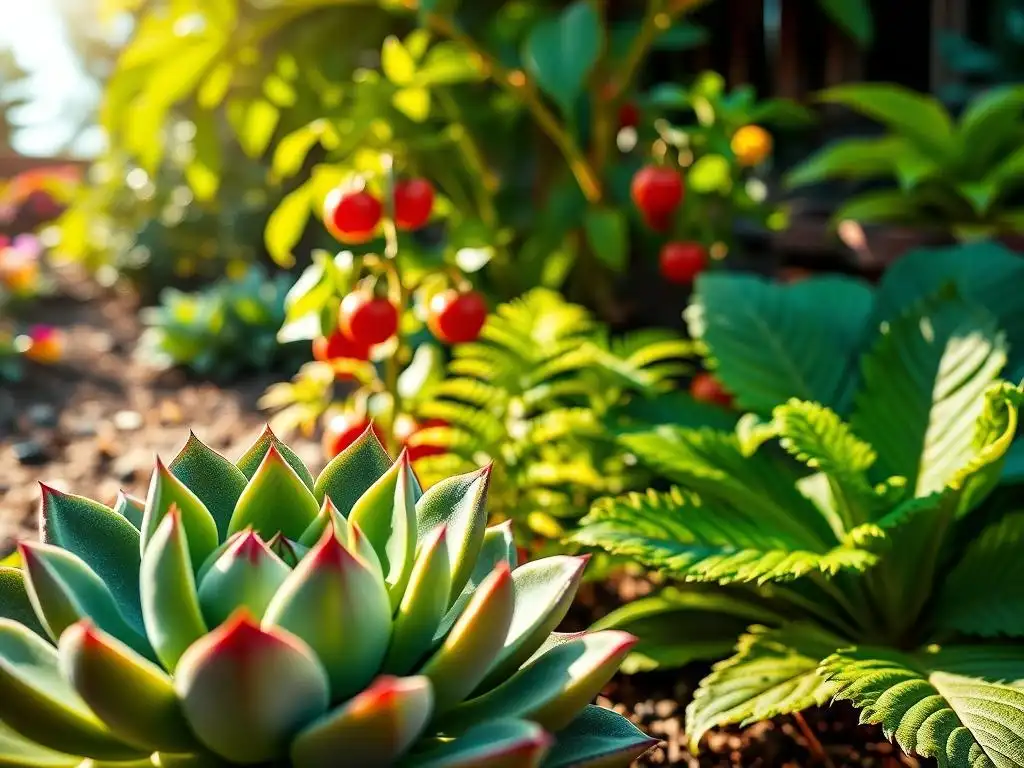
Ready to transform your backyard into a thriving oasis of flavor? At CultivateYourFood, we empower you to grow your own delicious fruits, vegetables, and herbs organically. But before you plant a single seed, understanding the crucial role of sunlight is key. Discover the secrets behind maximizing your harvest with our insightful article, "Facing the Facts: Understanding Sun Exposure for Each Plant," and unlock the power of the sun in your gardening journey. Let's get started!
- Sunlight Needs for Gardening: A Comprehensive Guide
- Sunlight Requirements for Common Vegetables
- Sunlight Requirements for Popular Herbs
- Sunlight Needs for Fruit Trees and Bushes
- Adapting Your Garden to Varying Sunlight Conditions
- Troubleshooting Sun-Related Plant Issues
- Frequently Asked Questions
- Final Reflection: Cultivating a Brighter Future, One Plant at a Time
- Unveil Your Plants' Sun Secrets: Grow Brighter!
Sunlight Needs for Gardening: A Comprehensive Guide
Understanding the sunlight needs of your plants is fundamental to successful gardening. This comprehensive guide will equip you with the knowledge to choose the perfect location for each plant in your garden, maximizing their growth and yield while adhering to sustainable and organic practices. Successfully cultivating fruits, vegetables, and herbs at home hinges on providing the appropriate amount of sunlight – too little, and your plants will struggle; too much, and they'll be scorched.
We'll delve into practical methods for assessing your garden's sunlight levels and matching those conditions to the specific requirements of various plant species. Mastering this crucial aspect of gardening will significantly improve your chances of a bountiful and healthy harvest, ensuring you reap the rewards of your efforts. This article focuses on the crucial aspect of "Sunlight needs for gardening," helping you to cultivate thriving plants.
Determining Your Garden's Sunlight Levels
Before even thinking about planting, you need to understand the sunlight conditions in your garden. Different areas receive varying amounts of sunlight throughout the day and year, influenced by factors such as the orientation of your property, the presence of buildings or trees, and even the time of year. This initial assessment is crucial for selecting the right plants and maximizing their potential.
Accurate measurement of sunlight hours is the cornerstone of successful plant placement. Failing to do so can lead to poor growth, reduced yields, and even plant death. Let's explore practical methods to accurately determine your garden's sunlight levels.
Measuring Sunlight Hours: A Practical Approach
Accurately measuring the amount of sunlight your garden receives is surprisingly simple. You can use a variety of methods, from basic observation to more sophisticated tools. A simple, low-tech approach involves observing your garden over several days, noting the number of hours of direct sunlight each area receives. Note the times of sunrise and sunset, and observe the progression of sunlight throughout the day.
Keep a log for at least a week, noting the amount of sun exposure in each area of your garden. This will provide a general understanding of the sunlight conditions. For a more precise measurement, consider using a sun-monitoring device, although these are not always necessary for home gardening. Remember to record your observations consistently and meticulously to obtain reliable data.
This process is essential for matching plants to their optimal sunlight requirements. The more detailed your observations, the better informed your planting decisions will be. This attention to detail will pay off in a healthier and more productive garden.
Identifying Shady, Partially Sunny, and Sunny Areas
Once you've assessed your garden's sunlight levels, you can categorize different areas into three main categories: Shady, Partially Sunny, and Sunny.
- Shady Areas: These areas receive less than four hours of direct sunlight per day. They are typically found under the shade of trees or buildings. Plants thriving in these conditions are often shade-tolerant varieties.
- Partially Sunny Areas: These areas receive between four and six hours of direct sunlight per day. They represent a balance between full sun and shade, offering a moderate amount of sunlight. Many plants can tolerate these conditions, making it a versatile area for your garden.
- Sunny Areas: These areas receive more than six hours of direct sunlight per day. These areas are ideal for sun-loving plants that require extensive sunlight for optimal growth and fruiting. However, be mindful of the intensity of the sun, especially during the hottest part of the day.
Remember that these are guidelines, and the specific sunlight needs of individual plants can vary. Always consult reliable plant information before planting to ensure you're providing the best possible environment for your chosen species. Accurate sunlight assessment is a crucial first step towards establishing a thriving, sustainable home garden. By paying attention to these details, you'll lay the foundation for a successful and rewarding gardening experience.
Sunlight Requirements for Common Vegetables
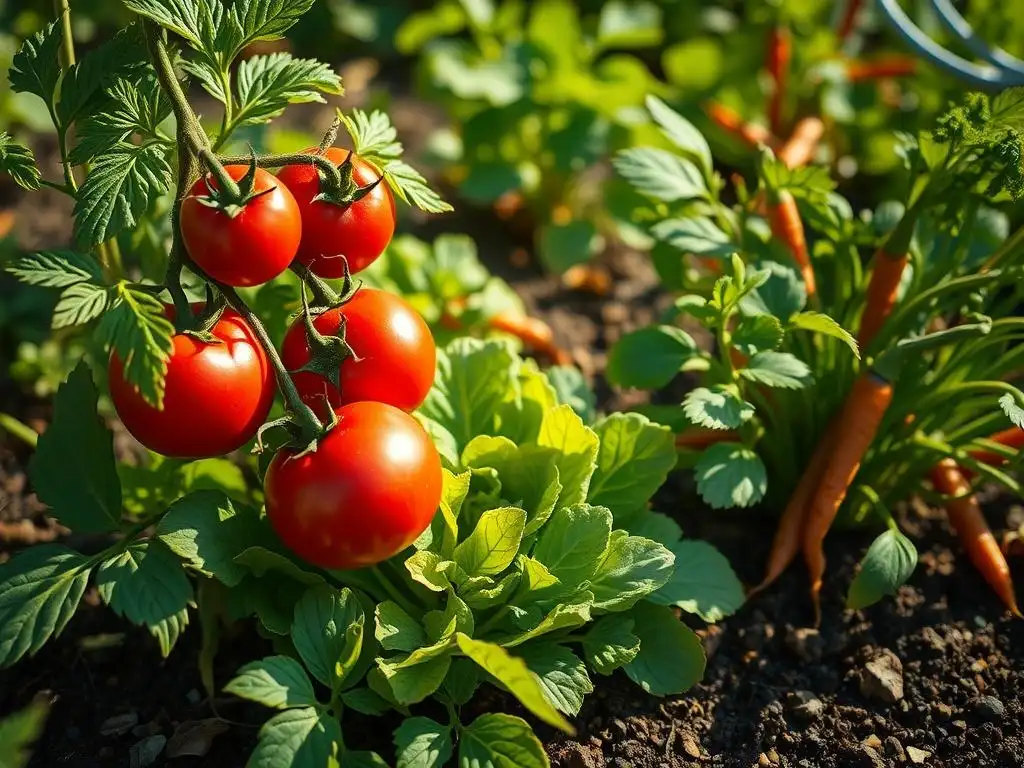
Understanding the sunlight needs for gardening is crucial for successful cultivation. Different vegetables thrive under varying sun exposure levels. Ignoring these needs can lead to poor growth, reduced yields, and even plant death. This section will detail the specific sunlight requirements for several common vegetable types, providing you with the knowledge to make informed decisions when planning your garden layout. Optimizing sunlight exposure directly impacts the overall health and productivity of your vegetable patch, contributing to a bountiful harvest. Let's delve into the specifics.
Sunlight Needs for Leafy Greens
Leafy greens, such as lettuce, spinach, kale, and Swiss chard, generally prefer partial shade or filtered sunlight. They don't require the intense heat of full sun, which can scorch their delicate leaves and lead to bolting (premature flowering).
- Ideal conditions: 4-6 hours of direct sunlight per day, ideally during the cooler parts of the day (morning or late afternoon). Afternoon sun can be particularly harsh, especially during the summer months.
- Strategies for success: Consider planting leafy greens in areas with dappled shade, perhaps under taller plants or using shade cloth during the hottest periods. Morning sun is generally preferred as it's less intense.
- Impact of insufficient sunlight: Without enough sunlight, leafy greens will become leggy and pale, with reduced flavor and nutrient content. They may also be more susceptible to diseases.
- Example: Lettuce planted in full, midday sun will often bolt quickly, becoming bitter and inedible.
Optimal Sun Exposure for Root Vegetables
Root vegetables, including carrots, beets, potatoes, and radishes, generally require at least 6-8 hours of direct sunlight daily for optimal growth. Adequate sunlight is essential for healthy root development and high yields.
- Soil considerations: Well-drained soil is crucial for root vegetables. Excessive moisture can lead to root rot, regardless of sunlight exposure.
- Spacing: Proper spacing between plants is also important to allow for adequate sunlight penetration to all parts of the plant. Overcrowding will lead to competition for resources, including sunlight.
- Sunlight impact on taste and quality: Sufficient sunlight contributes to the development of sweeter, more flavorful root vegetables. Insufficient light can lead to smaller, less flavorful roots.
- Specific needs: While most root vegetables prefer full sun, potatoes might benefit from some afternoon shade in particularly hot climates to prevent scorching.
Sunlight Preferences for Fruiting Vegetables
Fruiting vegetables, such as tomatoes, peppers, cucumbers, and squash, are generally sun-worshippers, demanding 6-8 hours of direct sunlight daily, and even more in some cases. This prolonged sun exposure is crucial for fruit development and ripening.
| Vegetable | Sunlight Hours per Day | Notes |
|---|---|---|
| Tomatoes | 8-10 | Need consistent sun for optimal fruit production. |
| Peppers | 6-8 | Can tolerate slightly less sun than tomatoes, but still need plenty. |
| Cucumbers | 6-8 | Thrive in warm conditions with ample sunlight. |
| Squash (Summer) | 6-8 | Needs consistent sun for good fruit set. |
| Squash (Winter) | 8+ | Requires extended sun exposure for prolific fruiting. |
- Variety considerations: Different varieties within each fruiting vegetable type may have slightly different sunlight requirements. Always check the seed packet or plant tag for specific recommendations.
- Water requirements: Remember that increased sunlight exposure also means increased water requirements. Ensure adequate watering to prevent drought stress, particularly during hot and dry periods.
- Protection from extreme heat: Even sun-loving plants can be negatively impacted by excessive heat. Consider providing some afternoon shade during the hottest months of the year, especially for young plants.
This detailed breakdown of sunlight needs for common vegetables should assist you in planning your garden layout effectively, maximizing your chances of a healthy and productive harvest. Remember to always consider your local climate and adjust accordingly. Happy gardening! 🌱
Understanding the Sunlight Needs of Vining Vegetables
Vining vegetables, like cucumbers, squash, and melons, are known for their sprawling growth habits. Understanding their sunlight requirements is crucial for maximizing yield and fruit quality. These plants generally thrive in full sun, meaning at least six to eight hours of direct sunlight per day. However, the specific needs can vary slightly depending on the variety and the climate. For example, some cucumber varieties might tolerate slightly less sun in hotter climates to avoid scorching, while others might need the full eight hours in cooler regions to properly mature.
The intensity of the sunlight is also a factor. While these plants need ample sunlight, intense midday sun in extremely hot climates can stress the plants and reduce fruit production. In such cases, providing some afternoon shade, perhaps through strategic planting or the use of shade cloth, can be beneficial. This helps maintain optimal leaf temperature and reduces the risk of sunscald on the fruit.
Furthermore, the type of soil plays a crucial role in how well these plants utilize sunlight. Well-drained soil is essential for vining vegetables, as soggy conditions can lead to root rot and reduced sunlight uptake. Proper soil preparation, including amending with compost to improve drainage and fertility, is crucial to ensure the plants can effectively utilize the available sunlight.
Observe your plants closely – wilting, even with adequate watering, can indicate insufficient sunlight or poor soil drainage. Addressing these issues promptly can significantly improve the health and productivity of your vining vegetable plants. Remember that consistent monitoring and adjustments based on your specific environmental conditions are key to successful vining vegetable cultivation.
Even slight variations in sunlight exposure can impact the quality and quantity of your harvest. Don't be afraid to experiment and find the perfect balance for your garden and climate. Proper sun exposure is just one piece of the puzzle in successful gardening; soil health, watering, and pest control are all equally important factors to consider for optimal growth.
Sunlight Requirements for Popular Herbs
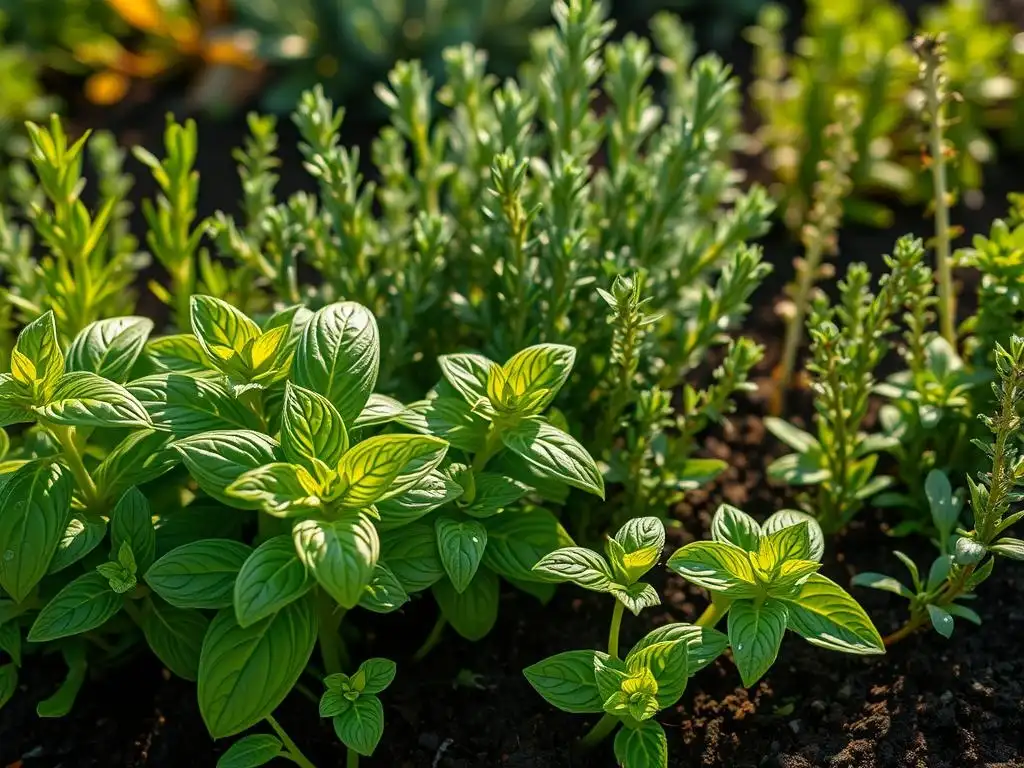
Understanding the sunlight needs for gardening, specifically for herbs, is crucial for a successful harvest. Different herbs thrive under varying light conditions, from full sun to partial shade. Ignoring these specific sunlight needs for gardening can lead to stunted growth, reduced yield, and even plant death. This section delves into the optimal sun exposure requirements for some popular culinary herbs, helping you choose the perfect spot in your garden or on your windowsill. Mastering these sunlight needs for gardening will significantly improve your herb growing experience.
Sun Exposure for Basil, Basil, and Cilantro
Basil, a beloved culinary herb, thrives in full sun. This means at least six to eight hours of direct sunlight per day. Less sunlight will result in leggy growth and fewer leaves. Providing optimal sunlight for basil is key to its robust growth and flavorful leaves.
Cilantro, on the other hand, prefers partial shade. While it can tolerate some sun, excessive direct sunlight can cause the plant to bolt (flower prematurely), resulting in bitter-tasting leaves and a shorter harvest window. Aim for four to six hours of morning sun and afternoon shade for optimal cilantro growth. Understanding these differing sunlight needs for gardening helps ensure a bountiful harvest of both herbs.
Mint is quite adaptable, tolerating a wider range of sunlight conditions than basil or cilantro. While it prefers partial shade, it can also grow well in full sun, provided it receives adequate watering. However, consistent morning sun with afternoon shade is ideal for preventing scorching and maintaining lush growth. The key is consistent moisture; ensure the soil remains consistently moist, especially during hot, sunny periods.
Optimal Sunlight for Rosemary, Thyme, and Oregano
Rosemary, thyme, and oregano are sun-loving herbs that require full sun for optimal growth. These Mediterranean herbs are well-adapted to hot, dry conditions and need at least six hours of direct sunlight daily. Insufficient sunlight will lead to weak growth and a reduced production of aromatic oils, impacting their flavor and fragrance. Think of these herbs as basking in the sun; the more sun they receive, the better they will thrive. This understanding of sunlight needs for gardening is key to maximizing their flavor and yield.
Consider the following table summarizing the sunlight needs of these herbs:
| Herb | Optimal Sunlight | Tolerance | Notes |
|---|---|---|---|
| Rosemary | Full Sun (6+ hours) | Low Shade | Needs well-drained soil |
| Thyme | Full Sun (6+ hours) | Partial Shade | Drought-tolerant once established |
| Oregano | Full Sun (6+ hours) | Partial Shade | Prefers dry, well-drained soil |
Light Needs for Parsley and Dill
Parsley and dill have slightly different sunlight requirements. Parsley prefers partial shade to full sun. While it can tolerate full sun, particularly in cooler climates, excessive heat can scorch its delicate leaves. Aim for four to six hours of sunlight, ideally morning sun with afternoon shade.
Dill, similar to parsley, benefits from partial shade. While it can tolerate full sun, especially in cooler climates, consistent afternoon shade is recommended, particularly during hotter months. Overexposure to intense sunlight can result in wilting and reduced seed production. Providing optimal sunlight for dill ensures abundant, flavorful leaves and seeds. Remember that these sunlight needs for gardening are crucial for healthy and productive herb plants. Careful consideration of your garden's light conditions is essential for success.
Sunlight Needs for Fruit Trees and Bushes
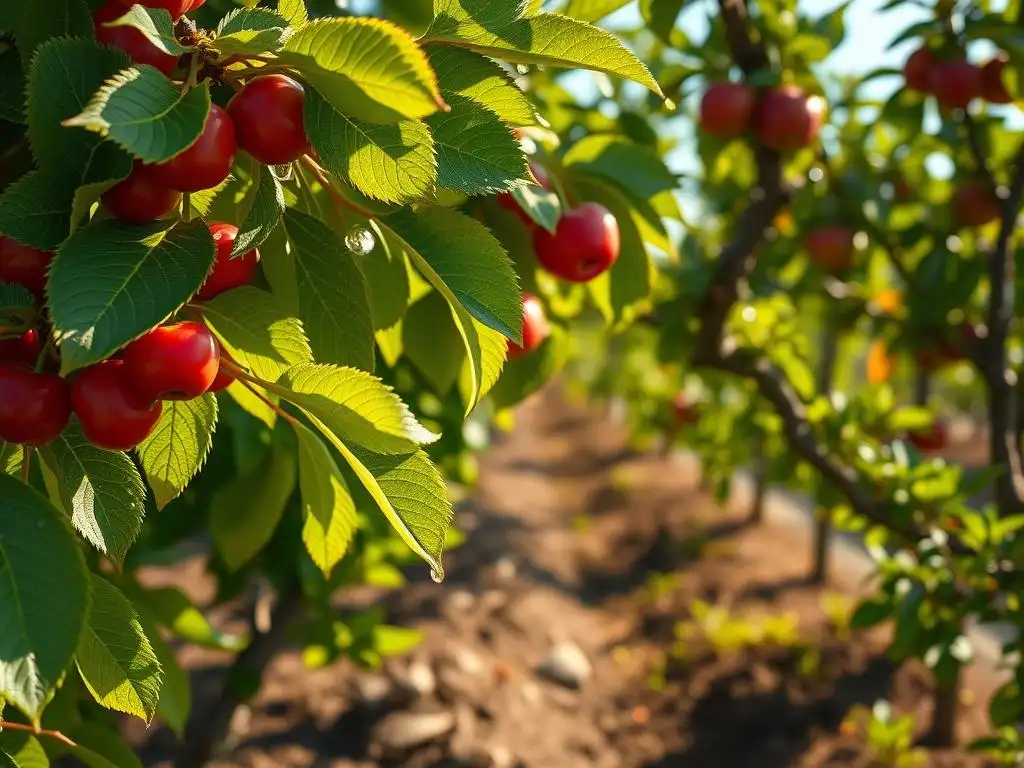
Fruit trees and bushes, the jewels of any home orchard, have varying sunlight requirements crucial for healthy growth and bountiful harvests. Understanding these needs is paramount for successful cultivation, contributing significantly to your overall gardening success. Neglecting these specific needs can lead to reduced yields, weaker plants, and increased susceptibility to diseases. Let's delve into the specific sunlight needs of some popular choices.
Sunlight Requirements for Apple, Pear, and Cherry Trees
Apple, pear, and cherry trees, the backbone of many home orchards, generally thrive in full sun. This translates to at least 6-8 hours of direct sunlight daily. However, nuances exist depending on the specific cultivar and your geographical location. For example, some dwarf varieties might tolerate slightly less sun, while others might benefit from some afternoon shade in particularly hot climates to prevent sunscald.
Optimal sun exposure ensures proper photosynthesis, leading to vigorous growth and abundant fruit production. Insufficient sunlight can result in smaller fruit, reduced yields, and weak, spindly growth. Conversely, excessive sun, especially in arid regions, can lead to desiccation and sunburnt leaves and fruit.
Consider the orientation of your planting site. South-facing locations generally receive the most sunlight in the Northern Hemisphere, while North-facing locations receive less. Observe your garden throughout the day to assess sunlight patterns before planting.
| Tree Type | Minimum Sunlight Hours | Ideal Sunlight Hours | Notes |
|---|---|---|---|
| Apple | 6 | 8 | Some dwarf varieties tolerate slightly less. |
| Pear | 6 | 7-8 | Requires well-drained soil. |
| Cherry | 6-8 | 8 | Susceptible to certain diseases in shade. |
Remember to factor in the potential for shade from nearby structures or taller plants. Careful planning ensures your fruit trees receive the adequate sunlight they need to flourish. Proper sunlight management is a fundamental aspect of successful fruit tree cultivation, contributing directly to the quality and quantity of your harvest.
Optimal Sun Exposure for Berry Bushes
Berry bushes, prized for their delicious fruit and attractive foliage, also have specific sunlight needs. While many varieties tolerate partial shade, most produce the best yields with ample sunlight. The required sunlight hours often vary depending on the specific berry type.
Raspberries, for instance, generally prefer at least 6 hours of direct sunlight, though they can tolerate some afternoon shade in hot climates. This helps prevent scorching and maintains soil moisture. Blackberries, on the other hand, are often more tolerant of shade, particularly in warmer regions, but still benefit from at least 4-6 hours of sunlight. Strawberries, known for their adaptability, often thrive in full sun (6-8 hours), but can also produce a decent crop in partial shade (4-6 hours). However, fruit production will generally be lower in shadier conditions.
Insufficient sunlight can lead to weak canes, reduced flowering, and smaller, less flavorful berries. Overexposure, however, can lead to sun-stressed plants, susceptible to diseases and pests. Proper sun exposure is therefore a critical factor in maximizing berry production and overall plant health. Careful observation of your garden's sunlight patterns, coupled with knowledge of your specific berry variety's needs, will enable you to provide the ideal conditions for optimal growth and fruiting. Remember that even small differences in sunlight can significantly impact your harvest. 🍓 This careful attention to detail is key to achieving a bountiful and delicious berry harvest.
Adapting Your Garden to Varying Sunlight Conditions
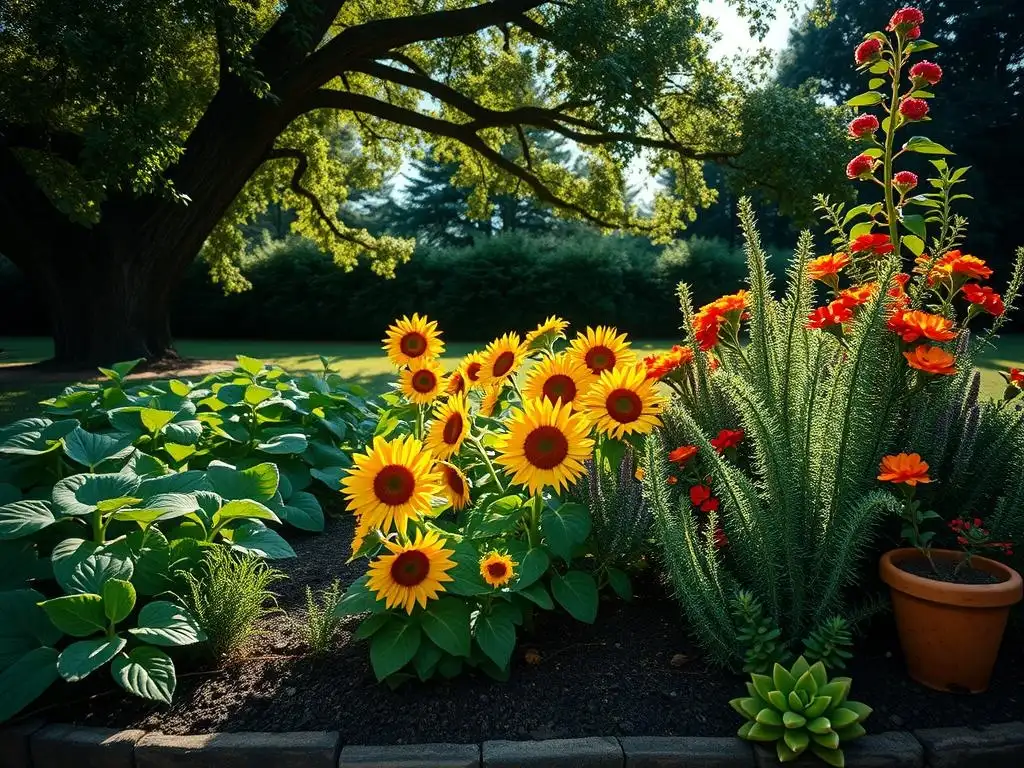
Understanding the sunlight needs for gardening is crucial for a thriving garden. Different plants have vastly different sunlight requirements, ranging from full sun (6-8 hours of direct sunlight daily) to partial shade (3-6 hours) and full shade (less than 3 hours). Ignoring these needs can lead to stunted growth, reduced yields, and even plant death. This section will explore how to adapt your garden layout and plant selection to accommodate various sunlight conditions.
Optimizing your garden's sun exposure directly impacts its overall health and productivity, maximizing your harvest and minimizing wasted effort. Careful planning now will translate to bountiful harvests later. We'll delve into practical strategies to ensure your plants receive the optimal amount of sunlight they need to flourish.
Utilizing Shade Cloth for Sun-Sensitive Plants
Many plants, particularly leafy greens and certain herbs, thrive in partial shade or even full shade conditions. However, even in shady areas, intense midday sun can scorch delicate foliage. This is where shade cloth becomes invaluable. Shade cloth is a lightweight fabric available in various percentages of shade (e.g., 30%, 50%, 70%, 90%), allowing you to precisely control the amount of sunlight reaching your plants.
For example, a 50% shade cloth will filter out half of the sunlight, creating a more moderate environment. The selection of appropriate shade cloth depends on the plant's specific sunlight needs and the intensity of the sun in your area. Using shade cloth is particularly beneficial during the hottest part of the day, protecting plants from sun stress and maximizing their growth potential.
Remember to consider the airflow; too much shade cloth can lead to increased humidity and fungal diseases. Proper spacing and ventilation are key to successful shade cloth implementation. Consider the specific needs of each plant; some might only require shade during peak hours.
Positioning Plants Strategically in Your Garden
Strategic placement is another key aspect of fulfilling your plants' sunlight needs for gardening. Observe your garden throughout the day to identify areas with varying sunlight exposure. Taller plants should be positioned to the north (in the Northern Hemisphere) to avoid shading smaller plants. This maximizes sunlight penetration throughout the garden, preventing competition for sunlight. Consider the natural topography of your garden; slopes and hills can affect sunlight exposure.
South-facing slopes (Northern Hemisphere) receive more direct sunlight, whereas north-facing slopes are typically shadier. By carefully planning the placement of your plants, you can optimize their access to sunlight, improving overall growth and productivity. Regular monitoring is crucial; as plants grow, their shade patterns change, requiring periodic adjustments in plant placement. This dynamic approach ensures that each plant receives its optimal sunlight requirements.
Choosing Sun-Tolerant Varieties for Shady Areas
Not all hope is lost if you have a predominantly shady garden! Many plants are perfectly adapted to low-light conditions. These shade-loving varieties can thrive even with limited sunlight. Researching and selecting sun-tolerant plant varieties is essential for a successful garden in shady areas. For example, hostas, ferns, and impatiens are known for their ability to flourish in shade.
Similarly, certain vegetables like lettuce and spinach tolerate partial shade conditions, though their yields may be slightly lower than in full sun. When selecting plants for shady areas, look for varieties specifically described as shade-tolerant or shade-loving. This ensures that your plants are well-suited to the available sunlight, maximizing their growth potential. Don't be afraid to experiment with different varieties to find what thrives best in your specific microclimate. Understanding the sunlight needs for gardening, especially in shady areas, opens up new possibilities for your garden design.
This section delves into diagnosing and resolving common problems stemming from improper sunlight exposure in your home garden. Mastering sunlight management is crucial for successful cultivation, directly impacting the health and yield of your fruits, vegetables, and herbs. Understanding the specific sunlight needs for gardening is paramount to achieving optimal growth. Let's explore how to identify and address issues related to both excessive and insufficient sunlight.
Identifying Signs of Too Much Sun
Too much direct sunlight can severely stress plants, leading to various visible symptoms. These symptoms often manifest as visible damage and reduced vigor. Here's a breakdown of the key indicators:
- Leaf Scorching: This is a classic sign. Leaves will exhibit brown, crispy edges or patches, particularly on the parts most exposed to the sun's rays. The scorching often begins at the leaf margins and progresses inwards. You might observe this more intensely during the hottest parts of the day.
- Wilting: Even with adequate watering, plants subjected to excessive sun can wilt significantly during the day. This is because the intense heat causes rapid water loss through transpiration, exceeding the plant's ability to replenish it. The wilting is often temporary, improving in the cooler evening hours, but persistent wilting is a cause for concern.
- Leaf Curling and Browning: Leaves may curl inwards or downwards as a protective mechanism against intense solar radiation. This curling is often accompanied by browning or discoloration, indicating cellular damage from heat stress.
- Stunted Growth: Plants receiving excessive sun may experience stunted growth compared to those with optimal sun exposure. Their overall development will be hampered, resulting in smaller plants with fewer fruits or vegetables.
- Premature Fruit Drop: In fruiting plants, excessive sun can cause premature fruit drop. The intense heat can damage developing fruits, causing them to fall off before ripening. This significantly reduces the harvest.
Think of it this way: imagine yourself spending a whole day under the scorching midday sun without any shade. You'd likely get sunburnt, dehydrated, and exhausted, much like your plants.
Recognizing Symptoms of Insufficient Sunlight
Conversely, insufficient sunlight can also lead to a range of problems, hindering the plant's ability to photosynthesize effectively. The lack of sunlight manifests in different ways:
- Pale or Yellowing Leaves (Chlorosis): This is a hallmark of insufficient sunlight. Chlorophyll, the pigment responsible for photosynthesis and the green color of leaves, is produced less efficiently in low-light conditions. Consequently, leaves become pale, yellow, or even white.
- Leggy Growth: Plants reaching towards the light source will exhibit elongated stems and widely spaced leaves, a condition known as etiolation. This is the plant's attempt to maximize light capture. The stems become weak and spindly, prone to breaking.
- Reduced Flowering and Fruiting: Insufficient sunlight directly impacts flowering and fruiting. Plants require adequate light for flower bud initiation and fruit development. A lack of sunlight leads to fewer flowers, smaller fruits, or even a complete absence of fruit production.
- Slow Growth: Overall, plants deprived of sufficient sunlight will exhibit significantly slower growth rates compared to those receiving adequate light. This reduced growth rate translates to smaller plants and lower yields.
Consider these symptoms as signals from your plants, communicating their needs. A plant that's not getting enough sun is essentially starving, even if it's well-watered and fertilized.
Adjusting Your Gardening Practices for Optimal Sun Exposure
Once you've identified whether your plants are suffering from too much or too little sun, you can adjust your gardening practices accordingly. Here are some actionable steps:
- Relocation: The most straightforward solution is often to relocate plants to a location with more suitable sunlight exposure. Carefully observe your garden throughout the day to pinpoint areas with varying sunlight intensity.
- Shading: For plants receiving too much sun, you can provide shade using shade cloth, netting, or even strategically placed taller plants. This can significantly reduce the intensity of direct sunlight.
- Supplemental Lighting: For plants needing more sun, consider using supplemental lighting, such as grow lights, especially during winter months or in areas with limited sunlight penetration. Choose lights appropriate for plant growth and adjust the light cycle accordingly.
- Pruning: Pruning can improve light penetration within the plant canopy, allowing more sunlight to reach lower leaves. This is particularly helpful for dense plants that may self-shade.
- Plant Selection: Choosing the right plants for your garden's location is crucial. Before planting, research the specific sunlight requirements of each plant species to ensure compatibility with your garden's conditions. Selecting the right plants can prevent sunlight-related issues from the outset.
Remember, consistent observation and timely intervention are key to ensuring your plants receive the optimal amount of sunlight they need to thrive. By understanding the sunlight needs for gardening and acting proactively, you can cultivate a healthy and productive garden.
Frequently Asked Questions
How much sunlight do most vegetables need?
Most vegetables thrive with at least six hours of direct sunlight daily. However, some plants, like lettuce, tolerate partial shade. Always check the specific needs of your chosen vegetables.
What should I do if my garden doesn't get enough sun?
Consider using supplemental lighting, such as grow lights, to increase the amount of light your plants receive, especially during shorter days. You can also choose shade-tolerant varieties.
How can I determine the amount of sunlight my garden receives?
Observe your garden throughout the day, noting the number of hours the sun shines directly on different areas. Use a sunlight tracking app or a simple sundial for a more precise measurement.
What are the signs of insufficient sunlight in plants?
Plants lacking sufficient sunlight often exhibit leggy growth, pale or yellow leaves, and reduced flowering or fruiting. They may also become more susceptible to pests and diseases.
Are there any plants that prefer shade?
Yes, many herbs and leafy greens prefer partial shade or dappled sunlight. Examples include mint, lettuce, and spinach. Always research the specific light requirements for your chosen plants on the CultivateYourFood website.
Final Reflection: Cultivating a Brighter Future, One Plant at a Time
Understanding a plant's sunlight needs is not merely a horticultural detail; it's the cornerstone of successful gardening and a vital step towards a more sustainable future. The choices we make about where and how we plant directly impact the health of our gardens, and ultimately, the health of our planet. Ignoring these needs leads to wasted resources and ultimately, less vibrant, thriving ecosystems.
The journey of learning about sunlight's impact on plant life has been a deeply enriching one for me. It's highlighted the intricate interconnectedness of the natural world and the profound responsibility we have as gardeners. The glory of gardening: hands in the dirt, head in the sun, heart with nature. To nurture a garden is to feed not just the body, but the soul.
This quote perfectly captures the profound connection between understanding our plants' needs and the personal satisfaction derived from nurturing life. The more we learn, the more we appreciate the delicate balance required for a thriving garden, mirroring the balance needed in our broader ecosystem.
Now, consider your own garden, balcony, or even a single potted plant. What have you learned about its unique sunlight requirements? Take this knowledge and use it to cultivate not just healthy plants, but a deeper appreciation for the natural world. Observe your plants closely, adapt your gardening practices, and watch as your understanding blossoms into a more vibrant and rewarding gardening experience. Let's work together to create a future where every plant thrives, enriching our lives and the planet we share.
Unveil Your Plants' Sun Secrets: Grow Brighter!
Thank you for learning about your plants' unique sunlight needs! You've gained valuable knowledge to help them thrive. Now, let's put that knowledge into practice.
- Prioritize Sunlight Adjustments: Assess your garden or indoor plants today. Identify plants needing immediate adjustments based on what you've learned. Even small changes can significantly improve their health!
- Share Your Sun Stories: Have you successfully optimized sunlight for a challenging plant? Share your tips and triumphs with fellow gardeners in the comments below!
- Experiment with Light Variations: Try a small experiment with a few plants. Observe and record their growth under different light conditions—the results might surprise you!
What's the first step you'll take to give your plants the best possible sunlight?