
The Impact of Weather on Melon and Squash Production

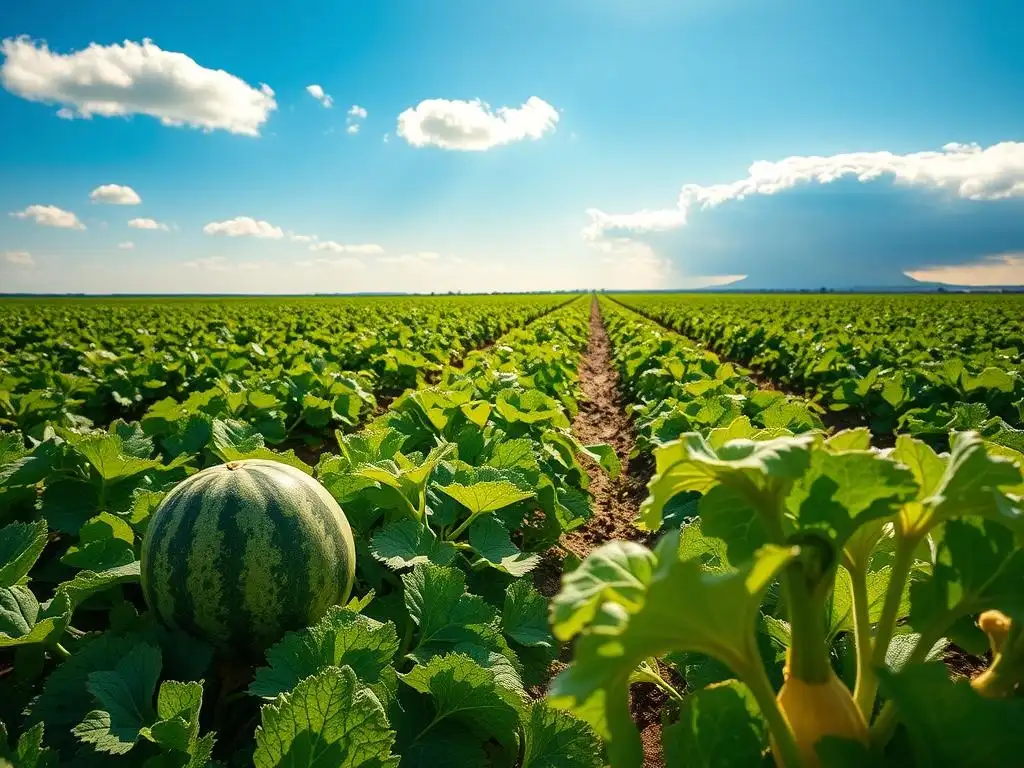
Ready to unlock the secrets of a bountiful harvest? At CultivateYourFood, we empower you to grow your own delicious fruits, vegetables, and herbs organically. But did you know that the weather can dramatically impact your yield? Learn how crucial factors like temperature and rainfall influence melon growth – and discover how to maximize your harvest despite the elements – in our insightful article, "The Impact of Weather on Melon and Squash Production," found in our Vegetable Gardening section. Let's get growing!
- Understanding Weather Effects on Melon Growth
- Weather Challenges and Their Solutions in Melon and Squash Cultivation
- Optimizing Your Melon and Squash Harvest with Weather Forecasting
- Sustainable Practices to Mitigate Weather Risks
- Monitoring and Adapting to Changing Weather Conditions for Melon Success
- Frequently Asked Questions
- Final Reflection: Harvesting the Future: Weather's Enduring Impact on Melon and Squash
- Unlock Bountiful Harvests: Grow the Perfect Melon & Squash
Understanding Weather Effects on Melon Growth
Growing delicious and abundant melons and squash requires a deep understanding of how weather patterns directly influence their growth cycle. From the delicate seedling stage to the ripening of juicy fruits, climatic conditions play a crucial role in determining the overall yield and quality of your harvest. This article will explore the key weather factors impacting melon and squash production, providing you with actionable insights to optimize your gardening practices and ensure a bountiful harvest.
We'll delve into the specific effects of temperature, rainfall, and sunlight, equipping you with the knowledge to make informed decisions throughout the growing season. Successfully navigating these weather-related challenges is key to cultivating healthy, thriving melon and squash plants, resulting in flavorful fruits that you'll be proud to share. 🍉☀️
Temperature's Influence on Melon and Squash Development
Melons and squash are warm-season crops, thriving in consistently warm temperatures. Optimal growth generally occurs between 70°F and 85°F (21°C and 29°C). Temperatures below 55°F (13°C) can significantly stunt growth, while prolonged exposure to temperatures above 90°F (32°C) can cause blossom drop and reduced fruit set. This means careful attention to temperature fluctuations is crucial.
Consider these points:
- Seed Germination: Soil temperatures need to be above 65°F (18°C) for optimal seed germination. Cold soils will delay germination, potentially leading to uneven growth.
- Pollination: High temperatures can negatively impact pollination, reducing fruit production. Bees, the primary pollinators for many melon and squash varieties, are less active in extremely hot or cold weather.
- Fruit Development: Consistent warmth throughout the fruit development phase is essential for achieving optimal size and sweetness. Temperature fluctuations during this period can lead to uneven ripening and reduced quality.
- Frost Sensitivity: Both melons and squash are highly susceptible to frost. Even a light frost can severely damage or kill the plants. Protective measures, such as row covers or relocation to a sheltered location, are essential in areas prone to late spring or early autumn frosts.
Rainfall and Irrigation Needs for Optimal Melon and Squash Yields
Adequate moisture is crucial for healthy melon and squash growth. However, excessive rainfall can lead to fungal diseases and root rot, while insufficient water can result in stunted growth and poor fruit production. Finding the right balance is key.
Here's a breakdown of irrigation considerations:
- Consistent Moisture: Maintain consistently moist soil, avoiding both waterlogged and completely dry conditions. Regular watering, especially during dry spells, is essential. The frequency of watering will depend on factors such as soil type, temperature, and rainfall.
- Drip Irrigation: This method is highly effective for delivering water directly to the plant's roots, minimizing water waste and reducing the risk of fungal diseases.
- Mulching: Applying a layer of mulch around the plants helps retain soil moisture, suppress weeds, and regulate soil temperature.
- Monitoring Soil Moisture: Regularly check the soil moisture level by inserting your finger a few inches into the soil. Water when the top inch or two feels dry. Avoid overwatering, which can lead to waterlogged soil and root problems.
Sunlight Exposure and its Impact on Melon and Squash Fruiting
Melons and squash are sun-loving plants that require at least six to eight hours of direct sunlight per day for optimal growth and fruit production. Insufficient sunlight can lead to weak plants, reduced flowering, and smaller fruits.
Key aspects of sunlight exposure:
- Plant Spacing: Proper spacing between plants is crucial to ensure each plant receives adequate sunlight. Overcrowding can lead to competition for sunlight and nutrients, resulting in reduced yields.
- Sunlight Orientation: Choose a planting location that receives maximum sunlight throughout the day. Avoid areas shaded by trees or buildings.
- Light Intensity: The intensity of sunlight can also affect growth. In extremely hot and sunny climates, some afternoon shade may be beneficial, especially during the hottest part of the day, to prevent sunscald on the fruit.
- Photoperiod: The length of daylight hours also influences flowering and fruiting. Melons and squash generally require a long photoperiod (more than 12 hours of daylight) to initiate flowering and fruit development. This is something to consider when selecting varieties suitable for your region's growing season.
The Role of Humidity in Preventing Melon and Squash Diseases
High humidity levels create the perfect breeding ground for fungal diseases that can decimate melon and squash harvests. These fungal pathogens thrive in moist environments, readily spreading their spores through the air and infecting plants. Several common diseases, such as powdery mildew, downy mildew, and anthracnose, are significantly exacerbated by high humidity. Powdery mildew, easily recognizable by its white, powdery coating on leaves, can severely impede photosynthesis, leading to stunted growth and reduced fruit production.
Downy mildew, on the other hand, presents as yellow or brown lesions on leaves, often accompanied by a fuzzy growth on the underside. Both can quickly spread throughout a field or garden, especially in conditions of prolonged high humidity and moderate temperatures. Anthracnose, a fungal disease affecting both leaves and fruits, causes sunken lesions and can lead to fruit rot, rendering the harvest unusable.
Maintaining appropriate humidity levels is crucial for disease prevention. Good air circulation is key; planting melons and squash with sufficient spacing allows for better airflow, reducing humidity around the plants. In environments with consistently high humidity, consider using fans to increase air movement.
Furthermore, selecting disease-resistant varieties can significantly reduce susceptibility to fungal infections. Seed catalogs and gardening resources often provide information on disease resistance ratings for different melon and squash cultivars. A proactive approach to disease management, including regular inspection of plants for early signs of infection and prompt removal of affected leaves or fruits, is essential.
In cases of severe infection, the application of appropriate organic fungicides, following label instructions carefully, might be necessary. However, preventative measures, such as ensuring good air circulation and selecting resistant varieties, are always the most effective and sustainable approach to managing humidity-related diseases in melon and squash cultivation. Remember, a healthy plant is far less susceptible to disease, and proper humidity management contributes significantly to that health.
Weather Challenges and Their Solutions in Melon and Squash Cultivation
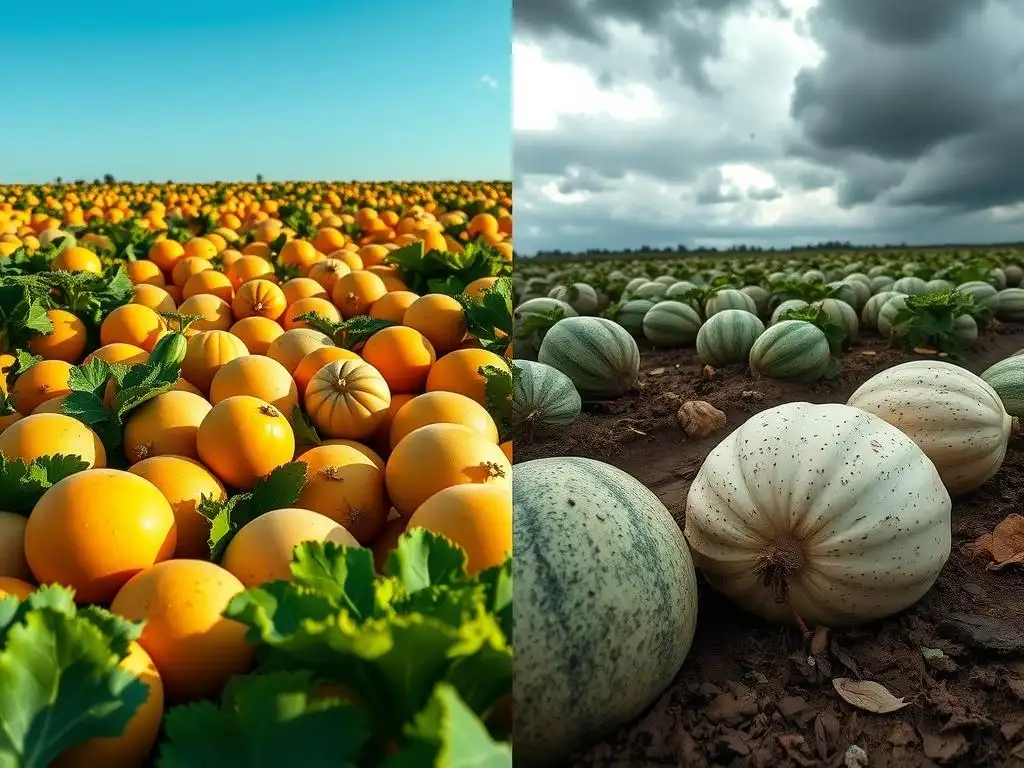
Growing delicious and abundant melons and squash relies heavily on favorable weather conditions. However, unpredictable weather patterns can significantly impact yield and quality. This section details some common weather-related challenges and practical, sustainable solutions for home gardeners striving for optimal results. Understanding the weather effects on melon growth, and squash as well, is crucial for successful cultivation. The impact of weather on these crops can be substantial, ranging from minor setbacks to complete crop failure if not properly managed.
Frost Protection Strategies for Melons and Squash
Melons and squash are highly susceptible to frost damage, as they are warm-season crops. Even a light frost can severely damage or kill young seedlings and developing fruit. Protecting your plants from frost is paramount for a successful harvest. Several strategies can be employed:
- Row covers: Lightweight, breathable row covers provide a protective barrier against light frosts. These can be draped over the plants at night and removed during the day when temperatures rise. This method is particularly effective for protecting young seedlings.
- Cold frames: Cold frames create a microclimate that is warmer than the surrounding air. They are more effective than row covers in protecting against more severe frosts. Constructing a simple cold frame using readily available materials is a cost-effective solution.
- Water-based protection: Watering your plants thoroughly before an anticipated frost can help to protect them. The water releases heat as it freezes, providing a slight insulating effect. This technique is most effective when combined with other frost protection methods.
- Planting location: Carefully select a planting location that offers natural protection from frost. South-facing slopes tend to be warmer, and planting near walls or fences can provide additional protection from cold winds.
Consider the timing of your planting. Wait until all danger of frost has passed in your area before planting directly in the ground. Delayed planting may mean a slightly shorter growing season, but it ensures healthier plants and a higher yield. Knowing your local last frost date is essential for successful melon and squash cultivation.
Managing Excessive Heat Stress in Melons and Squash
Extreme heat can also negatively impact melon and squash production. High temperatures can lead to blossom drop, reduced fruit set, and sunscald on the fruit. Implementing effective heat stress management strategies is crucial for maximizing yields.
- Mulching: Applying a layer of mulch around your plants helps to moderate soil temperature, reducing heat stress on the roots. Organic mulches such as straw or shredded leaves also help retain soil moisture.
- Shade cloth: In extremely hot climates, using shade cloth can provide much-needed relief from intense sunlight. This can be particularly beneficial during the hottest part of the day. Shade cloth is readily available at most garden centers.
- Watering: Consistent and deep watering is essential during hot spells. Avoid shallow watering, which encourages shallow root growth and makes the plants more susceptible to heat stress. Consider using drip irrigation or soaker hoses for efficient water delivery.
- Plant selection: Choosing heat-tolerant varieties of melons and squash is a proactive approach to mitigating heat stress. Many varieties are specifically bred to withstand high temperatures. Check seed packets for heat tolerance ratings.
Proper irrigation is key to overcoming heat stress. Water deeply but infrequently, encouraging deep root growth, which provides greater access to moisture during dry periods. This contributes greatly to the overall health and resilience of your plants.
Dealing with Waterlogged Soil and Poor Drainage for Melons and Squash
Melons and squash thrive in well-drained soil. Waterlogged soil leads to root rot, a serious fungal disease that can quickly kill your plants. Addressing drainage issues is vital for preventing this problem.
- Raised beds: Raised beds improve drainage by elevating the plants above the surrounding soil. They also allow for better soil aeration and warming.
- Soil amendment: Amending heavy clay soils with organic matter such as compost or well-rotted manure improves drainage and soil structure. This helps to create a more porous soil that allows excess water to drain away.
- Drainage ditches: In areas with poor drainage, creating shallow drainage ditches around your planting area can help divert excess water away from the plants.
- Container gardening: Growing melons and squash in containers provides greater control over soil moisture and drainage. Ensure that the containers have adequate drainage holes.
Careful site selection is also crucial. Avoid planting in low-lying areas where water tends to accumulate. Observe your garden after rainfall to identify areas with poor drainage before planting. Early detection and intervention are key to preventing waterlogging issues and ensuring a healthy harvest. The impact of poor drainage on your plants can be severe, leading to stunted growth and reduced yields. 🍉🎃
Protecting Melons and Squash from Strong Winds and Hail
Strong winds and hailstorms pose significant threats to melon and squash plants, potentially causing irreversible damage to the vines, fruit, and overall yield. The delicate nature of these plants makes them particularly vulnerable to these weather events. Wind can easily break stems, leading to wilting and the loss of developing fruit.
Hail, with its impact of ice pellets, can cause bruising, punctures, and even complete destruction of the fruit, rendering it unsuitable for consumption. The extent of the damage depends on the intensity and duration of the storm, as well as the growth stage of the plant. Young, tender seedlings are especially susceptible to being uprooted or severely damaged by strong winds.
Protecting your melon and squash plants from these harsh weather conditions requires proactive measures. One of the most effective strategies is providing physical support. This can involve the use of sturdy trellises or cages, especially for vining varieties of melons and squash. These structures provide support for the growing plants, preventing them from being blown over or damaged by strong winds. Choosing a location sheltered from prevailing winds is also crucial. Planting near a fence, building, or hedgerow can significantly reduce the impact of wind on your plants.
Furthermore, the use of row covers can act as a buffer against both wind and hail. Lightweight, breathable row covers can help to protect the plants from strong gusts while still allowing for adequate sunlight and air circulation. For hail protection, heavier-duty row covers, or even specialized hail netting, may be necessary, depending on the severity of hailstorms in your region. Remember to remove these covers during periods of intense heat to prevent overheating.
Another important consideration is the selection of suitable varieties. Some melon and squash varieties are inherently more resistant to wind and hail damage than others. Choosing varieties known for their strong stems and robust growth habits can contribute to increased resilience against adverse weather conditions. Consulting with local nurseries or seed suppliers can help you identify varieties well-suited to your specific climate and its potential weather challenges.
Regular monitoring of weather forecasts is crucial for timely implementation of protective measures. Being prepared for potential storms allows for swift action, minimizing the damage to your precious melon and squash crop. This proactive approach is key to a successful harvest, even in the face of challenging weather.
Optimizing Your Melon and Squash Harvest with Weather Forecasting
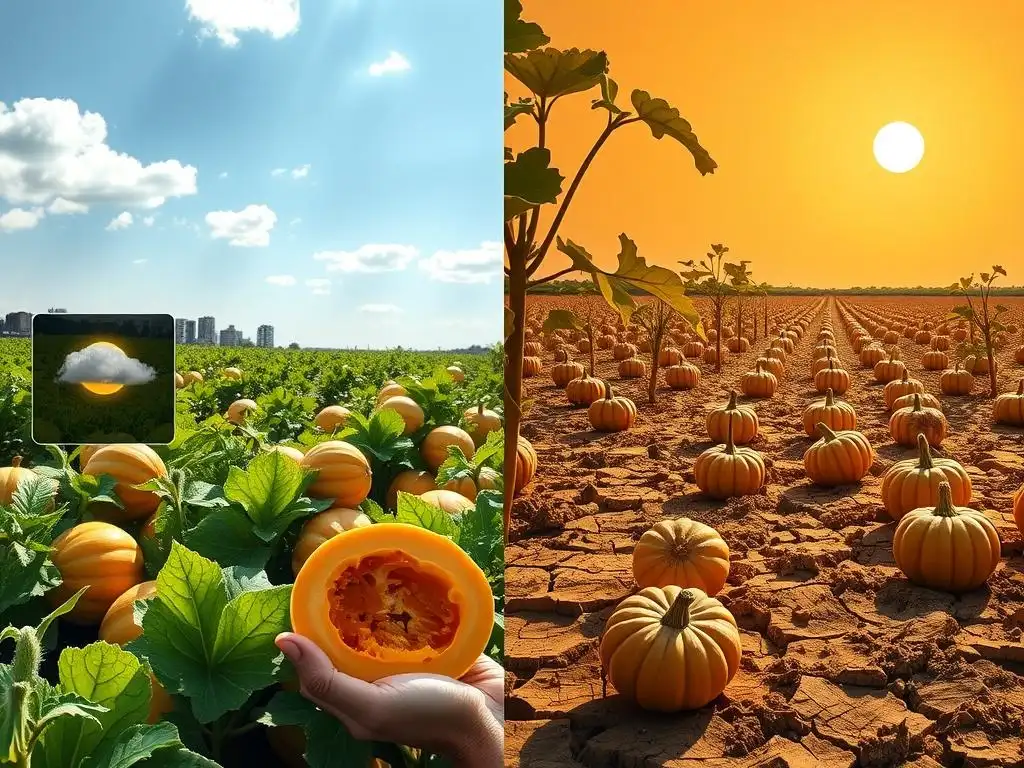
Understanding the nuances of weather patterns is paramount to successful melon and squash cultivation. While these heat-loving plants thrive in warm conditions, extreme temperatures and unpredictable weather events can significantly impact yield and quality. This section focuses on leveraging weather forecasts to maximize your harvest. The impact of weather on melon growth can be mitigated with proactive planning.
Using Weather Forecasts to Plan Planting and Harvesting
Precise timing is crucial for optimal melon and squash growth. Weather forecasts allow for strategic planting and harvesting, avoiding potential damage from frost, excessive heat, or heavy rainfall. For example, knowing a late frost is predicted allows you to delay planting until the risk has passed, preventing the loss of seedlings. Similarly, monitoring temperature forecasts during the ripening period helps determine the ideal harvesting window.
Overripe melons and squash are prone to splitting and pest infestations, while harvesting too early results in reduced sugar content and flavor. Consult your local weather service for detailed forecasts, including temperature highs and lows, rainfall predictions, and wind speeds. Pay close attention to extended forecasts, giving you a longer-term view of potential weather challenges.
This proactive approach allows you to adjust your schedule and implement protective measures as needed. Remember that even small variations in temperature can affect the plants’ development and the overall quality of your harvest. For instance, a few days of unexpectedly cool weather during flowering can dramatically reduce fruit set.
Implementing Protective Measures Based on Weather Predictions
Predictive weather data empowers you to take preventative measures against adverse weather conditions. For instance, anticipating a heavy rainfall event allows you to cover your plants with protective netting or plastic sheeting to prevent waterlogging and fungal diseases. Similarly, a forecast of extreme heat necessitates providing shade for your plants, perhaps using shade cloth or strategically placing taller plants nearby. Wind can also damage delicate melon vines and squash plants.
Strong wind warnings should prompt you to secure your plants with stakes or other support structures. Remember, the preventative measures you take are a direct investment in your crop's success. The cost of implementing these protections is significantly less than the potential loss of an entire harvest due to unforeseen weather events. A simple investment in weather-resistant materials can save you considerable time, effort, and potential losses.
Adapting Cultivation Practices to Local Weather Patterns
Long-term weather patterns also influence your cultivation choices. Understanding your region's typical climate, including average temperatures, rainfall, and frost dates, guides your plant selection. Choose melon and squash varieties that are well-suited to your local weather conditions. For example, if you live in a region with short, cool summers, you might opt for early-maturing varieties that can produce a harvest before the first frost.
Conversely, in hotter climates, selecting heat-tolerant varieties is crucial. Additionally, consider soil conditions in relation to weather patterns. Heavy clay soils can retain too much moisture after rainfall, leading to root rot in wet weather. Conversely, sandy soils drain quickly, potentially leaving plants vulnerable to drought during dry spells.
Adjusting your watering schedule based on rainfall and soil type is essential. Consider mulching to regulate soil moisture and temperature, further mitigating the impact of extreme weather fluctuations. By carefully considering your local weather patterns and adapting your practices accordingly, you can significantly enhance the success of your melon and squash cultivation. This tailored approach will lead to healthier plants, abundant yields, and a higher-quality harvest.
Choosing the Right Melon and Squash Varieties for Your Climate
Selecting the appropriate melon and squash varieties is crucial for maximizing your harvest, especially considering the significant impact of weather on their growth. Different cultivars possess varying degrees of tolerance to heat, cold, drought, and disease, all of which are heavily influenced by weather patterns. Ignoring this crucial step can lead to poor yields, stunted growth, and even complete crop failure.
For example, certain cantaloupe varieties thrive in warm, sunny climates with long growing seasons, while others are better suited to shorter seasons with cooler temperatures. Similarly, some butternut squash varieties excel in regions with ample rainfall, while others are more drought-tolerant, ideal for arid or semi-arid environments. Understanding the specific climate characteristics of your region—average temperatures, rainfall, frost dates, and sunlight hours—is paramount in making informed decisions about variety selection.
Consider the length of your growing season. If you have a short growing season, you'll need to choose early-maturing varieties that can produce a harvest before the first frost. Conversely, in areas with long growing seasons, you can consider later-maturing varieties that often yield larger and sweeter fruits. Furthermore, pay close attention to the heat tolerance of different cultivars. Some melons and squash wilt easily under intense heat, while others can withstand scorching temperatures. This is particularly relevant in regions experiencing extreme heat waves or prolonged periods of drought.
Additionally, disease resistance is a crucial factor to consider, especially in regions prone to specific fungal or viral diseases. Many varieties are bred for resistance to common melon and squash diseases, offering a significant advantage in unpredictable weather conditions. For instance, choosing a variety resistant to powdery mildew can significantly reduce crop loss during periods of high humidity and warm temperatures, common conditions that promote the growth of this prevalent disease.
Consulting seed catalogs and local agricultural extension offices can provide valuable information on disease-resistant varieties suitable for your specific region. Careful variety selection, informed by your local climate and weather patterns, is a cornerstone of successful melon and squash cultivation.
Sustainable Practices to Mitigate Weather Risks
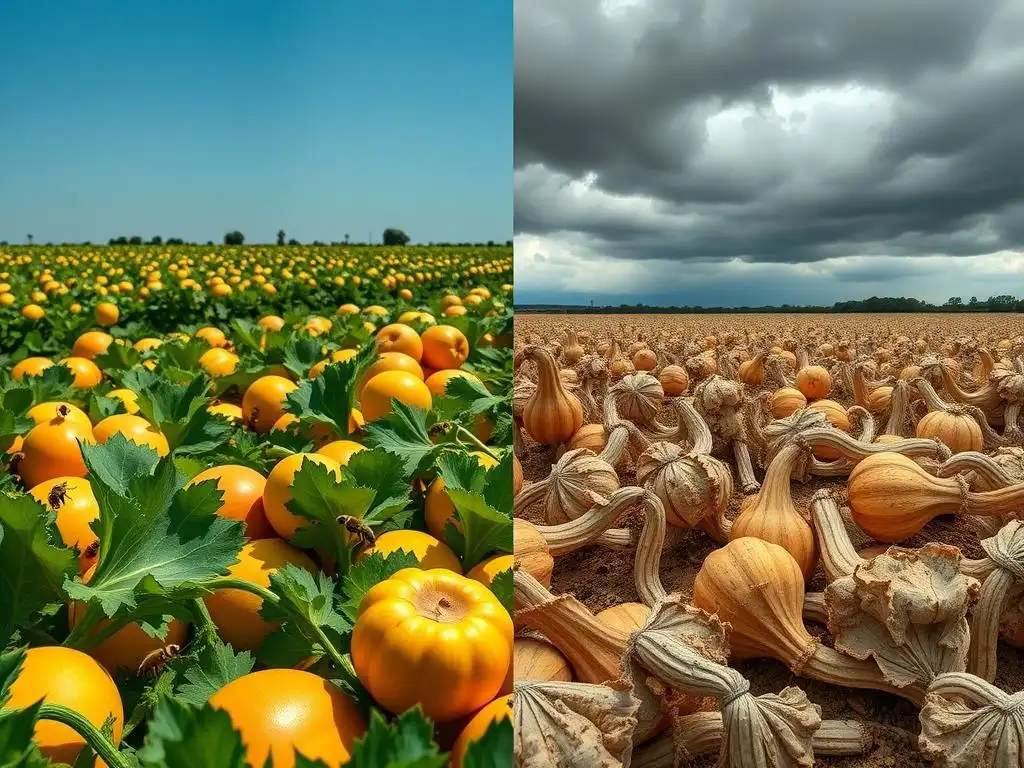
This section explores sustainable practices that can significantly reduce the negative impacts of adverse weather conditions on melon and squash yields. Understanding how weather affects melon growth is crucial for successful cultivation, and proactive measures are key to maximizing harvests even in challenging climates. We'll examine techniques that improve resilience against extremes of temperature, rainfall, and other weather-related stresses. The focus will be on organic and environmentally friendly approaches, aligning with the CultivateYourFood ethos of sustainable gardening.
Utilizing Mulching Techniques for Improved Soil Moisture Retention
Maintaining consistent soil moisture is paramount for healthy melon and squash growth. Fluctuations in rainfall, especially during crucial growth stages, can severely impact yields. Mulching offers a powerful, sustainable solution. By applying a layer of organic mulch – such as straw, shredded leaves, or wood chips – around your plants, you create a protective barrier that moderates soil temperature and reduces evaporation.
This translates to several benefits:
- Reduced water stress: Mulch helps retain soil moisture, reducing the frequency of irrigation needed, conserving water and minimizing the impact of drought. Studies have shown that mulching can decrease water usage by up to 50% in some cases.
- Improved soil structure: Organic mulch improves soil structure over time, enhancing drainage and aeration. This leads to healthier root systems better equipped to withstand periods of drought or heavy rainfall.
- Suppressed weed growth: A thick layer of mulch effectively suppresses weed growth, reducing competition for water and nutrients. This minimizes the need for herbicides, keeping your garden truly organic.
- Temperature regulation: Mulch acts as an insulator, protecting plant roots from extreme temperatures. This is especially important during hot summers and cold snaps.
For optimal results, apply a 2-4 inch layer of mulch around your plants, ensuring not to pile it directly against the stems. Regularly replenish the mulch layer as it decomposes.
Implementing Water-Efficient Irrigation Systems
Effective irrigation is crucial for mitigating the effects of unpredictable rainfall patterns on melon and squash production. While relying solely on rainfall can be risky, overwatering can also lead to problems like root rot. Implementing a water-efficient irrigation system allows for precise control over watering, ensuring plants receive the optimal amount of moisture without wastage.
Here are some effective options:
- Drip irrigation: This method delivers water directly to the roots, minimizing evaporation and runoff. It’s highly efficient and allows for customized watering schedules based on plant needs and weather conditions.
- Soaker hoses: These hoses slowly release water along their length, providing consistent moisture to the root zone. They're less expensive than drip irrigation systems but equally effective for smaller gardens.
- Rain barrels: Harvesting rainwater through rain barrels provides a sustainable and cost-effective way to supplement irrigation, reducing reliance on municipal water sources.
Regular monitoring of soil moisture using a soil moisture meter is crucial to prevent both under-watering and over-watering, maximizing the effectiveness of your chosen irrigation system. Remember to adjust watering schedules based on weather forecasts and the specific needs of your plants at different growth stages.
Extreme weather events can weaken plants, making them more susceptible to pest infestations. Stress from drought, heat, or excessive rain can compromise the plant's immune system, creating opportunities for pests to thrive. Employing natural pest control methods offers a sustainable approach to protecting your melon and squash crops, minimizing the need for harmful pesticides.
Several strategies can be implemented:
- Beneficial insects: Introducing beneficial insects, such as ladybugs and lacewings, can help control pest populations naturally. These insects prey on common melon and squash pests, reducing the need for chemical intervention.
- Companion planting: Planting certain herbs and flowers alongside your melon and squash can deter pests and attract beneficial insects. Marigolds, basil, and nasturtiums are known for their pest-repelling properties.
- Crop rotation: Rotating your crops annually helps break pest cycles and reduces the buildup of pests in the soil. This simple practice can significantly improve the health and resilience of your plants.
- Handpicking: Regularly inspect your plants for pests and handpick any you find. This is especially effective for dealing with smaller infestations.
By combining these strategies, you create a robust defense against pests, minimizing the damage caused by weather-related stress and ensuring a healthier, more sustainable harvest. Remember that early detection and proactive measures are key to successful natural pest control.
Selecting Disease-Resistant Melon and Squash Varieties
Choosing disease-resistant varieties is a cornerstone of sustainable melon and squash production, significantly reducing reliance on chemical pesticides and promoting environmentally friendly practices. The impact of weather on melon growth is often exacerbated by disease, as periods of high humidity and rainfall create ideal breeding grounds for fungal and bacterial pathogens. Selecting resistant varieties acts as a proactive measure, minimizing losses and strengthening the overall resilience of your crops.
Several factors influence disease susceptibility. For example, certain melon varieties, like cantaloupes, are more prone to powdery mildew in humid conditions than others. Similarly, some squash varieties exhibit greater resistance to viruses like zucchini yellow mosaic virus (ZYMV), which can severely impact yield and fruit quality. Understanding the prevalent diseases in your specific geographic location is crucial. Local agricultural extension offices or experienced gardeners can provide invaluable insights into common regional pathogens.
When selecting seeds or seedlings, look for descriptions highlighting disease resistance. Seed catalogs and plant tags often specify resistance to specific diseases, using abbreviations like "PMR" (powdery mildew resistant) or "ZYMV-resistant." It's important to note that no variety is completely immune to all diseases. However, choosing resistant varieties significantly reduces the likelihood of infection and minimizes the severity of outbreaks, even under challenging weather conditions.
This proactive approach aligns perfectly with sustainable gardening practices, minimizing the need for chemical interventions. Furthermore, rotating your crops yearly helps to prevent the buildup of pathogens in the soil, adding another layer of disease management to your strategy. By strategically choosing disease-resistant varieties and implementing crop rotation, you can build a stronger, healthier melon and squash patch that thrives even when the weather throws a curveball. This contributes to a more environmentally responsible and ultimately, more successful harvest.
Monitoring and Adapting to Changing Weather Conditions for Melon Success
Successful melon and squash cultivation hinges significantly on understanding and responding to the ever-changing whims of the weather. These crops, known for their thirst and sun-loving nature, are particularly vulnerable to extreme temperatures and inconsistent rainfall. Proactive monitoring and adaptive strategies are crucial for maximizing yield and quality. This section details practical steps to ensure your melons thrive despite weather challenges. Optimizing your approach to weather effects on melon growth is key to a bountiful harvest.
Regular Monitoring of Plant Health and Growth
Consistent observation is paramount. Daily checks, especially during critical growth stages (flowering and fruit development), are essential. Look for signs of stress such as wilting, leaf discoloration (yellowing or browning), stunted growth, or blossom drop. Note the frequency and intensity of rainfall, as well as daily temperature highs and lows. Maintaining a detailed weather and plant health journal can prove invaluable in identifying patterns and predicting potential problems.
For example, a sudden drop in temperature following a period of intense heat might lead to blossom end rot in your melons. Similarly, prolonged periods of high humidity can increase the risk of fungal diseases. Regular monitoring allows for early intervention, preventing minor issues from escalating into major yield losses. This proactive approach is crucial for mitigating the negative weather effects on melon growth.
Adjusting Irrigation and Fertilization Based on Weather
Water management is crucial, especially during periods of drought or intense heat. Consistent soil moisture is vital, but overwatering can be equally detrimental, leading to root rot. Adjust your irrigation schedule based on rainfall, temperature, and soil moisture levels. Use a soil moisture meter to gauge the water content accurately, avoiding guesswork. Similarly, fertilization needs may vary depending on weather conditions.
Heavy rains can leach nutrients from the soil, requiring supplemental feeding. Conversely, during periods of drought, plants may be less efficient at nutrient uptake, necessitating a more cautious approach to fertilization. It's important to choose fertilizers appropriate for the growth stage of your plants and adjust the application rate based on the prevailing weather conditions. Remember, balanced nutrition is vital to building resilience against weather-related stress.
Recognizing the signs of stress is critical for timely intervention. Here's a breakdown of common weather-related issues and their symptoms:
| Stress Factor | Symptoms | Mitigation Strategies |
|---|---|---|
| Heat Stress | Wilting, leaf scorch, reduced flowering, blossom drop | Provide shade during peak sun hours, increase irrigation frequency, mulch around plants |
| Cold Stress | Stunted growth, yellowing leaves, blossom drop, fruit damage | Use row covers or cold frames to protect plants, consider planting later in the season |
| Excessive Rainfall | Root rot, fungal diseases (e.g., powdery mildew, downy mildew) | Improve drainage, avoid overhead watering, use fungicides as needed |
| Drought Stress | Wilting, leaf curling, reduced fruit size, premature fruit ripening | Increase irrigation frequency, mulch around plants, apply water deeply but infrequently |
| Strong Winds | Damaged leaves and stems, reduced pollination | Provide windbreaks or staking for support |
Understanding these symptoms and implementing appropriate mitigation strategies will significantly improve your chances of a successful harvest, even in the face of unpredictable weather. Remember, the key to minimizing the impact of weather effects on melon growth is vigilance and responsiveness. 🍉
Adapting Cultivation Strategies to Changing Climate Conditions
The impact of weather on melon and squash production necessitates flexible and adaptive cultivation strategies. Farmers and home gardeners alike must be prepared to adjust their practices based on the prevailing weather patterns. This adaptability is crucial for maximizing yields and ensuring healthy plant growth, especially considering the increasing unpredictability of weather events due to climate change. For instance, unusually high temperatures during the flowering stage can lead to poor fruit set in melons, resulting in significantly reduced harvests. Conversely, prolonged periods of cool, wet weather can encourage fungal diseases like powdery mildew, which can devastate entire crops.
One key adaptation involves selecting melon and squash varieties that are better suited to the local climate and predicted weather patterns. Some varieties exhibit greater heat tolerance or disease resistance, allowing them to thrive even under less-than-ideal conditions. Careful consideration of the maturity time of different cultivars is also essential. Choosing early-maturing varieties can help avoid the worst effects of late-season storms or heat waves. Farmers are increasingly using climate data and weather forecasts to fine-tune planting schedules, aiming to optimize growth stages with favorable weather conditions.
Furthermore, appropriate irrigation strategies are vital. During periods of drought, supplemental watering becomes crucial to prevent wilting and stress, particularly during critical growth phases like fruit development. However, overwatering can also be detrimental, leading to root rot and other problems. Drip irrigation systems, for example, offer a more efficient and controlled method of watering, minimizing water waste and reducing the risk of fungal diseases.
Mulching can help regulate soil moisture and temperature, creating a more stable environment for plant growth. This is especially beneficial in regions with extreme temperature fluctuations. The use of shade cloth can also protect plants from intense sunlight and heat stress, particularly during the hottest part of the day.
Careful monitoring of soil moisture levels, combined with accurate weather forecasting, allows for precise irrigation scheduling, maximizing water use efficiency while safeguarding plant health. This proactive approach to irrigation management is becoming increasingly vital in the face of changing climate conditions and their impact on melon and squash production. Implementing these strategies can significantly improve resilience to adverse weather and ultimately lead to increased yields.
Frequently Asked Questions
How does temperature affect melon growth?
Melons thrive in warm temperatures between 70-85°F (21-29°C). Extreme heat or cold can significantly stunt growth, leading to poor fruit development or even plant death. Consistent warmth is key.
What is the impact of rainfall on melon production?
Melons need consistent moisture but dislike waterlogged soil. Too little rain leads to stress and reduced yield, while too much can cause root rot and fungal diseases. Proper drainage is crucial.
How does sunlight affect melon growth and yield?
Melons are sun-loving plants requiring at least 6-8 hours of direct sunlight daily. Insufficient sunlight results in poor fruit production and smaller, less flavorful melons. Optimal sun exposure is essential.
What are the effects of wind on melon plants?
Strong winds can damage delicate melon vines, leading to broken stems and reduced yields. Consider using windbreaks or other protective measures, especially for smaller plants. Protection from harsh winds is important.
How can I protect my melons from adverse weather conditions?
Employ strategies like using row covers to protect against frost or excessive heat. Mulching helps retain moisture and regulate soil temperature. Choosing weather-resistant varieties can also improve resilience.
Final Reflection: Harvesting the Future: Weather's Enduring Impact on Melon and Squash
The unpredictable nature of weather continues to pose a significant threat to melon and squash production, impacting global food security and the livelihoods of countless farmers. This reality, starkly highlighted by recent extreme weather events, demands a proactive and innovative approach to ensure the future of these vital crops. We cannot afford to ignore the increasingly volatile climate's influence on our food supply.
The vulnerability of melon and squash cultivation to fluctuating temperatures, rainfall patterns, and extreme weather events is a deeply concerning issue, one that resonates far beyond the agricultural sector. The ripple effect on food prices, market stability, and rural economies is undeniable. The land is our mother, and we must treat her with respect.
This ancient wisdom underscores the need for sustainable and resilient agricultural practices that acknowledge the crucial role of weather in shaping our food systems.
Consider the information presented in this article. What steps can you take to support sustainable agriculture and mitigate the impact of weather on food production? Perhaps it's supporting local farmers, advocating for climate-conscious policies, or simply becoming more aware of the challenges faced by those who cultivate our food. Let us all work together to ensure a bountiful harvest for generations to come, one that is resilient in the face of an ever-changing climate.
Unlock Bountiful Harvests: Grow the Perfect Melon & Squash
Thanks for exploring the fascinating world of melon and squash cultivation! You've gained valuable insights into how weather impacts your yield. Ready to put this knowledge to work?
Here's how to take the next step:
- Plan your next season's melon and squash garden carefully: Consider your local climate and choose varieties best suited to your specific conditions. This is crucial for maximizing your harvest!
- Share your biggest weather-related gardening challenges in the comments below – let's learn from each other!
- Explore our other articles on seasonal planting for even greater harvest success.
What unique strategies do you use to protect your plants from unpredictable weather?