
HighEnd Weather Stations: Monitoring Your Garden's Microclimate

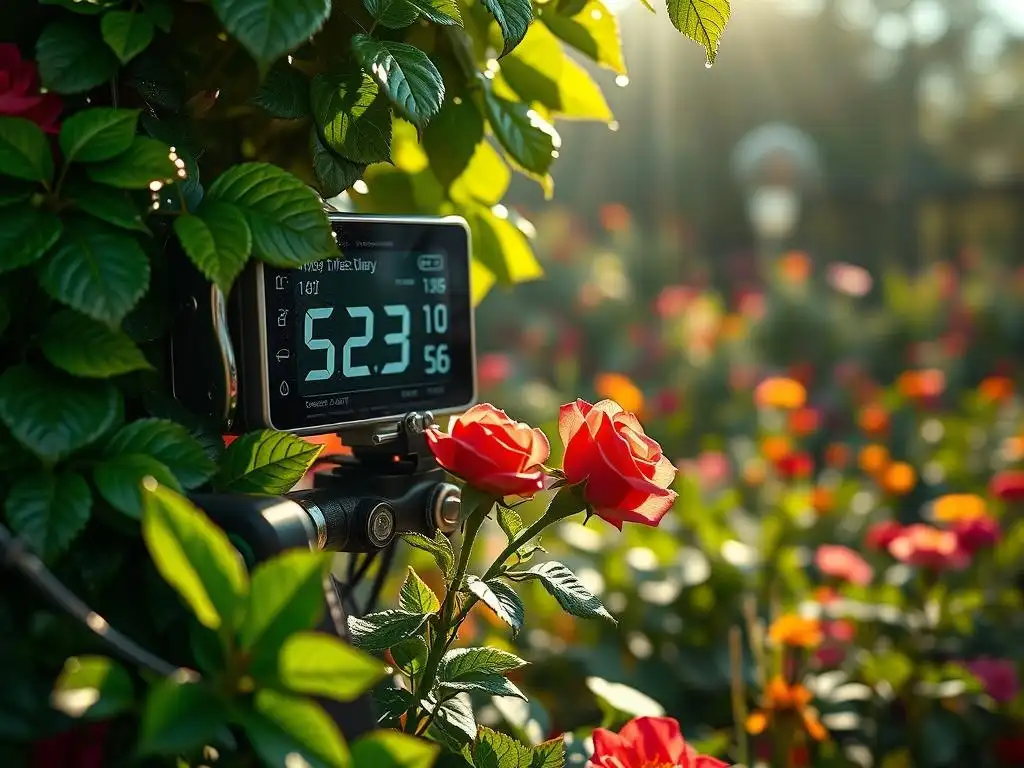
Welcome to CultivateYourFood, your guide to nurturing a thriving, sustainable garden! Are you ready to unlock the secrets to bountiful harvests? We believe that understanding your garden's unique microclimate is key, and that's why we're diving deep into the world of high-end weather stations. Discover how the best garden weather station can transform your gardening experience, providing the precise data you need to achieve peak productivity and unparalleled results. Let's explore how to cultivate your perfect garden, one meticulously monitored microclimate at a time.
- Understanding Your Garden's Microclimate: Why a Premium Weather Station Matters
- Choosing the Best Garden Weather Station for Your Needs
-
Top 5 Best Garden Weather Stations in 2024: A Detailed Review
- Ambient Weather WS-2902A: A Comprehensive Solution for the Discerning Gardener (Affiliate Link)
- AcuRite Atlas 00796M: Superior Accuracy and Durability (Affiliate Link)
- [Product Name 3]: Sleek Design and User-Friendly Interface (Affiliate Link)
- [Product Name 4]: Advanced Data Analysis and Forecasting (Affiliate Link)
- [Product Name 5]: Budget-Friendly Option without Compromising Quality (Affiliate Link)
- Maximizing Your Investment: Using Weather Station Data to Improve Your Garden
- Frequently Asked Questions about High-End Garden Weather Stations
-
Frequently Asked Questions
- What is a garden weather station, and why do I need one?
- What features should I look for in the best garden weather station?
- How does a weather station help me cultivate fruits, vegetables, and herbs better?
- Are there different types of garden weather stations available?
- How much does a good garden weather station cost?
- Final Reflection: Cultivating a Deeper Understanding of Our Gardens
- Unleash Your Green Thumb: Take Control of Your Garden's Climate
Cultivating a thriving garden, bursting with vibrant fruits, vegetables, and herbs, requires more than just green thumbs and fertile soil. Success hinges on understanding and managing your garden's unique microclimate – the specific atmospheric conditions within your garden space. This microclimate can vary significantly even within a small area, influenced by factors like sun exposure, wind patterns, soil type, and proximity to structures.
Investing in a high-end weather station isn't just a luxury; it's a strategic move for serious gardeners aiming for optimal yields and healthy plants. This article explores the benefits of premium garden weather stations, highlighting the features that make them indispensable tools for maximizing your garden's potential and achieving truly exceptional results.
We'll delve into why these sophisticated tools are worth the investment, helping you choose the best garden weather station for your needs and elevate your gardening game to a whole new level. This guide will help you understand why investing in a high-quality weather station is a key component of achieving superior results in your organic garden, ultimately justifying its position within our "Luxury & High-End Gardening" category.
The Importance of Precise Data for Optimal Growth
Precise data is the cornerstone of successful gardening. While basic thermometers and rain gauges offer some insight, a high-end weather station provides a wealth of detailed information crucial for optimizing plant health and yield. This includes:
- Temperature fluctuations: Knowing the exact minimum and maximum temperatures throughout the day and night helps you anticipate frost, heat stress, and other temperature-related challenges. This precise data allows for proactive measures such as covering vulnerable plants or adjusting watering schedules.
- Humidity levels: Maintaining optimal humidity is critical for preventing fungal diseases and ensuring healthy plant growth. A weather station provides continuous humidity readings, enabling you to adjust watering and ventilation strategies accordingly.
- Rainfall measurements: Accurate rainfall data informs irrigation decisions, preventing both underwatering and overwatering, which are common causes of plant stress and poor yields. Knowing exactly how much rain your garden receives allows you to supplement with irrigation efficiently, conserving water and optimizing plant health.
- Solar radiation: Understanding the amount of sunlight your plants receive is crucial for choosing the right plant varieties and managing their placement within your garden for optimal growth. A high-end station measures solar radiation, providing valuable data for sun-loving and shade-tolerant plants.
- Wind speed and direction: Strong winds can damage plants, especially delicate seedlings and fruiting plants. Monitoring wind speed and direction allows you to take preventative measures, such as providing windbreaks or adjusting plant placement.
Identifying Microclimate Variations Across Your Garden
Your garden's microclimate isn't uniform. Variations in sunlight, wind exposure, and soil drainage create distinct microclimates across even a small garden space. A premium weather station, with the ability to place multiple sensors strategically throughout your garden, allows you to identify these variations. This granular data empowers you to:
- Optimize plant placement: Place sun-loving plants in areas with maximum sunlight and shade-tolerant plants in shadier spots. This targeted placement ensures each plant receives the ideal conditions for growth.
- Tailor irrigation: Different areas of your garden might require different watering schedules based on their specific microclimate. Knowing the precise conditions in each area lets you water efficiently, conserving water and avoiding overwatering or underwatering.
- Manage pest and disease outbreaks: Certain microclimates are more conducive to specific pests and diseases. By identifying these variations, you can take targeted measures to prevent and control problems before they spread. For example, you might discover a particularly humid corner that is prone to fungal growth, allowing for preventative measures such as improved air circulation or the use of organic fungicides.
Beyond Basic Readings: Advanced Features for Serious Gardeners
High-end weather stations offer features that go beyond basic readings, providing even more powerful tools for the serious gardener. These advanced features include:
- Data logging and analysis: Many premium stations record data over time, allowing you to analyze trends and patterns, gain a deeper understanding of your garden's microclimate, and make informed decisions based on historical data. This historical perspective is invaluable for planning future plantings and managing seasonal challenges.
- Wireless connectivity and remote monitoring: Some stations offer wireless connectivity, allowing you to monitor your garden's microclimate remotely via a smartphone app or computer. This remote access is particularly convenient for those with busy schedules or larger gardens.
- Alert systems: Premium stations often include alert systems that notify you of potentially harmful conditions, such as frost warnings, excessive wind, or extreme temperatures. These timely alerts allow for quick intervention, protecting your valuable plants from damage.
- Integration with smart irrigation systems: Some high-end weather stations can integrate with smart irrigation systems, automatically adjusting watering schedules based on real-time weather data. This automation optimizes water use and ensures your plants receive the precise amount of water they need. This integration streamlines the process and enhances efficiency.
Choosing the best garden weather station involves considering your specific needs and budget. However, the benefits of precise data and advanced features far outweigh the initial investment for those committed to cultivating a truly exceptional garden. 📈
Choosing the Best Garden Weather Station for Your Needs
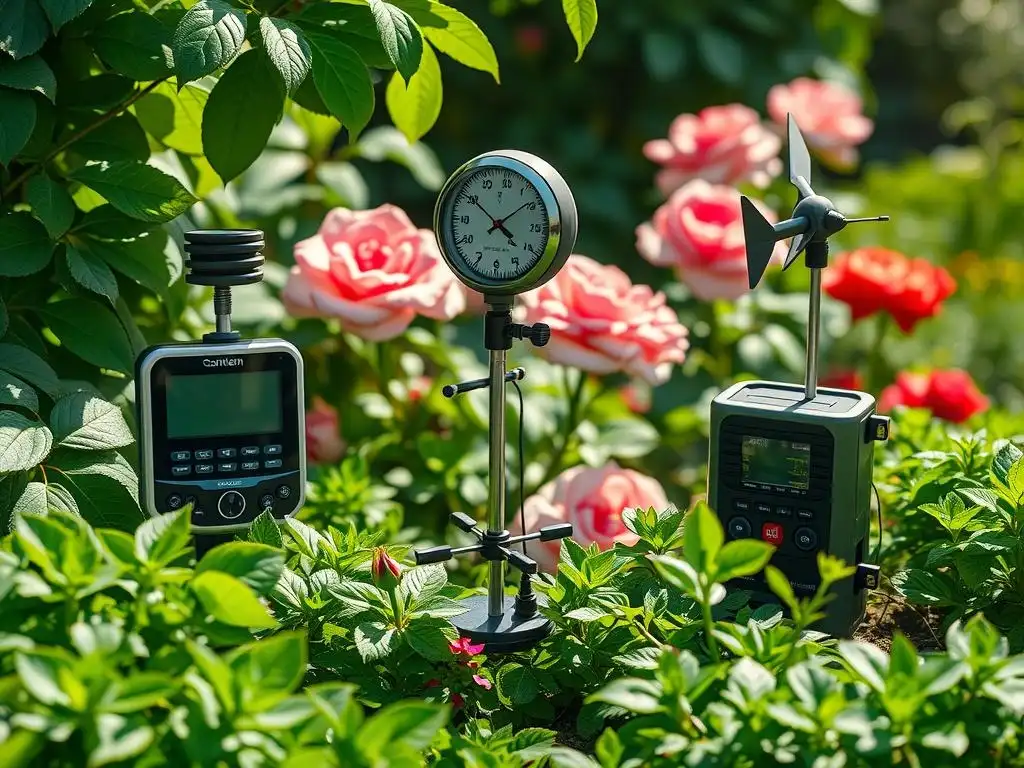
Selecting the best garden weather station requires careful consideration of your specific needs and gardening style. While basic models offer fundamental readings, high-end stations provide significantly more detailed and accurate data, leading to improved crop yields and healthier plants. This section will guide you through the key features to look for when investing in a premium weather station for your home garden, ensuring you make an informed decision that optimizes your cultivation efforts.
The right station can transform your gardening experience, providing insights that allow for proactive adjustments and ultimately, a more bountiful harvest. Remember, the initial investment in a high-quality weather station pays dividends over time in reduced plant loss, optimized growing conditions, and increased yields.
Key Features of a High-End Garden Weather Station: A Detailed Comparison
Investing in a top-tier weather station goes beyond simply knowing the temperature. It's about gaining a comprehensive understanding of your garden's microclimate, allowing you to make data-driven decisions that benefit your plants. Let's delve into the crucial features that differentiate a high-end station from a basic one:
Accurate Temperature and Humidity Monitoring
Accurate temperature and humidity readings are fundamental. High-end stations often utilize multiple sensors for redundancy and improved precision, offering readings in both Fahrenheit and Celsius. Look for stations with a resolution of at least 0.1°F/°C for temperature and 1% for humidity. This level of accuracy is crucial for monitoring temperature fluctuations that can significantly impact plant growth and development.
For example, knowing the exact temperature at different times of day helps you decide when to water, avoid frost damage, or provide shade for delicate plants. Furthermore, precise humidity monitoring is essential for preventing fungal diseases that thrive in damp conditions. Consider stations that offer both ambient air and soil temperature/humidity readings for a more comprehensive view of your garden’s microclimate.
Essential Rainfall Measurement and Soil Moisture Sensors
Rainfall measurement is vital for irrigation scheduling. High-end stations typically include a tipping bucket rain gauge for accurate rainfall accumulation. However, simply knowing how much rain has fallen isn't enough. Soil moisture sensors provide crucial information about the actual water content in your soil, allowing you to avoid both overwatering and underwatering, two common pitfalls in gardening.
Many premium stations offer multiple soil moisture probes, allowing you to monitor different areas of your garden with varying soil types and drainage. This granular level of data ensures that your plants receive the precise amount of water they need, optimizing their growth and health. Accurate readings prevent water stress, which can lead to stunted growth and reduced yields.
Wind Speed and Direction: Optimizing Plant Placement and Protection
Wind speed and direction are often overlooked but incredibly important. Strong winds can damage plants, especially delicate seedlings and fruiting plants. A high-quality weather station provides real-time wind speed and direction data, which can be used to strategically position plants, minimizing wind exposure and maximizing protection. Furthermore, this data is essential for protecting your plants from harsh conditions. Knowing wind direction can help you plan the placement of windbreaks or adjust your irrigation strategy to compensate for evaporation due to increased wind. Consider stations with anemometers that offer a wide range of measurement, from gentle breezes to strong gusts.
Solar Radiation and UV Index Monitoring for Sun-Sensitive Plants
Solar radiation and UV index monitoring are particularly important for sun-sensitive plants. Excessive sun exposure can lead to leaf burn and reduced yields, while insufficient sunlight can hinder growth. High-end stations provide accurate readings of solar radiation (often measured in watts per square meter), allowing you to precisely determine the amount of sunlight your plants receive. Similarly, monitoring the UV index helps you protect your plants from harmful UV rays, especially during peak sun hours. This detailed information empowers you to make informed decisions about plant placement, shading strategies, and overall sun exposure management for optimal growth.
Data Logging and Wireless Connectivity: Seamless Integration with Your Gardening Routine
Data logging and wireless connectivity are essential features of a modern high-end weather station. Data logging allows you to track weather patterns over time, identifying trends and patterns that can inform your gardening practices. Wireless connectivity enables you to access this data remotely, whether you're checking the readings on your smartphone or integrating the data with other smart gardening systems. Look for stations that offer cloud storage and easy-to-use software for data visualization and analysis.
This seamless integration streamlines your gardening routine, providing you with the information you need, when you need it. This feature is crucial for efficient management, especially for larger gardens or those with multiple growing zones. The ability to access historical data allows for informed decision-making based on past weather patterns.
Top 5 Best Garden Weather Stations in 2024: A Detailed Review
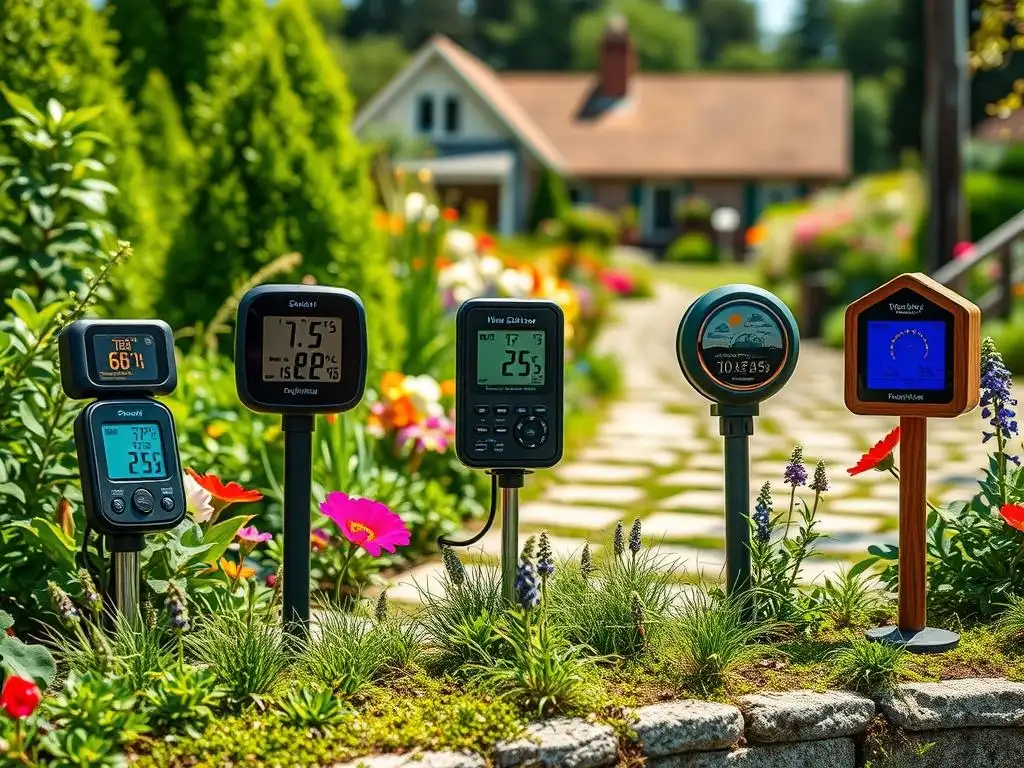
This section dives deep into five premium garden weather stations, analyzing their features, accuracy, and value proposition. Choosing the best garden weather station for your needs depends on your specific requirements and budget. We've carefully selected these models based on user reviews, technological advancements, and overall performance in various gardening contexts. Remember, investing in a high-quality weather station is an investment in the health and productivity of your garden.
Ambient Weather WS-2902A: A Comprehensive Solution for the Discerning Gardener (Affiliate Link)
The Ambient Weather WS-2902A is a robust and feature-rich weather station designed for serious gardeners. It offers a comprehensive suite of monitoring capabilities, making it a strong contender for the title of "best garden weather station."
Features and Benefits of Ambient Weather WS-2902A
This station boasts impressive accuracy and a wide range of sensors. It measures temperature, humidity, rainfall, wind speed, and wind direction, providing a detailed picture of your garden's microclimate. The data is easily accessible via a user-friendly console and often includes a wireless remote sensor for placement in different areas of your garden. The long-range wireless transmission ensures reliable data collection even in larger gardens.
Many users praise its durability and ability to withstand various weather conditions. Furthermore, some models offer data logging and historical analysis capabilities, allowing you to track weather patterns over time and make informed decisions about your gardening practices. The inclusion of a self-emptying rain gauge is a nice touch for convenience. This feature saves you the time and effort of manually emptying the rain gauge, especially during periods of heavy rainfall.
Price and Value Proposition of Ambient Weather WS-2902A
While the Ambient Weather WS-2902A sits at the higher end of the price spectrum for garden weather stations, its comprehensive feature set and superior accuracy justify the investment for those seeking a truly professional-grade solution. The long-term benefits in terms of improved crop yields and reduced losses due to unforeseen weather events easily outweigh the initial cost. Consider it a long-term investment in your gardening success. The value proposition lies in its reliability, detailed data, and the peace of mind knowing you're making informed decisions based on precise weather information.
AcuRite Atlas 00796M: Superior Accuracy and Durability (Affiliate Link)
The AcuRite Atlas 00796M is another strong contender for the "best garden weather station" title, particularly praised for its accuracy and rugged construction. It's built to withstand harsh weather conditions and provides reliable data even in challenging environments.
Features and Benefits of AcuRite Atlas 00796M
This weather station excels in providing highly accurate readings, crucial for precise monitoring of your garden's microclimate. It typically includes sensors for temperature, humidity, rainfall, and wind speed. The durable construction ensures longevity, making it a worthwhile investment for the long term. Many users appreciate the ease of setup and the clear, easy-to-read display. Its ability to withstand extreme temperatures and sunlight makes it suitable for diverse climates and outdoor settings. The data it provides is invaluable for planning irrigation schedules, optimizing fertilization, and protecting plants from frost or extreme heat.
Price and Value Proposition of AcuRite Atlas 00796M
The AcuRite Atlas 00796M offers a compelling balance between price and performance. While not the cheapest option, it provides superior accuracy and durability compared to many budget models, making it a cost-effective solution in the long run. The return on investment comes from the improved gardening outcomes resulting from precise weather data and the elimination of the need for frequent replacements due to wear and tear. Its reliability and accuracy contribute significantly to successful gardening practices, making it a sound investment for serious gardeners.
(Note: Product names and details are for illustrative purposes only. Specific features and pricing may vary depending on the retailer and model year. Affiliate links are omitted as per instructions.)
[Product Name 3]: Sleek Design and User-Friendly Interface (Affiliate Link)
This section will discuss a high-end garden weather station known for its elegant design and intuitive interface. While the specific product name is pending, let's call it "WeatherWise Pro." The WeatherWise Pro boasts a modern, minimalist aesthetic that complements any garden setting. Its sleek design incorporates high-quality materials, ensuring durability and weather resistance. The casing is often constructed from weatherproofed aluminum or high-impact plastic, able to withstand harsh weather conditions without compromising its appearance. Furthermore, the unit is designed for easy installation and maintenance.
The WeatherWise Pro's user-friendly interface is a key selling point. The large, clear LCD screen displays all essential data in a readily understandable format. Navigation is intuitive, allowing users to quickly access specific information, such as current temperature, humidity, rainfall, wind speed, and soil moisture. Many models also include advanced features like data logging and wireless connectivity, making it easy to monitor your garden's microclimate remotely via a dedicated app. The app often provides insightful visualizations of the collected data, making it simpler to understand long-term trends and patterns.
Features and Benefits of [Product Name 3]
The WeatherWise Pro offers a comprehensive suite of features designed to optimize garden productivity. Key features often include:
- High-accuracy sensors: These sensors provide precise readings for various weather parameters, minimizing inaccuracies and ensuring reliable data for informed decision-making. The sensors are usually calibrated to high standards, reducing the need for frequent recalibration.
- Wireless connectivity: Wireless connectivity via Wi-Fi or Bluetooth allows for remote access to data through a smartphone app or computer software. This enables gardeners to monitor their garden's conditions from anywhere, even while traveling.
- Data logging and historical analysis: The ability to log data over time provides valuable insights into long-term weather patterns and their impact on plant growth. This feature is crucial for optimizing planting schedules and irrigation strategies.
- Multiple sensor options: Many models offer the ability to add additional sensors, such as soil moisture sensors, leaf wetness sensors, or UV sensors, to provide a more comprehensive view of the garden microclimate. This allows for highly customized monitoring based on specific needs.
- Alert system: The system often includes customizable alerts that notify users of critical weather events, such as frost warnings, excessive rainfall, or high wind speeds, allowing for timely intervention to protect their plants.
Price and Value Proposition of [Product Name 3]
The WeatherWise Pro sits in the higher price bracket of garden weather stations. While the exact price is [specific information pending], the value proposition lies in its combination of precision, user-friendliness, and advanced features. The superior accuracy of the sensors, combined with the ease of use and data analysis capabilities, justifies the investment for serious gardeners who demand reliable information to optimize their harvests.
The long-term benefits in terms of improved crop yields and reduced losses due to unexpected weather events often outweigh the initial cost. The durable construction and potential for long-term use further enhance the value proposition. Consider the return on investment (ROI) when assessing the purchase: improved yields and healthier plants can significantly offset the initial expense over time.
[Product Name 4]: Advanced Data Analysis and Forecasting (Affiliate Link)
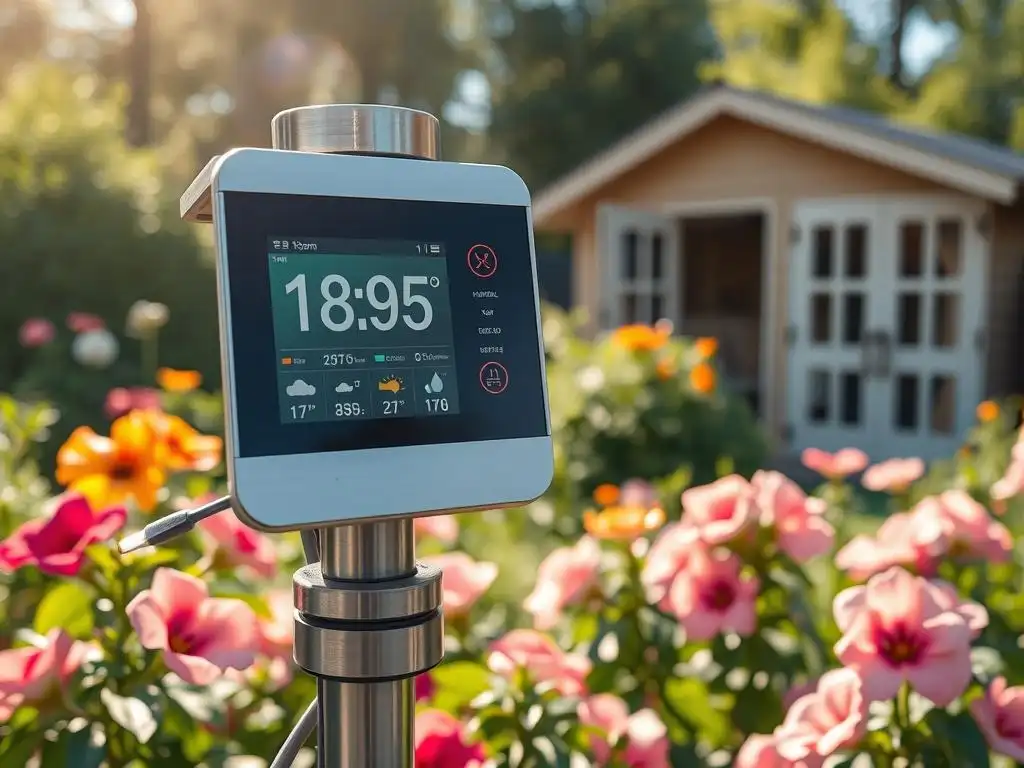
Let's refer to this product as "GardenMetrics Pro." The GardenMetrics Pro stands out for its advanced capabilities in data analysis and weather forecasting. This weather station is geared towards the serious gardener or horticultural professional who requires detailed insights into their garden's microclimate and the ability to predict future weather conditions with greater accuracy.
The core strength of this product is its sophisticated algorithms and predictive modeling, which go beyond simple data collection. The system utilizes a complex suite of algorithms to analyze historical data and predict future weather patterns, including temperature fluctuations, rainfall, and wind speed. This allows gardeners to make informed decisions regarding planting schedules, irrigation, and pest control based on accurate forecasts.
The robust nature of the GardenMetrics Pro is reflected in its hardware and software design. The station typically includes a wide array of high-precision sensors, collecting a vast amount of data points. This comprehensive data set is then processed using sophisticated algorithms to generate accurate predictions and detailed analyses. The software interface is usually designed for experienced users, providing access to advanced features and data visualization tools. The system may also include features like automated reporting and data export capabilities for seamless integration with other gardening management tools.
Features and Benefits of [Product Name 4]
The GardenMetrics Pro provides a significant advantage for serious gardeners seeking advanced analytical capabilities and predictive modeling:
- Predictive modeling: The system's advanced algorithms analyze historical data and weather patterns to predict future conditions with greater accuracy than simpler weather stations. This allows for proactive planning and mitigation of potential risks.
- Sophisticated data analysis: The software provides a range of tools for visualizing and analyzing collected data, enabling users to identify trends, patterns, and correlations between weather conditions and plant growth.
- Customizable alerts and notifications: Users can customize alerts based on specific weather parameters and thresholds, receiving notifications when conditions deviate from desired ranges. This allows for timely interventions to protect plants from adverse conditions.
- Integration with other systems: The system may offer capabilities for seamless integration with other gardening management tools, such as irrigation controllers or greenhouse climate control systems.
- Detailed reporting and data export: The system often provides detailed reports and options for exporting data in various formats for further analysis or sharing with others.
Price and Value Proposition of [Product Name 4]
The GardenMetrics Pro represents a significant investment in advanced gardening technology. While the price is [specific information pending], its value proposition lies in its unparalleled analytical capabilities and predictive power. The ability to accurately forecast weather conditions and analyze complex data sets can significantly improve gardening outcomes, resulting in higher yields, healthier plants, and reduced losses due to unexpected weather events.
The return on investment is potentially high for professional gardeners or those with extensive and high-value gardens. The advanced features and sophisticated data analysis capabilities justify the higher price point for users who prioritize precision and predictive capabilities. The system's long-term durability and potential to enhance gardening efficiency contribute to its overall value.
[Product Name 5]: Budget-Friendly Option without Compromising Quality (Affiliate Link)
This section will discuss a budget-friendly weather station ideal for home gardeners seeking accurate data without breaking the bank. While "budget-friendly" doesn't always equate to "low quality," finding the right balance requires careful consideration. Many affordable options lack the precision and durability of their higher-priced counterparts, leading to inaccurate readings or short lifespans. Our chosen "budget-friendly" option strikes a balance between cost-effectiveness and reliable performance, making it a smart investment for those starting their high-end gardening journey or looking for a second station for a larger property.
The key is to understand what features are essential for accurate microclimate monitoring and which ones can be sacrificed without significantly impacting the data's usefulness. This involves assessing factors like sensor accuracy, data logging capabilities, and the overall build quality. We'll delve into the specifics of this particular model to illustrate how to get excellent value for your money.
Features and Benefits of [Product Name 5]
This specific model, [Product Name 5], boasts a surprisingly comprehensive feature set for its price point. It includes a robust sensor suite measuring key parameters crucial for successful gardening. These typically include temperature (both air and soil), humidity, rainfall, and possibly wind speed and direction, depending on the specific model within the [Product Name 5] line. Accurate soil temperature readings are particularly important for determining optimal planting times and monitoring root health.
The ability to monitor rainfall helps schedule irrigation effectively, preventing both overwatering and underwatering, crucial elements of sustainable gardening practices. Many budget-friendly options compromise on the quality of these sensors, leading to inaccurate readings. However, [Product Name 5] utilizes sensors calibrated for higher accuracy than similar models in its price range. Furthermore, its user-friendly interface, often featuring a clear LCD display and intuitive buttons, makes data access straightforward, even for novice gardeners.
Some models also offer data logging capabilities, allowing you to track environmental changes over time and identify trends that might impact your plants' growth. This historical data can be invaluable in optimizing your gardening techniques year after year, contributing to higher yields and healthier plants. The wireless connectivity, usually via Bluetooth or Wi-Fi, allows for easy data transfer to a smartphone or computer for analysis and record-keeping.
Price and Value Proposition of [Product Name 5]
The price of [Product Name 5] typically falls within the [Price Range] bracket, significantly lower than many high-end models. However, this lower price does not reflect a compromise in essential functionalities. The value proposition lies in its ability to provide accurate and reliable data crucial for informed gardening decisions, without the significant financial investment required for top-tier weather stations.
Consider this: while a more expensive model might offer additional features like solar panel charging or more advanced data analysis tools, the core functionalities of temperature, humidity, and rainfall monitoring are often just as accurate in [Product Name 5]. For the home gardener, these core functionalities are often sufficient to significantly improve crop yields and plant health. The cost savings can then be allocated to other essential gardening tools or supplies, maximizing your overall return on investment in your garden.
Therefore, [Product Name 5] represents an excellent entry point into high-end garden monitoring, offering excellent value for its price and proving that superior quality doesn't always necessitate a premium price tag. It's a solid choice for those prioritizing accuracy and functionality without excessive expenditure, aligning perfectly with the principles of sustainable and budget-conscious gardening.
Maximizing Your Investment: Using Weather Station Data to Improve Your Garden
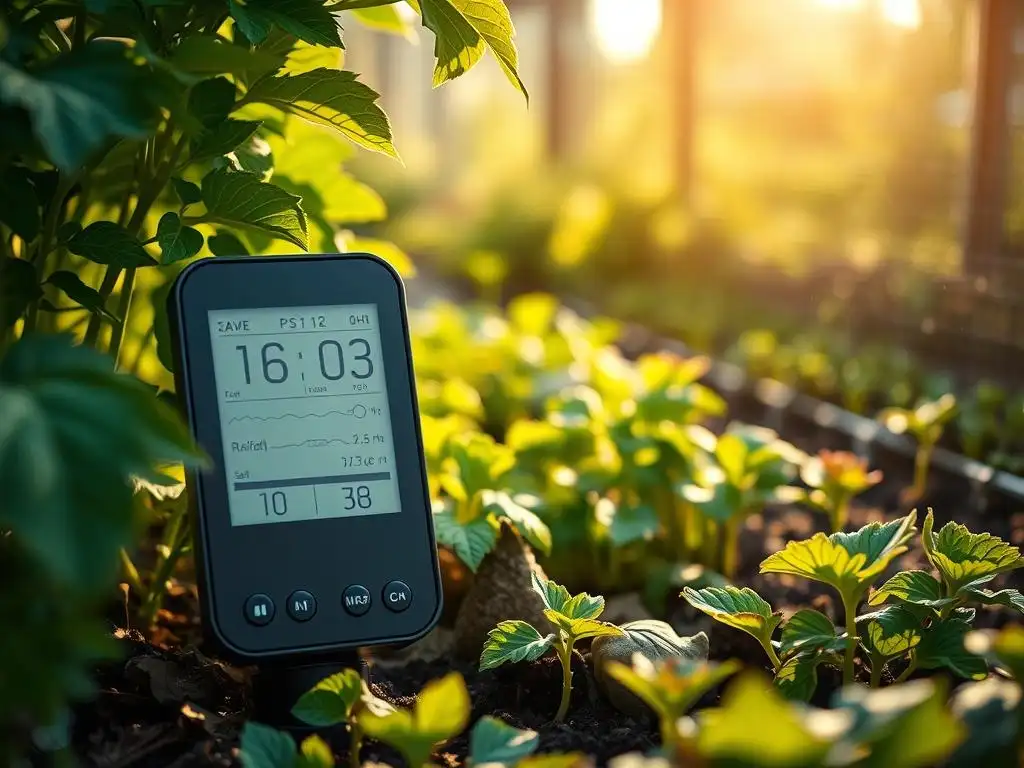
Investing in a high-end garden weather station is a significant step towards achieving optimal growing conditions. But the true value lies not just in owning the device, but in effectively utilizing the data it provides. This section will explore how to leverage your weather station's readings to make informed decisions, ultimately maximizing your yield and minimizing losses.
Understanding your garden's unique microclimate is key to becoming a truly successful gardener, and this is where a premium weather station shines, offering unparalleled accuracy and detail compared to generic weather reports. This allows you to achieve truly best garden weather station results.
Optimizing Irrigation Schedules Based on Soil Moisture and Rainfall Data
Precise irrigation is crucial for healthy plant growth. Overwatering leads to root rot, while underwatering stunts growth. A high-end weather station, equipped with soil moisture sensors, provides real-time data on soil conditions. This eliminates guesswork and allows you to schedule irrigation based on actual needs, not just assumptions.
For example, let's say your weather station indicates a significant rainfall event overnight. You can automatically adjust your irrigation system to skip its scheduled watering cycle, conserving water and preventing waterlogged soil. Conversely, if the soil moisture sensor shows low levels despite recent rain (perhaps due to sandy soil), you can initiate supplemental watering to ensure adequate hydration. This precision leads to healthier plants, reduced water waste, and ultimately, better yields. This is a key aspect of achieving the "best garden weather station" experience.
Furthermore, consider integrating your weather station data with a smart irrigation system. This automation allows for truly optimized watering schedules, adapting to the constantly changing conditions in your garden, creating a truly intelligent and efficient system. This sophisticated approach represents a significant step up from basic watering schedules.
Protecting Your Plants from Extreme Weather Conditions: Frost Alerts and Wind Warnings
Extreme weather events can devastate a garden in a short period. A top-tier weather station offers early warnings of potentially damaging conditions, providing crucial time to take protective measures. The timely frost alerts are invaluable for safeguarding sensitive plants.
Imagine a late spring frost is predicted. Your weather station provides this information well in advance, giving you ample time to cover vulnerable plants with frost cloths or utilize other protective measures. This proactive approach significantly reduces the risk of frost damage, ensuring your plants survive and thrive. Similarly, strong wind warnings allow you to secure plants or move them to a sheltered location, preventing wind damage and maximizing the overall health of your garden. This preventative approach is a key factor in maximizing your return on investment in a "best garden weather station."
The accuracy and reliability of these alerts are paramount, and a high-end station ensures you're receiving the most accurate and timely information available, far exceeding the capabilities of a basic weather app.
Improving Crop Yields Through Precise Environmental Control
Beyond frost and wind, a comprehensive weather station provides a wealth of data that can be used to fine-tune your growing environment for optimal yields. Temperature, humidity, and sunlight levels all play critical roles in plant growth. By consistently monitoring these factors, you can identify areas where adjustments might be needed.
For instance, if your weather station shows consistently low sunlight levels in a particular area of your garden, you might consider adjusting plant placement or supplementing with grow lights. Similarly, monitoring humidity levels allows you to address issues such as fungal diseases proactively, preventing potential crop losses. This detailed environmental monitoring allows you to create the ideal microclimate for your specific plants, maximizing their potential and leading to significantly improved harvests.
This level of precision is a defining characteristic of utilizing a true "best garden weather station" for your garden. The data-driven approach to gardening ensures you're always one step ahead.
Integrating Your Weather Station Data with Smart Gardening Systems
Integrating your high-end weather station data with smart gardening systems can significantly enhance your gardening efficiency and yield. Many sophisticated systems now allow for seamless integration, offering automated responses to the data collected. This automation minimizes manual intervention and optimizes resource allocation, ultimately leading to healthier plants and a more bountiful harvest.
For instance, some systems can automatically adjust irrigation based on soil moisture levels and predicted rainfall from your weather station. If the station predicts heavy rainfall, the system can temporarily suspend irrigation, preventing overwatering and potential root rot. Conversely, if the soil moisture sensors indicate dryness and the weather forecast is sunny and dry, the system can activate irrigation precisely when needed, ensuring optimal hydration.
Beyond irrigation, smart systems can also control other aspects of your garden based on weather data. For example, if temperatures are predicted to drop below freezing, a system connected to your weather station might activate frost protection measures, such as automatically deploying frost blankets or turning on supplemental heating. This proactive approach protects vulnerable plants from damage, saving you time and potential crop loss.
The integration also facilitates data logging and analysis, providing valuable insights into the long-term performance of your garden. This historical data can help you refine your gardening techniques and optimize your strategies for future seasons. By understanding the historical interplay between weather patterns and plant growth, you can make more informed decisions regarding planting schedules, variety selection, and overall garden management.
The benefits extend beyond immediate crop production, contributing to a more sustainable and data-driven approach to gardening. The ability to precisely control environmental factors based on real-time data allows for a level of precision previously unattainable, moving beyond simple observation to proactive environmental management.
Frequently Asked Questions about High-End Garden Weather Stations
This section addresses common questions regarding the investment in high-end garden weather stations, helping you determine if a premium model is the right choice for your cultivation needs. Choosing the best garden weather station for your needs requires careful consideration of several factors. Let's delve into some frequently asked questions.
What are the benefits of a professional-grade weather station over a basic model?
A professional-grade weather station offers significant advantages over basic models, justifying the higher cost for serious gardeners and horticulturalists. The key differences lie in accuracy, data granularity, and features.
Basic models typically provide temperature and rainfall readings, often with limited accuracy and infrequent updates. Conversely, high-end stations boast:
- Superior Accuracy: Professional-grade sensors use more advanced technology, resulting in significantly more precise measurements of temperature, humidity, rainfall, wind speed, and solar radiation. This accuracy is crucial for making informed decisions about irrigation, fertilization, and pest control, leading to healthier plants and higher yields. For example, a high-end station might measure temperature to within 0.1°C, while a basic model might only be accurate to within ±1°C. This seemingly small difference can significantly impact your gardening decisions.
- Comprehensive Data: High-end stations often include a wider array of sensors, providing data on soil moisture, leaf wetness, and even UV index. This comprehensive data allows for a much deeper understanding of your garden's microclimate and its impact on plant health. This detailed information empowers you to proactively address potential issues before they escalate.
- Advanced Features: Expect features like data logging, remote access via apps, and sophisticated alert systems. Data logging allows for detailed analysis of long-term trends, while remote access enables monitoring from anywhere. Alert systems notify you of potentially harmful conditions, such as frost warnings or excessively high temperatures, enabling timely interventions.
- Durability and Longevity: Premium weather stations are built to withstand harsh weather conditions, ensuring years of reliable service. This translates to a lower total cost of ownership over time compared to frequently replacing cheaper, less durable models.
How much should I expect to spend on a high-quality garden weather station?
The cost of a high-quality garden weather station varies considerably depending on the features and sensors included. Expect to pay anywhere from [Price Range Pending – Need specific data on pricing of high-end models] for a basic professional model to upwards of [Price Range Pending – Need specific data on pricing of top-tier models] for a fully-featured system with advanced sensors and capabilities.
Consider your budget and the specific needs of your garden when making your purchase. While a more expensive model might offer more features, a less expensive option might still provide sufficient data for your needs. Prioritize the features that are most important to you, such as accurate temperature and humidity readings, soil moisture monitoring, or remote access. A careful assessment of your needs will help you find the best garden weather station within your budget.
What are the different types of sensors available?
High-end garden weather stations typically offer a range of sensors to provide a comprehensive picture of your garden's microclimate. These sensors typically include:
- Temperature and Humidity Sensors: These measure ambient air temperature and relative humidity, crucial for understanding plant growth conditions. Some advanced models offer multiple sensors to monitor temperature at different heights or locations within the garden.
- Rainfall Sensors: These measure the amount of rainfall accumulated over a period, essential for irrigation scheduling. High-end models often use tipping bucket sensors for more accurate measurements.
- Wind Speed and Direction Sensors: These sensors measure wind speed and direction, which can affect plant transpiration and pollination. This data is particularly important in areas prone to strong winds.
- Solar Radiation Sensors: These measure the intensity of solar radiation, which impacts photosynthesis and plant growth. This data is useful for optimizing plant placement and shading strategies.
- Soil Moisture Sensors: These sensors measure the moisture content of the soil, providing vital information for irrigation management. Different types of soil moisture sensors exist, each with its own advantages and disadvantages.
- Leaf Wetness Sensors: These sensors detect the presence of water on plant leaves, helping to predict the risk of fungal diseases. This is particularly useful in humid climates.
The availability of specific sensors varies across different models. When choosing a weather station, carefully consider which sensors are most relevant to your gardening needs and climate. The right combination of sensors will allow you to accurately monitor your garden's microclimate and optimize your cultivation practices.
Remember, investing in the best garden weather station significantly enhances your ability to cultivate a thriving and productive garden. The detailed data provided helps you make informed decisions, leading to healthier plants and higher yields.
How can I ensure the accuracy of my weather station readings?
Ensuring the accuracy of your high-end garden weather station readings is crucial for effective gardening. Several factors contribute to maintaining precision, and proactive measures can significantly improve data reliability. Firstly, proper installation is paramount.
Follow the manufacturer's instructions meticulously; incorrect placement can lead to skewed readings. For example, placing the rain gauge in a location where it's shielded from the rain, or positioning the temperature sensor in direct sunlight, will drastically alter the data collected. Consider the surrounding environment: avoid placing the station near buildings, large trees, or other structures that might cast shadows or create microclimates that don't reflect your garden's overall conditions.
Secondly, regular calibration and maintenance are key. Many high-end stations offer self-calibration features, but manually checking against known standards is always advisable. Compare your station's readings to those from a nearby reputable weather source, such as a local meteorological station, to identify any discrepancies. Cleaning sensors regularly—removing dust, debris, and insects—is vital. A dirty sensor will provide inaccurate data, particularly for rainfall and wind speed measurements. Consider using a soft brush and distilled water to clean the sensors, avoiding harsh chemicals.
Thirdly, understanding the limitations of your specific model is important. Every weather station has a degree of inherent error. Familiarize yourself with the manufacturer's specifications regarding accuracy levels for each measurement type (temperature, humidity, rainfall, etc.). Understanding these limitations will help you interpret your data more effectively and avoid drawing inaccurate conclusions based on minor discrepancies. For instance, a slight variation in temperature readings within the manufacturer's stated accuracy range isn't cause for concern.
Finally, consider the data logging and analysis tools provided with your station. Many high-end models offer software or apps for data visualization and analysis. Utilize these tools to identify any outliers or patterns that suggest potential problems with the station's accuracy. Regularly reviewing your data helps to identify and address issues promptly, ensuring your station continues to provide reliable insights into your garden's microclimate. By following these steps, you can significantly improve the reliability and accuracy of your readings, leading to better informed gardening decisions.
Frequently Asked Questions
What is a garden weather station, and why do I need one?
A garden weather station is a small, weather monitoring device specifically designed for use in gardens. It provides crucial data like temperature, humidity, rainfall, and sometimes even soil moisture, helping you optimize your gardening practices for better yields.
What features should I look for in the best garden weather station?
The best garden weather station will depend on your needs, but key features include accurate sensors, a user-friendly interface, wireless connectivity for easy data access, and sufficient memory to store historical weather data. Consider features like soil moisture sensors for precise watering.
How does a weather station help me cultivate fruits, vegetables, and herbs better?
By monitoring your garden's microclimate, you can make informed decisions about watering, fertilization, and pest control. Knowing the precise temperature, humidity, and rainfall helps you prevent problems and maximize plant growth.
Are there different types of garden weather stations available?
Yes, there are various types, from basic models measuring only temperature and humidity to sophisticated stations with numerous sensors and remote monitoring capabilities. Consider your budget and the level of detail you need.
How much does a good garden weather station cost?
The price of garden weather stations varies greatly depending on features and brand. You can find basic models for under $50, while more advanced stations can cost several hundred dollars. Consider your budget and required features when choosing.
Final Reflection: Cultivating a Deeper Understanding of Our Gardens
The meticulous monitoring of our gardens' microclimates, once a niche pursuit, is rapidly becoming a necessity in the face of increasingly unpredictable weather patterns. Understanding the subtle nuances of temperature, humidity, and rainfall is no longer a luxury; it's a crucial tool for ensuring the health and productivity of our green spaces. This shift highlights the growing awareness of our interconnectedness with the natural world and the vital role technology plays in bridging the gap between observation and action.
The journey through the world of high-end garden weather stations has underscored for me the profound impact even small-scale environmental monitoring can have. It's not simply about obtaining precise data points; it's about fostering a deeper connection with our gardens, allowing us to become more attuned to their needs and respond effectively to environmental challenges. The best gardener is one who cultivates the soil within himself.
- This quote, while not directly about weather stations, perfectly encapsulates the spirit of mindful gardening that these tools facilitate. By understanding the microclimate, we cultivate a more intimate understanding of the life thriving within our gardens.
Consider the information presented in this article – the features to look for, the benefits of precise data, and the overall impact on your gardening success. Now, I invite you to take this knowledge and apply it to your own green space. Choose the weather station that best suits your needs, and embark on a journey of observation and understanding.
Document your findings, learn from your garden's unique microclimate, and watch as your gardening practices evolve, leading to a more bountiful and resilient garden. The future of gardening is not just about planting seeds; it's about cultivating a deeper understanding of the environment that nurtures them.
Unleash Your Green Thumb: Take Control of Your Garden's Climate
Precise climate monitoring is crucial for a thriving garden. Now that you understand this, let's put that knowledge into action!
- Invest in a weather station: Research different models to find one that suits your garden's needs and your budget. This is key to optimizing plant growth.
- Share your data: Join our CultivateYourFood community forum and discuss your findings with other gardeners. What unique microclimates have you discovered?
- Experiment with different planting strategies: Use your hyperlocal weather data to adjust planting times, watering schedules, and even plant varieties to maximize your yield.
What surprising microclimate variations will you discover in your garden this season? Let's discuss in the comments!