
Dealing with Heavy Rain in PNW Gardens: Drainage Solutions

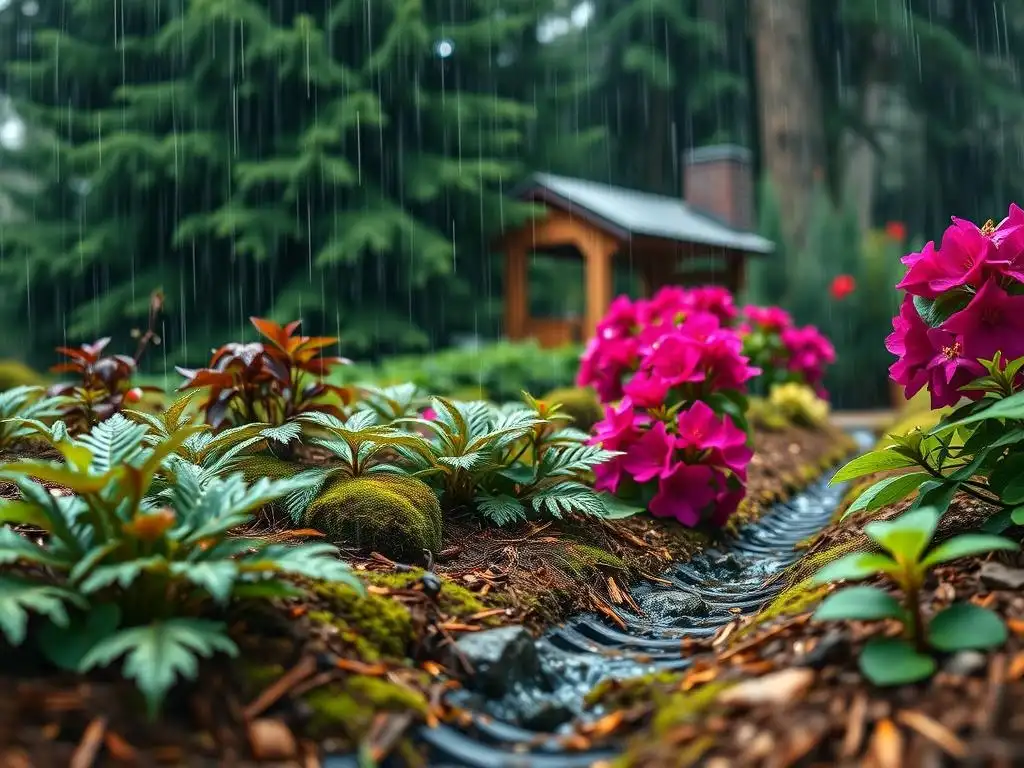
Welcome to CultivateYourFood, your guide to nurturing a thriving garden using sustainable methods! Are you ready to unlock the secrets to a bountiful harvest, even when faced with the challenges of the Pacific Northwest's notoriously heavy rainfall? Learn how to conquer PNW garden heavy rain drainage and transform your outdoor space into a flourishing oasis. Discover practical solutions and expert advice within our Regional Gardening Guides – your journey to a successful and sustainable garden starts here.
- Understanding PNW Rainfall and its Impact on Gardens
-
Effective Drainage Solutions for PNW Gardens
- Improving Soil Structure for Better Drainage: Amending Clay Soils
- Creating Raised Garden Beds for Enhanced Drainage: Materials and Construction
- Implementing Gravel Drainage Layers: Techniques and Benefits
- Utilizing French Drains for Serious Drainage Issues: Design and Installation
- Constructing Swales for Water Diversion: Planning and Implementation
- Choosing the Right Drainage Solution for Your PNW Garden
- Maintaining Your PNW Garden Drainage System
- Sustainable Drainage Practices in PNW Gardens
-
Frequently Asked Questions
- What are the biggest drainage challenges faced by PNW gardeners during heavy rain?
- How can I improve drainage in my existing PNW garden?
- What are some low-maintenance drainage solutions for a PNW garden?
- Are there specific plants that thrive in poorly-drained PNW garden conditions?
- What are the consequences of ignoring poor drainage in my PNW garden?
- Final Reflection: Nurturing Resilience in the Pacific Northwest Garden
- Unlock Your Garden's Full Potential: Conquer Those Downpours!
Understanding PNW Rainfall and its Impact on Gardens
The Pacific Northwest (PNW) is renowned for its lush greenery, a direct result of its abundant rainfall. However, this abundance can quickly become a problem for home gardeners, transforming a blessing into a challenge. This article focuses on the specific issues PNW gardeners face due to heavy rain and offers practical, sustainable drainage solutions to protect your precious fruits, vegetables, and herbs.
We'll explore the typical rainfall patterns of the region, the common problems arising from excessive moisture, and how to identify poor drainage in your garden. Understanding these factors is crucial for cultivating a thriving and resilient PNW garden, even during the wettest seasons. By implementing the strategies discussed here, you can safeguard your plants from waterlogging and ensure a bountiful harvest, year after year.
This guide will equip you with the knowledge and techniques to effectively manage excess water and create a thriving garden oasis, even in the face of PNW's characteristic heavy rains. Let's delve into the specifics of navigating this unique gardening environment.
Pacific Northwest Rainfall Patterns: Seasonal Variations and Intensity
The PNW experiences significant seasonal variations in rainfall. Generally, the wettest months are from October to May, with the peak typically occurring between November and January. Rainfall intensity varies considerably across the region, with coastal areas receiving significantly more precipitation than inland regions. For example, the Olympic Peninsula experiences significantly higher annual rainfall than the eastern parts of Washington state. These variations necessitate tailored drainage solutions depending on your specific location within the PNW. Understanding your microclimate—the specific climate of your garden—is key to choosing the most effective strategies. Consider factors like elevation, proximity to water bodies, and soil type when assessing your garden's drainage needs. Accurate rainfall data for your specific area, readily available from local weather stations or online resources, will significantly inform your planning process. This data allows for proactive measures to be taken, ensuring your garden thrives even during the most intense periods of rainfall. ☔️
Common Problems Caused by Excessive Rain in PNW Gardens: Soil Saturation and Root Rot
Excessive rain in PNW gardens leads to several critical problems. The most common is soil saturation, where the soil becomes waterlogged, preventing adequate oxygen flow to plant roots. This oxygen deprivation leads to root rot, a devastating condition that can quickly kill plants. Symptoms of root rot include wilting, yellowing leaves, and a foul odor emanating from the soil. Furthermore, saturated soil can compact, hindering proper drainage and nutrient uptake.
This compacted soil also makes it difficult for beneficial microorganisms to thrive, impacting overall soil health and plant growth. The combination of soil saturation and root rot can severely impact the yield and health of your PNW garden, making effective drainage crucial for success. Addressing these issues proactively will save you time, effort, and the heartache of losing valuable plants. The following sections will explore practical solutions to mitigate these challenges.
Identifying Poor Drainage in Your PNW Garden: Signs and Symptoms
Identifying poor drainage in your PNW garden is crucial for implementing effective solutions. Several telltale signs indicate drainage problems. These include:
- Puddles persisting for extended periods after rainfall: Standing water for hours or even days after rain is a clear indication of inadequate drainage.
- Soil that remains soggy even after several days of dry weather: This points to a soil structure that doesn't allow for proper water percolation.
- Plants exhibiting signs of stress, such as wilting or yellowing leaves, even with adequate watering: This suggests that the roots are not receiving enough oxygen due to waterlogging.
- Erosion of topsoil: This can be a sign of water running off too quickly, carrying away valuable soil nutrients.
- Mounds of water collecting at the base of plants: This is a clear indicator of inadequate drainage around specific plants.
Observing these signs will help you pinpoint areas needing improvement and allow you to implement targeted drainage solutions to restore your garden's health and productivity. Remember, early detection and intervention are key to preventing severe damage to your plants and soil.
Effective Drainage Solutions for PNW Gardens
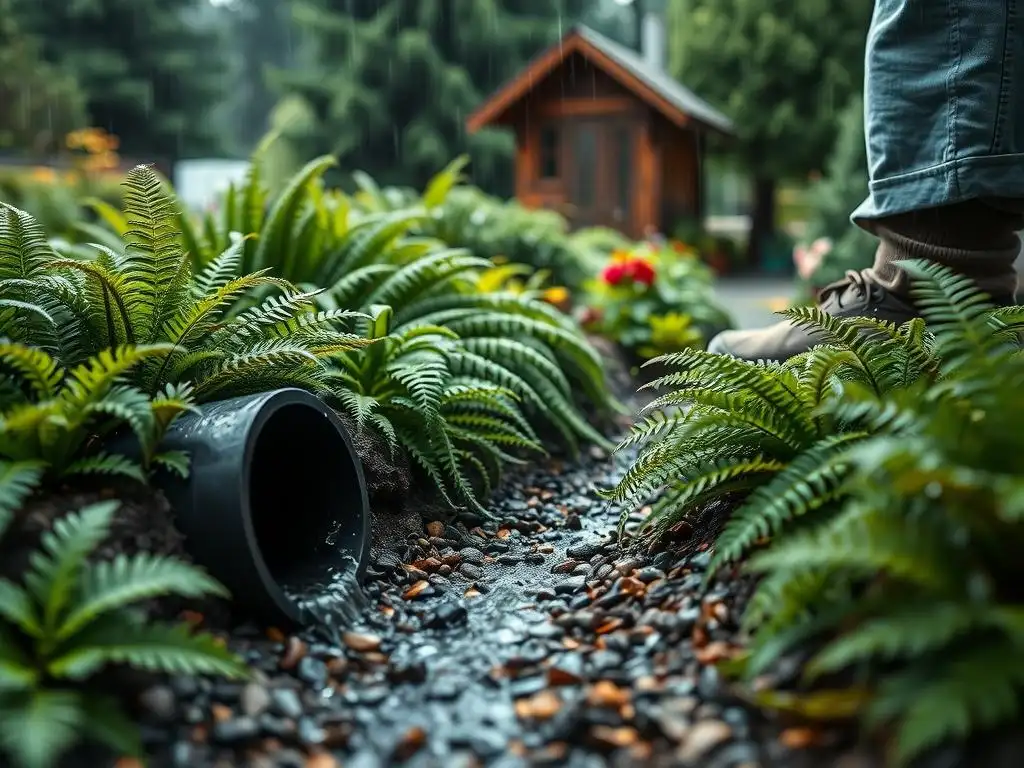
The Pacific Northwest (PNW) is known for its abundant rainfall, which can pose significant challenges for home gardeners. Excessive moisture leads to root rot, fungal diseases, and stunted plant growth, impacting the yield and health of your PNW garden. Addressing drainage issues is crucial for cultivating thriving fruits, vegetables, and herbs, even during the wettest PNW seasons. This section explores proven techniques to improve drainage and safeguard your precious plants from waterlogging. Proper drainage is key to successful PNW gardening, ensuring a bountiful harvest despite the region's characteristic heavy rains.
Improving Soil Structure for Better Drainage: Amending Clay Soils
PNW clay soils, while fertile, often suffer from poor drainage. Their dense structure inhibits water infiltration, leading to waterlogged conditions detrimental to plant health. Amending clay soil is a crucial first step in improving drainage. This involves incorporating organic matter to improve the soil's structure and increase its porosity.
Several organic amendments are effective:
- Compost: Adding compost significantly improves soil structure, aeration, and water retention. Aim for at least 3-4 inches of well-rotted compost incorporated into the top layer of your soil. Regular composting is a sustainable practice that benefits the entire garden ecosystem.
- Aged Manure: Well-composted manure provides nutrients and improves soil drainage. Avoid using fresh manure, as it can burn plants.
- Leaf Mold: Decomposed leaves create a light, airy soil amendment that enhances drainage and provides nutrients.
- Shredded Bark: This material helps improve soil aeration and water infiltration, particularly beneficial for heavy clay soils.
The process involves tilling or digging the amendment into the soil to a depth of at least 12 inches. For larger areas, consider using a tiller for efficient incorporation. Remember to avoid over-tilling, which can damage soil structure. Regular soil testing can help determine the specific needs of your soil and guide your amendment choices. Improving soil structure is a long-term investment that yields significant rewards in terms of improved plant health and resilience to heavy rain.
Creating Raised Garden Beds for Enhanced Drainage: Materials and Construction
Raised garden beds offer an excellent solution for improving drainage, particularly in areas with poorly draining soil. They elevate the planting area above the surrounding ground, allowing excess water to drain away easily.
Several materials can be used to construct raised beds:
- Untreated Lumber: Cedar and redwood are naturally resistant to rot and decay, making them durable options.
- Recycled Plastic Lumber: This is a sustainable and long-lasting alternative to traditional lumber.
- Stone: Stone walls create attractive and durable raised beds, but require more labor and expertise to construct.
The construction process involves building a frame of your chosen material and filling it with a well-draining soil mix. This mix should incorporate organic matter like compost and perlite or vermiculite to improve drainage and aeration. The height of the bed should be at least 12 inches to provide adequate depth for roots and allow for good drainage.
Proper drainage within the raised bed itself can be further enhanced by adding a layer of gravel at the bottom before filling with soil. This creates a reservoir for excess water to drain into, preventing waterlogging. Consider the size and placement of your raised beds based on your garden layout and the amount of space you have available.
Implementing Gravel Drainage Layers: Techniques and Benefits
Installing gravel drainage layers is a simple yet effective technique to improve drainage in existing garden beds. This method involves digging trenches or creating pockets within the soil and filling them with gravel. The gravel acts as a reservoir for excess water, allowing it to drain away from the plant roots.
Here's how to implement gravel drainage layers:
- Dig Trenches: Dig trenches around the base of plants or along the perimeter of garden beds. The depth and width of the trenches will depend on the size of the planting area and the severity of the drainage problem.
- Add Gravel: Fill the trenches with gravel, ensuring a layer of at least 4-6 inches. Larger gravel is generally preferred for better drainage.
- Backfill: Gently backfill the trenches with soil, ensuring that the gravel layer remains undisturbed.
The benefits of gravel drainage layers include:
- Improved Water Drainage: Gravel efficiently channels excess water away from plant roots, preventing waterlogging.
- Enhanced Soil Aeration: The gravel improves soil aeration, promoting healthy root development.
- Reduced Soil Compaction: The gravel helps prevent soil compaction, which can impede drainage.
This method is particularly useful for existing gardens where completely reworking the soil is impractical. It's a relatively inexpensive and straightforward approach to significantly improve drainage and protect your PNW garden from the damaging effects of heavy rainfall. Remember to choose gravel that is clean and free of contaminants to avoid introducing harmful substances into your soil.
Utilizing French Drains for Serious Drainage Issues: Design and Installation
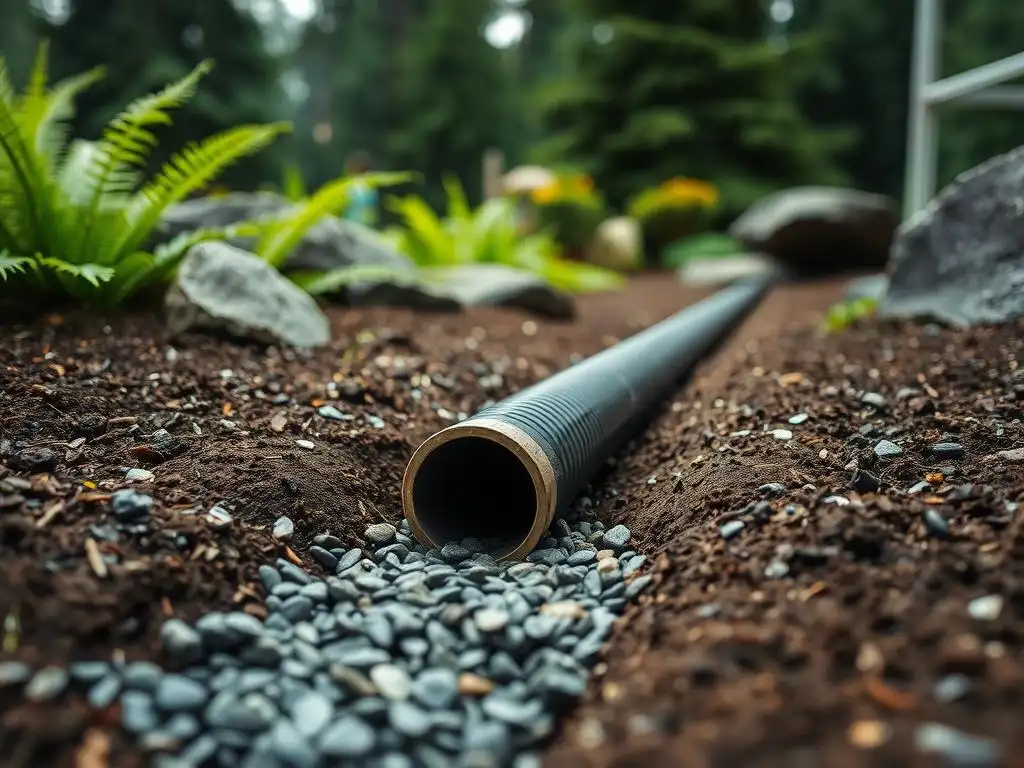
French drains represent a robust solution for addressing persistent waterlogging in PNW gardens. These systems effectively channel excess water away from vulnerable areas, preventing root rot and soil erosion. Successful implementation hinges on careful planning and execution. First, you'll need to identify the areas with the worst drainage problems. This often involves observing where water pools after heavy rain.
Mapping these areas is crucial for designing an effective drain system. The drain itself is typically a perforated pipe, usually PVC, surrounded by gravel. This gravel acts as a filter, allowing water to enter the pipe while preventing soil from clogging it. The pipe is laid at a slight downward grade, leading the water to a designated discharge point, such as a storm drain or a dry well.
The depth of the trench for the French drain is important. Generally, it needs to be deep enough to be below the frost line in your region to prevent freezing and damage. In the Pacific Northwest, this varies depending on location, but you should consult local resources or a professional landscaper for the appropriate depth in your specific area. Proper grading is also essential.
The slope should be consistent to ensure efficient water flow. A general guideline is a fall of around 1% (one foot of drop for every 100 feet of pipe). However, steeper slopes might be necessary depending on the terrain and the length of the drain. Once the pipe is in place, it's covered with gravel, then a layer of geotextile fabric, and finally, topsoil.
The geotextile fabric prevents soil from entering the gravel and clogging the pipe. Remember that proper installation is key; a poorly installed French drain can be ineffective or even worsen the problem. Consider consulting with a professional for large or complex installations. A well-designed and implemented French drain can dramatically improve drainage in your PNW garden, safeguarding your plants from the effects of heavy rainfall.
Constructing Swales for Water Diversion: Planning and Implementation
Swales offer a more natural and aesthetically pleasing approach to water management compared to French drains. These shallow ditches, typically dug along contours, intercept and divert surface runoff, slowing it down and allowing it to seep into the ground. Planning a swale system begins with understanding the topography of your garden. You need to identify the high and low points to determine the most effective placement of the swales.
The swales should follow the natural contours, ideally running perpendicular to the slope to intercept water flow. The depth and width of the swale depend on factors such as the volume of runoff and the soil type. Generally, swales are shallower than French drains, ranging from 6 to 12 inches deep and 2 to 4 feet wide.
The soil type plays a critical role in swale effectiveness. Well-draining soils will allow water to infiltrate more readily than clay soils, which may require modifications to the swale design. For example, adding amendments like compost to improve soil structure can enhance infiltration. Furthermore, the vegetation planted within and around the swale is crucial for its success.
Native plants that have deep root systems are ideal as they help to stabilize the soil, prevent erosion, and absorb excess water. These plants also contribute to the overall health and biodiversity of the garden. Proper maintenance is essential to prevent the swale from becoming clogged with debris.
Regularly removing weeds and other obstructions will ensure its continued effectiveness. Swales, when properly planned and implemented, provide a sustainable and environmentally friendly solution for managing excess water in PNW gardens, improving soil health, and creating a more resilient landscape. They are a fantastic addition to any PNW garden focused on sustainable practices and water conservation.
Choosing the Right Drainage Solution for Your PNW Garden
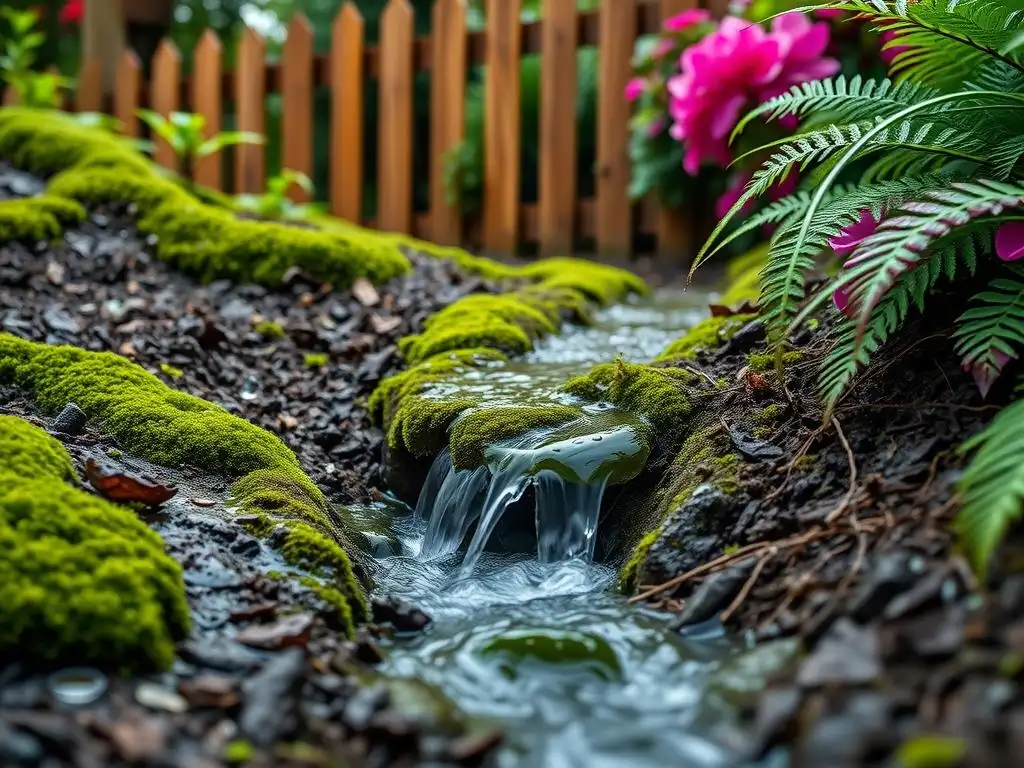
The Pacific Northwest (PNW) is known for its abundant rainfall, presenting unique challenges for gardeners. Understanding your garden's specific needs and selecting the appropriate drainage solution is crucial for thriving plants. Poor drainage leads to root rot, nutrient deficiencies, and ultimately, plant failure. This section will guide you through choosing the best drainage solution for your PNW garden, considering factors like soil type, slope, plant requirements, budget, and available time. Effective PNW garden heavy rain drainage is key to success.
Assessing Your Garden's Specific Drainage Needs: Soil Type, Slope, and Plant Requirements
Before implementing any drainage solution, a thorough assessment of your garden is paramount. This involves understanding three key factors: soil type, slope, and plant requirements.
Soil type significantly impacts drainage. Clay soils, for example, are notoriously poorly draining, retaining water and becoming waterlogged easily. Sandy soils, on the other hand, drain quickly, sometimes too quickly, leading to drying out. Loamy soils, a mix of sand, silt, and clay, usually offer the best balance.
Conduct a simple soil test to determine your soil type. You can purchase a home soil testing kit or contact your local agricultural extension office for assistance. Knowing your soil type informs the choice of drainage solution. For instance, clay soils might benefit from raised beds or the addition of organic matter to improve drainage, while sandy soils may need water retention strategies in addition to drainage solutions.
The slope of your garden also plays a critical role. Gardens on slopes are naturally better drained than flat gardens. However, even sloped gardens can benefit from improved drainage to prevent erosion and water runoff. Consider the direction of the slope; water tends to pool at the bottom of slopes, necessitating more focused drainage solutions in those areas.
Finally, different plants have varying drainage needs. Some plants, like water lilies, thrive in consistently moist conditions, while others, like tomatoes, are susceptible to root rot in poorly drained soil. Research the specific drainage requirements of the plants you intend to grow to ensure compatibility with your chosen drainage solution. Matching plant needs to your drainage system is crucial for optimal plant health and yield.
Selecting the Most Appropriate Drainage Method: Considering Budget and Time Constraints
Several drainage solutions are available for PNW gardens, each with its own cost and time commitment. Choosing the right method depends on your specific needs and resources.
- Raised beds: These are relatively inexpensive and easy to construct, offering excellent drainage by elevating plants above the surrounding soil. They are particularly beneficial for clay soils. Construction time varies depending on size and materials.
- French drains: These involve digging a trench, lining it with gravel, and covering it with landscaping fabric before replacing the topsoil. They are more labor-intensive than raised beds but offer effective long-term drainage. The cost depends on the length of the trench and the materials used.
- Grading: Altering the slope of your garden to improve water runoff is a more permanent solution but can be expensive and time-consuming, often requiring professional help. It's a good solution for large areas with poor drainage.
- Improving soil structure: Adding organic matter, such as compost, to your soil improves its drainage and water retention capabilities. This is a relatively inexpensive and low-effort method, best suited for less severe drainage issues. It takes time to see significant results, however.
The table below summarizes the pros and cons of each method:
| Method | Cost | Time Commitment | Effectiveness | Suitability |
|---|---|---|---|---|
| Raised Beds | Low | Low | High | Clay soils, various plant types |
| French Drains | Moderate | Moderate | High | Extensive areas with poor drainage |
| Grading | High | High | Very High | Large areas, significant drainage problems |
| Soil Improvement | Low | Long-term | Moderate | Less severe drainage issues, all soil types |
Choose the method that best aligns with your budget, time availability, and the severity of your drainage problems. For example, a small garden with clay soil might benefit from raised beds, while a larger area with significant drainage issues might require a French drain or grading.
Combining Drainage Solutions for Optimal Results: A Multi-pronged Approach
For optimal drainage, consider combining different methods. For instance, you could create raised beds and improve the soil structure within those beds. Or, you might install a French drain to handle excess water from a sloped area and then use raised beds in lower-lying areas prone to pooling. A multi-pronged approach often yields the best results, particularly in challenging PNW climates.
This holistic approach ensures that your PNW garden receives the necessary drainage while also considering the specific needs of your plants and your available resources. Remember, effective PNW garden heavy rain drainage is a cumulative effort. By combining methods strategically, you can create a resilient and thriving garden that can withstand the challenges of heavy rainfall.
Maintaining Your PNW Garden Drainage System
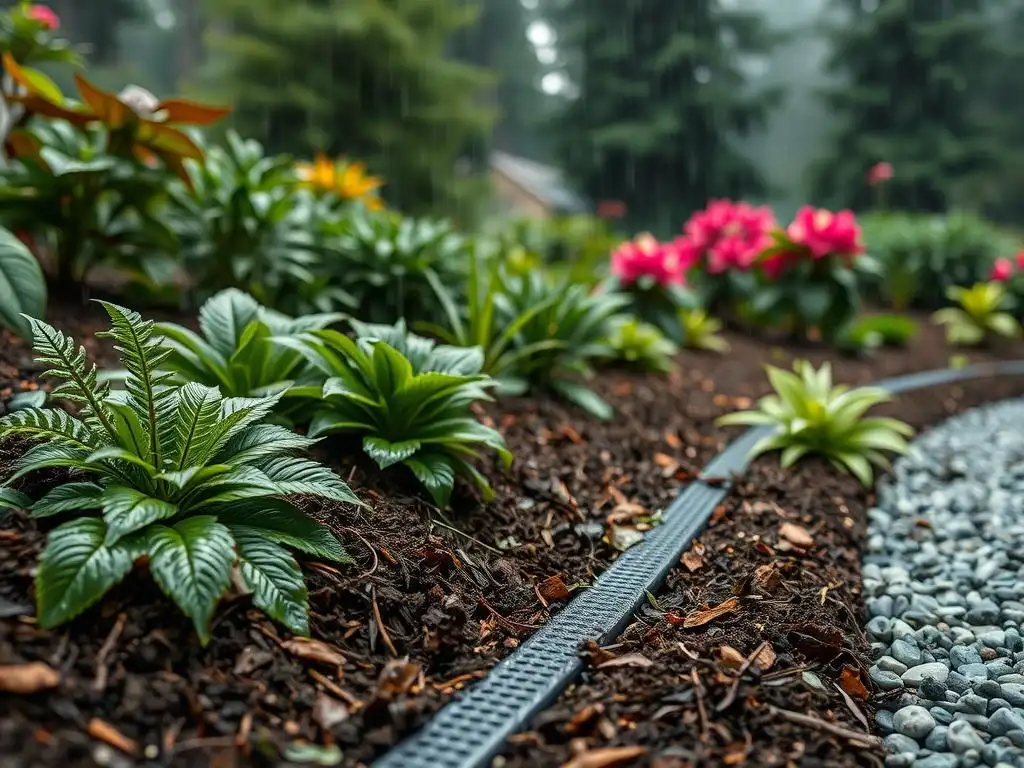
The Pacific Northwest's (PNW) abundant rainfall presents unique challenges for gardeners. Effective drainage is crucial for preventing root rot, fungal diseases, and overall plant health. A well-maintained drainage system is your first line of defense against waterlogged soil and the subsequent problems it causes. This section focuses on practical strategies for keeping your PNW garden drainage system functioning optimally throughout the year, maximizing your yields and minimizing plant stress. Proper maintenance ensures your investment in drainage solutions pays off in healthy, thriving plants.
Regular Maintenance to Prevent Clogging: Cleaning and Inspection
Regular cleaning and inspection are paramount to the long-term success of any drainage system. Neglecting this crucial step can lead to significant problems. Think of your drainage system like the arteries of your garden; regular maintenance prevents blockages and ensures smooth flow.
Debris such as leaves, twigs, and other organic matter readily accumulate in gutters, downspouts, and drainage channels, restricting water flow. This accumulation can lead to overflow and waterlogging, particularly during periods of heavy PNW rainfall. A thorough inspection should be conducted at least twice a year – ideally, once in the spring before the rainy season begins and again in the fall after the leaves have fallen.
During your inspection, carefully examine all components of your drainage system. This includes:
- Gutters and downspouts: Check for clogs, leaks, and damage. Use a gutter cleaning tool or a garden hose to flush out any accumulated debris.
- Drainage pipes: Inspect for cracks, breaks, or blockages. If you suspect a blockage, consider using a plumber's snake to clear it. For buried pipes, you might need to consult a professional.
- French drains: These are often hidden underground, but you can check for signs of water pooling above the drain line, which could indicate a clog.
- Gravel beds: Remove any accumulated soil or organic matter that may be impeding water flow.
Remember to always prioritize safety when cleaning your drainage system. Wear appropriate protective gear, such as gloves and eye protection, and be mindful of potential hazards. A little preventative maintenance now saves considerable effort and potential damage later. Regular cleaning prevents costly repairs and ensures your PNW garden thrives even during the wettest months.
Monitoring Soil Moisture Levels: Preventing Waterlogging
Monitoring soil moisture is key to preventing waterlogging, a common problem in PNW gardens during prolonged periods of heavy rain. Waterlogged soil deprives plant roots of oxygen, leading to stunted growth, yellowing leaves, and ultimately, plant death. Effective monitoring allows for timely intervention, preventing these issues before they become serious.
Several methods can be employed to monitor soil moisture:
- Feel the soil: The simplest method is to dig down a few inches and feel the soil. Waterlogged soil will feel soggy and heavy. Well-drained soil will feel moist but not waterlogged.
- Use a soil moisture meter: These handy tools provide a quick and accurate reading of soil moisture levels. They are readily available at most garden centers.
- Observe plant health: Wilting or yellowing leaves, even during periods of sufficient rainfall, can indicate waterlogging. Pay close attention to your plants' appearance.
Implementing strategies to improve drainage, like raised beds or amending heavy clay soils with organic matter, can significantly improve soil drainage and reduce the risk of waterlogging. Knowing your soil type is also crucial; sandy soils drain more readily than clay soils, requiring different management strategies. For example, clay soils benefit from the addition of compost or other organic materials to improve aeration and drainage. Regular monitoring, combined with proactive drainage solutions, ensures the health and vitality of your PNW garden, even during the heaviest rains.
Adapting Your Drainage System to Changing Conditions: Seasonal Adjustments
The PNW climate is dynamic; rainfall patterns vary from year to year, and seasonal changes impact drainage needs. Adapting your drainage system to these changing conditions ensures its continued effectiveness throughout the year. This proactive approach minimizes the risk of water damage and optimizes plant health.
Seasonal adjustments may include:
- Clearing leaves in autumn: Autumn leaves can quickly clog gutters and downspouts. Regular cleaning during and after leaf fall is essential.
- Inspecting drainage systems after winter storms: Heavy winter rains can damage or dislodge components of your drainage system. Post-storm inspections are crucial for identifying and addressing any problems.
- Adjusting irrigation during dry spells: Even in the PNW, periods of dry weather can occur. Adjust your irrigation system to provide supplemental watering when needed, preventing stress on plants.
- Monitoring for erosion: Heavy rains can cause soil erosion, potentially damaging your drainage system. Regularly monitor for erosion and take steps to prevent it. This might involve adding mulch or other erosion control measures.
By adapting your drainage system to seasonal changes, you ensure its continued effectiveness in protecting your PNW garden from the challenges of heavy rainfall. This proactive approach minimizes the risk of damage and maximizes the health and productivity of your plants, year after year. Remember, a little planning and regular attention to your drainage system can make a huge difference in the success of your PNW garden.
Sustainable Drainage Practices in PNW Gardens
The Pacific Northwest (PNW) is known for its abundant rainfall, which, while beneficial for plant growth, can also lead to waterlogged soil and damaged plants if not managed properly. Effective drainage is crucial for healthy PNW gardens, and implementing sustainable practices is key to protecting both your plants and the environment. This section explores several methods to improve drainage in your PNW garden while minimizing your environmental impact. We'll focus on techniques that reduce runoff, conserve water, and promote healthy soil. Understanding these methods is vital for optimizing your PNW garden heavy rain drainage.
Rainwater Harvesting Techniques: Collecting and Utilizing Rainwater
Excessive rainfall can be a challenge, but it can also be a resource. Rainwater harvesting offers a sustainable solution by collecting rainwater for later use, reducing runoff and providing a valuable water source for your plants during drier periods. Several techniques can be employed, ranging from simple to more complex systems.
A simple approach involves using rain barrels connected to downspouts. These barrels collect rainwater from your roof, which can then be used to water your plants. Larger systems might incorporate underground cisterns for greater storage capacity. The collected water is naturally filtered, eliminating the need for harsh chemicals, thereby promoting organic gardening practices.
It's crucial to ensure the water is free of debris and potential contaminants before use. Regular cleaning and maintenance of your rainwater harvesting system are essential. This approach significantly reduces your reliance on municipal water supplies, contributing to water conservation efforts.
Moreover, the collected water is often softer than tap water, beneficial for many plants. Consider the size of your garden and your rainfall patterns when determining the appropriate size of your rainwater harvesting system. For example, a small garden might only require a single rain barrel, while a larger garden might benefit from multiple barrels or a cistern.
Utilizing Permeable Paving Materials: Reducing Runoff
Hard surfaces like concrete and asphalt contribute significantly to runoff in urban and suburban areas. Replacing these surfaces with permeable paving materials offers a sustainable solution to improve drainage and reduce the impact of heavy rain on your PNW garden. Permeable paving allows water to seep through the surface into the ground, replenishing groundwater and reducing surface runoff.
Several options exist, including permeable concrete pavers, porous asphalt, and gravel. These materials are designed with gaps or voids that allow water to penetrate, reducing the volume of water flowing into storm drains. The choice of material depends on factors such as budget, aesthetic preferences, and the specific needs of your garden. For example, gravel is a cost-effective option, while permeable pavers offer a more polished look.
Proper installation is crucial to ensure the effectiveness of permeable paving. Poorly installed materials can become clogged with debris, reducing their permeability. Regular maintenance, such as sweeping away debris, can help maintain the long-term effectiveness of these materials. The use of permeable paving contributes directly to improved PNW garden heavy rain drainage.
Promoting Natural Drainage Through Landscaping: Choosing Appropriate Plants
Strategic landscaping can significantly improve drainage in your PNW garden. Selecting plants with appropriate water requirements is crucial. Avoid planting water-intensive species in areas prone to waterlogging. Instead, opt for plants that are tolerant of wet conditions but not prone to root rot.
Consider incorporating swales, which are shallow ditches designed to channel excess water away from problem areas. These can be planted with native vegetation that thrives in moist conditions. This not only improves drainage but also enhances the aesthetic appeal of your garden. The use of native plants is particularly important in the PNW, as they are adapted to the region's climate and rainfall patterns.
They often require less maintenance and are better suited to handle heavy rainfall. Furthermore, creating raised beds can improve drainage by elevating the planting area above the surrounding soil. This is especially useful in areas with heavy clay soils that tend to retain water. Careful planning and selection of plants and landscaping techniques are vital components of effective and sustainable PNW garden heavy rain drainage solutions.
Frequently Asked Questions
What are the biggest drainage challenges faced by PNW gardeners during heavy rain?
PNW gardens often struggle with poor soil drainage due to heavy clay soils and prolonged periods of rain. This leads to waterlogged soil, root rot, and stunted plant growth. Proper drainage solutions are crucial.
How can I improve drainage in my existing PNW garden?
Several methods can improve drainage. These include adding organic matter like compost to improve soil structure, creating raised beds, installing drainage pipes, or using a gravel layer beneath planting areas.
What are some low-maintenance drainage solutions for a PNW garden?
Creating raised garden beds is a relatively low-maintenance solution. Another option is to amend your soil with compost and other organic materials to improve its drainage capacity over time.
Are there specific plants that thrive in poorly-drained PNW garden conditions?
Yes, some plants tolerate wet conditions better than others. Consider planting native plants adapted to the PNW climate, or species known for their tolerance of wet soil, such as certain ferns or hostas.
What are the consequences of ignoring poor drainage in my PNW garden?
Ignoring poor drainage can lead to significant plant loss due to root rot and fungal diseases. It also affects soil health and can limit the variety of plants you can successfully grow in your garden.
Final Reflection: Nurturing Resilience in the Pacific Northwest Garden
The relentless rain of the Pacific Northwest presents a unique challenge, but with thoughtful planning and proactive solutions, our gardens can not only survive but thrive. The information presented in this article highlights the crucial role of proper drainage in ensuring the health and longevity of our beloved plants, a necessity often overlooked amidst the region's lush beauty. Ignoring this vital aspect can lead to devastating consequences, from root rot to complete plant failure.
The impact of heavy rain on the PNW garden extends beyond the individual plant; it speaks to a larger conversation about our relationship with the environment. We must learn to work with nature, not against it. Understanding the nuances of our climate and adapting our gardening practices accordingly is not just about aesthetics; it's about fostering a sustainable and resilient ecosystem. The glory of gardening: hands in the dirt, head in the sun, heart with nature. To nurture a garden is to feed not just the body, but the soul.
This quote perfectly encapsulates the deep connection we share with our gardens, and the importance of ensuring their well-being.
Now, consider your own garden. What steps can you take today to improve its drainage? Perhaps it's as simple as adding a layer of gravel to your planting beds, or as involved as installing a sophisticated drainage system. Regardless of the scale, the act of actively engaging with your garden's needs is a powerful one. Embrace the challenge, learn from the earth, and watch your PNW garden flourish, even amidst the heaviest downpours. Let the rain become a source of life, not destruction.
Unlock Your Garden's Full Potential: Conquer Those Downpours!
Thank you for learning how to protect your garden from heavy rain! You now have the knowledge to keep your plants thriving even during the wettest weather. Ready to put this knowledge into action?
- Prioritize drainage: Start by identifying the wettest areas of your garden. Then, implement the most effective drainage solution for each area, focusing on the most affected spots first. This is crucial for a healthy and vibrant garden.
- Share your successes (and challenges!) with our community in the comments below. Let's learn from each other!
- Consider alternative planting options for consistently soggy areas, such as raised beds or container gardening.
Ready to transform your garden into a rain-resistant oasis? What drainage improvement will you tackle first?