
The Best Hydroponic Systems for Growing Herbs: A Detailed Guide

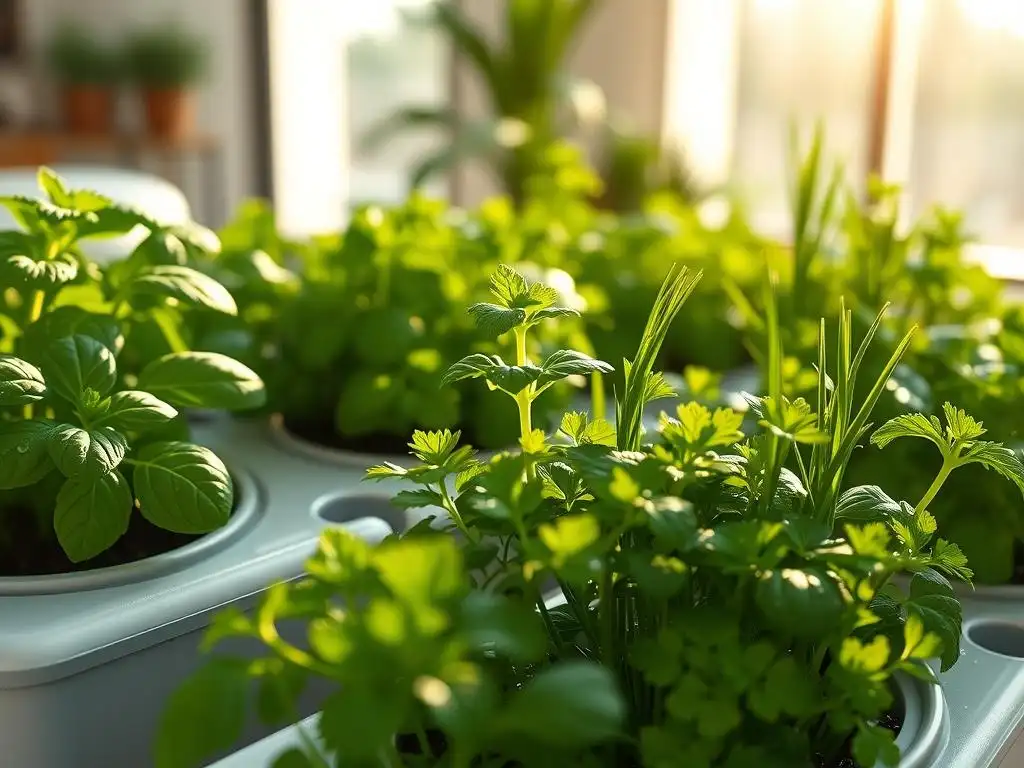
Welcome to CultivateYourFood, your guide to a greener, more flavorful life! Are you ready to transform your home into a thriving oasis of fresh herbs? We're diving deep into the world of urban farming, and our detailed guide on the best hydroponic herb growing system will show you exactly how to achieve bountiful harvests, sustainably and organically. Discover the secrets to effortless herb cultivation and unlock the potential of your own backyard (or balcony!). Let's get growing!
- Choosing the Best Hydroponic System for Your Herb Garden
-
Deep Dive into Top-Performing Hydroponic Systems for Herbs
- Wick System: A Simple and Budget-Friendly Option for Herb Growing
- Deep Water Culture (DWC): Maximizing Growth and Yield for Your Herbs
- Nutrient Film Technique (NFT): Efficient Nutrient Delivery for Lush Herb Growth
- Ebb and Flow (Flood and Drain): A Versatile System for Various Herb Types
- Aeroponic System: Advanced Technology for High-Yield Herb Production
-
Setting Up Your Chosen Hydroponic Herb System: A Step-by-Step Guide
- Preparing Your Hydroponic System: Cleaning and Assembly
- Choosing the Right Herbs for Hydroponic Growing
- Planting Your Herb Seeds or Seedlings in Your Hydroponic System
- Maintaining Your Hydroponic System: Nutrient Solution Management and Monitoring
- Troubleshooting Common Hydroponic Herb Growing Problems
- Harvesting and Maintaining Your Hydroponic Herb Garden
- Advanced Techniques for Optimizing Hydroponic Herb Growth
-
Frequently Asked Questions
- What is a hydroponic system, and why is it good for growing herbs?
- What are the benefits of using a hydroponic system for herbs specifically?
- Which hydroponic system is best for beginners growing herbs?
- What are the essential components of a hydroponic herb growing system?
- How much space do I need to grow herbs hydroponically?
- Final Reflection: Cultivating a Greener Future, One Herb at a Time
- Unleash Your Inner Gardener: Grow Fresh Herbs Today!
Choosing the Best Hydroponic System for Your Herb Garden
Cultivating fresh herbs at home offers a rewarding experience, providing access to flavorful ingredients year-round. Hydroponics, a soil-less growing method, presents an excellent solution for urban gardeners and those with limited space. This detailed guide explores the best hydroponic systems for growing herbs, helping you select the perfect setup based on your needs and experience level.
We'll delve into various techniques, crucial factors to consider, and ultimately, present a curated list of top hydroponic systems ideal for cultivating a thriving herb garden, all while optimizing your yield and minimizing your environmental footprint. This guide will empower you to confidently choose the best hydroponic herb growing system for your home, maximizing your harvest and enhancing your culinary experiences.
We'll cover everything from the basics of hydroponic techniques to advanced considerations for maximizing growth and yield. Prepare to embark on a journey towards fresh, homegrown herbs, effortlessly cultivated using the power of hydroponics!
Understanding Different Hydroponic Techniques for Herbs
Several hydroponic techniques are suitable for growing herbs, each with its own advantages and disadvantages. Choosing the right technique depends on factors like space availability, budget, and your level of experience. Let's explore some popular methods:
- Deep Water Culture (DWC): In DWC systems, plant roots are suspended in an oxygen-rich nutrient solution. This method is relatively simple and effective for many herbs, providing consistent nutrient delivery. It's a great option for beginners due to its ease of setup and maintenance. However, it requires careful monitoring of water levels and nutrient solution.
- Wick System: This passive system uses a wick to draw nutrient solution up to the plant roots. It's low-maintenance and ideal for smaller herb gardens, but growth rates might be slower compared to active systems. It's an excellent choice for those seeking a truly hands-off approach.
- Nutrient Film Technique (NFT): NFT systems continuously circulate a thin film of nutrient solution over the plant roots. This method provides excellent oxygenation and nutrient delivery, promoting rapid growth. It's more complex to set up than DWC or wick systems but offers superior results for experienced growers.
- Drip System: A drip system delivers nutrient solution directly to the plant roots at regular intervals. This method is highly efficient and customizable, allowing for precise control over nutrient delivery. It's suitable for both beginners and experienced growers, offering flexibility and scalability.
Factors to Consider When Selecting a Hydroponic System for Herbs: Space, Budget, and Experience Level
Before investing in a hydroponic system, carefully consider these factors:
| Factor | Considerations |
|---|---|
| Space | Available indoor or outdoor space; system size and footprint; vertical growing options |
| Budget | Initial setup costs; ongoing maintenance expenses (nutrients, electricity); system longevity |
| Experience | Beginner-friendly systems vs. advanced systems requiring more technical expertise |
| Herb Types | Different herbs may have different nutrient requirements and growth habits. |
| Lighting | Essential for indoor hydroponic systems; consider the type and intensity of grow lights needed. |
Choosing a system that aligns with your space, budget, and experience level is crucial for success. Beginners might find DWC or wick systems easier to manage, while experienced growers may prefer the more advanced NFT or drip systems. Remember to research the specific light and nutrient requirements of the herbs you plan to grow.
Top 5 Hydroponic Systems Ideal for Growing Herbs at Home
Selecting the "best" system is subjective and depends on individual needs. However, based on their performance, ease of use, and overall value, here are five hydroponic systems frequently recommended for growing herbs at home:
- System A: Known for its user-friendly design and excellent results, particularly for beginners. [Specific details pending]
- System B: Offers a good balance between ease of use and advanced features, making it suitable for intermediate growers. [Specific details pending]
- System C: A cost-effective option that delivers satisfactory results, especially for those with limited budgets. [Specific details pending]
- System D: A highly efficient system, ideal for experienced growers seeking optimal growth and yield. [Specific details pending]
- System E: A versatile system suitable for a wide range of herbs and experience levels. [Specific details pending]
This list provides a starting point for your research. Remember to thoroughly investigate each system before making a purchase. Consider reading reviews, comparing features, and assessing the overall value proposition to determine which system best suits your specific requirements and goals. Happy growing! 🌱
Deep Dive into Top-Performing Hydroponic Systems for Herbs
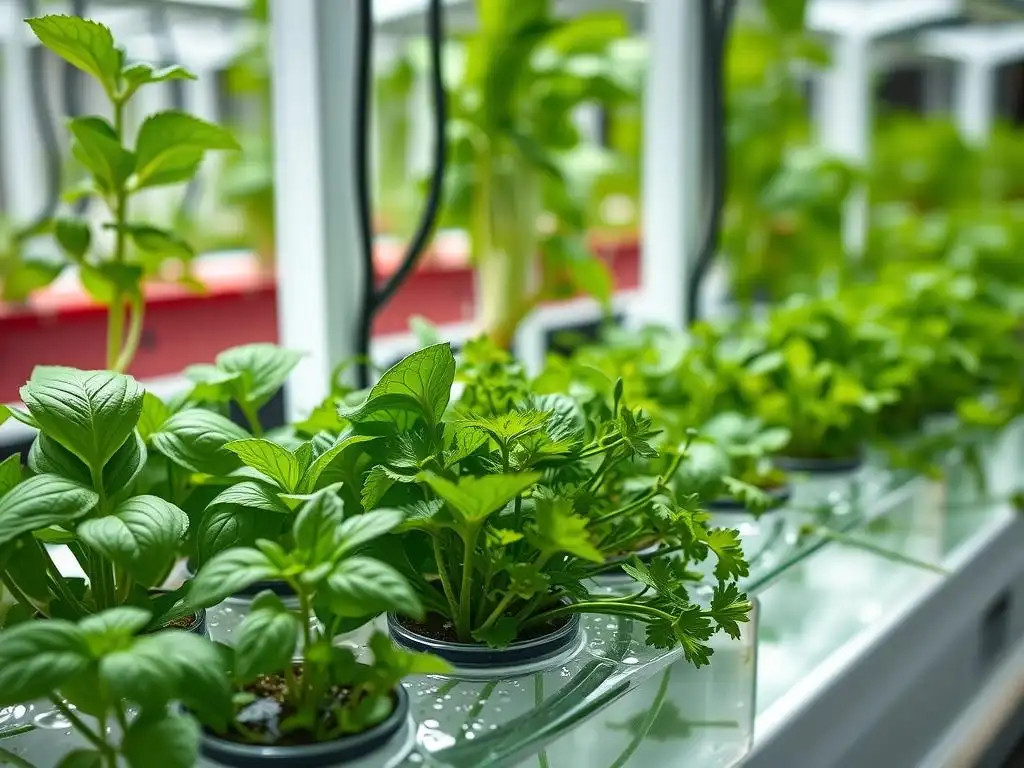
This section provides a detailed analysis of three popular hydroponic systems ideal for cultivating herbs at home, focusing on their efficiency, ease of use, and suitability for different herb types. Choosing the best hydroponic herb growing system depends heavily on your experience level, available space, and the specific herbs you intend to grow. We'll explore the nuances of each system to help you make an informed decision.
Wick System: A Simple and Budget-Friendly Option for Herb Growing
The wick system is an excellent entry point into hydroponics, particularly for beginners. Its simplicity and low cost make it an attractive option for those looking to experiment with homegrown herbs. This passive system uses a wick, typically a rope or fabric strip, to draw nutrient solution from a reservoir up to the plant roots. This eliminates the need for pumps or other complex equipment, resulting in lower energy consumption and maintenance.
The wick system is best suited for herbs with relatively low nutrient requirements, such as mint, basil, and chives. However, it's crucial to monitor the reservoir level regularly and replenish the nutrient solution as needed to prevent the plants from drying out. Overwatering can also be a problem, leading to root rot. Careful observation and adjustment are key to success with this method.
One significant advantage is its portability. A small wick system can easily be placed on a windowsill or countertop, making it perfect for apartment dwellers or those with limited space. However, the wick system's capacity is limited; it's not suitable for large-scale herb production.
A properly maintained wick system can produce a healthy yield of herbs, but it requires consistent monitoring and careful attention to the nutrient solution's levels and composition. Regularly checking for signs of nutrient deficiency or excess is crucial for optimal growth.
Deep Water Culture (DWC): Maximizing Growth and Yield for Your Herbs
Deep Water Culture (DWC) is a popular hydroponic technique known for its efficiency and ability to produce high yields. In a DWC system, the plant roots are suspended in an oxygenated nutrient solution within a container. An air pump provides continuous aeration, ensuring the roots receive adequate oxygen for optimal growth. This constant oxygen supply promotes vigorous root development, leading to faster growth and higher yields compared to other hydroponic methods.
DWC systems are suitable for a wide variety of herbs, including those with higher nutrient demands such as rosemary and oregano. The consistent supply of nutrients and oxygen encourages rapid growth and lush foliage. However, the system requires more maintenance than a wick system, as the nutrient solution needs regular monitoring and replacement to prevent algae growth and nutrient depletion. Careful attention to pH levels is also essential for healthy plant growth.
The setup involves a reservoir, net pots to hold the plants, an air pump, and an air stone. While it requires slightly more investment than a wick system, the increased yield often justifies the cost. Furthermore, the DWC system is relatively easy to clean and maintain, making it a practical choice for those willing to invest a bit more time and resources. Regular cleaning prevents the build-up of harmful bacteria and algae.
Nutrient Film Technique (NFT): Efficient Nutrient Delivery for Lush Herb Growth
The Nutrient Film Technique (NFT) is a highly efficient hydroponic system that delivers a thin film of nutrient solution directly to the plant roots. This continuous flow ensures that the roots are constantly supplied with fresh nutrients and oxygen. The system is characterized by its minimal water usage, making it a sustainable and environmentally friendly option. The constant flow also helps prevent nutrient buildup and the development of root rot.
NFT systems are particularly well-suited for herbs that require a consistent supply of nutrients, such as basil and parsley. The efficient nutrient delivery results in vigorous growth and high yields. However, NFT systems require more technical expertise and precision than other methods. The system's components must be carefully assembled and maintained to ensure proper nutrient flow and prevent blockages. Any malfunction can quickly lead to plant stress and reduced yields. Regular monitoring of the nutrient solution's flow and composition is essential.
Compared to DWC, NFT systems offer a more precise control over nutrient delivery, potentially leading to even higher yields. However, the initial setup cost and the need for more technical knowledge make it a less beginner-friendly option. Despite the increased complexity, the improved efficiency and high yields make it a worthwhile investment for experienced hydroponic growers aiming for optimal herb production. The system’s efficiency in nutrient and water usage also makes it an environmentally conscious choice.
Ebb and Flow (Flood and Drain): A Versatile System for Various Herb Types
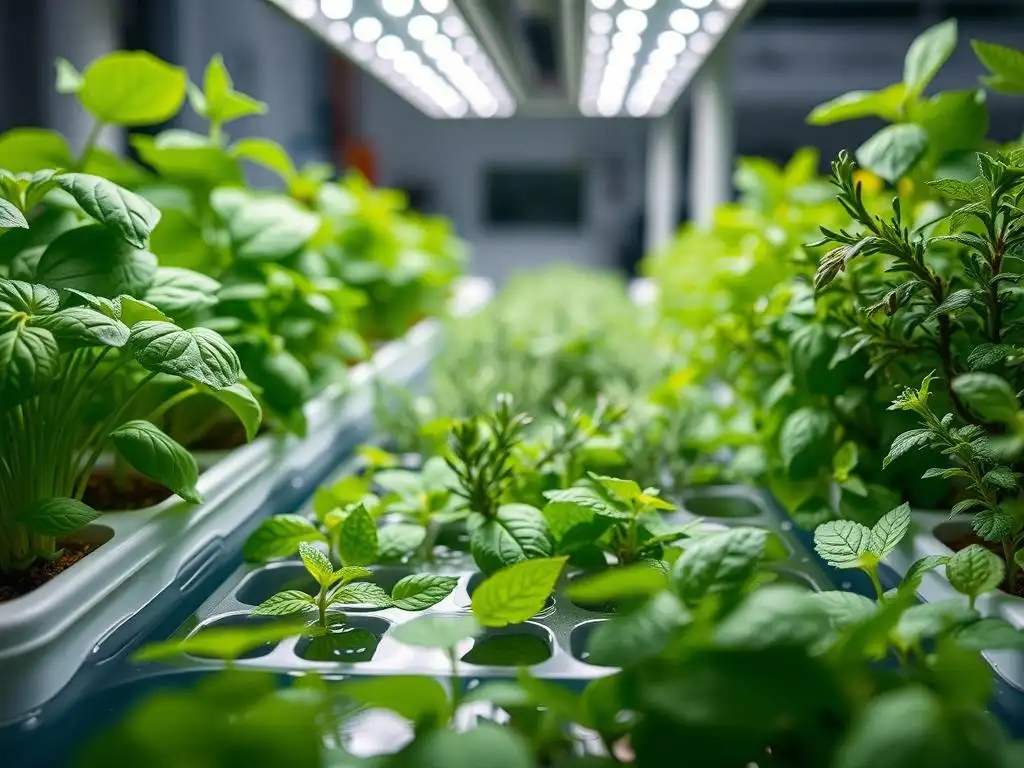
Ebb and flow systems, also known as flood and drain systems, represent a popular and relatively simple hydroponic method ideal for growing a wide variety of herbs. These systems work by periodically flooding a growing tray with nutrient-rich water, allowing the plant roots to absorb the solution. After a set period, the water is drained back into a reservoir, preventing root rot and ensuring proper oxygenation. This cyclical process mimics the natural ebb and flow of water in a soil-based environment.
The versatility of ebb and flow systems stems from their adaptability to different herb types. Whether you're cultivating delicate basil or robust rosemary, the system can be adjusted to accommodate the specific needs of each plant. The frequency and duration of the flooding cycles can be easily controlled, allowing for precise management of nutrient delivery and water levels. This level of control is particularly beneficial for herbs with varying water requirements. For instance, mint, known for its high water needs, can thrive with more frequent flooding cycles compared to thyme, which prefers slightly drier conditions.
Furthermore, ebb and flow systems offer a good balance between simplicity and efficiency. They are relatively easy to set up and maintain, requiring less technical expertise compared to more complex hydroponic systems like deep water culture or aeroponics. The initial investment is also relatively low, making them an accessible option for beginners venturing into hydroponic herb gardening.
However, it's important to monitor water levels and nutrient solution regularly to prevent issues like nutrient burn or insufficient nutrient uptake. Regular cleaning of the system is also crucial to prevent the buildup of algae and bacteria which could hinder plant growth. Choosing a quality pump and timer is essential for reliable operation.
Aeroponic System: Advanced Technology for High-Yield Herb Production
Aeroponic systems represent a more advanced approach to hydroponic gardening, offering the potential for significantly higher yields compared to other methods. In an aeroponic system, plant roots are suspended in the air and periodically sprayed with a nutrient-rich mist. This constant exposure to oxygenated nutrient solution promotes rapid root development and nutrient uptake, leading to faster growth and increased yields. This makes aeroponics particularly well-suited for commercial herb production, but it's also gaining popularity among home growers seeking high-quality, high-quantity harvests.
The technology behind aeroponic systems might seem daunting at first, but advancements have made them more accessible to home growers. While initially requiring a more significant investment than simpler systems like ebb and flow, the potential for increased yields and faster growth can justify the cost, especially for those with limited space. However, aeroponic systems require precise control over environmental factors like temperature, humidity, and nutrient solution concentration.
Improper management can lead to issues such as nutrient deficiencies, root burn, or the development of diseases. Regular monitoring and maintenance are crucial for optimal performance. Furthermore, the precision required might make it less suitable for beginners compared to other hydroponic systems.
Careful consideration of the system’s components – including the spray nozzles, pump, and timer – is essential for success. The system’s complexity also necessitates a more in-depth understanding of hydroponic principles. However, the reward of bountiful, high-quality herbs often outweighs the initial learning curve.
Setting Up Your Chosen Hydroponic Herb System: A Step-by-Step Guide
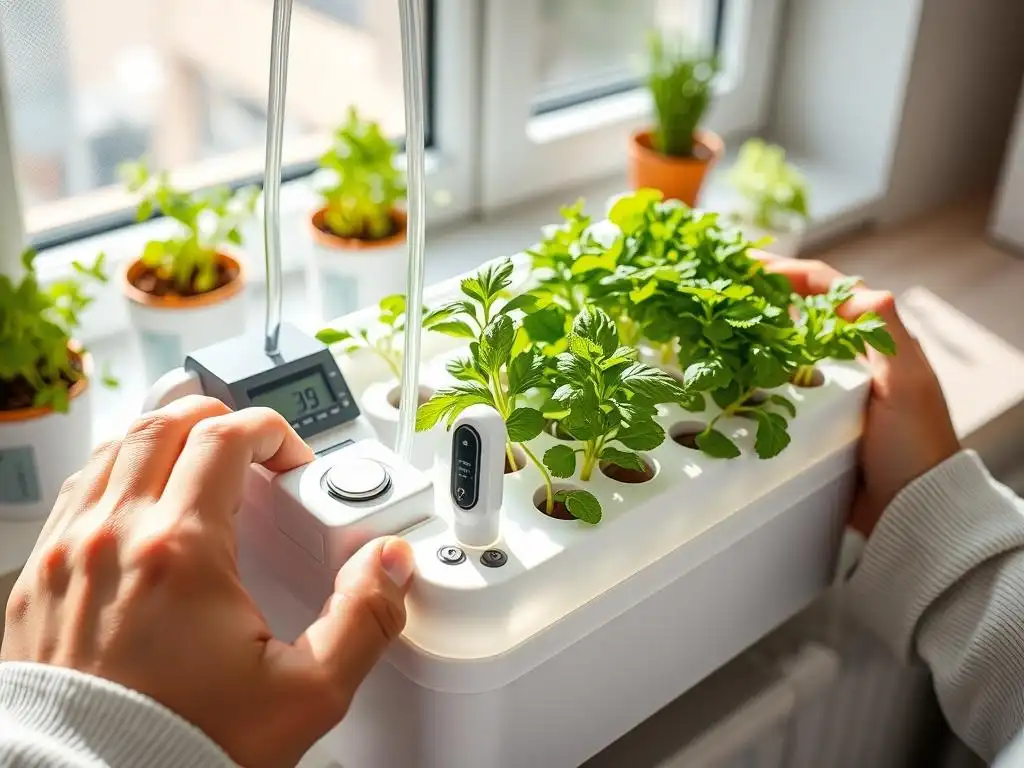
This section details the practical steps involved in setting up your chosen hydroponic herb system, ensuring a successful and bountiful harvest. Remember, careful preparation and attention to detail are key to optimizing your hydroponic garden's performance. Choosing the right system for your space and experience level is crucial. This guide focuses on the practical aspects, assuming you've already selected a system appropriate for your needs and the "best hydroponic herb growing system" for you.
Preparing Your Hydroponic System: Cleaning and Assembly
Before you even think about planting, meticulous preparation is paramount. A clean system prevents the introduction of harmful bacteria, fungi, or algae that can hinder growth and potentially contaminate your herbs. This applies whether you're using a brand new system or a pre-owned one.
Begin by thoroughly cleaning all components with a mild, non-toxic solution. Avoid harsh chemicals that could leave residues harmful to your plants. A simple solution of warm water and a few drops of mild dish soap works well. Rinse everything thoroughly afterwards, ensuring no soap residue remains.
Assembly varies depending on the specific system. Consult your system's instruction manual carefully. Pay close attention to the positioning of components, ensuring proper water flow and nutrient distribution. Double-check all connections to prevent leaks. Before adding water and nutrients, conduct a test run to ensure everything functions correctly. This might involve filling the reservoir with water and checking for leaks or blockages. This preventative step saves you potential headaches later on.
Consider these points for optimal system preparation:
- Sanitization: For a more thorough sanitation, consider using a diluted bleach solution (1 part bleach to 9 parts water) to sterilize components. Remember to rinse extremely well afterwards.
- Reservoir Inspection: Thoroughly inspect the reservoir for any cracks or damage that could lead to leaks.
- Pump Check: Ensure your pump is functioning correctly and that the water level is appropriate for your chosen system.
Choosing the Right Herbs for Hydroponic Growing
Not all herbs thrive equally well in hydroponic systems. Some are particularly well-suited due to their rapid growth and adaptability to soilless environments. Here's a list of herbs that typically perform exceptionally well in hydroponic setups:
| Herb | Growth Rate | Light Requirements | Notes |
|---|---|---|---|
| Basil | Fast | High | Prefers warm temperatures |
| Mint | Fast | Moderate | Can be invasive, needs controlled growth |
| Cilantro | Moderate | Moderate | Relatively short lifespan |
| Parsley | Moderate | Moderate | Can be slow to germinate |
| Chives | Moderate | Moderate | Easy to grow and maintain |
| Oregano | Moderate | High | Drought-tolerant, prefers well-drained systems |
| Thyme | Slow | High | Drought-tolerant, prefers well-drained systems |
When making your selection, consider your culinary preferences and the space available in your system. Starting with a few easy-to-grow herbs is a great way to gain experience before venturing into more challenging varieties. Remember to research the specific needs of each herb you choose, including light requirements, nutrient preferences, and optimal growing temperature. This will greatly increase your chances of success.
Planting Your Herb Seeds or Seedlings in Your Hydroponic System
Planting your herbs is the exciting culmination of your preparation. The process differs slightly depending on whether you're starting from seeds or seedlings.
Starting from Seeds:
Sow seeds according to the instructions provided with your seeds or those recommended for your specific herb. Generally, this involves placing seeds in a germination medium (like rockwool or coconut coir) and keeping them moist until germination. Once seedlings emerge and have developed a few true leaves, carefully transplant them into your hydroponic system's growing medium (e.g., clay pebbles, perlite). Ensure the roots are gently handled during transplanting to avoid damage.
Starting from Seedlings:
Transplanting seedlings is generally easier. Carefully remove seedlings from their containers, gently loosening the roots to avoid root-bound issues. Place the seedlings in the growing medium, ensuring the root ball is completely covered. Support tall or leggy seedlings with stakes or clips to prevent them from toppling over.
Regardless of your starting point, consistent monitoring is vital. Regularly check the nutrient solution level and pH, making adjustments as needed. Observe your plants for signs of stress or nutrient deficiencies and take corrective actions promptly. A healthy hydroponic herb garden requires diligent care and attention, but the rewards—fresh, flavorful herbs—are well worth the effort. Remember, consistent monitoring and timely adjustments are crucial for maximizing yield and ensuring healthy plant growth. Enjoy the process of cultivating your own delicious herbs!
Maintaining Your Hydroponic System: Nutrient Solution Management and Monitoring
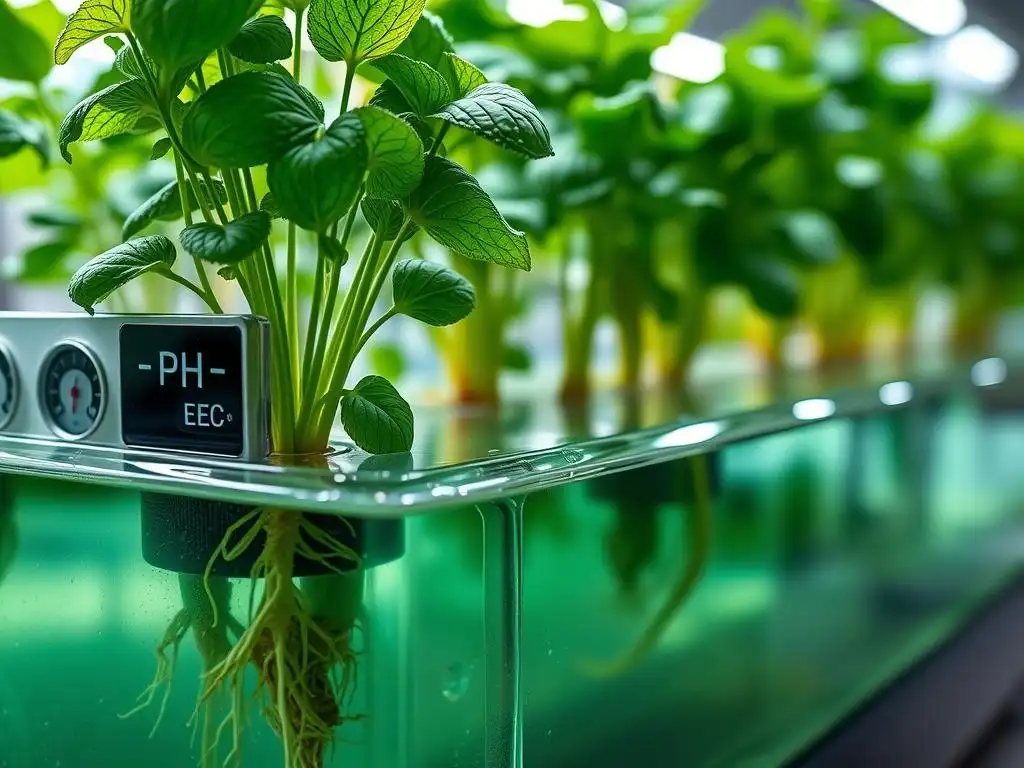
Maintaining the nutrient solution is crucial for the health and yield of your hydroponic herbs. Regular monitoring and adjustments are key to success. The frequency of these tasks depends on the size of your system and the type of herbs you're growing, but generally, you should inspect your reservoir weekly, and potentially more often during periods of rapid plant growth.
First, visually inspect the nutrient solution. Look for cloudiness, which could indicate bacterial growth or algae blooms. A slightly cloudy solution is often acceptable, but excessive cloudiness requires action. You should also check the pH level using a reliable pH meter.
The ideal pH range for most hydroponic herbs is between 5.5 and 6.5, although this can vary slightly depending on the specific nutrient solution and plant type. Deviations from this range can hinder nutrient uptake and lead to nutrient deficiencies or toxicities. If the pH is outside the optimal range, adjust it carefully using pH up or pH down solutions, always monitoring with the meter to avoid drastic changes.
Next, test the nutrient solution's electrical conductivity (EC). EC measures the concentration of nutrients in the solution. This is crucial for optimal plant growth. A low EC indicates insufficient nutrients, while a high EC could mean nutrient burn.
Use an EC meter to measure the concentration, and adjust it according to the manufacturer's recommendations for your specific nutrient solution. Regular testing ensures your plants receive the right balance of nutrients throughout their growth cycle. Remember to always replenish the nutrient solution as it's consumed by the plants. The frequency of this will depend on factors such as plant size, growth stage, and evaporation rate.
Finally, regular cleaning is essential. Algae and bacterial growth can clog lines and reduce nutrient availability. Regularly inspect and clean your reservoir, tubing, and other components to ensure optimal system performance. This might involve rinsing with clean water or using a mild, hydroponic-safe cleaning solution. Always ensure the system is thoroughly rinsed before refilling with the nutrient solution. Proactive maintenance will prevent problems and ensure a healthy and productive hydroponic herb garden.
Troubleshooting Common Hydroponic Herb Growing Problems
Even with careful planning and maintenance, hydroponic herb growers may encounter issues. Understanding common problems and their solutions is crucial for success. Let's explore some frequent challenges and how to address them:
Nutrient Deficiencies: Yellowing leaves, stunted growth, and discoloration are often signs of nutrient deficiencies. Regular nutrient solution testing, as discussed earlier, is key to preventing this. If a deficiency is identified, adjust the nutrient solution accordingly, paying attention to the specific nutrient lacking (nitrogen, phosphorus, potassium, etc.). The symptoms of each deficiency are quite specific, so consulting a hydroponics guide with pictures can be very helpful.
Root Rot: Root rot, caused by fungal pathogens thriving in overly wet or poorly oxygenated conditions, is a severe problem. Symptoms include wilting, decaying roots, and a foul odor. Prevention is key: ensure proper aeration within the system and avoid overwatering. If root rot occurs, remove affected plants immediately, sterilize the system thoroughly, and adjust watering practices. Consider using beneficial microbes to improve root health and prevent future issues.
Algae Blooms: Green or brown algae can clog lines and reduce light penetration. They often thrive in systems exposed to excessive light. Reducing light exposure, using algae-control solutions (following instructions carefully), and regularly cleaning the system can help manage algae blooms. Maintaining a clean system and using appropriate lighting is key prevention.
Pest Infestations: Aphids, spider mites, and other pests can infest hydroponic systems. Regular visual inspection is important. Introduce beneficial insects or use organic pest control methods suitable for hydroponics to address infestations. Preventing pests often involves maintaining a clean and healthy environment.
Low Yields: Low yields can result from several factors, including nutrient imbalances, insufficient light, improper pH, or pest infestations. Addressing these underlying causes, as discussed above, is crucial for improving yields. Regular monitoring of all aspects of the system is essential.
Addressing these common problems promptly ensures a healthy and productive hydroponic herb garden. Remember that proactive monitoring and maintenance are key to preventing many of these issues. By understanding the potential challenges and implementing appropriate solutions, you can significantly increase your chances of success in your hydroponic herb growing journey.
Harvesting and Maintaining Your Hydroponic Herb Garden
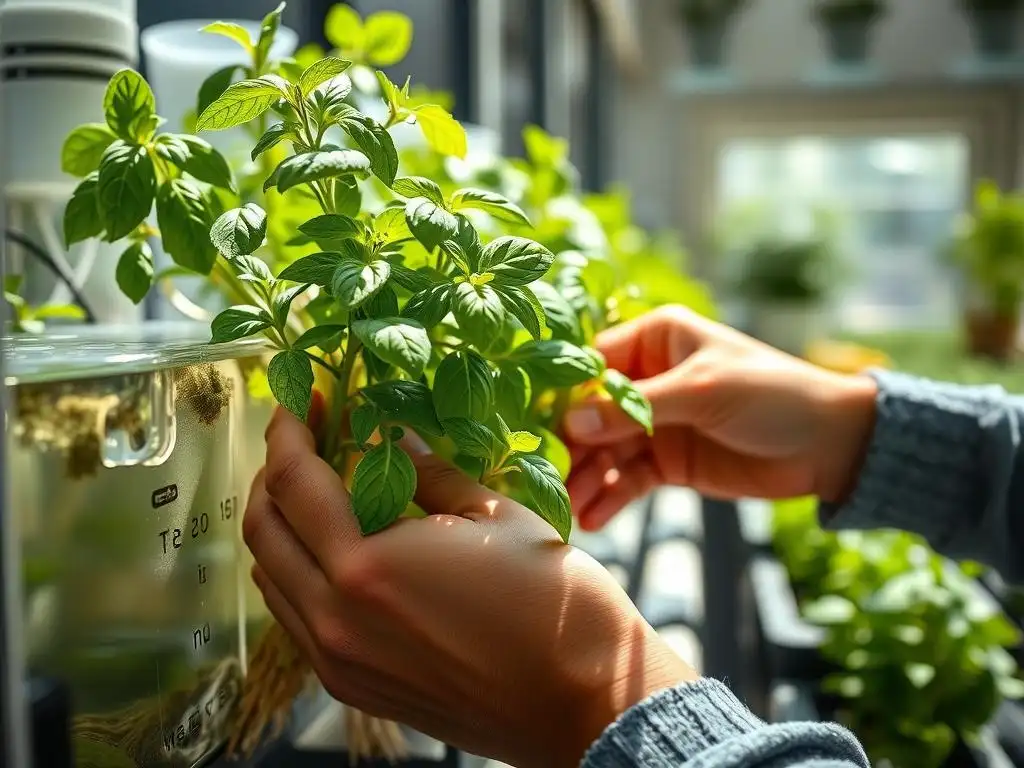
This section focuses on the crucial aspects of harvesting and maintaining your hydroponic herb garden to ensure a continuous supply of fresh, flavorful herbs. Proper harvesting and system maintenance are key to maximizing your yield and extending the lifespan of your hydroponic setup. Neglecting these steps can lead to reduced yields, nutrient imbalances, and even system failure. Optimizing these processes will help you become a master of your own "best hydroponic herb growing system".
Knowing When to Harvest Your Hydroponic Herbs
Knowing precisely when to harvest your herbs is paramount for achieving optimal flavor and aroma. Unlike soil-grown herbs, hydroponically grown herbs often mature faster due to the consistent nutrient supply and controlled environment. The ideal harvest time depends on the specific herb and your desired flavor profile.
Generally, harvesting herbs before they flower results in a more tender and delicate flavor. For example, basil should be harvested when the plants are young and bushy, typically around 6-8 weeks after germination. Snip off the top sets of leaves, leaving several lower leaves intact to encourage new growth. This "best hydroponic herb growing system" practice ensures continuous growth.
Conversely, some herbs like rosemary and thyme benefit from a later harvest, once they have developed a more robust flavor. These woody herbs can withstand more aggressive pruning. Regularly pinching back the growing tips encourages bushier growth and prevents legginess.
Here's a helpful table summarizing ideal harvest times for common herbs:
| Herb | Harvest Time (Weeks after Germination) | Notes |
|---|---|---|
| Basil | 6-8 | Harvest frequently to promote bushier growth. |
| Cilantro | 6-8 | Harvest before flowering for best flavor. |
| Parsley | 8-10 | Harvest outer leaves, leaving inner leaves. |
| Mint | 8-10 | Harvest selectively to prevent overgrowth. |
| Thyme | 10-12 | Harvest after flowering for stronger flavor. |
| Rosemary | 10-12 | Prune selectively to shape and encourage growth. |
Remember to always use clean, sharp scissors or shears to avoid damaging the plants. This minimizes the risk of disease and ensures a cleaner cut.
Proper Harvesting Techniques for Optimal Herb Quality
Employing the correct harvesting techniques is essential for maintaining the health and productivity of your hydroponic herb garden. Improper harvesting can stress the plants, leading to reduced yields and a decline in herb quality. The goal is to harvest regularly, promoting continuous growth while minimizing plant stress. This is a key component of a truly "best hydroponic herb growing system".
- Selective Harvesting: Instead of harvesting entire plants, focus on selective harvesting. This involves removing only the leaves or stems you need, leaving the rest of the plant intact to continue growing. This method is especially effective for herbs like basil and mint, which can be harvested repeatedly.
- Avoid Over-Harvesting: Avoid stripping the plants completely of their leaves. Leaving sufficient foliage allows the plant to photosynthesize and produce energy for continued growth. Over-harvesting can weaken the plant and reduce future yields.
- Clean Cuts: Always use clean, sharp pruning shears or scissors to make clean cuts. Avoid tearing or ripping the leaves, as this can damage the plant and increase the risk of disease.
- Harvest in the Morning: Harvesting in the morning, after the dew has dried, is generally recommended. The plants are typically more hydrated at this time, and the essential oils are at their most concentrated, resulting in a more flavorful herb.
Cleaning and Maintaining Your Hydroponic System for Long-Term Use
Regular cleaning and maintenance are essential for ensuring the long-term health and productivity of your hydroponic system. A clean system prevents the buildup of algae, bacteria, and other microorganisms that can harm your plants and reduce yields. This is crucial for the success of your "best hydroponic herb growing system".
- Regular Cleaning: Clean your system regularly, at least once a week, removing any visible debris or algae. Rinse the system thoroughly with clean water.
- Nutrient Solution Changes: Replace the nutrient solution every 2-3 weeks, or as recommended by your system's manufacturer. This prevents the buildup of salts and other minerals that can harm your plants.
- pH and EC Monitoring: Regularly monitor the pH and electrical conductivity (EC) of your nutrient solution. Adjust as needed to maintain optimal levels for healthy plant growth. Using a pH meter and an EC meter is vital.
- System Inspection: Regularly inspect your system for any leaks, clogs, or other problems. Address any issues promptly to prevent further damage.
- Preventative Maintenance: Perform preventative maintenance tasks, such as cleaning pumps and filters, to keep your system running smoothly. This proactive approach will extend the lifespan of your system and minimize downtime.
By following these guidelines for harvesting and system maintenance, you can significantly improve the health, yield, and longevity of your hydroponic herb garden, maximizing the potential of your "best hydroponic herb growing system" and enjoying a continuous supply of fresh, flavorful herbs. Remember consistent care is key to success!
Extending the Life of Your Hydroponic Herb System
Maintaining a thriving hydroponic herb garden requires more than just initial setup; it demands consistent care and attention to detail to ensure longevity and optimal yield. Regular cleaning and maintenance are crucial for preventing the build-up of algae, mineral deposits, and harmful bacteria, all of which can negatively impact plant health and overall system productivity. Neglecting these tasks can lead to decreased nutrient uptake, root rot, and ultimately, a shorter lifespan for your hydroponic system.
One key aspect of extending the life of your system is the regular cleaning of the reservoir. This involves emptying the reservoir, scrubbing the walls and bottom with a solution of mild soap and water (avoid harsh chemicals that could harm your plants), and thoroughly rinsing to remove all traces of soap. It's also important to check and clean the pump regularly.
Debris can clog the pump, reducing its efficiency and potentially causing damage. Inspect the pump impeller for any signs of wear and tear and replace it as needed. Remember to always disconnect the pump from the power source before cleaning or performing any maintenance.
Beyond the reservoir and pump, the nutrient solution itself requires careful monitoring. Regular testing of pH levels and nutrient concentrations is paramount. Using a reliable pH meter and nutrient testing kit will help you maintain the ideal conditions for healthy plant growth. Adjusting the pH and nutrient levels as needed will prevent nutrient deficiencies or imbalances that can weaken your plants and shorten the lifespan of your system. Remember to replace the nutrient solution according to the manufacturer's recommendations, usually every few weeks, depending on the system type and the number of plants.
Furthermore, consider the environment surrounding your hydroponic system. Extreme temperatures can stress your plants and affect the longevity of components like tubing and reservoirs. Maintaining a stable temperature range is crucial. If your system is located in an area prone to extreme fluctuations, consider using insulation or a climate control system to regulate the temperature. Similarly, consistent light cycles are essential for healthy plant growth. Ensure your grow lights are functioning correctly and provide the necessary light intensity and duration for your chosen herbs. Regularly inspect the grow lights for any signs of damage or deterioration.
Finally, preventative maintenance is key. Regularly inspect all components of your system for any signs of wear, damage, or leaks. Addressing minor issues promptly can prevent them from escalating into major problems that require costly repairs or even system replacement. A proactive approach to maintenance will significantly extend the lifespan of your hydroponic herb garden, allowing you to enjoy fresh, homegrown herbs for years to come. Remember, a little preventative care goes a long way in ensuring the longevity and success of your hydroponic system.
Advanced Techniques for Optimizing Hydroponic Herb Growth
This section delves into advanced techniques to elevate your hydroponic herb garden beyond the basics, maximizing yield and quality. We'll explore how to fine-tune your system for exceptional results, focusing on light, environment, and nutrient management. Mastering these techniques will transform your home hydroponic setup into a thriving, productive ecosystem, yielding the best hydroponic herb growing system possible.
Utilizing LED Grow Lights for Enhanced Herb Production
LED grow lights offer unparalleled control and efficiency for hydroponic herb cultivation. Unlike traditional high-pressure sodium (HPS) or metal halide lamps, LEDs generate less heat, consume less energy, and offer a customizable spectrum tailored to specific plant needs. For herbs, a spectrum rich in blue and red light is optimal. Blue light promotes vegetative growth, resulting in lush, leafy herbs, while red light encourages flowering and fruiting (if applicable to your chosen herbs).
Several factors influence LED light selection:
- Spectrum: Look for LEDs with a full-spectrum output, or those with adjustable red and blue ratios. Experimentation may be needed to determine the ideal spectrum for your specific herbs and growth stage.
- Intensity (PPFD): The photosynthetic photon flux density (PPFD) measures the amount of light reaching your plants. Different herbs have different light requirements; research your specific herbs to determine the ideal PPFD range. Generally, herbs thrive in the range of 200-600 µmol/m²/s.
- Light Cycle: Most herbs benefit from a 16-hour light cycle, followed by 8 hours of darkness. This mimics natural daylight hours and promotes healthy growth. However, some experimentation might be necessary to optimize this for your specific setup and herbs.
- Placement: Ensure even light distribution across your hydroponic system. Avoid direct light shining on the water reservoir to prevent algae growth.
A well-designed LED lighting system is a crucial component of any high-yielding hydroponic herb garden, representing a significant step toward achieving the best hydroponic herb growing system.
Implementing a Controlled Environment for Optimal Herb Growth
Maintaining a stable environment is paramount for successful hydroponic herb growing. Fluctuations in temperature, humidity, and air circulation can significantly impact growth, yield, and overall plant health. A controlled environment minimizes stress on your plants, leading to healthier and more productive harvests.
Consider these factors for environmental control:
- Temperature: Most herbs thrive in temperatures between 65-75°F (18-24°C). Use a thermostat-controlled heater or cooling system to maintain consistent temperatures, especially in environments with significant temperature fluctuations.
- Humidity: Aim for a relative humidity of 40-70%. High humidity can lead to fungal diseases, while low humidity can cause wilting. A humidifier or dehumidifier can help regulate humidity levels.
- Air Circulation: Good air circulation prevents the buildup of moisture and reduces the risk of fungal diseases. Use fans to gently circulate air around your plants. This also helps prevent the development of a stagnant microclimate, which can be detrimental to plant health.
- CO2 Enrichment: While not essential for all herbs, CO2 enrichment can significantly boost growth rates. CO2 levels above ambient (around 400 ppm) can accelerate photosynthesis. However, ensure proper ventilation to prevent CO2 buildup, which can be harmful.
By meticulously controlling the environment, you create ideal conditions for robust herb growth, significantly improving your chances of establishing the best hydroponic herb growing system for your needs.
Optimizing Nutrient Solutions for Maximum Herb Yield
Nutrient solutions are the lifeblood of your hydroponic system. Providing your herbs with the precise balance of essential nutrients is crucial for optimal growth and yield. Nutrient deficiencies or excesses can lead to stunted growth, discoloration, and reduced yields.
Key aspects of nutrient solution optimization:
- Nutrient Formula: Use a high-quality hydroponic nutrient solution specifically formulated for herbs. These solutions typically contain a balanced mix of macronutrients (nitrogen, phosphorus, potassium) and micronutrients (iron, manganese, zinc, etc. ).
- pH Levels: Maintain the pH of your nutrient solution within the optimal range (typically 5.5-6.5). Regular pH monitoring and adjustment are crucial. A pH meter is an essential tool for accurate measurement.
- EC Levels: Electrical conductivity (EC) measures the concentration of salts and nutrients in your solution. Monitoring EC levels ensures that your plants receive the correct amount of nutrients. A high EC level can indicate nutrient burn, while a low EC level suggests nutrient deficiency.
- Nutrient Schedule: Follow a specific nutrient schedule tailored to the growth stage of your herbs. Young seedlings require different nutrient ratios than mature plants. Adjust the nutrient concentration accordingly. This might require adjusting the EC and pH values based on the growth stage of your herbs.
Careful nutrient management is a cornerstone of successful hydroponic herb cultivation and is fundamental to creating the best hydroponic herb growing system. Regular monitoring and adjustments are key to ensuring your herbs receive the precise nutrients they need at each stage of their growth cycle.
Pest and Disease Control in Hydroponic Herb Systems
Hydroponic systems, while offering many advantages, can be susceptible to pest and disease outbreaks if not properly managed. The enclosed, controlled environment can, ironically, become a breeding ground for certain problems if preventative measures aren't taken. Effective pest and disease control is crucial for maintaining healthy herb growth and maximizing your harvest. Ignoring this aspect can quickly lead to significant crop losses and compromised plant health.
One of the primary advantages of hydroponics in pest control is the ability to easily monitor and address problems early on. The contained nature of the system makes it easier to spot infestations compared to soil-based gardening. Early detection is key to preventing widespread damage. Regular visual inspections of your plants, including their roots and the nutrient solution, are paramount. Look for signs of insect activity, such as holes in leaves, webbing, or the presence of insects themselves. Similarly, monitor for signs of disease, including discoloration, wilting, or unusual growths.
Several strategies contribute to a robust pest and disease management plan. Firstly, maintaining a clean and sterile system is vital. Regular cleaning and sanitization of all equipment, including reservoirs, tubing, and grow trays, helps prevent the build-up of pathogens and the attraction of pests. A solution of diluted bleach (follow manufacturer instructions carefully!) can be effective for sanitizing. Secondly, proper nutrient management plays a significant role.
Nutrient deficiencies can weaken plants, making them more vulnerable to pests and diseases. Ensuring a balanced nutrient solution, tailored to the specific needs of your herbs, is crucial for building strong, resilient plants. Thirdly, consider using beneficial insects or biological controls. Certain insects are natural predators of common hydroponic pests. Introducing these beneficial insects can help control pest populations without resorting to harsh chemicals. For example, ladybugs are effective against aphids, a common hydroponic herb pest.
Finally, while the goal is to avoid chemical pesticides whenever possible, sometimes intervention is necessary. If an infestation becomes severe, you may need to use a targeted pesticide. However, choose products specifically designed for hydroponic systems and follow the instructions meticulously. Always prioritize organic and less-toxic options whenever available, minimizing any potential harm to your herbs, yourself, and the environment.
Remember to carefully research the specific pests and diseases affecting your herbs to choose the most appropriate and effective control method. A proactive approach, combining preventative measures with timely intervention, ensures a healthy and productive hydroponic herb garden. Ignoring these steps could mean the difference between a bountiful harvest and a significant loss.
Frequently Asked Questions
What is a hydroponic system, and why is it good for growing herbs?
A hydroponic system is a method of growing plants without soil, using a nutrient-rich water solution. This allows for faster growth and higher yields compared to traditional gardening, making it ideal for herbs.
What are the benefits of using a hydroponic system for herbs specifically?
Hydroponics offers consistent moisture and nutrient delivery, leading to healthier, faster-growing herbs. It also saves space and minimizes pest problems compared to soil-based methods.
Which hydroponic system is best for beginners growing herbs?
For beginners, a wick system or a deep water culture (DWC) system are great choices. These are relatively simple to set up and maintain, requiring minimal technical expertise.
What are the essential components of a hydroponic herb growing system?
Essential components include a growing medium (like clay pebbles or coco coir), a reservoir for nutrient solution, a pump (for DWC systems), and a grow light. You'll also need nutrient solution tailored for herbs.
How much space do I need to grow herbs hydroponically?
The space required depends on the system size. Smaller systems like wick systems are suitable for windowsills, while larger systems can be accommodated in dedicated grow areas. Consider the number of herbs you plan to grow when choosing your system size.
Final Reflection: Cultivating a Greener Future, One Herb at a Time
The accessibility of hydroponic systems is revolutionizing home gardening, offering a sustainable and efficient way to grow fresh herbs year-round, regardless of climate or space constraints. This shift towards localized food production isn't just a trend; it's a vital step towards greater food security and a reduced carbon footprint, impacting our individual lifestyles and the global food system.
The journey into hydroponics, as explored in this guide, has underscored the profound connection between our food choices and environmental responsibility. It's a journey that extends beyond simply growing herbs; it's about fostering a deeper understanding of where our food comes from and the impact we have on the planet. We don't inherit the earth from our ancestors, we borrow it from our children.
This quote encapsulates the responsibility we bear to cultivate sustainable practices, and hydroponics offers a powerful tool in doing so. The ease and efficiency of these systems, as highlighted throughout this article, make them accessible to everyone, regardless of experience.
Now, consider your own kitchen. Imagine the vibrant aroma of fresh basil, the satisfying crunch of homegrown mint, the subtle zest of rosemary – all grown by your own hand, sustainably and efficiently. This isn't a distant dream; it's a reality within reach. Take the knowledge gained from this guide, choose the hydroponic system that best suits your needs, and embark on your own journey of cultivating a greener, more flavorful future. Start small, experiment, and enjoy the rewarding experience of growing your own herbs. The journey is as fulfilling as the harvest.
Unleash Your Inner Gardener: Grow Fresh Herbs Today!
Thanks for exploring the world of hydroponic herb gardening with us! You've gained the knowledge to cultivate vibrant, flavorful herbs right in your home. Ready to begin?
- Start your own hydroponic herb garden: Choose a system that suits your space and experience, and order your supplies. This is key to enjoying fresh herbs year-round!
- Share your herb-growing journey: Post a picture of your setup on social media and inspire others to grow their own fresh food. Use #CultivateYourFood to join our community.
- Explore our other resources on the CultivateYourFood website for more tips and tricks to maximize your hydroponic harvest. Discover the joy of growing your own gourmet herbs!
What herb are you most excited to grow in your new hydroponic system?