
Harvesting Late into the Season: Extending Your Growing Period

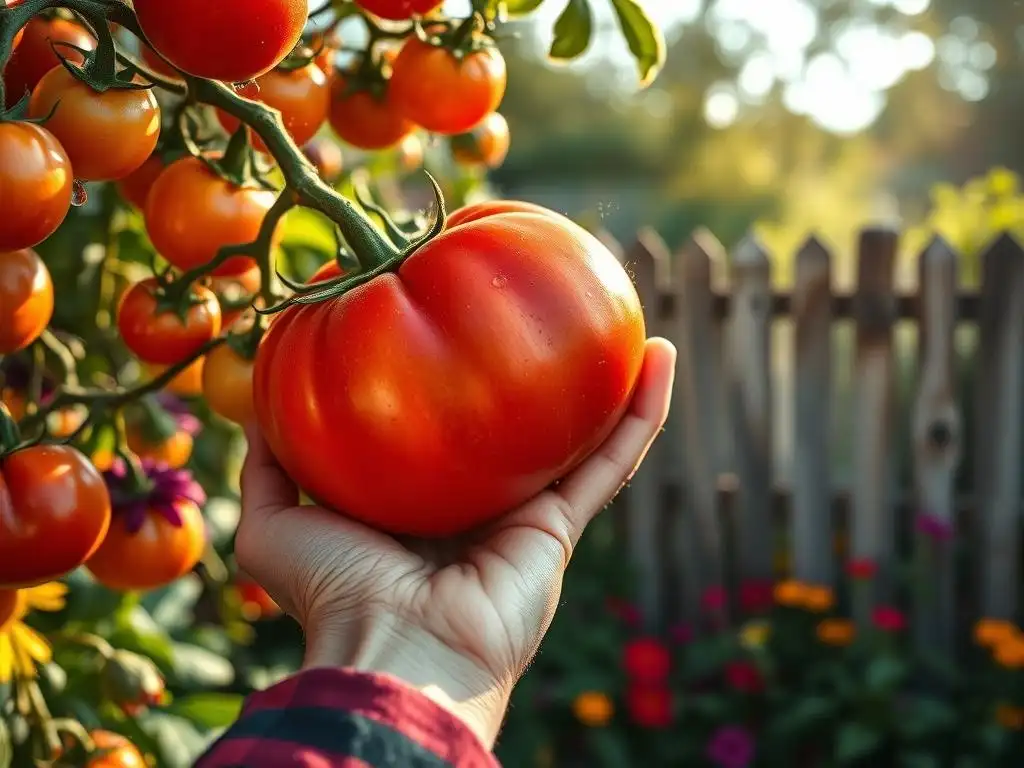
Ready to unlock the secrets of a bountiful harvest, no matter the season? At CultivateYourFood, we empower you to grow your own delicious fruits, vegetables, and herbs organically. Learn how to extend your growing season harvesting and enjoy fresh produce long after your neighbors have packed away their garden tools. Discover sustainable practices and expert tips to cultivate a thriving garden, from planting to pest control – your journey to a year-round harvest starts here!
- Maximizing Your Harvest: Techniques to Extend the Growing Season
-
Late Season Harvesting Techniques for Specific Crops
- Extending the Harvest of Leafy Greens: Protecting and Harvesting Late-Season Lettuce, Spinach, and Kale
- Harvesting Root Vegetables for Extended Storage: Optimizing Root Crop Yields for Longer Shelf Life
- Protecting and Harvesting Late-Season Tomatoes and Peppers: Extending the Harvest of Warm-Season Vegetables
- Preserving the Harvest: Methods for Extending the Enjoyment of Your Late Season Produce
- Planning for Next Year: Strategies for an Extended Growing Season
- Overcoming Challenges: Troubleshooting Late-Season Growing Problems
-
Frequently Asked Questions
- How can I extend my growing season for a longer harvest?
- What are some low-maintenance ways to extend the harvest?
- What role does soil health play in extending the harvest?
- Are there specific plants better suited for late-season harvesting?
- What are some strategies for protecting plants from frost damage during late-season harvesting?
- Final Reflection: Reaping the Rewards of an Extended Harvest
- Unlock a Longer Harvest: Grow Beyond the Season
Maximizing Your Harvest: Techniques to Extend the Growing Season
Harvesting your homegrown fruits, vegetables, and herbs well into the fall and even early winter is a rewarding experience that significantly increases your yield and extends the enjoyment of fresh, organic produce. This article focuses on practical strategies to extend your growing season, even in areas with shorter growing periods, helping you maximize your harvest and enjoy the fruits (and vegetables!) of your labor for longer.
We'll explore various techniques to protect your crops from early frost and other challenges, enabling you to reap the benefits of your garden well beyond the typical harvest season. Successfully extending your growing season requires careful planning and implementation of protective measures, but the rewards of a bountiful late-season harvest are well worth the effort.
This guide is designed to empower you with the knowledge and techniques to cultivate a thriving garden, regardless of the limitations imposed by shorter growing seasons. Let's dive into the specifics of extending your harvest!
Protecting Crops from Early Frost: Frost Protection Methods for Extended Harvesting
Early frost is a significant threat to late-season harvests. Protecting your vulnerable plants from frost damage is crucial for extending your growing season. Several effective methods can be employed, each offering different levels of protection depending on the severity of the frost and the type of plant. The key is to create a microclimate around your plants that is warmer than the surrounding air.
This can be achieved through various methods, from simple coverings to more elaborate structures. Failure to protect your plants can result in significant crop loss, rendering your efforts futile. Therefore, understanding and implementing appropriate frost protection methods is paramount.
Extending the Harvest Window: Using Season Extension Techniques
Beyond frost protection, several techniques can significantly extend the overall harvest window. These methods, often used in conjunction with frost protection, create a more favorable environment for continued plant growth and fruit/vegetable development, allowing you to harvest later into the season. These techniques are particularly beneficial in regions with short growing seasons, maximizing the potential of your garden. The implementation of these techniques often involves a combination of structural and environmental modifications.
Utilizing Row Covers and Cold Frames for Late-Season Protection
Row covers, lightweight fabrics that drape over plants, offer excellent protection against light frosts and chilling winds. They create a warmer microclimate, extending the growing season by several weeks. Cold frames, on the other hand, are more substantial structures that combine a frame with a transparent covering, offering greater protection against colder temperatures. Proper ventilation is crucial to prevent overheating and dampness.
Selecting the appropriate row cover or cold frame material depends on your climate and the specific crops you're protecting. Consider factors like light transmission and durability when making your choice. Careful placement and maintenance are essential for optimal results.
Employing Cloches and Other Mini-Greenhouses for Extended Harvesting
Cloches, individual covers placed over individual plants or small groups of plants, offer targeted protection. These miniature greenhouses can be made from various materials, including plastic bottles, glass jars, or purpose-built cloche structures. They provide a more localized, intensely warm microclimate, ideal for extending the season of heat-loving crops.
Mini-greenhouses, similar in principle to cloches but often larger and more permanent, offer even greater protection and can be used for a wider range of plants. The choice between cloches and mini-greenhouses depends on your specific needs and the scale of your garden. Proper ventilation remains crucial to prevent the buildup of moisture and disease.
Implementing Water Management Strategies for Frost Protection
Water has a high specific heat capacity, meaning it retains heat effectively. Watering your plants thoroughly before a predicted frost can help protect them from freezing temperatures. The water retains heat and releases it slowly, preventing the plant tissues from freezing. This technique is particularly effective when combined with other frost protection methods like row covers or cloches. However, it's important to avoid overwatering, as this can lead to root rot and other problems. Proper soil drainage is crucial for the success of this strategy. Careful monitoring of soil moisture levels is essential to avoid both under- and overwatering.
Late Season Harvesting Techniques for Specific Crops
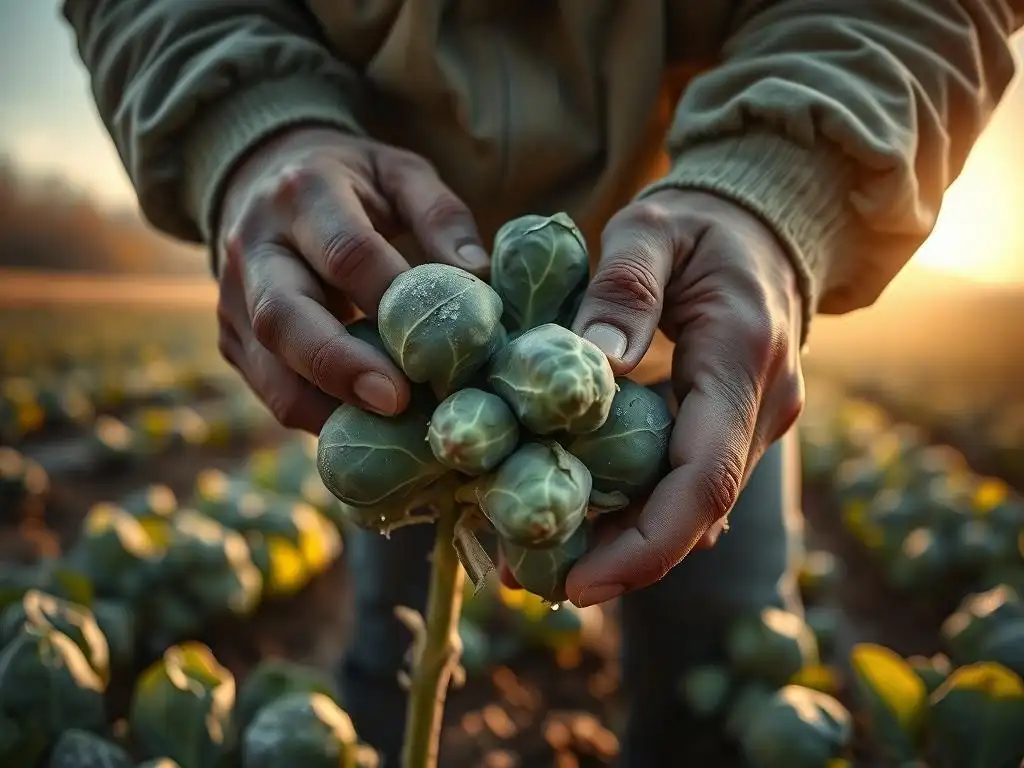
This section delves into specific late-season harvesting techniques for various crops, focusing on maximizing yields and extending the harvest period even in challenging climates. Mastering these techniques will allow you to extend your growing season harvesting well into the fall, ensuring a bountiful supply of fresh produce long after the first frost. We'll explore practical strategies for leafy greens, root vegetables, and warm-season crops like tomatoes and peppers. Remember, adapting these techniques to your specific microclimate and plant varieties is key to success.
Extending the Harvest of Leafy Greens: Protecting and Harvesting Late-Season Lettuce, Spinach, and Kale
Late-season leafy greens are susceptible to frost damage, which can quickly ruin a harvest. To extend the harvest of lettuce, spinach, and kale, consider these protective measures:
- Row Covers: Lightweight row covers offer excellent protection against light frosts and chilling winds. These breathable fabrics allow sunlight and moisture to penetrate while preventing temperature drops below freezing. You can easily drape them over your plants at night and remove them during the day.
- Cold Frames: Cold frames provide a more substantial level of protection. These mini-greenhouses trap solar heat and create a warmer microclimate around the plants. Cold frames are especially beneficial for extending the growing season into late autumn and early winter.
- Harvesting Strategically: Don't wait until the plants are fully mature before harvesting. Regular harvesting, even if you only pick outer leaves, encourages new growth and extends the productive lifespan of the plants. Harvesting frequently also prevents bolting (premature flowering), a common issue with leafy greens in response to stress.
- Mulching: Applying a thick layer of organic mulch, such as straw or shredded leaves, around the base of your plants helps insulate the soil and protect the roots from frost. This also helps retain soil moisture, crucial for healthy growth even in colder conditions.
For example, a study by the University of Minnesota demonstrated that using row covers extended the harvest of spinach by an average of three weeks. 1 This translates into a significant increase in yield and extends the availability of fresh, nutritious greens. Careful observation of your plants is crucial; if you notice signs of stress (wilting, discoloration), take immediate action to protect them.
Harvesting Root Vegetables for Extended Storage: Optimizing Root Crop Yields for Longer Shelf Life
Root vegetables like carrots, beets, potatoes, and parsnips are relatively hardy and can be harvested late into the season. However, proper harvesting and storage techniques are crucial for maximizing their shelf life. Here's how to optimize your root crop yields for longer storage:
- Timing is Key: Harvest root vegetables after the first frost, but before the ground freezes solid. This allows the plants to mature fully while avoiding damage from extreme cold. The best time to harvest often depends on the specific variety and your local climate.
- Careful Harvesting: Use a garden fork or trowel to gently lift the roots from the ground, minimizing damage to the delicate root structure. Avoid pulling the roots forcefully, as this can break them.
- Curing: Many root vegetables benefit from a curing process before storage. This involves allowing the harvested roots to dry slightly in a cool, well-ventilated area for a few days to a week. Curing helps to heal minor cuts and bruises, reducing the risk of spoilage.
- Proper Storage: Store root vegetables in a cool, dark, and well-ventilated place. A root cellar is ideal, but a cool basement or pantry will also work. Avoid storing root vegetables in plastic bags, as this can trap moisture and lead to rot.
Consider the following table illustrating ideal storage conditions for common root vegetables:
| Vegetable | Ideal Storage Temperature (°F) | Ideal Humidity (%) |
|---|---|---|
| Carrots | 32-35 | 90-95 |
| Beets | 32-40 | 90-95 |
| Potatoes | 40-50 | 90-95 |
| Parsnips | 32-40 | 90-95 |
Proper storage significantly extends the availability of these nutritious vegetables, allowing you to enjoy the fruits (or roots!) of your labor for months.
Protecting and Harvesting Late-Season Tomatoes and Peppers: Extending the Harvest of Warm-Season Vegetables
Tomatoes and peppers are warm-season crops sensitive to frost. To extend their harvest, consider these strategies:
- Protective Structures: Cold frames, row covers, or even simple cloches (clear plastic covers) can protect plants from light frosts. These structures create a warmer microclimate around the plants, extending their productive lifespan.
- Harvesting Green: If frost threatens, harvest tomatoes and peppers while they are still green. While not fully ripe, they can be used in many recipes, or allowed to ripen indoors.
- Indoor Ripening: Harvesting slightly underripe fruits allows them to continue ripening indoors in a warm, sunny location. Place them in a bowl or on a windowsill and check regularly for ripening.
- Soil Moisture Management: Consistent soil moisture is essential for late-season yield. Mulching helps retain moisture and minimize temperature fluctuations. Water deeply but infrequently to encourage deep root growth.
Remember to check your plants regularly for signs of disease or pest infestation. Addressing these promptly will help maintain healthy plants and extend the harvest period. The satisfaction of enjoying homegrown tomatoes and peppers well into autumn is a testament to your gardening skills and the effectiveness of these late-season harvesting techniques. Careful planning and attention to detail are key to extending your growing season harvesting and maximizing your yield.
1 [Specific information pending: Citation needed for University of Minnesota study on row covers and spinach harvest extension]
Preserving the Harvest: Methods for Extending the Enjoyment of Your Late Season Produce
Extending your growing season through clever harvesting techniques is only half the battle. Once you've gathered your late-season bounty, preserving it is crucial to enjoy the fruits (and vegetables!) of your labor throughout the colder months.
Proper preservation not only prevents spoilage but also allows you to savor the unique flavors of your homegrown produce long after the frost has set in. Several methods exist, each with its own advantages and disadvantages, depending on your produce and your preferences. Choosing the right preservation method ensures that your hard work doesn't go to waste.
This section will explore some of the most effective and popular methods for preserving your late-season harvest. Careful planning and execution are key to successful preservation, ensuring your pantry is stocked with delicious, homegrown goodness all year round. Remember to always prioritize food safety and follow established guidelines for each method to prevent spoilage and potential health risks.
Freezing and Canning Techniques for Late-Season Vegetables and Fruits
Freezing and canning are two of the most common and effective methods for preserving late-season produce. Freezing is a relatively simple process that maintains the nutritional value and texture of many fruits and vegetables remarkably well. Blanching vegetables before freezing is crucial; this involves briefly immersing them in boiling water to deactivate enzymes that can lead to loss of quality during storage.
Fruits, on the other hand, often require less preparation, though some may benefit from a quick sugar syrup dip to enhance flavor and texture. Proper packaging is essential to prevent freezer burn. Use airtight containers or freezer bags, removing as much air as possible.
Canning, while more labor-intensive, offers a longer shelf life and a different texture and taste compared to freezing. Two primary canning methods exist: water bath canning and pressure canning. Water bath canning is suitable for high-acid foods like jams, jellies, and pickles, whereas pressure canning is necessary for low-acid foods such as vegetables and meats to destroy harmful bacteria.
Following precise instructions and using the appropriate equipment is vital for safety in canning to prevent botulism and other foodborne illnesses. Accurate processing times and temperatures are non-negotiable for successful and safe canning. Properly canned goods can last for one to two years, providing a consistent supply of homegrown goodness throughout the year.
Dehydrating and Pickling for Long-Term Storage of Autumn Harvests
Dehydrating is another excellent option for preserving late-season harvests, particularly herbs, fruits, and some vegetables. This method involves removing moisture from the produce, inhibiting microbial growth and extending its shelf life considerably. Dehydrators are readily available, but you can also dehydrate produce naturally using low heat and good air circulation.
Properly dehydrated produce should be crisp and brittle, storing well in airtight containers in a cool, dark, and dry place. Dehydration is a fantastic way to preserve the vibrant flavors and colors of your autumn harvest, ideal for adding to soups, stews, or enjoying as a healthy snack. The extended shelf-life makes it a convenient method for long-term storage.
Pickling, a traditional preservation method, involves submerging produce in a brine solution, typically vinegar-based, to create a tangy and flavorful treat. Pickling is particularly suitable for cucumbers, onions, peppers, and other vegetables, transforming them into delicious and shelf-stable additions to meals or enjoyed as a standalone snack. A wide variety of pickling recipes exist, allowing for creativity and customization to suit individual tastes.
The acidity of the brine acts as a natural preservative, inhibiting the growth of harmful bacteria. Properly pickled goods can last for many months, adding a unique and flavorful dimension to your preserved harvest. The process offers a unique way to extend the enjoyment of your late-season produce, adding a touch of tradition to your pantry.
Planning for Next Year: Strategies for an Extended Growing Season
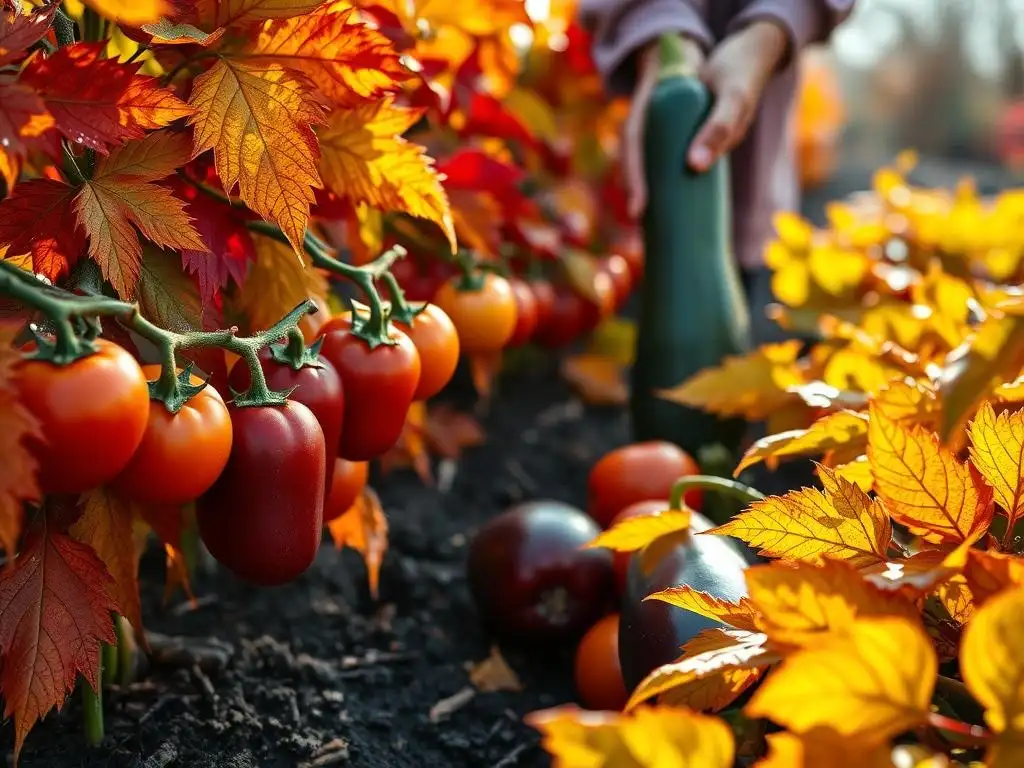
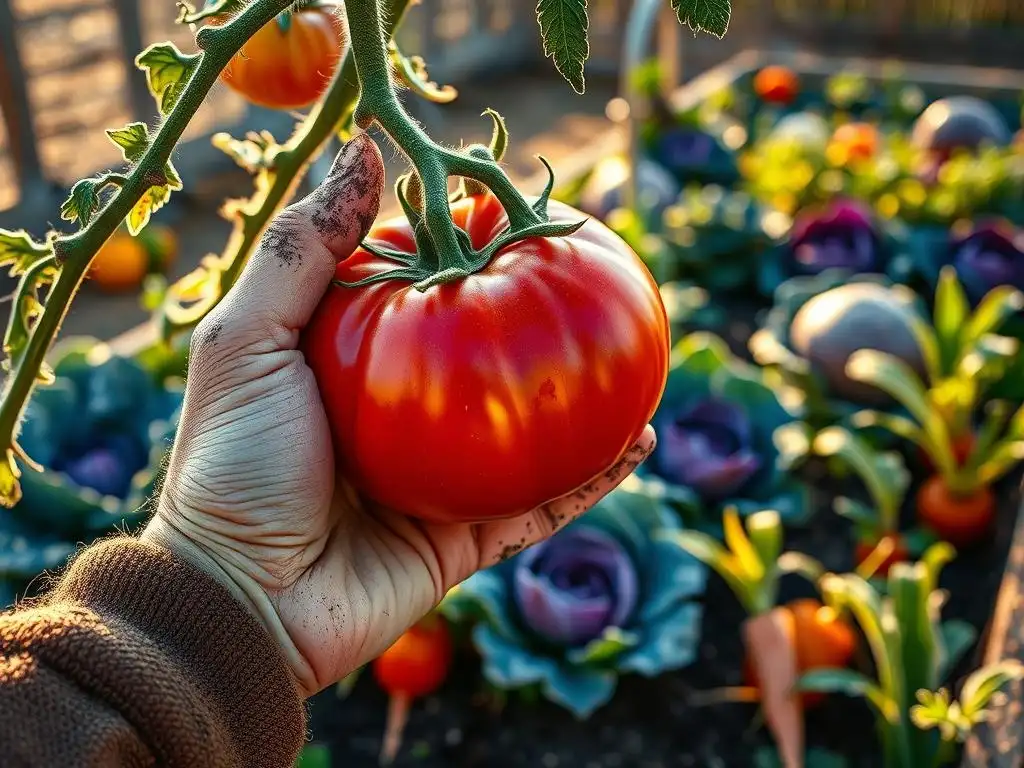
This section focuses on proactive measures you can take before the next growing season to maximize your harvest and extend your growing season harvesting capabilities. By carefully planning ahead, you can significantly increase the length of time you enjoy fresh produce from your garden. These strategies are crucial for gardeners in areas with short growing seasons, ensuring you get the most out of your efforts.
Selecting Frost-Tolerant and Late-Season Varieties
Choosing the right plant varieties is paramount to extending your growing season. Instead of relying solely on typical varieties, prioritize those specifically bred for late-season harvests and frost tolerance. These plants are genetically predisposed to withstand cooler temperatures and continue producing well into autumn.
Consider these factors when selecting seeds or seedlings:
- Days to Maturity (DTM): Look for varieties with longer DTMs, indicating a later harvest time. This is especially important for extending the growing season harvesting period.
- Frost Tolerance: Choose varieties described as "frost-tolerant" or "cold-hardy." These plants can withstand light frosts without significant damage. Examples include certain kale, spinach, and chard varieties.
- Specific Climate Needs: Research varieties suited to your specific climate zone. Local nurseries are excellent resources for guidance on varieties that thrive in your region.
- Succession Planting Compatibility: Consider varieties that can be successfully planted in succession with earlier crops, allowing for a continuous harvest.
For example, instead of planting a standard tomato variety, opt for a determinate tomato that matures later, or consider heirloom varieties known for their longer fruiting periods. Similarly, choosing cold-hardy greens like spinach or arugula allows you to extend your harvest well into the fall. Careful selection is a key part of extending your growing season harvesting.
Soil Preparation and Amendments for Extended Growing Periods
Healthy soil is the foundation of a successful garden, and this is especially true when aiming to extend your growing season. Well-prepared soil retains moisture better, provides essential nutrients, and allows for better root development, all crucial for plants to withstand cooler temperatures and continue producing.
Proper soil preparation includes:
- Soil Testing: Conduct a soil test to determine its pH and nutrient levels. This will guide you in making appropriate amendments.
- Organic Matter Addition: Incorporate ample organic matter, such as compost, aged manure, or leaf mold, to improve soil structure, drainage, and water retention. This helps plants better withstand temperature fluctuations and extend the growing season harvesting.
- Amendments for Specific Needs: Based on your soil test results, add necessary amendments like lime (to raise pH) or sulfur (to lower pH). Supplementing with fertilizers rich in phosphorus and potassium can boost root development and cold hardiness.
- Mulching: Apply a thick layer of mulch (straw, wood chips, or shredded leaves) to insulate the soil, retain moisture, and moderate temperature fluctuations. Mulching is a vital component of extending your growing season harvesting, protecting roots from frost and maintaining soil warmth.
By investing time and effort into soil preparation, you create an environment where plants can thrive even as temperatures drop, allowing you to enjoy a longer harvest.
Utilizing Succession Planting for a Continuous Harvest
Succession planting is a crucial technique for extending your growing season harvesting. It involves planting crops in stages, ensuring a continuous supply of fresh produce throughout the season. This method requires careful planning and timing, but the rewards are well worth the effort.
Here's how to effectively implement succession planting:
- Short-Season Crops: Start with fast-maturing crops like radishes, lettuce, and spinach, harvesting them early and then planting a second crop in the same space.
- Staggered Planting: Plant seeds or seedlings at intervals of 2-3 weeks, ensuring a continuous supply of produce as earlier crops mature.
- Cool-Season Crops: Plant cool-season crops like kale, chard, and broccoli in late summer for a fall harvest.
- Crop Rotation: Rotate crops yearly to prevent soil depletion and pest build-up, maximizing the health and longevity of your plants. This helps to extend your growing season harvesting over time.
By carefully planning your succession planting schedule, you can enjoy a continuous supply of fresh vegetables throughout the growing season, even extending your harvest into the late fall. This is a critical strategy for maximizing your yield and extending the growing season harvesting.
Overcoming Challenges: Troubleshooting Late-Season Growing Problems
Extending your growing season requires careful planning and proactive management, especially as the weather becomes less predictable. Late-season harvests often face unique challenges that can significantly impact yield and quality. Successfully navigating these hurdles is key to maximizing your autumn bounty and extending your growing season harvesting. This section focuses on addressing common late-season problems to ensure a successful harvest.
Dealing with Pests and Diseases in Late Season Crops
As temperatures cool, some pests and diseases become less active, but others thrive in the damp, cooler conditions typical of autumn. Fungal diseases, in particular, are a common concern. Monitoring your crops closely for signs of infection is crucial. Early detection allows for timely intervention, minimizing damage.
For example, powdery mildew, a common fungal disease affecting many plants, often appears in late summer and fall. Symptoms include a white powdery coating on leaves and stems. Implementing preventative measures, such as ensuring good air circulation around plants and avoiding overhead watering, can significantly reduce the risk. If infection occurs, removing affected leaves and applying a natural fungicide, like neem oil or potassium bicarbonate, can help control the spread. Remember to always follow product instructions carefully.
Another late-season pest issue is the increased activity of certain insects seeking shelter for the winter. Aphids, for example, might cluster on tender new growth. Regular inspection and manual removal, along with the introduction of beneficial insects like ladybugs, can help manage infestations organically.
Managing Soil Moisture Levels During Cooler Months
Maintaining optimal soil moisture is critical throughout the growing season, but becomes particularly challenging in the fall. Cooler temperatures slow down evaporation, leading to potential overwatering, which can lead to root rot and other fungal diseases. Conversely, periods of unexpected frost can dry out the soil rapidly. Careful monitoring is crucial.
A soil moisture meter can be a valuable tool for accurately assessing soil moisture levels. This prevents both overwatering and underwatering. Mulching around plants helps regulate soil temperature and moisture, reducing evaporation and preventing rapid drying during cold snaps. A layer of organic mulch, such as straw or shredded leaves, acts as an insulator, protecting roots from extreme temperature fluctuations. Remember to adjust watering practices based on your specific soil type and weather conditions. Clay soils retain moisture longer than sandy soils, requiring less frequent watering.
Adapting to Unexpected Weather Conditions: Protecting Crops from Unpredictable Autumn Weather
Autumn weather is notoriously unpredictable. Sudden temperature drops, early frosts, and even unexpected periods of heavy rain can significantly damage late-season crops. Implementing protective measures is crucial for safeguarding your harvest.
Protecting vulnerable plants from frost is paramount. Row covers, made from lightweight, breathable fabric, can effectively protect plants from light frosts. For more severe frost, consider using cloches or even bringing particularly sensitive plants indoors to a sheltered location. If heavy rain is forecast, ensure good drainage around your plants to prevent waterlogging. Supporting tall plants with stakes or cages can prevent them from being damaged by strong winds.
Careful planning and proactive protection are crucial for extending your growing season harvesting into the late autumn months. Remember to monitor weather forecasts closely and adapt your protection strategies accordingly. Planning for the unexpected is key to a successful late-season harvest. 🎃
Frequently Asked Questions
How can I extend my growing season for a longer harvest?
You can extend your growing season by using cold frames, row covers, or low tunnels to protect plants from frost. Planting fast-maturing varieties also helps maximize your harvest before the first frost.
What are some low-maintenance ways to extend the harvest?
Consider using mulch to retain soil moisture and warmth, and succession planting to ensure a continuous supply of produce. Choosing hardy varieties that tolerate cooler temperatures is also beneficial.
What role does soil health play in extending the harvest?
Healthy soil retains more moisture and nutrients, enabling plants to thrive longer. Improving soil structure through composting and adding organic matter is crucial for extending the growing season.
Are there specific plants better suited for late-season harvesting?
Yes! Root vegetables like carrots and potatoes often improve in flavor with a light frost. Leafy greens like kale and spinach are also relatively cold-hardy.
What are some strategies for protecting plants from frost damage during late-season harvesting?
Use floating row covers or low tunnels to create a microclimate around your plants. Watering deeply before a frost can also help protect plants from freezing temperatures.
Final Reflection: Reaping the Rewards of an Extended Harvest
The ability to extend your growing season is no longer a luxury, but a necessity in the face of a changing climate and growing global food insecurity. Mastering techniques to harvest late into the season offers a tangible path towards greater food resilience, both for individual gardeners and larger-scale agricultural operations. This increased yield translates directly into healthier communities and a more sustainable future.
The impact of extending the harvest season resonates far beyond the immediate benefit of extra produce. It fosters a deeper connection with the land, a renewed appreciation for the cyclical nature of life, and a sense of empowerment in the face of environmental challenges. The miracle of the harvest is not just the abundance of food, but the abundance of hope it brings.
This quote encapsulates the profound emotional and spiritual rewards that come from nurturing life and extending its potential, even against the odds of a shorter growing season. The knowledge gained from understanding and implementing these techniques empowers us to become more self-sufficient and less reliant on fragile, often unsustainable, food systems.
Consider the possibilities: Imagine the satisfaction of enjoying homegrown tomatoes well into autumn, the abundance of late-season greens enriching your winter meals, or the simple pleasure of extending the life of your beloved plants. You have the power to shape your own harvest, to push the boundaries of what's possible, and to contribute to a more sustainable and resilient food future. Take what you've learned here, experiment, adapt, and embrace the challenge of harvesting late into the season. The rewards, both tangible and intangible, will be well worth the effort.
Unlock a Longer Harvest: Grow Beyond the Season
Thank you for exploring ways to extend your growing season! You now have the knowledge to significantly increase your garden's yield. Let's put that knowledge to practical use.
- Prioritize your fall planting: Begin sowing seeds of hardy greens and root vegetables immediately. This is your most crucial next step.
- Explore frost protection methods: Investigate affordable options such as cloches or row covers to protect vulnerable plants from frost damage.
- Share your harvest experiences: Join our online community forum to discuss your successes and challenges, and exchange tips with fellow gardeners.
Ready to transform your late-season gardening? What's your most ambitious fall planting goal this year?