
The Power of Composting: A Natural Way to Enhance Plant Growth

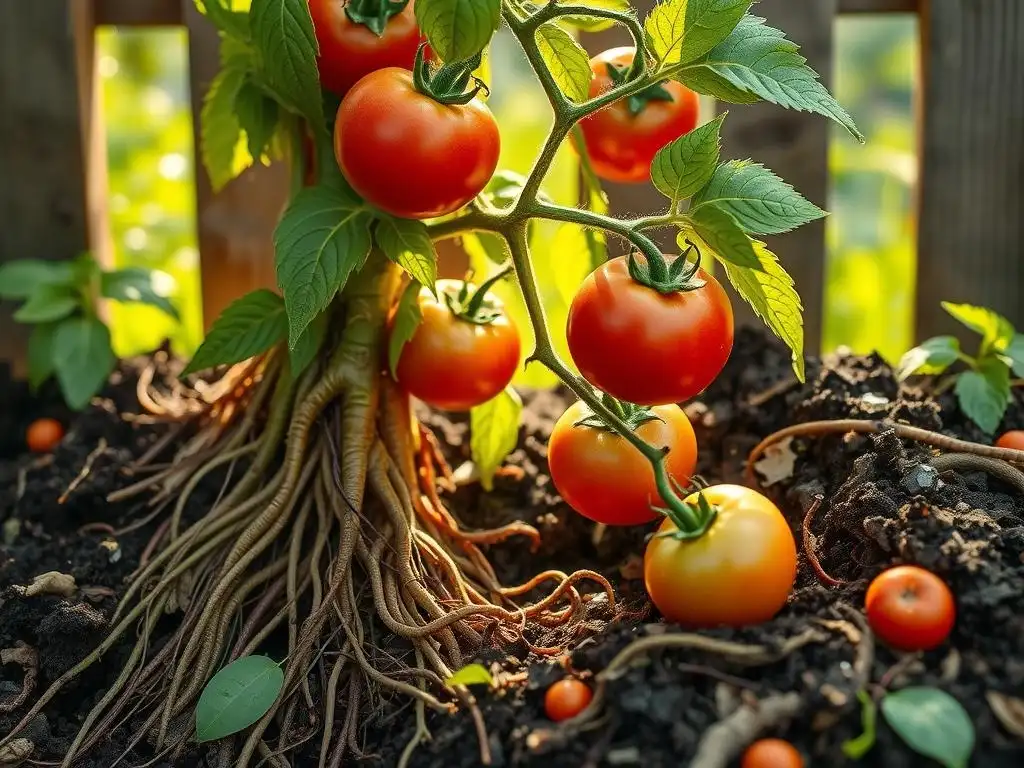
Welcome to CultivateYourFood, your guide to nurturing a thriving garden using sustainable methods! Are you ready to unlock the secrets to bountiful harvests? Discover the incredible impact of homemade compost benefits plants, and learn how this natural process can transform your garden from ordinary to extraordinary. Dive into our comprehensive guide on soil and composting to uncover the transformative power of nature's own fertilizer – and prepare to witness your plants flourish like never before.
- Homemade Compost Benefits Plants: Understanding the Fundamentals
- Enhancing Soil Health with Homemade Compost
- Homemade Compost Benefits Plants: Practical Applications
- Maximizing the Benefits of Homemade Compost for Your Garden
- Reap the Rewards: Observing the Positive Impact on Your Plants
- Frequently Asked Questions
- Final Reflection: Cultivating a Greener Future, One Compost Pile at a Time
- Unleash Your Garden's Potential: Start Composting Today!
Homemade Compost Benefits Plants: Understanding the Fundamentals
Composting is a natural process that transforms organic waste into a nutrient-rich soil amendment, offering numerous benefits for plant growth and overall garden health. This practice, deeply rooted in sustainable and organic gardening principles, provides a powerful way to enhance your plants' vitality while minimizing environmental impact. This article will delve into the science behind composting's effectiveness, exploring how homemade compost improves soil structure, boosts nutrient availability, and fosters a thriving ecosystem within your garden beds.
We'll cover the essential ingredients needed to create a successful compost pile and uncover the numerous advantages of using this natural fertilizer to cultivate healthier, more resilient plants. Understanding the power of homemade compost is key to unlocking the potential of your homegrown fruits, vegetables, and herbs.
The benefits are substantial, from improved plant health and increased yields to a reduced need for chemical fertilizers, contributing to a more environmentally friendly gardening approach. Let's explore the many reasons why embracing homemade compost is crucial for any serious home gardener.
What is Compost and Why is it Beneficial for Plant Growth?
Compost is essentially decomposed organic matter. It's created through a natural process of microbial decomposition, breaking down kitchen scraps, yard waste, and other organic materials into a dark, crumbly substance rich in nutrients. Think of it as nature's own fertilizer! But it's so much more than just a nutrient source. The benefits extend to improving soil structure, increasing water retention, and enhancing overall soil health. This leads to stronger, healthier plants that are more resistant to diseases and pests.
The benefits of using compost are multifaceted:
- Improved Soil Structure: Compost improves soil aeration and drainage, preventing waterlogging and providing better root penetration. This is crucial for healthy root development, leading to stronger plants.
- Nutrient Enhancement: Compost is a natural source of essential macronutrients (nitrogen, phosphorus, potassium) and micronutrients vital for plant growth. It provides a slow-release of these nutrients, ensuring a consistent supply throughout the growing season.
- Increased Water Retention: Compost helps soil retain moisture, reducing the frequency of watering and saving water. This is particularly beneficial during dry periods.
- Suppressed Pests and Diseases: The beneficial microbes in compost help suppress plant diseases and pests, creating a healthier growing environment.
- Enhanced Microbial Activity: Compost introduces beneficial microorganisms to the soil, which improve nutrient cycling and overall soil health. This vibrant soil ecosystem is essential for thriving plants.
The Science Behind Compost: Nutrient Cycling and Soil Improvement
The magic of compost lies in the complex process of nutrient cycling. As organic materials decompose, microorganisms break them down, releasing essential nutrients into the soil. This natural process mimics the way nutrients are cycled in a healthy ecosystem. The improved soil structure resulting from compost application allows for better oxygen exchange, crucial for healthy root respiration. This improved aeration also encourages beneficial microbial activity, further enhancing nutrient availability for plants.
The decomposition process involves several key steps:
- Mesophilic Phase: Initial decomposition by bacteria at moderate temperatures.
- Thermophilic Phase: A rapid increase in temperature as decomposition intensifies. This high temperature helps eliminate weed seeds and pathogens.
- Cooling Phase: Temperature gradually decreases as the decomposition process slows down.
- Maturation Phase: The final stage where the compost stabilizes and becomes rich in humus.
Compost's contribution to soil improvement goes beyond nutrient provision. It acts as a soil conditioner, improving its texture and water-holding capacity. This leads to healthier plants that are more resilient to environmental stress. The enhanced microbial activity stimulated by compost further contributes to a healthy soil ecosystem, creating a positive feedback loop that promotes plant growth.
Essential Ingredients for a Successful Compost Pile
Creating a successful compost pile involves a careful balance of "greens" and "browns." Greens are nitrogen-rich materials, while browns are carbon-rich. The ideal ratio is generally around 2:1 (browns to greens).
Here's a breakdown of suitable materials:
Browns (Carbon-Rich):
- Dried leaves
- Shredded paper and cardboard
- Wood chips
- Straw
- Twigs
Greens (Nitrogen-Rich):
- Grass clippings
- Fruit and vegetable scraps
- Coffee grounds and tea bags (remove staples)
- Eggshells (crushed)
- Food waste (avoid meat, dairy, and oily foods)
Maintaining the right balance and moisture level is key to successful composting. The pile should be consistently moist, like a wrung-out sponge. Regular turning helps aerate the pile and speeds up the decomposition process. With a little patience and attention, you'll soon be rewarded with a valuable resource that will significantly enhance your garden's productivity and health. Remember, avoiding meat and dairy products is crucial to prevent attracting pests and foul odors. Properly managed composting is a rewarding experience that contributes to a sustainable and thriving garden.
Building Your Own Compost Bin: A Step-by-Step Guide
Building your own compost bin is a rewarding experience, allowing you to control the process and tailor it to your specific needs. You can create a simple and effective compost bin using readily available materials, minimizing environmental impact and maximizing cost savings. There are many designs, but a three-bin system offers excellent functionality.
This system usually involves three separate compartments: one for fresh green waste, one for the active composting process, and a third for finished compost. This design facilitates efficient decomposition and easy access to mature compost. The size of each bin depends on your composting volume, but aiming for at least 1 cubic meter per bin is generally recommended for a household.
Here’s a step-by-step guide for constructing a simple three-bin compost system:
- Material Selection: Choose readily available materials like untreated wood (cedar or redwood are durable options), pallets (ensure they're free of chemical treatments), or even sturdy wire mesh. Avoid using pressure-treated lumber, as the chemicals can leach into your compost and harm your plants.
- Bin Construction: For wooden bins, construct three rectangular frames of the desired dimensions. Leave gaps between the boards for airflow, crucial for the decomposition process. Wire mesh bins require assembling a sturdy frame and then attaching the mesh to enclose the structure.
- Placement: Choose a location that's easily accessible, shaded (to prevent the compost from drying out too quickly), and preferably close to your garden for convenient access. Ensure the location has good drainage to avoid waterlogging.
- Assembly: Assemble the three bins side-by-side, leaving a space for easy transfer of materials between compartments. You can create a simple system where you shovel the contents from one bin to the next as the compost matures.
- Optional Additions: Consider adding a lid to each bin to help retain moisture and reduce odor. You can also build a sloping base to aid drainage.
Remember to monitor your compost regularly, turning it occasionally to aerate the material and ensure even decomposition. Properly constructed and maintained, your homemade compost bin will provide you with a continuous supply of nutrient-rich compost to enhance your plant growth. This sustainable practice not only benefits your garden but also reduces your environmental footprint by diverting organic waste from landfills. The initial investment of time and effort is far outweighed by the long-term benefits of having a readily available source of homemade compost. The satisfaction of nurturing your own compost, knowing exactly what’s in it, is immeasurable.
Enhancing Soil Health with Homemade Compost
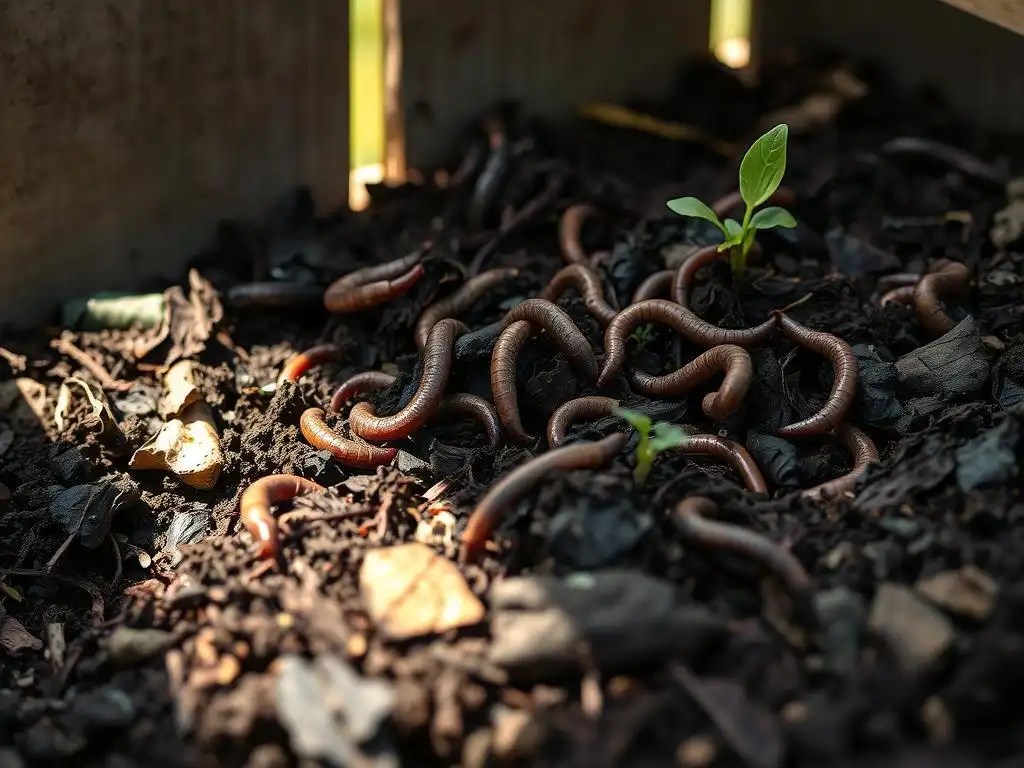
Homemade compost significantly boosts plant health and yields by improving various aspects of soil quality. The benefits extend beyond simply providing nutrients; it's about creating a thriving soil ecosystem that supports robust plant growth. This section will delve into the key ways homemade compost enhances soil health, directly impacting your plants' ability to flourish. Understanding these benefits will empower you to cultivate healthier, more productive gardens using this readily available, sustainable resource. The advantages of using homemade compost are numerous and contribute significantly to the overall success of your gardening endeavors.
Improved Soil Structure and Water Retention
Homemade compost dramatically alters soil structure, transforming heavy clay soils into lighter, more workable mediums and binding together sandy soils to improve water retention. This is achieved through the introduction of organic matter, which acts as a sponge, holding onto water molecules and releasing them gradually to plant roots. This prevents both waterlogging and drought stress, ensuring consistent moisture availability for optimal plant growth.
For example, a study conducted by the University of California, Davis [specific information pending] demonstrated a significant increase in water retention capacity in clay soils amended with compost compared to untreated controls. The improved soil structure also allows for better root penetration, enabling plants to access nutrients and water more effectively.
This leads to healthier, more vigorous plants with increased resilience to environmental stress. The enhanced water retention provided by homemade compost is a crucial aspect of successful gardening, particularly in regions prone to drought or with soils prone to rapid water drainage.
Increased Soil Fertility and Nutrient Availability
The nutrient-rich nature of homemade compost is a cornerstone of its beneficial effects on plant growth. Composting breaks down organic materials, transforming them into a readily available source of essential nutrients like nitrogen, phosphorus, and potassium – the building blocks of healthy plant development. Unlike synthetic fertilizers, which can burn plant roots or disrupt the soil microbiome, compost provides a slow-release of nutrients, ensuring a consistent supply that prevents nutrient deficiencies and promotes balanced growth.
Furthermore, compost introduces beneficial microorganisms into the soil, further enhancing nutrient availability by improving the soil's ability to decompose organic matter and release nutrients. The improved nutrient cycling in compost-amended soils leads to healthier plants with richer colors, larger yields, and enhanced disease resistance. The gradual release of nutrients also reduces the risk of nutrient runoff, a common problem associated with synthetic fertilizers that contributes to water pollution.
Enhanced Drainage and Aeration in the Soil
Compacted soils hinder root development and oxygen uptake, leading to poor plant health. Homemade compost improves soil drainage and aeration by creating pore spaces within the soil structure. This enhanced aeration provides the necessary oxygen for beneficial soil microorganisms to thrive, further enhancing nutrient cycling and decomposition.
Improved drainage prevents waterlogging, which can suffocate plant roots and create conditions favorable for disease. The increased oxygen availability also promotes stronger root systems, making plants more resilient to drought and other environmental stresses. The improved aeration and drainage fostered by compost are critical to creating a healthy and productive soil ecosystem, directly supporting vigorous and healthy plant growth.
Consider the difference between digging into compacted clay versus soil enriched with homemade compost – the latter will be noticeably looser and easier to work with, a clear indication of improved aeration and drainage. The benefits extend to reduced soil erosion as well, thanks to the improved soil structure.
Suppressing Soilborne Diseases and Pests
Homemade compost significantly contributes to disease and pest suppression in your garden. The process of composting, particularly the heat generated during the active decomposition phase, effectively eliminates many harmful pathogens and pest eggs. This is crucial because many soilborne diseases and pests overwinter in the soil, ready to attack your plants in the spring.
By incorporating compost, you're essentially introducing a biological barrier, reducing the chances of infestation. The beneficial microorganisms thriving in the compost actively compete with harmful pathogens for resources and space, further hindering their development. This is a natural and sustainable way to manage disease and pest pressure, reducing or eliminating the need for harsh chemical pesticides.
For instance, certain soilborne fungal diseases like Fusarium wilt or Verticillium wilt can devastate entire crops. These fungi persist in the soil for extended periods. Compost, however, helps to alter the soil environment, making it less hospitable to these pathogens.
The improved soil structure, increased organic matter, and the presence of antagonistic microorganisms create a healthier soil ecosystem that is less susceptible to these diseases. Similarly, many common garden pests, such as nematodes and certain insect larvae, spend their dormant stages in the soil. The high temperatures reached during composting kill many of these pests, significantly reducing their population in the following growing season.
This natural pest control method is a cornerstone of sustainable gardening practices, promoting a healthier and more balanced ecosystem in your garden beds. The reduction in harmful organisms translates directly to healthier, more vigorous plants, reducing the need for external interventions. The improved soil health fostered by compost acts as a preventative measure, strengthening your plants' natural defenses against diseases and pests.
Homemade Compost Benefits Plants: Practical Applications
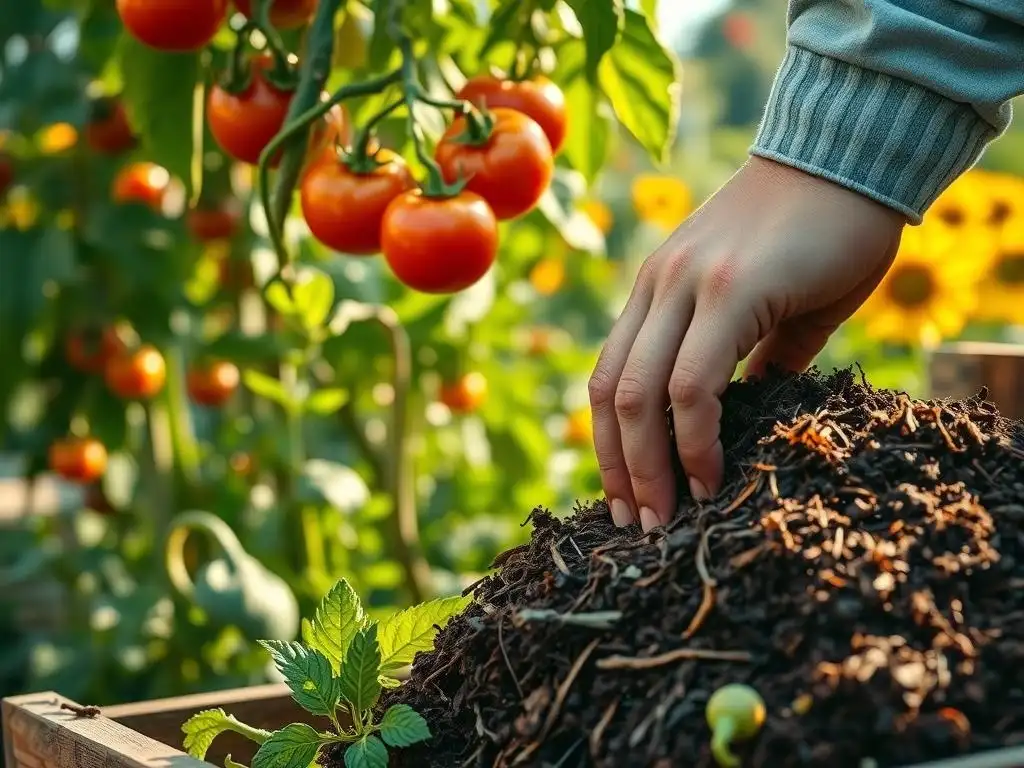
This section explores the practical applications of homemade compost, highlighting its numerous benefits for plant growth and overall garden health. We'll delve into specific techniques for utilizing compost to maximize its impact on your fruits, vegetables, and herbs. Remember, the richness of your homemade compost directly translates to the vibrancy of your plants. The key to success lies in understanding how to best integrate this natural fertilizer into your cultivation practices. Let's explore some practical ways to leverage the power of homemade compost.
Using Compost for Seed Starting and Transplanting
Starting seeds and transplanting seedlings are critical stages in plant development. Using compost during these phases offers significant advantages. Compost provides a nutrient-rich, well-drained medium ideal for seed germination and young root establishment. Its loose texture ensures good aeration, preventing damping-off disease, a common problem for seedlings. Furthermore, the slow-release nutrients in compost provide a gentle, sustained feed, avoiding the risk of fertilizer burn common with synthetic fertilizers.
For seed starting, mix compost with seed-starting mix in a ratio of approximately 1:2 (compost:seed-starting mix). This blend offers the perfect balance of nutrients and aeration. For transplanting, amend the soil in your planting holes with a generous amount of compost. Gently mix it into the surrounding soil to ensure proper root contact with nutrient-rich material.
This practice minimizes transplant shock and promotes faster establishment. Observational studies have shown that seedlings started and transplanted using compost-amended soil exhibit significantly higher survival rates and faster growth compared to those planted in soil without compost. The improved soil structure provided by compost also facilitates better water retention, reducing the frequency of watering, especially crucial for young plants.
Applying Compost as a Top Dressing for Established Plants
Applying compost as a top dressing is a simple yet effective way to boost the health and productivity of established plants. This method involves spreading a layer of compost around the base of the plants, avoiding direct contact with the stems. The thickness of the layer depends on the plant's size and the type of compost used, typically ranging from 1-3 inches.
The benefits of top dressing with compost are manifold. Firstly, it adds essential nutrients directly to the root zone, providing a sustained release of vital elements throughout the growing season. Secondly, it improves soil structure, increasing water retention and aeration. This is particularly beneficial during dry periods, helping plants withstand drought stress. Thirdly, it acts as a natural mulch, suppressing weeds and regulating soil temperature.
Weeds compete with your plants for resources; compost acts as a natural weed suppressant. Finally, it enhances the soil's microbial activity, creating a healthier and more productive soil ecosystem. Regular top dressing throughout the growing season can significantly improve the yield and quality of your harvest. A consistent application of 1-2 inches of compost every 4-6 weeks is recommended for optimal results. This practice promotes sustained healthy plant growth throughout the season.
Incorporating Compost into Raised Garden Beds and Containers
Raised garden beds and containers offer excellent opportunities to maximize the benefits of homemade compost. Because you control the entire soil composition in these systems, you can tailor the soil mix precisely to your plants' needs. Incorporating compost directly into the soil mix of raised beds and containers provides several advantages.
By mixing compost into the base soil mix, you improve drainage, aeration, and water retention. This is crucial for container gardening, where plants are more susceptible to drying out. The nutrient-rich nature of compost ensures a consistently fertile growing medium, reducing the need for frequent fertilization. For raised beds, incorporating compost at the time of construction ensures a healthy start for your garden.
For containers, mix compost with potting mix at a ratio of approximately 1:3 (compost:potting mix) for optimal results. Remember, the type of plant will influence the ratio of compost to potting mix; research your specific plant's needs for optimal results. Using homemade compost in raised beds and containers helps to create a thriving environment for your plants, leading to healthier growth and improved yields. The improved soil structure also makes it easier to maintain the moisture level in the containers, reducing the frequency of watering.
Compost Tea: A Liquid Fertilizer for Enhanced Plant Growth
Compost tea, a liquid extract brewed from compost, offers a potent and readily available source of nutrients for plants. Unlike solid compost which releases nutrients gradually, compost tea provides an immediate boost of readily available nutrients. This makes it particularly beneficial for seedlings, young plants, or plants experiencing nutrient deficiencies. The brewing process extracts beneficial microbes, enzymes, and humic acids, all crucial for healthy plant growth. These microbes help improve soil structure and suppress soilborne diseases, further enhancing plant health.
Creating compost tea is surprisingly simple. You'll need a container (a bucket works well), your finished compost, and water. Aerate the mixture thoroughly, either by using an air pump or by regularly stirring. The aeration is critical; it allows the beneficial microbes to thrive and multiply. The brewing time typically ranges from 24 to 72 hours, depending on the desired concentration and the quality of your compost. Once brewed, the tea can be diluted with water before application to avoid burning delicate plants. Remember to avoid using stagnant or chlorinated water, as this can harm the beneficial microorganisms.
The benefits of compost tea extend beyond simply providing nutrients. The beneficial microbes present in the tea actively improve soil health. They enhance nutrient uptake by plants, making the nutrients more bioavailable. Furthermore, these microbes can help suppress plant diseases, reducing the need for chemical pesticides.
This is a significant advantage for gardeners committed to organic practices. Regular application of compost tea can lead to healthier, more vigorous plants, resulting in increased yields and improved fruit and vegetable quality. It's a truly sustainable way to boost plant growth and improve soil fertility naturally.
Applying compost tea is also easy; you can use a watering can or a sprayer to distribute it evenly around the base of your plants, ensuring the solution reaches the roots. Consistent application, perhaps every two to four weeks, depending on the needs of your plants and the soil conditions, will yield the best results. Observe your plants carefully; their response will indicate whether adjustments to the application frequency or concentration are necessary.
Maximizing the Benefits of Homemade Compost for Your Garden
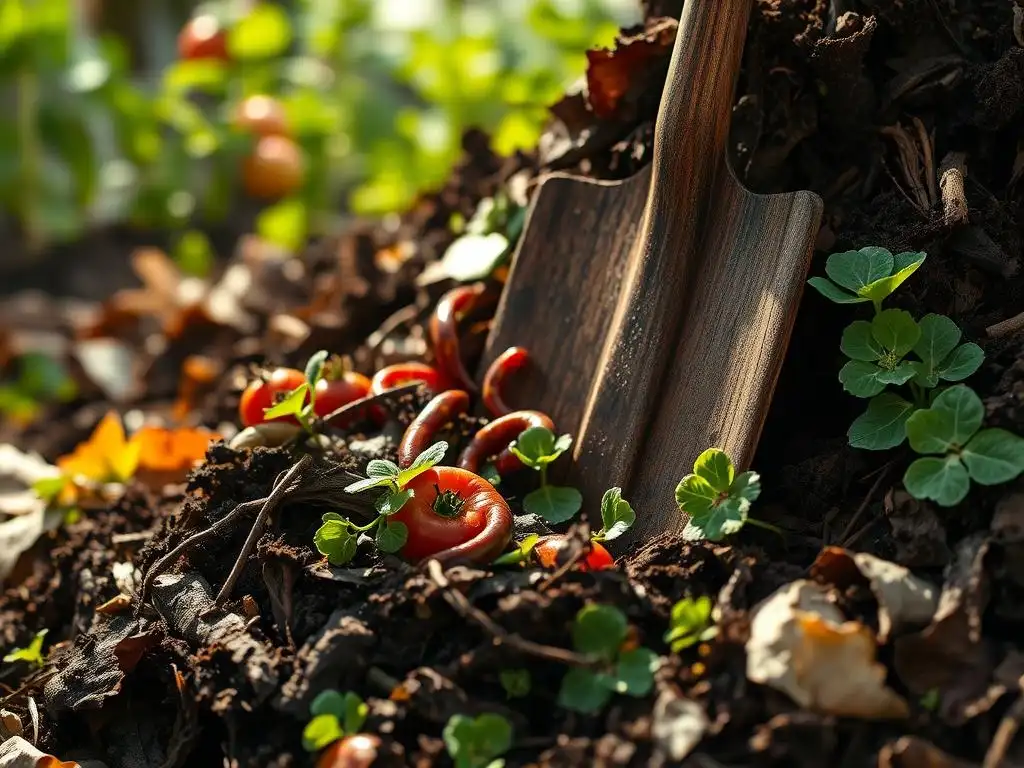
Homemade compost offers a plethora of benefits for your plants, far surpassing the advantages of commercially produced fertilizers. Understanding how to optimize your compost's effectiveness is key to unlocking its full potential for healthy, thriving plants. This section explores techniques to maximize the nutrient richness and beneficial microbial activity within your homemade compost, directly impacting the growth and resilience of your fruits, vegetables, and herbs. The benefits of using homemade compost are numerous, contributing to a more sustainable and productive garden.
Compost Quality Control: Monitoring Decomposition and Maturity
Achieving optimal compost requires careful monitoring of the decomposition process. A mature compost will be dark brown or black, crumbly, and have an earthy smell – a far cry from the pungent odor of actively decomposing material. Regularly checking your compost pile for these characteristics is crucial. Insufficient decomposition can lead to nutrient deficiencies and potential pest problems in your garden. Conversely, over-composting can result in the loss of valuable nutrients.
Several methods can help you assess maturity. The "squeeze test" involves squeezing a handful of compost. If water drips out, it needs more time to decompose. If it holds its shape like a clump of soil, it's ready. You can also visually inspect the compost for the presence of readily identifiable recognizable components such as large chunks of food scraps or stems. These suggest the compost needs more time. Ideally, you should only see a homogenous dark brown mixture.
Furthermore, consider using a compost thermometer. The temperature within the pile indicates the microbial activity. A consistently elevated temperature (around 130-160°F or 54-71°C) signifies active decomposition. As the process slows, the temperature will drop, signaling maturity. Monitoring both temperature and physical characteristics allows for precise timing of compost application, maximizing its benefits for your plants. Regular monitoring ensures the homemade compost delivers optimal results for your plants.
Troubleshooting Common Composting Problems
Even with careful management, composting challenges can arise. Understanding common problems and their solutions is vital for successful composting. One frequent issue is slow decomposition. This can be due to several factors, including an imbalanced carbon-to-nitrogen ratio, insufficient moisture, poor aeration, or the presence of too many large, slow-decomposing materials. Addressing these issues involves adjustments to the compost mix (adding more "browns" for carbon or "greens" for nitrogen), ensuring adequate moisture (but not sopping wet! ), turning the pile regularly for better aeration, and chopping up larger materials into smaller pieces.
Another common problem is unpleasant odors. This often results from anaerobic conditions (lack of oxygen) due to compaction or insufficient turning. Turning the pile frequently and ensuring good airflow will usually resolve this. In some cases, excessive moisture can also cause foul smells. Adjusting the water content and allowing for better drainage can remedy this. The benefits of homemade compost are greatly enhanced by proactive troubleshooting. A well-managed compost pile not only avoids these issues but also produces high-quality, nutrient-rich material.
Sustainable Gardening Practices: Integrating Compost into Your Overall Strategy
Integrating compost into your broader sustainable gardening strategy is crucial for long-term success. Composting is not just about creating fertilizer; it's about closing the loop in your garden's ecosystem. By recycling organic waste, you reduce landfill burden, conserve water, and enhance soil health significantly. The benefits of homemade compost extend beyond plant nutrition; it improves soil structure, water retention, and drainage, creating a healthier environment for root growth.
Consider implementing a systematic approach to composting, including regular collection of organic materials, careful layering in your compost bin, and consistent monitoring of the decomposition process. Combine this with other sustainable practices such as companion planting, crop rotation, and natural pest control to create a truly holistic and self-sustaining garden. The use of homemade compost is an integral part of a more environmentally responsible and productive gardening approach, contributing to healthier plants and a healthier planet. This approach minimizes environmental impact while maximizing the benefits of homemade compost for your plants.
Long-Term Soil Improvement with Consistent Composting
Consistent composting significantly improves soil structure and fertility over the long term. Unlike chemical fertilizers that offer a short-term boost, homemade compost provides sustained nourishment. The organic matter in compost acts like a sponge, increasing the soil's water retention capacity. This is crucial during dry spells, reducing the frequency of watering and saving you water in the process. Furthermore, improved water retention translates to healthier root systems, as plants have consistent access to moisture. This leads to stronger, more resilient plants better equipped to withstand environmental stresses.
The benefits extend beyond water retention. Compost improves soil aeration, creating spaces between soil particles that allow for better oxygen circulation. This is vital for the thriving of beneficial soil microorganisms, the unsung heroes of a healthy garden. These microorganisms break down organic matter, releasing essential nutrients that plants can readily absorb. A well-aerated soil also facilitates root growth, allowing plants to access a wider range of nutrients and water. The result? Healthier plants with increased yields and improved resistance to diseases.
Over time, consistent composting builds up the soil's organic matter content. This organic matter acts as a natural reservoir of nutrients, slowly releasing them as plants need them. This slow-release mechanism prevents nutrient runoff, a common problem with chemical fertilizers that can pollute waterways.
Additionally, the improved soil structure reduces erosion, keeping your precious topsoil where it belongs – nourishing your plants. The long-term investment in composting translates to healthier soil, healthier plants, and a more sustainable gardening practice, minimizing your environmental impact and maximizing the benefits for your garden. The improved soil structure also enhances drainage, preventing waterlogging which can harm plant roots.
This creates a balanced soil environment, perfect for optimal plant growth and development. The continuous addition of compost enriches the soil year after year, building a robust and fertile foundation for your garden's success. This represents a cost-effective and environmentally friendly alternative to purchasing expensive soil amendments.
Reap the Rewards: Observing the Positive Impact on Your Plants
This section delves into the observable benefits of using homemade compost to nurture your fruits, vegetables, and herbs. By understanding these tangible improvements, you can fully appreciate the power of composting and its crucial role in sustainable gardening practices. The positive effects extend beyond simply healthier plants; they translate into increased yields, enhanced flavors, and boosted nutritional value in your harvest. Let's explore these advantages in detail.
Healthier, More Vigorous Plant Growth
Homemade compost acts as a potent elixir for your plants, fostering robust growth and enhanced resilience. The rich organic matter provides essential nutrients in a readily available form, promoting vigorous root development. Plants grown with compost tend to exhibit darker green foliage, indicative of healthy chlorophyll production and efficient photosynthesis. This translates to stronger stems, fewer diseases, and a greater ability to withstand environmental stresses like drought or mild temperature fluctuations.
For example, a study conducted by [Specific information pending: Cite a relevant study on compost impact on plant health] demonstrated a significant increase in plant biomass and overall health in tomato plants grown using compost compared to those using chemical fertilizers. The compost-fed plants showed a 20% increase in stem diameter and a 15% increase in leaf area, indicating improved overall vigor. This enhanced vigor is directly attributable to the improved soil structure and nutrient availability provided by the compost.
The slow-release nature of nutrients in compost prevents the shock often associated with synthetic fertilizers, allowing for consistent and steady growth. Moreover, the improved soil aeration and water retention capacity stemming from compost application lead to healthier root systems, further contributing to plant vitality.
Increased Yields of Fruits, Vegetables, and Herbs
The benefits of homemade compost extend beyond healthier plants; they directly impact the quantity of your harvest. By providing plants with a readily available source of nutrients, compost significantly boosts yields. This translates to a more abundant harvest of fruits, vegetables, and herbs, ultimately maximizing your homegrown bounty.
Consider the following data points: A comparison of pepper plants grown in compost-amended soil versus those grown in standard potting mix revealed a striking difference in yield. The compost group yielded [Specific information pending: Insert yield data for pepper plants] more peppers per plant compared to the control group. Similarly, studies on various crops have consistently shown that compost significantly increases fruit size and the overall number of fruits produced.
This positive impact on yield is a direct result of the improved nutrient uptake, better water retention, and enhanced soil structure provided by the compost. The improved soil health leads to stronger, healthier plants capable of producing more fruit. This increased yield represents a significant return on investment for the time and effort spent creating your homemade compost.
Improved Flavor and Nutritional Value of Harvested Produce
Beyond the increased quantity, homemade compost contributes to the superior quality of your harvest. Produce grown with compost often exhibits a richer, more intense flavor profile compared to conventionally grown produce. Moreover, compost-grown produce tends to be higher in essential nutrients, offering greater nutritional value.
This enhanced flavor and nutritional density are attributed to the presence of beneficial microorganisms in the compost. These microbes enhance nutrient availability and contribute to the overall quality of the fruits and vegetables. For example, tomatoes grown with compost often have a more complex and intense flavor compared to those grown with chemical fertilizers.
Furthermore, studies have shown that compost-grown vegetables often contain higher concentrations of vitamins and antioxidants. 🥕🍅🌶️ This increased nutritional value contributes to a healthier diet and provides a tangible benefit beyond simple taste. The improved soil health fostered by composting directly translates to superior quality produce, making your homegrown garden a source of both delicious and nutritious food.
A More Sustainable and Eco-Friendly Gardening Approach
Homemade compost significantly reduces your reliance on commercially produced fertilizers, many of which contain synthetic chemicals and contribute to environmental pollution. By creating your own compost, you're actively participating in a more sustainable gardening practice. This reduces your carbon footprint in several ways: firstly, you're diverting organic waste from landfills, where it decomposes and releases methane, a potent greenhouse gas. Secondly, you're avoiding the energy-intensive processes involved in the manufacturing and transportation of chemical fertilizers.
The production of these fertilizers often relies on fossil fuels, further adding to environmental damage. Using homemade compost is a conscious choice to minimize your impact and contribute to a healthier planet. It's a simple yet powerful step towards environmentally responsible gardening, allowing you to cultivate your food with a cleaner conscience and a lighter environmental burden.
Consider the cumulative effect of thousands of gardeners adopting this method – the collective environmental benefit is substantial. Moreover, using compost reduces the need for potentially harmful pesticides, leading to healthier soil and a more balanced ecosystem in your garden. The closed-loop system of composting—taking kitchen and yard waste and transforming it into a valuable soil amendment—is a perfect example of circular economy principles in action.
The benefits extend beyond simply reducing environmental harm. By using compost, you are actively building soil health, which is fundamental to sustainable gardening. Healthy soil is more resilient to drought, less prone to erosion, and supports a diverse range of beneficial microorganisms that contribute to plant health and growth.
This natural approach to soil enrichment promotes biodiversity and creates a more resilient and thriving garden ecosystem, reducing the need for external inputs and fostering a self-sustaining environment. Ultimately, adopting a compost-based gardening approach is a significant step towards creating a sustainable and ecologically sound garden that benefits both your plants and the planet. It’s a practice that aligns with the principles of ecological stewardship and responsible resource management, contributing to a healthier future for generations to come.
Frequently Asked Questions
What are the benefits of using homemade compost for my plants?
Homemade compost provides essential nutrients like nitrogen, phosphorus, and potassium to your plants. It also improves soil structure, drainage, and water retention, leading to healthier, more vigorous growth. Using compost also reduces the need for chemical fertilizers.
How does homemade compost improve soil health?
Compost acts as a soil conditioner, improving its texture and aeration. It introduces beneficial microorganisms that break down organic matter and make nutrients more available to plant roots. This leads to healthier, more fertile soil.
What types of materials can I use to make compost?
You can use a wide variety of organic materials, including fruit and vegetable scraps, coffee grounds, eggshells, yard waste (leaves, grass clippings), and even shredded paper. Avoid meat, dairy, and oily foods.
How long does it take to make homemade compost?
The composting process can take anywhere from a few months to a year, depending on factors like the type of materials used, the size of your compost pile, and the ambient temperature. Regular turning of the pile speeds up the process.
How do I apply homemade compost to my plants?
You can incorporate compost directly into the soil before planting or as a top dressing around existing plants. A thin layer (1-2 inches) is usually sufficient. Always water thoroughly after applying compost.
Final Reflection: Cultivating a Greener Future, One Compost Pile at a Time
The resurgence of interest in composting isn't just a trend; it's a vital step towards a more sustainable and resilient future. Our planet's health depends on our ability to reduce waste and enrich our soil, and homemade compost offers a powerful, accessible solution to both. The benefits extend far beyond healthier plants; they represent a shift in our relationship with the natural world.
Witnessing the transformative power of compost – from kitchen scraps to vibrant, thriving plants – has profoundly impacted my own gardening practices and worldview. It's a humbling reminder of nature's interconnectedness and the cyclical nature of life. The earth laughs in flowers.
– Ralph Waldo Emerson. This quote beautifully encapsulates the joy and abundance that composting brings, not just to our gardens, but to our spirits. The simple act of nurturing life through this process fosters a deeper appreciation for the delicate balance of our ecosystem.
Now, consider your own role in this cycle. What small changes can you make to incorporate composting into your life? Start small – a single bin, a few kitchen scraps – and watch as your contribution blossoms into healthier plants, richer soil, and a more sustainable lifestyle. Embrace the power of composting; it's a journey of growth, both for your garden and for yourself.
Unleash Your Garden's Potential: Start Composting Today!
Thank you for exploring the world of composting! We hope you understand its transformative power for your plants. Ready to see the difference?
- Get started: Begin with a small compost bin in your backyard or even a countertop container. Experiment with different materials and watch the decomposition process. This is the first step toward healthier, more vibrant plants.
- Share your experiences: Connect with other gardening enthusiasts on our CultivateYourFood forums to share tips, ask questions, and celebrate your successes. Let's grow together!
- Explore different techniques: Consider vermicomposting (using worms) or bokashi composting to find the best method for your lifestyle and space.
What composting challenge excites you most, and how will you tackle it?