
Zone 5: The Wild Zone and Natural Ecosystems

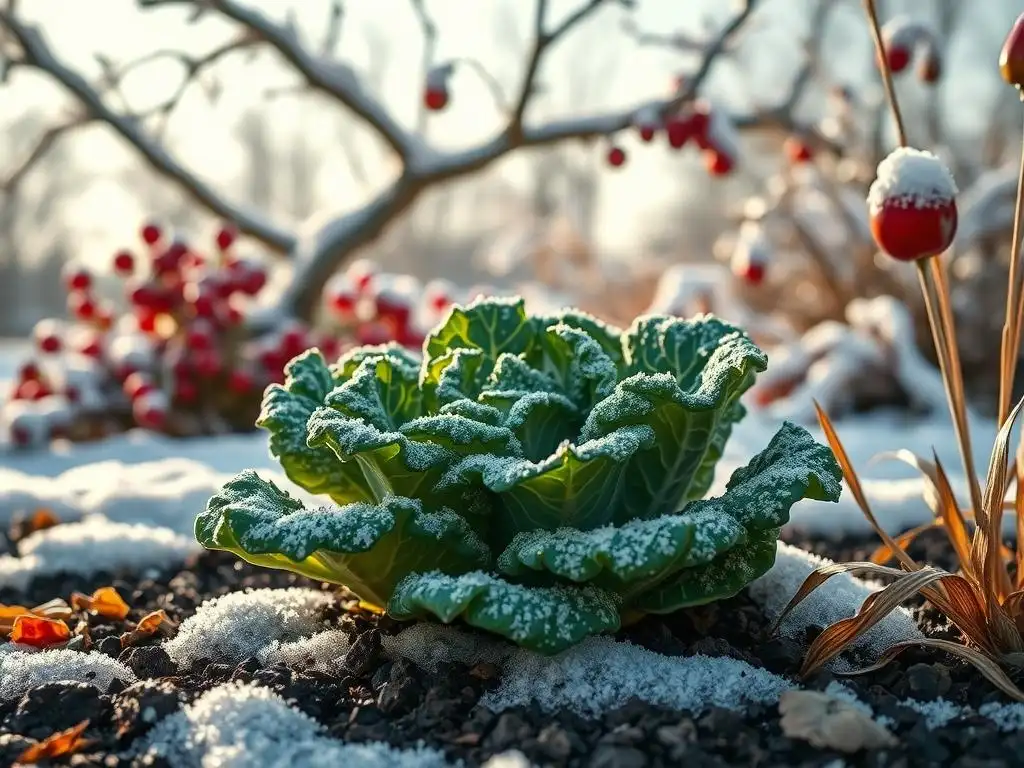
Welcome to CultivateYourFood, your guide to a thriving home garden! Ready to unlock the secrets of sustainable, organic food production? We're diving deep into the challenges and triumphs of Zone 5 gardening, exploring innovative techniques to overcome the unique hurdles of this climate and nurture a bountiful harvest. Discover how to transform your backyard into a vibrant ecosystem – learn more about conquering the wild side of Zone 5 and creating your own edible paradise.
- Understanding Zone 5's Unique Climate and its Impact on Gardening
- Overcoming Zone 5 Gardening Challenges: Soil Management
- Plant Selection for Zone 5: Hardy and Resilient Species
- Pest and Disease Control Strategies for Zone 5 Gardens
- Water Management in Zone 5 Gardens: Conserving Resources
- Protecting Your Zone 5 Garden from Extreme Weather
- Zone 5 Permaculture Principles: Designing a Resilient Garden
- Frequently Asked Questions
- Final Reflection: Cultivating Resilience in Zone 5's Wild Embrace
- Unleash Your Inner Gardener: Cultivate a Thriving Ecosystem!
Understanding Zone 5's Unique Climate and its Impact on Gardening
Zone 5 gardening presents a unique set of challenges and opportunities for the home cultivator. Characterized by its relatively short growing season and significant temperature fluctuations, this hardiness zone demands a strategic approach to planting, cultivation, and harvesting. Successfully navigating the intricacies of Zone 5 gardening requires a deep understanding of its climatic nuances and a willingness to adapt permaculture principles to overcome its inherent difficulties.
This article will delve into the specific challenges posed by Zone 5's climate, providing practical advice and strategies to maximize your harvest while minimizing environmental impact, all while embracing sustainable and organic practices. We'll explore the critical factors affecting plant growth in Zone 5, empowering you to cultivate a thriving garden despite the limitations.
Mastering these challenges will not only lead to a bountiful harvest but also contribute to a more resilient and environmentally conscious gardening practice. Let's unpack the key aspects of Zone 5 gardening that demand careful consideration.
Average Temperatures and Growing Seasons in Zone 5
Zone 5 experiences a significant temperature range throughout the year. Average annual temperatures typically fall between 30°F (-1.1°C) and 50°F (10°C). The growing season, defined as the period between the last spring frost and the first autumn frost, is considerably shorter than in warmer zones, often lasting only 120-150 days. This limited timeframe necessitates careful planning to ensure plants have sufficient time to mature and produce a harvest.
Understanding the average high and low temperatures for each month within your specific microclimate within Zone 5 is crucial for selecting appropriate plant varieties. For instance, certain heat-loving vegetables may require starting indoors to give them a head start before transplanting outdoors. Early and late season frosts can severely damage or kill plants, so understanding the typical frost dates is paramount. 🌱
Frost Dates and Their Influence on Planting Schedules in Zone 5
Knowing your area's average last spring frost date and first autumn frost date is absolutely critical for successful Zone 5 gardening. These dates dictate the planting window for many crops. A late spring frost can wipe out newly emerged seedlings, while an early autumn frost can prevent fruits and vegetables from ripening fully. Many experienced Zone 5 gardeners utilize frost protection methods such as row covers or cloches to extend the growing season and protect vulnerable plants.
Careful observation of weather forecasts in the spring and fall is vital, as unexpected frost events can occur even outside the average frost dates. Accurate frost date information, often available from local agricultural extension offices or weather services, is essential for creating a realistic planting schedule tailored to your specific location. Failing to account for frost can lead to significant crop losses and wasted effort. 🥶
Sunlight Availability and its Effect on Plant Selection for Zone 5 Gardens
Sunlight availability is another significant factor influencing plant selection in Zone 5. The amount of sunlight your garden receives daily will determine which plants will thrive and which will struggle. While some plants tolerate partial shade, many vegetables and fruits require at least six hours of direct sunlight per day for optimal growth and yield. Analyzing your garden's sun exposure throughout the day is crucial for choosing suitable plants.
Consider the orientation of your garden relative to the sun, as well as any shading from trees or buildings. If your garden receives less than six hours of direct sunlight, you may need to select sun-tolerant varieties or consider supplementing with artificial lighting for certain plants. Careful consideration of sunlight availability will significantly impact the success of your Zone 5 garden. ☀️
Overcoming Zone 5 Gardening Challenges: Soil Management
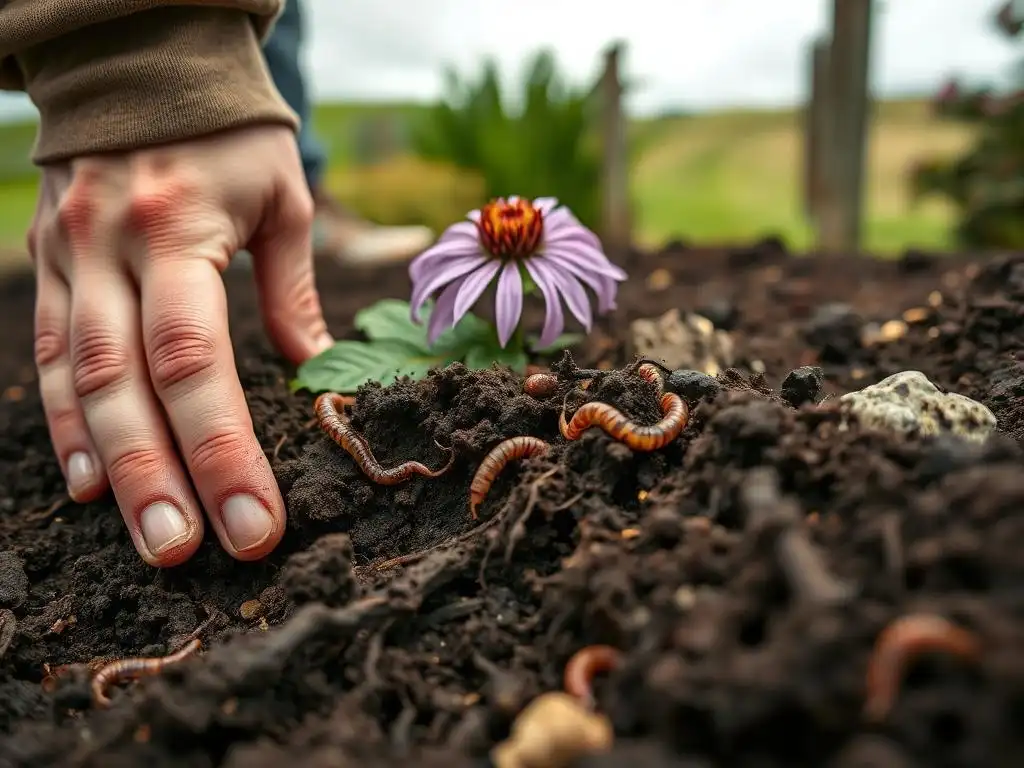
Zone 5 gardening presents unique challenges, primarily stemming from its shorter growing season and often unpredictable weather patterns. However, a significant hurdle for many Zone 5 gardeners lies in soil management. Understanding and addressing soil issues is crucial for successful cultivation in this climate.
This section will focus on practical strategies for improving soil drainage, fertility, and compaction, all key elements impacting the success of your Zone 5 garden. Mastering these techniques will significantly enhance your chances of cultivating a thriving and productive garden, even within the limitations of a shorter growing season. Let's delve into the specific challenges and solutions.
Addressing Poor Soil Drainage in Zone 5 Gardens
Poor drainage is a common problem in many Zone 5 gardens, often leading to root rot and stunted plant growth. Heavy clay soils prevalent in some Zone 5 areas are particularly prone to this issue. Waterlogging suffocates roots, depriving them of oxygen and creating an environment conducive to fungal diseases. Addressing this requires a multifaceted approach:
- Soil Testing: Begin by conducting a soil test to determine your soil's composition and drainage capacity. This provides a baseline for informed decision-making. Knowing your soil's pH is also crucial, as this impacts nutrient availability.
- Amending the Soil: Improving drainage involves incorporating organic matter like compost, well-rotted manure, and peat moss. These materials enhance soil structure, creating air pockets and improving water infiltration. The recommended amount depends on your soil's composition, but a general guideline is to add 2-4 inches of organic matter per square foot.
- Raised Beds: For severely poorly draining areas, constructing raised beds offers a practical solution. These beds elevate the planting area, improving drainage and allowing for better soil control. You can fill raised beds with a well-draining soil mix tailored to your specific needs.
- Strategic Planting: Choose plants that tolerate moist conditions but not waterlogging. Some vegetables like kale and spinach can handle wetter soil better than others. Consider the specific needs of each plant when planning your garden layout.
Improving Soil Fertility and Nutrient Retention in Zone 5
Zone 5's shorter growing season means plants have less time to absorb nutrients. Therefore, maintaining soil fertility is paramount. Nutrient depletion can significantly impact plant vigor and yield. Here are some key strategies:
- Composting: Composting kitchen scraps and yard waste creates a rich, nutrient-rich amendment that improves soil structure and fertility. Compost provides essential nutrients and beneficial microbes, enhancing overall soil health. Regular composting is a cornerstone of sustainable Zone 5 gardening.
- Cover Cropping: Planting cover crops like clover or rye during the off-season helps prevent soil erosion, suppress weeds, and improve soil fertility. These crops add organic matter and enhance nutrient cycling, enriching the soil for the following growing season. Incorporate cover crops into your garden rotation plan.
- Mulching: Applying a layer of mulch, such as shredded leaves or wood chips, helps retain soil moisture, suppress weeds, and regulate soil temperature. This also contributes to the gradual breakdown of organic matter, adding nutrients to the soil over time. Mulching is a crucial technique for Zone 5 gardens.
- Soil Testing & Amendments: Regular soil testing allows you to identify nutrient deficiencies and apply appropriate fertilizers. This targeted approach ensures your plants receive the essential nutrients they need to thrive, maximizing yield in the limited growing season.
Dealing with Compacted Soil: Techniques for Zone 5 Soil Improvement
Compacted soil restricts root growth, hindering water and nutrient uptake. This is a common problem, especially in areas with heavy foot traffic or machinery use. Improving soil structure in these areas requires focused effort:
- Aerate the Soil: Using a garden fork or specialized aeration tools helps break up compacted soil, improving air circulation and drainage. This allows roots to penetrate more easily, enhancing nutrient and water absorption. Consider aerating your soil before planting or in the early spring.
- No-Till Gardening: No-till gardening practices minimize soil disturbance, preserving soil structure and preventing compaction. This method promotes a healthy soil ecosystem with increased microbial activity and improved nutrient cycling.
- Deep Watering: Deep, infrequent watering encourages deeper root growth, which helps break up compacted soil over time. Avoid frequent shallow watering, which can lead to shallow root systems and increased compaction.
- Adding Organic Matter: The consistent addition of organic matter, as discussed earlier, is crucial for improving soil structure and reducing compaction. Organic matter acts as a soil conditioner, improving its overall health and reducing compaction over time. This is a long-term strategy for improving soil health. Regular soil testing will help monitor progress and guide further amendments. 🌱
Plant Selection for Zone 5: Hardy and Resilient Species
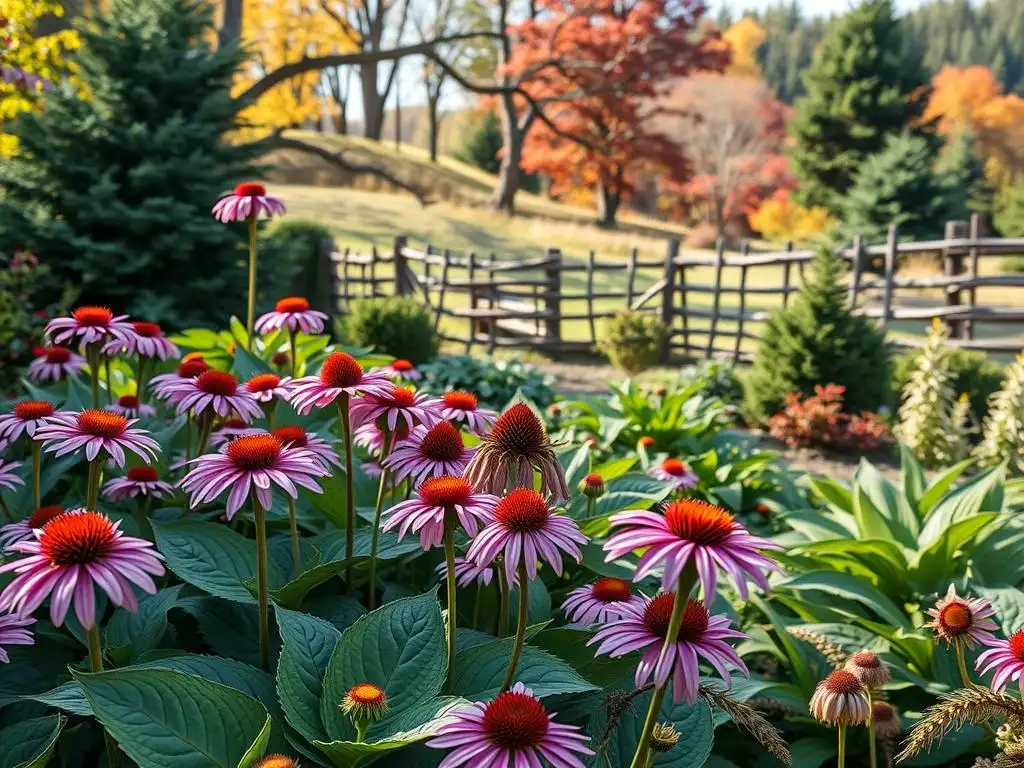
Zone 5 gardening presents unique challenges, demanding careful consideration of plant hardiness and resilience. Successfully navigating the shorter growing season and potential for late frosts requires strategic plant selection. This section focuses on choosing species that not only survive but thrive in these conditions, maximizing your yield and minimizing frustration. Understanding the specific microclimates within your Zone 5 garden is crucial; a south-facing slope, for instance, will experience warmer temperatures than a north-facing one. This influences the suitability of certain species.
Choosing Vegetables for Zone 5: Cold-Hardy Varieties and Success Rates
Many vegetables struggle in the often unpredictable Zone 5 climate. However, focusing on cold-hardy varieties significantly increases your chances of success. Consider these options and their typical success rates (note: success rates are estimates and can vary based on specific microclimates and gardening practices):
| Vegetable | Cold-Hardy Variety | Estimated Success Rate (Zone 5) | Notes |
|---|---|---|---|
| Lettuce | Black Seeded Simpson, Red Sails | 90% + | Quick-growing, can withstand light frosts. |
| Spinach | Bloomsdale Long Standing | 85% + | Tolerates cooler temperatures, prefers partial shade. |
| Kale | Lacinato (Dinosaur) Kale | 95% + | Extremely cold-hardy, can even withstand some snowfall. |
| Peas | Sugar Snap, Oregon Sugar Pod II | 80% + | Plant early for optimal results. |
| Radishes | French Breakfast, Cherry Belle | 98% + | Quick-maturing, ideal for early spring planting. |
| Broccoli | Waltham 29, De Cicco | 75% - 85% | Needs protection from late frosts; consider using row covers. |
| Cabbage | Brunswick, Stone Head | 70% - 80% | Similar to broccoli, needs protection from late frosts. |
Remember to start seeds indoors for many of these vegetables to give them a head start before the last frost. Using cold frames or row covers can extend the growing season and protect vulnerable seedlings. Careful soil preparation, rich in organic matter, is also essential for success in Zone 5 gardening.
Fruit Trees and Bushes Suitable for Zone 5 Climates
Choosing fruit trees and bushes for Zone 5 requires selecting varieties known for their cold hardiness. Consider these options:
- Apples: Many apple varieties are suitable for Zone 5, such as Honeycrisp, McIntosh, and Liberty. Proper winter protection, such as wrapping the trunk, may be necessary in particularly harsh winters.
- Pears: Bartlett and Asian pears are generally good choices for Zone 5, though they may require some winter protection.
- Cherries: Sour cherries are more cold-hardy than sweet cherries and are a better option for Zone 5.
- Plums: Some plum varieties, such as Damson and Methley, are suitable.
- Blueberries: These thrive in acidic soil and are a reliable choice for Zone 5 gardens. Choose varieties specifically bred for colder climates.
- Raspberries: Both summer and fall-bearing raspberries are relatively easy to grow in Zone 5.
Planting fruit trees and bushes in a sheltered location, away from harsh winds, will improve their chances of survival and increase fruit production. Proper pruning and fertilization are crucial for optimal growth and yield.
Herbs that Thrive in Zone 5's Conditions: A Guide to Selection
Many herbs are remarkably resilient and adapt well to Zone 5's challenges. These are excellent choices for your Zone 5 garden:
- Chives: These are incredibly hardy and can tolerate freezing temperatures.
- Mint: While it can spread aggressively, mint is very cold-hardy. Consider planting it in a container to control its growth.
- Parsley: Both curly and flat-leaf parsley are relatively cold-hardy, though they may bolt (go to seed) in hot weather.
- Rosemary: Rosemary prefers well-drained soil and a sunny location. In particularly harsh winters, some protection may be necessary.
- Thyme: Thyme is extremely drought-tolerant and cold-hardy.
- Sage: Sage is another hardy herb that tolerates cold temperatures.
These herbs can be grown from seeds or started from small plants. Remember to provide well-drained soil and adequate sunlight for optimal growth. Overwintering herbs in a cold frame or bringing potted herbs indoors during severe frosts can further enhance their survival. Careful planning and selection of cold-hardy varieties are key to successful Zone 5 gardening, leading to a bountiful harvest despite the challenges.
Pest and Disease Control Strategies for Zone 5 Gardens
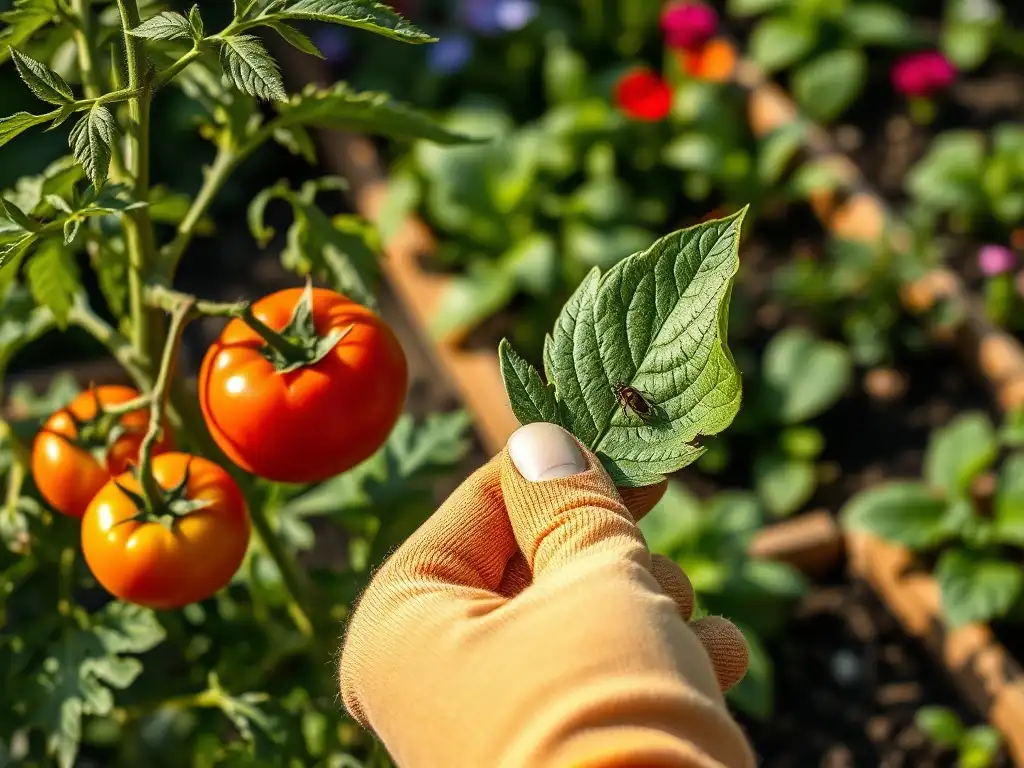
Zone 5 gardening presents unique challenges due to its shorter growing season and fluctuating temperatures. Successfully cultivating a thriving garden in this climate requires a proactive and integrated pest and disease management strategy. Ignoring these challenges can lead to significant crop losses and frustration.
This section focuses on practical, organic solutions to combat common Zone 5 pests and diseases, emphasizing preventative measures and sustainable practices. Understanding the specific threats in your region is crucial for effective management, so local resources and extension services should be consulted for detailed, region-specific information. The key to success lies in a multi-pronged approach that combines careful plant selection, cultural practices, and targeted interventions when necessary.
Common Zone 5 Pests and Diseases: Identification and Prevention
Zone 5 gardeners face a diverse range of pests and diseases, varying depending on microclimate and specific plant species. Early identification is critical for effective control. Many common issues can be prevented through diligent garden hygiene and preventative measures.
Common Pests: Aphids, spider mites, Japanese beetles, cabbage worms, and slugs are frequently encountered. These pests can decimate crops quickly if left unchecked. Careful observation is key—regularly inspect plants for signs of infestation, such as leaf damage, wilting, or the presence of the pests themselves.
Common Diseases: Powdery mildew, blight (early and late), and various fungal leaf spots are prevalent in Zone 5's humid conditions. These diseases thrive in damp environments and can spread rapidly. Good air circulation around plants is crucial for prevention. Overwatering can exacerbate fungal issues.
| Pest/Disease | Symptoms | Prevention |
|---|---|---|
| Aphids | Curling leaves, stunted growth, honeydew | Planting companion plants (e.g., marigolds), insecticidal soap applications |
| Spider Mites | Fine webbing on leaves, yellowing leaves | Regular monitoring, strong water sprays, neem oil |
| Powdery Mildew | White powdery coating on leaves | Good air circulation, avoiding overhead watering |
| Blight (Early/Late) | Leaf spots, wilting, plant death | Disease-resistant varieties, crop rotation |
Preventive measures are far more effective than reactive treatments. Rotating crops annually helps break pest and disease cycles. Choosing disease-resistant varieties is another crucial step. Maintaining a clean garden, removing plant debris promptly, and practicing proper sanitation significantly reduces the risk of infestation and disease.
Organic Pest Control Methods for Zone 5 Environments
Organic pest control relies on methods that minimize environmental impact while effectively managing pests. Several strategies can be employed in a Zone 5 garden:
- Biological Control: Introducing beneficial insects like ladybugs (aphids' natural predators) or lacewings can significantly reduce pest populations.
- Physical Barriers: Row covers protect plants from pests like cabbage worms. Slug traps can effectively control slug populations.
- Neem Oil: A natural insecticide derived from the neem tree, effective against many common pests. Apply as directed on the product label.
- Insecticidal Soap: Another effective organic option against soft-bodied insects like aphids and spider mites. Again, follow label instructions carefully.
- Companion Planting: Strategic planting of certain species can deter pests. For example, marigolds repel some insects.
The effectiveness of organic pest control often relies on early intervention and consistent application. A combination of methods is usually more effective than relying on a single approach. Remember that organic doesn't mean ineffective; it simply means using nature's arsenal to combat pests and diseases. Patience and persistence are key to success. Monitoring pest populations is essential to assess the efficacy of your chosen control methods.
Disease Resistance in Zone 5 Plant Selection: A Key Consideration
Choosing disease-resistant plant varieties is paramount for successful Zone 5 gardening. Investing time in researching varieties specifically bred for resistance to common diseases in your region will pay dividends. This preventative measure significantly reduces the need for chemical interventions and increases the likelihood of a healthy harvest.
Many seed catalogs and nurseries provide information on disease resistance. Look for terms such as "disease-resistant," "resistant to powdery mildew," or similar descriptors. Local gardening resources and extension services can also provide valuable insights into varieties that perform well and exhibit strong resistance to prevalent diseases in your specific Zone 5 microclimate. This information, combined with your understanding of your garden's unique conditions (soil type, sun exposure, etc.
), will guide you towards the best plant choices for a healthy and productive garden. Remember that even disease-resistant varieties can succumb to disease under stressful conditions (e.g., poor soil drainage, excessive moisture). Therefore, maintaining optimal growing conditions remains crucial.
Water Management in Zone 5 Gardens: Conserving Resources
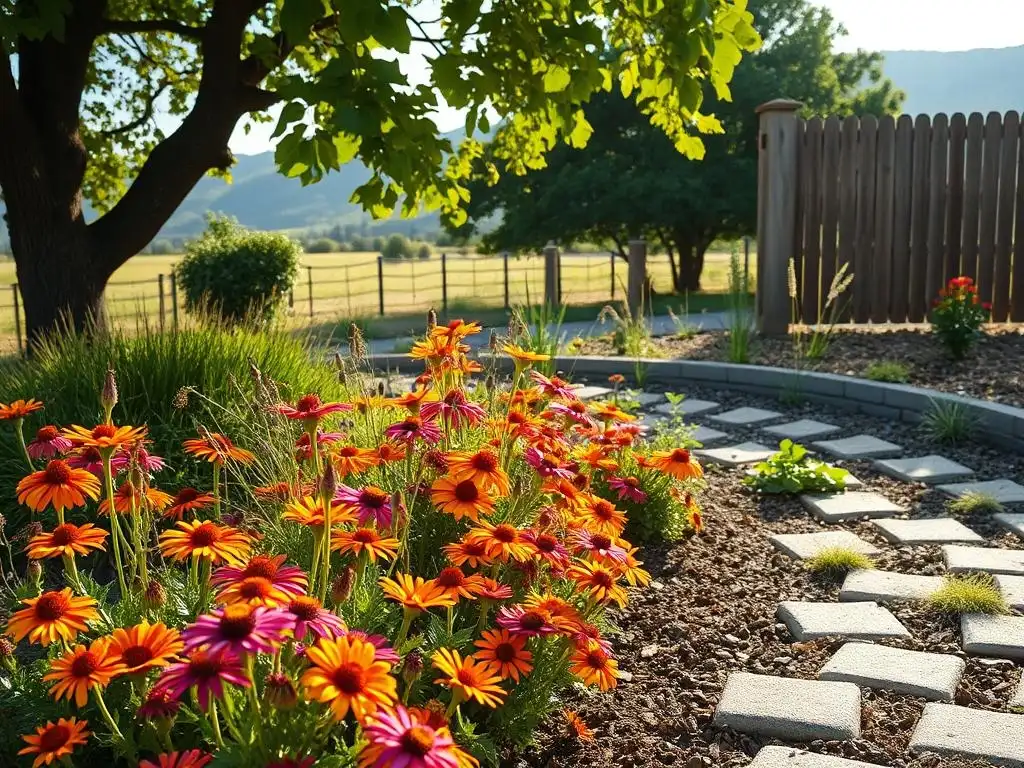
Zone 5 gardening presents unique water management challenges. Shorter growing seasons coupled with potentially unpredictable weather patterns – including both periods of drought and intense rainfall – necessitate careful planning and execution of irrigation and drainage strategies. Successful Zone 5 gardeners prioritize water conservation, understanding that efficient water use is crucial for both environmental sustainability and economic viability. This section delves into practical techniques to optimize water use in your Zone 5 garden, minimizing waste and maximizing yields. Effective water management is key to overcoming the "Zone 5 gardening challenges" many enthusiasts face.
Efficient Irrigation Techniques for Zone 5 Gardens
Efficient irrigation is paramount in Zone 5. Traditional methods like overhead sprinklers can lead to significant water loss through evaporation, especially on hot, windy days. Therefore, alternative methods are strongly recommended. Drip irrigation, for example, delivers water directly to the roots of plants, minimizing evaporation and runoff. This targeted approach conserves water and promotes healthier plant growth. Soaker hoses provide a similar benefit, gently releasing water along their length.
Consider the specific needs of your plants. Water deeply but infrequently, encouraging deep root growth which enhances drought tolerance. Avoid frequent, shallow watering, which can lead to shallow root systems vulnerable to drought stress. Regularly monitor soil moisture using a soil moisture meter to avoid overwatering or underwatering. This careful monitoring is especially crucial during unpredictable weather patterns characteristic of Zone 5. A well-designed irrigation system, tailored to the specific needs of your Zone 5 garden, can significantly improve water efficiency and contribute to a thriving garden.
Dealing with Excessive Rainfall in Zone 5: Drainage Solutions
While drought can be a concern in Zone 5, excessive rainfall poses a different set of challenges. Poor drainage can lead to waterlogged soil, root rot, and the loss of valuable plants. Effective drainage solutions are therefore essential. This includes ensuring proper soil preparation before planting. Amend heavy clay soils with organic matter like compost to improve drainage and aeration. Raised beds can also provide excellent drainage, particularly in areas with naturally poor drainage.
Consider installing a drainage system, especially in areas prone to waterlogging. This may involve creating swales or French drains to divert excess water away from sensitive plants. Proper grading of the garden beds ensures that water flows away from plants, preventing waterlogging. The use of rain barrels to capture rainwater for later use during drier periods can also be a beneficial strategy, turning a potential problem into a valuable resource. Careful planning and proactive drainage solutions are critical components of successful Zone 5 gardening.
Water Conservation Strategies for Zone 5: Smart Gardening Practices
Beyond efficient irrigation and drainage, several smart gardening practices contribute to significant water conservation in Zone 5. Mulching is a highly effective technique. A layer of organic mulch helps retain soil moisture, reducing the need for frequent watering. It also suppresses weeds, which compete with your plants for water and nutrients. Choose mulch appropriate for your climate and soil type.
Select drought-tolerant plants adapted to Zone 5 conditions. Many native plants are inherently drought-resistant and require less watering than non-native species. Proper plant spacing allows for better air circulation, reducing the risk of fungal diseases that can thrive in moist conditions.
Regular pruning removes dead or damaged branches, improving the overall health of plants and reducing water stress. By implementing these water-wise strategies, you can significantly reduce water consumption in your Zone 5 garden, while simultaneously promoting healthier, more resilient plants. Careful planning and mindful practices will allow you to overcome the "Zone 5 gardening challenges" related to water management.
Protecting Your Zone 5 Garden from Extreme Weather
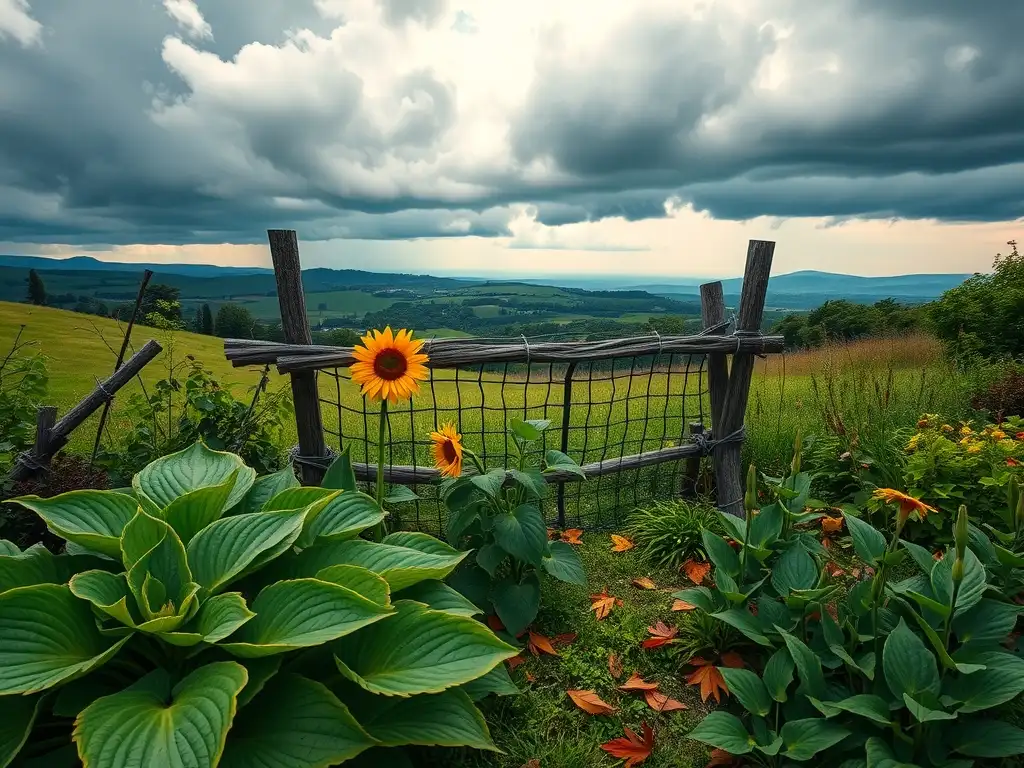
Zone 5 gardening presents unique challenges due to its variable climate, characterized by significant temperature fluctuations and unpredictable weather patterns. Successfully navigating these conditions requires a proactive approach to protecting your plants from the extremes of both cold and heat. This section focuses on practical strategies for mitigating the risks associated with frost, late spring frosts, and strong winds, all common occurrences in Zone 5.
Mastering these techniques is crucial for maximizing your harvest and ensuring the overall health of your garden. Understanding the specific threats posed by Zone 5 weather is the first step towards building a resilient and productive permaculture garden. Let's delve into the specifics.
Frost Protection Methods for Zone 5 Plants: Effective Strategies
Frost, a significant threat to Zone 5 gardens, can decimate delicate plants overnight. Effective frost protection requires a multi-pronged approach, combining preventative measures with reactive strategies. Preventative measures include choosing frost-tolerant varieties of fruits, vegetables, and herbs. For example, selecting hardy kale varieties over more delicate lettuces can significantly reduce your frost-related losses. Careful site selection also plays a crucial role; planting in areas with good air circulation can help prevent frost pockets from forming.
Reactive strategies are equally important. When a frost is predicted, several methods can be employed. Covering vulnerable plants with row covers or sheets of fabric creates a microclimate that traps heat and protects plants from freezing temperatures. Another effective method involves watering plants deeply before the frost; the water releases heat as it freezes, protecting the plant's roots and stems.
For smaller plants, you can even use inverted buckets or plastic bottles to create individual shelters. Remember, early detection of frost warnings is paramount; utilizing weather forecasts and frost alerts will give you the necessary time to implement these protective measures. Don't underestimate the power of these simple, yet effective, strategies in protecting your Zone 5 garden from frost damage.
Dealing with Late Spring Frosts: Protecting Young Plants
Late spring frosts, often unexpected and damaging, can significantly impact young seedlings and newly transplanted plants. These tender plants are particularly vulnerable as they haven't yet developed the hardiness to withstand freezing temperatures. Protecting these vulnerable plants requires a different approach than protecting established plants. One effective strategy is to use floating row covers, which allow for sunlight and air circulation while providing protection from frost. These covers are lightweight and easy to remove during warmer days.
Another effective method is to use cloches, which are individual covers placed over individual plants. These create a miniature greenhouse effect, protecting the plant from frost damage. For larger plants, you can also consider using frost blankets or burlap sacks, ensuring adequate air circulation to prevent the build-up of moisture which can lead to fungal diseases.
Remember, quick action is crucial when a late spring frost is predicted; being prepared and having the necessary materials readily available can make all the difference in minimizing the damage. Monitoring weather forecasts closely and being prepared to act quickly are key to successfully navigating the unpredictable nature of Zone 5 springs. The use of these frost protection methods will significantly improve your chances of a successful harvest.
Windbreaks and Shelters for Zone 5 Gardens: Enhancing Protection
Strong winds are another significant challenge in Zone 5, causing damage to plants through physical abrasion and desiccation. Creating windbreaks and shelters is a crucial aspect of protecting your garden. Natural windbreaks, such as strategically planted evergreen trees or shrubs, provide long-term protection. These act as barriers, reducing wind speed and creating a calmer microclimate within the garden. Consider planting taller species on the windward side of your garden and shorter species on the leeward side for optimal protection.
For more immediate protection, temporary windbreaks can be constructed using materials like burlap, bamboo fencing, or even strategically placed pallets. These can be adjusted as needed, offering flexibility in managing wind exposure. You can also create individual shelters for more delicate plants using materials like cardboard boxes or plastic containers.
Remember to ensure adequate air circulation within these shelters to prevent the build-up of moisture and the subsequent development of fungal diseases. By combining natural and temporary windbreaks, you'll create a more resilient and protected garden environment, better equipped to withstand the sometimes harsh conditions of Zone 5. Proper wind protection is a key element to successfully overcoming Zone 5 gardening challenges.
Zone 5 Permaculture Principles: Designing a Resilient Garden
Zone 5 gardening presents unique challenges, demanding a strategic approach to overcome the shorter growing season and potential for harsh winters. Successfully implementing permaculture principles in Zone 5 requires careful planning and observation of your specific microclimate. This section will explore how to leverage permaculture design to build a resilient and productive garden even in challenging conditions. Understanding these principles is crucial for tackling Zone 5 gardening challenges head-on.
Integrating Permaculture Design into Your Zone 5 Garden
Successful permaculture in Zone 5 relies heavily on understanding the limitations and opportunities presented by the climate. The shorter growing season necessitates a focus on fast-maturing varieties and techniques that maximize the available sunlight and warmth. This means carefully selecting plants suited to the shorter growing season, employing strategies for extending the growing season (like cold frames or row covers), and optimizing soil health to ensure robust plant growth within the limited timeframe.
For example, consider incorporating companion planting techniques. Marigolds, known for deterring certain pests, can be planted alongside susceptible vegetables like tomatoes. Similarly, nitrogen-fixing plants like beans or clover can improve soil fertility, reducing the need for synthetic fertilizers – a key tenet of sustainable and organic gardening practices that are central to permaculture. Careful observation of your garden's microclimate – identifying sunniest spots, areas prone to wind, and pockets of moisture – is essential for optimal plant placement.
Using Natural Resources Effectively in a Zone 5 Setting
Water conservation is paramount in Zone 5, particularly during drier periods. Employing water-wise gardening techniques, such as mulching (using wood chips, straw, or other organic materials) to retain soil moisture, is crucial. Mulching also helps regulate soil temperature, protecting plant roots from both extreme heat and frost. Rainwater harvesting is another valuable tool; collecting rainwater in barrels and utilizing it for irrigation reduces reliance on municipal water supplies.
Furthermore, utilizing natural pest control methods is essential. Instead of relying on chemical pesticides, consider introducing beneficial insects like ladybugs, which prey on aphids and other common garden pests. Creating habitats for these beneficial insects, such as planting flowering plants that attract them, is a crucial part of building a self-sustaining ecosystem. This approach aligns perfectly with permaculture's emphasis on working with nature, rather than against it. The effective use of natural resources minimizes environmental impact and contributes to a healthier garden ecosystem.
Creating a Self-Sustaining Zone 5 Garden Ecosystem
The goal of a Zone 5 permaculture garden is to create a self-sustaining ecosystem that minimizes external inputs. Composting is key to achieving this. By composting kitchen scraps and garden waste, you create nutrient-rich soil amendments, reducing or eliminating the need for purchased fertilizers. This closed-loop system reduces waste and enhances soil fertility, fostering healthier plant growth.
Moreover, incorporating elements of vertical gardening can maximize space utilization, especially valuable in smaller gardens. Trellises and vertical planters allow for growing more plants in a limited area, improving overall yield. Careful planning and the strategic use of plant guilds (groups of plants that benefit each other) further enhance the self-sustaining nature of the garden.
For example, a guild might include a nitrogen-fixing plant, a plant with deep roots to improve soil structure, and a plant that attracts beneficial insects. This symbiotic relationship reduces the need for external interventions, creating a more resilient and productive garden. This holistic approach reflects the core principles of permaculture, creating a garden that thrives on its own internal dynamics, even within the challenges of Zone 5.
---
This detailed approach to Zone 5 gardening tackles the specific *Zone 5 gardening challenges* head-on, showing how the principles of permaculture can lead to a thriving and sustainable garden. The focus on natural resources, ecosystem building, and careful planning showcases the power of permaculture in even the most demanding climates.
Frequently Asked Questions
What are the major gardening challenges in Zone 5?
Zone 5 presents several challenges, including a short growing season, late spring frosts, and early fall freezes. These limit the time available for many plants to mature.
Which vegetables thrive in a Zone 5 climate?
Cool-season crops like lettuce, spinach, kale, peas, and radishes do well. Root vegetables such as carrots, beets, and potatoes also generally succeed. Consider frost-tolerant varieties.
How can I protect my plants from frost in Zone 5?
Use row covers or cloches to protect plants from unexpected frosts. Consider planting in a protected location like a south-facing wall. Mulching can also help insulate the soil.
What are some suitable companion plants for Zone 5 gardens?
Beneficial companion plants can help deter pests and improve soil health. Consider planting marigolds to repel insects, or legumes to fix nitrogen in the soil. Research specific companion plants for your chosen crops.
How can I extend my growing season in Zone 5?
Use cold frames or greenhouses to start seeds early and extend the harvest season later into the fall. Consider using season extenders such as low tunnels or row covers to protect plants from early and late season frosts.
Final Reflection: Cultivating Resilience in Zone 5's Wild Embrace
The challenges of Zone 5 gardening are not merely obstacles; they are invitations to deepen our understanding of nature's rhythms and our role within them. The short growing season, unpredictable frosts, and sometimes harsh conditions demand resourcefulness, patience, and a deep respect for the delicate balance of the natural world. This isn't just about growing pretty flowers; it's about forging a resilient relationship with the land.
Witnessing the tenacity of plants thriving despite the odds in Zone 5 has profoundly impacted my approach to gardening, and indeed, to life itself. The struggle for survival, the quiet triumph of a blossom pushing through late frost, it all speaks to a deeper resilience that resonates far beyond the garden gate. The glory of gardening: hands in the dirt, head in the sun, heart with nature. To nurture a garden is to feed not just the body, but the soul.
This quote perfectly encapsulates the spiritual connection I've found in navigating the unique challenges of Zone 5.
Now, I invite you to consider your own relationship with the natural world. What challenges do you face in your environment? How can you learn from the resilience of the plants around you? Embrace the wildness of your own Zone, whatever it may be, and discover the profound rewards that await when you work with nature, not against it. Let the lessons of Zone 5 inspire you to cultivate not just a garden, but a deeper connection to the earth and a more resilient spirit within yourself.
Unleash Your Inner Gardener: Cultivate a Thriving Ecosystem!
Thank you for exploring the world of gardening in Zone 5! You've gained valuable insights into nurturing diverse and resilient ecosystems in your own backyard. Ready to put your knowledge into practice?
- Start small, but dream big: Begin with a single plant well-suited to Zone 5 that excites you. Dedicate a small section of your garden to it, observing its growth and learning its specific needs. This focused approach is key to success.
- Share your gardening journey: Snap a picture of your progress and share it with our community on social media – let's inspire each other! Use #Zone5Gardening.
- Expand your knowledge: Explore the resources in our library for further reading on native plants and sustainable gardening practices for Zone 5.
What exciting plant will you cultivate this season? Let us know your plans in the comments below!