
How to Petition for Urban Gardening: Making Your Voice Heard

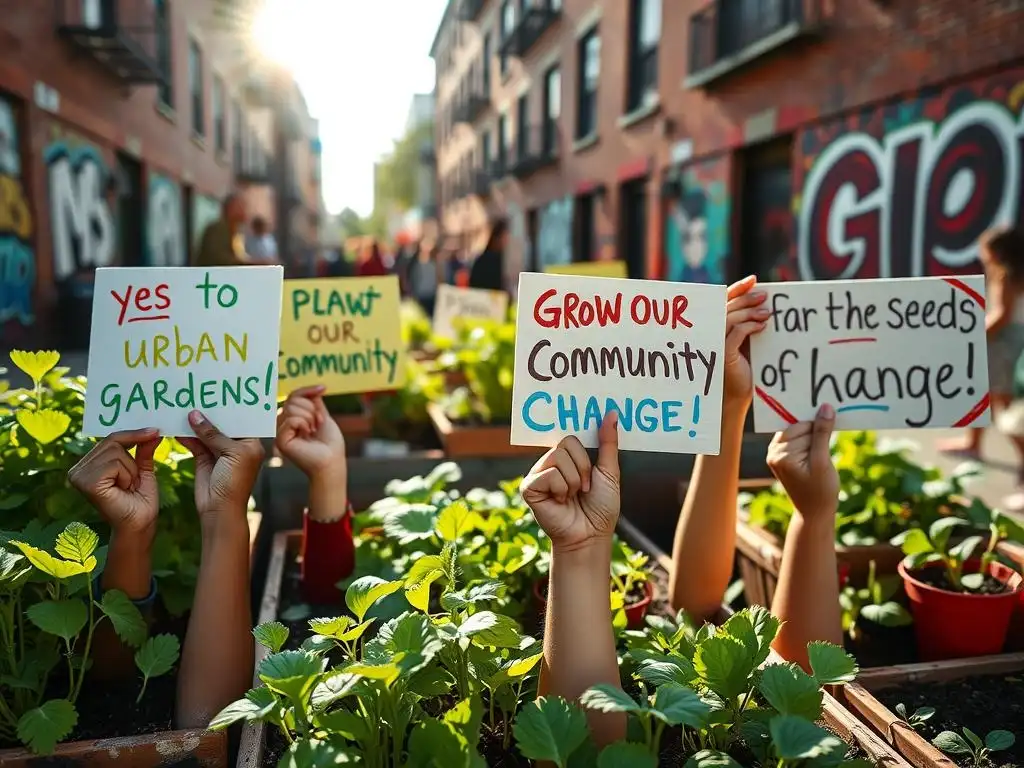
Ready to transform your urban space into a thriving oasis? At CultivateYourFood, we empower you to grow your own fruits, vegetables, and herbs organically. But what if your space is limited? Learn how to make your voice heard and advocate for more urban green spaces with our guide on how to Start an Urban Garden Petition. Discover the power of community action and unlock the potential of urban farming – your journey to a greener future starts here.
- Understanding the Need for a Community Garden Petition
- Crafting a Compelling Petition for Your Urban Garden
- Strategically Distributing Your Urban Garden Petition
- Following Up on Your Urban Garden Petition
- Maintaining Your Urban Garden After Petition Success
-
Frequently Asked Questions
- What is an urban gardening petition, and why should I start one?
- Who should I target with my urban gardening petition?
- What information should be included in my urban gardening petition?
- How can I gather signatures for my urban gardening petition?
- What happens after I submit my urban gardening petition?
- Final Reflection: Cultivating Community Through Urban Gardening
- Unlock Your City's Green Potential: Start Your Petition Today!
Understanding the Need for a Community Garden Petition
Starting an urban garden can be incredibly rewarding, offering fresh, healthy produce, a connection to nature, and a sense of community. However, navigating the often complex world of local regulations and zoning laws can be a significant hurdle. Many cities and towns have restrictions on land use, particularly concerning agricultural activities within urban areas. This is where the power of a community garden petition comes into play. A well-organized and supported petition can significantly increase your chances of securing the necessary permits and approvals to establish your dream urban garden.
This article will guide you through the process of creating and successfully executing a petition to start an urban garden, empowering you to make your voice heard and cultivate a greener, healthier community. We'll cover everything from understanding local ordinances to garnering community support and defining the scope of your project. Let's plant the seeds for change! 🌱
Identifying Local Regulations and Zoning Laws for Urban Gardens
Before even considering a petition, you need to thoroughly understand the existing regulations. This crucial first step will inform the scope of your petition and the arguments you'll need to make. Begin by contacting your local government's planning or zoning department. Request access to any relevant ordinances, bylaws, or guidelines pertaining to urban agriculture, community gardens, and land use. Pay close attention to:
- Zoning classifications: Is the proposed location zoned for residential, commercial, or agricultural use? Many urban areas have specific zoning designations that either permit or prohibit gardening activities.
- Plot size restrictions: Are there minimum or maximum plot sizes allowed for gardens?
- Setback requirements: How far must the garden be from property lines, buildings, and streets?
- Water usage regulations: Are there restrictions on water usage for gardening, especially in areas with water scarcity concerns?
- Waste management guidelines: How should garden waste (compost, etc.) be managed? Are there specific regulations regarding composting?
- Pest control regulations: Are there restrictions on the use of pesticides or herbicides? Organic practices are often preferred and may be mandated.
Understanding these regulations is not only essential for crafting a successful petition but also for ensuring your garden operates legally and sustainably. Thorough research will prevent future complications and potential conflicts.
Assessing Community Interest and Gathering Support for Your Urban Garden Initiative
A successful petition relies heavily on community support. Demonstrating widespread interest in your proposed urban garden will strengthen your case significantly. Here's how to assess community interest and gather the necessary signatures:
- Community outreach: Organize neighborhood meetings, distribute flyers, and utilize social media platforms to inform residents about your initiative. Highlight the benefits of a community garden, such as increased access to fresh produce, enhanced community engagement, and environmental benefits.
- Surveys and polls: Conduct surveys or online polls to gauge community interest and gather valuable feedback. This will help tailor your petition and address any concerns proactively. Consider questions about preferred garden types, participation levels, and willingness to contribute.
- Partnering with local organizations: Collaborate with local community groups, schools, and businesses to expand your reach and garner broader support. Partnerships provide credibility and access to wider networks.
- Creating a compelling petition: Your petition should clearly outline the project's goals, benefits, and proposed location. Include relevant data, such as the number of households that would benefit, the potential environmental impact, and any anticipated economic benefits. Use clear and concise language, avoiding technical jargon.
Remember, the more signatures you collect, the stronger your petition will be. Aim for a significant number reflecting a considerable portion of the community's support.
Defining the Scope of Your Proposed Urban Garden Project
Clearly defining the scope of your proposed urban garden project is paramount for a successful petition. This section should provide detailed information about:
- Size and location: Specify the exact size and location of the proposed garden. Include a map or diagram if possible.
- Types of plants: Outline the types of fruits, vegetables, and herbs you intend to cultivate. Consider community preferences and the suitability of different plants for the chosen location.
- Maintenance plan: Detail the plan for maintaining the garden, including watering, weeding, pest control, and harvesting. This demonstrates responsibility and sustainability.
- Community involvement: Describe how the community will be involved in the garden's operation and maintenance. Will there be volunteer opportunities? Will there be a community sharing system for the harvest?
- Budget and funding: Outline the estimated budget for establishing and maintaining the garden. Indicate how you plan to secure funding, whether through grants, donations, or community fundraising.
A well-defined scope demonstrates foresight and planning, bolstering the credibility of your petition and increasing the likelihood of approval. Remember to be realistic and address potential challenges proactively.
Crafting a Compelling Petition for Your Urban Garden
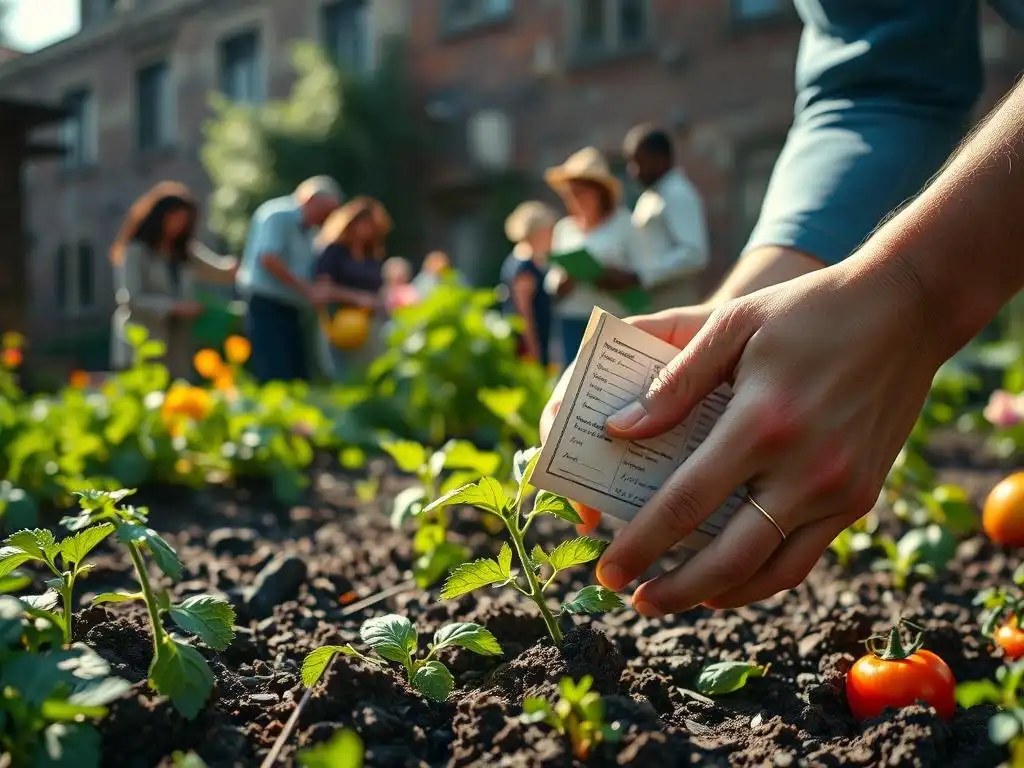
This section focuses on the crucial first steps in creating a petition that resonates with local authorities and the community. A well-crafted petition is the cornerstone of a successful urban gardening initiative. Remember, your goal is to clearly articulate the need for your urban garden and demonstrate its potential benefits to the wider community. Starting your urban garden petition with a strong foundation will significantly increase your chances of success.
Defining Clear Objectives and Goals for Your Urban Garden Petition
Before you even begin writing, define precisely what you want to achieve. A vague petition is unlikely to garner support. Your objectives should be Specific, Measurable, Achievable, Relevant, and Time-bound (SMART). For example, instead of aiming for a "community garden," specify the desired location, size (e.g., 1000 sq ft), and the types of plants you plan to cultivate (e.g., vegetables, herbs, and fruit trees for community distribution). Consider these points:
- Specific Location: Identify the precise area you want to transform into an urban garden. Include a map if possible. This clarity prevents misunderstandings and allows authorities to assess feasibility.
- Detailed Plan: Outline your gardening plan, including planting schedules, water management strategies (e.g., rainwater harvesting), composting methods, and pest control techniques emphasizing organic and sustainable practices. This demonstrates your commitment to responsible gardening.
- Community Engagement: Detail how the garden will benefit the community. Will it provide fresh produce? Offer educational workshops? Create a green space? Quantify these benefits whenever possible (e.g., "provide 500 lbs of fresh produce annually to local food banks").
- Sustainability Measures: Highlight your commitment to sustainable practices. This is crucial for securing support. Specify your plans for composting, water conservation, and the use of organic fertilizers and pest control methods. This addresses environmental concerns head-on.
- Timeline: Set realistic deadlines for each stage of the project—from petitioning to garden establishment and ongoing maintenance. This provides a clear roadmap and demonstrates your organizational skills.
Writing a Persuasive Petition Letter: Highlighting Benefits and Addressing Concerns
Your petition letter needs to be concise, persuasive, and address potential objections proactively. Start with a compelling introduction explaining the need for an urban garden in your community. Then, clearly present your objectives and the benefits, using concrete examples and data. Anticipate potential concerns and offer solutions. For instance:
- Addressing Noise Concerns: If noise is a potential issue, assure authorities that the garden will be managed responsibly, avoiding loud activities during sensitive hours.
- Waste Management: Detail your composting plan and waste disposal strategy to alleviate concerns about litter or unpleasant smells.
- Maintenance Responsibilities: Clearly outline who will be responsible for maintaining the garden and how this responsibility will be managed to prevent neglect.
- Community Involvement: Highlight how the garden will involve the community, fostering a sense of shared ownership and responsibility. This shows a commitment to community engagement and reduces the burden on local authorities.
- Safety and Security: Address any safety concerns by outlining security measures, such as fencing or lighting, to prevent vandalism or accidents.
| Potential Concern | Solution |
|---|---|
| Noise | Quiet gardening practices, restricted hours for loud activities. |
| Waste/Litter | Comprehensive composting and waste management plan. |
| Maintenance | Dedicated volunteer group, clear maintenance schedule, community involvement. |
| Safety/Security | Fences, lighting, community patrols. |
| Impact on Property Values | Increased property values due to improved aesthetics and community benefits. |
Gathering Signatures and Building Momentum for Your Urban Garden Petition
Once your petition is ready, strategically gather signatures. Consider these methods:
- Online Petition Platforms: Utilize online platforms to reach a wider audience and track progress. This makes it easier to gather support beyond your immediate neighborhood.
- Community Events: Set up a table at local farmers' markets, community fairs, or neighborhood gatherings. This provides a direct interaction with potential supporters.
- Social Media: Promote your petition through social media platforms, engaging with community groups and relevant organizations. This broadens your reach significantly.
- Door-to-Door Campaign: A personal approach can be highly effective, allowing you to address concerns directly and build relationships with your neighbors. This is a more time-consuming approach but allows for deeper engagement.
- Local Businesses: Partner with local businesses to display your petition and gather signatures. This leverages existing community networks.
Remember, building momentum is key. Share updates regularly on your progress, highlighting the growing support for your urban garden petition. This demonstrates the strength of your initiative and increases the likelihood of success. 🎉
Strategically Distributing Your Urban Garden Petition

Successfully starting an urban garden petition hinges on strategic distribution. Simply posting it online isn't enough; you need a multi-pronged approach to maximize visibility and garner support. This section details effective strategies to ensure your petition reaches the right people and generates momentum for your urban gardening initiative. Remember, the more signatures you gather, the stronger your case becomes when presenting it to local authorities. This is key to successfully starting your urban garden.
Identifying Key Stakeholders and Influencers to Support Your Urban Garden Initiative
Before launching your petition, identify key individuals and groups who can significantly influence its success. This involves more than just targeting potential gardeners. Consider these crucial stakeholders:
- Local government officials: Council members, city planners, and park representatives hold the power to approve or deny your urban garden project. Research their contact information and tailor your outreach accordingly. Understanding their existing policies on urban gardening will inform your petition's messaging.
- Community leaders: Local business owners, religious leaders, school principals, and neighborhood association heads can act as powerful advocates. They possess established networks and credibility within the community, lending significant weight to your petition.
- Environmental organizations: Partnering with local environmental groups can amplify your message and broaden your reach. These organizations often have established communication channels and dedicated volunteers who can assist with petition distribution.
- Social media influencers: Identify local personalities or groups with a strong online following and a demonstrated interest in urban farming or environmental causes. Engaging them can significantly boost your petition's visibility and attract new supporters.
Consider creating a detailed spreadsheet to track these stakeholders. Include their contact information, their potential level of influence, and a plan for how you will reach out to each individual or group. This targeted approach is far more effective than a blanket distribution. For instance, a tailored email to a council member outlining the community benefits of the garden will resonate more than a generic social media post.
Utilizing Online and Offline Channels to Maximize Petition Reach and Visibility
A successful petition utilizes both online and offline strategies to maximize its reach. Consider the following:
- Online Platforms: Utilize established petition websites, social media (Facebook, Instagram, Twitter), and your own website (if you have one) to promote the petition. Use relevant hashtags such as #urbangardening, #communitygarden, #starturbangardenpetition, and #growyourownfood to increase discoverability. Regular updates on the petition's progress can maintain engagement and encourage further sharing.
- Offline Strategies: Don't underestimate the power of offline methods. Consider the following:
- Local events: Set up a petition booth at farmers' markets, community festivals, and neighborhood gatherings. Direct interaction allows you to explain your initiative and answer questions, potentially leading to more signatures.
- Flyers and posters: Distribute professionally designed flyers and posters in high-traffic areas like libraries, community centers, and local businesses. Keep the design simple and impactful, clearly stating the petition's purpose and call to action.
- Neighborhood canvassing: Going door-to-door in your neighborhood can be surprisingly effective. A personal approach allows you to build rapport with residents and explain the benefits of your urban garden proposal.
Remember to track your progress across all channels. This data will be invaluable when reporting on the petition's success to local authorities. Monitor social media engagement, count physical signatures, and analyze the overall response to refine your strategy as needed. Consistent monitoring and adaptation are key to maximizing your petition's impact.
Engaging with Local Government Officials and Community Leaders to Advocate for Your Urban Garden
Once you have gathered a significant number of signatures, it's crucial to engage directly with local government officials and community leaders. This isn't simply about submitting your petition; it's about building relationships and advocating for your cause.
- Formal Submission: Present your petition formally to the relevant council members or committees. Prepare a concise and well-organized presentation highlighting the petition's success, the community support it represents, and the potential benefits of the urban garden (improved food access, community building, environmental benefits).
- Personal Meetings: Schedule individual meetings with key stakeholders to discuss your proposal in detail. Prepare answers to potential objections and highlight the positive aspects of your plan. Remember to be respectful, professional, and open to compromise.
- Public Hearings and Forums: Attend public hearings and community forums to voice your support for the urban garden initiative. This provides an opportunity to present your case to a wider audience and engage in constructive dialogue with decision-makers.
- Follow-Up Communication: Maintain regular communication with officials and leaders following the petition's submission. This demonstrates your commitment and ensures your proposal remains a priority. A simple email expressing your continued enthusiasm and willingness to collaborate can go a long way.
Remember, persistence is key. Don't be discouraged by initial setbacks. By actively engaging with local authorities and community leaders, demonstrating community support through your petition, and maintaining consistent communication, you significantly increase your chances of successfully establishing your urban garden.
Following Up on Your Urban Garden Petition
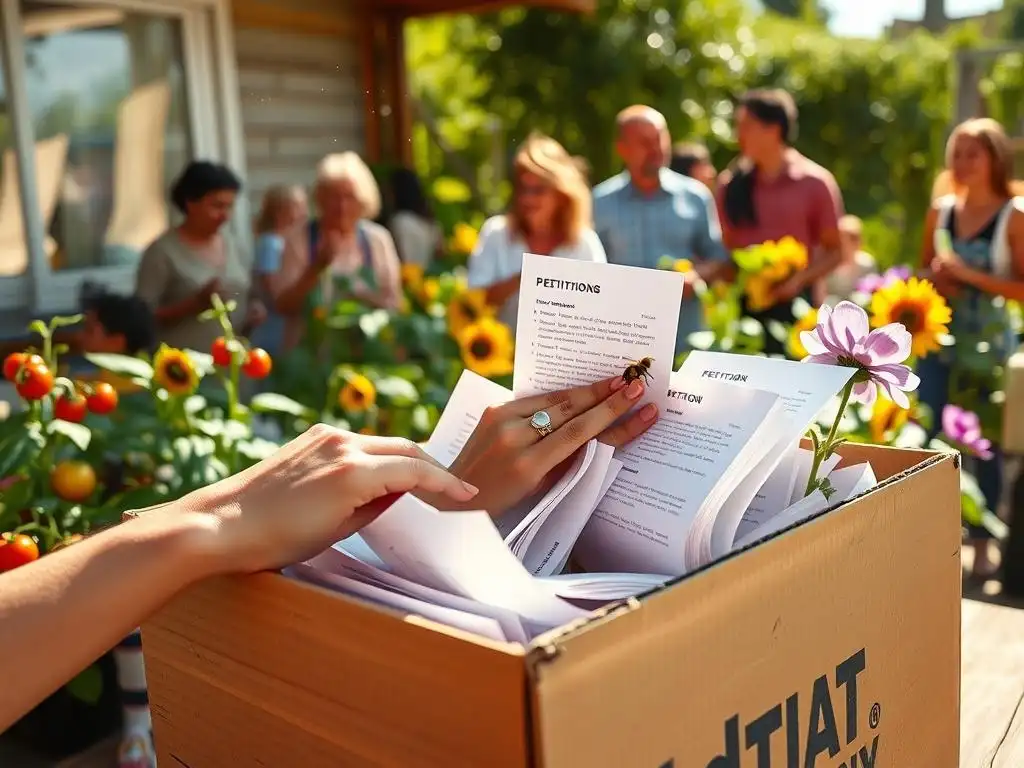
Following up on your "Start urban garden petition" is crucial for its success. Passive petitioning rarely yields results. Active follow-up demonstrates commitment and keeps the pressure on relevant authorities. This section details strategies for effective follow-up to maximize your chances of establishing your urban garden.
Tracking your petition's progress requires a multi-pronged approach. First, utilize any online petition platforms' built-in tracking tools. These often provide real-time updates on signature counts and overall petition performance. For offline petitions, maintain a meticulous spreadsheet documenting the number of signatures collected per location, date, and volunteer involved. This allows you to visualize the petition's growth and identify areas needing more attention.
Beyond signature counts, actively monitor responses from local authorities. This might involve checking the relevant council or government website for updates, attending public meetings related to urban development or environmental initiatives, and directly contacting the designated officials responsible for handling citizen petitions. Note the dates of contact, the names of individuals you spoke with, and the specific responses received. Documenting this information is crucial for future reference and to demonstrate a consistent effort in pursuing your petition.
Consider creating a simple progress chart. This could be a line graph showing the number of signatures over time, or a table summarizing key interactions with authorities. Visual aids can make it easier to track progress and identify bottlenecks. For example:
| Date | Activity | Outcome | Notes |
|---|---|---|---|
| Oct 26, 2023 | Petition launched | 50 signatures collected | Initial launch via online platform and local community outreach events |
| Nov 10, 2023 | Email sent to City Council | Acknowledgment received; request for further info | Requested details regarding zoning regulations and environmental impact |
| Nov 22, 2023 | Meeting with Council Member Smith | Positive feedback; concerns about waste management addressed | Agreed to provide details on proposed composting solutions. |
Regularly reviewing this data will help you assess the petition's effectiveness and adapt your strategy accordingly. Remember, consistent monitoring is key to ensuring your voice is heard and your petition gains traction.
Preparing for Potential Objections and Developing Contingency Plans
Even the most well-crafted "Start urban garden petition" may face objections. Anticipating potential obstacles and developing contingency plans is crucial for success. Common objections might include concerns about:
- Zoning regulations: Some areas may have strict zoning laws that prohibit gardening in specific locations.
- Waste management: Concerns about potential litter or improper waste disposal from the garden.
- Pest control: Worries about attracting pests or spreading diseases.
- Maintenance and upkeep: Questions about who is responsible for maintaining the garden's appearance and overall upkeep.
To proactively address these concerns, research your local regulations thoroughly. Gather data on successful urban gardening initiatives in similar areas to showcase their positive impact and demonstrate that your project can be managed responsibly. Develop detailed plans outlining how you will address waste management (composting, regular cleanups), pest control (organic methods, regular inspections), and garden maintenance (community involvement, volunteer program).
Including these plans within your petition or presenting them during follow-up meetings can significantly mitigate objections. Consider presenting a cost-benefit analysis highlighting the economic and social advantages of the urban garden, such as increased property values, community engagement, and improved local food security.
Celebrating Success and Maintaining Momentum for Your Urban Garden Project
Once your petition achieves its objective – securing approval for your urban garden – celebration is warranted! Sharing your success story with the community strengthens support for future urban gardening projects. Organize a small event to acknowledge the contributions of all involved, highlighting the collective effort that led to success. This could involve a community gathering at the proposed garden site, or a presentation at a local council meeting.
Maintaining momentum is crucial for the long-term success of your urban garden. Develop a detailed plan for the garden's implementation, including timelines, resource allocation, and community involvement strategies. Continue to engage with local authorities to ensure ongoing support and address any emerging challenges. Consider establishing a community gardening group to share responsibilities and foster a sense of ownership.
Regular updates and open communication with community members will ensure continued support and enthusiasm for the project. The successful petition for your urban garden is not just an end, but a beginning – a catalyst for a thriving green space and a stronger, more connected community. This ongoing engagement is key to ensuring the longevity and impact of your project.
Maintaining Your Urban Garden After Petition Success
After the hard work of petitioning for and winning approval for your urban garden, the real work begins! Maintaining a thriving and sustainable urban garden requires careful planning and consistent effort. This section outlines key steps to ensure your project's long-term success, focusing on securing necessary permits, establishing a robust management plan, and implementing sustainable practices. Successfully navigating these post-petition steps will solidify your urban garden's place within your community and ensure its continued growth and positive impact.
Securing Necessary Permits and Licenses for Your Urban Garden
Even after a successful petition, you'll likely need further permits and licenses to legally operate your urban garden. These may vary depending on your location and the scale of your project. Some common permits include those related to water usage, soil disturbance, waste disposal (composting), and potential construction (if building raised beds or structures). Thoroughly research your local regulations – often available online through your city's or county's planning or environmental departments.
Failure to obtain the necessary permits can lead to fines or even the forced removal of your garden. It's crucial to proactively address these legal requirements. The process might involve completing applications, providing detailed plans of your garden layout, and potentially undergoing site inspections. Keep meticulous records of all permits, licenses, and communication with relevant authorities.
Consider consulting with a legal professional specializing in environmental regulations if you encounter complex issues. Proactive compliance is key to avoiding future setbacks and ensuring the long-term success of your "start urban garden petition" efforts. Remember, securing these permits is a vital step in the ongoing maintenance and growth of your garden.
Establishing a Community Garden Management Plan
A well-defined management plan is crucial for the long-term success of any community garden, particularly one established through a grassroots "start urban garden petition" effort. This plan should outline roles and responsibilities, decision-making processes, resource allocation, conflict resolution strategies, and a schedule for maintenance tasks. Involve all stakeholders – garden participants, neighbors, and local officials – in developing this plan to foster a sense of shared ownership and responsibility.
The plan should address various aspects, including:
- Plot assignments: How will plots be assigned and managed? Will there be a waiting list? What are the rules regarding plot usage and maintenance?
- Water management: How will water be sourced and conserved? Will there be a shared water system or individual responsibilities?
- Waste management: How will compost be managed? What are the procedures for disposing of garden waste?
- Pest and disease control: What organic pest control methods will be used? How will disease outbreaks be addressed?
- Conflict resolution: How will disagreements among gardeners be handled? Who will mediate disputes?
- Financial management: Will there be membership fees? How will funds be collected and used?
This plan should be a living document, regularly reviewed and updated to reflect the evolving needs of the garden and its community. Regular meetings and open communication are essential to keep the plan relevant and effective. Creating a transparent and inclusive process ensures your urban garden thrives long after the initial petition.
Ensuring the Long-Term Sustainability of Your Urban Garden Project
The sustainability of your urban garden extends beyond just the plants. It encompasses environmental responsibility, community engagement, and financial viability. Consider these crucial aspects for long-term success:
- Water conservation: Implement water-wise gardening techniques, such as using drip irrigation, mulching, and selecting drought-tolerant plants. Explore rainwater harvesting techniques to reduce reliance on municipal water supplies.
- Soil health: Prioritize soil health through composting, cover cropping, and avoiding the use of synthetic fertilizers and pesticides. Regular soil testing can help identify nutrient deficiencies and guide appropriate amendments.
- Community involvement: Foster a strong sense of community ownership by organizing workshops, volunteer events, and educational programs. Regular communication with neighbors and local officials is key to maintaining positive relations.
- Financial planning: Develop a sustainable financial model to cover ongoing expenses, such as water, tools, and seeds. Explore fundraising opportunities, grants, or sponsorships to support the garden's long-term needs. This ensures the garden can continue its positive impact for years to come, showcasing the lasting benefits of your successful "start urban garden petition."
By carefully considering these aspects, you can ensure your urban garden not only thrives but also serves as a model for sustainable urban farming practices within your community. This holistic approach will solidify the garden's place as a valuable asset, demonstrating the power of community action and the success of your initial petition.
Frequently Asked Questions
What is an urban gardening petition, and why should I start one?
An urban gardening petition is a formal request signed by many people, advocating for increased access to urban gardening spaces or resources. Starting one can help raise awareness and influence local policy to support urban gardening initiatives in your community.
Who should I target with my urban gardening petition?
Your petition should target the relevant authorities in your area, such as your city council, local government representatives, or even private landowners who control potential garden spaces. Consider also who holds the power to allocate resources or change zoning regulations.
What information should be included in my urban gardening petition?
Your petition should clearly state the problem (lack of urban gardening spaces), the proposed solution (more community gardens, allotments, etc.), and a call to action (specific request to the authorities). Include space for signatures, contact information, and a concise explanation of the benefits of urban gardening.
How can I gather signatures for my urban gardening petition?
Utilize online platforms and offline methods. Online platforms like Change.org can help reach a wider audience. Offline, consider collecting signatures at local events, farmers' markets, community centers, and by distributing physical copies of the petition.
What happens after I submit my urban gardening petition?
After submission, follow up with the targeted authority. Maintain communication, potentially scheduling meetings to discuss your petition. Be prepared to present the impact of your petition (number of signatures) and address any concerns. Consider forming a community group to maintain momentum and collaboration.
Final Reflection: Cultivating Community Through Urban Gardening
The fight for green spaces in our increasingly urbanized world is far from over, and the power to cultivate change lies directly in our hands. Access to fresh produce, community building, and environmental sustainability are all intertwined with the success of urban gardening initiatives, making the ability to petition effectively more crucial than ever. The tools and strategies outlined in this article are not just about securing a plot of land; they are about securing a healthier, more vibrant future for our communities.
The impact of successful urban gardening projects extends far beyond the harvest itself. They foster a sense of shared responsibility, creating spaces for connection and collaboration that are often lacking in densely populated areas. The garden was not just a place to grow food; it was a place to grow community.
This sentiment, though simple, encapsulates the profound social and emotional benefits that arise from collective action towards a shared environmental goal. The ongoing struggle for equitable access to green spaces highlights the importance of continued advocacy and the need for individuals to actively participate in shaping their urban environments.
You, the reader, now hold the seeds of change. Don't let the complexities of petitioning deter you from advocating for the green spaces your community deserves. Take the knowledge gained from this article, adapt the strategies to your unique situation, and begin planting the seeds of your own urban gardening revolution. Your voice matters, and your actions can transform not only your neighborhood but also the lives of those around you. Let's cultivate a greener, more connected future, together.
Unlock Your City's Green Potential: Start Your Petition Today!
Thank you for learning how to bring more green spaces to your city! You're now ready to make a real difference. Let's put your knowledge into action.
Here's how to proceed:
- Launch your online petition: Use a platform like Change.org or create a simple petition using Google Forms to gather community support. This is the crucial first step to realizing your vision.
- Share your petition widely: Utilize social media, email, and even neighborhood flyers to spread the word. Get creative!
- Build a community coalition: Connect with like-minded neighbors who share your passion for urban green spaces. Collective action significantly strengthens your petition's impact.
What unique approach will you use to engage your neighbors in the exciting possibilities of urban gardening?