
Soil Horizons: Exploring the Layers of Your Garden's Foundation

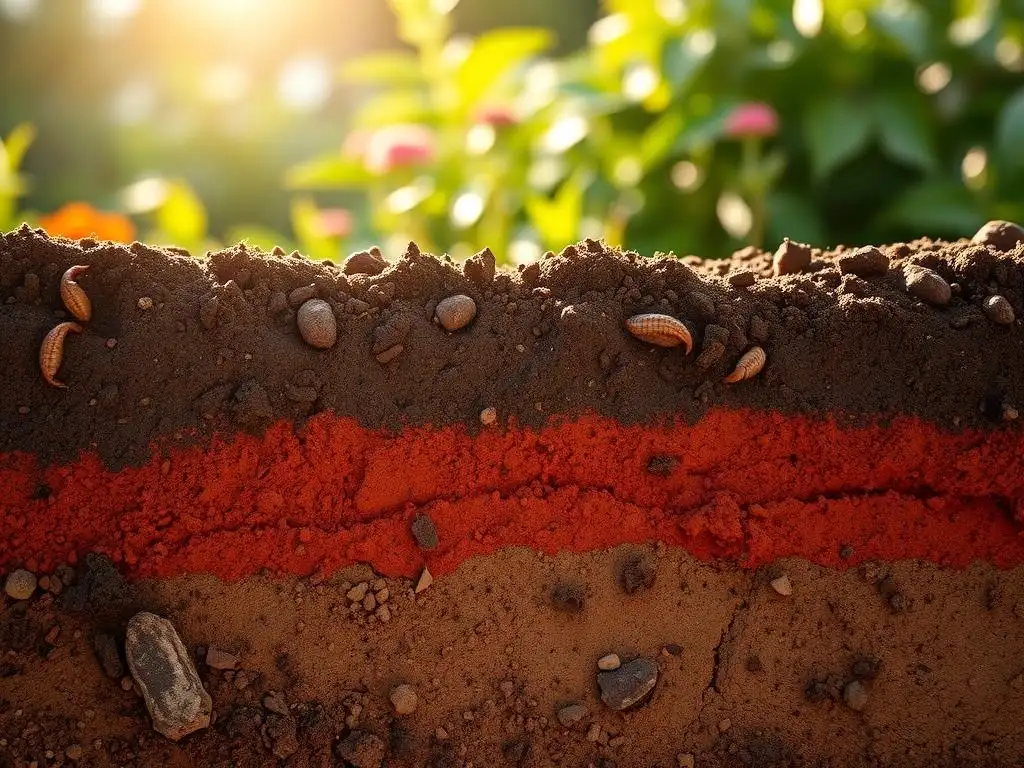
Ready to unlock the secrets to a thriving, organic garden? At CultivateYourFood, we believe everyone can grow their own delicious fruits, vegetables, and herbs. But did you know that understanding the very foundation of your garden—the soil—is key? This journey begins with Understanding soil layers gardening, a crucial step in achieving bountiful harvests. Dive in and discover how mastering soil horizons can transform your gardening success!
- Understanding Soil Layers Gardening: A Deep Dive into Soil Horizons
- Identifying the Key Soil Horizons: A Gardener's Guide
- Improving Your Soil Based on Horizon Analysis
- Practical Applications: Using Soil Horizon Knowledge in Your Garden
-
Frequently Asked Questions
- What are soil horizons, and why are they important for gardening?
- How do the different soil horizons affect plant growth?
- What is the best way to improve soil structure and health for better gardening?
- How can I identify the different soil horizons in my garden?
- Does understanding soil layers impact my choice of plants for my garden?
- Final Reflection: Cultivating a Deeper Understanding of Our Earth
- Unlock Your Garden's Potential: Dive Deeper into Soil Horizons!
Understanding Soil Layers Gardening: A Deep Dive into Soil Horizons
Understanding the composition and structure of your soil is paramount to successful gardening. This article delves into the fascinating world of soil horizons – the distinct layers that make up your garden's foundation. By understanding these layers, you can better tailor your gardening practices to promote healthy plant growth, optimize nutrient uptake, and cultivate a thriving, sustainable garden using organic methods. Mastering the art of soil horizon identification directly impacts your ability to choose the right plants for your specific soil type, manage water effectively, and employ appropriate fertilization strategies.
This knowledge empowers you to cultivate a vibrant and productive garden, reducing reliance on potentially harmful chemical interventions. We will explore the different horizons, their characteristics, and their significance in achieving optimal garden health. Let's dig in! 🌱
What are Soil Horizons and Why are They Important for Gardening?
Soil horizons are the distinct layers found in a soil profile, each with unique physical and chemical properties. These layers are formed over time through a complex process involving weathering, decomposition, and biological activity. Think of it like a layered cake, but instead of frosting and sponge, we have organic matter, minerals, and varying levels of water retention. Understanding these layers is crucial because each horizon plays a vital role in supporting plant life.
The horizons are typically designated with letters, with the most common being:
- O Horizon (Organic Layer): This is the uppermost layer, composed primarily of undecomposed or partially decomposed organic matter, such as leaves, twigs, and other plant debris. It's crucial for water retention and provides a rich source of nutrients. The thickness of this layer varies greatly depending on the environment and the amount of organic matter added. A deep O horizon indicates healthy soil rich in organic matter.
- A Horizon (Topsoil): This is the layer beneath the O horizon, a mixture of mineral matter and organic matter. It’s typically dark in color due to the presence of organic matter and is where most plant roots are concentrated. The A horizon is crucial for plant growth because it contains the majority of nutrients and water available to plants. Its structure, texture, and water holding capacity are key indicators of soil health.
- B Horizon (Subsoil): This layer lies beneath the topsoil and is characterized by an accumulation of clay, iron, aluminum, and other minerals leached from the A horizon. It’s often denser and less fertile than the topsoil, with lower organic matter content. Understanding the B horizon's properties is crucial for determining drainage and water infiltration.
- C Horizon (Parent Material): This is the layer beneath the subsoil, consisting of weathered parent material from which the soil is formed. It may include bedrock, glacial deposits, or other geological formations. The C horizon is relatively unaltered by biological processes and provides insight into the soil's origin.
Ignoring the characteristics of these horizons can lead to problems such as poor drainage, nutrient deficiencies, and stunted plant growth. By understanding the specific characteristics of each horizon in your garden, you can address these potential issues proactively. For example, if your soil has a very thin A horizon, you might need to amend it with compost to improve its fertility and water retention.
The Importance of Soil Profile Analysis for Successful Gardening
Analyzing your soil profile—that is, examining the different horizons—is a fundamental step in successful gardening. This process allows you to assess the overall health of your soil and tailor your gardening techniques accordingly. A proper soil profile analysis involves digging a pit about 1-2 meters deep and carefully observing the different layers. Note the color, texture, structure (e.g., granular, blocky, prismatic), and depth of each horizon. You can also collect samples from each horizon for further testing, such as determining pH levels, nutrient content, and drainage capacity.
The information gleaned from soil profile analysis is invaluable for:
- Choosing the right plants: Different plants have different needs regarding soil type, drainage, and nutrient content. Knowing your soil horizons helps you select plants that will thrive in your specific conditions.
- Optimizing irrigation: The texture and structure of each horizon determine how well the soil retains water. Understanding these characteristics helps you develop an efficient irrigation strategy to avoid overwatering or underwatering.
- Developing a fertilization plan: The nutrient content of each horizon influences the type and amount of fertilizer needed to support healthy plant growth. Analyzing your soil profile helps you create a targeted fertilization plan to avoid nutrient deficiencies or excesses.
- Improving soil structure: If your soil has poor structure, such as compaction or poor drainage, analyzing the soil profile helps identify the underlying cause and determine appropriate remediation strategies, such as adding organic matter or tilling.
By understanding and analyzing your soil horizons, you're laying the groundwork for a successful and sustainable garden. It’s an investment in time that yields significant rewards in the long run, leading to healthier plants, bountiful harvests, and a more fulfilling gardening experience. Remember, healthy soil is the foundation of a thriving garden! 🍅
Identifying the Key Soil Horizons: A Gardener's Guide
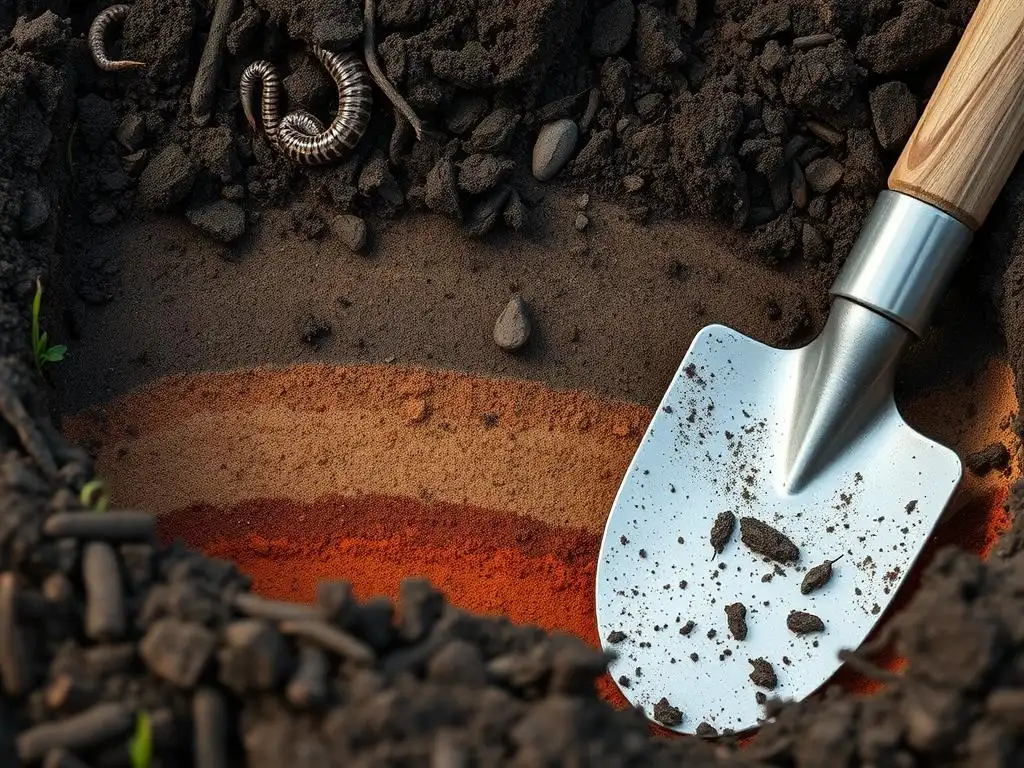
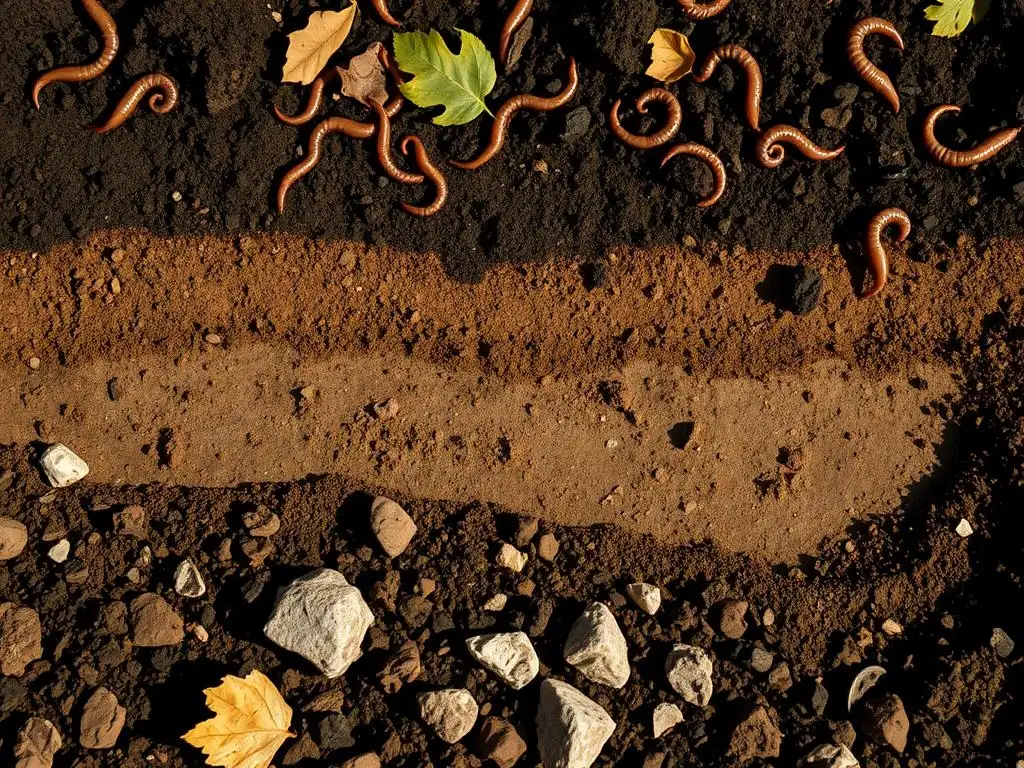
This section delves into the crucial layers of soil, often referred to as soil horizons, providing a deeper understanding of their composition and importance for successful gardening. Understanding these soil layers is fundamental for anyone striving to cultivate healthy plants using sustainable gardening practices. Mastering this knowledge will significantly enhance your ability to optimize plant growth and improve overall soil health, leading to a more bountiful and sustainable harvest. This guide focuses specifically on the key horizons relevant to home gardeners practicing organic methods.
The O Horizon: The Organic Matter Layer
The O horizon, often the uppermost layer, is the organic matter layer. It's composed primarily of undecomposed or partially decomposed organic materials like leaves, twigs, and other plant debris. The thickness and composition of this layer vary greatly depending on factors such as climate, vegetation, and soil type. A thick, well-developed O horizon is indicative of healthy, fertile soil. Think of it as the garden's natural mulch layer, constantly replenishing itself through the decomposition of organic matter.
Recognizing the O Horizon in Your Garden
Identifying the O horizon is relatively straightforward. Look for a distinct layer of dark brown or black material on the surface of your soil. This layer may be several inches thick or just a thin covering.
You'll often find identifiable plant remains within it, ranging from freshly fallen leaves to partially decomposed twigs and branches. The O horizon's texture can range from loose and fluffy to densely packed, depending on the stage of decomposition. It's crucial to understand that the O horizon's presence and thickness are direct indicators of your soil's organic matter content, a key factor in understanding soil layers gardening.
The Role of the O Horizon in Soil Health
The O horizon plays a vital role in soil health and nutrient cycling. As organic matter decomposes, it releases essential nutrients that plants need to thrive. This process improves soil structure, increasing water retention and aeration. A healthy O horizon also supports beneficial soil organisms like earthworms and microbes that further contribute to nutrient cycling and soil health.
Furthermore, a thick O horizon acts as a natural buffer, protecting the underlying soil layers from erosion and compaction. Maintaining a robust O horizon is key to long-term soil fertility and sustainable gardening practices. Neglecting this layer can lead to nutrient depletion and soil degradation.
The A Horizon: Topsoil – The Heart of Your Garden
The A horizon, commonly known as topsoil, is the uppermost mineral layer of soil and is crucial for plant growth. It's characterized by a high concentration of organic matter mixed with mineral particles. This layer is the most biologically active zone in the soil profile, teeming with microorganisms and earthworms. The A horizon's depth varies considerably depending on factors like soil type, climate, and land use. Understanding its composition and characteristics is paramount for successful gardening.
Composition and Characteristics of the A Horizon
The A horizon is a complex mixture of mineral particles (sand, silt, and clay), organic matter, and living organisms. The proportion of each component determines the soil's texture and structure, directly influencing water retention, aeration, and nutrient availability. A healthy A horizon exhibits a dark brown or black color due to the presence of organic matter.
Its structure is typically granular or crumbly, allowing for good water infiltration and root penetration. The depth of the A horizon can range from a few inches to over a foot, with deeper layers generally indicating more fertile soil. Analyzing the composition of your A horizon provides valuable insights into your soil's overall health and nutrient content.
Nutrient Content and Plant Growth in the A Horizon
The A horizon is where most plant roots concentrate, accessing the essential nutrients required for healthy growth. The organic matter in this layer decomposes, releasing nutrients like nitrogen, phosphorus, and potassium, which are readily available to plants. The physical properties of the A horizon, such as its texture and structure, also influence root development and water uptake. A well-structured A horizon with adequate organic matter content promotes strong root growth, leading to healthier and more productive plants.
Conversely, a compacted or nutrient-poor A horizon can severely restrict plant growth and yield. Regular soil testing and amendment strategies are crucial for maintaining the health and fertility of this vital soil layer. Understanding and managing this layer is key to successful "Understanding soil layers gardening".
The E Horizon: Eluviation – The Leaching Layer (Where Applicable)
The E horizon, also known as the eluviation horizon, isn't present in all soil profiles. Its presence is largely dependent on the type of soil and the environmental conditions. Think of it as a layer of leaching, where water percolates downwards, carrying dissolved minerals and organic matter from the overlying O and A horizons. This process, called eluviation, leaves behind a lighter-colored layer, often appearing pale and sandy, sometimes even grayish or whitish.
The absence of organic matter and clay particles results in a less fertile layer compared to the horizons above and below. The E horizon is typically found beneath the topsoil (A horizon) and above the subsoil (B horizon) in well-drained soils, particularly those with sandy or silty textures. Its thickness varies considerably depending on factors like rainfall, soil drainage, and the presence of specific minerals.
In some soils, the E horizon might be barely noticeable, while in others, it can represent a significant portion of the soil profile. Understanding the E horizon is crucial for gardeners, as it impacts water movement and nutrient availability for plant roots. A poorly developed or absent E horizon might suggest different soil management strategies compared to soils with a pronounced E horizon.
Understanding Eluviation and its Impact
Eluviation is a crucial process shaping soil structure and fertility. It's driven primarily by the movement of water through the soil profile. As rainwater or irrigation water percolates downwards, it dissolves and carries away fine particles like clay, iron oxides, and organic matter. These materials are then deposited in the underlying B horizon, a process known as illuviation.
The extent of eluviation depends on several factors, including the amount and intensity of rainfall, the soil texture (sandier soils experience more eluviation), and the presence of organic acids that enhance the solubility of minerals. The impact of eluviation on soil properties is significant. The removal of clay and organic matter from the E horizon reduces its water-holding capacity and fertility. Plants may struggle to thrive in this layer due to the lack of essential nutrients.
Conversely, the accumulation of these materials in the B horizon can enhance its fertility and water retention, though often creating a denser layer that can hinder root penetration. Understanding the dynamics of eluviation is essential for tailoring soil management practices to specific soil types and conditions. For example, adding organic matter to the surface can help mitigate the effects of eluviation, improving overall soil health.
Identifying the E Horizon in Different Soil Types
Identifying the E horizon requires careful observation and some experience. It's often visually distinct from the surrounding horizons due to its lighter color and texture. In sandy soils, the E horizon might appear as a thin, almost bleached layer, while in silty soils, it might be slightly more noticeable. However, in clay-rich soils, the E horizon may be less apparent or even absent, as clay particles are less easily leached.
The presence or absence of an E horizon can provide valuable insights into the soil's formation and drainage characteristics. For instance, a well-developed E horizon indicates good drainage and a history of leaching. Conversely, the absence of an E horizon might suggest poor drainage, impeded water flow, or a soil that has not undergone significant eluviation.
Experienced gardeners often use a soil auger or shovel to examine the soil profile and identify the different horizons visually. Comparing the color, texture, and structure of different layers helps in distinguishing the E horizon from the A and B horizons. Analyzing soil samples in a laboratory can provide more precise information about the chemical composition and mineral content of each horizon, further confirming the presence and characteristics of the E horizon.
The B Horizon: Subsoil – A Foundation for Growth
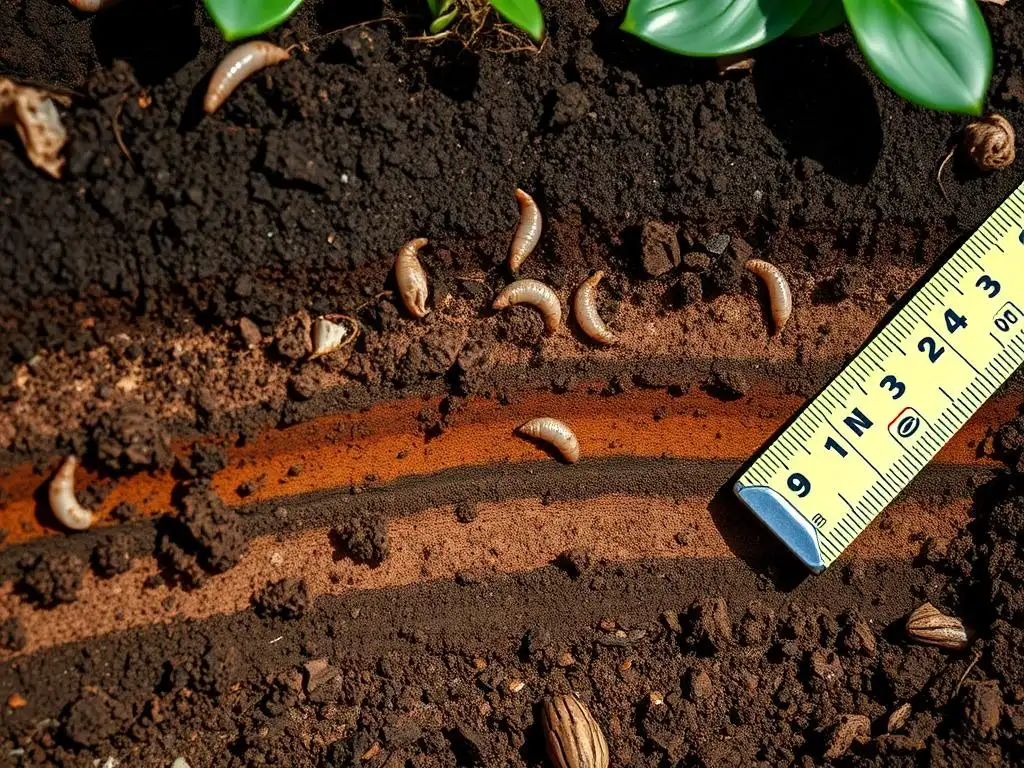
The B horizon, also known as the subsoil, is a crucial layer beneath the topsoil (A horizon). It's a transition zone, receiving materials leached from the A horizon (and potentially the E horizon) through the process of illuviation. This accumulation of clay, iron oxides, and other minerals often results in a denser, more compacted layer than the A horizon.
The B horizon plays a vital role in supporting plant growth, although its contribution is often less direct than that of the topsoil. While it may not be as rich in organic matter, the subsoil provides structural support, stores water, and can contribute nutrients to the plant roots that penetrate into this layer. Understanding the characteristics of the B horizon is essential for effective gardening practices, as it influences water infiltration, drainage, and root development.
Characteristics of the Subsoil Layer (B Horizon)
The B horizon exhibits several key characteristics that distinguish it from the overlying A horizon. It is typically denser and more compact, resulting in reduced porosity and slower water infiltration. The accumulation of clay particles through illuviation contributes to this increased density.
The color of the B horizon can vary considerably depending on the soil type and the presence of specific minerals. It's often darker than the E horizon (if present) and may exhibit different shades of brown, reddish-brown, or yellowish-brown due to the accumulation of iron oxides. The texture of the B horizon also differs from the A horizon; it tends to be heavier and more clay-like.
This texture impacts its water-holding capacity and aeration, influencing root growth. Furthermore, the B horizon's structure, often characterized by blocky or prismatic structures, influences the soil's ability to retain water and support plant roots. These structural characteristics are shaped by the accumulation of minerals and the processes that occur within the B horizon.
Nutrient Availability and Root Penetration in the B Horizon
While the B horizon is not as rich in readily available nutrients as the topsoil, it still plays a role in plant nutrition. The accumulation of minerals through illuviation provides a reservoir of nutrients that can slowly become available to plants as they decompose or are further weathered. However, the denser texture and lower organic matter content of the B horizon can hinder root penetration.
Plant roots may struggle to access nutrients in the B horizon due to its compaction and lack of oxygen. The extent of root penetration into the B horizon varies depending on the plant species and the soil's characteristics. Deep-rooted plants are better equipped to access nutrients from the subsoil, while shallow-rooted plants primarily rely on the nutrients in the topsoil.
Improving the structure of the B horizon, for instance, through deep tillage or the addition of organic matter, can facilitate root penetration and nutrient uptake. This can lead to improved plant growth and overall soil health. Understanding the nuances of nutrient availability and root penetration in the B horizon helps gardeners optimize their cultivation practices for a thriving garden.
The C Horizon: Parent Material – The Bedrock Below
The C horizon represents the parent material from which your soil is derived. Think of it as the foundation upon which the other soil horizons are built. This layer is largely unaltered or only slightly altered by the processes that form soil. It's typically composed of weathered bedrock, glacial deposits, or other geological materials.
Unlike the topsoil layers above, the C horizon doesn't contain significant amounts of organic matter or show much evidence of biological activity. Its characteristics heavily influence the properties of the soil layers above. Understanding the C horizon is crucial for understanding the overall fertility and water retention capabilities of your garden soil. For instance, a C horizon composed of highly weathered granite will yield a very different soil profile than one derived from compacted clay.
This difference can significantly impact drainage, nutrient availability, and the overall suitability of your land for gardening. Careful examination of this layer can provide invaluable insights into the historical development of your soil and its inherent limitations. Knowing the parent material helps in making informed decisions about soil amendment and plant selection.
Understanding the Parent Material and its Influence
The parent material significantly influences the texture, structure, and mineral composition of the overlying soil horizons. For example, a parent material rich in clay minerals will likely result in a clay-rich topsoil, potentially leading to poor drainage. Conversely, a parent material composed primarily of sand will produce a sandy soil, which is prone to rapid drainage and nutrient leaching. The chemical composition of the parent material also plays a crucial role.
A parent material high in calcium carbonate will result in a soil with a higher pH, while one rich in iron oxides might lead to a more acidic soil. Understanding the parent material, therefore, is essential for predicting the soil's behavior and selecting appropriate plants that thrive in those conditions. For example, if your parent material is predominantly shale, you might expect a soil that’s prone to compaction, requiring careful tilling and amendment strategies.
How Parent Material Affects Soil Drainage and Structure
The parent material's influence on drainage and soil structure is profound. A well-drained soil is vital for healthy plant growth, and the C horizon plays a major role in determining this. For instance, a parent material consisting of coarse-grained materials like gravel or sand will result in excellent drainage. Water percolates easily through these materials, preventing waterlogging and promoting aeration.
On the other hand, a parent material rich in fine-grained materials like clay will impede drainage. Water tends to accumulate in these soils, potentially leading to root rot and other plant problems. Furthermore, the parent material's influence extends to the soil structure.
A parent material with a high proportion of clay minerals might lead to compact soils with poor aeration, while a parent material with a high proportion of sand will lead to loose, easily eroded soils. Effective gardening requires understanding these influences to implement appropriate soil management strategies, such as adding organic matter to improve structure and drainage. Careful observation of the C horizon can give gardeners valuable insight into the potential drainage challenges they might face.
The R Horizon: Bedrock – The Immovable Base
The R horizon, also known as bedrock, is the unweathered, consolidated rock layer that lies beneath all other soil horizons. It represents the ultimate base of the soil profile, the solid, immovable foundation. This layer is typically composed of igneous, sedimentary, or metamorphic rocks and is essentially unaltered by soil-forming processes.
While not directly involved in plant growth, the R horizon exerts a significant influence on the overlying soil layers by affecting drainage, water availability, and root penetration. The depth of the bedrock significantly impacts the depth of the soil profile and the potential for root development. Shallow bedrock can limit root growth and restrict plant access to water and nutrients, while deeper bedrock allows for a deeper, more extensive root system.
Recognizing Bedrock and its Implications for Gardening
Identifying bedrock is crucial for understanding the limitations of your garden. Bedrock can be visually identified through excavation or by observing exposed areas. It's important to note that bedrock is not always a continuous layer; it can be fractured or broken, creating crevices and fissures that can influence water movement and root penetration.
The type of bedrock also plays a role. Hard, impervious bedrock can restrict drainage and lead to waterlogging, while fractured bedrock might allow for better drainage. The depth of the bedrock significantly influences gardening practices.
Shallow bedrock may require specialized planting techniques, such as raised beds or container gardening, to accommodate limited root growth. Knowing the bedrock depth and type allows gardeners to make informed decisions about plant selection and soil management strategies to maximize plant health and yield, making the most of available space and resources. Understanding this fundamental layer provides a crucial foundation for successful gardening.
Improving Your Soil Based on Horizon Analysis
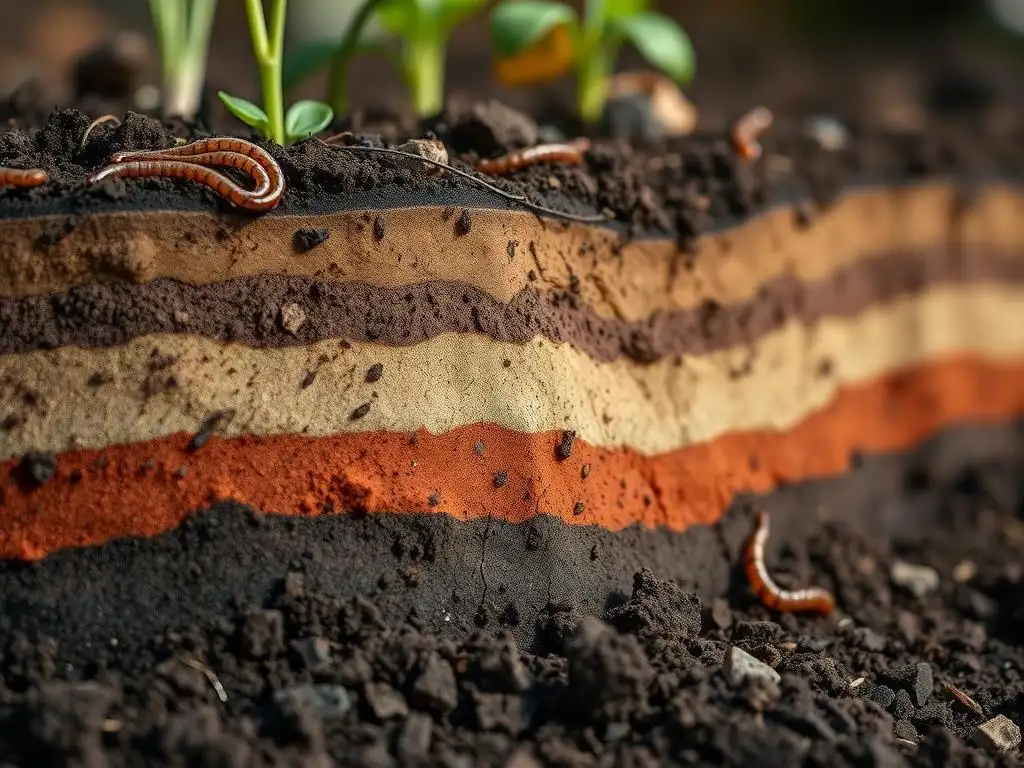
Understanding soil layers is crucial for successful gardening. By analyzing the different soil horizons—the distinct layers found in a soil profile—you can tailor your soil improvement strategies for optimal plant growth. This section focuses on practical techniques for enhancing your soil based on a thorough understanding of your garden's horizons. Effective soil management hinges on knowing what you're working with, and horizon analysis provides that crucial foundation for "Understanding soil layers gardening."
Enhancing Topsoil (A Horizon) Fertility
The topsoil, or A horizon, is the most crucial layer for plant growth. It's rich in organic matter, microorganisms, and nutrients readily available to plant roots. However, over time, intensive cultivation or poor management can deplete its fertility. Enhancing the A horizon involves increasing its organic matter content and nutrient levels.
Several techniques can boost topsoil fertility. Adding compost is a cornerstone of sustainable gardening. Compost improves soil structure, water retention, and nutrient availability. Aim for at least 2-4 inches of compost incorporated into the top 6-8 inches of soil annually. This is particularly vital for sandy soils which are prone to nutrient leaching. Conversely, clay soils benefit from compost's ability to improve drainage and aeration.
Another effective method is cover cropping. Planting nitrogen-fixing cover crops, such as legumes (beans, peas, clover), adds nitrogen to the soil, enriching the A horizon naturally. These plants can be tilled into the soil to further enhance organic matter and improve soil structure. The benefits extend beyond nitrogen; cover crops also help suppress weeds, prevent erosion, and improve overall soil health. Careful planning is needed to integrate cover crops into your gardening schedule effectively.
Poor drainage can severely hinder plant growth, leading to root rot and other problems. Understanding how soil horizons influence drainage is key to rectifying these issues. Compacted subsoil (B horizon) is a common culprit. This layer, typically denser than the topsoil, can restrict water movement. Clay soils, in particular, are prone to compaction and poor drainage.
Several strategies can address drainage problems. For compacted subsoils, deep tillage can help break up the dense layer, allowing for better water infiltration. However, excessive tillage can damage soil structure, so this should be done judiciously and ideally only when necessary. Alternatively, creating raised beds can improve drainage by elevating the planting area above the compacted subsoil. This approach is particularly effective in areas with high water tables or heavy clay soils.
Another effective approach involves amending the soil with organic matter. Incorporating compost, peat moss, or other organic materials into the subsoil can improve its structure, creating more pore space and enhancing drainage. This is a more sustainable approach than deep tillage, as it improves soil health without disrupting its natural structure. The effectiveness of this method will vary based on the extent of compaction and the soil type. Regular monitoring of soil moisture levels after implementing these strategies is crucial.
Amendments for Different Soil Horizon Types
The type of soil amendment needed will differ depending on the specific characteristics of each horizon. For example, sandy soils (A horizon) often lack water retention and nutrients, benefiting from the addition of organic matter like compost or peat moss. Conversely, clay soils (A & B horizons) often suffer from poor drainage and aeration, requiring amendments that improve structure, such as gypsum or perlite. Understanding the specific needs of each layer allows for targeted soil improvement, maximizing the effectiveness of your efforts.
| Soil Horizon | Common Problems | Recommended Amendments | Benefits |
|---|---|---|---|
| A Horizon (Topsoil) | Low fertility, poor structure, erosion | Compost, manure, cover crops | Increased nutrient availability, improved water retention, enhanced soil structure |
| B Horizon (Subsoil) | Compaction, poor drainage | Gypsum, perlite, organic matter | Improved drainage, aeration, reduced compaction |
| C Horizon (Parent Material) | Limited influence on plant growth, often rocky or hard | Generally not amended directly | Provides structural support |
Remember that consistent monitoring and adaptation are key to successful soil management. Regular soil testing can help you track progress and adjust your strategies as needed. By understanding the intricacies of your soil horizons and employing targeted amendments, you can cultivate a healthy and productive garden, demonstrating a true understanding of "Understanding soil layers gardening."
Practical Applications: Using Soil Horizon Knowledge in Your Garden
Understanding the different soil horizons—the O, A, E, B, C, and R horizons—is not just an academic exercise; it's crucial for successful gardening. Knowing the composition and properties of each layer directly impacts your gardening practices, from planting depth to plant selection and fertilization strategies. This section explores practical applications of this knowledge, empowering you to cultivate a thriving garden based on a deep understanding of your soil's structure. Effective application of this knowledge will significantly improve your gardening success and yield, leading to a more sustainable and productive garden.
Optimizing Planting Depth Based on Soil Layers
The depth at which you plant your seeds or seedlings is directly related to the soil horizons present in your garden. For example, planting too deeply in a compacted B horizon can hinder root development and lead to stunted growth. Conversely, planting too shallowly in a loose O horizon might result in the plant being easily uprooted or exposed to drying conditions.
Consider these points when optimizing planting depth:
- Shallow-rooted plants: These thrive in topsoil (A horizon) rich in organic matter. Examples include lettuce, radishes, and many annual flowers. Planting them too deep can suffocate them.
- Deep-rooted plants: These need access to deeper soil layers (B and C horizons) for nutrient and water uptake. Tomatoes, carrots, and trees are examples. Ensure sufficient depth to accommodate their extensive root systems. The B horizon, while often denser, provides important minerals.
- Soil texture: Sandy soils (often found in the A horizon) drain quickly, requiring more frequent watering but potentially shallower planting to prevent drying out. Clay soils (often found in the B horizon), on the other hand, retain water, potentially necessitating deeper planting to ensure adequate drainage while still giving roots access to moisture.
Understanding the specific characteristics of your soil horizons is key to making informed decisions about planting depth. Careful observation, coupled with regular soil testing, will help you refine this practice over time, maximizing the yield of your garden.
Choosing Plants Suited to Your Specific Soil Profile
Your soil profile dictates which plants will thrive and which will struggle. The presence or absence of specific horizons strongly influences nutrient availability, drainage, and overall soil health. Matching your plant choices to your soil profile is paramount for successful gardening.
Here's a simplified guide:
| Soil Horizon Characteristic | Suitable Plants | Unsuitable Plants |
|---|---|---|
| Deep, well-drained A horizon | Most vegetables, annual flowers, shallow-rooted herbs | Plants needing high moisture retention |
| Compacted B horizon | Deep-rooted plants, drought-tolerant species | Shallow-rooted plants requiring loose soil |
| High organic matter (O horizon) | Acid-loving plants, mushrooms | Plants requiring well-drained conditions |
| Rocky or gravelly C horizon | Drought-tolerant plants, plants with extensive root systems | Plants requiring ample space for root development |
Remember, this is a simplified representation. A thorough soil test will provide a more detailed analysis of your soil's pH, nutrient content, and texture, allowing for even more precise plant selection. Consider the specific needs of each plant and consult resources that detail the soil conditions each plant prefers.
Effective Soil Testing and Interpretation for Better Gardening
Soil testing is an indispensable tool for understanding your soil horizons and their characteristics. It provides valuable insights into pH levels, nutrient content (nitrogen, phosphorus, potassium, etc. ), and overall soil health. This information directly informs your gardening practices, allowing you to optimize planting, fertilization, and pest control strategies.
Effective soil testing involves:
- Collecting representative samples: Gather samples from different areas of your garden, representing the various soil horizons. Avoid contamination from fertilizers or other materials.
- Sending samples to a reputable lab: Professional labs provide accurate and detailed analyses, including recommendations for amendments.
- Interpreting the results: Understand the meaning of the values provided, paying close attention to pH levels and nutrient deficiencies.
- Adjusting your gardening practices: Based on the test results, amend your soil with compost, fertilizers, or other materials to optimize conditions for your chosen plants.
Regular soil testing—ideally annually—is crucial for maintaining soil health and maximizing crop yields. It empowers you to make data-driven decisions, leading to a more sustainable and productive garden. Regular testing allows for proactive adjustments, preventing potential problems before they impact plant growth. By understanding your soil layers and using testing results effectively, you can transform your garden into a thriving ecosystem.
Frequently Asked Questions
What are soil horizons, and why are they important for gardening?
Soil horizons are the distinct layers found in soil profiles. Understanding these layers—the O, A, B, and C horizons—is crucial because each layer plays a unique role in nutrient cycling, water retention, and root growth, impacting plant health and yield.
How do the different soil horizons affect plant growth?
The O horizon (organic layer) provides crucial nutrients. The A horizon (topsoil) is rich in organic matter and supports the majority of root systems. The B horizon (subsoil) stores nutrients and water, while the C horizon (parent material) influences soil structure and drainage. Each layer's properties directly impact a plant's access to resources.
What is the best way to improve soil structure and health for better gardening?
Improving soil health involves amending the soil with organic matter like compost. This enhances the A horizon, improving drainage, aeration, and nutrient content. Consider soil testing to identify specific deficiencies and tailor your amendments accordingly.
How can I identify the different soil horizons in my garden?
Carefully dig a hole about 2-3 feet deep. Observe the color, texture, and composition changes in the soil as you dig. You'll likely notice distinct layers representing the O, A, B, and C horizons. The differences will be more apparent in established soils.
Does understanding soil layers impact my choice of plants for my garden?
Yes, absolutely! Knowing your soil's horizons helps you choose plants suited to the available nutrients and drainage. For example, plants with shallow roots may thrive in soils with a rich A horizon, while those with deep roots need well-developed B and C horizons.
Final Reflection: Cultivating a Deeper Understanding of Our Earth
Understanding soil layers is not merely an academic exercise; it's the key to unlocking the vibrant potential of our gardens and, by extension, a more sustainable future. The intricate layers beneath our feet are far more than just dirt; they are a complex ecosystem teeming with life, directly impacting the health and productivity of everything we grow. Ignoring this foundational knowledge limits our ability to nurture thriving plants and contributes to unsustainable agricultural practices.
The journey through the soil horizons has been a personal revelation, highlighting the interconnectedness of seemingly disparate elements. It's a humbling experience to realize the delicate balance required for healthy soil, a balance easily disrupted by careless practices. The land is our mother. We must treat her with respect.
This ancient wisdom rings truer than ever in the face of modern agricultural challenges. Understanding the role of each horizon – from the organic-rich topsoil to the parent material below – allows us to appreciate the intricate processes that support life above ground. This knowledge empowers us to make informed decisions, fostering healthier gardens and contributing to a more sustainable relationship with our planet.
Now, consider your own garden, your own patch of earth. What steps can you take to better understand and nurture the soil beneath your plants? Perhaps it's as simple as observing the texture and color of your soil, or delving deeper into composting and soil amendment techniques. The journey towards understanding soil horizons is a continuous one, filled with discovery and the rewarding experience of nurturing life. Embrace this knowledge, and let it guide you towards creating a thriving garden, a testament to the power of understanding and respecting the earth beneath our feet.
Unlock Your Garden's Potential: Dive Deeper into Soil Horizons!
Thanks for exploring the fascinating world of soil horizons with us! You've gained valuable insights into the lifeblood of your garden. Ready to put this knowledge into practice?
- Analyze your soil: Grab a trowel and dig a small pit to examine your soil's layers. Note the colors, textures, and any visible organisms. This hands-on experience will deepen your understanding.
- Amend your soil: Use your observations to choose the right soil amendments—such as compost, mulch, or other organic matter—to improve your garden's health.
- Share your experience: Snap a picture of your soil profile and share it with our community on social media using #CultivateYourSoil! Let's learn from each other!
What unique characteristics did you discover in your soil? Let's discuss!