
Durable Hand Tools: Investing in Quality for Years of Use

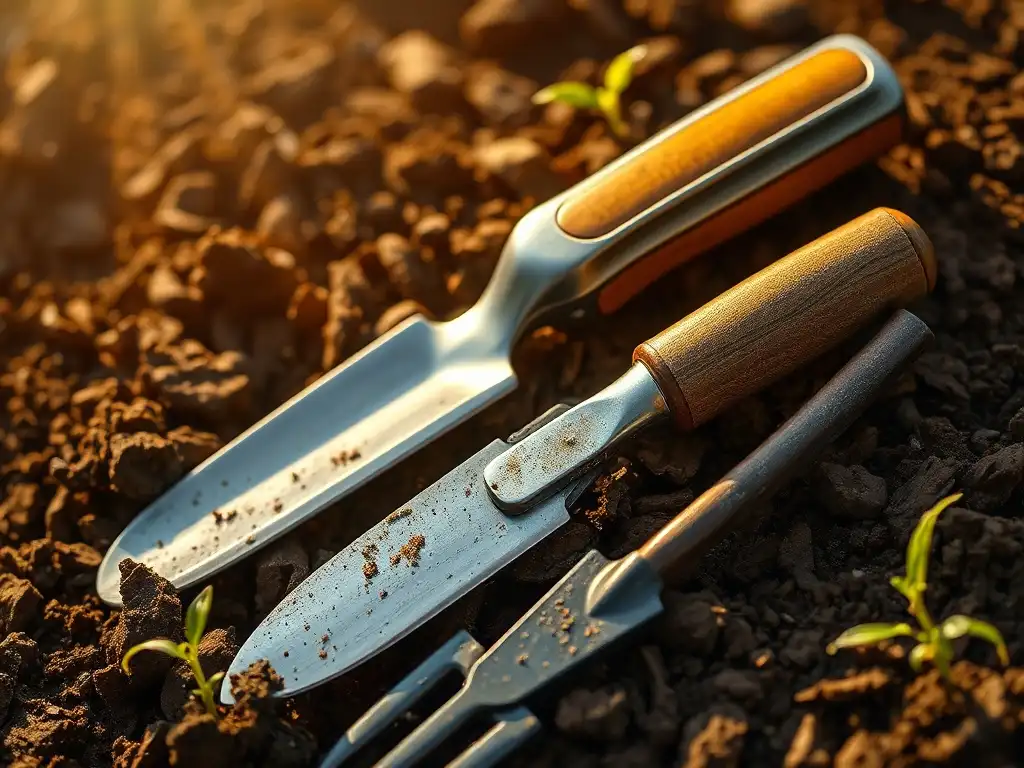
Welcome to CultivateYourFood, your guide to nurturing a thriving, sustainable garden right in your own backyard! Ready to transform your green space? We're diving deep into the world of organic gardening, from seed to harvest. But first, let's talk about the foundation of any successful garden: the right tools. Discover our expert recommendations for the best durable gardening hand tools – an investment that will pay dividends for years to come. Learn how to choose the perfect implements and unlock your gardening potential.
- Choosing the Best Durable Gardening Hand Tools: A Buyer's Guide
-
Top Picks: Best Durable Gardening Hand Tools for 2024
- Best Ergonomic Hand Trowel: Features & Benefits
- Most Durable Hand Rake: Material Breakdown and Longevity Analysis
- Best Pruning Shears for Long-Lasting Cuts: Sharpness, Durability & Ease of Use
- Top-Rated Gardening Gloves for Protection and Comfort: Features and Material Comparison
- Unbeatable Garden Cultivator for Soil Preparation: Durability and Efficiency
- Maintaining Your Durable Gardening Hand Tools: Extending Their Lifespan
-
Frequently Asked Questions about Durable Gardening Hand Tools
- What materials are best for long-lasting gardening tools?
- How much should I expect to spend on high-quality gardening tools?
- Where can I find reputable suppliers of durable gardening hand tools?
- How do I know if a hand tool is truly durable?
- How often should I sharpen my durable hand tools?
- What are some common signs that my hand tools need replacing?
- Frequently Asked Questions
- Final Reflection: The Enduring Legacy of Quality Craftsmanship
- Unleash Your Inner Craftsperson: Build Your Dream Tool Kit
Choosing the Best Durable Gardening Hand Tools: A Buyer's Guide
Cultivating a thriving garden, whether a sprawling vegetable patch or a small herb garden on a balcony, relies heavily on the tools you use. This guide focuses on selecting durable hand tools – an investment that pays dividends in years of reliable service, promoting sustainable and organic gardening practices.
We'll explore the long-term cost-effectiveness of choosing quality over cheap alternatives, highlighting key features to look for when purchasing hand tools that will withstand the rigors of consistent use, season after season. Choosing the right tools isn't just about convenience; it's about building a foundation for successful and enjoyable gardening, minimizing waste and maximizing your harvest.
This guide will help you navigate the market and select the best durable gardening hand tools for your needs, ensuring you're equipped for years of productive gardening. Let's delve into the details to help you make informed decisions and build a tool collection that will last.
Understanding the Importance of High-Quality Hand Tools for Sustainable Gardening
Investing in high-quality, durable gardening hand tools is a cornerstone of sustainable gardening practices. Cheap, flimsy tools often break quickly, leading to unnecessary waste and repeated purchases. This constant replacement contributes to environmental strain through increased manufacturing and disposal. High-quality tools, on the other hand, are designed for longevity. Their robust construction ensures they can withstand years of heavy use, minimizing the environmental impact associated with frequent replacements.
Furthermore, durable tools are often more efficient. A well-made trowel, for example, will effortlessly penetrate compacted soil, reducing the physical strain on the gardener and leading to less fatigue. This efficiency translates to a more enjoyable and sustainable gardening experience. The longevity and effectiveness of durable tools directly contribute to a more environmentally responsible and personally rewarding gardening journey. 🌱
Consider this: A high-quality hand trowel might cost three times as much as a cheap one, but if the cheap one breaks after a single season and the high-quality one lasts for five years, the long-term cost-effectiveness becomes clear. This translates into both financial savings and reduced environmental impact.
Long-Term Value vs. Cheap Alternatives: A Cost-Benefit Analysis for Gardeners
The initial cost of a durable gardening hand tool may seem higher compared to cheaper alternatives. However, a comprehensive cost-benefit analysis reveals the significant long-term advantages of investing in quality. Let's examine this with a simple table:
| Feature | Durable Hand Tool | Cheap Hand Tool |
|---|---|---|
| Initial Cost | Higher | Lower |
| Lifespan | 5-10+ years | 1-2 years (or less) |
| Efficiency | High | Low |
| Repair Costs | Low (often repairable) | High (often not repairable) |
| Environmental Impact | Significantly Lower | Significantly Higher |
As the table illustrates, the seemingly higher upfront cost of durable tools is offset by their significantly longer lifespan, increased efficiency, lower repair needs, and reduced environmental impact. The long-term cost per use is substantially lower, making them a far more economical choice for the serious gardener. The reduced frustration from broken tools and increased efficiency also contribute to a more enjoyable and productive gardening experience.
Identifying Key Features of Durable Gardening Hand Tools: Materials, Ergonomics, and Construction
Choosing truly durable gardening hand tools involves careful consideration of several key features. The materials used, ergonomic design, and overall construction all play crucial roles in determining longevity and ease of use.
- Materials: Look for tools made from high-carbon steel for blades and forged heads. Handles should be made from durable, comfortable materials like hardwood or fiberglass. Avoid tools with plastic components, especially in areas subjected to high stress.
- Ergonomics: Comfortable, well-designed handles are crucial for preventing fatigue and injuries. Look for tools with handles that fit comfortably in your hand, providing good grip and reducing strain during prolonged use. The weight and balance of the tool should also be considered for optimal comfort and efficiency.
- Construction: Solid construction is paramount. Check for sturdy rivets, seamless welds, and a general feeling of robustness. Avoid tools with flimsy parts or loose components. The overall quality of the manufacturing process significantly influences the tool's lifespan and performance. A well-constructed tool will feel substantial and dependable in your hands. 🛠️
Choosing durable hand tools is an investment in your gardening success and a commitment to sustainable practices. By carefully considering the factors discussed above, you can equip yourself with tools that will serve you faithfully for years to come.
Top Picks: Best Durable Gardening Hand Tools for 2024
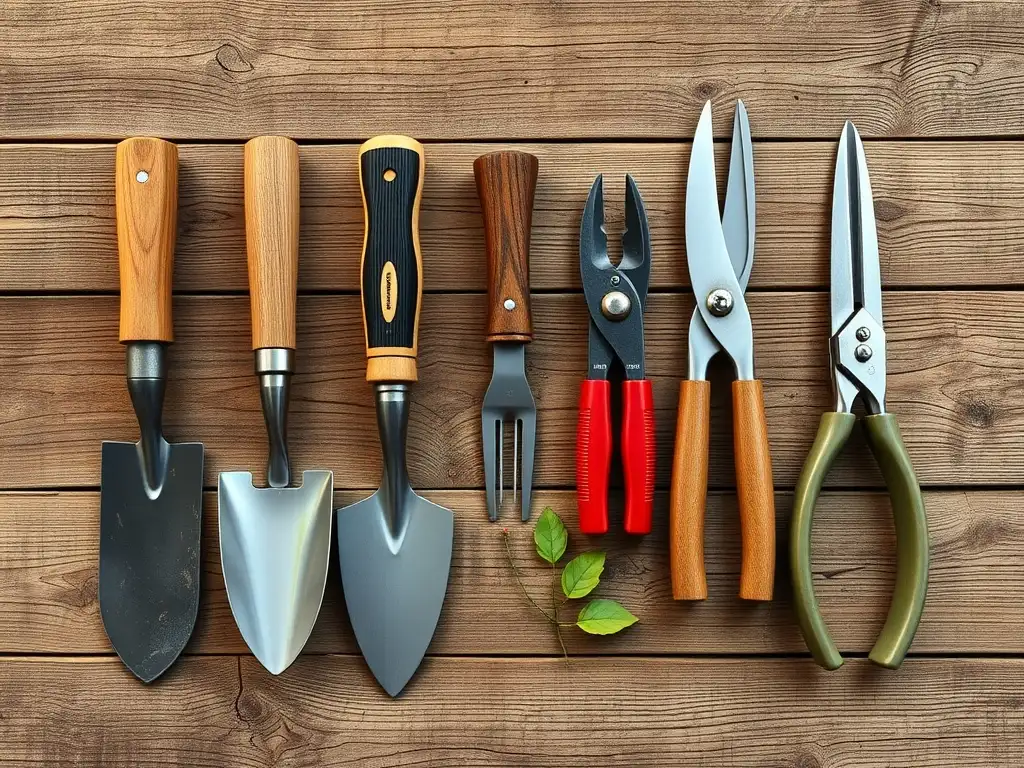
This section highlights some of the best durable gardening hand tools available in 2024, focusing on their longevity, ergonomics, and overall value for money. Choosing the right tools can significantly impact your gardening experience and the success of your harvests. Investing in quality, durable hand tools is a worthwhile investment that will pay dividends for years to come. We'll delve into specific examples, analyzing their materials and features to help you make informed decisions when building your sustainable gardening toolkit. Finding the best durable gardening hand tools is crucial for efficient and enjoyable gardening.
Best Ergonomic Hand Trowel: Features & Benefits
A good ergonomic hand trowel is a cornerstone of any successful garden. It needs to be comfortable to use for extended periods, minimizing strain on your hands and wrists. Look for features like a:
- Comfortable Grip: A D-shaped or ergonomic handle, often made from molded plastic or wood, significantly reduces hand fatigue. The grip should be textured for secure handling, even when wet.
- Strong Blade: The blade should be made from high-quality stainless steel, resistant to rust and bending. A sharp, pointed tip is essential for precise planting and weeding.
- Optimal Size and Weight: The trowel should be lightweight yet sturdy, allowing for effortless digging and planting without causing discomfort. Too heavy, and you'll tire quickly; too light, and it might lack the necessary strength.
For example, a top-rated ergonomic trowel often features a stainless steel blade with a powder-coated finish to prevent rust and a comfortable, molded plastic handle with finger grips. This combination ensures both durability and user comfort, making it an excellent investment for the serious gardener. Choosing a trowel with these features ensures a comfortable and effective gardening experience, contributing to a successful and enjoyable gardening season.
Most Durable Hand Rake: Material Breakdown and Longevity Analysis
The durability of a hand rake hinges primarily on the material of its head and handle. Let's examine what makes a rake truly long-lasting:
| Material | Advantages | Disadvantages | Longevity Rating |
|---|---|---|---|
| Stainless Steel | Rust-resistant, strong, durable | Can be heavier than other materials | ⭐⭐⭐⭐⭐ |
| Powder-coated Steel | Rust-resistant, durable, often less expensive | Coating can chip with heavy use | ⭐⭐⭐⭐ |
| Aluminum | Lightweight, strong, rust-resistant | Can bend under extreme pressure | ⭐⭐⭐⭐ |
| Wood | Lightweight, comfortable grip, biodegradable | Susceptible to rot and insect damage | ⭐⭐⭐ |
The handle material is equally important. A strong, hardwood handle will typically outlast a plastic or metal handle. However, even a well-made hardwood handle will eventually degrade, especially if exposed to the elements. Look for a handle with a comfortable grip and consider treating it with a wood preservative to extend its lifespan. The best durable gardening hand tools often prioritize high-quality materials in both the head and handle.
Best Pruning Shears for Long-Lasting Cuts: Sharpness, Durability & Ease of Use
Sharpness and ease of use are paramount when selecting pruning shears. Dull shears will damage plants, leading to disease and hindering growth. A smooth, efficient cut is crucial for minimizing damage and promoting healthy growth. Consider these key factors:
- Blade Material: High-carbon steel blades are superior in terms of sharpness and longevity. They hold their edge longer and resist rust better than other materials. Look for blades with a precision-ground edge for clean cuts.
- Handle Design: Ergonomic handles reduce hand fatigue, allowing for extended use without discomfort. Features like cushioned grips or spring-assisted mechanisms can dramatically enhance the user experience.
- Locking Mechanism: A secure locking mechanism is essential for safety and prevents accidental closing. The mechanism should be easy to operate with one hand.
Investing in high-quality pruning shears is an investment in the health and vitality of your plants. Regular sharpening will further extend the lifespan of your shears, ensuring years of clean, precise cuts. Remember that the best durable gardening hand tools are those that are both durable and easy to use, making gardening more efficient and enjoyable.
Top-Rated Gardening Gloves for Protection and Comfort: Features and Material Comparison
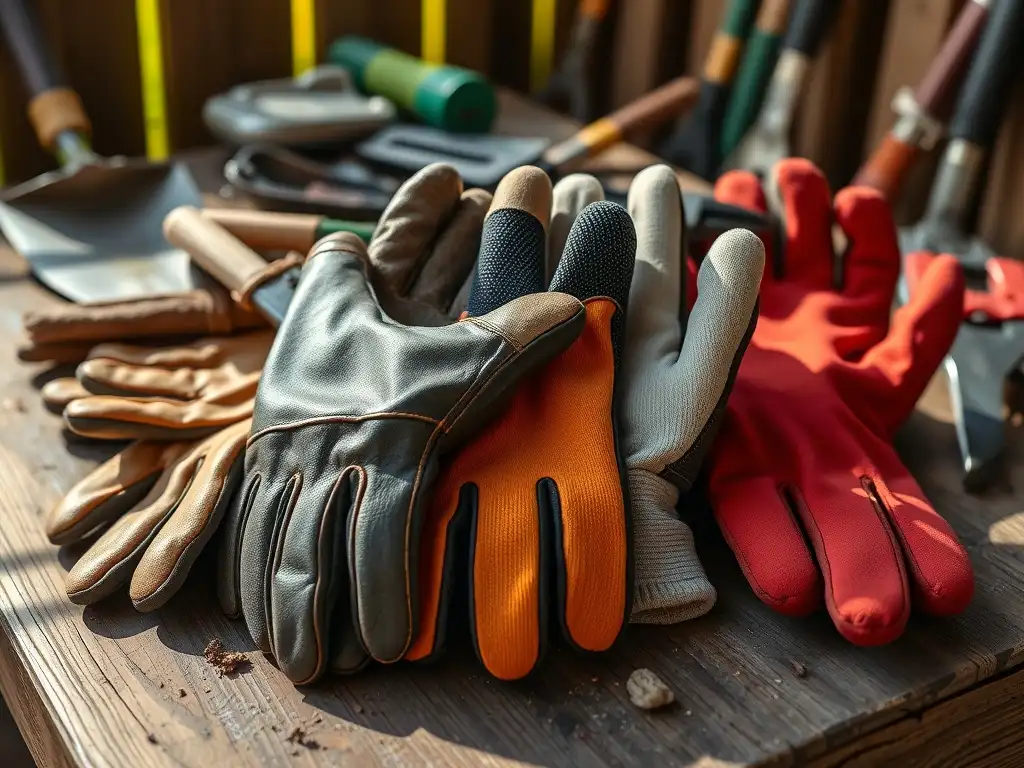
Choosing the right gardening gloves is crucial for protecting your hands from thorns, blisters, and harsh chemicals while ensuring comfort during extended gardening sessions. The best durable gardening gloves offer a balance of protection and dexterity. Let's examine some top contenders and their features:
Several high-quality brands offer gloves with different materials and features catering to various needs. For example, leather gloves provide excellent protection against thorns and abrasion, but can be less breathable and less flexible than other options. A good leather glove will have reinforced stitching in high-stress areas to extend its lifespan. Look for full-grain leather for superior durability.
On the other hand, nitrile gloves offer excellent chemical resistance and are often waterproof, ideal for handling pesticides or working in wet conditions. However, nitrile gloves may not provide as much protection against punctures. Cotton or canvas gloves are breathable and comfortable for lighter tasks but offer minimal protection. A blend of materials, such as a leather palm with a breathable cotton back, provides a good compromise between protection and comfort.
Consider these features when selecting gloves:
- Cuff Style: Gauntlet-style cuffs offer greater wrist protection, while shorter cuffs provide more dexterity.
- Padding: Gloves with padded palms reduce hand fatigue during prolonged use.
- Reinforcements: Reinforced fingertips and palms extend the life of the gloves.
- Breathability: Breathable materials help keep your hands cool and dry.
Choosing the best gloves depends on your specific gardening tasks and preferences. For heavy-duty tasks involving thorns and rough terrain, leather gloves are a superior choice. For tasks involving chemicals or working in wet conditions, nitrile gloves are preferable. For lighter tasks, cotton or canvas gloves may suffice. Ultimately, investing in a few pairs of gloves suited to different tasks will maximize your comfort and hand protection. Remember to always check the manufacturer's recommendations for proper care and cleaning to ensure their longevity.
Unbeatable Garden Cultivator for Soil Preparation: Durability and Efficiency
A durable and efficient garden cultivator is essential for preparing soil for planting. The best cultivators make the process of breaking up soil clods, weeding, and aerating easier and more effective. Key factors to consider when selecting a cultivator include material, design, and overall durability.
High-quality cultivators are typically made from hardened steel or stainless steel, offering superior strength and resistance to bending or breaking. Avoid cultivators made from cheaper materials, as these are more prone to damage and will require replacement sooner. The tines (the digging parts) should be strong and sharply pointed for effective soil penetration. Furthermore, the handle should be comfortable and ergonomically designed to reduce hand fatigue during use. Look for handles made from strong, lightweight materials like wood or fiberglass reinforced plastic.
Consider the following features when choosing a cultivator:
| Feature | Description | Importance |
|---|---|---|
| Material | Steel (hardened or stainless), aluminum, or fiberglass reinforced plastic | Determines durability and resistance to rust and bending. |
| Tine Design | Number and spacing of tines impact soil penetration and aeration. | Affects efficiency and ease of use. |
| Handle Length | Longer handles provide better leverage, but may be less maneuverable in tight spaces. | Depends on personal preference and garden size. |
| Handle Material | Wood, fiberglass, or metal; should be comfortable and durable. | Affects comfort and longevity. |
| Overall Weight | A heavier cultivator might be more durable but can be more tiring to use. | Balance between durability and ease of use is crucial. |
A well-designed cultivator can significantly reduce the time and effort required for soil preparation. Look for cultivators with appropriately spaced tines for effective soil aeration and weed removal. A comfortable grip and ergonomic design will minimize hand fatigue, allowing you to work for longer periods without discomfort. Investing in a high-quality, durable cultivator will provide years of reliable service, making your gardening experience more enjoyable and productive. Regular cleaning and proper storage will also extend the life of your cultivator.
Maintaining Your Durable Gardening Hand Tools: Extending Their Lifespan
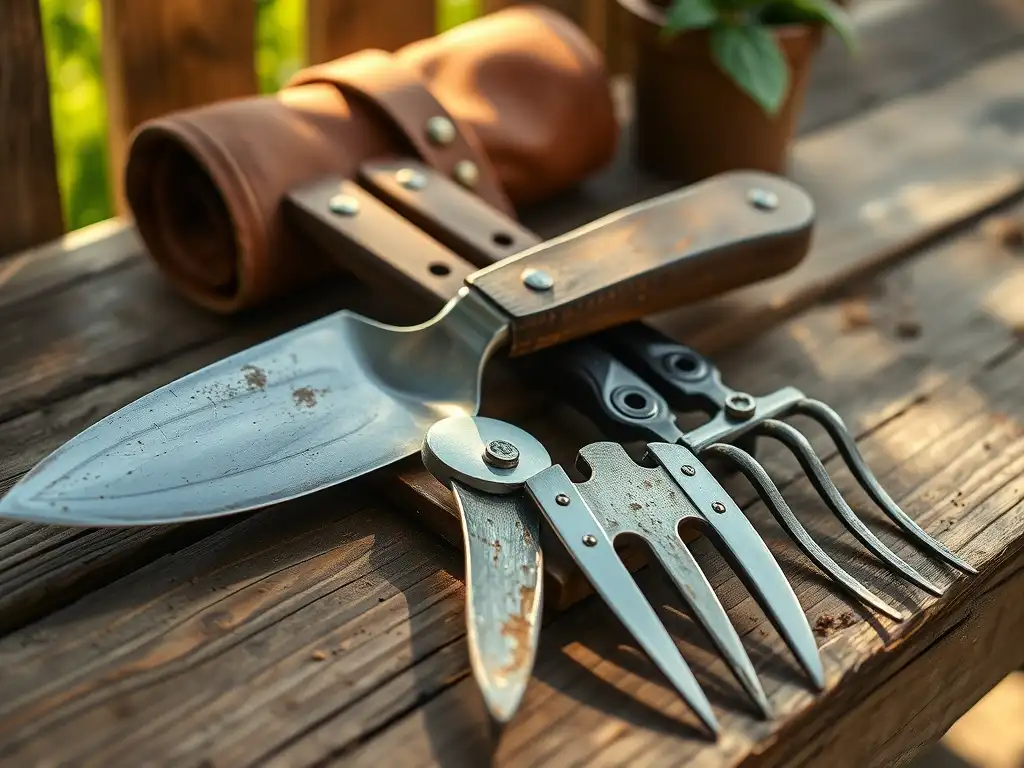
Investing in the best durable gardening hand tools is only half the battle. Proper maintenance ensures your tools remain sharp, efficient, and ready for years of use, maximizing your return on investment and minimizing the environmental impact of frequent replacements. This section focuses on practical strategies to keep your gardening hand tools in top condition. Remember, a little preventative care goes a long way in prolonging the life of your valuable gardening equipment.
Cleaning and Storage Tips for Optimal Tool Longevity
Regular cleaning is paramount for maintaining the longevity of your durable gardening hand tools. After each use, take a few minutes to wipe down your tools with a clean, damp cloth. Remove any clinging soil, plant debris, or sap. For stubborn residue, a mild soap solution can be effective, followed by thorough rinsing and drying. Avoid harsh chemicals, which can damage the tool's finish.
For tools with moving parts, such as secateurs or loppers, apply a light lubricant, like WD-40 or a specialized tool oil, to the joints after cleaning. This prevents rust and ensures smooth operation. Never lubricate tools before cleaning; this traps dirt and grit, accelerating wear and tear.
Proper storage is just as crucial as cleaning. A designated tool rack or wall-mounted organizer keeps tools dry, prevents accidental damage, and makes them easily accessible. Avoid storing tools in damp areas or direct sunlight, which can contribute to rust and deterioration. Consider using a breathable cover or sheath for added protection against the elements.
Here’s a simple checklist for optimal tool storage:
- [x] Clean tools thoroughly after each use.
- [x] Lubricate moving parts with appropriate oil.
- [x] Store tools in a dry, well-ventilated area.
- [x] Use a tool rack or organizer for easy access and protection.
- [x] Cover tools with breathable sheaths or covers when not in use.
Even the best durable gardening hand tools will eventually require sharpening or minor repairs. Regular sharpening is essential for maintaining efficiency and preventing unnecessary strain during use. For blades, a sharpening stone or file is ideal. Follow the manufacturer's instructions or consult online tutorials for proper sharpening techniques. Remember to maintain a consistent angle to avoid damaging the blade.
For wooden handles, inspect them regularly for cracks or splintering. Minor damage can often be repaired with wood glue and clamps. If the damage is extensive, consider replacing the handle. This is a relatively straightforward task for many hand tools, but always consult appropriate guides or seek professional assistance if unsure.
Example: Sharpening a Trowel
Place the trowel blade at a consistent angle on a sharpening stone. Use gentle, even strokes, moving the blade back and forth along the stone. Repeat until the blade is sharp and free of nicks. Finally, wipe the blade clean and inspect for any remaining imperfections.
Maintaining your tools’ sharpness is crucial for efficient gardening and prevents strain. A dull tool requires more force, increasing the risk of injury and damage to your plants. Regular sharpening is a small investment of time that yields significant long-term benefits. This directly impacts your overall gardening experience and the quality of your work.
Protecting Your Investment: Preventing Rust and Corrosion
Rust is the nemesis of any durable gardening hand tool. To prevent rust and corrosion, ensure your tools are completely dry after cleaning. A thin coat of oil or rust preventative spray can provide an extra layer of protection, especially during periods of high humidity or storage in damp conditions. Avoid leaving tools outdoors overnight or during extended periods of rain.
Consider using a dehumidifier in your storage area to maintain a consistently low humidity level. This is particularly beneficial in regions with high humidity or during wet seasons. Regular inspection for early signs of rust is also crucial. If you spot any rust, act quickly by removing it with fine steel wool and applying a rust inhibitor.
The choice of materials also plays a significant role in rust prevention. Stainless steel tools are inherently more resistant to rust than carbon steel. While generally more expensive, the longevity and reduced maintenance requirements often justify the higher initial cost. Investing in high-quality, rust-resistant tools is a long-term strategy that saves you time, money, and effort. Remember, preventing rust is far easier (and cheaper) than removing it.
Frequently Asked Questions about Durable Gardening Hand Tools
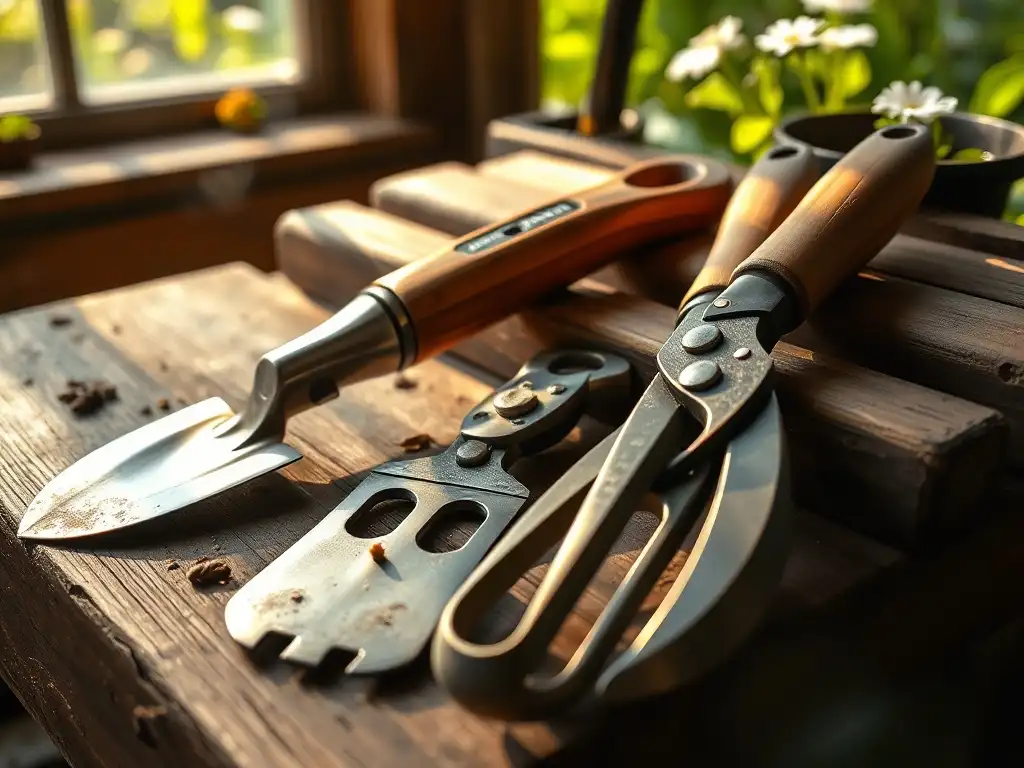
This section addresses common queries regarding the selection and maintenance of high-quality, durable gardening hand tools – crucial for any serious home cultivator seeking the best durable gardening hand tools. Investing wisely upfront saves money and frustration in the long run.
What materials are best for long-lasting gardening tools?
The longevity of your gardening hand tools hinges heavily on the materials used in their construction. While cost is a factor, prioritizing quality materials translates to years of reliable service. Here's a breakdown:
- Forged Steel Heads: Look for tools with heads made from high-carbon forged steel. This process creates a denser, stronger tool head that resists bending and breaking, far superior to stamped steel alternatives. Forged steel tools are significantly more resistant to wear and tear from daily use, making them a worthwhile investment for the serious gardener.
- Handles: The handle material is just as critical. Consider these options:
- Ash Wood: A classic choice, ash wood handles offer excellent durability, a comfortable grip, and good shock absorption. They're naturally resistant to rot and are relatively lightweight.
- Fiberglass: Fiberglass handles provide exceptional strength and are virtually unbreakable. They also resist moisture and are less prone to splintering than wood. However, they can be slightly heavier and less comfortable for prolonged use than wood.
- Long-lasting Plastics: Some high-quality plastics offer surprising durability. Look for handles made from reinforced polymers that are resistant to cracking and breakage. These are often a more budget-friendly option but may not offer the same feel as wood.
- Bolts and Rivets: Pay attention to the fasteners securing the head to the handle. High-quality tools utilize strong, corrosion-resistant bolts or rivets made of stainless steel. These prevent loosening and separation over time, ensuring the tool remains functional.
Choosing tools with a combination of forged steel heads and durable handles (ash wood or fiberglass are excellent choices) ensures you're investing in the best durable gardening hand tools available, capable of withstanding years of demanding use. Remember, cheaper tools often use inferior materials, leading to frequent replacements and ultimately costing more in the long run.
How much should I expect to spend on high-quality gardening tools?
The cost of durable gardening hand tools varies significantly based on the materials, brand reputation, and specific features. However, you should expect to pay a premium for truly long-lasting tools. Think of it as an investment rather than an expense.
While you might find budget-friendly options, these often compromise on durability and performance. A well-made trowel, for example, could cost anywhere from $15 to $40, with the higher-priced options offering superior materials and construction. A complete set of high-quality hand tools (trowel, hand rake, cultivator, hand fork, etc.) might range from $100 to $300 or more, depending on the brand and materials.
Consider the lifetime cost. A cheap tool that breaks after a season will ultimately prove more expensive than a high-quality tool that lasts for years, maybe even decades, with proper care. Therefore, focus on quality over quantity when building your collection of the best durable gardening hand tools. A smaller set of exceptional tools will serve you far better than a large collection of inferior ones.
Where can I find reputable suppliers of durable gardening hand tools?
Finding reputable suppliers is crucial to ensuring you receive high-quality, long-lasting tools. Look for established brands with a history of producing reliable gardening equipment. Read reviews from other gardeners to gauge the durability and performance of specific tools and brands. Consider these avenues:
- Specialty Garden Centers: These often carry a wider selection of high-quality tools than big-box stores, and knowledgeable staff can provide valuable advice.
- Online Retailers with Strong Customer Reviews: Many online retailers offer a wide variety of gardening tools. However, carefully examine customer reviews to assess the durability and longevity of the tools before purchasing. Pay attention to reviews that mention longevity and material quality.
- Direct from Manufacturers: Some manufacturers sell directly to consumers, which can sometimes offer better prices and access to unique or specialized tools.
Remember, buying the best durable gardening hand tools isn't just about the initial cost; it's about the long-term value and the satisfaction of using reliable, high-performing tools for many gardening seasons to come. Investing wisely now will pay dividends in years of effortless and enjoyable gardening.
How do I know if a hand tool is truly durable?
Choosing truly durable gardening hand tools requires careful consideration beyond just the initial price tag. Several key factors contribute to a tool's longevity. Firstly, examine the materials. High-carbon steel is a hallmark of superior durability in hand tools like trowels and cultivators. Look for tools explicitly stating their steel type and hardness.
Forged tools, where the metal is shaped by hammering rather than casting, tend to be stronger and more resistant to bending or breaking. Pay attention to the tool's construction; welded joints should be smooth and strong, showing no signs of weakness. Avoid tools with flimsy-looking handles – look for sturdy hardwood handles (like ash or hickory) or fiberglass reinforced handles for exceptional strength and resistance to breakage. Finally, consider the manufacturer's reputation.
Established brands often stand behind their products with warranties, indicating confidence in their durability. Checking online reviews can also offer valuable insights into the real-world performance and longevity of specific tools from different manufacturers. A truly durable tool will feel substantial in your hand, exhibiting a balanced weight and a solid feel, suggesting it can withstand years of consistent use. Don't hesitate to compare similar tools from different brands; the difference in quality and build is often palpable.
How often should I sharpen my durable hand tools?
Maintaining the sharpness of your gardening hand tools is crucial, not only for efficiency but also for their longevity. A dull tool requires more force to use, increasing the strain on both the tool and the gardener. This extra force can lead to bending, breaking, and ultimately, premature wear and tear. The frequency of sharpening depends on the tool and the intensity of use.
For tools like pruning shears and secateurs, regular sharpening (every few weeks during peak gardening season) is recommended to ensure clean cuts and prevent damage to plants. Trowels and cultivators may require sharpening less frequently, perhaps once or twice a year, depending on the soil type and how often they are used. However, any time you notice a significant decrease in the tool's cutting or digging performance, it's time to sharpen.
Learning basic sharpening techniques is a valuable skill for any gardener. A simple sharpening stone or a specialized tool sharpener can significantly extend the lifespan of your best durable gardening hand tools. Regular honing, a lighter form of sharpening, can be performed more frequently to maintain the edge between full sharpenings.
What are some common signs that my hand tools need replacing?
Even the most durable gardening hand tools will eventually show signs of wear and tear. Recognizing these signals is important to prevent further damage and maintain your gardening efficiency. Bent or broken handles are a clear indication that a tool has reached the end of its life. Similarly, significant rust, especially pitting or deep corrosion, compromises the structural integrity of the tool and makes it unsafe to use.
Loose or wobbly joints indicate weakening in the tool's construction, making it less effective and potentially dangerous. For cutting tools, excessive dullness despite sharpening attempts suggests the metal may be worn beyond repair. If you find yourself applying excessive force to use a tool, this is a strong sign that it's time for a replacement.
Continuously struggling with a tool increases the risk of injury and ultimately reduces gardening enjoyment. Investing in replacement tools of equal or better quality is a smart choice in the long run, ensuring you have the reliable tools needed for efficient and safe gardening. Remember, a well-maintained tool is a safe tool.
Frequently Asked Questions
What makes a gardening hand tool durable?
Durable gardening hand tools are made from high-quality materials, such as hardened steel for blades and strong wood or fiberglass for handles. They're also designed with robust construction to withstand regular use and harsh conditions.
What are some examples of durable hand tools for gardening?
Examples include forged steel trowels, long-handled cultivators, and pruning shears with replaceable blades. Look for tools with ergonomic handles for comfortable use.
How can I tell if a hand tool is worth the investment?
Consider the materials used, the weight and balance of the tool, and the manufacturer's warranty. A reputable brand often indicates higher quality and durability.
Where is the best place to buy durable gardening hand tools?
You can find durable gardening hand tools at reputable garden centers, online retailers specializing in gardening supplies, and even some hardware stores. Read reviews before purchasing.
How do I maintain my durable gardening hand tools to extend their lifespan?
Proper maintenance is key. After each use, clean your tools thoroughly, sharpen blades as needed, and store them properly in a dry place to prevent rust and damage.
Final Reflection: The Enduring Legacy of Quality Craftsmanship
The pursuit of durable gardening hand tools isn't merely about acquiring equipment; it's about investing in a legacy of craftsmanship and sustainable practice. Choosing quality tools translates directly into years of efficient, enjoyable work in the garden, reducing waste and maximizing your yield. This isn't a fleeting trend; it's a fundamental shift towards mindful consumption.
The impact of prioritizing quality over quantity extends far beyond the individual gardener. It fosters a deeper appreciation for the materials and processes involved in creating lasting goods, challenging the throwaway culture that pervades so much of modern life. The best tool is not the one with the most features, but the one that fits your hand and lasts a lifetime.
This simple truth speaks volumes about the enduring value of well-made tools and the satisfaction derived from their use. It's a connection to a simpler time, where quality was paramount, and a tool was an investment, not a disposable commodity.
Consider the tools you use, the feel of them in your hands, the satisfaction of a job well done with equipment you trust. This article is not just a guide to purchasing the best durable gardening hand tools; it's an invitation to cultivate a deeper relationship with your work, your garden, and the tools that help you nurture it. Choose wisely, invest in quality, and experience the enduring reward of craftsmanship that lasts a lifetime.
Unleash Your Inner Craftsperson: Build Your Dream Tool Kit
Thanks for exploring the world of durable hand tools with us! We hope you feel empowered to make informed choices for your projects. Ready to get started?
- Invest in a high-quality tool: Begin with a fundamental tool suited to your current projects. This investment will lay the foundation for a lifetime of reliable craftsmanship.
- Share your experiences: Join our community forum (on the CultivateYourFood homepage) to discuss your tool choices and experiences. Share a picture of your favorite tool in action!
- Expand your skills: Explore local workshops or online courses to refine your techniques and maximize the potential of your tools.
What's the first durable hand tool you'll add to your collection? Let's discuss in the comments below!