
The Art of Fall Planting: Extending Your Harvest into Autumn

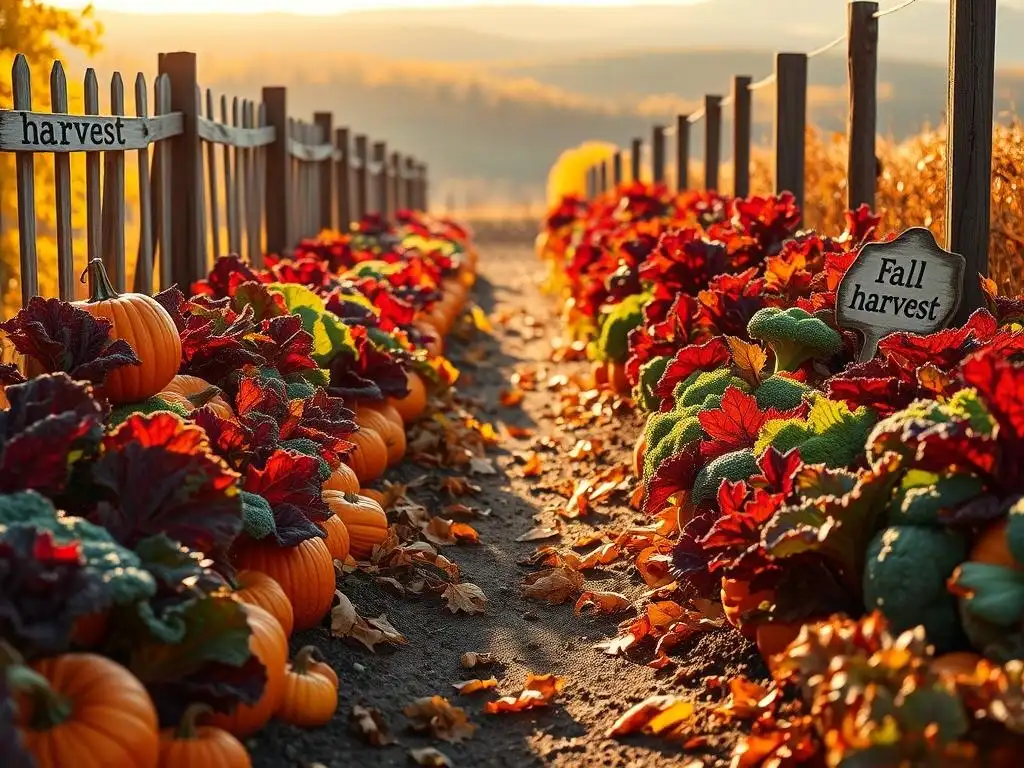
Ready to extend your harvest well into autumn? At CultivateYourFood, we believe everyone can enjoy the bounty of homegrown produce. This Fall vegetable garden planting guide, found within our Advanced Techniques section, unveils the secrets to a thriving fall garden, even as the weather cools. Discover the surprising possibilities of organic, sustainable gardening and learn how to cultivate a vibrant and fruitful landscape—no matter the season. Let's get started!
Fall Vegetable Garden Planting Guide: Selecting the Right Crops
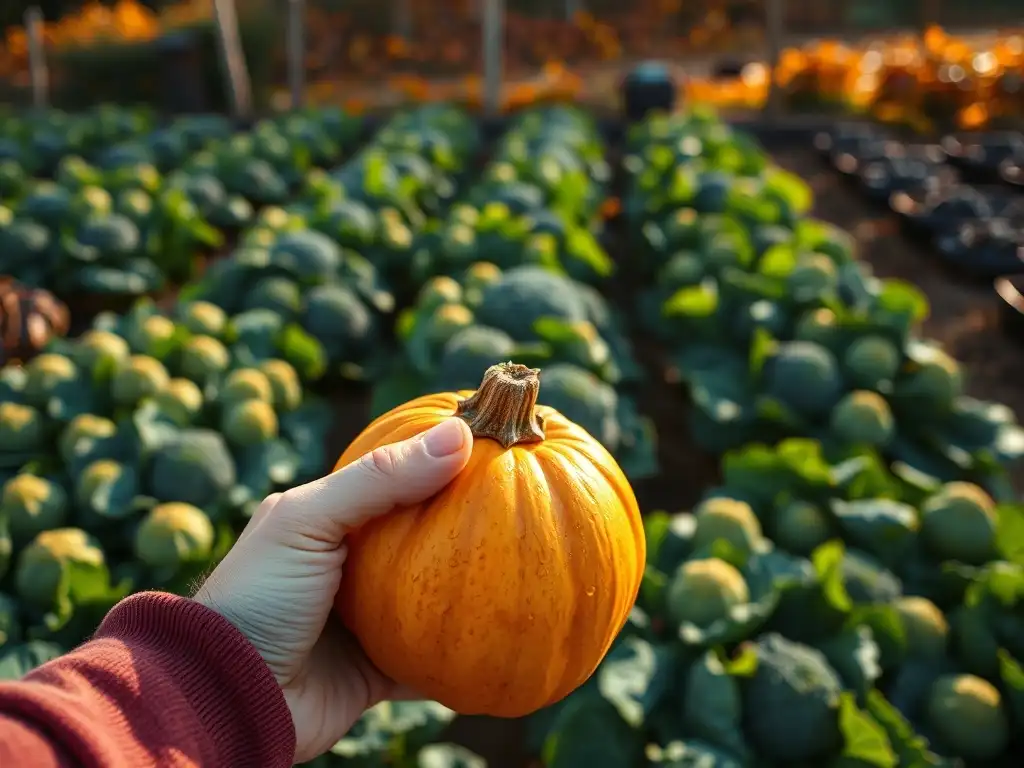
The crisp air, the changing leaves, and the promise of cozy evenings—autumn offers a unique opportunity for gardeners to extend their harvest well into the cooler months. This guide delves into the art of fall planting, providing you with a comprehensive "Fall vegetable garden planting guide" to help you cultivate a bountiful autumn harvest using sustainable and organic methods.
We'll explore which vegetables thrive in the shorter days and cooler temperatures of fall, offering tips for successful planting, care, and harvesting to maximize your yield. Learn how to strategically plan your fall garden to enjoy fresh, homegrown produce long after summer's end.
This isn't just about extending your growing season; it's about embracing the unique possibilities that autumn brings to the garden, allowing you to reap the rewards of your labor well into the late fall. This guide will serve as your roadmap to a successful and rewarding autumn vegetable garden.
Choosing the Right Fall Vegetables
Selecting the right vegetables is crucial for a successful fall harvest. Not all vegetables are created equal when it comes to cooler weather. Some vegetables, known as "cool-season crops," actually prefer the lower temperatures of autumn. These are your ideal candidates for fall planting. Consider these factors when making your selections:
- Days to Maturity: Opt for varieties with shorter days to maturity. This ensures you have enough time for the plants to mature before the first frost. Check seed packets or plant tags for this crucial information.
- Frost Tolerance: Look for vegetables that are known for their frost tolerance. Some can even withstand light frosts, extending your harvest even further.
- Spacing: Proper spacing is essential for optimal growth and air circulation, which helps prevent fungal diseases that can be more prevalent in the fall's higher humidity.
Here's a list of vegetables that excel in fall gardens:
| Vegetable | Days to Maturity (approx.) | Frost Tolerance | Notes |
|---|---|---|---|
| Spinach | 40-50 days | High | Plant seeds directly into the ground. |
| Kale | 50-70 days | High | Very hardy and can withstand light frosts. |
| Lettuce | 40-60 days | Moderate | Choose cold-hardy varieties. |
| Radishes | 20-30 days | Moderate | Quick-growing and perfect for a fall crop. |
| Turnips | 50-60 days | High | Both the roots and greens are edible. |
| Swiss Chard | 50-60 days | High | Similar to spinach, but more robust. |
| Cabbage | 60-90 days | High | Choose a quick-maturing variety. |
| Broccoli | 50-70 days | Moderate | Protect from heavy frosts. |
| Cauliflower | 60-80 days | Moderate | Protect from heavy frosts. |
Preparing Your Fall Garden Bed
Preparing the soil is just as important in the fall as it is in the spring. Healthy soil is the foundation of a thriving garden. Consider these steps:
- Soil Testing: Before planting, conduct a soil test to determine its pH and nutrient levels. This will help you amend the soil accordingly. A slightly acidic to neutral pH (6.0-7.0) is ideal for most vegetables.
- Soil Amendment: Amend the soil with compost or other organic matter to improve its structure, drainage, and nutrient content. This will provide a rich environment for your fall vegetables to thrive in.
- Weed Control: Remove any existing weeds from the garden bed. Weeds compete with your vegetables for nutrients and water. Mulching can help suppress weed growth.
- Sunlight: Ensure your chosen area receives at least six hours of sunlight per day.
Planting and Care Tips for a Successful Fall Harvest
Planting and caring for your fall garden requires a slightly different approach than spring planting. The shorter days and cooler temperatures influence growth rates and require some adjustments to your techniques.
- Planting Depth: Follow the seed packet instructions for planting depth. Generally, cooler-season crops can be planted slightly deeper than warm-season crops.
- Watering: Water deeply and consistently, especially during dry periods. Consistent moisture is crucial for healthy growth. Avoid overwatering, which can lead to root rot.
- Pest and Disease Control: Monitor your plants regularly for signs of pests or diseases. Employ organic pest control methods to protect your harvest. Companion planting can also help deter pests.
- Frost Protection: As the first frost approaches, be prepared to protect your plants. Floating row covers or other frost protection methods can extend your harvest. Consider harvesting some crops early to avoid losses.
Remember, patience and observation are key to a successful fall garden! Enjoy the fruits (and vegetables!) of your labor. 🎃
Frequently Asked Questions
What vegetables are best for planting in the fall?
Many cool-season vegetables thrive in fall! Leafy greens like spinach and kale, root vegetables such as carrots and radishes, and brassicas including broccoli and cabbage are excellent choices. Planting times vary depending on your location.
When is the ideal time to plant a fall vegetable garden?
The best time for fall planting depends on your specific geographic location and the first expected frost date. Generally, aim for 6-8 weeks before the first frost, allowing sufficient time for the plants to mature. Check your local agricultural extension office for precise guidance.
How do I prepare my soil for a fall vegetable garden?
Preparing your soil is crucial! Amend your soil with compost to improve drainage and fertility. Test your soil's pH for optimal nutrient uptake and adjust as needed. Ensure the soil is loose and free of weeds.
What are some common fall gardening challenges and how can I address them?
Shorter days and cooler temperatures can slow growth. Provide sufficient sunlight and consider using row covers to protect plants from frost. Be vigilant about pest and disease control, adapting your strategies for the cooler weather.
What are the benefits of fall vegetable gardening?
Fall gardening extends your harvest season, providing fresh produce well into autumn. Cooler temperatures often mean fewer pests and diseases, resulting in healthier plants. Fall planting can also improve your soil's health for the following spring planting season.
Final Reflection: Harvesting the Bounty of Autumn and the Seeds of Future Growth
The art of fall planting isn't merely about extending the harvest; it's about embracing a season of renewal and resilience. Successfully navigating the shorter days and cooler temperatures of autumn allows us to reap a second harvest, proving that even as nature seemingly slows, abundant life can still flourish. This knowledge, more relevant than ever in a world facing climate change and food security concerns, underscores the importance of understanding seasonal rhythms and adapting our practices accordingly.
Fall planting has profoundly shaped my own relationship with the land and the food I consume. It's a humbling experience to witness the transformation of a garden from summer's vibrant green to autumn's rich tapestry of colors and flavors. This process fosters a deep appreciation for the cyclical nature of life and the interconnectedness of all things. The earth laughs in flowers.
– Ralph Waldo Emerson. This quote perfectly encapsulates the joy and wonder that fall planting brings, a testament to nature's enduring ability to surprise and delight us.
Now, I invite you to consider your own relationship with the seasons. What seeds of knowledge and action will you plant this fall? Will you try your hand at extending your harvest, embracing the challenge of a later planting season? Perhaps you'll explore new varieties suited to the cooler temperatures, or simply take a moment to appreciate the beauty and bounty that autumn offers. The possibilities are as endless as the seeds themselves, waiting to be sown and nurtured into a future harvest of both sustenance and satisfaction.
Unlock Autumn's Bounty: Sow the Seeds of a Rich Harvest
Thank you for joining us on this journey into the art of fall planting! We hope you've gained valuable insights into extending your harvest well into autumn. Now it's time to put your knowledge to practice.
Here's how you can start reaping the rewards:
- Begin your fall planting today! Select seeds appropriate for your climate and sow them promptly – a bountiful harvest hinges on timely planting.
- Share your fall planting experience on social media using #AutumnHarvest and #CultivateYourFood. Let's inspire others to join the planting season!
- Explore our extensive library of gardening resources at cultivateyourfood.org for even more tips and tricks to maximize your autumn harvest.
What fall vegetable or fruit are you most excited to grow this year? Let us know in the comments below!