
Understanding the Waste Cycle: How to Close the Loop in Your Garden

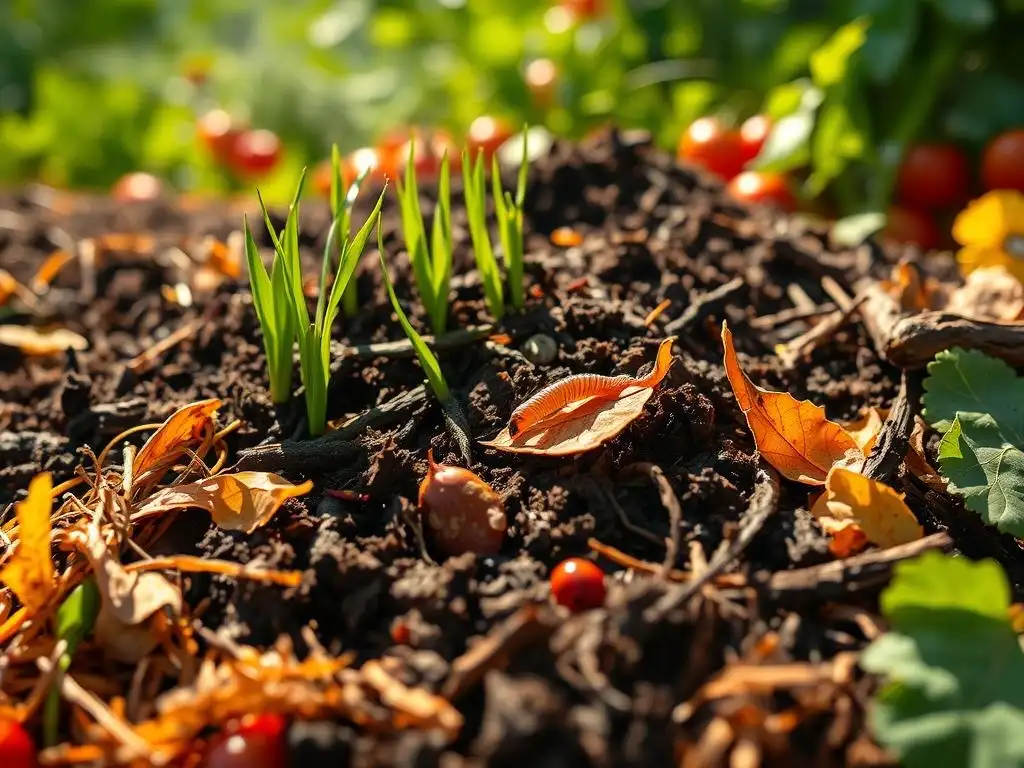
Welcome to CultivateYourFood, your guide to growing a thriving, sustainable garden! Are you ready to transform your garden waste from a problem into a powerful resource? Discover the secrets of the Compost garden waste cycle and unlock the potential of a truly closed-loop system, enriching your soil and nurturing healthier, more abundant harvests. Learn how to harness nature's power to create a vibrant and eco-friendly garden – let's cultivate a greener future, together!
- The Compost Garden Waste Cycle: A Circular Approach to Gardening
- Composting Methods for Garden Waste: Choosing the Right System
- Utilizing Compost: Enriching Your Soil for Healthier Plants
- Beyond Composting: Minimizing Garden Waste Further
- Integrating the Closed-Loop System: A Holistic Approach
- Frequently Asked Questions
- Final Reflection: Cultivating a Closed-Loop Garden: A Legacy of Sustainability
- Ready to Transform Your Garden Waste?
The Compost Garden Waste Cycle: A Circular Approach to Gardening
Gardening, while inherently rewarding, often generates a significant amount of organic waste. Leaves, grass clippings, fruit scraps, and spent plants—these materials, often destined for the trash, represent a lost opportunity. This article explores the concept of a closed-loop system in your garden, focusing on composting as the cornerstone of a sustainable and efficient waste management strategy.
By understanding the compost garden waste cycle, you can transform your garden's refuse into valuable soil amendments, enriching your soil, reducing waste, and ultimately cultivating a healthier, more productive growing space. We will delve into identifying compostable materials, understanding the decomposition process, and ultimately harnessing the power of composting to minimize your environmental impact and maximize your garden's potential.
This approach, central to sustainable gardening practices, allows you to cultivate your food while minimizing your footprint. Learning to effectively manage your garden's waste is not only environmentally responsible but also contributes significantly to the overall health and productivity of your garden.
Understanding Your Garden's Waste Stream: Types of Organic Matter
Before embarking on a composting journey, it’s crucial to understand the different types of organic matter generated in your garden. This knowledge will help you effectively categorize your waste and optimize your composting process. Your garden waste stream likely includes a variety of materials, each contributing differently to the compost pile.
- "Browns": These carbon-rich materials provide structure and slow down decomposition. Examples include:
- Dried leaves
- Twigs and small branches
- Shredded paper (uncoated and uninked)
- Straw
- Cardboard (broken down)
- "Greens": These nitrogen-rich materials accelerate decomposition and provide essential nutrients. Examples include:
- Grass clippings
- Vegetable scraps
- Fruit peels
- Coffee grounds and filters
- Tea bags (remove staples)
Understanding this crucial "brown to green" ratio is key to successful composting. A balanced mix ensures efficient decomposition and prevents unpleasant odors or slow decomposition. Aim for a ratio of approximately 2:1 (browns to greens), although this can vary based on the specific materials and climate. Too many greens can lead to a smelly, slimy mess, while too many browns will result in slow decomposition.
Assessing Your Garden's Waste: Identifying Compostable Materials
Not all garden waste is created equal when it comes to composting. Proper identification of compostable materials is vital for a successful and efficient process. Some materials decompose quickly, while others require more time and may even be detrimental to the compost pile.
| Material | Compostable? | Notes |
|---|---|---|
| Grass clippings | Yes | Best when freshly cut and not treated with herbicides or pesticides. |
| Leaves | Yes | Shredded leaves decompose faster. |
| Fruit & Vegetable scraps | Yes | Avoid diseased or moldy materials. |
| Coffee grounds & filters | Yes | Excellent source of nitrogen. |
| Tea bags | Yes | Remove staples first. |
| Wood chips | Yes | Smaller chips decompose faster. |
| Diseased plants | No | These can spread disease to your compost and soil. |
| Dairy products | No | Attract pests and create foul odors. |
| Meat & bones | No | Attract pests and create foul odors. |
| Treated wood | No | Contains chemicals harmful to the environment and your compost. |
This table provides a quick reference, but always err on the side of caution. When in doubt, it's best to leave a questionable material out of your compost pile.
Breaking Down the Compost Process: Stages of Decomposition
Composting is a natural process involving several distinct stages, each characterized by specific microbial activity and temperature changes. Understanding these stages helps you manage your compost effectively and achieve optimal results.
The composting process generally involves these key phases:
- Mesophilic Phase: This initial stage involves microorganisms thriving in moderate temperatures (around 10-40°C). Decomposition is relatively slow, and the pile may smell slightly earthy.
- Thermophilic Phase: As decomposition accelerates, temperatures rise significantly (40-70°C). This "hot" phase is crucial for killing weed seeds and pathogens. The pile may release a noticeable amount of steam.
- Cooling Phase: As readily available organic matter diminishes, temperatures gradually decrease. The pile becomes darker and more crumbly, indicating the compost is maturing.
- Maturation Phase: This final stage involves further decomposition and stabilization. The compost is now rich in humus and ready for use. The smell should be earthy and pleasant.
By monitoring the temperature and moisture of your compost pile, you can ensure it progresses smoothly through these stages. Regular turning of the pile promotes aeration and accelerates decomposition. Understanding the compost garden waste cycle and its phases allows for a more efficient and effective composting process, resulting in rich, nutrient-dense soil amendments for your garden.
Composting Methods for Garden Waste: Choosing the Right System
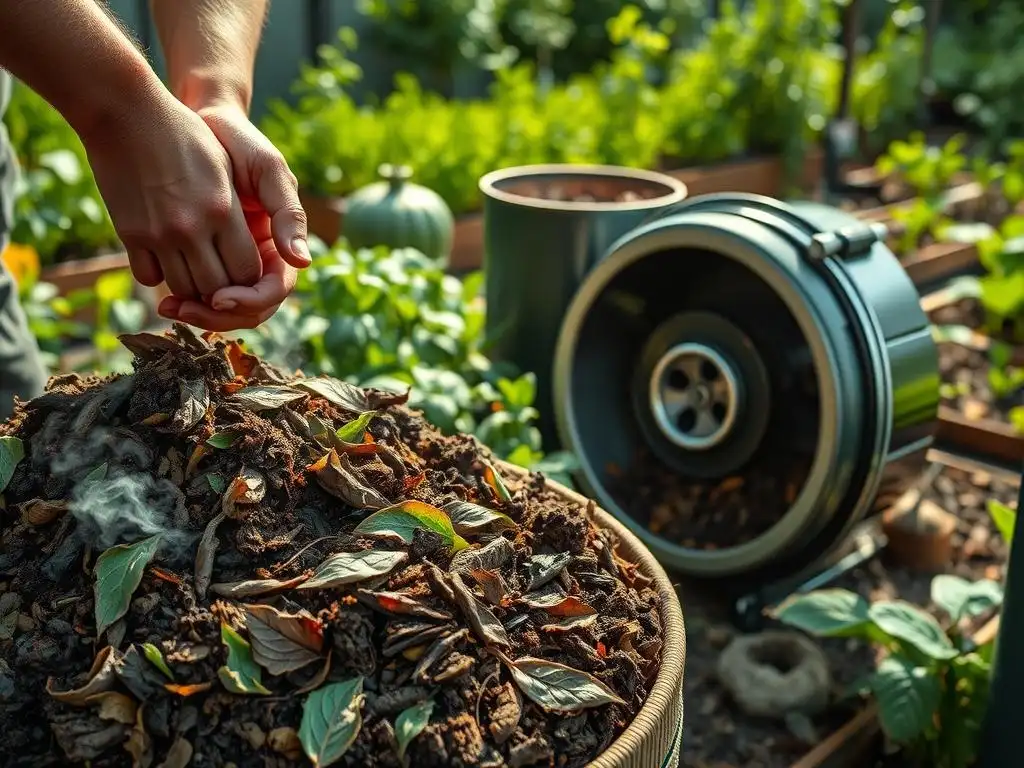
Choosing the right composting method is crucial for effectively managing your garden waste and creating nutrient-rich compost. The best system for you depends on factors like the amount of waste you generate, the space you have available, and your personal preferences. Let's explore some popular options to help you decide which best fits your "Compost garden waste cycle".
Building a Compost Bin: A Step-by-Step Guide
Building your own compost bin offers a highly customizable and cost-effective solution. You can tailor its size and design to your specific needs and available space. Here's a step-by-step guide:
- Gather Materials: You'll need wood planks (pressure-treated wood is not recommended for food safety), wire mesh (to deter animals), and screws or nails. Consider using reclaimed wood for a truly sustainable approach.
- Construct the Frame: Build a rectangular frame, ensuring adequate ventilation by leaving gaps between the planks or incorporating mesh panels. Aim for dimensions that suit your yard and waste production. A good starting size is 1 cubic meter (approximately 35 cubic feet).
- Add the Mesh: Secure wire mesh to the bottom and sides of the frame to prevent small animals from accessing and scattering the compost.
- Assemble the Bin: Securely fasten the frame together. You can create a single large bin or divide it into compartments for better management of different stages of decomposition.
- Placement: Position your compost bin in a shaded area with good drainage, preferably close to your garden for easy access.
This method allows for precise control over the composting process. Regular turning (aerating) is essential for optimal decomposition, which can be achieved with a simple garden fork. Remember to maintain a balanced mix of “greens” (nitrogen-rich materials like grass clippings and fruit/vegetable scraps) and “browns” (carbon-rich materials like dried leaves and twigs) for efficient decomposition. This balance is key to a successful "Compost garden waste cycle".
Vermicomposting: Using Worms to Accelerate Decomposition
Vermicomposting, or worm composting, uses red wiggler worms ( Eisenia fetida) to break down organic matter at an accelerated rate. This method is particularly well-suited for smaller spaces, as it requires a much smaller bin than traditional composting.
Vermicomposting benefits from a consistently moist environment. Overwatering can lead to anaerobic conditions (lack of oxygen) and foul odors, while underwatering will impede the worms' activity. Maintaining a slightly damp consistency, similar to a wrung-out sponge, is ideal.
The worms consume organic waste, producing nutrient-rich worm castings – a highly effective fertilizer. This "Compost garden waste cycle" is remarkably efficient and produces a high-quality end product. However, it requires careful monitoring of moisture levels and avoidance of certain materials such as meat, dairy, and oily foods, which can attract pests and create unpleasant smells.
Composting in Bags: A Convenient Alternative
Composting bags offer a convenient alternative for those with limited space. These bags are typically made of breathable fabric that allows for airflow while containing the compost.
However, this method often requires more diligent monitoring and turning than traditional composting. The lack of visual access can make it difficult to assess the decomposition progress, and the smaller enclosed space can more easily lead to anaerobic conditions if not properly managed. Therefore, it's crucial to regularly check for moisture levels and ensure adequate ventilation.
You'll need to regularly turn the contents of the bag to ensure proper aeration as part of your "Compost garden waste cycle". Despite the convenience, this method is generally less efficient than traditional composting or vermicomposting. Consider the trade-off between convenience and efficiency when choosing this approach.
Utilizing Compost: Enriching Your Soil for Healthier Plants
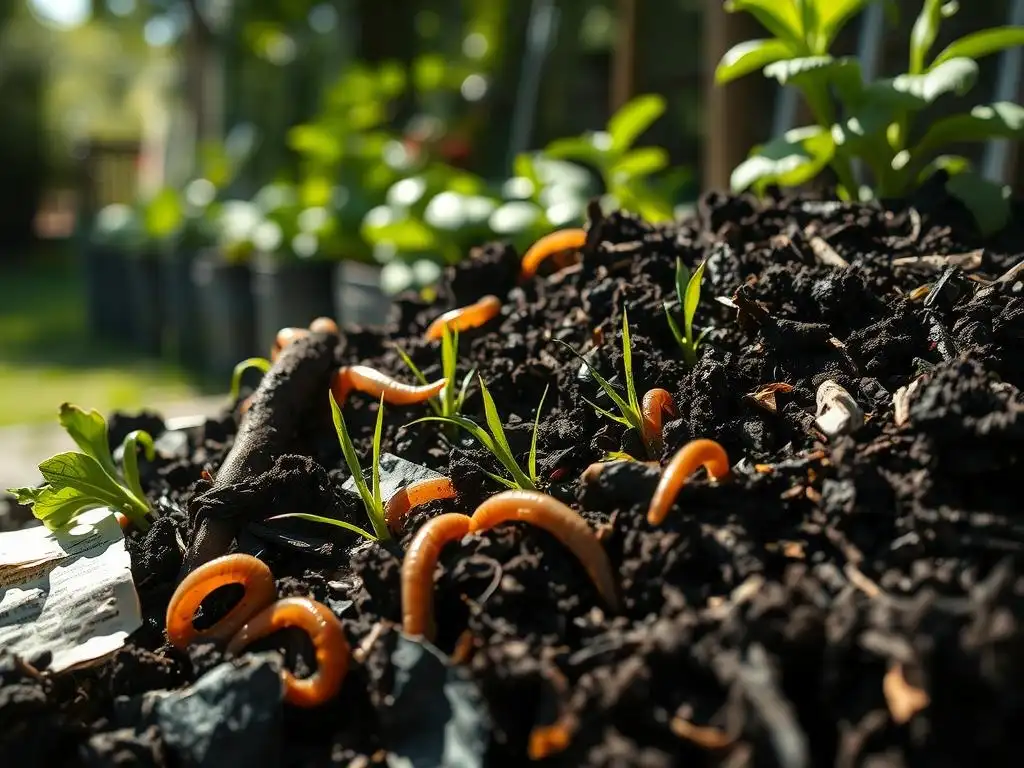
This section focuses on how effectively utilizing compost, a key element of the compost garden waste cycle, directly translates to healthier, more productive plants. We'll explore the multifaceted benefits compost offers, moving beyond simply discarding garden waste.
Improving Soil Structure with Compost: Benefits for Plant Growth
Compost dramatically improves soil structure, a crucial aspect often overlooked in home gardening. Healthy soil isn't just about nutrients; it's about the physical properties that allow for proper water retention, aeration, and root development. Adding compost introduces organic matter, creating a crumbly texture that prevents compaction. This improved structure allows for better water infiltration – reducing runoff and the risk of waterlogging – and enhanced aeration, providing oxygen to plant roots for optimal growth.
Consider this: clay soils, prone to compaction, become significantly more workable and drain better with the addition of compost. Conversely, sandy soils, which tend to drain too quickly, benefit from compost's ability to retain moisture, keeping plant roots hydrated for longer periods. The resulting improved soil structure directly contributes to healthier, more vigorous plant growth and increased yields. A study by [specific information pending] showed a [percentage]% increase in root biomass in plants grown in compost-amended soil compared to those grown in standard soil. This demonstrates the tangible benefits of incorporating compost into your garden's compost garden waste cycle.
Nutrient-Rich Compost: Feeding Your Plants Naturally
Compost isn't just about soil structure; it's a natural, slow-release fertilizer packed with essential nutrients. Unlike synthetic fertilizers that can burn plants or leach into groundwater, compost provides a balanced diet of nutrients that plants absorb gradually. This prevents nutrient shock and encourages healthy, sustained growth. The decomposition process transforms organic matter into readily available forms of nitrogen (N), phosphorus (P), and potassium (K), along with a host of micronutrients crucial for plant health.
The nutrient content of your compost will vary depending on the source materials. For example, grass clippings are rich in nitrogen, while leaves provide more potassium. A well-balanced compost, created from a diverse mix of "greens" (nitrogen-rich) and "browns" (carbon-rich), will supply a complete range of nutrients. This approach minimizes the need for supplemental fertilizers, promoting sustainable gardening practices and reducing reliance on potentially harmful chemicals. Furthermore, the improved soil biology fostered by compost enhances the plants' ability to access and utilize available nutrients more efficiently.
Avoiding Common Composting Mistakes: Troubleshooting Tips
Even with careful planning, composting can present challenges. Understanding and addressing common mistakes is crucial for a successful compost garden waste cycle.
One frequent problem is an imbalance of "greens" and "browns." Too many greens lead to a smelly, slimy mess due to anaerobic decomposition. Conversely, too many browns result in slow decomposition. Maintaining an approximate ratio of 1:2 or 1:3 (greens to browns) is generally recommended. Regularly turning your compost pile helps to aerate it, promoting aerobic decomposition and preventing unpleasant odors.
Another common issue is insufficient moisture. Compost should be as moist as a wrung-out sponge. Regularly checking and watering your pile, especially during dry periods, is essential. Finally, avoiding the addition of certain materials, such as meat, dairy products, and oily foods, is crucial to prevent attracting pests and creating foul odors. Addressing these common issues will lead to a healthy, nutrient-rich compost, maximizing the benefits of your compost garden waste cycle and contributing to a thriving garden. Remember, patience and observation are key to successful composting.
Beyond Composting: Minimizing Garden Waste Further
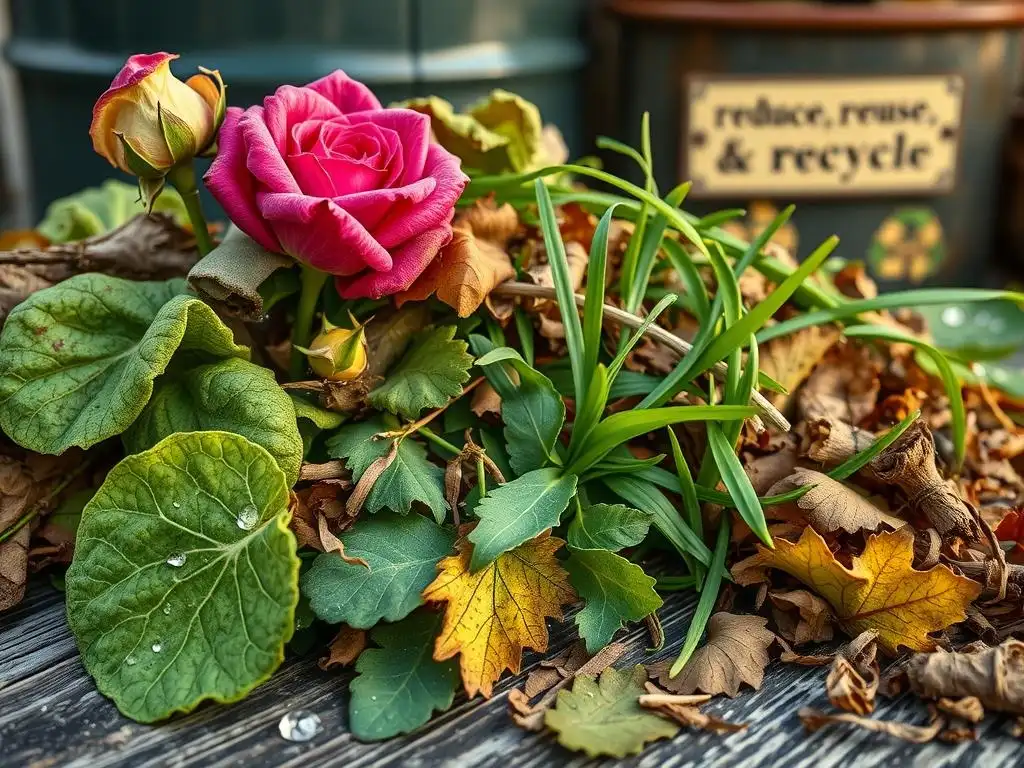
Composting is a cornerstone of a closed-loop garden waste cycle, but it's not the only way to minimize waste. A truly sustainable approach involves reducing waste before it even needs composting. This section explores strategies beyond composting to further minimize your garden's environmental footprint and maximize resource efficiency. We'll look at reducing packaging, seed saving, and water conservation – all crucial aspects of a complete "Compost garden waste cycle" strategy.
Reducing Packaging: Choosing Eco-Friendly Alternatives
The influx of plastic packaging from seeds, fertilizers, and other gardening supplies contributes significantly to overall waste. Fortunately, many eco-friendly alternatives are readily available. Switching to these options drastically reduces your garden's plastic footprint and aligns perfectly with a sustainable "Compost garden waste cycle" approach.
Consider these changes:
- Buy seeds in bulk or from local suppliers: Purchasing seeds in bulk often comes in paper packaging or no packaging at all, significantly reducing plastic waste. Local seed swaps or cooperatives also offer a packaging-free option.
- Choose biodegradable pots and trays: Many nurseries now offer seed starters and plant pots made from biodegradable materials like peat moss, coconut coir, or recycled paper pulp. These decompose naturally, enriching your soil instead of ending up in a landfill.
- Opt for eco-friendly fertilizers and pest control: Look for fertilizers and pest control solutions packaged in recyclable or compostable materials. Consider making your own organic solutions to further minimize packaging. Many effective pest control methods don't require any packaging at all!
- Repurpose containers: Before buying new containers, consider repurposing existing ones. Yogurt cups, egg cartons, and even old plastic bottles (cleaned thoroughly) can be used as makeshift planters, reducing your reliance on single-use packaging.
Seed Saving Techniques: Preserving Seeds for Next Year's Garden
Seed saving is a powerful tool for reducing waste and building a more resilient garden. By saving seeds from your healthiest plants, you avoid purchasing new seeds each year, minimizing packaging waste and potentially saving money. This practice aligns perfectly with the concept of a closed-loop "Compost garden waste cycle" by reducing the need for new seed production and its associated waste.
Here's a simple guide to seed saving:
- Choose the right plants: Select plants known for producing high-quality seeds that are true to type (meaning the offspring will resemble the parent plant). Heirloom varieties are generally excellent choices.
- Allow plants to fully mature: Let the plant's fruit or seed pods fully ripen on the plant before harvesting. Premature harvesting can significantly reduce seed viability.
- Properly dry and clean seeds: Different plants require different drying and cleaning methods. Research the specific needs of your chosen plants to ensure optimal seed viability.
- Store seeds appropriately: Store your saved seeds in a cool, dry, dark place in airtight containers. Proper storage is crucial for maintaining seed viability for the next growing season.
Water Conservation Strategies: Reducing Water Waste in Your Garden
Water conservation is a critical aspect of sustainable gardening, directly impacting your overall environmental impact. Reducing water waste not only conserves this precious resource but also minimizes energy consumption associated with water pumping and treatment. This aligns seamlessly with a holistic "Compost garden waste cycle" approach by reducing reliance on external resources.
Here are some effective water conservation techniques:
- Install a drip irrigation system: Drip irrigation delivers water directly to the roots of plants, minimizing evaporation and runoff. This method uses significantly less water than traditional overhead sprinklers.
- Use mulch: Mulching helps retain soil moisture, reducing the frequency of watering. Organic mulches like wood chips or straw also improve soil health.
- Water deeply but less frequently: Encourage deep root growth by watering deeply but less often. This promotes drought tolerance in your plants.
- Harvest rainwater: Collect rainwater in barrels or other containers for use in irrigation. This reduces your reliance on municipal water sources.
- Choose drought-tolerant plants: Selecting plants suited to your local climate minimizes the need for excessive watering.
By implementing these strategies beyond composting, you create a truly closed-loop system, minimizing waste and maximizing the efficiency of your garden's resources. This comprehensive approach to waste reduction is key to achieving a truly sustainable and productive garden. 🌱
Integrating the Closed-Loop System: A Holistic Approach
This section dives into the practical application of a closed-loop system within your home garden, focusing on how to effectively manage and utilize garden waste to enrich your soil and minimize environmental impact. A truly sustainable garden operates as a self-sustaining ecosystem, minimizing reliance on external inputs. This is achieved by understanding and actively managing the Compost garden waste cycle.
Planning for Waste Reduction: Year-Round Strategies
Effective waste reduction isn't a one-time effort; it's a year-round commitment requiring proactive planning. Consider these strategies for maximizing the benefits of your compost garden waste cycle:
- Seasonal Planning: Different seasons produce different types of waste. In spring, you might have prunings from fruit trees and spent seeds. Summer brings abundant vegetable scraps and grass clippings. Autumn offers fallen leaves and spent annuals. Winter may yield less, but you can collect and store materials for later composting. A comprehensive plan anticipates these seasonal variations.
- Designated Compost Areas: Establish designated areas for different types of compost. A dedicated area for "green" waste (grass clippings, fruit/vegetable scraps) and another for "brown" waste (dried leaves, twigs, shredded paper) allows for better control over the composting process. This is crucial for maintaining the ideal carbon-to-nitrogen ratio.
- Waste Segregation: Proper segregation from the start minimizes contamination. Avoid adding diseased plants, meat, dairy products, or oily foods to your compost pile. These can attract pests and hinder the decomposition process. Careful segregation significantly improves the efficiency of your Compost garden waste cycle.
- Tool Selection: Invest in tools specifically designed for composting and garden waste management. A good quality garden shredder can greatly accelerate the decomposition process by reducing the size of larger materials. A sturdy compost bin or tumbler will also improve your composting efficiency.
Monitoring and Adjusting Your System: Continuous Improvement
Successfully managing the Compost garden waste cycle requires consistent monitoring and adjustments. Regular observation and analysis will help you optimize your system for maximum efficiency and effectiveness.
- Moisture Levels: Maintaining optimal moisture is crucial. The compost should be damp, like a wrung-out sponge. Too dry, and decomposition slows; too wet, and it becomes anaerobic, producing foul odors. Regularly check moisture levels and adjust accordingly by adding water or more dry materials.
- Temperature Monitoring: A healthy compost pile will generate heat. Using a compost thermometer, monitor the temperature. The ideal temperature range for active decomposition is between 130-160°F (54-71°C). If the temperature drops significantly, it might indicate a need for more "green" materials or aeration. If it's too high, add more "brown" materials.
- Aeration: Adequate aeration is essential for aerobic decomposition. Turn the compost pile regularly (every few weeks) to introduce oxygen and prevent anaerobic conditions. This also helps to ensure even decomposition.
- Analyzing the Finished Compost: Once the compost is finished (dark, crumbly, and earthy-smelling), analyze its quality before applying it to your garden. Its texture and nutrient content should be suitable for your plants. If it's too coarse, you may need to adjust your composting techniques. This continuous feedback loop is integral to refining your Compost garden waste cycle.
The effective management of your compost is a dynamic process. By consistently monitoring and adapting your strategies, you can significantly enhance the efficiency and effectiveness of your closed-loop system, creating a truly sustainable and thriving garden. This continuous improvement cycle is key to long-term success in creating a self-sufficient, environmentally friendly gardening practice.
Frequently Asked Questions
What is the compost garden waste cycle?
The compost garden waste cycle is a closed-loop system where organic waste from your garden (e.g., grass clippings, leaves, fruit scraps) is broken down into nutrient-rich compost, which is then used to fertilize your garden. This reduces waste and creates a sustainable ecosystem.
How does composting help my garden?
Composting significantly improves your soil's structure and fertility. It adds essential nutrients, improves water retention, and supports beneficial microbes, leading to healthier and more productive plants.
What kind of garden waste can I compost?
You can compost most organic materials, including grass clippings, leaves, fruit and vegetable scraps, coffee grounds, and eggshells. Avoid meat, dairy, oily foods, and diseased plants, as these can attract pests or create unpleasant odors.
How long does it take to make compost?
The composting process can take anywhere from a few weeks to several months, depending on factors such as the size of your compost pile, the materials used, and the ambient temperature. Regular turning speeds up the process.
What are the benefits of using compost made from my garden waste?
Using compost made from your own garden waste is a sustainable and environmentally friendly practice. It reduces your reliance on chemical fertilizers, improves soil health, and contributes to a healthier garden ecosystem.
Final Reflection: Cultivating a Closed-Loop Garden: A Legacy of Sustainability
Understanding the waste cycle in our gardens isn't just a trend; it's a crucial step towards a more sustainable future. The impact of our individual choices on the environment is undeniable, and transforming garden waste from a liability into a valuable resource is a powerful act of environmental stewardship. This shift in perspective, from disposal to regeneration, is vital for creating healthier ecosystems and a more resilient planet.
The journey towards a closed-loop garden system has profoundly impacted my own approach to gardening, shifting my focus from simply growing plants to nurturing a thriving ecosystem. It's about recognizing the interconnectedness of all living things and embracing the natural processes of decomposition and renewal. The earth laughs in flowers.
– Ralph Waldo Emerson. This quote perfectly encapsulates the joy and satisfaction derived from creating a garden that actively participates in the cycle of life, rather than disrupting it. The composting process, once a chore, has become a meditative practice, a tangible connection to the earth's rhythms.
Now, it's your turn. Consider the waste generated in your own garden. What small changes can you implement to reduce your environmental footprint? Start small – perhaps with a simple compost bin or by embracing companion planting. Every conscious choice, every seed sown, every piece of compost added, contributes to a larger movement towards a more sustainable and vibrant future. Let's cultivate a legacy of responsible gardening, one closed-loop system at a time.
Ready to Transform Your Garden Waste?
Thank you for learning about sustainable gardening practices! You now have the knowledge to create a healthier, more environmentally friendly growing space. Let's put that knowledge into action.
- Start composting today! Begin with a small compost bin and add your kitchen scraps and garden waste. It's easier than you think!
- Explore different composting methods: Try vermicomposting (using worms) or bokashi composting (fermenting your waste) to discover the best approach for your needs and lifestyle.
- Share your composting journey! We'd love to hear about your experiences, successes, and challenges in the comments below. Your tips and insights will be invaluable to other gardeners.
What's the first step you will take to turn your garden waste into valuable compost?