
Rooftop Garden Soil: The Best Mixes for Optimal Growth

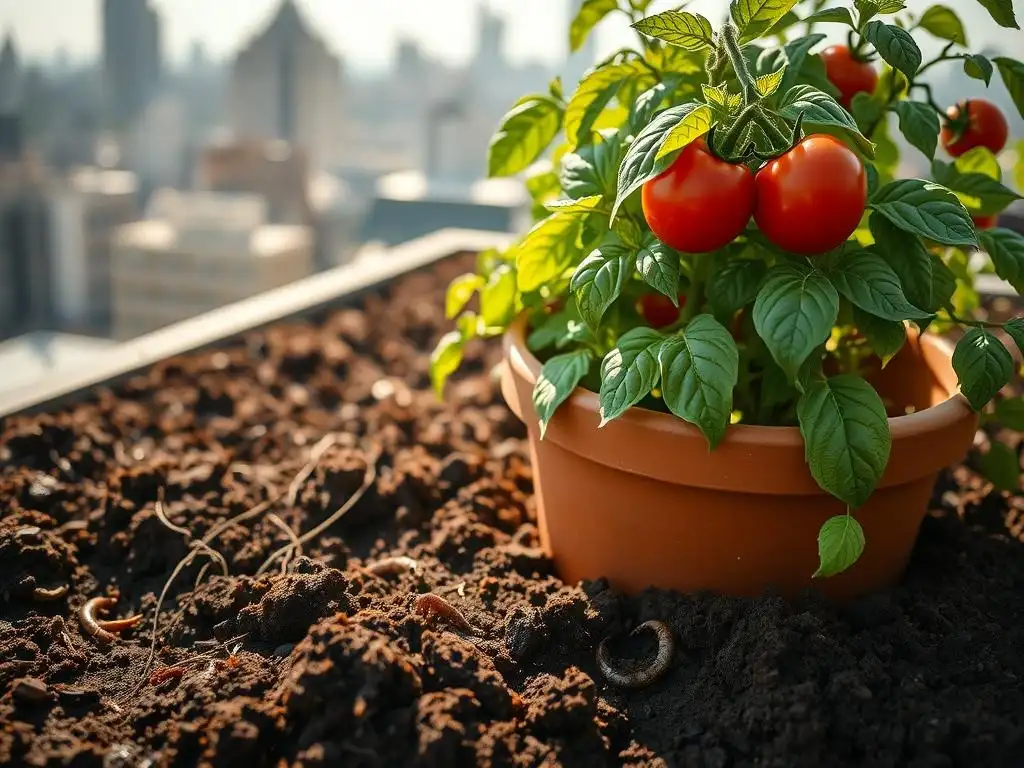
Ready to transform your rooftop into a vibrant, thriving oasis? At CultivateYourFood, we empower you to grow your own delicious fruits, vegetables, and herbs using sustainable methods. But finding the right soil is key. Discover the secrets to bountiful harvests with our expert guide on the Best rooftop garden soil mix, and unlock the potential of small space gardening. Let's cultivate a greener future, together!
- Understanding Rooftop Gardening Soil Needs
- Best Rooftop Garden Soil Mixes for Different Plants
- Creating Your Own Custom Rooftop Garden Soil Mix
- Maintaining Healthy Rooftop Garden Soil
- Troubleshooting Common Rooftop Garden Soil Issues
- Frequently Asked Questions
- Final Reflection: Cultivating Urban Oasises, One Soil Mix at a Time
- Unleash Your Rooftop Garden's Potential!
Understanding Rooftop Gardening Soil Needs
Creating a thriving rooftop garden requires careful consideration of the growing medium. Unlike traditional in-ground gardens, rooftop gardens present unique challenges that necessitate a specialized soil mix optimized for success. The "best rooftop garden soil mix" isn't a one-size-fits-all solution; rather, it's a carefully balanced blend of components designed to overcome the limitations of a rooftop environment while providing the essential nutrients and structure for healthy plant growth.
This article will explore the key factors to consider when choosing a soil mix for your rooftop garden, focusing on drainage, aeration, nutrient content, and the specific challenges of rooftop gardening. We'll also discuss several effective soil mix recipes to help you cultivate a bountiful harvest, even in a seemingly unconventional location.
Choosing the right soil is the foundation of a successful rooftop garden, ensuring your plants thrive despite the unique conditions. Let's delve into the specifics to help you find the perfect blend for your rooftop oasis.
Unique Challenges of Rooftop Gardening Soil
Rooftop gardening presents several unique challenges compared to traditional gardening. The limited soil volume, often restricted to containers or raised beds, necessitates a soil mix that addresses issues like:
- Water Retention: Rooftops are exposed to intense sun and wind, leading to rapid water evaporation. The soil mix must retain sufficient moisture to prevent plants from drying out, yet avoid becoming waterlogged.
- Temperature Fluctuations: Rooftop temperatures can fluctuate dramatically between day and night, potentially stressing plants. A well-designed soil mix can help moderate these temperature swings, providing a more stable root environment.
- Limited Soil Depth: The depth of soil available on a rooftop is often limited by the size of containers or raised beds. This restricts root growth, requiring a soil mix that maximizes nutrient availability and aeration within a smaller volume.
- Wind Exposure: Strong winds can dry out soil and damage plants. A soil mix with good structure can help reduce the impact of wind erosion and protect delicate roots.
- Weight Considerations: The weight of the soil is a crucial factor on rooftops. Overly heavy soil mixes can put excessive strain on the roof structure, so lighter, well-draining options are preferred.
These factors necessitate a soil mix tailored specifically for rooftop conditions, differing significantly from the soil you might use in a traditional garden. A poorly chosen mix can lead to stunted growth, nutrient deficiencies, and ultimately, a disappointing harvest.
Essential Nutrients for Rooftop Vegetables, Herbs, and Fruits
Providing adequate nutrients is crucial for healthy plant growth in any garden, but especially so in the limited environment of a rooftop. The best rooftop garden soil mix should contain a balanced blend of essential macronutrients – nitrogen (N), phosphorus (P), and potassium (K) – as well as micronutrients like iron, zinc, and manganese. The specific nutrient ratios will vary depending on the plants you're growing, but a general-purpose mix often works well.
Consider supplementing with organic fertilizers such as compost or worm castings to provide a slow-release source of nutrients and improve soil structure. Regular soil testing can help you monitor nutrient levels and adjust your fertilization strategy accordingly. Ignoring nutrient needs can result in yellowing leaves, stunted growth, and reduced yields.
Drainage and Aeration: Crucial Factors in Rooftop Soil Selection
Proper drainage and aeration are paramount for a successful rooftop garden. Poor drainage can lead to root rot and other fungal diseases, while inadequate aeration restricts root growth and nutrient uptake. The ideal rooftop soil mix should allow for excellent water drainage while retaining enough moisture to support plant growth. This balance is achieved by incorporating components that provide both structure and porosity.
Common additions include perlite, vermiculite, coco coir, and composted bark. These materials improve aeration and drainage without compromising water retention. The ratio of these components will depend on the specific climate and the type of plants being grown. Careful selection of these components ensures a soil mix that is well-draining, well-aerated, and conducive to healthy root development, maximizing the potential of your rooftop garden.
Best Rooftop Garden Soil Mixes for Different Plants
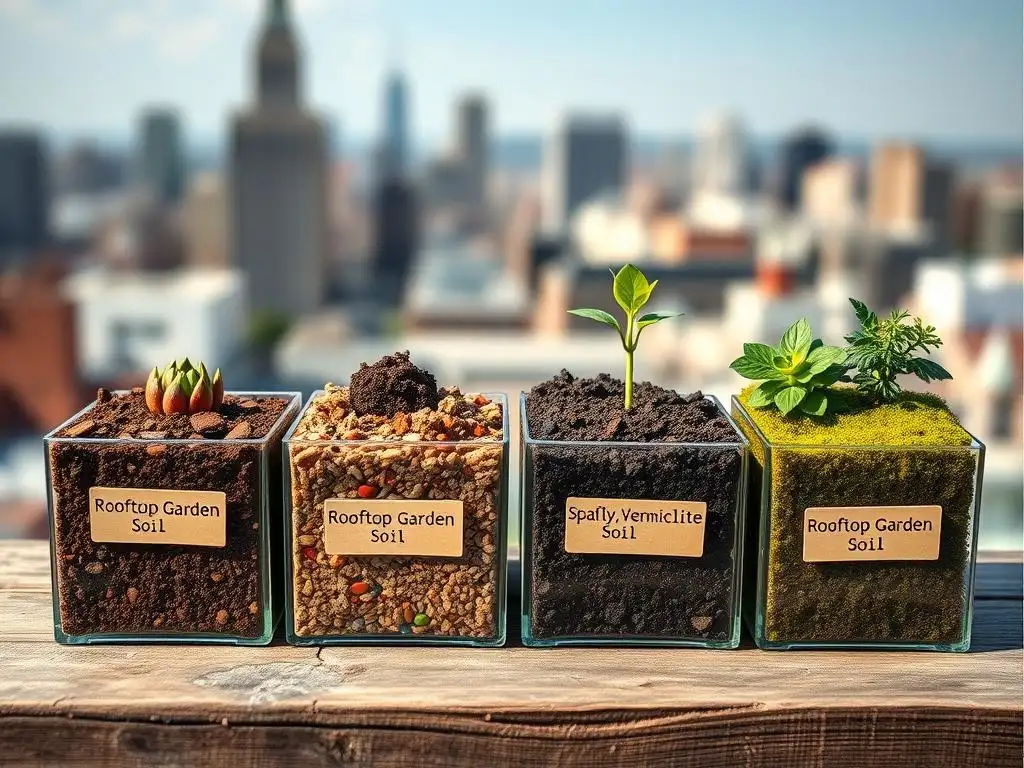
Choosing the right soil mix is crucial for a thriving rooftop garden. Unlike in-ground gardens, rooftop gardens require specialized blends to account for the unique challenges of limited space, potential drainage issues, and the weight limitations of the roof structure. The "best" rooftop garden soil mix isn't a one-size-fits-all solution; the ideal composition depends heavily on the specific plants you're growing. This section explores optimal mixes for various plant types, focusing on achieving the perfect balance of drainage, aeration, and nutrient retention. Remember to always prioritize organic and sustainable materials for a healthy and environmentally friendly rooftop garden.
Ideal Soil Mix for Leafy Greens and Herbs on Rooftops
Leafy greens and herbs generally prefer a well-drained yet moisture-retentive soil that's rich in organic matter. A good starting point for a rooftop garden soil mix tailored to these plants is a blend of:
- 50% Coco coir: This provides excellent water retention and aeration. It's a sustainable alternative to peat moss and helps maintain consistent moisture levels, crucial for leafy plants.
- 30% Compost: Mature compost adds essential nutrients and improves soil structure. Look for a compost rich in nitrogen for vigorous leafy growth. Worm castings are an excellent addition for enhanced nutrient availability.
- 20% Perlite or Vermiculite: These inorganic materials improve drainage and prevent compaction, preventing root rot, a common problem in container gardening.
This mix provides a good balance of nutrients, moisture retention, and aeration. However, you might need to adjust the proportions based on your specific climate and the type of leafy greens or herbs you are growing. For example, herbs like rosemary and thyme might tolerate slightly drier conditions, allowing you to increase the perlite percentage.
Optimal Soil Blend for Tomatoes, Peppers, and other Vegetables in Rooftop Gardens
Tomatoes, peppers, and other fruiting vegetables are heavier feeders and need a soil mix that provides ample nutrients and excellent drainage. A suitable blend for these plants could be:
| Component | Percentage | Rationale |
|---|---|---|
| Potting Mix (high quality) | 40% | Provides a good base with a balance of nutrients and water retention. |
| Compost | 30% | Adds essential nutrients and improves soil structure. Ensure it's well-rotted. |
| Coarse Sand | 20% | Enhances drainage and prevents compaction, especially important for tomatoes. |
| Worm Castings | 10% | Provides readily available nutrients and improves soil health. |
Remember that proper drainage is paramount to prevent root rot in these plants. Using raised beds or containers with drainage holes is essential, even with this well-draining mix. Regular watering, avoiding overwatering, is also crucial. Consider using a soil moisture meter to monitor the moisture levels.
Customizing Soil Mixes for Fruiting Plants on Your Rooftop
Fruiting plants on a rooftop present a unique challenge. They require a nutrient-rich soil that can support their growth and fruit production over an extended period. The specific needs vary significantly depending on the type of fruit. For example, strawberries prefer a slightly acidic soil, while blueberries need a highly acidic environment. Therefore, a customized approach is necessary.
Here's a general framework for customizing your rooftop garden soil mix for fruiting plants:
- Start with a base: A high-quality potting mix forms a solid foundation.
- Add organic matter: Compost, worm castings, and other organic materials provide essential nutrients and improve soil structure. The amount will depend on the plant's needs and the quality of the compost.
- Adjust pH: Use soil testing kits to determine the soil pH and amend it as needed using lime (to increase pH) or sulfur (to decrease pH).
- Improve drainage: Add perlite, vermiculite, or coarse sand to ensure proper drainage, preventing waterlogging and root rot.
- Consider slow-release fertilizers: Incorporate slow-release fertilizers to provide a consistent supply of nutrients throughout the growing season. This is particularly important for fruiting plants that have high nutrient demands.
Remember to research the specific soil requirements of your chosen fruit plants before finalizing your mix. Careful attention to detail in soil selection is key to successful fruit production in your rooftop garden. Happy gardening! 🌱
Creating Your Own Custom Rooftop Garden Soil Mix
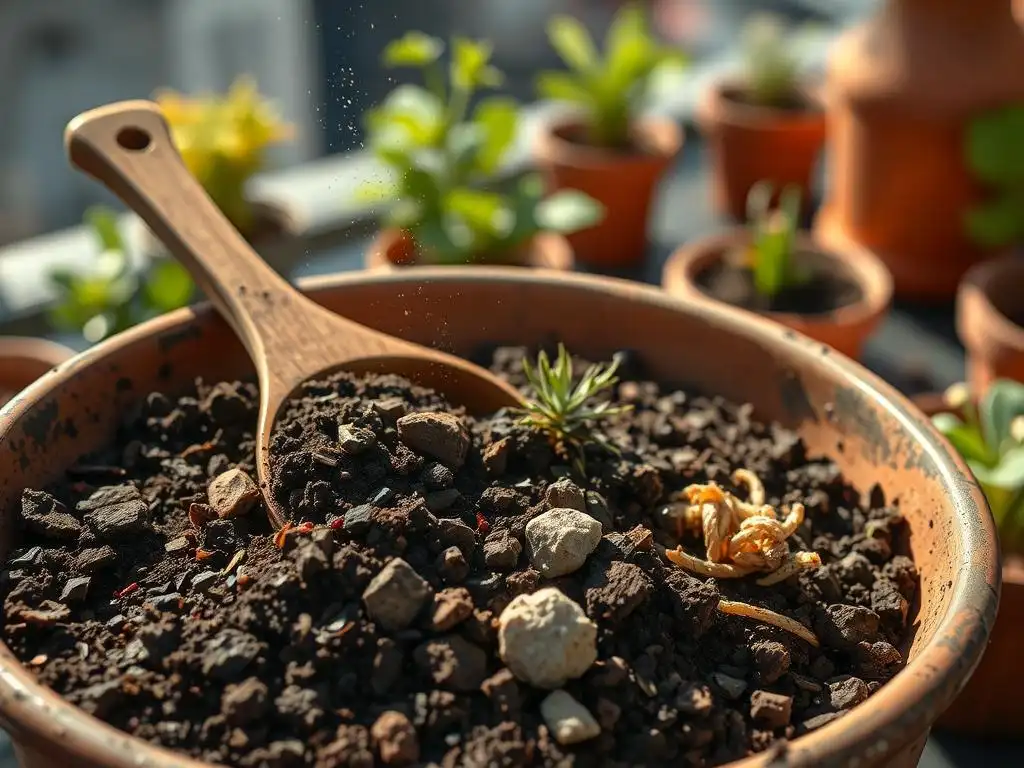
Creating the best rooftop garden soil mix requires careful consideration of several factors. Pre-made mixes are convenient, but often lack the specific properties needed for optimal rooftop gardening. A custom blend allows you to tailor your soil to your specific plants and rooftop environment, maximizing growth and yield. This section will guide you through the process, ensuring you have the knowledge to create a thriving rooftop oasis. Remember, a successful rooftop garden starts with the right soil!
Sourcing High-Quality Ingredients for Your Rooftop Soil
The foundation of any successful rooftop garden lies in the quality of its soil components. Avoid using garden soil directly from your yard, as it's likely too heavy and may contain unwanted pests or diseases. Instead, focus on sourcing lightweight, well-draining ingredients. Here's a breakdown of key components and where to find them:
- Compost: Provides essential nutrients and improves soil structure. Look for finished compost, dark brown and crumbly, rather than raw or partially decomposed material. Source it from local composting facilities or create your own using kitchen scraps and yard waste. The higher the quality of your compost, the better the nutrient profile of your soil.
- Coco Coir: A sustainable alternative to peat moss, coco coir is derived from coconut husks. It's lightweight, retains moisture well, and improves aeration. Look for a coco coir specifically designed for horticulture, ensuring it's properly rinsed to remove salts.
- Perlite: A volcanic glass that improves drainage and aeration. It's lightweight and helps prevent soil compaction, crucial for rooftop gardens where water drainage is paramount. You can find perlite at most garden centers.
- Vermiculite: Similar to perlite, vermiculite is a mineral that improves drainage and aeration. It also retains moisture, providing a balance to the drier components of your mix. Choose horticultural-grade vermiculite for best results.
- Worm Castings: These are the excrement of earthworms and are a fantastic source of natural fertilizer. They are rich in nutrients and beneficial microbes that enhance soil health and plant growth.
DIY Rooftop Garden Soil Mix Recipe: A Balanced Approach
This recipe provides a balanced mix suitable for a wide range of rooftop garden plants. Remember to adjust the ratios based on your specific plant needs and rooftop conditions. Always prioritize well-draining soil to prevent root rot.
Recipe for 1 cubic foot:
| Ingredient | Quantity (Cups) | Purpose |
|---|---|---|
| Coco Coir | 6 | Moisture retention, aeration |
| Compost | 4 | Nutrients, soil structure |
| Perlite | 2 | Drainage, aeration |
| Vermiculite | 2 | Moisture retention, aeration, drainage |
| Worm Castings | 1 | Nutrient boost, beneficial microbes |
This blend offers a good balance of moisture retention, drainage, and nutrient content. The use of coco coir and perlite ensures excellent drainage, crucial for preventing waterlogging in containers on a rooftop. The compost and worm castings provide essential nutrients for healthy plant growth.
Adjusting Your Mix for Specific Rooftop Conditions (Sunlight, Wind, etc.)
Your rooftop environment significantly impacts soil selection. Consider these adjustments:
- High Sunlight: Increased evaporation necessitates better moisture retention. Increase the coco coir and vermiculite proportions slightly. Adding a small amount of aged manure can also help retain moisture and provide additional nutrients.
- Windy Conditions: Wind can dry out soil rapidly. Increase the coco coir and vermiculite portions to enhance moisture retention. Consider using heavier containers or adding windbreaks to minimize the impact of wind.
- Limited Sunlight: Plants in shadier areas may need more aeration. Increase the perlite proportion slightly to improve drainage and prevent waterlogging.
- Clay Pots: Clay pots dry out faster than plastic ones. Increase the coco coir and vermiculite proportions to compensate for the increased rate of evaporation.
Remember that observation is key. Monitor your plants closely and adjust the soil mix as needed based on their growth and overall health. The best rooftop garden soil mix is the one that best supports the health and productivity of your plants. Don't be afraid to experiment and refine your mix over time! Happy gardening!
Maintaining Healthy Rooftop Garden Soil
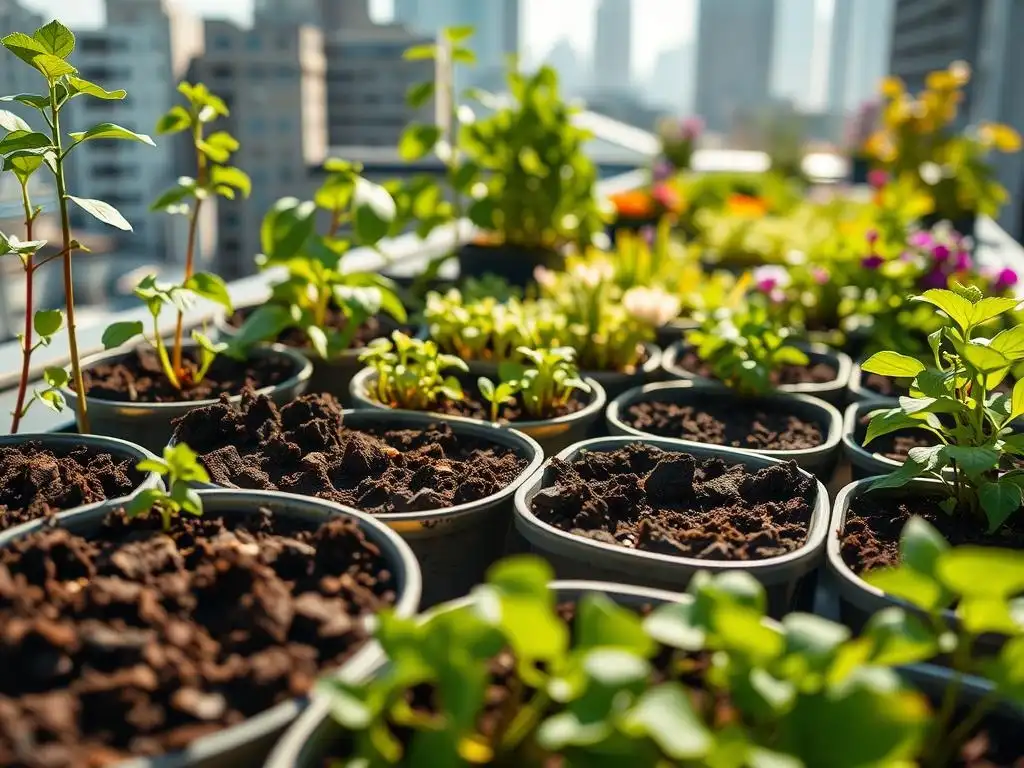
This section focuses on the crucial aspect of maintaining healthy soil in your rooftop garden to ensure optimal plant growth and a bountiful harvest. We'll explore practical strategies to keep your rooftop soil thriving, addressing key challenges unique to this environment. Remember, the "best rooftop garden soil mix" is only the starting point; ongoing maintenance is essential for long-term success.
Regular Watering and Soil Moisture Management for Rooftop Gardens
Rooftop gardens face unique challenges regarding water retention. The elevated position exposes the soil to greater wind and sun exposure, leading to faster evaporation. Therefore, regular and strategic watering is critical. The ideal soil moisture level should be consistently moist but not waterlogged. Overwatering can lead to root rot, while underwatering stunts plant growth.
Several factors influence watering needs: soil type, plant species, weather conditions, and pot size. Clay soils retain moisture longer than sandy soils. Succulents require less frequent watering than leafy greens. Hot, sunny days necessitate more frequent watering than cloudy days. Larger pots retain moisture better than smaller ones.
To monitor soil moisture, use a moisture meter or simply stick your finger a few inches into the soil. If the soil feels dry, it's time to water. Consider using a drip irrigation system or soaker hoses for efficient and even watering, minimizing runoff and evaporation.
Mulching the soil surface with organic materials like straw or shredded leaves can also help retain moisture and suppress weeds. Regular monitoring and adjustments to your watering schedule are key to maintaining optimal soil moisture for your rooftop garden's flourishing. Remember, consistent moisture is a cornerstone of achieving the best rooftop garden soil mix performance.
Preventing Soil Erosion and Nutrient Loss on Your Rooftop
Soil erosion is a significant concern in rooftop gardens, particularly during strong winds or heavy rain. The lightweight nature of many rooftop soil mixes makes them more susceptible to being blown or washed away. This erosion not only reduces the volume of your growing medium but also depletes essential nutrients, hindering plant growth.
Several preventive measures can significantly reduce soil erosion:
- Windbreaks: Strategically placing windbreaks, such as taller plants or screens, around the perimeter of your rooftop garden can significantly reduce wind speed and prevent soil from being blown away.
- Mulching: A thick layer of mulch, as mentioned previously, acts as a protective barrier, holding the soil in place and preventing erosion.
- Raised Beds or Containers: Using raised beds or containers helps contain the soil and prevents it from being washed away during heavy rainfall. Choose containers that are sturdy and appropriately sized for your plants.
- Proper Drainage: Ensure your rooftop garden has adequate drainage to prevent waterlogging, which can destabilize the soil and contribute to erosion. Avoid overwatering and consider installing drainage systems if necessary.
- Geotextile Fabric: Using a geotextile fabric (landscape fabric) beneath the soil can help prevent soil from seeping through cracks or holes in the rooftop structure.
By implementing these strategies, you can effectively prevent soil erosion and nutrient loss, ensuring the longevity and productivity of your rooftop garden. This proactive approach is crucial to maintaining the quality of your "best rooftop garden soil mix" over the long term.
Composting and Soil Enrichment for Sustainable Rooftop Gardening
Composting is a cornerstone of sustainable rooftop gardening. It's a fantastic way to recycle organic waste from your kitchen and garden, transforming it into nutrient-rich compost that enriches your rooftop soil. This reduces reliance on synthetic fertilizers while improving soil structure, water retention, and overall plant health.
Composting on a rooftop might seem challenging, but several methods are effective:
- Worm Composting (Vermicomposting): Worm composting is ideal for smaller spaces. Worms break down organic matter efficiently, producing nutrient-rich castings that are excellent soil amendments.
- Bokashi Composting: Bokashi composting uses effective microorganisms to ferment organic waste, producing a nutrient-rich material that can be added directly to your garden soil.
- Traditional Composting: If space allows, a traditional compost bin can be used. However, it requires careful management to prevent attracting pests and odors.
Adding compost to your rooftop garden soil regularly improves its structure, aeration, and nutrient content. The organic matter in compost helps retain moisture, improving drought tolerance. Furthermore, compost introduces beneficial microorganisms that enhance soil health. By regularly enriching your soil with compost, you contribute to a more sustainable and productive rooftop garden, ultimately maximizing the potential of your "best rooftop garden soil mix". The benefits extend beyond simply improved yield; you are actively participating in a circular system, reducing waste and promoting environmental responsibility.
Pest and Disease Control in Rooftop Garden Soil
Maintaining a healthy rooftop garden requires proactive pest and disease management. Unlike ground-level gardens, rooftop environments can present unique challenges, often leading to concentrated pest infestations or the rapid spread of diseases due to the confined space and potentially less diverse ecosystem. Effective control strategies must prioritize preventative measures and integrate sustainable, organic methods whenever possible.
One critical preventative measure is selecting disease-resistant plant varieties. Researching varieties known for their resilience to common pests and diseases specific to your region is crucial. For example, choosing tomato varieties resistant to blight can significantly reduce the risk of crop failure. This proactive approach minimizes the need for chemical interventions later in the growing season.
Regular inspection of your plants is paramount. Early detection of pests or diseases allows for prompt intervention, preventing widespread damage. Look for signs such as wilting leaves, discoloration, unusual spots, or the presence of insects. A magnifying glass can be helpful in identifying smaller pests. Keep detailed records of your observations, noting the date, location on the rooftop, and the type of problem encountered. This record-keeping assists in tracking pest and disease prevalence and informs future preventative strategies.
Organic pest control methods are highly recommended for rooftop gardens. Beneficial insects, such as ladybugs and lacewings, are natural predators of many common garden pests like aphids and whiteflies. Introducing these beneficial insects can help maintain a natural balance. Other organic methods include using insecticidal soaps, neem oil, or diatomaceous earth. Always follow the instructions carefully and apply these treatments sparingly, targeting only the affected areas to minimize environmental impact.
For diseases, organic fungicides, such as copper fungicide or baking soda solutions, can be effective in controlling fungal infections. However, proper sanitation practices are equally important. Remove and dispose of infected plant material promptly to prevent the spread of disease. Ensure proper spacing between plants to improve air circulation and reduce humidity, minimizing the conditions favorable for fungal growth.
Regular weeding also helps prevent disease transmission by reducing competition for resources and eliminating potential disease reservoirs. Remember, a healthy, well-maintained rooftop garden is less susceptible to pest and disease problems. By combining preventative practices with organic control methods, you can cultivate thriving plants while protecting the environment.
Troubleshooting Common Rooftop Garden Soil Issues
Rooftop gardening presents unique challenges, and understanding how to address common soil problems is crucial for a thriving garden. While selecting the best rooftop garden soil mix is a great first step, even the most carefully chosen blend can encounter issues over time. This section focuses on troubleshooting three prevalent problems: poor drainage, nutrient deficiencies, and soil compaction. Addressing these issues proactively ensures healthy plant growth and a bountiful harvest.
Dealing with Poor Drainage in Your Rooftop Garden Soil
Poor drainage is a significant concern in rooftop gardens. Excess water can lead to root rot, a common cause of plant death. Several factors contribute to this problem, including using the wrong soil mix, inadequate drainage layers in your containers, and infrequent or insufficient watering. The telltale signs include soggy soil that remains wet for extended periods, yellowing leaves, and stunted growth.
To improve drainage, consider these solutions:
- Amend your soil: Incorporating materials like perlite, vermiculite, or coco coir into your existing soil mix increases porosity, allowing for better water percolation. A good ratio might be 20-30% amendment to 70-80% soil. Experiment to find the perfect blend for your specific rooftop environment.
- Improve container design: Ensure your containers have adequate drainage holes. If using containers without pre-existing drainage, drill holes in the bottom and add a layer of gravel or broken pottery shards at the base for additional drainage. This creates a buffer zone preventing soil from clogging the holes.
- Adjust watering practices: Overwatering is a common culprit. Water deeply but less frequently, allowing the soil to dry slightly between waterings. Check the moisture level before watering by inserting your finger a few inches into the soil. Water only when the top inch feels dry.
- Consider raised beds: Raised beds offer superior drainage compared to flat containers. They allow for better air circulation and prevent waterlogging.
Remember, proactive drainage management is key to preventing root rot and ensuring healthy plant growth. Regularly monitor your soil moisture levels and adjust your watering practices accordingly. Ignoring poor drainage can lead to significant losses in your rooftop garden.
Addressing Nutrient Deficiencies in Rooftop Plants
Nutrient deficiencies are another common issue in rooftop gardening. Rooftop soil, especially when using pre-mixed commercial blends, may lack essential nutrients over time. Plants exhibit various symptoms depending on the specific nutrient deficiency. For example, nitrogen deficiency leads to yellowing leaves, while phosphorus deficiency can result in stunted growth and dark green leaves. Potassium deficiency often manifests as leaf browning and curling.
Diagnosing nutrient deficiencies requires careful observation of your plants and potentially soil testing. Soil testing kits are readily available and provide valuable insights into the nutritional composition of your soil. Once you identify the deficient nutrient(s), you can take corrective action.
Here are several ways to address nutrient deficiencies:
- Use a balanced fertilizer: A balanced fertilizer, containing nitrogen (N), phosphorus (P), and potassium (K) in appropriate ratios, is crucial. Follow the package instructions carefully, avoiding over-fertilization which can damage your plants.
- Organic amendments: Incorporating organic matter like compost, aged manure, or worm castings adds essential nutrients and improves soil structure, providing a slow-release nutrient source.
- Targeted supplements: If a specific nutrient deficiency is identified, use targeted supplements containing the deficient nutrient. For example, Epsom salts (magnesium sulfate) can help address magnesium deficiencies.
- Regular fertilization: Regular fertilization prevents nutrient depletion, ensuring your plants receive the necessary nutrients throughout their growing season. Consider a feeding schedule based on the specific needs of your plants.
Solving Problems with Compacted Rooftop Garden Soil
Compacted soil reduces aeration and inhibits root growth, leading to poor plant health. Over time, the weight of containers, foot traffic, and even watering can contribute to soil compaction. The soil becomes dense and hard, making it difficult for water and air to penetrate. This results in poor drainage, reduced nutrient uptake, and stunted plant growth.
Several methods can help alleviate compacted rooftop garden soil:
- Aerate the soil: Use a garden fork or similar tool to gently loosen the soil, creating air pockets and improving drainage. Avoid aggressive digging, as this can damage roots.
- Add organic matter: Incorporating organic matter like compost or peat moss improves soil structure, creating a more porous and aerated environment. These materials help bind soil particles together, reducing compaction.
- Topdressing: Applying a layer of compost or other organic material on the soil surface helps prevent further compaction and improves soil health. It also provides a slow-release source of nutrients.
- Avoid overwatering: Overwatering can contribute to soil compaction. Water deeply but less frequently, allowing the soil to dry slightly between waterings. Proper watering practices aid in maintaining healthy soil structure.
Regularly monitoring and addressing soil compaction is vital for the long-term health and productivity of your rooftop garden. Prevention is key – adopting the strategies above will help create a thriving environment for your plants. A healthy, well-aerated soil is fundamental for successful rooftop gardening.
Frequently Asked Questions
What is the best soil mix for a rooftop garden?
The best soil mix for a rooftop garden is a lightweight blend that retains moisture but also provides excellent drainage. A common recipe includes a mix of potting soil, compost, perlite, and vermiculite.
Why is drainage so important in rooftop garden soil?
Excess water can lead to root rot and other plant diseases. Good drainage prevents waterlogging, ensuring healthy root systems.
How much soil do I need for my rooftop garden?
The amount of soil needed depends on the size and depth of your containers. Generally, plan for at least 6-8 inches of soil depth for most plants.
Can I use regular garden soil for my rooftop garden?
Regular garden soil is often too heavy and may not drain well in containers. It can also be too dense for rooftop gardening. A specialized mix is best.
What are the benefits of using a custom soil blend for my rooftop garden?
A custom blend allows you to tailor the soil to your specific needs and plants. You can optimize for water retention, drainage, and nutrient content, promoting healthy growth.
Final Reflection: Cultivating Urban Oasises, One Soil Mix at a Time
The quest for the perfect rooftop garden soil mix isn't just about growing plants; it's about cultivating thriving urban ecosystems. Finding the right blend of ingredients directly impacts the success of your rooftop garden, influencing not only the yield but also the overall health and sustainability of your green space. This is more crucial than ever as we face increasing urbanization and a growing need for local, sustainable food sources.
The journey of discovering the ideal soil mix for rooftop gardening has been a fascinating exploration of both science and artistry. It's a testament to the power of human ingenuity to adapt and thrive, even in the most unexpected of environments. The earth laughs in flowers.
– Ralph Waldo Emerson. This quote beautifully encapsulates the joy and resilience we can find in nurturing life, even in the seemingly harsh conditions of a rooftop. The impact of accessible, practical information on this topic is profound, empowering individuals to create their own miniature havens amidst the concrete jungle.
Now, it's your turn. Consider the unique challenges and opportunities presented by your own rooftop space. Experiment with different soil mixes, observe the results, and refine your approach over time. Remember, the perfect mix is not a destination but a process of learning and adaptation. Embrace the journey, celebrate the small victories, and watch your urban oasis flourish. Let your rooftop garden be a testament to the power of nature's resilience and the beauty of human connection with the earth.
Unleash Your Rooftop Garden's Potential!
Thank you for learning about creating the perfect soil mix for your rooftop garden. We hope you found the information helpful! Now it's time to put your new knowledge into practice.
- Craft your ideal soil blend: Experiment with different ratios of ingredients to find the perfect mix for your specific rooftop environment and plants. This is key to success!
- Share your experience: Tell us about your chosen soil mix and any challenges you encountered in the comments below. Let's build a supportive community of rooftop gardeners.
- Showcase your success: Share photos of your thriving rooftop garden on social media using #CultivateYourRooftop. Inspire others to create their own urban oasis!
Ready to transform your rooftop into a vibrant garden? What's the first ingredient you'll use in your custom soil mix?