
The Latest Innovations in Automated Gardening Technology

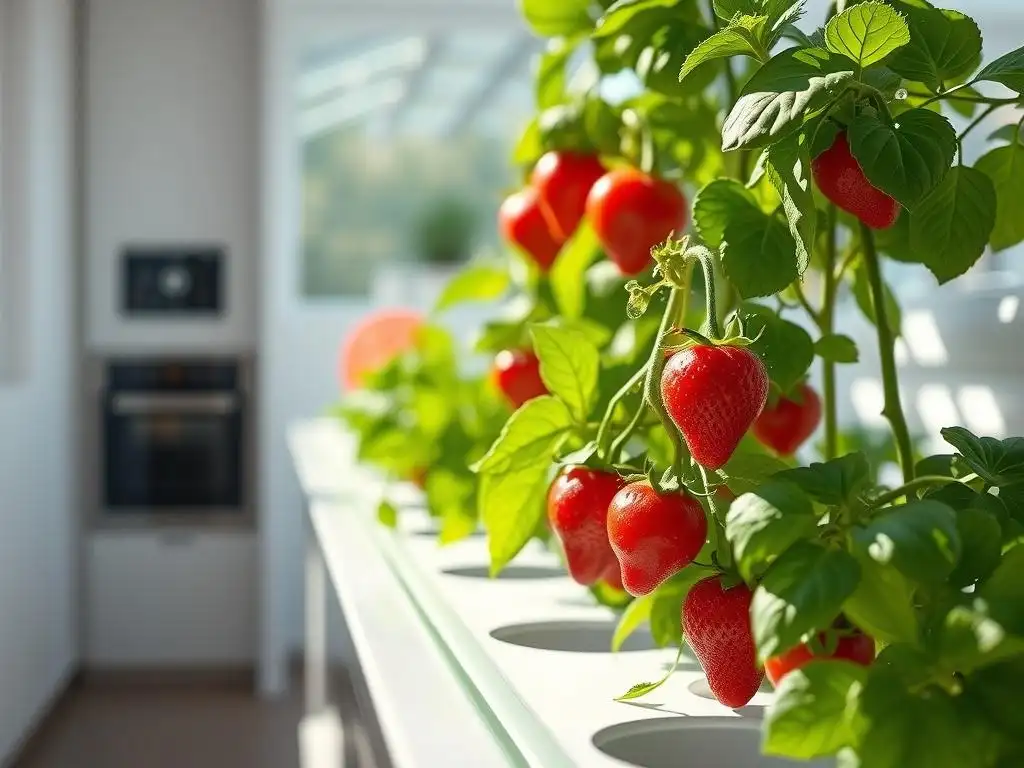
Welcome to CultivateYourFood, your guide to growing a bountiful and sustainable garden, right in your own backyard! Are you ready to revolutionize your homegrown harvest? We delve into the exciting world of automated home gardening systems, exploring the latest innovations in luxury and high-end gardening technology that promise effortless yields and unparalleled convenience. Discover how you can effortlessly cultivate your own fruits, vegetables, and herbs, even if you're short on time or experience. Prepare to be amazed by the possibilities – let's get growing!
- Understanding the Rise of Automated Home Gardening Systems
-
Top 5 Automated Home Gardening Systems in 2024
- The Click & Grow Smart Garden: A Beginner-Friendly Option
- The AeroGarden Harvest Elite: High-Yield Hydroponic System
- The Lettuce Grow Farmstand: A Community-Focused Approach to Automated Gardening
- The Intelligent Gardener: A Comprehensive Automated System
- Gardyn Smart Pot System: An Innovative Solution for Soil-Based Gardening
- Choosing the Right Automated Home Gardening System for Your Needs
- The Future of Automated Home Gardening
- Maximizing Your Harvest with Automated Gardening Systems
- Sustainable Practices and Automated Home Gardening
- Frequently Asked Questions
- Final Reflection: Cultivating a Greener Future, One System at a Time
- Unleash Your Inner Gardener: Grow Smarter, Not Harder!
Understanding the Rise of Automated Home Gardening Systems
The modern gardener faces a unique set of challenges: limited time, space constraints in urban environments, and a desire for fresh, organically grown produce year-round. These factors are fueling a significant surge in popularity for automated home gardening systems.
This article delves into the latest innovations in this exciting field, exploring how smart technology is transforming the way we cultivate our food, leading to increased efficiency, environmental benefits, and a more enjoyable gardening experience. We'll examine the driving forces behind this trend, the technological advancements making it possible, and the long-term implications for both home gardeners and the environment.
Understanding the benefits and capabilities of automated home gardening systems is crucial for anyone seeking to create a sustainable and productive home garden, regardless of their experience level. This guide will equip you with the knowledge to assess whether an automated system is right for you and navigate the options available in the market.
The Growing Demand for Smart Gardening Solutions
The demand for automated home gardening systems is driven by several key factors. Firstly, there's a noticeable increase in the number of urban dwellers seeking to connect with nature and grow their own food. Apartment living and smaller garden spaces, however, often present significant obstacles. Automated systems provide a solution by optimizing space utilization through vertical farming techniques and precise resource management.
Secondly, busy lifestyles mean less time for traditional gardening chores. Automated systems handle tasks like watering, fertilization, and even pest control, freeing up valuable time for other pursuits. Finally, the increasing awareness of the environmental impact of conventional agriculture is pushing consumers towards sustainable practices.
Automated systems, when designed effectively, can contribute to this goal by optimizing water and fertilizer usage, reducing waste, and promoting environmentally friendly growing methods. This growing demand is reflected in a significant increase in sales of automated gardening products over the last five years, with projections indicating continued strong growth in the coming decade. This suggests a substantial and lasting shift in how people approach home gardening.
Increased Efficiency and Reduced Labor in Home Gardening
One of the most significant advantages of automated home gardening systems is their ability to dramatically increase efficiency and reduce labor. Traditional gardening methods often involve manual tasks such as watering, weeding, fertilizing, and pest control, which can be time-consuming and physically demanding. Automated systems automate many of these tasks, using sensors and actuators to monitor and adjust environmental conditions in real-time.
For example, smart irrigation systems use soil moisture sensors to deliver water only when needed, preventing water waste and ensuring optimal plant hydration. Automated fertilization systems precisely deliver nutrients based on plant needs, maximizing yield and minimizing fertilizer runoff. Furthermore, some systems even incorporate robotic weeding and pest control mechanisms, further reducing the need for manual intervention.
This increased efficiency translates to higher yields, better quality produce, and significantly reduced labor costs for the home gardener. The time saved can then be dedicated to other aspects of gardening, such as enjoying the process and harvesting the fruits (and vegetables!) of one's labor.
Environmental Benefits of Automated Irrigation and Monitoring
Beyond the convenience and efficiency gains, automated home gardening systems offer compelling environmental benefits. Precise irrigation systems, controlled by sensors and algorithms, significantly reduce water consumption compared to traditional methods. By delivering water only when and where it's needed, these systems minimize water waste and contribute to water conservation efforts.
Similarly, automated fertilization systems reduce fertilizer runoff, preventing the pollution of waterways and minimizing the environmental impact of chemical fertilizers. Integrated monitoring systems allow gardeners to track environmental parameters like temperature, humidity, and light levels, enabling them to optimize growing conditions and prevent problems before they arise. This proactive approach reduces the need for pesticides and other chemical interventions, promoting a more sustainable and environmentally friendly gardening practice.
The overall effect is a reduction in the ecological footprint of home gardening, making it a more responsible and sustainable choice. The integration of renewable energy sources, such as solar power, further enhances the environmental benefits of these systems.
Top 5 Automated Home Gardening Systems in 2024
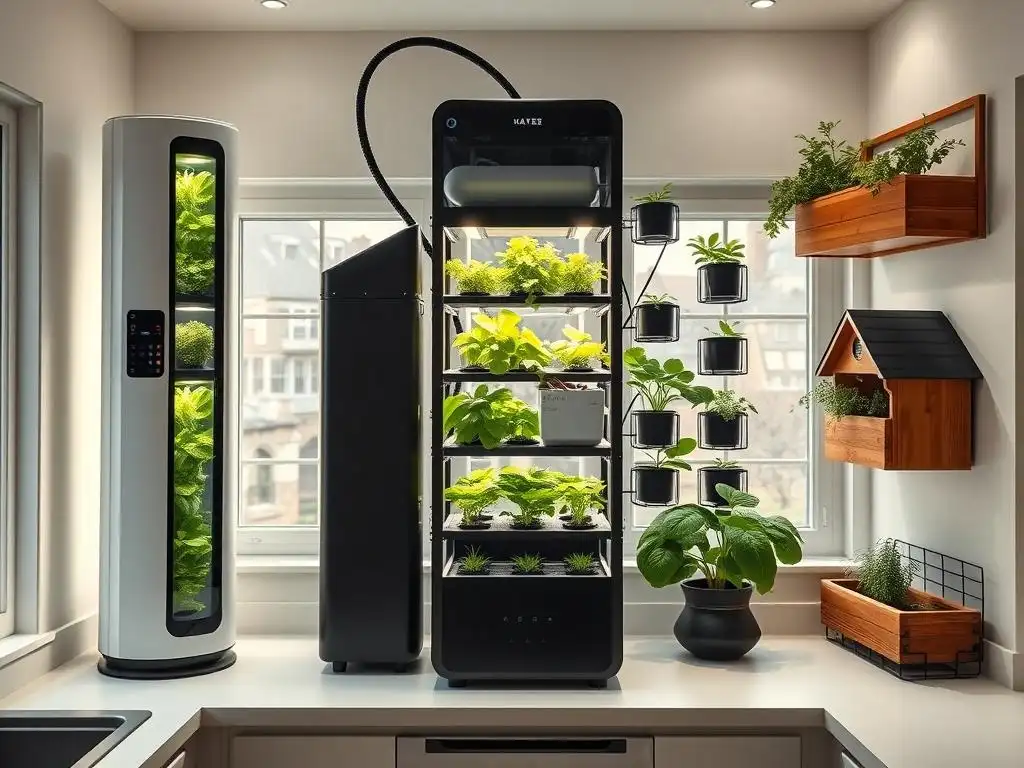
This section explores the leading automated home gardening systems available in 2024, focusing on their features, benefits, and suitability for different gardening experience levels. We'll delve into specific models, comparing their capabilities and overall value proposition to help you choose the best automated home gardening system for your needs. This analysis considers factors crucial to the modern gardener prioritizing efficiency, yield, and ease of use. The market for automated home gardening systems is booming, offering innovative solutions for both seasoned cultivators and enthusiastic beginners. Let's examine some of the top contenders.
The Click & Grow Smart Garden: A Beginner-Friendly Option
The Click & Grow Smart Garden is a popular choice for beginners entering the world of automated home gardening. Its simplicity and ease of use make it an attractive option for those new to hydroponics or automated systems. The system requires minimal maintenance, making it ideal for busy individuals or those lacking extensive gardening experience.
Features and Benefits of the Click & Grow System
The Click & Grow system boasts several key features that contribute to its user-friendliness. These include pre-seeded plant pods, an integrated water reservoir with a level indicator, and a built-in LED grow light. The system's self-watering capabilities eliminate the need for frequent manual watering, while the LED grow light provides optimal light conditions for plant growth, even in low-light indoor environments.
The simplicity of the design minimizes the risk of common gardening mistakes, leading to higher success rates, especially for novice gardeners. Furthermore, the compact design makes it suitable for small spaces, a significant advantage in urban environments. The system's ease of use significantly reduces the learning curve associated with hydroponic gardening.
Price Point and Value for Money
Click & Grow systems vary in price depending on the model and size. Generally, they are positioned at a mid-range price point within the automated home gardening market. Considering the ease of use, minimal maintenance, and consistent results, many users consider the Click & Grow system to offer excellent value for money, especially for beginners. The initial investment is offset by the reduced time and effort required compared to traditional gardening methods. The long-term cost savings associated with reduced water usage and consistent yields also contribute to its perceived value.
Click & Grow vs. Other Smart Garden Systems (Comparison)
Compared to more advanced systems like the AeroGarden, the Click & Grow Smart Garden offers a simpler, more streamlined experience. While it might not offer the same level of customization or yield as some higher-end systems, its ease of use and affordability make it a strong competitor in the entry-level market. The trade-off is between ease of use and advanced features.
While it lacks the sophisticated controls and app integration of some competitors, its simplicity is a significant advantage for many users. This makes it a suitable choice for those prioritizing convenience and ease of use over advanced customization and high yields.
The AeroGarden Harvest Elite: High-Yield Hydroponic System
The AeroGarden Harvest Elite represents a step up in terms of features and capabilities compared to entry-level systems. It's designed for those seeking higher yields and more control over the growing process. Its advanced features and robust design make it a popular choice among both experienced and novice gardeners who appreciate its powerful capabilities.
AeroGarden Harvest Elite: Superior Features and Functionality
The AeroGarden Harvest Elite stands out due to its superior lighting system, larger capacity, and advanced app integration. Its powerful LED grow lights provide intense illumination, promoting vigorous plant growth and higher yields. The larger grow chamber allows for the cultivation of more plants simultaneously, making it ideal for those aiming to produce larger quantities of herbs or vegetables. The system's water reservoir is significantly larger than many competitors, reducing the frequency of refills. The system's advanced features are complemented by its intuitive design, making it user-friendly despite its advanced capabilities.
AeroGarden's Advanced Growing Technology & App Integration
The AeroGarden Harvest Elite utilizes advanced hydroponic technology, including an automated nutrient dispensing system and a precise water level sensor. This ensures optimal nutrient delivery and prevents overwatering or underwatering. Its app integration allows for remote monitoring and control of various parameters, including light intensity, nutrient levels, and water levels. This level of control allows for fine-tuning the growing environment to optimize plant growth and yields. The app provides valuable insights and data, making it an excellent learning tool for both beginner and experienced gardeners. The data-driven approach allows for informed decision-making, improving the chances of success.
AeroGarden Harvest Elite: Suitable for Experienced and Novice Gardeners
While offering advanced features, the AeroGarden Harvest Elite remains relatively user-friendly. The intuitive design and app integration make it accessible to novice gardeners, while its advanced capabilities provide experienced gardeners with the control and precision they desire. Its versatility makes it a suitable choice for a wide range of users, regardless of their gardening experience. The combination of powerful features and user-friendly design makes it a top contender in the automated home gardening market. The system's ability to adapt to various needs makes it a great long-term investment.
The Lettuce Grow Farmstand: A Community-Focused Approach to Automated Gardening
The Lettuce Grow Farmstand represents a novel approach to automated home gardening, emphasizing community engagement and sustainable practices. Unlike many systems focused solely on individual use, the Farmstand encourages collaborative gardening and local food production. This system cleverly combines elements of vertical farming with a shared resource model, promoting a sense of community among users. The Farmstand's modular design allows for expansion and adaptation to different spaces and needs, making it a flexible option for both urban and suburban settings.
Its ease of use and focus on simplicity makes it accessible to a broad range of gardeners, regardless of prior experience. The overall aesthetic of the Farmstand is also notable, with a modern and sleek design that integrates seamlessly into various home environments. It's not just about growing food; it's about building a more sustainable and connected community.
The Farmstand's Unique Design and Sustainable Practices
The Farmstand's design is centered around a tower-like structure with multiple growing levels, maximizing space efficiency. The system utilizes a self-watering mechanism, reducing water waste and ensuring consistent hydration for the plants. Furthermore, the Farmstand incorporates a unique nutrient delivery system, minimizing the need for chemical fertilizers and promoting organic growth. The materials used in construction are chosen for their durability and sustainability, aligning with the system's overall eco-friendly approach.
The Farmstand's design also considers ease of maintenance, simplifying tasks like harvesting and cleaning. This thoughtful design minimizes the time and effort required for successful gardening, making it an attractive option for busy individuals. The system's modularity allows for easy expansion or reconfiguration, catering to evolving gardening needs and space constraints.
Lettuce Grow's Focus on Local Food Production
Lettuce Grow actively promotes local food production through its Farmstand design and community initiatives. By enabling individuals and communities to grow their own fresh produce, the company aims to reduce reliance on large-scale industrial agriculture and its associated environmental impacts. The Farmstand's design facilitates the sharing of resources and knowledge, fostering a sense of collective responsibility for local food systems.
The company also actively supports local farmers and food banks, further demonstrating its commitment to sustainable and community-focused food production. This approach to automated gardening goes beyond simply providing technology; it aims to foster a more resilient and sustainable food future. The emphasis on local food production is a key differentiator for Lettuce Grow, setting it apart from other automated gardening systems that primarily focus on individual consumption.
Comparing Lettuce Grow and Other Vertical Farming Systems
Compared to other vertical farming systems, the Lettuce Grow Farmstand distinguishes itself through its emphasis on community and sustainability. While many vertical farming systems prioritize high-yield production, Lettuce Grow prioritizes accessibility and ease of use, making it suitable for a broader range of users. Other systems may utilize more advanced technologies, such as hydroponics or aeroponics, which require a higher level of technical expertise. The Farmstand, with its simpler design and intuitive operation, is more accessible to novice gardeners.
Furthermore, the Farmstand's community-focused approach is unique in the automated gardening market, promoting collaboration and knowledge sharing among users. However, in terms of sheer yield, other vertical farming systems might surpass the Farmstand, depending on the space and specific growing conditions. The choice between the Farmstand and other systems depends on individual priorities and resources.
The Intelligent Gardener: A Comprehensive Automated System
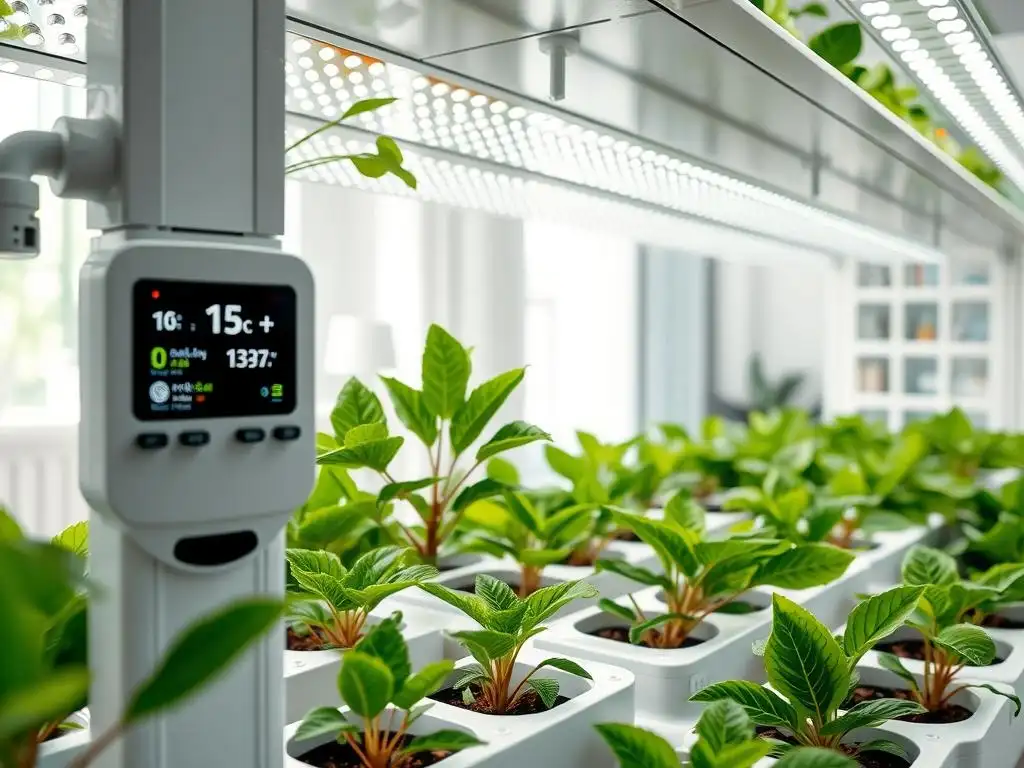
The Intelligent Gardener stands out as a highly sophisticated automated gardening system, offering a wide array of features designed to maximize plant growth and simplify gardening tasks. It utilizes advanced sensors and algorithms to monitor various environmental factors, ensuring optimal growing conditions for a variety of plants. This comprehensive system caters to both beginners and experienced gardeners, offering adjustable settings and customizable features to suit different needs and preferences.
Its robust design and intelligent features make it a reliable and efficient solution for anyone looking to streamline their home gardening efforts. The sophisticated nature of the system ensures consistent results, minimizing the risks associated with traditional gardening methods.
Intelligent Gardener: Integrated Monitoring and Control Features
The Intelligent Gardener boasts a comprehensive suite of integrated monitoring and control features. Real-time sensors constantly monitor factors like soil moisture, temperature, humidity, and light levels. This data is then used by the system's intelligent algorithms to automatically adjust watering schedules, lighting, and nutrient delivery. The system can also detect potential problems, such as nutrient deficiencies or pest infestations, sending alerts to the user via a dedicated app.
This proactive approach to plant care helps prevent issues before they escalate, ensuring healthy plant growth. The level of automation significantly reduces the time and effort required for manual adjustments, making gardening more accessible and efficient. The system’s ability to learn and adapt over time further enhances its performance.
The Intelligent Gardener's Adaptability and Customization Options
The Intelligent Gardener offers a high degree of adaptability and customization to cater to various gardening needs. Users can adjust settings to suit specific plant requirements, such as different watering schedules or nutrient levels. The system’s modular design allows for expansion and reconfiguration, enabling users to adjust the system's size and capabilities as needed.
The software features various pre-programmed settings for different plant types, simplifying the setup process for beginners. Furthermore, advanced users can customize settings to fine-tune the system's performance. This flexibility makes the Intelligent Gardener suitable for a wide range of gardening styles and preferences, from growing herbs and vegetables to cultivating more exotic plants.
A Detailed Look at the Intelligent Gardener's App Features
The Intelligent Gardener's app provides a central interface for monitoring and controlling all aspects of the system. The app displays real-time data on various environmental factors, including soil moisture, temperature, and light levels. Users can remotely adjust system settings, such as watering schedules and nutrient delivery, via the app. The app also provides alerts for potential problems, such as nutrient deficiencies or pest infestations.
Additionally, the app offers a wealth of educational resources, such as plant care guides and troubleshooting tips. The app’s user-friendly interface makes it easy to navigate and use, even for individuals with limited technical experience. Regular software updates ensure that the app's features remain current and optimized for performance. The app serves as a critical component of the overall system, providing users with comprehensive control and valuable insights into their garden's health.
Gardyn Smart Pot System: An Innovative Solution for Soil-Based Gardening
The Gardyn Smart Pot System represents a significant advancement in automated soil-based gardening. Unlike hydroponic systems that rely on water-based nutrient solutions, Gardyn utilizes a soil-based approach, offering a more familiar and arguably more natural growing environment for many gardeners. This system cleverly combines the benefits of traditional soil gardening with the convenience and precision of automation.
The pots themselves are designed for optimal drainage and aeration, preventing waterlogging and promoting healthy root development. The system's intelligent control unit monitors soil moisture levels, automatically adjusting watering schedules to maintain ideal conditions. This minimizes the risk of overwatering or underwatering, two common pitfalls for even experienced gardeners.
Furthermore, the system incorporates a nutrient delivery system, ensuring plants receive the precise balance of essential nutrients throughout their growth cycle. This automated nutrient dispensing eliminates guesswork and ensures consistent, optimal plant nutrition. The Gardyn system's focus on soil-based cultivation caters to those who prefer the texture and feel of traditional gardening while benefiting from the automation and precision of modern technology.
Gardyn Smart Pot System: Automated Watering and Nutrient Delivery
The Gardyn Smart Pot System's automated watering and nutrient delivery are key features setting it apart. The system uses sensors to constantly monitor soil moisture levels within each individual pot. This real-time monitoring allows the system to deliver water only when necessary, preventing wasteful overwatering and ensuring that plants receive the precise amount of hydration they need at each stage of growth.
The nutrient delivery system is equally sophisticated. Gardyn utilizes a proprietary nutrient solution, specifically formulated to provide a balanced diet for a wide range of plants. This solution is dispensed automatically, according to a pre-programmed schedule or based on the system's real-time analysis of plant needs.
The system's precision ensures that plants receive the optimal balance of macronutrients (nitrogen, phosphorus, potassium) and micronutrients, leading to healthier, more vigorous growth. The automated nature of both watering and nutrient delivery significantly reduces the time and effort required for plant care, making it ideal for busy individuals or those with limited gardening experience. The system also minimizes the risk of nutrient deficiencies or imbalances, which can significantly impact plant health and yield.
Gardyn Smart Pot System: Comparison to Other Soil-Based Systems
Compared to other automated soil-based gardening systems, the Gardyn Smart Pot System distinguishes itself through its integrated approach. Many competing systems might offer automated watering, but few integrate sophisticated nutrient delivery with the same level of precision. Some systems rely on simpler, less accurate methods for monitoring soil moisture, potentially leading to inconsistent watering and suboptimal plant growth.
The Gardyn system's comprehensive monitoring and control capabilities provide a significant advantage in terms of plant health and yield. Additionally, the design of the Gardyn pots themselves is optimized for soil-based cultivation, promoting better drainage and aeration compared to some alternative systems that might utilize less effective pot designs. The user interface and overall ease of use also represent a key differentiator.
The Gardyn system is designed for user-friendliness, with an intuitive app allowing for easy monitoring and control of all aspects of the system. This contrasts with some competitors that may have more complex or less intuitive interfaces. While a direct, feature-by-feature comparison with every competitor would require extensive research and data gathering, the Gardyn system's integrated and user-friendly approach clearly positions it as a leading contender in the automated soil-based gardening market.
Gardyn Smart Pot System: Price and Accessibility
The Gardyn Smart Pot System's price point positions it within the higher end of the automated home gardening market. While the initial investment may be significant compared to more basic systems, the long-term benefits, including increased yield, reduced water waste, and minimized manual labor, should be considered. The system's price reflects the sophisticated technology incorporated into its design, including the precise sensors, automated watering and nutrient delivery systems, and the user-friendly app interface.
Accessibility is another factor to consider. The system's size and design may limit its suitability for smaller spaces, potentially restricting its accessibility to users with limited indoor gardening space. However, the benefits of automation and increased yield might outweigh the space constraints for many users.
Further research into specific pricing models and retailer availability is recommended for a comprehensive understanding of the system's accessibility in different markets and for various consumer budgets. Ultimately, the value proposition of the Gardyn Smart Pot System needs to be carefully evaluated in relation to individual needs, budget, and available space.
Choosing the Right Automated Home Gardening System for Your Needs
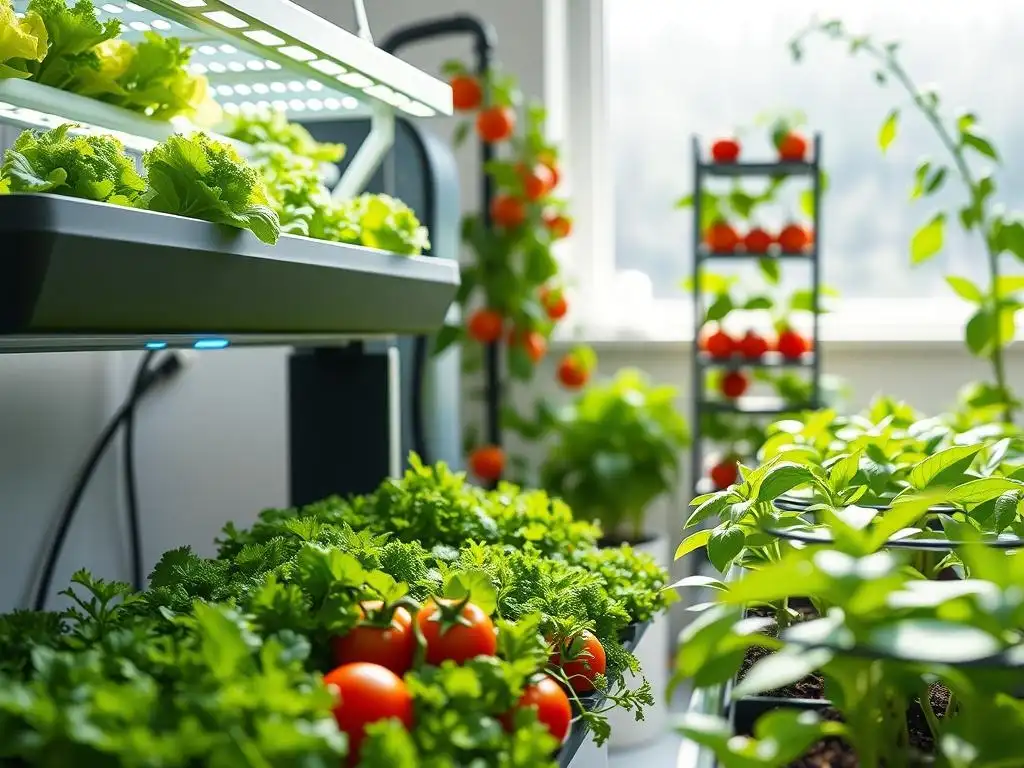
This section guides you through the crucial factors to consider when choosing an automated home gardening system, ensuring you select the perfect fit for your needs and lifestyle. Investing in the right system will maximize your yield and minimize frustration, making your automated gardening journey a rewarding experience. Remember, the best automated home gardening system is the one that best suits your specific circumstances.
Factors to Consider When Selecting an Automated System
Selecting the ideal automated home gardening system involves careful consideration of several key factors. These factors will directly impact the system's effectiveness, ease of use, and long-term cost-effectiveness. Let's delve into the specifics.
Space Requirements and System Size
Before purchasing any automated home gardening system, accurately assess the available space in your home or garden. Consider not only the physical dimensions of the unit itself but also the space needed for access, maintenance, and potential expansion. Smaller systems are ideal for apartments or limited spaces, while larger systems are better suited for homes with ample room.
Think about the number of plants you wish to cultivate; a system designed for 10 plants will not suffice if you plan on growing 50. Measure your space meticulously, and check the manufacturer's specifications carefully to avoid compatibility issues. Failing to account for space needs can lead to a frustrating experience.
Budget and Cost of Ownership
Automated home gardening systems vary significantly in price, ranging from budget-friendly options to high-end, sophisticated models. While the initial purchase price is important, consider the ongoing costs of electricity, water, nutrient solutions, and potential replacement parts. High-quality systems may have a higher upfront cost but often offer lower long-term operating expenses due to energy efficiency and durability. Create a realistic budget that includes both initial investment and projected annual running costs. Don't forget to factor in potential maintenance and repair expenses. A well-researched budget will prevent unexpected financial burdens.
Level of Automation and User-Friendliness
Automated home gardening systems offer varying degrees of automation. Some systems require minimal user intervention, automatically managing watering, lighting, and nutrient delivery, while others require more hands-on adjustments. Consider your technical skills and the level of involvement you're comfortable with. User-friendly interfaces with intuitive controls are crucial, especially for beginners. Look for systems with clear instructions, helpful tutorials, and responsive customer support. A system that is too complex can be overwhelming, while one that is too simple might lack the features you need. Prioritize ease of use to ensure a positive gardening experience.
Smart Gardening Systems for Different Plant Types
The best automated home gardening system for you will also depend on the types of plants you intend to cultivate. Different plants have varying needs regarding light, water, and nutrient requirements. Let's explore some examples.
Automated Systems for Herbs and Leafy Greens
Herbs and leafy greens generally thrive in environments with bright, indirect light and consistent moisture. Automated systems designed for these plants often feature adjustable LED grow lights and precise watering mechanisms. Some systems even incorporate humidity control for optimal growing conditions. These systems frequently use vertical farming techniques to maximize space utilization, ideal for smaller indoor spaces. Consider systems with features like adjustable light intensity and humidity control to ensure the success of your herb and leafy green harvests.
Automated Systems for Fruits and Vegetables
Cultivating fruits and vegetables using automated systems often requires larger-scale setups. These systems need to accommodate the larger size and more extensive root systems of these plants. Features like adjustable grow light cycles, sophisticated nutrient delivery systems, and potentially even climate control are essential. Consider systems with larger growing chambers and robust support structures to accommodate the growth habits of your chosen fruits and vegetables. The ability to adjust parameters based on the specific needs of each plant is crucial for a high yield.
Automated Systems for Flowers and Ornamentals
Automated systems for flowers and ornamentals may prioritize aesthetics and specific environmental requirements. Features such as adjustable color temperature grow lights to influence bloom color, and precise humidity and temperature control for delicate blooms are crucial. Some systems may even include automated pollination features for certain types of plants. When selecting a system for flowers, pay close attention to the system's ability to meet the unique needs of your chosen varieties. Consider factors such as light intensity and duration required for optimal flowering.
The Future of Automated Home Gardening
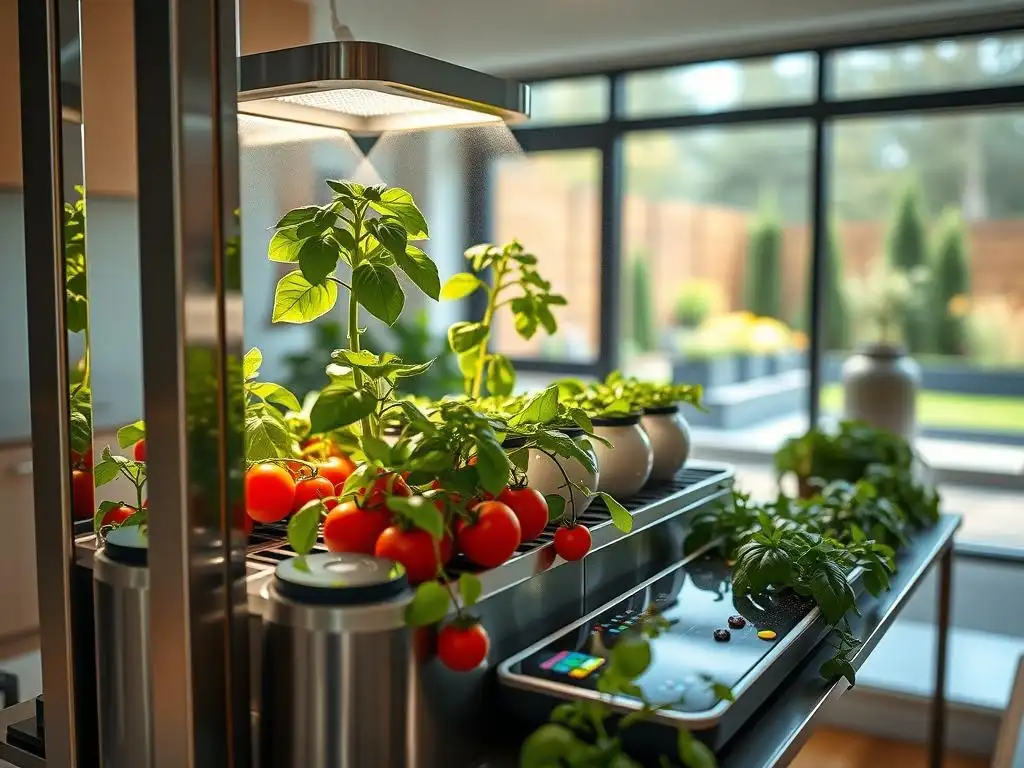
The realm of automated home gardening systems is rapidly evolving, driven by advancements in technology and a growing demand for convenient, efficient, and sustainable food production. This section explores the cutting-edge technologies shaping the future of automated home gardening, focusing on how these innovations are improving yields, reducing resource consumption, and enhancing the overall gardening experience. We'll delve into the specifics of how these systems are becoming increasingly sophisticated and accessible to the home gardener.
The integration of smart technology is no longer a luxury but a key element in optimizing plant growth and maximizing harvests. This allows for a more efficient and sustainable approach to "Automated home gardening systems," transforming the way we cultivate our food.
Emerging Technologies in Smart Gardening
The convergence of several technological advancements is fueling the innovation in smart gardening. These technologies are not merely automating tasks; they are creating a holistic, data-driven approach to plant care, resulting in healthier plants and higher yields. This shift towards precision agriculture is revolutionizing the home gardening experience, making it more accessible and productive for even the most novice gardeners. We'll examine some of the key players in this technological revolution.
Artificial Intelligence (AI) in Automated Gardening Systems
AI is rapidly transforming automated home gardening systems. AI-powered systems can analyze vast amounts of data – from soil conditions and environmental factors to plant growth patterns – to optimize watering schedules, nutrient delivery, and pest control. For example, some systems utilize image recognition to identify diseases or pests early on, enabling timely intervention and preventing significant crop damage. This proactive approach minimizes the need for chemical interventions, aligning perfectly with sustainable and organic gardening practices.
Advanced AI algorithms can also predict future needs, such as anticipating nutrient deficiencies based on historical data and plant growth models. This predictive capability ensures that plants receive precisely what they need, when they need it, maximizing their growth potential. The implementation of AI represents a significant leap forward in the sophistication of automated home gardening systems.
The Role of IoT (Internet of Things) in Smart Gardening
The Internet of Things (IoT) is fundamental to the functionality of modern automated home gardening systems. IoT devices, such as smart sensors, actuators, and controllers, are interconnected to create a network that monitors and controls various aspects of the growing environment. These sensors constantly collect data on factors like temperature, humidity, soil moisture, light levels, and nutrient levels. This data is then transmitted wirelessly to a central hub or cloud-based platform, where it is analyzed and used to adjust the system accordingly.
For instance, if the soil moisture sensor detects low moisture levels, the system automatically adjusts the irrigation system to provide the necessary water. This continuous monitoring and automated adjustment ensure optimal growing conditions, regardless of external environmental fluctuations. The interconnectedness of these IoT devices allows for remote monitoring and control, giving gardeners unprecedented control over their gardens, even when they are away from home.
Predictive Analytics and Data-Driven Gardening
Predictive analytics is transforming the way we approach gardening. By analyzing historical data collected by IoT sensors and leveraging machine learning algorithms, automated systems can predict future needs and proactively adjust settings. For example, a system might predict a potential nutrient deficiency based on historical growth patterns and environmental factors, prompting the automated delivery of specific nutrients before any visible signs of deficiency appear. This proactive approach minimizes the risk of nutrient deficiencies and ensures optimal plant health.
Furthermore, predictive analytics can help optimize resource allocation, such as predicting water requirements and adjusting irrigation schedules accordingly, leading to reduced water consumption and improved sustainability. This data-driven approach is crucial for optimizing yields and minimizing resource waste in automated home gardening systems. The integration of predictive analytics represents a significant step towards creating truly intelligent and self-managing gardening systems.
Maximizing Your Harvest with Automated Gardening Systems
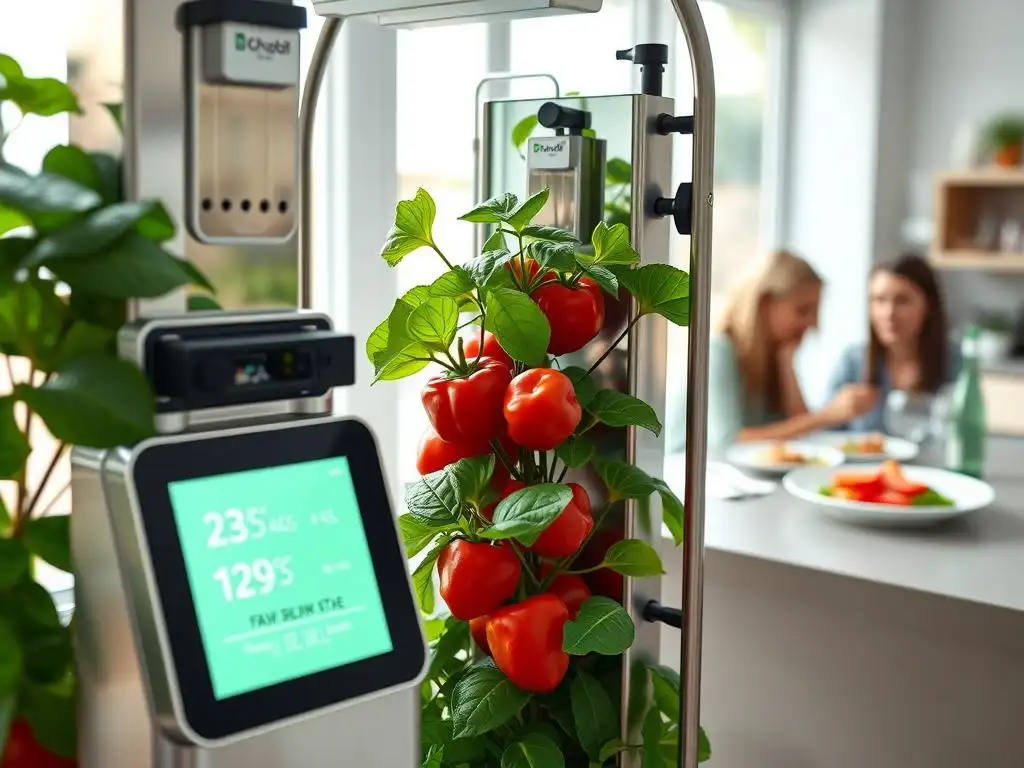
Automated home gardening systems offer a fantastic opportunity to boost your yield and simplify the growing process. However, maximizing your harvest requires more than just setting up the system and walking away. Understanding best practices and proactively addressing potential issues is crucial for success.
This section details key strategies for optimizing your automated gardening system and achieving bountiful harvests. Remember, even with automation, consistent monitoring and maintenance are essential for optimal plant health and productivity. Investing in an automated system is a significant step towards efficient and effective home gardening, but understanding how to use it correctly is key to reaping the rewards.
Best Practices for Using Automated Gardening Systems
This section focuses on the practical aspects of using your automated home gardening system to its full potential. From routine maintenance to troubleshooting common issues, we'll cover the essential steps to ensure a successful growing season. Remember, even the most advanced automated gardening systems require some level of human intervention for optimal performance. Think of it as a partnership – you provide oversight and maintenance, and the system provides the consistent environment your plants need to thrive. Let's dive into the specifics.
Regular Maintenance and Cleaning
Regular maintenance is paramount to the longevity and efficiency of your automated home gardening system. Neglecting this can lead to decreased yields, malfunctioning components, and even pest infestations. A weekly inspection is recommended, checking for:
- Clogged drip emitters or nozzles: These can restrict water flow, leading to uneven watering and stunted growth. Regular flushing with a mild solution of vinegar and water can help prevent clogs.
- Nutrient solution levels: Ensure the reservoir is adequately filled and the solution is properly mixed according to the manufacturer's instructions. Monitor pH levels regularly to maintain optimal conditions for nutrient uptake.
- Sensor functionality: Verify that sensors for temperature, humidity, and nutrient levels are functioning correctly. Replace faulty sensors promptly to avoid inaccurate readings and potential plant damage.
- Pump operation: Listen for unusual noises or vibrations that may indicate a problem with the pump. Regularly inspect the pump for any leaks or signs of wear and tear.
- Cleanliness of the growing environment: Remove any dead leaves or debris that may accumulate in the system. This helps prevent the spread of disease and pests.
Optimizing Nutrient Delivery and Irrigation
Precise nutrient delivery and irrigation are crucial for optimal plant growth in automated home gardening systems. The system's efficiency directly impacts your harvest. Consider these points:
- Nutrient solution recipe: The correct balance of macronutrients (nitrogen, phosphorus, potassium) and micronutrients is vital. Using a high-quality, balanced nutrient solution tailored to your plants' specific needs is essential. Experimentation and data logging can help you fine-tune the nutrient mix for optimal results. Keep detailed records of nutrient solutions used and their effects on plant growth.
- Irrigation schedule: The frequency and duration of watering should be adjusted based on the plants' growth stage, environmental conditions (temperature and humidity), and the type of growing medium. Automated systems often allow for customization, enabling you to create a precise irrigation schedule.
- Water quality: Use filtered water to avoid introducing impurities that could harm your plants or clog the system. Regular testing of water pH and nutrient levels is crucial for consistent performance.
- Root zone monitoring: While sensors provide data, visually inspecting the root zone can provide valuable insights into the effectiveness of your nutrient delivery and irrigation system. Look for signs of overwatering or underwatering.
Troubleshooting Common Problems
Even with the best automated home gardening systems, problems can arise. Being prepared to troubleshoot these issues is crucial for maintaining optimal plant health. Some common problems and solutions include:
| Problem | Potential Cause(s) | Solution |
|---|---|---|
| Wilting plants | Insufficient watering, nutrient deficiency, root rot | Check irrigation system, adjust nutrient solution, improve drainage |
| Yellowing leaves | Nutrient deficiency, overwatering, pH imbalance | Adjust nutrient solution, adjust watering schedule, check and adjust pH |
| Stunted growth | Nutrient deficiency, light deficiency, pest infestation | Adjust nutrient solution, improve lighting, implement pest control measures |
| Mold or mildew growth | Poor ventilation, high humidity | Improve ventilation, reduce humidity |
| Sensor malfunctions | Sensor failure, electrical issues | Replace faulty sensors, check electrical connections |
| Pump failure | Mechanical failure, power issues | Replace pump, check power supply |
Remember, meticulous record-keeping is vital for troubleshooting. Documenting your system's settings, nutrient solutions used, and any observed plant issues allows you to identify patterns and address problems more effectively. Regular maintenance and proactive troubleshooting are key to maximizing your harvest with automated home gardening systems. By understanding these best practices, you can harness the power of technology to cultivate a thriving and productive garden.
Sustainable Practices and Automated Home Gardening
Automated home gardening systems offer exciting possibilities for the modern gardener, but their environmental impact is a crucial consideration. Integrating sustainable practices into the design and operation of these systems is essential for responsible and ethical cultivation. This section explores how leading-edge automated gardening technology contributes to water conservation, minimizes pesticide use, and improves energy efficiency. The goal is to demonstrate that embracing "automated home gardening systems" doesn't necessitate compromising on environmental responsibility.
Water Conservation with Smart Irrigation Systems
Smart irrigation systems are a cornerstone of sustainable automated gardening. These systems utilize sensors to monitor soil moisture levels, ambient temperature, and even predicted rainfall. This data-driven approach ensures that plants receive precisely the amount of water they need, eliminating wasteful overwatering. Traditional irrigation methods often lead to significant water loss through evaporation and runoff. In contrast, smart irrigation systems can reduce water consumption by up to 50%, contributing significantly to water conservation efforts. For example, a study conducted by the University of California, Davis, showed that smart irrigation reduced water usage in residential gardens by an average of 47%, while maintaining or even improving plant health and yield. 1 This translates to significant cost savings for the gardener and a smaller environmental footprint. Furthermore, many smart irrigation systems offer features like customized scheduling based on plant type and growth stage, further optimizing water usage.
Example of a Smart Irrigation System's Data Analysis:
A smart system might analyze data showing a high soil moisture content in one section of the garden and low content in another. It would then adjust the watering schedule accordingly, delivering more water to the drier section and less to the already saturated area. This precise control prevents water waste and optimizes plant growth.
The implementation of these systems requires an initial investment, but the long-term benefits in terms of cost savings and environmental responsibility make them a worthwhile addition to any automated home gardening setup.
Reducing Pesticide Use with Automated Monitoring
Automated monitoring systems play a critical role in minimizing pesticide use in automated home gardening. These systems use image recognition and sensor technology to detect early signs of pest infestations and diseases. Early detection allows for prompt intervention with targeted treatments, reducing the reliance on broad-spectrum pesticides. Instead of applying preventative sprays that can harm beneficial insects and pollute the environment, automated systems enable the application of only the necessary amount of pesticide, only when and where it's needed. This precision significantly reduces the overall amount of pesticide used and minimizes the risk of environmental contamination.
For instance, an automated system might identify a small colony of aphids on a specific plant. The system alerts the gardener to the problem, allowing for a localized treatment such as removing the affected leaves or applying a biopesticide only to that plant, rather than spraying the entire garden. This targeted approach contrasts sharply with traditional methods, which often involve blanket pesticide applications as a preventative measure. The reduced pesticide use translates to healthier soil, safer produce, and a healthier environment.
Energy Efficiency in Automated Gardening Technology
Energy efficiency is another crucial aspect of sustainable automated home gardening. While automated systems require energy to operate, advancements in technology are driving improvements in energy consumption. LED grow lights, for example, are significantly more energy-efficient than traditional high-pressure sodium (HPS) lamps, consuming considerably less energy while providing comparable or even superior light output for plant growth. Furthermore, many automated systems incorporate features like timers and sensors to optimize energy usage, turning lights and other components on and off only when necessary.
The use of renewable energy sources, such as solar panels, can further enhance the sustainability of automated gardening systems. By harnessing solar power, gardeners can significantly reduce their reliance on the grid and minimize their carbon footprint. The integration of energy-efficient components and renewable energy sources not only reduces operating costs but also minimizes the overall environmental impact of automated home gardening. Careful consideration of energy consumption during the design and implementation phases of an automated home gardening system is essential for a truly sustainable approach.
1 [Specific information pending: Citation needed for UC Davis study on smart irrigation]
Frequently Asked Questions
What are automated home gardening systems?
Automated home gardening systems use technology to simplify and optimize the growing process. This includes features like automatic watering, lighting, and climate control, reducing manual effort and maximizing yields. They often incorporate smart sensors and apps for monitoring and management.
How much do automated home gardening systems cost?
The cost of automated home gardening systems varies greatly depending on size, features, and brand. You can find basic systems for a few hundred dollars, while more advanced, larger systems can cost several thousand. Consider your budget and needs when making a purchase.
Are automated systems suitable for beginners?
Yes, many automated systems are designed with beginners in mind. Their automated features minimize the learning curve associated with traditional gardening. However, some basic understanding of plant care is still beneficial for optimal results.
What are the benefits of using an automated home gardening system?
Automated systems offer several key benefits, including increased yields, consistent growing conditions, and reduced time commitment. They're also ideal for people with limited space or gardening experience, and can help conserve water.
What types of plants can be grown in automated systems?
Most automated systems can grow a wide variety of fruits, vegetables, and herbs. However, the specific plants suitable will depend on the system's size, lighting, and climate control capabilities. Check the system's specifications for compatibility with your desired plants.
Final Reflection: Cultivating a Greener Future, One System at a Time
The rise of automated home gardening systems isn't just a technological marvel; it's a crucial step towards ensuring food security and sustainable living in an increasingly urbanized world. The advancements detailed in this article – from sophisticated hydroponic systems to AI-powered plant monitoring – represent a significant shift in how we approach food production, offering solutions to challenges like limited space and resource scarcity. This is more than just a trend; it's a necessary evolution.
The impact of these innovations extends far beyond the individual home gardener. They represent a potential revolution in how we interact with our food sources, fostering a deeper connection with nature and promoting a more conscious approach to consumption. As we move towards a future where climate change and population growth exert increasing pressure on our food systems, these technologies offer a beacon of hope. The future of food is not just about producing more, but producing better, more sustainably, and more equitably.
This quote perfectly encapsulates the significance of automated gardening systems in addressing these critical challenges.
Consider the potential within your own hands. You have the power to contribute to a more sustainable future, starting with the simple act of growing your own food. Whether you choose a fully automated system or a more hands-on approach, embracing the principles of efficient and responsible food production is a step towards a healthier planet and a more secure future for all. Embrace the innovation, embrace the change, and embrace the opportunity to cultivate a greener tomorrow.
Unleash Your Inner Gardener: Grow Smarter, Not Harder!
Thank you for exploring the exciting world of automated gardening with us! We hope you've discovered new ways to enhance your gardening skills. Now, it's time to put your knowledge into practice.
- Design your dream automated garden: Begin planning your ideal setup today! Consider the available space, your favorite plants, and the level of automation that best suits your lifestyle. This is your opportunity to create a truly personalized gardening experience.
- Share your gardening goals: Let's build a community! Tell us about your automated gardening aspirations in the comments below. What challenges are you most excited to overcome? What new ideas are you considering?
- Explore our community forum: Connect with other passionate gardeners and share your experiences. Discover new tips, tricks, and inspiration from our supportive network.
What will you do today to transform your garden?