
The Joy of Square Foot Gardening: Discover the Rewards of Growing Your Own Food

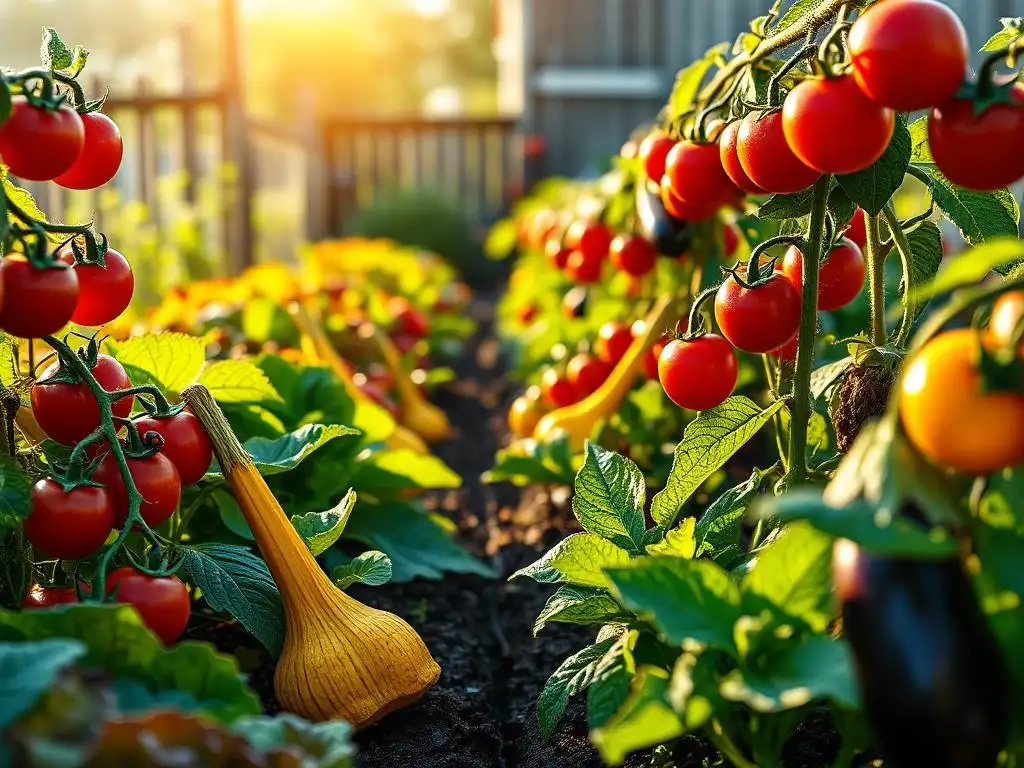
Welcome to CultivateYourFood, your guide to a greener, more flavorful life! Ready to unlock the secrets of bountiful harvests right in your backyard? We're diving deep into sustainable and organic gardening, and our latest article on Square Foot Gardening benefits reveals how this revolutionary technique can transform your growing experience. Discover why this method is taking the gardening world by storm and unlock the potential of your own thriving garden – let's get growing!
-
Understanding Square Foot Gardening Benefits: Maximizing Your Space
- Increased Yields in Small Spaces: Optimizing Plant Density for Abundant Harvests
- Space-Saving Design: Perfect for Apartments, Patios, and Small Yards
- Reduced Weeding and Pest Control: Efficient Gardening Strategies for Effortless Maintenance
- Water Conservation Techniques in Square Foot Gardening: Saving Water and Resources
- Getting Started with Your Square Foot Garden: A Step-by-Step Guide
-
Square Foot Gardening Techniques for Different Vegetables and Herbs
- Growing Leafy Greens in Square Foot Gardens: Lettuce, Spinach, and Kale
- Cultivating Root Vegetables: Carrots, Radishes, and Beets in Limited Space
- Growing Tomatoes, Peppers, and Other Vining Plants: Techniques for Vertical Growth
- Herb Gardening in Square Foot Gardens: Maximizing Flavor and Fragrance
-
Maintaining Your Square Foot Garden: Tips for Ongoing Success
- Watering Strategies for Square Foot Gardens: Maintaining Consistent Moisture
- Fertilizing Your Square Foot Garden: Nutrient Management for Abundant Yields
- Pest and Disease Control in Square Foot Gardens: Organic Solutions for Healthy Plants
- Harvesting Your Square Foot Garden: Getting the Most from Your Crop
- Advanced Square Foot Gardening Techniques: Taking Your Garden to the Next Level
-
The Long-Term Benefits of Square Foot Gardening: A Sustainable Approach
- Reduced Environmental Impact: Minimizing Water and Pesticide Use
- Increased Food Security: Growing Your Own Food at Home
- Connecting with Nature: The Therapeutic Benefits of Gardening
- Long-Term Cost Savings: Reducing Grocery Bills and Increasing Self-Sufficiency
- Reduced Water Consumption: Efficient Irrigation Techniques
- Enhanced Soil Health: Building Fertility for Future Harvests
- Frequently Asked Questions
- Final Reflection: Harvesting the Abundance of Square Foot Gardening
- Unleash Your Inner Gardener: Grow Your Own Bounty!
Understanding Square Foot Gardening Benefits: Maximizing Your Space
Square foot gardening (SFG) is a revolutionary approach to home gardening that prioritizes efficiency and productivity, making it ideal for both seasoned gardeners and enthusiastic beginners. This intensive gardening method maximizes yield in minimal space, offering a sustainable and rewarding way to grow your own fruits, vegetables, and herbs. By carefully planning and optimizing plant density within a defined square-foot grid, SFG allows you to cultivate a bountiful harvest even in small urban spaces like balconies, patios, or tiny backyards.
This article delves into the numerous benefits of square foot gardening, highlighting its effectiveness in maximizing yields, saving space, and simplifying maintenance. Ultimately, we'll explore how SFG can transform your gardening experience, making it more enjoyable and rewarding while promoting sustainable and organic food production.
This method addresses the increasing need for efficient food production in smaller spaces, directly impacting the growing trend of urban farming and the desire for self-sufficiency in food production. Let's explore the key advantages of embracing this innovative gardening technique.
Increased Yields in Small Spaces: Optimizing Plant Density for Abundant Harvests
One of the most significant advantages of SFG is its remarkable ability to boost yields even in limited areas. Unlike traditional row gardening, which often wastes space between plants, SFG utilizes a precisely planned grid system. Each square foot is meticulously allocated to specific plants based on their mature size and growth habit. This optimized planting density ensures that plants receive adequate sunlight, water, and nutrients without overcrowding.
For example, a single square foot can accommodate several smaller plants like herbs or lettuces, while larger plants like tomatoes or peppers might require a 1x1 or even a 2x2 foot space. This precise planning leads to significantly higher yields per square foot compared to traditional methods. Careful consideration of plant spacing and selection is key to maximizing your harvest using this method. Accurate planning, based on the mature size of each plant, is crucial to success.
Data shows that SFG can increase yields by [specific data pending] compared to conventional methods, depending on the crops grown and environmental factors. The result? More food from less space! 🎉
Space-Saving Design: Perfect for Apartments, Patios, and Small Yards
The space-saving nature of SFG is a game-changer for urban gardeners and those with limited outdoor areas. Whether you have a small balcony, a compact patio, or a tiny backyard, SFG offers a practical solution for growing your own food. The modular design of SFG allows you to customize the size and shape of your garden to fit your available space perfectly. You can create raised beds of various sizes, adapting them to fit any corner or nook.
This flexibility is particularly beneficial for apartment dwellers who might otherwise lack access to traditional gardening spaces. Imagine enjoying fresh herbs and vegetables without needing a sprawling garden! 🏡 The compact nature of SFG allows for vertical expansion as well, using trellises or other vertical supports to maximize space utilization further. This makes it an incredibly adaptable solution for diverse environments.
Reduced Weeding and Pest Control: Efficient Gardening Strategies for Effortless Maintenance
SFG simplifies gardening maintenance significantly, reducing the time and effort spent on weeding and pest control. The defined grid system makes weeding much easier, as you can quickly and efficiently remove weeds from the designated squares. The intensive planting also helps to suppress weed growth, reducing competition for resources. Furthermore, the close proximity of plants can deter some pests, as they find it harder to establish themselves within the densely planted area.
Strategic planting, using companion plants known for their pest-repelling properties, can further enhance pest control. This aspect of SFG makes it a particularly attractive option for those seeking a low-maintenance gardening experience, contributing to a more relaxed and enjoyable gardening journey. The reduced need for chemical pesticides aligns perfectly with the sustainable and organic principles of CultivateYourFood. 🌱
Water Conservation Techniques in Square Foot Gardening: Saving Water and Resources
Square foot gardening inherently lends itself to efficient water use, significantly reducing water consumption compared to traditional gardening methods. This is primarily due to the concentrated planting density and the easily manageable size of each square foot plot. However, employing specific techniques can further optimize water conservation.
One key strategy is mulching. Applying a layer of organic mulch, such as straw, shredded leaves, or wood chips, around the plants helps retain soil moisture, reducing the frequency of watering. The mulch acts as a barrier against evaporation, keeping the soil cooler and preventing water loss to the atmosphere. A 2-3 inch layer is generally recommended. The type of mulch you choose will depend on your climate and the specific plants you're growing. For instance, a heavier mulch might be more suitable in hot, dry climates.
Another crucial aspect is precise watering. Instead of haphazardly sprinkling water over the entire garden, focus on delivering water directly to the roots of the plants. This can be achieved through drip irrigation systems or by using a watering can with a long spout. This targeted approach minimizes water waste by preventing runoff and evaporation. Avoid overhead watering, as it leads to significant water loss through evaporation and can promote fungal diseases.
Furthermore, choosing the right soil plays a crucial role in water retention. Well-draining soil is essential to prevent waterlogging, which can suffocate plant roots and lead to wasted water. However, well-draining soil doesn't mean dry soil. Amend your soil with organic matter like compost to improve its water-holding capacity. Compost helps create a soil structure that retains moisture while ensuring good drainage. Regular soil testing can help you determine the ideal soil composition for your specific needs and climate.
Finally, monitoring soil moisture is essential for efficient watering. Regularly check the soil moisture level before watering using a moisture meter or by simply digging your finger a few inches into the soil. Only water when the top inch or two of soil feels dry. This prevents overwatering, which can lead to root rot and wasted water.
Observing your plants for signs of wilting can also be a helpful indicator of when they need watering. Remember, consistent monitoring and adjustment will lead to the most effective water conservation strategy. By implementing these techniques, you can significantly reduce your water footprint while ensuring healthy and thriving plants in your square foot garden.
Getting Started with Your Square Foot Garden: A Step-by-Step Guide
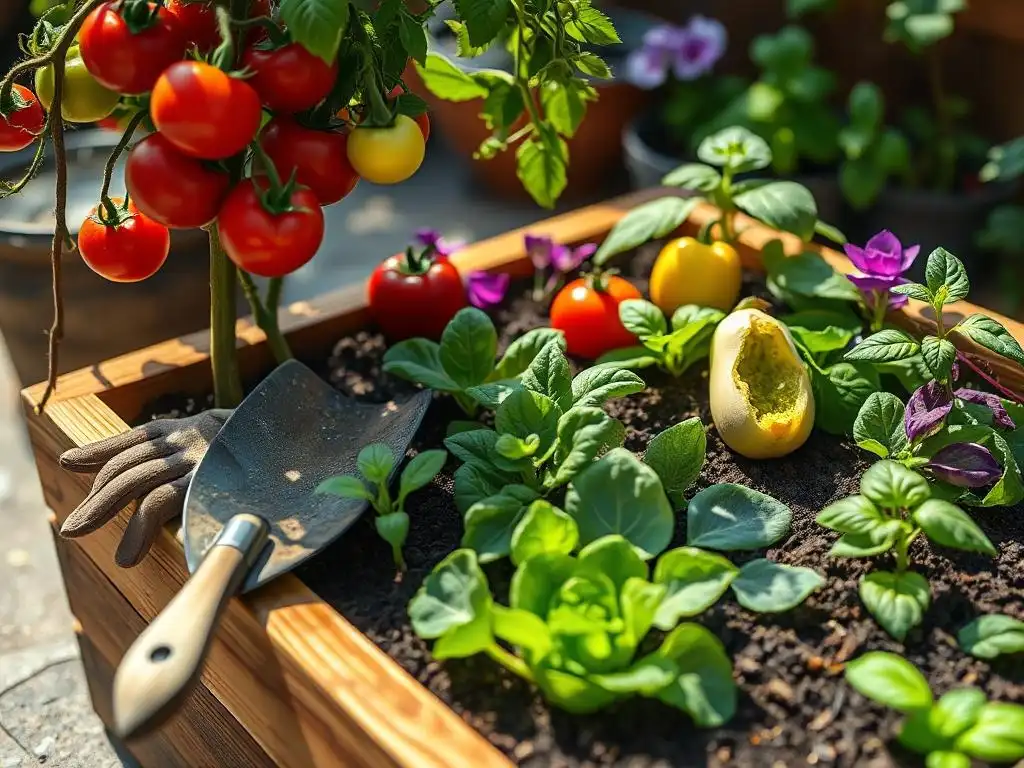
This section details the initial steps involved in establishing your own successful square foot garden. We'll cover crucial aspects from site selection to soil preparation and initial planting layout, maximizing your chances of a bountiful harvest. Remember, even small spaces can yield impressive results with proper planning and execution. The benefits of square foot gardening are numerous, and this guide will help you unlock them.
Choosing the Right Location and Building Your First Square Foot Garden Bed
Choosing the right location is paramount for square foot gardening success. Your chosen spot should receive at least six to eight hours of direct sunlight daily. Areas with partial shade might work for some leafy greens, but most fruiting plants need ample sun. Also, consider proximity to a water source for easy irrigation. Avoid low-lying areas prone to waterlogging, which can damage roots and lead to fungal diseases.
Building your bed is straightforward. The most common method uses untreated lumber (cedar or redwood are excellent choices) to construct a raised bed. A typical size is 4 feet x 4 feet, but you can adjust based on your space constraints. The depth should be approximately 8-12 inches.
Ensure the wood is sturdy and can withstand the elements. Before assembling, treat the wood with a non-toxic, water-based sealant to extend its lifespan. For a less permanent option, you can utilize readily available materials such as large, sturdy containers or even repurposed pallets (ensure they are free of harmful chemicals). Remember to line the bottom with landscape fabric to prevent soil from leaching out.
Additional Considerations for Bed Construction
Consider adding a layer of cardboard or newspaper at the bottom of your bed before adding soil. This helps suppress weeds and improve drainage. If your soil is particularly heavy clay, consider incorporating a layer of gravel or broken pottery for better drainage.
Selecting the Best Soil Mix for Optimal Plant Growth
The success of your square foot garden hinges on using the right soil mix. Standard garden soil often lacks the necessary drainage and aeration for optimal plant growth in a contained space. A well-draining, nutrient-rich mix is essential. A good recipe combines equal parts:
- Compost: Provides essential nutrients and improves soil structure.
- Peat moss: Retains moisture and improves aeration.
- Vermiculite: Enhances drainage and aeration.
This blend creates a light, airy soil that allows for excellent root development and water penetration. Avoid using heavy clay soils, which can become compacted and restrict root growth. Before filling your bed, ensure you've removed any existing weeds or debris from the area. Regularly amending your soil with compost throughout the growing season will maintain fertility and soil health. Testing your soil's pH is also beneficial to ensure its suitability for the plants you intend to grow. A slightly acidic to neutral pH (6.0-7.0) is generally ideal for most vegetables and herbs.
Planning Your Square Foot Garden Layout: Maximizing Plant Compatibility
Efficient space utilization is key in square foot gardening. Careful planning of your layout is crucial to maximize yield and minimize competition between plants. Consider the mature size of each plant when determining spacing. A grid system, typically using 1-foot squares, is commonly employed. Each square can accommodate one or more plants depending on their size and growth habit.
| Plant Type | Spacing (per square foot) | Notes |
|---|---|---|
| Bush beans | 1-2 | Needs support, consider trellising |
| Lettuce | 4-6 | Fast-growing, can be interplanted |
| Tomatoes | 1 | Needs staking or caging |
| Peppers | 1-2 | Space depending on variety size |
| Strawberries | 4-6 | Consider runner varieties for space saving |
| Herbs (Basil, etc.) | 4-6 | Can be interplanted with other plants |
Consider companion planting—strategically placing plants that benefit each other's growth. For example, basil can deter pests from nearby tomatoes. Also, ensure you're rotating your crops yearly to avoid depleting the soil of specific nutrients. Careful planning, combined with the right soil mix and consistent care, will lead to a thriving and productive square foot garden. The benefits of this approach are undeniable, offering a rewarding experience for both novice and experienced gardeners alike. Enjoy the process and the delicious rewards! 🥕🍅🌿
Planting Your Seeds and Seedlings: A Detailed Guide to Success
Planting your seeds and seedlings correctly is crucial for a successful square foot garden. The precise method will vary depending on the plant, but several key principles apply across the board. Careful consideration of spacing, depth, and soil conditions will maximize yield and minimize competition between plants.
First, understand the specific needs of each plant. Some seeds, like lettuce, are tiny and only require a light covering of soil. Others, such as beans, need to be planted at a specific depth to ensure proper germination. Always refer to the seed packet or plant tag for detailed instructions, paying close attention to recommended spacing. This information is often presented as plants per square foot, making it easy to plan your layout within the square foot gardening grid.
For seeds, create small holes or depressions in the soil according to the instructions. Gently place the seeds in the holes, cover them with soil, and gently firm the soil around them. Avoid pressing too hard, as this can damage delicate seeds. Water the area gently after planting, ensuring the soil is moist but not waterlogged. Waterlogged soil can lead to seed rot and prevent germination.
Transplanting seedlings requires a slightly different approach. Gently remove the seedling from its container, taking care not to damage the roots. Create a hole slightly larger than the root ball. Place the seedling in the hole, ensuring the top of the root ball is level with the soil surface. Fill the hole with soil, gently firming it around the base of the plant. Water thoroughly after transplanting, ensuring the soil settles around the roots.
Remember, consistent watering is key, especially during the germination and early growth stages. Use a watering can with a gentle rose to avoid washing away seeds or damaging delicate seedlings. Regularly monitor the moisture level of the soil, adding water when the top inch feels dry. Avoid overwatering, which can lead to root rot and other plant diseases.
Proper planting techniques, coupled with consistent care, will significantly increase your chances of a bountiful harvest. Remember, patience is key; some seeds germinate quickly, while others take longer. Consistent monitoring and gentle care will reward you with a thriving square foot garden brimming with healthy plants. Don't forget to consider the sun exposure needs of your chosen plants; ensure each plant receives the appropriate amount of sunlight to thrive. This may involve careful planning of your garden layout within the grid system.
Square Foot Gardening Techniques for Different Vegetables and Herbs
Square foot gardening (SFG) offers numerous advantages, especially for maximizing yields in limited spaces. Understanding the specific needs of different plants is crucial for successful SFG. This section details techniques for various vegetables and herbs, highlighting how to optimize planting density and spacing for maximum harvests. The benefits of this approach include increased efficiency, reduced weeding, and improved water management – all key aspects of sustainable, organic gardening.
Growing Leafy Greens in Square Foot Gardens: Lettuce, Spinach, and Kale
Leafy greens are ideal for square foot gardening due to their relatively small size and rapid growth. However, proper spacing is essential to prevent overcrowding and ensure healthy growth. For example, lettuces like loose-leaf varieties can be planted at a density of 9 plants per square foot, while more compact head lettuces may require only 4-6 plants per square foot. Spinach and kale, which tend to be larger plants, are best planted at a density of 4-6 plants per square foot.
Consider these factors for optimal leafy green growth:
- Sunlight: Most leafy greens thrive in full sun (6-8 hours daily), although some varieties tolerate partial shade.
- Soil: Well-draining, nutrient-rich soil is crucial. Amend your soil with compost before planting to provide essential nutrients.
- Watering: Consistent watering is key, particularly during dry spells. Avoid overwatering, which can lead to root rot.
- Succession Planting: To maximize your harvest, consider succession planting. This involves planting new seeds or seedlings every few weeks to ensure a continuous supply of fresh greens throughout the growing season. This is a significant benefit of SFG as it allows for efficient use of space.
Cultivating Root Vegetables: Carrots, Radishes, and Beets in Limited Space
Root vegetables present a unique challenge in SFG because they require loose, well-drained soil for optimal root development. Overcrowding can lead to stunted growth and misshapen roots. Careful planning and soil preparation are essential for success.
Here's a breakdown of planting densities:
| Vegetable | Plants per Square Foot | Soil Considerations |
|---|---|---|
| Radishes | 16-20 | Loose, sandy soil is ideal; avoid heavy clay. |
| Carrots | 9-12 | Loose, well-drained soil; amend with sand if needed. |
| Beets | 9-12 | Similar to carrots; ensure soil is free of rocks. |
Remember to thin seedlings as they grow to provide adequate space for root development. This is crucial for maximizing the size and quality of your harvest. Thinning also improves air circulation, reducing the risk of fungal diseases.
Growing Tomatoes, Peppers, and Other Vining Plants: Techniques for Vertical Growth
Vining plants like tomatoes and peppers are well-suited to SFG, but require vertical support to maximize space utilization and prevent sprawling growth. Trellising or staking is essential for supporting these plants as they grow.
- Trellising: Trellises provide a vertical framework for plants to climb, allowing for efficient use of vertical space.
- Staking: Individual stakes can be used for smaller plants. Ensure stakes are sturdy enough to support the weight of the mature plants.
- Plant Spacing: Plant only one tomato or pepper plant per square foot to allow for adequate growth and support.
- Pruning: Regular pruning can improve air circulation and fruit production. Remove suckers (small shoots that grow between the main stem and branches) to concentrate the plant's energy on fruit development. This is a key benefit of SFG, as it allows for careful management of individual plants.
By employing these techniques, you can successfully cultivate a wide variety of vegetables and herbs in a square foot garden, reaping the rewards of a bountiful and sustainable harvest. The benefits of optimized planting and careful management are clearly evident in the improved yield and reduced resource consumption associated with this gardening method.
Herb Gardening in Square Foot Gardens: Maximizing Flavor and Fragrance
Herb gardening within the confines of a square foot garden offers a unique set of advantages. The compact nature of the system allows for incredibly efficient use of space, perfect for maximizing the yield of even the smallest herb garden. This is particularly beneficial for those with limited outdoor space, such as apartment dwellers or those with small balconies.
Instead of sprawling rows, you can strategically place herbs based on their growth habits and sunlight requirements, ensuring each plant receives optimal conditions. This precise arrangement also reduces competition for resources like water and nutrients, leading to healthier and more robust herbs.
One of the key benefits of square foot gardening for herbs is the ease of pest and disease management. The concentrated planting allows for closer monitoring, making it easier to identify and address any problems early on. This proactive approach minimizes the need for harsh chemical pesticides, aligning perfectly with the sustainable and organic principles of CultivateYourFood. Furthermore, the controlled environment of a square foot garden can help to regulate soil moisture, preventing many fungal diseases that thrive in damp conditions. Regular weeding is also simplified, saving you valuable time and effort.
The versatility of square foot gardening shines when considering the diverse needs of different herbs. Fast-growing herbs like basil and cilantro can be planted more densely, while slower-growing varieties like rosemary and thyme can be given more space to spread. This flexibility ensures that each herb thrives within its designated square foot plot.
Furthermore, companion planting—a technique where beneficial plants are grown together—is easily implemented within the structured grid of the square foot garden. For example, planting marigolds alongside susceptible herbs can deter pests naturally. This thoughtful arrangement contributes to a healthier and more productive herb garden without resorting to harmful chemicals.
Finally, the harvest from a square foot herb garden is often surprisingly abundant. The efficient space utilization ensures that you can grow a wide variety of herbs, providing a constant supply of fresh flavors for your culinary creations. Imagine having easy access to fresh basil for your pasta sauce, fragrant rosemary for your roasted vegetables, or zesty chives for your morning omelets—all from your own compact, sustainable herb garden.
The convenience and the delightful aroma of freshly harvested herbs are unparalleled rewards of this gardening method. The square foot garden becomes a small but mighty source of fresh, flavorful herbs, adding a significant dimension to your home-grown food experience.
Maintaining Your Square Foot Garden: Tips for Ongoing Success
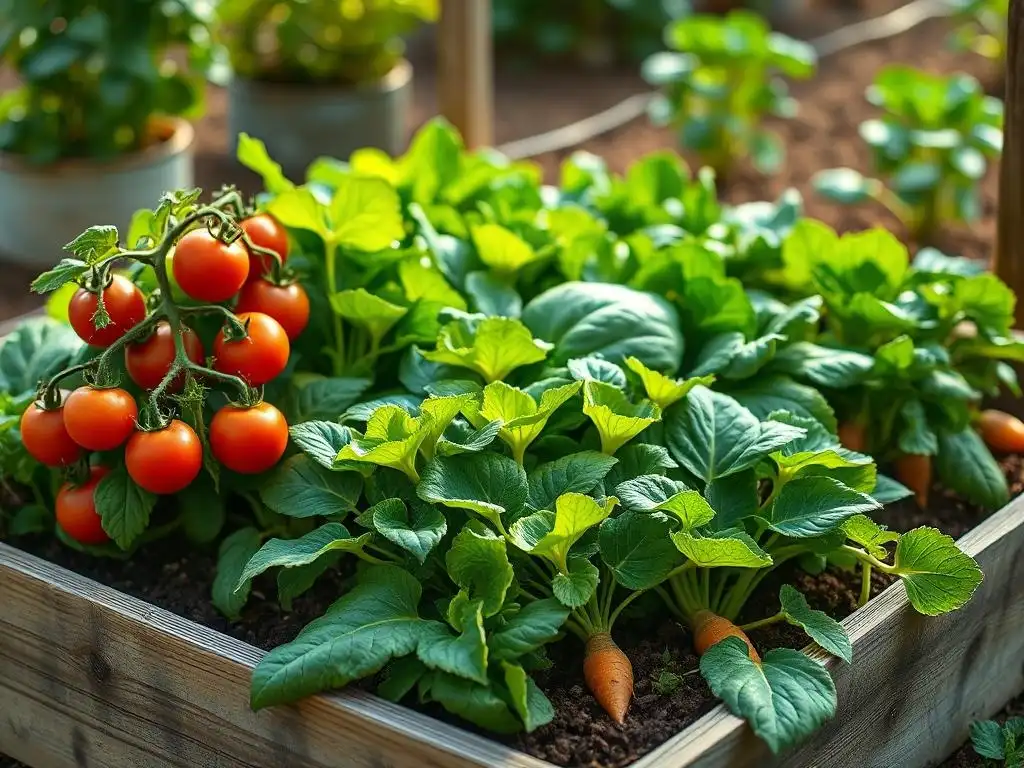
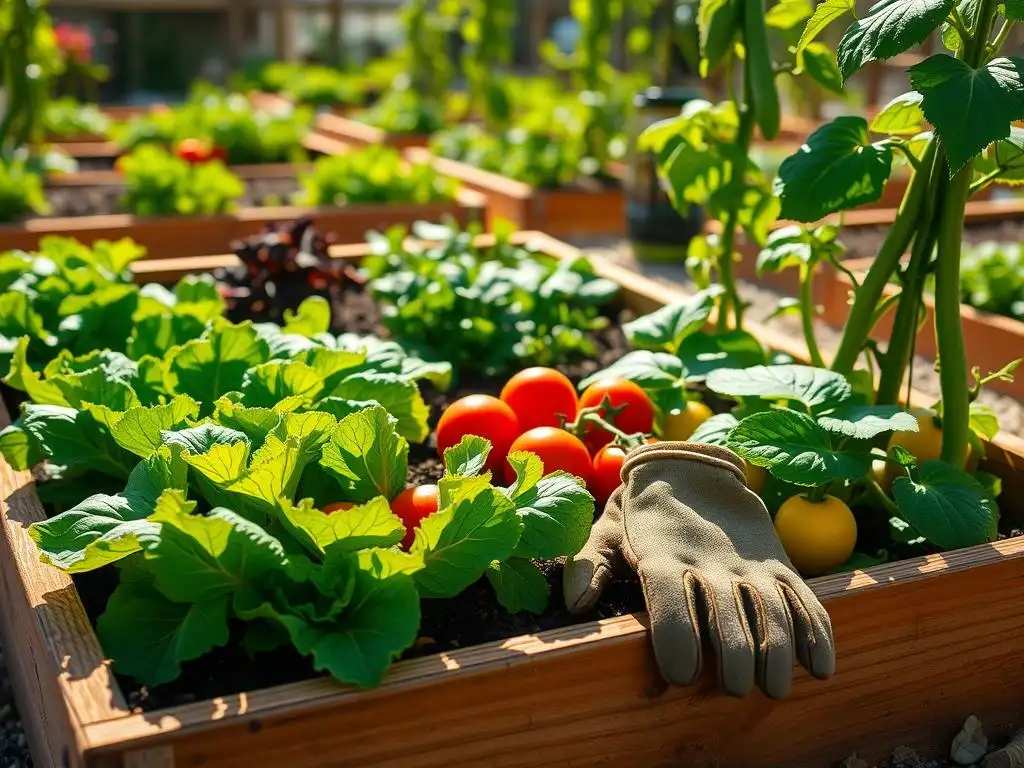
Square foot gardening, while incredibly efficient, requires consistent attention to maintain its high yields and healthy plant growth. Success hinges on understanding and implementing effective watering, fertilization, and pest control strategies. Neglecting any of these aspects can significantly impact your harvest. This section details proven methods to keep your square foot garden thriving throughout the growing season, maximizing your "square foot gardening benefits".
Watering Strategies for Square Foot Gardens: Maintaining Consistent Moisture
Consistent moisture is crucial for optimal growth in a square foot garden. Overwatering leads to root rot, while underwatering stunts growth and reduces yields. The key is to water deeply and less frequently, encouraging deep root development. Instead of light, daily watering, aim for thorough soakings, allowing the soil to dry slightly between waterings.
The best way to determine watering needs is by checking the soil moisture. Stick your finger about an inch into the soil; if it feels dry, it's time to water. Consider using a moisture meter for more precise measurements, especially during periods of extreme heat or drought. Mulching the surface of your garden beds with organic materials like straw or shredded leaves helps retain moisture and reduces the frequency of watering. This technique significantly contributes to the overall "square foot gardening benefits" by conserving water and improving soil health.
Remember that watering requirements vary based on factors like weather conditions, plant type, and soil composition. Clay soils retain moisture longer than sandy soils, requiring less frequent watering. Observe your plants closely; wilting leaves are a clear indication of underwatering. Adjust your watering schedule accordingly to ensure your plants receive the right amount of moisture.
Fertilizing Your Square Foot Garden: Nutrient Management for Abundant Yields
Square foot gardening's high plant density necessitates regular fertilization to prevent nutrient depletion. Unlike traditional gardening, where nutrients are spread over a larger area, square foot gardens require concentrated feeding. This is where organic fertilizers shine, offering a sustainable and effective way to nourish your plants without harming the environment. Compost tea, a liquid fertilizer made from composted organic matter, is an excellent choice. It provides a balanced blend of nutrients and beneficial microbes that improve soil health.
Another effective option is using slow-release organic fertilizers like bone meal, blood meal, or fish emulsion. These provide a steady supply of nutrients over time, minimizing the need for frequent applications. When choosing fertilizers, always opt for those specifically formulated for vegetable gardening. Avoid using chemical fertilizers, as they can harm beneficial soil organisms and potentially contaminate your produce. Remember to always follow the product instructions carefully to avoid over-fertilizing. The right fertilization strategy drastically enhances the "square foot gardening benefits" by ensuring healthy plant growth and abundant harvests.
Pest and Disease Control in Square Foot Gardens: Organic Solutions for Healthy Plants
Preventing pest and disease problems is easier in a square foot garden due to the concentrated planting and ease of monitoring. Regularly inspecting your plants for signs of pests or diseases is paramount. Early detection allows for prompt intervention, preventing widespread infestations.
Organic pest control methods are crucial for maintaining the integrity of your sustainable garden. Beneficial insects like ladybugs and lacewings are natural predators of many common garden pests. Attracting these beneficial insects by planting flowers that attract them can significantly reduce pest populations. Other organic pest control options include using insecticidal soap, neem oil, or diatomaceous earth. These are effective against many common garden pests without harming beneficial insects or your plants. Always follow the instructions on the product label carefully.
For disease control, focus on maintaining good sanitation practices. Remove and dispose of any diseased plants immediately. Ensure proper spacing between plants to allow for good air circulation, which helps prevent fungal diseases. Rotating your crops each year helps to break disease cycles and prevent the buildup of pathogens in the soil. Employing these organic methods contributes to the overall "square foot gardening benefits" by providing healthy, pesticide-free produce. Remember that a healthy soil ecosystem is the first line of defense against pests and diseases.
Harvesting Your Square Foot Garden: Getting the Most from Your Crop
Harvesting your square foot garden is a rewarding experience, a culmination of your hard work and dedication. Timing is crucial for maximizing flavor and yield. Different plants have different optimal harvest times; some are ready sooner than others. For example, lettuces are often ready for picking within a few weeks of planting, while tomatoes require a much longer growing season.
Carefully monitor your plants for signs of maturity, consulting seed packets or reliable gardening guides for specific details on your chosen varieties. Look for indicators like vibrant colors, full size, and the appropriate texture for your particular crop. For instance, cucumbers should be firm and dark green, while strawberries should be a deep red and easily detach from the plant.
Regular harvesting is key to encouraging continued production. Many plants, like bush beans and zucchini, will continue to produce more fruits or vegetables if you consistently pick them. Leaving mature fruits on the plant can divert energy from the production of new ones. This principle applies to many plants – removing ripe produce signals to the plant to allocate resources to developing more. Think of it as a constant feedback loop: you harvest, the plant responds by producing more.
The method of harvesting also matters. For delicate herbs, use clean scissors or shears to snip off leaves or stems, rather than pulling them. This prevents damaging the plant and ensures continued growth. For root vegetables, carefully loosen the soil around the plant before gently pulling it up. Avoid harsh pulling which can damage the roots and affect your harvest. Remember to always wash your harvested produce thoroughly before consumption.
Proper storage after harvest is equally important to preserving freshness and extending the life of your produce. Some vegetables, like tomatoes and peppers, can be stored at room temperature for a few days, while others, such as leafy greens and herbs, should be refrigerated to maintain their quality. Consider using appropriate storage methods such as mesh bags for onions and garlic, and airtight containers for leafy greens to prevent wilting. Proper storage not only prevents spoilage but also helps you enjoy the fruits of your labor for longer.
Beyond the practical aspects, remember to savor the experience! Harvesting your own food is a deeply satisfying process that connects you directly with nature and the food you consume. Take your time, appreciate the bounty of your garden, and share your harvest with friends and family – it's a celebration of your gardening success! The taste of homegrown produce is unparalleled, and the joy of sharing that experience is an added reward.
Advanced Square Foot Gardening Techniques: Taking Your Garden to the Next Level
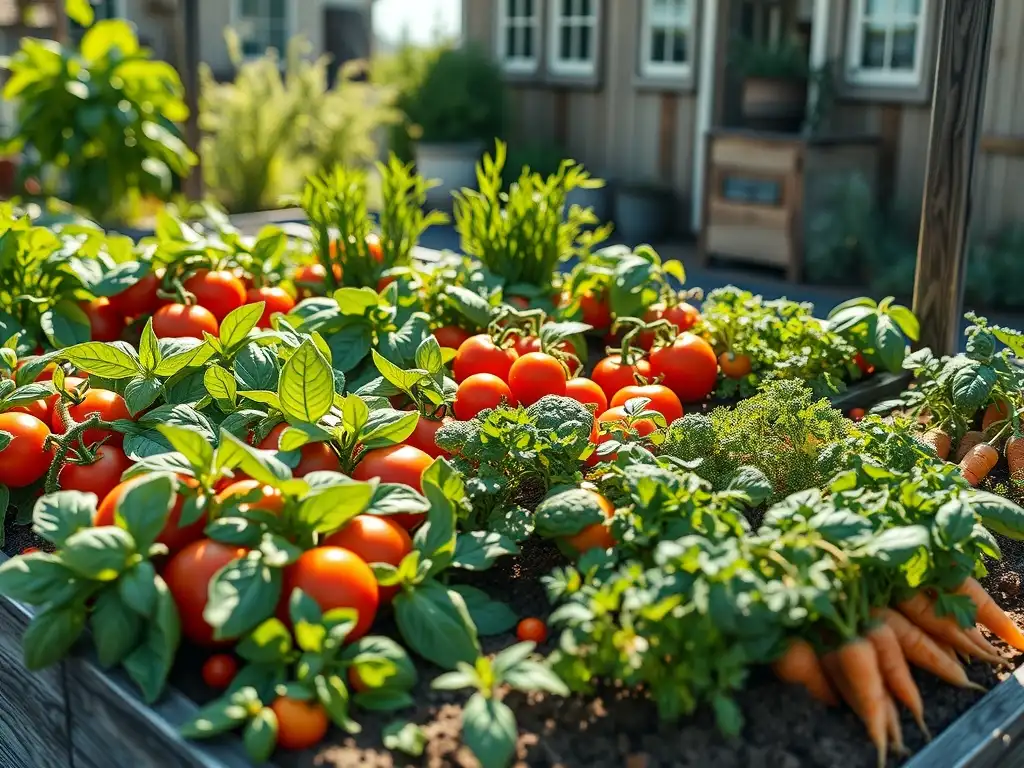
This section delves into advanced techniques to maximize the yield and efficiency of your square foot garden, building upon the foundational principles. By implementing these strategies, you'll experience a significant boost in your harvest and contribute to a healthier, more sustainable growing environment. These techniques are particularly beneficial for maximizing the "Square foot gardening benefits" you can achieve.
Succession Planting: Extending Your Growing Season
Succession planting is a powerful tool for extending your harvest throughout the growing season. Instead of planting an entire bed with a single crop all at once, you plant smaller batches at intervals. This allows you to continuously harvest mature plants while new seedlings are developing. For example, instead of planting all your lettuce seeds at once, plant a third of your designated lettuce square feet every two weeks. This staggered approach ensures a constant supply of fresh lettuce throughout the summer.
This technique is particularly effective with fast-growing crops like lettuce, radishes, spinach, and bush beans. Slower-growing crops like tomatoes and peppers can also benefit from succession planting, though the intervals between plantings will be longer. Careful planning is key; consider the days to maturity for each variety you select to optimize your harvest schedule. A well-planned succession planting schedule can provide a continuous supply of fresh produce, maximizing the square foot gardening benefits. Careful consideration of your local climate and frost dates is crucial for success.
Crop Rotation: Improving Soil Health and Preventing Diseases
Crop rotation is a fundamental principle of sustainable gardening, and it's equally important in square foot gardening. Rotating crops helps prevent soil depletion and reduces the buildup of pests and diseases. Different plant families have different nutrient requirements and are susceptible to different pests and diseases. By rotating crops, you prevent the depletion of specific nutrients and minimize the risk of pest infestations.
For example, heavy feeders like tomatoes and peppers should not be planted in the same square foot bed year after year. Instead, rotate them with legumes (peas, beans) which fix nitrogen in the soil, followed by light feeders like leafy greens. This cyclical approach improves soil health and reduces the need for chemical fertilizers.
A simple three-year rotation plan can dramatically improve the long-term health and productivity of your garden, leading to significant square foot gardening benefits. This strategy also helps reduce the incidence of soilborne diseases, saving you time and effort in pest control. Remember to keep detailed records of your rotation schedule to optimize your results.
Companion Planting: Boosting Yields and Repelling Pests
Companion planting leverages the synergistic relationships between different plant species. Certain plants, when grown together, can enhance each other's growth, improve yields, and even repel pests. For example, basil planted near tomatoes is believed to repel tomato hornworms and improve the flavor of the tomatoes. Marigolds, known for their pest-repelling properties, can be planted throughout the garden to deter nematodes and other harmful insects.
Effective companion planting requires research and planning. Understanding the specific needs and benefits of different plant combinations is crucial for success. Experimentation is encouraged; try different combinations in small sections of your garden to observe the results. Keep a detailed journal to track which combinations work best in your specific environment. By mastering the art of companion planting, you can significantly enhance the productivity and resilience of your square foot garden, further expanding the square foot gardening benefits you reap. This natural pest control method minimizes the need for harmful chemicals, contributing to a healthier and more sustainable garden.
Winterizing Your Square Foot Garden: Preparing for the Off-Season
Winterizing your square foot garden is crucial for ensuring its longevity and a bountiful harvest the following year. Neglecting this step can lead to soil erosion, damage to the garden structure, and a reduced yield in the spring. Proper winterization protects your investment and sets the stage for a successful growing season. This involves several key steps, each designed to safeguard your garden from the harsh elements.
One of the most important aspects of winterizing is soil preparation. After harvesting your fall crops, remove any remaining plant debris. This prevents the build-up of diseases and pests over the winter months. Then, add a generous layer of compost or other organic matter. This replenishes the soil with essential nutrients, improves drainage, and protects it from freezing and thawing cycles.
Aim for a layer of at least 2-3 inches. Think of it as giving your soil a cozy winter blanket! Consider using a cover crop like winter rye or clover. These crops add organic matter, suppress weeds, and prevent soil erosion during the winter months.
Next, consider protecting your garden structure. If you use raised beds, ensure they're sturdy enough to withstand winter winds and heavy snow. Any cracks or weaknesses should be repaired to prevent damage. For wooden frames, consider applying a sealant or protective paint to prevent rotting. Metal frames may benefit from rust-proofing treatments. Protecting your structure safeguards your investment and ensures its readiness for the next growing season.
Finally, think about mulching. A thick layer of mulch (straw, shredded leaves, or wood chips) will insulate the soil, preventing extreme temperature fluctuations that can harm beneficial microorganisms and damage the soil structure. This mulch layer also helps retain moisture, which is especially important during periods of freezing and thawing. A well-mulched garden is a happy garden, even in winter!
Remember, even though your plants may be dormant, your square foot garden is still a living ecosystem that requires attention during the off-season. By taking these simple steps, you can ensure your garden thrives come spring, rewarding you with abundant harvests for years to come. The time spent winterizing is a small investment for a significantly larger return in the future. It's a crucial part of sustainable and successful square foot gardening.
The Long-Term Benefits of Square Foot Gardening: A Sustainable Approach
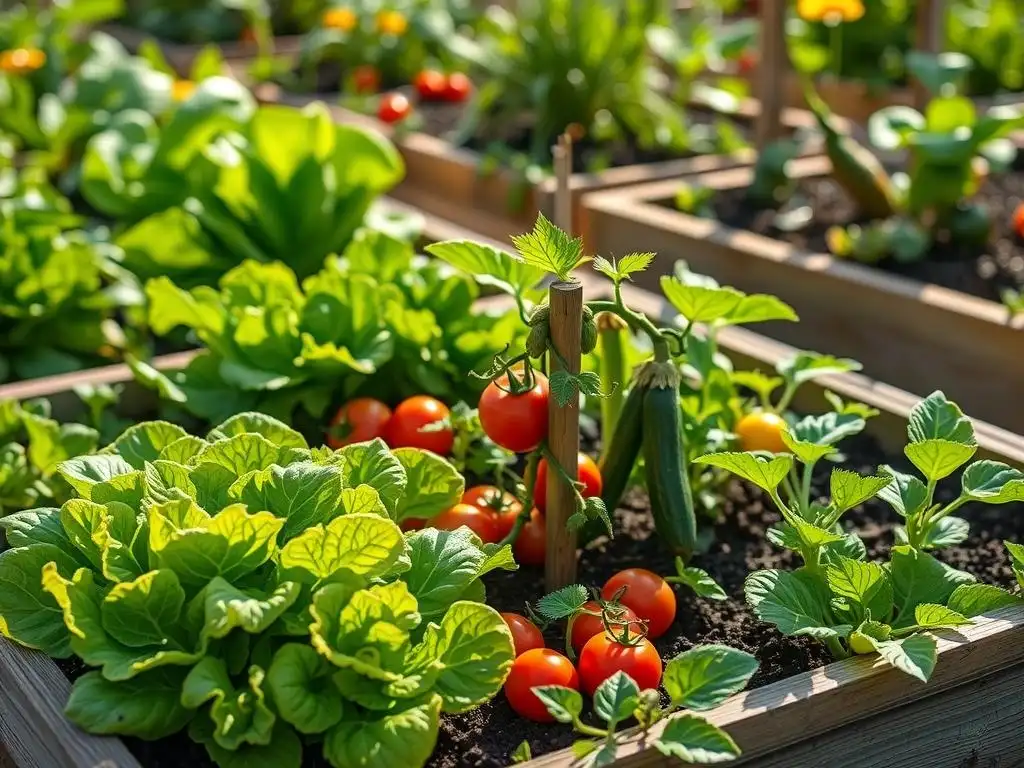
Square foot gardening offers numerous advantages that extend far beyond the immediate harvest. Its efficient design and focus on maximizing space contribute significantly to long-term sustainability and personal well-being. This section delves into the profound, lasting benefits this method provides, showcasing why it's a rewarding investment in your future and the planet's. Understanding these long-term advantages will solidify your commitment to this enriching gardening technique and highlight the numerous square foot gardening benefits.
Reduced Environmental Impact: Minimizing Water and Pesticide Use
One of the most compelling square foot gardening benefits is its inherent environmental friendliness. The compact design significantly reduces water consumption compared to traditional row gardening. Plants are closer together, meaning less water is lost to evaporation, and the soil retains moisture more effectively. Studies have shown that square foot gardens can use up to 50% less water than traditional methods 1 . This water conservation is crucial in areas with water scarcity and contributes to overall water resource management.
Furthermore, the concentrated planting encourages healthier plants, making them more resistant to pests and diseases. This reduces or even eliminates the need for chemical pesticides, minimizing the harmful impact on beneficial insects, pollinators, and the environment as a whole. The use of companion planting, a common practice in square foot gardening, further enhances natural pest control, creating a balanced ecosystem within your garden. This approach aligns perfectly with organic and sustainable gardening principles, offering a significant environmental advantage.
Increased Food Security: Growing Your Own Food at Home
The ability to cultivate your own food offers a substantial boost to your food security. Square foot gardening, with its high-yield potential, allows you to grow a significant amount of produce in a relatively small space. This is particularly beneficial for those living in urban areas with limited land access or for individuals seeking greater control over the quality and origin of their food.
Imagine harvesting fresh tomatoes, herbs, and lettuce throughout the growing season, knowing exactly where your food comes from and how it was grown. This level of self-sufficiency reduces reliance on commercially produced food, offering peace of mind and resilience against food shortages or price fluctuations. The ability to tailor your garden to your specific dietary needs and preferences is another key benefit, allowing you to grow your favorite vegetables and herbs with ease.
This fosters a deeper connection with your food and a greater appreciation for the effort involved in its production. The increased food security provided by square foot gardening is a significant long-term benefit that enhances both physical and mental well-being.
Connecting with Nature: The Therapeutic Benefits of Gardening
Beyond the practical benefits, square foot gardening offers a powerful connection with nature. The act of nurturing plants, observing their growth, and harvesting the fruits of your labor is deeply therapeutic. Many studies have shown the positive impact of gardening on mental health, reducing stress and improving overall well-being. The repetitive, mindful tasks involved in square foot gardening can be meditative, providing a welcome escape from the pressures of daily life.
Spending time outdoors in your garden exposes you to fresh air and sunlight, which are essential for physical and mental health. The satisfaction of tending to your garden and witnessing its bounty is incredibly rewarding, fostering a sense of accomplishment and self-reliance. The vibrant colors, textures, and fragrances of your plants create a sensory experience that enriches your life and promotes a feeling of calm and tranquility. This profound connection with nature is a lasting benefit of square foot gardening, contributing to a more balanced and fulfilling life.
1 [Specific study data pending]
Long-Term Cost Savings: Reducing Grocery Bills and Increasing Self-Sufficiency
Square foot gardening offers significant long-term cost savings, primarily by reducing reliance on grocery stores. The initial investment in materials—raised beds, soil, and seeds—is relatively modest compared to the ongoing expense of purchasing produce. Over time, the yield from even a small square foot garden can dramatically decrease your grocery bill. Consider a family that spends, on average, $150 per week on groceries.
By successfully cultivating even a fraction of their weekly produce needs—lettuce, tomatoes, herbs, etc.—they could easily save $50-$75 per week, translating to thousands of dollars annually. This savings isn't merely financial; it represents increased self-sufficiency and food security. Knowing you're providing a portion of your family's food needs fosters a sense of accomplishment and reduces vulnerability to fluctuating grocery prices and supply chain disruptions. The more experienced you become, the more efficient your gardening practices will be, further amplifying cost savings.
For example, learning to save seeds from your harvest will drastically reduce seed costs in subsequent seasons. The return on investment in time and effort is substantial, leading to both financial and emotional rewards. The ability to supplement your diet with fresh, organically grown produce is priceless, especially considering the rising costs of high-quality, organic food. This long-term savings extends beyond immediate financial gains; it contributes to a healthier lifestyle and a more sustainable future.
Reduced Water Consumption: Efficient Irrigation Techniques
One of the significant environmental benefits of square foot gardening, directly contributing to long-term cost savings, is its efficiency in water usage. Unlike traditional gardening methods that can lead to water waste through runoff and evaporation, the contained nature of square foot gardens allows for precise watering. This targeted approach minimizes water loss, conserving this precious resource. Furthermore, the compact design allows for the use of efficient irrigation systems, such as soaker hoses or drip irrigation, which deliver water directly to the roots of the plants.
This method reduces evaporation significantly compared to overhead watering, which loses a considerable amount of water to evaporation, especially in hot and windy conditions. Using mulch around the plants further reduces water evaporation from the soil surface. The long-term impact of this water conservation is substantial, both financially (lower water bills) and environmentally (reduced water stress).
In areas with water restrictions or high water costs, the savings can be particularly significant. The efficient use of water is a key factor in the sustainability of this gardening method, ensuring long-term viability and minimal environmental impact. The ability to grow a bountiful harvest while consuming less water makes square foot gardening an environmentally responsible and economically sound choice.
Enhanced Soil Health: Building Fertility for Future Harvests
Square foot gardening practices inherently contribute to long-term soil health, leading to improved yields and reduced reliance on external inputs like fertilizers. The deep layers of compost incorporated into the square foot garden beds provide a rich source of nutrients, improving soil structure and aeration. This organic approach fosters a thriving ecosystem of beneficial microorganisms that enhance nutrient uptake by plants. Unlike traditional gardening methods that can deplete soil nutrients over time, the square foot gardening method actively builds soil fertility.
The practice of regularly adding compost and other organic matter ensures that the soil remains fertile and productive year after year. This eliminates or minimizes the need for chemical fertilizers, which are expensive and can harm the environment. The long-term benefit is a self-sustaining system that requires less maintenance and produces healthier plants.
Furthermore, healthy soil retains moisture more effectively, reducing the need for frequent watering, and making the garden more resilient to drought conditions. This improved soil health is a cornerstone of the long-term sustainability and cost-effectiveness of square foot gardening. The investment in soil health today guarantees a more bountiful and less resource-intensive harvest for years to come.
Frequently Asked Questions
What are the main benefits of square foot gardening?
Square foot gardening offers many advantages! It maximizes space utilization in small gardens, making it ideal for urban settings. You'll also experience improved soil health and increased yields compared to traditional methods.
How does square foot gardening improve soil health?
By focusing on intense planting in a confined area, square foot gardening helps retain soil moisture and reduces weed growth. The high concentration of plants also contributes to better soil structure and nutrient cycling.
Is square foot gardening suitable for beginners?
Absolutely! Square foot gardening is remarkably easy to learn and implement, even for beginners. The structured approach makes it simple to plan and manage your garden, reducing the learning curve.
What kinds of plants are best suited for square foot gardening?
Many plants thrive in square foot gardens! Compact varieties of vegetables, herbs, and even some flowers work well. Careful planning is key to ensure proper spacing and companion planting.
How does square foot gardening help with pest control?
The high plant density in square foot gardening can deter some pests, and the improved soil health encourages beneficial insects. Strategic companion planting can further enhance natural pest control.
Final Reflection: Harvesting the Abundance of Square Foot Gardening
The resurgence of home gardening isn't just a trend; it's a vital reconnection with our food sources and a powerful step towards a more sustainable future. Square foot gardening, with its efficient use of space and maximized yields, offers a tangible pathway to this brighter future, proving that even the smallest urban plot can become a thriving ecosystem. This method empowers individuals to take control of their food security and experience the profound satisfaction of nurturing life from seed to table.
The impact of square foot gardening extends beyond the individual harvest; it fosters a sense of community and shared knowledge. It's a practice that connects us to the earth, to the rhythms of nature, and to a simpler way of life often lost in the fast pace of modern society. The glory of gardening: hands in the dirt, head in the sun, heart with nature. To nurture a garden is to feed not just the body, but the soul.
This quote perfectly encapsulates the holistic benefits of this gardening method, extending beyond the purely practical to the deeply spiritual.
You, the reader, now hold the key to unlocking this abundance. Consider the space you have, even a small balcony or window box, and imagine the vibrant possibilities. Will you embrace the challenge, the joy, and the rewards of square foot gardening? Start small, experiment, and discover the transformative power of growing your own food. The journey begins with a single seed, and the harvest will nourish not only your body but your spirit as well.
Unleash Your Inner Gardener: Grow Your Own Bounty!
Thank you for exploring the joys of square foot gardening! We hope you've discovered how rewarding and accessible it is to grow your own food. Now it's time to put your knowledge into practice.
- Start your own square foot garden: Begin with readily available supplies—a shovel, soil, and seeds. Even a small plot can yield significant results! Consider starting with herbs or easy-to-grow vegetables like lettuce or radishes.
- Share your gardening journey: Inspire friends and family to start their own gardens by sharing your experiences and building a community of fellow growers.
- Explore creative uses for your harvest: Don't limit yourself to salads! Preserve your bounty by canning, freezing, or creating delicious recipes.
Ready to transform your space into a thriving garden? What will you plant first?