
Common Composting Mistakes: How to Avoid Pitfalls in Your Pile

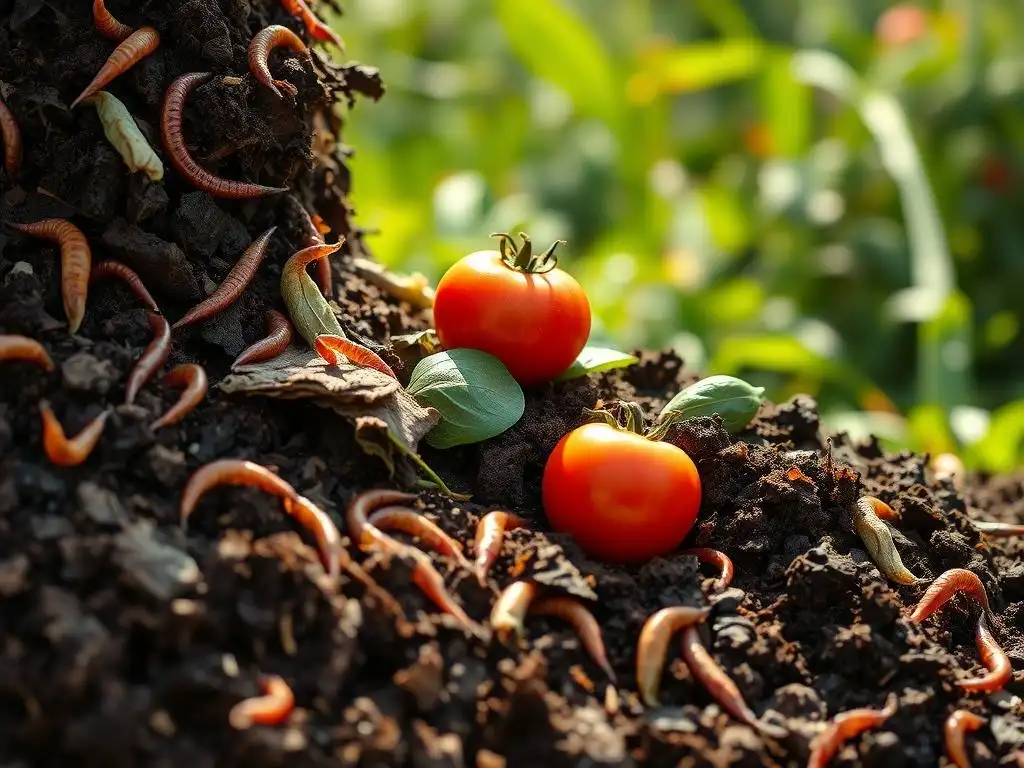
Ready to transform your kitchen scraps and yard waste into black gold? CultivateYourFood is your guide to thriving homegrown harvests. Discover how to unlock the secrets of successful composting and avoid those frustrating pitfalls that can derail your efforts. Learn how to Avoid common composting mistakes and finally achieve the rich, nutrient-rich soil your plants crave. Let's get growing!
- Understanding the Basics of Successful Composting
-
Common Composting Mistakes to Avoid
- Mistake #1: Incorrect Carbon-to-Nitrogen Ratio and its Consequences
- Mistake #2: Insufficient Moisture Leading to Slow Decomposition
- Mistake #3: Poor Aeration Resulting in Anaerobic Conditions and Odor
- Mistake #4: Including Incompatible Materials in Your Compost Pile
- Mistake #5: Neglecting Regular Turning and Monitoring of Your Compost
- Troubleshooting Common Composting Problems
-
Tips for Successful Composting: Best Practices to Avoid Mistakes
- Creating a Balanced Compost Mix: Optimizing Carbon and Nitrogen
- Maintaining Optimal Moisture: A Guide to Watering Your Compost
- Effective Aeration Techniques for Efficient Decomposition
- Selecting Appropriate Compost Materials: What to Include and Exclude
- The Importance of Regular Turning and Monitoring Your Compost Pile
- Advanced Composting Techniques for Avoiding Problems
- Harvesting and Using Your Compost: Avoiding Post-Composting Mistakes
- Resources for Further Learning on Composting
- Frequently Asked Questions
- Final Reflection: Cultivating a Greener Future, One Compost Pile at a Time
- Unlock Your Compost's Full Potential!
Understanding the Basics of Successful Composting
Composting is a fantastic way to reduce your environmental footprint while enriching your garden soil with nutrient-rich organic matter. It's a natural process that transforms kitchen scraps, yard waste, and other organic materials into a valuable resource for your plants. However, the journey from kitchen scraps to black gold isn't always smooth sailing.
Many aspiring composters encounter pitfalls along the way, resulting in a smelly, slow-decomposing mess instead of the rich compost they envisioned. This article will guide you through common composting mistakes, equipping you with the knowledge to avoid these pitfalls and cultivate a thriving compost pile that consistently produces high-quality compost. We'll explore essential techniques to ensure your compost pile decomposes efficiently and effectively, maximizing its benefits for your garden and minimizing the chances of encountering common issues.
Learning to avoid common composting mistakes is key to successfully enriching your soil and creating a sustainable gardening practice. Let's dive into the key elements for success!
Essential Ingredients for a Thriving Compost Pile: Carbon-to-Nitrogen Ratio
A successful compost pile relies on a balanced mix of "brown" and "green" materials. This ratio is crucial for effective decomposition. "Browns" are carbon-rich materials like dried leaves, shredded paper, and twigs, providing the structural foundation for your pile. "Greens," on the other hand, are nitrogen-rich materials like grass clippings, fruit and vegetable scraps, and coffee grounds, fueling the microbial activity that breaks down the organic matter.
A common mistake is an imbalance in this ratio. Too many greens lead to a slimy, smelly pile prone to attracting pests. Too many browns result in slow decomposition. The ideal carbon-to-nitrogen ratio is generally considered to be around 30:1, although this can vary depending on the specific materials used.
Aim for a visually balanced mix—a blend of browns and greens that resembles a dark, earthy hue. Think of it like baking a cake: you need the right proportion of ingredients for a successful outcome! 🎂
Maintaining Proper Moisture Levels in Your Compost
Moisture is another critical factor in successful composting. Too dry, and the decomposition process slows down significantly. Too wet, and your pile becomes anaerobic (lacking oxygen), leading to foul odors and the creation of unpleasant liquids. The ideal moisture content should resemble a damp sponge—squeezing a handful of compost should yield a few drops of liquid, not a steady stream. Regularly check your pile's moisture level, especially during dry spells.
Adding water as needed helps maintain optimal conditions for microbial activity. You can also cover your pile with a tarp or other covering to help retain moisture. Conversely, if your pile is too wet, consider adding more brown materials to absorb excess moisture and improve aeration. Monitoring moisture levels consistently is crucial to prevent common composting setbacks.💧
The Importance of Aeration for Effective Decomposition
Just like us, the microorganisms responsible for breaking down organic matter need oxygen to thrive. Insufficient aeration is a frequent cause of composting failures. A compacted pile restricts oxygen flow, leading to slow decomposition and unpleasant smells. To ensure proper aeration, regularly turn your compost pile, ideally once or twice a week. This process introduces oxygen, mixes the materials, and helps maintain a consistent temperature. There are various methods for turning your compost, from simple forking to using a compost tumbler.
The frequency of turning depends on the size of your pile and the materials used. Larger piles may require more frequent turning. Building your pile with layers of browns and greens, rather than compacting them, also improves natural aeration. Remember, a well-aerated pile is the key to a successful and efficient composting process. 💨
Common Composting Mistakes to Avoid
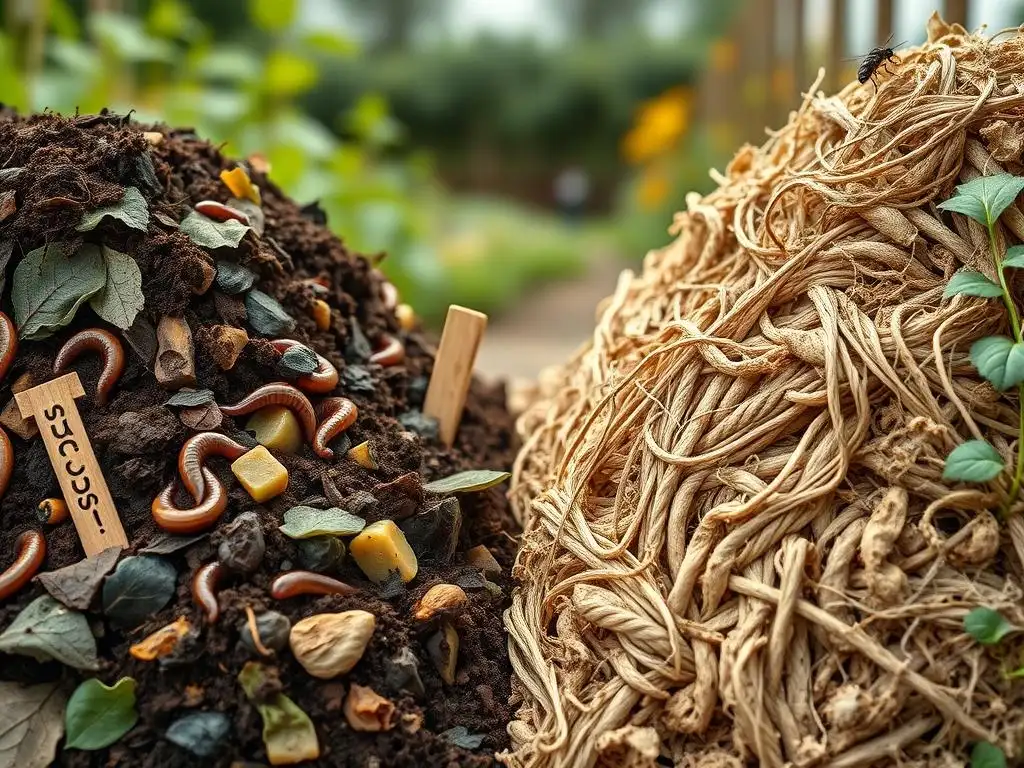
This section delves into the most frequent errors encountered when starting and maintaining a compost pile. Mastering composting involves understanding the delicate balance of several factors. Ignoring these crucial aspects can lead to slow decomposition, unpleasant odors, and ultimately, a failed compost system. Let's explore the common pitfalls and how to successfully avoid common composting mistakes.
Mistake #1: Incorrect Carbon-to-Nitrogen Ratio and its Consequences
Achieving the optimal carbon-to-nitrogen (C:N) ratio is paramount for effective composting. A balanced ratio ensures efficient decomposition by providing the necessary building blocks for microbial activity. The ideal ratio is generally considered to be around 30:1, although this can vary slightly depending on the materials used.
Too much nitrogen (green materials like grass clippings, vegetable scraps, and coffee grounds) results in a slimy, smelly pile that doesn't break down properly. This is because the microorganisms responsible for decomposition consume nitrogen rapidly, leading to a nitrogen deficiency and stalled decomposition. Think of it like trying to build a fire with only kindling – it will burn quickly and then die out.
Conversely, an excess of carbon (brown materials such as dried leaves, shredded paper, and wood chips) leads to a slow and inefficient composting process. The microorganisms lack sufficient nitrogen to fuel their activity, resulting in a sluggish breakdown. This is akin to trying to build a fire with only large logs – it will struggle to ignite and burn slowly.
To avoid this imbalance, carefully monitor the ratio of brown to green materials in your compost pile. A good rule of thumb is to aim for a roughly 2:1 or 3:1 ratio of brown to green materials. Regularly check your pile for signs of imbalance. A foul smell indicates too much nitrogen, while a very slow decomposition suggests a lack of nitrogen. Regularly turning the pile helps to maintain an even distribution and promote better aeration.
Mistake #2: Insufficient Moisture Leading to Slow Decomposition
Moisture plays a critical role in successful composting. The decomposition process relies on the activity of microorganisms, and these organisms require moisture to thrive. A compost pile that is too dry will result in slow decomposition, as the microorganisms will be unable to function effectively. The pile will become dry and brittle, resembling hay rather than actively decomposing material.
Think of it like trying to grow a garden in arid conditions – the plants will struggle without adequate water. Similarly, microorganisms in the compost heap need sufficient moisture to perform their vital functions, breaking down organic matter.
Ideally, your compost pile should have a moisture content similar to a wrung-out sponge. You should be able to squeeze a handful of compost and see a few drops of water drip out. If the pile feels dry, water it thoroughly, ensuring the water penetrates the entire pile. However, avoid overwatering, as this can lead to anaerobic conditions (lack of oxygen) and unpleasant odors. Regularly monitor the moisture level by checking the pile's consistency and adjusting accordingly. Remember that the ideal moisture level can change depending on climate and the materials being composted.
Mistake #3: Poor Aeration Resulting in Anaerobic Conditions and Odor
Adequate aeration is essential for maintaining aerobic conditions within the compost pile. Aerobic decomposition, which occurs in the presence of oxygen, is crucial for efficient breakdown of organic matter and prevents the build-up of foul-smelling gases. Poor aeration can lead to anaerobic conditions, where microorganisms switch to anaerobic respiration, producing methane and other foul-smelling gases. This results in a smelly, slow-decomposing pile that can attract pests.
Imagine trying to bake a cake in an oven with insufficient air circulation. The cake wouldn't cook evenly and might even burn in spots. Similarly, a poorly aerated compost pile will not decompose properly due to insufficient oxygen for the microorganisms.
To ensure proper aeration, turn your compost pile regularly, at least once a week. This introduces oxygen into the pile, facilitating aerobic decomposition. You can use a garden fork or a compost aerator to turn the pile. Building your compost pile in a way that promotes airflow, such as using a bin with adequate ventilation holes, is also crucial. Avoid compacting the materials too tightly when adding them to the pile. Regular turning and proper bin construction are essential steps to avoid common composting mistakes related to aeration.
Mistake #4: Including Incompatible Materials in Your Compost Pile
Many aspiring composters unknowingly sabotage their efforts by adding materials that hinder the decomposition process or even create unpleasant odors and attract pests. Successfully avoiding common composting mistakes hinges on understanding what not to add. Dairy products, meat, oily foods, and pet waste are notorious culprits.
These items attract unwanted animals, slow down decomposition, and can create foul-smelling anaerobic conditions within your compost pile. Anaerobic decomposition, which occurs in the absence of sufficient oxygen, produces methane, a potent greenhouse gas, directly counteracting the sustainable goals of composting. Instead of enriching your soil, these materials can contaminate it, potentially harming your plants.
Furthermore, certain plants contain compounds that inhibit decomposition. For instance, large quantities of diseased plants can introduce pathogens into your compost, making it unsuitable for use in your garden. Similarly, excessive amounts of black walnut leaves contain juglone, a chemical that can be toxic to many plants. While small quantities of diseased plants or black walnut leaves might not pose a significant problem, it's crucial to exercise moderation and avoid introducing them in large quantities.
A good rule of thumb is to thoroughly inspect your garden waste before adding it to the compost pile. If you're unsure about a particular material, it's always best to err on the side of caution and leave it out. Remember, a successful compost pile is a carefully curated ecosystem, and maintaining its balance is key to its success. Prioritizing compatible materials ensures a healthy, efficient decomposition process.
Mistake #5: Neglecting Regular Turning and Monitoring of Your Compost
A common oversight among beginners is neglecting the crucial task of regularly turning and monitoring their compost pile. This seemingly simple step is actually vital for maintaining optimal conditions for decomposition. Turning the pile aerates it, allowing oxygen to reach all parts of the material. Without sufficient oxygen, anaerobic decomposition takes over, leading to slow decomposition, foul odors, and the potential for harmful pathogens to thrive.
Regular turning also helps maintain the correct moisture level, preventing the pile from becoming too wet or too dry. A consistently moist, but not soggy, pile is crucial for efficient composting. Think of it like a living organism needing the right balance of air and water to flourish.
Monitoring your compost pile involves more than just occasional glances. Regularly checking the temperature is essential. A healthy, actively composting pile will generate heat, reaching temperatures between 130-160°F (54-71°C). This heat helps kill off weed seeds and pathogens, further enhancing the quality of your finished compost. By monitoring the temperature, you can quickly identify potential problems, such as insufficient aeration or moisture imbalances.
Additionally, keeping an eye on the pile allows you to identify any unusual smells or signs of pest infestations. Early detection of these issues allows for prompt corrective action, preventing more serious problems down the line. Regular turning and monitoring are not just good practices; they are essential elements of successful composting, ensuring the creation of nutrient-rich soil amendment. This diligent approach is key to avoiding common composting mistakes and reaping the rewards of a thriving compost pile.
Troubleshooting Common Composting Problems
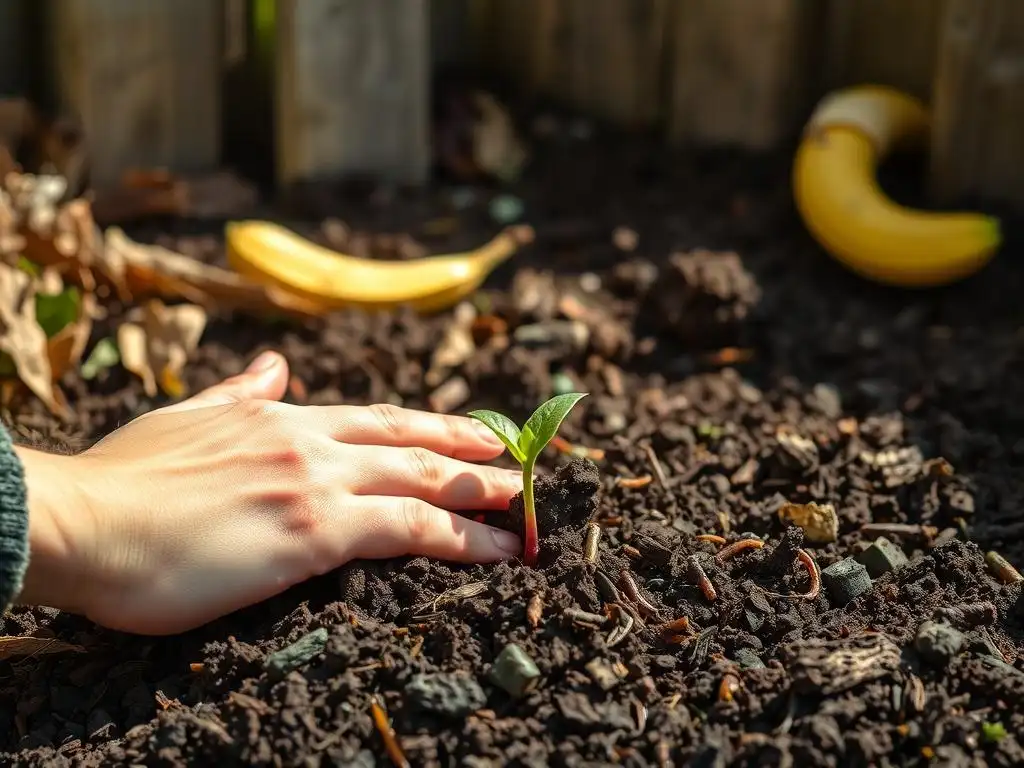
This section delves into the most frequent issues encountered when composting at home, offering practical solutions to help you avoid common composting mistakes and maintain a healthy, productive compost pile. Successfully avoiding these pitfalls ensures efficient decomposition and the creation of nutrient-rich soil amendment for your garden. Remember, patience and observation are key to successful composting.
Dealing with Foul Odors from Your Compost Pile
A foul odor emanating from your compost pile is a clear sign something's amiss. This usually indicates anaerobic decomposition – a process that occurs when there isn't enough oxygen reaching the organic matter. This leads to the production of smelly sulfurous compounds. Several factors can contribute to this:
- Too much moisture: A soggy compost pile lacks sufficient air pockets. The solution? Add more "browns" – dry, carbon-rich materials like shredded paper, dried leaves, or straw – to absorb excess moisture. Turn the pile regularly to improve aeration.
- Insufficient "browns": An imbalance between "greens" (nitrogen-rich materials like vegetable scraps) and "browns" (carbon-rich materials) creates a nitrogen-rich environment which encourages anaerobic bacteria. Aim for a roughly 2:1 or 3:1 ratio of browns to greens. Adjust this ratio based on the moisture content of your materials.
- Lack of aeration: Insufficient turning prevents adequate oxygen flow. Turn your compost pile at least once a week, or more frequently if it's particularly wet or smells strongly. Consider using a compost aerator tool to improve oxygen circulation.
- Incorrect materials: Certain materials decompose slowly or produce unpleasant odors. Avoid adding meat, dairy products, oily foods, or diseased plants, which can attract pests and create unpleasant smells.
Addressing these issues proactively will improve the quality of your compost and eliminate the foul odor. Regular monitoring and adjustments to your composting technique are essential to avoid common composting mistakes associated with odor. Remember, a properly balanced and aerated compost pile should smell earthy, not foul.
Addressing Slow Decomposition Rates in Your Compost
Slow decomposition can be frustrating, but it's often easily rectified. Several factors can contribute to a sluggish compost pile:
- Incorrect Carbon-to-Nitrogen Ratio: As mentioned previously, an imbalance between "greens" and "browns" is a significant factor. A pile with too many "greens" will decompose slowly due to a lack of carbon to fuel the microbial activity. Ensure a balanced ratio to optimize decomposition.
- Lack of Moisture: While too much moisture is detrimental, insufficient moisture can also impede decomposition. The compost should feel like a damp sponge. Add water if necessary, but avoid overwatering.
- Large Piece Sizes: Large pieces of organic matter take longer to break down. Ensure you chop or shred materials before adding them to the pile, especially woody materials. Smaller pieces provide greater surface area for microbial activity.
- Insufficient Turning: Turning the pile introduces oxygen and distributes moisture evenly, accelerating decomposition. Regular turning is crucial for avoiding common composting mistakes related to decomposition speed. The frequency depends on the size and composition of your pile, but aiming for once a week is a good starting point.
- Temperature: Composting is a biological process driven by microorganisms which thrive in warmer temperatures. A pile that's consistently cold may indicate insufficient activity. A properly functioning compost pile will generate heat during the decomposition process.
By addressing these issues, you can significantly speed up the decomposition process and create finished compost more quickly. Remember, patience is key, but proactive management will yield better results.
Resolving Issues with Pests and Unwanted Organisms in Compost
While some insects and microorganisms are beneficial to composting, others can become problematic. Here's how to address common pest issues:
| Pest | Description | Solution |
|---|---|---|
| Fruit Flies | Attracted to fermenting fruit and vegetable scraps. | Cover your compost pile with a tarp or mesh. Bury fruit scraps deeper in the pile. |
| Rodents (Mice/Rats) | Attracted to food scraps. | Keep the pile well-maintained, avoid adding meat, and consider using a rodent-proof compost bin. |
| Birds | May forage through the pile for insects or seeds. | Cover the compost pile with a mesh or tarp. |
| Unwanted Weeds | Seeds can germinate in the compost pile and spread to your garden. | Make sure to thoroughly compost weed material to ensure the seeds are killed before using the compost. |
Remember, a balanced compost pile with proper aeration and moisture content is less likely to attract pests. Regularly monitoring your pile and addressing problems promptly will minimize unwanted guests and maintain a healthy composting environment. This proactive approach is vital for avoiding common composting mistakes related to pest control and ensuring a successful composting experience. Proper management minimizes the risk of unwanted organisms interfering with your process.
Tips for Successful Composting: Best Practices to Avoid Mistakes
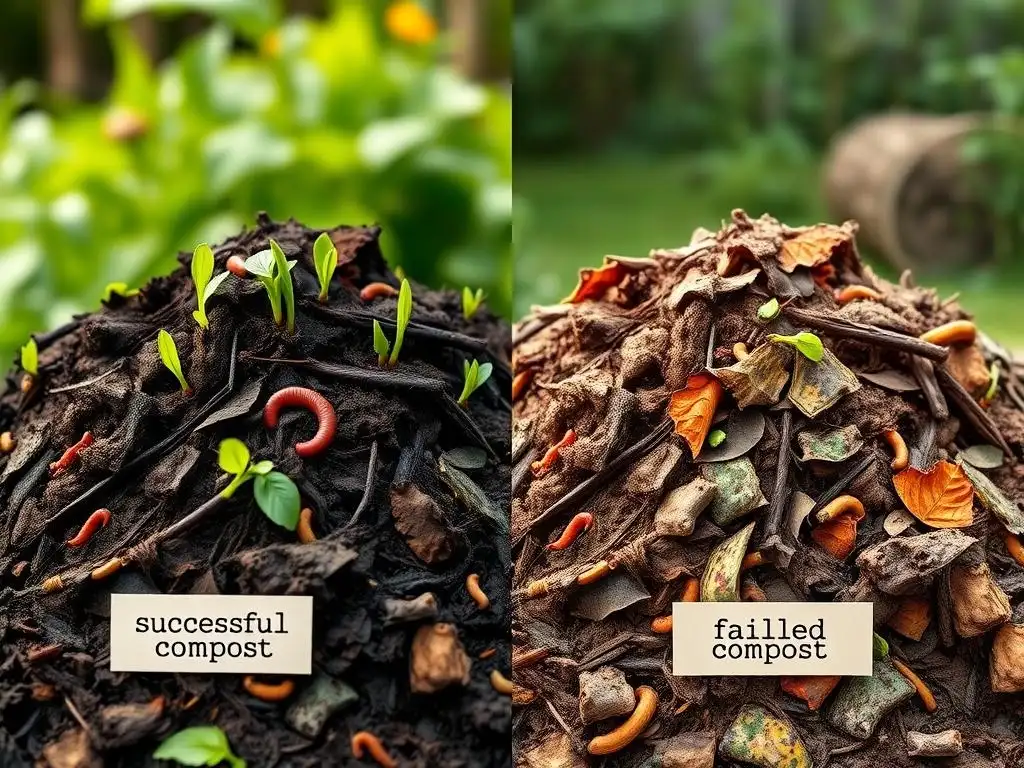
This section focuses on proactive strategies to avoid common composting pitfalls, ensuring your compost pile thrives and produces nutrient-rich soil amendment. Successfully avoiding common composting mistakes hinges on understanding and implementing key principles from the outset. Let's delve into some essential best practices.
Creating a Balanced Compost Mix: Optimizing Carbon and Nitrogen
Achieving a successful compost pile relies heavily on maintaining the correct balance of carbon-rich ("browns") and nitrogen-rich ("greens") materials. An imbalanced mix can lead to slow decomposition, foul odors, or even pest infestations. The ideal ratio is generally considered to be around 25-30% greens and 70-75% browns, but this can vary based on the specific materials used.
To illustrate, consider this example: A pile heavily dominated by grass clippings (high nitrogen) will likely become anaerobic (lacking oxygen), leading to a slimy, smelly mess. Conversely, a pile primarily consisting of dry leaves (high carbon) will decompose very slowly, if at all.
Here's a table summarizing common brown and green materials, emphasizing their respective carbon-to-nitrogen ratios:
| Material | Type | C:N Ratio (Approximate) | Notes |
|---|---|---|---|
| Dried Leaves | Brown | 60:1 | Excellent base material, readily available |
| Shredded Paper | Brown | 175:1 | Avoid glossy or colored paper |
| Straw | Brown | 80:1 | Use only untreated straw |
| Grass Clippings | Green | 15:1 | Best when freshly cut and not overly wet |
| Fruit/Vegetable Scraps | Green | 20:1 | Avoid diseased or moldy materials |
| Coffee Grounds | Green | 12:1 | A great source of nitrogen |
By carefully monitoring and adjusting the proportions of browns and greens in your compost pile, you can significantly improve the efficiency and outcome of the composting process and avoid common composting mistakes associated with imbalances. Remember to chop larger materials into smaller pieces to increase surface area and accelerate decomposition.
Maintaining Optimal Moisture: A Guide to Watering Your Compost
Moisture is crucial for microbial activity, the driving force behind decomposition. Too little moisture will result in slow decomposition, while excessive moisture creates anaerobic conditions, leading to foul smells and attracting pests. The ideal moisture content should be similar to a wrung-out sponge.
To check the moisture level, squeeze a handful of compost. If water drips readily, it's too wet. If it feels dry and crumbly, it needs more water. Regularly monitor and adjust moisture levels, especially during dry spells.
Consider covering the pile with a tarp or other suitable material during extended periods of dry weather to reduce moisture loss. Watering should be done gently, avoiding saturating the pile, and more frequent, lighter watering is generally preferred to infrequent, heavy watering. This helps to maintain even moisture throughout the pile and prevents anaerobic conditions from developing within the core. Consistent monitoring and adjustment are key to avoid common composting mistakes related to moisture content.
Effective Aeration Techniques for Efficient Decomposition
Adequate oxygen is essential for aerobic decomposition, the process that breaks down organic matter effectively and prevents unpleasant odors. Insufficient aeration leads to anaerobic decomposition, resulting in slow decomposition, foul smells, and the potential for harmful pathogens to thrive. Regular turning of the compost pile is the most effective aeration technique.
Turning, or aerating, your compost pile involves mixing and flipping the materials to introduce oxygen and distribute moisture evenly. This process also helps to break down larger pieces of material and speeds up the decomposition process. Aim to turn your compost pile at least once a week, or more frequently if it appears to be too wet or compact. For smaller piles, you might use a garden fork or pitchfork.
Larger piles may benefit from a compost turner, a tool specifically designed for this task. Different methods, such as the layering method, also help with aeration, providing channels for air to circulate. By consistently turning your compost pile, you can effectively avoid common composting mistakes related to oxygen deprivation and ensure a successful composting process. Remember, proper aeration is vital for avoiding foul odors and promoting healthy decomposition.
Selecting Appropriate Compost Materials: What to Include and Exclude
Choosing the right materials is crucial for successful composting. Avoid common mistakes by understanding what your compost pile needs and what it doesn't. A balanced mix of "greens" and "browns" is key. Greens, like grass clippings, fruit and vegetable scraps, and coffee grounds, provide nitrogen, essential for microbial activity.
Browns, such as dried leaves, twigs, shredded paper, and cardboard, offer carbon, which helps balance the nitrogen and provides structure to the pile. The ideal ratio is generally considered to be around 2:1 (browns to greens), but this can vary depending on the specific materials and the composting method. However, maintaining a balance is key to avoiding unpleasant odors and ensuring efficient decomposition.
It's equally important to know what not to include. Avoid meat, dairy products, oily foods, and pet waste, as these can attract pests and create foul smells, hindering the decomposition process and potentially contaminating your compost. Similarly, diseased plants should be avoided to prevent the spread of pathogens. While some materials like citrus peels decompose slowly, they can be included in moderation, but excessive amounts can inhibit the decomposition process.
Large pieces of wood or thick branches should be avoided unless they're finely shredded, as they will take significantly longer to break down. Always ensure that any material you add is free from plastic, metal, or other non-biodegradable substances. Careful selection of your compost materials is a critical step in avoiding common composting mistakes and ensuring a healthy, productive pile. Remember, a well-balanced mix promotes efficient decomposition and prevents issues down the line.
The Importance of Regular Turning and Monitoring Your Compost Pile
Regular turning, or aerating, your compost pile is essential for successful decomposition. Insufficient aeration leads to anaerobic conditions – a lack of oxygen – which slows down the decomposition process and can result in foul odors and the production of methane, a greenhouse gas. Turning the pile introduces oxygen, promoting aerobic decomposition, where beneficial microorganisms thrive and break down organic matter efficiently.
The frequency of turning depends on several factors, including the size of the pile, the moisture content, and the ambient temperature. As a general guideline, turning your pile every 1-2 weeks is often recommended, but more frequent turning might be necessary during warmer months or when the pile is particularly moist. It's crucial to ensure that the pile is not too wet or too dry; a consistently moist, but not soggy, condition is ideal.
Monitoring your compost pile involves more than just turning it. Regularly check the temperature. A healthy, actively decomposing pile will generate heat, typically reaching temperatures between 130°F and 160°F (54°C and 71°C). Monitoring the temperature helps you assess the decomposition rate and identify potential problems, such as insufficient aeration or an imbalance of greens and browns.
By regularly checking the temperature and adjusting the moisture content and aeration as needed, you can ensure your compost pile is working efficiently and avoid common mistakes. Remember, a well-managed compost pile is a rewarding investment in your garden's health and a sustainable way to manage organic waste. Consistent monitoring and turning are crucial for avoiding issues and producing rich, nutrient-rich compost.
Advanced Composting Techniques for Avoiding Problems
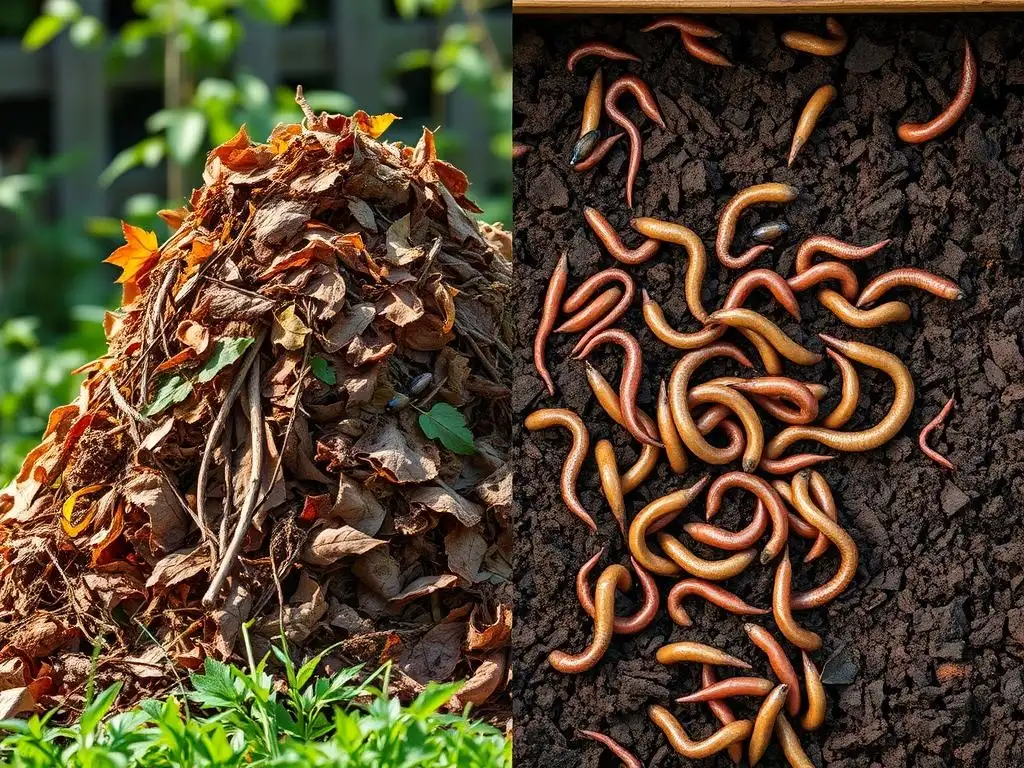
This section delves into more advanced composting methods that can help you avoid common pitfalls and create nutrient-rich compost efficiently. These techniques offer solutions for specific challenges and optimize the composting process. Mastering these methods will significantly improve your composting success and reduce the chances of encountering problems like foul odors or slow decomposition. Successfully avoiding common composting mistakes relies heavily on understanding and implementing these advanced techniques.
Vermicomposting: A Beginner's Guide to Worm Composting
Vermicomposting, or worm composting, is a fantastic way to avoid common composting mistakes associated with traditional methods. It's particularly effective for smaller spaces and produces a high-quality, nutrient-rich compost known as vermicast. Worms, specifically red wigglers ( Eisenia fetida), are incredibly efficient at breaking down organic matter. They consume large quantities of food scraps and produce castings, which are essentially worm poop – a valuable fertilizer!
To begin, you'll need a worm bin. These can be purchased or easily DIY'd from readily available materials. The bin needs proper ventilation and drainage. The bedding material is crucial; shredded newspaper, cardboard, and coconut coir are excellent choices. Maintain a consistently moist environment, but avoid making the bedding soggy. Overwatering can lead to anaerobic conditions and foul odors – a common mistake to avoid in composting.
Overfeeding is another frequent problem. Introduce food scraps gradually, allowing the worms to consume the material before adding more. Monitor the temperature; ideal temperatures range from 55-77°F (13-25°C). Higher temperatures can kill the worms. Regularly check the moisture levels and add bedding as needed. Harvesting vermicast is simple; you can gently separate the castings from the bedding.
Vermicomposting excels at breaking down food scraps, making it an excellent solution for households that generate a significant amount of kitchen waste. It's a cleaner, more efficient composting method compared to traditional techniques, effectively avoiding many common problems.
Bokashi Composting: An Effective Method for Food Scraps
Bokashi composting is an anaerobic fermentation process that uses beneficial microorganisms to break down organic matter. This method is particularly useful for dealing with food scraps that are typically difficult to compost traditionally, such as meat, dairy, and oily foods. By avoiding common composting mistakes associated with these materials, you can significantly improve your overall composting results.
The process begins by layering food scraps in a Bokashi bucket. Each layer is sprinkled with Bokashi bran, a mixture of fermented grains and beneficial microbes. The bran inoculates the food scraps with these microbes, initiating the fermentation process. The bucket is sealed, creating an anaerobic environment. During fermentation, lactic acid is produced, suppressing harmful bacteria and preventing unpleasant odors – a major advantage over traditional composting.
Unlike traditional composting, Bokashi composting doesn't generate heat. The fermented material, known as Bokashi, is then buried in the soil or added to a traditional compost pile, where aerobic decomposition continues. This two-stage process is highly effective and avoids common problems like slow decomposition and unpleasant smells. The resulting compost is rich in nutrients and beneficial microorganisms.
Bokashi composting offers a solution for composting items that would typically be problematic in a traditional compost pile. It's a clean and efficient way to deal with a wider range of food scraps, helping you avoid common composting mistakes and maximize the potential of your organic waste.
Troubleshooting Advanced Composting Issues: Addressing Issues with Pathogens and Heavy Metals
Even with advanced composting techniques, you might encounter issues with pathogens and heavy metals. Understanding how to address these problems is crucial for ensuring the safety and quality of your compost. Failing to address these issues can lead to contaminated compost, rendering it unsuitable for use in your garden. Avoiding common composting mistakes in this area requires careful attention to detail.
Pathogens, such as E. coli, can be present in food scraps. However, the high temperatures generated during aerobic composting typically eliminate most pathogens. Ensuring your compost pile reaches and maintains temperatures above 131°F (55°C) for several days is crucial. Properly managing moisture levels is also important; extremely wet conditions can hinder decomposition and potentially allow pathogens to survive.
Heavy metals, such as lead and mercury, can accumulate in compost if contaminated materials are added. Avoid adding materials that might contain heavy metals, such as treated wood, painted materials, or pet waste. Testing your compost for heavy metal contamination might be necessary if you suspect contamination from external sources. It's vital to source your compost materials responsibly to avoid introducing these contaminants. Properly avoiding common composting mistakes relating to heavy metals ensures the safety of your garden and your plants. If in doubt, consult a soil testing service.
Harvesting and Using Your Compost: Avoiding Post-Composting Mistakes
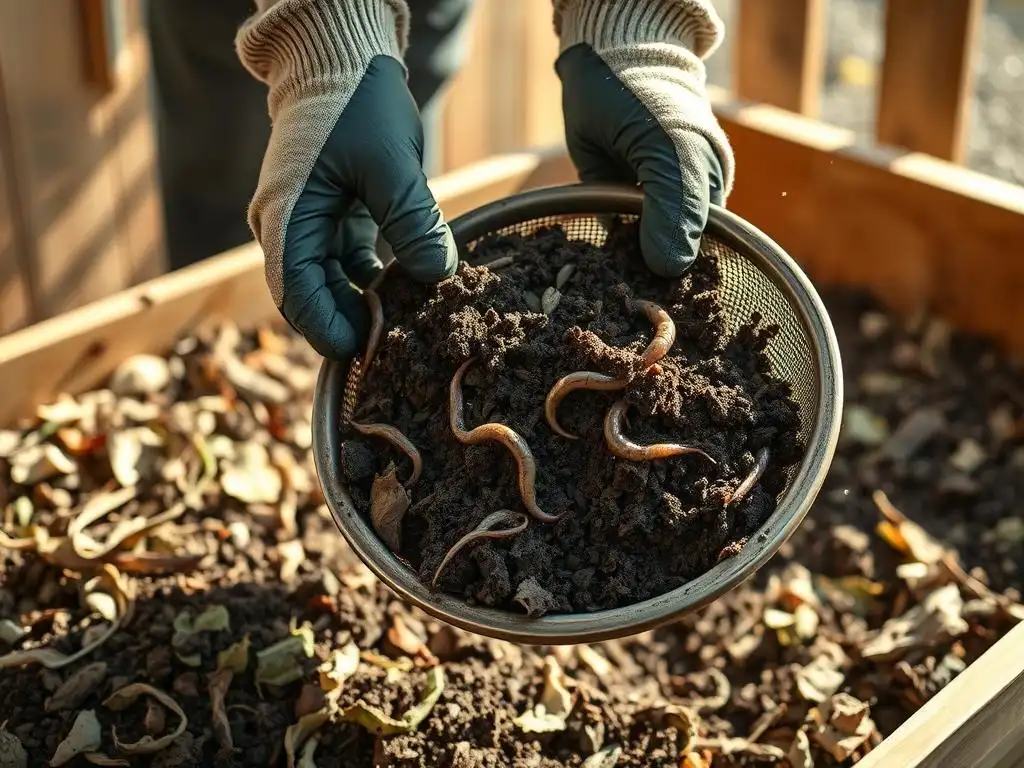
This section focuses on the crucial steps after your compost has fully broken down, ensuring you avoid common pitfalls and maximize the benefits of your hard work. Proper handling of finished compost is as important as the composting process itself. Let's explore some key considerations to avoid common mistakes.
Recognizing When Your Compost is Ready for Use
Knowing when your compost is ready is vital. Premature harvesting leads to incomplete decomposition, introducing potentially harmful pathogens and weed seeds into your garden. Conversely, leaving it too long can result in nutrient loss. Several indicators signal readiness:
- Dark, rich color: Mature compost should be dark brown or black, resembling rich soil. A lighter color suggests incomplete decomposition.
- Earthy smell: A pleasant, earthy aroma is a good sign. Unpleasant odors (like ammonia or sulfur) indicate problems like excessive moisture or insufficient oxygen.
- Crumbly texture: The compost should be crumbly and easily broken apart, not clumped or soggy. A homogenous texture indicates proper breakdown.
- Lack of recognizable food scraps: You shouldn't be able to identify individual food scraps. If you still see large pieces of fruit or vegetable matter, more time is needed.
- Temperature: The temperature of your compost pile should have cooled down to ambient temperature. A consistently warm pile suggests ongoing decomposition.
Consider using a compost thermometer to monitor the temperature throughout the process. This provides valuable data to ensure proper decomposition before harvest. A consistently cool temperature of around 60-70°F (15-21°C) is a good indicator that the composting process is complete. Failing to ensure proper decomposition before use can introduce pests and diseases into your garden, defeating the purpose of composting.
Properly Storing and Using Your Finished Compost
Once your compost is ready, storing it correctly preserves its valuable nutrients. Improper storage can lead to nutrient loss, attracting pests, and even reverting the decomposition process.
- Dry Storage: If storing for an extended period, ensure the compost is relatively dry to prevent molding or attracting pests. A covered bin or tarp will help.
- Avoid Direct Sunlight: Prolonged exposure to sunlight can reduce nutrient content. Store your compost in a shaded area.
- Batching: Consider composting in batches to ensure a continuous supply of fresh, nutrient-rich compost throughout the growing season. This staggered approach allows for optimal timing and usage.
- Application: When using your compost, avoid excessive application, which can burn plants. Mix it into the soil thoroughly before planting to avoid concentrating nutrients in one area.
A well-managed storage system safeguards your valuable compost, ensuring its effectiveness when applied to your garden. Remember, a little planning goes a long way in maximizing the benefits of your finished compost.
Common Mistakes When Applying Compost to Your Garden
Even with perfectly composted material, improper application can negate its benefits. Here are some common mistakes to avoid:
| Mistake | Consequence | Solution |
|---|---|---|
| Over-application | Burns plants, attracts pests | Mix compost thoroughly with soil, use sparingly |
| Applying to wet soil | Creates anaerobic conditions, hindering plant growth | Wait for soil to dry slightly before application |
| Applying directly to seeds | Can smother seeds, preventing germination | Mix compost into the soil before planting seeds |
| Ignoring soil testing | Applying compost without knowing soil needs | Conduct a soil test to determine nutrient needs |
| Not considering plant needs | Some plants are sensitive to compost's high nitrogen | Choose compost appropriate for your plant type |
Applying compost effectively requires attention to detail and an understanding of your soil and plant needs. By avoiding these common application mistakes, you ensure the success of your garden and reap the full rewards of your composting efforts. Remember, successful gardening is a blend of careful planning and attentive execution. 🌱
Resources for Further Learning on Composting
This section offers valuable resources to deepen your understanding of composting and avoid common mistakes, thus ensuring a successful and efficient composting process at home. Mastering the art of composting takes time and practice, and these resources can be invaluable tools in your journey to becoming a composting expert. Remember, consistent learning is key to improving your composting techniques and maximizing the benefits of your compost pile.
Recommended Books and Online Resources on Composting
Finding reliable information on composting can sometimes feel overwhelming. To help you navigate this, we've compiled a list of highly-rated books and online resources that cover various aspects of composting, from the basics to advanced techniques. These resources offer detailed explanations, helpful tips, and troubleshooting advice to help you avoid common pitfalls and achieve optimal results.
Many excellent books delve into the intricacies of composting. Look for titles that emphasize sustainable and organic practices, aligning with the CultivateYourFood ethos. These books often provide detailed guidance on selecting the right materials, managing moisture levels, and troubleshooting problems such as foul odors or slow decomposition. They also frequently cover different composting methods, allowing you to choose the approach that best suits your needs and space.
Online resources are also abundant. Look for reputable websites and blogs dedicated to organic gardening and composting. Reputable sources offer articles, videos, and forums where you can find answers to specific questions, learn from experienced composters, and stay updated on the latest composting techniques. Beware of misinformation; always verify information from multiple credible sources before implementing new strategies in your compost pile. Consider searching for terms like "best composting practices," "troubleshooting compost problems," or "organic composting methods" to find relevant and trustworthy information.
Here's a sample of the types of information you'll find in these resources:
- Detailed explanations of the composting process: Learn the science behind decomposition and the role of microorganisms.
- Comprehensive guides on materials selection: Understand which materials are suitable for composting and which should be avoided.
- Troubleshooting guides for common problems: Learn how to address issues such as slow decomposition, foul odors, and pest infestations.
- Tips and tricks for optimal composting: Learn how to maximize efficiency and create nutrient-rich compost.
Remember to critically evaluate the information you find online. Prioritize sources that cite scientific studies or have a proven track record of accuracy and reliability.
Local Composting Workshops and Events
Hands-on learning can significantly enhance your composting skills. Attending local workshops and events provides an opportunity to interact with experienced composters, ask questions, and learn practical techniques. These events often offer demonstrations, guided sessions, and opportunities to network with other gardening enthusiasts.
To find local composting workshops and events near you, you can try the following:
- Check your local community center or library: Many community centers and libraries host workshops and events on various gardening topics, including composting.
- Search online event listings: Websites and apps dedicated to local events often list workshops and classes related to sustainable living and gardening.
- Contact your local garden center or nursery: Garden centers and nurseries often have information on local workshops and events, or may even host them themselves.
- Look for local environmental organizations: Environmental organizations frequently organize workshops and events promoting sustainable practices, including composting.
Attending these events can offer invaluable insights and practical experience, helping you to avoid common composting mistakes and build a thriving compost pile. You might even discover new composting techniques or find solutions to specific problems you're facing. The opportunity to interact with fellow composters is also beneficial, fostering a sense of community and providing a platform to share experiences and learn from others' successes and challenges. Don't underestimate the power of hands-on learning in mastering the art of composting.
Frequently Asked Questions
What are some common composting mistakes beginners make?
Beginners often make mistakes like adding too much meat or dairy, which attracts pests and creates foul odors, or failing to maintain the correct carbon-to-nitrogen ratio, resulting in slow decomposition. Proper layering is also crucial.
How can I prevent my compost pile from smelling bad?
A bad smell usually indicates an imbalance. Ensure proper aeration by turning the pile regularly and avoid adding excessive nitrogen-rich materials. Also, make sure your pile is moist, but not soggy.
What's the ideal carbon-to-nitrogen ratio for composting?
The ideal ratio is generally considered to be around 30:1 (carbon to nitrogen). Brown materials (carbon-rich) like leaves and twigs should make up the bulk of your pile. Green materials (nitrogen-rich) such as grass clippings should be added in moderation.
My compost pile isn't decomposing quickly. What should I do?
Slow decomposition often means improper moisture or aeration. Ensure your pile is consistently moist (like a wrung-out sponge) and turn it regularly to introduce oxygen. Check your carbon-to-nitrogen ratio as well; an imbalance can slow things down.
Can I compost all types of food scraps?
No, some materials are better left out. Avoid adding meat, dairy products, oily foods, and diseased plants. These can attract pests, create unpleasant odors, and potentially introduce harmful pathogens. Focus on fruit and vegetable scraps, yard waste, and dry brown materials.
Final Reflection: Cultivating a Greener Future, One Compost Pile at a Time
The journey to successful composting is not without its bumps, but mastering the art of decomposition offers profound rewards, extending far beyond the fertile soil it produces. Avoiding common composting mistakes isn't just about creating rich compost; it's about actively participating in a more sustainable lifestyle, reducing landfill waste, and nurturing the health of our planet. The seemingly simple act of composting holds immense power in shaping a greener future.
The impact of composting extends beyond our individual backyards; it represents a shift in collective consciousness, a move towards responsible resource management. We are increasingly aware of the environmental consequences of our actions, and composting embodies this awareness in a tangible and accessible way. The best time to plant a tree was 20 years ago. The second best time is today.
– Chinese Proverb. This sentiment applies perfectly to composting; even starting today makes a difference, and learning from past mistakes only strengthens our commitment to a more sustainable future.
So, as you embark on your composting journey, remember the lessons learned. Don't be discouraged by initial setbacks; view them as opportunities for growth and refinement. Embrace the process, celebrate the successes, and learn from the challenges. You are not just creating compost; you are cultivating a more sustainable and responsible relationship with the earth. Start small, stay curious, and watch your compost pile – and your understanding of environmental stewardship – flourish.
Unlock Your Compost's Full Potential!
Thanks for learning about common composting challenges! You now have the knowledge to transform your kitchen scraps and yard waste into nutrient-rich soil. Ready to put your new skills to the test?
- Start composting today! Even a small compost bin can make a big difference. You can use a simple bucket, a designated corner of your yard, or even start a worm composting system – the possibilities are endless.
- Share your composting journey! Inspire friends and family to compost by sharing your experiences and successes.
- Explore advanced composting techniques: Once you're comfortable with the basics, consider exploring bokashi composting or vermicomposting to further refine your process and maximize efficiency.
What composting methods will you try first? Let's share ideas in the comments!