
CultivateYourFood's Guide: Choosing Bonsai Plants Based on Climate and Space

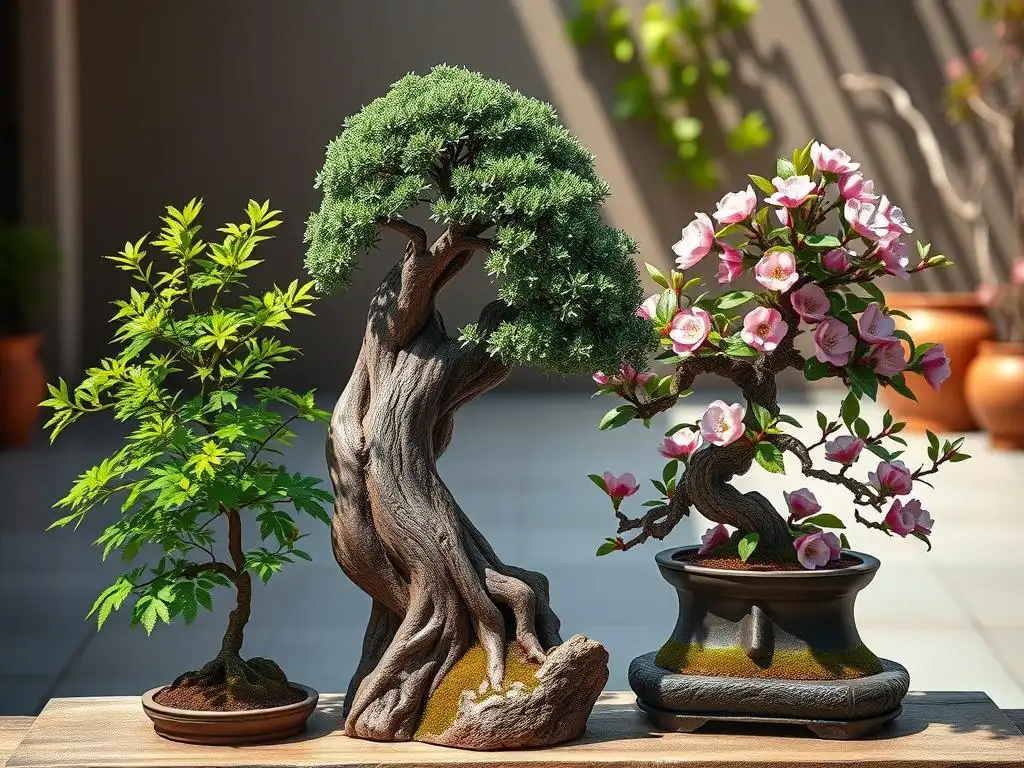
Welcome to CultivateYourFood, your guide to nurturing a thriving garden, organically and sustainably! Ready to explore the fascinating world of miniature trees? Our expert guide on Bonsai plants climate space delves into the art of selecting the perfect bonsai for your climate and available space, ensuring your miniature masterpiece flourishes. Discover the secrets to success and unlock the beauty of bonsai cultivation – let's get growing!
- Understanding Your Climate: Key to Successful Bonsai Growth
-
Space Considerations: Bonsai Size and Placement
- Measuring Your Available Space: Indoor vs. Outdoor Bonsai
- Choosing Bonsai Tree Sizes: From Miniature to Larger Specimens
- Planning Your Bonsai Garden Layout: Optimizing Space and Aesthetics
- Indoor Bonsai Placement: Light, Humidity, and Air Circulation
- Outdoor Bonsai Placement: Sun Exposure, Wind Protection, and Drainage
- Matching Bonsai Plants to Your Climate and Space: Practical Examples
- Maintaining Your Bonsai: Ongoing Care for Healthy Growth
- Resources for Further Learning: Bonsai Books and Online Communities
- Finding the Perfect Bonsai: Where to Buy Healthy Plants
- Frequently Asked Questions
- Final Reflection: Nurturing Miniature Worlds: A Legacy of Patience and Adaptability
- Unleash Your Inner Bonsai Master: Start Growing Today!
Understanding Your Climate: Key to Successful Bonsai Growth
Cultivating bonsai, the miniature living art form, requires a deep understanding of your local climate and available space. This comprehensive guide from CultivateYourFood will help you choose bonsai plants perfectly suited to your environment, ensuring their health and longevity. We'll explore how to assess your climate, identify ideal locations within your garden, and select bonsai species that thrive in your specific hardiness zone.
Choosing the right bonsai plant is crucial for success; neglecting this step can lead to stunted growth, disease, and ultimately, the loss of your miniature tree. This guide will empower you to make informed decisions, leading to a flourishing bonsai collection that brings beauty and tranquility to your home.
We'll cover everything from understanding microclimates to selecting species based on your hardiness zone, providing you with the knowledge to cultivate thriving bonsai, regardless of your geographic location. Let's begin your journey into the fascinating world of bonsai cultivation!
Microclimates in Your Garden: Identifying Ideal Spots for Bonsai
Your garden, even a small one, may contain several microclimates. These are small areas with unique environmental conditions differing from the overall climate of your region. Identifying these microclimates is crucial for successful bonsai cultivation. For example, a south-facing wall will receive significantly more sunlight than a north-facing one. Similarly, areas sheltered by buildings or trees will experience less wind and potentially higher humidity.
Consider these factors when selecting a location for your bonsai:
- Sunlight: Most bonsai species need at least 6 hours of sunlight daily. However, some species prefer partial shade. Observe your garden throughout the day to identify areas with varying sunlight exposure. Note the intensity and duration of sun in each spot.
- Wind: Strong winds can desiccate bonsai, leading to stress and damage. Choose a location sheltered from prevailing winds. A sheltered patio or a spot behind a windbreak could be ideal.
- Humidity: Bonsai benefit from moderate humidity. Areas near water features or those naturally sheltered experience higher humidity levels.
- Temperature: Extreme temperatures, both hot and cold, can harm bonsai. Consider the average temperatures in your garden, paying attention to potential frost pockets or excessively hot areas. Consider placing your bonsai in areas with some protection.
- Drainage: Bonsai require well-draining soil to prevent root rot. Avoid locations with poor drainage, such as low-lying areas where water accumulates.
By carefully analyzing these microclimates, you can select the optimal spot for each bonsai species, maximizing its chances of survival and thriving. Remember to monitor your bonsai regularly and adjust their location as needed to suit their specific needs throughout the year. Accurate observation is key!
Assessing Your Hardiness Zone for Bonsai Plant Selection
Understanding your USDA Plant Hardiness Zone is fundamental to selecting bonsai species that will survive and flourish in your climate. This zone system divides North America into areas with similar average annual minimum temperatures. Knowing your zone helps narrow down the selection of bonsai species suitable for your garden. For example, a species hardy to Zone 7 will not likely survive a harsh Zone 4 winter.
The hardiness zone is only one factor; consider other climate aspects such as:
- Summer Temperatures: Even in a suitable hardiness zone, excessively high summer temperatures can stress or damage some bonsai species.
- Rainfall: Regular rainfall is beneficial for most bonsai, but excessive rainfall can lead to root rot. Consider the average rainfall in your region and how it affects soil drainage.
- Winter Protection: Even for hardy species, winter protection might be necessary in particularly harsh winters. This could include moving the bonsai indoors or providing additional shelter.
Choosing bonsai suitable for your specific hardiness zone and taking into account additional climate factors will ensure your bonsai's health and longevity. Remember to research the specific requirements of each bonsai species you consider before purchasing. Using this knowledge, you can cultivate a beautiful and thriving bonsai garden that complements your unique climate and space. 🌳
Choosing Bonsai Species Suitable for Your Local Climate: A Regional Guide
Selecting the right bonsai species is paramount to success. Ignoring your local climate can lead to plant stress, disease, and ultimately, the loss of your miniature tree. This section provides a regional guide to help you choose hardy species that thrive in your specific environment. Remember, microclimates within your garden can also influence your choices; a sheltered spot might allow for a slightly less hardy species than an exposed area.
Consider factors like average temperature, rainfall, humidity, and sunlight hours when making your selection. Proper research is key to preventing unnecessary losses and maximizing your bonsai's lifespan. Understanding the specific needs of your chosen species, such as its preferred soil pH and drainage requirements, is equally crucial for long-term health. Don't hesitate to consult local nurseries or bonsai specialists for advice tailored to your region.
Bonsai for Hot, Humid Climates
Hot, humid climates present unique challenges for bonsai cultivation. High temperatures and humidity can encourage fungal diseases and pest infestations. Species that thrive in these conditions often possess characteristics that enable them to withstand moisture and heat stress. Excellent choices include tropical and subtropical species like Ficus (various types, such as Ficus retusa and Ficus microcarpa), Serissa foetida (Snowrose), and certain Schefflera varieties. These plants generally tolerate higher humidity levels and warmer temperatures.
However, even these hardy varieties require careful attention to watering and air circulation to prevent root rot and other problems. Providing adequate shade during the hottest part of the day can also be beneficial. Regular inspection for pests and diseases is crucial, and proactive treatment is vital to prevent widespread damage. Proper pruning and shaping techniques are also essential to maintain the overall health and aesthetic appeal of your bonsai in these demanding conditions.
Bonsai for Temperate Climates
Temperate climates offer a wider range of options for bonsai enthusiasts. These regions experience distinct seasons, with moderate temperatures and rainfall. Many deciduous and evergreen species thrive in these conditions. Popular choices include Japanese maples ( Acer palmatum), Japanese black pines ( Pinus thunbergii), and various juniper species.
These species are relatively adaptable and can tolerate a range of conditions, provided they are given the appropriate care. However, even in temperate climates, it's important to protect your bonsai from extreme temperatures – both hot and cold – and to ensure adequate drainage to prevent waterlogging. Appropriate watering schedules are essential, adjusting for seasonal changes in rainfall and temperature.
Proper soil selection is crucial to ensure good drainage and aeration, vital for the health of the roots. Regular fertilization and pruning are necessary to maintain the health and shape of your bonsai. Choosing the right location within your garden, considering sunlight exposure and protection from strong winds, is an important aspect of successful bonsai cultivation in temperate climates.
Bonsai for Cold Climates
Cold climates present significant challenges for bonsai cultivation. Many species are not frost-hardy and will require protection during winter months. Suitable species for colder climates include some pines (like Pinus mugo), junipers (like Juniperus chinensis), and larch ( Larix species). These species are known for their cold hardiness and ability to withstand freezing temperatures.
However, even these hardy species require protection from extreme cold and wind. Winterizing your bonsai is essential, which may involve moving them indoors, wrapping them in protective material, or placing them in a sheltered location. Careful consideration of the species’ specific cold hardiness rating is vital. Providing proper insulation and protection from harsh weather conditions is essential to prevent damage to the roots, branches, and foliage.
Regular monitoring of the plants during winter is recommended to ensure they are surviving the cold temperatures. Knowing the specific needs of your chosen species and providing the appropriate care is paramount to their survival in colder climates. Improper winter care can lead to significant damage or even death of the bonsai tree.
Protecting Your Bonsai from Extreme Weather: Sheltering and Winterizing
Protecting your bonsai from extreme weather is crucial for their long-term health and survival. This involves a combination of preventative measures and active protection during harsh conditions. For hot, dry climates, providing shade during the peak hours of sunlight and ensuring adequate watering are essential. In cold climates, winterizing your bonsai is critical.
This can involve moving them indoors to a frost-free environment, providing protective coverings like burlap or specialized bonsai winter wraps, or placing them in a sheltered location, such as a garage or unheated greenhouse. For windy areas, consider providing windbreaks or placing your bonsai in a sheltered spot. Regularly checking your bonsai during extreme weather events is vital to identify any signs of stress or damage. Quick intervention can often prevent serious problems.
Understanding the specific needs of your bonsai species and adapting your protective measures accordingly is key to ensuring their survival through the challenging seasons. Investing in appropriate tools and materials for protection, such as frost blankets and wind barriers, can significantly improve your chances of success. Consider the specific vulnerabilities of your bonsai – some species are more susceptible to sunscald, while others are more prone to frost damage. Tailoring your approach to these specific vulnerabilities is essential for successful protection.
Space Considerations: Bonsai Size and Placement
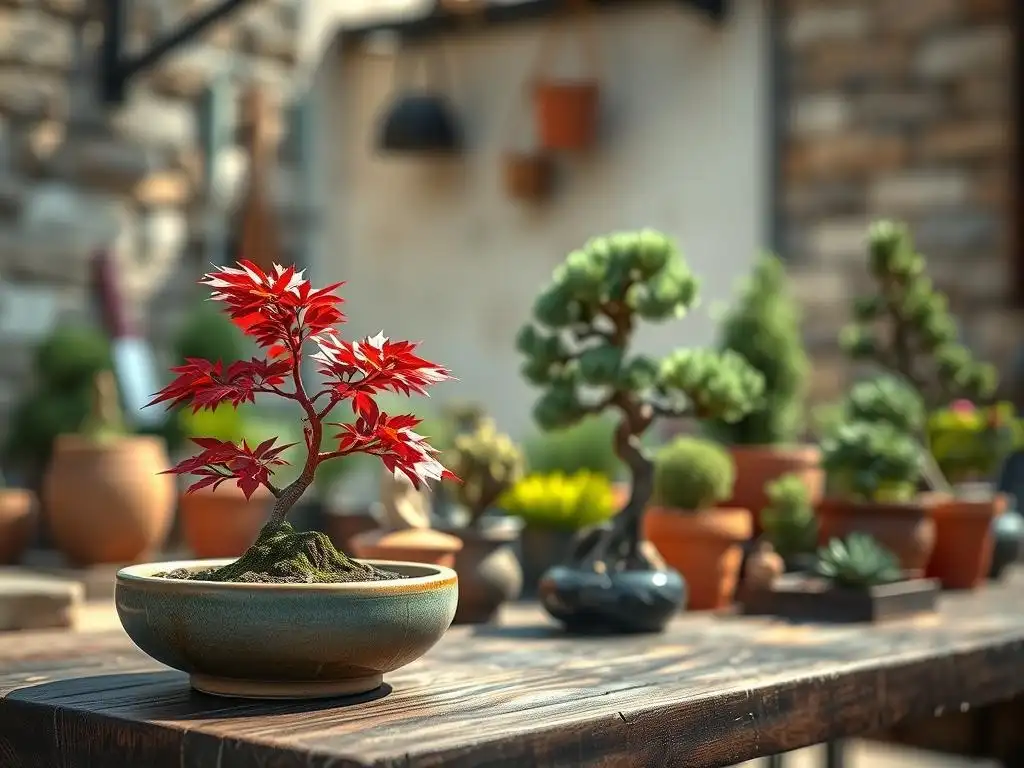
Choosing the right bonsai tree heavily depends on the space you have available. Before even considering specific species, carefully assess your indoor and outdoor areas. This section will guide you through measuring your space and selecting appropriately sized bonsai to ensure their healthy growth and your enjoyment of the miniature trees. Understanding the relationship between bonsai plants, climate, and available space is crucial for successful cultivation. This guide will help you navigate this crucial aspect of bonsai gardening.
Measuring Your Available Space: Indoor vs. Outdoor Bonsai
The first step is accurately measuring your potential bonsai locations. Consider both indoor and outdoor spaces. For indoor bonsai, measure the length, width, and depth of the area where you plan to place your tree(s). Consider factors like sunlight penetration, proximity to heating/cooling vents, and potential obstructions. Don't forget to account for the eventual growth of the tree, even though it's contained in a pot; the canopy can spread considerably.
For outdoor bonsai, measure the area taking into account sunlight exposure (full sun, partial shade, etc. ), wind protection, and access to water. Note the presence of any potential obstacles like buildings, fences, or other plants that could affect the bonsai's growth or your ability to care for it. Document these measurements; this will be vital when selecting appropriate bonsai sizes. A simple sketch of your space with dimensions included can be incredibly helpful. Remember to consider the space needed for any necessary tools and supplies as well.
Remember to consider the mature size of the bonsai, not just its current size. A small bonsai today could grow significantly larger over time, requiring a larger space.
Choosing Bonsai Tree Sizes: From Miniature to Larger Specimens
Bonsai trees come in a wide range of sizes, categorized by their height. Choosing the right size is critical for your space and the tree's well-being.
| Size Category | Approximate Height (cm) | Suitable for Space Type | Notes |
|---|---|---|---|
| Mame (Miniature) | < 15 | Small windowsills, desks | Ideal for beginners, limited space, requires frequent watering. |
| Shohin (Small) | 15-25 | Small tables, shelves | More manageable than larger varieties. |
| Komono (Medium) | 25-40 | Larger tables, patios (indoors/outdoors) | Offers more design flexibility. |
| Chuhin (Medium-Large) | 40-60 | Larger tables, decks, patios | Requires more space and attention. |
| Omono (Large) | 60-120 | Floor space, gardens | Significant space required; often kept outdoors. |
| Daibon (Very Large) | > 120 | Large gardens, dedicated areas | Requires extensive space, significant expertise, and resources. |
This table provides a general guideline. Actual sizes can vary depending on the species and the individual tree. Always check the mature size of the specific bonsai species you are considering.
Planning Your Bonsai Garden Layout: Optimizing Space and Aesthetics
Once you've selected your bonsai, consider the overall layout of your bonsai garden. If you have multiple trees, arranging them thoughtfully enhances the visual appeal and maximizes space utilization. Think about the following:
- Sunlight: Place sun-loving species in areas with ample sunlight, while shade-tolerant varieties can be placed in shadier spots.
- Spacing: Ensure adequate spacing between trees to prevent overcrowding and allow for proper air circulation. Avoid placing them too close together, hindering growth and potentially leading to disease.
- Visual Balance: Arrange the bonsai to create a visually pleasing composition. Consider varying heights, shapes, and colors to add visual interest. Consider using differing pot sizes and colors as well.
- Accessibility: Ensure you have easy access to all your bonsai for watering, pruning, and other maintenance tasks. Don't place them in hard-to-reach areas.
Careful planning and consideration of the space available will ensure that your bonsai thrive and enhance your home or garden beautifully. Remember, the "bonsai plants climate space guide" emphasizes the importance of a holistic approach, considering not just the climate, but also the available space and the specific needs of the bonsai species.
Indoor Bonsai Placement: Light, Humidity, and Air Circulation
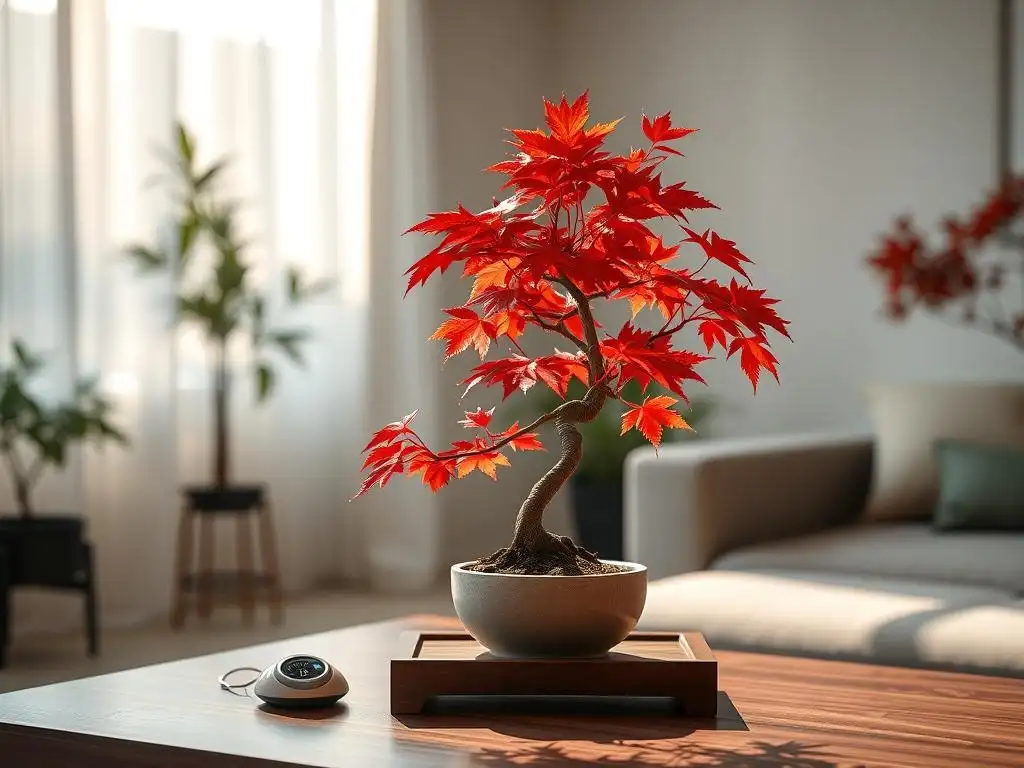
Indoor bonsai placement requires careful consideration of several key factors to ensure the plant's health and longevity. Light is paramount; most bonsai species need at least six hours of sunlight daily. However, the intensity of that light is crucial. Direct, harsh sunlight can scorch delicate leaves, while insufficient light leads to weak growth and etiolation (leggy growth).
South-facing windows offer the most light, but even there, you might need to filter the sun's rays during the hottest part of the day using sheer curtains or blinds. East- or west-facing windows provide softer light and are often suitable for many bonsai species. Experiment to find the optimal light level for your specific bonsai.
Humidity is another critical element. Many bonsai species thrive in environments with higher humidity than typical indoor settings. You can increase humidity by grouping plants together, placing a tray of water near the bonsai, using a humidifier, or even misting the foliage regularly (avoiding wetting the soil excessively). Regularly monitoring the humidity levels with a hygrometer is recommended, aiming for a range generally between 40% and 70%, depending on the species. Remember that overwatering, often a consequence of poor air circulation, can exacerbate problems stemming from low humidity.
Air circulation is vital to prevent fungal diseases and pest infestations. Stagnant air can create a breeding ground for pathogens. Ensure good airflow around your bonsai by strategically placing it away from walls and other obstructions. Gentle breezes are beneficial, but avoid placing it in drafty areas where sudden temperature changes can stress the plant. A small fan on a low setting can improve air circulation in still indoor environments, but ensure it doesn't directly blow on the delicate foliage. Regularly inspect your bonsai for signs of disease or pests, promptly addressing any issues that arise.
Outdoor Bonsai Placement: Sun Exposure, Wind Protection, and Drainage
Outdoor bonsai placement offers the advantage of natural light and air circulation, but it also presents unique challenges. Choosing the right location is crucial for the plant's health and survival. Sun exposure is a primary consideration; most bonsai require several hours of direct sunlight each day, but the intensity and duration vary greatly depending on the species.
Some species tolerate full sun, while others prefer partial shade. Observing the plant's response to sunlight is key; signs of scorching (brown or yellowed leaves) indicate too much sun, while pale, weak growth suggests insufficient light. A gradual introduction to stronger sunlight can help acclimate a bonsai to outdoor conditions.
Wind protection is also important, as strong winds can desiccate the foliage, damage branches, and even uproot the plant. A sheltered location, such as a patio or under the eaves of a building, offers protection from harsh winds while still providing ample sunlight. Remember that wind exposure can also exacerbate water loss, so frequent watering might be necessary in windy conditions. Consider using windbreaks, such as screens or hedges, if necessary. Remember that the location should also consider the bonsai's specific requirements, such as the type of soil and the need for protection from extreme temperatures.
Finally, proper drainage is essential to prevent root rot, a common problem for bonsai kept outdoors. Ensure the pot has adequate drainage holes and that the soil is well-draining. Avoid planting in areas with poor drainage or where water tends to accumulate. The pot should be placed on a slightly elevated surface to further improve drainage.
Regularly check the soil moisture levels, ensuring it doesn't become waterlogged after rain or watering. Appropriate soil selection for your bonsai is crucial for optimal drainage and overall plant health. Always consider factors like the climate and the bonsai's specific needs to ensure a successful outdoor placement.
Matching Bonsai Plants to Your Climate and Space: Practical Examples
This section delves into the practical application of choosing bonsai species based on your specific climate and available space. Understanding your local climate – including average temperatures, rainfall, and sunlight hours – is crucial for selecting hardy bonsai that will thrive. Similarly, the size of your growing area, whether a small balcony or a spacious backyard, dictates the types and number of bonsai you can accommodate. We'll explore these factors through detailed case studies.
Successful bonsai cultivation hinges on this careful consideration, ensuring your miniature trees flourish. This guide offers a practical approach to selecting the right bonsai plants for your climate and space, maximizing your chances of success in this rewarding horticultural pursuit. Remember, choosing the right species is the cornerstone of bonsai plant care.
Case Study 1: A Compact Balcony Bonsai Garden in a City Apartment
This case study focuses on creating a thriving bonsai collection in a limited space, such as a city apartment balcony. Space is often at a premium, requiring careful plant selection and efficient arrangement. We'll highlight suitable species and essential tools for maintaining a healthy, aesthetically pleasing bonsai garden. The key is to choose smaller, slower-growing varieties that won't outgrow their containers quickly. Proper pruning and maintenance are also crucial aspects to keep in mind.
Recommended Bonsai Species
For a compact balcony garden, consider these low-maintenance, smaller-sized bonsai species that are relatively tolerant of container life and varying levels of sunlight:
- Ficus Ginseng: Known for its thick, gnarled trunk and relatively easy care, making it ideal for beginners. Tolerates a range of light conditions.
- Serissa Foetida (Snowrose): A flowering bonsai with delicate blooms, it's relatively small and thrives in well-lit locations. Requires slightly more attention to watering.
- Carmona Microphylla (Fukien Tea): Another popular choice for beginners, it's relatively easy to care for and offers attractive foliage. Prefers bright, indirect light.
Remember to research the specific needs of each species you choose, considering factors like sun exposure, watering frequency, and temperature tolerance. A small, well-planned balcony garden can be incredibly rewarding.
Essential Tools
A limited space necessitates compact, multi-purpose tools. Prioritize quality over quantity:
- Small bonsai shears: For precise pruning of branches and leaves.
- Concave cutters: For removing thicker branches cleanly.
- Watering can with a fine rose: For gentle watering, avoiding soil erosion.
- Small bonsai soil scoop: For easy repotting and soil maintenance.
- Bonsai wire (optional): For shaping branches.
This curated collection of tools will allow you to manage your bonsai effectively, even within a restricted space. Prioritize tools that are lightweight and easy to store.
Case Study 2: A Lush Bonsai Collection in a Suburban Backyard
This case study explores the possibilities of cultivating a larger bonsai collection in a more spacious environment, such as a suburban backyard. The abundance of space allows for a wider variety of species and a more elaborate arrangement. This setup opens the door for larger bonsai and more complex designs, taking full advantage of the natural environment.
Recommended Bonsai Species
A larger space allows for a more diverse collection, including species that might require more room to grow:
- Japanese Maple (Acer palmatum): Known for its vibrant fall foliage, this species requires more space but rewards with stunning seasonal changes. It needs protection from harsh winds and extreme temperatures.
- Chinese Elm (Ulmus parvifolia): A robust and adaptable species, it can tolerate a wider range of conditions, making it a good choice for beginners and experienced enthusiasts alike.
- Japanese Black Pine (Pinus thunbergii): A classic bonsai choice, it requires more maintenance but offers a dramatic and striking silhouette. This species needs full sun and well-draining soil.
Consider the mature size of each species to ensure sufficient space between plants. Careful planning is crucial to avoid overcrowding and competition for resources.
Essential Tools
A larger collection necessitates a more comprehensive set of tools:
- Larger bonsai shears and concave cutters: For handling larger branches.
- Watering can with a variety of rose attachments: For precise watering of different sized plants.
- Soil sifter: For preparing bonsai soil mixes.
- Bonsai wire and bending tools: For advanced shaping techniques.
- Pruning saw: For removing thicker branches.
Investing in high-quality tools will ensure the longevity and health of your bonsai collection. Regular maintenance is key to the success of your bonsai garden, regardless of its size. Remember to always prioritize the health and well-being of your plants.
Case Study 3: Creating a Mini Bonsai Garden on a Windowsill
This case study focuses on maximizing limited space, specifically a windowsill, to cultivate a small but thriving bonsai garden. Windowsills, while seemingly restrictive, offer excellent opportunities for bonsai cultivation, particularly for species that thrive in bright, indirect light. The key is careful plant selection and meticulous maintenance. We'll explore a practical example, detailing plant choices and essential tools for success.
The primary challenge with a windowsill bonsai garden is the limited space and potential for temperature fluctuations. Direct sunlight can scorch delicate leaves, while cold drafts from open windows can damage the roots. Therefore, species selection is paramount. Choosing hardy, smaller varieties that tolerate variations in temperature and humidity is crucial. Regular monitoring of the plants' health, including checking for pests and diseases, is also vital in this confined environment.
Proper watering is critical; avoid overwatering, which can lead to root rot, a common problem in small containers. Consistent monitoring and timely adjustments are essential for maintaining a healthy miniature garden. Consider using a moisture meter to avoid overwatering. The beauty of a windowsill bonsai garden lies in its accessibility, allowing for frequent observation and immediate responses to the plants' needs. This intimate relationship fosters a deeper connection with your bonsai, enhancing the overall gardening experience.
Recommended Bonsai Species
Several bonsai species are well-suited for a windowsill environment. Their small mature size and tolerance for slightly less-than-ideal conditions make them ideal candidates. Consider these options:
- Ficus Ginseng: This species is known for its resilience and attractive, thick trunk. It tolerates a range of light conditions but prefers bright, indirect light, making it a perfect fit for a sunny windowsill. Regular misting helps maintain humidity levels.
- Serissa: Also known as the Snow Rose, this species boasts small, delicate flowers and thrives in bright, indirect light. It's relatively low-maintenance and suitable for beginners. However, it's sensitive to overwatering, so careful monitoring of soil moisture is essential.
- Carmona: This species is known for its glossy leaves and attractive flowers. It prefers bright, indirect light and well-draining soil. It requires slightly more attention than the Ficus Ginseng or Serissa, but its beauty makes it worthwhile. Protecting it from extreme temperature fluctuations is important.
Remember to research the specific needs of each species before selecting them for your windowsill garden. Consider factors such as light requirements, watering frequency, and temperature tolerance to ensure a harmonious and thriving collection. Proper species selection is the foundation of a successful mini bonsai garden. Don't be afraid to experiment and find the species that thrive best in your particular windowsill environment.
Essential Tools
Having the right tools is critical for maintaining a healthy bonsai garden, regardless of its size. For a windowsill garden, the focus should be on compact, easy-to-use tools:
- Small bonsai shears: These are essential for precise pruning and shaping of the bonsai. Choose a pair with sharp blades for clean cuts to prevent damage to the plant.
- Small watering can with a rose head: This allows for gentle and controlled watering, minimizing the risk of soil erosion or overwatering.
- Bonsai soil: This specialized soil is well-draining and provides optimal conditions for bonsai root growth. Using the wrong soil can lead to root rot and other problems.
- Small bonsai rake and cultivator: These tools help to loosen the soil and remove weeds, ensuring the plant receives the nutrients it needs. Their small size makes them ideal for working in confined spaces.
- Small spray bottle: This is particularly useful for misting the bonsai, especially during dry periods, to maintain humidity.
- Moisture meter: This handy tool helps determine soil moisture levels, preventing overwatering, a significant risk in small containers.
Investing in high-quality, compact tools is a worthwhile investment. These tools will allow you to effectively maintain your windowsill bonsai garden, ensuring the health and longevity of your miniature trees. Remember that regular maintenance is key to a thriving bonsai garden, no matter the scale. Proper tools will make this maintenance more efficient and less frustrating.
Maintaining Your Bonsai: Ongoing Care for Healthy Growth
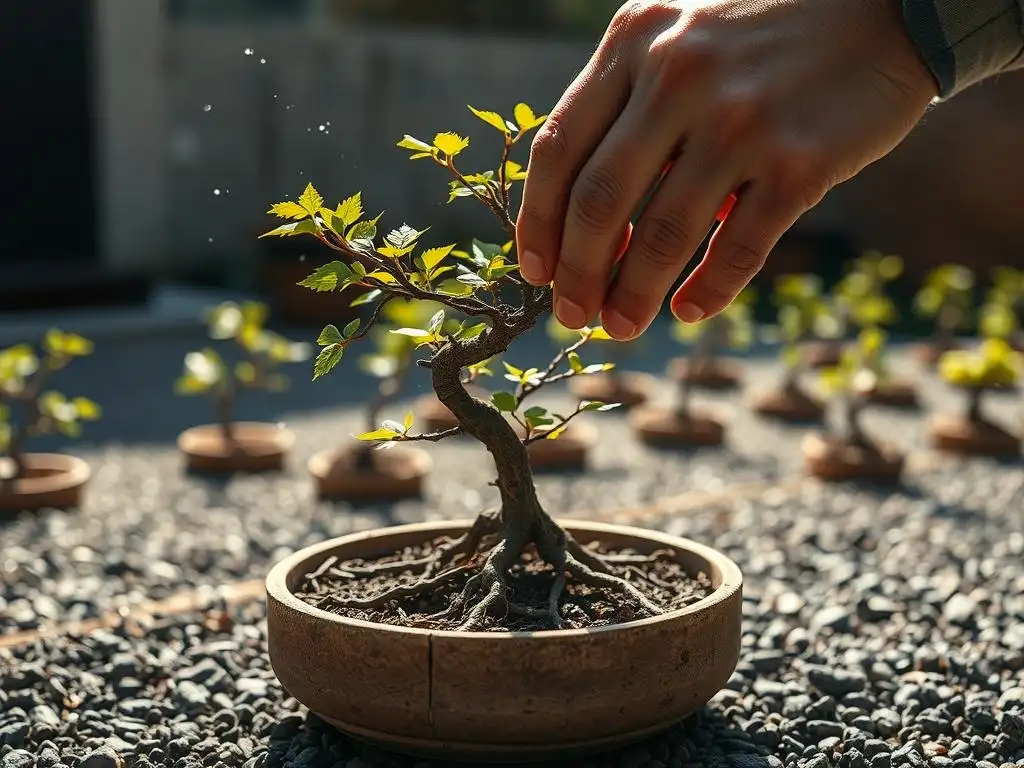
This section delves into the crucial aspects of ongoing bonsai care, ensuring the long-term health and aesthetic appeal of your miniature trees. Proper maintenance is key to thriving bonsai, regardless of the species or your climate. Remember, consistent attention pays off with vibrant, flourishing plants. This guide focuses on watering, fertilizing, and pruning—three fundamental practices for successful bonsai cultivation. Understanding these elements is vital for mastering the art of bonsai and achieving the desired aesthetic. The right techniques will help you manage your bonsai plants' climate needs and space requirements effectively.
Watering Bonsai Trees: Frequency and Techniques
Watering bonsai is a delicate balance. Underwatering leads to wilting and stress, while overwatering causes root rot, a fatal condition. The frequency depends heavily on several factors: climate, pot size, season, and species. Hot, sunny climates demand more frequent watering than cooler, shadier ones. Smaller pots dry out faster than larger ones. During the growing season (spring and summer), watering needs are significantly higher.
Here's a practical approach:
- Check soil moisture: Before watering, gently stick your finger about an inch into the soil. If it feels dry, it's time to water. Avoid letting the soil completely dry out.
- Watering method: Use a gentle stream of water, ensuring thorough saturation but avoiding runoff. Aim to water until water drains from the drainage holes. Avoid spraying the foliage to prevent fungal diseases.
- Frequency: This varies greatly, but daily or every other day during hot summers might be necessary, while once a week might suffice during cooler months. Observe your tree closely; drooping leaves are a clear sign of thirst.
- Water quality: Use rainwater whenever possible, as it's soft and free of chemicals. If using tap water, let it sit for 24 hours to allow chlorine to dissipate.
Remember, consistent monitoring is crucial. Learn to recognize the signs of underwatering (wilting leaves) and overwatering (yellowing leaves, mushy soil). Adjust your watering schedule based on these observations to maintain optimal soil moisture for your bonsai plants' climate and space.
Fertilizing Bonsai: Nutrient Requirements and Schedules
Bonsai trees, confined to small pots, require regular fertilization to thrive. Depleted nutrients in the soil can lead to stunted growth and weakened plants. The type and frequency of fertilization depend on the species and the growing season.
Here’s a breakdown of essential considerations:
- Types of fertilizers: Liquid fertilizers are commonly used for bonsai due to their ease of application and quick absorption. Organic fertilizers, like seaweed extract or composted manure, provide slow-release nutrients and improve soil health. Choose a fertilizer specifically formulated for bonsai or acid-loving plants, depending on your tree's needs.
- Fertilizing schedule: Generally, fertilization is done during the active growing season (spring and summer). Reduce or stop fertilizing during the dormant season (fall and winter) to avoid stressing the plant.
- Application: Always dilute the fertilizer according to the manufacturer's instructions. Over-fertilization can severely damage your bonsai. Apply the fertilizer evenly around the base of the tree, avoiding direct contact with the trunk and roots.
- Observing your bonsai: Monitor your bonsai for signs of nutrient deficiency, such as yellowing leaves or stunted growth. This can indicate the need for adjusting the type or frequency of fertilization.
A well-balanced fertilization plan, tailored to your specific bonsai species and climate, is vital for healthy growth and a thriving bonsai garden. Remember that less is often more when it comes to fertilizing your miniature trees.
Pruning and Shaping Your Bonsai: Essential Techniques for Growth Control
Pruning and shaping are fundamental to maintaining the aesthetic appeal and health of your bonsai. Regular pruning controls growth, encourages branching, and maintains the desired shape and size. Different techniques are used depending on the stage of growth and the desired effect.
Here are some key aspects of bonsai pruning:
- Types of pruning: Pinching removes young shoots, encouraging bushier growth. Cutting removes larger branches, shaping the overall structure. Wiring guides the growth of branches into the desired positions.
- Timing: Pruning is generally done during the active growing season (spring and summer) when the tree is actively growing. Avoid major pruning during the dormant season.
- Tools: Use sharp, clean tools to minimize damage to the tree. This prevents the spread of diseases.
- Techniques: Proper pruning techniques are essential to avoid damaging the tree. Research specific techniques for your bonsai species. Incorrect pruning can lead to irreversible damage.
- Aesthetic considerations: The goal is to create a miniature representation of a mature tree in nature, achieving a harmonious balance between the tree’s structure and its pot.
Careful pruning and shaping, combined with attention to the bonsai plants' climate and space requirements, are essential for creating and maintaining a beautiful and healthy bonsai garden. Remember, patience and precision are key to mastering this art. Regular, well-planned pruning is crucial for the long-term health and visual appeal of your bonsai.
Pest and Disease Control in Bonsai: Prevention and Treatment
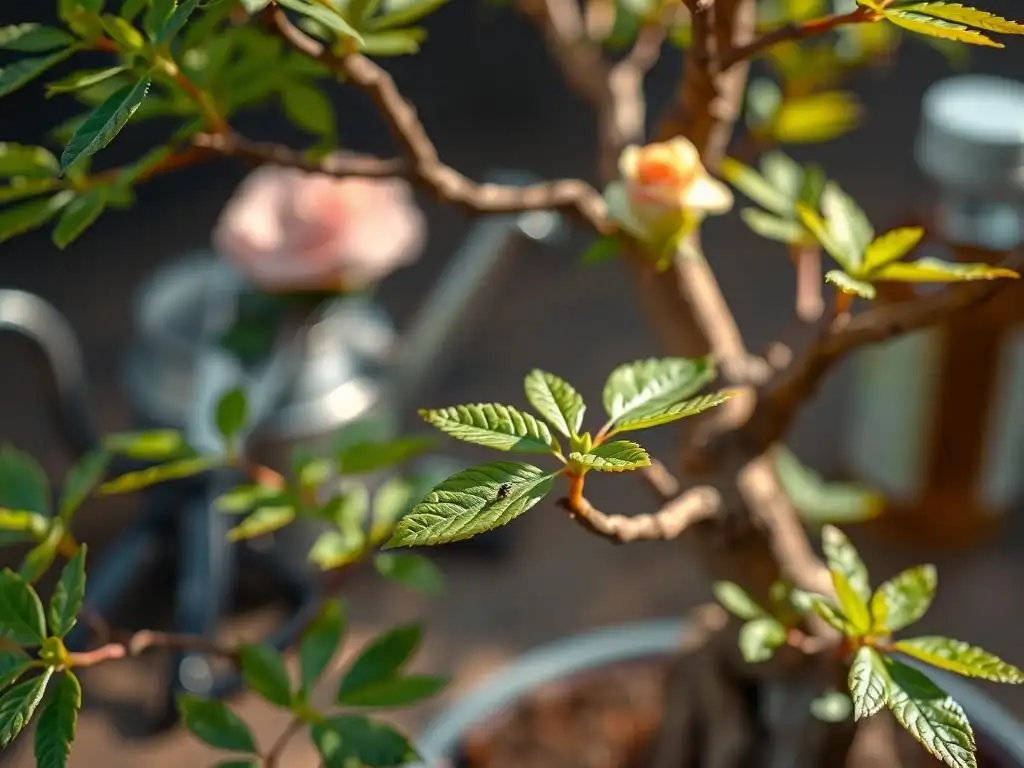
Bonsai, due to their small size and often contained environment, are particularly susceptible to pests and diseases. Proactive prevention is key to maintaining healthy bonsai. Regular inspection is crucial; check your trees weekly for any signs of infestation or disease. Early detection significantly improves the chances of successful treatment. Look for discoloration of leaves, unusual spots, wilting, or the presence of insects or webs.
Several preventative measures can drastically reduce the risk of problems. Ensuring proper air circulation around your bonsai helps prevent fungal diseases. Avoid overwatering, as this creates a breeding ground for many fungal pathogens. Similarly, maintaining good soil drainage prevents root rot, a common and often fatal bonsai ailment. Using sterilized potting mix when repotting minimizes the risk of introducing pests or diseases.
When dealing with pests, identifying the specific culprit is vital for effective treatment. Common bonsai pests include aphids, mealybugs, spider mites, and scale insects. Treatment options range from organic solutions like insecticidal soap or neem oil to chemical pesticides, the latter being a last resort due to potential harm to the plant and the environment. Always follow the instructions on any pesticide label carefully. For fungal diseases, fungicides can be effective, but again, organic options like copper fungicide should be prioritized whenever possible.
Pruning affected branches or leaves can also help contain the spread of disease. Remember to sterilize your pruning tools before and after each use to prevent cross-contamination. A healthy, well-cared-for bonsai is much less likely to succumb to pests and diseases, emphasizing the importance of consistent, proper care. Regular fertilization with a balanced bonsai fertilizer also helps bolster the plant's natural defenses.
Repotting Your Bonsai: A Guide to Maintaining Soil Health
Repotting is a crucial aspect of bonsai care, essential for maintaining soil health and promoting vigorous growth. Unlike larger plants, bonsai require more frequent repotting, typically every 1-3 years, depending on the species and the growth rate. The frequency is determined by how quickly the roots fill the pot and deplete the nutrients in the soil. Younger, faster-growing bonsai will often need repotting more frequently than mature, slower-growing trees.
The optimal time for repotting is usually during the early spring, before the tree begins its active growth phase. This allows the roots to establish themselves in the new soil before the demands of the growing season. Before repotting, gently remove the bonsai from its pot.
Carefully inspect the root system, removing any dead or damaged roots with clean, sterilized pruning shears. This process, called root pruning, encourages new root growth and helps maintain a healthy root-to-shoot ratio. While root pruning is essential, be mindful not to remove too much of the root system, as this can stress the plant.
Once the roots have been pruned, prepare your new bonsai pot and potting mix. A well-draining mix is crucial for bonsai health. A common mix includes akadama, a type of volcanic clay, along with pumice and other inorganic materials. The specific mix will vary depending on the bonsai species and its specific needs.
Gently place the bonsai in the new pot, ensuring the root system is evenly distributed. Fill the pot with the potting mix, firmly packing it around the roots. Avoid over-packing, which can impede drainage and root growth. After repotting, water the bonsai thoroughly to settle the soil and ensure proper hydration.
Provide adequate shade for a few days to allow the tree to recover from the stress of repotting. Regular watering and fertilization after repotting will help promote healthy growth and encourage the bonsai to establish itself in its new home. Proper repotting is a significant contribution to the long-term health and vitality of your bonsai.
Resources for Further Learning: Bonsai Books and Online Communities
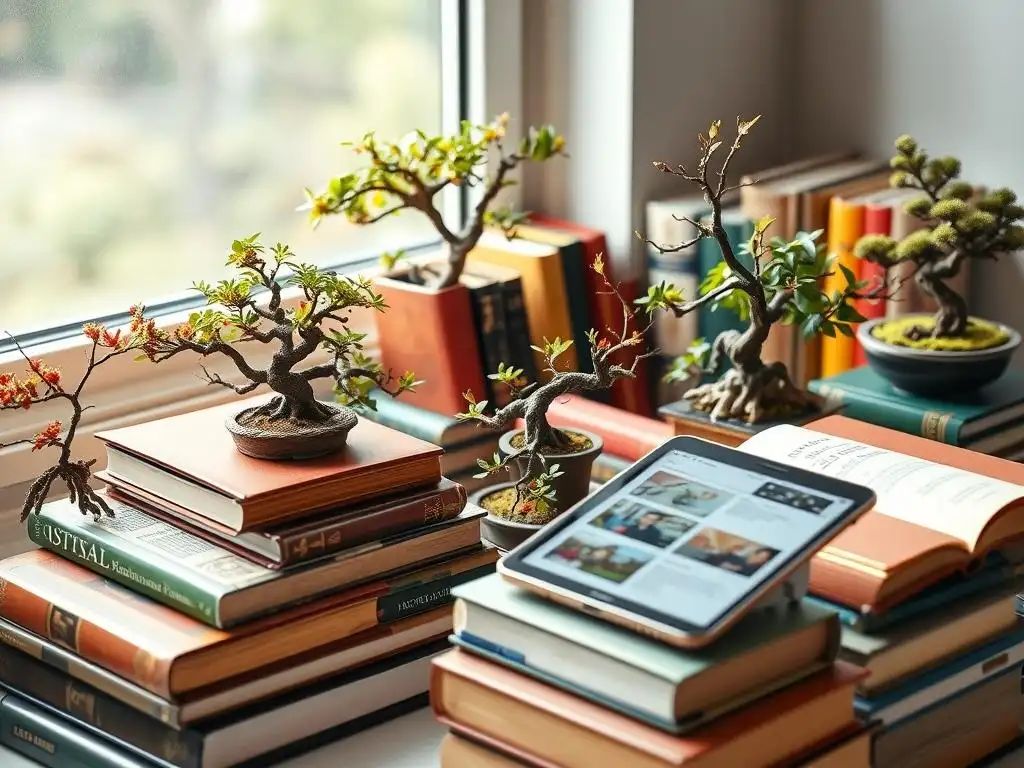
This section provides valuable resources to deepen your understanding of bonsai cultivation, specifically focusing on selecting the right plants for your climate and available space. Mastering the art of bonsai requires continuous learning, and these resources offer a wealth of information and support. Remember, successful bonsai cultivation is a journey, not a race! Patience and consistent learning are key to achieving beautiful and thriving miniature trees.
Recommended Bonsai Books
Choosing the right bonsai book can significantly enhance your learning experience. Look for books that address your specific needs and skill level. For beginners, a comprehensive guide covering the basics of bonsai care is essential. More experienced practitioners may benefit from specialized books focusing on specific techniques or tree species. Here are a few examples categorized by experience level:
Beginner:
- "The Complete Idiot's Guide to Bonsai": This book often provides a clear and accessible introduction to the world of bonsai, covering fundamental concepts suitable for novices. It typically includes detailed instructions, photographs, and helpful tips for beginners to overcome common challenges.
- "Bonsai: A Practical Guide": Many practical guides offer step-by-step instructions and clear explanations, making them ideal for beginners who prefer a hands-on approach to learning. These guides often include troubleshooting sections to address common problems.
Intermediate/Advanced:
- "The Art of Bonsai: Its History, Cultivation, and Appreciation": More advanced books often delve deeper into the artistic aspects of bonsai, exploring different styles and techniques. They may also cover more intricate pruning and shaping methods.
- "Bonsai for the Enthusiast: A Comprehensive Guide to the Art and Science of Miniature Trees": Books specifically targeting enthusiasts usually provide in-depth information on various aspects of bonsai care, including soil selection, fertilization, and pest control. They often cover a wider range of bonsai species and styles.
Remember to consider the author's credentials and the book's publication date when making your selection. Recent publications often incorporate the latest research and techniques. Don't hesitate to browse reviews before purchasing to get an idea of other bonsai enthusiasts' experiences. 🪴
Useful Online Resources
The internet offers a vast array of resources for bonsai enthusiasts. Online communities, forums, and websites provide opportunities for learning, sharing experiences, and connecting with other bonsai practitioners. This interactive aspect of online learning is invaluable, allowing you to ask questions, receive advice, and share your progress with a supportive community.
Here are some types of online resources to explore:
- Bonsai Forums: These forums often have dedicated sections for beginners, allowing you to ask basic questions without feeling intimidated. More experienced members often contribute valuable insights and advice. Many forums also feature detailed discussions on specific bonsai species and techniques.
- Bonsai Blogs and Websites: Numerous blogs and websites offer valuable information on various aspects of bonsai cultivation. Many of these resources feature high-quality photographs and videos, enhancing the learning experience.
- YouTube Channels: YouTube is a fantastic resource for visual learners. Numerous channels showcase detailed bonsai techniques, time-lapses of tree growth, and interviews with experienced practitioners. Look for channels with a strong focus on practical advice and clear instructions.
- Online Courses and Workshops: Some online platforms offer structured courses and workshops on bonsai cultivation. These courses often provide a more systematic approach to learning, covering various topics in a sequential manner.
By leveraging these diverse online resources, you can supplement your learning and stay updated on the latest techniques and best practices in bonsai cultivation. Remember to be discerning in your selection of online resources, prioritizing reputable sources and experienced practitioners. 🧑🌾 Happy growing!
Finding the Perfect Bonsai: Where to Buy Healthy Plants
Choosing the right bonsai plant is crucial for success. A healthy start significantly increases your chances of cultivating a thriving miniature tree. This section focuses on sourcing healthy bonsai, emphasizing the importance of selecting reputable suppliers and carefully inspecting plants before purchase. Proper sourcing minimizes the risk of introducing diseases or pests to your bonsai garden, a key aspect of sustainable gardening practices. Understanding where to buy and what to look for are fundamental steps in your bonsai journey, especially when considering the impact of climate and available space on your plant selection.
Choosing a Reputable Bonsai Nursery or Supplier
The quality of your bonsai directly correlates with the source. Avoid purchasing from unreliable sellers or online marketplaces with questionable reputations. A reputable bonsai nursery or supplier will prioritize plant health and offer expert advice. Look for nurseries with established histories, positive customer reviews, and a clear commitment to sustainable practices. These nurseries often participate in local gardening communities and offer workshops or consultations, further demonstrating their expertise. When choosing a supplier, consider:
- Online reputation: Check reviews on multiple platforms. Look for consistent positive feedback regarding plant health and customer service.
- Physical location (if applicable): Visiting a physical nursery allows for firsthand inspection of plants and an opportunity to speak with knowledgeable staff.
- Transparency: A reputable supplier will be open about their sourcing practices, plant care methods, and any potential issues.
- Variety: A wide selection suggests a commitment to diverse species and sizes, catering to various climates and space constraints.
Inspecting Bonsai Plants Before Purchase: Signs of Health and Vigor
Once you've identified a reputable supplier, careful inspection is paramount. A healthy bonsai will exhibit several key characteristics indicative of its vigor and resilience. Thorough inspection minimizes the risk of introducing diseases or pests to your existing collection. Before making a purchase, examine the following aspects:
- Foliage: Look for vibrant, evenly colored leaves without signs of yellowing, browning, or wilting. Avoid plants with sparse foliage or significant leaf drop. Healthy leaves should be firm to the touch.
- Branches: Branches should be strong, flexible, and free from damage or unusual growths. Inspect for any signs of insect infestation or disease.
- Trunk and Roots: The trunk should be firm and free from cracks or decay. If possible, examine the root system (often visible in container-grown bonsai). Healthy roots should be white or light brown, not dark or mushy. Avoid plants with root-bound conditions.
- Overall Appearance: A healthy bonsai will have a balanced and harmonious appearance. Avoid plants that look stressed, stunted, or poorly maintained.
| Feature | Healthy Bonsai | Unhealthy Bonsai |
|---|---|---|
| Foliage | Vibrant, even color, firm to the touch | Yellowing, browning, wilting, sparse |
| Branches | Strong, flexible, no damage or unusual growths | Damaged, brittle, signs of infestation |
| Trunk & Roots | Firm, no cracks or decay, healthy root system | Cracks, decay, mushy roots, root-bound |
| Overall Appearance | Balanced, harmonious | Stressed, stunted, poorly maintained |
Acclimating Your New Bonsai to Its New Home
Bringing a new bonsai home requires a careful acclimation process. Sudden changes in environment can stress the plant, making it susceptible to disease and hindering its growth. The acclimation period allows the plant to gradually adjust to its new surroundings, mitigating the shock of transplantation. This is especially crucial when considering the impact of climate and space.
- Gradual Introduction: Avoid immediately placing the bonsai in direct sunlight or extreme temperatures. Start with a partially shaded location and gradually increase exposure to sunlight over several days.
- Watering: Water carefully, avoiding overwatering or underwatering. The frequency will depend on the species and the environmental conditions. Observe the soil moisture level and adjust watering accordingly.
- Monitoring: Closely monitor your bonsai for signs of stress, such as leaf drop or wilting. Address any issues promptly. Regular observation is a crucial part of sustainable bonsai care.
- Patience: Acclimation takes time. Be patient and allow your new bonsai to adjust to its new home before making significant changes to its care routine. Remember, a healthy bonsai is a happy bonsai! 🌱
Frequently Asked Questions
What climates are most suitable for growing bonsai?
Bonsai can thrive in a variety of climates, but temperate zones are generally ideal. Many species are hardy to frost, while others require warmer temperatures. Consider your local climate and choose a species accordingly.
How much space do I need to grow a bonsai?
The space needed depends on the size and type of bonsai. Smaller species can be grown in small containers, while larger ones require more room. Proper planning and selection are crucial, considering your available space.
Which bonsai species are best for beginners?
Beginner-friendly options include Ficus, Serissa, and Chinese Elm. These are relatively easy to care for and tolerate some beginner mistakes, making them perfect for starting your bonsai journey.
What is the importance of considering climate when choosing a bonsai?
Choosing a bonsai suited to your climate is crucial for its survival and health. Incorrect climate selection can lead to stress, disease, and even death for the plant. Always research your local climate and match it with the bonsai's needs.
How do I find out the specific climate requirements for a particular bonsai species?
Before purchasing, thoroughly research the specific species you are interested in. Reliable sources such as books, reputable websites (like CultivateYourFood!), and local nurseries will provide information on temperature tolerance, humidity needs, and light requirements.
Final Reflection: Nurturing Miniature Worlds: A Legacy of Patience and Adaptability
The art of bonsai transcends mere horticulture; it's a testament to our ability to harmonize with nature, adapting our passions to the constraints of our environment. Choosing the right bonsai for your climate and space isn't just about aesthetics; it's about fostering a sustainable relationship with a living organism, ensuring its longevity and your own enjoyment of the process.
The enduring appeal of bonsai lies in its ability to mirror our own lives – the delicate balance between nurturing growth and accepting limitations. The patience required to cultivate these miniature trees reflects a deeper human need to connect with the natural world, a connection often lost in our fast-paced modern lives. The best time to plant a tree was 20 years ago. The second best time is today.
This proverb perfectly encapsulates the enduring nature of bonsai and the rewards of starting, even if late. The impact of bonsai extends beyond the individual; it fosters a sense of community among enthusiasts, sharing knowledge and experiences across geographical boundaries.
Now, consider your own space, your own climate. What kind of miniature world can you nurture? Don't let perceived limitations stifle your passion. Research the species best suited to your environment, embrace the learning process, and begin your bonsai journey. The rewards – the quiet contemplation, the tangible connection to nature, and the beauty of a carefully cultivated tree – are immeasurable. Start small, start now, and cultivate your own miniature world.
Unleash Your Inner Bonsai Master: Start Growing Today!
Thank you for exploring the world of bonsai with CultivateYourFood! We hope you feel confident in choosing the right miniature tree for your home and climate. Ready to begin your bonsai journey?
- Get started: Select a bonsai species that thrives in your local climate and fits your available space. Order your tree from a reputable nursery; this is the first step in creating your living work of art.
- Share your success: We'd love to see a picture of your chosen bonsai! Share it on social media and tag us @CultivateYourFood.
- Learn more: Explore our other articles on bonsai care to ensure your tree flourishes. We offer comprehensive guides covering everything from proper watering techniques to effective pruning practices.
What exciting bonsai adventure awaits you? What unique challenges and rewards do you anticipate as you cultivate your own miniature tree?