
Building Bridges: How Community Gardens Promote Intergenerational Connections

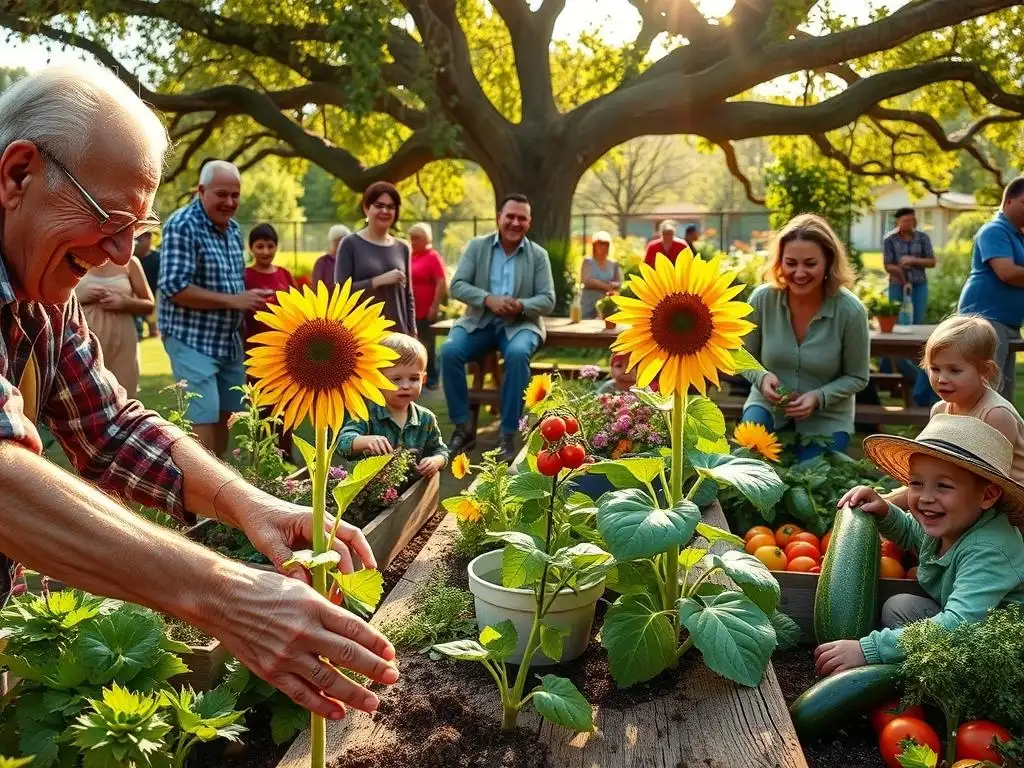
Welcome to CultivateYourFood, your guide to nurturing a thriving garden, organically and sustainably! Are you ready to discover the incredible intergenerational benefits of community gardening? We delve into how shared spaces cultivate not only delicious produce, but also strong bonds between generations, fostering a deeper connection to nature and each other. Explore the surprising ways community gardens are building bridges and enriching lives – let's get growing!
- Community Garden Intergenerational Benefits: Fostering Stronger Bonds
- The Role of Community Gardens in Intergenerational Wellbeing
- Designing an Intergenerational Community Garden: Practical Considerations
- Successful Case Studies: Examples of Thriving Intergenerational Gardens
- Getting Started: Establishing Your Own Intergenerational Community Garden
-
Frequently Asked Questions
- What are the benefits of intergenerational community gardening?
- How can community gardens help bridge the generation gap?
- What types of activities are suitable for all ages in a community garden?
- Are there any challenges in organizing an intergenerational community garden?
- How can I get involved in an intergenerational community garden project?
- Final Reflection: Cultivating Connection Across Generations
- Bloom Where You're Planted: Grow Your Community Connection!
Community Garden Intergenerational Benefits: Fostering Stronger Bonds
Community gardens offer much more than just fresh produce; they are vibrant hubs fostering connection and strengthening communities. This article explores the significant intergenerational benefits of community gardens, highlighting how shared gardening experiences bridge generational gaps, promote learning, and build stronger bonds between people of all ages.
We'll delve into the specific activities and outcomes that make community gardens such powerful tools for fostering intergenerational relationships and enriching the lives of participants, ultimately demonstrating the profound impact of shared gardening on community well-being. The benefits extend beyond simply growing food; they cultivate understanding, respect, and a deeper sense of belonging within the community, all while promoting sustainable and organic practices.
This exploration will focus on the key ways community gardens facilitate these positive intergenerational connections, showcasing the value of shared experiences and collaborative effort in building a more connected and resilient community. The keyword "Community garden intergenerational benefits" will be explored in detail, demonstrating its multifaceted impact.
Gardening Activities for All Ages: From Seed to Table
Community gardens provide a unique environment where individuals of all ages can participate in meaningful activities. From preparing the soil and planting seeds to weeding, watering, and finally harvesting the fruits (and vegetables!) of their labor, there are tasks suitable for every age group and skill level.
Younger children can help with simpler tasks like watering plants or collecting seeds, while older adults can share their expertise in planting, pest control, and harvesting techniques. This shared experience creates a sense of accomplishment and shared purpose, strengthening bonds as participants work together towards a common goal. The process of nurturing plants from seed to table provides a tangible connection to nature and the food cycle, fostering appreciation for the environment and the effort involved in producing food.
The collaborative nature of these activities builds teamwork and communication skills. For example, a simple task like building a raised bed can involve everyone, with older adults providing guidance and younger participants contributing physical labor.
Skill Sharing and Knowledge Transfer: Passing Down Gardening Wisdom
One of the most significant benefits of intergenerational community gardens is the transfer of knowledge and skills. Older generations, often possessing decades of gardening experience, can share their wisdom and techniques with younger generations. This exchange isn't limited to practical gardening skills; it extends to traditional knowledge about plant varieties, pest control methods, and sustainable practices. This intergenerational knowledge transfer is invaluable, preserving traditional gardening practices and ensuring their continuation for future generations.
Conversely, younger generations can introduce new technologies and innovative gardening techniques, creating a dynamic exchange of ideas and fostering continuous improvement within the garden. This reciprocal learning process strengthens intergenerational bonds, fostering mutual respect and appreciation for different perspectives and experiences. For instance, a younger participant might introduce the use of a specific app for tracking plant growth, while an older participant shares their knowledge of companion planting.
Bridging Generational Gaps: Overcoming Communication Barriers
Building Trust and Understanding Through Shared Labor
The shared physical labor involved in maintaining a community garden fosters trust and understanding between generations. Working side-by-side on tasks such as weeding, planting, or harvesting creates a sense of camaraderie and shared purpose, breaking down communication barriers that might exist in other settings. The collaborative effort required to achieve common goals promotes mutual respect and appreciation for each individual's contribution.
The shared experience of overcoming challenges together, such as dealing with pest infestations or unpredictable weather, strengthens bonds and builds resilience within the community. This shared experience fosters empathy and understanding, bridging generational gaps and promoting stronger interpersonal relationships. The physical act of working together transcends verbal communication, creating a deeper level of connection.
Creating Meaningful Connections Through Shared Goals
Community gardens provide a platform for shared goals, fostering meaningful connections between generations. Whether it's the collective goal of harvesting a bountiful crop, improving the garden's aesthetics, or organizing a community event, shared goals create a sense of unity and purpose. Working towards these common objectives builds strong relationships based on collaboration, mutual support, and shared accomplishment.
The feeling of collective achievement strengthens the sense of community and fosters a deeper appreciation for the contributions of each member, regardless of age. For example, the shared goal of hosting a community harvest festival brings together individuals from all generations, creating lasting memories and strengthening intergenerational bonds. This shared sense of purpose fosters a stronger and more resilient community.
The Role of Community Gardens in Intergenerational Wellbeing
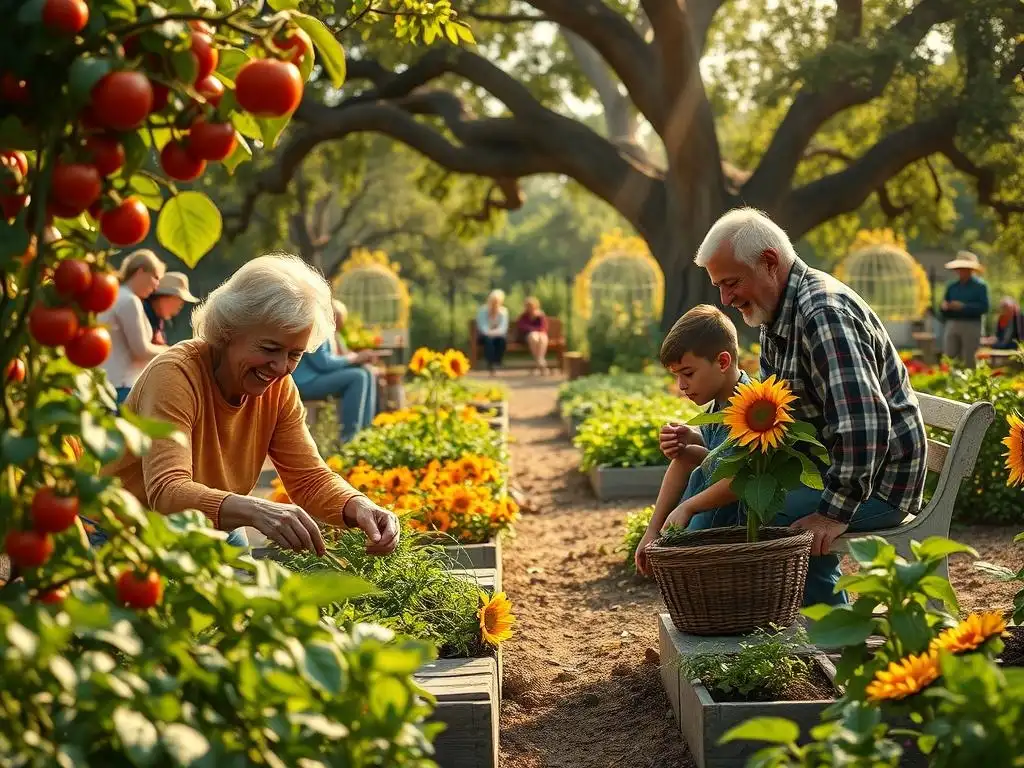
Community gardens offer a unique space where individuals of all ages can connect, learn, and grow together, fostering a powerful sense of community and shared purpose. The benefits extend far beyond the harvest, impacting the physical and mental wellbeing of participants across generations, while simultaneously addressing crucial social issues. This section delves into the profound intergenerational benefits derived from shared gardening experiences, specifically exploring how these initiatives contribute to improved health and stronger social bonds.
The positive impacts on both physical and mental health are considerable, as are the broader social benefits stemming from intergenerational interaction within the garden setting. Understanding these benefits is crucial to promoting the development and sustainability of community gardens as vital hubs for intergenerational connection. The keyword "Community garden intergenerational benefits" is central to this exploration.
Engaging in physical activity is vital for maintaining good health throughout life, and community gardening provides a unique opportunity for individuals of all ages and abilities to participate in gentle yet effective exercise. The benefits extend beyond the physical, positively impacting mental wellbeing and fostering a sense of connection with nature.
Improved Physical Fitness Through Gardening Tasks
Gardening, even at a moderate level, involves a range of physical activities that contribute to improved fitness. From digging and planting to weeding and harvesting, participants engage in activities that improve strength, flexibility, and cardiovascular health. Studies have shown that regular gardening can lower blood pressure, improve balance, and increase bone density – benefits particularly valuable for older adults who may experience age-related physical decline.
For example, a study conducted in [city name, pending specific information] found that participants aged 60+ who gardened for at least 30 minutes, three times a week, reported a significant reduction in falls and an improvement in overall mobility. This highlights the practical and effective nature of gardening as a fitness activity accessible to all ages. The physical exertion involved in preparing the soil, planting seedlings, and tending to crops provides a gentle yet effective workout, promoting physical health and wellbeing.
Reduced Stress and Improved Mood Through Nature Connection
Beyond the physical benefits, gardening provides a powerful antidote to stress and promotes mental wellbeing. The act of nurturing plants, observing their growth, and harvesting their fruits fosters a sense of calm and accomplishment. Spending time outdoors in a natural environment has been shown to reduce cortisol levels (the stress hormone), lower blood pressure, and improve mood.
The simple act of digging in the soil has been linked to a release of endorphins, contributing to a feeling of happiness and wellbeing. Community gardens provide a shared space for this therapeutic experience, further enhancing its positive impact through social interaction and shared purpose.
Participants often report feeling a sense of peace and tranquility while working in the garden, a welcome respite from the stresses of daily life. The therapeutic value of connecting with nature is enhanced by the shared experience of gardening with others, fostering a sense of belonging and mutual support.
Community gardens serve as powerful catalysts for social interaction and connection, particularly between generations. By creating shared spaces for activity and collaboration, they facilitate the formation of strong social networks and combat social isolation, particularly among older adults.
Strengthening Social Networks and Reducing Isolation
The shared activity of gardening naturally fosters social interaction and collaboration. Participants work together, sharing knowledge, skills, and experiences. This shared activity creates opportunities for conversation and relationship-building, strengthening social networks and combating social isolation, a significant concern for many older adults. The community garden provides a structured setting for interaction, fostering a sense of belonging and mutual support. The intergenerational aspect of this interaction is particularly valuable, as it bridges the gap between generations and fosters understanding and appreciation. The garden becomes a hub for social connection, enriching the lives of all participants.
Combating Ageism and Promoting Inclusivity
Community gardens actively challenge ageist stereotypes by creating environments where individuals of all ages contribute and participate equally. Older adults share their gardening wisdom and life experiences, while younger generations learn valuable skills and gain a deeper appreciation for the wisdom and experience of their elders. This reciprocal exchange fosters mutual respect and understanding, challenging ageist assumptions and promoting inclusivity.
The shared goal of cultivating a garden creates a common ground for interaction and collaboration, transcending age differences and fostering a sense of shared purpose and community. The garden becomes a symbol of intergenerational harmony, demonstrating the value of diverse perspectives and shared experiences. This inclusive environment contributes to a more vibrant and connected community for all.
Designing an Intergenerational Community Garden: Practical Considerations
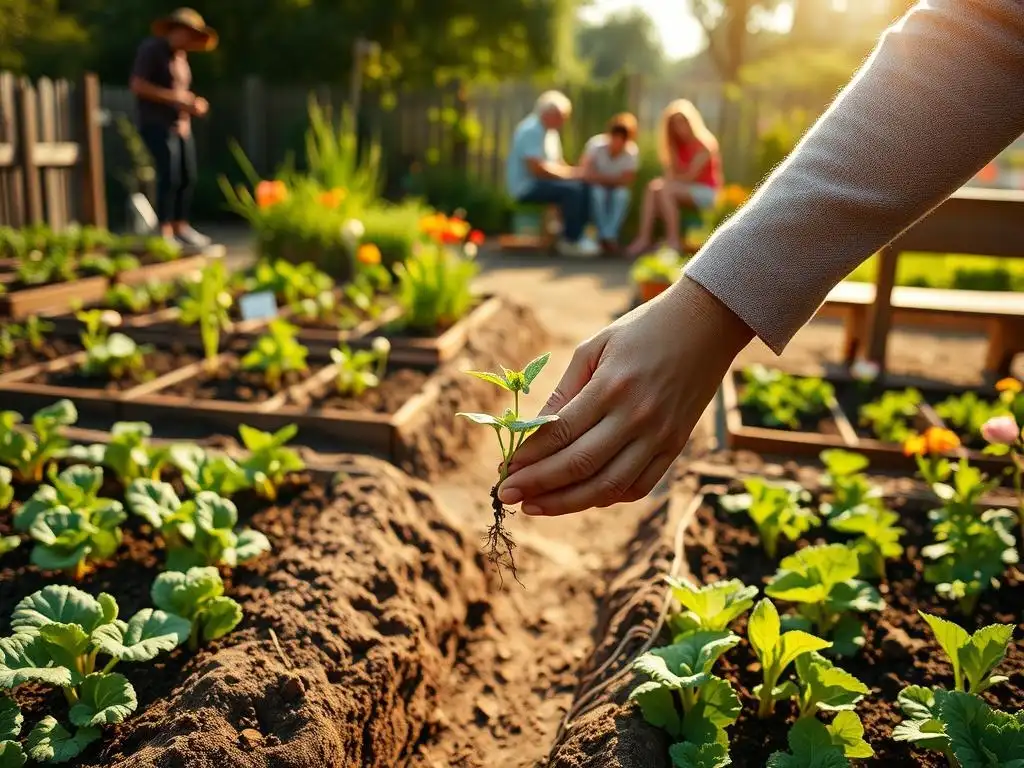
This section delves into the practical aspects of designing a community garden that fosters intergenerational connections. Creating a truly inclusive space requires careful consideration of accessibility, plant selection, and sustainable practices. The goal is to ensure that individuals of all ages and abilities can participate comfortably and meaningfully in the garden's activities, reaping the numerous benefits of community gardening. Successful community garden intergenerational benefits hinge on thoughtful planning and execution.
Accessibility and Inclusivity: Creating a Welcoming Space for All Ages
Designing an accessible community garden is paramount for maximizing participation and fostering a sense of belonging among all age groups. This means thinking beyond simply providing a plot of land; it involves creating a genuinely welcoming and inclusive environment.
Adapting Garden Design for Different Physical Abilities
Consider the physical limitations of different age groups. Raised garden beds eliminate the need for bending and kneeling, making gardening accessible to people with mobility issues or those with arthritis. Wider pathways accommodate wheelchairs and walkers, while strategically placed seating provides rest points throughout the garden.
Tools with ergonomic handles and adjustable heights can further enhance accessibility for individuals with varying physical capabilities. The use of assistive technologies should also be considered, such as adapted tools for individuals with limited dexterity. Careful consideration must be given to the surface of paths; loose gravel can be difficult for wheelchair users, so compacted earth or paved surfaces are ideal.
Providing Supportive Amenities and Rest Areas
Adequate seating is crucial, not just for rest, but also for social interaction. Benches, shaded areas, and picnic tables encourage lingering and conversation, fostering intergenerational bonding. Accessibility-compliant restrooms and water fountains are also essential, ensuring that everyone can comfortably spend time in the garden. Providing a shaded area is especially important in warmer climates, offering relief from the sun and a comfortable place for storytelling and sharing experiences. Consider installing a water feature, such as a small fountain, which can be both aesthetically pleasing and calming.
Choosing Appropriate Plants and Gardening Techniques
Plant selection significantly impacts the garden's usability and appeal across generations. The plants chosen should be both aesthetically pleasing and manageable for individuals with diverse gardening skills and physical abilities.
Selecting Easy-to-Manage Plants for All Skill Levels
Opt for low-maintenance plants that require minimal care. Consider herbs, vegetables, and flowers that are relatively disease-resistant and easy to grow. Including a variety of plants with different growth cycles and heights ensures continuous visual interest throughout the growing season.
Choosing plants with different textures, colors, and scents can add to the sensory experience, making the garden more engaging for all ages. For example, sunflowers are visually appealing and easy for children to grow, while herbs like mint and basil are relatively low-maintenance and can be used in cooking. A good mix of annuals and perennials will also provide continuous bloom and interest.
Implementing Sustainable and Organic Gardening Practices
Sustainable and organic gardening practices are essential for creating a healthy and environmentally friendly community garden. These practices not only benefit the environment but also promote intergenerational learning and collaboration. Composting provides a valuable learning opportunity, teaching participants about waste reduction and soil enrichment. Rainwater harvesting reduces reliance on municipal water supplies, promoting water conservation.
The use of organic pest control methods avoids harmful chemicals, ensuring the safety of all participants, especially children. By incorporating these practices, the garden becomes a living classroom, demonstrating the importance of environmental stewardship and sustainable living to all generations. This shared commitment to sustainability fosters a sense of collective responsibility and strengthens intergenerational bonds.
Successful Case Studies: Examples of Thriving Intergenerational Gardens
This section showcases successful community garden initiatives that highlight the significant intergenerational benefits of shared gardening spaces. We'll examine specific programs, activities, and the positive impacts observed within these thriving communities. Understanding these successful models can inspire the creation of similar initiatives, fostering stronger intergenerational bonds and enriching community life. The positive impact on both younger and older generations is undeniable, showcasing the power of "Community garden intergenerational benefits".
Case Study 1: The Harmony Heights Community Garden
The Harmony Heights Community Garden, located in a densely populated urban area, exemplifies the power of intergenerational collaboration in urban farming. Established five years ago, it actively promotes interaction between different age groups, resulting in a vibrant and inclusive space.
Specific Intergenerational Activities Implemented
The Harmony Heights garden offers a diverse range of activities designed to engage all generations. These include:
- Mentorship Program: Experienced senior gardeners mentor younger participants, teaching them valuable gardening skills, from seed sowing to harvesting and composting. This fosters a sense of shared knowledge and mutual respect.
- Storytelling Sessions: Seniors share their gardening experiences and traditional farming techniques, connecting younger generations to their cultural heritage and fostering an appreciation for sustainable practices.
- Joint Harvesting and Feast Events: The culmination of the growing season involves collaborative harvesting and community feasts, where all generations share the fruits (and vegetables!) of their labor, strengthening bonds and fostering a sense of community ownership.
- Gardening Workshops: Tailored workshops cater to different age groups and skill levels, ensuring everyone feels included and able to participate. Topics range from basic planting techniques to advanced composting methods and organic pest control. These workshops directly address the core values of the CultivateYourFood website.
These activities are not just about gardening; they are about building relationships and creating lasting memories. The emphasis on shared learning and collaborative effort creates a powerful sense of community.
Outcomes and Impact on the Community
The Harmony Heights Community Garden has demonstrated significant positive impacts:
- Increased Social Interaction: The garden serves as a central hub for social interaction, reducing social isolation among seniors and providing opportunities for younger generations to connect with their elders.
- Improved Physical and Mental Well-being: Gardening activities promote physical activity and reduce stress, benefiting both seniors and younger participants. The sense of accomplishment and shared purpose contributes to improved mental health.
- Enhanced Environmental Awareness: The focus on sustainable and organic practices fosters environmental awareness and responsibility within the community.
- Strengthened Community Cohesion: The shared experience of gardening and the collaborative nature of the activities have fostered a stronger sense of community spirit and belonging. This is a key aspect of the "Community garden intergenerational benefits".
Case Study 2: The Bloomingdale Intergenerational Garden
The Bloomingdale Intergenerational Garden, situated in a suburban setting, takes a slightly different approach, focusing on specific intergenerational projects and educational opportunities. Their model emphasizes hands-on learning and skill-building.
Specific Intergenerational Activities Implemented
Bloomingdale's success lies in its structured approach to intergenerational collaboration:
- School Garden Partnership: The garden partners with a local elementary school, integrating gardening into the school curriculum. Older volunteers assist teachers and students in planting, maintaining, and harvesting the school garden.
- Intergenerational Design Projects: Seniors and children collaborate on designing and building garden features, such as raised beds and trellises. This fosters creativity and problem-solving skills.
- Seed Saving and Exchange Program: A joint seed saving and exchange program teaches children about seed selection, storage, and the importance of biodiversity, while seniors pass on their traditional knowledge. This directly supports sustainable gardening practices.
- Annual Community Plant Sale: The culmination of their efforts is an annual plant sale, where the community can purchase plants grown by both children and seniors. This generates funds for the garden and fosters a sense of pride and accomplishment.
Outcomes and Impact on the Community
The Bloomingdale model has yielded impressive results:
- Improved Educational Outcomes: The integration of gardening into the school curriculum has led to improved student engagement and academic performance.
- Enhanced Skills Development: Participants develop practical gardening skills, teamwork abilities, and problem-solving skills.
- Increased Community Involvement: The garden has become a focal point for community engagement, attracting volunteers of all ages and backgrounds.
- Greater Appreciation for Nature: The garden provides a valuable opportunity for both children and seniors to connect with nature and appreciate the importance of biodiversity. This clearly demonstrates the substantial "Community garden intergenerational benefits". The combined efforts towards shared goals create a powerful sense of community and shared purpose.
Getting Started: Establishing Your Own Intergenerational Community Garden
This section details the crucial initial steps in creating a thriving intergenerational community garden, focusing on practical advice and overcoming common hurdles. Successfully launching such a project requires careful planning and a proactive approach to resource acquisition and community engagement. The benefits of a community garden extend far beyond fresh produce; they foster social connection, environmental awareness, and a shared sense of accomplishment, particularly when bridging generational gaps.
Finding Funding and Resources: Securing Support for Your Project
Securing funding is paramount for establishing a successful community garden. Numerous avenues exist, demanding a multifaceted approach. Consider applying for grants from local foundations and organizations focused on community development and urban agriculture. Many municipalities offer grants specifically for green initiatives and community projects.
Examples include the [Specific Foundation Name Pending] and the [Specific Municipal Grant Program Pending]. Don't overlook the power of crowdfunding platforms; these can effectively engage the community and generate excitement around the project. Detailed proposals highlighting the intergenerational benefits – increased social interaction, improved health outcomes, and skill-sharing opportunities – will significantly strengthen grant applications. Furthermore, explore partnerships with local businesses, seeking sponsorships or in-kind donations such as tools, seeds, or compost.
A well-structured budget outlining anticipated expenses and projected income is crucial for attracting potential funders. Remember to factor in ongoing maintenance costs and potential unforeseen expenses. A thorough budget demonstrates financial responsibility and increases the likelihood of securing funding.
Building Partnerships: Collaborating with Local Organizations and Individuals
Collaboration is key to the success of any community garden, particularly one designed to foster intergenerational connections. Partnering with local organizations can provide invaluable support and resources. Reach out to senior centers, schools, community colleges, and local charities. These organizations often have existing networks and resources that can be leveraged to benefit your garden.
For example, a local school might provide volunteer labor in exchange for educational opportunities, while a senior center could offer gardening expertise and mentorship. Building strong relationships with individual community members is equally important. Engage local residents of all ages through meetings, workshops, and informal discussions to gather input and build excitement.
Consider creating a volunteer program that caters to different skill levels and physical capabilities, ensuring inclusivity for all age groups. This collaborative approach not only strengthens the garden's foundation but also fosters a sense of shared ownership and responsibility within the community. Documenting these partnerships and their contributions will be valuable for future grant applications and community outreach.
Promoting Your Garden: Reaching Out to Different Age Groups
Effective promotion is crucial for attracting participants from diverse age groups. Utilize a multi-pronged approach to reach your target audience. For younger generations, leverage social media platforms like Instagram and TikTok, using visually appealing content showcasing the garden's activities and the benefits of participation. For older generations, consider traditional methods like flyers distributed in community centers and local newspapers, emphasizing the social and health benefits of gardening.
Partnering with local media outlets can provide free publicity and increase awareness within the community. Organize events specifically designed to attract different age groups. For example, host a family-friendly planting day or a senior-focused workshop on preserving harvested produce. Highlight the intergenerational aspects of the garden in all promotional materials, emphasizing the opportunities for skill-sharing, mentorship, and social interaction across generations.
Regular updates on the garden's progress, shared through various communication channels, will maintain community engagement and attract new participants. Consider creating a visually appealing website or social media page showcasing the garden's activities and the people involved. This will serve as a central hub for information and community building. Remember, consistent and targeted communication is crucial for building a strong and diverse community around your intergenerational garden.
Frequently Asked Questions
What are the benefits of intergenerational community gardening?
Community gardens offer significant intergenerational benefits. They foster shared learning, create stronger community bonds, and provide opportunities for mentorship and skill-sharing between different age groups.
How can community gardens help bridge the generation gap?
Shared activities like planting, weeding, and harvesting create natural opportunities for interaction. Older generations can share their wisdom and experience, while younger generations bring new energy and perspectives. This fosters mutual respect and understanding.
What types of activities are suitable for all ages in a community garden?
Simple tasks like planting seeds, watering plants, and harvesting produce are accessible to all ages. Storytelling, sharing recipes, and educational workshops can further enhance the intergenerational experience.
Are there any challenges in organizing an intergenerational community garden?
Finding a suitable location and securing funding can be challenging. Effective communication and collaboration between different age groups are crucial for successful management and participation. Addressing differing physical abilities is also important.
How can I get involved in an intergenerational community garden project?
Many communities already have established gardens; search online or contact your local council. You can also initiate your own project by contacting local organizations and seeking partnerships with schools, senior centers, and community groups to build a supportive network.
Final Reflection: Cultivating Connection Across Generations
The revitalization of community gardens isn't just about growing food; it's about cultivating a richer, more interconnected society. The simple act of planting a seed, tending to a plant, and sharing the harvest transcends age, fostering a powerful sense of shared purpose and belonging that is desperately needed in our increasingly fragmented world. This shared experience offers a potent antidote to social isolation and strengthens the bonds that hold our communities together.
The impact of intergenerational community gardens extends far beyond the physical space they occupy. They are living testaments to the power of shared experience, bridging the gap between generations and fostering mutual respect and understanding. The best way to find yourself is to lose yourself in the service of others.
- Mahatma Gandhi. This quote resonates deeply with the spirit of community gardening, where the act of collaborative creation fosters a sense of shared identity and purpose that transcends age differences. The wisdom passed down from older generations, coupled with the energy and innovation of younger ones, creates a dynamic and enriching environment for all involved.
Consider the seeds you've planted today – not just in the fertile earth of a community garden, but in the hearts and minds of those around you. Take the time to connect with your neighbors, share your skills and knowledge, and build bridges across the generations. The harvest you reap will be far more bountiful than you could ever imagine, enriching not only your own life but the lives of everyone you touch. Let's cultivate a future where community gardens flourish, and the bonds between generations grow stronger with each passing season.
Bloom Where You're Planted: Grow Your Community Connection!
Thank you for exploring the power of community gardens in bridging generations! You've discovered how these green spaces foster connection and shared purpose – now it's time to apply that knowledge.
- Start small: Volunteer a few hours at your local community garden. Even a small contribution can make a significant difference. This is a great first step.
- Share the benefits: Spread the word about intergenerational gardening by sharing this article with friends and family on social media.
- Inspire your community: Discuss this article with neighbors or family, considering how a community garden could benefit your area. What could you grow together? What a wonderful way to build connections!
Ready to cultivate stronger connections in your neighborhood? What innovative ideas do you have for bridging generations through gardening?