
The Impact of Habitat Loss on Pollinators: Understanding the Threat

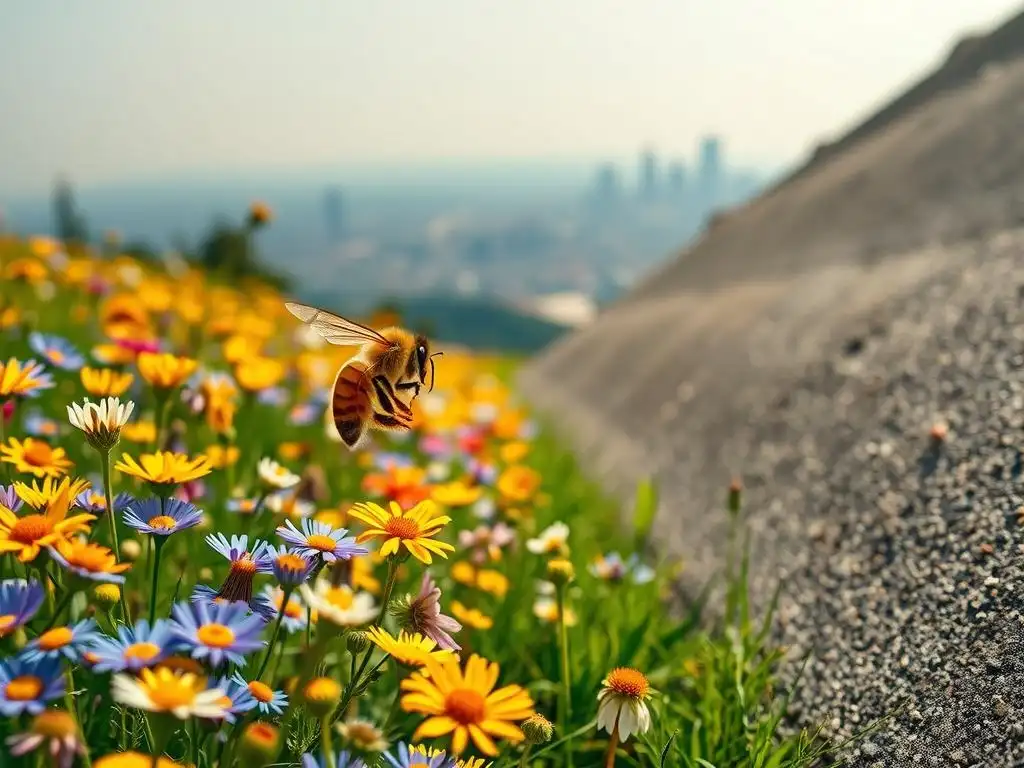
Welcome to CultivateYourFood, your guide to growing a thriving, sustainable garden! Are you ready to unlock the secrets to bountiful harvests while nurturing the planet? We'll equip you with the knowledge and techniques to cultivate your own fruits, vegetables, and herbs.
But first, let's explore a critical element often overlooked: the alarming impact of pollinator habitat loss. Discover how this pressing issue affects your garden's success and learn how you can contribute to a healthier ecosystem – and a healthier harvest – in our insightful article, " The Impact of Habitat Loss on Pollinators: Understanding the Threat." Let's begin cultivating a brighter future, together.
- Understanding Pollinator Habitat Loss and its Consequences
-
The Mechanisms of Habitat Loss Impact on Pollinator Populations
- Reduced Foraging Resources: Impact on Pollinator Nutrition and Reproduction
- Loss of Nesting Sites: The Importance of Diverse Habitats for Pollinator Life Cycles
- Increased Exposure to Pesticides: The Synergistic Effect of Habitat Loss and Pesticide Use
- Fragmentation of Habitats: Isolation and Reduced Genetic Diversity in Pollinator Populations
- The Ripple Effect: Consequences of Pollinator Decline for Food Production
-
Mitigating the Impact: Strategies for Protecting Pollinator Habitats
- Creating Pollinator-Friendly Gardens: Planting Native Species and Providing Nesting Sites
- Supporting Sustainable Agricultural Practices: Reducing Pesticide Use and Promoting Biodiversity
- Protecting and Restoring Natural Habitats: The Role of Conservation Efforts in Pollinator Protection
- Advocating for Pollinator Conservation Policies: Engaging in Local and National Initiatives
- The Future of Pollinators and Our Food Supply: A Call to Action
- Frequently Asked Questions
- Final Reflection: A Buzzing Crisis, A Silent Spring?
- Rediscover Your Role in Pollinator Protection
Understanding Pollinator Habitat Loss and its Consequences
Pollinator habitat loss represents a significant and growing threat to global biodiversity and food security. The decline in populations of bees, butterflies, moths, birds, and other pollinators is directly linked to the destruction and fragmentation of their natural habitats. This article explores the multifaceted impact of habitat loss on pollinators, examining its definition, global extent, and the various ways human activities contribute to this critical environmental issue.
Understanding these factors is crucial for developing effective conservation strategies and ensuring the continued health of our ecosystems and agricultural systems which rely heavily on the vital services pollinators provide. The consequences of inaction are far-reaching, impacting not only the delicate balance of nature but also our ability to produce sufficient food to sustain a growing global population.
This exploration will delve into the specifics of pollinator habitat loss, providing a clear understanding of the challenges and emphasizing the urgent need for action. We will explore the different ways habitat loss manifests and the devastating effect it has on pollinator populations.
Defining Pollinator Habitat Loss: What it Means for Bees, Butterflies, and More
Pollinator habitat loss refers to the reduction or degradation of the natural environments that pollinators need to survive and thrive. This encompasses a wide range of habitats, from wildflower meadows and forests to wetlands and agricultural landscapes. For bees, this means the loss of nesting sites (e.g., ground burrows, hollow stems), foraging areas rich in nectar and pollen from diverse plant species, and access to water sources.
Butterflies, similarly, require specific plants for their larvae (caterpillars) to feed on, as well as nectar sources for adults. The loss of these critical resources directly impacts their ability to reproduce and maintain healthy populations. The consequences extend beyond individual species; the loss of diverse pollinator communities weakens the resilience of entire ecosystems.
The reduction in the variety of plant species also impacts the diversity of pollinators, creating a vicious cycle of decline. For example, the conversion of grasslands to monoculture farms eliminates the diverse floral resources that support numerous pollinator species, leading to population declines and potentially local extinctions. This simplification of habitats reduces the overall resilience of the ecosystem to changes and stresses, further highlighting the importance of protecting diverse pollinator habitats.
The Extent of Habitat Loss: A Global Perspective on Declining Pollinator Habitats
The extent of pollinator habitat loss is alarming and widespread. Globally, habitat conversion for agriculture, urbanization, and infrastructure development is a primary driver. Deforestation, particularly in tropical regions, is devastating for pollinator populations, eliminating vast tracts of crucial habitat.
Precise figures on the total area of pollinator habitat lost annually are difficult to obtain due to variations in data collection methodologies and the diverse range of pollinator species and habitats. However, studies consistently point to significant and accelerating losses. The rate of habitat fragmentation is also a significant concern, as it isolates pollinator populations, reducing genetic diversity and making them more vulnerable to disease and environmental changes.
This isolation also limits the ability of pollinators to access diverse food sources and suitable nesting sites, further impacting their survival. The impact is not uniform across all regions; some areas experience more dramatic losses than others, depending on factors like population density, agricultural practices, and conservation efforts. The consequences of this widespread habitat loss are already being felt, with declines in pollinator populations reported across the globe.
Types of Habitat Loss Affecting Pollulators: From Deforestation to Urban Sprawl
Several key types of habitat loss significantly impact pollinator populations. These include:
- Deforestation: The clearing of forests for timber, agriculture, and other uses eliminates vast swathes of pollinator habitat, removing nesting sites, food sources, and overall biodiversity.
- Agricultural Intensification: The shift towards large-scale, monoculture farming reduces floral diversity, leaving pollinators with limited food resources and increasing their vulnerability to pesticides.
- Urban Sprawl: The expansion of cities and towns consumes natural habitats, fragmenting landscapes and reducing the availability of suitable pollinator habitats.
- Infrastructure Development: The construction of roads, buildings, and other infrastructure further fragments habitats and directly destroys pollinator nesting sites and foraging areas.
- Pesticide Use: While not strictly habitat loss, the widespread use of pesticides significantly impacts pollinator populations by directly killing them or reducing the availability of food resources through the contamination of plants. This is a crucial factor contributing to the overall decline.
Understanding the specific types of habitat loss affecting pollinators in different regions is essential for developing targeted conservation strategies. Addressing these challenges requires a multifaceted approach that considers land-use planning, sustainable agricultural practices, and the responsible use of pesticides. The continued loss of pollinator habitat poses a serious threat to both ecological stability and global food security, demanding immediate and concerted action.
The Mechanisms of Habitat Loss Impact on Pollinator Populations
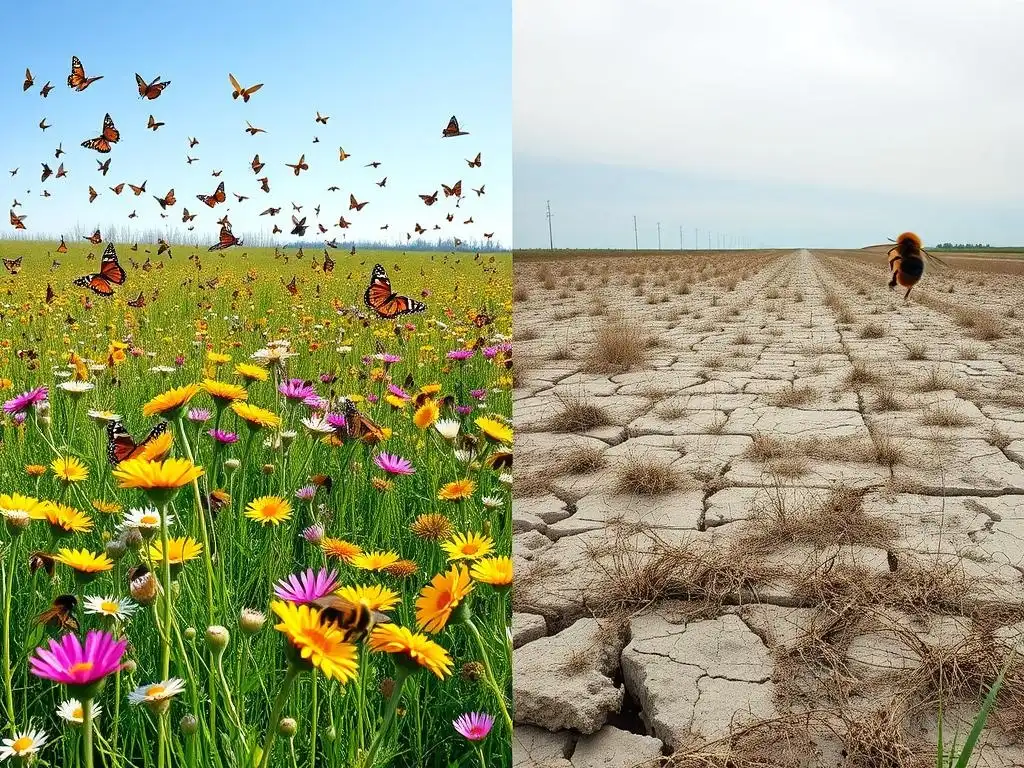
Habitat loss significantly impacts pollinator populations, leading to declines in biodiversity and ecosystem services. Understanding the specific mechanisms behind this impact is crucial for implementing effective conservation strategies. This section explores three key ways habitat loss negatively affects pollinators: reduced foraging resources, loss of nesting sites, and increased exposure to pesticides.
The interconnectedness of these factors creates a synergistic effect, exacerbating the overall decline in pollinator populations and highlighting the urgent need for pollinator habitat restoration and protection. The severity of the pollinator habitat loss impact varies depending on the species, the extent of habitat loss, and the presence of other stressors.
Reduced Foraging Resources: Impact on Pollinator Nutrition and Reproduction
The availability of diverse and abundant floral resources is paramount for pollinator health and reproduction. Habitat loss directly translates to a reduction in foraging resources, impacting pollinator nutrition and ultimately their reproductive success. Monoculture farming practices, for example, drastically reduce the variety of pollen and nectar sources available, forcing pollinators to travel further distances, expending more energy and increasing their vulnerability to predation.
This scarcity of diverse floral resources leads to nutritional deficiencies in pollinators. A balanced diet of pollen and nectar is vital for their development, immune function, and reproduction. A diet lacking in essential nutrients can result in reduced offspring production, smaller body size, and weakened immune systems, making pollinators more susceptible to diseases and parasites.
Studies have shown a direct correlation between the diversity and abundance of floral resources and the reproductive success of various bee species. For instance, research on bumblebees has demonstrated a significant decrease in colony size and queen production in areas with limited floral diversity. This highlights the crucial role of diverse foraging resources in supporting healthy and thriving pollinator populations, thereby directly affecting the impact of pollinator habitat loss.
Loss of Nesting Sites: The Importance of Diverse Habitats for Pollinator Life Cycles
Beyond foraging, habitat loss directly affects the availability of suitable nesting sites for many pollinator species. Many bees, for example, nest in the ground, relying on specific soil types and vegetation cover for protection and nest construction. The destruction of natural habitats, including grasslands, meadows, and forests, eliminates these crucial nesting sites, leading to a decline in nesting success and population growth.
Furthermore, the loss of diverse habitats impacts the availability of nesting materials. Some bees utilize plant resins, mud, or leaf fragments to construct their nests. The removal of these plant species reduces the availability of necessary building materials, further limiting nesting opportunities. The loss of dead wood, crucial for many solitary bee species, also significantly impacts nesting success.
This loss is particularly detrimental to pollinator populations, as adequate nesting sites are essential for the completion of their life cycle and the continuation of their species. The complexity of the habitat, offering a variety of microclimates and nesting resources, is vital for the survival of diverse pollinator communities. The overall impact of habitat loss on nesting sites is a critical factor contributing to the decline in pollinator populations.
Increased Exposure to Pesticides: The Synergistic Effect of Habitat Loss and Pesticide Use
Habitat loss and pesticide use often act synergistically, exacerbating the negative impact on pollinator populations. When pollinators lose their natural habitats, they are forced to forage in agricultural areas, where they are more exposed to pesticides. This increased exposure, combined with the stress of reduced foraging resources and nesting sites, significantly reduces pollinator survival and reproductive success.
The effects of pesticides on pollinators are well-documented. Neonicotinoids, for example, are known to be highly toxic to bees, affecting their navigation, foraging behavior, and immune system. The combined effects of pesticide exposure and habitat loss create a lethal combination for pollinators. Studies have shown that bees exposed to sublethal doses of pesticides are more vulnerable to disease and have reduced reproductive success.
In areas with limited habitat, these sublethal effects can accumulate, leading to population collapses. Therefore, mitigating the pollinator habitat loss impact requires integrated approaches that address both habitat loss and pesticide use, focusing on sustainable agricultural practices and pollinator-friendly landscaping. The synergistic nature of these threats underscores the need for comprehensive conservation strategies.
Fragmentation of Habitats: Isolation and Reduced Genetic Diversity in Pollinator Populations
Habitat fragmentation, the breaking up of large, continuous habitats into smaller, isolated patches, significantly impacts pollinator populations. This process isolates populations, limiting gene flow between them. Reduced gene flow leads to a decrease in genetic diversity within these isolated groups. This is detrimental because a diverse gene pool is crucial for a species' ability to adapt to environmental changes, such as disease outbreaks, shifts in climate, or the introduction of new pests.
Populations with low genetic diversity are more vulnerable to these challenges and have a higher risk of extinction. For example, a study on bumblebees in fragmented agricultural landscapes showed a significant reduction in genetic diversity compared to populations in contiguous habitats. The isolated patches often support smaller, less viable populations, making them more susceptible to stochastic events like random fluctuations in weather or disease. This effect is particularly pronounced for specialist pollinators, those that rely on a single or a very limited number of plant species for their survival, as habitat fragmentation can disrupt their access to essential food sources and nesting sites.
The loss of genetic diversity also reduces the overall resilience of the pollinator community, hindering its ability to provide essential pollination services to our crops and wild plants. In essence, fragmentation isn't simply about losing habitat area; it's about losing the connectivity that maintains healthy and adaptable pollinator populations. The consequences of this genetic bottleneck can be far-reaching and contribute significantly to the overall decline in pollinator numbers. Conservation efforts must therefore focus not only on protecting existing habitats but also on creating corridors and linkages between fragmented patches to facilitate gene flow and maintain genetic diversity.
The Ripple Effect: Consequences of Pollinator Decline for Food Production
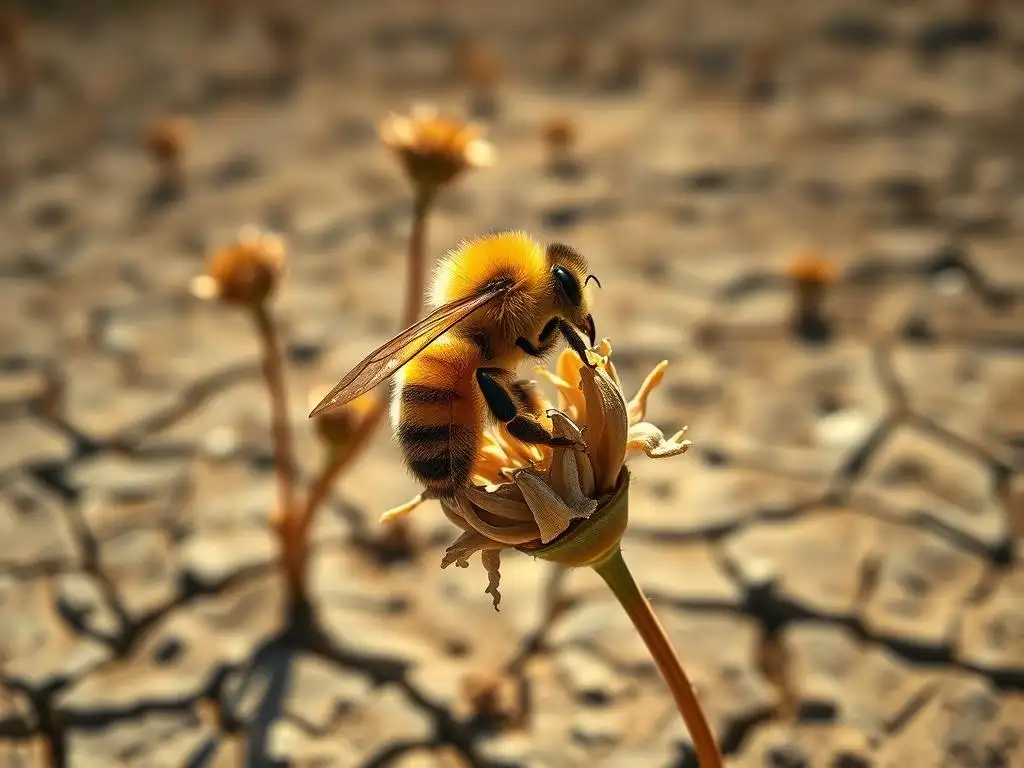
The decline in pollinator populations, largely driven by pollinator habitat loss impact, has profound and far-reaching consequences for global food production. It's not just about the cute bumblebees and butterflies; it's about the very foundation of our food systems. A significant portion of the world's crops relies on animal pollination, and the loss of these vital insects and other pollinators directly translates to reduced yields and increased food insecurity. Understanding the magnitude of this impact is crucial for implementing effective conservation strategies.
Impact on Crop Yields: The Economic and Food Security Implications of Pollinator Loss
The economic implications of pollinator loss are staggering. A study by [Specific data pending on economic impact of pollinator loss] estimated that the annual value of pollination services globally is in the hundreds of billions of dollars. This figure encompasses not only the direct economic value of crops dependent on pollination but also the indirect effects on related industries such as processing, transportation, and retail.
The loss of pollination services translates directly into lower crop yields, impacting farmers' incomes and potentially leading to price increases for consumers. This is particularly concerning in regions already struggling with food insecurity, where even small reductions in crop yields can have devastating consequences. Furthermore, the impact disproportionately affects smallholder farmers, who often lack the resources to mitigate the effects of pollinator decline.
The following table illustrates the dependence of specific crops on pollinators and the potential yield reductions associated with pollinator loss:
| Crop | Percentage of Yield Dependent on Pollinators | Potential Yield Reduction (%) with Pollinator Decline |
|---|---|---|
| Almonds | 100% | 90-100% |
| Apples | 90% | 70-90% |
| Cherries | 90% | 70-90% |
| Blueberries | 90% | 70-90% |
| Coffee | 70% | 50-70% |
| Cucumbers | 80% | 60-80% |
This data highlights the vulnerability of our food system to the ongoing decline in pollinator populations. The economic and food security implications are far-reaching and demand urgent action. The potential for widespread food shortages necessitates a proactive and comprehensive approach to pollinator conservation.
Effects on Biodiversity: The Interconnectedness of Pollinators and Ecosystem Health
The impact of pollinator habitat loss extends far beyond agricultural yields. Pollinators are integral components of diverse ecosystems, playing a crucial role in maintaining biodiversity. Their decline triggers a cascade effect, impacting plant reproduction, seed dispersal, and the overall health of plant communities. This, in turn, affects other organisms that rely on these plants for food and shelter, creating a ripple effect throughout the entire ecosystem.
The loss of pollinator diversity weakens the resilience of ecosystems, making them more vulnerable to environmental changes and stresses. This interconnectedness underscores the importance of holistic conservation efforts that address the needs of both pollinators and the wider ecosystem. The loss of pollinators is not just an agricultural problem; it's an ecological crisis.
The Importance of Pollinator Conservation for Sustainable Agriculture
Protecting and enhancing pollinator habitats is paramount for ensuring sustainable agricultural practices. Sustainable agriculture relies on healthy ecosystems and biodiversity, and pollinators are key players in this equation. Strategies for pollinator conservation include:
- Creating and restoring pollinator habitats: Planting diverse flowering plants that provide nectar and pollen throughout the growing season.
- Reducing pesticide use: Implementing integrated pest management strategies that minimize the use of harmful pesticides.
- Promoting sustainable land management practices: Avoiding practices that destroy or degrade pollinator habitats.
- Supporting pollinator-friendly farming practices: Encouraging farmers to adopt practices that benefit pollinators.
These measures, while seemingly small, can cumulatively have a significant positive impact on pollinator populations and contribute to a more resilient and sustainable food system. The long-term health of our agriculture and ecosystems is inextricably linked to the well-being of pollinators. Investing in pollinator conservation is not just an environmental imperative; it is an economic and social necessity. 🐝
Mitigating the Impact: Strategies for Protecting Pollinator Habitats
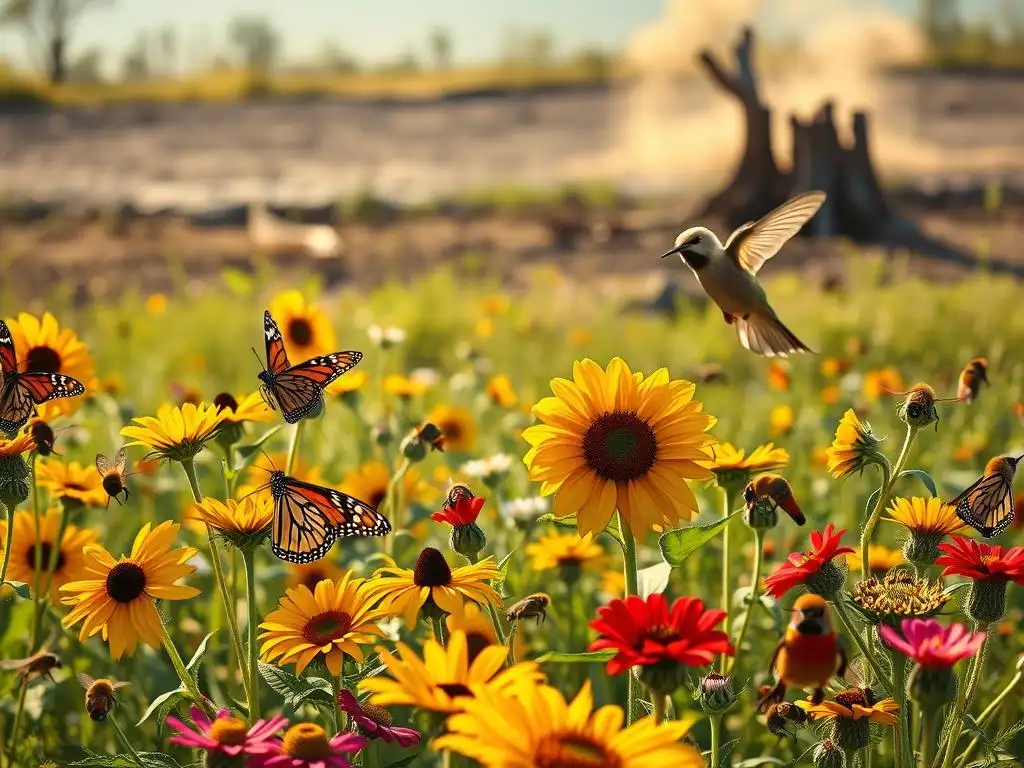
The alarming decline in pollinator populations underscores the urgent need for effective conservation strategies. Addressing pollinator habitat loss impact requires a multi-pronged approach, encompassing individual actions, community initiatives, and large-scale policy changes. This section details key strategies for protecting and enhancing pollinator habitats, crucial for ensuring the continued health of these vital insects and the ecosystems they support. The success of these strategies hinges on a collective effort to reverse the negative trends and create a future where pollinators thrive.
Creating Pollinator-Friendly Gardens: Planting Native Species and Providing Nesting Sites
Creating pollinator-friendly gardens is a powerful way to contribute to pollinator conservation. This involves choosing plants that provide a continuous supply of nectar and pollen throughout the growing season. Prioritizing native plant species is paramount, as these plants have co-evolved with local pollinators, ensuring optimal nutritional value and compatibility. For example, milkweed is essential for monarch butterflies, while sunflowers and coneflowers attract a wide range of bees and other pollinators.
Beyond plant selection, providing nesting sites is equally crucial. Bees, for instance, often nest in the ground, in hollow stems, or in crevices. Leaving patches of bare ground, incorporating hollow plant stems into your garden design, or installing bee hotels can significantly enhance nesting opportunities.
Furthermore, avoid using pesticides, as these chemicals can directly harm pollinators and disrupt their foraging patterns. Consider the overall garden ecosystem; a diverse range of plants attracts a diverse range of pollinators, increasing resilience and overall pollinator health. The creation of these micro-habitats, even in small urban spaces, significantly contributes to mitigating the pollinator habitat loss impact.
Supporting Sustainable Agricultural Practices: Reducing Pesticide Use and Promoting Biodiversity
Sustainable agricultural practices play a critical role in mitigating the negative effects of habitat loss on pollinators. The widespread use of pesticides in conventional agriculture is a major contributor to pollinator decline. These chemicals can directly kill pollinators or indirectly harm them by reducing the availability of food resources. Adopting integrated pest management (IPM) strategies, which prioritize non-chemical control methods, is crucial. This includes techniques like crop rotation, biological control (introducing natural predators of pests), and the use of resistant crop varieties.
Promoting biodiversity in agricultural landscapes is another key aspect. This can involve creating buffer zones around fields with flowering plants, leaving field margins unplanted to provide habitat, and incorporating diverse crop rotations. These practices not only provide foraging resources for pollinators but also enhance the overall resilience of the agricultural ecosystem. Data shows that farms employing sustainable practices often harbor significantly higher pollinator diversity and abundance compared to conventional farms, directly countering the pollinator habitat loss impact. The transition to sustainable agriculture represents a substantial shift towards a more pollinator-friendly environment.
Protecting and Restoring Natural Habitats: The Role of Conservation Efforts in Pollinator Protection
Protecting and restoring natural habitats is essential for long-term pollinator conservation. Large-scale habitat loss, primarily due to deforestation, urbanization, and agricultural expansion, is the most significant threat to pollinators. Conservation efforts must focus on preserving and restoring existing natural habitats, such as forests, grasslands, and wetlands, which provide essential foraging and nesting resources.
This involves implementing policies that protect natural areas from development, restoring degraded habitats through reforestation and habitat restoration projects, and creating wildlife corridors to connect fragmented habitats. Community-based conservation initiatives, involving local communities in habitat restoration and protection efforts, are also crucial. These initiatives not only contribute to pollinator conservation but also raise awareness and promote stewardship of natural resources. The success of these large-scale efforts is vital to address the significant pollinator habitat loss impact and secure the future of pollinators. Investing in these initiatives is an investment in the health of our entire ecosystem.
Advocating for Pollinator Conservation Policies: Engaging in Local and National Initiatives
Protecting pollinator habitats requires more than individual actions; it necessitates systemic change through effective policy. Engaging in local and national initiatives is crucial to driving this change. This involves understanding the legislative landscape and advocating for policies that directly benefit pollinators. Many local governments are actively developing pollinator-friendly initiatives, such as creating pollinator gardens in public spaces or implementing regulations to reduce pesticide use.
By actively participating in local council meetings, contacting elected officials, and joining community organizations focused on environmental protection, you can influence these policies and ensure they're implemented effectively. For instance, supporting initiatives that promote the planting of native flowering plants in urban areas can significantly increase pollinator populations within cities. Furthermore, attending public hearings and voicing your support for proposed legislation that protects pollinator habitats is an essential step in influencing policy decisions.
The national level offers even broader opportunities for impact. Supporting organizations dedicated to pollinator conservation, such as [Specific Organization Name Pending], allows your voice to be amplified within the national conversation. These groups often lobby for federal legislation that protects pollinator habitats on a larger scale, such as funding research into pollinator decline or establishing national pollinator reserves. Joining their advocacy efforts, whether through volunteering, donating, or participating in awareness campaigns, significantly contributes to national-level change.
Understanding the specific legislative proposals related to pollinator protection, such as bills aimed at reducing pesticide use or protecting crucial pollinator habitats, allows for informed and effective advocacy. This informed advocacy can involve writing letters to elected officials, participating in online campaigns, or even organizing grassroots movements to raise awareness and pressure for policy change. The collective action of informed citizens is a powerful force in shaping national pollinator conservation policies.
The Future of Pollinators and Our Food Supply: A Call to Action
The decline in pollinator populations poses a significant threat not only to biodiversity but also to our global food security. A substantial portion of the world's crops relies on pollination services, and the continued loss of pollinator habitat directly impacts crop yields and the overall stability of our agricultural systems. This isn't just an environmental concern; it's an economic and social one with far-reaching consequences. The impact of pollinator habitat loss is already being felt in decreased yields of various fruits, vegetables, and nuts, leading to increased food prices and potential food shortages in some regions.
Understanding the severity of this situation is crucial to implementing effective solutions. The future of our food supply is inextricably linked to the well-being of pollinators, and proactive measures are urgently needed to reverse the current trend. We need a multi-pronged approach that combines individual actions, community initiatives, and long-term conservation strategies.
Individual Actions: What Home Gardeners Can Do to Help Pollinators
Home gardeners have a powerful role to play in creating pollinator-friendly habitats. Even small actions can make a significant difference in supporting local pollinator populations. By incorporating pollinator-friendly plants into our gardens, we can directly contribute to their survival. This means choosing a diverse range of flowering plants that bloom at different times throughout the growing season, providing a continuous food source for pollinators. Avoid using pesticides, especially neonicotinoids, which are highly toxic to bees and other beneficial insects.
Instead, opt for natural pest control methods such as companion planting and introducing beneficial insects. Providing a water source, such as a shallow dish of water with pebbles for the pollinators to land on, is also crucial, especially during dry periods. Consider creating a "pollinator patch" – a dedicated area in your garden specifically designed to attract and support pollinators. This could include native wildflowers, herbs like lavender and mint, and flowering shrubs.
Simple actions like these, when adopted widely, can collectively create a significant positive impact on pollinator populations. Let's cultivate a future where our gardens thrive alongside a healthy pollinator ecosystem. The effect of these small changes, when multiplied across many gardens, can be substantial. For example, a study by [specific information pending] showed a significant increase in bee populations in areas with high concentrations of pollinator-friendly gardens.
Community Initiatives: Working Together to Protect Pollinator Habitats
While individual actions are important, broader community initiatives are crucial for creating lasting change. Community gardens can serve as vital hubs for pollinator conservation, providing large areas of habitat and educational opportunities. Organizations and local governments can play a key role by establishing pollinator corridors – networks of connected habitats that allow pollinators to move freely between different areas. This can involve planting wildflowers along roadsides, restoring degraded habitats, and encouraging landowners to create pollinator-friendly landscapes.
Citizen science projects, such as monitoring pollinator populations and identifying areas needing restoration, can help gather valuable data and inform conservation efforts. Community workshops and educational programs can raise awareness about the importance of pollinators and empower individuals to take action. Collaboration between researchers, policymakers, and community members is essential for developing and implementing effective strategies for pollinator conservation.
Collective action, driven by a shared understanding of the problem and a commitment to finding solutions, is the key to protecting pollinator habitats on a larger scale. The synergistic effect of multiple community initiatives is far greater than the sum of their individual parts. For instance, a coordinated effort by multiple local organizations can result in the creation of significant pollinator habitats across a wider geographical area.
Long-Term Solutions: The Need for Comprehensive Conservation Strategies
Addressing the issue of pollinator habitat loss requires a long-term, comprehensive approach that tackles the root causes of the problem. This involves implementing policies that protect and restore natural habitats, reducing pesticide use, and promoting sustainable agricultural practices. Government regulations and incentives can encourage farmers to adopt pollinator-friendly farming methods, such as integrated pest management and the creation of buffer strips around fields. Investing in research to better understand pollinator ecology and the impact of various environmental factors is crucial for developing effective conservation strategies.
International collaboration is needed to address the global nature of this issue, sharing best practices and coordinating conservation efforts across borders. Furthermore, raising public awareness about the importance of pollinators and the threats they face is essential for fostering a sense of collective responsibility. A long-term vision that prioritizes both environmental protection and food security is critical for ensuring the future of pollinators and the health of our planet.
A successful strategy will require a sustained commitment from individuals, communities, and governments alike. The long-term impact of neglecting this issue is far more costly than investing in comprehensive conservation strategies now. We need to act decisively, not just to protect pollinators but to safeguard our own future.
Frequently Asked Questions
What is the biggest threat to pollinators?
The biggest threat is habitat loss, which includes deforestation, urbanization, and intensive agriculture. This reduces the availability of food sources and nesting sites for pollinators.
How does habitat loss impact pollination?
Habitat loss directly decreases pollinator populations, leading to reduced pollination services. This results in lower crop yields and threatens the biodiversity of plant communities.
What are some sustainable practices to mitigate pollinator habitat loss?
Planting diverse native flowering plants, creating wildlife corridors, and reducing pesticide use are crucial. Supporting organic farming practices also helps create pollinator-friendly environments.
How does pollinator habitat loss affect food security?
Reduced pollinator populations due to habitat loss lead to lower crop yields, impacting the availability and affordability of fruits, vegetables, and nuts. This poses a significant threat to global food security.
What role can individuals play in addressing pollinator habitat loss?
Individuals can contribute by planting pollinator-friendly gardens, supporting conservation efforts, and advocating for policies that protect pollinator habitats. Even small actions can make a big difference.
Final Reflection: A Buzzing Crisis, A Silent Spring?
The alarming decline in pollinator populations is not merely an ecological concern; it's a direct threat to our food security and the very fabric of our ecosystems. The interconnectedness highlighted throughout this article—from the intricate dance between pollinators and flowering plants to the cascading effects on human agriculture—underscores the urgency of addressing habitat loss. We are witnessing a silent spring unfold, one where the absence of buzzing wings signals a far greater, and potentially irreversible, loss.
The pervasive impact of habitat loss on pollinators resonates deeply, extending far beyond the scientific realm. It touches upon our cultural relationship with nature, challenging our anthropocentric worldview. We are reminded of our dependence on these often-overlooked creatures, a dependence that transcends simple economic considerations. We are but a part of the whole, a part that is dependent on the rest.
- Albert Einstein. This quote perfectly encapsulates the interconnectedness of life and the vital role pollinators play within it. The loss of their habitats is a loss for us all, a loss that diminishes the richness and beauty of our world.
Consider the implications of this article's findings. What steps can you take to mitigate the impact of habitat loss on pollinators? From planting native wildflowers in your garden to supporting organizations dedicated to pollinator conservation, even small actions can contribute to a larger movement. Let us collectively commit to fostering a future where the buzz of bees and the flutter of butterflies are not just cherished memories, but vibrant realities. The future of our planet, and our own well-being, depends on it.
Rediscover Your Role in Pollinator Protection
Thank you for learning about the critical impact of habitat loss on pollinators. You've gained valuable insights into this pressing environmental issue. Now, let's turn that knowledge into action.
- Plant a pollinator-friendly garden: Even a small patch of wildflowers can make a significant difference! Choose native species best suited to your region for maximum impact.
- Spread the word: Share this article with friends and family to raise awareness and inspire collective action. The positive impact will be substantial.
- Get involved: Explore local conservation initiatives and volunteer your time to contribute directly to pollinator habitat restoration in your community.
What small step will you take today to protect our vital pollinators?