
The Versatile Wheelbarrow: Choosing the Perfect One for Your Garden Tasks

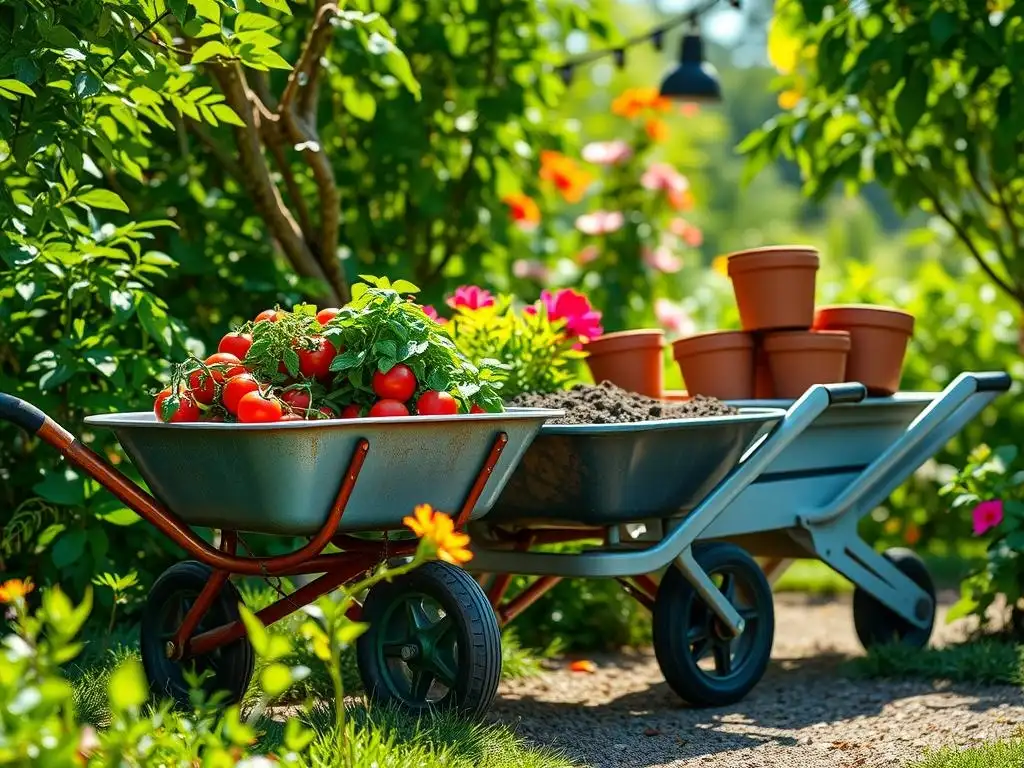
Ready to transform your backyard into a thriving oasis? At CultivateYourFood, we empower you to grow your own delicious fruits, vegetables, and herbs using sustainable methods. But first, let's talk tools! Choosing the right equipment is crucial, and our guide on the Best wheelbarrow for gardening will help you find the perfect partner for all your gardening adventures. Discover how the right wheelbarrow can unlock your garden's full potential – let's get started!
- Finding the Best Wheelbarrow for Gardening: A Comprehensive Guide
- Key Features to Consider When Buying a Garden Wheelbarrow
-
Top Wheelbarrow Choices for Various Gardening Needs
- Best Wheelbarrow for Heavy-Duty Gardening Tasks (large capacity, durable materials)
- Best Wheelbarrow for Small Gardens and Easy Maneuverability (lightweight, compact design)
- Best Wheelbarrow for Uneven Terrain (pneumatic tires, robust construction)
- Best Wheelbarrow for Composting and Bulk Material Transport (high capacity, wide tray)
- Maintaining Your Wheelbarrow for Optimal Performance and Longevity
- Choosing the Right Wheelbarrow: A Summary and Recommendations
-
Frequently Asked Questions
- What makes a wheelbarrow "best" for gardening?
- What are the different types of wheelbarrows available?
- How much weight can a typical gardening wheelbarrow hold?
- What features should I look for when buying a wheelbarrow for my garden?
- Where can I find reviews and comparisons of different wheelbarrows?
- Final Reflection: The Wheelbarrow's Enduring Legacy in the Garden
- Unleash Your Gardening Potential: Find the Perfect Wheelbarrow!
Finding the Best Wheelbarrow for Gardening: A Comprehensive Guide
Choosing the right wheelbarrow can significantly impact your gardening efficiency and enjoyment. A well-chosen wheelbarrow becomes an indispensable tool, easing the burden of transporting soil, compost, harvested crops, and other garden essentials. This comprehensive guide will help you navigate the world of wheelbarrows, ensuring you select the perfect model to meet your specific gardening needs and optimize your sustainable and organic practices.
We'll explore various wheelbarrow types, materials, and features to help you find the best wheelbarrow for gardening, ultimately improving your overall gardening experience and making your homegrown harvest easier to manage. This guide focuses on finding the best wheelbarrow for gardening, considering factors crucial for successful organic cultivation.
Understanding Your Gardening Needs and Wheelbarrow Types
Before diving into specific models, it's crucial to assess your individual gardening requirements. The ideal wheelbarrow for a small herb garden will differ significantly from one suited for a large vegetable patch or orchard. Consider the following factors to narrow down your options:
Assessing Your Garden Size and Terrain
The size of your garden directly influences the wheelbarrow's capacity you'll need. A small garden might only require a compact model, while a larger space demands a larger capacity to minimize trips. Furthermore, consider your garden's terrain. Uneven ground or steep inclines necessitate a wheelbarrow with pneumatic tires for better traction and maneuverability. For flat, well-maintained gardens, a wheelbarrow with solid tires might suffice. Think about the weight you'll be transporting. A heavy load requires a robust wheelbarrow with a strong frame and durable wheels.
Identifying Your Primary Gardening Tasks (transporting soil, compost, harvested crops, etc.)
What will you primarily use your wheelbarrow for? Transporting heavy bags of soil and compost requires a sturdy, high-capacity model with a reinforced base. For harvesting delicate crops like berries or tomatoes, a wheelbarrow with a smooth, non-abrasive interior might be preferred to avoid damage. Consider the frequency of use; if you'll be using it daily, durability and ease of use become paramount. If it's an occasional tool, you might prioritize affordability.
Exploring Different Wheelbarrow Materials: Steel, Plastic, and Polypropylene
The material of your wheelbarrow significantly impacts its durability, weight, and cost.
- Steel Wheelbarrows: These are known for their exceptional strength and durability, ideal for handling heavy loads and rugged terrain. However, they tend to be heavier and more expensive than other options. Steel wheelbarrows are a good investment for the long-term, especially for those with demanding gardening tasks. 🛠️
- Plastic Wheelbarrows: Lightweight and relatively inexpensive, plastic wheelbarrows are easier to maneuver. However, they are generally less durable than steel and might not withstand extremely heavy loads or rough handling. They are a good option for lighter gardening tasks and smaller gardens. 🌱
- Polypropylene Wheelbarrows: Offering a good balance between durability and weight, polypropylene wheelbarrows are a popular choice. They are stronger and more resistant to rust and corrosion than plastic wheelbarrows, yet lighter than steel. They represent a good middle ground for many gardeners. ⚖️
This initial assessment will guide you towards the type of wheelbarrow best suited for your gardening style and needs, ensuring you select a tool that enhances your gardening experience rather than hindering it. Remember to consider the long-term implications of your choice. Investing in a high-quality wheelbarrow can save you time, effort, and money in the long run.
Key Features to Consider When Buying a Garden Wheelbarrow
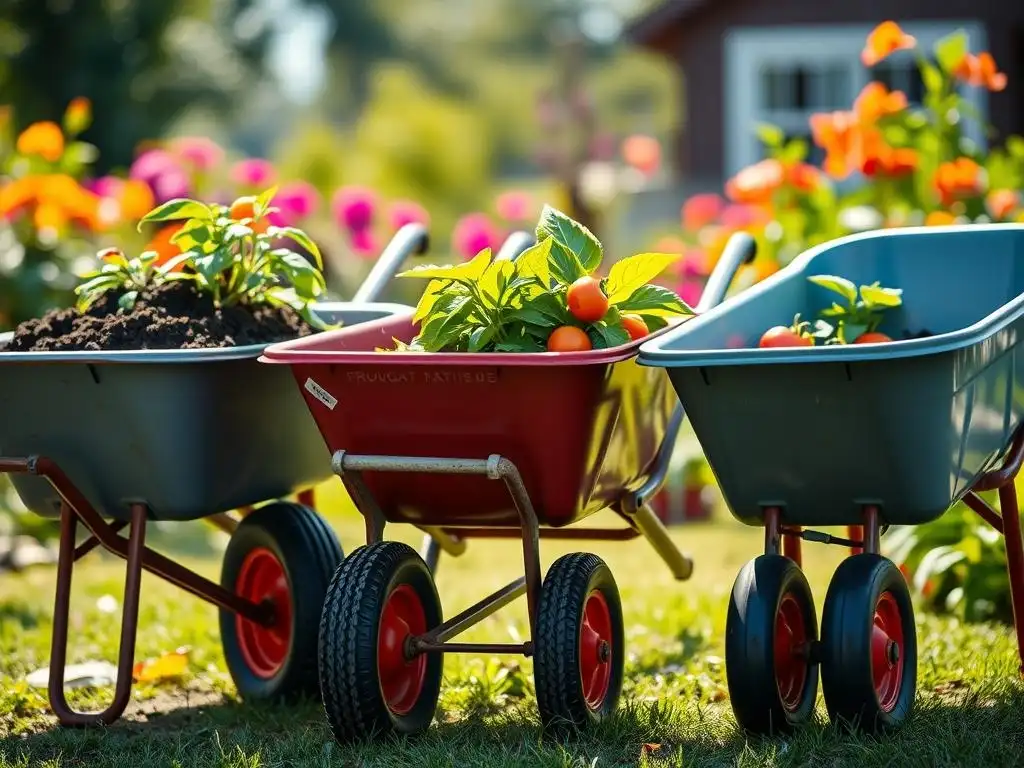
Choosing the right wheelbarrow can significantly impact your gardening efficiency and enjoyment. A poorly chosen wheelbarrow can lead to back strain, wasted time, and frustration. This section focuses on the key features you should prioritize when searching for the best wheelbarrow for gardening. We'll delve into the specifics to help you make an informed decision.
Wheelbarrow Capacity and Weight Limits
The capacity of your wheelbarrow is crucial. It's tempting to opt for the largest one available, but consider the weight you'll realistically be moving. Overloading a wheelbarrow can lead to damage, instability, and potentially injury. Think about the heaviest materials you'll transport – a full load of topsoil, a collection of heavy watermelons, or numerous filled plant pots.
Consider these capacity guidelines:
- Light-duty wheelbarrows (2-3 cubic feet): Ideal for smaller gardens and light tasks like moving potting soil or small plants. These are generally lighter and easier to maneuver.
- Medium-duty wheelbarrows (4-6 cubic feet): Suitable for most home gardening needs, allowing for transportation of larger quantities of soil, mulch, or harvested produce.
- Heavy-duty wheelbarrows (6+ cubic feet): Designed for larger gardens and heavier loads, often featuring reinforced frames and larger wheels. These are excellent for moving large amounts of soil, gravel, or construction materials.
Always check the manufacturer's stated weight limit. This isn't just about the volume; it accounts for the overall weight the wheelbarrow can safely handle without compromising its structural integrity. Remember, it's better to err on the side of caution and choose a wheelbarrow with a slightly higher weight capacity than you anticipate needing. Don't forget to factor in the weight of the wheelbarrow itself!
Wheel Design and Terrain Suitability (pneumatic vs. solid tires)
The type of wheel significantly impacts maneuverability and ease of use, especially on uneven terrain. You'll primarily encounter two wheel types: pneumatic and solid.
| Wheel Type | Advantages | Disadvantages | Best Suited For |
|---|---|---|---|
| Pneumatic Tires | Excellent shock absorption, smooth ride on uneven ground | Can puncture, require inflation, may be heavier | Uneven terrain, rocky gardens, long distances |
| Solid Tires | Puncture-proof, require no maintenance, lighter weight | Less shock absorption, rougher ride on uneven ground | Smooth surfaces, patios, smaller gardens |
Pneumatic tires offer superior comfort and handling, especially when navigating rough patches or inclines. However, they're prone to punctures and require regular inflation. Solid tires, while less comfortable, are virtually indestructible and require no maintenance. The best choice depends on your garden's terrain and your priorities. Consider the frequency and type of terrain you'll be using your wheelbarrow on.
Handle Design and Ergonomics for Comfortable Use
The handle is your primary interface with the wheelbarrow; therefore, ergonomics are paramount. A poorly designed handle can lead to back pain and fatigue, especially during extended use.
Look for these ergonomic features:
- Comfortable Grip: Handles should be padded and shaped to provide a comfortable and secure grip. Avoid handles that are too thin or too wide.
- Proper Height: The handle height should be suitable for your height. Adjustability is a significant plus.
- Durable Construction: The handle should be made of sturdy material that can withstand heavy use and resist bending or breaking.
- Handle Length: The length influences leverage and control. Longer handles generally provide better leverage but can be less maneuverable in tight spaces.
Consider testing different wheelbarrow handles before purchasing. A comfortable, well-designed handle will make a noticeable difference in your gardening experience, minimizing strain and maximizing efficiency. A poorly designed handle can quickly transform a helpful tool into a source of frustration and discomfort. Prioritize comfort and proper support to protect your back and enhance your overall gardening experience.
Additional Features: Tray Size, Attachments, and Durability
Choosing the right wheelbarrow involves more than just capacity; thoughtful consideration of additional features significantly impacts its long-term usability and efficiency. Let's explore tray size, attachments, and durability – crucial aspects often overlooked.
Tray Size and Shape: The size of the wheelbarrow's tray directly correlates with its practicality. A larger tray, while seemingly beneficial for moving substantial quantities of soil or compost, can become unwieldy and difficult to maneuver, especially in tight spaces or around delicate plants. Consider the typical size of your gardening projects. For smaller gardens or frequent trips between planting areas, a smaller, more maneuverable tray might be preferable. The shape of the tray also matters.
Some feature high sides to prevent spillage, while others have a more shallow, wider design. A high-sided tray is excellent for retaining materials like loose soil or mulch, minimizing mess. Conversely, a wider, shallower tray makes it easier to access the contents and is more suitable for larger, less-easily contained items. Think about the types of materials you’ll be moving most often to choose a tray shape that suits your needs.
Attachments and Accessories: Many modern wheelbarrows offer a range of attachments that significantly boost their versatility. Consider whether you need additional features like a built-in sieve for compost or a seed spreader. Some wheelbarrows come with integrated tool holders, providing convenient storage for trowels, rakes, and other hand tools, keeping everything organized and readily accessible while you work.
Assess your gardening style and needs; if you regularly engage in tasks beyond simple transportation, attachments might prove invaluable, enhancing efficiency and convenience. However, remember that additional features often translate to a higher price point. Prioritize the attachments that truly align with your gardening practices.
Durability and Material: A wheelbarrow is a working tool that endures significant wear and tear. The materials used in its construction directly affect its longevity and resistance to damage. Steel wheelbarrows are known for their robustness and ability to withstand heavy loads, making them ideal for moving large quantities of soil or stones. However, steel can be susceptible to rust, requiring regular maintenance.
Powder-coated steel offers improved rust resistance. Aluminum wheelbarrows are lighter and less prone to rust but may not be as durable under extremely heavy use. Plastic wheelbarrows are the most budget-friendly option, but they might not be as strong or long-lasting as their steel or aluminum counterparts.
Consider the frequency and intensity of your wheelbarrow use when choosing the appropriate material to ensure you get a wheelbarrow that will last for many gardening seasons. Look for reinforced areas, particularly around the wheel and tray base, to increase durability further. A sturdy wheelbarrow is an investment that pays off in the long run, minimizing the need for frequent replacements and ensuring consistent performance.
Top Wheelbarrow Choices for Various Gardening Needs
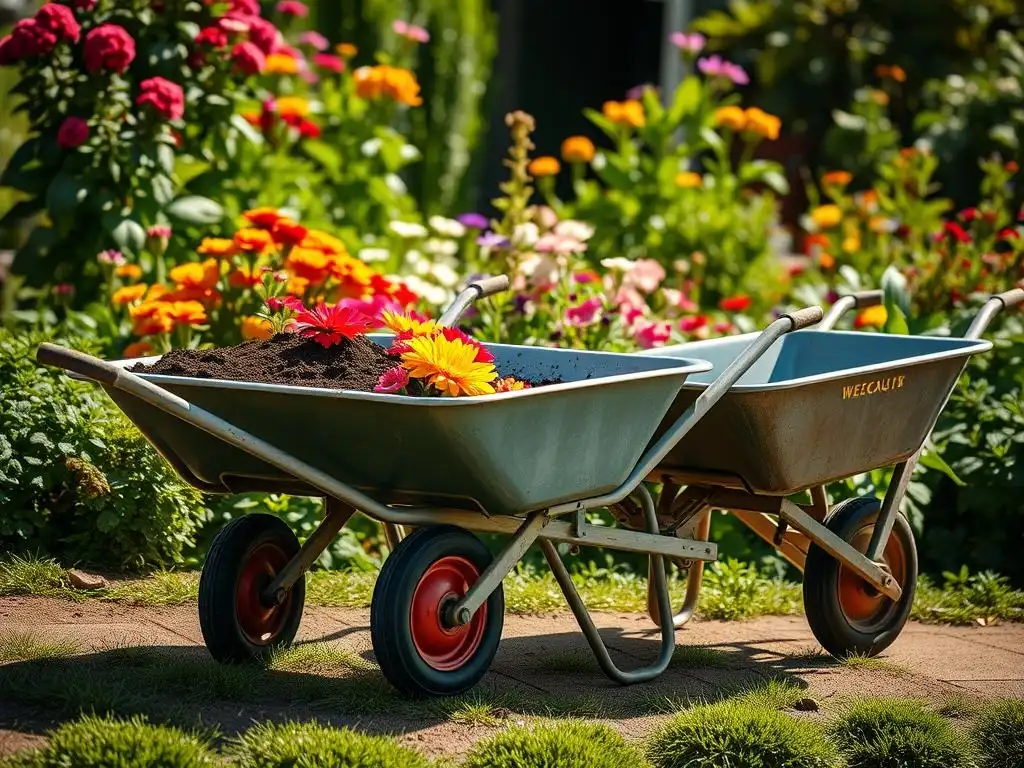
Choosing the best wheelbarrow for gardening depends heavily on your specific needs and the nature of your garden. A wheelbarrow that's perfect for moving heavy loads across a large, flat area might be cumbersome and impractical for a small, sloped garden. This section explores top wheelbarrow choices categorized by typical gardening scenarios, helping you find the perfect fit for your CultivateYourFood journey. Consider factors like load capacity, maneuverability, terrain, and your personal physical capabilities when making your selection. Remember, investing in a high-quality wheelbarrow is an investment in the long-term health and productivity of your garden.
Best Wheelbarrow for Heavy-Duty Gardening Tasks (large capacity, durable materials)
For serious gardeners tackling large-scale projects like moving compost, soil amendments, or harvesting substantial crops, a heavy-duty wheelbarrow is essential. These workhorses are built for resilience and boast significant load capacity, often exceeding 300 lbs. Look for models constructed from robust materials like steel, with reinforced frames and bolstered wheel assemblies. Features to prioritize include:
- High Capacity: A minimum capacity of 6 cubic feet is recommended for heavy-duty use. Larger capacities, up to 10 cubic feet, are available for truly substantial loads.
- Steel Construction: Steel is far more durable than plastic for withstanding impacts and heavy weight. Look for thick gauge steel for optimal strength.
- Puncture-Resistant Tires: Pneumatic tires (air-filled) are generally preferred for heavy-duty wheelbarrows due to their shock absorption and ability to handle uneven terrain. However, ensure they are robust and puncture-resistant.
- Ergonomic Design: Features like padded handles and a well-balanced design are crucial for reducing strain during prolonged use. Consider a wheelbarrow with a high-tip design for easier unloading.
Consider the following specifications when comparing models: gauge of steel used in construction, tire diameter and type, and the overall weight of the empty wheelbarrow. A heavier, more robust wheelbarrow often translates to greater longevity and a higher load capacity. Investing in a high-quality, heavy-duty wheelbarrow will save you time and effort in the long run, making even the most demanding gardening tasks more manageable.
Best Wheelbarrow for Small Gardens and Easy Maneuverability (lightweight, compact design)
For smaller gardens or those with limited storage space, a lightweight and compact wheelbarrow is ideal. These models prioritize maneuverability over sheer load capacity. While they may not be suitable for moving large quantities of heavy materials, they are perfect for transporting smaller loads such as seedlings, tools, or harvested produce around a more confined area.
- Lightweight Materials: Look for wheelbarrows constructed from lightweight yet durable materials like high-density polyethylene (HDPE) plastic or aluminum.
- Compact Design: Smaller wheelbases and overall dimensions make these wheelbarrows easier to navigate through narrow pathways and around obstacles.
- Easy-to-Handle Design: Features like ergonomic handles and a low center of gravity contribute to improved maneuverability and ease of use.
- Smaller Capacity: Capacity will typically range from 2 to 4 cubic feet. This is sufficient for the smaller gardening tasks.
Prioritize ease of use and storage when selecting a wheelbarrow for a small garden. A lightweight design significantly reduces strain, especially during repetitive use. While the load capacity will be lower, the improved maneuverability often outweighs this limitation for smaller gardens. Consider the dimensions carefully to ensure it fits comfortably within your garden space and storage area.
Best Wheelbarrow for Uneven Terrain (pneumatic tires, robust construction)
Navigating uneven terrain requires a wheelbarrow built for resilience and stability. A wheelbarrow with pneumatic tires and a robust construction is essential for maintaining control and minimizing strain on both the user and the equipment itself. Features to look for include:
- Pneumatic Tires: Air-filled tires provide superior traction and shock absorption, making them ideal for navigating uneven surfaces, rocky paths, or sloped areas. Larger diameter tires generally offer better performance on uneven terrain.
- Robust Frame: A sturdy frame is crucial for maintaining stability, especially when carrying heavy loads on uneven ground. Steel construction is generally preferred for its strength and durability.
- Wide Wheelbase: A wider wheelbase enhances stability, reducing the risk of tipping, particularly on inclines or uneven surfaces.
- High-Tip Design: A high-tip design makes unloading easier, particularly on uneven terrain where you might need to adjust the wheelbarrow's position.
Choosing the right wheelbarrow for uneven terrain is critical for preventing accidents and injuries. The combination of pneumatic tires and a robust frame provides the necessary stability and control to manage heavy loads while navigating challenging landscapes. Consider the overall weight capacity, tire size and pressure, and the wheelbarrow's overall balance. Prioritize safety and stability above all else when working in uneven areas.
Best Wheelbarrow for Composting and Bulk Material Transport (high capacity, wide tray)
Choosing the right wheelbarrow for composting and moving large quantities of materials requires prioritizing capacity and stability. A high-capacity wheelbarrow, boasting a significantly larger tray than standard models, is essential for efficiently transporting bulky items like compost, soil amendments, mulch, and even harvested crops. The wider tray minimizes spillage, a frequent problem when dealing with loose materials like compost. Look for models with a capacity of at least 10 cubic feet, and ideally closer to 12 or even 14 cubic feet for truly substantial loads.
Steel construction is often preferred for its durability, capable of withstanding the weight and wear and tear associated with heavy-duty garden tasks. Consider a wheelbarrow with pneumatic tires; these offer superior traction on uneven terrain, a common feature of compost piles and garden pathways. The pneumatic tires also absorb shock better, making the wheelbarrow easier to maneuver when fully loaded. Finally, don't overlook the importance of a robust and well-designed handle.
A comfortable, ergonomic grip will reduce fatigue during prolonged use, especially when transporting heavy loads of compost over longer distances. Investing in a high-quality, high-capacity wheelbarrow will significantly improve efficiency and reduce strain during your composting and garden maintenance routines. Think about the overall weight capacity – some models can handle over 600 pounds, far exceeding the weight of an average load of compost.
The benefits of a wide tray extend beyond simply increased capacity. A wider tray allows for better load distribution, improving stability and reducing the risk of tipping, especially on inclines. This is particularly crucial when moving heavy, uneven loads of compost, which can shift during transportation. Furthermore, a wider tray makes it easier to load and unload the wheelbarrow, minimizing the need for multiple trips.
This is a significant advantage when dealing with large volumes of material, maximizing your efficiency and minimizing the amount of time spent on material transport. For example, consider the time saved when moving a large batch of finished compost from the compost bin to your garden beds. A wide tray significantly reduces the number of trips required, allowing you to dedicate more time to actual gardening activities.
Remember to check the wheelbarrow's overall dimensions before purchase to ensure it will fit through your garden gates and along your pathways. While a larger capacity is desirable, it's crucial that the wheelbarrow remains maneuverable within your garden space. A poorly chosen wheelbarrow, even a high-capacity one, can become a frustrating obstacle rather than a helpful tool.
Therefore, carefully measure your garden's access points and pathways to avoid purchasing a wheelbarrow that's too large or cumbersome for your specific needs. This careful planning will ensure that your investment in a high-capacity wheelbarrow pays off in terms of efficiency and ease of use.
Maintaining Your Wheelbarrow for Optimal Performance and Longevity
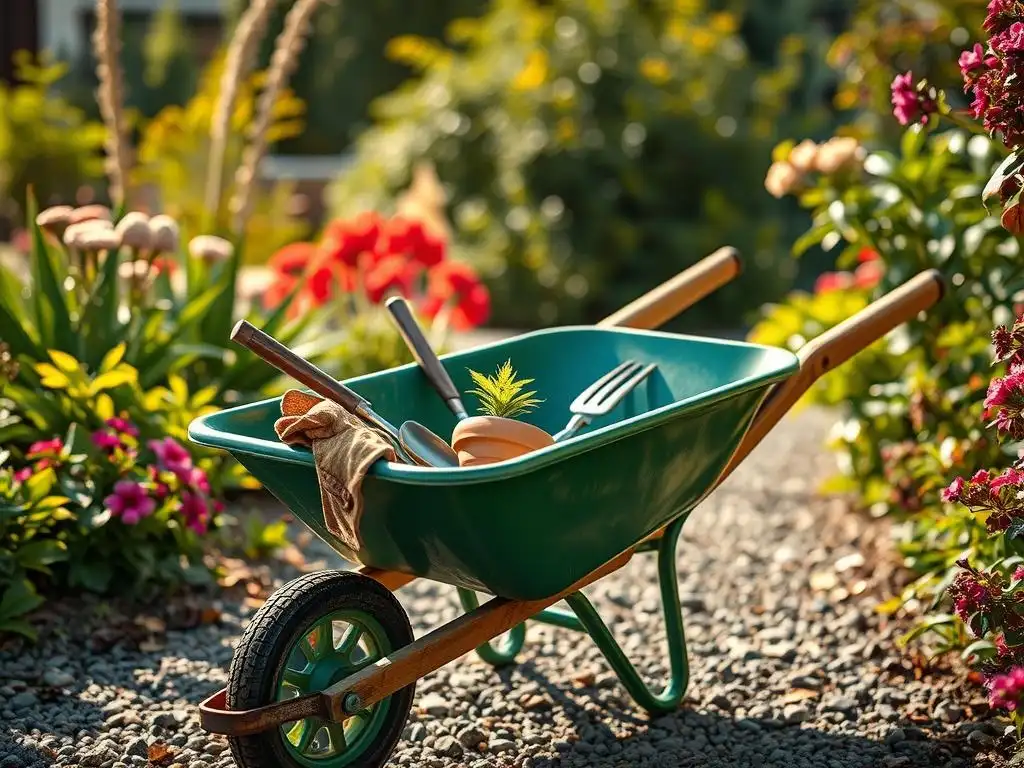
A well-maintained wheelbarrow is a gardener's best friend, offering years of reliable service. Neglect, however, can quickly lead to breakdowns and reduced efficiency. This section focuses on the essential maintenance practices that will keep your wheelbarrow in top condition, maximizing its lifespan and minimizing frustration. Choosing the best wheelbarrow for gardening is only half the battle; proper care ensures you get the most out of your investment.
Regular Cleaning and Lubrication
Regular cleaning is crucial for preventing rust and extending the life of your wheelbarrow. After each use, especially if you've been working with soil or other messy materials, take a few minutes to clean it. Use a stiff brush or a garden hose to remove any clinging dirt, mud, or debris. Pay close attention to areas where materials tend to accumulate, such as the corners and the wheel axle. For stubborn stains, a mild detergent solution can be helpful. Remember to rinse thoroughly afterwards to prevent residue buildup.
Following cleaning, lubricating moving parts is vital. The wheel bearings and axle are particularly important. A high-quality, waterproof grease is recommended. Apply a small amount of grease to the wheel bearings and axle, ensuring it penetrates thoroughly.
This will reduce friction, prevent wear and tear, and make wheelbarrow operation smoother and easier. A well-lubricated wheelbarrow requires less effort to maneuver, saving you energy and time in the long run. Regular lubrication, ideally every few months or more frequently if used heavily, is a simple yet highly effective maintenance practice. This proactive approach translates to a significantly longer lifespan for your wheelbarrow and less need for costly repairs down the line.
Addressing Common Wheelbarrow Issues and Repairs
Even with regular maintenance, problems can arise. Knowing how to address common wheelbarrow issues saves time and money. One frequent problem is a flat tire. Replacing a flat tire usually involves removing the old tire and fitting a new one, a task that can be easily accomplished with the right tools.
Another common issue is a bent or broken wheel. This might require replacing the entire wheel assembly, although in some cases, a skilled repair person might be able to straighten a bent wheel. Loose bolts and nuts are also a common problem. Regularly check for loose fasteners and tighten them as needed using the appropriate wrench.
This simple step prevents more serious damage from occurring. A squeaky wheel is often an indication of insufficient lubrication, which can easily be solved by applying grease. These minor repairs are relatively simple to perform and can save you from having to replace the wheelbarrow prematurely. Remember, early detection and prompt repair are key to preventing minor problems from escalating into major, costly issues.
Storing Your Wheelbarrow Properly to Prevent Damage
Proper storage protects your wheelbarrow from the elements and prolongs its lifespan. Avoid leaving it outdoors exposed to rain, snow, or extreme temperatures. Ideally, store it in a sheltered area such as a garage or shed. If outdoor storage is unavoidable, consider using a tarp or cover to protect it from the elements.
Storing it upright helps prevent water from accumulating inside and rusting the metal parts. Also, ensure that the wheelbarrow is clean and dry before storage. This will prevent the growth of mold and mildew, which can damage the wheelbarrow's structure and paintwork.
Storing your wheelbarrow correctly, alongside regular cleaning and lubrication, is a simple yet highly effective method to increase its longevity and ensure that it remains a reliable tool for years to come. Remember, a well-maintained wheelbarrow reflects a well-maintained garden, contributing to the overall success of your gardening endeavors. Investing time in proper wheelbarrow care is an investment in your garden's long-term success.
Choosing the Right Wheelbarrow: A Summary and Recommendations
Choosing the best wheelbarrow for gardening can significantly impact your efficiency and enjoyment of cultivating your fruits, vegetables, and herbs. This section summarizes key considerations and offers specific recommendations to help you select the perfect wheelbarrow for your needs. The right wheelbarrow will make moving compost, soil, harvested crops, and other gardening essentials a breeze, contributing to a more sustainable and enjoyable gardening experience. Remember, a well-chosen wheelbarrow is an investment in your gardening success.
Recap of Key Considerations for Selecting the Best Wheelbarrow
Before diving into specific recommendations, let's recap the crucial factors to consider when choosing a wheelbarrow for your gardening tasks:
- Capacity: How much weight will you regularly be transporting? A larger capacity (e.g., 6 cubic feet or more) is ideal for moving significant volumes of soil, mulch, or harvested produce. Smaller capacities (e.g., 3-4 cubic feet) are suitable for lighter loads and smaller gardens. Consider the weight of the materials plus the wheelbarrow itself.
- Wheel Type: Pneumatic (air-filled) wheels offer superior traction and shock absorption, especially on uneven terrain. However, they require occasional inflation. Solid rubber wheels are maintenance-free but offer less cushioning and may be less suitable for rough ground. Consider your garden's terrain when making this decision.
- Frame Material: Steel is durable and long-lasting but can be heavier. Powder-coated steel offers added protection against rust. Aluminum is lighter and less prone to rust but might not be as robust. Plastic wheelbarrows are lightweight and inexpensive but may not be as durable for heavy use.
- Handle Design: A comfortable, ergonomically designed handle is crucial for reducing strain during extended use. Look for handles with a good grip and sufficient length for comfortable leverage.
- Features: Some wheelbarrows offer additional features like a high-tip design for easier dumping, a tray for small tools, or even integrated seating. Consider what features would enhance your gardening workflow.
- Budget: Wheelbarrows range in price, depending on size, material, and features. Set a realistic budget before you start shopping.
Specific Recommendations Based on Different Gardening Scenarios
Here are some tailored recommendations based on common gardening scenarios:
| Gardening Scenario | Recommended Wheelbarrow Type | Key Features |
|---|---|---|
| Small Vegetable Garden | 3-4 cubic foot, plastic or aluminum | Lightweight, easy to maneuver, solid wheels |
| Large Vegetable Garden/Orchard | 6 cubic foot or larger, steel | High-capacity, pneumatic wheels, ergonomic handle |
| Composting & Soil Moving | 6 cubic foot or larger, steel | Durable, high-tip design |
| Primarily for Harvested Crops | 4-5 cubic foot, aluminum | Lightweight, easy to clean |
Consider these recommendations as starting points. You might need to adjust based on the specifics of your garden and personal preferences. Remember that regular maintenance, such as cleaning and lubrication, will extend the life of your wheelbarrow regardless of its type.
Where to Buy High-Quality Garden Wheelbarrows
Finding the best wheelbarrow for gardening involves not only selecting the right model but also sourcing it from a reputable supplier. Look for retailers that offer a wide selection, customer reviews, and warranties. Prioritize businesses with a strong commitment to quality and customer service. Reading online reviews can provide valuable insights into the durability and performance of different wheelbarrow brands and models.
Investing in a high-quality wheelbarrow from a trusted source will ensure you get a durable and reliable tool for years of gardening success. Don't hesitate to compare prices and features before making your final purchase. Ultimately, your choice should reflect your specific needs and budget, ensuring a positive and efficient gardening experience.
Frequently Asked Questions
What makes a wheelbarrow "best" for gardening?
The "best" wheelbarrow depends on your individual needs. Consider factors like size and capacity, terrain, and the type of materials you'll be moving. A larger wheelbarrow is better for bulkier loads, while pneumatic tires are ideal for uneven ground.
What are the different types of wheelbarrows available?
You'll find two-wheeled, single-wheeled, and poly wheelbarrows. Two-wheeled models offer better stability, while single-wheeled are more maneuverable. Poly wheelbarrows are lightweight and durable.
How much weight can a typical gardening wheelbarrow hold?
Capacity varies greatly, ranging from 100 to 500 pounds. Check the manufacturer's specifications before purchasing to ensure it meets your needs. Overloading can damage the wheelbarrow.
What features should I look for when buying a wheelbarrow for my garden?
Consider pneumatic tires for better traction on uneven terrain, a steel frame for durability, and a comfortable handle to reduce strain. Look for features that enhance ease of use and maneuverability.
Where can I find reviews and comparisons of different wheelbarrows?
You can find many reviews and comparisons online, including on sites like CultivateYourFood.com and other gardening websites. Reading reviews can help you make an informed decision based on other users' experiences.
Final Reflection: The Wheelbarrow's Enduring Legacy in the Garden
The humble wheelbarrow, often overlooked, remains a cornerstone of efficient and enjoyable gardening. Its seemingly simple design belies a profound impact on how we cultivate our green spaces, from the smallest balcony garden to the largest homestead. Choosing the right wheelbarrow isn't just about convenience; it's about investing in a tool that will enhance your gardening experience for years to come.
The wheelbarrow's influence extends beyond mere practicality; it represents a connection to the land and a tangible link to generations of gardeners past. It's a symbol of hard work, yes, but also of nurturing and creation. As someone who's spent countless hours pushing a wheelbarrow through my own garden, I understand this connection deeply. The glory of gardening: hands in the dirt, head in the sun, heart with nature. To nurture a garden is to feed not just the body, but the soul.
This quote perfectly encapsulates the feeling of accomplishment and peace that comes with tending a garden, a feeling inextricably linked to the trusty wheelbarrow.
Now, consider your own gardening needs. What type of wheelbarrow best suits your space, your strength, and the tasks you undertake? Take the time to reflect on the information presented in this article. Don't just buy a wheelbarrow; choose a partner in your gardening journey. Invest in a tool that will make your work easier, more efficient, and ultimately, more rewarding. The perfect wheelbarrow awaits – go find it!
Unleash Your Gardening Potential: Find the Perfect Wheelbarrow!
Thanks for exploring the world of wheelbarrows with us! We hope you feel confident in choosing the right tool to make your gardening easier and more enjoyable. Ready to get started?
- Take our quick wheelbarrow quiz: We've created a short quiz to help you find the ideal wheelbarrow for your needs and gardening style. It only takes a few minutes!
- Share your wheelbarrow tips and experiences: What's your favorite wheelbarrow feature, or a clever tip you've learned? Let's discuss in the comments!
- Browse our recommended wheelbarrows: Check out our curated list of top-performing wheelbarrows. You'll find detailed reviews and comparisons to help you decide.
So, what's your next gardening project? Which wheelbarrow will you choose to tackle it?