
Controlling Pests in Hydroponics and Aquaponics: Natural and Organic Methods

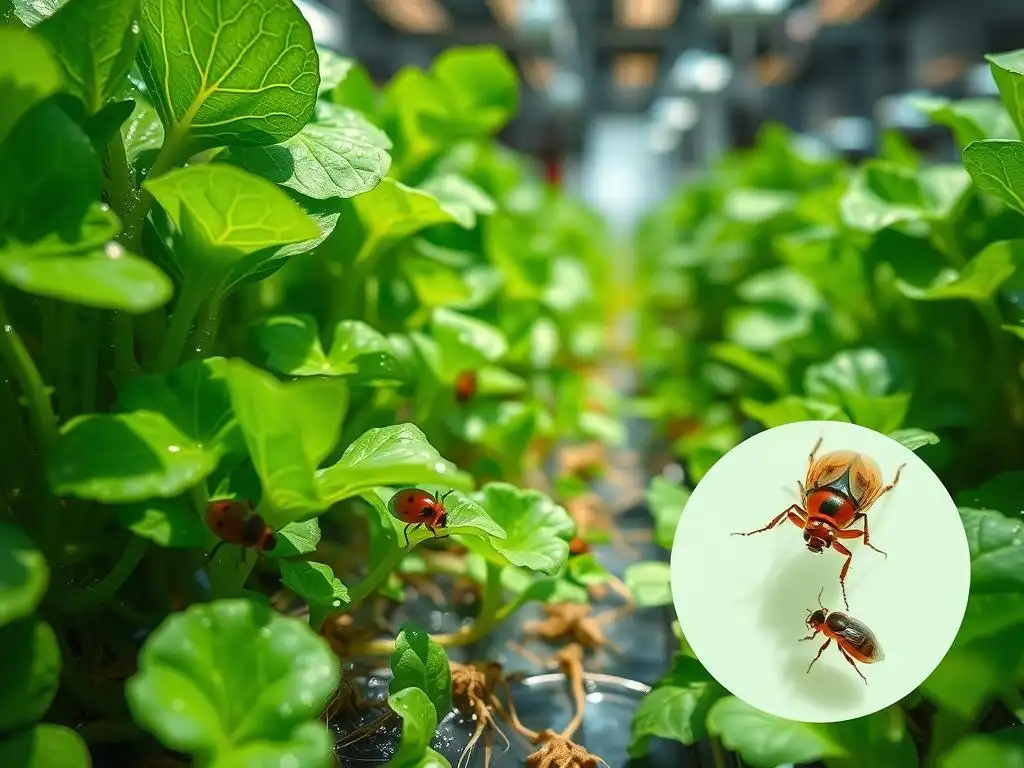
Welcome to CultivateYourFood, your guide to a greener, more bountiful life! Are you ready to unlock the secrets of growing your own delicious and healthy produce, even in the heart of the city? We'll show you how. This website is dedicated to sustainable and organic practices, from seed to harvest. Discover effective and natural solutions to common gardening challenges, starting with our in-depth article on Organic hydroponic pest control—a crucial element of successful urban farming. Let's cultivate a healthier future, together!
- Understanding Common Hydroponic and Aquaponic Pests
- Organic Pest Control Strategies for Hydroponics and Aquaponics
-
Preventing Pest Infestations in Your Hydroponic/Aquaponic Setup
- Maintaining Optimal Growing Conditions to Prevent Pests
- Implementing Proactive Hygiene Practices in Your System
- Choosing Pest-Resistant Plant Varieties for Hydroponics and Aquaponics
- Regularly Inspecting Plants for Early Pest Detection
- Maintaining Optimal Growing Conditions to Deter Pests
- Using Beneficial Insects and Natural Predators for Biocontrol
- Natural Pest Control for Specific Hydroponic and Aquaponic Pests
- Advanced Organic Pest Control Techniques for Hydroponics and Aquaponics
- Creating a Healthy Hydroponic and Aquaponic Ecosystem for Natural Pest Resistance
-
Frequently Asked Questions
- What are some common pests in hydroponic and aquaponic systems?
- How can I prevent pests from infesting my hydroponic system organically?
- What are some organic methods for controlling pests in hydroponics?
- Is it possible to use beneficial insects for organic pest control in hydroponics?
- How effective is organic pest control compared to chemical pesticides in hydroponics?
- Final Reflection: Cultivating a Sustainable Future, One Drop at a Time
- Unlock Your System's Potential: Thrive with Pest-Free Growth
Understanding Common Hydroponic and Aquaponic Pests
Cultivating fruits, vegetables, and herbs in hydroponic and aquaponic systems offers a sustainable and efficient way to grow food at home, even in urban environments. However, these systems, while offering many advantages, can be susceptible to various pests. This article will explore effective, organic methods for controlling these pests, ensuring a healthy and bountiful harvest while adhering to environmentally conscious practices. We'll delve into identifying common pests, recognizing the damage they inflict, and understanding the nuances of pest management in both hydroponic and aquaponic setups.
Effective organic hydroponic pest control is crucial for maximizing yields and maintaining the integrity of your home-grown produce. This guide provides practical strategies for preventing and mitigating infestations, allowing you to enjoy the fruits (and vegetables!) of your labor without resorting to harmful chemicals.
Identifying Common Pests in Soilless Systems
Hydroponic and aquaponic systems, while lacking soil, are not immune to pest infestations. Several common culprits can wreak havoc on your plants, including:
- Aphids: These tiny, soft-bodied insects suck sap from plants, causing stunted growth and leaf curling. They often congregate in colonies on the undersides of leaves.
- Whiteflies: Similar to aphids, whiteflies are sap-sucking insects that can quickly infest plants. Their presence is often indicated by a white, powdery residue on leaves.
- Fungus Gnats: These small, flying insects breed in moist growing media and can damage roots. Their larvae feed on plant roots, potentially hindering growth.
- Spider Mites: These microscopic arachnids spin webs on plants and suck plant juices, leading to stippling and discoloration of leaves.
- Thrips: These slender, winged insects pierce plant tissues and suck sap, causing silvery streaks or scarring on leaves and flowers.
Early detection is key to effective pest management. Regularly inspect your plants for signs of infestation, such as discoloration, wilting, or the presence of insects themselves. A magnifying glass can be helpful for identifying smaller pests like spider mites. Using a sticky trap can also help monitor the presence and population levels of flying insects like fungus gnats and whiteflies.
Recognizing Pest Damage in Hydroponic and Aquaponic Plants
Pest damage can manifest in various ways, depending on the type of pest and the severity of the infestation. Recognizing these signs early is crucial for implementing timely and effective control measures. Look out for:
- Yellowing or wilting leaves: This can be a sign of sap-sucking insects like aphids and whiteflies, or root damage from fungus gnats.
- Holes or scarring on leaves: This indicates chewing insects, or damage from thrips.
- Stippling or discoloration: This is often a sign of spider mite infestation.
- Webbing on plants: This clearly indicates the presence of spider mites.
- Stunting of growth: This can be caused by a variety of pests, including aphids and root-feeding insects.
- Presence of honeydew: A sticky, sweet substance excreted by aphids and whiteflies, often accompanied by sooty mold.
Careful observation and documentation of any unusual symptoms can help pinpoint the specific pest responsible and guide your treatment strategy. Taking photos of affected plants can be helpful for later identification and tracking the progress of your pest control efforts.
Differentiating Between Pests in Hydroponic vs. Aquaponic Environments
While many pests can affect both hydroponic and aquaponic systems, there are some key differences to consider. Aquaponic systems, with their integrated fish component, introduce additional potential pest vectors. For example:
- Increased humidity in aquaponic systems: This can create a more favorable environment for certain pests, such as fungus gnats and some types of mites.
- Fish waste as a nutrient source: While beneficial for plant growth, the presence of fish waste can also attract certain insects.
- Potential for pest introduction through fish: Although less common, it is possible for pests to be introduced into the system through infected fish.
Therefore, a comprehensive organic hydroponic pest control strategy for aquaponics must account for these unique aspects. Regular monitoring of water quality and fish health is crucial for preventing pest outbreaks. Implementing preventative measures, such as using beneficial nematodes, can help maintain a healthy balance in your aquaponic ecosystem. The specific organic control methods employed may need to be adapted to the specific characteristics of each system.
Organic Pest Control Strategies for Hydroponics and Aquaponics
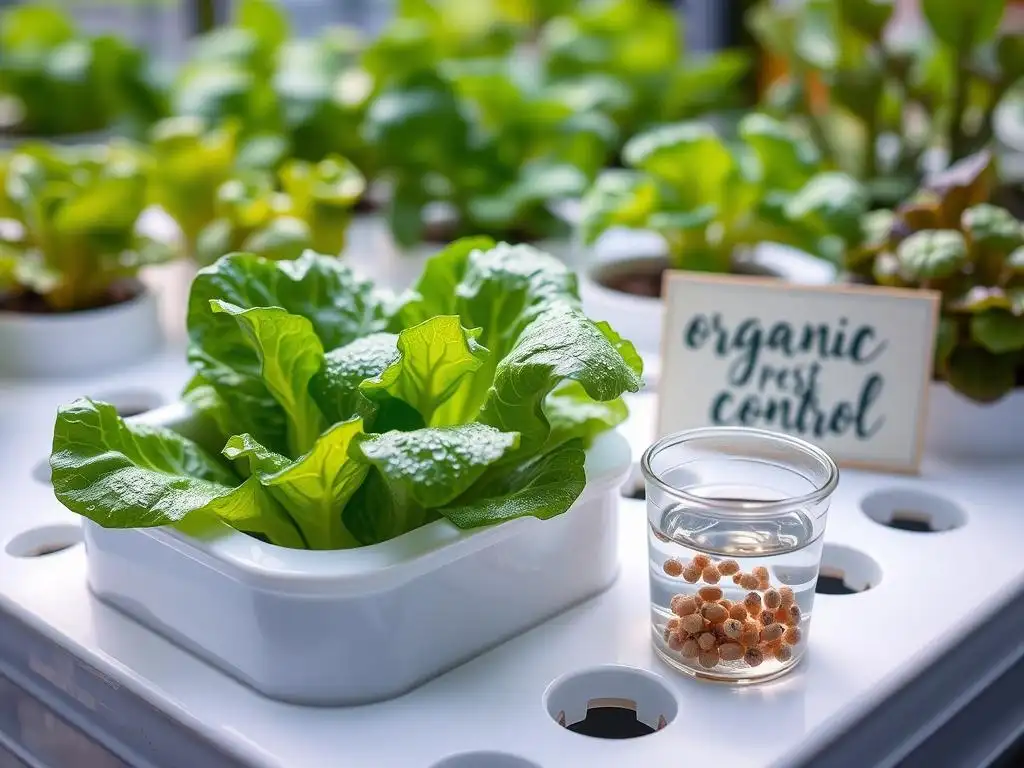
This section delves into effective, organic pest control strategies specifically tailored for hydroponic and aquaponic systems. We'll explore natural methods that minimize environmental impact while maximizing the health of your plants and the overall ecosystem within your system. Remember, proactive monitoring is key to preventing major infestations, allowing for early intervention with less aggressive methods. This approach is crucial for maintaining the integrity of your "organic hydroponic pest control" strategy.
Beneficial Insects and Their Role in Natural Pest Control
Introducing beneficial insects into your hydroponic or aquaponic system offers a powerful, natural way to control pests. These insects act as natural predators, significantly reducing the need for chemical pesticides. The key is identifying the specific pests plaguing your system and selecting the appropriate beneficial insects to combat them.
For instance, aphids are a common problem. Ladybugs are voracious aphid predators, consuming large numbers throughout their life cycle. Lacewings are another effective option, with both their larvae and adult stages feeding on aphids and other small insects. Similarly, parasitic wasps can target specific pest larvae, laying their eggs inside, effectively controlling the pest population from within.
Careful planning is essential. You need to understand the life cycle of both the pest and the beneficial insect to ensure optimal control. Introducing beneficial insects too late in the pest's life cycle might prove ineffective. Furthermore, providing suitable habitat and food sources for the beneficial insects is crucial for their survival and effectiveness within your system. This might involve planting specific companion plants known to attract these helpful creatures. For example, dill and fennel attract beneficial insects like hoverflies and lacewings.
Consider the following table summarizing some common hydroponic pests and their beneficial insect predators:
| Pest | Beneficial Insect Predator(s) | Notes |
|---|---|---|
| Aphids | Ladybugs, Lacewings, Parasitic Wasps | Effective against various aphid species |
| Whiteflies | Ladybugs, Minute Pirate Bugs | Requires careful monitoring and introduction |
| Spider Mites | Predatory Mites | Different mite species require specific predators |
| Leaf Miners | Parasitic Wasps | Often requires targeted application |
Remember, a balanced ecosystem is key. Avoid using broad-spectrum insecticides that could harm beneficial insects alongside the pests. A healthy, thriving environment encourages natural pest control and supports the overall health of your hydroponic or aquaponic system.
Implementing Biological Control Methods in Your System
Biological control extends beyond beneficial insects. It encompasses a broader approach that leverages natural processes to manage pests. This includes methods like using microbial agents like Bacillus thuringiensis (Bt), a naturally occurring bacterium that is toxic to specific insect larvae. Bt is highly effective against certain caterpillars and other insect pests, making it a valuable tool in organic hydroponic pest control.
Another effective biological control method is the introduction of nematodes, microscopic roundworms that prey on various soil-dwelling pests. These are particularly useful in combating fungus gnats, a common problem in hydroponic systems. Nematodes are applied to the growing medium and actively seek out and kill the pest larvae. However, it's crucial to choose the correct nematode species, as different species target specific pests.
The success of biological control hinges on accurate identification of the pest and selection of the appropriate control agent. Furthermore, maintaining optimal environmental conditions within your system is crucial for the effectiveness of these methods. Factors like temperature, humidity, and nutrient levels can significantly impact the performance of beneficial insects and microbial agents. Regular monitoring and adjustments are necessary to ensure optimal conditions for both your plants and your biological control agents. This proactive approach is fundamental to successful organic hydroponic pest control.
Using Diatomaceous Earth for Effective Pest Management
Diatomaceous earth (DE) is a naturally occurring sedimentary rock composed of fossilized diatoms. Its microscopic, sharp edges make it an effective abrasive against soft-bodied insects like aphids, whiteflies, and spider mites. When insects come into contact with DE, the sharp edges pierce their exoskeletons, leading to dehydration and death.
DE is a relatively safe and non-toxic method for pest control, making it suitable for organic hydroponic and aquaponic systems. However, it's crucial to use food-grade DE, as industrial-grade DE may contain harmful substances. Apply DE as a fine dust, ensuring thorough coverage of the affected plants. Reapplication may be necessary depending on the severity of the infestation and environmental conditions. Note that DE is most effective when applied directly to the pests, so thorough coverage is essential. While DE is considered safe for humans and pets, it's advisable to wear a mask during application to avoid inhalation.
Remember that DE is not a silver bullet. It’s most effective as a preventative measure or for controlling light infestations. For severe infestations, a combination of DE and other organic control methods might be necessary. Furthermore, the effectiveness of DE can be reduced by high humidity, so it's best used in drier environments. The application method should also be carefully considered, as improper application may not achieve satisfactory results. This makes careful planning and understanding of your specific system crucial for effective use.
Natural Insecticidal Soaps: A Safe and Effective Solution
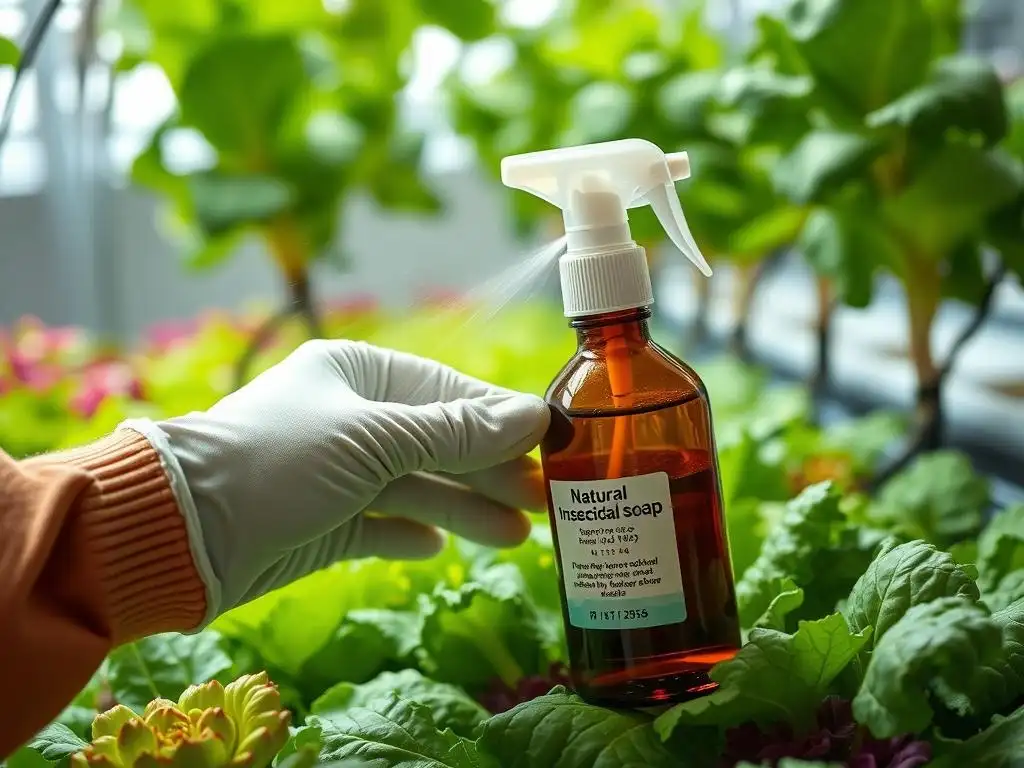
Natural insecticidal soaps offer a powerful yet gentle approach to organic hydroponic pest control. These soaps, derived from fatty acids like potassium salts of fatty acids, disrupt the cell membranes of soft-bodied insects, leading to their dehydration and death. Unlike harsh chemical pesticides, insecticidal soaps are biodegradable and pose minimal risk to beneficial insects, pollinators, and humans. Their effectiveness lies in their ability to target a wide range of common hydroponic pests, including aphids, whiteflies, spider mites, and mealybugs.
However, it's crucial to remember that insecticidal soaps are contact insecticides; they must directly contact the pest to be effective. Thorough coverage of the plant foliage is essential for optimal results. Furthermore, the application may need to be repeated every few days, depending on the severity of the infestation and weather conditions, as rain can wash away the soap. Always follow the manufacturer's instructions for dilution and application rates to avoid damaging your plants.
Choosing a soap specifically formulated for hydroponic systems is also recommended, ensuring compatibility with your setup and avoiding potential nutrient imbalances. Remember to test the soap on a small section of your plants first to check for any adverse reactions before treating the entire system. This precautionary measure minimizes the risk of unintended damage to your valuable crops. The effectiveness of insecticidal soaps can be enhanced by combining them with other organic pest control methods, creating a comprehensive and integrated approach to pest management.
Neem Oil for Organic Pest Control in Hydroponics and Aquaponics
Neem oil, extracted from the seeds of the neem tree ( Azadirachta indica), is a versatile and highly effective organic pesticide with a broad spectrum of activity against various hydroponic and aquaponic pests. Its effectiveness stems from its active compounds, azadirachtin and salanin, which disrupt insect growth and reproduction. Neem oil acts as both an insecticide and a fungicide, making it a valuable tool in preventing and managing a variety of issues. It's particularly effective against aphids, whiteflies, mealybugs, and certain fungal diseases. Unlike synthetic pesticides, neem oil is biodegradable and poses minimal risk to beneficial insects and the environment when used correctly.
However, it's important to note that neem oil is not a contact insecticide; it needs time to be absorbed by the plant and then ingested by the pests to be fully effective. Therefore, consistent application is crucial for optimal results. Furthermore, neem oil can be somewhat harsh on certain plants, so a test application on a small area is always recommended before widespread use. The oil's viscosity can also clog sprayer nozzles, necessitating the use of a high-quality sprayer and possibly the addition of a wetting agent to improve its spread and adhesion to the plant surfaces. Proper dilution is paramount; using too concentrated a solution can damage your plants.
Always adhere to the manufacturer's instructions for dilution and application frequency. The use of neem oil as part of an integrated pest management (IPM) strategy, combined with other organic methods like beneficial insects or cultural practices, can significantly improve its effectiveness and contribute to a healthy and sustainable hydroponic or aquaponic system. Remember, preventing pest infestations through proactive measures such as maintaining optimal growing conditions and monitoring your plants regularly is crucial for minimizing the need for pesticide applications, even organic ones. This proactive approach is key to successful organic hydroponic pest control.
Preventing Pest Infestations in Your Hydroponic/Aquaponic Setup
Effective organic hydroponic pest control begins with prevention. A robust preventative strategy significantly reduces the likelihood of infestations, minimizing the need for reactive interventions. This proactive approach is crucial for maintaining the health of your plants and the integrity of your system, aligning perfectly with sustainable and organic farming principles. Let's explore key preventative measures.
Maintaining Optimal Growing Conditions to Prevent Pests
Maintaining a healthy growing environment is paramount in preventing pest infestations. Pests thrive in stressful conditions; therefore, creating a thriving environment for your plants makes them more resilient to attacks. This includes:
- Consistent Nutrient Levels: Regular testing and precise nutrient balancing are vital. Nutrient deficiencies weaken plants, making them more susceptible to pests. Using organic nutrient solutions further enhances plant health and resilience. For example, consistent monitoring of Nitrogen (N), Phosphorus (P), and Potassium (K) levels, using a reliable testing kit, can prevent nutrient-related stress.
- Appropriate Light Cycle and Intensity: Providing the correct light spectrum and intensity for your chosen plants is critical. Insufficient light leads to weakened growth, inviting pests. Conversely, excessive light can also stress plants. Research the specific light requirements of your plants for optimal results.
- Proper Water pH and Temperature: Maintaining the ideal pH and temperature range for your hydroponic or aquaponic system is crucial. Deviations from the optimal range can stress plants, reducing their natural defenses against pests. Regular monitoring with accurate measuring tools is essential. For instance, maintaining a pH between 5.5 and 6.5, depending on the plant species, is generally recommended.
- Adequate Air Circulation: Good air circulation prevents the buildup of humidity, which is a breeding ground for many pests, such as fungus gnats and aphids. Fans strategically placed within your grow area can significantly improve air circulation.
Implementing Proactive Hygiene Practices in Your System
Proactive hygiene is a cornerstone of organic hydroponic pest control. Regular cleaning and sanitation minimize the chances of pests establishing themselves in your system. This involves:
- Regular Cleaning of Reservoirs and Pipes: Thoroughly cleaning and disinfecting your system's reservoirs and pipes is essential. Accumulated organic matter and biofilm provide ideal habitats for pests and pathogens. Using a diluted solution of hydrogen peroxide or other safe, organic disinfectants can be effective.
- Removing Dead or Dying Plants Promptly: Leaving dead or dying plants in your system provides breeding grounds for pests. Remove these promptly and dispose of them properly, away from your growing area. This prevents the spread of pests and diseases.
- Regular Inspection of Plants: Conduct regular visual inspections of your plants to identify any signs of pest activity early. Early detection allows for timely intervention, preventing significant infestations. This includes checking the undersides of leaves and stems for signs of pests.
- Sterilizing Tools and Equipment: Always sterilize your tools and equipment before and after use to prevent the spread of pests and diseases. A simple solution of bleach and water (ensure thorough rinsing afterward) or organic alternatives can be used.
Choosing Pest-Resistant Plant Varieties for Hydroponics and Aquaponics
Selecting pest-resistant plant varieties is a powerful preventative measure. Many plant varieties exhibit natural resistance to common hydroponic and aquaponic pests. This inherent resistance reduces the need for pesticides and supports your organic growing practices. Researching and choosing varieties known for their resilience is a valuable strategy.
For example, certain tomato varieties are naturally more resistant to aphids, while some lettuce varieties exhibit resistance to common leaf miners. This is a significant aspect of organic hydroponic pest control, offering a long-term solution. Remember to source seeds or seedlings from reputable suppliers to ensure the accuracy of the variety's description and its pest resistance. The selection of robust varieties is a preventative strategy that aligns with the principles of sustainable agriculture and minimizes the need for intervention.
Regularly Inspecting Plants for Early Pest Detection
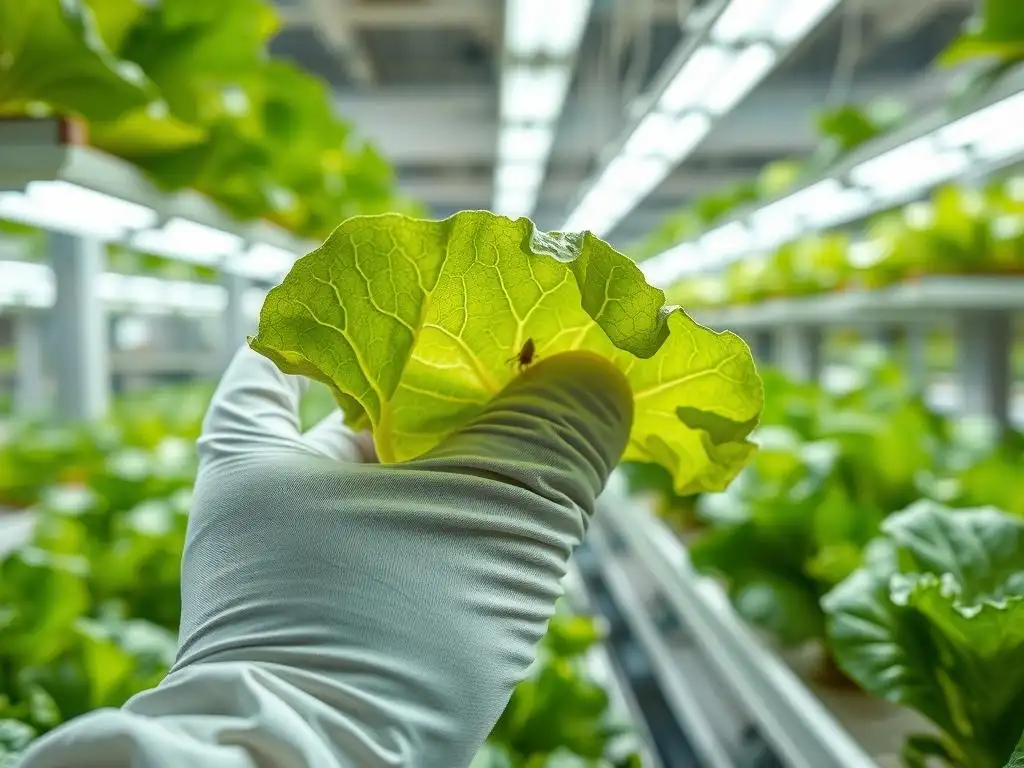
Regular and thorough inspections are the cornerstone of effective organic hydroponic pest control. Early detection is crucial; a small infestation is far easier to manage than a widespread one. Aim to inspect your plants at least once a week, preferably more frequently during periods of rapid growth or warmer weather when pest activity tends to increase.
Pay close attention to both the upper and lower surfaces of leaves, stems, and the growing medium itself. Look for any signs of unusual discoloration, holes, webbing, sticky residue (honeydew), or the pests themselves. A magnifying glass can be invaluable in spotting tiny insects or their eggs.
Remember that different pests leave different telltale signs. Aphids, for example, often cluster on the undersides of leaves and cause leaf curling. Whiteflies will leave behind a sticky residue, while spider mites create fine webbing. Learning to identify common pests in your region is essential for quick and effective intervention. Keep a detailed record of your observations, noting the date, the type of pest (if identified), the affected plants, and the severity of the infestation.
This record will be invaluable in tracking pest populations and evaluating the effectiveness of your control measures. A simple notebook or a dedicated app can be used for this purpose. Early detection, combined with prompt action, significantly reduces the need for harsh chemical treatments, aligning perfectly with the principles of organic hydroponic pest control. Proactive monitoring translates to healthier plants and a more sustainable growing environment.
Maintaining Optimal Growing Conditions to Deter Pests
Creating an environment that is inhospitable to pests is a proactive and vital aspect of organic hydroponic pest control. Pests thrive in stressful conditions, so minimizing stress on your plants is key. This means providing consistent nutrient levels, appropriate light cycles, and sufficient airflow. Nutrient deficiencies weaken plants, making them more susceptible to pest attacks. Regularly monitor and adjust your nutrient solution according to the needs of your specific plants. Insufficient light can also weaken plants and slow their growth, creating a favorable environment for pests. Ensure your grow lights provide adequate intensity and duration for your chosen plants.
Furthermore, good airflow is crucial for preventing fungal diseases and reducing humidity, both of which can attract pests. Ensure adequate spacing between plants to allow for good air circulation. Fans can be used to improve airflow, especially in enclosed hydroponic systems. Maintaining a clean and organized growing area also helps to prevent pest infestations.
Remove any dead or decaying plant matter promptly to eliminate potential breeding grounds for pests. Regular cleaning of your hydroponic system, including the reservoir and nutrient lines, is equally important. A healthy and well-maintained system is less likely to attract pests, and early detection becomes even more effective. By focusing on preventative measures, you'll significantly reduce the need for reactive pest control methods.
Using Beneficial Insects and Natural Predators for Biocontrol
Employing beneficial insects is a cornerstone of organic hydroponic pest control. These natural predators effectively control pest populations without the use of harmful chemicals. Ladybugs, for example, are voracious aphid eaters, while lacewings are effective against a variety of soft-bodied insects including aphids, mealybugs, and whiteflies. Praying mantises are generalist predators that feed on a wide range of insects, including many common hydroponic pests. Introducing these beneficial insects into your hydroponic system can provide a natural and effective means of pest control.
However, careful consideration is needed when selecting beneficial insects. Ensure the species you choose are effective against the specific pests you are targeting and that they won't harm your plants or other beneficial insects. The introduction of beneficial insects should be done strategically, possibly in stages, to avoid overwhelming your system. Monitoring their populations is also crucial; you don't want them to become pests themselves.
Researching suitable beneficial insects for your specific region and the pests prevalent in your area is critical for successful biocontrol. This approach aligns perfectly with sustainable and organic growing practices, fostering a balanced ecosystem within your hydroponic system. The integration of natural predators offers a long-term solution that is far more environmentally friendly than chemical pesticides.
Natural Pest Control for Specific Hydroponic and Aquaponic Pests
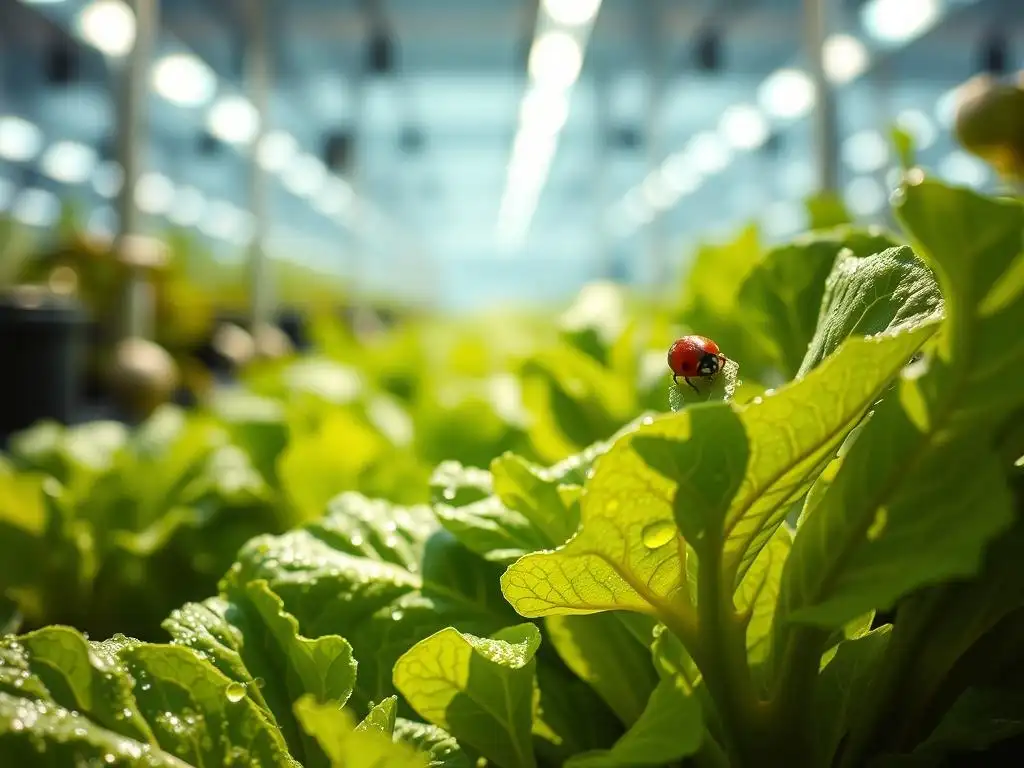
This section delves into effective, organic pest control strategies tailored for common hydroponic and aquaponic infestations. We'll explore natural solutions, minimizing the use of harmful chemicals and preserving the integrity of your organic growing environment. Remember, early detection is key to successful pest management. Regular monitoring of your system is crucial for identifying infestations before they become overwhelming. The principles of integrated pest management (IPM) – a holistic approach combining various strategies – are vital for sustainable and successful organic hydroponic pest control.
Organic Solutions for Aphids in Hydroponic Systems
Aphids, tiny sap-sucking insects, are a common nuisance in hydroponic setups. Their feeding weakens plants, leading to stunted growth and reduced yields. Fortunately, several organic methods effectively control aphid populations.
One highly effective technique is introducing beneficial insects, such as ladybugs 🐞. These voracious predators feed on aphids, significantly reducing their numbers. Another natural solution involves using insecticidal soap. This soap disrupts the aphids' cell membranes, causing them to dehydrate and die. It's crucial to follow product instructions carefully and test it on a small area first to ensure it doesn't harm your plants.
Beyond introducing predators and using insecticidal soap, maintaining good hygiene in your hydroponic system is paramount. Regularly inspect plants, removing any visibly infested leaves or stems. This prevents the aphids from spreading and establishing large colonies. Strong water pressure from a spray bottle can dislodge many aphids, helping to control their population.
Finally, consider strengthening your plants' natural defenses. Healthy plants are better equipped to withstand aphid infestations. Ensure your nutrient solution provides all the essential nutrients your plants need for robust growth. This will improve their resilience and make them less susceptible to pest damage.
Managing Whiteflies in Your Aquaponic Setup Naturally
Whiteflies, tiny white insects that infest the undersides of leaves, are a significant challenge in aquaponics. Their feeding weakens plants and can lead to the spread of plant diseases. Organic control measures for whiteflies require a multi-pronged approach.
Sticky traps are a simple and effective way to monitor and reduce whitefly populations. These traps attract and capture adult whiteflies, preventing them from reproducing. Regularly replacing the traps ensures continued effectiveness. Another effective natural method is the use of neem oil. Neem oil disrupts the whiteflies' life cycle, preventing them from reproducing and killing existing insects. Remember to dilute neem oil according to the product instructions.
Beyond these direct control methods, maintaining optimal water quality in your aquaponic system is crucial. Healthy, well-nourished plants are more resilient to pest infestations. Regular water testing and adjustments to nutrient levels are essential for plant health and overall system balance. Additionally, introducing beneficial insects like lacewings, which prey on whiteflies, can significantly help manage their populations. A strong, healthy aquaponic ecosystem provides a natural defense against many pests.
Controlling Fungus Gnats with Organic Methods
Fungus gnats are tiny flies that breed in moist, organic matter often found in hydroponic and aquaponic systems. While they don't directly damage plants, their larvae feed on roots, potentially hindering plant growth. Organic control focuses on eliminating their breeding grounds and disrupting their life cycle.
One of the most effective organic methods is to allow the top layer of your growing medium to dry slightly between waterings. Fungus gnats thrive in consistently damp conditions, so reducing moisture levels significantly reduces their breeding sites. Another effective strategy is using sticky traps to capture adult fungus gnats. These traps help monitor populations and prevent further reproduction.
Beyond controlling the environment, introducing beneficial nematodes can significantly reduce fungus gnat larvae populations. These microscopic worms prey on the larvae, disrupting the pest's life cycle. Finally, consider using diatomaceous earth (DE). DE is a natural, non-toxic powder that dehydrates and kills fungus gnat larvae by abrading their exoskeletons. Sprinkle DE lightly on the surface of your growing medium, avoiding excessive application. Remember that consistency and a combined approach are key to successful organic fungus gnat control.
Dealing with Spider Mites in Hydroponic and Aquaponic Gardens
Spider mites are tiny arachnids that can quickly infest hydroponic and aquaponic systems, sucking the sap from plants and causing significant damage. Their small size makes them difficult to detect initially, but their presence is often revealed by stippling on leaves (tiny, pale spots), webbing, and a general decline in plant health. Early detection is crucial for effective organic control.
One of the first steps in organic spider mite control is thorough inspection. Regularly examine your plants, paying close attention to the undersides of leaves where spider mites tend to congregate. A magnifying glass can be invaluable in identifying these tiny pests. Look for fine webbing, which is a clear sign of infestation. A simple method to check for mites is to gently tap a leaf over a piece of white paper; if mites are present, you'll see tiny moving dots.
Once you've confirmed a spider mite infestation, several organic control methods can be employed. Beneficial insects are a powerful ally. Predatory mites, such as Phytoseiulus persimilis, are highly effective at controlling spider mite populations. These beneficial mites can be purchased from biological control suppliers and introduced into your system. They will actively hunt and feed on spider mites, reducing their numbers significantly. Remember to maintain a suitable environment for these beneficial insects to thrive.
Another effective organic approach is the use of insecticidal soaps. These soaps disrupt the cell membranes of spider mites, leading to their death. Ensure you choose a soap specifically labeled for use in hydroponics and aquaponics, as some formulations may harm beneficial organisms or damage your plants. Always follow the product instructions carefully, paying close attention to application rates and frequency. Thorough coverage of all plant surfaces is essential for optimal results.
Beyond insecticidal soaps, neem oil is another powerful organic weapon against spider mites. Neem oil acts as a natural insecticide and also disrupts the mites' life cycle. Similar to insecticidal soaps, apply neem oil according to the manufacturer's instructions, ensuring complete coverage of the plants. However, be aware that neem oil can sometimes clog hydroponic systems if not used correctly. Always test a small area first to ensure compatibility with your system.
Finally, maintaining good hygiene practices is paramount in preventing and controlling spider mite infestations. Regularly remove any dead or decaying plant matter from your system, as these areas can serve as breeding grounds for spider mites. Keep your system clean and free of debris to minimize the risk of infestation. Proper airflow within your hydroponic or aquaponic setup can also help to deter spider mites.
Good air circulation prevents humidity from building up, which is a favorable condition for spider mite proliferation. Remember that proactive measures are key to preventing large-scale infestations and minimizing the need for more intensive control methods. Regular monitoring and prompt action are crucial for maintaining healthy and thriving plants in your hydroponic or aquaponic garden.
Advanced Organic Pest Control Techniques for Hydroponics and Aquaponics
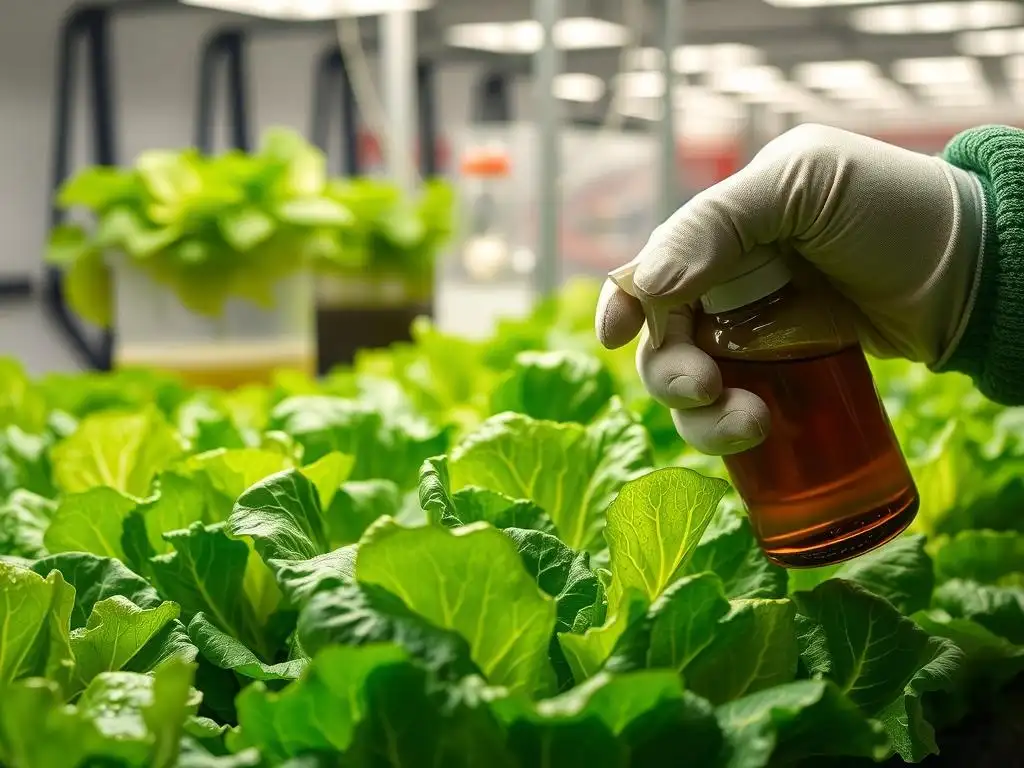
This section delves into sophisticated, yet entirely organic, methods for managing pests in your hydroponic and aquaponic systems. These techniques go beyond basic preventative measures and offer proactive strategies for addressing infestations should they arise. Remember, a healthy system is less susceptible to pests, so maintaining optimal water quality, nutrient balance, and plant vigor remains paramount for successful organic pest control. The focus here is on organic hydroponic pest control strategies that minimize environmental impact while maximizing effectiveness.
Homemade Organic Pest Sprays for Hydroponics
Creating your own organic pest sprays allows for precise control over ingredients and avoids potentially harmful chemicals. Many effective solutions can be made using readily available household items. Here are a few recipes, remembering to always test a small area first to ensure no negative reactions on your plants:
- Neem Oil Spray: Mix 1 tablespoon of neem oil with 1 teaspoon of liquid castile soap and 1 quart of water. Neem oil disrupts the life cycle of many insects. Shake well before each use and apply as a foliar spray. Note: Neem oil can clog spray nozzles, so use a filter if necessary.
- Peppermint Oil Spray: Combine 10-15 drops of peppermint essential oil with 1 quart of water. Peppermint oil acts as a natural insect repellent. Again, shake well and apply as needed.
- Garlic Spray: Steep 4-5 cloves of crushed garlic in 1 quart of water for 24 hours. Strain the mixture and apply directly to affected plants. The strong odor repels many common pests.
| Spray Type | Ingredients | Application Method | Effectiveness Against | Precautions |
|---|---|---|---|---|
| Neem Oil Spray | Neem oil, castile soap, water | Foliar spray | Aphids, mites, whiteflies | May clog spray nozzles; test on a small area first |
| Peppermint Oil | Peppermint essential oil, water | Foliar spray | Ants, aphids, mosquitoes | Use sparingly; avoid direct sunlight after application |
| Garlic Spray | Crushed garlic, water | Direct application | Aphids, slugs, snails | Strong odor; may need to reapply frequently |
Remember to always thoroughly rinse your plants after several applications to prevent build-up on foliage. Consistent application is key to achieving effective organic hydroponic pest control.
Utilizing Essential Oils for Pest Repellency
Essential oils offer a powerful, yet natural, approach to pest management in hydroponic and aquaponic systems. Their volatile compounds disrupt insect behavior and can act as effective repellents. However, it's crucial to use them judiciously, as some oils can be phytotoxic (harmful to plants) at high concentrations.
Several oils have shown promise: peppermint, tea tree, lemongrass, and clove oils are all known for their insect-repelling properties. Dilute these oils in water (typically 10-20 drops per quart) and spray directly on plants or around the growing area. Experimentation might be necessary to determine the optimal concentration and application frequency for your specific needs and pests.
Always test on a small area first to ensure plant compatibility. Regular monitoring is crucial – the effectiveness of essential oils can diminish over time, necessitating reapplication. This method complements other organic pest control strategies for a more holistic approach to organic hydroponic pest control.
Integrating Companion Planting for Natural Pest Control
Companion planting leverages the natural interactions between different plant species to deter pests. Strategic placement of certain plants can create a hostile environment for many common hydroponic and aquaponic pests.
For example, basil is known to repel aphids, whiteflies, and tomato hornworms. Marigolds secrete chemicals that repel nematodes and other soil-borne pests. Similarly, nasturtiums can attract aphids away from more vulnerable plants. Careful planning and placement of these companion plants can significantly reduce the need for other pest control methods.
Researching the specific pest pressures in your system will help you select the most effective companion plants for your environment. This is a proactive, low-maintenance approach to organic hydroponic pest control, promoting biodiversity within your system. Consider the spatial requirements of your chosen companion plants to ensure they don't overcrowd your main crops.
Creating a Healthy Hydroponic and Aquaponic Ecosystem for Natural Pest Resistance
This section focuses on proactive strategies for minimizing pest problems in your hydroponic and aquaponic systems, emphasizing the creation of a robust and resilient environment that naturally deters pests. Organic hydroponic pest control begins with prevention, not just reaction. A healthy system is less susceptible to infestations.
Building Soil Health in Aquaponics for Pest Prevention
While hydroponics doesn't use soil directly, aquaponics, with its integrated fish and plant system, relies heavily on the health of the growing media (often gravel or clay pebbles) and the water quality. A thriving microbial community in the aquaponic system is crucial for natural pest resistance. This microbial community breaks down organic waste, preventing the buildup of harmful substances that can weaken plants and attract pests.
The key to building soil health in aquaponic systems lies in maintaining a balanced nitrogen cycle. Regular water testing and adjustments are essential. Monitoring ammonia, nitrite, and nitrate levels ensures the system supports beneficial bacteria rather than creating an environment conducive to pest proliferation. Insufficient or excessive nutrients can weaken plants, making them more vulnerable. Regular monitoring and adjustments, coupled with introducing beneficial microbes (discussed below), are key to a robust, pest-resistant environment. Think of it as building an immune system for your plants! A healthy, balanced ecosystem is the foundation of effective organic hydroponic pest control.
The Role of Beneficial Bacteria and Fungi in Pest Control
Beneficial microorganisms play a critical role in organic hydroponic pest control. These tiny allies work in several ways:
- Competition: Beneficial bacteria and fungi compete with harmful pathogens and pests for resources, reducing their ability to establish themselves.
- Predation: Some beneficial organisms directly prey on pests or their eggs.
- Antibiosis: Certain beneficial microorganisms produce substances that inhibit the growth of harmful organisms.
- Improved Nutrient Uptake: A healthy microbial community enhances nutrient availability for plants, strengthening their resistance to pests.
Introducing beneficial bacteria and fungi can be achieved through several methods: adding compost tea, using commercially available microbial inoculants, or simply ensuring a diverse and healthy environment in your system. Regular observation and attention to water parameters will help maintain a thriving microbial population. The presence of these organisms indicates a well-functioning, self-regulating system that's naturally resistant to pest outbreaks. This is a cornerstone of effective and sustainable organic hydroponic pest control.
Balancing Nutrients to Enhance Plant Resistance to Pests
Nutrient deficiencies weaken plants, making them more susceptible to pests and diseases. A balanced nutrient solution is paramount for robust plant growth and natural pest resistance. Regular nutrient testing is crucial to identify any imbalances and make necessary adjustments. Over-fertilization can be just as detrimental as under-fertilization, potentially leading to nutrient burn, which weakens plants and makes them more vulnerable.
Here's a simplified table illustrating the impact of nutrient deficiencies on plant health and pest susceptibility:
| Nutrient | Deficiency Symptoms | Impact on Pest Resistance |
|---|---|---|
| Nitrogen (N) | Stunted growth, yellowing leaves | Significantly reduced |
| Phosphorus (P) | Dark green or purplish leaves, slow growth | Moderately reduced |
| Potassium (K) | Yellowing leaf margins, weak stems | Moderately reduced |
| Calcium (Ca) | Blossom-end rot, stunted growth | Significantly reduced |
| Magnesium (Mg) | Yellowing between leaf veins | Moderately reduced |
| Iron (Fe) | Yellowing leaves (chlorosis), stunted growth | Significantly reduced |
Maintaining optimal nutrient levels is a continuous process requiring regular monitoring and adjustments. This proactive approach reduces the likelihood of pest problems and strengthens plants' natural defenses, contributing significantly to effective organic hydroponic pest control. Remember, healthy plants are less likely to become targets for pests.
Frequently Asked Questions
What are some common pests in hydroponic and aquaponic systems?
Common pests include aphids, whiteflies, fungus gnats, and spider mites. These can quickly infest your system and damage your plants. Early detection is key.
How can I prevent pests from infesting my hydroponic system organically?
Preventative measures are crucial! Maintain cleanliness, use beneficial insects like ladybugs, and ensure proper ventilation to deter pests. Regularly inspect your plants for early signs of infestation.
What are some organic methods for controlling pests in hydroponics?
Neem oil, kaolin clay, and diatomaceous earth are effective organic pest control options. These are natural and less harmful to beneficial insects and the environment.
Is it possible to use beneficial insects for organic pest control in hydroponics?
Yes! Introducing ladybugs, lacewings, or parasitic wasps can help control aphid and other pest populations naturally. Research which beneficial insects are best suited for the specific pests in your system.
How effective is organic pest control compared to chemical pesticides in hydroponics?
While organic methods may require more consistent effort, they offer a sustainable and environmentally friendly approach. They are generally safer for you, your plants, and beneficial insects compared to chemical pesticides.
Final Reflection: Cultivating a Sustainable Future, One Drop at a Time
The quest for organic pest control in hydroponics and aquaponics is not merely a niche interest; it's a crucial step towards building truly sustainable food systems. The escalating concerns surrounding pesticide use and its impact on human health and the environment demand innovative, eco-friendly solutions, and the methods explored in this article offer a viable pathway forward. We've seen how simple, natural approaches can effectively manage pests while preserving the integrity of our closed-loop systems.
The shift towards organic practices in hydroponics and aquaponics reflects a broader cultural awakening, a growing awareness of the interconnectedness between our food production methods and the health of our planet. The future of food is not just about feeding the world, but feeding it sustainably.
This sentiment underscores the importance of the work discussed here, highlighting the need to move beyond harmful chemicals and embrace holistic approaches that prioritize both yield and environmental responsibility. My own journey into exploring these methods has been deeply rewarding, reinforcing the belief that sustainable agriculture is not just possible, but essential.
Now, consider your own role in this evolving landscape. Are you ready to embrace these natural pest control strategies in your own garden, whether it's a small hydroponic setup or a larger aquaponic system? The knowledge is readily available; the next step is to implement it. By choosing organic methods, you're not just protecting your plants; you're contributing to a healthier planet and a more sustainable future for generations to come. Let's cultivate a world where food production and environmental stewardship go hand in hand.
Unlock Your System's Potential: Thrive with Pest-Free Growth
Thank you for exploring natural pest control for your hydroponic and aquaponic systems! We hope you gained valuable insights into creating a thriving, healthy environment for your plants. Let's put that knowledge into action.
- Prioritize vulnerable plants: Begin by focusing on the plants most susceptible to pests and immediately implement preventative measures. This targeted approach will quickly yield results and build your confidence.
- Develop a customized pest control schedule: Regularly inspect your plants and schedule preventative treatments based on the life cycles of common pests in your area. This proactive strategy helps prevent infestations.
- Share your experiences: Join our community forum to share your successes and challenges with natural pest control. Let's learn and grow together!
What natural pest control method are you most excited to try?