
Hot Climate Gardening for Beginners: CultivateYourFood's StepbyStep Guide

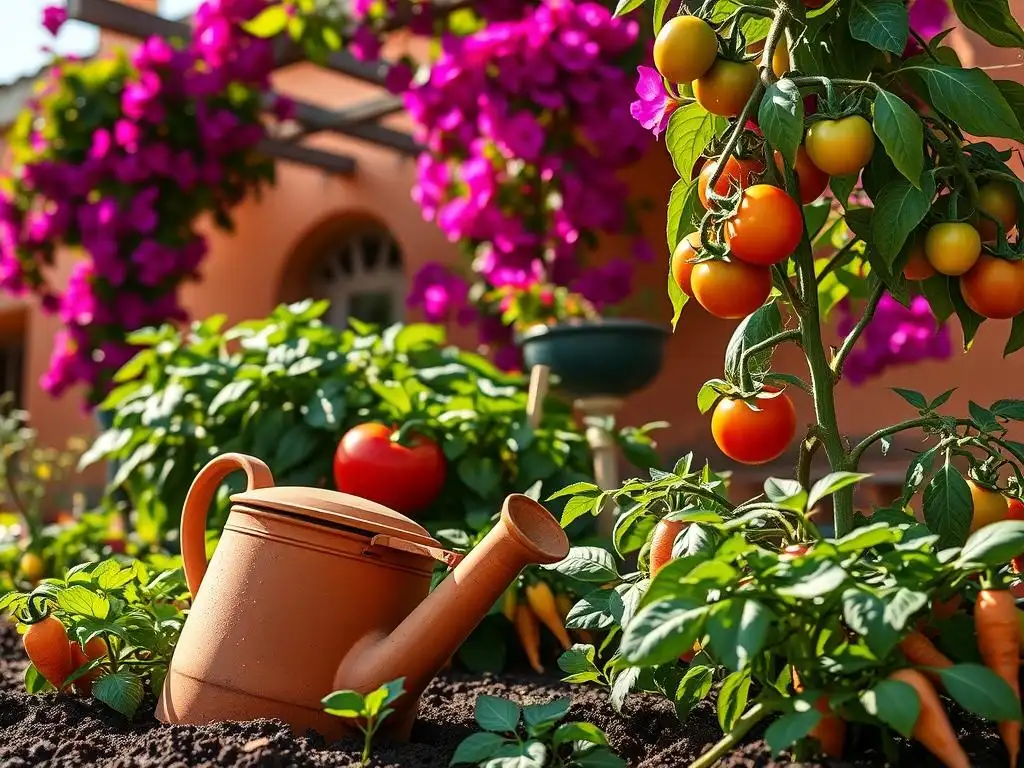
Welcome to CultivateYourFood, your guide to a thriving, sustainable garden! Are you ready to unlock the secrets of bountiful harvests, even in the heat? Our hot climate gardening guide provides a step-by-step roadmap to success, covering everything from choosing the right plants to mastering organic pest control. Discover how to transform your backyard into a vibrant oasis, no matter the temperature. Let's cultivate a greener future, together!
- Understanding Your Hot Climate Gardening Challenges
- Selecting Heat-Tolerant Plants for Your Garden
- Preparing Your Soil for a Successful Hot Climate Garden
- Planting Your Hot Climate Garden: A Step-by-Step Approach
- Watering and Maintaining Your Hot Climate Garden
- Pest and Disease Management in Hot Climates
- Harvesting Your Hot Climate Garden Bounty
- Tips for Success in Hot Climate Gardening
- Resources for Continued Learning on Hot Climate Gardening
- Frequently Asked Questions
- Final Reflection: Nurturing Life in the Heat: A Harvest of Hope
- Unleash Your Inner Gardener: Grow Your Own Oasis!
Understanding Your Hot Climate Gardening Challenges
Gardening in hot climates presents unique opportunities and challenges. This guide, designed specifically for beginners, will equip you with the knowledge and strategies to successfully cultivate a thriving garden even in intense heat. We'll explore how to overcome common obstacles, select the best plants, and implement sustainable practices to ensure a bountiful harvest despite the scorching temperatures. Mastering hot climate gardening means understanding your environment, adapting your techniques, and embracing the specific needs of your plants in high-heat conditions.
This comprehensive guide, focusing on practical steps and actionable advice, will help you transform your backyard into a productive oasis, regardless of the climate's intensity. We will cover everything from selecting the right location to managing pests, ultimately empowering you to cultivate your food successfully in even the most challenging hot climates. Let's get started on your journey to becoming a successful hot climate gardener!
Identifying Your Specific Hot Climate Zone and Microclimates
Understanding your specific hot climate zone is crucial for successful gardening. Different regions within a hot climate experience varying degrees of heat, humidity, and sunlight. This variation is further amplified by microclimates—small areas within your garden that have unique environmental conditions. For example, a north-facing wall might offer shade and cooler temperatures, while a south-facing area may receive intense afternoon sun.
To determine your specific zone, you'll need to research your geographical location and consult relevant resources that provide climate zone maps. You can also use online tools that provide detailed climate data for your area. Once you understand your general climate zone, carefully observe your garden to identify microclimates.
Note areas that receive direct sun throughout the day, those that are shaded, and those that are particularly windy or sheltered. This information will be vital when selecting plant locations and choosing plants suited to those specific conditions. Accurate identification of both your general zone and unique microclimates is the cornerstone of successful hot climate gardening.
Common Hot Climate Gardening Problems: Heat Stress, Drought, and Pests
Hot climate gardening presents three primary challenges: heat stress, drought, and pests. Heat stress can severely damage or kill plants, causing wilting, leaf burn, and reduced yields. Drought, often a companion to extreme heat, deprives plants of essential water, leading to similar issues. Finally, pests thrive in warm conditions, often multiplying rapidly and attacking plants weakened by heat and drought.
Heat stress can be mitigated through various techniques. These include mulching to retain soil moisture, providing shade during the hottest parts of the day, and choosing heat-tolerant plant varieties. Drought can be addressed through efficient irrigation systems, such as drip irrigation, and the selection of drought-resistant plants. Pest control in hot climates requires a proactive approach, incorporating preventative measures like companion planting and the use of organic pest control methods.
Regular monitoring and early intervention are crucial to prevent significant infestations. The combination of these three challenges necessitates a holistic approach to gardening that addresses each problem simultaneously. A proactive and well-informed gardener can minimize their impact.
Choosing the Right Planting Location: Sun Exposure and Soil Drainage
Selecting the appropriate planting location is paramount in hot climate gardening. This involves carefully considering both sun exposure and soil drainage. Plants require varying amounts of sunlight, and placing them in an unsuitable location can lead to stunted growth or even death. Similarly, poor soil drainage can result in waterlogged roots, leading to root rot and other plant diseases.
Optimal sun exposure depends on the specific plant. Some plants thrive in full sun (at least 6 hours of direct sunlight per day), while others prefer partial shade (2-6 hours of direct sunlight) or even full shade (less than 2 hours). Research the sun requirements of each plant before planting. Soil drainage is equally critical.
Well-drained soil allows water to flow freely, preventing waterlogging. Poorly drained soil can be amended by adding organic matter, such as compost, to improve its structure and drainage capacity. Careful consideration of these two factors – sun exposure and soil drainage – is essential for establishing a successful and thriving hot climate garden.
Selecting Heat-Tolerant Plants for Your Garden
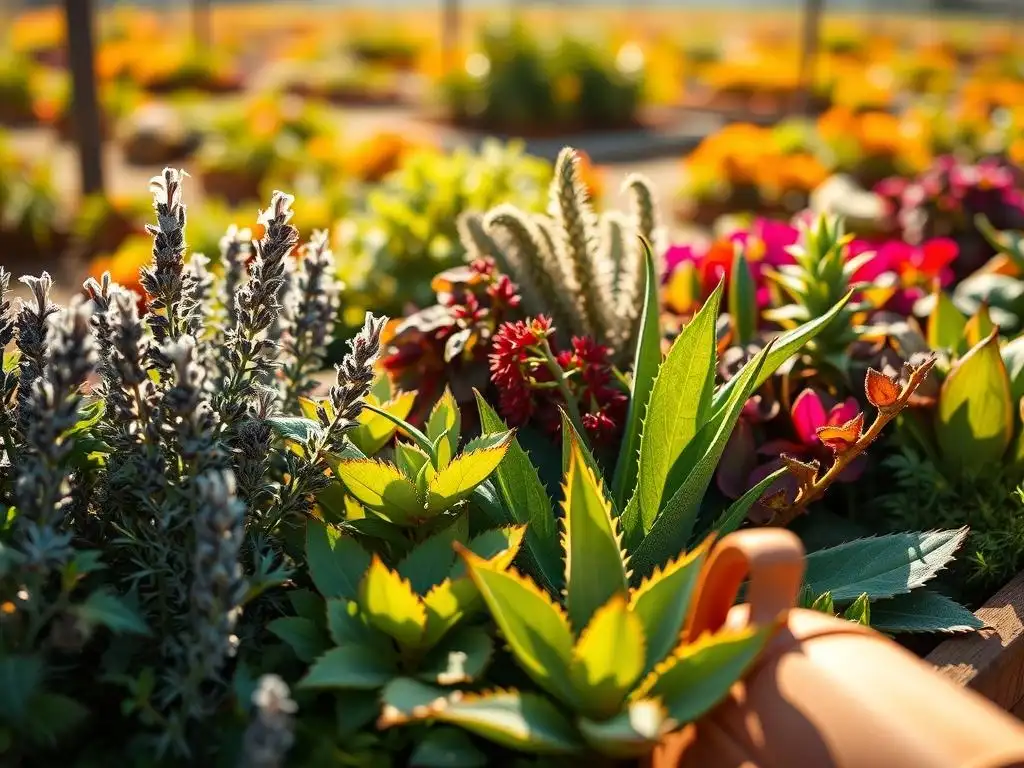
Choosing the right plants is paramount for successful hot climate gardening. Ignoring this crucial step can lead to wilting, stunted growth, and ultimately, a disappointing harvest. This section focuses on selecting varieties specifically bred to withstand intense heat and thrive in challenging conditions. Remember, even within heat-tolerant varieties, proper watering and soil preparation remain vital. Successful hot climate gardening is about making informed choices and providing optimal conditions, not just planting and hoping for the best. Let's delve into specific plant selections ideal for your hot climate garden.
Best Vegetables for Hot Climates
Many vegetables struggle in extreme heat, but several varieties have adapted to thrive in these conditions. Consider these options for your garden:
- Squash: Butternut, acorn, and spaghetti squash are particularly resilient to heat and drought. They produce bountiful harvests even in scorching temperatures. Ensure adequate spacing to allow for proper air circulation and prevent fungal diseases.
- Tomatoes: Choose heat-tolerant varieties like Roma, San Marzano, or heat-resistant hybrids specifically labeled for hot climates. Providing shade during the hottest part of the day can significantly improve yields.
- Beans: Bush beans, particularly those with yellow or green pods, generally perform well in hot weather. Pole beans can also be successful, but require more support and consistent watering.
- Peppers: Hot peppers, such as jalapeños and serranos, often handle intense heat better than sweet peppers. However, even sweet peppers can produce a decent crop with proper care.
- Eggplant: Select varieties specifically bred for hot climates; these will produce better results than those intended for cooler regions.
Thriving Fruits in Hot Weather
While many fruits prefer milder temperatures, several can successfully withstand the heat, provided they receive adequate care. Here are some excellent choices:
- Watermelons: These juicy fruits are practically made for hot climates! Ensure they receive plenty of sunlight and water, especially during fruiting.
- Cantaloupes: Similar to watermelons, cantaloupes thrive in hot, sunny conditions. Regular watering is key to preventing the fruit from splitting.
- Figs: Figs are remarkably heat-tolerant and produce sweet, delicious fruit in hot, dry climates. They require well-drained soil and minimal pruning.
- Citrus Fruits: Depending on your specific location, lemons, limes, and oranges can flourish in hot climates. However, these require careful attention to watering and protection from frost (if applicable).
- Grapes: Certain grape varieties, particularly those suited to warmer climates, can produce a satisfying harvest even in intense heat.
Choosing the right fruit variety is crucial. Research varieties known for their heat tolerance in your specific region.
Hardy Herbs for Hot and Dry Conditions
Herbs are generally more resilient than many vegetables and fruits, making them excellent additions to a hot climate garden. These options are particularly well-suited to hot and dry conditions:
- Rosemary: Highly drought-tolerant and thrives in full sun. It's a low-maintenance herb that adds beautiful fragrance and flavor to your dishes.
- Thyme: Another excellent choice for hot, dry climates. Thyme is extremely drought-tolerant and prefers full sun.
- Oregano: Similar to thyme and rosemary, oregano is very adaptable to hot, dry conditions and requires minimal care.
- Sage: Sage is relatively drought-tolerant and thrives in full sun. It adds a unique flavor to many dishes.
- Lavender: Known for its beautiful flowers and calming fragrance, lavender is also very drought-tolerant and thrives in full sun. It's a perfect addition to any hot climate garden.
Remember to always check the specific requirements for each plant variety you choose. Even heat-tolerant plants need adequate watering, especially when first established. Proper soil preparation, including amending with organic matter, will also enhance their ability to cope with heat stress. With careful planning and selection, you can create a thriving hot climate garden that produces a bountiful harvest all summer long. Happy gardening!
Preparing Your Soil for a Successful Hot Climate Garden
Preparing your soil is crucial for thriving hot climate gardening. The intense heat and sun can quickly dry out soil, leaving your plants vulnerable. Understanding soil structure and implementing appropriate techniques are key to success. This section focuses on improving your soil's ability to retain moisture, provide essential nutrients, and withstand the challenges of a hot climate.
We'll explore techniques to enhance your soil's health and create an optimal environment for your plants to flourish, even under intense heat. This detailed guide will help you master the art of hot climate gardening and achieve bountiful harvests, even in the most challenging conditions. This is a critical step in your journey towards becoming a successful hot climate gardener.
Soil Improvement Techniques for Hot Climates
Improving your soil's structure and water retention capacity is paramount in hot climates. Sandy soils, common in many hot regions, drain quickly, leading to frequent watering needs. Clay soils, while retaining moisture, can become compacted and hinder root development. Therefore, irrespective of your starting soil type, implementing these techniques will significantly benefit your hot climate garden.
Several techniques can dramatically improve soil structure and water retention:
- Adding Organic Matter: This is arguably the most important step. Organic matter, such as compost, well-rotted manure, and leaf mold, improves soil structure, increases water retention, and provides essential nutrients. Aim for at least 2-4 inches of organic matter incorporated into the top layer of your soil. Think of it as a natural sponge, holding onto precious moisture for your plants.
- Mulching: Mulching is another crucial technique. A layer of mulch (straw, wood chips, shredded bark) helps to retain soil moisture, suppress weeds, and regulate soil temperature. This reduces water evaporation and keeps the soil cooler, protecting plant roots from the intense heat. A 2-4 inch layer of mulch is generally recommended.
- No-Till Gardening: No-till gardening helps to maintain soil structure and organic matter content. By avoiding tilling, you prevent soil compaction and disruption of the beneficial soil organisms that contribute to healthy soil.
- Cover Cropping: Planting cover crops like legumes (e.g., clover, beans) can improve soil fertility and structure. These plants add nitrogen to the soil, improving its overall health and providing nutrients for your main crops.
Selecting the Right Soil Mix for Heat Tolerance
The ideal soil mix for hot climate gardening should be well-draining yet moisture-retentive. A blend of different components provides optimal conditions for plant growth. Avoid heavy clay soils that retain too much water, leading to root rot, and very sandy soils that dry out too quickly.
Here's a sample soil mix recipe tailored for hot climates:
| Component | Percentage | Purpose |
|---|---|---|
| Compost | 30% | Improves drainage, adds nutrients, retains moisture |
| Topsoil | 40% | Provides a base for plant growth |
| Perlite or Vermiculite | 20% | Improves drainage and aeration |
| Coco Coir (optional) | 10% | Excellent water retention |
Remember to adjust the proportions based on your specific soil type and the needs of your plants. For example, if your soil is already very sandy, you might increase the percentage of compost and coco coir to improve water retention. Regular soil testing can help determine any deficiencies and guide your soil mix adjustments.
Essential Nutrients for Hot Weather Plants
Hot weather plants have increased nutrient requirements due to the rapid growth and higher evaporation rates. Providing the right balance of essential nutrients is key to their health and productivity. Focus on providing sufficient nitrogen (N), phosphorus (P), and potassium (K), the three primary macronutrients.
- Nitrogen (N): Crucial for leaf growth and overall plant vigor. Nitrogen deficiency can manifest as yellowing leaves and stunted growth. Organic sources like compost and manure are excellent ways to supply nitrogen.
- Phosphorus (P): Essential for root development, flowering, and fruiting. Phosphorus deficiency can lead to poor flowering and fruiting. Bone meal and rock phosphate are good organic sources of phosphorus.
- Potassium (K): Helps plants withstand stress, including heat and drought. Potassium deficiency can lead to weakened plants susceptible to diseases. Wood ash is a natural source of potassium.
Regular soil testing can help you determine the specific nutrient levels in your soil and guide you in applying the appropriate fertilizer. Remember that over-fertilizing can be harmful, so always follow the instructions on fertilizer packaging carefully. By providing the right nutrients, you ensure your plants can thrive even in the intense heat of a hot climate. This careful nutrient management will directly contribute to a successful and bountiful hot climate garden.
Planting Your Hot Climate Garden: A Step-by-Step Approach
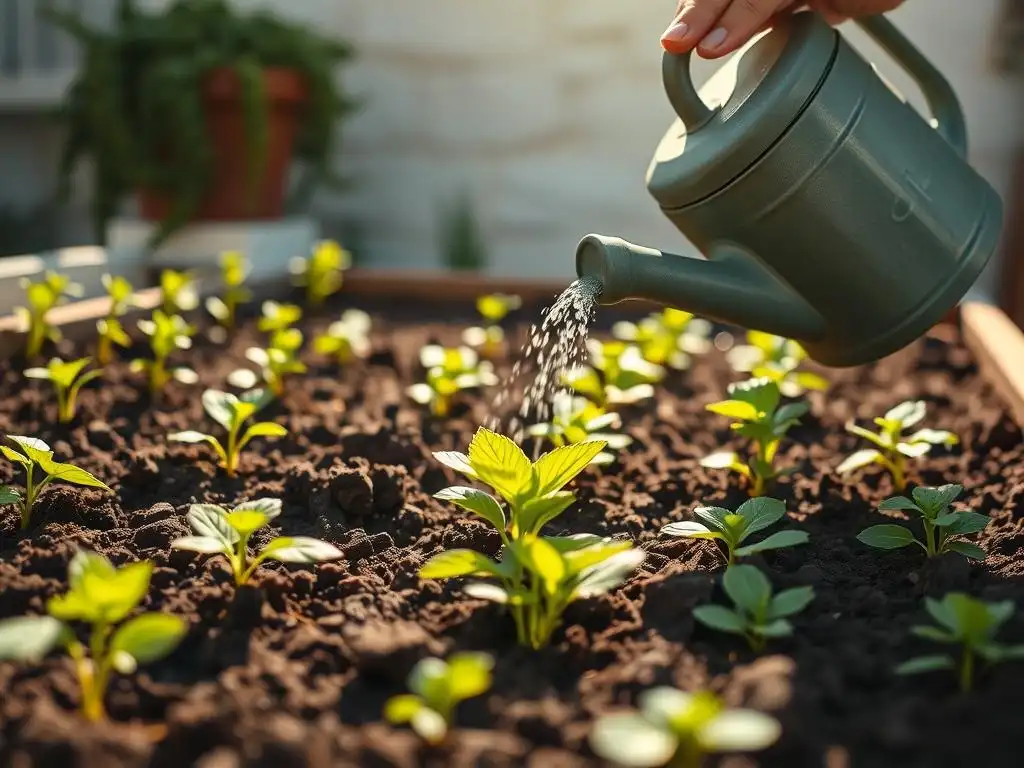
This section delves into the practical aspects of planting your garden in a hot climate, providing a detailed, step-by-step guide to ensure success. Remember, proper planting techniques are crucial for thriving plants, especially in challenging weather conditions. This hot climate gardening guide will equip you with the knowledge to overcome the heat and enjoy a bountiful harvest.
Step 1: Starting Seeds Indoors (if necessary)
Starting seeds indoors, particularly for heat-sensitive plants or those with longer growing seasons, offers a significant advantage in hot climates. It allows you to bypass the hottest part of the day and gives seedlings a head start before transplanting outdoors. This is especially beneficial for vegetables like tomatoes, peppers, and eggplant, which require warmer soil temperatures to germinate but are vulnerable to extreme heat once established.
Several factors influence whether starting seeds indoors is necessary. Consider the plant's specific needs, your local climate, and the time of year. For example, in regions with extremely hot summers, starting seeds indoors might be essential for many plants to avoid heat stress during germination. Conversely, fast-growing, heat-tolerant crops like zucchini or beans might thrive with direct sowing.
Here's a breakdown of the process:
- Choose the right seed starting mix: Use a seed starting mix, not garden soil, as it's lighter and drains better, preventing damping-off disease.
- Select appropriate containers: Use small pots or seed trays with drainage holes.
- Sow seeds according to package instructions: Generally, cover seeds with a thin layer of soil – about twice the seed's diameter.
- Provide adequate light and warmth: Place seedlings in a sunny location or under grow lights. Maintaining a consistent temperature (around 70-75°F or 21-24°C) is vital.
- Water carefully: Keep the soil consistently moist but not soggy. Overwatering can lead to root rot.
- Harden off seedlings: Before transplanting outdoors, gradually acclimate seedlings to outdoor conditions over a week or two. This reduces transplant shock.
Step 2: Preparing the Planting Holes
Proper hole preparation is critical for successful transplanting or direct sowing in hot climates. The soil needs to be appropriately amended to provide adequate drainage and retain moisture, crucial factors in combating the drying effects of intense heat. The size and spacing of the holes depend on the specific plant.
Here's what you need to consider:
- Soil type: Analyze your soil's texture and drainage. Amend heavy clay soils with organic matter like compost to improve drainage and aeration. Sandy soils benefit from the addition of organic matter to retain moisture.
- Hole size: Dig holes twice as wide and as deep as the root ball of your seedling or according to the seed packet instructions for direct sowing.
- Spacing: Follow recommended spacing guidelines for each plant to ensure proper air circulation and prevent overcrowding. Overcrowding can lead to increased competition for resources and disease susceptibility.
- Amendments: Incorporate compost or other organic matter into the planting hole to improve soil fertility and water retention. A balanced fertilizer can also be beneficial.
- Watering before planting: Water the planting holes thoroughly before transplanting or sowing seeds to ensure good soil contact with the roots.
| Plant Type | Hole Size (approx.) | Spacing (approx.) |
|---|---|---|
| Tomato | 12" diameter x 12" deep | 2-3 feet apart |
| Pepper | 10" diameter x 10" deep | 18-24 inches apart |
| Zucchini | 12" diameter x 12" deep | 2-3 feet apart |
| Lettuce | 6" diameter x 6" deep | 8-12 inches apart |
Step 3: Transplanting Seedlings or Direct Sowing
This step involves carefully moving your seedlings into their permanent location or sowing seeds directly into the prepared planting holes. The process differs slightly, but both require attention to detail to minimize stress on the plants. Remember that proper watering is crucial, especially in hot weather conditions.
Transplanting Seedlings:
- Gently remove seedlings from their containers, taking care not to damage the roots.
- Place seedlings in the prepared holes, ensuring the top of the root ball is level with the ground.
- Backfill the hole with soil, gently firming it around the base of the plant.
- Water thoroughly, ensuring the soil is well-saturated.
- Apply mulch to conserve soil moisture and suppress weeds.
Direct Sowing:
- Sow seeds according to package instructions, covering them with a thin layer of soil.
- Gently firm the soil around the seeds.
- Water gently, avoiding dislodging the seeds.
- Apply mulch to conserve moisture and suppress weeds. A layer of mulch will also help to regulate soil temperature.
Remember to monitor your plants regularly, watering as needed and addressing any pest or disease issues promptly. With careful planning and execution, your hot climate garden will flourish! 🌱
Step 4: Watering Your Newly Planted Garden
Watering your hot climate garden correctly is crucial for the survival and thriving of your plants. Overwatering can lead to root rot, while underwatering will stress your plants, making them more susceptible to pests and diseases. The key is to find the right balance, which depends on several factors including the type of soil, the weather conditions, and the specific needs of your plants.
Newly planted seedlings and young plants are especially vulnerable and require more frequent watering than established plants. Initially, aim for deep, infrequent watering rather than shallow, frequent watering. Deep watering encourages roots to grow deeper in search of moisture, making your plants more drought-tolerant in the long run.
This is especially important in hot climates where the topsoil can dry out quickly. Use a soaker hose or drip irrigation system to deliver water directly to the roots, minimizing evaporation and water waste. Avoid overhead watering, as this can lead to fungal diseases and scorch the leaves, particularly during the hottest parts of the day.
The frequency of watering will depend largely on the weather. During extended periods of intense heat and sunshine, you may need to water daily, especially during the establishment phase. However, during cooler periods or after rainfall, you can reduce the watering frequency. Always check the soil moisture before watering.
Stick your finger a few inches into the soil; if it feels dry, it's time to water. If it's still moist, wait a day or two. Different plants have different water requirements; some are more drought-tolerant than others. Research the specific needs of the plants you've chosen to ensure you're providing the optimal amount of water.
Remember to water deeply in the early morning or late evening to minimize evaporation. Watering during the hottest part of the day can lead to significant water loss before it even reaches the roots. Consistent monitoring and adjustment of your watering schedule based on weather conditions and plant needs are essential for successful hot climate gardening.
Consider using a moisture meter to help you gauge the soil moisture levels accurately, especially during the initial stages of plant establishment. This will help you avoid both overwatering and underwatering, ensuring your plants receive the precise amount of hydration they need to flourish in the heat. 💦
Watering and Maintaining Your Hot Climate Garden
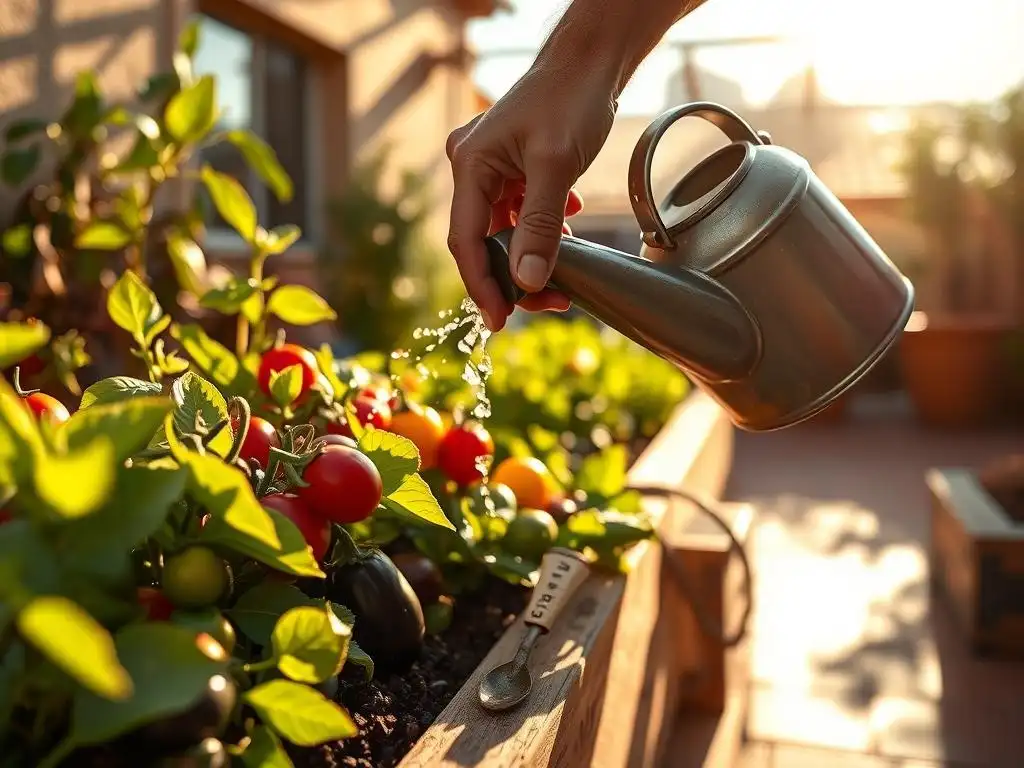
Maintaining a thriving garden in a hot climate requires diligent attention to watering and overall plant care. The intensity of the sun and high temperatures demand a proactive approach to ensure your plants' health and productivity. Understanding your plants' specific needs and implementing efficient watering techniques is crucial for success. This section will delve into practical strategies to optimize your hot climate garden's water management and overall maintenance.
Efficient Irrigation Techniques for Hot Climates
Efficient irrigation is paramount in hot climates, aiming to deliver water directly to the roots while minimizing water waste and evaporation. Drip irrigation systems are highly recommended. These systems deliver water slowly and directly to the base of each plant, reducing water loss through evaporation and runoff. This method also helps prevent fungal diseases that can thrive in consistently wet foliage. For smaller gardens, soaker hoses provide a similar benefit, slowly releasing water along their length.
Consider the soil type when choosing your irrigation method. Sandy soils drain quickly, requiring more frequent, albeit shorter, watering sessions. Clay soils, on the other hand, retain moisture longer, needing less frequent but more thorough watering. Regularly checking soil moisture with your finger (inserting it a couple of inches into the soil) is a simple yet effective way to gauge when your plants need watering. Avoid overhead watering, especially during the hottest parts of the day, as this leads to significant water loss through evaporation and can scorch plant leaves.
Here's a table summarizing the pros and cons of different irrigation methods:
| Irrigation Method | Pros | Cons | Best Suited For |
|---|---|---|---|
| Drip Irrigation | Efficient water use, targeted watering, reduces disease | Higher initial cost, potential for clogging | Larger gardens, established plants |
| Soaker Hoses | Relatively inexpensive, easy to install | Less precise than drip irrigation, can be bulky | Smaller gardens, less established plants |
| Overhead Sprinklers | Easy to install, covers large areas | Inefficient water use, can promote disease | Lawns, large areas needing even moisture coverage |
Mulching for Moisture Retention and Weed Control
Mulching is a crucial practice in hot climate gardening. A layer of mulch—organic material like straw, shredded leaves, or wood chips—acts as a natural insulator, protecting the soil from the intense heat and reducing evaporation. This helps keep the soil consistently moist, reducing the frequency of watering. Furthermore, mulch suppresses weed growth, minimizing competition for water and nutrients. A 2-4 inch layer of mulch is generally recommended.
The type of mulch you choose can influence its effectiveness. For example, darker mulches absorb more heat, while lighter-colored mulches reflect sunlight, keeping the soil cooler. Organic mulches also decompose over time, enriching the soil with beneficial nutrients. Remember to avoid piling mulch directly against plant stems, as this can lead to rot.
Recognizing Signs of Heat Stress and Drought in Plants
Recognizing the signs of heat stress and drought is crucial for timely intervention. Wilting is a common indicator, but it's important to differentiate between temporary wilting (plants recovering after watering) and persistent wilting, which indicates a more serious problem. Other signs include leaf scorch (brown or crispy leaf edges), leaf drop, stunted growth, and discoloration.
Detailed Signs of Heat Stress and Drought
Wilting: Leaves drooping and becoming limp. Persistent wilting is a strong indicator of stress.
Leaf Scorch: Brown, crispy edges or tips of leaves.
Leaf Drop: Premature shedding of leaves to conserve water.
Stunted Growth: Plants failing to reach their expected size.
Discoloration: Leaves turning yellow, brown, or other unusual colors.
Soil: Dry and cracked soil is a clear sign of lack of moisture.
Addressing these issues promptly is vital. Provide supplemental watering, shade if necessary, and consider adjusting your irrigation schedule to address the specific needs of your plants. Monitor your plants closely, paying attention to their behavior and adjusting your care accordingly to ensure a successful and bountiful harvest, even in the hottest of climates. 🥵
Pest and Disease Management in Hot Climates
Hot climate gardening presents unique challenges, particularly concerning pest and disease management. High temperatures and humidity create ideal breeding grounds for many insects and fungal pathogens, potentially devastating your harvest if not properly addressed. This section outlines effective strategies for protecting your plants and ensuring a bountiful yield, even under intense heat. Understanding the specific threats and implementing proactive measures are crucial for successful hot climate gardening. This guide focuses on organic and sustainable methods, aligning with CultivateYourFood's commitment to environmentally friendly practices.
Common Pests and Diseases in Hot Weather Gardens
High temperatures and humidity favor certain pests and diseases. Some common culprits in hot weather gardens include:
- Aphids: These tiny sap-sucking insects thrive in warm weather, weakening plants and spreading viruses. Look for curled leaves and sticky honeydew.
- Spider mites: These microscopic pests also thrive in dry, hot conditions, causing stippling and webbing on leaves. Regularly inspect the undersides of leaves.
- Whiteflies: These small, white insects infest the undersides of leaves, sucking sap and producing honeydew. They can also transmit diseases.
- Fungal diseases: High humidity promotes fungal growth, leading to diseases like powdery mildew (a white coating on leaves) and blight (leaf spots and wilting).
- Bacterial diseases: Warm, moist conditions can also favor bacterial infections, often causing leaf spots and stem rot.
Understanding the specific pests and diseases prevalent in your region is vital. Local agricultural extensions or experienced gardeners can provide valuable insights into common issues in your area. Regular monitoring is key to early detection and intervention, preventing widespread infestations or infections. Early detection is crucial for effective and timely management. For example, spotting just a few aphids early can prevent a large-scale infestation later.
Organic Pest Control Methods for Hot Climates
Organic pest control prioritizes environmentally friendly methods that minimize harm to beneficial insects and the ecosystem. Several effective techniques are particularly suitable for hot climates:
- Neem oil: This natural insecticide is effective against a wide range of pests, including aphids, spider mites, and whiteflies. Apply according to label instructions, avoiding midday sun.
- Insecticidal soap: This soap-based solution disrupts the cell membranes of soft-bodied insects, killing them on contact. It's effective against aphids, whiteflies, and spider mites.
- Diatomaceous earth: This naturally occurring powder dehydrates and kills insects by cutting into their exoskeletons. Apply as a dust around plants, focusing on the base and lower leaves.
- Beneficial insects: Introducing beneficial insects like ladybugs (which feed on aphids) and lacewings (which prey on various pests) can help control populations naturally.
- Companion planting: Certain plants repel pests or attract beneficial insects. For example, basil can deter aphids, while marigolds repel nematodes. Strategic planting can create a natural pest control system.
Remember to always follow label instructions carefully when using organic pest control methods. Some methods may need to be repeated at intervals to maintain effectiveness, especially during periods of high pest pressure.
Disease Prevention Strategies for Hot Weather Gardening
Preventing diseases is often more effective than treating them. Several strategies can significantly reduce the risk of fungal and bacterial infections in hot climates:
- Proper watering: Avoid overhead watering, which can spread diseases. Water deeply at the base of plants, especially in the morning, allowing foliage to dry before nightfall.
- Good air circulation: Ensure adequate spacing between plants to promote good air circulation and reduce humidity. This minimizes the ideal conditions for fungal growth.
- Sanitation: Remove and destroy infected plant material promptly to prevent the spread of disease. Clean tools and containers regularly to avoid contaminating healthy plants.
- Crop rotation: Rotating crops yearly helps break disease cycles and reduce the buildup of pathogens in the soil.
- Disease-resistant varieties: Choose plant varieties known for their resistance to common diseases in your region. Local nurseries can provide valuable advice on suitable varieties.
By implementing these preventative measures, you can significantly reduce the likelihood of disease outbreaks and ensure a healthier, more productive garden, even in the heat. Remember that a proactive approach to pest and disease management is essential for successful hot climate gardening. Combining preventative strategies with organic control methods offers the most effective and sustainable approach to protecting your plants and maximizing your harvest.
Harvesting Your Hot Climate Garden Bounty
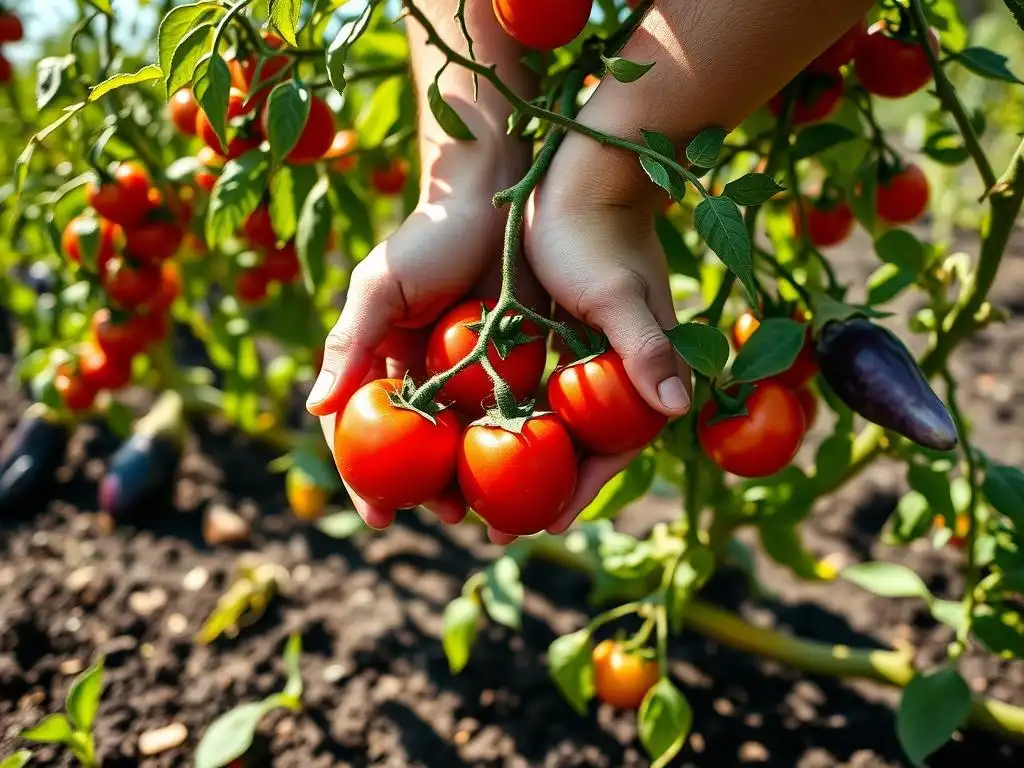
Harvesting your hard-earned produce is one of the most rewarding aspects of hot climate gardening. Getting the timing right, however, is crucial for maximizing flavor, nutritional value, and shelf life. This section will guide you through the process, ensuring you reap the full benefits of your efforts. Understanding the nuances of harvesting in hot climates will help you avoid common pitfalls and enjoy a bountiful harvest. This guide will provide you with essential information to improve your hot climate gardening experience.
Harvesting Techniques for Different Plants
Different plants require different harvesting techniques. A gentle touch is often key to preventing damage. Here's a breakdown for some common hot-climate crops:
- Tomatoes: Harvest tomatoes when they are fully colored and slightly soft to the touch. Avoid pulling; instead, gently twist the tomato from the vine. Leaving the stem attached helps prevent rot. Regular harvesting encourages the plant to produce more fruits. This is key to maximizing your yield in a hot climate where plants can mature rapidly.
- Peppers: Peppers are ready for harvest when they reach their mature color (this varies depending on the pepper variety). Use sharp pruning shears or a knife for a clean cut at the stem. Again, regular harvesting stimulates further fruit production.
- Cucumbers: Harvest cucumbers while they are still young and tender, before the skin becomes tough. Gently twist or cut them from the vine. Overripe cucumbers can be bitter and less palatable.
- Zucchini and Squash: These are harvested when they are young and tender, usually 6-8 inches long for zucchini. Harvest frequently to encourage continued growth. Larger squash varieties will require more time to mature.
- Herbs: Harvest herbs in the morning after the dew has dried. Cut stems just above a leaf node to encourage bushier growth. Many herbs can be harvested repeatedly throughout the growing season. This is particularly important for herbs thriving in the heat.
| Plant | Harvesting Technique | Maturity Indication |
|---|---|---|
| Tomatoes | Twist gently from the vine | Fully colored, slightly soft |
| Peppers | Cut at the stem | Mature color (varies by variety) |
| Cucumbers | Twist or cut from the vine | Young, tender, firm skin |
| Zucchini/Squash | Cut from the vine | Young, tender (6-8 inches for zucchini) |
| Herbs | Cut above leaf node | Varies depending on the herb and use |
When to Harvest for Optimal Flavor and Nutrition
The time of day you harvest can impact both flavor and nutrient content. In hot climates, the heat of the day can affect the quality of your produce. Early morning harvesting, after the dew has dried, is generally recommended. This helps to avoid wilting and preserve the nutrients. This also reduces the risk of sunscald, which is especially important in hot, sunny climates. The optimal time is typically between early morning and late afternoon, avoiding the midday sun.
The stage of maturity also plays a crucial role. Harvesting too early can result in poor flavor and reduced nutritional value. Harvesting too late can lead to tough, bitter, or even spoiled produce. Refer to the table above for specific plant maturity indicators. Understanding the growth cycle of each plant you cultivate is essential for achieving optimal harvest timing. Proper timing will enhance your overall gardening experience.
Preserving Your Harvest
Preserving your harvest extends its enjoyment and reduces food waste, a vital consideration in hot climates where produce can spoil quickly. Several methods are effective:
- Refrigeration: Most freshly harvested produce will last longer when refrigerated. Properly washing and drying produce before refrigeration is crucial.
- Freezing: Many fruits and vegetables freeze well, preserving their nutritional value and flavor. Blanching (briefly boiling) before freezing helps maintain quality.
- Canning: Canning is a more involved process but offers long-term preservation of many fruits and vegetables. Proper canning techniques are essential to prevent spoilage. This method is particularly useful for preserving a large harvest in the hot climate.
- Dehydrating: Dehydrating removes moisture, increasing the shelf life of many fruits and herbs. Dehydrated foods are also lightweight and easy to store. This is a great way to preserve the bounty of your hot climate garden.
The choice of preservation method depends on the type of produce and your storage capabilities. Consider a combination of methods to maximize the lifespan of your harvest and enjoy your gardening efforts throughout the year. Proper preservation techniques are essential for successful hot climate gardening.
Tips for Success in Hot Climate Gardening
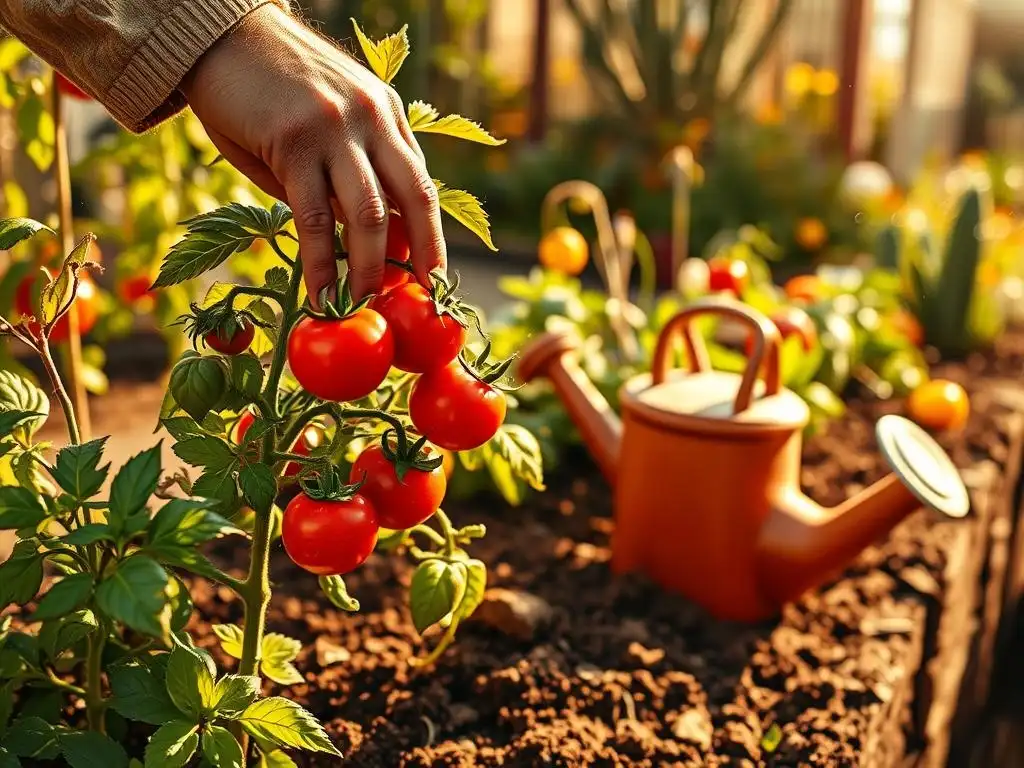
This section delves into practical strategies for thriving in hot climate gardening, offering detailed advice beyond the basics. Remember, success hinges on understanding and adapting to your specific environment. This guide focuses on techniques to mitigate the challenges posed by intense heat and sunshine.
Utilizing Shade Cloth and Other Protective Measures
Intense sunlight can scorch delicate seedlings and stress mature plants, significantly impacting yields. Utilizing shade cloth is a highly effective method to moderate temperatures and protect your plants. Shade cloth comes in various percentages of shade, ranging from 30% to 90%. The ideal percentage depends on the intensity of your local sun and the specific needs of your plants. For example, delicate seedlings might benefit from 70-90% shade, while hardier plants might only require 30-50%.
Consider the placement of your shade cloth carefully. It's crucial to ensure adequate air circulation to prevent fungal diseases that thrive in humid, shaded environments. Avoid placing the shade cloth directly on the plants; maintain a small air gap for better ventilation. You can achieve this using simple supports like stakes and twine.
Beyond shade cloth, other protective measures include:
- Raised beds: These improve drainage and warm the soil faster in the morning, offering a slight advantage in cooler evenings.
- Mulching: A thick layer of organic mulch (straw, shredded leaves, wood chips) helps retain soil moisture, suppress weeds, and regulate soil temperature. This is particularly important in hot climates where soil moisture evaporates rapidly.
- Strategic planting: Plant taller plants to the north or west to offer natural shade to more delicate plants.
Adapting Your Gardening Schedule to the Hottest Months
The hottest part of the day, typically midday to early afternoon, is the most stressful period for plants. To maximize plant health and minimize stress, consider adapting your gardening schedule:
- Watering: Water deeply in the early morning or late evening to minimize evaporation and allow plants to absorb water before the heat of the day. Avoid watering during the hottest part of the day, as much of the water will be lost to evaporation.
- Weeding: Weed regularly, but avoid doing so during the hottest part of the day to prevent stress on both you and your plants. Weeds compete with your plants for water and nutrients, making regular weeding crucial, especially in hot, dry conditions.
- Fertilizing: Avoid fertilizing during the hottest months. The high temperatures can burn plant roots, negating the benefits of the fertilizer. Focus on providing adequate water and nutrients during cooler months.
- Harvesting: Harvest early in the morning or late in the evening to avoid heat stress on both you and the plants.
Monitoring Soil Moisture and Adjusting Watering Accordingly
Consistent soil moisture is critical for plant health in hot climates. Overwatering can lead to root rot, while underwatering leads to wilting and stress. Regular monitoring is key:
- Finger test: Stick your finger about an inch into the soil. If it feels dry, it's time to water. This simple method helps avoid overwatering.
- Soil moisture meter: A soil moisture meter provides a more precise measurement of soil moisture levels. These are readily available and can be invaluable in ensuring your plants receive the right amount of water.
- Watering techniques: Employ efficient watering methods like drip irrigation or soaker hoses to deliver water directly to the roots, minimizing evaporation. Avoid overhead watering, as this can lead to fungal diseases. Consider the type of soil; sandy soil dries out faster than clay soil, requiring more frequent watering.
The consistent application of these strategies, adapted to your specific microclimate and plant species, will significantly improve your chances of success in hot climate gardening, allowing you to cultivate a thriving and bountiful garden even in the most challenging conditions. Remember to observe your plants closely and adjust your practices as needed. Happy gardening!
Resources for Continued Learning on Hot Climate Gardening
This section provides valuable resources to help you continue your journey into the fascinating world of hot climate gardening. We've compiled a list of helpful books, websites, local community resources, and ongoing support from CultivateYourFood to ensure your gardening success. Remember, consistent learning is key to thriving in any climate!
Recommended Books and Websites on Hot Climate Gardening
Expanding your knowledge is crucial for successful hot climate gardening. Here are some excellent resources to delve deeper into specific techniques and challenges:
- Books: Many excellent books cater specifically to hot climate gardening. Look for titles focusing on xeriscaping (water-wise gardening), drought-tolerant plants native to your region, and managing heat stress in plants. Key terms to search for include "desert gardening," "Mediterranean gardening," and "arid climate gardening." Pay attention to the specific climate zone the book covers, ensuring it aligns with your location's conditions. Consider authors who are experts in your region's climate and plant life.
- Websites: Beyond CultivateYourFood, several websites offer in-depth information on hot climate gardening. Look for sites with active forums and communities where you can ask questions and share experiences. Reliable sources often include university extension programs, botanical gardens, and reputable gardening organizations. A high-quality website will provide detailed articles, practical advice, and possibly even video tutorials. Look for websites that are regularly updated and feature contributions from multiple experts.
- Specific Examples: For example, a book titled "Gardening in the Southwest Sun" might offer practical advice on choosing sun-loving plants, while a website like "[Website Name Pending]" could provide a detailed guide on building a DIY shade structure for your garden.
Local Gardening Clubs and Resources
Connecting with your local gardening community is invaluable. Local clubs and resources offer practical, region-specific advice you won't find in books or on general websites. These groups often organize workshops, share plant exchanges, and offer hands-on learning opportunities.
- Benefits of Joining: Membership in a local club provides access to experienced gardeners who can offer tailored advice based on your specific microclimate and soil conditions. They can also help identify local pests and diseases, providing effective and environmentally friendly solutions. The social aspect is also a significant benefit – building relationships with fellow gardening enthusiasts can be incredibly rewarding.
- Finding Local Resources: Use online search engines to find gardening clubs or horticultural societies in your area. Check with your local library, community center, or agricultural extension office. Many municipalities also offer gardening workshops and resources for residents. Local nurseries can often provide information on local gardening groups.
Further support from CultivateYourFood
CultivateYourFood is committed to your gardening success. We offer ongoing support through several channels:
- Our Forum: Engage with our active community forum. Share your experiences, ask questions, and receive advice from fellow gardeners and our expert team. This is a space for collaborative learning and problem-solving.
- Future Articles and Guides: We regularly publish new articles and guides on various aspects of sustainable gardening, including specific techniques for hot climates. Subscribe to our newsletter to stay updated on the latest information.
- Personalized Advice: While we can't provide personalized consultations on a one-to-one basis, we strive to answer your questions in our forum and through our regularly updated content. Remember to provide as much detail as possible when asking for advice, including your location, soil type, and the specific plants you are growing.
We hope these resources empower you to cultivate a thriving garden, even in the hottest of climates! Remember that patience, observation, and continuous learning are key to success. Happy gardening! 🌱
Frequently Asked Questions
What are the best vegetables to grow in a hot climate?
Many vegetables thrive in heat! Consider heat-tolerant varieties of tomatoes, peppers, eggplant, beans, and squash. Proper watering is crucial for success.
How can I protect my plants from intense sun?
Use shade cloth to provide afternoon shade, especially for young seedlings. Mulching around plants helps retain soil moisture and regulate temperature. Consider planting in strategic locations that offer natural shade.
How often should I water my plants in hot weather?
Deep, infrequent watering is better than frequent shallow watering. Water deeply in the morning to allow leaves to dry before nightfall, reducing fungal diseases. Check soil moisture regularly.
What are some common pests and diseases in hot climates, and how to control them?
Aphids, spider mites, and fungal diseases are common. Use organic pest control methods like insecticidal soap or neem oil. Ensure good air circulation to prevent fungal growth.
What is the best time of day to garden in a hot climate?
The early morning or late evening are the best times to garden in hot climates. Avoid working during the hottest part of the day to prevent heat stress for both you and your plants.
Final Reflection: Nurturing Life in the Heat: A Harvest of Hope
The challenges of hot climate gardening are real, but so are the rewards. Successfully cultivating food in intense heat requires dedication, knowledge, and a willingness to adapt, but the resulting abundance of fresh, homegrown produce is a testament to human resilience and ingenuity. This isn't just about growing food; it's about building a sustainable and fulfilling relationship with the environment, even under challenging conditions.
The impact of climate change is undeniable, and its effects on agriculture are particularly stark. Learning to garden effectively in hot climates is not just a hobby; it's a crucial skill for ensuring food security in an increasingly unpredictable world. The future of food security depends on our ability to adapt to changing climates and embrace sustainable agricultural practices.
This quote underscores the importance of the knowledge shared in this guide, highlighting the need for accessible and practical information to empower individuals to take control of their food sources.
Now, consider your own space, your own sun-drenched corner of the world. What small step can you take today to bring this knowledge to life? Perhaps it's planting a single heat-tolerant herb, researching native drought-resistant plants, or simply committing to learning more about water-wise gardening techniques. The journey to a thriving hot climate garden begins with a single seed, a single act of intention. Embrace the challenge, nurture your passion, and reap the rewards of a bountiful harvest – both literally and metaphorically.
Unleash Your Inner Gardener: Grow Your Own Oasis!
Thank you for learning about hot-climate gardening! We hope you feel empowered to grow delicious, healthy food, even in intense heat. Ready to get started?
- Begin your hot-weather gardening journey today! Start by selecting a few heat-tolerant plants—even a small herb garden can make a difference. Consider varieties like basil, peppers, or tomatoes, known for their resilience in high temperatures.
- Share your gardening successes and challenges with our community on social media using #CultivateYourFood. Let's learn and grow together!
- Consider experimenting with unusual heat-loving plants. Perhaps you'd like to try growing eggplant, okra, or even certain types of melons?
What's the first step you'll take to create your own thriving hot-climate garden?