
The Soil Food Web and Nutrient Cycling: How Nutrients Become PlantAvailable

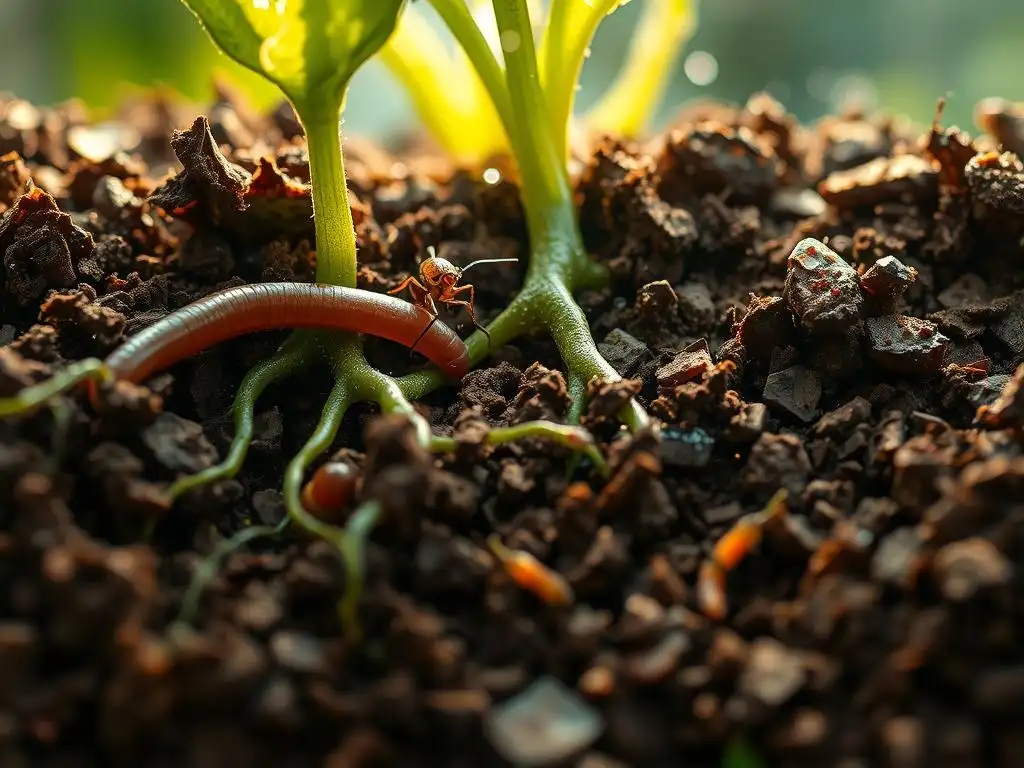
Ready to unlock the secrets of a thriving garden? At CultivateYourFood, we believe everyone can grow their own delicious and healthy produce. But did you know the key to abundant harvests lies beneath the surface? Discover the fascinating world of soil food web nutrient cycling and learn how to transform your garden into a vibrant ecosystem teeming with life, leading to healthier plants and bigger yields. Let's delve into the crucial role of this intricate network and empower your gardening journey!
- Understanding the Soil Food Web: A Foundation for Nutrient Cycling
- Soil Food Web Nutrient Cycling: The Process Explained
-
Enhancing Soil Food Web Activity for Improved Nutrient Cycling
- Composting: Adding Organic Matter to Fuel the Soil Food Web
- Cover Cropping: Enhancing Soil Biology and Nutrient Availability
- No-Till Farming: Protecting Soil Structure and Microbial Life
- Avoiding Harmful Practices: Pesticides and Their Impact on Soil Health
- Soil Testing: Monitoring Nutrient Levels and Soil Health
- Optimizing Nutrient Cycling for Specific Crops
- Frequently Asked Questions
- Final Reflection: Nourishing the Earth, Nourishing Ourselves
- Unlock Your Soil's Potential: Grow Healthier Plants Naturally
Understanding the Soil Food Web: A Foundation for Nutrient Cycling
The health and productivity of your garden hinges on a complex, often unseen world teeming beneath the soil surface: the soil food web. This intricate network of organisms, from microscopic bacteria to larger invertebrates, plays a crucial role in nutrient cycling, making essential nutrients available to your plants in a way that promotes vigorous growth and resilience. Understanding the soil food web and its processes is fundamental to successful organic gardening, empowering you to cultivate healthy, thriving plants without relying on synthetic fertilizers.
This article delves into the fascinating mechanisms of nutrient cycling, exploring how organic matter is transformed into plant-available nutrients, ultimately contributing to a more sustainable and productive garden. We'll examine the key players involved, the processes they undertake, and the symbiotic relationships that underpin this vital ecosystem.
Mastering these principles will significantly enhance your ability to cultivate fruits, vegetables, and herbs using sustainable and organic practices. Let's begin by exploring the key players in this underground marvel.
The Key Players: Bacteria, Fungi, and Other Microbes
The soil food web is a vibrant ecosystem populated by a diverse array of microorganisms. Bacteria, fungi, actinomycetes, protozoa, and nematodes are just a few of the key players, each fulfilling a specific role in the nutrient cycle. Bacteria, for example, are incredibly diverse, with some specializing in nitrogen fixation – converting atmospheric nitrogen into forms usable by plants. Others break down complex organic matter, releasing simpler nutrients in the process.
Fungi, particularly mycorrhizal fungi (discussed in more detail below), play a critical role in nutrient uptake and plant health. Actinomycetes, similar to bacteria but with a filamentous structure, are also significant decomposers, contributing to the breakdown of organic materials like cellulose and chitin. Protozoa, microscopic single-celled organisms, feed on bacteria, regulating bacterial populations and releasing nutrients back into the soil solution. Nematodes, microscopic worms, also play a significant role, some acting as decomposers and others as predators, contributing to the overall balance of the soil food web.
The intricate interactions between these various groups are essential for maintaining a healthy and productive soil ecosystem. A balanced community ensures efficient nutrient cycling and overall soil health. The diversity of these microbes is key; a monoculture of a few dominant species is far less resilient and efficient than a diverse community.
Decomposers: Breaking Down Organic Matter for Nutrient Release
The process of decomposition is central to nutrient cycling. Decomposers, including bacteria, fungi, and other microorganisms, break down complex organic matter—such as dead leaves, roots, and other plant material—into simpler substances. This process, known as mineralization, releases essential nutrients like nitrogen (N), phosphorus (P), potassium (K), and other micronutrients, making them available for plant uptake.
The rate of decomposition depends on various factors, including temperature, moisture, and the composition of the organic matter. For example, materials rich in lignin, such as woody debris, decompose more slowly than materials rich in cellulose, like leaves. Understanding these factors allows gardeners to manage their compost piles and incorporate organic matter effectively to maximize nutrient release.
Adding a diverse range of organic materials, such as grass clippings, leaves, and kitchen scraps, supports a diverse community of decomposers, leading to more efficient nutrient cycling. Careful management of soil moisture and aeration also plays a crucial role in optimizing decomposition rates.
Mycorrhizae: The Symbiotic Relationship Between Fungi and Plant Roots
Mycorrhizae are a fascinating example of a symbiotic relationship within the soil food web. These are symbiotic associations between fungi and plant roots. The fungi colonize the roots, extending their reach far beyond the plant's root system. This expanded network allows the plant to access nutrients and water more efficiently, particularly phosphorus, which is often immobile in the soil.
In return, the plant provides the fungi with carbohydrates produced through photosynthesis. This mutually beneficial relationship significantly enhances plant growth and resilience. Different types of mycorrhizae exist, with arbuscular mycorrhizae (AM) being particularly common in many plant species. Promoting the growth of mycorrhizal fungi in your garden can be achieved by avoiding the use of synthetic fertilizers and pesticides, which can harm these beneficial fungi.
Adding compost and other organic matter also encourages the development of a healthy mycorrhizal network. The presence of a thriving mycorrhizal network is a strong indicator of a healthy soil food web and a productive garden. The benefits extend beyond increased nutrient uptake, including improved drought tolerance and disease resistance for your plants.
Predatory Organisms: Maintaining Balance in the Soil Ecosystem
Predatory organisms are a crucial component of the soil food web, playing a vital role in regulating populations of other organisms and contributing to overall soil health. These organisms, ranging from microscopic nematodes to larger arthropods like centipedes and beetles, feed on other soil inhabitants, preventing any single species from dominating the ecosystem. This top-down control is essential for maintaining biodiversity and preventing imbalances that could harm plant growth.
For example, a surge in populations of root-feeding nematodes can severely damage plant roots, impacting nutrient uptake and overall plant health. Predatory nematodes, however, help keep these root-feeding nematodes in check, ensuring a healthier balance.
The activity of predatory organisms contributes directly to nutrient cycling. When predators consume their prey, they release nutrients back into the soil through their waste products and decomposition. This process, while seemingly simple, is incredibly important for making nutrients available to plants.
The nutrients released are often in more readily available forms than those released through the decomposition of other organisms, contributing to a more efficient nutrient cycle. Different predatory organisms have different prey preferences, creating a complex network of interactions that keeps the soil food web dynamic and resilient. Some predators may specialize in specific prey, while others have broader diets, providing a safety net against potential population explosions of particular pests.
Consider the impact of predatory mites on populations of spider mites, common pests in many gardens. Spider mites can rapidly infest plants, sucking the sap and causing significant damage. Predatory mites, however, feed on spider mites, effectively controlling their populations and reducing the need for chemical pesticides.
This natural pest control is a cornerstone of organic gardening practices and highlights the significant role of predatory organisms in sustainable agriculture. The presence and abundance of these beneficial predators is a key indicator of a healthy and thriving soil ecosystem, capable of supporting robust plant growth. Promoting a diverse range of predatory organisms through organic soil management practices, such as avoiding the use of broad-spectrum pesticides, is crucial for building a resilient and productive soil food web.
This, in turn, contributes directly to enhanced nutrient cycling and healthier, more productive plants. The delicate balance maintained by these predators underscores the interconnectedness of the soil food web and its importance for sustainable food production.
Soil Food Web Nutrient Cycling: The Process Explained
This section delves into the intricate process of nutrient cycling within the soil food web, a crucial aspect of organic gardening and sustainable agriculture. Understanding how nutrients transition from organic matter to plant-available forms is key to cultivating healthy, thriving plants. We'll explore the key steps involved in this vital process, focusing on the roles played by various soil organisms and the environmental factors influencing nutrient availability. Effective soil food web nutrient cycling is essential for maximizing plant growth and minimizing the need for synthetic fertilizers.
Organic Matter Decomposition: The Starting Point of Nutrient Cycling
The journey of nutrients begins with organic matter decomposition. Organic matter, encompassing everything from fallen leaves and grass clippings to composted materials and decaying plant roots, forms the foundation of a healthy soil food web. This organic matter is not directly usable by plants; it must first be broken down into simpler forms. This breakdown is a complex process facilitated by a diverse array of soil organisms, including bacteria, fungi, actinomycetes, and protozoa.
Bacteria, for example, are particularly adept at breaking down simpler organic compounds like sugars and amino acids. Fungi, on the other hand, excel at decomposing more complex organic polymers like cellulose and lignin found in plant cell walls. Their hyphae penetrate plant tissues, releasing enzymes that break down these complex molecules. Actinomycetes, a group of bacteria resembling fungi, play a critical role in decomposing chitin, a component of insect exoskeletons, contributing to nutrient release from these sources. Protozoa, microscopic single-celled organisms, feed on bacteria and fungi, regulating their populations and releasing nutrients in the process.
The synergistic interaction between these organisms ensures a complete and efficient decomposition process. The efficiency of decomposition is affected by factors like soil moisture, temperature, and aeration. Optimal conditions promote rapid decomposition, making nutrients readily available. Conversely, waterlogged or compacted soils can hinder decomposition, leading to nutrient limitations.
The decomposition process releases various nutrients, including nitrogen (N), phosphorus (P), potassium (K), and micronutrients, in organic forms initially unavailable to plants.
Mineralization: Transforming Organic Nutrients into Plant-Available Forms
Mineralization is the crucial step where organic forms of nutrients are converted into inorganic forms that plants can absorb. This process is primarily carried out by soil microorganisms during the decomposition of organic matter. For instance, the nitrogen in organic matter, initially present as amino acids and proteins, is converted into ammonium (NH₄⁺) through ammonification. Ammonium can then be further oxidized to nitrate (NO₃⁻) through nitrification, a process carried out by specific groups of bacteria. Nitrate is the primary form of nitrogen readily absorbed by most plants.
Similarly, phosphorus in organic matter is released as inorganic phosphate (PO₄³⁻) through mineralization. The availability of phosphorus is often influenced by soil pH; optimal levels are generally achieved within a slightly acidic to neutral range. The mineralization rate of other nutrients like potassium also follows a similar pattern, transitioning from organic to inorganic forms accessible to plants.
The efficiency of mineralization is influenced by several factors, including the C:N ratio of the organic matter, soil temperature, moisture, and pH. A balanced C:N ratio is vital for optimal mineralization. High C:N ratios (e.g., in materials like sawdust) can temporarily tie up nitrogen, delaying its release for plant uptake. Conversely, low C:N ratios accelerate nitrogen mineralization. Optimal soil conditions are crucial for maintaining a thriving microbial community, thereby ensuring efficient nutrient mineralization.
The process of mineralization is continuous, creating a dynamic equilibrium between organic and inorganic nutrient pools in the soil.
Nutrient Uptake by Plants: Roots and the Rhizosphere
The final stage involves the uptake of mineralized nutrients by plant roots. Plant roots actively absorb nutrients from the soil solution, the water surrounding soil particles containing dissolved nutrients. The rhizosphere, the narrow zone of soil immediately surrounding plant roots, plays a critical role in this process. The rhizosphere is teeming with microorganisms that interact directly with plant roots, influencing nutrient availability and uptake.
Mycorrhizal fungi, for example, form symbiotic relationships with plant roots, extending their reach into the soil and facilitating the uptake of phosphorus and other nutrients. These fungi receive carbohydrates from the plant in exchange for improved nutrient acquisition. Other beneficial microorganisms in the rhizosphere produce growth hormones or solubilize nutrients, making them more accessible to plants.
The efficiency of nutrient uptake is influenced by several factors, including root architecture, soil conditions, and the availability of nutrients in the soil solution. Healthy root systems with extensive branching and root hairs maximize contact with the soil and enhance nutrient uptake. Sufficient soil moisture and aeration are essential for optimal root function and nutrient absorption.
The concentration of nutrients in the soil solution also directly affects the rate of uptake, highlighting the importance of maintaining a balanced nutrient supply through organic matter management and efficient nutrient cycling within the soil food web. The interaction between roots and the rhizosphere's diverse community is a dynamic and complex process, crucial for plant nutrition and overall soil health.
Nutrient Cycling Pathways: A Continuous Process
Nutrient cycling within the soil food web is a dynamic and continuous process, not a linear one. It involves a complex interplay of various organisms and their activities, constantly transforming nutrients from one form to another, making them accessible to plants. Think of it as a bustling city where different workers – bacteria, fungi, protozoa, nematodes, and earthworms – each play a crucial role in the constant flow of resources.
This intricate network ensures that nutrients aren't simply locked away but are perpetually recycled and made available for plant uptake. The efficiency of this cycle directly impacts the health and productivity of your garden. A thriving soil food web means a more efficient nutrient cycling process, leading to healthier plants and reduced reliance on synthetic fertilizers.
One key pathway involves the decomposition of organic matter. When plant residues, such as leaves and stems, or other organic materials like compost are added to the soil, decomposers, primarily bacteria and fungi, begin their work. They break down complex organic molecules into simpler inorganic forms, a process called mineralization.
This releases essential nutrients like nitrogen (N), phosphorus (P), and potassium (K) into the soil solution, where they become available for plant roots to absorb. The rate of decomposition varies depending on factors like temperature, moisture, and the composition of the organic matter itself. For example, materials high in lignin, like wood chips, decompose more slowly than materials rich in readily available sugars, like fruit scraps.
Another crucial pathway involves the interactions between different soil organisms. For example, bacteria often fix atmospheric nitrogen, converting it into a plant-usable form. This nitrogen is then transferred through the food web as bacteria are consumed by protozoa, which are in turn consumed by larger organisms like nematodes. This process, known as trophic transfer, moves nutrients up the food chain, making them available to plants indirectly.
The release of nutrients through excretion and decomposition of these organisms further contributes to the nutrient pool available for plant uptake. A balanced and diverse soil food web maximizes the efficiency of this trophic transfer, ensuring a continuous supply of nutrients. The presence of earthworms, for example, significantly enhances nutrient cycling by their burrowing activity, which improves soil aeration and facilitates the movement of nutrients throughout the soil profile. They also ingest organic matter, further speeding up decomposition and nutrient release.
Understanding these pathways is crucial for effective soil management. By supporting a healthy and diverse soil food web through practices like adding compost, avoiding tillage, and minimizing pesticide use, you can promote efficient nutrient cycling and create a naturally fertile garden that thrives on its own internal resources. This reduces your reliance on external inputs and contributes to a more sustainable and environmentally friendly gardening approach.
The soil food web's intricate nutrient cycling is a testament to nature's efficiency and a cornerstone of healthy, productive soil. By understanding and supporting this process, you are cultivating not just plants, but a vibrant and self-sustaining ecosystem beneath your feet.
Enhancing Soil Food Web Activity for Improved Nutrient Cycling

This section delves into practical strategies for boosting the soil food web's activity, thereby accelerating nutrient cycling and improving plant health. A thriving soil food web is the cornerstone of successful organic gardening, acting as a natural fertilizer factory. Understanding how to enhance this ecosystem is key to achieving nutrient-rich soil without resorting to synthetic fertilizers. We'll explore several effective techniques, focusing on their impact on nutrient availability for your plants. Effective soil food web nutrient cycling is the key to vibrant, healthy plants.
Composting: Adding Organic Matter to Fuel the Soil Food Web
Composting is a cornerstone of sustainable gardening, providing a readily available source of organic matter that significantly boosts soil food web activity. The decomposition process, driven by bacteria, fungi, and other microorganisms, releases essential nutrients in a plant-available form. These microbes don't just break down organic matter; they also create complex structures that improve soil aeration and water retention, further benefiting plant growth.
Compost acts as a buffet for the soil food web. The diverse range of organic materials – from fruit and vegetable scraps to yard waste – provides a varied food source, supporting a wider range of organisms. This biodiversity is crucial; a more diverse community of soil organisms is more resilient and efficient at nutrient cycling.
For example, consider the difference between adding a single type of organic material (say, just grass clippings) versus a compost mix containing diverse materials like leaves, coffee grounds, and food scraps. The latter supports a far richer and more active soil food web, leading to greater nutrient cycling and healthier plants. The increased microbial activity translates directly into enhanced nutrient availability for your crops. Aim for a dark, crumbly compost, indicating a mature and nutrient-rich product. Regular compost application, ideally before planting or as a top dressing, significantly enhances nutrient cycling and soil health.
Cover Cropping: Enhancing Soil Biology and Nutrient Availability
Cover cropping is a powerful technique that leverages the growth of specific plants to improve soil health and nutrient availability. These plants, grown between cash crops or during fallow periods, are not harvested for food but instead tilled into the soil, adding organic matter and enhancing soil biology. Different cover crops offer unique benefits; some excel at fixing nitrogen from the atmosphere, while others improve soil structure or suppress weeds.
The impact on the soil food web is multifaceted. The addition of plant biomass fuels microbial activity, increasing the rate of nutrient cycling. Furthermore, the diverse root systems of cover crops create channels in the soil, improving aeration and water infiltration. This improved soil structure facilitates microbial activity and nutrient uptake by plant roots.
For instance, legumes like clover and alfalfa are excellent nitrogen fixers, enriching the soil with this crucial nutrient. Other cover crops, such as rye and oats, improve soil structure and suppress weeds, indirectly benefiting the soil food web by reducing competition for resources. Choosing a mix of cover crops with complementary characteristics can further optimize the benefits for your soil's microbial life and nutrient cycling. Properly integrating cover crops into your gardening routine contributes substantially to a vibrant soil food web and enhanced nutrient availability.
No-Till Farming: Protecting Soil Structure and Microbial Life
No-till farming practices significantly impact the soil food web by minimizing soil disturbance. Conventional tillage methods disrupt soil structure, damaging the intricate networks of fungal hyphae and other microbial communities. This disruption reduces microbial activity and nutrient cycling efficiency. In contrast, no-till farming preserves soil structure, creating a more hospitable environment for soil organisms.
The undisturbed soil creates a protective layer of organic matter on the soil surface, shielding microorganisms from harsh environmental conditions. This organic mulch also acts as a source of food for the soil food web, further stimulating microbial activity. The reduced soil compaction associated with no-till practices also improves aeration and water infiltration, further benefiting soil organisms.
The benefits are substantial. Research consistently shows that no-till systems support greater biodiversity and biomass in the soil food web compared to conventionally tilled soils. This translates to enhanced nutrient cycling, improved water retention, and increased plant productivity. Adopting no-till techniques, even on a small scale, can significantly contribute to building a healthy and productive soil food web, maximizing nutrient availability for your plants. The long-term advantages of this approach are considerable, leading to healthier soil and more sustainable gardening practices.
Avoiding Harmful Practices: Pesticides and Their Impact on Soil Health
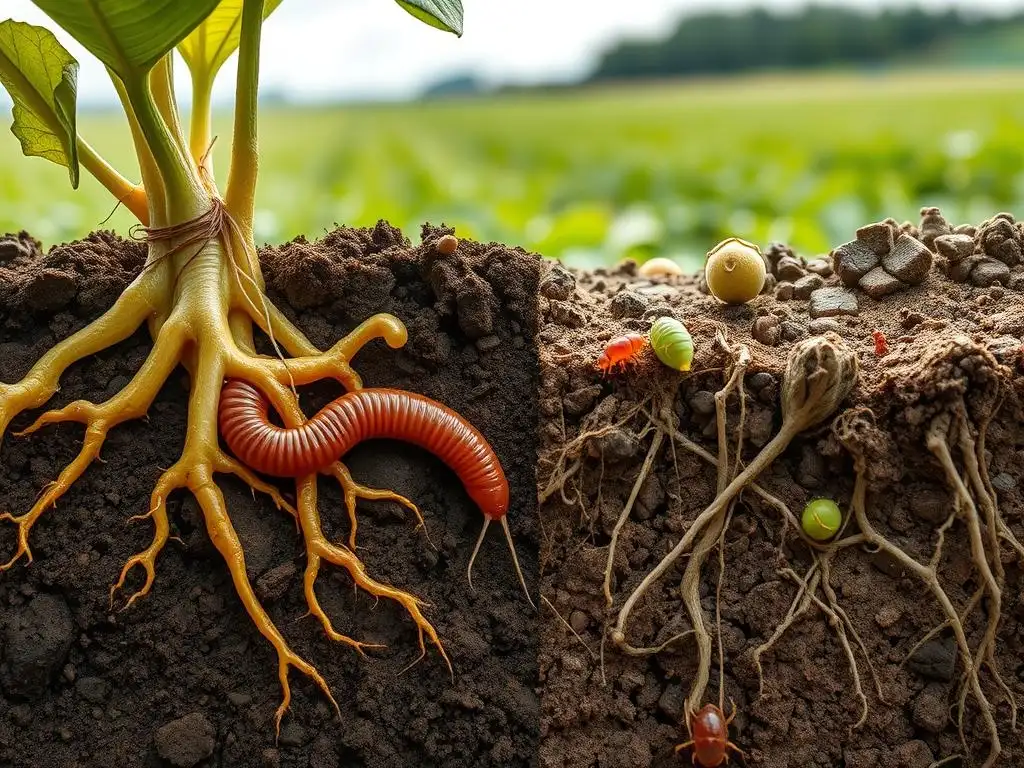
Pesticides, while offering short-term pest control solutions, severely disrupt the delicate balance of the soil food web and hinder nutrient cycling. The indiscriminate killing of beneficial organisms, like earthworms, predatory insects, and mycorrhizal fungi, weakens the entire ecosystem. These organisms are crucial for breaking down organic matter, releasing nutrients, and improving soil structure. Their absence leads to reduced nutrient availability for plants, increased reliance on synthetic fertilizers, and a compromised soil ecosystem more susceptible to disease and pests.
For example, the overuse of broad-spectrum insecticides can eliminate beneficial nematodes that prey on plant-parasitic nematodes, leading to increased crop damage and reduced yields. The long-term consequences of pesticide use include soil compaction, reduced water infiltration, and the build-up of pesticide residues, which can harm human and animal health. Sustainable gardening practices emphasize preventative measures, such as crop rotation, companion planting, and the introduction of beneficial insects, to minimize pest problems without resorting to harmful chemicals.
Choosing organic pest control methods, such as neem oil or insecticidal soap, targets specific pests while leaving the beneficial soil organisms unharmed, promoting a thriving soil food web and efficient nutrient cycling. This approach fosters a healthier and more resilient garden ecosystem. Remember, a healthy soil food web is the foundation of sustainable gardening and abundant harvests.
Soil Testing: Monitoring Nutrient Levels and Soil Health
Regular soil testing is paramount for understanding the nutritional status of your soil and the effectiveness of your soil food web in cycling nutrients. Soil tests provide valuable insights into the levels of essential macronutrients (nitrogen, phosphorus, and potassium) and micronutrients (iron, zinc, manganese, etc.). This information allows you to make informed decisions about fertilization, avoiding unnecessary inputs and preventing nutrient imbalances. For instance, a soil test might reveal a deficiency in phosphorus, indicating a need to amend the soil with organic phosphorus sources like bone meal or composted manure.
Conversely, a test might show excess nitrogen, highlighting the need to adjust composting practices or reduce nitrogen-rich fertilizers to avoid environmental pollution. Beyond nutrient levels, soil tests can also assess soil pH, organic matter content, and the presence of potentially harmful substances. Soil pH significantly influences nutrient availability; for example, phosphorus is less available in highly acidic soils. High organic matter content is a sign of a healthy soil food web, indicating effective nutrient cycling and improved soil structure.
By monitoring these parameters over time through regular soil testing, you can track the health of your soil and the effectiveness of your soil management practices. This data-driven approach ensures that your gardening efforts support a thriving soil food web and optimize nutrient cycling for healthy plant growth. The frequency of soil testing depends on several factors, including soil type and gardening practices. However, annual testing is generally recommended for most gardeners to maintain soil health and optimize nutrient cycling for "Soil food web nutrient cycling".
Optimizing Nutrient Cycling for Specific Crops
Understanding the soil food web's role in nutrient cycling is crucial, but its effectiveness hinges on tailoring practices to the specific needs of your chosen plants. Different crops have varying nutrient demands, and optimizing nutrient cycling means providing the right nutrients at the right time. This section delves into how to fine-tune your soil management to maximize the benefits of the soil food web for optimal plant growth and yield. Effective soil food web nutrient cycling is all about creating a symbiotic relationship between your plants and the microbial community in your soil.
Nutrient Requirements of Different Plants
Plants, like people, have diverse dietary needs. Some are heavy feeders, demanding significant quantities of nitrogen (N), phosphorus (P), and potassium (K) – the "big three" macronutrients. Others are more modest in their requirements. Understanding these differences is pivotal for optimizing nutrient cycling through the soil food web.
For example, leafy greens like spinach and kale are known for their relatively high nitrogen needs. Their rapid growth necessitates a constant supply of nitrogen, which is readily available in a healthy soil food web teeming with nitrogen-fixing bacteria. Conversely, root vegetables like carrots and potatoes, while still requiring NPK, might benefit more from improved phosphorus availability for robust root development. Phosphorus is often less mobile in the soil, so optimizing mycorrhizal fungal networks – a key component of the soil food web – can be particularly beneficial for these crops.
Let's look at a simplified table illustrating the general nutrient demands of different plant types:
| Plant Type | Nitrogen (N) Demand | Phosphorus (P) Demand | Potassium (K) Demand |
|---|---|---|---|
| Leafy Greens | High | Moderate | Moderate |
| Root Vegetables | Moderate | High | Moderate |
| Fruiting Vegetables | Moderate to High | Moderate to High | Moderate |
| Legumes | Low (Nitrogen fixing) | Moderate | Moderate |
Remember, these are general guidelines. Specific cultivars within each plant type may have slightly different nutritional needs. Always consult reliable sources for specific recommendations for your chosen varieties. Proper soil testing can also be invaluable in determining existing nutrient levels and identifying potential deficiencies before planting.
Tailoring Soil Management Practices to Crop Needs
Optimizing nutrient cycling for specific crops goes beyond simply understanding their nutrient requirements. It involves proactively managing soil conditions to promote the activity of beneficial microbes within the soil food web. This includes:
- Cover cropping: Planting cover crops like legumes (e.g., clover, alfalfa) before your main crop can significantly improve soil fertility. Legumes fix atmospheric nitrogen, enriching the soil and reducing the need for synthetic nitrogen fertilizers. This enhances the soil food web by providing a food source for various microbes. 🌱
- Composting: Adding compost to the soil introduces a diverse range of organic matter, providing food for the soil food web and improving soil structure. The decomposition process releases nutrients in a slow-release manner, making them more readily available to plants.
- Mulching: Applying mulch (e.g., wood chips, straw) helps retain soil moisture, suppress weeds, and regulate soil temperature, all of which contribute to a healthier soil food web. Furthermore, as the mulch decomposes, it adds organic matter, further enriching the soil.
- Crop Rotation: Rotating crops helps to prevent nutrient depletion and pest buildup. Different plant families have varying nutrient requirements and interactions with soil organisms, so rotating helps to maintain a balanced soil food web.
By carefully selecting and implementing these practices, you can actively manage the soil food web to meet the specific nutritional needs of your crops. This approach promotes sustainable agriculture and reduces reliance on synthetic inputs.
Recognizing Signs of Nutrient Deficiencies
Even with optimized nutrient cycling, nutrient deficiencies can still occur. Being able to recognize the symptoms of nutrient deficiency in your plants is crucial for timely intervention. These visual cues often manifest as changes in leaf color, growth rate, and overall plant health.
- Nitrogen Deficiency: Often shows as yellowing of older leaves, stunted growth, and pale green coloration. The plant may appear generally weak and spindly.
- Phosphorus Deficiency: Can result in stunted growth, dark green or purplish leaves, and delayed flowering or fruiting. Lower leaves may show a reddish or purplish discoloration.
- Potassium Deficiency: May lead to yellowing and browning of leaf margins, especially on older leaves. Plants can become susceptible to diseases and may exhibit reduced fruit production.
While visual signs are a good starting point, soil testing provides a more precise assessment of nutrient levels. Regular soil testing, combined with careful observation of your plants, allows you to proactively address any imbalances and maintain a thriving soil food web for optimal plant nutrition. A healthy soil food web is your best defense against nutrient deficiencies, but knowing what to look for is equally important for successful gardening.
Implementing Corrective Measures for Nutrient Imbalances
Nutrient imbalances in the soil, often revealed through plant deficiencies or excesses, necessitate corrective measures to restore the soil food web's equilibrium and optimize nutrient cycling for specific crops. Identifying the precise imbalance is the crucial first step. This often involves a combination of visual plant analysis (looking for characteristic deficiency symptoms like chlorosis or necrosis), soil testing (to determine the levels of macronutrients like nitrogen, phosphorus, and potassium, as well as micronutrients), and even analysis of the soil's microbial community (to assess the overall health of the food web).
Once the imbalance is identified, tailored solutions can be implemented. For example, a nitrogen deficiency, often indicated by pale green or yellow leaves, particularly in younger growth, might be addressed by incorporating nitrogen-rich organic matter like composted manure or cover crops. However, over-application of nitrogen can lead to excessive vegetative growth at the expense of fruiting or flowering, highlighting the need for a balanced approach.
Similarly, phosphorus deficiency, often manifesting as stunted growth and dark green leaves, can be remedied by adding phosphorus-rich materials such as bone meal or rock phosphate. These amendments, however, release phosphorus slowly, requiring patience and careful timing.
Micronutrient deficiencies are more subtle and may require more targeted interventions. For instance, iron deficiency, which causes interveinal chlorosis (yellowing between leaf veins), often responds well to chelated iron applications. However, the form of the amendment is crucial; chelated iron is more readily available to plants than inorganic iron. The selection of the appropriate corrective measure depends heavily on the specific crop's nutritional needs and the nature of the soil itself. Sandy soils, for example, may require more frequent applications of nutrients due to leaching, while clay soils may benefit from amendments that improve drainage and aeration.
Furthermore, the timing of nutrient applications is critical. Heavy fertilization before planting can "burn" seedlings, whereas applying nutrients during active growth ensures optimal uptake. Monitoring plant health throughout the growing season is essential for early detection of imbalances and prompt corrective actions. Regular soil testing, combined with careful observation of plant health, forms the foundation of a proactive approach to nutrient management and maintaining a thriving soil food web.
This iterative process of assessment, correction, and monitoring ensures that nutrient cycling remains optimized for healthy, productive crops, year after year. Ignoring nutrient imbalances can lead to reduced yields, increased susceptibility to pests and diseases, and ultimately, a decline in the overall health of your garden. 🌱
Frequently Asked Questions
What is the soil food web?
The soil food web is a complex network of organisms living in the soil, including bacteria, fungi, protozoa, nematodes, and arthropods. These organisms interact with each other and with plants, playing a vital role in nutrient cycling.
How does the soil food web contribute to nutrient cycling?
Organisms in the soil food web break down organic matter, releasing nutrients like nitrogen, phosphorus, and potassium. This makes these nutrients plant-available, promoting healthy plant growth.
What is the role of microbes in nutrient cycling?
Microbes like bacteria and fungi are crucial decomposers. They break down organic matter, releasing nutrients and improving soil structure, making nutrients accessible to plants. Mycorrhizal fungi are particularly important for phosphorus uptake.
How can I improve the soil food web on my home garden?
Adding compost, reducing tillage, using cover crops, and avoiding synthetic pesticides all help build a healthy soil food web. Diversity is key; a variety of organisms ensures efficient nutrient cycling.
Why is understanding the soil food web important for sustainable gardening?
A healthy soil food web reduces the need for synthetic fertilizers and pesticides. It promotes stronger, more resilient plants and contributes to a more sustainable and environmentally friendly gardening practice.
Final Reflection: Nourishing the Earth, Nourishing Ourselves
Understanding the soil food web's intricate dance of nutrient cycling is not just an academic pursuit; it's a critical key to securing a sustainable future. The health of our planet, and ultimately our own well-being, is inextricably linked to the vibrant life teeming beneath our feet. Ignoring this fundamental truth has dire consequences, threatening food security and environmental stability.
The more I delve into the complexities of the soil food web, the more profoundly I appreciate its delicate balance and the vital role it plays in our ecosystem. It's a humbling reminder of the interconnectedness of all living things. The land is our mother, and we are her children.
This ancient wisdom rings truer than ever in the face of modern agricultural practices that often prioritize short-term gains over long-term soil health. We must strive to shift our perspective, recognizing the soil not as a mere substrate, but as a living, breathing organism deserving of our respect and careful stewardship.
Now, consider your own relationship with the earth. What steps can you take, however small, to support the health of the soil food web? Perhaps it's choosing organic produce, composting your food scraps, or simply learning more about the organisms that make our planet thrive. Let this exploration of nutrient cycling inspire you to become a more conscious steward of our precious soil, ensuring a fertile future for generations to come. The journey towards a healthier planet begins with a single seed, a single act, a single understanding.
Unlock Your Soil's Potential: Grow Healthier Plants Naturally
Thanks for exploring the fascinating world of soil food webs! You've learned how nurturing the ecosystem beneath your plants' roots leads to healthier, more vibrant growth. Ready to put this knowledge into practice?
Here's what you can do next:
- Start with a soil test: Assessing your soil's health is the first step towards creating a balanced environment for your plants. This will reveal your soil's needs and guide your next steps.
- Share your knowledge: Connect with other gardening enthusiasts and build a community of informed, sustainable growers.
- Brew some compost tea: Incorporating compost tea into your watering schedule is a simple yet powerful way to boost your plants' health.
Now that you understand the importance of the soil food web, what changes will you make to your gardening practices?