
Compost is Generating Too Much Heat: How to Cool it Down Safely


Welcome to CultivateYourFood, your guide to a thriving home garden! Are you ready to unlock the secrets of sustainable and organic gardening? We're dedicated to helping you grow your own fruits, vegetables, and herbs, from seed to harvest. But what happens when your compost pile gets too enthusiastic? Learn how to tackle the challenge of an overheating compost pile and get back on track to rich, healthy soil – read on to discover our expert solutions!
- Understanding Overheating Compost Piles: Causes and Consequences
-
Overheating Compost Pile Solution: Cooling Down Your Compost Safely
- Methods to Reduce Compost Temperature
- Aerating Your Compost Pile: The Importance of Oxygen
- Adding Carbon-Rich Materials to Balance the Compost Mix
- Adjusting Moisture Levels in Your Overheated Compost
- Turning Your Compost Pile: A Simple Yet Effective Solution
- Using Water Strategically to Cool Down Your Compost
- When to Seek Professional Help for Compost Issues
- Preventing Future Overheating: Maintaining a Healthy Compost Pile
- Troubleshooting Specific Scenarios of Overheating Compost
- Frequently Asked Questions
- Final Reflection: Harnessing the Power of Decomposition, Safely
- Unlock Cooler Compost & Bountiful Harvests
Understanding Overheating Compost Piles: Causes and Consequences
Composting, a cornerstone of sustainable gardening, offers a fantastic way to recycle kitchen and yard waste while enriching your soil. However, even the most diligent composters can face the frustrating problem of an overheating compost pile. This isn't just an inconvenience; excessive heat can actually hinder the decomposition process, potentially harming beneficial microorganisms and even creating safety hazards.
This article will guide you through identifying the signs of an overheating compost pile, understanding the risks involved, and implementing effective cooling strategies to restore the balance to your composting system. We'll explore the reasons behind overheating and provide practical solutions to ensure your compost remains a valuable asset to your garden, not a source of worry. Learning to manage your compost's temperature is crucial for successful composting and a thriving garden.
By the end of this guide, you'll be equipped to handle overheating compost piles effectively and confidently, transforming a potential problem into a manageable situation. Let's delve into the specifics of this common composting challenge and discover how to resolve it.
Identifying Signs of Overheating Compost
An overheating compost pile often presents several clear indicators. The most obvious sign is an unusually high temperature. A healthy compost pile will generally maintain a temperature between 130-160°F (54-71°C). However, an overheating pile can reach temperatures far exceeding this range, sometimes reaching over 170°F (77°C) or even higher. You can check the temperature using a compost thermometer, which is a simple and inexpensive tool readily available from most garden centers.
Beyond temperature, other visual cues can signal trouble. You might notice:
- Steam rising from the pile: This is a clear indication of significant heat generation.
- A foul, unpleasant odor: While compost naturally produces some smell, an overly pungent, ammonia-like odor suggests anaerobic decomposition (decomposition without oxygen), a frequent cause of overheating.
- A dark, dry, or charred appearance: The compost material might appear darker than usual and even show signs of burning or charring, particularly in the center.
- A lack of visible worms or other beneficial organisms: These creatures usually thrive in a healthy compost environment; their absence suggests conditions are too harsh.
Regular monitoring of your compost pile, including temperature checks and visual inspections, is key to early detection of overheating. Early intervention is crucial for preventing more serious problems. Remember to check your pile regularly, especially during warmer months.
The Dangers of Excessive Heat in Your Compost Bin
Excessive heat in a compost pile presents several potential dangers:
- Loss of Beneficial Microorganisms: High temperatures can kill off the essential bacteria, fungi, and other microorganisms responsible for breaking down organic matter. This slows down or even halts the composting process. Without these organisms, your compost will not properly decompose.
- Nutrient Loss: Extreme heat can destroy valuable nutrients in your compost, diminishing its effectiveness as a soil amendment. The decomposition process becomes less efficient, resulting in a lower quality final product.
- Fire Hazard: In extreme cases, an excessively hot compost pile can become a fire hazard, especially if it contains dry materials or is located near flammable structures. This is particularly risky during dry and windy conditions.
- Unpleasant Odors: As mentioned earlier, an overheating compost pile often emits a strong, unpleasant odor due to anaerobic decomposition. This can be a nuisance to you and your neighbors.
Addressing overheating promptly minimizes these risks, ensuring your compost remains a beneficial addition to your garden, rather than a cause for concern. Prevention is always better than cure.
Why Compost Overheating is a Problem for Your Garden
An improperly composted pile, one that has overheated, negatively impacts your garden in several key ways:
- Reduced Soil Fertility: Overheating destroys vital nutrients, resulting in less fertile compost that provides fewer benefits to your plants. This can lead to stunted growth and reduced yields.
- Plant Damage: Applying overly hot compost directly to plants can burn their roots and severely damage or kill them. This necessitates careful management of the compost temperature before use.
- Pest and Disease Problems: Overheating can fail to kill off weed seeds and harmful pathogens, potentially introducing them to your garden. This can create additional problems and require more effort in pest and disease control.
- Wasted Resources: An overheating compost pile represents a waste of valuable organic materials and effort invested in composting. It's a lost opportunity to create a valuable soil amendment.
By preventing overheating and ensuring proper composting, you're investing in the long-term health and productivity of your garden. A well-managed compost pile is a valuable asset—an overheating one is a liability.
Overheating Compost Pile Solution: Cooling Down Your Compost Safely
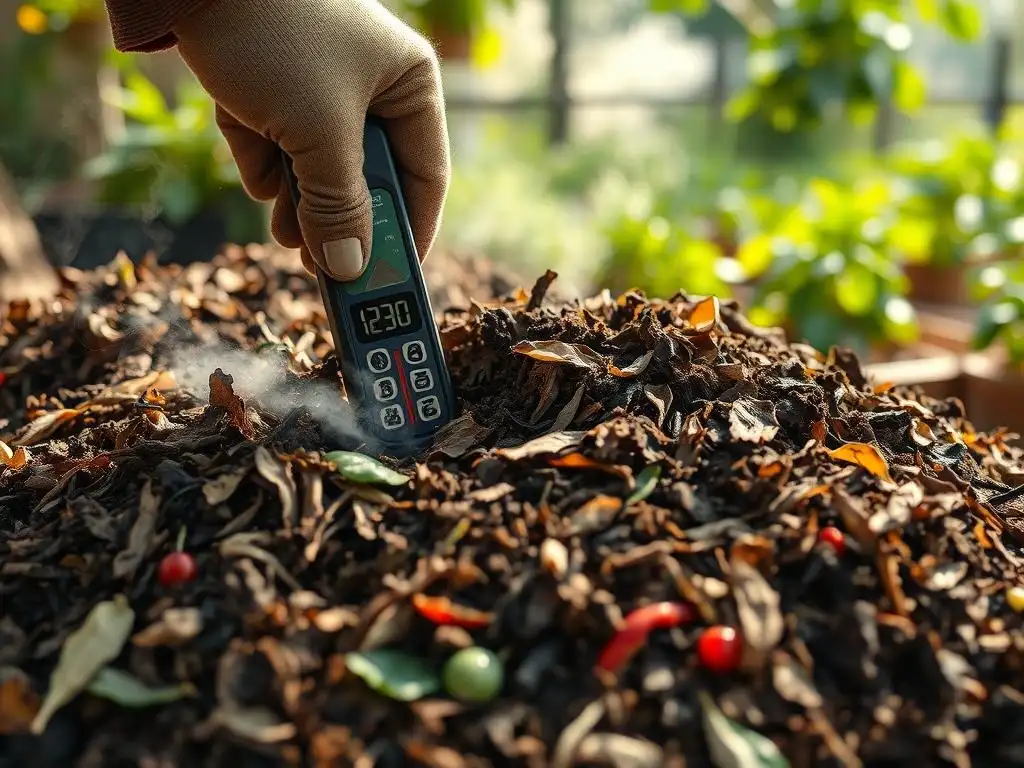
Compost piles generate heat as microorganisms break down organic matter. While some heat is beneficial for the composting process, excessive heat can kill beneficial microbes, leading to slow decomposition and even foul odors. An overheating compost pile is a common problem, especially for beginners, but understanding the causes and implementing effective cooling strategies can prevent this issue.
This section focuses on practical solutions for an overheating compost pile, ensuring your compost remains healthy and productive. We'll explore various methods to lower the temperature and maintain optimal composting conditions. This will help you avoid the frustrating experience of a "hot" compost pile, and instead, cultivate a thriving compost system.
Methods to Reduce Compost Temperature
Several methods can effectively cool down an overheating compost pile. The key is to increase the surface area for heat dissipation and to slow down the decomposition rate. This can be achieved through several techniques:
- Turning the pile: This is arguably the most effective method. Regular turning (every 2-3 days during the hottest periods) introduces oxygen, distributes heat evenly, and exposes more material to the air, facilitating cooling. Use a pitchfork or garden spade to thoroughly mix the compost, turning the outer layers inward and vice versa. This process is crucial for managing an overheating compost pile.
- Adding water: A dry compost pile decomposes faster and generates more heat. Adding water increases the moisture content, slowing down decomposition and reducing the temperature. However, avoid over-watering, as this can create anaerobic conditions (lack of oxygen), which also hinder decomposition and lead to unpleasant smells. Aim for a moisture content similar to a wrung-out sponge.
- Shading the pile: Direct sunlight can increase the temperature of your compost pile. If possible, shade the pile during the hottest parts of the day, using a tarp or other suitable cover. This simple step can significantly reduce the temperature, especially during summer months.
- Adding green materials: While we will discuss carbon-rich materials in the next section, adding too many "browns" can contribute to overheating. If your pile is excessively hot and predominantly brown materials, incorporating additional green materials (grass clippings, fruit and vegetable scraps) can help balance the mix and slow down the decomposition rate. However, adding too many greens can also create problems. The key is balance.
Aerating Your Compost Pile: The Importance of Oxygen
Oxygen is crucial for aerobic decomposition, the process that generates heat in a compost pile. Insufficient oxygen leads to anaerobic decomposition, producing unpleasant odors and slowing down the process. Aerating your compost pile is essential, not only to cool it down but also to ensure efficient decomposition. Lack of oxygen is a common cause of an overheating compost pile, ironically. Here's why:
Insufficient oxygen forces the microorganisms to switch to anaerobic respiration, which is less efficient and produces less heat initially. However, the resulting buildup of gases and the slower decomposition can ultimately lead to a hotter pile in the long run. The anaerobic process creates methane and other gases, which can cause the pile to become hotter than a properly aerated pile.
Proper aeration is critical for a healthy compost pile, and is essential for providing an "overheating compost pile solution". Beyond turning the pile, consider these aeration strategies:
- Using a compost bin with built-in aeration: Many compost bins are designed with vents or openings to improve airflow. Choosing such a bin can significantly reduce the risk of overheating.
- Creating channels within the pile: When building your pile, create channels or gaps to allow for better air circulation. This can be achieved by inserting sticks or pipes into the pile while building it.
- Layering materials: Alternating layers of carbon-rich (browns) and nitrogen-rich (greens) materials can improve aeration.
Adding Carbon-Rich Materials to Balance the Compost Mix
An overheating compost pile is often a result of an imbalance in the carbon-to-nitrogen ratio. Too many nitrogen-rich "green" materials (food scraps, grass clippings) can lead to rapid decomposition and excessive heat generation. Adding carbon-rich "brown" materials helps balance the mix, slowing down the decomposition rate and reducing the temperature. This is a crucial aspect of managing an overheating compost pile.
Here's how incorporating carbon-rich materials helps:
- Slows decomposition: Carbon-rich materials provide a more gradual energy source for the microorganisms, slowing down the decomposition process and reducing heat production.
- Improves aeration: Materials like shredded paper, dry leaves, and wood chips create air pockets within the compost pile, improving oxygen circulation and preventing anaerobic conditions.
- Balances the mix: Adding browns helps to balance the nitrogen-rich greens, creating a more stable and efficient composting environment. A good rule of thumb is to aim for a 2:1 or 3:1 ratio of brown to green materials.
Examples of carbon-rich materials include:
- Dried leaves 🍂
- Shredded paper 📄
- Wood chips 🪵
- Sawdust (untreated) 🪚
- Cardboard (uncoated) 📦
By carefully managing the moisture content, aeration, and carbon-to-nitrogen ratio, you can effectively cool down an overheating compost pile and maintain a healthy, productive composting system. Remember, prevention is key! Regular monitoring and proactive adjustments are crucial for preventing overheating in the first place.
Adjusting Moisture Levels in Your Overheated Compost
High temperatures in your compost pile are often a symptom of insufficient moisture. Dry compost lacks the microbial activity necessary for proper decomposition, leading to a build-up of heat. Think of it like a bonfire – too little fuel (moisture) and you get a slow, smoldering fire that produces excessive heat. Conversely, a well-hydrated compost pile supports a balanced decomposition process, generating heat but at a manageable level.
To address this, gradually add water to your compost, ensuring that the material is evenly moist but not soggy. The ideal consistency should resemble a wrung-out sponge. Avoid adding large amounts of water at once, as this can lead to anaerobic conditions (lack of oxygen) and further complicate the problem. Instead, add smaller amounts of water over several days, turning the pile frequently to distribute the moisture evenly.
Regularly check the moisture level by squeezing a handful of compost – if it feels dry, add more water; if water drips freely, it's too wet. Monitoring and adjusting moisture levels is a crucial aspect of maintaining a healthy and optimally functioning compost pile. Remember, consistent monitoring and small, incremental adjustments are key to achieving the right balance. Don't be afraid to experiment and find what works best for your specific compost materials and climate.
Turning Your Compost Pile: A Simple Yet Effective Solution
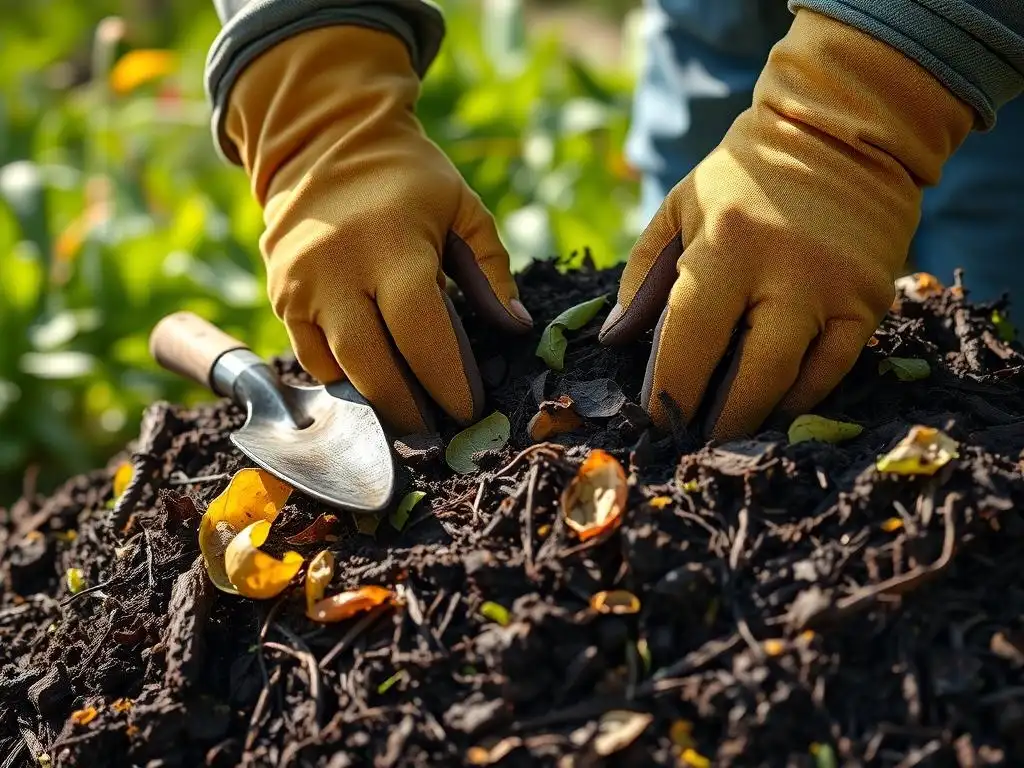
Turning your compost pile is arguably the most effective method for cooling down an overheated pile. This simple act introduces much-needed oxygen into the composting mixture, which is crucial for aerobic decomposition. Aerobic decomposition, fueled by oxygen, is a much cooler process than anaerobic decomposition (decomposition without oxygen). Anaerobic decomposition produces unpleasant odors and significantly higher temperatures.
By turning the pile, you're essentially aerating it, allowing oxygen to reach the inner portions, which are often the hottest. The process of turning also helps to redistribute the heat, preventing localized hotspots that can lead to scorching of organic materials. The ideal frequency of turning depends on several factors, including the size of your pile, the materials used, and the ambient temperature. However, a good rule of thumb is to turn your pile at least once a week, and more frequently if you notice unusually high temperatures or unpleasant smells.
Use a pitchfork or garden spade to thoroughly mix the contents of the pile, ensuring that the outer layers are mixed with the inner layers. This ensures an even distribution of oxygen and moisture throughout the pile, promoting a healthier and cooler composting process. Turning your compost is a simple yet effective way to prevent overheating and maintain a healthy compost pile.
Using Water Strategically to Cool Down Your Compost
While adding water is crucial for maintaining the correct moisture content, using water strategically can also help cool down an already overheated compost pile. However, simply drenching the pile won't solve the problem; it might even worsen it by creating anaerobic conditions. The key is to apply water gradually and evenly, allowing it to penetrate the pile slowly. You can use a garden hose with a gentle spray setting, or a watering can to distribute the water.
Focus on applying water to the hottest areas of the pile, which you can identify by feeling the temperature with your hand (carefully!). Adding water helps to lower the temperature by absorbing heat and promoting evaporation. This evaporation process further cools the pile. Remember, the goal is not to make the compost pile soaking wet, but to increase its moisture content to the optimal level.
Simultaneously turning the pile after watering improves the distribution of moisture and enhances oxygen flow, further aiding in cooling. This combined approach of strategic watering and turning provides a powerful solution to combat overheating in your compost pile. Always monitor the temperature and moisture levels after watering to ensure you're achieving the desired results. Avoid overwatering, as this can lead to anaerobic conditions and hinder the composting process.
When to Seek Professional Help for Compost Issues
While most compost overheating issues can be resolved with simple adjustments to your composting technique, some situations warrant professional assistance. Knowing when to call in an expert can save you time, frustration, and potentially prevent further damage to your compost and surrounding environment. Several warning signs indicate you might need professional help with your overheating compost pile.
One clear indicator is the presence of unusually high temperatures persisting despite your best efforts to cool the pile. Using a compost thermometer, you should regularly monitor the temperature. If temperatures consistently exceed 160°F (71°C) for extended periods, even after implementing cooling strategies like turning the pile, adding brown materials, or increasing aeration, it’s time to consult a professional. This extreme heat can indicate a more serious underlying problem, possibly related to the types of materials added or an imbalance in the composting process. A professional composter can diagnose the root cause and offer tailored solutions.
Another situation demanding professional intervention is the presence of unpleasant and persistent odors. While a slight earthy smell is normal during the composting process, a foul, putrid smell, especially one that persists even after adjustments, suggests anaerobic decomposition. This is a serious issue that can lead to the release of harmful gases and attract pests. A professional can identify the source of the odor and recommend appropriate remedies, potentially involving specialized composting techniques or remediation strategies. Ignoring this issue can lead to environmental problems and potentially affect the health of your garden.
Finally, if you notice significant signs of pest infestation, such as large numbers of flies, rodents, or other undesirable creatures attracted to your overly hot compost, it's wise to seek professional help. These pests can contaminate your compost, spread disease, and even damage your garden. A professional can identify the type of pest infestation, implement effective control measures, and advise on how to prevent future infestations.
They may also recommend specific composting practices to deter pests and maintain a healthy compost environment. Remember, a healthy compost pile is a crucial component of a successful organic garden, and seeking timely professional help is a sign of responsible and sustainable gardening.
Preventing Future Overheating: Maintaining a Healthy Compost Pile
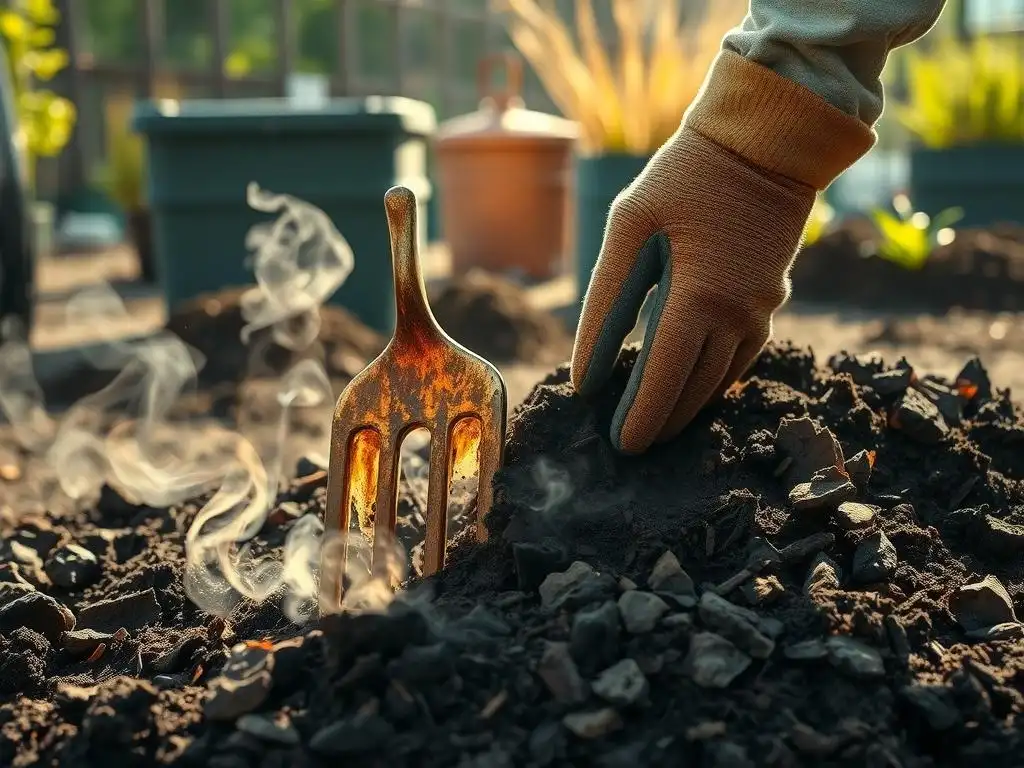
Overheating compost piles, while a sign of active decomposition, can actually hinder the process and even kill beneficial microorganisms. Understanding how to prevent overheating is crucial for successful composting. This section focuses on proactive strategies to maintain a healthy, consistently productive compost pile, avoiding the need for emergency cooling measures. The key is understanding the delicate balance within your compost system and taking preventative action. Effective management minimizes the risk of future "overheating compost pile solution" searches!
Maintaining the Ideal Carbon-to-Nitrogen Ratio
The carbon-to-nitrogen (C:N) ratio is paramount. Too much nitrogen (from "green" materials like grass clippings and food scraps) leads to rapid decomposition and excessive heat. Too much carbon (from "brown" materials like dried leaves, shredded paper, and twigs) slows down decomposition. The ideal ratio is generally around 30:1. Think of it like a well-balanced recipe; too much of one ingredient ruins the entire dish!
To achieve this balance, carefully consider your input materials. Regularly assess the mix: are you adding too many nitrogen-rich scraps? Are you adding enough bulking agents (browns) to provide sufficient aeration? A good strategy is to layer browns and greens as you add materials, creating a layered effect for optimal decomposition. Visual cues can help. If your pile smells strongly of ammonia, it's too nitrogen-rich. If it smells earthy and pleasant, you're on the right track.
Here's a helpful table summarizing common materials and their C:N ratios:
| Material | C:N Ratio (Approximate) | Type |
|---|---|---|
| Dried Leaves | 60:1 | Brown |
| Shredded Paper | 175:1 | Brown |
| Grass Clippings | 15:1 | Green |
| Fruit/Vegetable Scraps | 20:1 | Green |
| Coffee Grounds | 20:1 | Green |
Remember, these are approximate values, and the actual C:N ratio can vary depending on several factors. Regular monitoring and adjustment are key to maintaining the optimal balance.
Monitoring Your Compost Pile Regularly for Temperature and Moisture
Regular monitoring is as important as the initial ratio. Use a compost thermometer to check the internal temperature. Ideally, you want temperatures between 130-160°F (54-71°C) for optimal decomposition. Temperatures exceeding 160°F indicate overheating, while consistently low temperatures suggest insufficient activity.
Moisture is equally crucial. The compost should be damp, like a wrung-out sponge. Too dry, and decomposition slows; too wet, and it becomes anaerobic, leading to foul odors and reduced efficiency. Regularly check the moisture content and add water or more dry materials as needed. A good rule of thumb is to feel the compost; if it's too dry, add water; if it's too wet, add more brown materials to absorb excess moisture. Think of it like making a perfect cake – you need the right ingredients and the right amount of moisture for optimal results!
Choosing the Right Compost Bin for Your Needs
The design of your compost bin significantly impacts aeration and temperature regulation. Proper aeration is crucial to prevent overheating. Bins with adequate ventilation, such as those with slats or mesh sides, allow for better airflow, reducing the likelihood of excessive heat buildup.
Consider these factors when choosing a bin:
- Size: A smaller bin might heat up faster than a larger one.
- Material: Wood, plastic, and metal bins each have different insulation properties.
- Aeration: Bins with built-in aeration features or those allowing for easy turning are preferable.
If you are using a simple pile method, ensure proper turning and aeration. Turning the pile regularly distributes heat and oxygen, preventing localized hotspots. This simple action can be the difference between a thriving compost pile and one that overheats. Regular turning is a fundamental part of any "overheating compost pile solution". Don't underestimate its importance!
Creating a Balanced Compost Mix: The Key to Success
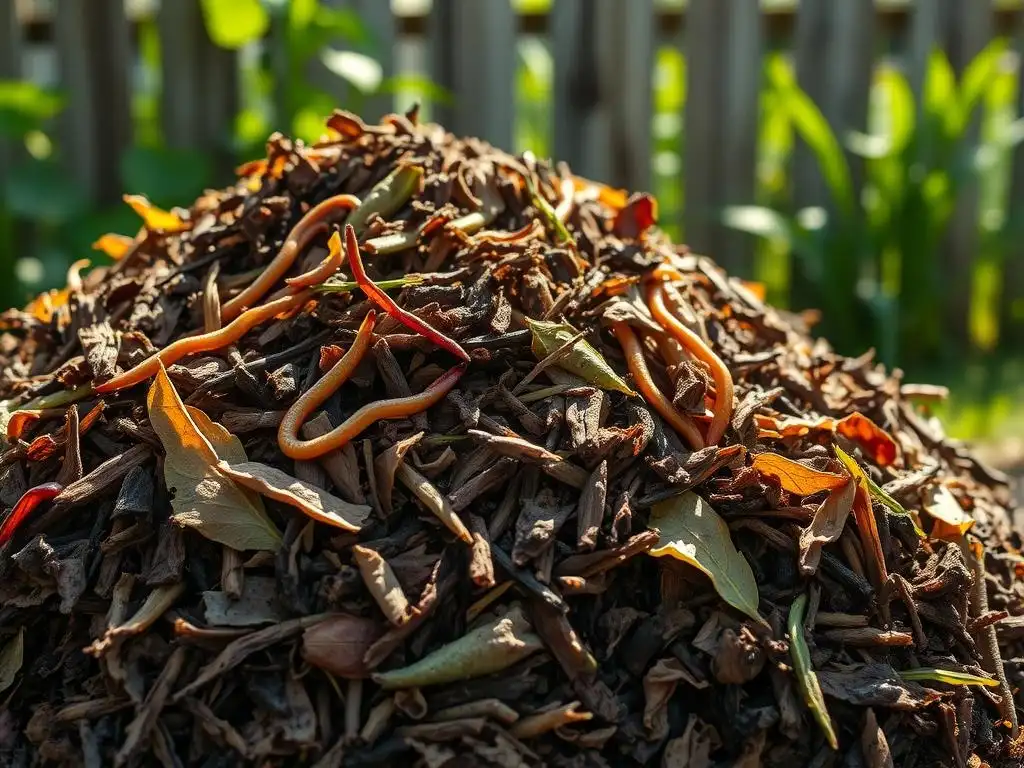
A balanced compost mix is crucial for preventing overheating. Too much of one ingredient can throw off the delicate ecosystem within your compost pile, leading to excessive heat generation. The ideal mix involves a careful ratio of "greens" and "browns." Greens, such as grass clippings, fruit and vegetable scraps, and coffee grounds, are rich in nitrogen. Browns, including dried leaves, shredded paper, and small twigs, provide carbon.
The optimal carbon-to-nitrogen ratio is generally considered to be around 30:1. However, this ratio can vary depending on the specific materials used. For example, a pile with a high proportion of fresh grass clippings (high nitrogen) will require a larger amount of brown materials to balance it out. Conversely, a pile dominated by dry leaves (high carbon) might benefit from the addition of more nitrogen-rich greens.
Monitoring the moisture content is equally important. Too much water can lead to anaerobic decomposition, producing unpleasant odors and excessive heat. Conversely, a dry pile will decompose too slowly, also impacting temperature regulation. The ideal consistency should resemble a damp sponge – you should be able to squeeze out a few drops of water, but not a steady stream. Regularly turning the compost pile helps to aerate it and distribute moisture evenly, preventing localized hot spots.
This also promotes aerobic decomposition, which generates less heat than anaerobic decomposition. Remember, a well-balanced compost mix is the foundation for a healthy, efficiently decomposing pile, significantly reducing the risk of overheating. Experiment with different ratios and observe the results to find the ideal blend for your specific composting needs and climate. Don't be afraid to adjust your recipe along the way!
Best Practices for Preventing Overheating Compost
Preventing overheating requires proactive management of your compost pile. Regular monitoring is essential—check the temperature regularly using a compost thermometer. A temperature consistently above 160°F (71°C) indicates a problem and requires immediate intervention. One of the most effective methods is turning the pile frequently.
This introduces oxygen and helps distribute the heat evenly, preventing localized hotspots where temperatures might soar uncontrollably. Aim for turning the pile at least once a week, or more frequently if you notice high temperatures or foul smells. The frequency also depends on the size of your pile; larger piles require more frequent turning. Smaller piles may only need turning every two weeks.
Another crucial element is proper layering. Don't just throw everything in at once! Alternate layers of greens and browns, ensuring a consistent mix throughout the pile. This maximizes surface area for decomposition and promotes even aeration. Furthermore, consider the size of your compost pile. Very large piles can retain heat more easily and are more prone to overheating.
If you have a large volume of compostable material, consider making several smaller piles instead of one giant one. This allows for better aeration and temperature control. Finally, remember the importance of water management. Maintain the proper moisture level, avoiding both overly wet and overly dry conditions. Regularly checking and adjusting moisture levels will contribute significantly to preventing overheating and ensuring optimal composting conditions. By following these best practices, you can cultivate a thriving compost pile that generates heat efficiently without reaching dangerous temperatures.
Troubleshooting Specific Scenarios of Overheating Compost
This section delves into specific situations where compost overheating is a common problem, offering practical solutions for each scenario. Understanding the unique challenges presented by different climates, ingredients, and compost bin types is crucial for maintaining a healthy and productive compost system. Remember, an overheating compost pile can lead to nutrient loss and even spontaneous combustion, so addressing the issue promptly is vital. Let's explore some common scenarios and their solutions to effectively manage your "overheating compost pile solution."
Dealing with Overheating Compost in Hot Climates
Hot and arid climates present a significant challenge for compost management. High ambient temperatures accelerate decomposition, increasing the risk of overheating. The lack of sufficient moisture also contributes to the problem, as dry materials decompose faster and generate more heat. Effective management in these climates requires proactive measures to cool and moisten the pile.
Several strategies can help prevent and address overheating in hot climates:
- Increased Turning Frequency: Turning the compost pile more frequently, ideally every 2-3 days, helps to dissipate heat and introduce oxygen. This reduces anaerobic decomposition, a major contributor to excessive heat buildup. Frequent aeration ensures a more even temperature distribution throughout the pile.
- Strategic Shading: Providing shade to the compost bin, particularly during the hottest parts of the day, can significantly reduce the ambient temperature affecting the compost. This can be achieved by using shade cloth, positioning the bin in a shaded area of your yard, or building a simple structure to provide shade.
- Water Management: Regularly monitoring and adjusting moisture levels is critical. The compost should be consistently moist, like a wrung-out sponge. Adding water gradually and thoroughly, ensuring it penetrates the entire pile, is essential. Avoid overwatering, as this can lead to anaerobic conditions and foul odors.
- Layer Modification: Consider altering the layering technique. In hot climates, incorporating more "green" materials (nitrogen-rich) can help regulate temperature. Green materials tend to have a cooling effect compared to "brown" materials (carbon-rich). Maintaining a balanced carbon-to-nitrogen ratio is key.
Addressing Overheating When Using Specific Compost Ingredients
Certain ingredients are more prone to generating excessive heat during composting. For example, grass clippings, particularly when freshly cut and overly moist, can contribute significantly to overheating. Similarly, large quantities of fruit and vegetable scraps can also cause rapid temperature increases. Knowing how to manage these ingredients is vital for successful composting.
Here's a breakdown of strategies for specific ingredients:
| Ingredient | Potential Overheating Risk | Mitigation Strategies |
|---|---|---|
| Grass Clippings | High | Mix thoroughly with brown materials; allow to dry slightly before adding; spread thinly. |
| Fruit & Vegetable Scraps | Moderate | Chop into smaller pieces; mix well with other materials; avoid adding large quantities at once. |
| Manure | High (especially fresh) | Use composted manure whenever possible; mix well with other materials; allow to age before adding to the main pile. |
| Wood Chips | Low | Ensure sufficient moisture; mix with green materials for faster decomposition. |
Resolving Overheating in Different Types of Compost Bins
The type of compost bin you use can also influence the likelihood of overheating. Bins with poor ventilation, such as sealed plastic bins, are more susceptible to overheating than open-air or well-ventilated bins. Understanding the specific needs of your bin is crucial for preventing and resolving overheating issues.
Let's consider some common bin types:
- Open-air compost piles: These are generally less prone to overheating due to natural air circulation. However, they require more frequent turning and may need protection from excessive rain or sun.
- Tumblers: These rotating bins provide excellent aeration and generally prevent overheating. However, ensure regular turning to maintain even temperature distribution.
- Sealed bins: These bins need careful monitoring and management to prevent overheating. They require frequent turning and may benefit from added ventilation holes if they don't already have sufficient ones. Regular checks for excessive heat and moisture are crucial.
Addressing an overheating compost pile requires a multifaceted approach. Understanding the specific contributing factors – climate, ingredients, and bin type – is key to developing an effective "overheating compost pile solution." By implementing the strategies outlined above, you can maintain a healthy and productive compost system, ensuring a rich and nutritious soil amendment for your garden.
Frequently Asked Questions
What causes my compost pile to overheat?
Overheating is usually caused by too much nitrogen-rich material, such as grass clippings, leading to rapid decomposition and excessive heat. Insufficient air circulation also contributes to high temperatures. Turning the pile regularly helps to prevent this.
Is overheating my compost pile harmful?
Yes, excessive heat can kill beneficial microorganisms, hindering the decomposition process and potentially creating unpleasant odors. It can also lead to nutrient loss and even spontaneous combustion in extreme cases.
How can I cool down an overheated compost pile?
The simplest solution is to turn the pile thoroughly, incorporating more carbon-rich "brown" materials like shredded paper or dry leaves. You can also add more water if it's too dry, but avoid over-saturating it. Adding air space can also help.
What temperature should my compost pile be?
Ideally, your compost pile should maintain a temperature between 130-160°F (54-71°C). Temperatures exceeding this range indicate overheating and require intervention. Use a compost thermometer to monitor the temperature accurately.
What should I do if my compost pile is smoking?
Smoking indicates a serious issue – likely spontaneous combustion. Immediately separate the pile, spreading the materials thinly to allow for sufficient air circulation and cooling. If the pile is still emitting smoke, call your local fire department as a precaution.
Final Reflection: Harnessing the Power of Decomposition, Safely
The uncontrolled heat generated by an overactive compost pile isn't just an inconvenience; it's a potent symbol of the delicate balance we must strike between harnessing nature's power and respecting its limits. Ignoring the signs of overheating can lead to valuable resources being lost, and even pose a fire hazard. Understanding the process, and implementing the cooling strategies discussed, is crucial for sustainable and safe composting.
The journey from a haphazard pile of organic matter to a rich, dark compost is a microcosm of the larger ecological challenges we face. We are constantly striving to find equilibrium, to manage processes that are both powerful and potentially destructive. This applies not only to composting, but to our broader relationship with the environment. The earth provides enough to satisfy every man's needs but not every man's greed.
- Mahatma Gandhi. This quote highlights the importance of mindful resource management, a principle that is directly applicable to the careful tending of a compost pile.
You now possess the knowledge to prevent overheating and maintain a thriving compost system. Consider the lessons learned here – the importance of observation, the delicate balance of aeration and moisture, and the power of understanding natural processes – and apply them not only to your compost bin, but to your broader approach to sustainability. Take control, cultivate your compost, and nurture a healthier relationship with the earth.
Unlock Cooler Compost & Bountiful Harvests
Thanks for exploring the world of composting! You've learned how to identify and fix overheating compost—a crucial step for healthy decomposition and nutrient-rich soil. Ready to apply your new knowledge?
- Prioritize aeration: Immediately check your compost pile's airflow. Thoroughly turn the pile to ensure good ventilation throughout. This is the most effective way to regulate temperature.
- Add brown materials: Incorporate shredded paper, dry leaves, or straw to balance the moisture and carbon-to-nitrogen ratio. This helps naturally moderate the heat.
- Share your composting journey! Tell us about your experience managing compost temperature—what techniques worked best for you? Let's learn from one another!
What's your biggest composting challenge, and how are you overcoming it?