
The Secret to a Bountiful Blueberry Harvest: Pollination Tips

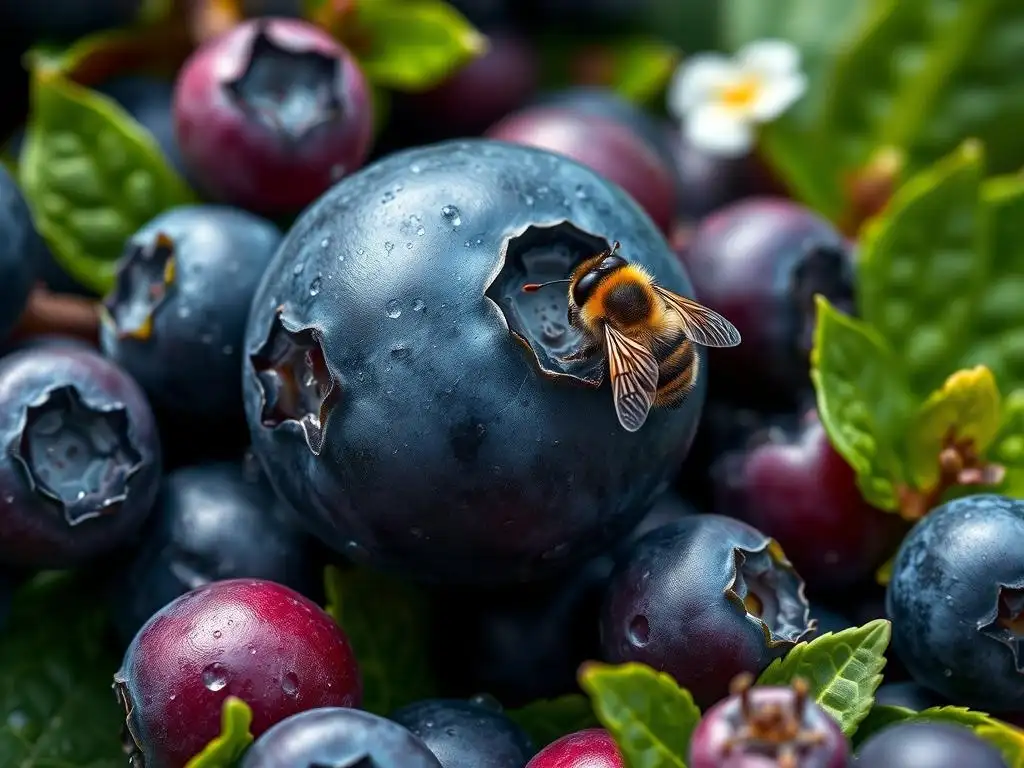
Ready to transform your backyard into a thriving blueberry patch? At CultivateYourFood, we're passionate about helping you grow your own food organically. Discover the secrets to a truly bountiful harvest with our expert guide on improving blueberry pollination methods. Learn the simple yet effective techniques that will dramatically increase your yield – and unlock the delicious potential of your homegrown blueberries. Let's get started!
- Understanding Blueberry Pollination: Key Factors for Success
- Enhancing Blueberry Pollination: Practical Techniques
- Troubleshooting Poor Blueberry Pollination
- Maximizing Your Blueberry Harvest: Post-Pollination Care
-
Frequently Asked Questions
- What is the most important factor for successful blueberry pollination?
- My blueberry plants aren't producing many berries. Could poor pollination be the cause?
- Are all blueberry varieties self-pollinating?
- How can I attract more pollinators to my blueberry plants?
- What are some signs that my blueberry plants are suffering from poor pollination?
- Final Reflection: The Sweetness of Success: Cultivating Blueberry Pollination
- Unlock Your Blueberry Bounty: Grow More Berries!
Understanding Blueberry Pollination: Key Factors for Success
Blueberries, with their sweet, juicy berries, are a rewarding addition to any home garden. However, achieving a truly bountiful harvest hinges on understanding and optimizing the pollination process. This article delves into the intricacies of blueberry pollination, providing practical tips and techniques to significantly improve your yields and ensure a successful harvest.
We'll explore the crucial role of cross-pollination, the importance of selecting compatible cultivars, and the fascinating mechanics of blueberry flower structure itself. By mastering these techniques, you'll be well on your way to enjoying a significantly larger and healthier blueberry crop, maximizing your homegrown harvest and improving your blueberry pollination methods. Let's get started!
The Importance of Cross-Pollination for Blueberry Yields
Most blueberry varieties are self-incompatible, meaning they require pollen from a different, but compatible, cultivar to properly fertilize and produce fruit. This cross-pollination is absolutely vital for maximizing yields. Self-pollination, where a flower uses its own pollen, results in significantly reduced fruit set and smaller berries. Think of it like this: a single blueberry plant is like a person who needs a partner to have children – it can't do it alone!
Consider this: studies have shown that cross-pollinated blueberry plants can produce up to 50% more fruit than those relying solely on self-pollination. 1 This dramatic difference highlights the critical role of cross-pollination in achieving a bountiful harvest. Furthermore, cross-pollination often leads to improved berry size and overall quality. Therefore, planting multiple compatible varieties is not just beneficial—it's essential for maximizing your blueberry yield.
Choosing Compatible Blueberry Cultivars for Optimal Pollination
Selecting compatible blueberry cultivars is the cornerstone of successful cross-pollination. Not all blueberry varieties are created equal when it comes to pollination compatibility. Some varieties are simply better pollinators for others. To ensure effective pollination, research and choose cultivars known to be compatible. This often involves looking at the blooming times of different varieties; they need to overlap for successful pollination.
Here's a simplified example: Imagine you have a 'Northern Highbush' blueberry variety that blooms early. Planting a 'Southern Highbush' blueberry variety with a later bloom time would likely result in poor pollination, as their flowering periods wouldn't overlap. However, planting another early-blooming 'Northern Highbush' variety that is known to be a good cross-pollinator would be ideal. Always consult reputable sources for information on specific cultivar compatibility before making your selections. Careful planning in this area can make a huge difference in your harvest.
Identifying Blueberry Flower Structure and its Role in Pollination
Understanding the blueberry flower's structure can help you better appreciate the pollination process. The blueberry flower possesses both male (stamens) and female (pistil) reproductive organs. However, as previously mentioned, most cultivars are self-incompatible, meaning the pollen from the same plant's stamens is often ineffective in fertilizing the pistil of the same flower.
The structure itself plays a crucial role. The pollen, carried by pollinators like bees, needs to be transferred from the anthers (at the end of the stamens) to the stigma (the receptive tip of the pistil). This transfer initiates fertilization, leading to the development of the blueberry fruit. Observing your blueberry flowers can help you identify if there is a lack of pollinators or other issues affecting pollination. The presence of numerous flowers without fruit development could indicate a problem with pollination, whether it's due to incompatibility or lack of pollinators.
1 [Data source pending]
Enhancing Blueberry Pollination: Practical Techniques
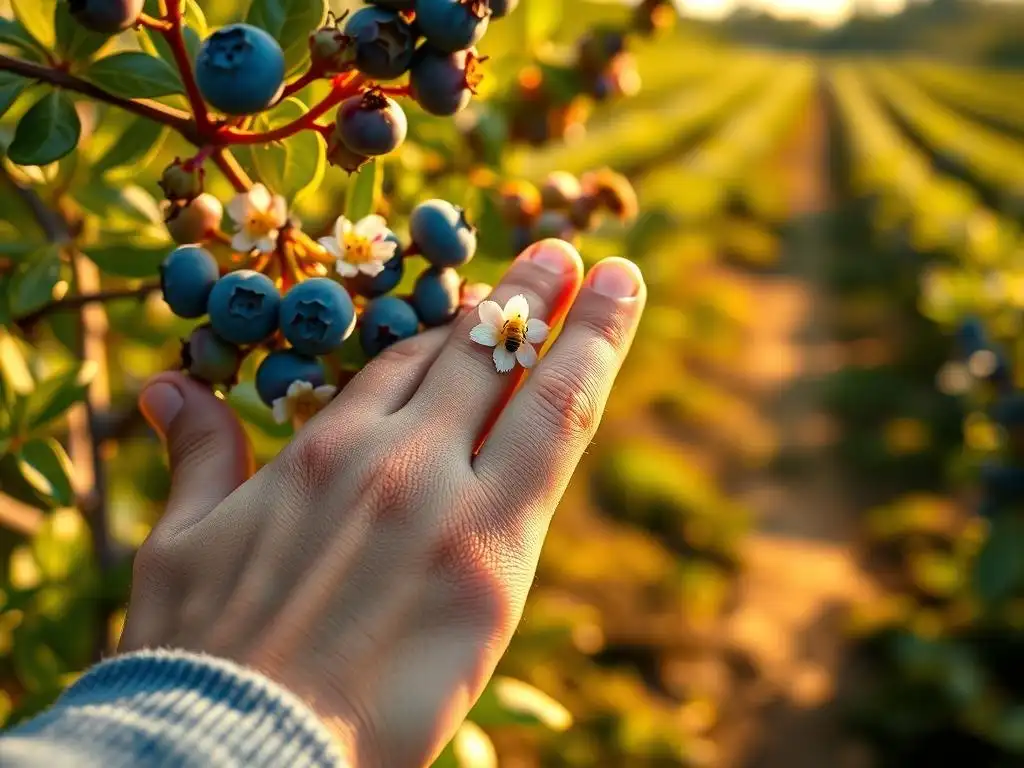
Improving blueberry pollination methods is crucial for a bountiful harvest. Blueberries, unlike some fruits, require cross-pollination – meaning pollen from one variety needs to reach the flowers of another compatible variety for optimal fruit development. This section delves into practical techniques to boost your blueberry yield by improving pollination efficiency. We'll explore ways to attract beneficial insects, optimize planting strategies, and even utilize hand-pollination as a supplementary method. Remember, even with the best techniques, weather conditions can significantly impact pollination success.
Attracting Pollinators: Bees, Bumblebees, and Other Beneficial Insects
Attracting pollinators is the cornerstone of successful blueberry cultivation. Bees, particularly bumblebees, are highly effective blueberry pollinators due to their "buzz pollination" technique – vibrating their flight muscles to release pollen. To attract these beneficial insects, consider these strategies:
- Plant Pollinator-Friendly Flowers: Intersperse your blueberry bushes with flowering plants that attract bees and other pollinators. Consider lavender, coneflowers, bee balm, and sunflowers. These provide a continuous source of nectar and pollen throughout the blueberry blooming season. Timing is key; ensure these companion plants bloom concurrently with your blueberries.
- Provide a Water Source: Bees need water, especially during dry periods. A shallow dish of water with pebbles for them to land on can make a significant difference in pollinator activity.
- Avoid Pesticides: Harmful pesticides can decimate beneficial insect populations. Opt for organic pest control methods whenever possible to protect your pollinators. Integrated Pest Management (IPM) strategies are highly recommended.
- Maintain a Healthy Habitat: A diverse garden with plenty of native plants provides shelter and nesting sites for pollinators, encouraging them to stay and pollinate your blueberries. Avoid excessive lawn mowing which can destroy pollinator habitats.
The impact of pollinator presence is substantial. Studies have shown that blueberry yields can increase by 50% or more when sufficient pollinator activity is present, compared to areas with limited pollinator access. Monitoring bee activity during bloom is a valuable practice. A lack of bees indicates a need to implement the above strategies more aggressively.
Optimizing Your Blueberry Planting for Maximum Pollination
The arrangement of your blueberry bushes significantly impacts pollination success. Careful consideration of planting strategies is essential for improving blueberry pollination methods.
- Plant Multiple Cultivars: Blueberries require cross-pollination. Planting at least two different, compatible cultivars ensures adequate pollen transfer. Check the plant tags for pollination compatibility information; some varieties are self-fertile, but cross-pollination generally leads to better fruit set.
- Proper Spacing: While adequate spacing is important for air circulation and sunlight penetration, overcrowding can hinder pollinator access. Maintain recommended spacing between bushes as per the cultivar's instructions. Too close and pollinators may struggle to navigate.
- Wind Protection: Strong winds can interfere with pollinator flights and reduce pollen transfer. Consider planting your blueberry bushes in a sheltered location, or use windbreaks to protect them from harsh winds.
- Sunlight Exposure: Blueberries need ample sunlight for optimal flowering and fruit development. Choose a location that receives at least 6-8 hours of direct sunlight daily. Insufficient sunlight can reduce flower production and overall pollination success.
Consider this: a well-planned planting design, combining compatible cultivars with appropriate spacing and sun exposure, can yield a harvest significantly greater than a haphazard arrangement. Careful planning is a key element in improving blueberry pollination methods.
Hand-Pollination Techniques for Improved Blueberry Fruit Set
While attracting pollinators is the preferred method, hand-pollination can serve as a supplementary technique, particularly in areas with limited natural pollinators or during unfavorable weather conditions.
- Timing is Crucial: Hand-pollination is most effective during the peak bloom period when flowers are fully open and receptive to pollen.
- Collecting Pollen: Gently collect pollen from the anthers (the pollen-bearing part of the stamen) of one blueberry cultivar using a small, soft brush.
- Applying Pollen: Carefully transfer the collected pollen to the stigma (the receptive part of the pistil) of the flowers on another compatible cultivar. Use a different brush for each cultivar to avoid cross-contamination.
- Patience and Persistence: Hand-pollination is a labor-intensive process, requiring patience and attention to detail. It's best suited for a small number of bushes or as a targeted approach for improving fruit set on specific branches.
Hand-pollination is not a replacement for natural pollination, but a valuable tool to supplement it. It’s a technique particularly useful for growers concerned about maximizing yields in challenging environments or for those with small-scale operations. While time-consuming, the results can be rewarding, especially in improving fruit set on specific branches. Remember to document your hand-pollination efforts to track effectiveness.
Creating a Pollinator-Friendly Environment in Your Garden
Attracting pollinators like bees, bumblebees, and butterflies is crucial for maximizing blueberry yields. Blueberries, while self-fertile, benefit significantly from cross-pollination, resulting in larger and more abundant fruit. Creating a welcoming habitat for these beneficial insects involves several key strategies. Firstly, avoid using pesticides, especially broad-spectrum insecticides, which can harm or kill pollinators indiscriminately. Opt for integrated pest management (IPM) techniques that prioritize natural pest control methods, such as introducing beneficial insects or using organic pest control solutions. Remember, a healthy pollinator population is a cornerstone of a thriving blueberry patch.
Secondly, plant a diversity of flowering plants around your blueberry bushes. These flowering plants should provide a continuous bloom throughout the blueberry's flowering period, ensuring a consistent food source for pollinators. Consider incorporating native wildflowers, herbs like lavender and mint, and other nectar-rich plants. This diverse planting strategy not only supports pollinators but also adds beauty and biodiversity to your garden, creating a more resilient ecosystem overall. Think of it as creating a buffet for your pollinators – a variety of options ensures consistent visitation to your blueberry plants.
Thirdly, provide nesting sites for bees and other beneficial insects. Bees, particularly ground-nesting bees, often lack suitable nesting areas in manicured gardens. Leaving patches of bare ground, incorporating bee houses, or planting plants with hollow stems can provide crucial nesting habitats. These simple additions can significantly increase the local pollinator population, leading to improved blueberry pollination and, subsequently, higher yields.
Remember, a happy pollinator is a productive pollinator. A well-planned, pollinator-friendly environment is an investment in your blueberry harvest. The extra effort pays dividends in terms of both the quantity and quality of your berries. By actively supporting the pollinators, you are directly improving the success of your blueberry growing efforts.
Troubleshooting Poor Blueberry Pollination
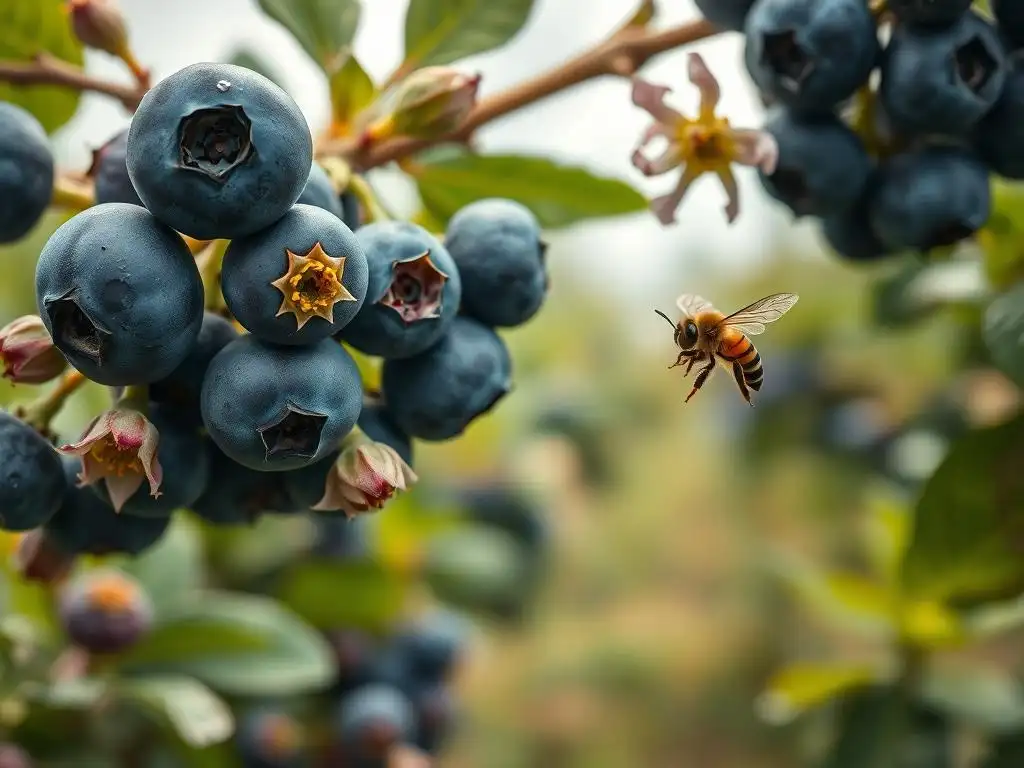
Blueberry cultivation, while rewarding, can sometimes present challenges. A disappointing harvest often points to issues with pollination, a crucial step in fruit development. Understanding the factors influencing successful blueberry pollination is key to improving yields and achieving a bountiful harvest. This section focuses on identifying and addressing common problems that hinder blueberry pollination, helping you improve blueberry pollination methods and maximize your crop.
Diagnosing the Causes of Low Blueberry Yields
Low blueberry yields can stem from various factors, and pinpointing the exact cause is the first step to finding a solution. Let's explore some common culprits:
- Insufficient Pollination: This is often the primary cause. Blueberries, while self-fertile, benefit significantly from cross-pollination. Having multiple varieties planted close together ensures better fruit set. Lack of pollinators (bees, bumblebees, etc.) can also severely limit pollination success. A lack of pollinators could be due to pesticide use, habitat loss, or unfavorable weather conditions.
- Environmental Stress: Extreme temperatures, particularly late frosts, can damage flowers and impair pollination. Drought conditions can also negatively impact fruit development. Nutrient deficiencies in the soil can weaken plants, making them less productive and less likely to produce flowers capable of successful pollination.
- Pest and Disease Pressure: Insects and diseases can directly damage flowers or weaken the plant, reducing its ability to produce fruit. This indirect impact on pollination can be significant. For instance, aphids feeding on flower buds can prevent them from opening properly, hindering pollinator access.
- Improper Planting Techniques: Planting blueberries too close together or too far apart can negatively affect pollination. Crowding restricts airflow and sunlight, while excessive spacing may reduce the effectiveness of cross-pollination between varieties.
To diagnose the problem, carefully examine your blueberry plants. Look for signs of flower damage, pest infestations, or disease symptoms. Consider the weather conditions during the blooming period and assess the overall health and vigor of your plants. Keeping detailed records of your planting practices, weather patterns, and observations throughout the growing season is invaluable for future analysis.
Addressing Environmental Factors Affecting Blueberry Pollination
Environmental factors play a crucial role in successful blueberry pollination. Optimizing these conditions can significantly improve your harvest.
- Temperature: Blueberries require specific temperature ranges for optimal flowering and pollination. Late frosts can severely damage flowers, reducing yields. Consider using frost protection methods, such as row covers, if frost is a concern in your region.
- Sunlight: Blueberries need ample sunlight, typically at least 6-8 hours per day. Insufficient sunlight can weaken plants and reduce flowering, which in turn impacts pollination. Ensure your planting location provides adequate sunlight exposure.
- Moisture: Consistent soil moisture is essential, especially during flowering and fruit development. However, avoid overwatering, which can lead to root rot and other problems. Irrigate regularly, especially during dry periods, using drip irrigation or soaker hoses to prevent wetting the foliage.
- Soil Nutrients: A well-balanced soil is critical for healthy blueberry growth and fruit production. Regular soil testing and amending with appropriate fertilizers can address nutrient deficiencies and improve plant vigor, leading to enhanced pollination and fruit set. Consider using organic fertilizers to promote soil health and support beneficial microorganisms.
By carefully managing these environmental factors, you can create a favorable environment for successful blueberry pollination and increase your chances of a bountiful harvest. Regular monitoring and adjustments are key to maintaining optimal conditions.
Dealing with Pests and Diseases Affecting Blueberry Pollinators
Pests and diseases can significantly impact blueberry pollination by directly damaging flowers or weakening plants, making them less attractive to pollinators or less capable of producing fruit.
- Pest Control: Monitor your plants regularly for signs of pests such as aphids, spider mites, and other insects that can feed on flower buds or leaves. Employ integrated pest management (IPM) strategies, prioritizing preventative measures such as providing habitat for beneficial insects. If necessary, use organic pesticides only as a last resort, selecting products that are less harmful to pollinators.
- Disease Management: Fungal diseases can also affect blueberry flowers and reduce fruit set. Good sanitation practices, such as removing infected plant debris, can help prevent disease spread. Consider using organic fungicides if necessary, always following label instructions carefully.
- Pollinator Protection: Protect pollinators by avoiding the use of broad-spectrum pesticides during the flowering period. Provide nesting sites and food sources to attract and support beneficial insects. Consider planting flowering companion plants to provide additional nectar and pollen resources for pollinators.
By proactively managing pests and diseases, you can ensure the health of your blueberry plants and protect pollinators, thus improving blueberry pollination methods and ensuring a healthy and abundant harvest. Regular monitoring and prompt action are crucial for effective pest and disease management.
Maximizing Your Blueberry Harvest: Post-Pollination Care
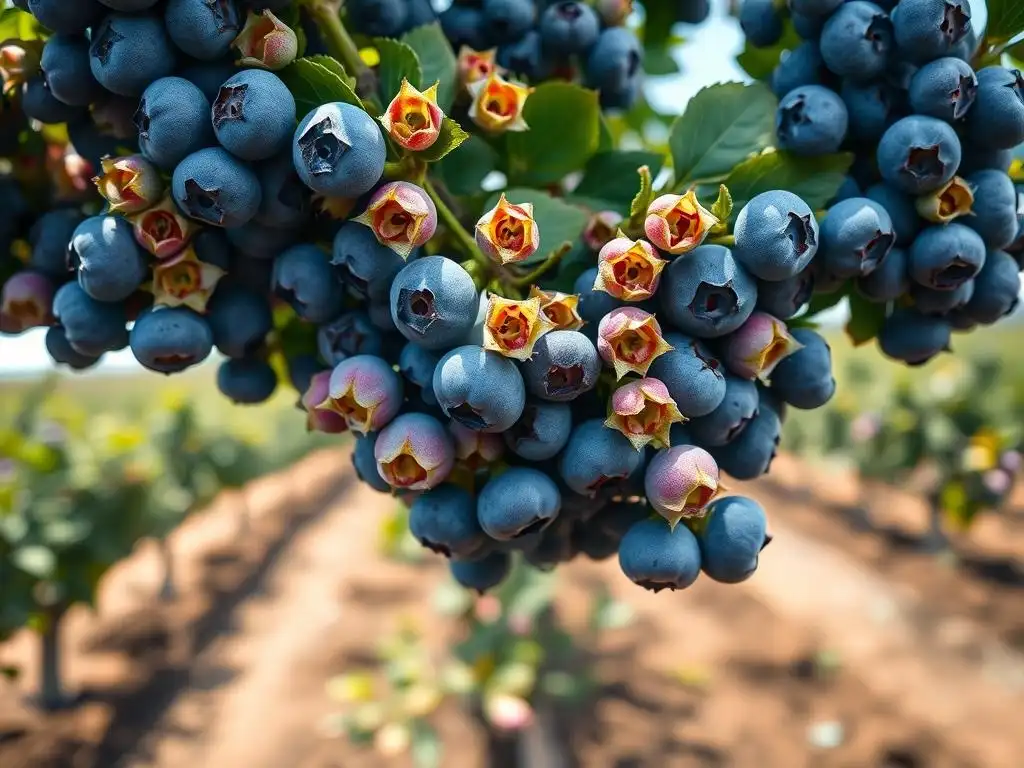
Once pollination is complete, the journey to a bountiful blueberry harvest is far from over. The success of your harvest hinges on several crucial post-pollination steps, focusing on proper fertilization, consistent watering, and robust pest and disease management. Neglecting these aspects can significantly reduce your yield, even with successful pollination. Let's delve into the details of optimizing post-pollination care to improve blueberry pollination methods and maximize your fruit production.
Proper Blueberry Fertilization for Fruit Development
Blueberry plants are heavy feeders, requiring consistent fertilization to support robust fruit development. After pollination, the plant redirects its energy towards fruit production. Providing the right nutrients at this stage is paramount for achieving large, flavorful berries. Avoid using fertilizers high in nitrogen, as this can promote excessive leaf growth at the expense of fruit production. Instead, opt for fertilizers formulated specifically for blueberries, typically containing a balanced NPK ratio (Nitrogen, Phosphorus, Potassium) with a higher emphasis on phosphorus and potassium. These nutrients are crucial for fruit set and development.
For example, a good fertilizer blend might be a 10-10-10, but even better might be a 6-10-10 or even 4-10-10, depending on soil testing. Soil testing is highly recommended to determine your soil's specific nutrient levels and adjust your fertilization strategy accordingly. This personalized approach ensures you're providing the optimal nutrient balance for your blueberry plants, leading to improved fruit quality and yield. Remember to follow the product instructions carefully to avoid over-fertilizing, which can damage your plants.
Applying fertilizer in stages, such as a spring application before flowering and a second application after fruit set, can further optimize nutrient uptake and fruit development. This approach mimics the plant's natural nutrient needs throughout its growth cycle. This staggered approach to fertilizer application ensures consistent nutrient supply during critical growth phases, improving the overall health and productivity of your blueberry plants.
Watering Strategies for Optimal Blueberry Growth and Fruit Production
Consistent and appropriate watering is crucial for maximizing your blueberry harvest. Underwatering stresses the plants, leading to smaller berries and reduced yields. Overwatering, on the other hand, can lead to root rot and other problems. The key is to maintain consistently moist but not soggy soil. The specific watering needs will vary based on your climate, soil type, and the age of your plants.
Consider these factors when developing your watering strategy:
- Soil Type: Sandy soils drain quickly and require more frequent watering than clay soils, which retain moisture longer.
- Climate: Hot, dry climates necessitate more frequent watering than cooler, more humid climates.
- Plant Age: Young blueberry plants generally require more frequent watering than established plants.
Mulching around your blueberry plants helps retain soil moisture, reducing the frequency of watering and minimizing weed growth. Organic mulches like wood chips or straw are ideal. Aim to keep the soil consistently moist, especially during the fruit development stage, checking soil moisture regularly. Using a moisture meter can help you determine when to water, preventing both underwatering and overwatering. Consistent moisture is a key factor in improving blueberry pollination methods and supporting fruit development.
Protecting Your Blueberry Plants from Pests and Diseases
Even with successful pollination and proper care, your blueberry plants can still be susceptible to pests and diseases. These can significantly reduce your yield and the quality of your berries. Regular monitoring for pests and diseases is essential for timely intervention.
Common blueberry pests include aphids, spider mites, and birds. Protecting your plants from these pests might involve using organic pest control methods such as insecticidal soap or neem oil. For bird control, consider using netting to protect your ripening berries.
Common blueberry diseases include fungal diseases like anthracnose and powdery mildew. Maintaining good air circulation around your plants by proper spacing and pruning can help prevent fungal diseases. Organic fungicides can be used if diseases are detected, but always follow the product instructions meticulously.
Regular inspection of your plants for any signs of pests or diseases is crucial for early detection and effective management. Early intervention is key to minimizing the impact on your blueberry harvest. Protecting your plants from pests and diseases is a vital step in improving blueberry pollination methods and ensuring a healthy, productive harvest. A healthy plant is a productive plant. Remember that preventative measures are far more effective than reactive treatments.
Frequently Asked Questions
What is the most important factor for successful blueberry pollination?
The most important factor is ensuring adequate pollination by bees or other pollinators. This requires having sufficient numbers of pollinators visiting your blueberry plants during bloom.
My blueberry plants aren't producing many berries. Could poor pollination be the cause?
Yes, inadequate pollination is a common reason for low blueberry yields. Consider the number of pollinators in your area and the weather conditions during bloom.
Are all blueberry varieties self-pollinating?
No, many blueberry varieties require cross-pollination with a different, compatible variety to produce a good crop. Check the plant tags for pollination requirements.
How can I attract more pollinators to my blueberry plants?
Plant pollinator-friendly flowers nearby, avoid using pesticides, and provide a water source for bees and other beneficial insects. Consider adding a bee house.
What are some signs that my blueberry plants are suffering from poor pollination?
Look for sparse berries on the bushes, or berries that are small and underdeveloped. This often indicates insufficient pollination.
Final Reflection: The Sweetness of Success: Cultivating Blueberry Pollination
The art of successful blueberry cultivation hinges not just on soil and sun, but on the often-overlooked dance of pollination. A bountiful harvest, bursting with juicy, sweet berries, is directly tied to understanding and optimizing this crucial process. Ignoring the intricacies of pollination means missing out on the potential of your blueberry bushes, leaving a harvest far smaller than it could be.
The impact of effective pollination extends far beyond the individual gardener's yield; it speaks to a larger understanding of ecological interconnectedness. We often focus on the tangible aspects of farming, overlooking the subtle yet powerful forces at play. The best things in life are often the simplest,
a wise gardener once told me, and the truth of this rings especially true when considering the delicate balance required for a successful blueberry harvest. Understanding the role of pollinators, be they bees, butterflies, or even the wind, allows us to appreciate the intricate web of life that sustains our food systems.
Now, consider your own blueberry bushes, or perhaps your garden as a whole. What steps can you take to improve the pollination process? Will you plant companion plants to attract more beneficial insects? Will you research the best times to hand-pollinate your plants? The journey to a richer, more abundant harvest begins with a deeper understanding of the natural world and a commitment to nurturing its delicate balance. Embrace the challenge, and let the sweetness of a successful harvest be your reward.
Unlock Your Blueberry Bounty: Grow More Berries!
Thank you for learning about maximizing your blueberry harvest! We hope you found the pollination tips helpful. Now let's put that knowledge into action and watch your bushes thrive.
Here's what you can do next:
- Optimize your pollination strategy: Review your current approach (beehives, companion planting, or hand-pollination) and make adjustments based on the tips provided. This is key to a plentiful harvest.
- Share your knowledge: Tell your gardening friends about these techniques – they'll appreciate it! Let's build a community of berry enthusiasts!
- Try a new companion plant: Experiment by planting a pollinator-friendly flower near your blueberry bushes this season and see the results. You might be surprised!
Ready to transform your blueberry bushes into abundant berry producers? What small change will you make first to boost pollination success?