
Winterizing Your Water Feature: A Guide for Cold Climates

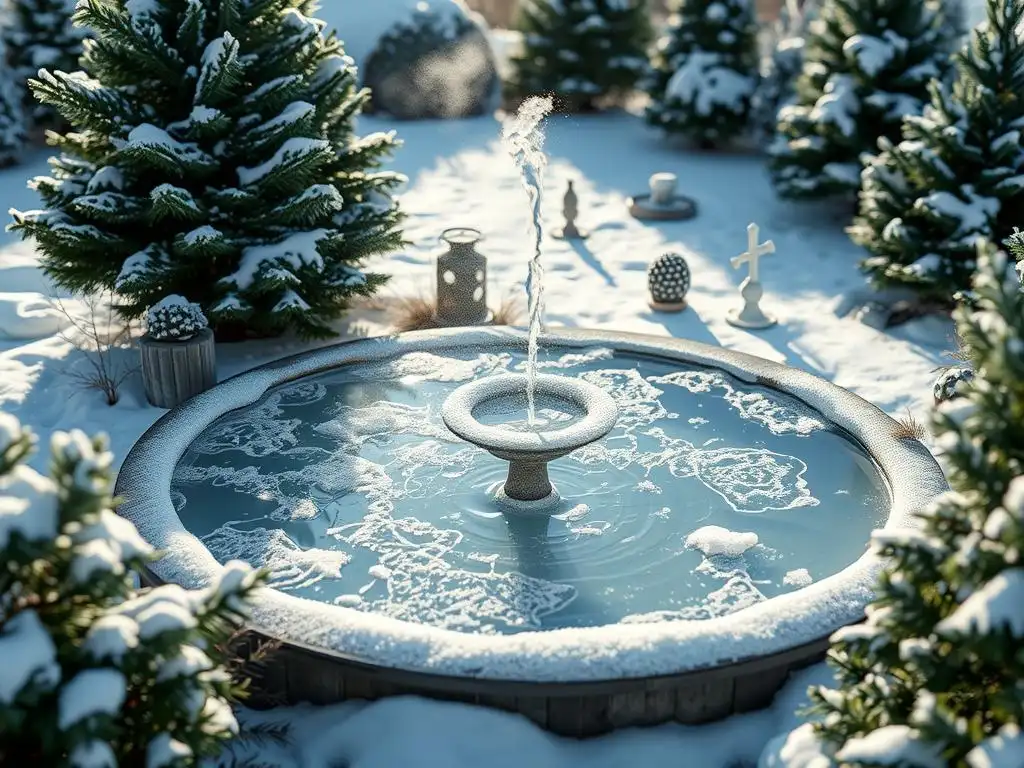
Ready to transform your outdoor space into a thriving haven, even during the coldest months? At CultivateYourFood, we champion sustainable and organic gardening practices. But what about your beautiful water feature? Learn how to expertly winterize your garden water feature and ensure its survival through winter's chill in our comprehensive guide – a crucial step for preserving its beauty and longevity. Discover the secrets to protecting your investment and ensuring a vibrant return to spring. Let's dive in!
- Understanding the Risks of Winter on Your Garden Water Feature
- Preparing Your Water Feature for Winter: A Step-by-Step Guide
- Choosing the Right Winterization Products for Your Water Feature
- Maintaining Your Water Feature Through Winter: Ongoing Care
- Spring Preparations: Getting Your Water Feature Ready for the Growing Season
- Sustainable Winterization Practices for Your Garden Water Feature
- Frequently Asked Questions
- Final Reflection: Protecting Beauty Through the Freeze
- Ready to Shield Your Water Feature from Winter's Chill?
Understanding the Risks of Winter on Your Garden Water Feature
Winterizing your garden water feature is crucial for preserving its beauty and longevity in cold climates. Neglecting this vital step can lead to significant damage, costly repairs, and even the complete loss of your investment. This comprehensive guide will walk you through the essential steps to protect your pond, fountain, or other water feature from the harsh effects of freezing temperatures, ensuring it remains a stunning focal point in your garden year after year.
We'll cover everything from preventing burst pipes to maintaining water quality throughout the colder months, equipping you with the knowledge and techniques to successfully winterize your garden water feature and avoid common winter pitfalls. Proper winterization not only safeguards your investment but also contributes to sustainable gardening practices by minimizing waste and reducing the need for extensive spring repairs.
This is especially important for those committed to organic and environmentally friendly gardening methods, as damaged equipment often requires replacement with new, potentially less eco-friendly materials. Let's delve into the specific challenges and solutions for a successful winter for your water feature.
Freezing Temperatures and Pipe Damage: Preventing Burst Pipes in Ponds and Fountains
Freezing temperatures pose the most significant threat to garden water features. Water expands as it freezes, exerting immense pressure on pipes and containers. This pressure can easily cause pipes to burst, leading to leaks, damage to the structure of your water feature, and potentially costly repairs. Preventing this damage requires proactive measures. For ponds, consider draining a portion of the water, especially in shallower areas prone to freezing solid.
This reduces the volume of water susceptible to expansion. For fountains and other features with plumbing, thoroughly draining all pipes and lines is essential. Using compressed air to blow out any remaining water is a helpful technique. Adding antifreeze solutions specifically designed for water features can also offer protection, but always follow the manufacturer's instructions carefully. Remember to disconnect and store pumps and other equipment indoors to prevent damage from frost.
Consider the following preventative measures:
| Prevention Method | Effectiveness | Cost | Time Commitment |
|---|---|---|---|
| Partial Water Drainage | High | Low | Moderate |
| Complete Pipe Drainage | High | Low | Moderate |
| Compressed Air Purging | High | Moderate | Low |
| Antifreeze Solution | High | Moderate | Low |
| Indoor Pump Storage | High | Low | Low |
Furthermore, insulating exposed pipes with pipe insulation sleeves or heat tape can provide an extra layer of protection in particularly harsh climates. Regularly checking your water feature for any signs of leaks or freezing is also crucial for early intervention and preventing further damage. Early detection can save you from more extensive and expensive repairs later on.
Protecting Your Pump: Choosing the Right Winterization Method for Your Water Pump
Your water pump is a vital component of your garden water feature, and protecting it from freezing is paramount. The best method for winterizing your pump depends on its type and your climate. For submersible pumps, draining the pond partially, as mentioned previously, is crucial.
You should also remove the pump and store it in a frost-free location, ideally indoors. Before storage, thoroughly clean the pump to remove any debris or algae that could affect its performance next season. For larger pumps or those that are difficult to remove, consider using a pump cover or insulation to protect it from the elements.
Here's a breakdown of common winterization approaches for different pump types:
- Submersible Pumps: Drain, remove, clean, and store indoors.
- External Pumps: Drain lines, use antifreeze (following manufacturer's instructions), and consider a protective cover.
- Solar Pumps: Disconnect and store indoors to avoid any potential damage from freezing temperatures.
Remember to consult your pump's specific manual for detailed instructions on winterization. Improper winterization can lead to pump failure, requiring a costly replacement. Taking the time to properly protect your pump ensures its longevity and continued performance for years to come. This also aligns with sustainable gardening practices by extending the life of your equipment and reducing waste.
Algae and Bacterial Growth: Maintaining Water Quality During Winter Months
Even during winter, algae and bacteria can still thrive in stagnant water. While the growth may be slower due to lower temperatures, it can still lead to unpleasant odors and potential damage to your water feature. To mitigate this, consider using a water treatment product specifically designed for winter use. These products often contain bacteria-reducing agents and can help maintain water clarity.
If you have fish in your pond, ensure you use a product compatible with aquatic life. Regularly checking the water quality and taking appropriate action as needed is crucial. While the frequency of treatment may be reduced compared to the summer months, regular monitoring is still necessary.
Keeping the water feature clean and free from debris, including fallen leaves, is also important for preventing excessive algae and bacterial growth. This helps maintain water quality and contributes to the overall health of your aquatic ecosystem. Remember, a healthy water feature is a beautiful water feature.
Preparing Your Water Feature for Winter: A Step-by-Step Guide
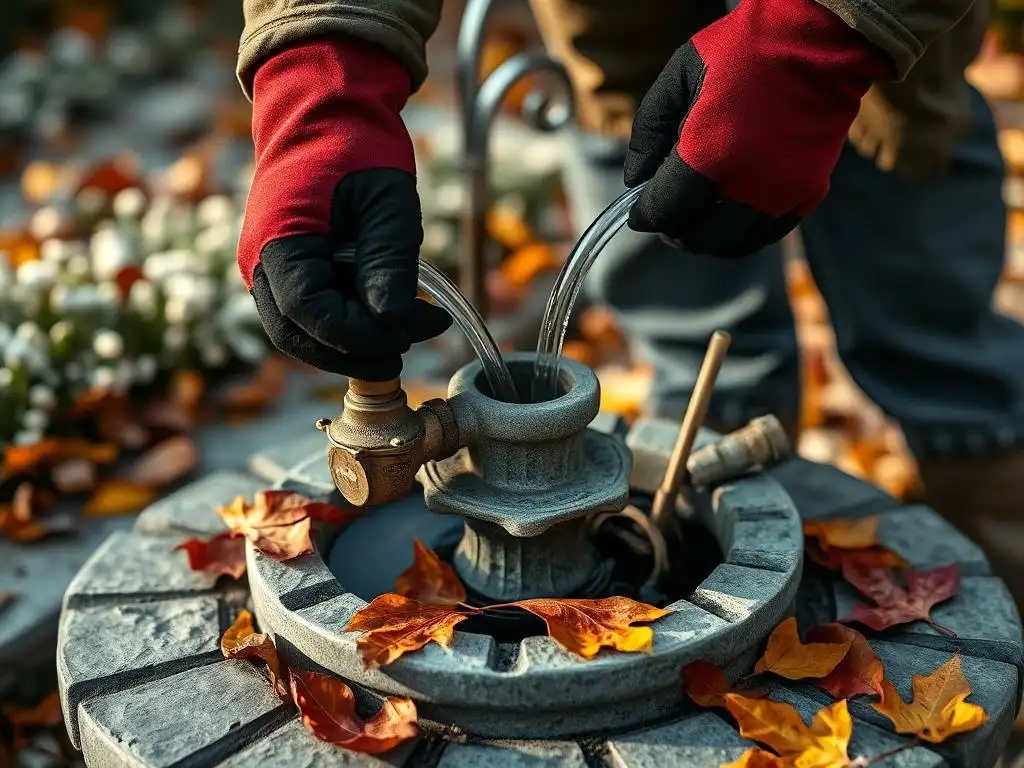
This section details the crucial steps involved in winterizing your garden water feature, ensuring its longevity and beauty for years to come. Proper winterization protects your investment and prevents costly repairs in the spring. Remember, the goal is to protect your water feature from damage caused by freezing temperatures and subsequent expansion of ice. This process is vital for all types of water features, from small decorative fountains to larger ponds. Successfully winterizing your garden water feature will help you enjoy its splendor for seasons to come.
Draining Your Water Feature: Techniques for Efficient and Complete Drainage
Thorough drainage is the cornerstone of successful winterization. Leaving water in your feature during freezing temperatures risks cracking or damaging the structure. The method you employ depends largely on the size and design of your water feature.
Draining Small Ponds and Fountains: Manual Removal and Siphoning Methods
For smaller water features like decorative fountains or small ponds, manual removal might suffice. You can use buckets or a garden hose to carefully remove the water. However, for more efficient drainage, especially if your feature has a deeper basin, consider using a siphon. A simple siphon can be created using a length of garden hose. Submerge one end of the hose in the water, creating a vacuum by sucking on the other end.
Once the water begins flowing, it will continue to drain until the water level reaches the end of the hose. This method is effective and requires minimal tools. Remember to wear appropriate clothing and gloves to avoid getting wet and cold. Consider using a submersible pump for larger capacity.
Draining Larger Water Features: Using Submersible Pumps for Efficient Drainage
Larger ponds and water features benefit from using a submersible pump. These pumps are designed to operate underwater and can efficiently drain significant volumes of water quickly. Before using the pump, ensure it's appropriately sized for your water feature. A pump that's too small will take a long time and might not completely drain the water, leaving pockets of residual water which can freeze and cause damage.
Consult the pump's instructions for safe and effective operation. Remember to always disconnect the pump from the power source before handling it. After draining, carefully store the pump in a frost-free location to prevent damage.
Cleaning Your Water Feature: Removing Debris and Preventing Springtime Algae Blooms
Cleaning your water feature before winterization is crucial for preventing algae growth and protecting the structural integrity of the feature. Removing debris now will prevent it from decaying over the winter and causing problems next spring. A clean water feature is a healthy water feature.
Removing Sediment and Leaves: Tools and Techniques for Effective Cleaning
Use a net or a pond scoop to carefully remove leaves, twigs, and other debris from the surface and bottom of your water feature. For sediment at the bottom, you may need a specialized pond vacuum. For smaller features, a garden trowel may suffice. Thoroughly clean the basin of your water feature to remove any remaining sediment and organic matter. This step is crucial for preventing algae growth and maintaining the cleanliness of your water feature in the spring. Remember to dispose of the collected debris responsibly, either through composting or proper waste disposal methods.
Cleaning Filters and Pumps: Maintaining Equipment for Optimal Performance Next Spring
If your water feature has a filtration system, thoroughly clean or replace the filters. Follow the manufacturer's instructions for cleaning or replacing filters. Inspect the pumps for any signs of damage or wear and tear. If necessary, repair or replace damaged components.
Properly cleaning and storing your equipment will ensure they are ready for optimal performance once the weather warms up. This preventative maintenance saves time and potential money in the spring. Remember to thoroughly dry all equipment before storing it in a frost-free environment. This will prevent the formation of ice, which can damage the pump and filtration system.
Protecting Your Pump and Other Components: Storage and Safeguarding Against Damage
Winterizing your garden water feature involves more than just draining the water; it's crucial to protect the valuable components, like your pump, from the harsh elements. Failure to do so can lead to costly repairs or replacements in the spring. The most effective way to ensure longevity is through proper storage and preventative measures.
This includes not only protecting against freezing temperatures, which can crack components, but also safeguarding against damage from rodents or other pests that might seek shelter in your equipment during the colder months. Regular cleaning before storage is also vital; removing debris prevents the build-up of harmful materials that could accelerate corrosion. Remember to consult your pump's specific manufacturer instructions for optimal winterization procedures, as these can vary depending on the model and type.
Taking the time to properly winterize your pump will significantly extend its lifespan and save you money in the long run. Neglecting this crucial step can lead to a frustrating and expensive spring repair bill. Consider the investment in your pump as an investment in the beauty and enjoyment of your water feature year after year.
Storing Pumps Indoors: Protecting Against Freezing Temperatures and Damage
Storing your pump indoors is the most effective method to prevent freeze damage. Freezing temperatures cause water within the pump to expand, leading to cracks and irreparable damage. A simple solution is to find a dry, frost-free location in your garage, shed, or basement. Before storage, thoroughly clean the pump to remove any sediment, algae, or debris.
This prevents corrosion and ensures the pump remains in optimal condition for the next season. Wrap the pump in a soft cloth or bubble wrap for added protection against bumps and scratches during storage. Label the pump clearly with its type and model number for easy identification in the spring. Remember to disconnect the pump from the power source before cleaning and storing it.
This prevents accidental electrocution and ensures safety. Prioritizing indoor storage protects not only the pump’s functionality but also your investment. The relatively small effort of indoor storage greatly outweighs the potential cost of pump replacement.
Protecting Pipes and Fittings: Insulation and Antifreeze Solutions
Protecting your water feature's pipes and fittings is equally important to prevent damage from freezing. Leaving water in pipes during freezing temperatures can lead to expansion and potential bursts. Several methods can help mitigate this risk. One effective method is to insulate the pipes using pipe insulation sleeves or foam rubber.
This creates a barrier against the cold, minimizing the risk of freezing. Another approach is to use antifreeze solutions specifically designed for plumbing systems. These solutions lower the freezing point of the water within the pipes, preventing ice formation. Always follow the manufacturer's instructions when using antifreeze solutions, ensuring proper dilution and compatibility with your system's materials.
Remember to thoroughly flush out the antifreeze in the spring before restarting your water feature. Regular inspection of your pipes and fittings throughout the winter can also help identify potential issues early on, allowing for timely intervention and preventing more serious damage. By taking these preventative measures, you ensure the longevity and functionality of your water feature for years to come.
Choosing the Right Winterization Products for Your Water Feature
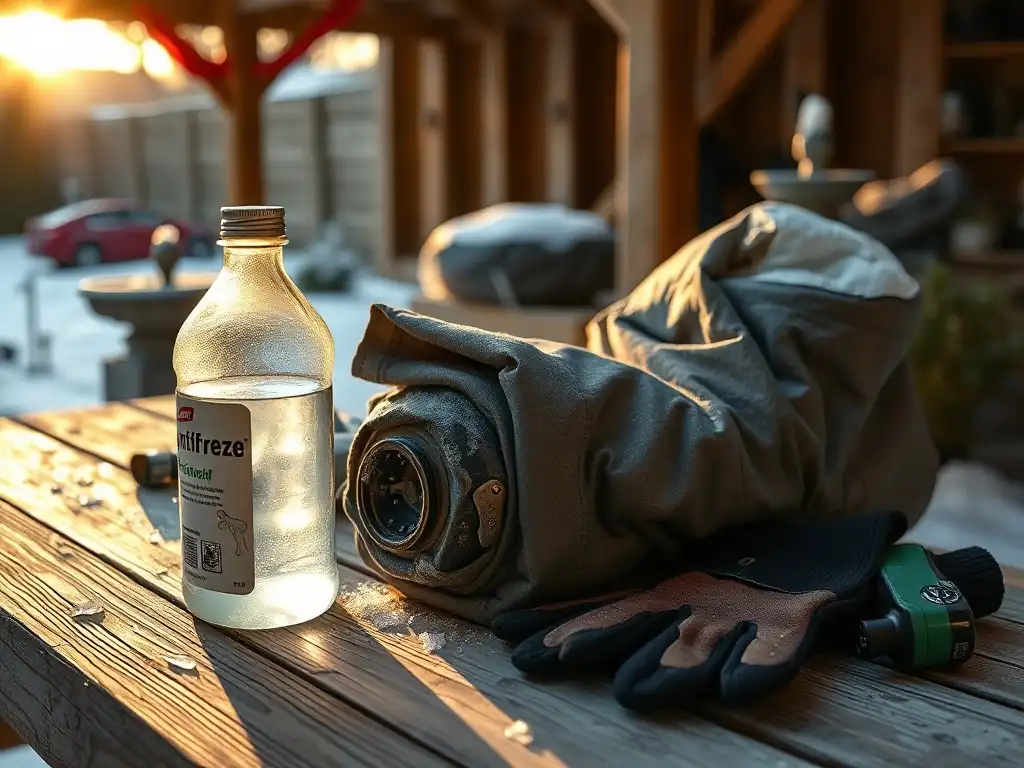
Protecting your garden water feature from winter's harsh conditions requires careful planning and the selection of appropriate winterization products. The goal is to safeguard your investment while ensuring the well-being of surrounding plants and wildlife. This section will guide you through choosing the right antifreeze and insulation materials, emphasizing environmentally conscious choices.
Successfully winterizing your garden water feature involves a multifaceted approach, ensuring longevity and minimizing potential damage. Remember, proper winterization is crucial for extending the life of your water feature and enjoying its beauty for years to come. This translates to better value for your initial investment and reduced long-term costs.
Selecting the Right Antifreeze: Non-Toxic Options for Protecting Plants and Wildlife
Choosing a non-toxic antifreeze is paramount when protecting your water feature, especially if it's situated near plants or wildlife. Traditional antifreezes can be harmful to the environment and potentially lethal to animals if ingested. Therefore, opting for eco-friendly alternatives is crucial for sustainable gardening practices.
Several products are designed specifically for water features, offering effective protection without posing a threat to the ecosystem. Consider factors such as the size of your water feature and the intensity of your local winters when making your selection. Remember, prevention is key; proactive measures are far more cost-effective than emergency repairs in the spring.
Antifreeze Product A: Features and Benefits
Let's examine a hypothetical example of a non-toxic antifreeze, "AquaGuard Pro." AquaGuard Pro boasts a unique formula that utilizes propylene glycol, a less toxic alternative to ethylene glycol commonly found in automotive antifreeze. Its key features include:
- Low toxicity: Safe for plants, animals, and the environment.
- Effective protection: Prevents freezing down to -40°F (-40°C).
- Biodegradable formula: Minimizes environmental impact.
- Easy application: Simple instructions for straightforward use.
AquaGuard Pro also offers excellent value for money, considering its long-lasting protection and minimal environmental impact. Its relatively higher initial cost is offset by the reduced risk of damage to your water feature and the surrounding ecosystem.
Antifreeze Product B: Comparison and Review
Another potential option, "EcoFreeze," offers a comparable level of protection but might differ in price and specific features. A direct comparison between AquaGuard Pro and EcoFreeze would require a detailed analysis of their respective:
| Feature | AquaGuard Pro | EcoFreeze |
|---|---|---|
| Toxicity | Very Low | Low |
| Freezing Point | -40°F (-40°C) | -30°F (-35°C) |
| Biodegradability | Highly Biodegradable | Biodegradable |
| Price | Higher | Lower |
| Application | Easy | Moderately Easy |
While EcoFreeze might be cheaper, its lower freezing point protection and potentially less effective biodegradability should be considered. The choice depends on your budget and the severity of your local winters. Always read product labels carefully and follow manufacturer instructions for safe and effective application.
Insulating Your Pipes and Pumps: Materials and Techniques for Effective Protection
Protecting your water feature's pipes and pumps from freezing temperatures is crucial to prevent costly damage. Insulation acts as a barrier against the cold, preventing water inside the pipes and pump from freezing and expanding. This expansion can cause cracks and leaks, leading to significant repair expenses and potential damage to your water feature. Proper insulation is a cost-effective preventative measure.
Pipe Insulation: Selecting the Right Thickness and Material
The thickness of your pipe insulation should correspond to the severity of your winter climate. Thicker insulation provides better protection in extremely cold conditions. Consider using closed-cell foam insulation, which offers superior thermal performance compared to open-cell foam. Flexible foam sleeves are readily available and easy to install. Ensure a snug fit to minimize heat loss. Remember to insulate all exposed pipes, including those buried underground, to ensure comprehensive protection. Proper insulation is a vital step in winterizing your garden water feature, minimizing the risk of damage and maintenance costs.
Pump Covers and Blankets: Protecting Equipment from the Elements
Pumps are particularly vulnerable to freezing temperatures. Investing in a pump cover or blanket specifically designed for water features provides an additional layer of protection. These covers are often made from weather-resistant materials that shield the pump from snow, ice, and wind. Some covers even include integrated heating elements for added protection in extremely cold climates.
By using a pump cover, you're ensuring that your valuable equipment remains safe and functional throughout the winter months. This preventative measure will save you from potentially costly repairs or replacements in the spring. Consider the size of your pump when selecting a cover to ensure a proper fit.
Winterizing Covers for Ponds and Fountains: Protecting Water Features from the Elements
Protecting your water feature during the harsh winter months is crucial for its longevity and aesthetic appeal. Winterizing covers act as a shield against freezing temperatures, preventing damage from ice expansion and protecting the delicate ecosystem within your pond or fountain. These covers are not merely a cosmetic addition; they're an essential part of proper water feature maintenance in cold climates.
They help maintain water temperature, reducing the chances of your fish (if applicable) succumbing to cold shock. Furthermore, they prevent debris from accumulating in the water, keeping it cleaner and reducing the workload required in spring when you're preparing your water feature for the new growing season. The right cover can significantly extend the life of your pump, filter, and other equipment by protecting them from the elements and preventing damage from ice formation.
This is especially important for those investing in more expensive, high-quality water feature components. Consider the cover as an investment in the long-term health and beauty of your water feature. The cost of replacing a damaged pump or fountain head far outweighs the cost of a protective cover.
Pond Cover Product C: Features and Benefits
Let's consider a hypothetical example, Pond Cover Product C. This particular cover is known for its robust construction using heavy-duty, UV-resistant polyethylene. This material ensures longevity, even under prolonged exposure to harsh sunlight and freezing temperatures. One of its key features is its integrated weighted edges, preventing it from being blown away by strong winter winds.
The material is also designed to be breathable, allowing for some gas exchange and preventing the buildup of harmful gases under the cover. Product C often includes convenient tie-down straps for extra security in particularly windy locations. Its dark color helps absorb heat from the sun, slightly mitigating the freezing process and providing additional protection for the water below.
Unlike some covers that are difficult to handle, Product C is designed for easy installation and removal, making the seasonal process much less of a chore. Finally, its relatively affordable price point makes it an attractive option for many homeowners. Remember to always check the manufacturer's specifications and warranty information before purchasing any winterizing cover.
Choosing the Right Cover Size and Material: Considerations for Different Water Feature Sizes
Selecting the appropriate cover size is paramount to ensure effective protection. A cover that's too small will leave portions of your water feature exposed, rendering it vulnerable to damage. Conversely, a cover that's too large can become cumbersome to manage and may not lie flat, potentially creating areas where ice can still form. Accurate measurements of your pond or fountain are essential before purchasing a cover.
Consider not only the surface area but also the depth of your water feature, as some covers are designed to accommodate varying depths. The material choice significantly impacts the cover's durability and effectiveness. Heavier-duty materials like polyethylene offer superior protection against ice and harsh weather conditions, while lighter materials may be more suitable for milder climates or smaller features.
For instance, a small, shallow fountain in a sheltered location might be adequately protected by a lighter, less expensive cover, while a large, deep pond in an exposed area would necessitate a more robust and substantial cover. Think of it like choosing the right coat for different weather conditions – a light jacket for a spring shower and a heavy parka for a blizzard. The investment in a well-fitting, high-quality cover pays off in the long run by preserving your water feature's beauty and longevity.
Maintaining Your Water Feature Through Winter: Ongoing Care
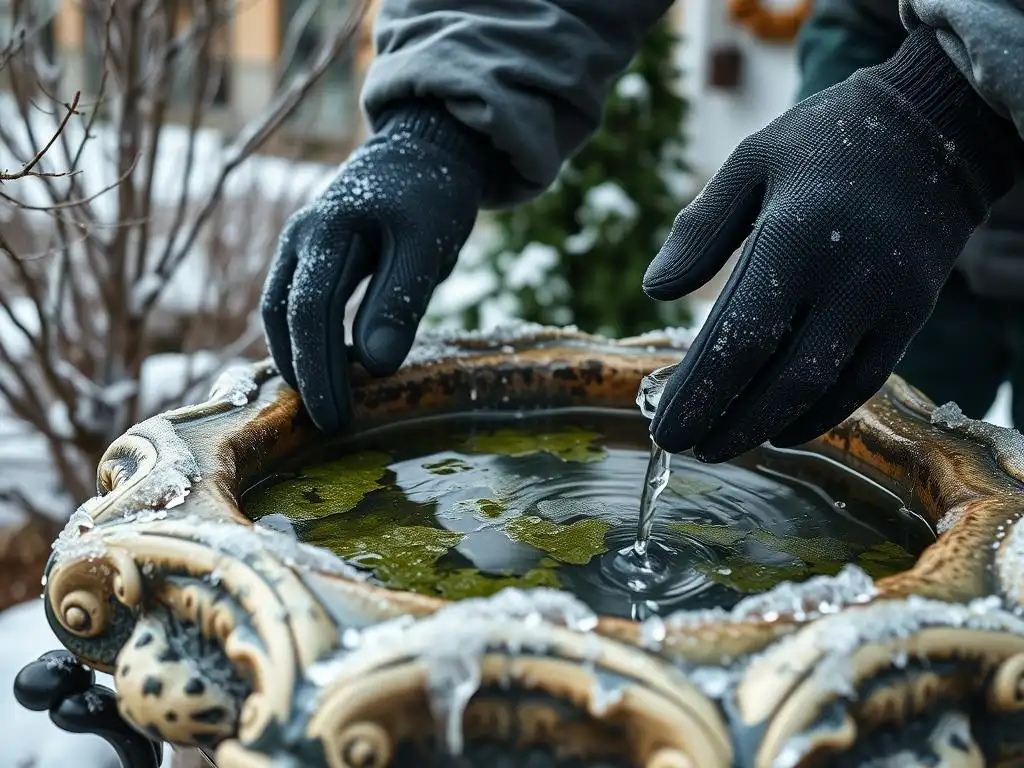
Winterizing your garden water feature isn't a one-time task; it requires ongoing care and attention throughout the colder months to prevent damage and ensure its longevity. Regular monitoring and proactive maintenance will help you avoid costly repairs in the spring. This section details the crucial steps to ensure your water feature survives the winter and thrives again come springtime. Proper winterization of your garden water feature is key to its long-term health and beauty.
Monitoring Your Water Feature: Checking for Leaks and Damage
Regularly inspect your water feature for any signs of leaks or damage. Even minor cracks or leaks can worsen significantly during freeze-thaw cycles, leading to costly repairs. Pay close attention to:
- Pumps and Filters: Check for cracks or deterioration in the pump housing and filter components. These are particularly vulnerable to freezing temperatures. If possible, store these indoors in a frost-free environment.
- Liners and Pond Walls: Carefully examine the liner for any rips, tears, or punctures. Inspect the pond walls for any signs of cracking or settling. Small issues can be addressed with appropriate sealant, but larger problems might require professional intervention.
- Pipes and Fittings: Check all pipes and fittings for leaks and ensure they are properly insulated. Frozen pipes can burst, causing significant damage to your water feature.
- Water Level: Monitor the water level regularly. A drop in the water level might indicate a leak, which needs immediate attention. Remember, keeping the water level consistent helps prevent damage from freezing.
Maintaining a regular winterization schedule is crucial for preventing issues. A simple checklist, reviewed weekly, can be a great help. For example:
| Day of Week | Task | Notes |
|---|---|---|
| Monday | Check for leaks | Pay close attention to pump and liner |
| Wednesday | Inspect water level | Note any significant changes |
| Friday | Examine pipes and fittings | Ensure insulation is adequate and secure |
Remember, early detection of problems is key to preventing major damage. The small effort of regular monitoring will pay off handsomely in the long run, ensuring your water feature remains a beautiful and functional part of your garden for years to come.
Protecting Wildlife: Ensuring Safe Passage for Aquatic Animals During Winter
While winterizing your water feature, it’s crucial to consider the welfare of any aquatic life inhabiting it. Many species, such as frogs and newts, may overwinter in the mud at the bottom of your pond. Here's how to ensure their safety:
- Avoid draining completely: Draining your pond completely will kill any overwintering animals. Instead, aim to reduce the water level only slightly, if necessary, for maintenance.
- Provide shallow, ice-free areas: If your pond is prone to freezing over completely, consider creating a shallow area where the water is less likely to freeze solid. This allows animals to access oxygen.
- Avoid harsh chemicals: Refrain from using harsh chemicals or algaecides during winter, as these can harm aquatic life.
- Add aquatic plants: Plants provide shelter and oxygen for aquatic creatures during winter.
Protecting wildlife is not only ethically responsible but also contributes to the overall health of your ecosystem. A thriving aquatic environment enhances the beauty and biodiversity of your garden. Consider adding floating plants that will help create oxygen pockets, and minimize the risk of total pond freezing.
Dealing with Unexpected Issues: Troubleshooting Common Winter Water Feature Problems
Despite careful planning, unexpected problems can arise during winter. Being prepared to address these issues promptly can prevent minor problems from escalating into major repairs. Some common issues include:
- Frozen Pipes: If you discover a frozen pipe, never use a flame to thaw it. This can cause damage and even fire. Instead, try gently warming the pipe with warm water or a heating pad. Prevention is key – ensure proper insulation of all pipes.
- Ice Buildup: Excessive ice buildup can damage your water feature. Consider using de-icers specifically designed for water features, but avoid using rock salt, which can be harmful to aquatic life and your pond's ecosystem.
- Pump Malfunction: If your pump malfunctions, try troubleshooting the problem based on the manufacturer's instructions. If the problem persists, it may need professional repair or replacement.
- Leaking Liner: A leaking liner is a serious problem. If you discover a leak, try patching it with an appropriate sealant. Larger leaks may require professional repair or replacement of the liner.
Addressing these issues promptly minimizes potential damage and ensures the long-term health of your water feature. Regular maintenance and proactive problem-solving are essential aspects of successfully winterizing your garden water feature. Remember, a well-maintained water feature adds beauty and tranquility to your garden year-round.
Spring Preparations: Getting Your Water Feature Ready for the Growing Season
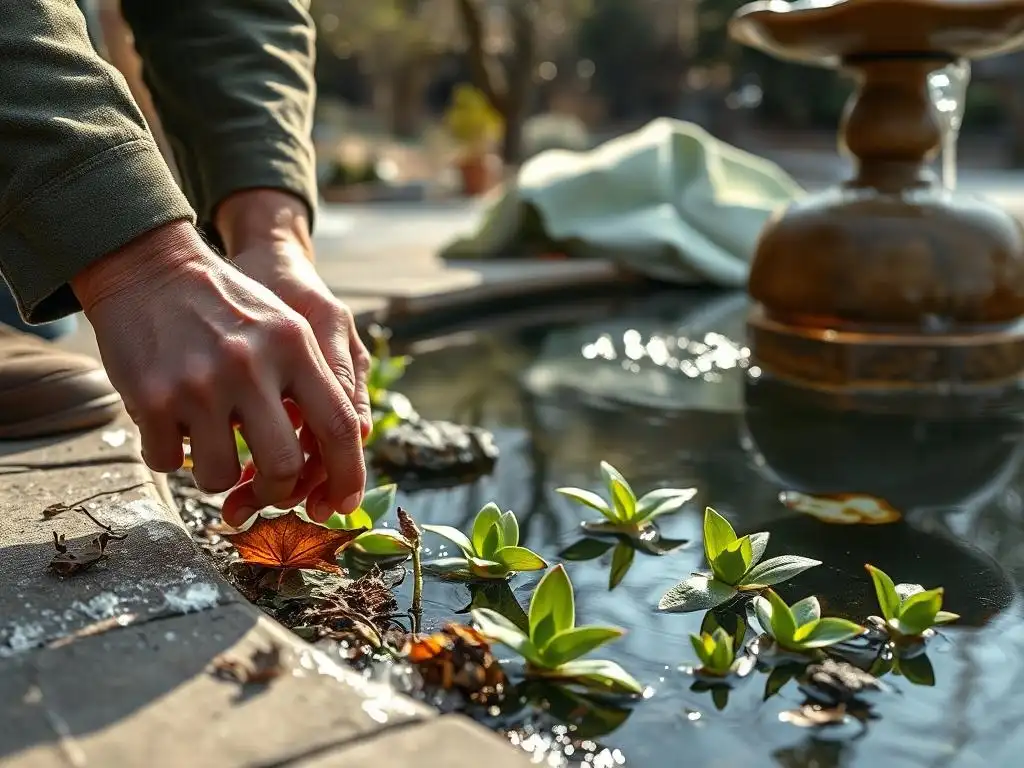
After the long winter slumber, your garden water feature needs some tender loving care before it can once again become a vibrant centerpiece of your outdoor space. Spring preparation is crucial for ensuring its longevity and beauty throughout the growing season. Proper winterizing (protecting your water feature from freezing temperatures) is only half the battle; spring revitalization is just as important for the health of your ecosystem and the aesthetic appeal of your garden.
This section focuses on the key steps to take in spring to get your water feature back into tip-top shape. We'll cover cleaning, refilling, and restoring all the essential components. Remember, a well-maintained water feature is a thriving water feature, attracting beneficial insects and wildlife to your garden, promoting biodiversity, and adding a touch of serenity to your outdoor oasis.
Cleaning and Inspecting Your Water Feature: Preparing for Refilling
Before refilling your water feature, a thorough cleaning is essential. This involves removing any accumulated debris, leaves, and sediment that may have collected during the winter months. Use a soft brush or sponge to gently scrub the sides and bottom of the feature. For stubborn algae or mineral deposits, a solution of mild dish soap and water can be effective; however, always rinse thoroughly afterward to avoid harming any aquatic life you plan to reintroduce.
Pay close attention to your pump and filter during this inspection. Examine them for any damage or signs of wear and tear. If you notice any cracks or malfunctions, it's crucial to address these issues before refilling the feature. A malfunctioning pump or filter can quickly lead to a build-up of harmful bacteria and negatively impact the overall health of your water feature. Remember to disconnect the pump before cleaning and inspecting it.
Refilling Your Water Feature: Ensuring Proper Water Levels
Once your water feature is clean and your pump and filter are inspected and ready, it's time to refill it. The ideal water source is rainwater, as it's naturally free of harsh chemicals found in tap water. However, if rainwater isn't readily available, you can use tap water, but allow it to sit in a container for 24 hours to allow chlorine to dissipate. This is crucial for the health of any aquatic plants or animals you intend to introduce.
Refilling should be done gradually, allowing the water to settle and preventing sudden temperature shocks to any existing aquatic life. Monitor the water level closely and ensure it reaches the appropriate level for your specific water feature design. Overfilling can lead to overflow and potential damage, while underfilling can compromise the functionality of your pump and filter. Consider using a hose with a flow control valve for more precise water management. Remember that a stable water level is essential for maintaining a healthy ecosystem in your garden water feature.
Restoring Your Pump and Other Components: Getting Your Water Feature Running Again
After cleaning and inspecting the pump and filter, carefully reassemble them and reconnect them to the power source. Before turning the pump on, double-check all connections to prevent leaks or malfunctions. Once the pump is running, observe the water flow and ensure that it is distributing water evenly throughout the feature. If you notice any irregularities, such as weak flow or unusual noises, immediately turn off the pump and re-inspect the system.
If you have any other components in your water feature, such as lights or fountains, now is the time to test them. Ensure they are functioning correctly and that any electrical connections are secure and waterproof. A well-functioning water feature not only looks beautiful but also contributes to the overall health and vitality of your garden.
Regular maintenance and attention to detail are key to enjoying its beauty for years to come. Remember to consult your water feature's manual for specific instructions on restarting and maintaining your specific model. This detailed approach ensures a successful and enjoyable springtime revival of your garden's aquatic centerpiece.
Sustainable Winterization Practices for Your Garden Water Feature
Protecting your garden water feature during winter is crucial for its longevity and aesthetic appeal. However, traditional winterization methods can sometimes have an adverse environmental impact. This section explores sustainable practices to winterize your water feature, minimizing your ecological footprint while ensuring its safe passage through the cold months. We'll cover eco-friendly antifreeze alternatives and responsible disposal methods, helping you "winterize garden water feature" in an environmentally conscious way.
Eco-Friendly Antifreeze Options: Reducing Your Environmental Impact
Traditional antifreeze solutions often contain harmful chemicals that can contaminate soil and water sources if improperly handled. Fortunately, several environmentally friendly alternatives exist. Choosing these options significantly reduces the risk of harming beneficial organisms in your garden and surrounding ecosystem.
Consider these safer alternatives:
- Propylene Glycol: While still a glycol-based antifreeze, propylene glycol is considered less toxic than ethylene glycol (the common antifreeze found in car radiators). However, it's still important to handle it carefully and avoid spills. Always check the product label for specific environmental safety information. Remember, even propylene glycol can harm aquatic life if introduced directly into water bodies.
- High-Density Polyethylene (HDPE) Balls: These floating balls provide insulation by preventing heat loss from the water's surface. They are a completely inert and reusable option, making them a highly sustainable choice for preventing freezing. Using a sufficient number of balls, depending on the size and depth of your water feature, can effectively protect your pond or fountain from freezing solid.
- Natural Insulation: For smaller water features, consider adding layers of natural insulating materials like straw or leaves around the edges. This provides a buffer against the cold, slowing down the freezing process. This method is especially suitable for shallow features. However, remember to remove this insulation completely in the spring to avoid creating an anaerobic environment.
The best option depends on the size and type of your water feature. For larger ponds, a combination of HDPE balls and potentially a small amount of propylene glycol might be necessary, while smaller features might be adequately protected with natural insulation alone. Always prioritize the least toxic and most reusable option available. Remember to research thoroughly before selecting a product, ensuring it's safe for aquatic life and your local environment.
Recycling and Disposal of Winterization Materials: Responsible Practices for Sustainability
After winter, the process of removing winterization materials requires careful consideration of responsible disposal. Improper disposal of antifreeze or other materials can contaminate the environment and harm wildlife. Here's how to ensure a sustainable approach:
- HDPE Balls: These are reusable and should be stored in a dry place until the following winter. This eliminates the need for disposal entirely, contributing significantly to reducing waste.
- Propylene Glycol: If used, properly dispose of any remaining solution according to your local regulations. Many communities have hazardous waste disposal programs that accept antifreeze. Never pour it down the drain or onto the ground.
- Natural Insulation: Compostable materials like straw and leaves can be added to your compost pile, enriching your garden soil. However, avoid adding any materials that might have been contaminated with chemicals.
By carefully considering the environmental impact of your choices and adopting these sustainable practices, you can efficiently "winterize garden water feature" while minimizing harm to the environment. This approach ensures the long-term health of your garden and contributes to a more sustainable gardening practice. Remember, responsible gardening is about protecting not only your plants but also the wider ecosystem.
Frequently Asked Questions
What is the purpose of winterizing a water feature?
Winterizing your water feature is crucial to prevent damage from freezing temperatures. Frozen water expands, potentially cracking pumps, pipes, and even the feature itself. Protecting your investment is key.
How do I winterize a pond?
For ponds, remove as much water as possible, then add pond sealant to protect against frost. Consider using an air pump to keep a small area of water unfrozen to help beneficial bacteria survive.
What about smaller water features, like fountains?
Smaller features are often easier to winterize. Disconnect pumps and other equipment, thoroughly clean and dry all components before storing them indoors for the winter.
Should I use antifreeze in my water feature?
While some specialized pond antifreeze is available, using automotive antifreeze is highly discouraged. It's toxic to wildlife and plants, and can contaminate the soil.
When should I start winterizing my water feature?
Begin winterizing your water feature before the first expected frost. The timing depends on your location and the specific type of water feature, so check your local weather forecast for guidance.
Final Reflection: Protecting Beauty Through the Freeze
The preservation of our outdoor water features isn't merely a seasonal chore; it's an act of stewardship, ensuring their longevity and continued beauty. Failing to winterize your garden water feature can lead to costly repairs and the heartbreaking loss of a cherished landscape element. This is especially crucial given the increasingly unpredictable weather patterns we face.
The impact of properly winterizing a water feature extends beyond the immediate preservation of the structure itself. It speaks to a deeper connection with nature, a respect for the delicate balance of our ecosystems, even in our own backyards. The earth laughs in flowers.
- Ralph Waldo Emerson. This quote, while seemingly unrelated at first glance, speaks to the joy and renewal that a healthy garden, including a thriving water feature, brings. Proper winterization ensures that laughter continues, unmarred by the harshness of winter.
Now, as the frost melts and the promise of spring emerges, consider the lessons learned. Take a moment to reflect on the simple steps that safeguard your investment and contribute to the enduring beauty of your outdoor space. Don't just passively wait for warmer weather; actively participate in the cycle of nature by ensuring your water feature is ready to flourish once again. This year, make winterization a ritual, a testament to your appreciation for the artistry and tranquility your water feature brings to your life.
Ready to Shield Your Water Feature from Winter's Chill?
Thank you for learning how to winterize your water feature! You now have the knowledge to protect your investment and ensure its beauty returns with spring. Let's put that knowledge into action:
- Protecting your pump and plumbing is crucial: This prevents costly damage. Follow the steps in the guide and begin the process today!
- Adding antifreeze to your system provides extra protection against freezing temperatures.
- Share your winterizing tips and experiences with other readers in the comments below – let's build a supportive community!
Ready to tackle winter's challenges and ensure your water feature survives until next season? What methods will you use this year for winterization?