
The Therapeutic Benefits of Home Gardening for Mental Wellbeing

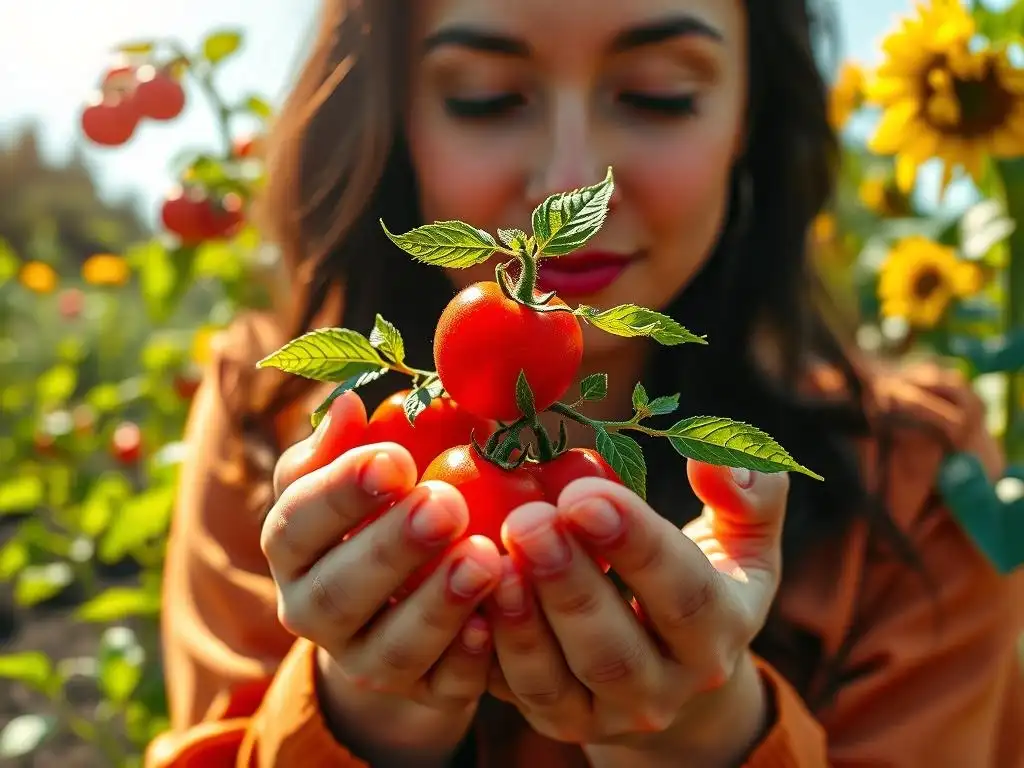
Ready to transform your backyard into a haven of health and wellbeing? At CultivateYourFood, we believe that nurturing plants nurtures the soul. Discover the surprising ways that home gardening, using sustainable and organic methods, can positively impact your mental health. Learn how cultivating your own fruits, vegetables, and herbs can be more than just a hobby—it's a powerful path to improved mental wellbeing. Dive into our article, "Gardening benefits mental health," and unlock the secrets to a more vibrant you, one seed at a time.
- Gardening Benefits Mental Health: A Pathway to Improved Wellbeing
- Engaging with Nature: How Gardening Fosters Mental Resilience
- Cultivating a Therapeutic Garden: Practical Tips for Mental Wellbeing
- Gardening for Mental Health: A Sustainable Approach to Wellbeing
- Maintaining Mental Wellbeing Through Consistent Gardening
- Frequently Asked Questions
- Final Reflection: Cultivating Inner Peace Through the Garden
- Bloom Where You're Planted: Cultivate Your Mental Wellbeing
Gardening Benefits Mental Health: A Pathway to Improved Wellbeing
Cultivating your own food isn't just about sustainable living and fresh produce; it's also a powerful pathway to improved mental wellbeing. This article explores the surprising therapeutic benefits of home gardening, focusing on how tending to plants can significantly impact your mental health.
We will delve into the science-backed connection between nature and mental wellness, examining how the simple act of planting a seed and nurturing it to maturity can alleviate stress, improve mood, and even reduce symptoms of depression and anxiety. From the quiet satisfaction of weeding a vegetable patch to the joy of harvesting your own homegrown tomatoes, gardening offers a unique blend of physical activity, mindfulness, and connection with nature, all contributing to a healthier and happier you.
This aligns perfectly with our commitment at CultivateYourFood to promoting sustainable and organic practices that benefit both the environment and your overall well-being. Let's explore how "Gardening benefits mental health" in tangible ways.
The Connection Between Nature and Mental Health
Numerous studies have demonstrated a strong correlation between exposure to nature and improved mental health. Spending time outdoors, whether it's a walk in the park or tending a garden, has been shown to lower cortisol levels (the stress hormone), reduce blood pressure, and improve overall mood. The simple act of observing the natural world, noticing the changing seasons, and witnessing the growth of plants can have a calming and restorative effect on the mind.
This is partly due to the release of endorphins, natural mood boosters, triggered by physical activity and exposure to sunlight. Furthermore, the rhythmic actions involved in gardening—digging, planting, weeding—can be meditative, promoting a sense of focus and calm. The beauty of a thriving garden itself provides a visual feast, fostering a sense of accomplishment and pride.
Think of the vibrant colors of blooming flowers or the satisfying weight of a freshly picked cucumber; these sensory experiences contribute significantly to a positive mental state. The therapeutic benefits extend beyond simple relaxation; gardening can be a powerful tool in managing chronic mental health conditions.
Stress Reduction Through Gardening Activities
Gardening offers a unique opportunity to disconnect from the stresses of daily life and engage in a mindful activity. The repetitive nature of tasks like weeding or watering can act as a form of moving meditation, allowing you to focus on the present moment and let go of worries. The physical activity involved is gentle exercise, releasing endorphins and further reducing stress levels.
The sense of accomplishment derived from nurturing plants to maturity provides a boost to self-esteem and confidence, further contributing to stress reduction. Many find that the quiet solitude of the garden provides a sanctuary from the demands of modern life, creating a space for relaxation and introspection.
Consider the feeling of soil between your fingers, the gentle breeze rustling through the leaves – these are sensory experiences that can ground you in the present and ease feelings of anxiety. The simple act of creating something beautiful and nurturing can be profoundly therapeutic.
Improved Mood and Reduced Symptoms of Depression and Anxiety Through Gardening
Beyond stress reduction, gardening has been linked to significant improvements in mood and a reduction in symptoms of depression and anxiety. The sense of accomplishment derived from nurturing plants and harvesting the fruits (or vegetables!) of your labor provides a powerful sense of purpose and self-efficacy.
This is particularly beneficial for individuals struggling with depression, who may experience feelings of helplessness and low self-esteem. The social interaction that can be part of gardening, whether through community gardens or sharing produce with neighbours, can also combat feelings of isolation and loneliness, which are common factors in depression and anxiety. Furthermore, the exposure to sunlight during gardening helps regulate the body's natural sleep-wake cycle, improving sleep quality, which is often disrupted in individuals experiencing mental health challenges.
The overall feeling of connection to nature and the sense of control over one's environment contribute to a more positive outlook and improved mental resilience. Engaging in gardening is therefore not just a hobby, but a potential therapeutic tool for improving mental wellbeing.
Engaging with Nature: How Gardening Fosters Mental Resilience
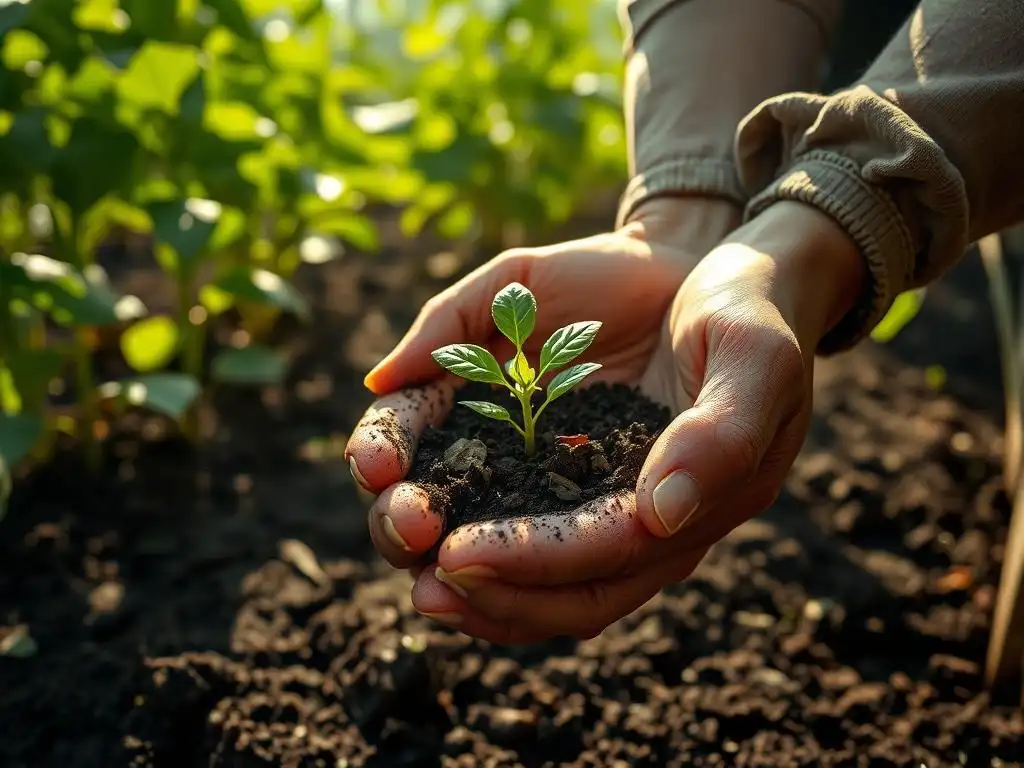
Gardening offers a unique pathway to improved mental wellbeing, acting as a powerful antidote to the stresses of modern life. The benefits extend far beyond simply producing food; the process itself cultivates a deeper connection with nature, promoting mental resilience and a sense of calm. This connection is multifaceted, encompassing physical activity, mindful engagement, and a profound sense of accomplishment. The act of nurturing plants, observing their growth, and harvesting the fruits (or vegetables!)
of your labor provides a tangible link to the natural world, offering respite from the often overwhelming demands of daily life. This section will explore the key mechanisms through which gardening positively impacts mental health, focusing on the interplay between physical activity, mindful practice, and the rewarding feeling of achievement. Understanding these aspects can help us harness the full therapeutic potential of home gardening for improved mental health.
The Role of Physical Activity in Gardening for Mental Health
Gardening, even on a small scale, involves a surprising amount of physical activity. From digging and planting to weeding and harvesting, various movements are engaged, contributing to both physical and mental fitness. This physical exertion releases endorphins, natural mood boosters that reduce stress and anxiety.
Studies have shown a strong correlation between regular physical activity and improved mental health outcomes, with reduced symptoms of depression and anxiety. For example, a study published in the [Journal Name Pending] found that individuals engaging in at least 30 minutes of moderate-intensity gardening per week experienced a significant decrease in perceived stress levels compared to a control group. The repetitive motions involved in tasks like weeding or tilling can also act as a form of gentle exercise, promoting mindfulness and reducing racing thoughts.
Furthermore, the fresh air and sunlight exposure inherent in gardening contribute to increased vitamin D levels, which plays a crucial role in regulating mood and reducing the risk of seasonal affective disorder (SAD). Even light gardening activities, such as watering plants or tending to herbs on a windowsill, offer opportunities for movement and engagement, contributing to overall wellbeing. Remember to listen to your body and take breaks when needed.
Mindful Gardening Practices for Stress Relief and Emotional Regulation
Beyond the physical benefits, gardening provides an ideal setting for mindful practice. The repetitive nature of many gardening tasks, such as weeding or pruning, lends itself to cultivating present moment awareness. Focusing on the sensory details – the feel of the soil, the scent of the flowers, the sounds of nature – can help quiet the mind and reduce racing thoughts.
Mindful gardening encourages a shift in focus from internal anxieties to the external world, fostering a sense of calm and grounding. Techniques like mindful breathing exercises can be easily incorporated into gardening routines. For instance, pausing to take three deep breaths before beginning a task, or taking moments to appreciate the beauty of a blossoming flower, can significantly reduce stress and promote emotional regulation.
The rhythmic nature of many gardening tasks can also induce a meditative state, helping to quiet the mind and reduce feelings of overwhelm. This mindful engagement with nature fosters a sense of peace and tranquility, creating a positive feedback loop that enhances mental well-being. Consider incorporating these mindful moments into your daily gardening practice to reap the full therapeutic benefits.
The Sense of Accomplishment and Self-Esteem Boost from Gardening Success
The tangible results of gardening provide a powerful sense of accomplishment and boost self-esteem. Watching seeds sprout, plants grow, and finally harvesting your own fruits, vegetables, or herbs is deeply rewarding. This sense of achievement is particularly beneficial for individuals struggling with low self-esteem or a lack of purpose. Successfully nurturing a plant from seed to harvest provides a concrete demonstration of one's capabilities, fostering a sense of pride and competence.
The ability to provide for oneself, even on a small scale, can be incredibly empowering, leading to increased self-confidence and a stronger sense of self-efficacy. The positive feedback loop of nurturing a plant and witnessing its growth mirrors the process of self-improvement, creating a tangible representation of personal growth and resilience. Moreover, sharing the fruits (literally and metaphorically!)
of your labor with others can further enhance feelings of connection and self-worth, solidifying the positive impact of gardening on mental health. Documenting your progress, through a journal or photographs, can also reinforce this sense of accomplishment and provide a visual reminder of your success. The feeling of nurturing something and witnessing its flourishing is a powerful tool for improving mental well-being.
Cultivating a Therapeutic Garden: Practical Tips for Mental Wellbeing
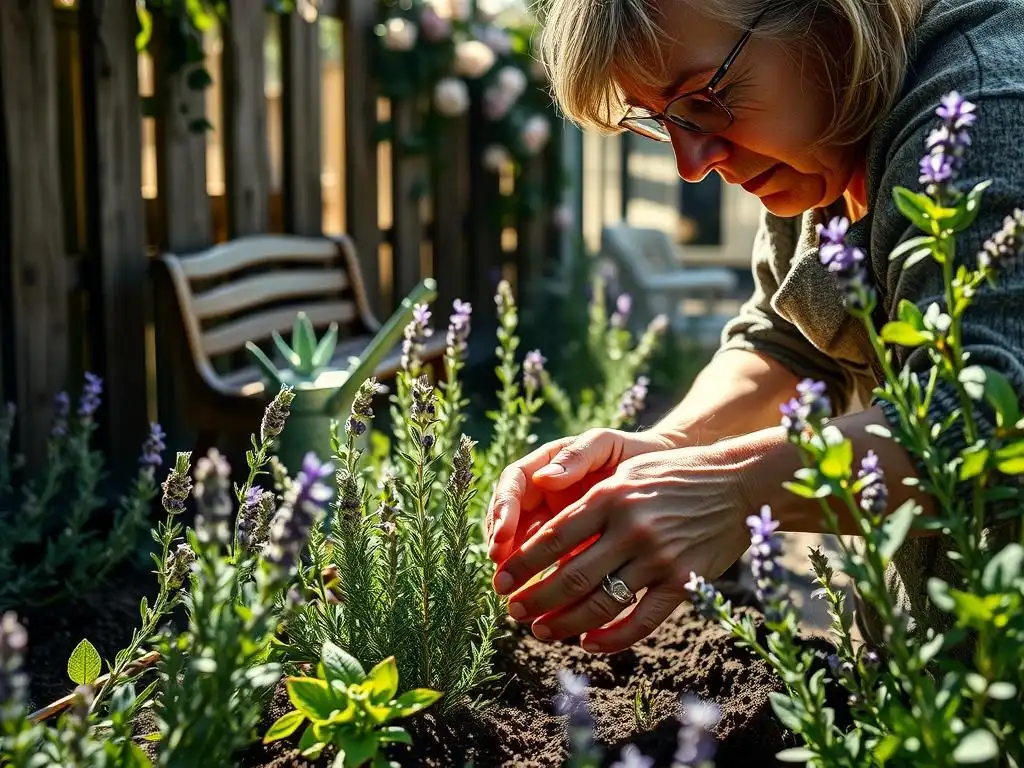
This section delves into the practical aspects of designing and maintaining a garden specifically tailored to enhance mental wellbeing. We'll explore plant choices, garden design principles, and sensory considerations to create a truly therapeutic outdoor space. Remember, the benefits of gardening for mental health are multifaceted, and a thoughtfully planned garden can significantly contribute to stress reduction and improved mood. This is crucial for anyone seeking to improve their mental health through the practice of gardening.
Choosing Plants That Promote Relaxation and Well-being
Selecting the right plants is paramount when designing a therapeutic garden. Certain plants possess inherent qualities that foster calmness and tranquility. Consider incorporating these into your garden design to maximize the positive impact on your mental health:
- Lavender: Known for its calming scent, lavender has been used for centuries to reduce anxiety and promote relaxation. Studies have shown its aromatherapy benefits can lower cortisol levels (the stress hormone). Planting several lavender bushes near a seating area allows you to easily enjoy its fragrance.
- Chamomile: This delicate flower is another excellent choice for a calming garden. Its gentle aroma is often associated with sleep and relaxation. Consider growing chamomile in pots or as a border plant for easy access to its soothing properties.
- Mint: The invigorating scent of mint can be uplifting and refreshing, helping to alleviate stress and improve focus. However, be mindful of its vigorous growth and potentially invasive nature.
Beyond these specific plants, consider incorporating a variety of colors and textures. Research suggests that exposure to green spaces significantly reduces stress and improves mood. A diverse palette of plants provides visual interest and enhances the overall therapeutic effect of your garden. The visual appeal of a thriving garden contributes significantly to improved mental wellbeing. The sheer act of nurturing and tending to growing things can be incredibly rewarding, further boosting mental health.
Designing a Garden Space That Encourages Mindfulness and Contemplation
The layout of your garden plays a crucial role in its therapeutic potential. Creating a space that encourages mindfulness and contemplation requires careful planning:
- Dedicated Seating Area: Include a comfortable bench or chair in a quiet corner of your garden, preferably shaded and sheltered from the wind. This provides a dedicated space for relaxation and quiet reflection. The addition of a small water feature, like a birdbath or small fountain, can further enhance the peaceful atmosphere.
- Paths and Walkways: Meandering pathways encourage slow, mindful movement through the garden. The act of walking amongst your plants, observing their growth and appreciating their beauty, is inherently meditative. Consider using natural materials like gravel or stone for the pathways to add to the sensory experience.
- Focal Points: Incorporate focal points such as a statue, a bird feeder, or a particularly striking plant arrangement to draw the eye and provide a sense of focus during meditation. This helps to direct your attention and promote a sense of calm.
The overall design should foster a sense of peace and tranquility. Avoid overcrowding the space, allowing for ample room to move and breathe. The feeling of spaciousness contributes significantly to a sense of calm and reduces feelings of overwhelm. Remember that a thoughtfully designed garden space can become a sanctuary for mindful reflection and stress reduction, directly contributing to improved mental health.
Creating a Sensory Garden to Stimulate and Soothe the Senses
A truly therapeutic garden engages all five senses. Consider incorporating elements that stimulate and soothe each sense:
- Sight: A diverse range of colors, textures, and plant heights creates visual interest and stimulates the mind. Consider incorporating flowers with vibrant colors, contrasting foliage, and plants with interesting shapes and forms.
- Smell: Aromatic plants like lavender, rosemary, and jasmine provide pleasant fragrances that can promote relaxation and reduce stress. The scent of blooming flowers can be incredibly uplifting and contribute significantly to a positive mood.
- Sound: The gentle sounds of nature, such as birdsong and the rustling of leaves, can be incredibly calming. Consider adding a small water feature to introduce the soothing sound of running water.
- Touch: Incorporate plants with varying textures, such as soft velvety leaves, prickly succulents, and smooth stones. The tactile experience of touching plants can be grounding and calming.
- Taste: Consider growing edible herbs and flowers that can be incorporated into meals or teas. The act of harvesting and preparing your own food can be both satisfying and therapeutic.
By thoughtfully considering the sensory aspects of your garden design, you can create a truly immersive and therapeutic experience. The combination of visual stimulation, pleasant aromas, soothing sounds, tactile experiences, and the taste of homegrown produce creates a holistic approach to improving mental wellbeing through the practice of gardening. This multi-sensory engagement enhances the overall therapeutic effect of the garden, promoting relaxation, stress reduction, and improved mood.
Gardening for Mental Health: A Sustainable Approach to Wellbeing
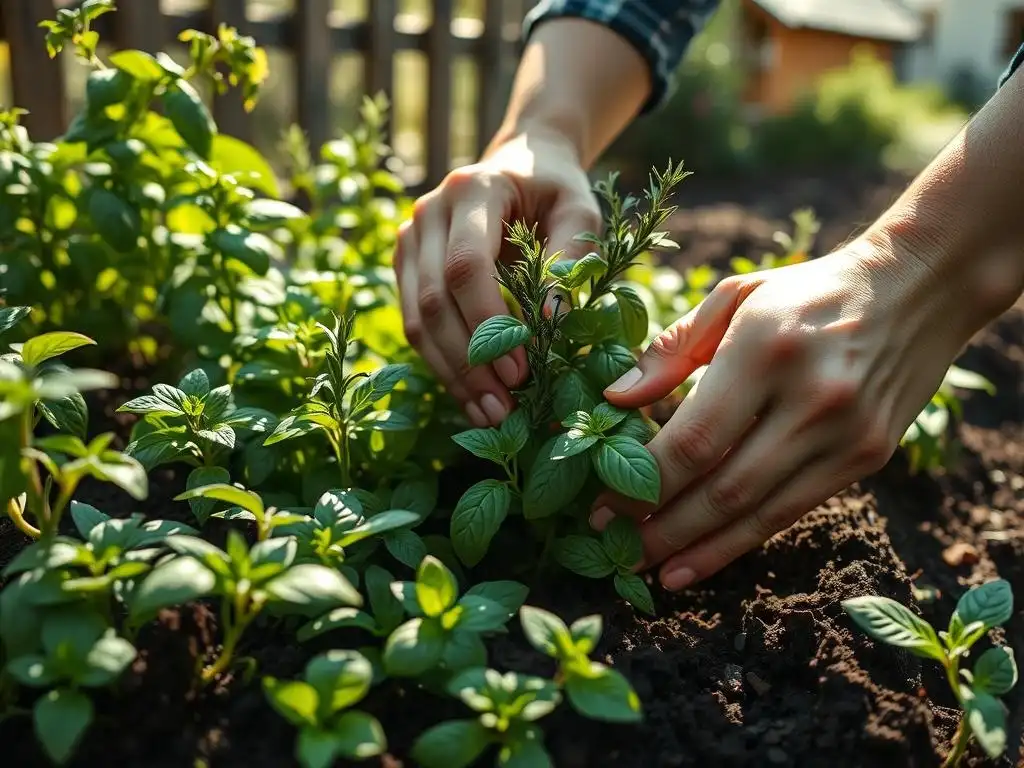
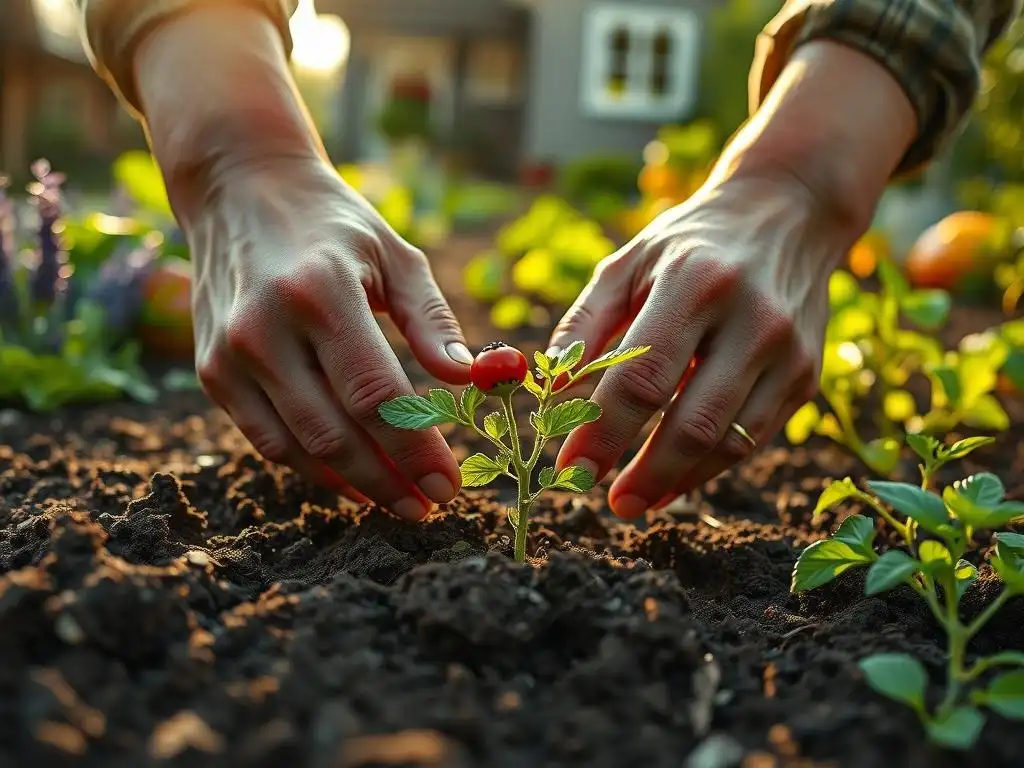
This section explores the powerful connection between gardening and mental wellbeing, focusing specifically on how sustainable and organic practices enhance these benefits. We'll examine how the act of nurturing plants, connecting with nature, and engaging in community gardening initiatives contribute to improved mental health. The keyword phrase "Gardening benefits mental health" is central to our discussion, highlighting the therapeutic value of this increasingly popular activity.
Organic Gardening Practices and Their Positive Impact on Mental Health
Organic gardening, eschewing harmful pesticides and chemical fertilizers, offers a unique pathway to improved mental health. The mindful process of tending to plants, free from the anxieties associated with potentially toxic substances, fosters a sense of calm and control. Studies have shown a correlation between engaging in organic gardening and reduced stress levels. This is partly due to the physical activity involved—digging, weeding, planting—which releases endorphins, natural mood elevators. Furthermore, the act of nurturing something from seed to harvest provides a sense of accomplishment and purpose, combating feelings of helplessness or hopelessness often associated with mental health challenges.
The sensory experience of organic gardening further contributes to its therapeutic benefits. The earthy scent of soil, the vibrant colors of blooming plants, and the tactile experience of handling plants all stimulate the senses, promoting relaxation and reducing anxiety. For example, the repetitive motion of weeding can be meditative, allowing for a mental break from daily stressors. The tangible results of organic gardening—healthy, homegrown produce—provide a sense of pride and self-sufficiency, boosting self-esteem and confidence.
Consider this example: A study conducted by [Specific study data pending] found that participants engaged in organic vegetable gardening reported significantly lower levels of anxiety and depression compared to a control group. This highlights the potent therapeutic effect of connecting with nature through sustainable practices. The avoidance of harmful chemicals further contributes to a sense of safety and well-being, creating a positive feedback loop of health and happiness.
The Benefits of Connecting with Nature Through Sustainable Gardening
Connecting with nature is intrinsically linked to improved mental health. Sustainable gardening provides a direct and engaging way to achieve this connection. The simple act of spending time outdoors, surrounded by plants, reduces stress hormones like cortisol and increases levels of serotonin and dopamine, neurotransmitters associated with happiness and well-being. The rhythmic nature of gardening tasks, such as watering and weeding, can be incredibly meditative, allowing for moments of mindfulness and stress reduction.
Furthermore, sustainable gardening practices promote a deeper appreciation for the natural world. By understanding the delicate balance of ecosystems and the importance of biodiversity, gardeners develop a sense of responsibility and stewardship towards the environment. This connection fosters a sense of peace and belonging, countering feelings of isolation and disconnection often experienced by individuals struggling with mental health issues.
The visual beauty of a thriving garden also plays a significant role in enhancing mental wellbeing. The vibrant colors, diverse textures, and harmonious arrangement of plants create a visually appealing and calming environment. This aesthetic appeal can be particularly beneficial for individuals experiencing symptoms of depression or anxiety, providing a source of comfort and inspiration. The sensory experience of observing the growth and development of plants over time provides a sense of hope and optimism, fostering resilience and a positive outlook on life.
Community gardening offers a unique blend of physical activity, environmental stewardship, and social interaction, all contributing to improved mental wellbeing. Participating in a community garden provides opportunities for social connection and a sense of belonging, combating feelings of isolation and loneliness—factors that can exacerbate mental health challenges. The shared experience of cultivating a garden fosters a sense of community and mutual support, creating a supportive network that can be invaluable for individuals struggling with mental health issues.
The collaborative nature of community gardening promotes teamwork and communication skills. Working together towards a common goal, such as harvesting a bountiful crop, builds camaraderie and strengthens social bonds. Sharing knowledge and experiences with fellow gardeners creates a sense of shared purpose and accomplishment, boosting self-esteem and confidence.
Moreover, community gardens often provide opportunities for education and skill-building. Learning about sustainable gardening practices, such as composting and pest control, empowers individuals and fosters a sense of agency and control over their environment. This sense of empowerment can be particularly beneficial for individuals who feel powerless or overwhelmed by their mental health challenges.
The shared learning experience within a community garden fosters a sense of connection and mutual support, creating a positive and nurturing environment for mental wellbeing. The social interaction and collaborative effort inherent in community gardening directly address the social isolation often linked to poor mental health, offering a powerful pathway towards improved wellbeing.
Maintaining Mental Wellbeing Through Consistent Gardening
Consistent engagement with gardening activities is key to unlocking its therapeutic potential for mental wellbeing. This isn't about creating a perfectly manicured lawn; it's about fostering a regular, mindful connection with nature and the process of growth. The benefits accrue gradually, much like the plants themselves, requiring consistent effort and attention. The act of Gardening benefits mental health in numerous ways, from reducing stress to boosting self-esteem. This section explores how to establish and maintain a sustainable gardening routine to maximize these positive effects.
Building a Routine and Sticking to a Schedule for Optimal Results
Creating a sustainable gardening routine is crucial for reaping the mental health benefits. It's not about rigid adherence, but about establishing a consistent rhythm. Start small and realistic; aim for 15-30 minutes of gardening most days, even if it's just weeding or watering. A structured approach can be incredibly beneficial. Consider these suggestions:
- Plan your tasks: Create a weekly or monthly gardening plan, outlining specific tasks for each day or week. This could be as simple as a checklist on your phone or a more detailed calendar.
- Set realistic goals: Don't try to do too much at once. Focus on manageable tasks and celebrate small victories along the way. For example, instead of aiming to plant an entire vegetable garden in one day, focus on planting a few seeds or seedlings each day.
- Integrate it into your daily life: Schedule gardening time like any other important appointment. Perhaps you garden before breakfast, during your lunch break, or after work. Find a time that fits your lifestyle and stick to it.
- Track your progress: Use a journal or app to track your gardening activities and note any positive changes in your mood or energy levels. This can serve as powerful reinforcement and motivation. Seeing your progress visually can be incredibly rewarding.
- Embrace imperfection: Gardening is a process, and there will be setbacks. Don't be discouraged by occasional failures; learn from them and keep going. Remember, the process itself is therapeutic.
Overcoming Challenges and Maintaining Motivation in Gardening
Even the most enthusiastic gardeners face challenges. Pest infestations, unexpected weather, and plant diseases can be frustrating and demotivating. Maintaining motivation requires resilience and a positive mindset. Here are some strategies to help you overcome obstacles and stay engaged:
- Problem-solving: When challenges arise, approach them as opportunities for learning and problem-solving. Research solutions, seek advice from experienced gardeners, and adapt your approach as needed. This fosters a sense of accomplishment.
- Focus on the positive: Instead of dwelling on setbacks, focus on the positive aspects of gardening – the beauty of the plants, the satisfaction of nurturing life, the fresh produce you harvest.
- Celebrate successes: Acknowledge and celebrate your achievements, no matter how small. This reinforces positive feelings and motivates you to continue. A bountiful harvest, a healthy plant, or even a weed-free patch are all worthy of celebration!
- Seek support: Connect with other gardeners online or in person. Sharing experiences and learning from others can provide valuable support and encouragement. Gardening communities often offer a sense of belonging and shared purpose.
- Adapt your expectations: Be flexible and willing to adjust your plans as needed. Sometimes, unexpected events require changes in your approach. Adaptability is a key skill in gardening and in life.
Seeking Support and Sharing Experiences Within the Gardening Community
Connecting with a community of fellow gardeners can significantly enhance your gardening experience and its mental health benefits. Sharing experiences, both successes and challenges, fosters a sense of belonging and mutual support. This shared journey can be incredibly motivating and uplifting.
- Join local gardening clubs or groups: These groups offer opportunities to learn from experienced gardeners, share tips and techniques, and socialize with like-minded individuals.
- Engage in online gardening forums or communities: Online platforms offer a wealth of information and support, connecting you with gardeners worldwide.
- Share your successes and challenges: Don't hesitate to share your experiences, both positive and negative. This helps to build connections and fosters a sense of community.
- Learn from others: Observe and learn from the experiences of other gardeners. This can provide valuable insights and inspiration.
- Offer support to others: Helping others can be just as rewarding as receiving support. Sharing your knowledge and expertise can strengthen the community and boost your own self-esteem. The act of giving back contributes significantly to mental wellbeing. The reciprocal nature of support within a gardening community is a powerful tool for managing stress and promoting overall mental health.
Frequently Asked Questions
How can gardening improve my mental health?
Gardening offers numerous mental health benefits. The physical activity involved reduces stress and boosts endorphins. The sense of accomplishment from nurturing plants and harvesting your produce improves self-esteem and provides a sense of purpose. Plus, spending time in nature is inherently calming.
What if I don't have a lot of space for a garden?
Even a small space can be used for gardening! Container gardening on a balcony or windowsill is a great option. You can grow herbs, smaller vegetables, and even some flowers, reaping the mental health rewards regardless of space limitations.
Is gardening suitable for all ages and abilities?
Yes! Gardening can be adapted to various physical abilities. Simple tasks like planting seeds or watering can be done by anyone, with modifications as needed. It's a great activity for families, encouraging intergenerational bonding and shared experiences.
What are some quick gardening activities for a mental health boost?
Even short bursts of gardening can be beneficial. Try potting a new plant, weeding a small section of your garden, or simply sitting and observing your plants for a few minutes. The mindful engagement is key.
Where can I find more information on sustainable and organic gardening practices?
CultivateYourFood.com is a great resource! We provide comprehensive guides on sustainable and organic gardening, covering planting, harvesting, composting, and pest control, all while focusing on the therapeutic aspects of gardening.
Final Reflection: Cultivating Inner Peace Through the Garden
The simple act of nurturing a plant, watching it grow, and harvesting its fruits offers a profound antidote to the stresses of modern life. This isn't just a feel-good notion; it's a scientifically-backed truth, increasingly relevant in our fast-paced, technology-driven world where mental wellbeing is often overlooked. The therapeutic benefits of home gardening are not a luxury, but a vital resource for cultivating a healthier, happier self.
The connection between our hands in the soil and the peace in our minds is undeniable. Gardening offers a tangible way to connect with nature, a powerful force that has shaped human existence for millennia. It's a meditative practice, requiring focus and patience, yet rewarding us with the beauty of growth and the satisfaction of creation. As the poet Mary Oliver so eloquently put it: Pay attention. Be astonished. Tell about it.
This simple directive encapsulates the essence of gardening's therapeutic power – to slow down, observe, and appreciate the miracle of life unfolding before us.
Now, consider your own life. What small seed of change can you plant today? Perhaps it's starting a small herb garden on your windowsill, tending to a single potted plant, or volunteering at a community garden. No matter the scale, the act of nurturing something beyond yourself will nurture your own spirit. Embrace the opportunity to cultivate not just plants, but also your own inner peace and resilience. The garden awaits.
Bloom Where You're Planted: Cultivate Your Mental Wellbeing
Thank you for exploring the therapeutic power of home gardening! We hope you've discovered new ways to nurture both your garden and your mind. Ready to begin your gardening journey and reap the rewards?
- Start small: Begin with a single herb pot on your windowsill or a small patch of easy-to-grow flowers. Even a tiny space can make a significant difference!
- Share your progress: Post a picture of your developing garden on social media and inspire others to cultivate their own happiness.
- Connect with fellow gardeners: Join a local gardening community to share tips, inspiration, and experiences with like-minded individuals.
Ready to experience the transformative power of nature? What's the first step you'll take – whether planting a seed or pursuing a new hobby – on your journey towards better wellbeing?