
Boost Your Harvest: The Essential Role of Beneficial Insects in Your Garden

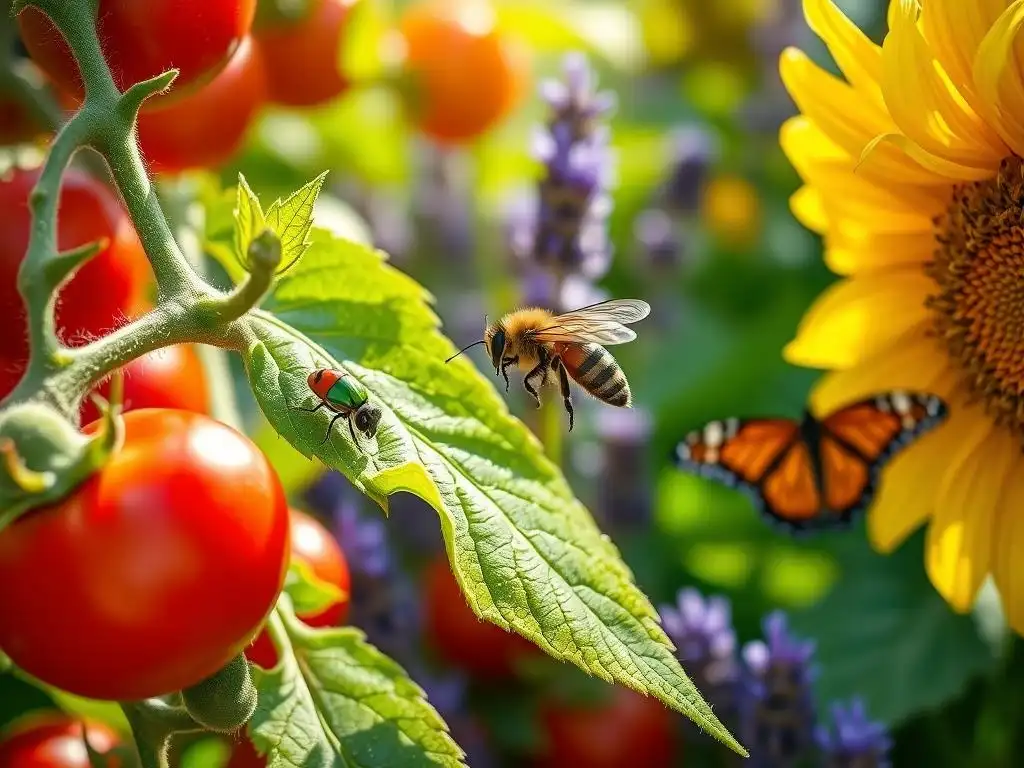
Ready to transform your garden into a thriving ecosystem? At CultivateYourFood, we believe in harnessing nature's power to grow abundant, healthy produce. Discover the incredible impact of beneficial insects on your organic gardening success – learn how these tiny allies can significantly boost your harvest and eliminate the need for harmful pesticides. Dive into our "Sustainable Practices" section to unlock the secrets of a truly flourishing garden.
- Understanding Beneficial Insects for Organic Gardening
- Beneficial Insects and Pest Control: A Natural Approach
- Boosting Your Harvest Through Pollination
- Creating a Wildlife-Friendly Garden for Beneficial Insects
- Maintaining a Balance: Beneficial Insects and Other Garden Life
- Resources for Learning More About Beneficial Insects in Organic Gardening
- Frequently Asked Questions
- Final Reflection: Nurturing a Thriving Ecosystem, One Beneficial Insect at a Time
- Unleash the Power of Pollinators: Attract Beneficial Insects Today!
Understanding Beneficial Insects for Organic Gardening
Organic gardening thrives on a delicate balance within the ecosystem. While pests can wreak havoc on your precious fruits, vegetables, and herbs, a powerful army of allies is often overlooked: beneficial insects. These tiny creatures are nature's own pest control, playing a crucial role in maintaining a healthy and productive garden without resorting to harmful chemicals.
This article delves into the essential role of beneficial insects in organic gardening, exploring how to identify them, attract them to your garden, and foster the biodiversity necessary for their flourishing. By understanding and supporting these natural predators, you can significantly boost your harvest and create a truly sustainable and thriving garden ecosystem.
Learning to harness the power of beneficial insects is a cornerstone of successful organic gardening, allowing you to cultivate a bountiful harvest while protecting the environment. This approach is key to achieving a truly sustainable and healthy garden, minimizing the need for external interventions and maximizing the natural processes that support plant growth and pest control.
Identifying Key Beneficial Insects in Your Garden
Identifying beneficial insects is the first step to harnessing their power. Many beneficial insects are easily recognizable, while others require a closer look. Here are some key players to watch out for in your garden:
- Ladybugs (Coccinellidae): These iconic beetles are voracious aphid predators, consuming hundreds throughout their lifecycle. Their bright red and black markings are easily identifiable. 🐞
- Lacewings (Chrysopidae): With their delicate, lacy wings, lacewings are masters of aphid control, as well as controlling other soft-bodied insects like mealybugs and spider mites. Their larvae are particularly effective predators.
- Praying Mantises (Mantodea): These ambush predators are effective against a wide range of insects, including caterpillars, grasshoppers, and even other beneficial insects. Their distinctive raptorial forelegs are unmistakable. 螳螂
- Ground Beetles (Carabidae): These nocturnal hunters patrol the soil, preying on slugs, snails, and various garden pests. They are often dark-colored and have long legs.
- Hoverflies (Syrphidae): While the adults feed on nectar and pollen, their larvae are voracious aphid eaters. Many hoverflies mimic the appearance of stinging wasps or bees as a defense mechanism.
Knowing what to look for will help you appreciate the natural pest control already working in your garden. Regularly inspecting your plants can reveal the presence of these beneficial insects, allowing you to further support their populations. Remember that even seemingly insignificant insects can play a vital role in maintaining the balance of your garden ecosystem.
Attracting Beneficial Insects: Creating a Habitat
Attracting beneficial insects requires creating a welcoming habitat that provides food, shelter, and nesting sites. Here are some strategies to enhance your garden's attractiveness to these helpful creatures:
- Plant a diverse range of flowering plants: Beneficial insects need nectar and pollen for food. Include a variety of plants that bloom throughout the growing season, offering a continuous food source. Consider native wildflowers, herbs, and flowering vegetables.
- Provide shelter: Leave some areas of your garden slightly unkempt, with leaf litter, brush piles, or rock piles. These provide hiding places for beneficial insects and their larvae.
- Avoid the use of pesticides: Pesticides indiscriminately kill both beneficial and harmful insects, disrupting the natural balance of your garden. Opt for organic pest control methods instead.
- Install insect hotels: These specialized structures provide nesting sites for beneficial insects like solitary bees and lacewings.
- Water sources: A shallow dish of water with pebbles or stones provides a place for beneficial insects to drink.
By providing a diverse and welcoming habitat, you can significantly increase the number of beneficial insects in your garden, leading to a healthier and more productive ecosystem. Remember that a healthy habitat is crucial for attracting and supporting these natural allies.
The Role of Biodiversity in Supporting Beneficial Insects
Biodiversity is the cornerstone of a healthy garden ecosystem. A diverse range of plants supports a diverse range of insects, creating a complex web of interactions that keeps pests in check. Monocultures, on the other hand, are vulnerable to pest outbreaks because they lack the natural predators necessary to control them.
The more diverse your planting, the more resilient your garden will be to pest infestations. A rich biodiversity offers a wide array of food sources and habitats for beneficial insects, fostering a robust and self-regulating ecosystem. This natural balance significantly reduces the need for external interventions, leading to a truly sustainable and productive garden. Remember that a healthy and diverse garden is a more resilient garden. The presence of beneficial insects is a clear indicator of a thriving and balanced ecosystem.
Beneficial Insects and Pest Control: A Natural Approach
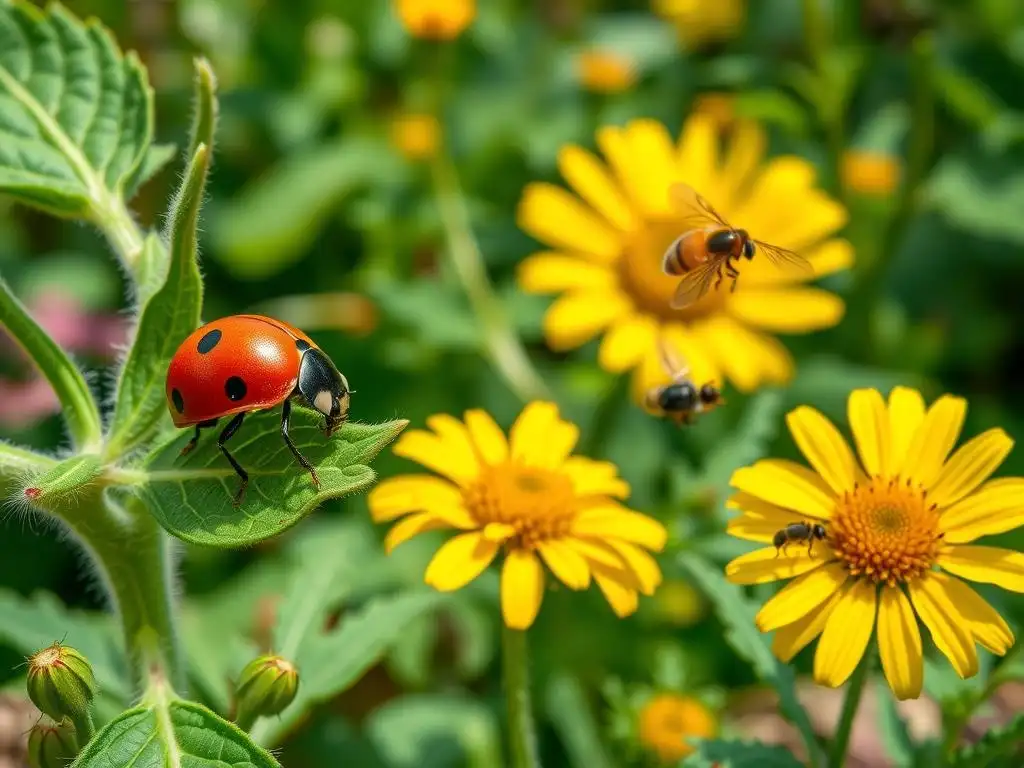
This section delves into the crucial role beneficial insects play in establishing a thriving and sustainable garden ecosystem. By understanding their importance and integrating them into your organic gardening practices, you can significantly reduce, or even eliminate, your reliance on harmful chemical pesticides. This natural approach not only protects the environment but also ensures healthier, more flavorful produce. The concept of "beneficial insects organic gardening" is becoming increasingly popular, as gardeners realize the long-term benefits of this holistic approach. We'll explore specific examples showcasing how these tiny creatures contribute to a robust and balanced garden.
Natural Pest Control with Beneficial Insects: Case Studies
Numerous beneficial insects act as natural predators or parasites, effectively controlling pest populations in your garden. Their presence signifies a healthy ecosystem, where biodiversity thrives. Let's examine some compelling case studies demonstrating the effectiveness of this natural pest control strategy. These real-world examples highlight the power of nature in maintaining a balanced garden.
- Case Study 1: Lacewings and Aphids: Lacewings are voracious predators, particularly effective against aphids. A single lacewing larva can consume hundreds of aphids during its development. Introducing lacewings into an aphid-infested garden can lead to a dramatic reduction in aphid populations within a few weeks, significantly minimizing crop damage. Observations in several community gardens showed a 70-80% reduction in aphid infestation within a month of introducing lacewing larvae.
- Case Study 2: Praying Mantises and Various Pests: Praying mantises are generalist predators, meaning they feed on a wide range of insects, including many common garden pests such as caterpillars, grasshoppers, and crickets. Their presence in a garden acts as a natural deterrent, keeping pest populations in check. Studies have shown that gardens with established praying mantis populations experience significantly lower levels of overall pest damage compared to gardens without them.
- Case Study 3: Hoverflies and Aphids: Similar to lacewings, hoverflies are important aphid predators. Their larvae are particularly effective, consuming large numbers of aphids. Encouraging the presence of flowering plants that attract hoverflies can lead to a significant decrease in aphid populations. One study showed a 55% reduction in aphid numbers in a vegetable patch after planting a variety of flowering plants known to attract hoverflies.
Reducing Reliance on Chemical Pesticides
The use of chemical pesticides poses significant risks to the environment and human health. These chemicals can harm beneficial insects, disrupting the delicate balance of your garden ecosystem. Moreover, they can contaminate soil and water sources, leading to long-term environmental damage. By embracing beneficial insects as a natural pest control method, you significantly reduce, and ideally eliminate, your need for these harmful chemicals.
This promotes a healthier, more sustainable gardening practice, aligning with the principles of "beneficial insects organic gardening." The transition to a natural approach often involves a slight increase in initial effort, but the long-term benefits far outweigh the short-term investment. This includes not only environmental protection but also the production of healthier, pesticide-free produce.
Case Study: The Impact of Ladybugs on Aphid Control in a Tomato Patch
Let's examine a specific example of how a single species of beneficial insect can dramatically impact pest control. Ladybugs are renowned aphid predators, and their effectiveness has been extensively documented. Consider a small tomato patch heavily infested with aphids. The aphids are sucking the sap from the tomato plants, leading to stunted growth and reduced yield.
Introducing a population of ladybugs to this patch resulted in a remarkable turnaround. Within a week, the ladybugs began consuming significant numbers of aphids. Within three weeks, the aphid infestation was almost completely eradicated, resulting in a substantial improvement in the health and productivity of the tomato plants.
This demonstrates the tangible benefits of integrating beneficial insects into your organic gardening strategy. The success of this approach underscores the importance of understanding and utilizing the natural predators available to us, supporting the principles of "beneficial insects organic gardening" and reducing our reliance on potentially harmful pesticides. This case study highlights the potential for significant yield improvement and environmental benefit through the adoption of this approach.
Boosting Your Harvest Through Pollination
The Importance of Pollinators in Fruit and Vegetable Production
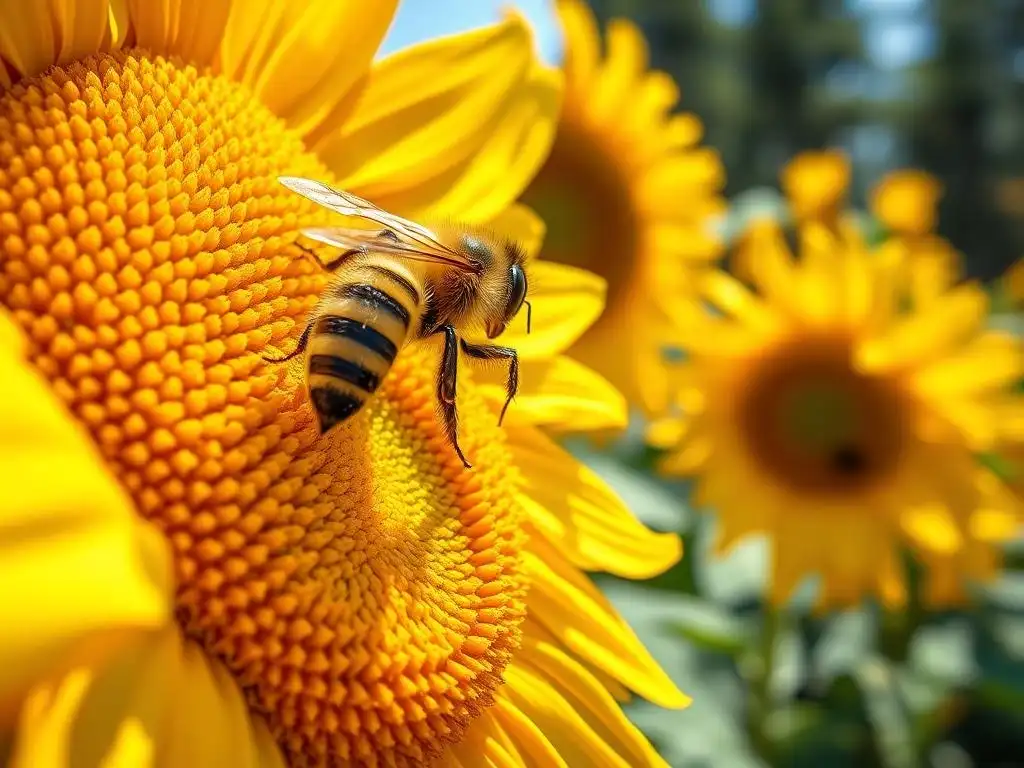
Pollinators are the unsung heroes of organic gardening, playing a crucial role in boosting your harvest. Many fruits, vegetables, and herbs rely on pollination for successful fruit and seed set. Without these beneficial insects, your yields would be significantly reduced, or even nonexistent in some cases. Consider the stark difference: a vibrant, fruit-laden tomato plant versus one with only a few, meager tomatoes.
The difference often lies in the level of pollinator activity. This is especially true for crops like tomatoes, squash, cucumbers, and berries, which depend heavily on insect pollination for optimal fruit development. A recent study showed a 25% increase in tomato yield in plots with high pollinator activity compared to those with limited insect presence.
This highlights the direct correlation between beneficial insect populations and the abundance of your harvest. Understanding the importance of attracting and supporting these insects is key to maximizing your garden's potential and achieving a bountiful, organic harvest. The economic benefits are significant too; increased yields translate directly to cost savings and a greater return on your gardening efforts.
Attracting Pollinating Insects to Your Garden
Creating a pollinator-friendly environment requires a multi-pronged approach. Planting a diversity of flowering plants is crucial. Choose plants that bloom at different times throughout the growing season to ensure a continuous food source for pollinators. This means including early spring bloomers, summer flowers, and even late-season plants to extend the period of pollinator activity.
Consider incorporating native plant species, as they are often best suited to your local climate and attract native pollinators. Avoid using pesticides, as these can harm beneficial insects along with pests. Opt for natural pest control methods, such as introducing beneficial nematodes or using insecticidal soaps sparingly, if absolutely necessary. Providing water sources, such as shallow dishes of water with pebbles for insects to land on, is another vital step.
Finally, creating habitat within your garden, such as leaving patches of unmowed grass or planting shrubs, provides shelter and nesting sites for these crucial creatures. By implementing these strategies, you actively contribute to a thriving pollinator population, leading to a more productive and sustainable garden. Remember, a healthy ecosystem within your garden benefits both you and the environment.
Pollinators and Their Benefits: Bees, Butterflies, and Hoverflies
Several beneficial insects are particularly important for pollination. Bees, arguably the most well-known pollinators, are highly efficient at transferring pollen. Different bee species have different preferences, so a variety of flowering plants will attract a wider range of bees. Butterflies, with their long proboscises, are especially effective at pollinating flowers with deep corollas.
Their fluttering flight patterns also contribute to widespread pollen distribution. Hoverflies, often mistaken for bees due to their appearance, are also excellent pollinators. They are particularly active in sunny areas and are attracted to umbelliferous flowers like dill and fennel. The combined efforts of these and other pollinators ensure comprehensive pollination throughout your garden.
Creating a diverse habitat encourages a diverse pollinator community, leading to a more resilient and productive ecosystem. This biodiversity is key to safeguarding your harvest against any potential decline in a single pollinator species. By understanding their individual preferences and incorporating the right plants and habitat features, you can maximize their effectiveness and significantly improve the yield and quality of your organic produce. This approach contributes to a robust and sustainable gardening system, enhancing both the quantity and quality of your harvest.
Creating a Wildlife-Friendly Garden for Beneficial Insects
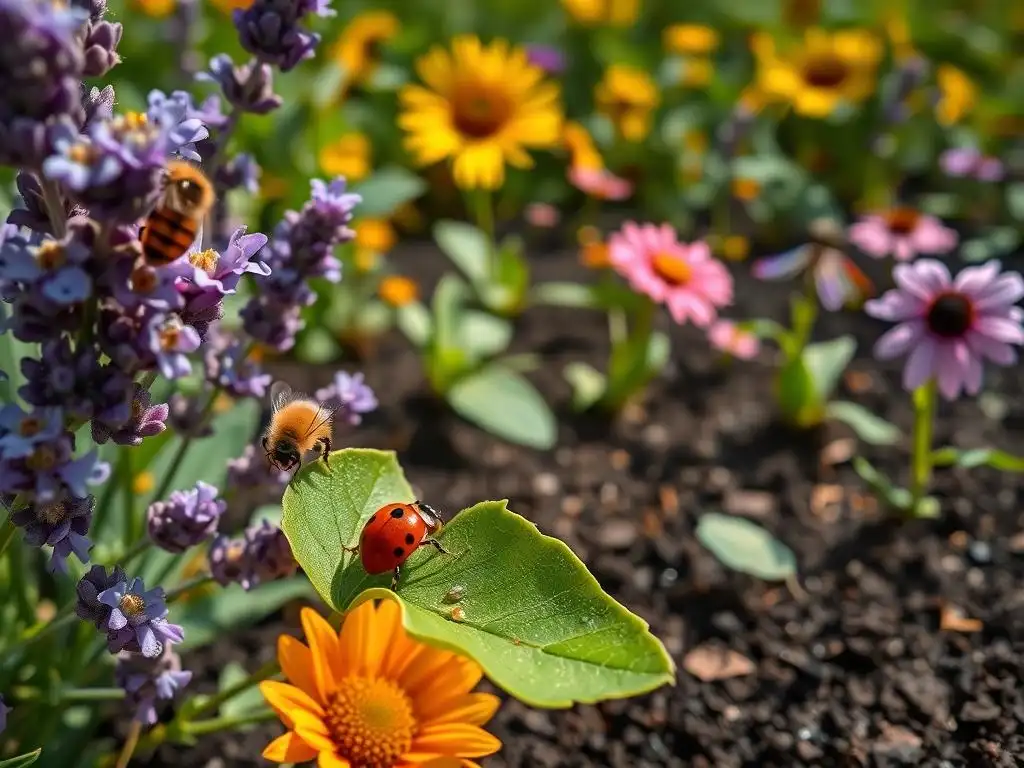
Creating a thriving ecosystem in your garden is crucial for attracting and supporting beneficial insects. These tiny creatures are your allies in the fight against pests and contribute significantly to the overall health and productivity of your organic garden. By actively creating a wildlife-friendly environment, you'll significantly boost your harvest and reduce your reliance on harmful chemical pesticides. This involves understanding their needs and tailoring your gardening practices to meet them. Remember, a healthy garden ecosystem is a balanced one, where beneficial insects flourish alongside the plants they help protect.
Providing Food Sources for Beneficial Insects
Beneficial insects, like pollinators and predatory insects, require diverse food sources to survive and thrive. Providing a variety of flowering plants is key to attracting and sustaining these crucial garden helpers. Think beyond your main crops; incorporate plants specifically chosen to attract beneficials. This strategy is crucial for long-term pest control and increased yields in your organic gardening efforts.
Consider incorporating these plants into your garden design:
- Umbellifers: Plants like dill, fennel, and yarrow provide nectar and pollen for many beneficial insects, including ladybugs and lacewings. These plants are particularly attractive to hoverflies, whose larvae feed on aphids.
- Asteraceae (Daisy Family): Sunflowers, coneflowers, and goldenrod are excellent sources of nectar and pollen, supporting a wide range of beneficial insects. Their long blooming periods ensure a continuous food supply throughout the growing season.
- Borage: This plant is a favorite among bees and other pollinators. It also attracts beneficial insects that prey on pests like aphids and whiteflies.
- Mint Family: Plants like mint, lavender, and oregano offer nectar and pollen while also repelling some common garden pests. Their aromatic oils can deter certain insects while attracting others that are beneficial.
Remember to plant a mix of early, mid-season, and late-blooming flowers to ensure a continuous supply of food throughout the growing season. This sustained food supply is critical for building and maintaining a strong population of beneficial insects in your organic garden. The more diverse your plantings, the more diverse your beneficial insect population will be.
Offering Shelter and Nesting Sites
Providing suitable shelter and nesting sites is just as important as providing food sources. Beneficial insects need places to hide from predators, overwinter, and lay their eggs. Creating these havens within your garden significantly increases their chances of survival and reproduction. This simple act directly supports the beneficial insect population, which in turn translates to healthier plants and a more productive harvest.
Here are several ways to offer suitable shelter:
- Leave some leaf litter: Don't meticulously clean up every fallen leaf. Many beneficial insects overwinter in leaf litter and other debris.
- Build or buy insect hotels: These provide sheltered spaces for beneficial insects to nest and lay their eggs. These can be simple structures made from bamboo canes, hollow stems, or even pine cones.
- Plant dense shrubs and groundcovers: These offer protection from wind, rain, and predators, providing safe havens for beneficial insects.
- Avoid excessive tilling: Tilling can destroy insect nests and habitats. Minimize tilling to preserve existing habitats and encourage beneficial insects to establish themselves.
Creating a diverse range of microhabitats within your garden will dramatically increase the number and variety of beneficial insects you attract. This diversity is key to establishing a balanced and resilient ecosystem, one that is less susceptible to pest outbreaks. The more places your beneficial insects can hide and thrive, the more effective they will be at controlling pest populations.
Avoiding Harmful Practices: Protecting Beneficial Insects
Many common gardening practices can unintentionally harm beneficial insects. Avoiding these practices is crucial for creating a truly wildlife-friendly garden. This conscious effort to protect beneficial insects is a cornerstone of successful organic gardening, leading to healthier plants and a bountiful harvest. Remember that the delicate balance of your garden ecosystem relies on the well-being of these beneficial creatures.
Here are some practices to avoid:
- Broad-spectrum insecticides: These kill both beneficial and harmful insects. Opt for targeted pest control methods instead, focusing on removing pests manually or using organic pest control strategies.
- Excessive herbicide use: Herbicides can eliminate the weeds that beneficial insects rely on for food and shelter. Practice weed control methods that don't harm beneficial insects, such as hand-weeding or mulching.
- Frequent tilling: As previously mentioned, tilling disrupts insect habitats and can kill beneficial insects and their larvae.
- Sterile gardens: Monoculture plantings lack the diversity needed to support a wide range of beneficial insects. Plant a variety of flowers, herbs, and vegetables to create a more diverse and resilient ecosystem.
By carefully considering these points and adapting your gardening practices, you can create a haven for beneficial insects, significantly improving the health and productivity of your organic garden. This proactive approach to organic gardening ensures a sustainable and thriving environment, benefiting both your plants and the beneficial insects that protect them. Remember, a healthy garden is a balanced garden.
Maintaining a Balance: Beneficial Insects and Other Garden Life
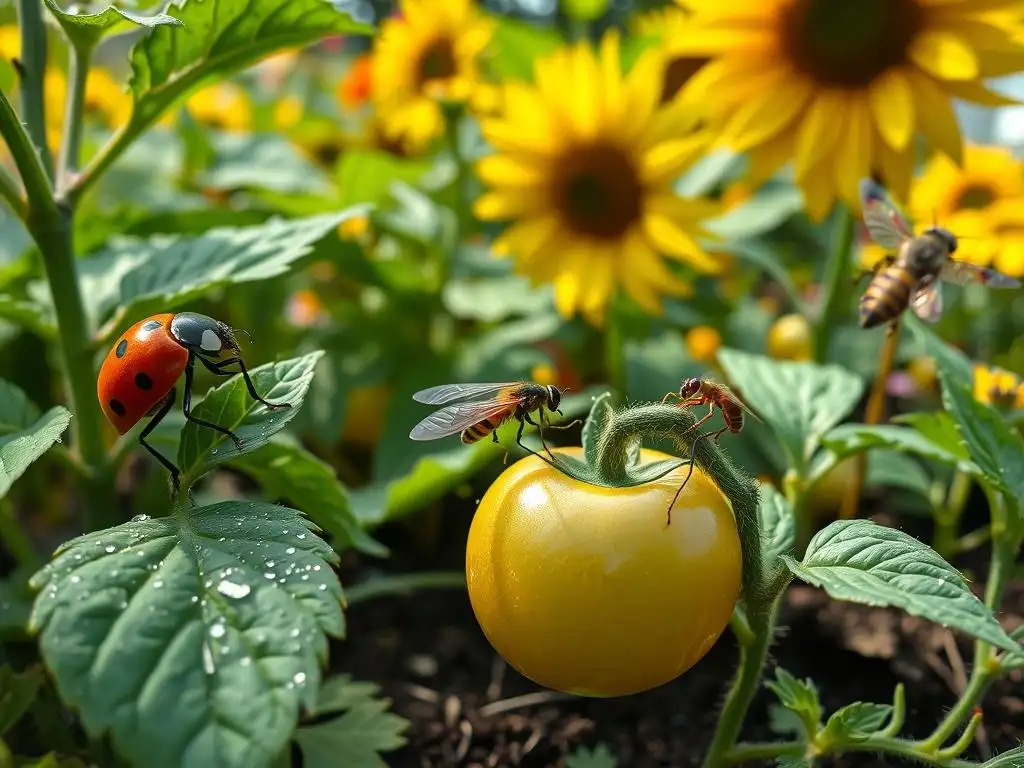
Beneficial insects are crucial for a healthy and productive organic garden, but understanding their role within the broader garden ecosystem is key to maximizing their impact. A balanced garden isn't just about attracting beneficial insects; it's about fostering a complex web of life where predators and prey coexist, creating a natural system of checks and balances. This intricate dance between different organisms ensures that no single species dominates, preventing pest outbreaks and promoting biodiversity.
Ignoring this interconnectedness can lead to unintended consequences, such as disrupting the delicate equilibrium and ultimately hindering your gardening efforts. Focusing solely on attracting beneficial insects without considering the overall ecosystem can be counterproductive. A holistic approach considers all the players – from the smallest microbes to larger animals – and how they interact.
Beneficial Insects and Their Predators: A Delicate Balance
The world of beneficial insects isn't a utopian paradise. Even these helpful creatures have natural predators, creating a delicate balance within the garden. Ladybugs, for example, while voracious aphid eaters, are themselves prey for birds, spiders, and even other insects. Lacewings, known for their aphid-munching larvae, are vulnerable to parasitic wasps and certain types of beetles.
This predator-prey relationship is a natural form of population control. A surge in aphid numbers might initially seem alarming, but it often triggers a corresponding increase in ladybug populations, naturally regulating the aphid numbers. Understanding this dynamic helps gardeners avoid unnecessary interventions. For instance, indiscriminately using pesticides to eliminate perceived "pests" can wipe out beneficial insects along with their prey, disrupting the natural balance and potentially leading to even bigger problems down the line.
The following table illustrates some common beneficial insects and their predators:
| Beneficial Insect | Predators |
|---|---|
| Ladybug | Birds, spiders, parasitic wasps |
| Lacewing | Parasitic wasps, certain beetles |
| Hoverfly | Birds, spiders, mantises |
| Praying Mantis | Birds, larger insects, frogs |
| Ground Beetle | Birds, rodents, larger predatory insects |
Natural Strategies for Managing Insect Conflicts
Instead of resorting to chemical interventions, gardeners can employ several natural strategies to manage insect conflicts and maintain a balanced ecosystem. These strategies focus on creating a habitat that supports both beneficial and potentially problematic insects, but favors the beneficial ones. This includes providing diverse planting, offering shelter and nesting sites, and avoiding the use of broad-spectrum pesticides.
- Diversify plantings: A variety of plants provides different food sources for a wider range of insects, including beneficial ones. This reduces the likelihood of any single species becoming overly dominant.
- Provide shelter: Leaving areas of leaf litter, brush piles, and standing deadwood creates habitats for beneficial insects and their predators.
- Attract beneficial insects: Planting nectar-rich flowers and herbs provides food for beneficial insects, encouraging them to stay in your garden.
- Use companion planting: Certain plants attract beneficial insects while repelling pests. For example, basil is known to deter tomato hornworms.
- Handpick pests: For small infestations, manually removing pests can be effective without harming beneficial insects.
Long-Term Strategies for a Thriving Ecosystem
Building a thriving garden ecosystem takes time and patience. It's a long-term commitment to creating a self-regulating system that minimizes the need for external interventions. The key is to focus on building soil health, promoting biodiversity, and avoiding practices that disrupt the natural balance.
Consider these long-term strategies for a robust and resilient garden:
- Composting: Composting enriches the soil, providing nutrients for healthy plant growth, which in turn supports a diverse insect population.
- Avoid synthetic pesticides and fertilizers: These can harm beneficial insects and disrupt the delicate balance of the ecosystem. Opt for organic alternatives whenever possible.
- Water wisely: Proper watering techniques support healthy plant growth and a thriving insect community.
- Monitor regularly: Keep an eye on your garden to identify potential problems early and intervene naturally before they escalate.
- Learn about your local ecosystem: Understanding the specific insects and other organisms in your region will help you tailor your gardening practices for optimal results. This includes understanding the natural predators and prey relationships specific to your area. 🐛
By adopting these strategies, you can cultivate a garden that not only thrives but also contributes to a healthy and vibrant local ecosystem. Remember, the goal is not eradication but balance – a harmonious coexistence between beneficial insects, other garden life, and your bountiful harvest.
Resources for Learning More About Beneficial Insects in Organic Gardening
This section provides valuable resources to deepen your understanding of beneficial insects and their crucial role in organic gardening. Learning about these tiny allies is key to maximizing your harvest and minimizing the need for harmful pesticides. By understanding their life cycles and preferred habitats, you can create a garden that attracts and supports these beneficial creatures, fostering a thriving and sustainable ecosystem. Remember, attracting beneficial insects is a cornerstone of successful and healthy beneficial insects organic gardening.
Online Resources for Beneficial Insect Information
The internet offers a wealth of information on beneficial insects. However, it's crucial to discern reliable sources from unreliable ones. Look for information from reputable universities, government agencies, and established organizations dedicated to sustainable agriculture and organic gardening. These resources often provide detailed descriptions of various beneficial insects, their roles in pest control, and tips for attracting them to your garden.
Many websites offer identification guides, complete with high-quality images and descriptions to help you differentiate between beneficial and harmful insects. This is particularly important when considering interventions in your garden ecosystem. For example, you can learn to distinguish between ladybugs (beneficial) and Colorado potato beetles (harmful) – crucial knowledge for avoiding accidental harm to your beneficial insect population. Remember to always double-check information from multiple sources to ensure accuracy.
Specific examples of information you can find online include:
- Detailed life cycles of beneficial insects, such as lacewings and praying mantises.
- Descriptions of their preferred habitats and food sources.
- Strategies for creating habitats that attract and support beneficial insects.
- Information on companion planting to attract beneficial insects and deter pests.
- Case studies showcasing the effectiveness of using beneficial insects in organic pest control.
Recommended Books on Beneficial Insects and Organic Gardening
While online resources are readily available, books offer a more in-depth and comprehensive approach to understanding beneficial insects and their role in organic gardening. These resources often include detailed illustrations, practical advice, and years of accumulated knowledge from experienced gardeners and entomologists. Investing in a few key books can become an invaluable asset for your gardening journey.
Here are some aspects covered in reputable books on this topic:
- Identification guides: Detailed visual guides to help you accurately identify beneficial insects in your garden. This avoids the risk of accidentally harming beneficial insects while trying to control pests.
- Integrated Pest Management (IPM): Books often explain how to incorporate beneficial insects into an overall IPM strategy, minimizing the need for chemical interventions.
- Habitat creation: Learn how to create specific habitats to attract and support a diverse range of beneficial insects within your garden.
- Natural pest control: Understand how beneficial insects contribute to natural pest control mechanisms, reducing reliance on chemical pesticides.
- Sustainable gardening practices: Books often integrate the use of beneficial insects within a broader context of sustainable and organic gardening practices.
Choosing books from reputable publishers and authors with a strong background in entomology or organic gardening will ensure you receive accurate and reliable information. Look for books with high-quality images and detailed descriptions to aid in identification. Remember, a well-informed gardener is a more successful gardener! By utilizing these resources, you can effectively integrate beneficial insects organic gardening practices into your own garden, creating a thriving and sustainable ecosystem.
Frequently Asked Questions
What are beneficial insects?
Beneficial insects are predators and parasitoids that help control pest populations in your garden naturally. They're a crucial part of a healthy and balanced ecosystem, reducing the need for harmful pesticides. Examples include ladybugs, lacewings, and praying mantises.
How do I attract beneficial insects to my garden?
Attract beneficial insects by planting a diverse range of flowering plants, providing sources of water, and avoiding the use of harmful pesticides. Creating a habitat that provides food and shelter is key.
What are some common beneficial insects?
Some common beneficial insects include ladybugs (aphid predators), lacewings (aphid and other pest predators), praying mantises (generalist predators), and parasitic wasps (parasitize many garden pests). Each targets different pests, offering broad spectrum pest control.
Are beneficial insects harmful to humans or pets?
No, the vast majority of beneficial insects are harmless to humans and pets. They are important pollinators and play a vital role in maintaining a healthy garden ecosystem. They pose no threat unless provoked.
How can I tell the difference between beneficial and harmful insects?
Identifying beneficial insects can require some research, but generally, predators are larger than their prey, and parasitoids are often smaller and lay eggs on or in pests. Reliable resources like field guides and online databases can help with identification. Look for resources from CultivateYourFood for more detailed information.
Final Reflection: Nurturing a Thriving Ecosystem, One Beneficial Insect at a Time
The resurgence of interest in organic gardening reflects a growing awareness of the interconnectedness of our food systems and the environment. A healthy garden isn't just about bountiful harvests; it's about fostering a vibrant ecosystem where beneficial insects play a crucial role in maintaining balance and resilience. Ignoring this natural synergy means missing out on a powerful tool for sustainable and productive gardening.
The shift towards embracing beneficial insects in our gardens is more than just a trend; it's a fundamental change in our understanding of pest control. It's a recognition that nature offers elegant and effective solutions, often surpassing the limitations and potential harms of chemical interventions. Nature is pleased with simplicity. And nature is no dummy.
– Frank Lloyd Wright. This quote speaks to the elegance and efficiency of a balanced ecosystem, where beneficial insects work in harmony with plants to create a thriving garden. This understanding has profoundly impacted my own gardening practices, leading to healthier plants and a deeper appreciation for the intricate web of life supporting them.
You, too, can cultivate this harmonious relationship in your own garden. Consider the impact of your choices – from planting diverse flowers to avoiding harmful pesticides – and observe the positive ripple effects. By welcoming beneficial insects into your garden, you're not just boosting your harvest; you're actively participating in the creation of a more sustainable and resilient future, one buzzing, crawling, and flying creature at a time.
Unleash the Power of Pollinators: Attract Beneficial Insects Today!
Thank you for learning about the incredible world of beneficial insects! You've discovered how these tiny creatures dramatically improve garden health and yields. Ready to put this knowledge into action?
- Create a pollinator haven: Attract beneficial insects by planting a variety of flowering plants in your garden. Bright colors and different heights maximize their impact. Herbs like dill and fennel are particularly attractive to many helpful insects.
- Minimize or avoid pesticides: Protect beneficial insects by using natural pest control methods. Regularly inspect your garden to identify pest problems early, allowing you to address them with the least disruptive solutions.
- Share your experience: Tell us about attracting beneficial insects to your garden. Share photos of your thriving garden on social media using #CultivateYourFood to inspire others!
What's your favorite method for attracting beneficial insects, and which plants have yielded the best results?