
Extending the Growing Season for Container Vegetables

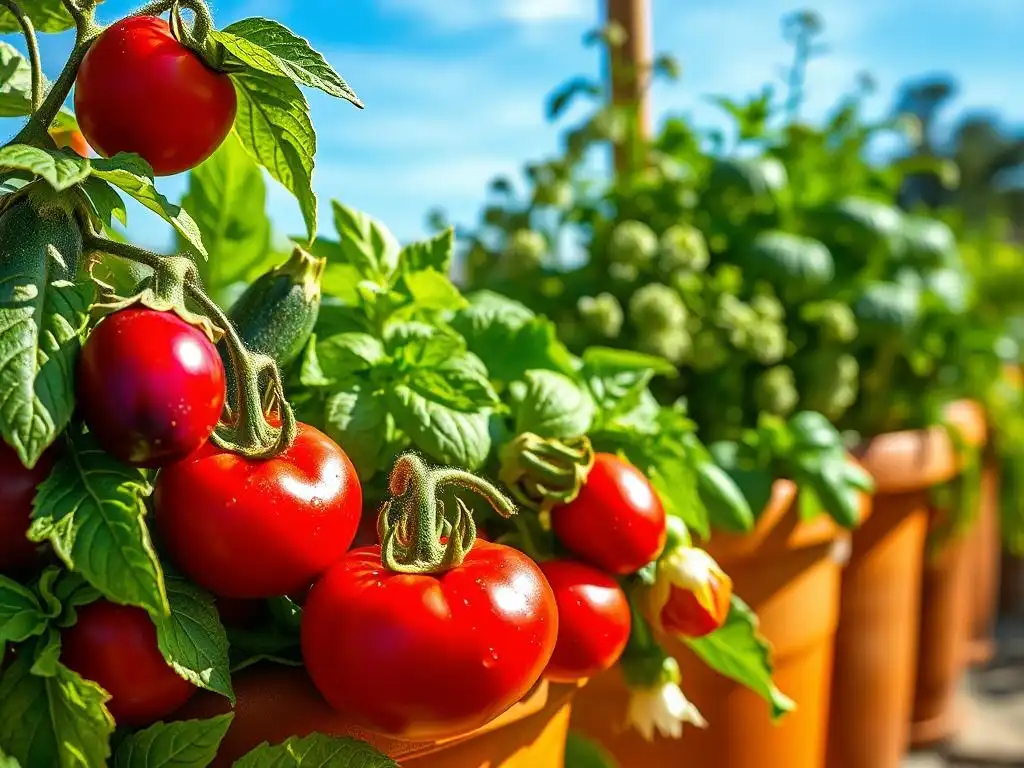
Ready to harvest fresh, homegrown goodness long after the first frost? At CultivateYourFood, we're dedicated to helping you nurture thriving gardens, sustainably and organically. Discover how to extend container vegetable season, unlocking a bounty of flavor throughout the year. Learn the secrets to maximizing your harvests, even in challenging climates, and transform your container garden into a year-round source of delicious produce. Let's cultivate a greener, tastier future, together!
- Understanding Your Climate and Microclimates for Extended Harvesting
- Choosing the Right Vegetables for Extended Container Gardening
- Protecting Container Vegetables from Frost and Cold Temperatures
- Utilizing Seasonal Strategies to Extend the Harvest
- Optimizing Container Vegetable Care for Extended Growth
- Harvesting and Storing Your Extended-Season Produce
-
Frequently Asked Questions
- How can I extend the growing season for my container vegetables?
- What vegetables are best suited for extended container gardening?
- Can I use a greenhouse to extend my container vegetable season?
- What are some low-cost methods for extending the container gardening season?
- How important is proper soil drainage for extending the season?
- Final Reflection: Harvesting the Bounty of Extended Seasons
- Unlock a Year-Round Harvest: Grow More, Worry Less!
Understanding Your Climate and Microclimates for Extended Harvesting
Extending the container vegetable season is achievable with careful planning and the strategic use of microclimates and protective measures. This guide will equip you with the knowledge and techniques to harvest your favorite vegetables well into the fall, and even potentially into winter in milder climates. Successfully extending your growing season isn't just about adding extra weeks to your harvest; it's about understanding your specific environment and leveraging its nuances to create optimal growing conditions for your containerized vegetables.
We'll explore how to assess your local climate, identify microclimates within your own yard, and utilize sunlight and shade to maximize the lifespan of your vegetable plants. The principles discussed here are applicable to a wide variety of vegetables, from leafy greens like lettuce and spinach to fruiting plants like tomatoes and peppers. Let's delve into the specifics of extending your harvest.
Assessing Your Local Frost Dates: A Crucial First Step
Knowing your area's first and last frost dates is paramount to planning your container gardening calendar for extended harvests. These dates dictate the window of time when your plants are vulnerable to frost damage. You can typically find this information online through your local weather service or agricultural extension office. Consider both the average frost dates and the historical extremes – an early or late frost can significantly impact your plants.
For example, if your average first frost date is October 25th, but you've experienced frosts as early as October 15th in the past, you'll need to prepare for the possibility of an early frost. This knowledge will influence your choices regarding planting times, plant selection (choosing frost-tolerant varieties), and the protective measures you'll need to implement. Accurate frost date information provides the foundational data for making informed decisions about extending your growing season.
Ignoring this crucial step can lead to significant losses in your harvest. Remember to check your local forecast regularly as the season progresses, especially during the shoulder seasons (spring and fall).
Identifying Microclimates in Your Yard for Container Placement
Your yard likely boasts several microclimates – small areas with subtly different environmental conditions. Understanding these variations is key to extending your growing season. South-facing walls, for instance, often absorb and radiate heat, creating warmer microclimates ideal for extending the life of heat-loving plants. Similarly, areas sheltered from prevailing winds offer better protection from frost and cold snaps.
Consider these factors when placing your containers:
| Location | Advantages | Disadvantages | Suitable Plants |
|---|---|---|---|
| South-facing wall | Increased sunlight and warmth | Potential for drying out quickly | Tomatoes, peppers, basil |
| Near a building | Sheltered from wind, increased warmth | Less sunlight | Leafy greens, herbs |
| Under eaves | Protection from rain and strong winds | Reduced sunlight | Lettuce, spinach |
By strategically placing your containers in these advantageous microclimates, you can create pockets of warmth and protection that significantly extend the growing season for your plants. Careful observation of your yard will reveal these hidden assets.
Utilizing Sun Exposure and Shade for Optimal Growth
Sunlight is essential for plant growth, but too much direct sun can stress plants during the hottest parts of the summer and fall. Conversely, insufficient sunlight can hinder growth and fruit production. Careful management of sun exposure is crucial for extending the season.
During the hottest months, consider providing some afternoon shade to your containers, particularly for heat-sensitive plants. This could involve using shade cloth, strategically placing taller plants for natural shade, or simply moving containers to a less sunny location during the peak heat of the day. As the days get shorter and cooler in the fall, maximizing sun exposure becomes paramount.
Move your containers to locations with maximum sunlight to help them absorb as much warmth as possible. This careful balance between sun and shade is key to maximizing the yield and extending the life of your container vegetables throughout the extended season. Monitor your plants closely and adjust their positioning as needed to optimize their growth and protect them from extreme temperatures.
Choosing the Right Vegetables for Extended Container Gardening
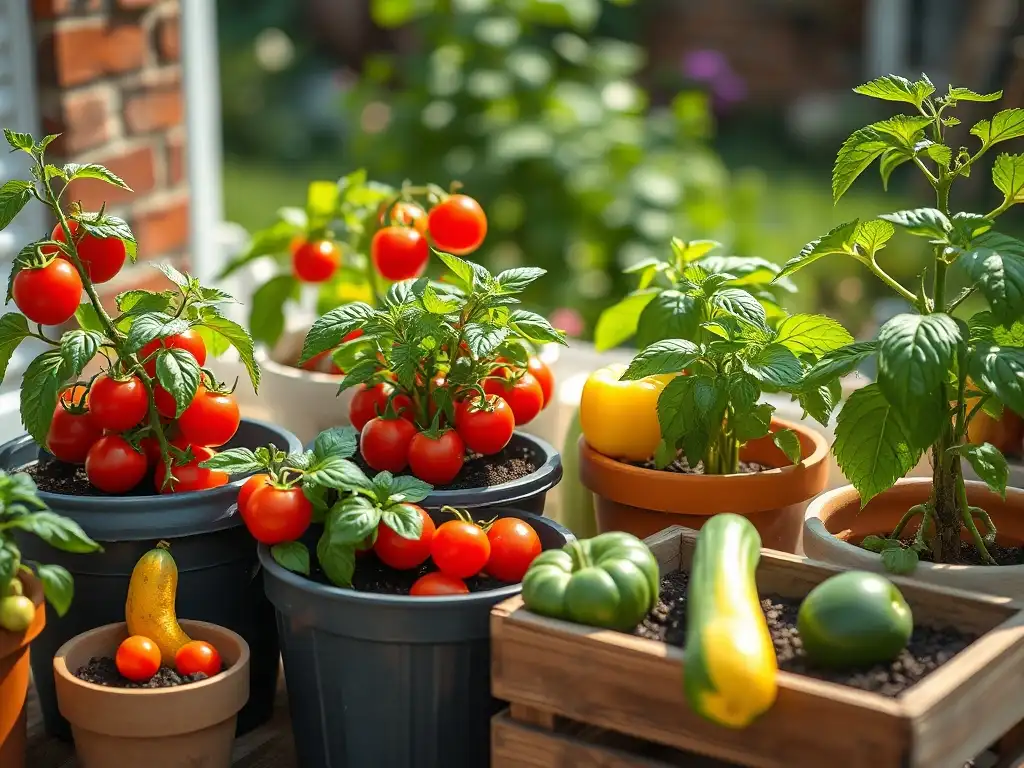
Extending your container vegetable season hinges on selecting the right plants. Not all vegetables are created equal when it comes to tolerating cooler temperatures or shorter days. Understanding the specific needs of your chosen vegetables is crucial for success. This section will guide you through selecting varieties that thrive even when the weather turns chilly. Proper vegetable selection is key to maximizing your harvest and truly extend container vegetable season.
Selecting Cold-Hardy Vegetables for Fall and Spring Planting
Many vegetables, surprisingly, can withstand light frosts and even some freezing temperatures. These cold-hardy options are perfect for extending your growing season into cooler months. Consider these excellent choices for fall and early spring plantings in containers:
- Leafy Greens: Kale, spinach, lettuce (especially varieties like 'Red Sails' and 'Winter Density'), and chard are champions of cold tolerance. They can often withstand temperatures down to 28°F (-2°C) with minimal damage. Successive sowings every few weeks will ensure a continuous harvest.
- Root Vegetables: Radishes, turnips, and carrots are relatively quick-maturing and can tolerate cooler temperatures. Choose shorter-season varieties to maximize your yield before the first hard frost.
- Brassicas: Broccoli, cauliflower, and cabbage are surprisingly cold-hardy, particularly when young. While they prefer cooler temperatures, they can still produce a harvest even with some light frost. However, it is important to protect them from extreme cold.
- Other Options: Consider scallions, garlic chives, and even some varieties of peas and beans for extended harvests. Remember to always check the seed packet for specific cold-hardiness information.
Remember, even cold-hardy vegetables benefit from protection during extreme cold snaps. Consider using row covers or moving containers to a sheltered location when temperatures plummet. This simple precaution can significantly extend container vegetable season and protect your investment.
Extending the Season with Succession Planting Techniques
Succession planting is a powerful technique for maximizing your harvest throughout the growing season. This involves planting new crops at regular intervals to replace those that have finished producing. By staggering plantings, you create a continuous supply of fresh vegetables, effectively extending your harvest well beyond a single planting cycle. This is particularly effective for quick-maturing varieties. Here's how to implement effective succession planting for extended harvests:
- Plan your succession: Create a planting schedule that accounts for the maturity times of your chosen vegetables. For example, if you're planting lettuce, plan to sow a new batch every 2-3 weeks to ensure a constant supply.
- Choose fast-growing varieties: Opt for vegetables with short maturation periods. These will allow for multiple harvests within a single growing season.
- Monitor your plants: Regularly inspect your crops to identify when plants are nearing the end of their productive life. This will help you time your next planting to avoid gaps in your harvest.
- Consider your climate: Adjust your planting schedule based on your local climate and expected frost dates. In areas with shorter growing seasons, succession planting becomes even more critical for maximizing yield and extending your harvest.
By carefully planning and executing succession planting, you can effectively extend container vegetable season and enjoy a bountiful harvest throughout the year.
Prioritizing Quick-Maturing Vegetable Varieties
Selecting quick-maturing vegetable varieties is essential for extending your container garden's productivity, especially in shorter growing seasons or cooler climates. These varieties reach maturity faster, allowing you to harvest multiple crops before the first frost or the onset of unfavorable conditions. Here are some examples:
| Vegetable | Days to Maturity (approx.) | Notes |
|---|---|---|
| Bush Beans | 50-60 | Choose varieties like 'Contender' or 'Blue Lake' |
| Radishes | 20-30 | Very fast-growing, perfect for succession planting |
| Summer Squash | 50-60 | Zucchini and yellow squash are excellent choices |
| Lettuce (some types) | 40-50 | Look for fast-maturing varieties |
| Spinach (some types) | 40-50 | Choose varieties specifically labeled as quick-maturing |
Choosing quick-maturing varieties allows you to get the most out of your container garden, even with a shorter growing season. This strategy is key to successfully extend container vegetable season and enjoy a plentiful harvest. Remember to always check seed packets for specific maturity information, as these times can vary slightly depending on the variety and growing conditions. Careful planning and selection are essential for maximizing your yield and enjoyment.
Protecting Container Vegetables from Frost and Cold Temperatures
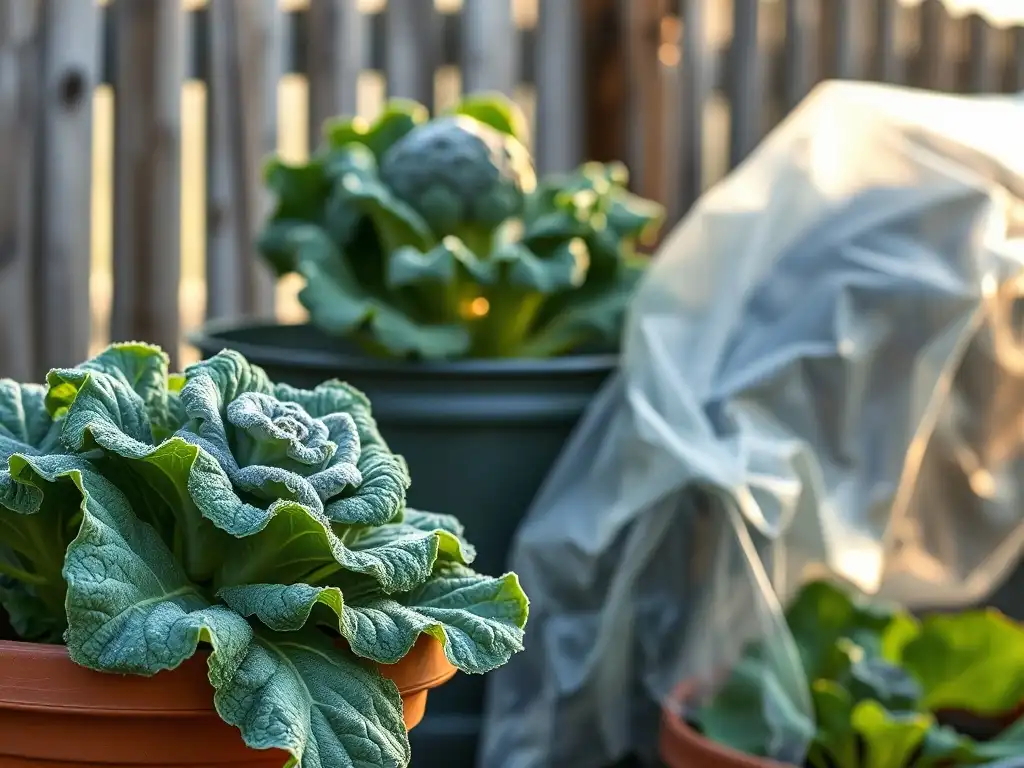
Extending the container vegetable season hinges on successfully protecting your plants from unexpected frost and cold temperatures. Even a light frost can severely damage tender vegetables, prematurely ending their productive life. Understanding the vulnerability of your specific plants and implementing proactive protective measures is crucial for a longer harvest.
This section details practical strategies to safeguard your container-grown vegetables against the chill. We’ll explore various methods, ranging from simple, readily available materials to more involved structures, to help you extend the growing season and maximize your yield. Remember, the goal is to create a microclimate around your plants that’s warmer than the surrounding air temperature.
Utilizing Row Covers and Cloches for Frost Protection
Row covers and cloches offer a straightforward and effective way to shield your container vegetables from frost. These lightweight, breathable fabrics create a barrier that traps heat radiating from the soil and plants, preventing temperatures from dropping too low. Row covers are typically made from spun-bonded polypropylene or other similar materials, while cloches are often made from clear plastic or glass. They are relatively inexpensive and easy to install.
For optimal protection, consider these factors:
- Fabric weight: Heavier-weight fabrics offer greater protection against colder temperatures, whereas lighter fabrics are better suited for milder conditions. Choosing the right weight depends on your anticipated temperatures.
- Ventilation: Ensure adequate ventilation to prevent moisture buildup, which can lead to fungal diseases. On warmer days, partially or fully remove the cover to allow for air circulation.
- Plant size: Make sure the cover is large enough to completely enclose your plants, providing ample space for growth. Consider using hoops or stakes to support the cover and prevent it from touching the plants.
- Material choice: Clear plastic cloches allow sunlight penetration, while white or other light-colored row covers can reflect sunlight and reduce heat buildup.
Using a cloche over individual plants or a row cover draped over several containers allows for a targeted approach to frost protection, customizing the level of protection based on the sensitivity of individual vegetables. This targeted approach ensures minimal disruption to your overall gardening setup while maximizing the protection for the most vulnerable plants.
Building a Simple Cold Frame for Extended Season Growth
A cold frame provides a more substantial level of protection than row covers or cloches. It's essentially a mini-greenhouse that allows for extended growing seasons, even in areas with prolonged cold spells. A simple cold frame can be constructed using readily available materials such as reclaimed lumber, plywood, and clear plastic sheeting.
Construction involves building a frame, typically raised a few inches off the ground, and covering it with a transparent material to trap solar heat. The key is to create a structure that allows sunlight to penetrate while minimizing heat loss at night. Proper ventilation is crucial to prevent moisture buildup and ensure healthy plant growth.
Consider these aspects when building your cold frame:
- Orientation: Position the cold frame to maximize sunlight exposure throughout the day. South-facing is generally ideal in the Northern Hemisphere.
- Insulation: Consider adding extra insulation, such as straw bales or bubble wrap, to the sides and bottom of the frame for enhanced protection during extremely cold periods.
- Ventilation: Incorporate ventilation features, such as adjustable vents or removable panels, to regulate temperature and humidity.
A well-built cold frame significantly extends the growing season for many container vegetables, allowing you to harvest crops well into the fall or even early winter in some climates. This is an efficient method to extend the container vegetable season.
Employing Cold-Hardy Mulches to Insulate Roots
Cold-hardy mulches provide another layer of protection against frost and cold temperatures by insulating the soil and plant roots. Mulches such as straw, shredded leaves, or pine needles help maintain a more consistent soil temperature, preventing drastic fluctuations that can damage plants. Applying a thick layer of mulch around the base of your container plants creates a protective barrier that prevents the soil from freezing as quickly.
The effectiveness of mulching depends on several factors:
- Mulch type: Different mulches have varying insulating properties. Straw and leaves are generally good insulators, while pine needles offer excellent drainage.
- Mulch depth: A thicker layer of mulch provides greater insulation. Aim for a layer of at least 2-4 inches.
- Container type: The type of container you are using can also affect the effectiveness of mulching. Dark-colored containers absorb more heat than light-colored containers, so they may require a slightly thicker layer of mulch.
Remember to avoid mulching directly against the stems of your plants, as this can promote fungal diseases. Applying a layer of mulch around the base of the plants offers a cost-effective and simple way to extend the container vegetable season and help mitigate the impact of frost and cold temperatures. This simple technique is a crucial part of successfully extending your harvest.
Utilizing Seasonal Strategies to Extend the Harvest
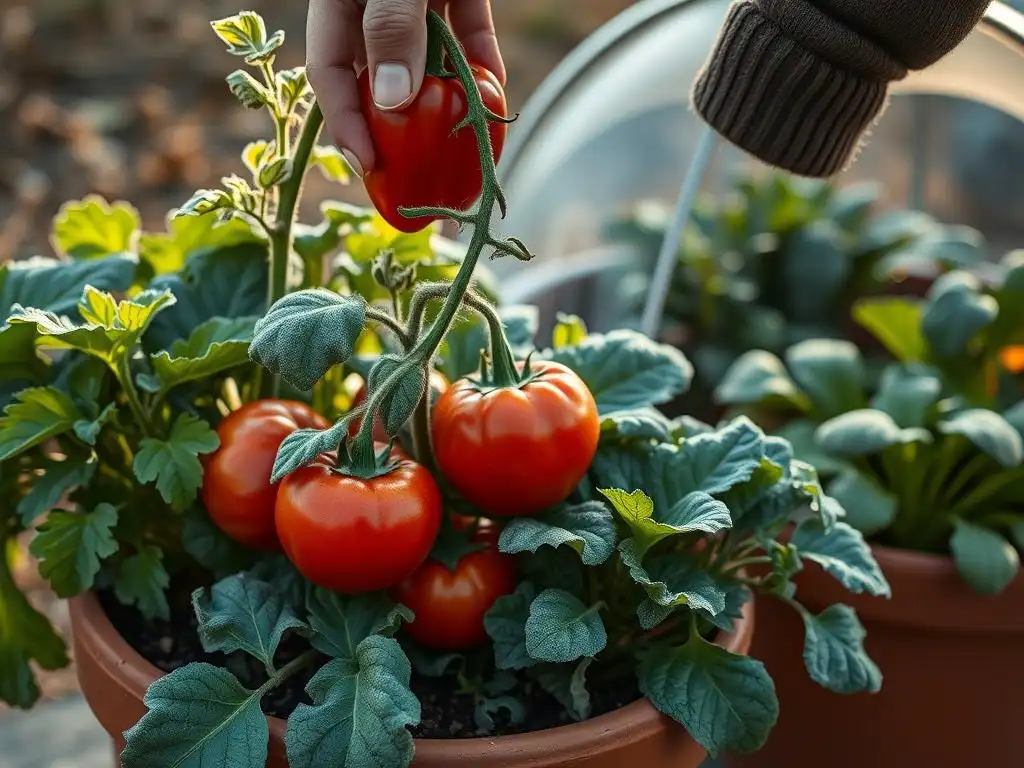
Extending the growing season for your container vegetables doesn't require miracles; it's about strategically utilizing the available time and understanding your local climate. By carefully choosing the right varieties, employing protective measures, and adjusting your planting schedule, you can significantly increase your harvest window. This section focuses on practical techniques to maximize your yield throughout the year, even in areas with shorter growing seasons.
The key is to think beyond the traditional planting calendar and embrace a more dynamic approach to container gardening. Remember, even a few extra weeks of harvest can make a significant difference in your overall productivity.
Extending the Season with Fall Planting Strategies
Fall offers a unique opportunity to extend your container vegetable season. Many cool-season crops, such as spinach, kale, lettuce, and radishes, thrive in the cooler temperatures of autumn. Planting these in late summer or early fall allows for a harvest that extends well into the early winter months, depending on your climate. Consider these points for successful fall planting:
- Choose fast-maturing varieties: Opt for varieties known for their quick growth cycles to maximize your harvest before the first frost.
- Protect from frost: Use row covers, cloches, or even simple plastic sheeting to shield your plants from unexpected early frosts. A simple DIY cold frame can be surprisingly effective.
- Soil temperature: Ensure the soil temperature is still warm enough for germination. Use a soil thermometer to check. Warmer soils can be achieved by using dark-colored containers which absorb more heat from the sun.
- Sunlight: While fall days are shorter, ensure your containers receive adequate sunlight. Adjust their position as needed to maximize sun exposure.
Overwintering Container Vegetables Indoors
For certain hardier vegetables, overwintering indoors is a viable option for extending the season. This allows you to continue harvesting through the winter months. However, success depends on providing the right conditions:
- Light: Indoor vegetables require ample light. Supplemental grow lights are often necessary, especially during shorter winter days. Consider the light requirements of your specific plants, as some need more light than others.
- Temperature: Maintain a consistent temperature suitable for the specific vegetables you're overwintering. Fluctuations can stress the plants.
- Humidity: Indoor environments tend to be drier than outdoors. Regular misting or the use of a humidifier can help maintain optimal humidity levels.
- Suitable Plants: Herbs like rosemary and thyme, along with certain leafy greens, are particularly well-suited for overwintering indoors. Root vegetables like carrots and beets are generally not good candidates.
- Pest and Disease Control: Monitor closely for pests and diseases, which can become more prevalent in indoor environments. Regular inspection is crucial.
Early Spring Planting Techniques for Extended Yields
Don't wait for the last frost to start planting! Many vegetables can tolerate light frosts and will provide an earlier harvest if planted in early spring. This technique allows you to extend the growing season and beat the rush to the market:
- Hardening off: Gradually acclimate seedlings to outdoor conditions before transplanting them. This process reduces transplant shock and improves survival rates.
- Cold frames: Using cold frames or row covers protects young seedlings from late frosts. This allows you to start planting earlier than you otherwise could.
- Soil preparation: Ensure the soil is well-drained and amended with compost before planting. This provides essential nutrients and improves soil structure.
- Succession planting: Plant a succession of crops to ensure a continuous harvest. For example, plant a new batch of lettuce every few weeks for a consistent supply.
- Microclimates: Utilize microclimates in your garden to extend the planting season. South-facing walls absorb more heat, creating a warmer microclimate.
By implementing these strategies, you can effectively extend container vegetable season, enjoying fresh produce for a longer period. Remember that careful planning and observation are key to success. Happy gardening! 🌱
Optimizing Container Vegetable Care for Extended Growth
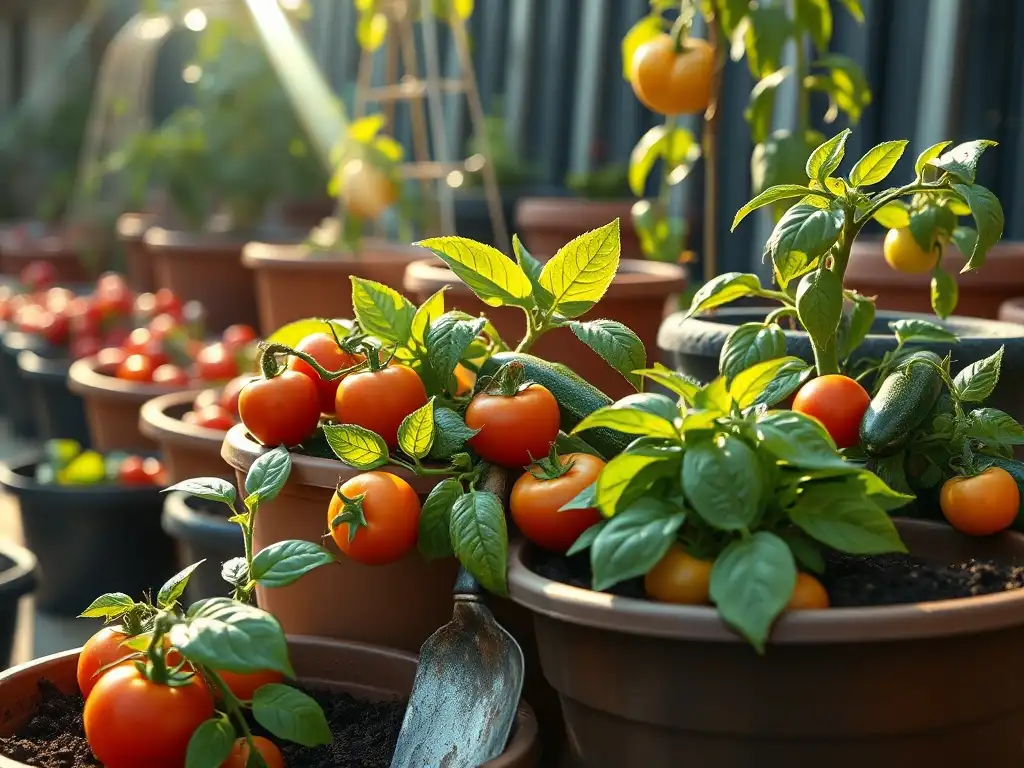
Extending the container vegetable season requires a multifaceted approach, going beyond simply planting at the right time. Success hinges on diligent care and proactive measures to mitigate environmental challenges. This section details crucial practices to maximize your harvest and enjoy fresh produce for a longer period. The key to extending your container vegetable season lies in optimizing three core areas: consistent soil moisture, adequate nutrition, and robust pest and disease management.
Maintaining Consistent Soil Moisture for Extended Production
Consistent soil moisture is paramount for extended production. Vegetables grown in containers are particularly vulnerable to drying out, especially during warmer months. The smaller volume of soil means less water retention compared to in-ground planting. Regular monitoring is crucial; don't rely solely on a schedule. Instead, check the moisture level daily, especially during hot, sunny spells. Stick your finger about an inch into the soil – if it feels dry, it's time to water.
Deep watering is preferable to frequent shallow watering. Deep watering encourages deeper root growth, making plants more resilient to drought. Aim to water thoroughly until you see drainage from the bottom of the container. This ensures the entire root system is hydrated.
Consider using a moisture meter to get a more precise reading, especially for beginners. Mulching the top of the soil with organic matter, such as straw or shredded leaves, can also help retain moisture and suppress weeds. Remember, the type of container material also impacts water retention; terracotta pots dry out faster than plastic ones. Adjust your watering frequency accordingly.
Providing Adequate Nutrients Throughout the Season
Container gardening requires diligent nutrient management. Unlike in-ground gardens, nutrients in containers are finite. As plants grow, they deplete the available nutrients, leading to stunted growth and reduced yields. Therefore, regular fertilization is essential for extending the growing season.
Start with high-quality potting mix specifically formulated for vegetables. These mixes often contain slow-release fertilizers, providing a baseline nutrient supply. However, these often need supplementing. Begin fertilizing a few weeks after planting, using a balanced liquid fertilizer diluted to half strength. Follow the manufacturer's instructions carefully. Over-fertilizing can be detrimental, potentially damaging plant roots. Regular feeding, perhaps every 2-3 weeks, is more effective than infrequent heavy applications.
Consider using organic fertilizers like compost tea or worm castings for a sustainable approach. These provide a slow-release of nutrients, improving soil structure and beneficial microbial activity. Regular soil testing can help you determine the precise nutrient needs of your plants, enabling tailored fertilization. This will allow you to extend the season by ensuring your plants have everything they need throughout their life cycle.
Protecting Against Pests and Diseases During Extended Growth
Extended growing seasons often mean prolonged exposure to pests and diseases. Proactive pest and disease management is essential to maintain healthy plants and a bountiful harvest. Regularly inspect your plants for signs of infestation or disease. Early detection allows for timely intervention, preventing widespread damage.
Implement preventative measures. This includes choosing pest-resistant varieties, ensuring good air circulation between plants (avoid overcrowding), and maintaining consistent soil moisture to prevent stress. For pest control, consider using natural methods like insecticidal soap, neem oil, or introducing beneficial insects like ladybugs. Avoid the use of harsh chemical pesticides, especially near edible plants.
For disease management, ensure good sanitation practices. Remove any diseased leaves or plants promptly and dispose of them properly. Rotate your crops annually to prevent the buildup of soilborne pathogens. Maintaining a healthy soil environment through composting and organic matter additions enhances plant resilience and reduces susceptibility to diseases. Consistent monitoring and proactive measures are crucial for a successful and extended container vegetable growing season.
Harvesting and Storing Your Extended-Season Produce
Extending your container vegetable season means maximizing your harvest, but it also requires careful attention to harvesting and storage to prevent premature spoilage and fully enjoy the fruits (and vegetables!) of your labor. Proper techniques can significantly extend the shelf life of your container-grown produce, allowing you to savor the flavors of summer well into the autumn months. This section provides detailed guidance on optimizing both harvest and storage methods for extended freshness.
Recognizing Optimal Harvest Times for Extended Season Crops
Knowing precisely when to harvest is crucial for achieving the best flavor and quality in your extended-season vegetables. Overripe vegetables are prone to rapid deterioration, while underripe ones lack flavor. The optimal harvest time varies depending on the specific crop, but some general guidelines include:
- Leafy Greens (e.g., spinach, lettuce): Harvest young leaves regularly for continuous growth. For a full harvest, cut the leaves at the base when they reach their desired size. Avoid harvesting when the leaves are wet, as this can promote disease. Consider using a sharp knife or scissors for a clean cut.
- Root Vegetables (e.g., carrots, radishes): Harvest when the roots reach their mature size, typically indicated by the size and color described on the seed packet. Gently loosen the soil around the roots before carefully pulling them up.
- Tomatoes: Harvest tomatoes when they have reached their full color and have a slight give when gently squeezed. Avoid harvesting green tomatoes unless you plan to ripen them indoors.
- Squash (e.g., zucchini, summer squash): Harvest squash regularly when they are young and tender, about 6-8 inches long for most varieties. Larger squash tend to be less flavorful and more prone to spoilage.
- Peppers: Peppers are ready for harvest when they reach their mature color (which varies depending on the variety) and are firm to the touch. Harvest peppers by snipping the stem with a sharp knife or scissors.
This careful attention to timing is particularly important for extending the season, as any delay can lead to rapid deterioration, especially in cooler temperatures. Regular monitoring of your plants is key. Consider using a garden journal to note planting dates, expected harvest times, and actual harvest dates to fine-tune your technique year after year. This data-driven approach will allow you to refine your harvest timing for optimal results.
Proper Harvesting Techniques to Preserve Quality and Extend Shelf Life
Beyond timing, the method of harvesting significantly impacts the shelf life of your produce. Gentle handling is paramount to minimize bruising and damage, which accelerates decay. Here's how to harvest different types of vegetables to preserve their quality:
- Avoid pulling: Pulling vegetables from the ground can damage the roots and surrounding plants. Use a sharp knife or trowel to carefully lift root vegetables. For leafy greens, use clean shears or a knife to cut the stems cleanly.
- Harvest in the morning: Harvesting in the cool morning hours helps maintain the vegetables' moisture and reduces stress on the plants, resulting in a longer shelf life.
- Clean immediately: After harvesting, gently clean the produce to remove any dirt or debris that could hasten spoilage. Avoid washing vegetables that will be stored for an extended period, as excess moisture can promote rot.
- Handle with care: Gentle handling is key! Avoid bruising or damaging the vegetables during harvesting and transport.
By employing these careful techniques, you can significantly improve the quality and extend the shelf life of your harvested produce, maximizing the benefits of your extended-season gardening efforts. Remember, a little extra care during harvesting can make a big difference in the long run.
Storage Techniques for Extended Freshness of Container-Grown Vegetables
Proper storage is essential for extending the freshness of your container-grown vegetables. Different vegetables have different storage needs, so understanding these requirements is crucial. Here's a guide:
| Vegetable Type | Optimal Storage Conditions | Expected Shelf Life |
|---|---|---|
| Leafy Greens | Refrigerate in a plastic bag, slightly damp but not wet | 3-5 days |
| Root Vegetables | Cool, dark, and dry place; some can be stored in the refrigerator | 1-3 weeks (varies by vegetable) |
| Tomatoes | Room temperature, away from direct sunlight; refrigerator for longer storage | 1-2 weeks (room temp); longer refrigerated |
| Summer Squash | Refrigerate in a plastic bag | 3-5 days |
| Peppers | Room temperature or refrigerate in a plastic bag | 1-2 weeks |
Remember, proper storage is critical for extending the benefits of your extended growing season. By following these guidelines, you can enjoy the deliciousness of your home-grown vegetables for much longer. Always inspect your produce regularly and discard anything that shows signs of spoilage to prevent contamination. This proactive approach ensures you get the most out of your harvest while minimizing waste. Happy harvesting!
Frequently Asked Questions
How can I extend the growing season for my container vegetables?
You can extend your season by using cold frames, row covers, or moving containers indoors during frost. Consider also starting seeds early indoors and choosing frost-tolerant varieties.
What vegetables are best suited for extended container gardening?
Leafy greens like spinach and kale, root vegetables like radishes and carrots (in deeper containers), and hardy herbs are excellent choices. These tolerate cooler temperatures better than others.
Can I use a greenhouse to extend my container vegetable season?
Yes! A greenhouse provides optimal temperature and humidity control, allowing you to grow vegetables far beyond the typical growing season. Even a small greenhouse can make a big difference.
What are some low-cost methods for extending the container gardening season?
Using plastic bottles or jugs as cloches, employing mulch to retain soil warmth, and strategically placing containers to maximize sunlight are all budget-friendly options.
How important is proper soil drainage for extending the season?
Excellent drainage is crucial, preventing root rot and ensuring healthy growth in cooler and wetter conditions. Use well-draining potting mix and containers with drainage holes.
Final Reflection: Harvesting the Bounty of Extended Seasons
The ability to extend the growing season for container vegetables is no longer a luxury; it's a necessity in a world facing climate change and increasing food insecurity. By mastering techniques like cold frames, row covers, and strategic plant selection, we can significantly increase our yields and enjoy fresh, homegrown produce for a longer period. This translates to greater food independence, reduced reliance on industrial agriculture, and a deeper connection to the natural world.
The impact of extending the growing season extends far beyond the individual garden. It represents a shift in our relationship with food, a move towards more sustainable and resilient practices. The future of food is not just about producing more, but producing it better, more sustainably, and more equitably.
This quote encapsulates the broader societal implications of embracing techniques that allow us to cultivate food more effectively, even in challenging environments. The simple act of nurturing a plant from seed to harvest in a container, and extending that harvest, fosters a deeper appreciation for the effort and resources involved in food production.
Now, consider your own space. What small changes can you implement to extend your container gardening season? Perhaps it's investing in a simple cold frame, experimenting with different varieties of fast-maturing vegetables, or simply paying closer attention to the microclimates within your garden. Embrace the challenge, embrace the learning, and embrace the delicious rewards of a longer, more bountiful harvest. The journey towards a more sustainable and resilient food system begins with a single seed, planted with intention and nurtured with care.
Unlock a Year-Round Harvest: Grow More, Worry Less!
Thank you for learning how to extend your container gardening season! You now possess the knowledge to cultivate delicious vegetables almost year-round. Ready to put your new skills to the test?
- Start planning your next container garden now: Consider which cold-hardy vegetables you'll plant next and begin sourcing seeds or seedlings. For example, kale, spinach, and certain lettuces thrive in cooler temperatures.
- Explore different cold-weather protection methods: Research simple and inexpensive ways to protect your plants from frost and extend their lifespan. Options include using cloches, row covers, or even simple cold frames.
- Share your successes (and challenges!) with our community: Join the CultivateYourFood forum and let's learn from each other! Sharing your experiences, both positive and negative, helps everyone improve their gardening skills.
What exciting new vegetable will you grow next, and how will you protect it from winter's harsh conditions?