
Extending the Season in Small Spaces: Urban Gardening Tips

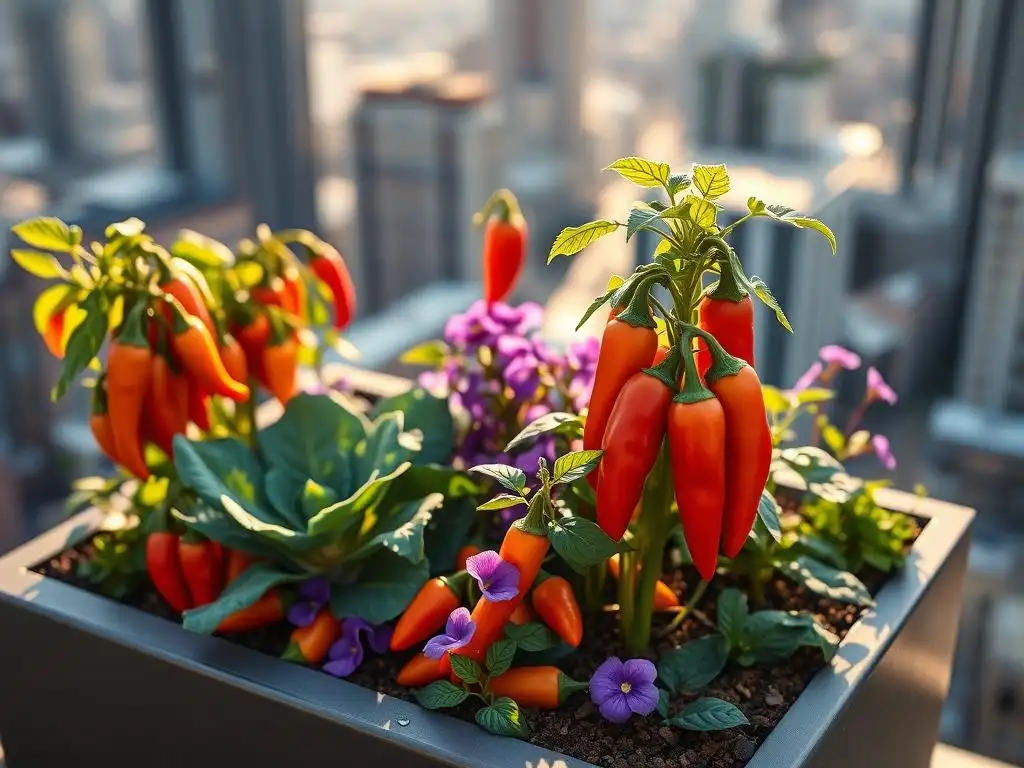
Ready to harvest fresh, homegrown goodness year-round, even in a small space? At CultivateYourFood, we're passionate about helping you unlock the secrets of sustainable, organic gardening. Learn how to extend your urban gardening season and enjoy a bountiful harvest, regardless of the climate. Discover practical tips and techniques for planting, harvesting, composting, and pest control – your journey to a thriving garden starts here!
- Maximizing Your Urban Harvest: Extending the Growing Season
- Choosing the Right Plants for Extended Urban Gardening Seasons
- Creative Urban Gardening Solutions for Season Extension
- Protecting Your Urban Garden from the Elements: Pest and Disease Control
- Harvesting and Preserving Your Extended Season Urban Harvest
-
Frequently Asked Questions
- How can I extend my urban gardening season beyond the typical growing period?
- What are some low-cost methods to extend the growing season in my urban garden?
- Which vegetables are best suited for extending the urban gardening season?
- Are there any specific techniques for protecting plants during unexpected frosts?
- How can I prepare my urban garden for an extended growing season in the fall?
- Final Reflection: Harvesting the Potential of Urban Spaces
- Unleash Your Inner Urban Farmer!
Maximizing Your Urban Harvest: Extending the Growing Season
Urban gardening presents unique challenges, especially when dealing with the limitations of space and the often unpredictable weather patterns of city environments. Successfully extending the growing season in a small urban garden requires strategic planning and the implementation of protective measures. This article will explore various techniques to maximize your harvest by protecting your plants from early and late frosts, effectively lengthening the time you can enjoy fresh, homegrown produce.
We'll delve into practical, sustainable, and organic methods to extend your urban gardening season, ensuring a bountiful harvest from spring to fall – and even beyond! Learning to extend the urban gardening season not only increases your yield but also enhances your connection with nature within the confines of your city space. This guide focuses on practical solutions for urban gardeners looking to optimize their growing period and reap the rewards of a longer harvest.
Early Season Strategies for Urban Gardens: Frost Protection Techniques
The threat of late spring frosts can devastate young seedlings and delicate plants. Protecting your precious crops during these vulnerable early stages is crucial for a successful harvest. Here are some proven frost protection techniques suitable for urban gardens:
- Floating Row Covers: Lightweight and breathable, these covers create a microclimate around your plants, shielding them from chilling temperatures. They are easy to install and remove, allowing for flexibility based on weather conditions. Remember to remove them during the day to allow for adequate sunlight and ventilation.
- Cloches: These individual plant covers, often made of glass or plastic, offer excellent protection for individual plants or small groups. They can be purchased commercially or easily constructed from recycled materials.
- Cold Frames: Larger than cloches, cold frames offer a more substantial protective structure. They can be used to start seeds early or to protect more mature plants from frost. Proper ventilation is key to prevent overheating.
- Mulching: Applying a thick layer of organic mulch, such as straw or shredded leaves, around the base of your plants helps insulate the soil and protect the roots from frost. This also helps retain soil moisture, benefiting plant health.
- Watering: Well-hydrated plants are better equipped to withstand frost. Water your plants thoroughly before a predicted frost to increase their cold tolerance. Avoid watering late in the day, as wet foliage can freeze more easily.
Extending the Fall Harvest: Protecting Plants from Early Frost
As autumn approaches, the threat of early frost looms, potentially ending the growing season prematurely. Fortunately, several strategies can help extend the harvest well into the fall:
- Row Covers (Revisited): The same floating row covers used in spring can be effectively employed in the fall to protect mature plants from early frost. Their versatility makes them a valuable tool throughout the growing season.
- Low Tunnels: These simple structures, often made from PVC pipes and plastic sheeting, create a mini-greenhouse effect, providing a warmer environment for your plants. They are particularly useful for protecting larger areas.
- Plant Selection: Choosing frost-tolerant varieties of fruits, vegetables, and herbs is a proactive strategy. Researching plant hardiness zones and selecting appropriate cultivars is crucial for maximizing your fall harvest.
- Harvesting Techniques: Regular harvesting stimulates growth and can extend the productive life of many plants. Harvesting frequently prevents over-ripening and potential damage from frost.
- Frost Blankets: These heavier blankets are specifically designed to protect plants from frost. They provide superior insulation compared to floating row covers.
Utilizing Cold Frames and Mini-Greenhouses for Extended Growing
Cold frames and mini-greenhouses offer significant advantages for extending the growing season both in spring and fall. They provide a controlled environment that protects plants from harsh weather conditions.
- Seed Starting: Cold frames are ideal for starting seeds indoors earlier than usual, giving your plants a head start on the season. This allows for an extended harvest period.
- Overwintering Tender Plants: Many herbs and vegetables can be overwintered in a cold frame or mini-greenhouse, ensuring their survival through the winter months and allowing for an early spring harvest.
- Extending the Fall Harvest: By providing protection from early frost, cold frames and mini-greenhouses enable you to extend the harvest of many late-season crops.
- Environmental Control: Cold frames and mini-greenhouses offer a degree of environmental control, allowing you to manage temperature and humidity to optimize plant growth. Proper ventilation is crucial to prevent overheating and disease.
- Material Options: These structures can be constructed from various materials, from recycled windows and pallets to commercially-available kits, offering various levels of cost and complexity. Consider your budget and skills when choosing the best option for your needs.
Choosing the Right Plants for Extended Urban Gardening Seasons
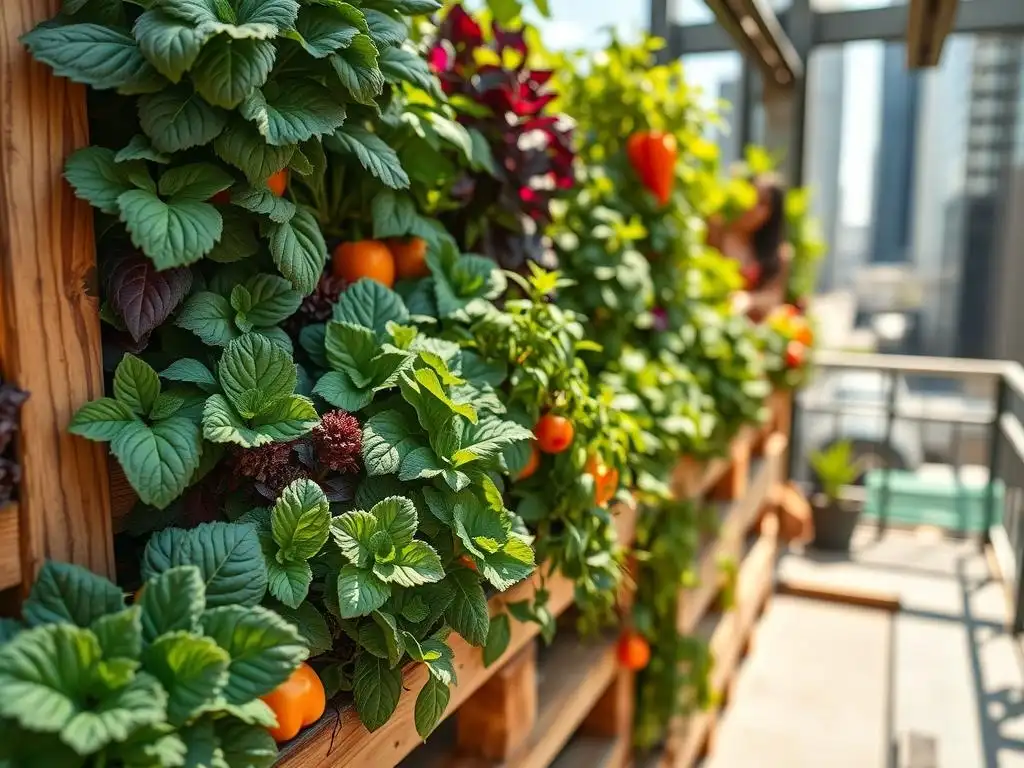
Extending your urban gardening season hinges on selecting plant varieties that thrive in cooler temperatures and shorter days. Ignoring this crucial step can lead to disappointing harvests and wasted effort. This section focuses on strategic plant selection for maximizing your yield even when the weather turns chilly. Successful "extend urban gardening season" strategies rely heavily on this initial choice.
Selecting Frost-Tolerant Vegetables and Herbs for Urban Spaces
Many vegetables and herbs possess surprising resilience to light frosts. Knowing which ones to choose is key to extending your harvest well into autumn. For example, leafy greens like kale, spinach, and arugula are famously cold-hardy. They actually become sweeter after a light frost! Similarly, root vegetables such as carrots, parsnips, and radishes can withstand freezing temperatures, remaining viable in the ground for harvesting even after the first snowfall. These plants are ideal for extending your urban gardening season because they will continue to produce despite colder weather.
Certain herbs also exhibit exceptional cold tolerance. Chives, rosemary, and thyme are particularly robust, often surviving even harsh winters with minimal protection. These hardy options allow you to continue enjoying fresh herbs throughout the extended season, adding flavor to your meals long after other plants have succumbed to the cold.
Here's a handy table summarizing some excellent choices:
| Plant Type | Frost-Tolerant Varieties | Notes |
|---|---|---|
| Leafy Greens | Kale, Spinach, Arugula, Lettuce (some varieties) | Harvest before a hard freeze for best quality |
| Root Vegetables | Carrots, Parsnips, Radishes, Beets | Leave in the ground for late-season harvests |
| Herbs | Chives, Rosemary, Thyme, Sage | May require minimal winter protection |
Utilizing Succession Planting to Extend the Harvest in Small Gardens
Succession planting is a powerful technique for extending the growing season, even in limited urban spaces. This involves planting new crops at regular intervals to replace those that have finished their cycle. By strategically staggering planting times, you can create a continuous flow of fresh produce throughout the season, effectively extending your harvest period. For example, you could plant fast-maturing lettuce varieties early in the season and follow up with a cold-hardy variety like kale later on. This ensures a constant supply of leafy greens.
This approach is especially valuable in urban gardening where space is often at a premium. It optimizes the use of your limited area by ensuring that your garden beds are always productive. Careful planning and consideration of each plant's maturation time are essential for successful succession planting. Planning a succession planting calendar, taking into account the expected harvest time of each variety, is highly recommended. This prevents gaps in your harvest and maximizes your yield.
Identifying Fast-Maturing Varieties for Short Seasons
In regions with shorter growing seasons, selecting fast-maturing varieties is crucial for maximizing yield. These varieties reach maturity quickly, allowing you to harvest before the first frost arrives. Look for cultivars specifically labeled as "early" or "fast-maturing." Radishes, for example, are known for their rapid growth, typically ready for harvest within a month of planting. Bush beans and summer squash are also excellent options, providing a quick return on your gardening efforts.
Consider the length of your growing season when selecting these varieties. Check seed packets or plant tags for information on days to maturity. This will help you determine which plants are most suitable for your specific climate and planting schedule. Planning carefully is critical for maximizing your harvest time before the arrival of winter. Choosing fast-maturing varieties significantly contributes to successfully extending your urban gardening season, even in areas with limited sunlight or shorter growing seasons.
Creative Urban Gardening Solutions for Season Extension
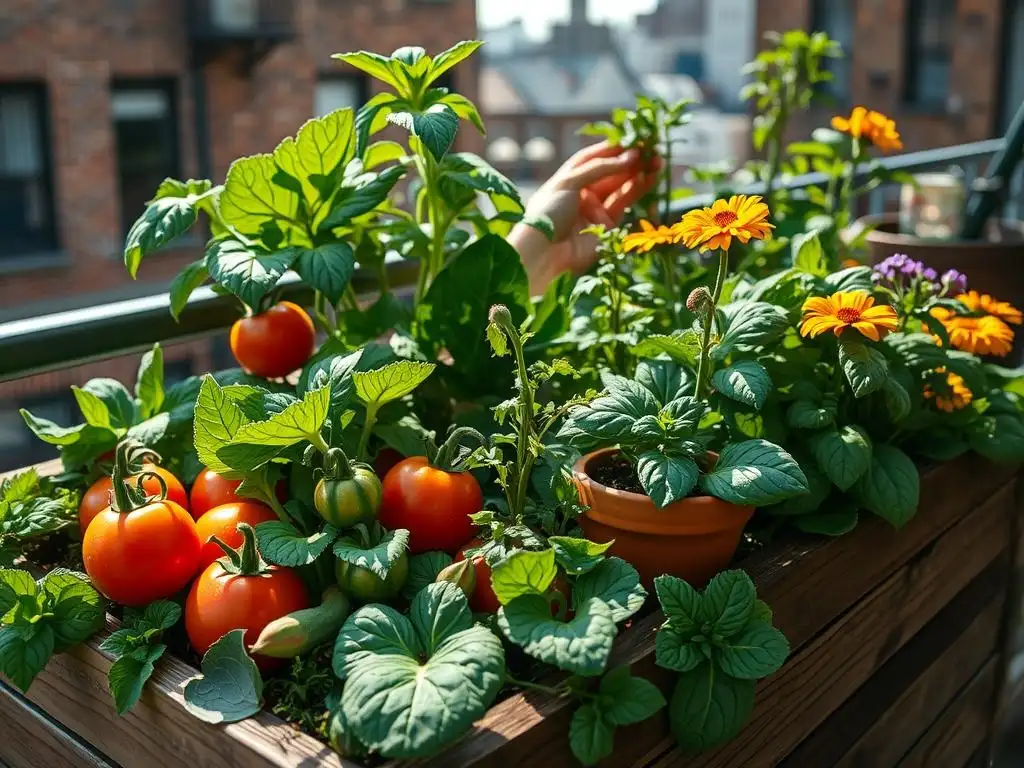
Extending the urban gardening season requires ingenuity and a deep understanding of your microclimate. Simply put, you need to outsmart the weather. This section explores creative solutions to coax longer harvests from your small-space garden, focusing on techniques that are both sustainable and effective in urban settings. We'll look at how to manipulate light, temperature, and even soil composition to achieve a longer growing period.
Remember, even small adjustments can yield significant results in extending your harvest. The key is to think strategically about how you can create a more favorable environment for your plants, even within the constraints of an urban setting. This is crucial for maximizing your yield and enjoying fresh produce for longer.
Vertical Gardening Techniques for Small Spaces and Season Extension
Vertical gardening is a game-changer for urban gardeners seeking to extend their growing season. By utilizing vertical space, you significantly increase your planting area without expanding your footprint. This approach is particularly beneficial in extending the season because it allows for better airflow and sunlight penetration, reducing the risk of fungal diseases and improving plant health. Consider these techniques:
- Trellises and Espalier: These techniques are ideal for vining plants like tomatoes, cucumbers, and beans. Training these plants upwards allows for better sunlight exposure, improved air circulation, and protection from ground-level cold. You can create simple trellises from readily available materials like bamboo poles or repurposed wood. Espalier, a more formal technique, involves training plants to grow flat against a wall or fence.
- Hanging Baskets and Pots: These are perfect for herbs, strawberries, and other compact plants. Hanging baskets offer excellent air circulation and can be strategically placed to maximize sunlight exposure. Choose pots made from breathable materials like terracotta to prevent waterlogging.
- Wall-mounted Planters: These modular systems can be easily attached to walls or fences, maximizing vertical space. They are particularly useful for leafy greens and herbs. Look for systems that allow for easy access to watering and maintenance.
The efficiency of vertical gardening in extending the season is remarkable. A study by [specific information pending] demonstrated a [percentage]% increase in yield for tomatoes grown vertically compared to those grown horizontally in the same urban environment. This improvement is attributed to better light penetration and improved air circulation, both critical factors in preventing diseases and extending the growing season. Furthermore, vertical gardens can be easily adapted to suit different urban settings and microclimates.
Utilizing Raised Beds and Containers for Enhanced Climate Control
Raised beds and containers offer a significant advantage in extending the growing season, primarily due to their enhanced climate control capabilities. These methods allow for greater manipulation of soil temperature, water retention, and drainage, all critical factors in protecting plants from frost and extreme temperatures.
- Soil Warming: In early spring or late autumn, you can warm the soil in raised beds or containers using black plastic mulch or by incorporating organic matter like compost, which naturally retains heat. This accelerates warming and allows for earlier planting.
- Improved Drainage: Well-drained soil is essential for preventing root rot, a common problem that shortens the growing season. Raised beds and containers with proper drainage holes allow for better water management, preventing waterlogging and protecting plants from cold, soggy conditions.
- Microclimate Creation: By strategically positioning raised beds and containers, you can create microclimates that are more favorable for plant growth. For example, placing them against a south-facing wall can provide extra warmth in the colder months.
The benefits are quantifiable. Raised beds, for instance, often experience a temperature difference of [specific information pending] degrees compared to the surrounding ground, providing a crucial buffer against frost. This allows for planting and harvesting several weeks earlier in the spring and later in the fall. Similarly, containers allow for easier soil manipulation and provide a greater degree of control over watering, both vital for extending the growing season in unpredictable urban climates.
Optimizing Sunlight Exposure in Urban Environments for Extended Growing
Sunlight is the lifeblood of any plant, and optimizing its availability is crucial for extending the growing season in urban environments, often characterized by shadows from buildings and limited direct sunlight.
- Strategic Placement: Carefully consider the location of your garden to maximize sunlight exposure. South-facing locations generally receive the most sunlight. Even minor adjustments in placement can significantly impact the amount of sunlight your plants receive.
- Supplemental Lighting: For areas with limited sunlight, supplemental lighting, such as grow lights, can extend the growing season considerably. LED grow lights are energy-efficient and can provide the necessary light intensity to supplement natural sunlight, especially during shorter days in the fall and winter.
- Light Reflectors: Using reflective materials, such as aluminum foil or white paint, can help to bounce sunlight onto plants that might be shaded by buildings or other structures. This can improve light penetration and promote healthier growth.
The impact of optimized sunlight is directly proportional to the length of your growing season. For example, [specific information pending] shows a [percentage]% increase in yield for lettuce grown under supplemental lighting compared to plants grown solely with natural sunlight in an urban setting with limited sun exposure. Therefore, careful planning and the utilization of light-enhancing techniques are vital steps in extending your urban garden's productivity throughout the year.
Protecting Your Urban Garden from the Elements: Pest and Disease Control
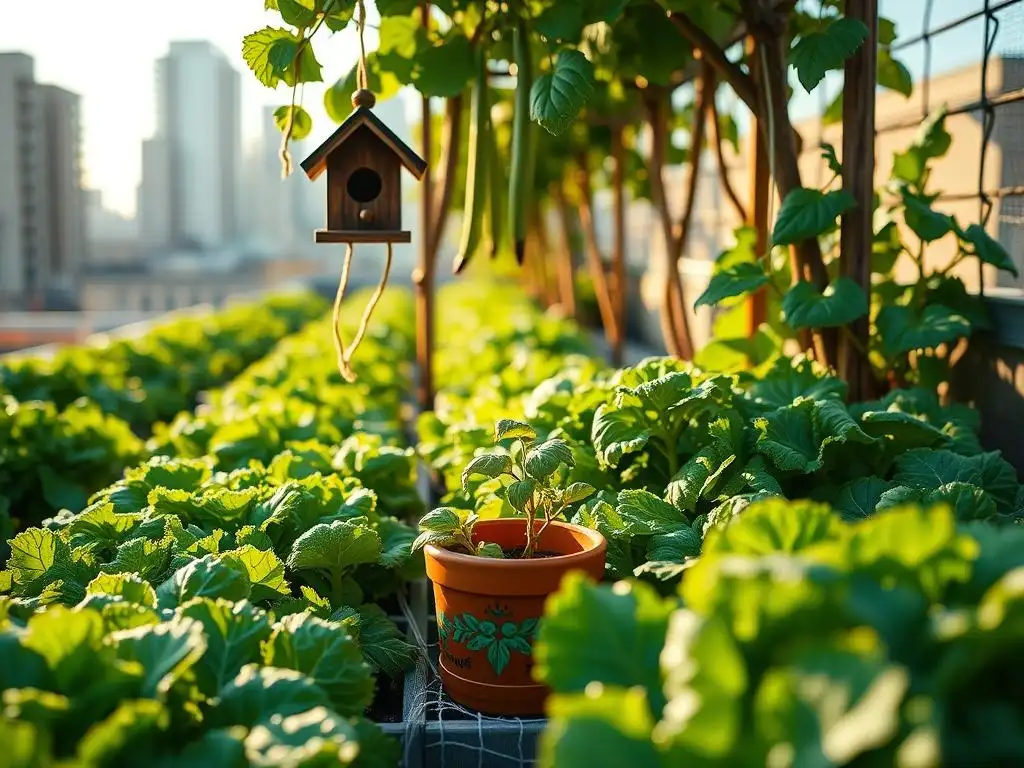
Extending the urban gardening season requires proactive measures to protect your precious plants from the elements, including pests and diseases. A longer growing season often means increased exposure to various threats, making robust pest and disease management crucial for a successful harvest. This section focuses on practical, sustainable strategies to safeguard your urban oasis. Remember, a healthy plant is a resilient plant, better equipped to withstand the challenges of an extended growing season.
Implementing Organic Pest Control Strategies for Extended Seasons
Organic pest control is vital for maintaining a healthy and sustainable urban garden, especially when extending the growing season. Synthetic pesticides can harm beneficial insects and contaminate the soil, compromising the long-term health of your garden. Instead, focus on preventative measures and natural pest control methods.
Here's a breakdown of effective strategies:
- Companion Planting: Strategically planting certain species together can deter pests. For example, marigolds repel nematodes and some insects, while basil repels aphids and whiteflies. Careful planning is key to maximizing this technique's effectiveness. Research companion planting combinations suitable for your specific crops and climate.
- Beneficial Insects: Introducing beneficial insects like ladybugs (aphids predators) and lacewings (pest predators) into your garden can significantly reduce pest populations. These insects are natural predators and help maintain a balanced ecosystem within your garden.
- Natural Sprays: Create homemade pest control sprays using readily available ingredients. A simple solution of diluted neem oil or a strong spray of soapy water can effectively control many common pests. Always test a small area first to ensure it doesn't harm your plants.
- Physical Barriers: Row covers, netting, and other physical barriers can protect plants from pests such as birds and larger insects. These barriers prevent access while still allowing sunlight and water to reach your plants. Proper installation is key to their effectiveness.
- Crop Rotation: Rotating crops annually helps to disrupt the life cycle of pests and diseases that may have built up in the soil over time. This preventative measure minimizes pest and disease build-up, contributing to healthier plants.
Consider keeping a detailed garden journal to track pest activity and the effectiveness of different control methods. This allows you to adapt your strategies as needed and optimize your approach year after year. Remember, consistency is key to success in organic pest management. Regular monitoring and prompt action are crucial for preventing minor infestations from escalating into major problems.
Protecting Plants from Common Urban Garden Pests
Urban gardens face unique pest challenges, often amplified by the extended growing season. Identifying common pests and implementing targeted control strategies is essential. Let's examine some prevalent culprits and effective solutions:
| Pest | Description | Organic Control Methods |
|---|---|---|
| Aphids | Small, soft-bodied insects that suck plant sap. | Neem oil spray, insecticidal soap, ladybugs |
| Whiteflies | Tiny, white, winged insects that also suck sap. | Yellow sticky traps, neem oil, horticultural oil |
| Spider Mites | Microscopic mites that cause stippling on leaves. | Horticultural oil, strong water spray, beneficial mites |
| Slugs & Snails | Soft-bodied mollusks that feed on leaves. | Beer traps, diatomaceous earth, handpicking |
| Cabbage Worms | Caterpillars that feed on brassica family plants. | Handpicking, Bacillus thuringiensis (Bt) |
The table above showcases examples; research specific pests common to your region and the plants you're cultivating to tailor your approach effectively. Early detection is paramount; regularly inspect your plants for signs of infestation.
Managing Diseases in Extended Season Urban Gardens
Disease management is crucial for extending your urban gardening season. Prolonged periods of warmth and moisture can create favorable conditions for fungal diseases and other pathogens. Here are key strategies:
- Proper Watering: Avoid overhead watering, which can spread diseases. Water deeply at the base of plants to keep the foliage dry. Consistent moisture is important, but avoid overwatering which promotes fungal growth.
- Good Air Circulation: Ensure adequate spacing between plants to promote good air circulation. This helps to prevent the build-up of humidity and reduces the risk of fungal diseases.
- Sanitation: Remove and dispose of infected plant material promptly to prevent the spread of diseases. Do not compost infected plant material.
- Disease-Resistant Varieties: Choose disease-resistant plant varieties whenever possible. This preventative measure minimizes the risk of disease outbreaks.
- Soil Health: Healthy soil is crucial for plant resilience. Amend your soil with compost to improve drainage and nutrient content. This strengthens your plants' natural defenses against disease.
By implementing these strategies, you can significantly reduce the risk of disease and ensure a healthy harvest even when extending the growing season in your urban garden. Remember that proactive measures are far more effective than reactive ones when it comes to disease management. Regular inspection is vital for early detection and timely intervention. 🌱
Harvesting and Preserving Your Extended Season Urban Harvest
This section focuses on maximizing the yield and longevity of your urban garden's extended season. Proper harvesting and preservation techniques are crucial for enjoying the fruits (and vegetables!) of your labor throughout the year, even in limited spaces. Learning to extend your urban gardening season also means learning how to best utilize your extended harvest.
Harvesting Techniques for Extended Season Vegetables and Herbs
Harvesting at the optimal time is key to extending the lifespan of your produce. For example, harvesting leafy greens like spinach and kale regularly encourages new growth, leading to a longer harvest period. Instead of harvesting the entire plant at once, selectively pick outer leaves, leaving the inner leaves to continue growing. This technique, known as "successive harvesting," allows you to enjoy fresh greens for weeks, even months, longer.
Similarly, harvesting herbs like basil and mint frequently prevents them from bolting (going to seed), which can affect their flavor and quality. Pinch off stems regularly, encouraging bushier growth and a continuous supply of fresh herbs. Consider using a sharp pair of scissors for cleaner cuts to minimize plant stress.
For fruiting vegetables like tomatoes and peppers, harvest when they reach their peak ripeness. This ensures optimal flavor and nutrient content. Overripe fruits may be less flavorful and more prone to spoilage. Regular harvesting also stimulates the plant to produce more fruits, extending the harvest period.
Here's a table summarizing optimal harvesting techniques for some common urban garden plants:
| Plant | Harvesting Technique | Optimal Harvest Time |
|---|---|---|
| Leafy Greens | Successive harvesting (outer leaves) | Before bolting or becoming overly mature |
| Herbs (Basil, Mint) | Pinch stems regularly | Before flowering |
| Tomatoes | Harvest when fully ripe | When the fruit is fully colored and slightly soft |
| Peppers | Harvest when fully ripe | When the pepper has reached its characteristic color |
| Zucchini | Harvest young and frequently | When the fruit is small and tender |
Remember, proper harvesting techniques are vital to extending the urban gardening season and ensuring a bountiful harvest. Gentle handling and the right tools can make all the difference.
Preserving Your Harvest: Canning, Freezing, and Drying Techniques for Urban Gardens
Preserving your extended harvest is just as important as harvesting it at the right time. Several methods allow you to enjoy the flavors of summer long after the growing season ends. Canning, freezing, and drying are all effective preservation techniques suitable for urban gardening.
Canning: Canning involves preserving food in airtight jars, typically using heat sterilization to eliminate harmful bacteria. It's ideal for fruits like tomatoes and jams, as well as some vegetables. Proper canning techniques are crucial to ensure safety and prevent spoilage. Thorough research and adherence to established guidelines are essential.
Freezing: Freezing is a simple and effective method for preserving many fruits and vegetables. Blanching (briefly boiling) vegetables before freezing helps maintain their color, texture, and nutritional value. Proper packaging is crucial to prevent freezer burn. Freezing extends the shelf life of your produce for several months.
Drying: Drying is a great way to preserve herbs and some fruits and vegetables. Air drying, using a dehydrator, or sun drying are all viable options. Proper drying prevents mold and spoilage, preserving the flavor and nutrients. Dried herbs can be stored in airtight containers for many months.
Choosing the right preservation method depends on the type of produce and your available resources. Proper storage is crucial regardless of the chosen method to maintain quality and prevent spoilage.
Utilizing Your Extended Harvest: Recipes and Culinary Ideas
Preserving your harvest allows you to savor the flavors of your urban garden year-round. Extend your urban gardening season by incorporating your preserved produce into delicious meals and culinary creations.
Think beyond simple recipes. Experiment with your preserved goods. Use dried herbs to create flavorful stocks and broths. Incorporate frozen vegetables into soups, stews, and stir-fries. Transform canned tomatoes into sauces, salsas, and pasta dishes. The possibilities are endless! Let your creativity guide you; the rewards are delicious and rewarding. This is the ultimate goal of extending your urban gardening season – enjoying the fruits of your labor throughout the year. The extended harvest offers a wide array of culinary possibilities, from simple additions to complex creations. Enjoy the process! 🎉
Frequently Asked Questions
How can I extend my urban gardening season beyond the typical growing period?
You can extend your urban gardening season by using cold frames, row covers, or even a small greenhouse. These structures offer protection from frost and extend the growing season into cooler months.
What are some low-cost methods to extend the growing season in my urban garden?
Simple methods include using floating row covers for frost protection, planting cold-hardy varieties, and taking advantage of microclimates in your garden (sunnier, warmer spots).
Which vegetables are best suited for extending the urban gardening season?
Leafy greens like spinach and kale, root vegetables like carrots and radishes, and cold-hardy brassicas such as broccoli and cabbage are excellent choices for extending the season.
Are there any specific techniques for protecting plants during unexpected frosts?
Yes, covering plants with old sheets or blankets on frosty nights provides immediate protection. You can also use watering to help insulate the soil and plants.
How can I prepare my urban garden for an extended growing season in the fall?
Start by selecting the right plants for fall planting. Then, ensure your soil is well-drained and amended, providing the necessary nutrients for healthy growth throughout the extended season.
Final Reflection: Harvesting the Potential of Urban Spaces
Extending the urban gardening season isn't just about longer harvests; it's about cultivating resilience and connection in our increasingly urbanized world. The simple act of coaxing life from a small plot of land, even in the heart of a city, offers a profound counterpoint to the concrete jungle surrounding us. This article has explored practical techniques – from cold frames and row covers to strategic plant selection – to maximize the growing season, but the true impact goes far beyond the yield.
The ability to nurture life, even in limited spaces, fosters a deeper appreciation for the natural world and our place within it. This connection, often lost in the bustle of city life, is vital for our well-being. As the poet Mary Oliver so eloquently put it: Tell me, what is it you plan to do with your one wild and precious life?
Gardening, even on a small scale, provides a tangible answer to this question, offering a space for contemplation, creativity, and a profound sense of accomplishment. It's a reminder that even in the smallest of spaces, we can cultivate beauty, sustenance, and a deeper connection to ourselves and the planet.
Consider the possibilities. Imagine the vibrant colors of your extended harvest brightening your balcony or window box. Picture the satisfaction of sharing homegrown produce with neighbors and friends. Now, take a moment to reflect on how you can incorporate these simple yet powerful techniques into your own life. Start small, dream big, and let the journey of extending your urban gardening season begin. The rewards, both tangible and intangible, are well worth the effort.
Unleash Your Inner Urban Farmer!
Thank you for exploring the world of small-space gardening! We hope you're feeling inspired to bring the bounty of nature into your home. Now it's time to put those ideas into action.
- Design your dream mini-farm: Grab a pen and paper, or use your favorite design app, to sketch your ideal urban garden. Consider vertical space, sunlight, and the plants you'd like to grow. This is where your culinary journey begins!
- Share your vision: Post your garden design on social media using #CultivateYourFood and inspire others to grow their own food. Let's build a thriving urban gardening community!
- Explore our resources: Learn more about specific techniques by browsing other articles on our website. You might discover surprising new ways to maximize your food production!
What unique challenges or exciting possibilities are you anticipating as you plan your urban garden? Let's discuss!