
Grafting Fruit Trees: Troubleshooting Common Grafting Problems

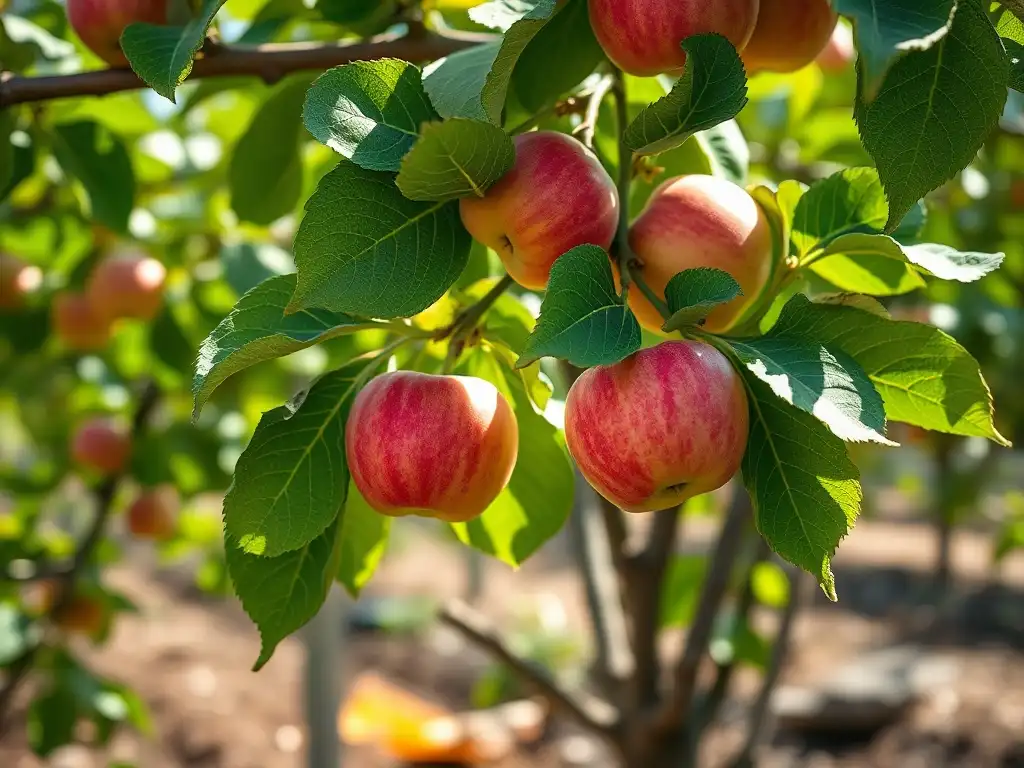
Ready to unlock the secrets of a bountiful home harvest? At CultivateYourFood, we empower you to grow your own delicious fruits, vegetables, and herbs organically. But even the most experienced gardeners face challenges. This is why we're tackling a common frustration: Fix fruit tree grafting problems. Learn how to troubleshoot common issues and achieve successful grafting – ensuring a thriving orchard in your own backyard. Dive in and discover the solutions you need to cultivate a truly exceptional garden!
- Understanding Common Grafting Issues in Fruit Trees
-
Fix Fruit Tree Grafting Problems: Addressing Specific Issues
- Addressing Callus Formation Problems: Stimulating Callus Growth
- Solving Problems with Insufficient Growth: Promoting Healthy Scion Growth
- Remedying Graft Rot and Disease: Preventing and Treating Infections
- Troubleshooting Poor Graft Union Strength: Techniques for Stronger Unions
- Dealing with Insect Pests and Diseases Affecting the Graft: Protective Measures and Treatments
-
Improving Grafting Success Rates: Tips and Techniques
- Selecting the Right Time for Grafting Fruit Trees: Seasonal Considerations
- Choosing the Appropriate Grafting Method: Techniques for Different Fruit Trees
- Proper Preparation of Scions and Rootstocks: Essential Steps for Success
- Maintaining Proper Moisture and Temperature: Environmental Factors Affecting Graft Success
- Protecting the Graft Union: Shielding from the Elements and Pests
- Advanced Troubleshooting for Fruit Tree Grafting Problems
- Frequently Asked Questions
- Final Reflection: The Enduring Bounty of Grafting
- Unlock Your Orchard's Potential: Take Action Today!
Understanding Common Grafting Issues in Fruit Trees
Grafting fruit trees, while offering the exciting prospect of growing multiple varieties on a single tree and improving fruit quality, can present several challenges. Successfully grafting fruit trees requires precision, timing, and a thorough understanding of the process. This article will serve as your comprehensive guide to troubleshooting common grafting problems, helping you identify issues early and implement effective solutions to maximize your chances of a successful graft.
We'll explore the telltale signs of graft failure, diagnose problems within the graft union, and discuss the critical importance of choosing compatible scion and rootstock combinations. By understanding these key aspects, you'll be well-equipped to cultivate a thriving and productive fruit orchard, even when faced with grafting setbacks.
Learning to fix fruit tree grafting problems is a crucial skill for any serious home orchardist, ensuring a bountiful harvest year after year. Let's delve into the specifics of diagnosing and resolving these common issues.
Identifying Failed Grafts: Signs of Graft Failure in Fruit Trees
Identifying a failed graft early is crucial for minimizing losses and preventing further complications. Several visual cues can indicate grafting problems. A failed graft often shows no signs of growth from the scion (the upper part of the graft). The scion may appear withered, dry, or even drop off entirely.
Sometimes, you might see signs of decay or discoloration at the graft union – the point where the scion and rootstock meet. This decay can range from slight discoloration to significant rotting. Another common sign is the lack of callus formation, the healing tissue that forms at the graft union. A healthy graft will exhibit a noticeable callus, indicating successful fusion between the scion and rootstock.
The absence of this callus is a strong indicator of failure. Furthermore, the leaves on the scion might be smaller, paler, or exhibit signs of stress compared to healthy leaves on the rootstock. Observing these subtle differences is crucial in early detection.
It's important to regularly inspect your grafts, especially in the weeks following the procedure. Early detection allows for timely intervention and may prevent the need for more extensive remedial action. Pay close attention to the graft union and the overall health of the scion. Regular monitoring helps ensure a successful outcome and a healthy, productive fruit tree.
Diagnosing Graft Union Problems: Weak Unions and Bark Separation
Even when initial grafting appears successful, problems can arise later in the graft union. One common issue is a weak union, where the scion and rootstock haven't fused completely. This weak point can make the graft susceptible to breaking under the weight of the tree or during adverse weather conditions. A weak union may exhibit slight movement or instability at the graft junction. Careful examination might reveal gaps or incomplete fusion between the scion and rootstock tissues.
Another significant problem is bark separation, where the bark of the scion and rootstock pulls apart at the graft union. This separation disrupts the flow of nutrients and water, hindering the scion's growth and potentially leading to graft failure. Bark separation can be caused by improper grafting technique, incompatibility issues, or environmental stresses. In such cases, the graft may fail completely or exhibit stunted growth.
Careful examination of the graft union is essential. Gentle probing can help determine the strength of the union and reveal any gaps or separation. If a weak union or bark separation is detected, remedial measures may be necessary, such as providing extra support to the graft or re-grafting. Prevention is key; ensuring proper alignment and secure wrapping during the initial grafting process significantly reduces the risk of these issues.
Recognizing Incompatible Scions and Rootstocks: Choosing the Right Combination for Successful Grafting
Successful grafting hinges on choosing compatible scion and rootstock varieties. Incompatible combinations can lead to graft failure, even with flawless technique. Certain fruit tree varieties are simply not compatible with each other, resulting in poor union formation, stunted growth, or eventual graft death. This incompatibility is often due to differences in their genetic makeup, affecting the ability of the tissues to fuse properly. Choosing compatible combinations requires understanding the specific requirements of different rootstocks and scions.
Researching and selecting appropriate combinations based on established compatibility charts is crucial. For instance, a certain apple scion may thrive on one rootstock but fail completely on another. The same applies to pear, cherry, and other fruit trees. Incorrect pairings can lead to significant losses in time and resources.
Choosing the right combination significantly increases the chances of a successful graft. Careful planning and research are essential steps before undertaking the grafting process. Consulting reliable sources like horticultural guides and online databases can help identify compatible scion and rootstock combinations for your specific needs and climate. This proactive approach can save you from potential frustration and ensure a bountiful harvest. Remember, a successful graft starts with the right pairing!
Preventing Graft Failure: Best Practices for Successful Grafting
Successful grafting hinges on meticulous preparation and execution. A high success rate begins long before the knife touches the scion and rootstock. Proper timing is crucial; grafting is most successful when the bark is actively slipping, usually in spring or early summer, depending on your climate and the specific fruit tree species. This period ensures optimal cambium layer connection, vital for successful graft union.
Choosing compatible rootstock and scion varieties is also paramount. Incompatible pairings, even if seemingly similar, will likely result in graft failure. Research thoroughly to ensure compatibility before proceeding. For example, grafting a pear scion onto an apple rootstock is almost guaranteed to fail.
Beyond selection, the quality of the scion wood is critical. Use healthy, one-year-old wood from vigorous, disease-free branches. Avoid using wood that's too thick or too thin; the diameter should be appropriately matched to the rootstock. Similarly, the rootstock should be healthy and vigorous, free from disease or damage. Proper sanitation is essential throughout the entire process. Sterilize your grafting knife with rubbing alcohol between each cut to prevent the spread of pathogens, safeguarding both the scion and rootstock from infection. A clean, sharp knife makes precise cuts, crucial for a successful graft union.
The grafting technique itself requires careful attention to detail. Ensure a snug fit between the scion and rootstock, maximizing the contact between the cambium layers. Proper wrapping and sealing of the graft union are equally important. Use grafting tape or specialized grafting sealant to protect the graft from desiccation and disease.
Overly tight wrapping can constrict growth, while insufficient wrapping leaves the graft vulnerable to environmental stresses. After grafting, monitor the graft union closely, ensuring it remains protected from harsh weather conditions and pests. Regular watering is crucial, particularly during periods of drought. Careful attention to these details significantly increases your chances of a successful and thriving graft.
Remember, patience is key; successful grafting requires time and careful observation. Even with the best practices, some grafts may fail, but by following these techniques, you can significantly improve your chances of success. Proper planning and execution are the cornerstones of successful fruit tree grafting.
Fix Fruit Tree Grafting Problems: Addressing Specific Issues
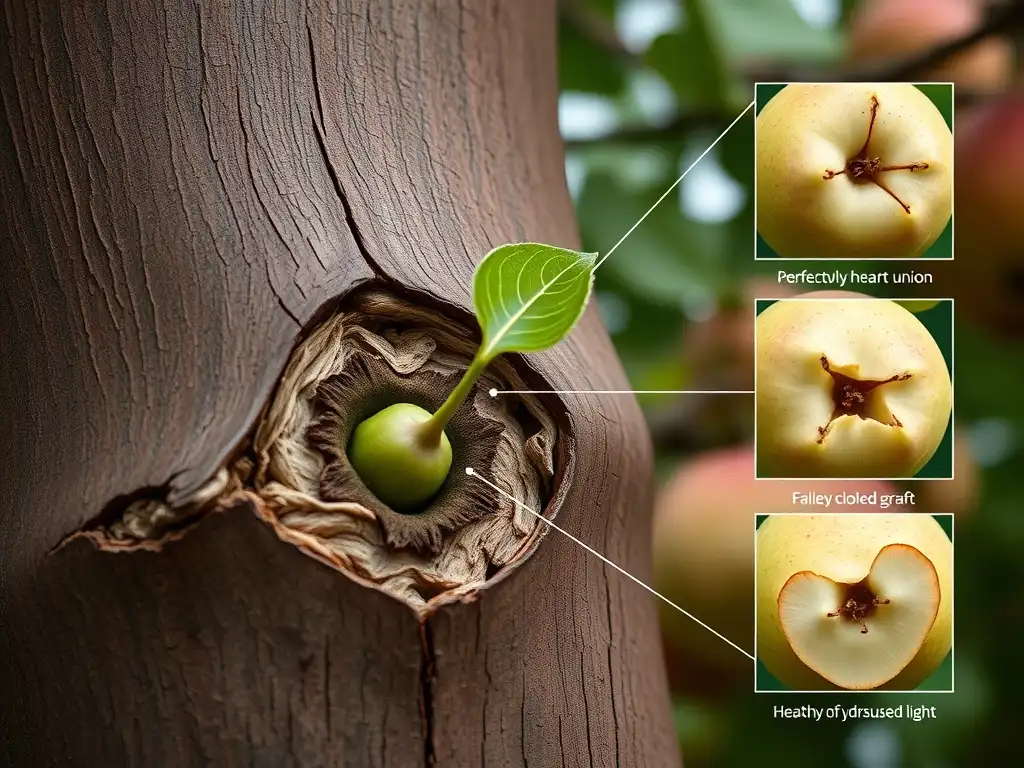
This section delves into common problems encountered when grafting fruit trees and provides practical solutions to help you achieve successful grafts. Successful grafting hinges on several key factors, and understanding potential issues is crucial for maximizing your chances of success. We'll explore the most prevalent challenges and offer actionable steps to overcome them, ensuring a bountiful harvest from your grafted fruit trees. Remember, patience and attention to detail are key components in fixing fruit tree grafting problems.
Addressing Callus Formation Problems: Stimulating Callus Growth
Callus formation is the crucial first step in successful grafting. The callus acts as a bridge, connecting the scion (the grafted part) and the rootstock. Insufficient or delayed callus formation can significantly hinder the grafting process. Several factors can impede this vital step. For instance, improper grafting techniques, such as using incompatible scionwood or rootstock, can result in poor callus formation. Similarly, environmental conditions play a significant role. Extreme temperatures, insufficient moisture, or exposure to harsh sunlight can all negatively affect callus development.
To stimulate callus growth, ensure you're using compatible rootstock and scionwood. Research the specific needs of your chosen varieties. Properly prepared grafting surfaces are also crucial; clean cuts promote better union. Maintaining optimal moisture levels is vital; wrapping the graft union with grafting tape or plastic helps to retain moisture and create a humid microclimate.
Protecting the graft from direct sunlight and extreme temperatures is also essential. Consider using a shade cloth or other protective measures, especially during the critical early stages of callus formation. Observe the graft regularly; if callus formation appears slow or insufficient, consider re-applying moisture-retaining materials.
Solving Problems with Insufficient Growth: Promoting Healthy Scion Growth
Even with successful callus formation, insufficient scion growth can signal underlying problems. This can be due to several factors, including poor scionwood selection, inadequate rootstock vigor, or environmental stress. A weak or damaged scionwood may simply lack the energy reserves to grow properly. Similarly, a rootstock that is not vigorous enough might not provide the necessary nutrients to support the scion's growth. Environmental factors such as nutrient deficiencies in the soil, insufficient watering, or pest infestations can also stunt growth.
To promote healthy scion growth, select vigorous and healthy scionwood from the previous year's growth. Ensure the rootstock is also healthy and strong, capable of supporting the scion. Regular fertilization with an organic, balanced fertilizer can provide essential nutrients. Consistent watering is crucial; avoid both underwatering and overwatering, maintaining consistently moist but not waterlogged soil.
Regularly inspect the graft for signs of pests or diseases, taking prompt action to treat any problems. Consider using organic pest control methods to avoid harming beneficial insects. Monitoring the growth of the scion regularly allows for prompt intervention if problems arise. A growth chart can help track progress and identify potential issues early on.
Remedying Graft Rot and Disease: Preventing and Treating Infections
Graft rot and various diseases are significant threats to successful grafting. These infections can attack the graft union, preventing the scion and rootstock from uniting properly. Fungal pathogens are common culprits, often thriving in damp conditions. Poor sanitation during the grafting process can introduce pathogens. Improper wound care, leading to slow healing, also increases vulnerability to infection. Symptoms may include discoloration, oozing sap, or the development of lesions at the graft union.
Preventing graft rot and disease begins with proper sanitation. Sterilize all tools before grafting using a solution of diluted bleach or rubbing alcohol. Use clean, healthy scionwood and rootstock. Properly prepared grafting surfaces are less prone to infection. Ensuring adequate air circulation around the graft union helps prevent the buildup of moisture that encourages fungal growth.
If infection is suspected, carefully remove any affected tissue, taking care to avoid further damaging the graft union. You can apply a protective fungicide, ensuring it is compatible with organic gardening practices. Regularly monitor the graft for signs of infection, allowing for early detection and treatment. Using organic methods for disease control is crucial for maintaining soil health and protecting beneficial organisms. A healthy environment is the best defense against graft rot and disease.
Troubleshooting Poor Graft Union Strength: Techniques for Stronger Unions
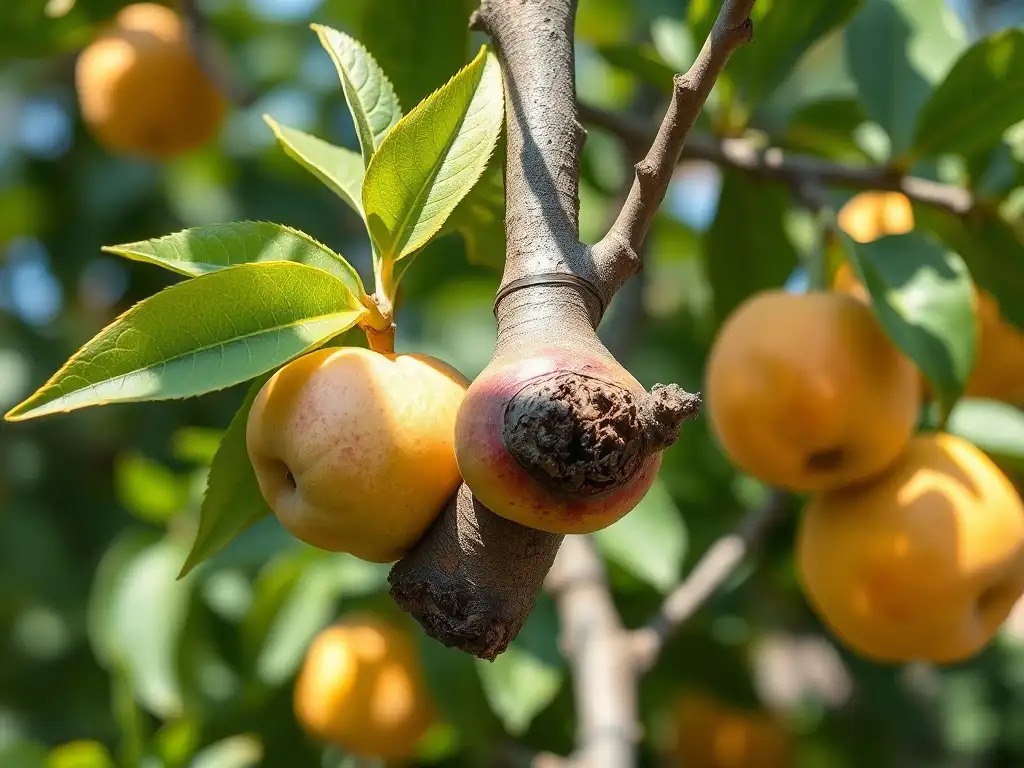
A weak graft union is a common problem that can lead to graft failure. Several factors can contribute to this, including improper grafting techniques, incompatible scion and rootstock combinations, and environmental stress. Achieving a strong union relies heavily on the precision and care taken during the grafting process. The cambium layers, the thin layer of actively dividing cells just beneath the bark, must be in close contact for successful healing and union. If these layers aren't properly aligned, callus formation—the crucial process of wound healing and tissue regeneration—will be hindered, resulting in a weak or failed graft.
One key aspect is the cleanliness and precision of the cuts. Jagged or uneven cuts reduce the surface area for cambial contact, making a strong union less likely. Sharp, clean cuts are essential for proper alignment and healing. Using a very sharp grafting knife is paramount.
Furthermore, the type of graft itself impacts union strength. Whip and tongue grafts, for instance, offer a larger surface area for cambial contact than simpler cleft grafts, leading to a more robust union. Properly securing the graft with grafting tape or rubber bands is also vital; insufficient binding can allow movement, preventing proper healing.
Environmental factors also play a role. Extreme temperatures, particularly heat stress, can hinder callus formation and weaken the graft union. Similarly, insufficient moisture can impede the healing process. Providing appropriate shade and maintaining consistent moisture levels through careful watering are important considerations.
Finally, choosing compatible rootstock and scion combinations is critical. Using incompatible varieties will dramatically reduce the chances of a successful graft, regardless of the technique used. Thorough research into rootstock/scion compatibility is essential for long-term success. Understanding these factors and implementing appropriate techniques is key to fixing problems with weak graft unions and improving the chances of successful grafting.
Dealing with Insect Pests and Diseases Affecting the Graft: Protective Measures and Treatments
Insect pests and diseases can severely compromise a newly established graft, potentially leading to graft failure or significantly reducing the tree's vigor. The vulnerable nature of the graft union, still healing and forming new tissue, makes it particularly susceptible to attack. Several pests and diseases can target this area, hindering the formation of a strong union and potentially introducing pathogens into the tree.
Aphids, for example, can feed on the tender new growth around the graft union, weakening the plant and increasing its susceptibility to secondary infections. Borers, on the other hand, can tunnel into the wood, disrupting the vascular system and causing significant damage. Fungal diseases, such as canker diseases, can also infect the graft union, causing lesions and decay.
Preventing these problems requires a multi-pronged approach, starting with proactive measures. Choosing disease-resistant rootstock and scion cultivars is a critical first step. Maintaining good sanitation practices, including removing any diseased or infested plant material, helps prevent the spread of pests and diseases.
When infestations or infections do occur, timely and appropriate treatment is crucial. Regular inspection of the graft union is essential to detect problems early. For insect pests, insecticidal soaps or horticultural oils can be effective, especially against soft-bodied insects like aphids. In cases of borer infestation, you may need to remove the infested wood and apply a protective sealant.
For fungal diseases, fungicides may be necessary, but always choose products specifically labeled for use on fruit trees and follow application instructions carefully. Remember, preventative measures are always more effective and less harmful to the environment than reactive treatments. A healthy, well-maintained tree is much less susceptible to pest and disease problems.
Improving Grafting Success Rates: Tips and Techniques
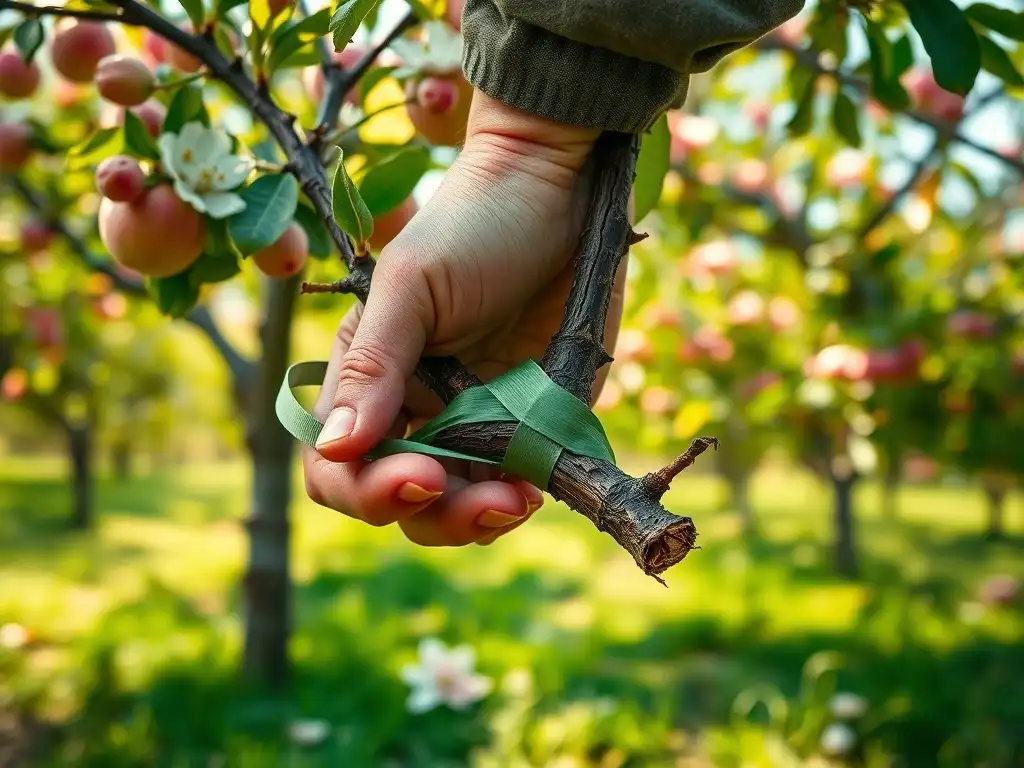
Grafting fruit trees can be a rewarding experience, leading to increased fruit production and variety in your home orchard. However, achieving high success rates requires careful attention to detail and the implementation of best practices. This section focuses on practical techniques and preventative measures to maximize your chances of a successful graft. Ignoring even small details can significantly impact the outcome, leading to graft failure and wasted effort. Let's delve into some key aspects to help you fix fruit tree grafting problems before they arise.
Selecting the Right Time for Grafting Fruit Trees: Seasonal Considerations
The timing of your grafting operation is critical. The ideal time coincides with the tree's active growth phase, when the cambium layer – the actively growing tissue just beneath the bark – is most receptive to union. This typically falls during the dormant season (late winter or early spring) for many temperate fruit trees like apples and pears, or during the spring and early summer for stone fruits such as peaches and cherries.
The exact timing can vary based on your specific geographic location and the variety of fruit tree. For example, early-blooming varieties may require earlier grafting than late-blooming ones.
Choosing the wrong time can lead to several problems. Grafting too early, when temperatures are still too low, can result in slow or no callus formation, hindering the union process. Conversely, grafting too late, when the weather is warm and the tree is already actively growing, can lead to the scion drying out before it can successfully fuse with the rootstock. Careful observation of your local climate and the budding stage of your trees is essential for optimal timing. Monitoring temperature fluctuations and weather forecasts is also crucial for predicting the best window for grafting.
Consider using a grafting calendar specific to your region and the fruit tree species you are working with. This will provide a more precise timeframe to guide your efforts and increase your chances of success. Remember, patience and accurate timing are key components in fixing fruit tree grafting problems.
Choosing the Appropriate Grafting Method: Techniques for Different Fruit Trees
Different grafting methods are suited to various fruit trees and their specific characteristics. The choice of method depends on factors like the size of the rootstock and scion, the time of year, and the type of fruit tree. Using an inappropriate method can significantly reduce your chances of success. Let's explore some popular techniques and their applications:
- Whip and Tongue Grafting: This method is suitable for smaller rootstocks and scions, commonly used for apple, pear, and cherry trees. It involves making a precise angled cut on both the rootstock and scion, then creating a tongue-like projection on each cut to interlock them. The precision required is key to success. Improper cuts can lead to poor alignment and subsequent graft failure.
- Cleft Grafting: This method is often used for larger rootstocks, particularly when grafting onto established trees. A vertical split is made in the rootstock, and the scion is inserted into the split. It's a more robust method but requires more experienced hands to ensure a proper fit.
- Bark Grafting: This technique is ideal for grafting onto larger rootstocks in the spring when the bark is separating easily. A flap of bark is lifted, and the scion is inserted underneath. It's a less precise method, but the larger surface area contact often leads to a successful union.
Careful selection of the appropriate grafting method for the specific fruit tree and its size is paramount in achieving high success rates. Improper technique can lead to several issues, including poor union, scion rejection, and ultimately, graft failure.
Proper Preparation of Scions and Rootstocks: Essential Steps for Success
The success of grafting hinges heavily on the proper preparation of both the scion (the cutting from the desired variety) and the rootstock (the established tree). Improper preparation can lead to a variety of problems, including poor callus formation, infection, and graft failure.
- Scion Selection: Choose healthy, disease-free scions from vigorous, productive trees. The scions should be mature but not overly woody. They should be cut to the correct length and angled appropriately for the chosen grafting method. Ensure the scions are stored properly to prevent drying out.
- Rootstock Preparation: Select healthy, vigorous rootstocks of the appropriate size for the chosen grafting method. The rootstock should be clean and free of disease or damage. The cuts on the rootstock must be clean, precise, and of the correct angle to ensure proper alignment with the scion.
- Sanitation: Maintaining a sterile environment is crucial to prevent the introduction of pathogens. Sterilize your grafting tools with rubbing alcohol before each cut to minimize the risk of infection. Clean cuts and a sanitary environment are key factors in fixing fruit tree grafting problems.
A well-prepared scion and rootstock, combined with precise cuts and sterile conditions, greatly enhance the likelihood of a successful graft. Neglecting these steps can lead to complications and ultimately a failed graft. Careful attention to detail during preparation significantly increases the chances of success.
Maintaining Proper Moisture and Temperature: Environmental Factors Affecting Graft Success
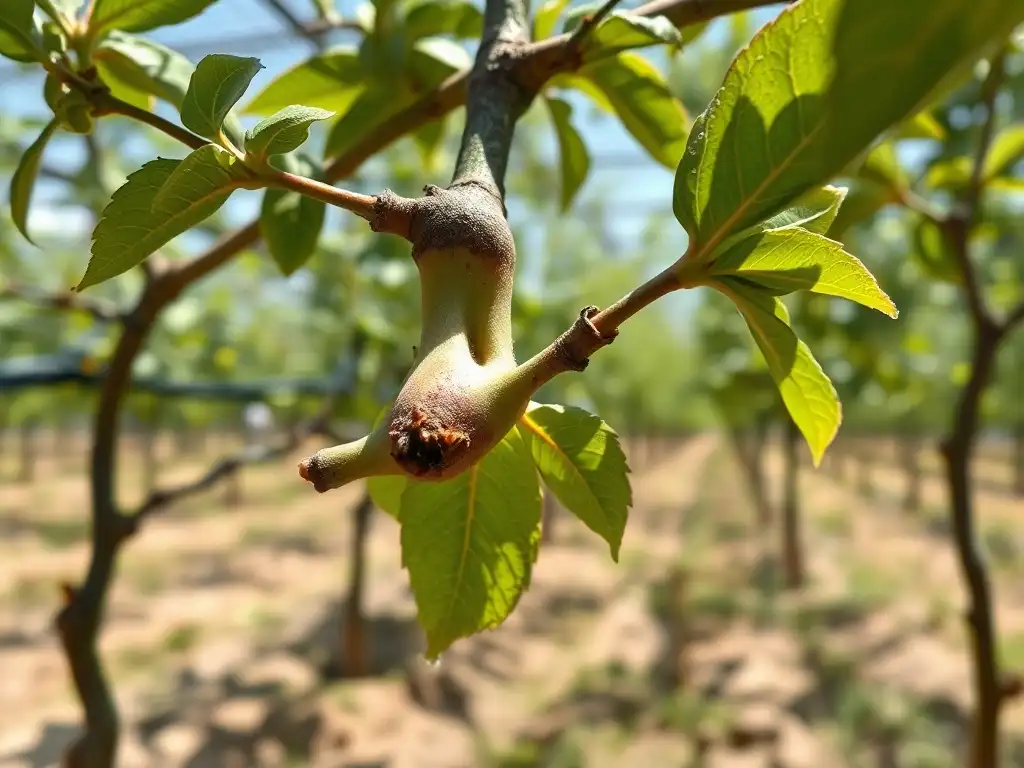
Maintaining the ideal moisture and temperature levels is crucial for successful grafting. The graft union needs sufficient moisture to facilitate the healing process and the formation of callus tissue, which eventually unites the scion and rootstock. Insufficient moisture can lead to desiccation, causing the scion to wilt and die before a successful union can form. Conversely, excessive moisture can create an environment conducive to fungal diseases, which can also compromise the graft.
Temperature plays a similarly critical role. Optimal temperatures generally fall within a specific range, although this can vary depending on the fruit tree species and the time of year. Extreme heat can stress the graft, hindering healing and increasing the risk of failure.
Similarly, prolonged periods of cold temperatures can slow down or even halt the growth process, making successful union less likely. Monitoring both temperature and moisture levels throughout the grafting process and the subsequent healing period is essential. Using moisture-retentive soil mixes and providing shade during periods of extreme heat can help maintain optimal conditions.
In colder climates, providing some winter protection, such as wrapping the graft union, can be beneficial. Regular monitoring, using tools like soil moisture meters and thermometers, allows for timely adjustments to ensure the graft union remains in an optimal environment for healing and growth. For example, a sudden drop in temperature after grafting might necessitate covering the graft with a protective layer to prevent damage from frost.
Protecting the Graft Union: Shielding from the Elements and Pests
Protecting the newly formed graft union from environmental stressors and pests is vital for ensuring its survival. The graft union is particularly vulnerable during the initial healing period. Exposure to direct sunlight can cause desiccation and overheating, while harsh winds can disrupt the healing process and potentially damage the delicate tissues. Rain and excessive moisture can also be detrimental, increasing the risk of fungal infections.
Therefore, providing adequate protection is paramount. This protection can take several forms, including the use of grafting tape or specialized grafting sleeves. These materials help to maintain humidity around the graft union, promoting healing while preventing excessive moisture buildup. They also provide a physical barrier against wind, sun, and physical damage from animals or tools.
Furthermore, protection against pests is equally important. Various insects and other pests can damage or destroy the graft union, hindering the healing process and leading to graft failure. This is especially true for sap-sucking insects that can weaken the scion and rootstock. Protective measures can involve using insecticidal sprays or barriers, such as netting or other protective enclosures, to keep pests away from the vulnerable graft.
Regular monitoring for pest infestations is crucial, allowing for timely intervention and preventing significant damage. For instance, applying a thin layer of horticultural oil can deter many insects. A vigilant approach to pest control, coupled with proper environmental protection, significantly increases the chances of a successful graft. This proactive approach safeguards the investment of time and effort put into the grafting process, ultimately yielding a healthier and more productive fruit tree.
Advanced Troubleshooting for Fruit Tree Grafting Problems
This section delves into more complex scenarios encountered when grafting fruit trees, moving beyond the typical beginner issues. We'll explore situations requiring advanced techniques and long-term monitoring to ensure successful grafting and healthy fruit production. Successfully fixing fruit tree grafting problems often requires a nuanced understanding of the factors influencing graft union development.
Dealing with Complex Graft Failures: Addressing Multiple Issues Simultaneously
Sometimes, a graft fails not due to a single cause, but a confluence of factors. For instance, a graft might show signs of both incompatibility (poor union formation) and disease infection (indicated by discoloration or unusual growths). Addressing such multiple issues demands a systematic approach.
First, carefully assess the graft. Document all observable problems: Is the cambium layer properly joined? Are there signs of decay or fungal growth? Is the scion wilting despite adequate watering? A detailed visual inspection is crucial. Take notes, including precise measurements of affected areas. For example, "Scion shows 2cm of discoloration near the graft union, accompanied by slight swelling."
Next, treat each identified issue individually. If incompatibility is suspected (despite proper technique), consider removing the failed graft entirely and attempting a re-graft using a different rootstock or scion variety known for better compatibility. Simultaneously, if disease is present, apply an appropriate organic fungicide or bactericide, strictly adhering to the product's instructions. Remember to sterilize your tools between applications to prevent cross-contamination. Accurate identification of the disease is vital for effective treatment, so consulting a local agricultural extension office might be necessary.
Finally, monitor the graft closely. Even after addressing multiple problems, careful observation is essential. Regularly check for signs of renewed growth, renewed infection, or further complications. Maintaining a detailed record of your observations, treatments, and the graft's response will help you understand the long-term success of your intervention.
Re-grafting Techniques: Strategies for Repairing Failed Grafts
If a graft fails, re-grafting is a viable option, but it demands precision and patience. The success rate of a re-graft is significantly lower than the initial grafting attempt, emphasizing the importance of proper initial technique. However, depending on the extent of the damage and the time of year, a successful re-graft can still salvage the tree.
Several strategies can be employed for re-grafting. If only a portion of the scion failed, you may attempt a “bridge graft,” where new scion wood is grafted alongside the existing, damaged scion to bypass the failed area. This technique is particularly useful when the rootstock is healthy. Conversely, if the entire scion failed, a complete re-graft is necessary, requiring the careful removal of the failed scion and preparation of a new scion for grafting. The timing is crucial; spring is usually the ideal time for re-grafting, when the tree is actively growing.
The choice of grafting method will depend on the specific circumstances. Chip budding, cleft grafting, and whip and tongue grafting are all potential options, each with its own advantages and disadvantages based on the size and condition of the rootstock and the availability of suitable scion material. Careful preparation of both scion and rootstock is paramount to ensure a successful union. Remember, proper sanitation and the use of grafting sealant are vital to prevent infection and promote healing.
Long-Term Monitoring of Grafts: Ensuring Continued Health and Productivity
Even after a successful graft, long-term monitoring is crucial for ensuring the continued health and productivity of the fruit tree. Regular inspections are necessary to identify potential problems early, allowing for timely intervention. This involves checking for signs of disease, pest infestations, or other stresses that could compromise the graft union or the overall health of the tree.
Regular watering is vital, especially during dry periods. Proper fertilization also plays a key role in supporting the growth of both the rootstock and the scion. Avoid over-fertilizing, as this can lead to excessive vegetative growth at the expense of fruit production. Pruning is also important to maintain the tree's shape and promote fruit bearing. Proper pruning techniques will vary depending on the type of fruit tree and the desired growth habit.
Careful observation of the graft union itself is crucial. Look for any signs of weakness, cracking, or decay. Any unusual swelling or discoloration could indicate problems. Keeping detailed records of your observations, including dates, treatments, and the tree's response, will be invaluable for future reference and allow for timely detection of any issues that may arise. This proactive approach is essential for maximizing the lifespan and fruit yield of your grafted fruit trees. This preventative approach is crucial for long-term success in fixing fruit tree grafting problems.
Frequently Asked Questions
What are some common problems encountered when grafting fruit trees?
Some common issues include incompatible scion/rootstock combinations, poor grafting techniques leading to insufficient union, and environmental factors like improper temperature or humidity hindering healing. Addressing these issues is crucial for successful grafting.
How can I tell if my graft has failed?
Look for signs like lack of new growth from the scion, wilting or dying of the scion, and the presence of disease or pests. If the graft union appears weak or broken, it likely failed.
What should I do if my graft union is weak?
A weak union indicates improper grafting technique or incompatible rootstock and scion. Support the graft with physical support like stakes or ties. Proper watering and fertilization are also essential.
How can I prevent disease in my grafted fruit trees?
Use clean, sharp tools to prevent the spread of disease. Select disease-resistant rootstock and scion varieties. Ensure proper spacing for good air circulation to reduce fungal growth.
Why isn't my grafted scion growing?
Lack of growth could be due to incompatible rootstock/scion, improper grafting techniques, environmental stress (e.g., insufficient water or nutrients), or pest/disease infestation. Carefully examine all aspects of the grafting process and the tree's health.
Final Reflection: The Enduring Bounty of Grafting
The art of grafting fruit trees, while seemingly ancient, remains a vital skill in ensuring food security and biodiversity in our modern world. Successful grafting not only yields bountiful harvests but also allows for the preservation of rare and heirloom varieties, combating the homogenization of our food systems. The ability to troubleshoot grafting problems, as explored in this article, is therefore not just a horticultural nicety, but a crucial element of sustainable agriculture.
The impact of successful grafting extends far beyond the individual orchard; it shapes our cultural landscape, influencing the flavors and varieties available to us. The careful propagation of specific fruit trees, passed down through generations, speaks to a deeper connection with the land and a commitment to preserving heritage. As Wendell Berry so eloquently stated, The health of the land is the health of the people.
This simple truth underscores the importance of mastering the techniques discussed, ensuring the continued health and productivity of our orchards, and by extension, our communities.
Consider the potential within your own hands. You now possess the knowledge to diagnose and address common grafting challenges, empowering you to cultivate your own unique orchard, a testament to your dedication and skill. Don't just read about grafting; do grafting. Experiment, learn from your mistakes, and savor the sweet reward of a fruit tree thriving under your care, a living legacy that will bear fruit for years to come.
Unlock Your Orchard's Potential: Take Action Today!
Thank you for exploring the world of fruit tree grafting with us! We hope you've gained valuable insights into troubleshooting common problems and feel more confident in your grafting abilities. Ready to put your new knowledge into practice?
- Your first step: Experiment with a new grafting technique this season. Even a small experiment can yield significant results! Don't hesitate to try something new.
- Share your grafting successes (and challenges!) with our community on social media using #CultivateYourFoodGrafting. We'd love to see your progress!
- Consider keeping a detailed grafting journal to track your progress, note successes and failures, and learn from each experience. This will be invaluable for future projects.
What new challenge will you tackle in your next grafting project, and what innovative approach will you try?