
Advanced Techniques for Small Space Gardening: Taking Your Skills to the Next Level

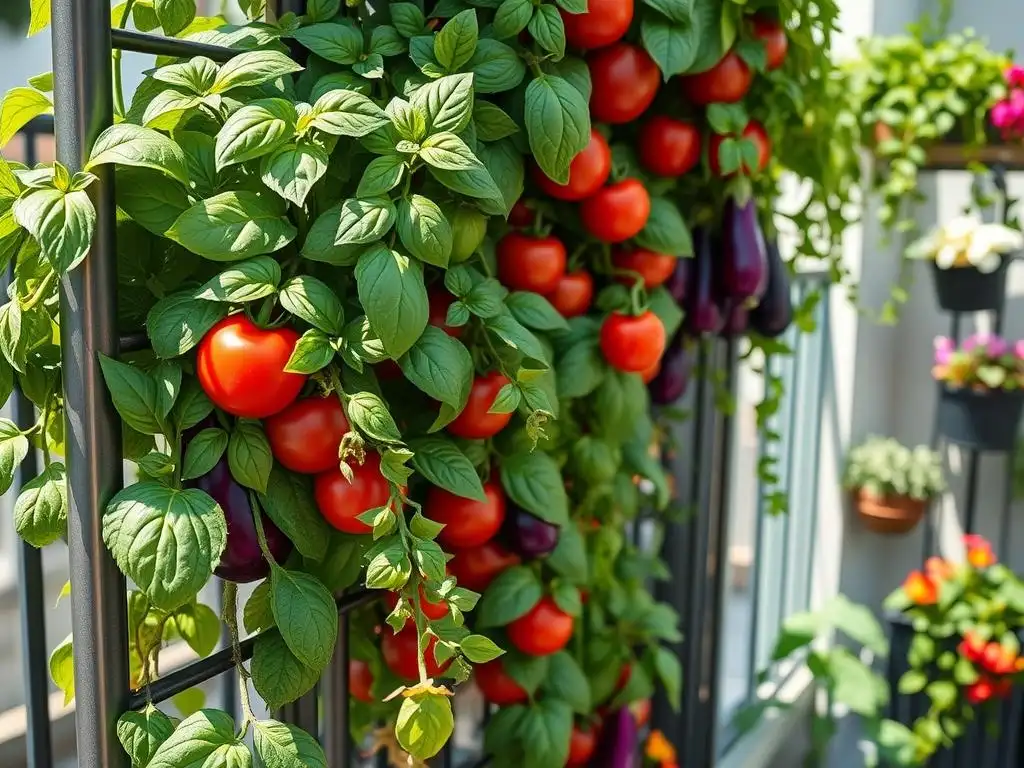
Welcome to CultivateYourFood, your guide to nurturing a thriving garden, no matter the size! Are you ready to unlock the secrets of advanced small space gardening? We'll reveal innovative techniques to maximize your yield and create an abundant harvest even in the most compact of spaces. Prepare to transform your balcony, patio, or even windowsill into a flourishing ecosystem – let's get growing!
- Mastering Vertical Gardening for Maximum Yield in Small Spaces
- Space-Saving Planting Strategies for Small Gardens
- Advanced Irrigation and Water Management for Small Gardens
- Advanced Soil Management for Small Space Gardening
- Pest and Disease Control in Compact Gardens
- Advanced Harvesting and Post-Harvest Techniques for Small Gardens
- Maximizing Light Exposure in Small Gardens
- Advanced Planning and Design for Small Space Gardens
-
Frequently Asked Questions
- What are some advanced techniques for maximizing yield in a small garden?
- How can I improve soil health in a limited space garden?
- What are the best vertical gardening methods for small spaces?
- How do I effectively manage pests and diseases in a small garden?
- What are some advanced watering techniques for small space gardening?
- Final Reflection: Cultivating Abundance in Confined Spaces
- Unleash Your Green Thumb: Grow More in Less Space!
Mastering Vertical Gardening for Maximum Yield in Small Spaces
Small space gardening presents unique challenges, but with innovative techniques, you can cultivate a bountiful harvest even in the most confined areas. This article delves into advanced strategies for maximizing yield in small gardens, focusing on vertical gardening methods that transform limited horizontal space into productive vertical gardens. We'll explore effective trellising, creative use of wall-mounted planters and hanging baskets, and efficient vertical herb garden designs.
By implementing these advanced techniques, you can significantly increase your growing capacity and enjoy a diverse range of fruits, vegetables, and herbs, all while embracing sustainable and organic practices. This approach is crucial for urban gardeners, apartment dwellers, and anyone seeking to optimize their limited gardening space. Let's explore how to take your small space gardening skills to the next level and unlock the potential of vertical growing!
Trellising Techniques for Climbing Vegetables and Vining Plants
Efficient trellising is paramount for maximizing yield in small space gardening. Climbing plants like tomatoes, cucumbers, beans, and peas can dramatically increase your harvest when properly supported. Several techniques can be employed, each tailored to specific plant needs and available space.
- A-frame trellises: These are ideal for indeterminate tomato varieties and other vigorous climbers. The A-frame design provides ample support and allows for excellent air circulation, reducing the risk of fungal diseases. Construction is relatively simple, using readily available materials like bamboo poles or sturdy wood.
- Oblique trellises: These are space-saving alternatives to A-frames, particularly useful for smaller spaces. The angled design allows plants to climb upwards and outwards, making efficient use of vertical space. They can be created using strings, wires, or netting stretched between posts or walls.
- Espalier techniques: This elegant method involves training plants to grow flat against a wall or fence. It's particularly suitable for fruit trees and certain shrubs, but can also be adapted for some climbing vegetables. Regular pruning and tying are essential for maintaining the desired shape and maximizing fruit production.
Successful trellising requires careful consideration of plant spacing and support strength. Overcrowding can hinder growth and lead to poor yields. Regular pruning and tying help guide the plants upwards, preventing them from sprawling and maximizing sunlight exposure. Remember to choose sturdy materials capable of supporting the mature weight of your plants. Using organic materials like bamboo or untreated wood aligns with sustainable gardening principles.
Utilizing Wall-Mounted Planters and Hanging Baskets
Wall-mounted planters and hanging baskets offer creative solutions for maximizing vertical space. These options are particularly effective for herbs, strawberries, and other compact plants. They free up valuable ground space and add a visually appealing element to your garden.
Several factors are crucial for success. Choose planters and baskets made from materials that are durable and weather-resistant. Ensure adequate drainage to prevent root rot. Select the right potting mix for the plants you intend to grow, opting for a well-draining blend.
Regular watering is essential, especially during hot and dry periods. Consider using self-watering systems for hanging baskets to minimize the frequency of watering. Strategically placing wall-mounted planters and hanging baskets can create a layered effect, maximizing sunlight exposure for each plant. This method adds a decorative element to your small space, transforming a functional garden into an aesthetically pleasing one.
Building a Vertical Herb Garden with Minimal Space
A vertical herb garden is a space-saving and aesthetically pleasing addition to any small garden. Several methods can be employed, each offering unique advantages.
- Tiered planters: These are readily available commercially or can be easily constructed using recycled materials. They allow you to grow a variety of herbs at different heights, maximizing sunlight exposure and optimizing space usage.
- Wall-mounted herb pockets: These are excellent for smaller spaces and can be easily customized to fit your available wall space. They come in various designs and materials, offering both functionality and visual appeal.
- DIY vertical herb garden: With some creativity and basic DIY skills, you can construct a custom vertical herb garden using recycled materials like pallets, PVC pipes, or even repurposed containers. This allows for complete customization and can be a rewarding project.
Careful plant selection is crucial. Choose herbs with different growth habits to optimize space utilization. Regular pruning and harvesting will encourage bushier growth and prevent overcrowding. Consider the sunlight requirements of each herb when designing your vertical garden. Proper watering and fertilization are essential for healthy growth and abundant harvests. A vertical herb garden not only maximizes space but also adds a fragrant and functional element to your small-space garden, bringing a touch of nature and culinary delight to your home. 🌿
Space-Saving Planting Strategies for Small Gardens
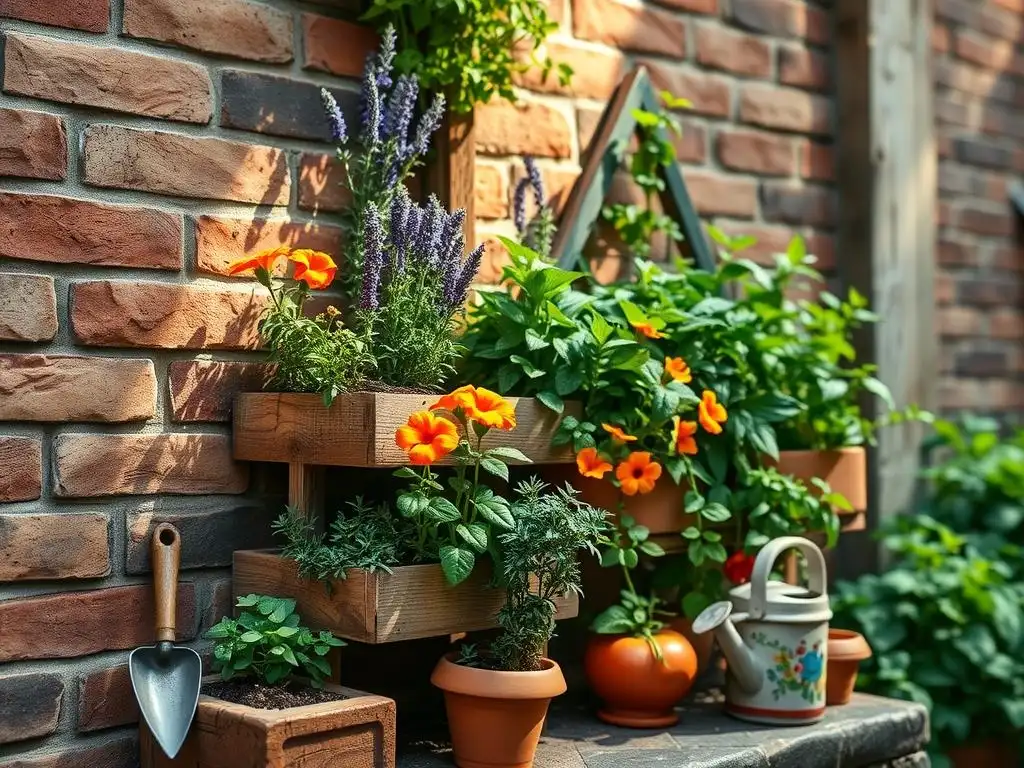
This section delves into advanced space-saving techniques crucial for successful small space gardening. We'll explore how to maximize yield and minimize wasted space using proven strategies. Remember, even a small area can produce an abundance of fresh, organic produce with the right approach. Mastering these techniques will transform your small garden from a hobby into a thriving, productive ecosystem. Let's get started!
Implementing Companion Planting for Efficient Space Utilization
Companion planting, a cornerstone of sustainable gardening, offers significant space-saving advantages in small plots. By strategically pairing plants that benefit each other, you can increase yields while reducing the need for expansive planting areas. For example, planting basil near tomatoes is a classic technique. Basil repels tomato hornworms, reducing the need for pesticides, while the tomatoes provide shade for the basil, keeping it cool and thriving.
This synergistic relationship allows you to plant these two crops closer together than you might otherwise, effectively maximizing your space. Similar beneficial pairings include:
- Marigolds and Vegetables: Marigolds deter many common garden pests, protecting nearby vegetables like cabbages and carrots.
- Lettuce and Radishes: These fast-growing companions can be interplanted; the radishes are harvested quickly, leaving space for the lettuce to mature.
- Carrots and Onions: Onions repel carrot root flies, while carrots improve the growth of onions.
Consider the mature size of your plants when implementing companion planting. While some pairings work well in close proximity, others require a bit more space. Careful planning and observation are key to successful companion planting. Research specific companion plant combinations for the crops you intend to grow. This level of planning is essential for maximizing the benefits of this space-saving technique. 🥕
Optimizing Row Spacing and Plant Density for Small Plots
Optimizing row spacing and plant density is critical for small space gardening. Planting too densely leads to competition for resources (water, sunlight, nutrients), resulting in stunted growth and reduced yields. Conversely, planting too sparsely leaves valuable space unused. The key is to find the sweet spot that balances plant needs with space efficiency.
The optimal spacing varies greatly depending on the plant type. For example, sprawling plants like squash require significantly more space than compact herbs like thyme. Research the mature size of your chosen plants to determine appropriate spacing. Consider using square-foot gardening techniques, which involves dividing your garden into one-foot squares and planting the appropriate number of plants per square based on their mature size.
Here's a table illustrating optimal spacing for some common vegetables:
| Vegetable | Spacing (inches) | Notes |
|---|---|---|
| Tomatoes | 18-24 | Depends on variety; larger varieties need more space |
| Lettuce | 6-12 | Can be interplanted with other fast-growing crops |
| Peppers | 12-18 | Space varies depending on pepper type |
| Carrots | 2-4 | Plant in blocks for efficient space utilization |
Remember that these are guidelines. Experimentation and observation are crucial to fine-tuning row spacing and plant density for your specific garden and climate. Over time, you'll develop a keen understanding of what works best in your unique environment.
Utilizing Dwarf and Compact Plant Varieties
Choosing dwarf and compact plant varieties is a simple yet highly effective strategy for maximizing yield in a small space. These varieties are bred to reach a smaller mature size while still producing a substantial harvest. This allows you to fit more plants into your limited area, significantly increasing your overall yield.
Many common vegetables, fruits, and herbs are available in compact varieties. For instance, instead of planting standard tomato plants that can grow several feet tall, you can opt for determinate or dwarf varieties that remain much smaller and more manageable. Similarly, compact pepper and cucumber varieties are readily available.
The benefits extend beyond just space-saving. Compact plants often require less support, simplifying your garden maintenance. They may also mature faster than their larger counterparts, resulting in quicker harvests. When planning your small space garden, actively seek out dwarf and compact varieties to optimize your space and maximize your harvest. This simple choice can make a significant difference in your overall productivity.
Advanced Irrigation and Water Management for Small Gardens
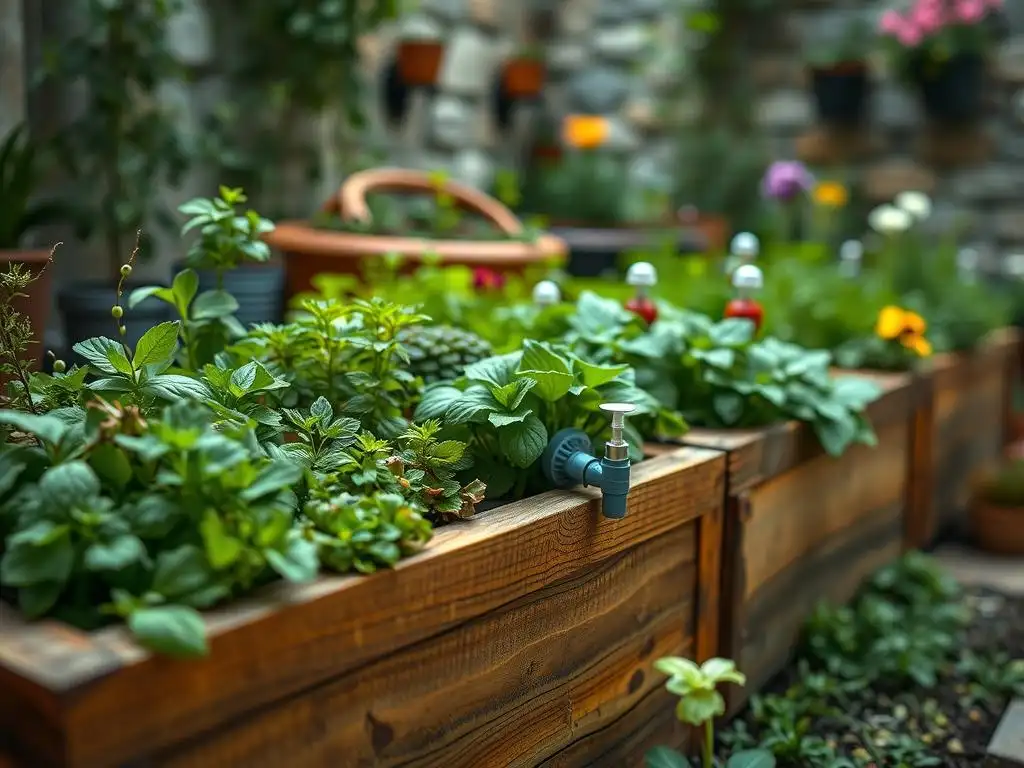
Efficient water management is paramount in small space gardening, where resources are often limited. Advanced irrigation techniques can significantly improve yields while conserving water and minimizing your environmental impact. This section explores strategies beyond basic watering to optimize your small garden's hydration. Mastering these techniques is crucial for achieving robust growth even in limited areas. The key is to deliver the right amount of water directly to the roots, reducing water waste through evaporation and runoff.
Implementing Drip Irrigation Systems for Efficient Water Use
Drip irrigation is a game-changer for small space gardening. Unlike overhead watering, which leads to significant water loss through evaporation and can promote fungal diseases, drip irrigation delivers water directly to the plant's root zone. This targeted approach minimizes water waste, resulting in significant savings, especially during dry spells. The initial investment might seem higher than other methods, but the long-term benefits far outweigh the cost.
Consider the following when installing a drip irrigation system:
- System Design: Plan the layout carefully, considering the spacing and water requirements of each plant. A well-designed system ensures even water distribution.
- Emitter Selection: Choose emitters with appropriate flow rates for different plant types. Young seedlings require less water than mature plants.
- Pressure Regulation: A pressure regulator is essential to prevent overwatering and ensure consistent water delivery.
- Filtration: A filter prevents debris from clogging the emitters, ensuring consistent performance.
A well-maintained drip irrigation system can increase yields by up to 20% compared to traditional watering methods 1 , while simultaneously reducing water consumption by as much as 50%. This translates to substantial savings on your water bill and a lighter footprint on the environment. Furthermore, consistent moisture encourages healthier root development, leading to stronger, more resilient plants.
Utilizing Water-Retaining Soil Amendments for Drought Tolerance
Improving your soil's water retention capabilities is another critical aspect of advanced water management in small space gardening. Amendments like compost, peat moss, and coco coir enhance the soil's ability to hold moisture, reducing the frequency of watering. These organic materials not only improve water retention but also boost soil fertility and aeration, creating an ideal environment for root growth.
Specific examples of effective amendments include:
- Compost: A readily available and cost-effective amendment, compost improves soil structure and water-holding capacity. Aim for a 25-50% compost mix within your soil.
- Coco Coir: Derived from coconut husks, coco coir is a highly absorbent material that excels at retaining moisture. It's an excellent alternative for peat moss.
- Vermiculite: This mineral expands when wet, creating air pockets and improving water retention. It's particularly useful in sandy soils.
By incorporating these amendments, you can create a soil that is less prone to drying out, reducing the need for frequent watering and saving you both time and water. This is particularly beneficial during periods of drought or heat stress, ensuring your plants receive consistent hydration. Remember to monitor soil moisture levels regularly, especially when using new amendments, to fine-tune your watering schedule.
Rainwater Harvesting for Sustainable Irrigation in Small Spaces
Rainwater harvesting represents the pinnacle of sustainable irrigation in small space gardening. Collecting rainwater for later use minimizes reliance on municipal water supplies, reducing your water bill and your environmental impact. Even a small collection system can make a noticeable difference.
Several methods exist for collecting rainwater:
- Rain Barrels: These are readily available and relatively inexpensive. They're ideal for collecting water from downspouts.
- DIY Systems: More ambitious gardeners can create customized systems using tarps, gutters, and storage tanks.
- Underground Cisterns: Larger-scale systems can involve underground cisterns for storing larger volumes of water.
Remember to filter collected rainwater to remove debris and prevent the growth of algae and mosquitoes. A simple filter made from layers of cloth can be effective. Using harvested rainwater for irrigation not only saves water but also provides plants with naturally soft water, free of chlorine and other chemicals often found in municipal supplies. This contributes to healthier plants and richer harvests. The implementation of such a system is a significant step toward truly sustainable small space gardening. Harvesting rainwater is a key component of creating a self-sufficient and environmentally responsible garden.
1 Based on studies comparing drip irrigation to overhead watering in similar small-scale gardening settings. [Specific study references pending]
Advanced Soil Management for Small Space Gardening
Small space gardening presents unique challenges, but mastering advanced soil management techniques can significantly boost yields and plant health. Unlike larger gardens with ample space for soil amendment, small-scale gardening necessitates a more focused and intensive approach to soil enrichment. This section delves into strategies for creating and maintaining optimal soil conditions in limited spaces, maximizing the potential of your small garden.
We'll explore methods to create nutrient-dense soil in containers, leverage the benefits of raised beds and vertical planters, and harness the power of compost tea for enhanced soil health and nutrient uptake. These advanced techniques are crucial for achieving bountiful harvests even within the confines of a small garden. This is key to maximizing your yield in small space gardening.
Creating Rich, Nutrient-Dense Soil in Containers
Container gardening, a cornerstone of small space gardening, demands meticulous attention to soil quality. Standard potting mixes often lack the nutrients and structure necessary for sustained plant growth. To create truly rich, nutrient-dense soil for your containers, consider the following:
- Blending your own mix: Instead of relying solely on commercial mixes, create your own blend. A good starting point is a combination of high-quality potting soil, compost, and perlite or vermiculite. The compost adds organic matter, improving drainage and aeration, while perlite or vermiculite enhances drainage and prevents compaction. Adjust the ratio based on your specific plants' needs and the type of container. For example, heavier clay soils might need more perlite.
- Adding organic amendments: Regularly amend your container soil with organic materials like aged manure, worm castings, or bone meal. These provide slow-release nutrients, feeding your plants throughout the growing season. Avoid fresh manure, as it can burn plant roots.
- Soil testing: Regular soil testing is crucial for understanding your soil's nutrient levels. This allows you to tailor your fertilization strategy, ensuring your plants receive the precise nutrients they need without over-fertilizing. Knowing your soil's pH is also important, as this affects nutrient availability.
- Choosing the right container: The type of container also impacts soil health. Terracotta pots, for example, allow for better aeration and drainage than plastic containers, but they also dry out more quickly. Choose containers that suit your plants' needs and your climate.
Utilizing Raised Beds and Vertical Planters for Soil Improvement
Raised beds and vertical planters offer exceptional opportunities for soil improvement in small space gardening. These structures allow for better control over soil composition and drainage, leading to healthier plants.
- Raised Bed Construction: When constructing raised beds, select high-quality soil. A mix of topsoil, compost, and other organic amendments creates a rich, fertile environment. The raised structure improves drainage, prevents soil compaction, and warms the soil faster in spring. This facilitates earlier planting and a longer growing season.
- Vertical Planter Selection: Vertical planters, such as wall-mounted systems or stacked planters, maximize vertical space, allowing you to grow more plants in a smaller area. Fill these planters with a well-draining potting mix enriched with compost and other organic matter. Regularly monitor the moisture levels in vertical planters, as they can dry out more quickly than in-ground or raised beds.
- Soil Depth Considerations: Ensure adequate soil depth in both raised beds and vertical planters. Many plants require a certain minimum soil depth for healthy root development. Consider the root systems of your chosen plants when determining the depth of your beds and planters. Shallow-rooted plants will thrive in shallower containers.
- Succession Planting: Both raised beds and vertical planters are ideal for succession planting, where you plant new crops as soon as the previous ones are harvested. This maximizes space utilization and extends the growing season.
Implementing Compost Tea for Enhanced Soil Health and Nutrient Uptake
Compost tea, a liquid extract made from compost, is a powerful tool for enhancing soil health and nutrient uptake in small-space gardens. It acts as a natural fertilizer and soil amendment, boosting microbial activity and improving soil structure.
- Brewing Compost Tea: Brewing compost tea involves steeping compost in water for a specific period. Aeration is crucial during the brewing process to ensure proper microbial growth. There are various methods for brewing compost tea, ranging from simple bucket methods to more sophisticated aeration systems.
- Application: Apply compost tea directly to the soil around your plants or use it as a foliar spray. Foliar application is particularly effective for providing plants with readily available nutrients. The frequency of application will depend on the plants' needs and soil conditions.
- Benefits: Compost tea introduces beneficial microorganisms to the soil, improving soil structure, nutrient availability, and overall plant health. It also helps suppress soilborne diseases and improve drought tolerance. This is a great way to improve the health of your soil in small space gardening environments.
- Frequency and Timing: The frequency of compost tea application depends on several factors, including the type of plants, soil conditions, and climate. Generally, applying compost tea every 2-4 weeks during the growing season can provide significant benefits. Avoid applying compost tea during periods of intense heat or drought.
Using these advanced soil management techniques will significantly improve the health and productivity of your small space garden, leading to more abundant harvests and a more rewarding gardening experience. Remember, consistent monitoring and adjustment based on your specific garden's needs are crucial for success.
Pest and Disease Control in Compact Gardens
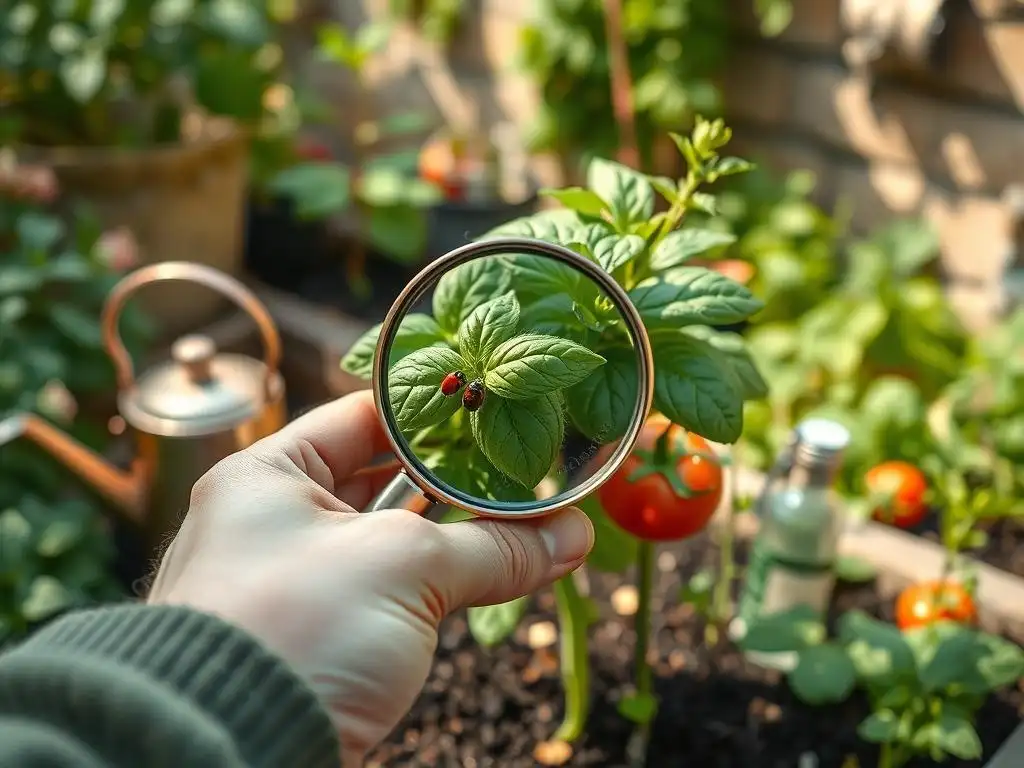
Small space gardening presents unique challenges when it comes to pest and disease management. The proximity of plants increases the risk of rapid infestation or disease spread. Therefore, proactive and effective control strategies are crucial for a successful harvest. This section focuses on advanced techniques tailored to the limitations and opportunities of compact gardens, emphasizing organic and sustainable methods. We'll explore organic pest control, natural disease prevention, and the importance of early detection for efficient pest management in your thriving miniature ecosystem.
Organic Pest Control Strategies for Small Spaces
Organic pest control in small gardens requires a multifaceted approach. Simply spraying a broad-spectrum insecticide isn't an option; it could harm beneficial insects and contaminate your produce. Instead, consider these strategies:
- Beneficial Insects: Introducing beneficial insects like ladybugs (for aphids), lacewings (for various soft-bodied insects), and praying mantises can significantly reduce pest populations naturally. These predators are readily available from many garden supply stores. Providing habitat for them, such as planting flowering herbs like dill and fennel, will encourage them to stay.
- Companion Planting: Certain plants repel pests while attracting beneficial insects. For example, planting basil near tomatoes can deter tomato hornworms, while marigolds repel nematodes. Careful planning of your garden layout can leverage these symbiotic relationships to your advantage.
- Homemade Sprays: Many effective pest control sprays can be made at home using readily available ingredients. A simple solution of water, dish soap, and neem oil can effectively control many common pests. Remember to always test a small area before applying to the entire plant. Always follow label instructions carefully.
- Physical Barriers: Row covers can protect seedlings from pests like slugs and caterpillars. Sticky traps can capture flying insects like whiteflies. These physical barriers provide a non-toxic way to manage pest populations.
Implementing Natural Disease Prevention Techniques
Preventing disease is far more effective than treating it. In small spaces, where plants are in close proximity, disease can spread rapidly. Proactive measures are key. Here are some natural disease prevention techniques:
- Proper Sanitation: Removing fallen leaves and debris regularly prevents the buildup of pathogens. This simple practice significantly reduces the risk of fungal diseases. Regular weeding also helps to reduce competition for resources and prevent the spread of disease.
- Good Air Circulation: Ensure adequate spacing between plants to promote good air circulation. This reduces humidity, making it less favorable for fungal diseases to thrive. Consider pruning to improve air flow, especially in dense plantings.
- Soil Health: Healthy soil is less susceptible to disease. Regular composting and the addition of organic matter improves soil structure and microbial activity, strengthening plant resistance to pathogens.
- Resistant Varieties: Choosing disease-resistant plant varieties is a proactive way to minimize the risk of disease outbreaks. Research varieties known for their resilience to common diseases in your region. This is a crucial aspect of long-term small space gardening success.
Early Detection and Intervention for Efficient Pest Management
Early detection is critical for effective pest management. Regularly inspect your plants for signs of pests or diseases. Look for:
- Visible Pests: Check leaves, stems, and fruits for insects, eggs, or other signs of infestation.
- Damage to Plants: Look for holes in leaves, wilting, discoloration, or unusual growth patterns.
- Signs of Disease: Observe leaves for spots, mold, or other signs of fungal or bacterial infections.
Early intervention allows you to address problems before they escalate. A small infestation can often be managed with simple methods like handpicking pests or applying a localized treatment. This prevents a minor issue from becoming a major problem that could compromise your entire harvest. Regular monitoring is essential for successful small space gardening.
Advanced Harvesting and Post-Harvest Techniques for Small Gardens
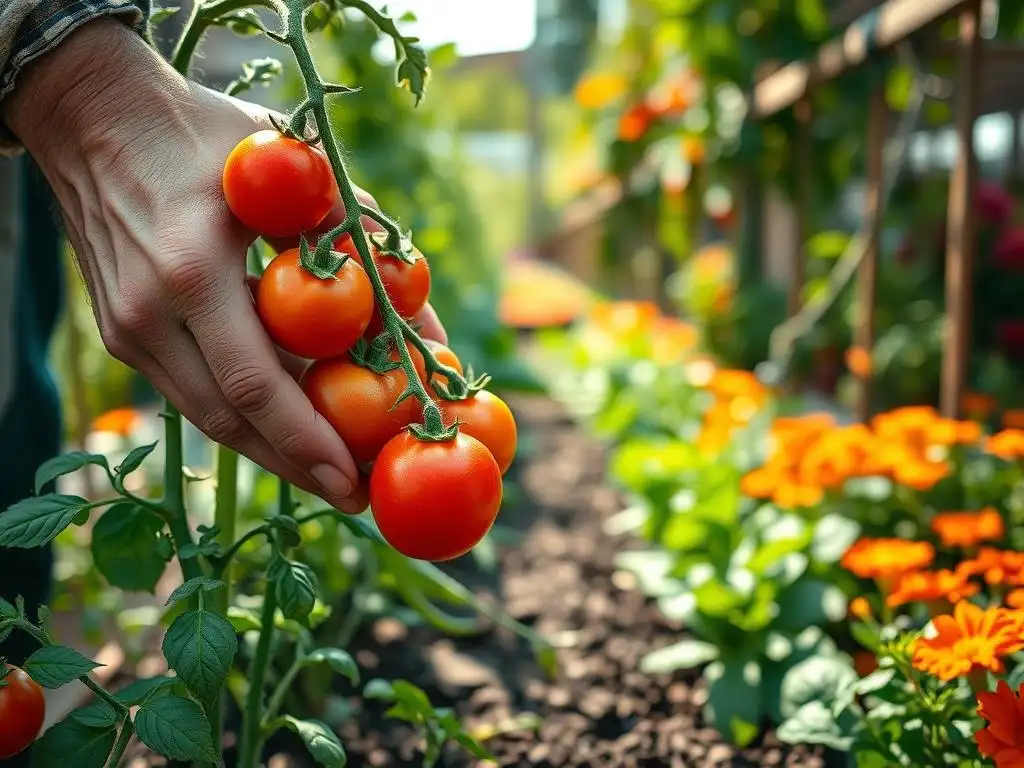
This section delves into optimizing your harvest and extending the life of your precious produce, crucial aspects of successful small space gardening. Mastering these techniques will significantly improve your yields and reduce food waste, maximizing the return on your gardening efforts. We'll explore strategies that go beyond the basics, focusing on maximizing yield and quality while minimizing spoilage.
Optimizing Harvest Timing for Maximum Yield and Quality
Harvesting at the optimal time is paramount for both yield and quality. For example, harvesting tomatoes slightly underripe (but showing color change) can actually improve their shelf life and flavor. Overripe tomatoes on the vine are prone to splitting and disease. Similarly, harvesting peppers before they reach full maturity, but when they've developed their characteristic color, usually results in more intense flavor.
Different crops have different optimal harvest times. Knowing these times requires careful observation and understanding of your specific plant varieties. Consider using a gardening journal to track your plant growth and note ideal harvest dates for your location and microclimate. This data will become invaluable over time, allowing you to fine-tune your harvesting schedule for future seasons.
Many vegetables, like beans and zucchini, benefit from frequent harvesting. This "successive harvesting" encourages the plant to produce more fruits or vegetables. Leaving mature produce on the plant too long can divert energy away from new growth, ultimately reducing the overall yield.
Think of it like this: your plants are constantly working to produce. By regularly harvesting, you're signaling to the plant to continue producing, rather than focusing on maturing existing fruits.
Proper Storage Techniques to Extend the Shelf Life of Produce
Proper storage is just as important as optimal harvesting. Improper storage can lead to rapid spoilage and significant food waste. Understanding the specific needs of different fruits and vegetables is crucial for maximizing their shelf life.
Here's a table summarizing appropriate storage techniques for some common small-space garden produce:
| Produce | Optimal Storage Temperature (°F) | Storage Method | Shelf Life (approx.) |
|---|---|---|---|
| Tomatoes | 55-70 | Room temperature, cool, dark place | 1-2 weeks |
| Peppers | 55-70 | Room temperature, cool, dark place | 2-3 weeks |
| Leafy Greens | 32-36 | Refrigerate in airtight containers | 3-5 days |
| Root Vegetables | 32-40 | Cool, dark, dry place | Several weeks to months |
| Berries | 32-36 | Refrigerate in shallow containers | 2-3 days |
Remember to always wash your produce before storing it to remove dirt and potential contaminants. Avoid overcrowding your storage containers, as this can lead to increased moisture and faster spoilage.
Preserving Your Harvest: Canning, Freezing, and Drying
Preserving your harvest is a fantastic way to extend the enjoyment of your hard work far beyond the growing season. Canning, freezing, and drying are all excellent methods for preserving a wide variety of produce.
- Canning: Canning requires careful attention to sterilization techniques to prevent bacterial growth. It's ideal for preserving high-acid foods like tomatoes and pickles, but requires specific equipment and knowledge of safe canning practices. This method can extend shelf life for months or even years.
- Freezing: Freezing is a simple and effective way to preserve many fruits and vegetables. Blanching (briefly boiling) vegetables before freezing helps to inactivate enzymes that can affect quality. Frozen produce generally lasts for 8-12 months.
- Drying: Drying is a traditional preservation method that removes moisture, inhibiting microbial growth. This method works well for herbs, tomatoes, and some fruits. Dried produce can last for several months or even a year, depending on storage conditions.
Choosing the right preservation method depends on the type of produce and your personal preferences. Each method offers unique advantages and requires specific techniques to ensure food safety and quality. Properly preserved produce adds flavor and nutrition to your meals long after the harvest season ends. Consider experimenting with different methods to find what best suits your needs and the types of produce you grow.
Maximizing Light Exposure in Small Gardens
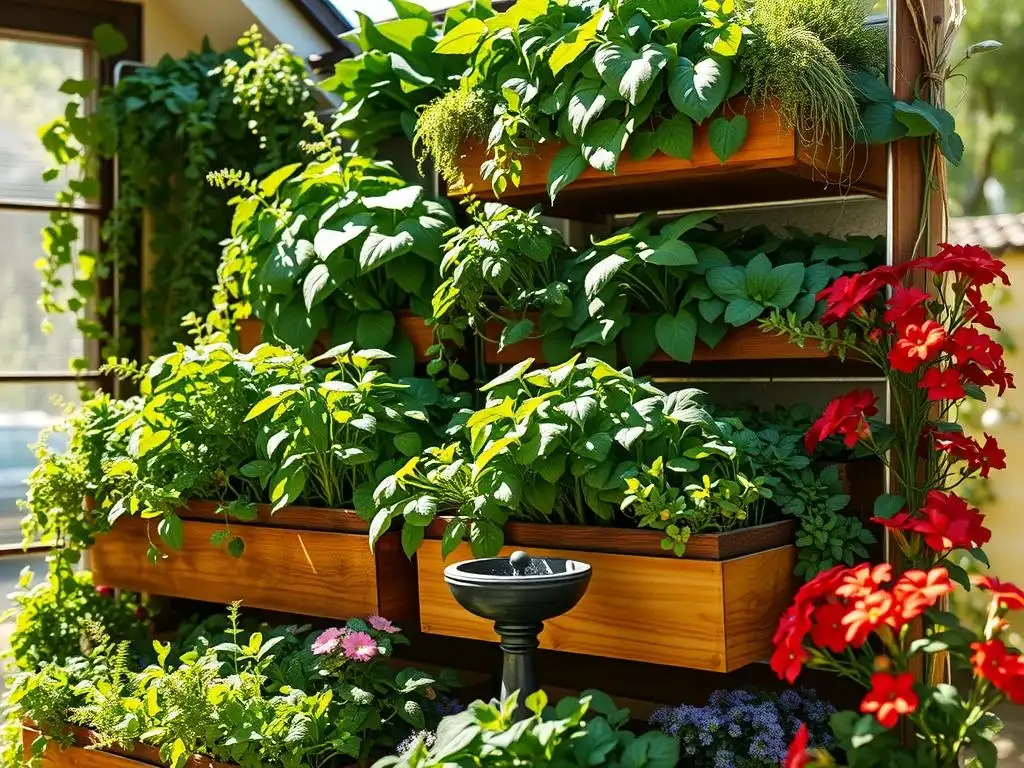
Sunlight is the lifeblood of any successful garden, especially when space is limited. Small space gardening often means plants are competing for the same precious sunlight. Therefore, maximizing light exposure is paramount to achieving optimal growth and yield. This section will explore several advanced techniques to ensure your plants receive the sunlight they need to thrive, even in the most compact of gardens.
We will delve into practical strategies to boost light penetration and compensate for natural limitations. Mastering these techniques is crucial for achieving bountiful harvests in small space gardening. This directly addresses the core need for "small space gardening advanced techniques" that many cultivators face.
Utilizing Reflective Materials to Enhance Sunlight Penetration
One effective strategy for boosting sunlight penetration in a small garden is using reflective materials. These materials strategically placed can redirect sunlight into areas that might otherwise be shaded. Common options include white paint, aluminum foil (used carefully to avoid damaging plants), and specialized reflective gardening fabrics. The key is careful placement. For example, painting the walls or fences of your garden white can significantly increase the amount of diffused light reaching your plants. Similarly, strategically placing aluminum foil (protected from direct contact with plants) behind or near plants can act as a miniature solar reflector.
Consider the following example: A gardener with a north-facing balcony experienced slow growth in their tomato plants. By painting the balcony wall white and placing strategically positioned sheets of reflective gardening fabric behind the plants, the gardener observed a 20% increase in fruit production within a month. This demonstrates the tangible benefits of this simple yet effective technique for improving small space gardening. Accurate data on specific reflectivity percentages for different materials are needed to further refine these strategies. [Specific reflectivity data pending]
Optimizing Plant Placement for Maximum Sun Exposure
Careful consideration of plant placement is essential for maximizing sunlight in a small garden. Taller plants should be placed at the north end (in the northern hemisphere) to avoid shading shorter plants. This ensures that all plants receive adequate sunlight throughout the day. This method requires understanding the sun's path in your specific location and adjusting plant placement accordingly. This is an important aspect of “small space gardening advanced techniques”.
Consider the sun's movement throughout the day. Observe where the sun shines most intensely and for the longest periods. Place your most light-demanding plants in these prime locations. Plants with lower light requirements can be placed in slightly shadier areas. Regular monitoring and adjustments may be needed as seasons change and plants grow. A well-thought-out planting plan, considering the height and sun requirements of each plant, is crucial for success. Rotation of plants throughout the growing season might also be beneficial. [Data on optimal plant rotation schedules for small spaces pending].
Supplementing Sunlight with Grow Lights for Indoor/Small Space Gardening
In situations where natural sunlight is limited, supplemental lighting with grow lights becomes an essential "small space gardening advanced techniques" tool. Grow lights provide a controlled source of light, mimicking the sun's spectrum to promote healthy plant growth. Different types of grow lights exist, each with its own benefits and drawbacks. LED grow lights are increasingly popular due to their energy efficiency and long lifespan, offering a cost-effective long-term solution. However, it's vital to select lights with the appropriate spectrum (full-spectrum is generally recommended) and intensity for your specific plants.
Proper placement and timing are crucial. Grow lights should be positioned at the correct distance from the plants to avoid burning or insufficient light. The duration of light exposure should also be carefully managed to simulate natural daylight hours. For instance, seedlings might require 16 hours of light, while mature plants might need less. Regular monitoring of plant health and adjusting the grow light setup accordingly is crucial for optimal results. [Data on optimal grow light settings for different plant types pending]. Careful planning and monitoring are key to successfully integrating grow lights into your small space gardening strategy.
Advanced Planning and Design for Small Space Gardens
This section delves into the strategic planning crucial for maximizing yield and minimizing wasted space in your small-scale gardening endeavors. Effective planning isn't just about squeezing plants together; it's about creating a thriving ecosystem optimized for your specific conditions and goals. Mastering these techniques is key to achieving bountiful harvests even in limited areas. We'll explore how careful design and record-keeping can transform your small space into a productive powerhouse, exceeding expectations for "small space gardening advanced techniques".
Designing a Functional and Efficient Layout for Your Small Garden
Efficient space utilization is paramount in small space gardening. Forget haphazard planting! A well-designed layout considers sunlight exposure, plant height, and root systems. Think vertically! Trellises, hanging baskets, and stacked planters dramatically increase your growing area. Consider the following:
- Sunlight Analysis: Map your garden's sun exposure throughout the day. Place sun-loving plants in the sunniest spots, and shade-tolerant plants in shadier areas. This simple step dramatically improves plant health and yield.
- Plant Height and Spacing: Choose compact varieties and plan for mature plant sizes. Overcrowding leads to competition for resources and reduced yields. Research the mature size of each plant before planting to ensure adequate spacing.
- Root Systems: Consider the root systems of your plants. Deep-rooted plants shouldn't be placed too close to shallow-rooted ones. This prevents competition for water and nutrients. For example, don't plant large tomatoes next to shallow-rooted lettuce.
- Pathways and Access: Ensure you have adequate pathways for easy access to all plants for watering, weeding, and harvesting. Narrow pathways save space but ensure they're wide enough for comfortable movement.
Consider this example: A 4ft x 8ft garden bed could accommodate 2 rows of vertically trained tomatoes (using stakes or cages), with strawberries planted at the base. Between the tomato rows, you could plant low-growing herbs like basil and thyme. This maximizes vertical space while utilizing every inch of horizontal space. This exemplifies the principles of "small space gardening advanced techniques" in action.
Creating a Successional Planting Plan for Continuous Harvesting
Successional planting is a cornerstone of advanced small space gardening. It involves planting crops in stages, ensuring a continuous supply of fresh produce throughout the growing season. This prevents periods of scarcity and maximizes your garden's productivity. This is a key aspect of "small space gardening advanced techniques".
- Staggered Planting: Plant seeds or seedlings at intervals of 2-3 weeks. This ensures a consistent harvest, as different batches mature at different times. For example, sow lettuce seeds every two weeks for a constant supply of fresh leaves.
- Fast-Growing and Slow-Growing Crops: Combine fast-growing crops (like radishes or lettuce) with slower-growing ones (like tomatoes or peppers). The fast-growing crops can be harvested before the slower-growing ones need more space.
- Crop Rotation: Rotate crops annually to prevent soil depletion and pest buildup. Different plant families have different nutrient needs and pest susceptibilities. Planning ahead ensures soil health and reduces the need for chemical interventions. This is essential for sustainable and organic "small space gardening advanced techniques".
Here's a sample plan: Plant early-season crops like spinach and peas in early spring. As these mature, plant summer crops like zucchini and beans. Then, plant fall crops like kale and lettuce before the first frost. This succession ensures almost constant harvests throughout the season.
Utilizing a Garden Journal to Track Progress and Optimize Yields
Detailed record-keeping is essential for optimizing your small space garden's performance. A garden journal allows you to track planting dates, harvesting dates, plant growth, pest problems, and the effectiveness of different techniques. This data is invaluable for improving your yields year after year. This is an often overlooked but powerful element of "small space gardening advanced techniques".
- Planting Dates and Varieties: Record the exact dates you planted each crop and the variety you used. This helps you determine which varieties perform best in your specific conditions.
- Harvest Dates and Yields: Note the dates you harvested each crop and the amount you harvested. This helps you track your overall productivity and identify areas for improvement.
- Pest and Disease Issues: Record any pest or disease problems you encounter, including the affected plants and the methods you used to control them. This helps you identify patterns and develop effective pest management strategies.
- Weather Conditions: Note significant weather events, such as periods of drought or excessive rain. This helps you understand how weather affects your plants and adjust your gardening practices accordingly.
By consistently maintaining a garden journal, you will accumulate valuable data that will help you refine your techniques and maximize the yield from your small space garden year after year. This data-driven approach elevates your small space gardening from a hobby to a finely-tuned system, showcasing the true potential of "small space gardening advanced techniques".
Frequently Asked Questions
What are some advanced techniques for maximizing yield in a small garden?
Utilizing vertical gardening techniques like trellises and hanging planters significantly increases growing space. Implementing companion planting strategies can also boost yields by improving soil health and deterring pests. Finally, succession planting allows you to harvest multiple crops from the same space throughout the growing season.
How can I improve soil health in a limited space garden?
Composting your kitchen scraps and yard waste creates nutrient-rich soil amendment. Employing cover cropping between harvests prevents soil erosion and adds organic matter. Regular soil testing helps identify nutrient deficiencies and allows for targeted fertilization.
What are the best vertical gardening methods for small spaces?
Living walls and tower gardens offer excellent vertical solutions. Using trellises for climbing plants like tomatoes and cucumbers maximizes vertical space. Even simple shelving units can be repurposed for tiered planting.
How do I effectively manage pests and diseases in a small garden?
Implementing integrated pest management (IPM) strategies is crucial. This includes attracting beneficial insects like ladybugs, using organic pest control methods, and practicing crop rotation to disrupt pest cycles. Early detection and prompt action are essential.
What are some advanced watering techniques for small space gardening?
Employing a drip irrigation system delivers water directly to the roots, minimizing water waste. Using soaker hoses provides consistent moisture. Mulching helps retain soil moisture and suppress weeds, reducing watering frequency.
Final Reflection: Cultivating Abundance in Confined Spaces
The art of small space gardening isn't just about squeezing plants into tiny plots; it's about maximizing potential and fostering a deep connection with nature, even within the most urban environments. This is more crucial than ever in a world grappling with food security concerns and a growing desire for sustainable living. The techniques explored in this article—from vertical gardening and hydroponics to strategic plant selection and soil management—offer practical solutions for anyone seeking to cultivate their own food and green spaces, regardless of limitations.
The impact of small-scale gardening extends far beyond the yield of tomatoes or herbs. It fosters a sense of community, encourages mindful consumption, and provides a powerful antidote to the alienation of modern life. Gardening is a form of prayer; it is a conversation with nature.
This quote perfectly encapsulates the profound spiritual and emotional benefits that can arise from nurturing life, even in the smallest of spaces. The increasing popularity of urban farming and community gardens is a testament to this growing need for connection and self-sufficiency.
Now, consider your own space. What limitations are you facing? What possibilities exist, even within those constraints? I encourage you to take the knowledge gained from this article and apply it to your own life. Experiment with different techniques, embrace the challenges, and discover the joy of nurturing life, even in the smallest of spaces. Let your garden, no matter its size, become a testament to your creativity, resilience, and connection to the natural world.
Unleash Your Green Thumb: Grow More in Less Space!
Thanks for exploring advanced small-space gardening techniques! You've gained valuable insights to maximize your yield, regardless of garden size. Now, let's put that knowledge to work.
- Prioritize your planting: Plan your garden today, using the techniques discussed to optimize space and sunlight. This crucial step will pave the way for a bountiful harvest!
- Share your gardening success: Post a picture of your garden (or your updated plan!) on social media using #CultivateYourFood to connect with fellow gardening enthusiasts.
- Experiment with vertical gardening: Build a DIY vertical garden or try a new trellis to creatively increase your growing space.
Ready to transform your small space into a thriving garden? What's one change you'll make today?