
The Secret to Growing Lentils in Your Backyard

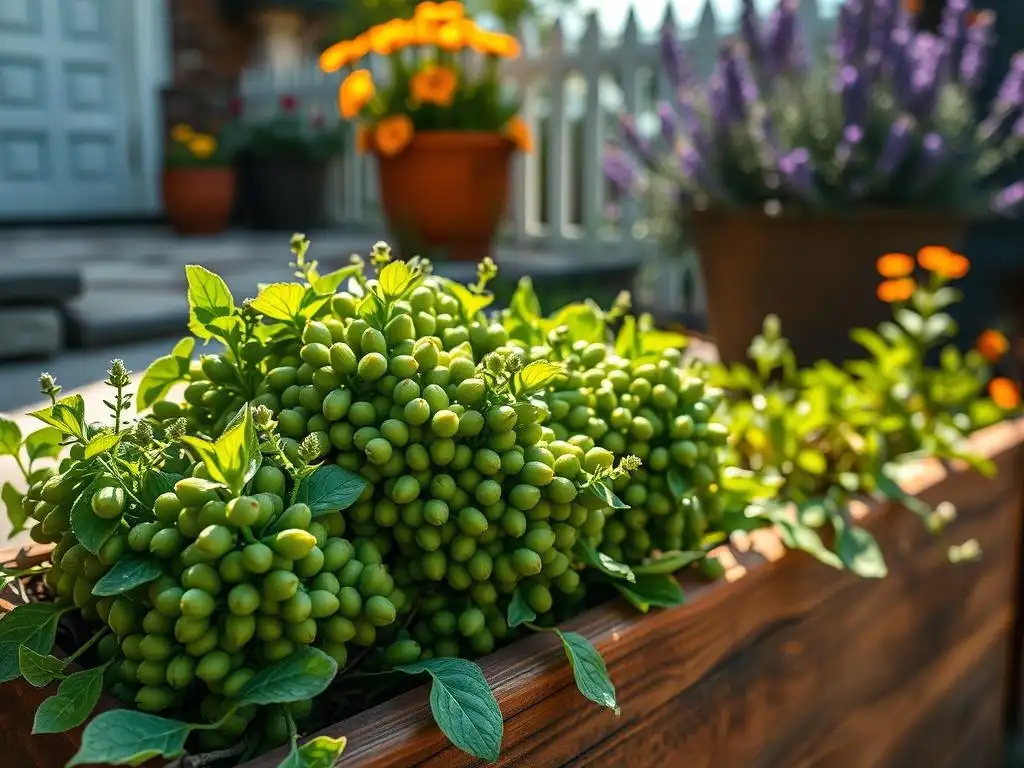
Ready to transform your backyard into a thriving oasis of flavor? At CultivateYourFood, we empower you to grow your own delicious and nutritious food organically. Discover the secrets to a bountiful harvest, starting with our guide on how to Grow lentils backyard organically. Learn simple yet effective techniques for sustainable gardening, from planting to pest control, and unlock the satisfaction of cultivating your own fresh produce. Let's get growing!
- Planning Your Lentil Patch: Site Selection and Soil Preparation for Organic Lentil Cultivation
- Sowing Lentils: Planting Techniques for a Bountiful Harvest
- Lentil Care: Watering, Weeding, and Pest Control for Organic Lentils
- Harvesting and Storing Your Homegrown Lentils
- Troubleshooting Common Lentil Growing Challenges
- Recipes and Uses for Your Homegrown Lentils
-
Frequently Asked Questions
- Can I really grow lentils organically in my backyard?
- What type of soil is best for growing lentils organically?
- When is the best time to plant lentils for an organic backyard garden?
- How do I control pests and diseases organically when growing lentils?
- How long does it take to harvest lentils grown organically in my backyard?
- Final Reflection: Sowing Seeds of Self-Sufficiency
- Unlock Your Inner Gardener: Grow Bountiful Lentils!
Planning Your Lentil Patch: Site Selection and Soil Preparation for Organic Lentil Cultivation
Growing lentils in your backyard organically is a rewarding experience, offering a sustainable and delicious addition to your homegrown harvest. This guide provides a comprehensive overview of how to cultivate healthy and bountiful lentil crops using organic methods, focusing on site selection, soil preparation, and essential amendments. Successfully growing lentils organically requires careful planning and attention to detail, but the rewards of fresh, homegrown lentils far outweigh the effort.
This article will equip you with the knowledge and practical steps to cultivate your own thriving lentil patch, helping you achieve a successful harvest and contribute to a more sustainable food system. We'll cover everything from choosing the perfect spot in your backyard to preparing nutrient-rich soil that promotes healthy germination and robust growth. Let's delve into the secrets of organic lentil cultivation!
Choosing the Ideal Location for Backyard Lentil Growth
Lentils, like other legumes, thrive in specific conditions. Selecting the right location is crucial for optimal growth and yield. Consider these factors when choosing your lentil patch:
- Sunlight: Lentils need at least six to eight hours of direct sunlight daily. A south-facing location (in the Northern Hemisphere) is usually ideal. Observe your yard throughout the day to identify areas that receive ample sunlight. ☀️
- Soil Drainage: Lentils are susceptible to root rot in poorly drained soil. Choose a location with well-draining soil; avoid low-lying areas where water tends to accumulate. A simple test is to dig a small hole and fill it with water. If the water drains quickly, the soil is likely well-drained.
- Wind Protection: While lentils can tolerate some wind, excessive wind can damage the plants. Consider planting your lentils in a sheltered location, perhaps near a fence or a building, to protect them from strong gusts.
- Accessibility: Choose a location that is easily accessible for planting, weeding, and harvesting. This will make the entire growing process much more convenient.
Preparing Nutrient-Rich Soil for Optimal Lentil Germination and Growth
Soil preparation is paramount for successful organic lentil cultivation. Lentils prefer loose, well-aerated soil that is rich in organic matter. Here's how to prepare your soil:
- Testing Soil pH: Before planting, test your soil's pH level. Lentils prefer a slightly acidic to neutral pH range (6.0-7.0). Adjust the pH if necessary using organic methods like adding lime for alkaline soil or sulfur for acidic soil. Accurate pH testing ensures your lentils receive the optimal growing environment.
- Improving Soil Structure: If your soil is heavy clay or compacted, amend it with organic matter to improve drainage and aeration. Incorporate compost, well-rotted manure, or leaf mold to enhance soil structure and provide essential nutrients. The addition of organic matter also improves water retention, crucial for lentil growth.
- Removing Weeds and Debris: Thoroughly clear the area of any weeds, rocks, or other debris before planting. This prevents competition for nutrients and water, ensuring your lentil plants receive the resources they need for optimal growth.
Essential Soil Amendments for Organic Lentil Gardening
Enhancing your soil with specific amendments provides vital nutrients and improves the overall health of your lentil plants. Consider these organic amendments:
- Compost: Compost is a fantastic all-around soil amendment, adding essential nutrients and improving soil structure. It provides a slow-release source of nutrients, ensuring a consistent supply throughout the growing season.
- Well-rotted Manure: Well-rotted manure adds organic matter and nutrients, enriching the soil and promoting healthy growth. Ensure the manure is well-rotted to avoid burning the plants.
- Rock Phosphate: Rock phosphate is a natural source of phosphorus, an essential nutrient for lentil growth and development. It contributes to strong root systems and improved overall plant health.
- Green Manure: Planting a green manure crop, such as clover or vetch, before planting lentils can help improve soil fertility and suppress weeds. This practice enriches the soil with nitrogen and other nutrients, benefiting the subsequent lentil crop. This method is particularly beneficial for organic gardening.
Remember that consistent observation and adjustments throughout the growing season are crucial for successful organic lentil cultivation. Happy gardening! 🌱
Sowing Lentils: Planting Techniques for a Bountiful Harvest

This section delves into the specifics of sowing lentils in your backyard garden, focusing on techniques that maximize yield while adhering to organic principles. Successfully growing lentils organically hinges on careful seed selection, proper sowing methods, and precise spacing. Let's explore these crucial aspects.
Selecting High-Yielding Lentil Seeds for Your Backyard Garden
Choosing the right lentil seeds is paramount for a successful harvest. Look for varieties known for their high yield and suitability to your local climate. Consider factors such as days to maturity, disease resistance, and adaptability to your soil conditions. Researching locally adapted heirloom varieties can be particularly beneficial, as these often thrive in specific regions and require less intervention. Avoid purchasing seeds treated with chemical pesticides or fungicides if you're committed to organic gardening. Always check the seed packet for information on germination rates—a higher germination rate translates to more plants and ultimately, a more bountiful harvest. For example, Presto and Crimson are popular varieties known for their robust growth and high yield, but always check your local seed supplier for optimal choices for your area. Remember, starting with high-quality, organically grown seeds is the cornerstone of successful organic lentil cultivation.
Direct Sowing: The Best Method for Growing Lentils Organically
Direct sowing is the preferred method for growing lentils organically. Unlike some other legumes, lentils don't transplant well, so sowing them directly into their final growing location minimizes stress and encourages robust growth. Prepare your soil meticulously before sowing. This involves removing weeds, tilling to a fine tilth, and ensuring good drainage. Amend the soil with compost to improve its structure and nutrient content. Compost provides essential nutrients and enhances soil health, both crucial for organic gardening.
The timing of sowing depends on your climate. Generally, lentils are sown in early spring after the last frost. Sow the seeds about ½ inch deep, ensuring good soil-to-seed contact. Gentle firming of the soil after sowing helps ensure adequate moisture retention. Always check the seed packet for specific sowing instructions, as different varieties may have slightly different requirements. A successful planting ensures a higher likelihood of a successful yield.
Optimal Planting Depth and Spacing for Maximum Lentil Yield
Planting depth and spacing significantly impact lentil yield. Sowing too deep can hinder germination, while sowing too shallow can leave the seedlings vulnerable to drying out. As mentioned previously, a depth of around ½ inch is ideal for most lentil varieties. Spacing is equally critical. Overcrowding leads to competition for resources, resulting in smaller plants and reduced yields. The recommended spacing varies depending on the variety, but generally, spacing of 4-6 inches between plants and 12-18 inches between rows is a good starting point.
This allows for adequate airflow and sunlight penetration, promoting healthy growth and maximizing yield. Careful observation of your plants throughout their growing cycle will help you fine-tune your spacing strategy if needed. Remember, proper spacing is a key element in obtaining a high yield of lentils organically. Careful planning and attention to detail are key to success in your organic lentil garden. Happy growing! 🌱
Lentil Care: Watering, Weeding, and Pest Control for Organic Lentils
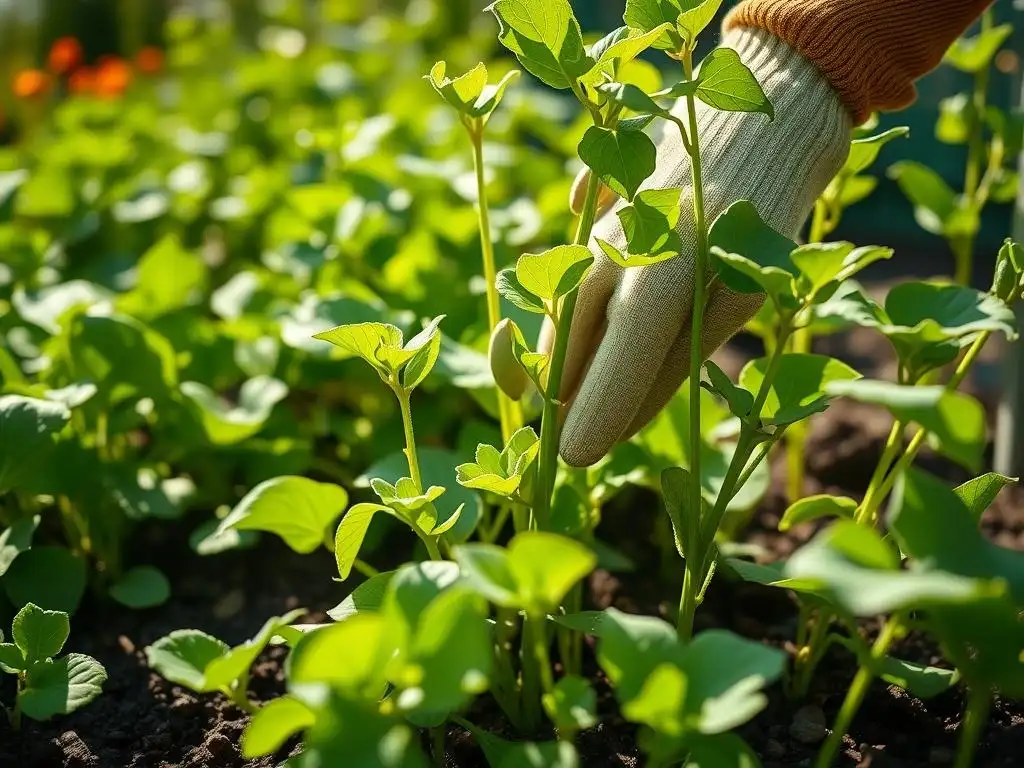
Growing lentils organically in your backyard requires diligent care, particularly concerning watering, weeding, and pest control. This section details effective, sustainable practices to ensure a bountiful harvest. Remember, consistent observation is key to identifying and addressing any issues promptly.
Watering Strategies for Healthy Lentil Growth in Your Backyard
Lentils are relatively drought-tolerant once established, but consistent moisture during germination and early growth stages is crucial. Overwatering, however, can lead to root rot and fungal diseases. The ideal watering strategy involves a balance of providing sufficient moisture without creating waterlogged conditions.
Here's a breakdown of effective watering techniques:
- Germination: Keep the soil consistently moist but not soggy during germination. A gentle watering can, or even a soaker hose, works well to avoid disturbing the delicate seedlings. Aim for watering deeply but infrequently, allowing the top inch of soil to dry slightly between waterings.
- Early Growth: As the plants develop their root systems (approximately 2-4 weeks after germination), you can gradually reduce the frequency of watering. Monitor soil moisture regularly; if the top inch feels dry, it's time to water again.
- Mature Plants: Mature lentil plants are more drought-tolerant. Water deeply but less frequently, especially during periods of rainfall. Focus on providing adequate moisture during flowering and pod development to maximize yield. Avoid overhead watering, which can increase the risk of fungal diseases.
Consider your climate and soil type when determining your watering schedule. Sandy soils drain faster than clay soils, requiring more frequent watering. In hot, dry climates, you may need to water more frequently than in cooler, more humid areas. Using a soil moisture meter can help you accurately gauge the level of moisture in your soil, ensuring you're not overwatering or underwatering your plants. Remember, the goal is to mimic natural rainfall patterns as much as possible.
Effective Weeding Techniques for Organic Lentil Cultivation
Weeds compete with lentils for water, nutrients, and sunlight, significantly impacting yield. Regular weeding is therefore essential for successful organic lentil cultivation. Several techniques can help you effectively manage weeds without resorting to harmful herbicides:
- Pre-planting Weed Control: Before planting your lentils, thoroughly clear the area of existing weeds. Tilling the soil can help to bury weed seeds, but it's important to avoid tilling too deeply, as this can damage the soil structure. Alternatively, consider using a thick layer of mulch to suppress weed growth before planting.
- Hand Weeding: For small lentil patches, hand weeding is the most effective and environmentally friendly approach. Regularly remove weeds by hand, being careful not to disturb the lentil plants. Focus on removing weeds before they go to seed to prevent future infestations.
- Mulching: Applying a layer of organic mulch, such as straw or shredded leaves, around your lentil plants can help suppress weed growth. The mulch also helps retain soil moisture and regulate soil temperature.
- Cover Cropping (for future plantings): Consider planting a cover crop like clover or vetch in the off-season to help suppress weeds and improve soil health. These crops can then be incorporated into the soil as green manure before planting your lentils.
Natural Pest Control Methods for Protecting Your Lentil Crop
Organic lentil cultivation prioritizes natural pest control methods over synthetic pesticides. While lentils are relatively pest-resistant, certain insects and diseases can still affect their growth. Here are some effective, environmentally friendly strategies for protecting your lentil crop:
- Crop Rotation: Rotating your crops annually can help break pest and disease cycles. Avoid planting lentils in the same location year after year.
- Companion Planting: Planting certain companion plants alongside your lentils can help deter pests. For example, marigolds are known to repel some common garden pests.
- Beneficial Insects: Encourage beneficial insects, such as ladybugs and lacewings, which prey on many common garden pests. Provide habitats for these insects by planting flowering plants that attract them.
- Monitoring and Early Intervention: Regularly inspect your lentil plants for signs of pests or diseases. Early detection allows for prompt intervention, preventing widespread damage. Handpicking pests or using insecticidal soap can be effective for small infestations.
- Resistant Varieties: When choosing lentil varieties, consider selecting those known for their resistance to common pests and diseases. This proactive approach can significantly reduce the need for pest control measures. Research varieties suited to your specific climate and soil conditions.
By implementing these organic practices, you can successfully grow healthy and productive lentils in your backyard, contributing to a sustainable and environmentally responsible food system. Remember that consistent observation and a proactive approach are crucial for ensuring a bountiful harvest. 🌱
Harvesting and Storing Your Homegrown Lentils

This section delves into the crucial final stages of your lentil-growing journey: harvesting and storage. Successfully cultivating lentils organically in your backyard requires attention to detail throughout the entire process, and proper harvesting and storage are no exception. These steps ensure you maximize your yield and enjoy the fruits (or rather, lentils!) of your labor for as long as possible.
Identifying Signs of Lentil Maturity for Optimal Harvesting
Knowing when to harvest your lentils is key to obtaining the best quality and maximizing your yield. Don't rush the process! Premature harvesting will result in smaller, less flavorful lentils. Conversely, waiting too long can lead to losses due to shattering (the pods bursting open and scattering the lentils).
Several visual cues indicate the optimal harvesting time. Look for:
- Pod Color Change: The pods will typically transition from a vibrant green to a light brown or beige, depending on the lentil variety. This color change signifies the lentils inside are reaching maturity.
- Pod Dryness: The pods should feel dry and brittle to the touch. If they're still green and pliable, they need more time.
- Seed Hardness: Gently squeeze a pod. The lentils inside should be firm and hard, not soft or mushy. This indicates they've reached their full size and flavor development.
It's always a good idea to check several plants across your garden to get a representative sample. You might find some pods are ready while others need a little more time. This is perfectly normal. Harvesting in stages ensures you get the best from each plant.
Remember, patience is key! Rushing the harvesting process can compromise the quality and quantity of your organic lentil harvest. Careful observation and attention to detail will reward you with a bountiful crop.
Proper Harvesting Techniques to Preserve Lentil Quality
Once you've identified mature pods, careful harvesting is crucial to avoid damaging the lentils or losing them to shattering. Here's a step-by-step guide:
- Choose a Dry Day: Harvest on a dry day to prevent mold and mildew from developing. Damp lentils are more susceptible to spoilage.
- Gentle Harvesting: Use sharp scissors or a knife to cut the entire plant at its base, rather than pulling it up, to minimize the risk of shattering the pods.
- Careful Handling: Gently gather the plants and place them in breathable containers, such as burlap bags or baskets. Avoid overcrowding to prevent moisture buildup and spoilage.
- Air Drying: Spread the harvested plants in a single layer on a clean, dry surface in a well-ventilated area, such as a screen or a tarp. Direct sunlight is generally not recommended as it can lead to bleaching. Allow the plants to air dry completely for at least 1-2 weeks, or until the pods are completely dry and brittle. Regularly check and turn the plants to ensure even drying.
- Threshing: Once completely dry, you can thresh the plants to separate the lentils from the pods. This can be done by hand, using a flail, or even by running a car over them (carefully!). The method you choose will depend on the quantity you are harvesting.
- Winnowing: After threshing, winnow the lentils to remove any remaining chaff, stems, or debris. This can be done by tossing the lentils in the air on a windy day or using a sieve.
Effective Storage Methods to Preserve Your Organic Lentil Harvest
Proper storage is essential to maintain the quality and longevity of your organically grown lentils. Here are some effective methods:
| Storage Method | Advantages | Disadvantages | Duration (Under Ideal Conditions) |
|---|---|---|---|
| Airtight Glass Jars | Protects from moisture, pests, and light | Requires more space | 1-2 years |
| Airtight Metal Containers | Durable, protects from pests | Can rust if not properly sealed | 1-2 years |
| Cool, Dry, Dark Place | Simple and inexpensive | Susceptible to pests and moisture damage | 6-12 months |
Remember to label your containers with the date of harvest for easy tracking. Store your lentils in a cool, dark, and dry place away from direct sunlight and moisture. Proper storage will help preserve the flavor, texture, and nutritional value of your homegrown lentils for months to come. Enjoy the delicious rewards of your organic gardening efforts! 🥕
Troubleshooting Common Lentil Growing Challenges

Growing lentils organically in your backyard can be incredibly rewarding, providing a healthy and sustainable source of protein. However, like any crop, lentils can face their share of challenges. This section delves into common problems and offers organic solutions to help you cultivate a bountiful lentil harvest. Understanding these potential issues and implementing preventative measures is key to successful lentil cultivation, maximizing your yield and minimizing frustration. Remember, patience and observation are crucial aspects of organic gardening.
Addressing Common Lentil Diseases and Pests Organically
Lentils, while relatively resilient, are susceptible to certain diseases and pests. A proactive approach, focusing on prevention and organic pest control, is paramount. Let's explore some common issues and their organic solutions:
- Fusarium wilt: This fungal disease can cause wilting and yellowing of plants. Prevention is key: ensure good soil drainage and crop rotation. Avoid planting lentils in the same area for consecutive years. If infection occurs, remove affected plants immediately and consider using a soil amendment like compost to improve soil health.
- Aphids: These tiny sap-sucking insects can weaken plants. Organic control methods include introducing beneficial insects like ladybugs, which prey on aphids. You can also use insecticidal soap sprays, ensuring to follow the product instructions carefully. A strong spray of water can also dislodge aphids.
- Weeds: Weeds compete with lentils for nutrients and water. Regular weeding is essential. Mulching can help suppress weed growth and retain soil moisture. Consider using organic mulch like straw or shredded leaves.
| Pest/Disease | Organic Control Methods | Prevention Strategies |
|---|---|---|
| Fusarium Wilt | Soil amendment (compost), crop rotation | Good soil drainage, avoid consecutive planting in same area |
| Aphids | Beneficial insects (ladybugs), insecticidal soap | Regular plant inspection, strong water spray |
| Weeds | Mulching (straw, leaves), hand weeding | Timely planting, appropriate spacing |
Remember to always identify the specific pest or disease before applying any treatment. Accurate identification ensures the most effective and targeted approach. Observing your plants regularly allows for early detection and intervention, minimizing damage. The goal is to create a thriving ecosystem in your garden that supports healthy lentil growth.
Resolving Issues with Lentil Germination and Growth
Successful lentil germination and growth depend on several factors. Let's address common issues that can hinder this crucial stage:
- Poor germination: This can be due to several factors, including:
- Improper seed preparation: Soaking seeds for a few hours before planting can improve germination rates.
- Soil conditions: Lentils prefer well-drained, slightly acidic soil (pH 6.0-7.0). Amend heavy clay soils with organic matter to improve drainage.
- Seed depth: Plant seeds at the recommended depth (typically ½ to 1 inch). Too deep or too shallow planting can impede germination.
- Soil temperature: Optimal soil temperature for germination is around 60-70°F (15-21°C).
- Slow growth: Slow growth can be attributed to:
- Nutrient deficiencies: Ensure your soil is rich in nutrients. A soil test can help determine any deficiencies and guide appropriate amendments. Organic fertilizers, like compost tea, can provide a slow-release source of nutrients.
- Insufficient sunlight: Lentils need at least 6-8 hours of sunlight daily. Choose a sunny location in your garden.
- Water stress: Consistent watering is crucial, especially during germination and early growth stages. Avoid overwatering, which can lead to root rot.
Addressing these issues proactively will improve your chances of a successful lentil crop. Careful planning and consistent monitoring are your best allies in achieving a bountiful harvest. Remember to document your observations to better understand your specific garden conditions and adapt your techniques accordingly.
Optimizing Your Lentil Growing Techniques for Next Season
After harvesting your lentils, take time to reflect on the season and plan for improvements next year. Analyzing your successes and challenges will lead to a more productive harvest in the future. Consider these points:
- Record Keeping: Maintain a detailed garden journal. Note down planting dates, watering schedules, pest and disease occurrences, and the overall yield. This information is invaluable for future planning.
- Soil Improvement: Conduct a soil test to determine nutrient levels and pH. Amend your soil with compost or other organic matter to improve its structure and fertility. Consider cover cropping to enhance soil health during the off-season.
- Variety Selection: Experiment with different lentil varieties to find those best suited to your climate and soil conditions. Some varieties are more resistant to diseases or pests.
- Rotation: Practice crop rotation to break pest and disease cycles. Avoid planting lentils in the same location for consecutive years.
By carefully analyzing your past performance and implementing these strategies, you'll significantly increase your chances of a more abundant and successful lentil harvest next year. Remember, growing organically is a journey of continuous learning and adaptation. Embrace the challenges, learn from your experiences, and enjoy the fruits (or rather, lentils!) of your labor. 🌱
Recipes and Uses for Your Homegrown Lentils
After the hard work of cultivating your own lentils organically in your backyard, you'll be rewarded with a bountiful harvest ready for culinary adventures! This section explores delicious recipes and creative ways to incorporate your homegrown lentils into your diet, maximizing their nutritional value and satisfying your taste buds. Growing lentils backyard organically offers a unique connection to your food, enhancing the overall experience.
Delicious and Nutritious Lentil Recipes for Your Harvest
Your homegrown lentils, bursting with flavor and nutrients, are perfect for a variety of dishes. Here are a few ideas to get you started:
- Classic Lentil Soup: This hearty soup is a staple for a reason. Simply sauté onions, carrots, and celery, add your lentils, vegetable broth, and spices (cumin, turmeric, coriander are excellent choices! ), and simmer until the lentils are tender. A squeeze of lemon juice at the end brightens the flavors. This recipe is easily adaptable; add diced potatoes, spinach, or other vegetables for extra nutrients and texture. The beauty of using your own organically grown lentils? You know exactly what went into them, ensuring a superior taste and quality.
- Lentil Shepherd's Pie: A comforting and satisfying meal, perfect for a chilly evening. Layer cooked lentils seasoned with herbs and spices in a baking dish, top with a creamy mashed sweet potato or cauliflower topping, and bake until golden brown. This is a great way to incorporate lentils into a familiar dish, adding a boost of protein and fiber. The earthy flavor of homegrown lentils complements the sweetness of the mashed topping perfectly.
- Lentil Salad: A refreshing and versatile option for warmer months. Combine cooked lentils with chopped vegetables (cucumber, tomatoes, bell peppers), herbs (parsley, mint, cilantro), and a lemon vinaigrette. Add feta cheese or toasted nuts for extra flavor and texture. This salad is perfect as a side dish or a light meal. The vibrant colors of the vegetables, combined with the earthy lentils, make this salad visually appealing as well as delicious.
- Spicy Lentil Curry: For a flavorful and aromatic dish, try a lentil curry. Sauté onions, garlic, and ginger, then add your lentils, coconut milk, curry powder, and other spices to taste. Simmer until the lentils are tender and the sauce has thickened. Serve with rice or naan bread. Experiment with different spices to create your own unique curry blend. The unique flavor profile of homegrown lentils adds depth to this already flavorful dish.
Creative Ways to Incorporate Lentils into Your Diet
Beyond the classic recipes, there are countless ways to incorporate your homegrown lentils into your daily diet. Consider these ideas:
- Lentil "Meatballs": Combine cooked lentils with breadcrumbs, herbs, and spices, then form into small balls and bake or pan-fry. These are a delicious and healthy alternative to traditional meatballs, perfect for pasta dishes or as an appetizer. Experiment with different herbs and spices to create unique flavor combinations.
- Lentil Burgers: Similar to lentil meatballs, but shaped into patties. These are a hearty and satisfying vegetarian burger option. Top with your favorite burger toppings and enjoy!
- Adding Lentils to Soups and Stews: Enhance the nutritional value and flavor of your existing soup and stew recipes by adding a cup of cooked lentils. This is a simple way to incorporate more lentils into your diet without requiring significant recipe changes.
- Lentil Flour: If you have a significant harvest, consider making lentil flour. This versatile ingredient can be used in baking, thickening sauces, or as a base for other recipes. It adds a unique nutty flavor and nutritional boost to your baked goods.
Remember, growing lentils backyard organically not only provides fresh, healthy food but also connects you to the process of food production. Enjoy the fruits (or rather, the lentils!) of your labor! 🌱
Frequently Asked Questions
Can I really grow lentils organically in my backyard?
Yes! Lentils are relatively easy to grow organically, requiring minimal space and resources. Focus on rich soil and consistent watering.
What type of soil is best for growing lentils organically?
Lentils thrive in well-drained soil that's loose and fertile. Amend heavy clay soils with compost to improve drainage and aeration. Sandy loam is ideal.
When is the best time to plant lentils for an organic backyard garden?
The best time to plant lentils depends on your climate. Generally, spring (after the last frost) or fall (several weeks before the first frost) are good choices. Check your local frost dates.
How do I control pests and diseases organically when growing lentils?
Organic pest control for lentils often involves companion planting (e.g., with herbs like rosemary) and regular inspection for early detection. Use neem oil or diatomaceous earth if necessary.
How long does it take to harvest lentils grown organically in my backyard?
Lentil maturity varies by variety, but generally takes 70-100 days from planting to harvest. Harvest when the pods are dry and brown.
Final Reflection: Sowing Seeds of Self-Sufficiency
Growing your own lentils, once a niche pursuit, is becoming increasingly relevant in a world facing food insecurity and a growing awareness of sustainable practices. The simple act of cultivating these nutrient-rich legumes in your own backyard represents a powerful step towards food sovereignty and a deeper connection with the natural world. It's a testament to the fact that even small actions can have a significant impact.
The journey of growing lentils, from sowing the tiny seeds to harvesting the bountiful crop, is a deeply rewarding experience. It's a reminder of the cyclical nature of life and the profound satisfaction derived from nurturing something from its inception to fruition. The glory of gardening: hands in the dirt, head in the sun, heart with nature. To nurture a garden is to feed not just the body, but the soul.
This quote perfectly encapsulates the transformative power of connecting with the earth through gardening, a power amplified by the simplicity and accessibility of growing lentils organically.
Now, consider your own backyard, your own potential. What small seed of self-sufficiency can you plant today? Perhaps it's lentils, perhaps it's another herb or vegetable. The important thing is to begin, to engage with the process of growing your own food, and to experience the profound satisfaction of nurturing life and contributing to a more sustainable future. Embrace the challenge, embrace the earth, and embrace the harvest.
Unlock Your Inner Gardener: Grow Bountiful Lentils!
Thank you for exploring the wonderful world of backyard lentil growing! You've learned valuable tips to cultivate a nutritious harvest. Now it's time to put that knowledge into practice.
- Start your lentil patch today! Even a small plot can yield a surprisingly large harvest. Remember to prepare the soil properly before planting your seeds.
- Share your progress! We'd love to see your progress and answer any questions you may have on our CultivateYourFood forum.
- Discover more delicious legumes! Explore our website for more gardening inspiration and discover other easy-to-grow legumes.
Ready to experience the satisfaction of nurturing your own lentil crop from seed to harvest? What's your first step?