
The Importance of Soil Microbes: Nurturing Your Garden's Ecosystem

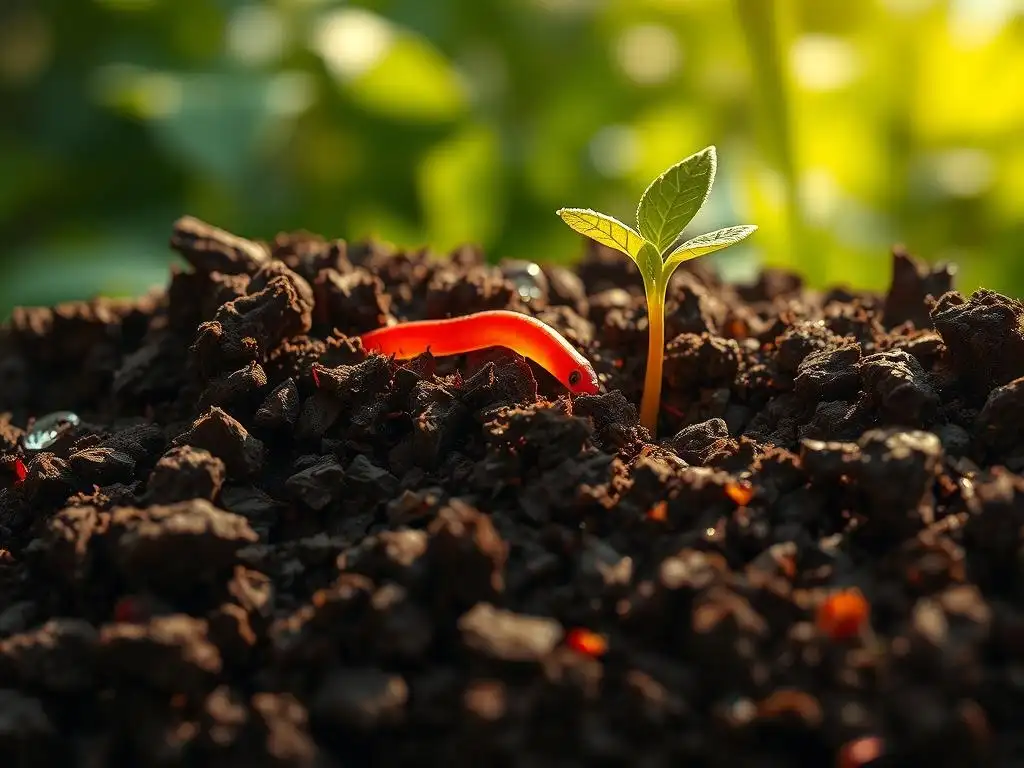
Welcome to CultivateYourFood, your guide to a thriving, sustainable garden! Are you ready to unlock the secrets to bountiful harvests? We believe the key lies beneath the surface, in the vibrant world of healthy soil microbes gardening. Discover how nurturing these microscopic wonders can transform your garden, leading to healthier plants and more delicious produce. Dive in and explore the fascinating world of soil health – your journey to a flourishing garden starts now!
- Understanding the Role of Healthy Soil Microbes in Gardening
- Boosting Your Garden's Microbial Life: Practical Tips for Healthy Soil
- Identifying and Addressing Soil Microbe Imbalances
- Case Study: Transforming a Depleted Garden with Healthy Soil Microbes
- Frequently Asked Questions
- Final Reflection: Cultivating a Thriving Future, One Microbe at a Time
- Unleash Your Garden's Potential: Cultivate Thriving Soil!
Understanding the Role of Healthy Soil Microbes in Gardening
Healthy soil is the cornerstone of any successful garden, and within that soil lies a bustling, unseen world of microscopic organisms crucial for plant growth and overall garden health. This article delves into the vital role of soil microbes in achieving thriving, sustainable gardens, exploring how nurturing these beneficial organisms contributes directly to the health and productivity of your fruits, vegetables, and herbs.
Understanding the intricate relationships between plants and soil microbes is key to practicing truly organic and sustainable gardening, allowing you to cultivate a vibrant ecosystem that requires less intervention and yields healthier, more flavorful produce. We'll explore the diversity of beneficial microbes, their functions, and the symbiotic relationship they share with your plants, ultimately empowering you to cultivate a healthier and more productive garden using natural methods.
This information is essential for anyone striving for truly healthy soil and a bountiful harvest using the principles of "healthy soil microbes gardening".
The Invisible World: Beneficial Microbes and Their Functions
The soil teems with life invisible to the naked eye. A rich, healthy soil boasts a diverse community of beneficial microbes, including bacteria, fungi, actinomycetes, and protozoa. These tiny organisms perform a multitude of essential functions that are fundamental to plant health and soil fertility.
For example, bacteria play a critical role in nutrient cycling. Nitrogen-fixing bacteria convert atmospheric nitrogen into forms usable by plants, dramatically reducing the need for synthetic fertilizers. Other bacteria decompose organic matter, releasing essential nutrients like phosphorus and potassium, making them available for plant uptake. This decomposition process also improves soil structure, enhancing aeration and water retention.
Fungi, particularly mycorrhizal fungi, form symbiotic relationships with plant roots, extending their reach into the soil and increasing their access to water and nutrients. These fungal networks act as a natural highway, transferring nutrients from the soil to the plant and vice-versa. They also enhance plant resilience to diseases and stress.
Actinomycetes, a group of bacteria resembling fungi, contribute to the decomposition of organic matter and produce antibiotics that suppress soilborne diseases. Their activity helps to maintain a healthy soil environment, reducing the risk of plant pathogens.
Finally, protozoa feed on bacteria and other microorganisms, regulating their populations and releasing nutrients back into the soil. This grazing activity contributes to the overall nutrient cycling process and maintains a balanced microbial community. A healthy balance of all these groups is essential for a thriving garden ecosystem.
Soil Microbe Diversity: A Foundation for Thriving Plants
The diversity of soil microbes is directly correlated with soil health and plant productivity. A diverse microbial community is more resilient to environmental stresses and better equipped to handle challenges like disease outbreaks or nutrient deficiencies. A monoculture of microbes, on the other hand, is less adaptable and more vulnerable to disruption.
Think of it like a diverse human population: a variety of skills and backgrounds make a community stronger and more resilient to challenges. Similarly, a diverse soil microbial community offers a wide range of functions and capabilities, ensuring that the soil remains healthy and productive even under changing conditions.
Maintaining this diversity involves several key practices, including:
- Minimizing soil disturbance: Excessive tillage can disrupt the delicate balance of the soil ecosystem, reducing microbial diversity.
- Adding organic matter: Compost, manure, and other organic materials provide food for microbes and promote their growth and diversity.
- Avoiding synthetic pesticides and herbicides: These chemicals can harm beneficial microbes and disrupt the delicate balance of the soil ecosystem.
- Crop rotation: Rotating crops helps to maintain soil health and prevent the buildup of pests and diseases, supporting a healthier microbial community.
The Symbiotic Relationship: Plants and Microbes Working Together
The relationship between plants and soil microbes is largely symbiotic – a mutually beneficial partnership. Plants provide microbes with energy in the form of root exudates (sugars and other organic compounds). In return, microbes provide plants with essential nutrients, enhance water uptake, protect against diseases, and improve soil structure. This intricate interaction is crucial for healthy plant growth and overall garden productivity.
This symbiotic relationship is particularly evident in the mycorrhizal fungi mentioned earlier. The fungi receive carbohydrates from the plant, and in turn, they greatly increase the plant's access to water and nutrients, particularly phosphorus. This improved nutrient uptake translates to healthier, more vigorous plant growth, leading to increased yields and improved fruit and vegetable quality. Understanding and fostering this symbiotic relationship is a key element in successful and sustainable gardening. By creating a healthy soil environment rich in diverse microbes, you are essentially creating a self-regulating ecosystem that supports the growth and health of your plants naturally and efficiently.
Boosting Your Garden's Microbial Life: Practical Tips for Healthy Soil
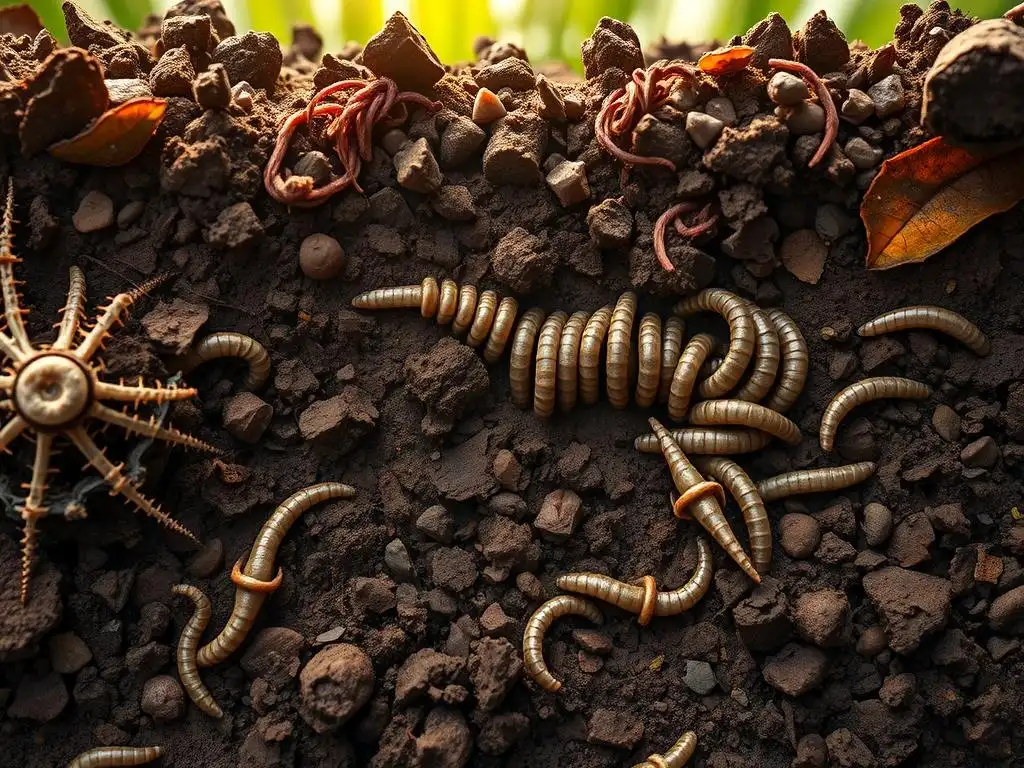
This section delves into practical, actionable steps you can take to cultivate a thriving community of beneficial soil microbes, crucial for achieving truly healthy soil microbes gardening. We'll explore techniques that directly impact microbial activity, leading to healthier plants and a more sustainable garden. Remember, a vibrant soil ecosystem is the foundation of successful organic gardening.
Improving Soil Structure for Optimal Microbial Activity
Healthy soil structure is paramount for supporting a diverse and active microbial community. Compacted soil lacks the pore spaces necessary for air and water circulation, hindering microbial respiration and reproduction. Conversely, well-structured soil, with its crumbly texture, provides ideal living conditions. This is achieved through:
- No-Till Gardening: Minimizing soil disturbance preserves existing soil structure and protects beneficial microbes living in the upper layers. Avoid tilling or turning the soil as much as possible.
- Cover Cropping: Planting cover crops like legumes (peas, beans) or grasses adds organic matter, improves soil structure, and feeds microbes. Their roots create channels, improving aeration and drainage. The decomposition of these crops further enhances soil structure.
- Adding Organic Amendments: Incorporating materials like compost, aged manure, or leaf mold improves soil texture, creating a more porous environment rich in nutrients that support microbial growth. These amendments provide food sources and habitats for a diverse range of microbes. For example, adding 2-3 inches of compost annually can dramatically improve soil structure and microbial activity.
The impact is significant. Studies have shown that no-till practices, combined with cover cropping and organic amendments, can increase soil microbial biomass by 30-50% within just a couple of years, leading to healthier plants with improved nutrient uptake.
Organic Matter: The Microbe's Feast
Organic matter is the lifeblood of a healthy soil ecosystem. It's the primary food source for soil microbes, fueling their growth and activity. The more organic matter you add, the more microbes you'll support. This translates to improved nutrient cycling, enhanced water retention, and increased disease suppression.
Think of it this way: microbes are like tiny gardeners, constantly working to break down organic matter. This decomposition process releases essential nutrients that plants can readily absorb. Different types of organic matter decompose at different rates, providing a continuous supply of nutrients for the microbes.
Examples of organic matter to incorporate include:
- Compost: A rich source of nutrients and microbial life.
- Aged Manure: Provides slow-release nutrients and improves soil structure.
- Leaf Mold: A readily available source of organic matter, especially beneficial for improving soil drainage.
- Grass Clippings (in moderation): Avoid adding large amounts at once to prevent compaction.
The benefits are undeniable. Higher levels of organic matter correlate directly with increased microbial diversity and activity. For instance, soils with 5% organic matter typically have a significantly larger microbial population compared to soils with only 1% organic matter. This increase in microbial activity boosts plant growth and overall soil health.
Composting: A Key Strategy for Healthy Soil Microbes
Composting is a cornerstone of healthy soil microbes gardening. It's a highly effective method for recycling organic waste into a nutrient-rich amendment that is teeming with beneficial microbes. This process not only reduces waste but also provides a powerful tool for improving soil health.
The composting process itself fosters microbial growth. As organic materials decompose, microbes break them down, releasing nutrients and creating a rich, dark humus. This humus improves soil structure, water retention, and nutrient availability. Furthermore, the finished compost introduces a diverse range of beneficial microbes directly into your garden soil.
Effective composting involves:
- Maintaining a proper carbon-to-nitrogen ratio: A balanced ratio ensures efficient decomposition.
- Keeping the pile moist but not soggy: Excessive moisture can lead to anaerobic conditions, hindering microbial activity.
- Turning the pile regularly: This introduces oxygen, promoting aerobic decomposition and preventing unpleasant odors.
By consistently adding compost to your garden, you are essentially inoculating your soil with a potent blend of microbes, enzymes, and nutrients, significantly contributing to a thriving and resilient soil ecosystem. The improved soil health leads to healthier plants, better yields, and a more sustainable gardening practice. This directly supports the goal of healthy soil microbes gardening.
Avoiding Harmful Practices: Protecting Beneficial Soil Microbes
Maintaining a thriving population of beneficial soil microbes is crucial for healthy soil and abundant harvests. However, several common gardening practices can inadvertently harm these vital organisms, undermining your efforts to cultivate a vibrant garden ecosystem. Understanding these practices and implementing preventative measures is key to nurturing a healthy soil microbiome.
One significant threat is the overuse of chemical pesticides and herbicides. These synthetic chemicals, designed to eliminate pests and weeds, often indiscriminately kill beneficial microbes alongside their targets. The broad-spectrum nature of many chemical pesticides disrupts the delicate balance of the soil ecosystem, leaving it vulnerable to disease and reducing its overall fertility.
For example, the overuse of neonicotinoid insecticides has been linked to significant declines in pollinator populations, which are essential for plant reproduction and, indirectly, for the health of the soil microbiome. A healthy pollinator population contributes to plant diversity, which in turn supports a diverse and robust soil microbial community.
Similarly, excessive tillage disrupts the soil structure and harms the delicate networks of fungal hyphae and bacterial colonies that form the foundation of a healthy soil ecosystem. Repeated plowing and tilling can expose beneficial microbes to harsh environmental conditions, such as desiccation and UV radiation, leading to their death. Furthermore, tillage can damage soil aggregates, reducing water infiltration and aeration, both crucial factors for microbial activity. No-till gardening, or minimal tillage practices, are significantly more beneficial for maintaining a healthy soil microbiome, as they preserve the existing soil structure and protect the microbial communities within.
Another harmful practice is over-fertilization with synthetic fertilizers. While plants need nutrients to thrive, an excess of synthetic fertilizers can actually harm soil microbes. High concentrations of salts from these fertilizers can create an osmotic imbalance, stressing and killing sensitive microbes. Additionally, the rapid release of nutrients from synthetic fertilizers can lead to nutrient imbalances in the soil, favoring the growth of certain microbial species over others, potentially disrupting the overall microbial community structure. Opting for organic fertilizers, such as compost and manure, provides a slow and steady release of nutrients, promoting a more balanced and sustainable microbial community.
Finally, neglecting crop rotation can lead to the depletion of specific nutrients and the buildup of pathogens in the soil. This unbalanced environment can negatively impact the diversity and abundance of beneficial soil microbes. Rotating crops helps to maintain soil health by diversifying nutrient uptake and reducing the pressure from specific pests and diseases.
A diverse and healthy soil microbiome is better equipped to combat these challenges, leading to more resilient plants and a more productive garden. Implementing these avoidance strategies is crucial for the long-term health and productivity of your garden. Remember, a healthy soil microbiome is the foundation of a thriving garden.
Identifying and Addressing Soil Microbe Imbalances
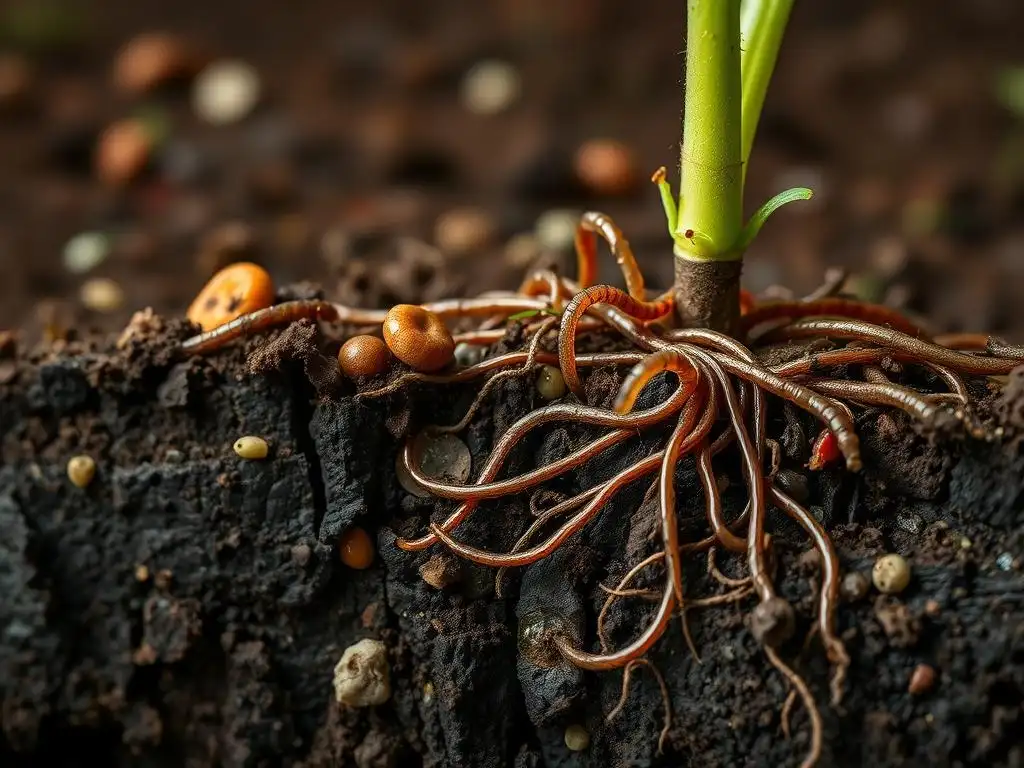
Healthy soil teems with a diverse community of microbes – bacteria, fungi, protozoa, and nematodes – all playing crucial roles in nutrient cycling, disease suppression, and overall plant health. Achieving thriving "healthy soil microbes gardening" requires understanding how to identify and address imbalances within this intricate ecosystem. A disruption in this delicate balance can significantly impact plant growth and yield. This section will explore the signs of unhealthy soil and effective strategies for restoring microbial diversity.
Recognizing Signs of Unhealthy Soil Microbes
Several key indicators can signal an unhealthy soil microbiome. These signs often manifest as issues with your plants, but understanding the underlying microbial imbalance is crucial for effective remediation.
One of the most visible signs is poor plant growth, despite seemingly adequate watering and fertilization. Stunted growth, yellowing leaves (chlorosis), and wilting, even with sufficient moisture, suggest a lack of nutrient availability, often linked to an imbalanced microbial population. The soil itself might offer clues; a compacted, hard soil lacking structure indicates a deficiency in beneficial microbes that improve soil aeration and water retention. Conversely, a soil that is excessively wet and poorly drained, even after watering, points to a lack of beneficial fungi and other microbes that improve soil drainage and structure.
Another tell-tale sign is an increased susceptibility to plant diseases. A healthy soil microbiome acts as a natural defense mechanism, competing with pathogenic organisms for resources and producing antibiotics that inhibit disease development. Frequent disease outbreaks, despite preventative measures, might signal a weakened microbial community. Finally, a lack of earthworms and other soil fauna is a strong indicator of an unhealthy soil ecosystem.
These organisms are crucial for soil aeration, nutrient cycling, and creating a favorable environment for beneficial microbes. Their absence suggests a severe imbalance that requires immediate attention. Remember, a vibrant, diverse soil microbiome is essential for "healthy soil microbes gardening".
Strategies for Restoring Microbial Balance
Restoring microbial balance involves a multi-pronged approach focusing on improving soil conditions and introducing beneficial microbes. The first step is to improve soil structure. This can be achieved through techniques like no-till gardening, cover cropping, and the addition of organic matter. No-till gardening minimizes soil disturbance, preserving existing microbial communities. Cover crops, such as legumes or rye, add organic matter, improve soil structure, and introduce beneficial microbes into the soil.
The addition of compost is a cornerstone of restoring microbial balance. Compost is rich in organic matter and beneficial microbes, providing a food source and habitat for a thriving soil ecosystem. It improves soil structure, water retention, and nutrient availability. The type of compost used also matters; compost derived from a diverse range of organic materials will support a more diverse microbial community. Actively managing soil moisture is also important. Avoid overwatering, which can create anaerobic conditions harmful to many beneficial microbes. Conversely, prolonged drought can also stress the microbial community. Maintaining consistent, appropriate soil moisture levels is key.
Regular soil testing can provide valuable insights into the microbial community's health. While a full microbial analysis may be expensive, basic soil tests can assess pH, nutrient levels, and organic matter content—indirect indicators of microbial health. These tests can guide your soil amendment strategies for optimal results. Remember, a holistic approach encompassing multiple strategies is the most effective way to restore a balanced and vibrant soil microbiome.
Natural Soil Amendments to Encourage Beneficial Microbes
Several natural soil amendments directly contribute to a flourishing microbial community. The addition of well-rotted manure provides a rich source of organic matter and beneficial microbes. Manure, especially from herbivores, adds nutrients and improves soil structure, fostering microbial growth.
Rock dust is another beneficial amendment, supplying essential minerals that microbes need for growth and activity. The addition of various rock powders, such as basalt or granite, provides a slow-release source of minerals, creating a more stable and balanced soil environment. Finally, biochar, a charcoal-like material produced from the pyrolysis of biomass, enhances soil structure, water retention, and microbial activity.
It provides a stable habitat for microbes and increases the soil's overall capacity to support a diverse and thriving microbial community. Careful selection and appropriate application of these natural soil amendments are crucial for successful "healthy soil microbes gardening." Remember to consider your specific soil type and needs when selecting amendments.
Case Study: Transforming a Depleted Garden with Healthy Soil Microbes
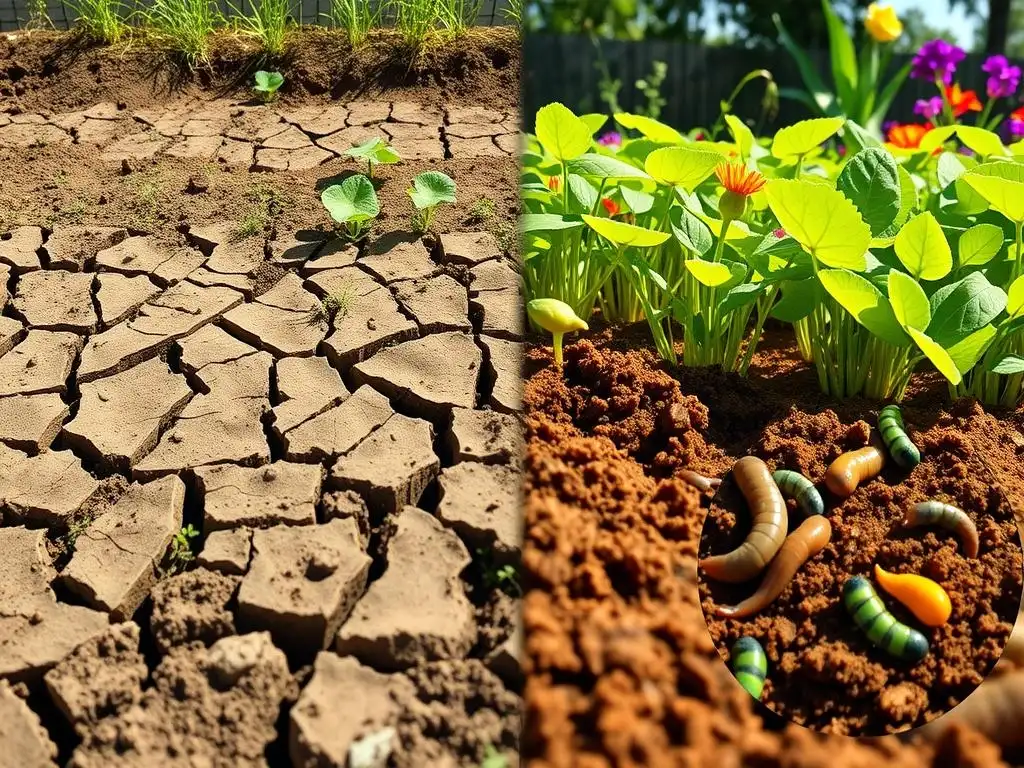
This case study demonstrates the dramatic impact of fostering healthy soil microbes on garden productivity. We'll follow the journey of a severely depleted garden, highlighting the challenges faced and the successful strategies employed to revitalize its microbial life, ultimately leading to bountiful harvests. This example showcases the crucial role of healthy soil microbes gardening, emphasizing the importance of understanding and nurturing this often-overlooked aspect of plant health.
Initial Soil Analysis and Challenges
The garden in question had been subjected to years of intensive conventional farming practices. This included heavy use of chemical fertilizers and pesticides, leaving the soil compacted, nutrient-deficient, and severely lacking in beneficial microbial diversity. An initial soil analysis revealed alarmingly low levels of organic matter (only 1%), a pH imbalance (4.5, far from the ideal 6.0-7.0 range for most plants), and significantly reduced populations of key microbial groups, such as mycorrhizal fungi and nitrogen-fixing bacteria.
These deficiencies directly translated into poor plant growth, reduced yields, and increased susceptibility to pests and diseases. The gardener, frustrated with consistently disappointing harvests, was eager to implement sustainable practices to restore the soil's health. The lack of beneficial microbes was a primary concern, impacting nutrient uptake, disease resistance, and overall soil structure.
The soil's poor condition was visually evident: compacted earth, lack of earthworms, and stunted plant growth were clear indicators of an unhealthy soil ecosystem. The challenge was to reintroduce and nurture a thriving microbial community to restore the garden's vitality. This is a common problem for many gardeners who have relied on chemical inputs, highlighting the need for a holistic approach to healthy soil microbes gardening.
Implementing Microbial Enhancement Strategies
To address the identified deficiencies, a multi-pronged approach focusing on nurturing healthy soil microbes was adopted. First, a generous layer of compost (approximately 4 inches) was incorporated into the soil. This provided a significant boost in organic matter, creating a more favorable environment for microbial growth. The compost acted as a food source for the microbes, providing essential nutrients and improving soil structure.
Simultaneously, cover cropping with legumes (such as clover and alfalfa) was implemented. These plants are known for their ability to fix atmospheric nitrogen, enriching the soil with this crucial nutrient and promoting the growth of nitrogen-fixing bacteria. Furthermore, the gardener introduced a microbial inoculant containing beneficial bacteria and fungi, specifically targeting mycorrhizal fungi known for enhancing nutrient uptake in plants. This targeted approach aimed to rapidly increase the diversity and abundance of beneficial microbes in the soil.
Regular soil testing was conducted throughout the process, allowing adjustments to the strategy based on observed changes in soil health. This iterative approach is crucial for effective healthy soil microbes gardening. The gardener also avoided the use of chemical pesticides and herbicides, further supporting the development of a balanced soil ecosystem. These steps focused on building a robust and resilient soil microbiome, providing a long-term solution rather than a quick fix.
Results: Improved Plant Health and Increased Yields
The results were remarkable. Within a single growing season, significant improvements were observed. Soil organic matter increased to 4%, the pH stabilized around 6.5, and populations of beneficial microbes showed a substantial increase. This was evident in the improved plant health, with noticeably stronger stems, healthier foliage, and increased flowering and fruiting.
The yields increased by approximately 60% compared to the previous season, demonstrating the direct correlation between healthy soil microbes and plant productivity. The soil also showed improved structure, becoming more porous and easier to work with. The gardener observed a significant increase in earthworm activity, a clear sign of a thriving soil ecosystem. The success of this project underscores the importance of understanding and nurturing soil microbes for sustainable and productive gardening.
The dramatic improvement in yields and plant health directly resulted from the implementation of practices that promoted healthy soil microbes gardening, emphasizing the long-term benefits of this approach. The project serves as a powerful example for gardeners seeking to enhance their soil health naturally and achieve sustainable, high-yielding gardens.
Frequently Asked Questions
What are soil microbes, and why are they important for my garden?
Soil microbes are the tiny living organisms in your soil, including bacteria, fungi, and protozoa. They are crucial for nutrient cycling, disease suppression, and overall soil health, leading to healthier and more productive plants.
How can I encourage healthy soil microbes in my garden?
You can foster a thriving microbial community by using organic matter like compost, avoiding chemical pesticides and fertilizers, and practicing no-till gardening techniques. Diverse planting also helps.
What are the signs of unhealthy soil microbes?
Signs of unhealthy soil microbes include poor plant growth, increased pest and disease problems, and soil that's compacted or lacks structure. Your soil may also smell unpleasant.
How does composting help soil microbes?
Composting provides essential food for soil microbes. The decomposition process creates humus, a rich organic matter that improves soil structure and nutrient availability, supporting microbial growth.
Are there any harmful soil microbes I should be concerned about?
While most soil microbes are beneficial, some can be pathogenic. Maintaining a healthy and balanced soil ecosystem through the practices mentioned above is the best defense against harmful microbes. Diversity is key.
Final Reflection: Cultivating a Thriving Future, One Microbe at a Time
The health of our gardens is inextricably linked to the unseen world teeming beneath the surface; understanding and nurturing soil microbes is not just a gardening practice, it's a crucial step towards a sustainable future. Ignoring this vital ecosystem is akin to neglecting the very foundation upon which our food security and environmental well-being rest. The implications are far-reaching, impacting everything from crop yields to climate change mitigation.
The more I researched the intricate relationships within the soil microbiome, the more profound my appreciation for its delicate balance became. It's a complex web of life, a silent symphony of activity that underpins the health of our planet. The land is not merely soil; it is a living entity; it has a soul, a spirit, and we must treat it with respect.
This sentiment, while perhaps poetic, underscores the vital truth that healthy soil, teeming with diverse microbial life, is the cornerstone of a thriving ecosystem. We are only beginning to understand the full extent of their influence, and the responsibility we bear in protecting them.
Now, consider your own garden, your own patch of earth. What steps can you take to foster this hidden world? Will you embrace practices that encourage biodiversity, such as composting and avoiding harmful chemicals? Will you commit to learning more about the fascinating organisms that support the growth of your plants and contribute to a healthier planet? The future of our gardens, and indeed our world, depends on our willingness to cultivate a deeper understanding and appreciation for the vital role of soil microbes. Let's nurture this unseen world, together.
Unleash Your Garden's Potential: Cultivate Thriving Soil!
Thanks for learning about the incredible world of soil microbes! You've unlocked a key to a healthier, more vibrant garden. Ready to put this knowledge to work?
- **Start composting:** This is the most direct way to boost your soil's microbial life and provide your plants with essential nutrients. It's surprisingly easy and rewarding!
- **Share this article:** Spread the word and inspire others to cultivate healthy soil in their gardens. Let's build a community of mindful gardeners!
- **Test your soil:** This will help you understand your soil's specific needs and tailor your approach to nurturing its microbial ecosystem. A simple home test can be very informative.
What's the first step you'll take to cultivate thriving soil in your garden this season?