
The Art of Growing Raspberries: A Comprehensive Guide for Home Gardeners

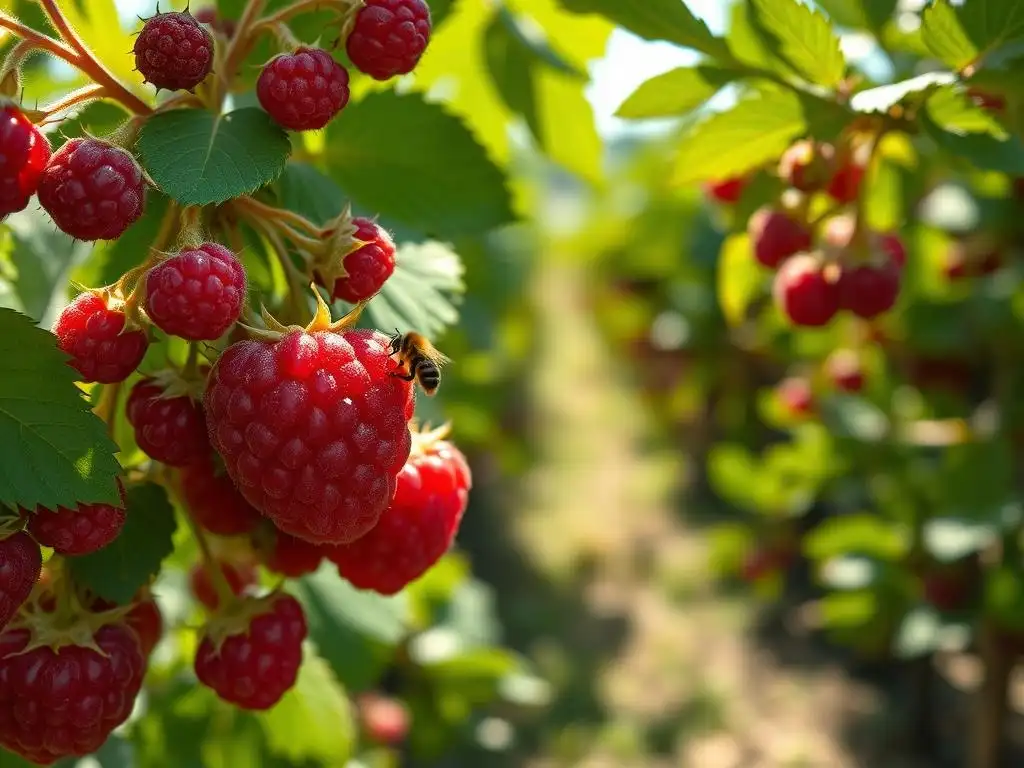
Ready to transform your backyard into a bountiful haven? CultivateYourFood is your guide to sustainable and organic gardening. We're passionate about helping you grow your own delicious fruits, vegetables, and herbs, and today, we're diving deep into the world of organic raspberry growing. Discover the secrets to a thriving raspberry patch with our comprehensive guide—from planting to harvest and beyond. Let's get started and unlock the juicy rewards of homegrown goodness!
- Choosing the Right Raspberry Variety for Your Organic Garden
- Preparing Your Soil for Optimal Raspberry Growth
- Planting Your Organic Raspberry Plants: A Step-by-Step Guide
- Organic Raspberry Care: Feeding, Watering, and Pruning
- Harvesting and Preserving Your Organic Raspberry Crop
- Overwintering Your Raspberry Plants for a Bountiful Next Harvest
- Troubleshooting Common Raspberry Growing Problems
- Organic Raspberry Growing: Frequently Asked Questions (FAQ)
- Frequently Asked Questions
- Final Reflection: Cultivating More Than Just Raspberries
- Unlock Your Raspberry Paradise: Grow Your Own Delicious Berries!
Choosing the Right Raspberry Variety for Your Organic Garden
Embarking on the journey of growing organic raspberries can be incredibly rewarding, offering a bountiful harvest of sweet, juicy berries for your enjoyment. This comprehensive guide will equip you with the knowledge and techniques needed to cultivate thriving raspberry plants in your home garden, using sustainable and organic methods. From selecting the perfect variety to harvesting your ripe berries, we'll cover all the essential steps to ensure a successful and delicious raspberry growing experience.
This guide focuses specifically on organic raspberry growing practices, minimizing environmental impact and maximizing the health of your plants and the quality of your harvest. We'll delve into everything from choosing disease-resistant varieties to implementing effective pest control strategies without resorting to harmful chemicals. Get ready to transform your garden into a vibrant raspberry patch!
Selecting Raspberry Varieties for Different Climates
Choosing the right raspberry variety is paramount to success. Different varieties thrive in different climates, so understanding your local growing conditions is crucial. Consider factors like your average winter temperatures, the length of your growing season, and the amount of sunlight your garden receives. For example, some varieties, like the 'Autumn Bliss' raspberry, are known for their hardiness in colder climates and ability to produce fruit even in shorter seasons.
Conversely, 'Heritage' raspberries prefer warmer climates with longer growing seasons. Before purchasing plants, research varieties specifically suited to your USDA hardiness zone. A well-chosen variety will significantly increase your chances of a successful harvest, ensuring a plentiful supply of delicious organic raspberries.
Remember to check the specific needs of each variety regarding chill hours – the number of hours below a certain temperature (usually 45°F or 7°C) needed for proper dormancy and fruiting. Ignoring this can lead to poor yields or even plant failure. Careful consideration of these factors will set the foundation for your bountiful organic raspberry patch.
Understanding the Differences Between Summer and Fall-Bearing Raspberries
Raspberries are broadly categorized into two main types: summer-bearing and fall-bearing. Understanding these differences is vital for planning your garden and managing your harvest.
Summer-bearing raspberries produce a single, large crop of fruit during a relatively short period in the summer (usually June-July). Popular summer-bearing varieties include 'Boyne' and 'Himbo Top'. These varieties typically require pruning after fruiting to encourage strong growth for the following year.
Fall-bearing raspberries, on the other hand, produce two crops: one in the summer and another in the fall. This means a longer harvesting season and potentially a larger overall yield. Popular fall-bearing varieties include 'Autumn Bliss' and 'Fallgold'.
Pruning strategies differ for fall-bearing raspberries; some growers prune them to the ground in late winter, while others only remove old canes after the summer harvest. Choosing between summer and fall-bearing varieties depends on your preferences – do you prefer one large harvest or a more extended period of berry picking? The choice also depends on your climate and the amount of time you're willing to dedicate to pruning and maintenance.
Organic Raspberry Plant Sourcing: Finding Healthy, Disease-Free Plants
Sourcing healthy, disease-free raspberry plants is essential for establishing a thriving organic raspberry patch. Avoid purchasing plants from unreliable sources, as this could introduce diseases and pests into your garden. Opt for reputable nurseries or suppliers specializing in organic plants. Look for plants that are vigorous, free of visible signs of disease (like leaf spots or wilting), and have a well-developed root system. Inspect the canes carefully for any signs of damage or pests.
When planting, ensure proper spacing to allow for adequate airflow and sunlight penetration, which helps to prevent fungal diseases. Remember, a healthy start ensures a healthy and productive raspberry patch. Investing in quality organic raspberry plants is a key factor in achieving a successful and environmentally friendly harvest. Think of it as an investment in years of delicious, homegrown berries!
Preparing Your Soil for Optimal Raspberry Growth
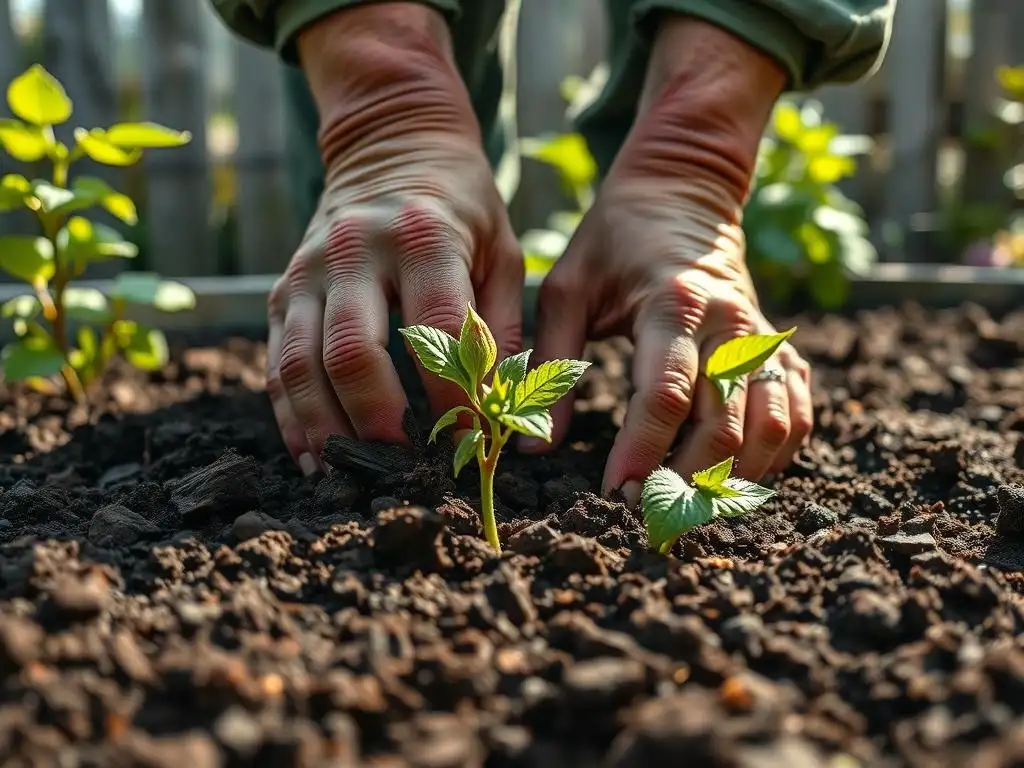
This section delves into the crucial first step of organic raspberry growing: soil preparation. A healthy, well-prepared soil bed is the foundation for a bountiful raspberry harvest. Neglecting this stage can lead to stunted growth, reduced yields, and increased susceptibility to diseases and pests. Remember, we're aiming for that perfect organic raspberry growing guide experience!
Soil Preparation for Organic Raspberry Cultivation
Before planting your raspberry canes, thorough soil preparation is paramount. Raspberries thrive in slightly acidic soil with a pH range of 6.0 to 6.8. Testing your soil's pH is the first step. You can purchase a soil testing kit from most garden centers. Once you know your pH, you can amend the soil accordingly. If your soil is too alkaline, adding organic matter like compost or well-rotted manure will help lower the pH. Conversely, if the soil is too acidic, adding lime can raise the pH.
The addition of organic matter is crucial for improving soil structure, water retention, and nutrient availability. Aim for at least 2-4 inches of well-rotted compost or manure incorporated into the top 12 inches of soil. This improves soil tilth, making it easier for roots to penetrate and access nutrients. Avoid using chemical fertilizers; stick to organic amendments for truly organic raspberry growing guide results.
Remember to remove any weeds, rocks, and debris from the planting area before incorporating the organic matter. This ensures a clean, weed-free environment for your raspberry plants to thrive. Proper soil preparation is an investment that pays off handsomely in the long run.
Essential Nutrients for Healthy Raspberry Plants
Raspberries are relatively heavy feeders, requiring a consistent supply of essential nutrients throughout their growing season. While organic matter provides a base of nutrients, supplementing with organic fertilizers can boost plant vigor and fruit production. Avoid synthetic fertilizers, as they can disrupt the soil's natural balance and harm beneficial microorganisms.
A balanced organic fertilizer, rich in nitrogen, phosphorus, and potassium (NPK), is ideal. Look for an NPK ratio like 5-3-3 or 4-4-4. These numbers represent the ratio of nitrogen, phosphorus, and potassium in the fertilizer. Nitrogen promotes leafy growth, phosphorus aids root development and flowering, and potassium contributes to overall plant health and fruit quality. You can apply the fertilizer according to the package instructions, typically in early spring and again mid-summer. Side-dressing, applying fertilizer along the sides of the plants, is an effective method for raspberries.
Consider also the micronutrients. These are essential in smaller amounts but play a crucial role in plant health. A soil test can reveal any deficiencies, allowing you to address them with appropriate organic amendments. For example, adding Epsom salts (magnesium sulfate) can help correct magnesium deficiencies.
Improving Soil Drainage and Aeration for Raspberry Bushes
Raspberries are susceptible to root rot if the soil is poorly drained. Excessive moisture suffocates the roots, leading to disease and plant death. Good soil drainage and aeration are therefore critical for successful organic raspberry growing guide practices.
Before planting, amend heavy clay soils with organic matter like compost, peat moss, or aged sawdust to improve drainage and aeration. These materials increase the soil's porosity, allowing water to drain more readily. Avoid planting raspberries in low-lying areas where water tends to accumulate. If your soil is naturally poorly drained, consider creating raised beds or planting your raspberries on a slope.
Furthermore, mulching around the plants helps retain moisture while preventing soil compaction. Use organic mulches such as straw, wood chips, or shredded leaves. This helps regulate soil temperature, reduces weed growth, and improves soil aeration. Regularly check the soil moisture level and avoid overwatering. Overwatering can lead to poor drainage and create conditions favorable for root rot. Proper drainage and aeration are essential for healthy raspberry growth and a successful harvest.
Mulching Techniques for Weed Control and Soil Moisture Retention
Mulching is a crucial aspect of organic raspberry growing, offering significant benefits for weed control and soil moisture retention. A well-mulched raspberry patch thrives because it's protected from the extremes of weather and competition from unwanted plants. Effective mulching significantly reduces the need for herbicides, aligning perfectly with sustainable and organic gardening practices.
Several materials make excellent mulch for raspberries. Organic options are preferred to maintain soil health and avoid introducing potentially harmful chemicals into your ecosystem. Straw, for instance, is a readily available and effective choice. Its loose structure allows for good air circulation around the plants while effectively suppressing weeds. However, it's important to use straw that's free from weed seeds, to avoid introducing new unwanted plants. Purchasing certified weed-free straw from reputable suppliers is recommended.
Wood chips are another popular choice, offering longer-lasting weed suppression than straw. They decompose more slowly, gradually enriching the soil with organic matter. However, freshly cut wood chips can sometimes tie up nitrogen in the soil, potentially hindering raspberry growth in the short term. To mitigate this, using well-composted wood chips or applying a nitrogen-rich fertilizer alongside the mulch is advisable. The size of the wood chips matters too; smaller chips decompose faster, providing quicker nutrient release.
Beyond straw and wood chips, other organic mulches like shredded leaves (ensure they are disease-free! ), aged compost, and even grass clippings (again, weed-free) can be used. Each option presents a slightly different balance of weed suppression, moisture retention, and nutrient contribution. The best choice depends on your specific needs and the materials readily available to you.
Experimentation is key to determining what works best in your unique garden environment. Remember, the goal is to create a consistently moist, weed-free environment that fosters healthy raspberry growth. Regularly replenish the mulch layer as it decomposes to maintain its effectiveness throughout the growing season.
Planting Your Organic Raspberry Plants: A Step-by-Step Guide
This section details the crucial steps involved in planting your organic raspberry plants, ensuring a healthy and bountiful harvest. We'll cover selecting the perfect location, preparing the planting holes, and the planting process itself. Remember, proper planting significantly impacts the long-term health and productivity of your raspberry bushes. This organic raspberry growing guide emphasizes sustainable practices for optimal results.
Selecting the Ideal Planting Location for Raspberries
Choosing the right spot for your raspberry plants is paramount for successful organic raspberry growing. Raspberries thrive in areas that receive at least six hours of direct sunlight daily. However, some afternoon shade, especially in hotter climates, can be beneficial, preventing the plants from becoming stressed by intense heat. Consider the following factors when selecting your location:
- Sunlight: As mentioned, at least 6 hours of direct sunlight is crucial. Observe your garden throughout the day to identify areas that meet this requirement.
- Soil Drainage: Raspberries are susceptible to root rot in poorly drained soil. Test your soil's drainage by digging a hole and filling it with water. If the water drains slowly, amend the soil with organic matter like compost to improve drainage. This is a critical aspect of any organic raspberry growing guide.
- Soil pH: Raspberries prefer slightly acidic soil with a pH between 6.0 and 6.5. You can test your soil's pH using a home testing kit available at most garden centers. Adjust the pH if necessary using lime (to raise pH) or sulfur (to lower pH).
- Wind Protection: While some air circulation is beneficial, strong winds can damage raspberry canes. Plant your raspberries in a sheltered location, perhaps near a fence or wall, to protect them from harsh winds.
- Proximity to Other Plants: Avoid planting raspberries too close to other plants, especially those that compete for the same nutrients and resources. Allow sufficient spacing for optimal growth and air circulation.
Digging the Planting Holes and Preparing the Roots
Before planting, prepare the planting holes and the raspberry roots. This ensures optimal root establishment and encourages vigorous growth. For each raspberry plant, dig a hole roughly twice as wide as the root ball and the same depth. This allows the roots to spread out easily and prevents them from being cramped.
- Soil Amendment: Improve your soil's structure and fertility by incorporating plenty of organic matter into the planting holes. Compost, well-rotted manure, and peat moss are excellent choices. These organic amendments provide essential nutrients and enhance water retention. This is a crucial step in any organic raspberry growing guide.
- Root Preparation: Gently loosen the roots of the raspberry plant before planting. This encourages faster root growth and establishment. Avoid damaging the roots, as this can hinder the plant's ability to thrive. If the roots are circling in the pot (a common occurrence with container-grown plants), carefully tease them apart to break the circling pattern.
- Hole Size Considerations: The size of the hole should accommodate the root system comfortably. Overly small holes restrict root growth, while overly large holes can lead to uneven watering and potential stress. Aim for a balance that provides ample space without being excessive.
Planting Raspberries: A Detailed, Step-by-Step Process
Once the holes are prepared and the roots are loosened, you can begin planting your raspberry plants. Follow these steps for optimal results, ensuring that your organic raspberry growing efforts are successful.
- Place the Plant: Carefully place the raspberry plant in the prepared hole, ensuring that the crown (the point where the roots meet the stem) is level with the soil surface.
- Backfill the Hole: Gently backfill the hole with the amended soil, ensuring that the soil is firmly packed around the roots to eliminate any air pockets.
- Water Thoroughly: Water the newly planted raspberry plants deeply and thoroughly to help settle the soil and encourage root growth. Avoid overwatering, which can lead to root rot.
- Mulch: Apply a 2-3 inch layer of organic mulch, such as straw or wood chips, around the base of the plants. This helps retain soil moisture, suppress weeds, and regulate soil temperature. Mulching is an essential component of sustainable organic raspberry growing.
- Support: Provide support for the canes as they grow, particularly for summer-bearing varieties. You can use stakes or trellises to keep the canes upright and prevent them from breaking under the weight of the fruit. This is a crucial step for maximizing yield and reducing the risk of damage.
- Post-Planting Care: Continue to water regularly, especially during dry periods. Monitor the plants for pests and diseases and take appropriate action if necessary using organic pest control methods.
Following these steps will significantly increase your chances of a successful and abundant organic raspberry harvest. Remember consistent care and attention are key to successful organic raspberry growing. 🍓
Watering and Aftercare for Newly Planted Raspberry Bushes
Proper watering is crucial for the successful establishment of your organic raspberry plants. Newly planted bushes require consistent moisture to help their roots develop and thrive. Avoid both overwatering, which can lead to root rot, and underwatering, which will stress the plants and hinder growth. The ideal soil moisture should be consistently moist but not soggy.
A good rule of thumb is to water deeply and thoroughly once or twice a week, depending on weather conditions and soil type. Feel the soil a few inches below the surface; if it feels dry, it's time to water. During extended periods of heat or drought, you may need to water more frequently. Remember, consistent, moderate watering is far better than infrequent, heavy watering.
Beyond watering, the initial weeks after planting require gentle care. Regularly inspect your plants for any signs of disease or pests. Early detection is key to preventing significant problems. Look for wilting leaves, unusual spots, or the presence of insects.
Organic pest control methods, such as introducing beneficial insects or using insecticidal soaps, can be effective in dealing with early infestations. Avoid using harsh chemical pesticides, as these can harm beneficial insects and contaminate your organic crop. Mulching around the base of the plants helps retain moisture, suppress weeds, and regulate soil temperature, further contributing to the health and vigor of your young raspberry bushes. A layer of organic mulch, such as straw or wood chips, will greatly benefit your plants.
Remove any weeds that compete with your raspberry plants for nutrients and water. Weeding also helps prevent the spread of diseases and pests. Finally, monitor the growth of your plants and adjust your watering and care routine as needed, based on their specific needs and environmental conditions. Remember, attentive observation and timely intervention are essential for nurturing healthy, productive raspberry plants.
Organic Raspberry Care: Feeding, Watering, and Pruning
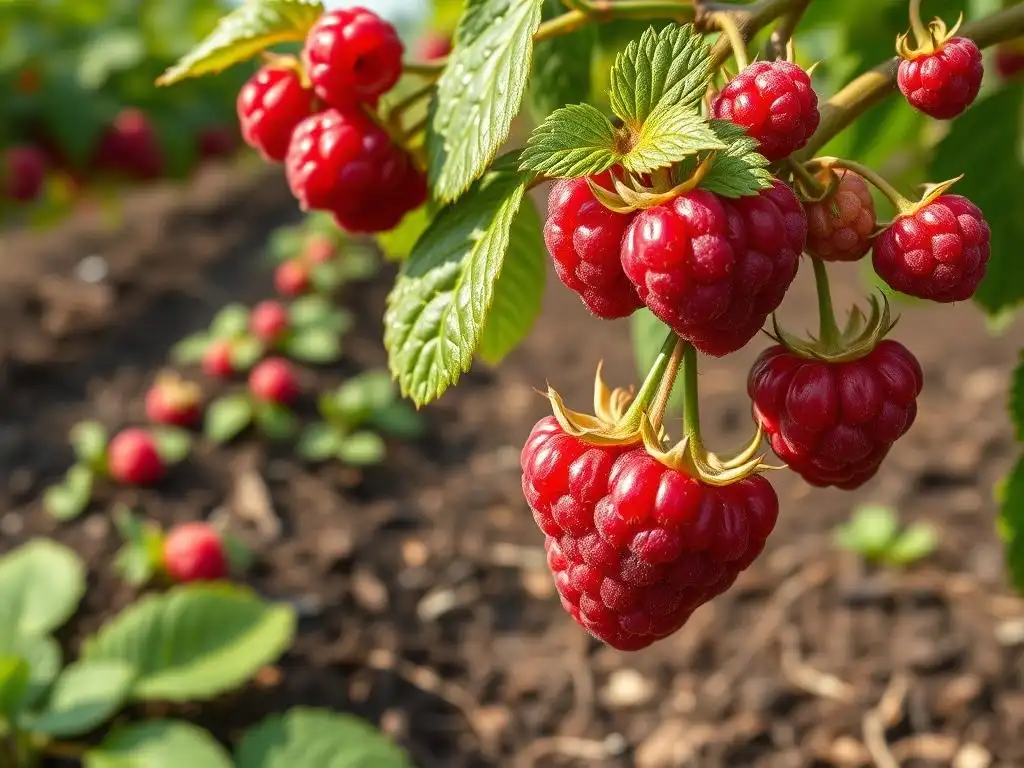
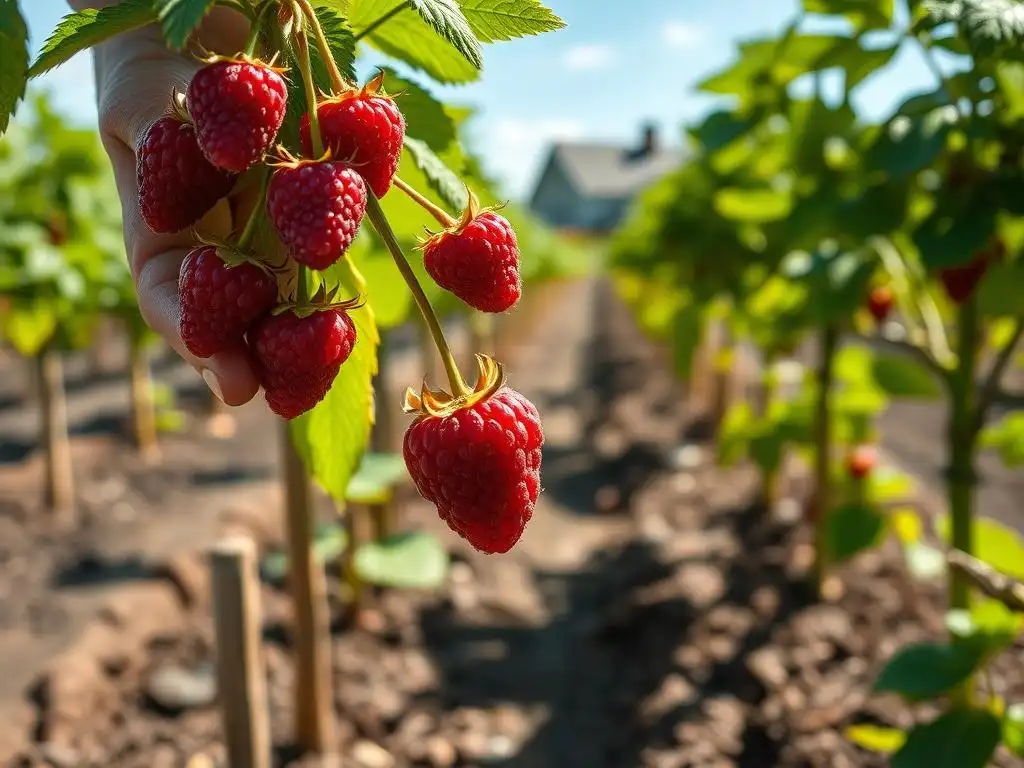
This section delves into the crucial aspects of organic raspberry care, focusing on fertilization, watering, and pruning techniques to maximize your harvest while adhering to sustainable practices. We'll explore methods that nurture healthy plants and produce abundant, flavorful berries without resorting to harmful chemicals. Remember, consistent care is key to successful organic raspberry growing.
Organic Fertilization Techniques for Raspberry Plants
Healthy raspberry plants require regular feeding, especially during fruiting periods. Avoid synthetic fertilizers, opting instead for organic options that enrich the soil and promote beneficial microbial activity. Here are some effective techniques:
- Compost Tea: Brewing compost tea is a fantastic way to provide a balanced nutrient source. Simply steep compost in water for a day or two, then dilute before applying to the base of your plants. This delivers a rich blend of microorganisms and essential nutrients. Aim for applications every 2-4 weeks during the growing season.
- Aged Manure: Well-rotted manure, such as cow or horse manure, is an excellent organic fertilizer. It adds essential nutrients and improves soil structure. Apply a layer around the plants in early spring, taking care not to touch the canes directly.
- Cover Cropping: Consider planting cover crops like clover or alfalfa between your raspberry rows. These plants fix nitrogen in the soil, reducing the need for additional nitrogen fertilization. Incorporate the cover crop into the soil in the fall or spring.
- Seaweed Extract: Seaweed extract is a natural liquid fertilizer packed with micronutrients. It can be applied as a foliar spray or directly to the soil, boosting plant vigor and fruit production.
Remember to always test your soil's pH and nutrient levels before fertilizing. A soil test will help you determine any specific deficiencies and tailor your fertilization strategy accordingly. Over-fertilizing can be detrimental, so follow package instructions carefully and err on the side of caution. The goal is to provide a slow-release of nutrients that the plants can absorb gradually throughout the growing season.
Watering Schedule for Healthy Raspberry Growth
Consistent watering is essential for optimal raspberry growth and berry production. However, overwatering can lead to root rot, so finding the right balance is crucial. Here's a guide to a healthy watering schedule:
- During Establishment: Newly planted raspberries require regular watering, especially during dry spells. Aim for deep, infrequent watering rather than shallow, frequent watering to encourage deep root growth.
- During the Growing Season: Water deeply once or twice a week, depending on rainfall and weather conditions. Check the soil moisture regularly by sticking your finger a couple of inches into the soil. If the soil feels dry, it's time to water.
- During Fruiting: Increase watering frequency slightly during the fruiting period to ensure plump, juicy berries. Consistent moisture is particularly important during berry development.
- Mulching: Applying a layer of organic mulch, such as wood chips or straw, around your raspberry plants helps retain soil moisture, reducing the frequency of watering and suppressing weeds. This also helps regulate soil temperature.
Remember to water at the base of the plants to avoid wetting the foliage, which can increase the risk of fungal diseases. A soaker hose or drip irrigation system is ideal for efficient and targeted watering. Observe your plants closely; if leaves begin to wilt, it's a clear indication that they need water.
Pruning Raspberries for Optimal Yield and Plant Health: Summer and Fall Bearing Techniques
Pruning is a critical aspect of organic raspberry cultivation, promoting healthy growth, maximizing fruit production, and preventing disease. The techniques vary slightly depending on whether you're growing summer-bearing or fall-bearing varieties.
- Summer-Bearing Raspberries: These varieties produce fruit only once a year, on canes that grew the previous year. Pruning involves removing old canes after they have fruited, leaving the new canes to produce fruit the following year. This encourages strong new growth and prevents overcrowding. Remove any weak, damaged, or diseased canes. Thin out canes to allow for good air circulation, preventing disease and improving fruit quality.
- Fall-Bearing Raspberries: These varieties produce two crops annually: one on the previous year's canes and another on the current year's canes. Pruning is slightly different. After the first harvest, cut back the canes that fruited to ground level. For the second harvest, you'll need to thin out the new canes to improve air circulation and fruit quality. You can also remove weak or damaged canes.
Regular pruning, coupled with proper fertilization and watering, contributes significantly to the overall health and productivity of your raspberry plants. It ensures a bountiful harvest of delicious, organic raspberries year after year. Remember to always use clean, sharp pruning shears to prevent the spread of diseases. Dispose of pruned canes properly to avoid pest and disease problems.
Common Raspberry Diseases and Organic Pest Control Methods
Raspberries, while relatively hardy, are susceptible to several diseases and pests. A proactive approach to organic raspberry growing involves regular monitoring and preventative measures to minimize problems. Ignoring early signs of disease or pest infestation can quickly lead to significant crop loss. Let's examine some common issues and effective organic solutions.
One prevalent disease is anthracnose, a fungal infection manifesting as purple-brown lesions on canes and leaves. These lesions eventually enlarge, causing cane dieback and reduced fruit production. Organic control involves sanitation – removing and destroying infected canes promptly – and applying a copper-based fungicide as a preventative measure, especially during periods of high humidity. Proper spacing of plants to ensure good air circulation also helps to prevent the spread of anthracnose. Early detection is key, so frequent inspections are crucial.
Another significant threat is verticillium wilt, a soilborne fungal disease that affects the plant's vascular system. Symptoms include wilting leaves, stunted growth, and eventual plant death. Unfortunately, there's no cure for verticillium wilt once it's established. Prevention is paramount. Rotating crops, ensuring well-draining soil, and avoiding planting raspberries in areas with a history of verticillium wilt are essential steps. Selecting disease-resistant varieties can also significantly reduce the risk.
Pest control in organic raspberry growing relies heavily on cultural practices and biological controls. Raspberry cane borers, for example, tunnel into the canes, weakening them and reducing yield. Regular pruning and removal of infested canes are crucial control methods. Monitoring for signs of borer activity, such as sawdust-like frass around the base of the canes, allows for timely intervention.
Aphids are another common pest, sucking sap from leaves and weakening the plants. They can also transmit viral diseases. Introducing beneficial insects like ladybugs, lacewings, or parasitic wasps can effectively control aphid populations. Strong water sprays can also dislodge aphids from the plants. Avoid using broad-spectrum insecticides, as they can harm beneficial insects and disrupt the ecosystem balance.
Finally, spider mites can also cause significant damage. These tiny pests suck plant sap, leading to leaf discoloration and reduced growth. Regular monitoring and the application of insecticidal soaps or neem oil can help manage spider mite populations. Maintaining adequate soil moisture can also help to discourage spider mite infestations, as drier conditions are more favorable to their development. Remember to always follow label instructions when using organic pest control methods. A holistic approach, combining preventative measures with targeted interventions, is the most effective way to maintain healthy, productive raspberry plants using organic methods.
Harvesting and Preserving Your Organic Raspberry Crop
This section delves into the crucial aspects of harvesting and preserving your organically grown raspberries, ensuring you maximize the yield and enjoy the fruits of your labor throughout the year. Proper harvesting techniques are essential for maintaining the quality and extending the shelf life of your delicious berries. We'll explore optimal harvesting times, techniques to minimize damage, and various preservation methods to keep your raspberries fresh and flavorful for months to come. This organic raspberry growing guide emphasizes sustainable practices throughout the entire process.
Knowing When Your Raspberries Are Ready for Harvesting
Knowing the precise moment to harvest your raspberries is key to achieving optimal flavor and texture. Unlike some fruits that ripen uniformly, raspberries don't all mature simultaneously on the cane. Instead, they ripen in clusters, with berries at different stages of development. The best time to harvest is when the raspberries are a deep, rich red (or whichever color is appropriate for your variety), and they easily detach from the receptacle with a gentle tug. Avoid harvesting unripe berries, as they will lack flavor and sweetness. Conversely, overripe berries become mushy and prone to spoilage.
To determine ripeness, gently tug on a few berries from different clusters. If they come away easily, it's time to begin harvesting. Regular checks, ideally every 1-2 days during peak season, are crucial for ensuring you pick them at their prime. This diligent approach ensures you'll be rewarded with the most flavorful and aromatic organic raspberries possible. Remember to check your organic raspberry plants frequently, especially during warmer weather, as ripening can accelerate quickly.
Proper Harvesting Techniques to Prevent Damage
Gentle handling is paramount when harvesting raspberries. Rough handling can bruise the delicate berries, leading to rapid spoilage and reducing their overall quality. Use a clean container to collect your harvest, avoiding dropping or jarring the berries. Here are some best practices:
- Use a small, shallow container: This prevents berries from being crushed at the bottom of a deep container.
- Avoid pulling berries: Instead, gently twist or lift them from the plant.
- Harvest in cool weather: Early morning or late evening is ideal, as the berries are less fragile and less susceptible to heat damage.
- Don't wash until ready to use: Washing before storage can increase the risk of spoilage.
- Inspect for pests: Carefully check each berry for signs of insects or disease.
This careful approach to harvesting directly impacts the quality and longevity of your organic raspberry harvest. Proper techniques not only maintain the integrity of the berries but also contribute to a more sustainable and efficient harvesting process. By meticulously following these steps, you can significantly reduce waste and enjoy a higher-quality crop.
Preserving Your Raspberry Harvest: Freezing, Jam Making, and Other Methods
Once harvested, preserving your organic raspberries is essential to extend their enjoyment beyond the short harvest season. Several methods effectively preserve their flavor and nutritional value.
| Preservation Method | Description | Advantages | Disadvantages |
|---|---|---|---|
| Freezing | Wash, dry, and individually freeze berries on a tray before bagging. | Retains most nutrients and flavor; convenient. | Requires freezer space; texture may change slightly. |
| Jam Making | Combine raspberries with sugar and pectin to create a delicious spread. | Long shelf life; versatile use; delicious! | Requires some cooking skills; high sugar content. |
| Raspberry Vinegar | Infuse raspberries in vinegar to create a unique and flavorful condiment. | Long shelf life; adds a tangy flavor to dishes. | Requires patience and specific ingredients. |
| Dehydrating | Dry raspberries using a dehydrator or oven for long-term storage. | Lightweight and compact storage; good for baking. | Can be time-consuming; may lose some flavor. |
Remember to always use clean and sanitized equipment when preserving your raspberries to prevent contamination and ensure a safe and delicious final product. Experiment with different methods to find your favorites and enjoy the bounty of your organic raspberry patch throughout the year! This approach to preservation ensures that your hard work in organic raspberry growing results in a year-round supply of deliciousness.
Overwintering Your Raspberry Plants for a Bountiful Next Harvest
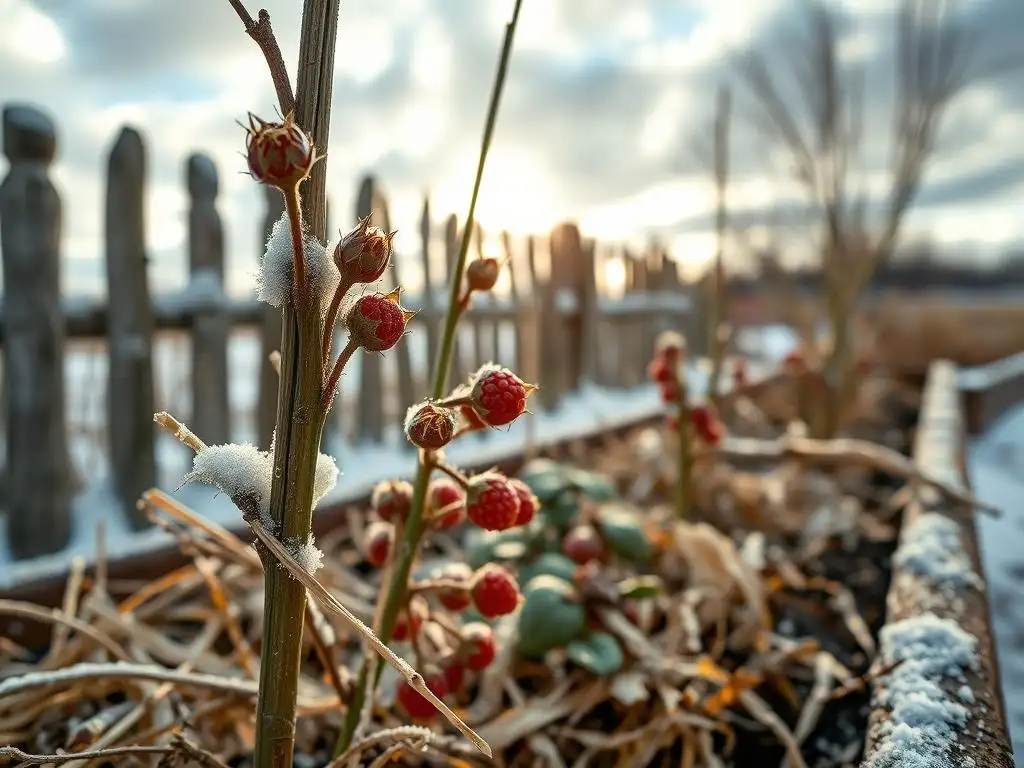
Overwintering your raspberry plants is crucial for ensuring a healthy and productive harvest the following year. These delicate plants need protection from harsh winter conditions to survive and thrive. This section focuses on the essential steps to ensure your raspberry plants emerge from winter ready to bear fruit. A successful overwintering strategy contributes significantly to your overall organic raspberry growing guide.
Protecting Raspberry Plants from Winter Frost and Cold Temperatures
Winter frost and extreme cold temperatures pose significant threats to raspberry plants. The extent of protection needed depends on your specific climate zone and the hardiness of your raspberry variety. In regions with mild winters, a light layer of mulch might suffice. However, areas experiencing severe frosts require more robust protection.
Several methods can effectively protect your raspberry plants:
- Mulching: Applying a thick layer (4-6 inches) of organic mulch, such as straw, shredded leaves, or wood chips, around the base of the plants helps insulate the roots and protect them from freezing temperatures. Avoid using mulch that's too close to the canes, as this can promote rot. Remember, proper mulching is a key element in any organic raspberry growing guide.
- Winter Covers: For added protection in extremely cold climates, consider using row covers or burlap sacks to wrap the plants. This creates a microclimate that helps retain heat and shields the canes from harsh winds and frost. Ensure adequate airflow to prevent fungal diseases.
- Snow Cover: While not entirely controllable, a natural blanket of snow provides excellent insulation. However, don't rely solely on snow cover, as snowfall can be unpredictable.
- Choosing Hardy Varieties: Selecting raspberry varieties known for their hardiness in your specific climate zone is a proactive approach to winter protection. Research varieties well-suited to your region before planting.
Winter Pruning Techniques for Raspberries
Winter pruning is a vital part of organic raspberry growing, contributing to the plant's overall health and fruit production. This process removes dead, diseased, or weak canes, encouraging the growth of strong, healthy canes for the next season. Proper pruning improves air circulation, reducing the risk of fungal diseases. It also helps direct the plant's energy towards fruit production.
The pruning techniques vary slightly depending on the type of raspberry (summer-bearing or everbearing):
- Summer-bearing raspberries: These raspberries produce fruit on canes that grew the previous year. In late winter or early spring, prune out all the old canes that have already fruited, leaving only the new canes for the next season's harvest.
- Everbearing raspberries: These raspberries produce fruit on both first-year and second-year canes. In late winter, prune out the oldest canes, leaving the younger canes to produce fruit. You can also prune out weaker canes to promote stronger growth.
Remember to use sharp, clean pruning shears to avoid damaging the canes. This helps prevent disease transmission.
Preparing Your Raspberry Plants for Spring Growth
As winter transitions into spring, your raspberry plants require preparation for the upcoming growing season. This involves removing winter protection gradually to avoid shocking the plants and fostering new growth.
- Gradual Removal of Mulch: Begin removing the mulch gradually as the ground thaws, ensuring the soil is sufficiently warm and moist before completely removing it. Leaving some mulch around the base can help retain soil moisture.
- Fertilizing: Apply a balanced organic fertilizer to provide essential nutrients for healthy growth and abundant fruiting. Avoid using chemical fertilizers, staying true to the organic raspberry growing guide principles.
- Pest and Disease Control: Inspect your plants for any signs of pests or diseases. Address any issues promptly using organic pest control methods. Early detection and treatment are key to maintaining healthy plants.
- Watering: Monitor soil moisture levels and water as needed, ensuring the soil remains consistently moist but not waterlogged. Proper watering contributes significantly to the health and productivity of your raspberry plants.
By following these steps, you’ll significantly increase your chances of a bountiful raspberry harvest, showcasing the successful application of this organic raspberry growing guide. Remember, consistent care throughout the year is key to maximizing your raspberry yield.
Troubleshooting Common Raspberry Growing Problems
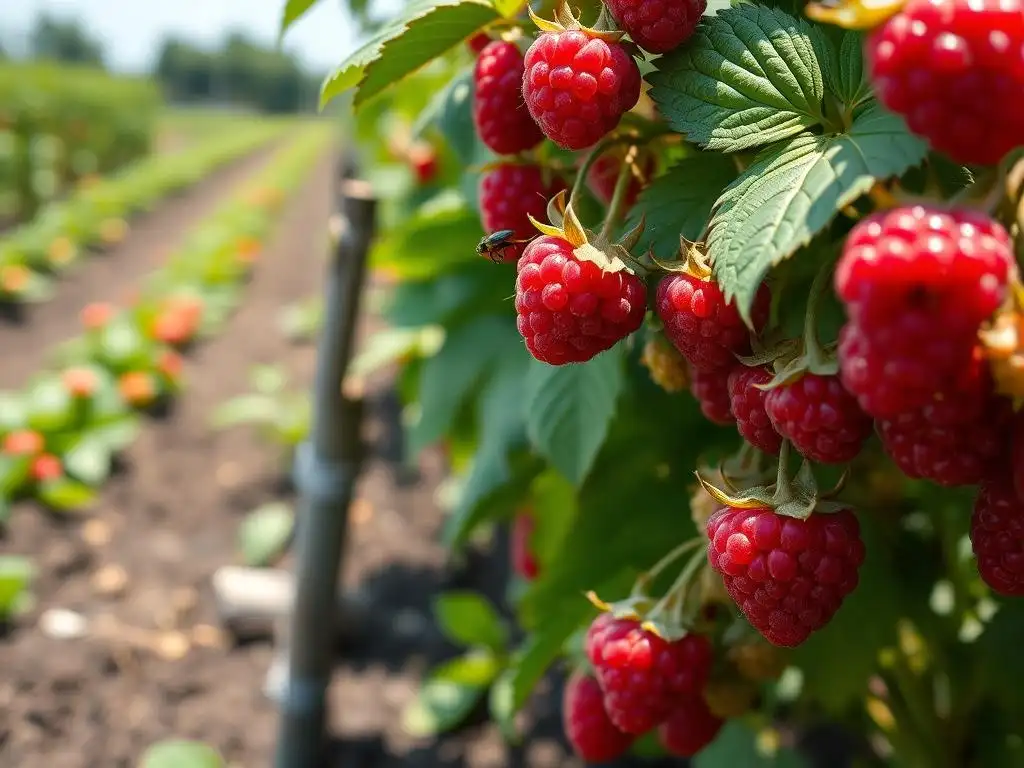
This section delves into the most prevalent challenges faced by home gardeners cultivating raspberries, focusing on solutions aligned with organic and sustainable practices. Successfully navigating these hurdles is crucial for achieving a bountiful and healthy raspberry harvest. Remember, proactive monitoring and early intervention are key to preventing minor issues from escalating into major problems.
Dealing with Common Raspberry Diseases Using Organic Methods
Raspberry plants, while relatively hardy, are susceptible to several diseases. Early detection and swift action are vital to prevent widespread infection. Organic approaches prioritize plant health and ecosystem balance over chemical intervention.
Several fungal diseases can affect raspberries. Anthracnose, for example, manifests as purplish-brown lesions on canes and leaves. Verticillium wilt causes wilting and yellowing of leaves, eventually leading to plant death. Orange rust, easily identified by its characteristic orange pustules on the underside of leaves, severely impacts plant vigor.
Organic disease management focuses on preventative measures and biological controls. These include:
- Sanitation: Removing and destroying infected canes and leaves prevents the spread of disease. Proper disposal is crucial – don't compost infected plant material.
- Crop Rotation: Rotating raspberry plants with non-host crops every few years can help break the disease cycle.
- Resistant Varieties: Choosing disease-resistant raspberry varieties is a proactive approach to minimize disease pressure. Research varieties known for their resilience to common diseases in your region.
- Improving Air Circulation: Proper spacing between plants enhances airflow, reducing humidity and the risk of fungal infections.
- Biological Controls: Certain beneficial microorganisms can suppress the growth of pathogenic fungi. Research the use of biofungicides specific to raspberry diseases in your area. [Specific biofungicide recommendations pending]
Addressing disease organically requires vigilance and consistent effort. Early detection coupled with appropriate preventative and control measures significantly improves the chances of a healthy and productive raspberry patch. Remember to document your observations and adapt your approach based on the specific disease and its progression.
Organic Pest Control Strategies for Raspberry Plants
Raspberry plants attract a variety of pests, including aphids, spider mites, and cane borers. Organic pest control prioritizes minimizing harm to beneficial insects and the environment while effectively managing pest populations.
Several effective organic strategies exist:
- Beneficial Insects: Introducing beneficial insects like ladybugs and lacewings can help control aphid and mite populations. These predators naturally prey on many common raspberry pests.
- Neem Oil: Neem oil is a natural insecticide derived from the neem tree. It disrupts the life cycle of many insects and is effective against aphids and mites. Always follow label instructions carefully.
- Insecticidal Soap: Insecticidal soap is a contact insecticide that disrupts the cell membranes of soft-bodied insects like aphids. It's generally safe for beneficial insects when used correctly.
- Physical Barriers: Row covers can protect raspberry plants from some pests, particularly those that fly or jump. Consider using these, especially during vulnerable stages of plant growth.
- Handpicking: For smaller infestations, handpicking pests is an effective and environmentally friendly method. This is particularly useful for larger pests like cane borers.
- Companion Planting: Certain plants, like garlic and onions, can repel some pests. Strategic planting of these companion plants can help deter pest infestations.
Implementing an integrated pest management (IPM) approach that combines several of these strategies is often the most effective method. Regular monitoring of your raspberry plants for signs of pest activity is essential for early intervention and prevention of significant damage.
Addressing Nutrient Deficiencies in Raspberry Plants
Nutrient deficiencies can significantly impact raspberry plant health and yield. Identifying and addressing these deficiencies promptly is crucial for optimal growth and fruit production. Organic methods focus on soil health and natural fertilization techniques.
Several visual cues indicate nutrient deficiencies:
| Nutrient Deficiency | Symptoms |
|---|---|
| Nitrogen (N) | Yellowing of leaves, stunted growth |
| Phosphorus (P) | Dark green leaves, poor fruit development |
| Potassium (K) | Leaf scorching, weak canes |
| Magnesium (Mg) | Yellowing between leaf veins (interveinal chlorosis) |
| Iron (Fe) | Yellowing of young leaves (interveinal chlorosis) |
Addressing these deficiencies organically involves:
- Soil Testing: A soil test provides valuable information about your soil's nutrient composition. This helps determine specific deficiencies and guide fertilization strategies.
- Composting: Adding compost improves soil structure, fertility, and nutrient availability. It’s a natural and sustainable way to enrich your soil.
- Organic Fertilizers: Using organic fertilizers like bone meal (phosphorus), kelp meal (potassium and trace minerals), and blood meal (nitrogen) provides essential nutrients in a slow-release form. Always follow label instructions.
- Mulching: Applying mulch helps retain soil moisture, regulates soil temperature, and improves nutrient retention. Organic mulches like straw or wood chips are excellent choices.
- Cover Crops: Planting cover crops like clover or legumes improves soil health and adds nitrogen to the soil naturally.
By focusing on building healthy soil and providing adequate organic nutrients, you can ensure your raspberry plants receive the nourishment they need to thrive and produce abundant, delicious fruit. Remember, prevention is key; regular monitoring and proactive nutrient management contribute significantly to healthy raspberry growth.
Organic Raspberry Growing: Frequently Asked Questions (FAQ)
This section addresses common questions about growing raspberries organically, providing practical advice and solutions for home gardeners aiming for a healthy and bountiful harvest. We'll delve into organic fertilization, disease prevention, and recognizing nutrient deficiencies.
What are the best organic fertilizers for raspberries?
Raspberries are relatively heavy feeders, requiring a consistent supply of nutrients for optimal growth and fruit production. Choosing the right organic fertilizer is crucial for maintaining soil health and avoiding chemical inputs. Several excellent options exist, each offering unique benefits:
- Compost: A cornerstone of organic gardening, compost provides a rich blend of nutrients and improves soil structure. Well-rotted compost, incorporated into the soil before planting and as a top dressing throughout the growing season, will significantly benefit your raspberry plants. Aim for a 2-4 inch layer of compost around the plants, avoiding direct contact with the canes.
- Aged Manure: Animal manures like cow or horse manure (well-composted to avoid burning the plants) are another fantastic source of organic nutrients. Apply aged manure in the fall or early spring, working it into the soil around the plants. Avoid fresh manure, as it can contain harmful pathogens.
- Seaweed Extract: This liquid fertilizer is rich in micronutrients and promotes healthy growth. It's especially beneficial for improving the plants' resistance to stress and disease. Apply as directed on the product label, typically diluted in water.
- Bone Meal: This slow-release phosphorus source is beneficial for root development and flowering. Incorporate it into the soil during planting or as a side dressing in early spring.
Remember to conduct a soil test before fertilizing to determine your soil's nutrient levels and adjust your fertilizer application accordingly. Over-fertilizing can be just as harmful as under-fertilizing. A balanced approach, incorporating diverse organic amendments, is key to successful organic raspberry growing. For example, a combination of compost and aged manure provides a broader range of nutrients compared to relying on a single source.
How do I prevent raspberry diseases organically?
Preventing diseases organically relies on proactive measures that promote plant health and discourage pathogen development. Here are some key strategies:
- Proper Spacing and Air Circulation: Ensure adequate spacing between raspberry plants to allow for good air circulation. This helps prevent fungal diseases that thrive in humid conditions. Overcrowding creates a damp environment, ideal for disease spread.
- Sanitation: Regularly remove and destroy infected leaves, canes, and fruit to minimize the spread of diseases. Clean up fallen leaves and debris around the plants at the end of the growing season. Proper sanitation is a critical first step in disease prevention.
- Crop Rotation: Rotating your raspberry plants with other crops helps to break disease cycles and reduce the build-up of pathogens in the soil. Do not plant raspberries in the same location for consecutive years.
- Resistant Varieties: Choose raspberry varieties known for their disease resistance. Research varieties that are specifically bred for resistance to common raspberry diseases in your region. This can significantly reduce the need for disease management.
- Organic Pest Control: Many pests can weaken plants and make them more susceptible to diseases. Employ organic pest control methods, such as beneficial insects or neem oil, to manage pest populations. A healthy plant is better equipped to combat diseases.
By implementing these preventative measures, you can significantly reduce the risk of disease and maintain healthy, productive raspberry plants. Remember that a strong, healthy plant is far less susceptible to disease.
What are the signs of a nutrient deficiency in raspberries?
Nutrient deficiencies can manifest in various ways, impacting growth, fruit production, and overall plant health. Recognizing these signs early is crucial for taking corrective action. Here are some key indicators:
| Nutrient Deficiency | Symptoms |
|---|---|
| Nitrogen (N) | Stunted growth, pale green or yellow leaves |
| Phosphorus (P) | Poor root development, dark green leaves, delayed flowering and fruiting |
| Potassium (K) | Leaf scorch (brown edges), weak canes |
| Magnesium (Mg) | Yellowing between leaf veins (interveinal chlorosis) |
| Iron (Fe) | Yellowing of young leaves (interveinal chlorosis) |
| Boron (B) | Dieback of terminal buds and shoots |
If you observe any of these symptoms, consider conducting a soil test to determine the specific nutrient deficiency. Amend the soil with appropriate organic fertilizers to address the imbalance. For instance, if you suspect nitrogen deficiency, apply compost or aged manure, rich in nitrogen. Remember that addressing deficiencies early prevents significant yield losses and ensures the long-term health of your raspberry plants. Early detection is key to preventing major setbacks in your organic raspberry cultivation. 🌱
How do I propagate raspberries organically?
Organic raspberry propagation focuses on methods that avoid synthetic chemicals and prioritize the plant's health and the surrounding ecosystem. Several techniques are effective and readily adaptable to a home garden setting.
One popular method is tip layering. This involves bending a low-growing cane to the ground, pinning it securely (using a bent wire or a rock), and covering the tip with soil. The buried tip will root, forming a new plant. Keep the soil consistently moist throughout the rooting process, typically several months. Once the new plant is established, carefully separate it from the parent cane in the following spring or early summer. This method is particularly suitable for summer-bearing raspberries.
Another effective organic propagation technique is root cuttings. This involves carefully digging up a mature raspberry plant and selecting healthy, pencil-thick roots. Cut these roots into 2-4 inch sections, ensuring each cutting has at least one bud. Plant these cuttings horizontally in a well-prepared seedbed, about 2 inches deep, maintaining consistent moisture. New shoots will emerge from the buds over the next growing season. Root cuttings are a good option for both summer and fall-bearing varieties.
Finally, consider suckers – new shoots that emerge from the base of the plant. These suckers are essentially clones of the parent plant and can be carefully separated and transplanted. The best time to do this is in early spring or late fall, when the ground is moist and the plants are less stressed. Ensure each sucker has a good root system before transplanting to ensure successful establishment.
Remember to enrich the soil with compost before planting to provide the young plants with the nutrients they need to thrive organically. Avoid using chemical fertilizers; instead, focus on building healthy soil through regular composting and mulching. The organic approach fosters a balanced ecosystem that supports healthy raspberry growth, reducing the need for external inputs. Using these methods ensures your raspberry patch expands sustainably and organically.
Frequently Asked Questions
What is the best time of year to plant raspberries?
The best time to plant raspberries depends on your climate. In spring, after the last frost, or in early fall are generally ideal times for planting. This allows the plants to establish themselves before harsh weather.
How much sunlight do raspberry plants need?
Raspberry plants thrive in areas that receive at least six to eight hours of sunlight per day. Ensure your chosen location offers sufficient sunlight for optimal growth and fruit production.
What type of soil is best for growing organic raspberries?
Raspberries prefer well-drained, slightly acidic soil (pH 6.0-6.8) rich in organic matter. Amend heavy clay soils with compost to improve drainage and aeration.
How do I control pests and diseases organically?
Employ organic pest control methods such as companion planting (e.g., garlic, onions), using insecticidal soap, or introducing beneficial insects. Regularly inspect plants for signs of disease or pests.
When and how should I harvest my raspberries?
Harvest raspberries when they are fully ripe and easily detach from the plant. This usually happens mid-summer to early fall, depending on the variety and your climate. Gently pull the berries from the canes.
Final Reflection: Cultivating More Than Just Raspberries
The art of growing organic raspberries isn't merely about harvesting sweet berries; it's about cultivating a deeper connection with nature and fostering a sustainable lifestyle. In a world increasingly focused on processed foods and unsustainable practices, the simple act of nurturing a raspberry patch becomes a powerful statement of self-sufficiency and environmental responsibility. This guide has explored the intricacies of organic raspberry growing, from soil preparation to pest management, providing a roadmap for anyone eager to embark on this rewarding journey.
The journey of growing raspberries mirrors the journey of self-discovery. Each tiny sprout, each delicate blossom, each ripe berry represents a step forward, a testament to patience, perseverance, and the inherent beauty of natural processes. The glory of gardening: hands in the dirt, head in the sun, heart with nature. To nurture a garden is to feed not just the body, but the soul.
This quote perfectly encapsulates the profound satisfaction derived from cultivating one's own food, a connection that extends far beyond the simple act of eating. The lessons learned in the garden—patience, observation, and respect for the natural world—translate seamlessly into other aspects of life.
Now, it's your turn. Consider the space you have, even a small balcony or window box, and imagine the potential it holds. Will you embrace the challenge of growing your own organic raspberries? Will you experience the joy of nurturing life from seed to harvest? The rewards extend far beyond the delicious taste of homegrown berries; they encompass a deeper understanding of nature, a stronger connection to your food, and a renewed sense of purpose in a world that desperately needs more sustainable practices. Begin your journey today; the sweetest rewards await.
Unlock Your Raspberry Paradise: Grow Your Own Delicious Berries!
Thank you for exploring the world of raspberry growing! We hope you've gained valuable insights to help you cultivate a bountiful harvest. Now it's time to put your knowledge into practice.
- Start planning your raspberry patch today! Consider the sunlight and soil conditions on your property and sketch out an ideal layout. This crucial first step will set the stage for a successful raspberry season.
- Share your gardening experiences—both triumphs and challenges—with our community in the comments below. Let's learn from one another and inspire each other to grow delicious food!
- Consider joining our CultivateYourFood gardening forum to connect with fellow enthusiasts and receive expert advice. You might even discover a new and exciting raspberry variety!
What unique methods will you employ to ensure your raspberry patch thrives this year?