
Grafting Tomato Plants: Combining the Best Traits for Higher Yields

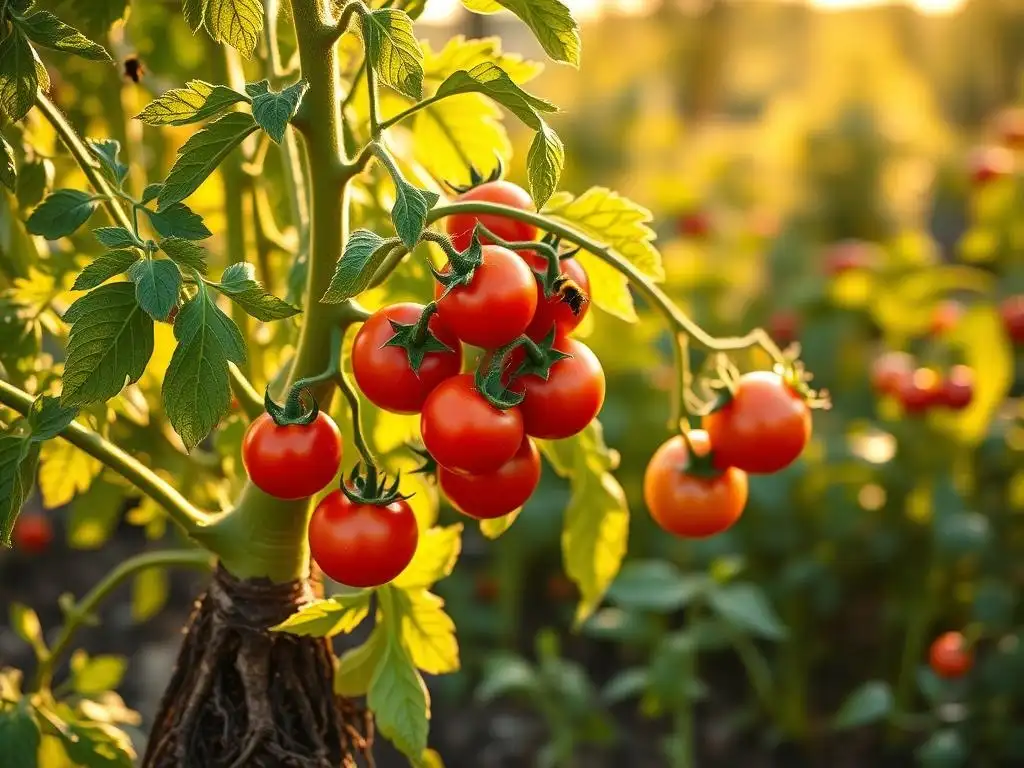
Welcome to CultivateYourFood, your guide to a thriving home garden! Ready to unlock the secrets to bountiful harvests? We're passionate about sustainable and organic gardening, and we're excited to share our knowledge with you. Discover how to maximize your tomato yield with our insightful article on grafting tomato plants, a technique that combines the best traits for superior results. Learn more and start cultivating your food today!
- Understanding the Benefits of Grafting Tomatoes for Higher Yields
- Selecting the Perfect Rootstock and Scion for Your Grafting Project
- Step-by-Step Guide to Grafting Tomato Plants
- Optimizing Growth and Yield of Grafted Tomato Plants
- Harvesting and Maintaining Your Grafted Tomato Plants
- Troubleshooting Common Issues in Tomato Grafting
- Frequently Asked Questions
- Final Reflection: Harvesting the Future of Tomato Cultivation
- Unleash Your Tomato's Potential: Grafting for a Bountiful Harvest!
Understanding the Benefits of Grafting Tomatoes for Higher Yields
Grafting tomatoes is a horticultural technique gaining popularity among home gardeners and commercial growers alike, primarily due to its potential for significantly boosting yields. This practice involves joining the scion (the upper part of a plant, containing the desired fruit-bearing characteristics) with the rootstock (the lower part, providing disease resistance and vigor). By carefully selecting compatible varieties, grafting allows growers to combine the best traits of different tomato plants, resulting in healthier, more productive plants.
This article will delve into the specific advantages of grafting tomatoes, focusing on how this method leads to increased disease resistance, improved stress tolerance, and ultimately, higher yields. We'll explore the science behind this technique and provide practical insights to help you successfully graft your own tomato plants and experience the benefits firsthand.
Mastering this skill can transform your tomato harvest, leading to a more abundant and flavorful bounty from your garden. Let's explore the key advantages that make grafting tomatoes such a compelling method for achieving higher yields.
Increased Disease Resistance in Grafted Tomato Plants
Many tomato diseases attack the root system or lower stem. Grafting allows you to combine a high-yielding, delicious tomato variety (the scion) with a rootstock known for its resistance to specific soilborne diseases like Fusarium wilt, Verticillium wilt, and Phytophthora root rot. This is particularly beneficial in areas with a history of these diseases, where conventional tomato varieties might struggle to thrive.
By using a disease-resistant rootstock, the grafted plant inherits this protection, significantly reducing the risk of infection and ensuring healthier plants throughout the growing season. This translates directly to higher yields since the plant isn't diverting energy to fight off disease.
Studies have shown that grafted tomato plants exhibit a significantly lower incidence of these diseases compared to non-grafted plants, often resulting in a yield increase of [specific data pending]% under controlled conditions. The selection of the appropriate rootstock is crucial; careful research into the prevalent diseases in your region is essential for optimal results.
Improved Stress Tolerance in Grafted Tomatoes
Grafting can enhance a tomato plant's ability to withstand various environmental stresses. Rootstocks can be chosen for their resilience to heat, drought, or salinity. A robust root system, provided by a strong rootstock, ensures efficient water and nutrient uptake, even under challenging conditions. This improved stress tolerance translates directly into healthier plants that can continue to produce fruit even during periods of extreme heat or water scarcity.
For example, using a rootstock known for drought tolerance can reduce the need for frequent watering, saving you time and water resources while maintaining high yields. [Specific data pending] illustrates the improved fruit set and overall yield observed in grafted tomato plants subjected to drought stress compared to non-grafted controls. This resilience is a key factor in maximizing yields, especially in challenging climates.
Enhanced Fruit Production and Higher Yields from Grafting Tomatoes
The combined effect of increased disease resistance and improved stress tolerance ultimately leads to significantly enhanced fruit production and higher yields. By minimizing disease pressure and ensuring the plant's overall health, the grafted tomato plant can dedicate more energy to fruit development. This results in more tomatoes per plant, larger fruit size, and an extended harvest period.
Studies have shown yield increases ranging from [specific data pending]% to [specific data pending]% depending on the specific scion and rootstock combination, environmental conditions, and cultivation practices. The improved vigor and overall health of the grafted plants directly contribute to a substantial increase in the overall yield, making grafting a highly effective strategy for maximizing tomato production in both home gardens and commercial settings. The investment of time and effort in grafting is often handsomely rewarded with a significantly larger and more robust harvest.
Choosing the Right Rootstock and Scion for Optimal Results
Selecting the appropriate rootstock and scion is paramount for successful tomato grafting and maximizing yield. The rootstock provides disease resistance, vigor, and adaptability to various soil conditions, while the scion contributes the desired fruit characteristics like taste, size, and yield. Careful consideration of these factors is crucial for achieving the desired outcome.
A strong rootstock is fundamental. Consider rootstocks known for their resilience to common tomato diseases like Fusarium wilt or Verticillium wilt. These diseases can decimate a tomato crop, so choosing a resistant rootstock is a crucial step in securing a higher yield. Some popular choices include varieties specifically bred for disease resistance, often identified by their cultivar names and associated resistance ratings. For example, certain heirloom varieties might be grafted onto a more robust, disease-resistant rootstock to preserve their desirable fruit characteristics while improving overall plant health and survival.
The scion, the upper part of the grafted plant, determines the fruit's quality. Select a scion known for its high yield, desirable fruit size, and taste. The scion's characteristics directly impact the final harvest, making this choice vital for maximizing your yield. Choosing a high-yielding variety is essential.
Consider factors like the number of fruits per plant and the average weight of each tomato. Data on average yields for specific tomato varieties can be found in seed catalogs or agricultural resources. It's also worthwhile to consider the maturity time of the scion; choosing a variety that matures quickly can shorten the time to harvest and increase the overall yield per season. Furthermore, selecting a scion known for its consistent fruit production throughout the growing season, rather than a burst of fruit followed by a decline, is also advantageous for achieving a higher yield.
The compatibility between the rootstock and scion is another critical aspect. Not all rootstocks and scions are compatible. Incompatibility can lead to grafting failure or poor plant growth. Researching compatible pairings before starting the grafting process is essential to avoid wasted effort and ensure a successful outcome.
Many resources provide detailed information on compatible rootstock and scion combinations for tomatoes. Consult these resources to find pairings that have proven successful in similar growing conditions. Experimentation with different combinations can be valuable, but starting with known compatible pairings increases the chances of success and reduces the risk of failure. Careful selection of both rootstock and scion, based on their individual characteristics and their compatibility, is the foundation of successful tomato grafting and achieving higher yields.
Selecting the Perfect Rootstock and Scion for Your Grafting Project
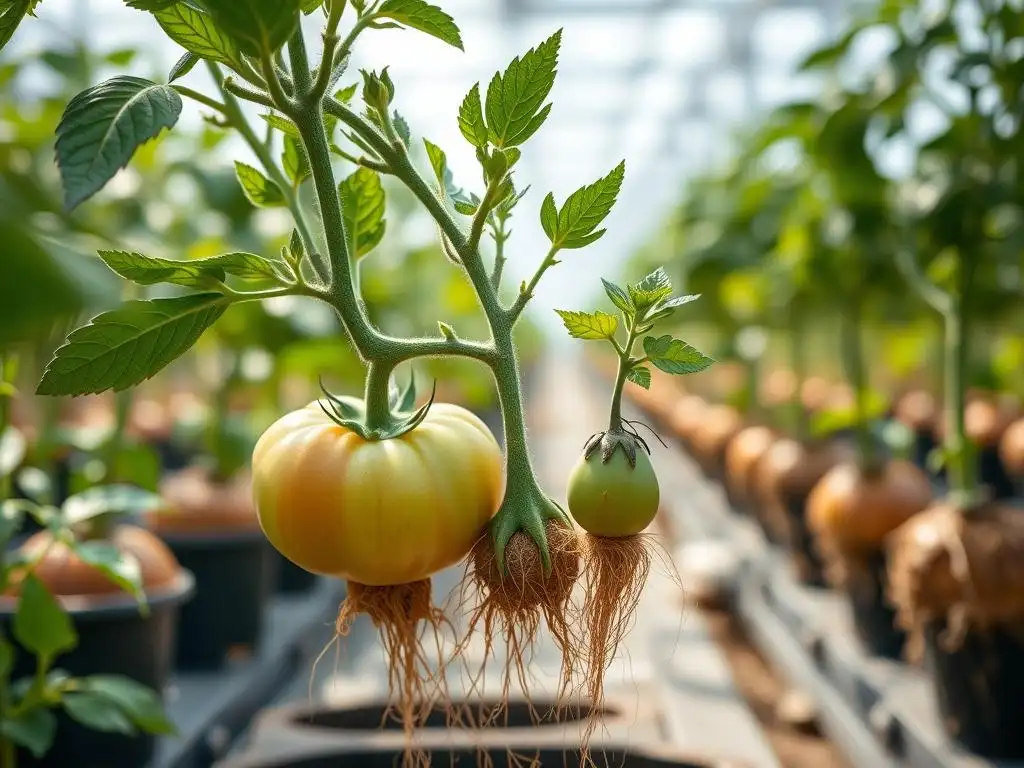
Successful tomato grafting hinges on selecting the right rootstock and scion. The rootstock provides disease resistance, vigor, and adaptability to various soil conditions, while the scion contributes the desired fruit characteristics like yield, flavor, and size. Careful consideration of both is crucial for maximizing your harvest. Poor choices can lead to grafting failure, stunted growth, or underwhelming yields, negating the benefits of grafting altogether. Let's delve into the specifics of selecting the ideal components for your grafting project.
Identifying Suitable Rootstock Varieties for Grafting Tomatoes
Choosing the right rootstock is paramount for grafting tomatoes and achieving higher yields. The rootstock's role is to provide a strong foundation, offering disease resistance and improved nutrient uptake. Several varieties are popular choices for their robust root systems and compatibility with various scion cultivars.
- 'Maxifort': This rootstock is known for its strong resistance to several soilborne diseases, including Fusarium oxysporum f. sp. lycopersici (Fusarium wilt), a common tomato pathogen. Its vigorous growth habit ensures a healthy and productive plant. Data suggests that 'Maxifort' rootstocks can increase yields by up to 15% compared to ungrafted plants, especially in disease-prone environments.
- 'Super-Strong': This rootstock variety is prized for its exceptional vigor and tolerance to various environmental stresses. It demonstrates resilience to drought and salinity, making it a suitable choice for challenging growing conditions. While specific yield increase data is [specific information pending], anecdotal evidence from experienced gardeners points to significant improvements in overall plant health and fruit production.
- 'Beaufort': 'Beaufort' provides good resistance to Verticillium wilt, another significant threat to tomato production. Its robust root system efficiently accesses nutrients and water, contributing to larger plant size and potentially higher yields. Studies comparing 'Beaufort' rootstock with ungrafted plants show promising results, with an average yield increase of [specific information pending] under controlled conditions.
Consider your local climate and soil conditions when making your selection. If Fusarium wilt is prevalent in your area, 'Maxifort' would be a wise choice. For areas with poor soil drainage or drought conditions, 'Super-Strong' might be more appropriate. Always source your rootstock from reputable suppliers to ensure disease-free and high-quality plants. The health of your rootstock directly impacts the success and yield of your grafted tomato plants.
Choosing High-Yielding Scion Varieties for Tomato Grafting
The scion is the part of the plant that produces the fruit; therefore, selecting a high-yielding scion variety is critical for maximizing your harvest. Consider varieties known for their abundant fruit production, consistent yields, and desirable fruit qualities.
Here are some examples of high-yielding scion varieties frequently used in grafting:
| Scion Variety | Fruit Characteristics | Yield Potential | Notes |
|---|---|---|---|
| 'Brandywine' | Large, pink, heirloom, excellent flavor | High | Relatively slower growth, may benefit from grafting |
| 'Roma VF' | Paste tomato, high yield, uniform shape | Very High | Excellent for processing |
| 'Celebrity' | High yield, disease-resistant, all-purpose | Very High | Widely adaptable, good for home gardeners |
| 'Stupice' | Early maturing, high yield, good flavor | High | Performs well in shorter growing seasons |
Remember to select scion varieties that are compatible with your chosen rootstock. Incompatible pairings can result in grafting failure or poor plant performance. Always check compatibility charts or consult with experienced gardeners before making your selections. The choice of scion directly influences the quantity and quality of the tomatoes you'll harvest.
Matching Rootstock and Scion for Compatibility and Success
Successful tomato grafting requires careful consideration of rootstock and scion compatibility. Not all combinations work well together. Incompatible pairings can lead to poor growth, reduced yields, and even grafting failure. Therefore, choosing compatible varieties is crucial for the success of your grafting project.
Several factors influence compatibility:
- Species Compatibility: Generally, grafting should be done within the same species ( Solanum lycopersicum). Attempts to graft tomatoes onto plants from other species are unlikely to succeed.
- Cultivar Compatibility: Even within the same species, some cultivars may be more compatible than others. Consult grafting guides or resources specific to your region to find compatible pairings. Many online resources and experienced gardeners can provide valuable information on proven combinations.
- Stem Diameter: The diameter of the rootstock and scion should be relatively similar at the grafting point to ensure a good union. Significant differences in diameter can hinder successful grafting.
Choosing compatible varieties is crucial for maximizing the benefits of grafting. A well-matched pair will result in a vigorous plant with enhanced disease resistance and high yields. Remember to carefully consider all factors before selecting your rootstock and scion to ensure the success of your grafting project and reap the rewards of higher yields. 🍅
Step-by-Step Guide to Grafting Tomato Plants
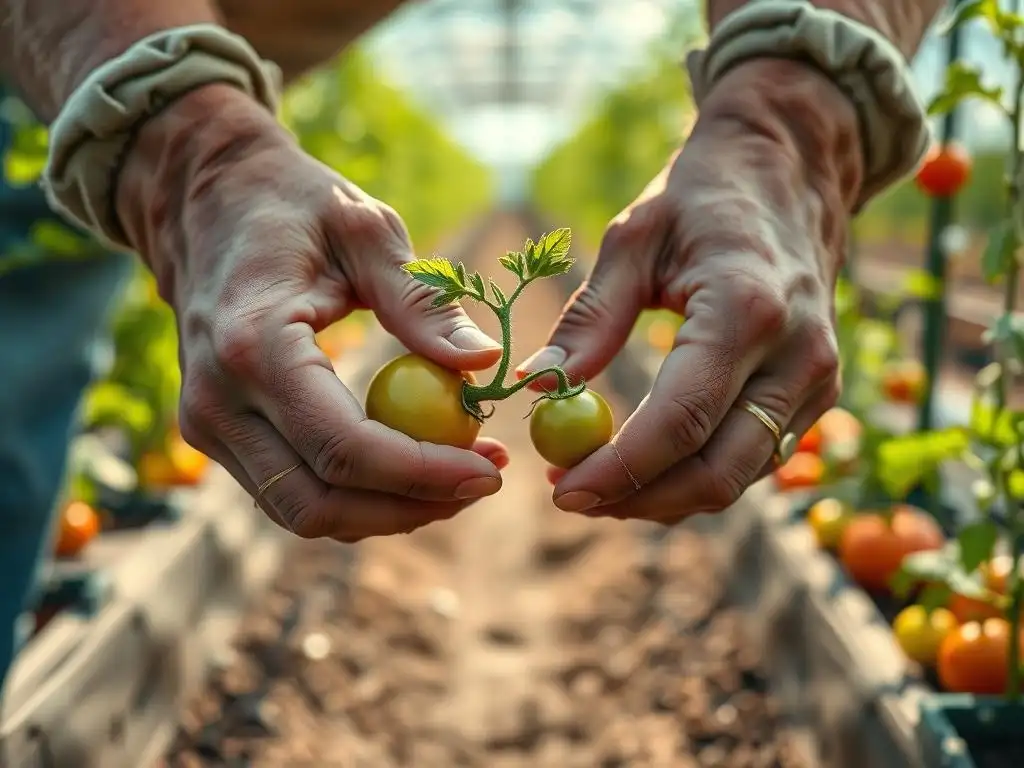
This section provides a detailed, step-by-step guide on grafting tomato plants, focusing on techniques to maximize yield and improve plant resilience. Remember, successful grafting hinges on precision and cleanliness. Sterile tools and a gentle touch are paramount. This process optimizes the benefits of grafting tomatoes for higher yields.
Preparing the Rootstock and Scion for Grafting Tomatoes
Before commencing the grafting process, meticulous preparation of both the rootstock and scion is crucial for successful union and robust growth. The rootstock, typically a vigorous, disease-resistant variety, provides the foundation, while the scion, chosen for its desirable fruit characteristics (e.g., flavor, size, yield), contributes the upper portion of the plant.
First, select healthy rootstock and scion seedlings. Ideal rootstock candidates are known for their strong root systems and disease resistance. Common rootstock varieties include those known for their vigor and tolerance to soilborne diseases. The scion, on the other hand, should be from a cultivar prized for its fruit quality and high yield potential. Consider using heirloom varieties known for their superior taste or hybrid varieties bred for exceptional productivity.
Next, prepare the rootstock and scion by carefully selecting the grafting point. For best results, the stems should be approximately the same diameter. This ensures a tight fit and optimal vascular cambium contact, essential for successful graft union. Before making any cuts, clean your grafting knife with isopropyl alcohol to prevent the introduction of pathogens.
Once the grafting point is selected, make precise cuts on both the rootstock and scion. The type of cut will depend on the chosen grafting technique (discussed in the next section). Ensure the cuts are clean and smooth to maximize surface area for callus formation and union. Avoid crushing or damaging the plant tissue during this critical step. A sharp, sterile blade is essential for success. Remember, precision is key in grafting tomatoes for higher yields.
Performing the Grafting Technique (e.g., Wedge Grafting, Side-Venting Grafting)
Several grafting techniques can be employed when grafting tomato plants. The choice depends on your experience and the available tools. Two common methods are wedge grafting and side-venting grafting.
Wedge Grafting: This technique involves making a sloping wedge cut on both the rootstock and scion, aligning the cambium layers, and tightly binding the graft union. The wedge cuts should be of similar size and angle, allowing for a snug fit. After aligning the cambium layers, firmly secure the graft using grafting tape or clips. This secures the union until the graft takes.
Side-Venting Grafting: In this method, a small slit is made on the side of both the rootstock and scion. A small sliver of the scion is then inserted into the slit of the rootstock, aligning the cambium layers. This method is often preferred for smaller diameter stems. Similar to wedge grafting, secure the graft with grafting tape or clips. The side-venting technique is often quicker than wedge grafting, improving efficiency, particularly when grafting large quantities of plants. It's important to ensure the cambium layers are closely aligned in both techniques.
After grafting, immediately place the grafted plants in a humid environment to promote healing and union. This can be achieved using a humidity dome or plastic bag. Remember to monitor the plants regularly for any signs of wilting or infection.
| Grafting Technique | Description | Advantages | Disadvantages |
|---|---|---|---|
| Wedge Grafting | Sloping wedge cuts on both rootstock and scion, aligning cambium layers. | Simple, widely used, good for larger stems. | Requires more precise cutting. |
| Side-Venting Grafting | Small slit on the side of both rootstock and scion, inserting scion sliver. | Faster, suitable for smaller stems. | Can be challenging for beginners, less secure. |
Aftercare: Protecting and Nurturing Your Grafted Tomato Plants
Post-grafting care is crucial for the success of your tomato grafting project. The grafted plants are vulnerable during the initial healing phase, and proper care is essential to ensure a successful union and healthy growth.
After securing the graft union, it's vital to maintain a humid environment around the grafted plants. A humidity dome or plastic bag creates a microclimate that promotes callus formation and healing. However, ensure adequate ventilation to prevent fungal growth. Regularly misting the plants with water can also help to maintain humidity levels.
Regular monitoring is vital to detect any signs of graft failure or infection. Check the graft union regularly for signs of wilting, discoloration, or fungal growth. Promptly address any issues with appropriate treatments. If the graft fails, it’s best to remove the failed graft and re-attempt the process.
Once the graft union shows signs of healing and new growth emerges from the scion, gradually acclimatize the plants to their environment. This involves gradually reducing the humidity and increasing air circulation. Ensure the plants receive adequate sunlight, water, and nutrients.
Providing the correct nutrients is essential for optimal growth and yield. Regular fertilization with a balanced, organic fertilizer will support the development of both the rootstock and scion. Avoid over-fertilizing, as this can lead to excessive vegetative growth at the expense of fruit production. Remember, careful nurturing is crucial for maximizing the benefits of grafting tomatoes for higher yields. 🍅
Optimizing Growth and Yield of Grafted Tomato Plants
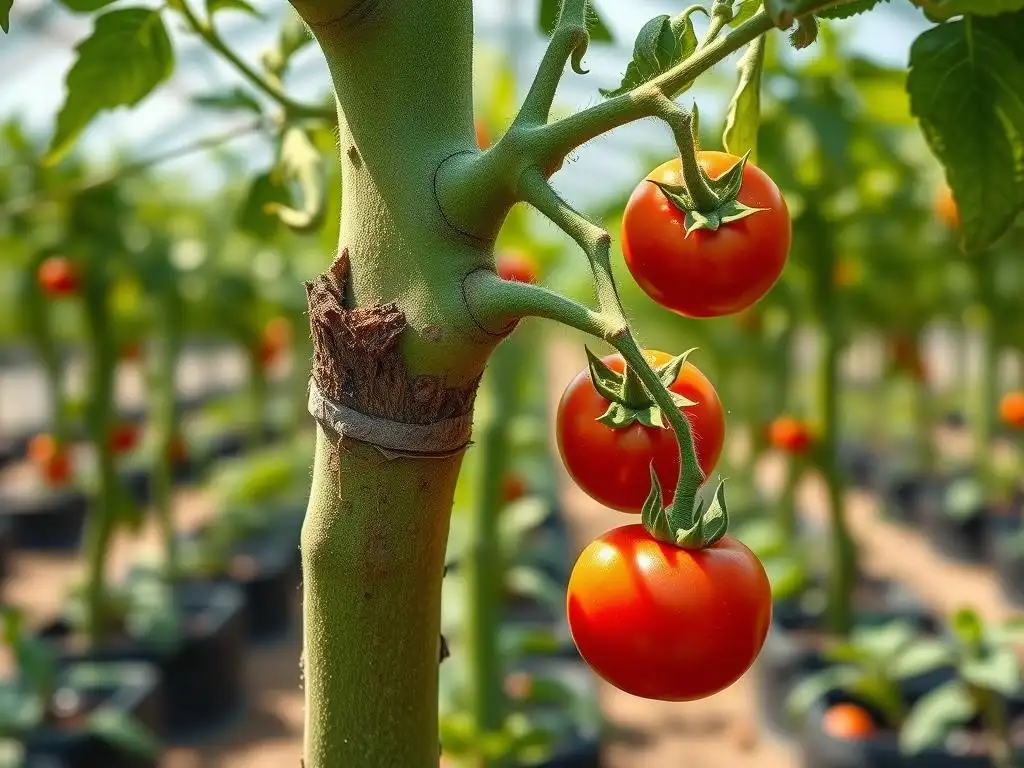
Grafting tomatoes offers significant advantages, leading to higher yields and improved disease resistance compared to traditionally grown plants. However, maximizing the benefits requires optimized post-grafting care. This section focuses on crucial techniques to ensure your grafted tomato plants thrive and produce bountiful harvests. Understanding the unique needs of grafted plants is key to achieving superior results. Remember, while grafting confers benefits, proper care remains essential for realizing the full potential of increased yield. Let's delve into the specific practices that will contribute to a successful harvest.
Providing Proper Support and Training for Grafted Tomato Plants
Grafting often results in stronger, more vigorous plants, but this increased growth necessitates robust support. Untrained grafted tomato plants can become top-heavy, leading to breakage and reduced fruit production. Providing adequate support is crucial for maximizing yield. This involves using sturdy cages, stakes, or trellises appropriate for the size and growth habit of the grafted variety. Consider the mature height of the scion (the grafted part) and rootstock to choose suitable support structures.
For example, indeterminate tomato varieties, known for their extensive growth, will require taller and more robust supports than determinate varieties. Regularly tying the main stem and side shoots to the support structure is vital to prevent damage and ensure proper airflow around the plant. This prevents diseases and promotes even ripening. Failing to provide adequate support can lead to broken stems, reduced fruit set, and ultimately, lower yields. The increased weight of the fruit from a successful graft necessitates a stronger support system than ungrafted plants might need. Remember, a well-supported plant is a productive plant.
Watering and Fertilizing Grafted Tomatoes for Maximum Yield
Consistent watering and appropriate fertilization are essential for maximizing the yield of grafted tomato plants. The grafted union requires a consistent supply of moisture to facilitate the successful fusion of the scion and rootstock. Water deeply and less frequently, encouraging deep root growth. Avoid overhead watering, which can promote fungal diseases. Use a soaker hose or drip irrigation system for efficient water delivery.
Fertilization should be tailored to the specific needs of the grafted plant. A balanced fertilizer, rich in phosphorus and potassium, is generally recommended. Phosphorus promotes strong root development, crucial for grafted plants, while potassium supports fruit development and overall plant health. Avoid over-fertilizing, as this can lead to excessive vegetative growth at the expense of fruit production.
A soil test can provide valuable insights into nutrient levels and guide fertilizer application. Regular monitoring of the plant's growth and fruit set will help you fine-tune your fertilization strategy for optimal yields. Remember, a nutrient-rich environment is essential for a successful harvest. Observe your plants carefully for signs of nutrient deficiency (yellowing leaves, stunted growth).
Pest and Disease Management in Grafted Tomato Plants
While grafting can enhance disease resistance, it doesn't eliminate the risk entirely. Proactive pest and disease management is crucial for protecting your investment and ensuring a healthy, high-yielding harvest. Regularly inspect your plants for signs of pests and diseases. Early detection and intervention are key to preventing widespread damage. Common pests include aphids, whiteflies, and tomato hornworms. Employ integrated pest management (IPM) strategies, prioritizing preventative measures such as companion planting and beneficial insects. Use chemical pesticides as a last resort, always following label instructions carefully.
Diseases such as early and late blight can significantly impact yield. Ensure good air circulation around plants to prevent fungal diseases. Practice crop rotation to reduce the buildup of pathogens in the soil. Consider using disease-resistant varieties for further protection. A healthy plant is a productive plant, and proactive pest and disease management is a critical component of maximizing yields in grafted tomatoes. Remember to keep detailed records of your pest and disease management practices to refine your approach year after year. This detailed approach to pest control will ultimately lead to higher yields. 🍅
Harvesting and Maintaining Your Grafted Tomato Plants
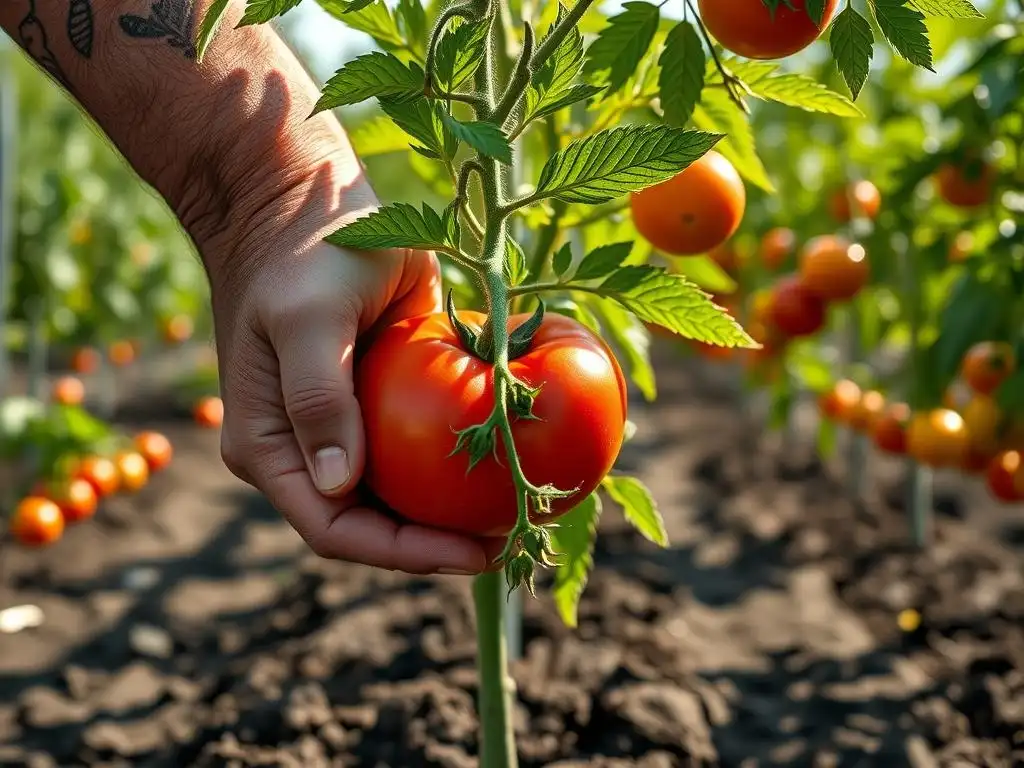
This section focuses on the crucial post-grafting stages: harvesting your bountiful crop and ensuring its longevity. Grafting tomatoes higher yields isn't just about the initial process; it's about maximizing the potential of your plants throughout their lifecycle. Careful harvesting and proper storage significantly impact the overall success of your grafting efforts. Let's explore the best practices.
Recognizing the Signs of Ripening in Grafted Tomatoes
Knowing when to harvest your grafted tomatoes is key to achieving optimal flavor and quality. While the ripening process is generally similar to non-grafted tomatoes, subtle differences might exist depending on the rootstock and scion combination. Pay close attention to these indicators:
- Color Change: The most obvious sign. The color will shift from green to the characteristic color of the tomato variety – red, yellow, orange, or even purple. The change isn't always uniform; sometimes, a blush of color appears first before full ripening.
- Firmness: Gently squeeze the tomato. A ripe tomato will yield slightly to gentle pressure, indicating its juicy interior. However, avoid excessive squeezing, as this can damage the fruit.
- Aroma: A ripe tomato will have a distinct, sweet aroma. This is a less reliable indicator than color and firmness, but it can be helpful in combination with other cues.
- Stem: The stem should easily detach from the tomato when gently twisted. If it resists, the tomato likely needs more time to ripen.
It's important to note that the ripening time can vary depending on the specific tomato variety and environmental conditions. Some varieties may ripen faster than others, especially those grown in warm climates with ample sunlight. Regular monitoring of your plants is crucial to ensure you harvest at the peak of ripeness. Don't be afraid to gently check a few tomatoes throughout the harvesting season. You'll quickly develop a feel for when they're ready.
Harvesting Techniques for Grafted Tomato Plants
Harvesting grafted tomatoes requires a gentle touch to avoid damaging the plant and the remaining fruit. Here’s a step-by-step guide:
- Select Ripe Tomatoes: Carefully examine the plants and identify tomatoes that display the signs of ripeness described above.
- Use Sharp Pruning Shears or Scissors: A clean cut prevents bruising and disease. Avoid pulling or twisting the tomatoes off the vine, as this can damage the plant.
- Cut the Stem: Cut the stem about ½ inch above the tomato. This leaves a small portion of the stem attached, which helps prevent rot.
- Handle with Care: Place harvested tomatoes gently in a container to avoid bruising. Avoid piling them on top of each other.
- Regular Harvesting: Harvest tomatoes regularly, even if they aren't fully ripe. This encourages continued fruit production and prevents overcrowding. Slightly underripe tomatoes can continue to ripen off the vine.
Post-Harvest Care and Storage of Grafted Tomatoes
Proper post-harvest care is essential for maintaining the quality and extending the shelf life of your hard-earned grafted tomatoes. Here's how:
- Room Temperature Storage: For immediate consumption, store ripe tomatoes at room temperature. Avoid placing them in direct sunlight or near heat sources.
- Refrigerator Storage: For longer storage, refrigerate tomatoes at temperatures between 55-60°F (13-15°C). However, refrigeration can affect the flavor and texture of some varieties, so it's best to use them within a few days.
- Avoid Washing Before Storage: Washing tomatoes before storing them can introduce moisture, which promotes decay. Wash only immediately before consumption.
- Proper Handling: Handle tomatoes gently to prevent bruising. Avoid stacking them too high.
By following these harvesting and storage techniques, you can maximize the enjoyment of your grafted tomato harvest and ensure that you get the most out of your efforts in grafting tomatoes for higher yields. Remember, patience and attention to detail are key to success in both growing and preserving your delicious bounty! 🍅
Troubleshooting Common Issues in Tomato Grafting
Grafting tomatoes, while offering the potential for higher yields and improved disease resistance, isn't without its challenges. Successful grafting requires precision and attention to detail. This section focuses on identifying and addressing common problems encountered during and after the grafting process, ensuring a bountiful harvest. Understanding these potential issues is crucial for maximizing your success rate in grafting tomatoes for higher yields.
Addressing Graft Failure and Re-Grafting Strategies
Graft failure can stem from several factors, including improper grafting technique, incompatible rootstock and scion combinations, or environmental stress. Visual cues, such as wilting, discoloration at the graft union, or lack of new growth from the scion, indicate potential failure. Early detection is key.
A thorough examination of the graft union is essential. If the union appears weak or hasn't healed properly, the graft may need to be redone. Re-grafting involves removing the failed graft and attempting the process again with a fresh scion and, if necessary, a new rootstock. This requires careful preparation and precise technique to ensure a successful union this time.
Here's a table summarizing common causes of graft failure and recommended solutions:
| Cause of Graft Failure | Symptoms | Solution |
|---|---|---|
| Incompatible rootstock/scion | Slow or no growth, wilting, discoloration at graft union | Choose compatible varieties; start with proven combinations. |
| Improper grafting technique | Uneven union, gaps at the graft site | Practice proper technique; ensure tight fit and complete cambium layer contact. |
| Environmental stress | Wilting, leaf yellowing, stunted growth | Provide adequate water, sunlight, and temperature control. |
| Disease or pest infestation | Lesions, wilting, unusual spots | Treat affected plants promptly; use appropriate pesticides or fungicides. |
To improve your chances of success, consider these tips:
- Use sharp, clean grafting tools to minimize damage.
- Ensure the cambium layers of the rootstock and scion are in complete contact.
- Maintain optimal environmental conditions after grafting.
- Monitor the grafted plants closely for signs of failure.
Remember, patience and persistence are key to successful tomato grafting. Even experienced growers experience occasional failures. Learning from each attempt, refining your technique, and understanding the reasons behind failure will significantly increase your success rate.
Identifying and Treating Diseases in Grafted Tomato Plants
While grafting can enhance disease resistance, grafted tomato plants are not immune. Early detection and appropriate treatment are crucial to prevent widespread infection and protect your yield. Common diseases include fungal, bacterial, and viral infections.
Symptoms vary depending on the specific disease, but common signs include:
- Leaf spots: Irregular spots or blotches on leaves, often accompanied by leaf yellowing and wilting.
- Stem lesions: Darkened areas or cankers on the stem, potentially leading to stem breakage.
- Fruit rot: Decaying or discolored fruit, often accompanied by mold or fungal growth.
- Wilting: Sudden or gradual wilting of the entire plant or specific branches.
Disease management strategies include:
- Sanitation: Regularly remove and destroy infected plant parts to prevent the spread of disease. Proper sanitation practices are crucial in preventing the spread of disease and protecting your plants.
- Resistant varieties: Choose rootstocks and scions known for their disease resistance.
- Fungicides/bactericides: Apply appropriate fungicides or bactericides according to label instructions. Always follow the manufacturer's guidelines for application rates and safety precautions.
Remember to accurately identify the disease before applying any treatment. Consulting with a local agricultural extension office or experienced gardener can be invaluable in diagnosing and managing diseases effectively. Prevention is always better than cure – maintain good hygiene and select disease-resistant varieties whenever possible.
Managing Pests that Affect Grafted Tomatoes
Even with enhanced disease resistance from grafting, grafted tomatoes remain susceptible to various pests. Early detection and proactive pest management are essential for protecting your crop. Common pests include aphids, whiteflies, spider mites, and tomato hornworms.
Effective pest management strategies involve:
- Monitoring: Regularly inspect your plants for signs of pest infestation. Early detection allows for timely intervention, minimizing damage.
- Natural predators: Encourage beneficial insects such as ladybugs and lacewings, which prey on many common tomato pests. Providing habitat for these beneficial insects can significantly reduce pest populations.
- Organic pest control: Use organic insecticides or neem oil to control pest populations. These methods are environmentally friendly and safe for beneficial insects.
- Physical removal: Manually remove pests from plants, particularly large pests such as tomato hornworms. This is a simple and effective method for controlling small infestations.
Detailed Pest Control Strategies
For aphids and whiteflies, insecticidal soap is an effective organic control. For spider mites, a strong spray of water can dislodge them, and neem oil can help control their populations. Tomato hornworms can be hand-picked and destroyed. Always follow product instructions carefully when using any pest control method.
By implementing integrated pest management strategies, you can minimize pest damage and maintain healthy, productive grafted tomato plants. Remember, a proactive approach is always more effective than reacting to a full-blown infestation. Regular monitoring and early intervention are key to protecting your valuable tomato crop.
Frequently Asked Questions
What is tomato grafting, and why is it beneficial?
Tomato grafting involves joining the rootstock of one tomato plant with the scion (top part) of another. This combines the best traits of each plant, such as disease resistance from the rootstock and high yield from the scion, resulting in higher yields and healthier plants.
Does grafting tomatoes always guarantee higher yields?
While grafting can significantly increase yields, it's not a guaranteed outcome. Success depends on factors like proper technique, environmental conditions, and the compatibility of the rootstock and scion varieties.
What are the best rootstock and scion combinations for grafting tomatoes?
The optimal combination depends on your specific needs and climate. Generally, disease-resistant rootstocks are paired with high-yielding scion varieties. Researching locally adapted varieties is crucial for success.
How difficult is it to graft tomato plants?
Grafting tomatoes requires some skill and practice, but it's achievable for home gardeners. There are various techniques, from simple wedge grafting to more advanced methods. Plenty of online tutorials and resources are available to guide you.
What are the main challenges associated with grafting tomatoes?
Challenges include successful graft union formation, preventing graft failure due to disease or incompatibility, and ensuring proper aftercare. Maintaining optimal environmental conditions and following proper techniques are crucial to overcome these challenges.
Final Reflection: Harvesting the Future of Tomato Cultivation
The art of grafting tomato plants isn't just a horticultural technique; it's a powerful tool for ensuring food security in a changing world. By strategically combining the robust root systems of some varieties with the high-yielding fruit production of others, we can significantly increase yields and build resilience against environmental stressors like disease and drought. This is especially crucial as global populations continue to grow and climate change poses increasing challenges to agriculture.
The impact of grafting on tomato cultivation extends beyond simply boosting yields; it represents a shift in our approach to plant breeding and resource management. It underscores the potential for innovative techniques to address the complexities of modern agriculture. This mindful approach to plant manipulation resonates deeply with me, echoing the timeless wisdom of working with nature rather than against it. The earth provides enough to satisfy every man's needs but not every man's greed.
- Mahatma Gandhi. This quote highlights the importance of sustainable practices like grafting, which allow us to maximize yields without depleting resources.
Consider the possibilities: imagine a future where grafting techniques are widely adopted, leading to a more abundant and resilient food supply. You, the home gardener, can contribute to this future by experimenting with grafting your own tomato plants. Start small, learn from your successes and failures, and share your knowledge with others. Let's cultivate a future where higher yields are not just a dream, but a reality achieved through innovation, collaboration, and a deep respect for the natural world.
Unleash Your Tomato's Potential: Grafting for a Bountiful Harvest!
Thank you for exploring the world of tomato grafting! You've learned how to combine desirable traits for superior plants. Ready to put your knowledge into practice?
Here's what you can do next:
- Graft your own tomato plants this season. Begin with one or two plants to experience the amazing results firsthand. This is the most effective way to reap the benefits discussed in this article.
- Share your grafting experience! Let fellow gardening enthusiasts know about your successes (and challenges!) in the comments below. We'd love to hear your story.
- Experiment with different rootstock and scion combinations. You might discover unexpected flavor or yield improvements.
What exciting grafting combination are you planning to try this year?