
Crop Rotation for Beginners: Getting Started with a 3Year Plan

Ready to unlock the secrets to a thriving, sustainable garden? CultivateYourFood is your guide to growing delicious fruits, vegetables, and herbs at home. We'll empower you with organic practices and expert advice, from seed to harvest. Intrigued by maximizing your yield and soil health? Discover the power of a 3-year crop rotation plan – a key to long-term gardening success—and dive into our Advanced Techniques section to learn more. Let's cultivate a greener, healthier future, together!
- Understanding the Benefits of a 3-Year Crop Rotation Plan
- Planning Your 3-Year Crop Rotation: A Step-by-Step Guide
- Year 1 of Your 3-Year Crop Rotation Plan: Planting Schedule and Considerations
- Year 2 of Your 3-Year Crop Rotation Plan: Building on Year 1's Success
- Year 3 of Your 3-Year Crop Rotation Plan: Optimizing Your Soil and Harvest
- Maintaining Your 3-Year Crop Rotation Plan: Long-Term Strategies
- Troubleshooting Common Crop Rotation Challenges
- Frequently Asked Questions
- Final Reflection: The Enduring Harvest of Planned Planting
- Unlock Your Garden's Potential: Start Your Long-Term Rotation Plan Today!
Understanding the Benefits of a 3-Year Crop Rotation Plan
A well-planned crop rotation strategy is the cornerstone of successful and sustainable gardening. This article focuses on implementing a 3-year crop rotation plan, a powerful technique that significantly enhances soil health, boosts yields, and minimizes pest and disease problems. For beginners, the idea of a multi-year plan might seem daunting, but breaking it down into manageable steps, as we will do here, makes it achievable and incredibly rewarding.
Understanding the principles behind a 3-year rotation empowers you to cultivate healthier plants, richer soil, and ultimately, a more abundant harvest, all while minimizing your environmental impact. We’ll explore the key benefits of this approach and provide a practical framework for implementing your own 3-year crop rotation plan, optimizing your garden for long-term success and demonstrating the power of sustainable gardening practices.
This detailed guide will equip you with the knowledge to confidently navigate the world of crop rotation and reap the rewards of a thriving, organic garden. Let's get started!
Why Rotate Your Crops? Improving Soil Health and Yield
Crop rotation is not just a good idea; it's essential for maintaining soil health and maximizing yields over the long term. Continuously planting the same crops in the same location depletes the soil of specific nutrients. Think of it like this: if you only eat the same foods every day, you'll eventually develop nutritional deficiencies. The same principle applies to plants.
Different plant families have different nutrient requirements and leave behind different residues in the soil. A 3-year rotation allows you to strategically diversify your plantings, preventing nutrient depletion and improving soil structure. This results in healthier plants with greater resilience to stress, leading to significantly higher yields compared to monoculture farming. For example, legumes (peas, beans) are nitrogen-fixing plants, enriching the soil with nitrogen, a crucial nutrient for many other plants.
Including legumes in your rotation helps replenish nitrogen levels naturally, reducing the need for synthetic fertilizers. Furthermore, the diverse root systems of different plants improve soil aeration and drainage, creating a healthier environment for all your crops. By incorporating a variety of plants, you're essentially creating a more vibrant and resilient ecosystem within your garden.
Preventing Pest and Disease Buildup: A Proactive Approach
One of the most significant advantages of a 3-year crop rotation plan is its effectiveness in controlling pests and diseases. Many pests and diseases are crop-specific, meaning they thrive on particular plant families. By rotating your crops, you disrupt the life cycle of these pests and diseases, preventing them from establishing themselves and causing significant damage.
For instance, if you have a problem with tomato blight one year, planting a non-solanaceous crop (like legumes or brassicas) in the same location the following year will significantly reduce the risk of the blight returning. This proactive approach minimizes the need for pesticides, aligning with sustainable and organic gardening practices. The reduced pest and disease pressure translates to healthier plants, less stress, and, ultimately, a more abundant and higher-quality harvest.
It's a win-win for both your garden and the environment. Remember to meticulously clean up plant debris after harvesting to further minimize the chances of pest and disease carryover.
Nutrient Cycling and Soil Fertility Enhancement: Long-Term Benefits of Crop Rotation
A 3-year crop rotation plan is a fundamental strategy for long-term soil fertility enhancement. By strategically cycling different plant families, you promote a natural process of nutrient replenishment and soil improvement. This avoids the need for excessive synthetic fertilizers, which can harm soil health and the environment over time.
Deep-rooted plants, for example, improve soil structure by breaking up compacted soil and improving drainage. Simultaneously, shallow-rooted plants access nutrients from the upper layers of the soil, making them available to deeper-rooted crops in subsequent years. Legumes, as previously mentioned, are exceptional for fixing nitrogen, while other plants contribute different essential nutrients.
The diverse root systems and decomposition of different plant materials contribute to an enriched and balanced soil ecosystem, creating a fertile environment that sustains high yields for years to come. This approach reflects a commitment to sustainable gardening practices, ensuring the long-term health and productivity of your garden. The benefits are cumulative, meaning the positive impacts on soil health increase with each successive year of carefully planned rotation.
Planning Your 3-Year Crop Rotation: A Step-by-Step Guide
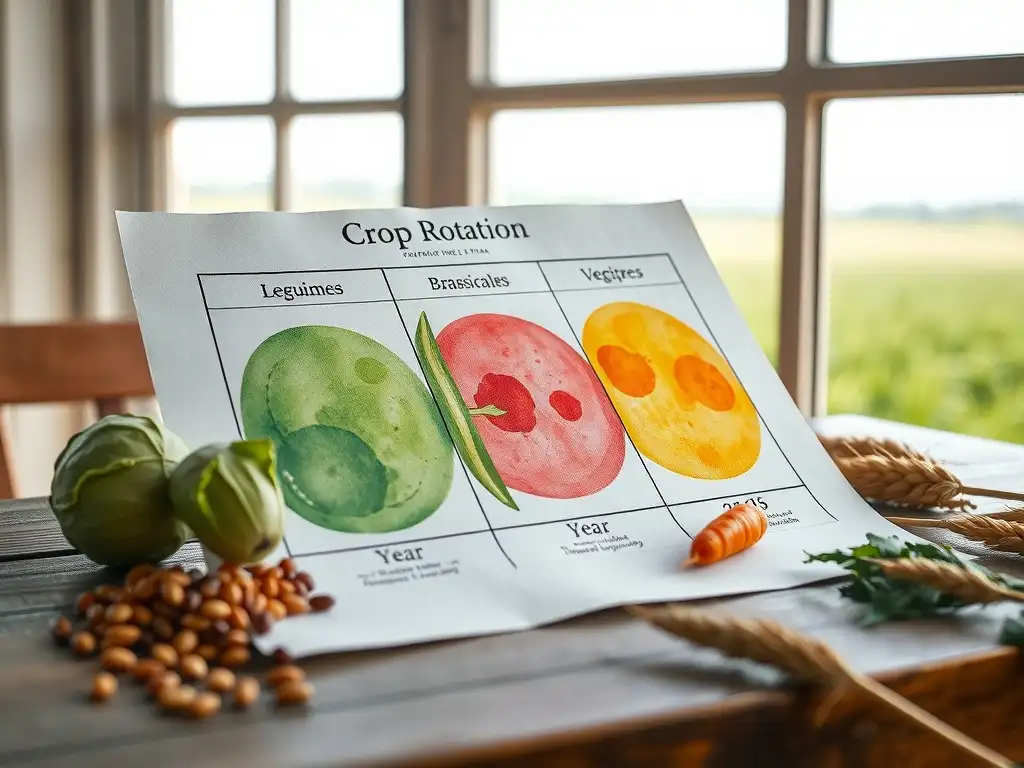
This section provides a detailed, practical guide to planning your own 3-year crop rotation plan. A well-structured 3-year plan maximizes soil health, minimizes pest and disease pressure, and ensures consistent yields, leading to a bountiful and sustainable harvest. We'll break down the process into manageable steps, making it accessible even for novice gardeners. Remember, adapting this plan to your specific needs and local climate is key to success.
Assessing Your Garden Space and Soil Conditions
Before diving into the specifics of a 3-year crop rotation plan, a thorough assessment of your garden is crucial. This involves understanding both the physical dimensions of your space and the characteristics of your soil. This foundational step ensures you create a realistic and effective plan.
First, measure your garden's dimensions. Note the area available for planting and any obstructions like trees, sheds, or pathways. Sketch a simple map of your garden, noting these features. This visual representation will be invaluable when planning the layout of your crops.
Next, conduct a soil test. This is essential for understanding your soil's pH level, nutrient content, and texture. Soil testing kits are readily available online and at most garden centers. Knowing your soil type – whether it's sandy, silty, or clay – will inform your choice of crops and the amendments you might need to add.
For example, sandy soil often requires more frequent watering and the addition of organic matter to improve water retention. Clay soil, on the other hand, might benefit from adding materials to improve drainage and aeration. The results of your soil test will guide you in selecting the most suitable plants for each year of your rotation. Accurate soil analysis is vital for a successful 3-year crop rotation plan.
Choosing Compatible Crop Families: Understanding Plant Needs and Interactions
Effective crop rotation hinges on understanding the relationship between different plant families. Grouping plants from different families minimizes the risk of pest and disease build-up and helps maintain soil fertility. This is because plants in the same family often share similar nutrient requirements and are susceptible to the same pests and diseases. Rotating crops prevents the depletion of specific nutrients and reduces the chances of infestations.
Here's a simplified example of crop families and their common characteristics:
| Crop Family | Examples | Nutrient Needs | Common Pests/Diseases |
|---|---|---|---|
| Brassicas (Cruciferae) | Broccoli, Cabbage, Kale | High nitrogen, potassium | Cabbage worms, clubroot |
| Legumes (Fabaceae) | Beans, Peas, Lentils | Nitrogen fixing | Aphids, bean beetles |
| Solanaceae | Tomatoes, Peppers, Potatoes | Potassium, phosphorus | Blight, aphids |
| Cucurbits (Cucurbitaceae) | Cucumbers, Squash, Melons | Potassium, magnesium | Squash vine borers, mildew |
| Asteraceae (Compositae) | Lettuce, Sunflower, Artichoke | Various, relatively adaptable | Aphids, leaf miners |
Understanding these interactions is key to designing a successful 3-year crop rotation plan. For instance, avoid planting tomatoes (Solanaceae) in the same spot for consecutive years, as this increases the risk of soilborne diseases. Similarly, planting legumes improves soil nitrogen, benefiting subsequent crops. This careful selection and placement of plant families is critical for long-term soil health and yield optimization in your 3-year plan.
Creating Your 3-Year Rotation Schedule: A Sample Plan and Customizable Template
Now, let's craft a sample 3-year rotation plan. Remember, this is a template; adapt it to your specific garden space, soil conditions, and personal preferences. The key is to rotate crops from different families each year to maintain soil health and minimize pest and disease problems.
Sample 3-Year Rotation Plan:
Year 1: Legumes (peas, beans) in one section, followed by heavy feeders (like broccoli or tomatoes) in another, and finally root vegetables (carrots, beets) in the remaining area.
Year 2: Switch the planting locations. Plant heavy feeders in the area previously occupied by legumes, root vegetables where the heavy feeders were, and finally, Brassicas (cabbage, kale) where the root vegetables were grown.
Year 3: Rotate once more. Plant root vegetables where the heavy feeders were, Brassicas where the root vegetables were, and finally legumes in the area previously occupied by Brassicas.
This cyclical approach ensures that no single plant family occupies the same area for consecutive years. This simple yet effective 3-year crop rotation plan helps in preventing the buildup of pests and diseases and ensures the long-term health and fertility of your soil. Remember to amend your soil annually with compost or other organic materials to further enhance soil health and boost your yields. A successful 3-year crop rotation plan, combined with consistent soil improvement, is a cornerstone of sustainable gardening.
This systematic approach will lead to a more robust and productive garden year after year. Consider using a garden planner or spreadsheet to visualize and track your rotation plan effectively. Happy gardening! 🥕🥦🍅
Understanding Crop Families and Examples
Understanding crop families is crucial for effective crop rotation. Plants within the same family share similar nutrient needs and are susceptible to the same pests and diseases. Rotating crops from different families helps to break these cycles and improve soil health. Failing to consider this can lead to nutrient depletion in the soil, increased pest infestations, and reduced yields over time. A well-planned 3-year crop rotation plan explicitly accounts for this.
For example, the nightshade family (Solanaceae) includes tomatoes, potatoes, peppers, and eggplants. These plants have high nutrient requirements, especially potassium. Planting them year after year in the same location will deplete the soil's potassium levels, leading to smaller, less productive plants. Similarly, the brassica family (Brassicaceae), encompassing broccoli, cauliflower, cabbage, and kale, are susceptible to clubroot, a soil-borne disease. Continuous planting of brassicas increases the risk of this devastating disease, significantly impacting yields. Understanding these family relationships is key to creating a successful 3-year crop rotation plan.
Let's consider some other examples. The legume family (Fabaceae), including beans, peas, and lentils, are nitrogen-fixing plants. They enrich the soil with nitrogen, a vital nutrient for many other plants. Including legumes in your rotation improves soil fertility and reduces the need for nitrogen fertilizers, contributing to a more sustainable approach. Conversely, heavy feeders like squash (Cucurbitaceae family) demand significant nutrients. Rotating them with nitrogen-fixing legumes can provide a natural replenishment of soil nutrients, benefiting subsequent crops.
Therefore, careful planning that considers these crop families is essential for a successful and sustainable 3-year crop rotation. Ignoring these relationships risks creating an environment ripe for disease and nutrient deficiencies, ultimately undermining your gardening efforts. A well-structured plan will strategically incorporate diverse crop families to maintain soil health and maximize yields over the three-year cycle. This approach not only improves the health of your soil and plants but also contributes to more sustainable and environmentally friendly gardening practices. Remember to consult detailed plant family guides for a comprehensive understanding of the various plant families and their characteristics.
Year 1 of Your 3-Year Crop Rotation Plan: Planting Schedule and Considerations
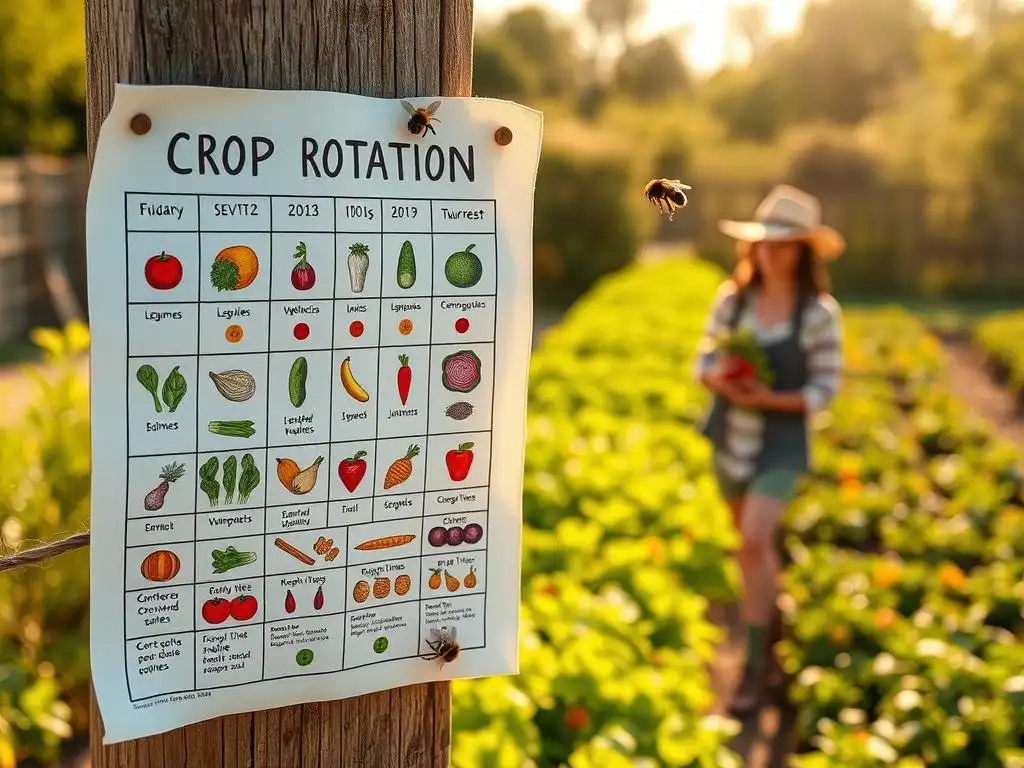
This section details the first year of a successful three-year crop rotation plan, focusing on maximizing soil health and minimizing pest and disease pressure. Remember, a well-planned 3year crop rotation plan is crucial for long-term gardening success. We'll break down the planting schedule by season, offering specific plant suggestions and important considerations. This plan prioritizes nutrient cycling and pest management, laying a strong foundation for the subsequent years.
Spring Planting
Spring planting in your 3year crop rotation plan sets the tone for the entire growing season. Focus on heavy feeders and plants that improve soil structure. This is the ideal time to plant crops that benefit from cooler temperatures and longer growing seasons.
Consider these options for your spring planting:
- Legumes (Nitrogen-fixing): Peas, beans, and lentils are excellent choices. They enrich the soil with nitrogen, a crucial nutrient for subsequent crops. Planting legumes in the spring helps build soil fertility for the rest of your 3year crop rotation plan. Aim for a variety of legumes to maximize nitrogen fixation and biodiversity.
- Root Vegetables: Carrots, radishes, and beets are all good spring choices. These plants help loosen and aerate the soil, improving drainage and overall soil health. Their taproots reach deep, bringing up nutrients from lower soil layers, making them a valuable part of a 3year crop rotation plan.
- Leafy Greens: Spinach, lettuce, and kale are relatively fast-growing and can be harvested early, leaving ample time for succession planting. These provide early nutrients and help prepare the soil for later crops. Remember to rotate leafy greens within your 3year crop rotation plan to prevent the buildup of pests and diseases.
Table 1: Spring Planting Schedule (Example)
| Crop | Planting Date (Approximate) | Spacing (inches) | Harvest Time (Approximate) | Notes |
|---|---|---|---|---|
| Peas | Mid-April | 4-6 | June-July | Choose a variety suitable for your climate |
| Carrots | Mid-April | 2-3 | July-August | Thin seedlings for optimal growth |
| Lettuce | Mid-April | 12 | May-June | Successive planting recommended |
| Spinach | Mid-April | 6-8 | May-June | Tolerates some shade |
Summer Planting
Summer planting in your 3year crop rotation plan focuses on heat-tolerant crops that thrive in warmer conditions. This is a crucial stage for maximizing yields and ensuring a continuous supply of fresh produce throughout the year.
Consider these options for your summer planting:
- Warm-Season Vegetables: Tomatoes, peppers, squash, and zucchini are excellent choices. These crops require warm soil and ample sunshine. Careful planning of your summer planting is vital to a successful 3year crop rotation plan.
- Herbs: Basil, oregano, and thyme are great additions to your summer garden. They not only add flavor to your dishes but also attract beneficial insects, contributing to natural pest control within your 3year crop rotation plan.
- Cover Crops (if applicable): If you've harvested early spring crops, consider planting a cover crop like buckwheat or sunflowers to prevent soil erosion and suppress weeds. This practice is beneficial for the long-term success of your 3year crop rotation plan.
Important Note: Proper watering and pest monitoring are crucial during the summer months. Regular mulching helps retain soil moisture and suppress weed growth, contributing to the overall success of your 3year crop rotation plan.
Fall Planting
Fall planting in your 3year crop rotation plan focuses on cold-hardy crops that can withstand cooler temperatures and shorter days. These crops will often overwinter, providing early harvests the following spring. This phase lays the groundwork for a bountiful next year within your 3year crop rotation plan.
Consider these options for your fall planting:
- Root Vegetables: Turnips, parsnips, and rutabagas are excellent fall choices. These root vegetables store well over winter and provide a harvest during colder months. The deep roots help improve soil structure, making them a vital part of your 3year crop rotation plan.
- Brassicas: Kale, collard greens, and broccoli are cold-hardy and can withstand light frosts. These provide a late-season harvest and improve soil health. Careful planning of your brassicas is vital to the success of your 3year crop rotation plan.
- Cover Crops: Planting a winter cover crop like rye or clover is highly recommended. These crops protect the soil from erosion over the winter, suppress weeds, and add organic matter, benefiting the next year's planting in your 3year crop rotation plan. This helps maintain soil fertility and structure throughout the year.
Remember, this is just a sample plan. Adapt it to your specific climate, soil type, and personal preferences. The key to a successful 3year crop rotation plan is careful planning, observation, and adaptation based on your unique gardening conditions. Happy gardening!
Pest and Disease Management in Year 1
Year one of your three-year crop rotation plan is crucial for establishing healthy soil and minimizing pest and disease pressure. Since you're starting fresh, the existing pest and disease load should be relatively low, but proactive measures are key to preventing problems down the line. This is especially important when transitioning to organic gardening practices. Many common garden pests and diseases thrive in monocultures, so crop rotation is a powerful tool in your arsenal.
One of the most effective strategies for pest and disease management in year one is to carefully select your crops. Choose varieties known for their resistance to common pests and diseases prevalent in your region. For example, if you're prone to tomato blight, opt for blight-resistant tomato cultivars. Similarly, selecting pest-resistant squash varieties can save you considerable time and effort in managing squash bugs or vine borers. Local nurseries and seed catalogs often provide this information.
Beyond varietal selection, implementing cultural controls is paramount. This involves practices that make your garden less hospitable to pests and diseases. Maintaining good garden hygiene is crucial. Remove and properly dispose of all plant debris at the end of the season to prevent the overwintering of pests and diseases. This includes removing fallen leaves, diseased plants, and weeds. Composting is an excellent way to safely break down organic matter, but be mindful of composting diseased plants to avoid spreading pathogens. Many local composting facilities will not accept diseased plant material.
Regular monitoring is also essential. Regularly inspect your plants for signs of pests or diseases. Early detection allows for timely intervention with less invasive methods. For example, you might handpick pests like aphids or slugs or treat minor fungal infections with natural fungicides like neem oil or baking soda solutions. Early intervention often prevents the need for more aggressive chemical treatments, aligning with sustainable and organic gardening principles. Remember, prevention is always better than cure. A healthy plant is much less susceptible to pest and disease attacks. Therefore, ensure your plants receive adequate sunlight, water, and nutrients.
Consider companion planting. Certain plants repel pests or attract beneficial insects. For example, planting basil near tomatoes can deter tomato hornworms, while marigolds can repel nematodes. Research companion plants suitable for your chosen crops to enhance natural pest control. This strategy is both effective and environmentally friendly. Remember to research the specific companion plants that work best in your region and climate. Not all companion planting strategies are universally effective.
Finally, document your findings throughout the year. Note any pest or disease outbreaks, the effectiveness of your management strategies, and any observations about your crop's health. This information will be invaluable in planning your crop rotation for subsequent years, allowing you to fine-tune your approach and further optimize your pest and disease management strategy. A detailed record will help you make informed decisions for years two and three.
Year 2 of Your 3-Year Crop Rotation Plan: Building on Year 1's Success
Year 2 of your 3-year crop rotation plan is all about building upon the healthy soil you established in Year 1. Remember, the goal is to minimize pest and disease pressure while maximizing nutrient availability for your plants. We'll continue to rotate families of plants to prevent nutrient depletion and build soil health. This year, we'll see the benefits of your diligent work from the previous year, resulting in a more bountiful harvest. This detailed plan will guide you through the planting schedule for a successful second year in your 3-year crop rotation journey.
Spring Planting
Spring planting in Year 2 focuses on crops that thrive in cooler temperatures and improve soil structure. We'll leverage the nitrogen-fixing benefits of legumes planted last year to enrich the soil for this year's heavy feeders.
This year, let's focus on planting crops that will benefit from the improved soil structure and nutrient levels from Year 1. Consider the following:
- Brassicas (cabbage family): These are heavy feeders, so planting them where legumes grew last year is ideal. Examples include broccoli, cauliflower, kale, and cabbage. These crops are also relatively cool-season tolerant, making them perfect for spring planting.
- Root vegetables: Carrots, parsnips, and beets are excellent choices for spring planting. These crops benefit from well-drained soil, which you've likely improved through composting and cover cropping practices from the previous year.
- Leafy greens: Spinach, lettuce, and arugula are quick-growing and can be planted early in the spring. These crops will benefit from the improved soil structure and fertility built up in Year 1.
Remember to amend your soil with compost before planting. A healthy soil structure is crucial for successful spring planting. Consider using a soil test kit to ensure you are providing the right nutrients to your plants. This will help you avoid nutrient deficiencies and ensure a healthy and plentiful harvest.
Summer Planting
Summer planting in Year 2 requires careful consideration of heat tolerance and water requirements. We'll focus on crops that follow the brassicas and root vegetables planted in spring, ensuring a diverse and healthy rotation.
The summer months bring warmer temperatures and longer days, perfect for heat-loving plants. Your summer planting should include:
- Cucurbits (squash family): Plant squash, zucchini, cucumbers, and melons where the leafy greens grew in the spring. These plants thrive in warm conditions and require ample space.
- Legumes: Beans and peas are excellent choices for summer planting. These nitrogen-fixing plants will further improve soil health for next year's planting. Planting them after the brassicas will help break the disease cycle.
- Warm-season herbs: Basil, oregano, and thyme will flourish in the summer heat. These herbs also attract beneficial insects, contributing to a healthy garden ecosystem.
This careful selection of summer crops ensures a balanced rotation, maximizing nutrient uptake and minimizing pest and disease issues. Remember consistent watering and mulching are key to success during the hot summer months.
Fall Planting
Fall planting in Year 2 focuses on crops that can withstand cooler temperatures and shorter days. These crops will help improve soil health over the winter months, preparing your garden for the next growing season.
As the weather cools, consider these fall planting options:
- Cover crops: Planting cover crops like rye or clover after harvesting your summer crops is crucial. These plants protect the soil from erosion, prevent weed growth, and improve soil fertility over the winter.
- Garlic: Garlic is a hardy plant that can be planted in the fall and harvested the following summer. It's a great addition to your 3-year crop rotation plan, adding flavor and improving soil health.
- Lettuce and spinach: These cool-season crops can be planted in the fall for a late-season harvest. These will benefit from the improved soil structure and nutrient levels built up throughout the year.
Remember to monitor soil moisture levels, especially during drier fall months. A healthy soil structure, achieved through your diligent crop rotation, will help your plants withstand the changing weather conditions. This careful planning ensures a successful transition into Year 3 of your 3-year crop rotation plan. 🌱
Soil Improvement Techniques for Year 2
Year 2 of your 3-year crop rotation plan is crucial for building upon the soil health improvements you established in Year 1. Remember, healthy soil is the foundation of a successful harvest. This year, we'll focus on maintaining and enhancing the soil's structure, nutrient levels, and overall vitality. We'll build on the groundwork laid in the previous year, focusing on techniques that complement the crops you've chosen for this rotation.
One key strategy is cover cropping. After harvesting your Year 1 crops, plant a cover crop like winter rye or clover. These plants won't be harvested but will help prevent soil erosion during the off-season. Their roots will also improve soil structure by breaking up compacted areas, and as they decompose, they'll add valuable organic matter, enriching the soil with essential nutrients.
This process is particularly beneficial if you noticed any soil compaction or nutrient depletion in your Year 1 plots. Choosing the right cover crop is important; consider your climate and the specific needs of the crops you'll plant in Year 3. For example, legumes like clover are excellent nitrogen fixers, enriching the soil for nitrogen-hungry crops.
Another vital technique is composting. Continue diligently composting kitchen scraps and yard waste. This rich organic material is like gold for your garden. Compost improves soil drainage, aeration, and water retention, creating the perfect environment for thriving plants.
Regularly incorporating compost into your soil before planting your Year 2 crops will provide a sustained release of nutrients, ensuring your plants have the nourishment they need throughout the growing season. Aim for at least 2-3 inches of well-rotted compost incorporated into the top layer of soil for optimal results. Consider using a compost tea as a foliar feed in addition to soil application for an extra boost of nutrients.
Finally, consider soil testing. A soil test will give you a precise understanding of your soil's nutrient levels. This allows you to address any deficiencies specifically, using targeted amendments like rock phosphate or bone meal to boost phosphorus or potassium levels, if needed. Knowing your soil's pH is also crucial; you can adjust it with lime (to raise pH) or sulfur (to lower pH) to create the ideal environment for your chosen crops.
A soil test provides a scientific foundation for your soil management strategies, ensuring you're making informed decisions for optimal crop growth. Remember to take soil samples from multiple areas of your garden for a representative analysis. This year, the data from the soil test will inform your choices regarding fertilization and amendment application, leading to healthier plants and a more bountiful harvest. This data-driven approach is key to long-term soil health and sustainable gardening practices.
Year 3 of Your 3-Year Crop Rotation Plan: Optimizing Your Soil and Harvest
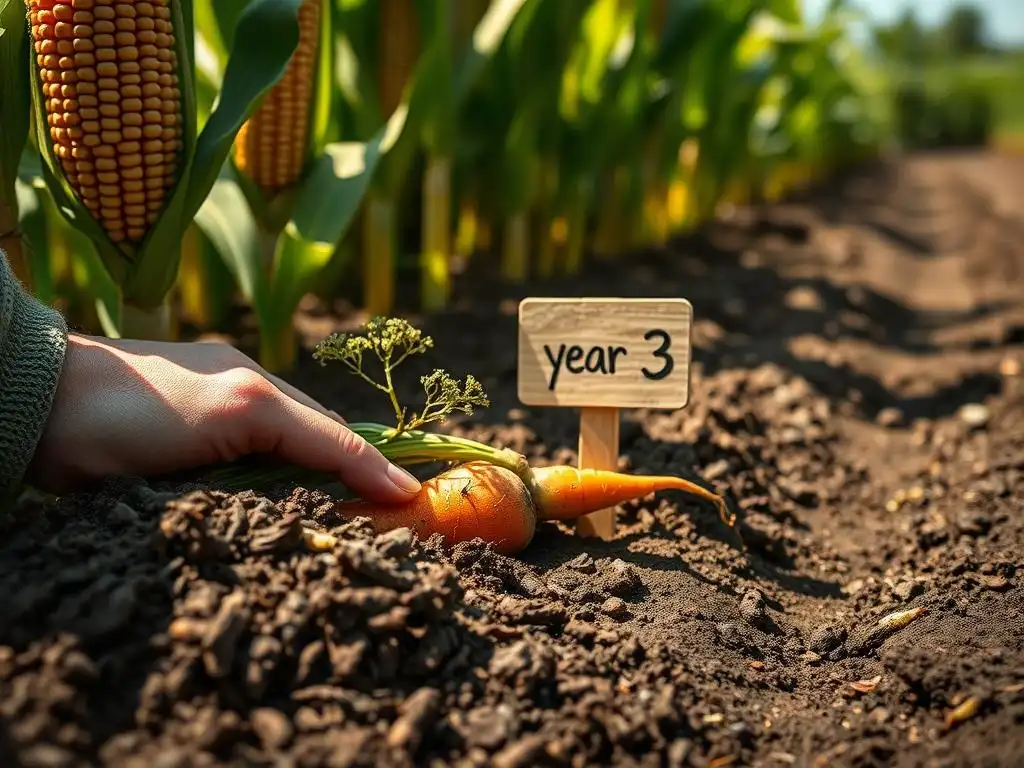
This is the culmination of your diligent work over the past two years! By now, your soil should be rich in organic matter and teeming with beneficial microorganisms. Year 3 focuses on maintaining this healthy ecosystem while maximizing your harvest. We'll continue utilizing the principles of a 3-year crop rotation plan to ensure long-term soil health and bountiful yields. Remember, careful planning is key to success in this final year. This year's plant selection will capitalize on the improved soil conditions and the beneficial effects of the previous rotations.
Spring Planting
Spring planting in year three is all about leveraging the improved soil structure and nutrient levels established in the previous years. We'll focus on heavy feeders that benefit from the rich soil. Consider these options:
- Heavy Feeders: This year, you can plant crops known for their high nutrient requirements, such as:
- Broccoli 🥦
- Cabbage 🥬
- Cauliflower 🥦
- Brussels sprouts sprouts
These crops will thrive in your improved soil, rewarding you with a robust harvest.
- Nitrogen Fixers (Cover Crop): Even though you're planting heavy feeders, consider incorporating a nitrogen-fixing cover crop like clover or vetch between rows or in areas not actively in use. This helps replenish nitrogen levels for future cycles and improve soil fertility. This is a crucial step in sustainable gardening.
- Soil Health Check: Before planting, consider a simple soil test to ensure nutrient levels are optimal. Adjust your fertilizer strategy accordingly, prioritizing organic options to continue building soil health. Remember, we aim for a self-sustaining ecosystem.
Summer Planting
Summer planting in year 3 requires careful consideration of the previous years' planting. Here, we'll focus on crops that benefit from the residual nutrients and improved soil structure while also preparing for the fall planting cycle.
- Root Vegetables: Summer is an excellent time to plant root vegetables like carrots 🥕, beets beetroot, and parsnips. These crops help improve soil structure as their roots loosen the soil, making it easier for air and water penetration.
- Warm-Season Crops: Continue planting warm-season crops like tomatoes 🍅, peppers 🌶️, zucchini 🥒, and squash 🎃. Remember to rotate these crops within your garden to avoid depleting specific nutrients in one area. This is an important aspect of a successful 3-year crop rotation plan.
- Pest Control Considerations: As your soil health improves, you may find fewer pest problems. However, continue to monitor your plants and employ organic pest control methods as needed. A healthy soil ecosystem naturally supports healthy plants that are more resilient to pests.
Fall Planting
Fall planting in year 3 is about preparing your garden for the winter and setting the stage for the next rotation cycle. This is a crucial step in maintaining long-term soil health.
- Cover Crops: Planting winter cover crops is essential. These crops protect the soil from erosion during the winter months, prevent weed growth, and add organic matter as they decompose. Rye, winter wheat, or a mix of legumes and grasses are excellent choices.
- Soil Improvement: Consider adding a layer of compost to your garden beds before planting cover crops. This final addition of organic matter will further improve soil structure and nutrient levels, ensuring a strong foundation for your next rotation.
- Planning for Year 4: Before the end of the fall season, begin planning your planting scheme for year 4. This involves carefully considering the crop rotation sequence and selecting appropriate crops for the improved soil conditions. This proactive planning ensures a smooth transition and a successful fourth year.
By following this 3-year crop rotation plan, you'll not only achieve a bountiful harvest but also cultivate a thriving soil ecosystem that will support healthy plants for years to come. Remember, consistent observation and adjustments based on your specific soil conditions are key to success. Happy gardening! 🌱
Harvesting and Soil Preparation for the Next Cycle
Year three marks the culmination of your diligent efforts in implementing a three-year crop rotation plan. By this point, your soil should be teeming with beneficial microorganisms and exhibiting improved structure, thanks to the careful sequencing of plant families. Harvesting in year three is crucial not just for gathering the fruits (and vegetables!) of your labor, but also for setting the stage for the next rotation cycle. Careful attention to detail during this phase directly impacts the success of future harvests.
The timing of your harvest is paramount. Don't rush the process! Allow your crops to fully mature to achieve optimal flavor, nutrient density, and yield. Observe your plants closely; look for signs of ripeness specific to each variety. For example, tomatoes will change color, while melons will often develop a sweet aroma. Harvesting at the peak of ripeness ensures the best quality produce and maximizes your return on investment. Remember to handle your harvested crops gently to avoid bruising or damage.
Once harvesting is complete, the next critical step is soil preparation for the next three-year cycle. Begin by removing all plant debris, including stems, leaves, and roots. This prevents the build-up of diseases and pests that could affect future crops. Consider composting this organic matter—it's a fantastic way to enrich your soil for the next rotation.
After clearing the debris, a thorough soil test is highly recommended. This test will reveal the current nutrient levels in your soil, guiding you in selecting appropriate amendments. This might include adding compost, manure, or other organic materials to replenish essential nutrients depleted by the previous crops. The soil test will also indicate the soil's pH, ensuring it's within the ideal range for the plants you plan to cultivate in the next cycle.
Remember, healthy soil is the foundation of a successful harvest, so invest time and resources in this crucial step. Finally, till or loosen the soil to improve aeration and drainage before planting the next set of crops in your meticulously planned rotation. This meticulous approach ensures your garden thrives for years to come, providing you with bountiful harvests season after season. Proper soil preparation is the key to a successful and sustainable 3-year crop rotation plan.
Maintaining Your 3-Year Crop Rotation Plan: Long-Term Strategies
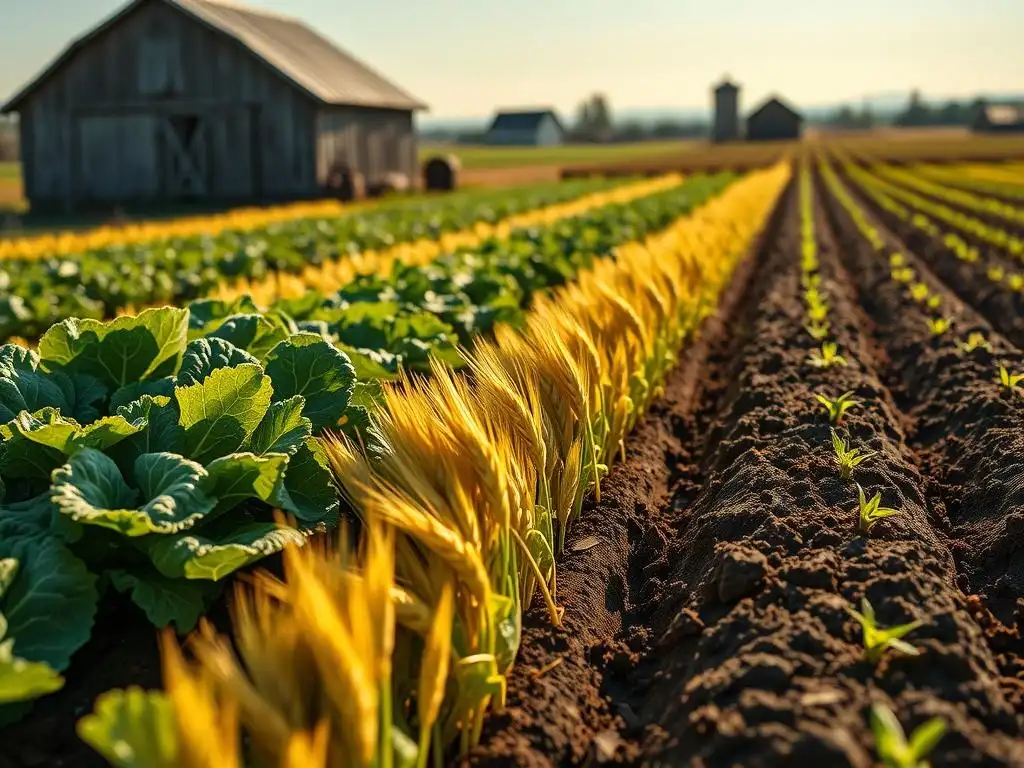
Successfully implementing a 3-year crop rotation plan requires ongoing monitoring and adjustments. It's not a "set it and forget it" system; rather, it's a dynamic process that evolves with your garden and its unique needs. Consistent observation and proactive adjustments are key to maximizing the benefits of crop rotation and ensuring long-term soil health and abundant harvests. This section focuses on the essential strategies for maintaining your plan over the long term, ensuring its effectiveness and sustainability.
Monitoring Soil Health
Regular soil testing is paramount to understanding the impact of your 3-year crop rotation plan. Different plant families have varying nutrient requirements and leave behind different soil conditions. By regularly assessing your soil's composition – specifically, its pH levels, nutrient content (nitrogen, phosphorus, potassium), and organic matter – you can identify any imbalances or deficiencies. This information is crucial for making informed decisions about future planting cycles.
For example, a soil test might reveal a depletion of nitrogen after several years of growing heavy feeders like tomatoes or peppers. This insight allows you to adjust your rotation, perhaps by incorporating nitrogen-fixing legumes like beans or peas in the subsequent year to replenish the nitrogen levels naturally. Similarly, if your soil pH becomes too acidic or alkaline, you can amend it with lime or sulfur, respectively, before planting the next rotation.
Consider these practical steps:
- Annual Soil Testing: Conduct a comprehensive soil test at least once a year, ideally in the fall or early spring before planting.
- Targeted Testing: If you notice specific issues (e.g., yellowing leaves indicating nutrient deficiency), conduct targeted tests to pinpoint the problem.
- Record Keeping: Maintain detailed records of your soil test results, along with your planting schedule and crop yields. This data will be invaluable for analyzing trends and making adjustments over time. A simple spreadsheet or garden journal can be extremely helpful.
- Visual Observation: Don't rely solely on testing. Observe your plants closely for signs of nutrient deficiencies or pest infestations – these can be early warning signs of soil imbalances.
Remember, healthy soil is the foundation of successful gardening. By diligently monitoring its health, you can optimize your 3-year crop rotation plan for maximum effectiveness.
Adapting Your Plan: Responding to Changes and Unexpected Challenges
Even the most meticulously planned 3-year crop rotation can encounter unexpected challenges. Weather patterns, pest outbreaks, and even unforeseen changes in your gardening schedule might necessitate adjustments to your plan. Flexibility and adaptability are essential to navigate these situations effectively.
For instance, an unusually wet spring might delay planting, forcing you to shift your schedule. Or, a sudden infestation of cabbage worms could necessitate a change in your planting layout to prevent further spread. These situations require proactive decision-making.
Here’s how to adapt:
- Flexibility is Key: Don't be afraid to deviate from your original plan if necessary. The goal is a healthy garden, not rigid adherence to a schedule.
- Pest and Disease Management: Implement integrated pest management (IPM) techniques to minimize the impact of pests and diseases. This includes monitoring for pests, using natural pest control methods, and rotating crops to break pest cycles.
- Weather Considerations: Consider your local climate and weather patterns when planning your rotations. Choose crops that are well-suited to your region's conditions.
- Crop Substitution: If a particular crop fails, don’t hesitate to substitute it with a compatible alternative from the same plant family or with similar nutrient needs. This minimizes disruption to your overall rotation plan.
- Continuous Learning: Stay updated on best practices for crop rotation and pest management. Learn from your experiences and adapt your plan accordingly. This iterative process is crucial for long-term success.
Expanding Your Crop Rotation Knowledge: Resources and Further Learning
Mastering the art of crop rotation is an ongoing process. Even experienced gardeners continue to learn and refine their techniques. There are numerous resources available to expand your knowledge and improve your skills in planning and managing a 3-year crop rotation plan.
To further your understanding, consider:
- Online Resources: Explore websites and online forums dedicated to gardening and organic farming. Many offer detailed information on crop rotation, including specific plant family groupings and their nutrient requirements.
- Books and Publications: Numerous books and gardening publications provide comprehensive guidance on crop rotation and sustainable gardening practices. Look for resources that focus on your specific climate and growing conditions.
- Local Gardening Clubs and Workshops: Connect with local gardening communities. These groups often offer workshops and educational events on advanced gardening techniques, including crop rotation strategies.
- University Extension Programs: Many universities offer extension programs that provide research-based information on sustainable agriculture and gardening practices. These programs can be an invaluable source of expert advice and support.
By continuously learning and adapting your approach, you’ll not only improve the success of your 3-year crop rotation plan but also enhance your overall gardening skills, leading to healthier soil, thriving plants, and abundant harvests year after year. The journey of mastering a 3-year crop rotation plan is a rewarding one, full of learning and continuous improvement. 🌱
Troubleshooting Common Crop Rotation Challenges
Successfully implementing a 3-year crop rotation plan requires careful planning and attention to detail. While the benefits of crop rotation – improved soil health, reduced pest and disease pressure, and enhanced nutrient cycling – are significant, certain challenges may arise. Understanding these potential hurdles and employing proactive strategies is crucial for maximizing the success of your 3-year plan. This section focuses on addressing some common issues encountered by beginner and experienced gardeners alike, offering solutions to ensure a thriving and productive garden.
Dealing with Pests and Diseases: Advanced Strategies
One of the primary advantages of a well-structured 3-year crop rotation plan is its ability to minimize pest and disease infestations. By rotating crops, you disrupt the life cycles of many common garden pests and pathogens, preventing the buildup of populations that can lead to significant crop losses. However, some pests and diseases are more persistent and may require advanced strategies.
Effective pest and disease management within a 3-year crop rotation system involves a multi-pronged approach:
- Careful Crop Selection: Choosing disease-resistant varieties is a crucial first step. Research varieties known for their resilience to common problems in your region. For example, selecting tomato varieties resistant to late blight can significantly reduce the risk of this devastating disease.
- Monitoring and Early Detection: Regular inspection of your plants is essential. Early detection of pests or diseases allows for prompt intervention, preventing widespread infestation. Look for signs of damage, unusual discoloration, or the presence of insects.
- Biological Control: Introducing beneficial insects, such as ladybugs or lacewings, can help control pest populations naturally. These predatory insects feed on many common garden pests, offering a sustainable and environmentally friendly control method.
- Cultural Practices: Maintaining proper plant spacing, providing adequate sunlight and water, and ensuring good soil drainage can all contribute to healthier plants that are less susceptible to pests and diseases.
- Sanitation: Removing and destroying infected plant material promptly prevents the spread of pathogens. This includes removing fallen leaves and weeding thoroughly. Proper composting techniques are also essential to eliminate potential disease reservoirs.
Addressing Soil Nutrient Deficiencies
A successful 3-year crop rotation plan considers the nutrient requirements of different plant families. However, even with careful planning, soil nutrient deficiencies can occur. Heavy feeders, such as brassicas (broccoli, cabbage, cauliflower) and fruiting vegetables (tomatoes, peppers), deplete certain nutrients more rapidly than others. Ignoring these deficiencies can lead to reduced yields and unhealthy plants.
Identifying and addressing nutrient deficiencies requires a multi-faceted approach:
- Soil Testing: Regular soil testing is the most accurate way to determine nutrient levels. Soil tests will pinpoint specific deficiencies, allowing you to apply targeted amendments. This is particularly important for long-term planning within your 3-year rotation.
- Organic Amendments: Instead of relying solely on synthetic fertilizers, incorporate organic amendments like compost, manure, and cover crops to replenish soil nutrients naturally. These materials improve soil structure and provide a slow-release source of nutrients.
- Crop Selection: Consider the nutrient needs of your chosen plants. For example, legumes (beans, peas) fix nitrogen in the soil, benefiting subsequent crops. Including these nitrogen-fixing plants strategically within your 3-year rotation can reduce the need for nitrogen supplementation.
- Crop Rotation Strategies: Strategic crop rotation itself helps to balance nutrient depletion. Heavy feeders should be followed by less demanding plants to allow the soil to recover.
Adapting Your Plan for Different Climates and Soil Types
The ideal 3-year crop rotation plan is tailored to your specific environment. Climate and soil type significantly influence crop selection and the success of your rotation strategy. Ignoring these factors can lead to disappointing results.
Adapting your plan requires considering the following:
| Factor | Consideration | Example |
|---|---|---|
| Climate | Growing season length, temperature extremes, rainfall patterns | Adjust planting dates to match your region's frost-free period; choose drought-tolerant varieties for arid climates. |
| Soil Type | Soil drainage, pH level, texture (sandy, loamy, clay) | Amend clay soils with organic matter to improve drainage; adjust pH with lime or sulfur as needed. |
| Sunlight | Amount of sunlight available in your garden | Choose sun-loving crops for sunny areas and shade-tolerant plants for shadier spots. |
| Local Pests & Diseases | Common pests and diseases in your area | Research local pest and disease pressures and select resistant varieties accordingly. |
Remember, flexibility is key. Your 3-year crop rotation plan should be a living document, adjusted as needed based on your observations and experiences. Careful planning, monitoring, and adaptation will ensure a successful and rewarding gardening journey. By addressing these common challenges proactively, you can maximize the benefits of your 3-year crop rotation plan and enjoy a bountiful harvest year after year. 🌱
Frequently Asked Questions
What is crop rotation, and why is it important?
Crop rotation is the practice of planting different types of crops in the same area in sequenced seasons. It's important for improving soil health, preventing pest and disease buildup, and increasing yields over time.
How does a 3-year crop rotation plan work?
A 3-year plan divides crops into three groups based on their nutrient needs and pest susceptibility. Each group is rotated through the same area over three years, ensuring soil replenishment and pest management.
What are the three main crop groups in a typical 3-year plan?
The groups usually include heavy feeders (high nutrient demand), moderate feeders, and light feeders (nitrogen fixers). This ensures a balanced nutrient cycle in your soil over the three-year period.
What are some examples of crops for each group in a 3-year plan?
Heavy feeders might include brassicas (cabbage, broccoli), moderate feeders could be root vegetables (carrots, beets), and light feeders often include legumes (peas, beans) which fix nitrogen in the soil.
Where can I find a sample 3-year crop rotation plan to adapt to my garden?
You can find numerous sample plans online, including on websites like CultivateYourFood. Remember to adapt the plan to your specific climate, soil type, and chosen crops for optimal results.
Final Reflection: The Enduring Harvest of Planned Planting
The practice of thoughtful crop rotation, especially a well-structured 3-year plan, isn't just a farming technique of the past; it's a vital strategy for building soil health and ensuring food security in our increasingly fragile world. The implications of neglecting soil health are far-reaching, impacting everything from food prices to environmental sustainability. We must actively participate in building a more resilient food system.
Witnessing the transformative power of a planned crop rotation, even on a small scale, is deeply rewarding. It's a tangible connection to the land and a direct contribution to a healthier planet. The land is what gives us our life, and we must treat it with respect.
This simple truth underscores the importance of sustainable agricultural practices, and crop rotation stands as a powerful example of this respect in action. The cyclical nature of the process, mirroring the natural rhythms of the earth, offers a profound sense of connection and responsibility.
Now, consider your own space, whether it's a small balcony garden or a sprawling acreage. What seeds of change can you plant? Will you commit to a more sustainable approach to gardening or farming, incorporating the principles of crop rotation into your practice? Even small steps, like choosing to plant cover crops or rotating vegetables in your raised beds, can make a significant difference. Embrace the challenge, and reap the rewards of a healthier planet and a more bountiful harvest – both literally and metaphorically.
Unlock Your Garden's Potential: Start Your Long-Term Rotation Plan Today!
Thanks for exploring the world of crop rotation! We hope you feel confident about planning a healthier, more productive garden. Ready to put your knowledge into practice?
- Design your long-term crop rotation plan: Grab a pen and paper (or open your favorite gardening app!) and start mapping out your garden beds, considering the types of plants you'll grow. This is key to success!
- Share your planting ideas: Join our CultivateYourFood community forum and share your plan – you might get valuable insights from other gardeners!
- Learn about companion planting: Take your garden to the next level by learning how to choose plants that naturally support each other's growth. Our comprehensive guide can help.
What vegetables will you plant first in your rotated beds this year? Let us know in the comments below!