
Mushroom Fruiting Chambers: Creating the Ideal Environment

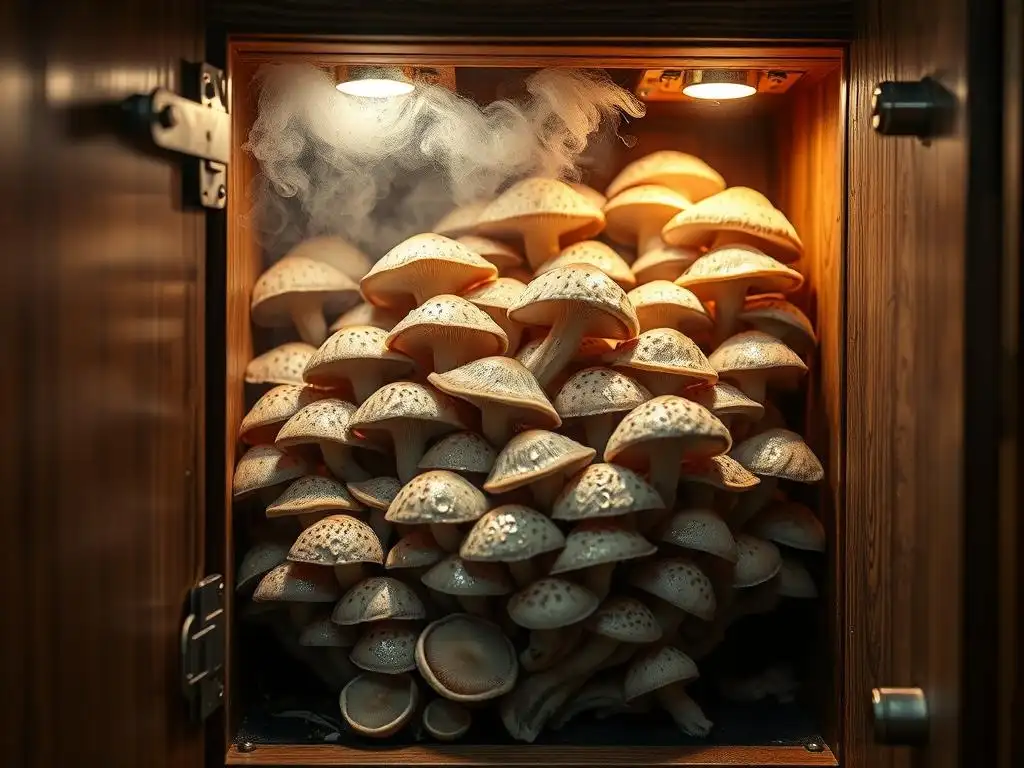
Ready to unlock the secrets of gourmet mushroom cultivation? At CultivateYourFood, we empower you to grow your own delicious and nutritious produce using sustainable methods. Learn how to create the perfect environment for your fungi with our expert guide on building a DIY mushroom fruiting chamber, a key step towards harvesting your own homegrown bounty. Dive in and discover the surprising ease of bringing the magic of the mushroom world into your own backyard!
- Understanding the Importance of a DIY Mushroom Fruiting Chamber
- Designing Your DIY Mushroom Fruiting Chamber: A Step-by-Step Guide
-
Essential Equipment for Your Mushroom Fruiting Chamber
- Maintaining Optimal Humidity: Misting Systems and Ultrasonic Humidifiers and their role in mushroom cultivation.
- Temperature Control for Mushroom Fruiting: Heat Mats and Thermostats and their impact on yield.
- Airflow Management in Your Mushroom Chamber: Small Fans and Air Filters to prevent mold and disease.
- Lighting Considerations for Mushroom Fruiting: LED Grow Lights and their effect on fruiting bodies.
-
Substrate Preparation and Inoculation for Your Mushroom Fruiting Chamber
- Preparing Your Mushroom Substrate: Specific substrate preparation for Oyster mushrooms vs. Shiitake mushrooms
- Inoculating Your Substrate: Using liquid culture or grain spawn for successful colonization.
- Sterilization Techniques for Your DIY Mushroom Fruiting Chamber: Pressure cooker sterilization and pasteurization to prevent contamination.
- Monitoring and Maintaining Your Mushroom Fruiting Chamber
- Advanced Techniques for Mushroom Fruiting Chamber Optimization
- Resources and Further Learning on DIY Mushroom Fruiting Chambers
-
Frequently Asked Questions
- What is a DIY mushroom fruiting chamber?
- Why build a DIY mushroom fruiting chamber instead of buying one?
- What materials are typically used to build a DIY mushroom fruiting chamber?
- What are the crucial environmental factors to control in a mushroom fruiting chamber?
- How do I maintain proper hygiene within my DIY mushroom fruiting chamber?
- Final Reflection: Cultivating Connection Through Mycology
- Unleash Your Inner Mycologist: Cultivate Your Own Gourmet Mushrooms!
Understanding the Importance of a DIY Mushroom Fruiting Chamber
Cultivating gourmet mushrooms at home can be a rewarding experience, offering fresh, flavorful fungi directly from your kitchen or garden. However, unlike many plants, mushrooms have specific environmental needs to fruit successfully. This is where a DIY mushroom fruiting chamber becomes invaluable.
A fruiting chamber provides the controlled environment necessary to mimic the natural conditions mushrooms thrive in, significantly increasing your chances of a bountiful harvest. This article will guide you through building your own chamber, focusing on the key factors that contribute to optimal mushroom growth and maximizing your yield using sustainable and organic practices, perfectly aligned with the CultivateYourFood ethos.
We'll explore the crucial role of temperature, humidity, and airflow, empowering you to create the ideal environment for your fungal friends. By understanding these elements and building a DIY mushroom fruiting chamber, you’ll transform your home growing experience, moving beyond simple cultivation to truly mastering the art of mushroom farming.
Why a Controlled Environment is Crucial for Mushroom Growth
Mushrooms, unlike plants, don't photosynthesize; they obtain their nutrients from decomposing organic matter. This saprophytic lifestyle means they are highly sensitive to their environment. A stable and controlled environment is critical for successful fruiting.
Fluctuations in temperature, humidity, and airflow can severely impact mushroom development, leading to stunted growth, poor yields, or even complete failure. A DIY fruiting chamber allows you to precisely regulate these parameters, providing consistent conditions that mimic the ideal natural habitat for your chosen mushroom species. For example, oyster mushrooms thrive in humid conditions, while shiitake mushrooms require slightly drier environments.
Without a controlled environment, achieving these specific conditions consistently can be challenging, if not impossible. The consistent environment provided by a fruiting chamber significantly increases your chances of success, turning your mushroom growing endeavor from a gamble into a predictable and rewarding process. This control minimizes stress on the mushrooms, promoting healthy growth and maximizing yield.
Factors Affecting Mushroom Fruiting: Temperature, Humidity, and Airflow
Successfully fruiting mushrooms hinges on maintaining the optimal balance of three key factors: temperature, humidity, and airflow. These factors are interconnected, and a deficiency in any one area can negatively impact the others.
- Temperature: The ideal temperature range varies greatly depending on the mushroom species. Oyster mushrooms, for instance, generally prefer temperatures between 65-75°F (18-24°C), while shiitake mushrooms might require slightly cooler temperatures. Maintaining a stable temperature is essential; even minor fluctuations can hinder fruiting.
- Humidity: Mushrooms require high humidity levels for optimal growth and fruiting. Typically, humidity levels should be maintained between 90-95%. Insufficient humidity can lead to desiccation, while excessive humidity can promote the growth of harmful bacteria and molds. A hygrometer is a crucial tool for monitoring humidity levels within your chamber.
- Airflow: While humidity is crucial, adequate airflow is equally important to prevent the build-up of stagnant air, which can lead to the growth of unwanted microorganisms. Airflow helps to prevent condensation and provides the mushrooms with the necessary oxygen for respiration. A balance must be struck: sufficient airflow without causing excessive drying.
Precise control over these three parameters is the cornerstone of successful mushroom cultivation. The DIY mushroom fruiting chamber allows for this precision, giving you the ability to fine-tune conditions for optimal results based on your specific mushroom species. This level of control significantly increases the likelihood of healthy, abundant harvests.
Boosting Your Mushroom Yields with Optimized Conditions
Creating a DIY mushroom fruiting chamber isn't just about survival; it's about thriving. By meticulously controlling temperature, humidity, and airflow, you significantly boost your mushroom yields. A properly designed and maintained chamber ensures consistent conditions, minimizing stress on the mushrooms and allowing them to focus their energy on growth and fruiting. This translates to larger, more abundant harvests compared to growing mushrooms in uncontrolled environments.
Moreover, the optimized conditions reduce the risk of contamination by harmful bacteria and fungi, resulting in healthier mushrooms and higher quality yields. The investment of time and effort in building a DIY fruiting chamber is repaid many times over in the quantity and quality of your mushroom harvest. Think of it as an investment in the future of your home-grown gourmet mushroom supply – a sustainable and rewarding endeavor. The satisfaction of harvesting plump, healthy mushrooms from a chamber you built yourself is unparalleled.
Designing Your DIY Mushroom Fruiting Chamber: A Step-by-Step Guide
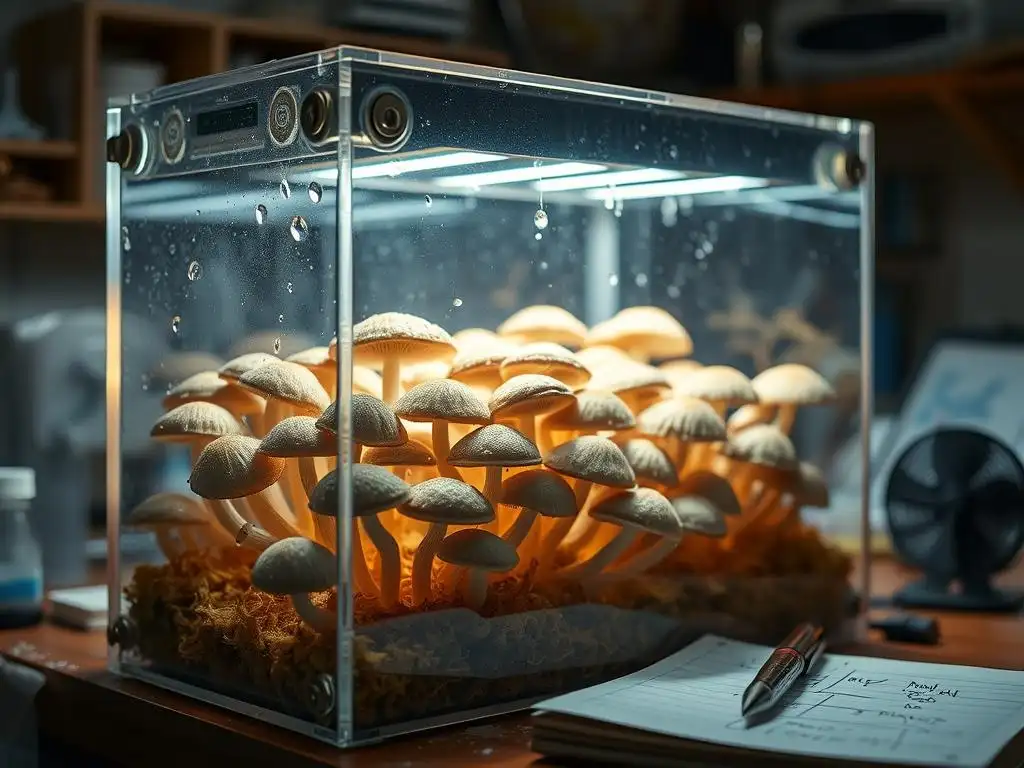
This section details the design and construction of DIY mushroom fruiting chambers, focusing on materials, construction techniques, and advanced features. We'll explore both simple and more sophisticated approaches to creating the ideal environment for your gourmet mushroom cultivation, catering to different skill levels and budgets. Remember, a successful DIY mushroom fruiting chamber relies on precise control of humidity and airflow.
Choosing the Right Materials for Your Mushroom Growing Chamber
Selecting appropriate materials is crucial for building a successful DIY mushroom fruiting chamber. The right materials will ensure proper humidity retention, adequate ventilation, and ease of cleaning. Avoid materials that leach harmful chemicals or are difficult to sterilize.
Here's a breakdown of suitable options:
- Containers:
- Plastic Storage Containers: Clear plastic bins are inexpensive and readily available, offering good visibility. Choose airtight containers with secure lids to help maintain humidity. Look for food-grade plastic to avoid harmful chemical leaching. Larger containers (at least 20 gallons) are ideal for substantial mushroom harvests.
- Glass Aquariums: Offer excellent visibility and are easy to clean. However, they can be more expensive and potentially breakable.
- Recycled Materials: Repurposing materials like large, clean plastic tubs or even modified filing cabinets can be a cost-effective and sustainable approach, but ensure they are thoroughly cleaned and sanitized.
- Ventilation:
- Perforated Plastic or Metal: Drill small holes in the container lids and sides for adequate airflow, preventing stagnant air and the build-up of harmful gases. The number and size of holes will depend on the chamber's size and the mushroom species being cultivated. Consider using mesh screens over the holes to prevent contamination.
- Small Fans: Small computer fans can be strategically placed inside the chamber to enhance airflow. Ensure the fans are appropriately sized for the chamber's volume.
- Humidification:
- Humidifiers: Small ultrasonic humidifiers are effective for maintaining consistent humidity levels. Choose a humidifier with an adjustable output to fine-tune the moisture level.
- Water Reservoirs: Simple water trays at the bottom of the chamber can increase humidity, but may require more frequent monitoring and refilling. Adding pebbles to the tray increases surface area for evaporation.
- Substrate Support:
- Mesh Shelves: Allows for better airflow around the mushroom substrate and easier harvesting. Plastic mesh is readily available and easy to clean.
- Wooden Shelves (Treated with Food-Safe Sealant): Provides a more robust support structure, but requires careful sealing to prevent moisture damage and ensure food safety.
Building a Simple DIY Mushroom Fruiting Chamber using Plastic Storage Containers and a Humidifier
This method provides an accessible entry point into DIY mushroom fruiting chamber construction. It's ideal for beginners and requires minimal tools and materials.
- Gather Materials: A large, clear plastic storage container (at least 20 gallons), a small ultrasonic humidifier, a spray bottle, and a drill with small drill bits.
- Prepare the Container: Clean and sterilize the container thoroughly. Drill several small holes (approximately 1/8 inch diameter) in the lid and sides for ventilation.
- Set up the Humidifier: Place the humidifier inside the container. Ensure it's positioned to avoid direct contact with the mushroom substrate.
- Add Substrate: Place your colonized mushroom substrate on a mesh shelf inside the container.
- Maintain Humidity: Use the humidifier to maintain optimal humidity levels (typically 90-95%). Regularly mist the substrate with a spray bottle to increase humidity if necessary. Monitor humidity levels closely, as different mushroom species have different humidity requirements.
- Monitor Temperature: Maintain a consistent temperature suitable for your chosen mushroom species (this will depend on the type of mushroom).
This simple setup provides a basic, yet effective, environment for mushroom fruiting. Remember to regularly monitor humidity and temperature, adjusting as needed. Observe the mushrooms closely for signs of growth and any potential issues.
Constructing an Advanced Mushroom Fruiting Chamber with Automated Climate Control
For more experienced cultivators seeking greater control over their environment, an advanced DIY mushroom fruiting chamber with automated climate control offers significant advantages. This involves incorporating more sophisticated technology for precise temperature and humidity regulation.
- Advanced Materials: This build requires more specialized components, including a temperature controller, humidity sensor, a more robust fan system, and potentially a programmable logic controller (PLC) for automated control.
- Automated Control System: A temperature controller with a thermostat and a humidity sensor linked to a humidifier will maintain consistent environmental conditions. A PLC can automate complex processes, such as adjusting ventilation based on humidity levels.
- Improved Insulation: Adding insulation to the chamber walls will help maintain consistent temperatures and reduce energy consumption. Consider using materials like expanded polystyrene (EPS) foam.
- Advanced Ventilation System: A more powerful fan system with adjustable speed control ensures optimal airflow and prevents the buildup of CO2. Consider using ducting to direct airflow effectively.
- Sterile Environment: Maintain a sterile environment through the use of HEPA filters and UV sterilization lamps to minimize the risk of contamination.
Building an advanced DIY mushroom fruiting chamber requires a higher level of technical expertise. Careful planning and execution are crucial to ensure the system functions correctly and provides a suitable environment for mushroom cultivation. Consider consulting online resources and tutorials for detailed guidance on building and programming an automated system. 🍄 Remember safety precautions when working with electricity and automated systems!
Essential Equipment for Your Mushroom Fruiting Chamber
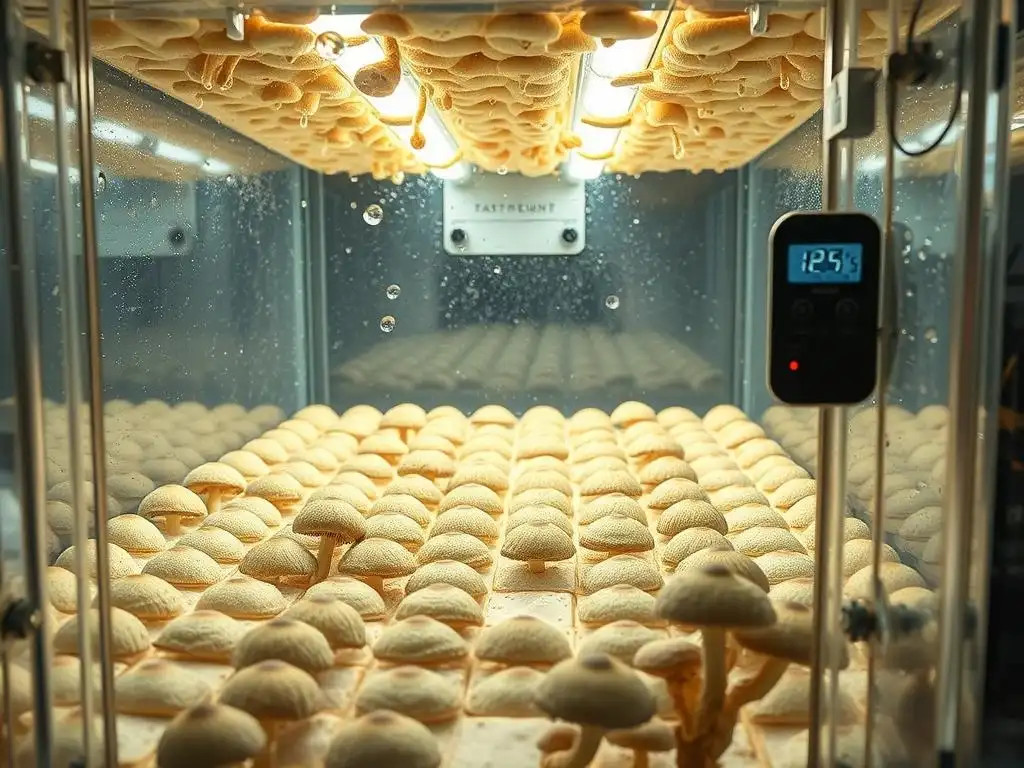
Building a successful DIY mushroom fruiting chamber hinges on acquiring the right equipment. While the specific needs vary depending on the mushroom species and the scale of your operation, certain tools are indispensable for maintaining the ideal environment for fruiting. Choosing high-quality components is crucial for maximizing your yield and minimizing the risk of contamination, leading to a bountiful harvest of delicious, homegrown mushrooms.
This section focuses on the core equipment necessary to build a functional and efficient DIY mushroom fruiting chamber. Remember that creating a suitable environment is key to successful mushroom cultivation, and investing in the right tools upfront will pay off significantly in the long run.
Maintaining Optimal Humidity: Misting Systems and Ultrasonic Humidifiers and their role in mushroom cultivation.
Maintaining the correct humidity levels is paramount in mushroom cultivation. Mushrooms thrive in humid environments, and fluctuations can lead to stunted growth or even failure of the fruiting process. Two effective methods for achieving and maintaining optimal humidity are misting systems and ultrasonic humidifiers.
Misting systems provide a direct application of water, increasing the humidity levels quickly. They are particularly useful for smaller chambers or when rapid humidity adjustments are needed. However, they require more frequent monitoring to prevent over-misting, which can lead to waterlogging and fungal diseases. Proper placement of the nozzles is also crucial to ensure even distribution of moisture.
Ultrasonic humidifiers offer a more subtle and consistent approach to humidity control. They work by vibrating water molecules, creating a fine mist that disperses evenly throughout the chamber. This method minimizes the risk of over-misting and provides a more stable humidity level. Ultrasonic humidifiers are generally preferred for larger fruiting chambers or for those seeking a more hands-off approach to humidity management. However, they might not be as effective for rapid humidity increases as misting systems.
The choice between a misting system and an ultrasonic humidifier often depends on the size of your fruiting chamber and your personal preference. For smaller setups, a misting system might suffice, while larger operations often benefit from the consistent humidity provided by an ultrasonic humidifier. Consider the specific requirements of your chosen mushroom species when making your decision; some species are more sensitive to humidity fluctuations than others. Remember to always monitor humidity levels using a reliable hygrometer to ensure optimal conditions.
Temperature Control for Mushroom Fruiting: Heat Mats and Thermostats and their impact on yield.
Precise temperature control is another critical factor in successful mushroom cultivation. Different mushroom species have varying temperature requirements for optimal fruiting. Using heat mats in conjunction with thermostats allows for precise temperature regulation, crucial for maximizing yield and ensuring healthy growth.
Heat mats provide gentle bottom heat, which is essential for many mushroom species. They are placed underneath the substrate to provide consistent warmth. However, heat mats alone are not sufficient for accurate temperature control. Fluctuations can easily occur, potentially harming the delicate mycelium.
Thermostats are essential for regulating the temperature provided by the heat mat. They automatically turn the heat mat on and off to maintain the desired temperature, preventing overheating or underheating. A digital thermostat offers greater precision and allows for more accurate temperature control than a simple on/off switch. Choosing a thermostat with adjustable settings is essential for accommodating the varying temperature needs of different mushroom species.
The combined use of heat mats and thermostats provides a stable and controlled environment, promoting consistent growth and maximizing your mushroom harvest. Always monitor the temperature with a reliable thermometer to ensure accuracy and make adjustments as needed. Remember that even slight temperature deviations can significantly impact mushroom growth and yield. Investing in a high-quality thermostat is a cost-effective way to improve the success rate of your mushroom cultivation efforts.
Airflow Management in Your Mushroom Chamber: Small Fans and Air Filters to prevent mold and disease.
Proper airflow is crucial for preventing the buildup of moisture, carbon dioxide, and other potentially harmful substances within the fruiting chamber. This helps to minimize the risk of mold and disease, ensuring healthy mushroom growth. Small fans and air filters play a significant role in maintaining optimal airflow within your DIY mushroom fruiting chamber.
Small fans, strategically placed within the chamber, gently circulate the air, preventing stagnant pockets of moisture and CO2. This even distribution of air helps to maintain uniform humidity and temperature throughout the chamber. The size and number of fans needed will depend on the size of the chamber and the specific needs of the mushroom species being cultivated. Avoid using fans that create strong drafts, as this can desiccate the mushrooms and hinder their growth.
Air filters help to remove contaminants from the incoming air, minimizing the risk of introducing unwanted spores or bacteria into the chamber. A simple HEPA filter can significantly reduce the risk of contamination. This is particularly important in environments where air quality might be compromised. While not strictly necessary for all setups, air filters provide an extra layer of protection against potential problems.
By implementing a system of small fans and air filters, you create a healthy and controlled environment for your mushrooms to flourish. This proactive approach to airflow management significantly reduces the risk of mold and disease, resulting in healthier mushrooms and a more successful harvest. Remember to regularly clean or replace filters to maintain their effectiveness. Investing in these components significantly increases the chances of a successful DIY mushroom fruiting chamber.
Lighting Considerations for Mushroom Fruiting: LED Grow Lights and their effect on fruiting bodies.
Mushrooms, unlike most plants, don't photosynthesize. They don't require light for energy production. Therefore, the role of lighting in a DIY mushroom fruiting chamber isn't about fueling growth in the same way it is for leafy greens or tomatoes. Instead, lighting in a mushroom fruiting chamber serves a different, but equally crucial, purpose: it aids in observation and monitoring.
Many mushroom growers opt for low-intensity LED grow lights primarily for visual inspection. These lights provide a gentle illumination that allows for easy observation of the fruiting bodies without causing undue stress or harm to the delicate structures. The soft glow allows you to monitor the development of pins (the first tiny mushroom primordia), check for signs of contamination, and assess the overall health of your mushroom colony. Bright, intense lighting, on the other hand, can lead to heat stress, potentially hindering growth or even causing the mushrooms to abort their development.
The spectrum of light emitted by the LEDs is also an important consideration, though less critical than intensity. While mushrooms don't utilize light for photosynthesis, some studies suggest that certain wavelengths might subtly influence fruiting body development or even affect pigmentation. However, this effect is generally minor compared to other environmental factors like humidity and temperature. Therefore, a standard white or cool white LED grow light is perfectly adequate for most home mushroom growers. Avoid using lights with UV components, as these can be damaging to the mushrooms.
Choosing the right LED grow light for your DIY mushroom fruiting chamber involves balancing intensity and functionality. You want enough light to clearly see your mushrooms without overwhelming the environment. Look for LED grow lights with adjustable brightness settings to fine-tune the illumination to your specific needs and the size of your fruiting chamber. Remember to maintain a safe distance between the light source and your mushrooms to prevent overheating.
Proper ventilation is also crucial to manage heat generated by the lights, even low-intensity LEDs. Regularly inspect your fruiting chamber's temperature to ensure it remains within the optimal range for your specific mushroom species. This careful monitoring, aided by the gentle light of your LED grow lights, is key to successfully cultivating healthy and abundant gourmet mushrooms at home.
Substrate Preparation and Inoculation for Your Mushroom Fruiting Chamber
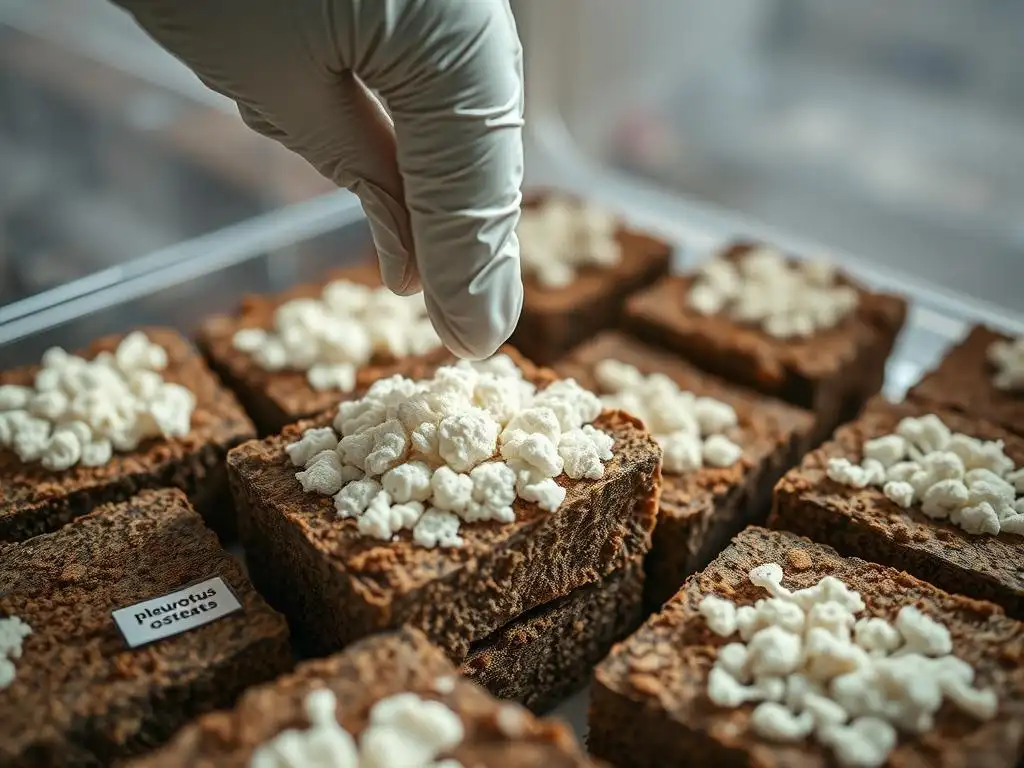
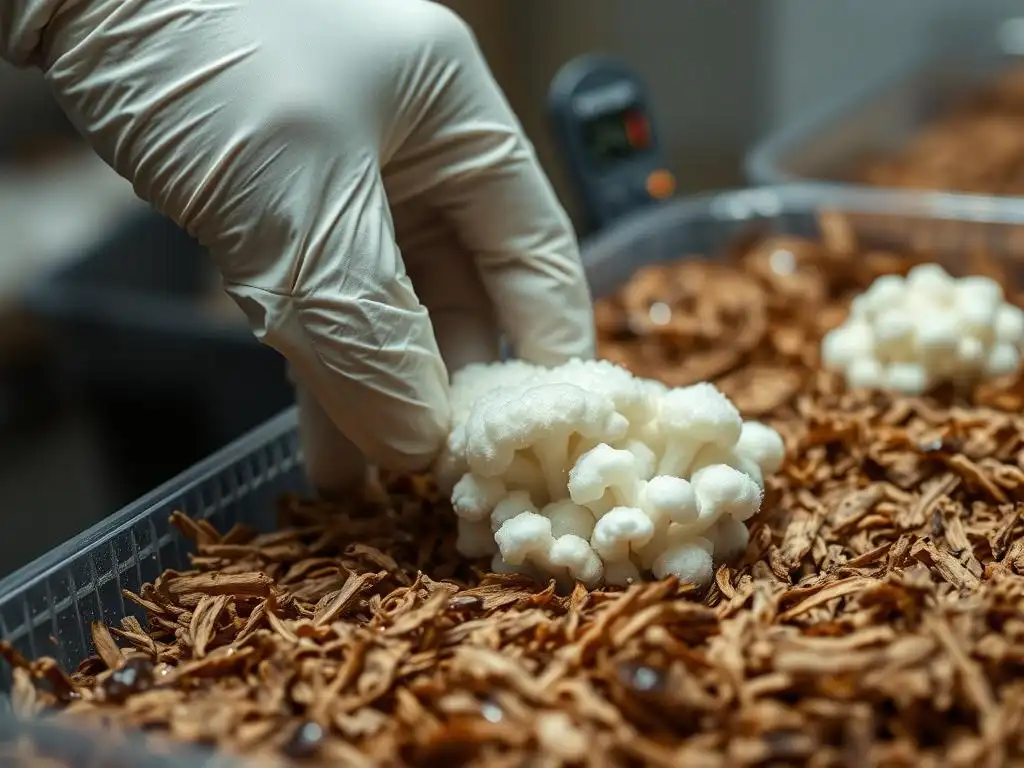
This section details the crucial first steps in your gourmet mushroom cultivation journey: preparing the substrate and inoculating it with your chosen mushroom spawn. Success hinges on meticulous attention to detail at this stage, minimizing the risk of contamination and maximizing colonization rates. Different mushrooms have slightly different needs, so understanding these nuances is key to a bountiful harvest.
Preparing Your Mushroom Substrate: Specific substrate preparation for Oyster mushrooms vs. Shiitake mushrooms
Substrate preparation varies significantly depending on the mushroom species. Let's examine two popular choices: Oyster mushrooms and Shiitake mushrooms. Both require a substrate rich in cellulose and lignin, but their ideal compositions differ slightly.
Oyster Mushrooms: Oyster mushrooms are known for their adaptability. They thrive on a wide range of substrates, including straw, hardwood sawdust, coffee grounds, and even cardboard. For optimal results, a mixture is often preferred. A common recipe involves combining 70% hardwood sawdust, 20% wheat bran, and 10% gypsum.
The mixture should be thoroughly moistened, aiming for a moisture content of around 60-65%. This is best achieved by adding water gradually and squeezing a handful of the mixture – it should feel damp but not dripping wet. Too much water can lead to anaerobic conditions and bacterial growth, hindering colonization. Too little water will result in a dry substrate that's difficult for the mycelium to penetrate.
Shiitake Mushrooms: Shiitake mushrooms, while also adaptable, generally prefer a harder wood substrate. Oak, maple, and beech are excellent choices. The substrate is typically prepared by creating sawdust blocks or logs. Sawdust blocks often involve a mix of hardwood sawdust, wheat bran, and gypsum, similar to Oyster mushrooms, but with a higher proportion of hardwood sawdust (up to 80%). Alternatively, logs are inoculated directly, requiring careful drilling and plugging techniques. Regardless of the method, ensuring proper moisture content is crucial, maintaining a level similar to that of Oyster mushroom substrate.
Inoculating Your Substrate: Using liquid culture or grain spawn for successful colonization.
Once your substrate is prepared, inoculation is the next critical step. Two primary methods exist: using liquid culture or grain spawn.
- Liquid Culture: Liquid culture offers a high concentration of mycelium, leading to faster colonization. It's injected directly into the substrate using a sterile syringe. This method requires sterile techniques to prevent contamination. The advantage lies in its efficiency and the potential for larger-scale cultivation.
- Grain Spawn: Grain spawn, typically made using wheat berries or rye, is a more traditional method. It provides a readily available food source for the mycelium, facilitating faster initial growth. The grain spawn is mixed into the substrate, ensuring even distribution. This method is often preferred by beginners due to its relative simplicity and lower risk of contamination if proper sterilization is maintained.
Regardless of the method chosen, maintaining sterile conditions is paramount. Work in a clean environment, using sterilized tools and containers. Any contamination at this stage can quickly ruin your entire batch. Careful observation during the colonization phase is essential; any signs of mold or other unwanted organisms should be addressed promptly.
Sterilization Techniques for Your DIY Mushroom Fruiting Chamber: Pressure cooker sterilization and pasteurization to prevent contamination.
Preventing contamination is crucial for successful mushroom cultivation. Two primary sterilization methods are commonly used: pressure cooker sterilization and pasteurization.
- Pressure Cooker Sterilization: This method is the most effective for eliminating bacteria, fungi, and other microorganisms. A pressure cooker is used to achieve temperatures above 121°C (250°F) for a sufficient duration, ensuring complete sterilization of the substrate. The exact time and pressure will depend on the volume and type of substrate. Improper pressure cooker sterilization can lead to incomplete sterilization and subsequent contamination.
- Pasteurization: Pasteurization involves heating the substrate to a lower temperature (around 70-80°C or 158-176°F) for an extended period. While less effective than pressure cooker sterilization, pasteurization is a simpler method suitable for some substrates and less demanding mushroom species. However, it carries a higher risk of contamination.
Choosing the appropriate sterilization method depends on factors such as the type of substrate, the mushroom species, and your access to equipment. Regardless of the method chosen, meticulous attention to detail is critical to ensure successful colonization and a healthy mushroom harvest. Remember, prevention is key—thorough sterilization is your first line of defense against contamination.
Monitoring and Maintaining Your Mushroom Fruiting Chamber
Creating a successful DIY mushroom fruiting chamber requires diligent monitoring and maintenance. Consistent conditions are crucial for optimal mushroom growth and yield. Ignoring even minor fluctuations can significantly impact your harvest. This section details the vital aspects of maintaining your chamber for peak performance, helping you cultivate a bountiful crop of gourmet mushrooms.
Regular Monitoring of Temperature and Humidity: Using digital hygrometers and thermometers
Maintaining the precise temperature and humidity levels within your DIY mushroom fruiting chamber is paramount. Fluctuations can lead to stunted growth, contamination, or even complete failure of your mushroom crop. Precise monitoring is key. Investing in reliable digital hygrometers and thermometers is highly recommended. These instruments provide accurate readings, allowing you to make timely adjustments to maintain optimal conditions.
For example, Oyster mushrooms thrive in a temperature range of 65-75°F (18-24°C) and a humidity level between 90-95%. Shiitake mushrooms, on the other hand, prefer slightly cooler temperatures, around 60-68°F (15-20°C) and a humidity range of 85-92%. These are just guidelines, and the specific requirements may vary slightly depending on the mushroom species and the specific strain you are cultivating.
It's crucial to record your readings regularly, ideally twice a day – once in the morning and once in the evening. This will help you identify any trends and make necessary adjustments to your environmental control system. Keep a detailed log of your temperature and humidity readings, noting any changes in your mushroom substrate or the surrounding environment. This data will prove invaluable in optimizing your fruiting chamber for future harvests.
Consider using a spreadsheet or a dedicated gardening journal to track this information effectively. Remember, consistency is key to success in mushroom cultivation. The more precise your monitoring and adjustments, the better your chances of a plentiful harvest.
Identifying and Addressing Potential Problems: Dealing with mold, pests, or insufficient fruiting
Even with meticulous care, problems can arise in your DIY mushroom fruiting chamber. Early detection and prompt action are crucial for mitigating potential issues and saving your mushroom crop. Common problems include mold contamination, pest infestations, and insufficient fruiting.
- Mold Contamination: The appearance of any unusual mold or discoloration on your substrate is a serious issue. Quickly isolate the affected area to prevent its spread. In many cases, removing the contaminated portion of the substrate might be sufficient. However, if the mold is widespread, it might be necessary to discard the entire substrate to avoid jeopardizing your entire harvest. Maintaining proper hygiene and sterilization procedures during setup is crucial to prevent this problem.
- Pest Infestations: Various insects and other pests can infest your mushroom substrate, damaging your crop. Regular inspection will help you detect infestations early. Implementing preventative measures, such as using sticky traps or introducing beneficial insects, can help minimize the risk. Severe infestations may require the use of appropriate organic pest control methods, but always research the safety and compatibility of any treatment with your mushroom species.
- Insufficient Fruiting: If your substrate is not producing mushrooms, several factors could be at play. This could include incorrect temperature and humidity levels, insufficient substrate colonization, or even a lack of fresh air exchange within the fruiting chamber. Review your environmental controls and ensure they are optimal for your mushroom species. You might also need to consider improving air circulation within the chamber.
Harvesting Your Gourmet Mushrooms: Best practices for harvesting Oyster mushrooms, Shiitake mushrooms, etc.
Harvesting your gourmet mushrooms is a rewarding culmination of your efforts. However, improper harvesting techniques can damage future fruiting flushes and reduce overall yield. The optimal time to harvest varies depending on the mushroom species. Generally, mushrooms are ready for harvest when their caps are fully expanded and slightly pliable but still firm.
- Oyster Mushrooms: Oyster mushrooms are typically harvested when their caps are fully open and slightly curled. Gently twist or cut the mushroom at the base of its stem, ensuring you do not damage the surrounding mycelium.
- Shiitake Mushrooms: Shiitake mushrooms are ready for harvest when their caps are fully expanded and the edges are slightly curled inward. Similar to Oyster mushrooms, gently twist or cut the mushroom at the base of the stem.
Avoid harvesting mushrooms that are too young or too old. Young mushrooms lack flavor and texture, while overripe mushrooms can be slimy or have poor quality. Always use clean, sharp tools for harvesting to minimize the risk of contamination. After harvesting, inspect your substrate for any signs of further fruiting. Proper harvesting techniques maximize your yield and ensure healthy future flushes. Remember to handle your precious mushrooms with care – your hard work deserves a bountiful reward!
Advanced Techniques for Mushroom Fruiting Chamber Optimization
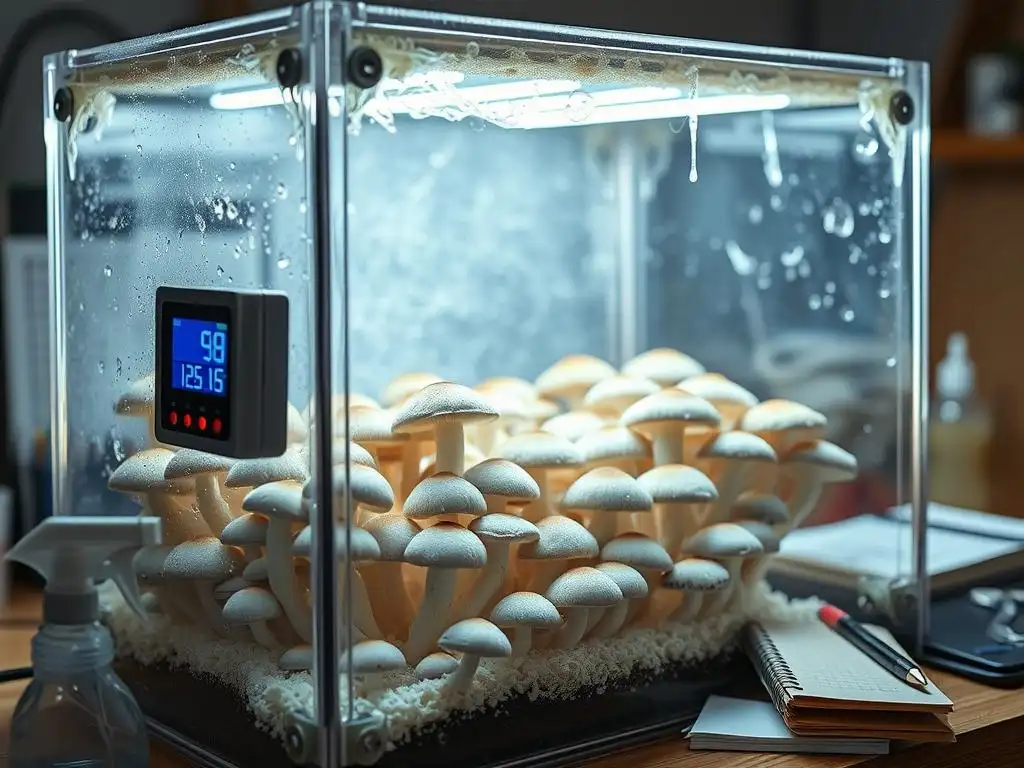
This section delves into advanced techniques to fine-tune your DIY mushroom fruiting chamber for optimal yields. While basic construction is crucial, understanding nuanced environmental controls significantly impacts fruiting success. We'll explore strategies beyond the basics, focusing on maximizing your mushroom harvest. Optimizing your chamber involves a careful balance of several key factors, and understanding these intricacies will transform your home mushroom growing experience. Mastering these techniques will elevate you from a beginner to a true cultivator.
Case Study: Optimizing Your Chamber for Maximum Oyster Mushroom Yield
Oyster mushrooms are popular for their ease of cultivation and delicious flavor. However, maximizing their yield in a DIY fruiting chamber requires attention to detail. Oyster mushrooms thrive in a humid environment with excellent air circulation. A common mistake is creating too humid an environment without sufficient airflow, leading to bacterial contamination and reduced yields.
Consider this example: A grower using a simple plastic bin chamber experienced low yields despite maintaining high humidity. By introducing a small, quiet fan for gentle air circulation, they saw a 30% increase in oyster mushroom production within two fruiting cycles. This simple modification improved gas exchange, preventing the buildup of CO2, which inhibits fruiting.
Furthermore, the temperature range for oyster mushroom fruiting is relatively broad, but slight variations can impact yield. Maintaining a consistent temperature within the optimal range (around 70-75°F or 21-24°C) is crucial. Fluctuations can stress the mycelium, delaying or reducing fruiting. Using a thermostatically controlled heater or cooler can significantly improve consistency. Careful monitoring using a reliable thermometer is key. Data logging temperature and humidity over several cycles can help identify patterns and further optimize your fruiting chamber.
A well-designed oyster mushroom fruiting chamber should include:
- A reliable misting system to maintain humidity.
- A small, low-noise fan for gentle air circulation.
- An accurate thermometer and hygrometer for monitoring conditions.
- A system for easily controlling temperature (heater/cooler).
- Proper substrate preparation and pasteurization techniques.
Case Study: Achieving Consistent Shiitake Mushroom Production in a DIY Chamber
Shiitake mushrooms, prized for their rich umami flavor, present a slightly different challenge. They require a more precise temperature and humidity range compared to oyster mushrooms, and the fruiting process often involves a period of cold shock to induce pinning (the formation of tiny mushroom buds).
Let's analyze a grower who struggled with inconsistent shiitake harvests. Their initial setup lacked temperature control, leading to fluctuating temperatures. Implementing a simple temperature controller and maintaining a consistent temperature of 60-65°F (15-18°C) during incubation and 55-60°F (13-15°C) during the cold shock period dramatically improved fruiting success, resulting in a 40% increase in yield.
The use of hardwood logs as substrate for shiitake is traditional, but using pre-inoculated dowels in a sawdust substrate within a DIY chamber offers more consistent results for home growers. This method allows for better control over moisture and reduces the risk of contamination.
The key factors for consistent shiitake production include:
- Precise temperature control throughout the entire process.
- Appropriate humidity levels (around 85-90% during fruiting).
- A controlled cold shock period.
- Proper substrate preparation and sterilization.
- Good air circulation to prevent the build-up of CO2.
Exploring Different Mushroom Species and Their Specific Chamber Requirements
Different mushroom species have unique environmental requirements, demanding specific adjustments to your DIY fruiting chamber. While the basic principles remain the same, the nuances of temperature, humidity, and air circulation will vary significantly.
For example:
| Mushroom Species | Optimal Temperature (°C) | Optimal Humidity (%) | Air Circulation | Notes |
|---|---|---|---|---|
| Oyster Mushrooms | 21-24 | 85-95 | Moderate | Tolerates wider temperature range, needs good airflow to prevent rot. |
| Shiitake Mushrooms | 15-18 (incubation), 13-15 (fruiting) | 85-90 | Moderate | Requires a cold shock period to induce fruiting. |
| Lion's Mane Mushrooms | 20-25 | 90-95 | Moderate to High | Sensitive to contamination, needs excellent air circulation. |
| Button Mushrooms | 15-20 | 85-90 | Low | Requires specific substrate and precise environmental control. |
Remember, consistent monitoring and meticulous record-keeping are crucial for optimizing your mushroom growing. Experimentation and careful observation are essential for adapting your techniques to your specific chamber and chosen mushroom species. The journey of cultivating gourmet mushrooms at home is a rewarding one, filled with learning and delicious results. 🍄
Resources and Further Learning on DIY Mushroom Fruiting Chambers
This section provides valuable resources to deepen your understanding of DIY mushroom fruiting chambers and successful mushroom cultivation. Whether you're a beginner or experienced grower, these resources offer further learning opportunities and practical support. Remember, consistent monitoring and adjustments are key to achieving optimal fruiting conditions within your DIY setup.
Recommended Books on Mushroom Cultivation
Investing in a few key books can significantly enhance your mushroom growing journey. These resources provide detailed information on various mushroom species, cultivation techniques, and troubleshooting common problems. They often contain beautiful photography and detailed diagrams, making complex processes easier to understand. Here are a few titles frequently recommended by experienced mushroom cultivators:
- "The Mushroom Cultivator: A Comprehensive Guide to Growing Mushrooms": This comprehensive guide is considered a cornerstone text for aspiring and experienced mushroom growers alike. It covers a wide range of topics, from substrate preparation to harvesting techniques, offering detailed instructions and troubleshooting advice. The book's depth and breadth make it an invaluable resource for anyone serious about mushroom cultivation.
- "Growing Gourmet and Medicinal Mushrooms" by Paul Stamets: A highly acclaimed book by a renowned mycologist, this title explores the cultivation of various gourmet and medicinal mushrooms. It provides detailed insights into the specific needs of different species, emphasizing sustainable and ethical growing practices. The book is known for its practical approach and clear explanations.
- "Mycelium Running: How Mushrooms Can Help Save the World" by Paul Stamets: While not strictly a "how-to" guide, this book provides a fascinating exploration of the world of mycelium and its applications, including its potential in environmental remediation and sustainable agriculture. This broader perspective can enrich your understanding of the ecological role of mushrooms and inform your cultivation practices.
Online Communities and Forums for Mushroom Growers
Connecting with other mushroom enthusiasts is invaluable. Online communities offer a platform to share experiences, ask questions, and receive expert advice. These forums are a treasure trove of information, with members often sharing their successes, failures, and troubleshooting tips. The collective knowledge within these communities can be incredibly helpful, especially when facing unexpected challenges. Remember to always verify information received from online sources with reputable literature.
Participating in these online communities fosters a sense of community and shared passion for mushroom cultivation. The supportive environment encourages learning and collaboration, helping to overcome obstacles and enhance your mushroom growing skills. Look for forums specifically dedicated to mushroom cultivation; you'll find discussions on various topics, from substrate recipes and fruiting chamber designs to pest control and harvesting techniques.
Suppliers for Mushroom Growing Supplies
Finding reliable suppliers for mushroom growing supplies is crucial for a successful cultivation process. Quality substrates, spawn, and other essential materials are essential for optimal growth. Look for reputable suppliers who offer high-quality products and provide accurate information about their offerings. Consider the following when choosing your supplier:
- Reputation: Look for suppliers with positive reviews and a strong reputation within the mushroom growing community.
- Product quality: Ensure the supplier offers high-quality substrates, spawn, and other necessary materials.
- Customer service: Choose a supplier that offers excellent customer service and readily answers questions.
- Shipping: Check the supplier's shipping policies and ensure they can deliver your order promptly and safely.
Remember to always research and compare different suppliers before making a purchase to ensure you find the best combination of quality, price, and service. Investing in high-quality supplies directly impacts the success of your mushroom cultivation efforts. A well-stocked supply closet is a crucial element of your DIY mushroom fruiting chamber setup.
Frequently Asked Questions
What is a DIY mushroom fruiting chamber?
A DIY mushroom fruiting chamber is a self-built enclosure designed to provide the ideal humidity, temperature, and airflow necessary for mushrooms to fruit successfully. It allows for precise environmental control, maximizing your mushroom harvest.
Why build a DIY mushroom fruiting chamber instead of buying one?
Building your own fruiting chamber can be more cost-effective than purchasing a pre-made one. It also allows for customization to fit your specific space and needs, using readily available materials.
What materials are typically used to build a DIY mushroom fruiting chamber?
Common materials include clear plastic bins, perlite or vermiculite for humidity control, and a small fan for airflow. The specific materials will depend on the design and size of your chamber.
What are the crucial environmental factors to control in a mushroom fruiting chamber?
Maintaining the correct humidity levels (typically 90-95%), temperature (species-specific), and consistent airflow are vital for successful fruiting. Monitoring these factors regularly is crucial.
How do I maintain proper hygiene within my DIY mushroom fruiting chamber?
Sterilization of materials before use and regular cleaning of the chamber are essential to prevent contamination and mold growth. This helps ensure a healthy and productive fruiting environment.
Final Reflection: Cultivating Connection Through Mycology
The quest for sustainable food sources and a deeper connection with nature is more urgent than ever, and the simple act of growing your own mushrooms offers a powerful pathway towards both. Building a DIY mushroom fruiting chamber isn't just about harvesting delicious fungi; it's about engaging in a mindful process that fosters self-sufficiency and a profound appreciation for the intricate ecosystems that sustain us.
The burgeoning interest in home mushroom cultivation reflects a growing desire for greater control over our food systems and a renewed interest in the natural world. This shift towards localized food production speaks to a deeper yearning for connection – a connection to the land, to the processes of life, and to the simple satisfaction of nurturing something from spore to fruiting body. We do not inherit the earth from our ancestors; we borrow it from our children.
This quote underscores the responsibility we have to cultivate a sustainable future, and mushroom cultivation, even on a small scale, contributes to that vision.
Consider the possibilities: the quiet satisfaction of tending to your own fungal garden, the pride in harvesting your own food, and the potential to share this knowledge and practice with others. You've learned how to create the ideal environment for mushroom growth; now, take that knowledge and cultivate not only fungi, but also a deeper understanding of the interconnectedness of life and your own capacity to nurture and create. Let this be a starting point for your own journey of exploration and discovery in the fascinating world of mycology.
Unleash Your Inner Mycologist: Cultivate Your Own Gourmet Mushrooms!
Congratulations on exploring the fascinating world of mushroom fruiting chambers! You've gained the essential knowledge to create the ideal environment for cultivating delicious, homegrown fungi. Ready to put your learning into practice?
- Build Your First Chamber: Construct your own fruiting chamber, even a small one can produce impressive results! Start by applying what you've learned.
- Share Your Success: Share your progress on social media using #CultivateYourFood. Inspire others to grow their own mushrooms by posting photos of your setup and harvests!
- Join Our Community: Connect with fellow mushroom enthusiasts in our forums. Ask questions, share your experiences, and celebrate both your successes and challenges together!
What specific challenges do you foresee as you begin building your mushroom fruiting chamber? Let's discuss!