
Online Workshops: Preparing Your Garden for Winter

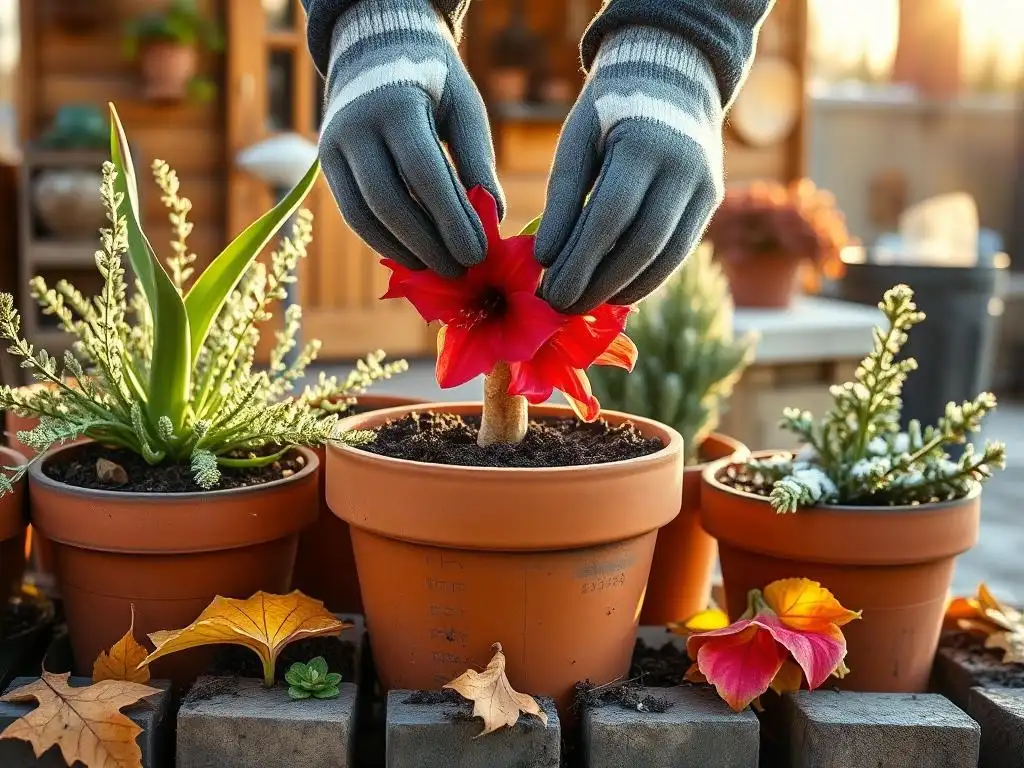
Ready to unlock the secrets to a thriving winter garden, even when the temperatures plummet? At CultivateYourFood, we believe everyone can enjoy the bounty of homegrown produce year-round. Our Winter garden prep workshops offer the knowledge and practical skills you need to transform your outdoor space into a productive haven, despite the cold. Discover sustainable and organic techniques to ensure a bountiful harvest, even in winter. Let's get started on your journey to a flourishing garden—explore our resources and sign up today!
Understanding the Importance of Winter Garden Prep
Preparing your garden for winter is crucial for a bountiful harvest the following year. Neglecting this vital step can lead to reduced yields, weakened plants, and increased susceptibility to pests and diseases. This article explores the essential tasks involved in winter garden preparation, focusing on practical techniques and strategies you can implement, even if you're a beginner.
We'll delve into specific online workshops designed to equip you with the knowledge and skills needed to successfully navigate the winter months and ensure your garden thrives when spring arrives. Learning these techniques is key to sustainable and organic gardening, making your green thumb even greener! This guide will help you find the perfect "Winter garden prep workshops" to suit your needs and experience level.
Protecting Your Plants from Freezing Temperatures
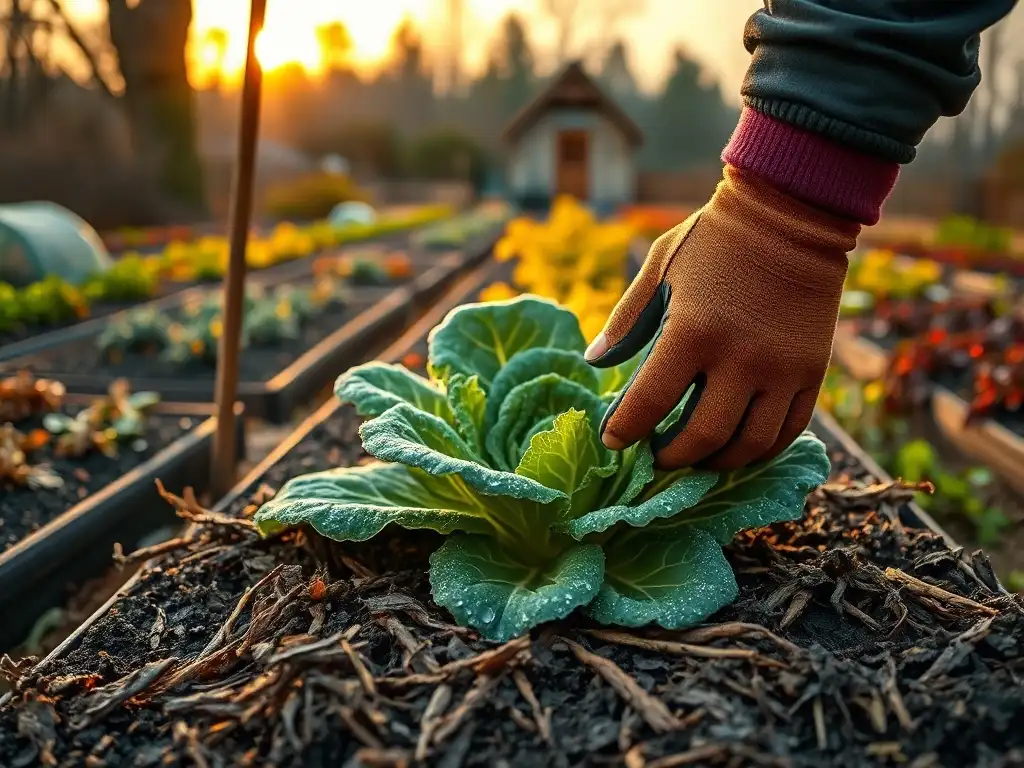
Winter's harsh temperatures can severely damage or even kill many plants. Understanding your specific climate zone and the hardiness of your plants is paramount. Many plants benefit from mulching, a process of covering the soil around plants with organic matter like straw, shredded leaves, or wood chips. This insulation helps regulate soil temperature, preventing drastic fluctuations that can harm roots.
Consider techniques like cloches or row covers for added protection against frost. These simple measures can make a significant difference in plant survival during the cold months. Specific examples of plants needing extra protection include tender perennials like lavender and salvias, as well as newly planted trees and shrubs. The depth of mulch needed will vary depending on your climate and the plant type; generally, a 2-4 inch layer is a good starting point.
Cleaning and Composting Garden Debris
Autumn leaves and spent plant material provide an excellent opportunity to create nutrient-rich compost. Properly composting garden debris reduces waste and enriches your soil for the next growing season. Avoid composting diseased plants, as this can spread pathogens. Learn about different composting methods – from simple piles to more sophisticated systems – to find the best fit for your space and needs.
Remember to turn the compost pile regularly to ensure proper aeration and decomposition. A well-maintained compost bin can significantly reduce your reliance on synthetic fertilizers, promoting healthier and more sustainable gardening practices. Consider the carbon-to-nitrogen ratio when creating your compost pile for optimal decomposition.
Soil Preparation and Enrichment for Spring Planting
Winter is an ideal time to improve your soil's structure and fertility. Conduct a soil test to determine nutrient deficiencies and amend accordingly with organic fertilizers or compost. This process is essential for healthy plant growth in the spring.
Consider incorporating cover crops like winter rye or clover, which protect the soil from erosion, suppress weeds, and add valuable nutrients. Tilling or turning the soil is generally recommended in the fall or early winter to improve drainage and aeration for spring planting. The type of soil amendment you'll need will vary based on the results of your soil test; for example, sandy soils may need more organic matter to improve water retention.
Planning Your Spring Garden
Winter is the perfect time for planning your spring garden. Review your previous year's successes and failures, making notes on what thrived and what struggled. Consider rotating crops to prevent soil depletion and pest build-up. Start seeds indoors for a head start on the growing season for plants with longer germination periods.
Research new varieties and experiment with different plants to diversify your garden. A well-planned spring garden will maximize your yield and minimize wasted effort. Utilizing seed-starting techniques and planning your garden layout are critical steps in ensuring a successful growing season. Detailed planning is key to maximizing yields and minimizing issues.
Frequently Asked Questions
What topics are covered in the "Preparing Your Garden for Winter" workshops?
Our workshops cover essential winter garden preparation techniques, including frost protection, soil enrichment, and plant cleanup. We also discuss planning for spring planting.
Are these workshops suitable for beginners?
Absolutely! Our workshops are designed to be accessible to all skill levels, from beginners to experienced gardeners. We provide clear, step-by-step instructions.
What kind of materials will I need for the workshop?
You'll only need a computer or mobile device with internet access to participate. No prior gardening experience or special equipment is necessary. We provide all the necessary information online.
How long are the online workshops?
Each workshop session is approximately one and a half hours long, including time for Q&A. This allows for a comprehensive yet manageable learning experience.
How do I access the recorded sessions if I miss a live workshop?
All registered participants receive access to the recorded workshop sessions for later viewing. You can review the material at your own pace and convenience.
Final Reflection: Nurturing the Winter Garden Within and Without
The knowledge shared in this article on preparing your garden for winter extends far beyond the practical; it's a metaphor for preparing ourselves for life's colder seasons. Successfully navigating the challenges of winter gardening requires planning, resilience, and a deep understanding of the natural world – qualities equally vital for navigating life's own winter months. The techniques discussed, from mulching and protecting vulnerable plants to planning for spring, offer valuable lessons applicable to all aspects of our lives.
The act of preparing a garden for winter is deeply satisfying. It's a tangible connection to the cyclical nature of life, a reminder that even in dormancy, there is potential for growth and renewal. The earth laughs in flowers.
– Ralph Waldo Emerson. This quote beautifully encapsulates the enduring hope and promise inherent in the seemingly barren landscape of winter. This hope, nurtured through careful preparation, is mirrored in our own lives as we plan for future growth and overcome challenges. The quiet work of winter garden prep mirrors the quiet strength needed to weather life's storms.
Now, consider your own "garden." What aspects of your life need tending to before the winter months arrive? What seeds of potential are you nurturing, and how can you protect them from the harsh winds of adversity? Take the lessons from this article – the planning, the protection, the anticipation of spring – and apply them to your own life. Embrace the quiet strength of preparation, and know that even in the depths of winter, the promise of spring remains.
Ready to Embrace a Thriving Winter Garden?
Thank you for learning how to prepare your garden for winter! We hope you feel empowered to maintain a healthy and productive garden throughout the colder months. Now, let's put your knowledge into action.
- Prioritize your winter planting: Check your local frost dates and begin planting cold-hardy vegetables and flowers immediately. Early planting significantly improves your spring harvest.
- Share your winter gardening success: Post a picture of your garden preparations on social media using #CultivateYourFoodWinter and inspire others! Let's build a thriving winter gardening community.
- Improve your soil: Explore winter composting or other soil improvement techniques. Many helpful resources are available on our website.
What's your biggest winter gardening goal this year, and what's your first step?