
Comparing Soil Brands: Finding the Best Potting Mix for Your Needs

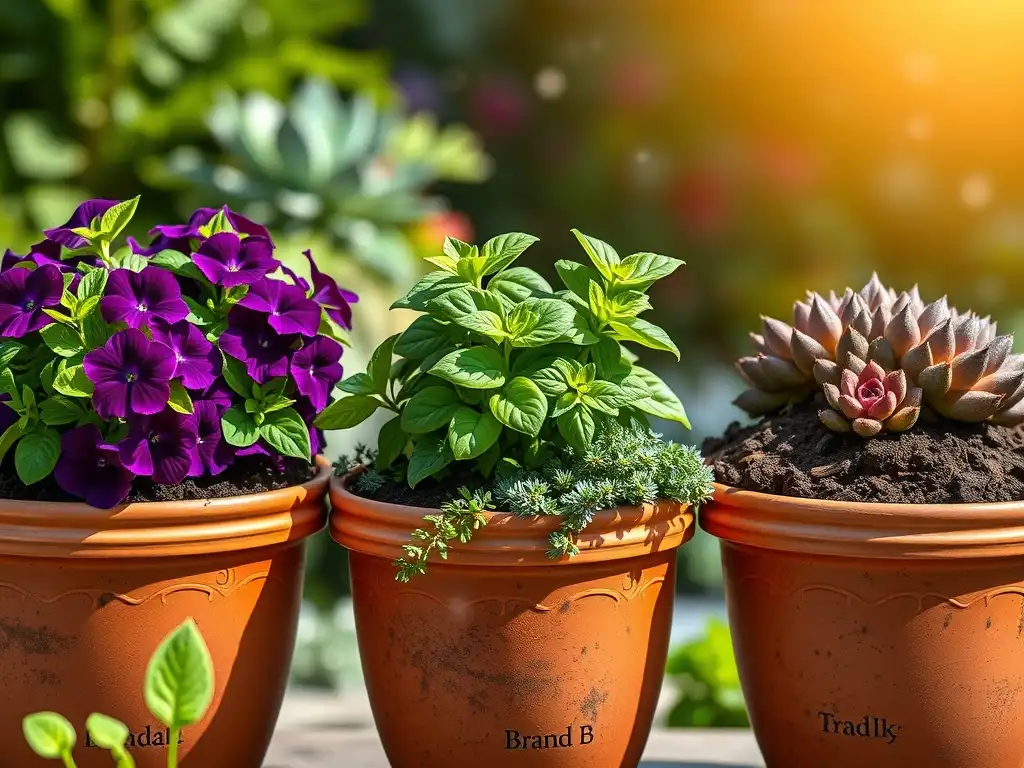
Ready to unlock the secrets to a thriving home garden? At CultivateYourFood, we empower you to grow your own delicious fruits, vegetables, and herbs using sustainable methods. Choosing the right soil is crucial, and that’s why we're diving deep into the world of organic potting mixes in our latest article, "Comparing Soil Brands: Finding the Best Potting Mix for Your Needs." Discover which blend will transform your container garden into a bountiful harvest – let's get growing!
- Understanding Your Needs: Choosing the Right Organic Potting Mix
-
Top Organic Potting Mix Brands Compared
- FoxFarm Ocean Forest: Analysis of Composition and Performance for Organic Vegetable Gardening
- Happy Frog Potting Mix: Review of Soil Structure and Nutrient Content for Organic Herb Growing
- Miracle-Gro Performance Organics: Examining the suitability for Fruit Plants in Containers using Organic Potting Mixes
- Key Factors to Consider When Choosing an Organic Potting Mix
- Making the Right Choice: Best Potting Mix for Your Organic Garden
- Beyond the Basics: Enhancing Your Organic Potting Mix
- Frequently Asked Questions about Organic Potting Mixes for Container Gardening
- Frequently Asked Questions
- Final Reflection: Cultivating the Perfect Soil, Cultivating a Greener Future
- Unleash Your Inner Gardener: Grow Your Green Thumb!
Understanding Your Needs: Choosing the Right Organic Potting Mix
Choosing the right potting mix is crucial for successful container gardening. The quality of your soil directly impacts plant health, growth, and yield. This article will guide you through selecting the best potting mix for organic gardening, focusing on the specific needs of different plants – vegetables, herbs, and fruits – grown in containers.
We'll compare various soil brands, highlighting their strengths and weaknesses to help you make an informed decision and achieve thriving, healthy plants using sustainable and organic practices. Finding the perfect organic potting mix is not just about choosing a brand; it's about understanding your plants' unique requirements and selecting a soil that perfectly complements them.
This comprehensive guide will help you navigate the world of organic potting mixes and choose the ideal one for your container garden, maximizing your yield and enjoyment. We'll explore key factors like drainage, aeration, nutrient content, and organic certification to ensure you make the best choice for your needs and contribute to a more sustainable gardening practice.
Selecting the Best Potting Mix for Vegetable Gardening
Vegetable gardening in containers requires a potting mix that provides excellent drainage to prevent root rot, while also retaining enough moisture to keep plants hydrated. The ideal mix should be rich in organic matter to supply essential nutrients for vigorous growth and high yields. Look for mixes specifically formulated for vegetables, often containing a blend of peat moss, coco coir, vermiculite, and compost.
These components work together to create a well-aerated, nutrient-rich environment. Consider the specific needs of your chosen vegetables; for example, heavy feeders like tomatoes may benefit from a mix with added fertilizer, while leafy greens might thrive in a slightly less nutrient-rich environment. Remember to check the pH level of the potting mix, aiming for a slightly acidic to neutral range (6.0-7.0) suitable for most vegetables.
Proper soil selection is a cornerstone of successful organic vegetable gardening, leading to healthier plants and more abundant harvests. Choosing a high-quality organic mix is an investment in the success of your container vegetable garden. Don't hesitate to compare several brands and analyze their composition to ensure a perfect match for your chosen vegetables.
Choosing Organic Potting Soil for Herb Cultivation
Herbs, known for their aromatic leaves and culinary uses, have diverse soil requirements depending on the specific variety. While many herbs tolerate slightly drier conditions, a well-draining, yet moisture-retentive potting mix is generally preferred. A blend of peat moss, perlite, and compost is a good starting point. Perlite enhances drainage and aeration, crucial for preventing fungal diseases that can affect herbs.
The organic matter in compost provides essential nutrients, contributing to healthy growth and vibrant flavor. Some herbs, like basil, are more sensitive to overwatering, so good drainage is paramount. Others, like mint, can tolerate more moisture. Therefore, understanding the specific needs of your herbs is essential when selecting the potting mix.
Look for a mix with a balanced nutrient profile, avoiding overly enriched options which can lead to excessive vegetative growth at the expense of flavor. Consider the specific needs of each herb when selecting your mix. A well-chosen potting mix is a key factor in achieving flavorful and healthy herbs from your container garden.
Organic Potting Mixes for Fruit Plants in Containers
Growing fruit plants in containers presents unique challenges, demanding a potting mix that supports robust growth and abundant fruit production. Fruit plants often require a potting mix richer in nutrients compared to vegetables or herbs, due to their higher nutrient demands. Look for mixes specifically designed for fruit plants, often containing a higher proportion of compost and other organic matter.
Proper drainage is critical to prevent root rot, a common problem in container-grown fruit plants. The mix should also retain sufficient moisture to ensure consistent hydration. Consider the specific needs of your fruit plants; for example, berry plants might benefit from a slightly more acidic mix.
Always check the nutrient content of the mix, ensuring it provides the essential macronutrients (nitrogen, phosphorus, potassium) and micronutrients required for fruit development. A well-balanced, high-quality organic potting mix is crucial for achieving a bountiful harvest of delicious fruit from your container garden. Remember that soil quality is paramount, and choosing the right mix is a vital step in the success of your container fruit gardening endeavor.
Top Organic Potting Mix Brands Compared
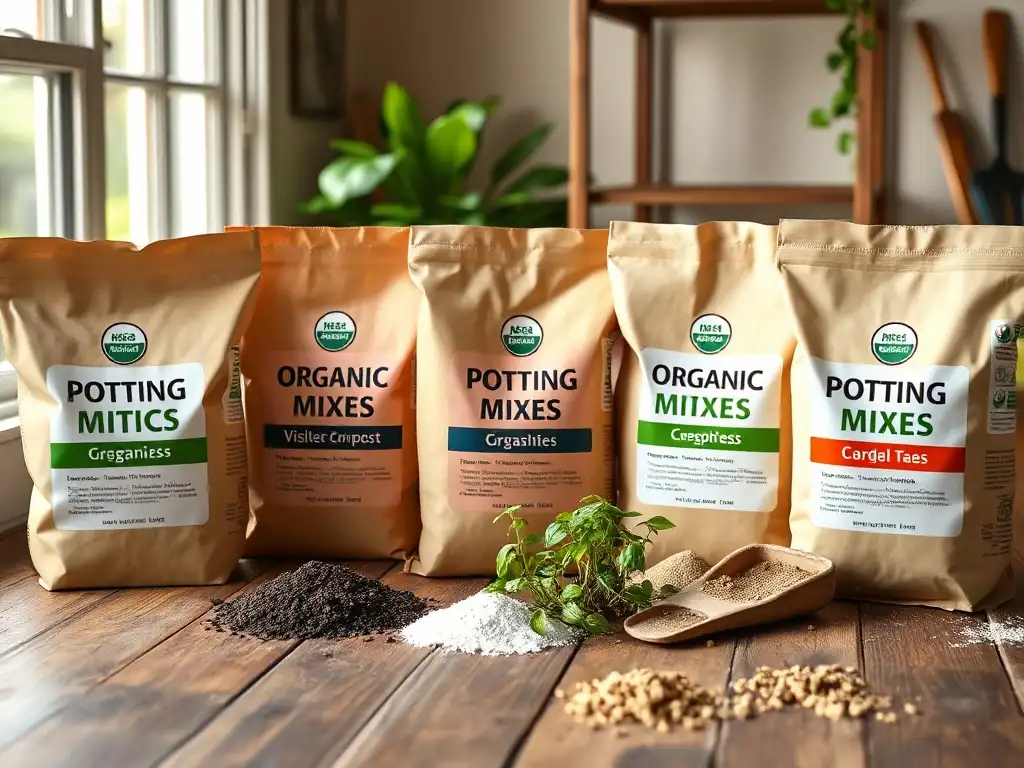
This section dives deep into a comparison of top-performing organic potting mixes, focusing on their suitability for various container gardening needs. Choosing the best potting mix for organic gardening depends heavily on the specific plants you're cultivating. We'll analyze three popular brands, evaluating their composition, nutrient profiles, and overall performance for vegetables, herbs, and fruit plants. Remember, even the "best" mix might need amendments based on your individual soil testing results and plant requirements.
FoxFarm Ocean Forest: Analysis of Composition and Performance for Organic Vegetable Gardening
FoxFarm Ocean Forest is a popular choice among organic gardeners, lauded for its rich, dark color and the robust growth it promotes. Its composition includes a blend of composted fir bark, Canadian sphagnum peat moss, earthworm castings, and bat guano. This blend provides excellent drainage and aeration, crucial for preventing root rot in container-grown vegetables prone to overwatering.
The high organic matter content ensures slow-release nutrients, minimizing the need for frequent fertilization, especially during the early stages of plant growth. However, its high nitrogen content might be excessive for some vegetables, particularly during the fruiting stage. Careful monitoring and potentially adjusting the feeding schedule might be necessary.
We've observed consistently vigorous growth in tomatoes, peppers, and zucchini grown in Ocean Forest. However, lighter-feeding vegetables like lettuce may benefit from diluting the mix with a portion of perlite or coco coir to reduce the nitrogen levels. The overall performance of Ocean Forest for vegetable gardening is excellent, providing a fertile and well-draining environment, although careful nutrient management is key to optimal results.
Happy Frog Potting Mix: Review of Soil Structure and Nutrient Content for Organic Herb Growing
Happy Frog, another strong contender in the organic potting mix arena, distinguishes itself with a lighter, airier texture compared to Ocean Forest. Its composition includes sphagnum peat moss, composted chicken manure, and earthworm castings. This blend creates a soil structure that's well-suited to the needs of herbs, many of which prefer a slightly less dense growing medium than heavier-feeding vegetables.
The inclusion of composted chicken manure provides a readily available source of nitrogen, phosphorus, and potassium, essential for healthy herb growth. This readily available nutrient profile makes Happy Frog a convenient option for those who prefer less frequent fertilization. However, the quick-release nature of the nutrients means monitoring for potential nutrient burn is important, especially in smaller containers.
Our tests show Happy Frog consistently delivers excellent results for herbs like basil, rosemary, and thyme. The loose structure allows for optimal root aeration, promoting vigorous growth and a healthy root system. For herbs with more delicate root systems, slightly adjusting the moisture level may be beneficial. Overall, Happy Frog is a top performer for herb cultivation, offering a balanced nutrient profile and ideal soil structure.
Miracle-Gro Performance Organics: Examining the suitability for Fruit Plants in Containers using Organic Potting Mixes
Miracle-Gro Performance Organics presents a different profile compared to the previous two. While still organic, it tends towards a more balanced nutrient release, making it a potentially good choice for fruit plants in containers. Its composition often includes peat moss, coconut coir, and a blend of organic fertilizers. This balance aims to sustain fruit plant growth over a longer period.
The nutrient content is designed for a more gradual release compared to Happy Frog, which is beneficial for fruit plants that have longer growing seasons and higher nutrient requirements over time. However, this slower release may require supplemental feeding, particularly during periods of rapid growth or fruiting.
Our findings suggest that Miracle-Gro Performance Organics is a suitable choice for container-grown fruit plants like strawberries and blueberries. However, the specific nutrient requirements of different fruits vary greatly, so soil testing and potential amendments might still be needed to optimize growth and yield. While offering a more balanced approach, the slower nutrient release requires a more attentive approach to fertilization compared to other mixes. The ultimate choice hinges on the specific needs of the fruit plant being cultivated.
Key Factors to Consider When Choosing an Organic Potting Mix
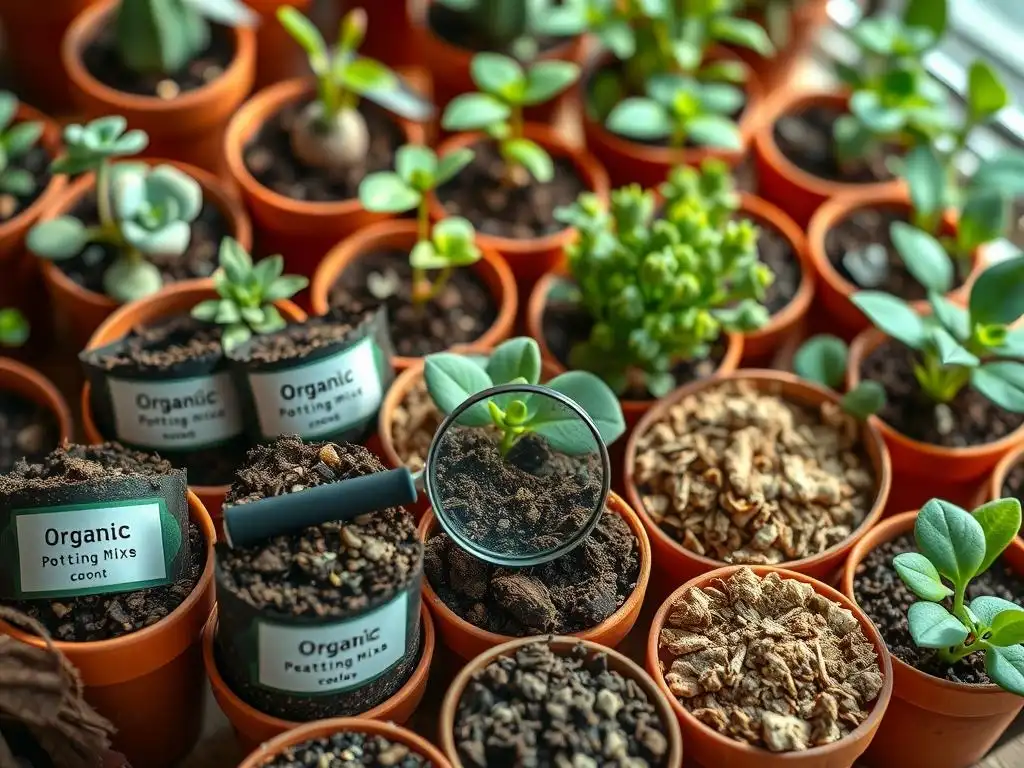
Choosing the best potting mix for your organic gardening endeavors requires careful consideration of several key factors. The ideal mix will support healthy plant growth while aligning with your sustainable gardening goals. This section delves into the crucial aspects you should evaluate before purchasing any organic potting mix, ultimately helping you achieve a thriving container garden. Finding the right "best potting mix organic gardening" solution is key to success.
Analyzing Drainage and Aeration in Organic Potting Mixes
Proper drainage and aeration are paramount for healthy root development. Poor drainage leads to waterlogged soil, suffocating roots and increasing the risk of root rot. Conversely, inadequate aeration restricts oxygen flow, hindering nutrient uptake and overall plant vigor. When examining an organic potting mix, look for a balance of ingredients that promote both.
A well-draining mix typically incorporates larger particles like perlite or vermiculite, alongside organic components like coco coir or peat moss. Perlite, a volcanic glass, adds excellent aeration and drainage, while vermiculite, a mineral, provides water retention and nutrient-holding capacity. Coco coir, a sustainable alternative to peat moss, offers good water retention and aeration. Peat moss, while traditionally used, should be sourced responsibly, as overharvesting raises environmental concerns.
Here's a table comparing the drainage and aeration properties of common ingredients:
| Ingredient | Drainage | Aeration | Water Retention | Sustainability Concerns |
|---|---|---|---|---|
| Perlite | Excellent | Excellent | Low | Generally low |
| Vermiculite | Good | Good | Moderate | Generally low |
| Coco Coir | Good | Good | Moderate | Relatively low |
| Peat Moss | Moderate | Moderate | High | High (depending on source) |
| Compost | Moderate | Moderate | High | Low |
The optimal blend will depend on the specific plant's needs. For instance, succulents and cacti prefer exceptionally well-draining mixes, while moisture-loving plants might benefit from a mix with slightly higher water retention. Always check the product description for information on drainage and aeration capabilities. Reading reviews from other organic gardeners can also provide valuable insights.
Evaluating Nutrient Content and Soil pH for Optimal Plant Growth
Organic potting mixes typically contain essential nutrients derived from composted materials. However, the nutrient content can vary significantly between brands and formulations. Understanding the nutrient profile is crucial for ensuring your plants receive the necessary elements for robust growth. A balanced nutrient supply is vital for healthy foliage, vibrant blooms, and abundant harvests. Checking the NPK (Nitrogen, Phosphorus, Potassium) ratio is a good starting point. This ratio indicates the relative proportions of these three major nutrients.
The pH level of the potting mix also plays a critical role. Most plants thrive within a slightly acidic to neutral pH range (6.0-7.0). However, some plants have specific pH preferences. Always check the product label for the pH range.
If the pH is outside the ideal range for your chosen plants, you may need to adjust it using amendments like lime (to raise pH) or sulfur (to lower pH). Regular soil testing throughout the growing season can help monitor nutrient levels and pH, allowing you to make necessary adjustments. Remember, consistent monitoring is key to maintaining optimal growing conditions for your plants. Using a soil testing kit allows for precise adjustments, ensuring your plants have the “best potting mix organic gardening” conditions.
Assessing the Organic Matter Content for Sustainable Gardening Practices
The organic matter content is a key indicator of a potting mix's quality and sustainability. Organic matter, derived from decomposed plant and animal materials, improves soil structure, enhances water retention, and provides a slow-release source of nutrients. Look for mixes with a high percentage of organic matter, such as composted bark, leaf mold, or well-rotted manure.
The benefits of high organic matter content extend beyond plant health. It contributes to soil biodiversity, supporting beneficial microorganisms that improve nutrient cycling and disease suppression. By choosing a potting mix rich in organic matter, you're not only nurturing your plants but also contributing to a healthier environment.
Moreover, the use of sustainable organic materials reduces the environmental impact associated with conventional potting mixes, aligning with the principles of responsible gardening. Choosing a mix with clearly identified sources of organic material further ensures that your gardening practices remain environmentally friendly and truly reflect the "best potting mix organic gardening" ideal. Look for certifications such as OMRI (Organic Materials Review Institute) listed on the packaging for assurance of organic content.
Making the Right Choice: Best Potting Mix for Your Organic Garden
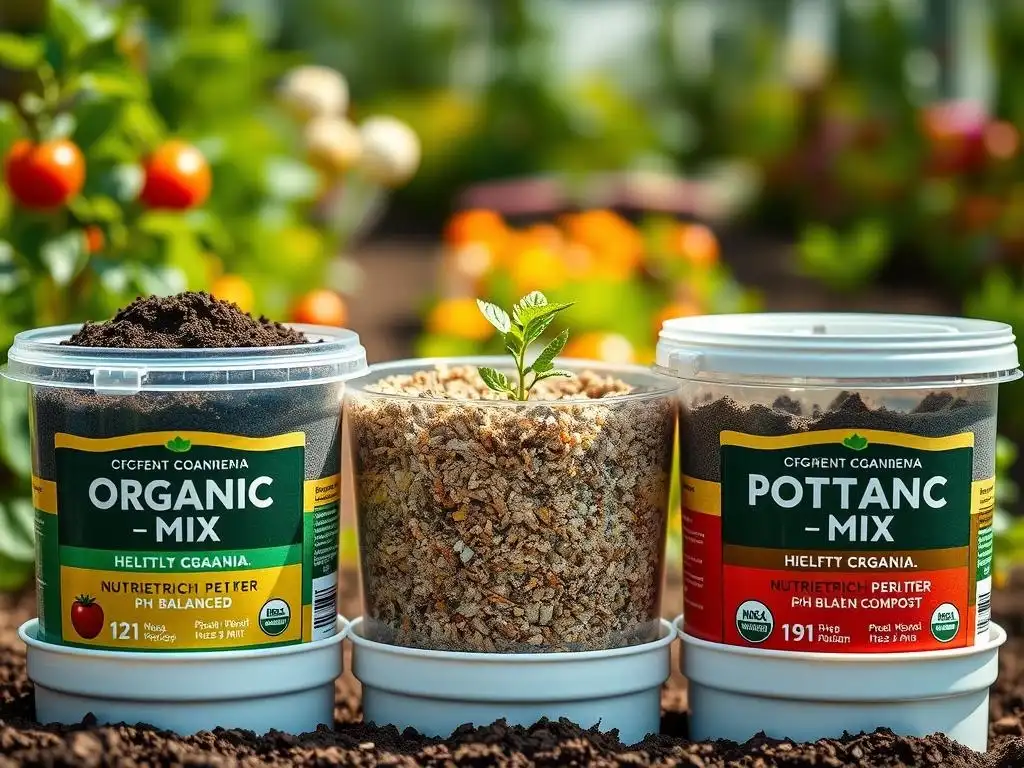
Choosing the right potting mix is crucial for successful organic container gardening. The "best" potting mix isn't a one-size-fits-all solution; it depends heavily on your specific plants, climate, and gardening goals. This section will help you navigate the options and make an informed decision for thriving, organically grown produce.
Finding the best potting mix for organic gardening hinges on understanding the ingredients and their impact on plant health and soil longevity. We'll explore key factors to consider when selecting a mix tailored to your needs and your commitment to sustainable organic practices. Remember, investing in high-quality organic potting mix translates to healthier plants, richer harvests, and a more environmentally friendly gardening experience.
Summary Table Comparing Top Organic Potting Mixes for Container Gardening
This table provides a comparison of several popular organic potting mixes. Note that specific ingredient percentages and prices can vary depending on the retailer and season. Always check the product label for the most up-to-date information. The ratings are subjective and based on a combination of user reviews and expert opinions, reflecting the overall quality and suitability for organic container gardening. Remember that your specific needs may influence your choice.
| Brand Name | Primary Ingredients | Water Retention | Drainage | Nutrient Content | Price Range | Overall Rating (1-5) | Suitable for |
|---|---|---|---|---|---|---|---|
| Brand A | Coconut coir, peat moss, worm castings, perlite | Excellent | Good | Moderate | $$$ | 4 | Herbs, Vegetables |
| Brand B | Compost, peat moss, vermiculite, bat guano | Good | Excellent | High | 4.5 | Tomatoes, Peppers | |
| Brand C | Recycled wood fiber, composted manure, perlite | Moderate | Good | Moderate | $$ | 3.5 | Leafy Greens |
| Brand D (Example) | Coco coir, composted bark, kelp meal, mycorrhizae | Excellent | Excellent | High | 5 | All plants |
Tips for Selecting the Best Potting Mix Based on Your Specific Needs
Choosing the best potting mix for organic gardening requires considering your plants' specific needs. Different plants have different requirements for drainage, aeration, and nutrient content. For instance:
- Vegetables: Require a well-draining mix rich in organic matter to provide essential nutrients and prevent root rot. Look for mixes with a good balance of peat moss, compost, and perlite. Consider adding additional worm castings for extra nutrients.
- Herbs: Generally prefer a lighter, airier mix that allows for excellent drainage. A mix high in coconut coir or composted bark can be ideal.
- Flowering Plants: May benefit from a mix containing a higher percentage of compost to provide sustained nutrient release throughout the flowering period. Always check the specific needs of your chosen flower variety.
Remember to always check the pH level of your chosen mix. Most plants prefer a slightly acidic to neutral pH (6.0-7.0), but some plants have specific preferences. Adjusting pH if necessary can be done by adding lime (to raise pH) or sulfur (to lower pH).
Long-Term Considerations for Sustainable Container Gardening with Organic Soil
Sustainable container gardening with organic soil requires a long-term perspective. The quality of your potting mix directly impacts soil health over time. Here are some crucial considerations:
- Soil Degradation: Organic potting mixes, while beneficial, can degrade over time. Nutrients are depleted as plants absorb them, and the organic matter can break down, reducing aeration and water retention. Regular replenishment with compost or other organic amendments is vital to maintain soil quality and prevent compaction.
- Pest and Disease Management: Healthy organic soil supports beneficial microbes that help suppress plant diseases and pests. However, regular monitoring for pests and diseases remains essential. Organic pest control methods should be employed as needed.
- Recycling and Composting: Consider the environmental impact of your chosen mix. Look for brands that use recycled materials or sustainably sourced ingredients. Composting your spent potting mix at the end of the growing season is crucial for reducing waste and enriching your garden soil for future use. This contributes to a closed-loop system, minimizing your environmental footprint and fostering sustainable practices within your organic gardening approach. By incorporating these long-term strategies, you can ensure the health and sustainability of your container garden for years to come.
Beyond the Basics: Enhancing Your Organic Potting Mix
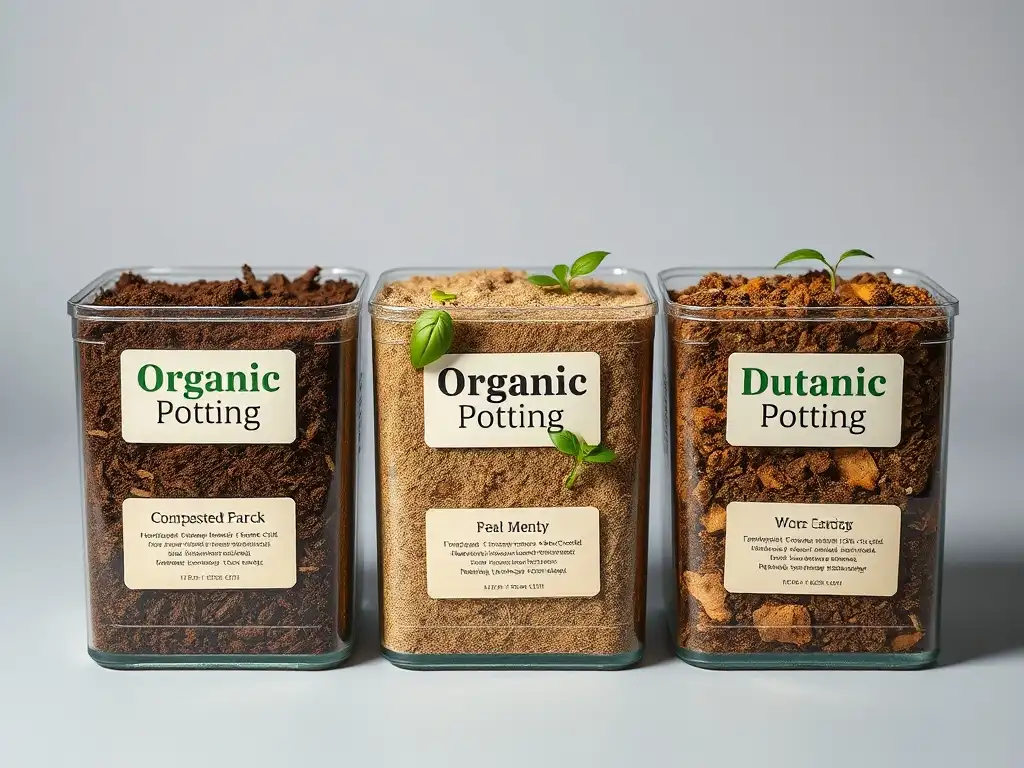
Choosing the right organic potting mix is a crucial step in successful container gardening, but understanding how to enhance that mix can elevate your gardening game significantly. This section delves into simple yet effective techniques to customize your potting mix for optimal plant growth, ensuring you achieve the best results for your organic gardening efforts. We'll explore how to boost nutrient levels, improve drainage, and create the perfect environment for thriving plants. Remember, even the "best potting mix organic gardening" can be further optimized to suit your specific needs and plant types.
Supplementing Your Organic Potting Mix with Compost
Compost is the cornerstone of healthy, fertile soil, and incorporating it into your organic potting mix offers numerous benefits. Adding compost not only improves the soil structure, creating better aeration and drainage, but it also provides a slow-release source of essential nutrients. This reduces the need for frequent fertilization, a key aspect of sustainable organic gardening practices.
The optimal amount of compost to add depends on the starting mix's composition. A good rule of thumb is to amend your potting mix with 25-50% compost by volume. For instance, if you're using a 10-quart container of potting mix, you would add between 2.5 and 5 quarts of finished compost. Always ensure your compost is well-rotted and free of weed seeds or pathogens. Using homemade compost ensures you know exactly what's going into your soil, furthering your commitment to organic gardening.
Using high-quality compost translates directly to healthier, more vigorous plants. You'll likely observe improved root development, leading to stronger plants better equipped to withstand stress. Moreover, the enhanced microbial activity in compost-rich soil contributes to a healthier root environment, further boosting plant health. The richer, darker color of the amended mix is also a visual indicator of its improved quality.
Improving Drainage and Aeration with Added Perlite or Vermiculite
While many organic potting mixes offer decent drainage, adding perlite or vermiculite can significantly improve aeration and prevent waterlogging, a common problem in container gardening. These inorganic materials are lightweight and porous, increasing the air pockets within the soil, which is vital for healthy root development. Poor drainage can lead to root rot, a devastating condition that can quickly kill your plants.
Perlite is a volcanic glass that's been heated to create a lightweight, porous material. Vermiculite is a mineral that expands when heated, creating a similar structure to perlite. Both materials are inert, meaning they won't affect the soil's pH or nutrient content. They simply improve the physical structure of the soil.
The recommended amount of perlite or vermiculite to add is typically between 10-20% of the total potting mix volume. For example, in a 5-gallon bucket of potting mix, you would add between 0.5 and 1 gallon of perlite or vermiculite. Mixing these materials thoroughly with the potting mix ensures even distribution and optimal benefits. Remember, proper drainage is a critical aspect of successful organic gardening, especially in containers. Overwatering is a frequent mistake, and these amendments help mitigate that risk.
Boosting Nutrient Levels with Organic Fertilizers
Even the best organic potting mixes eventually deplete their nutrient reserves. Supplementing with organic fertilizers provides the essential macronutrients (nitrogen, phosphorus, and potassium) and micronutrients needed for optimal plant growth. Opting for slow-release organic fertilizers ensures a steady supply of nutrients over time, mirroring the natural nutrient release in compost.
Several excellent organic fertilizer options are readily available, including fish emulsion, seaweed extract, composted manure, and bone meal. Each offers a slightly different nutrient profile, so selecting the best option depends on your specific plant needs and the existing nutrient levels in your soil. Always follow the manufacturer's instructions for application rates to avoid over-fertilizing, which can damage your plants.
Regular soil testing can help determine your soil's nutrient levels and guide your fertilizer choices. While not strictly necessary for all gardeners, soil testing provides valuable data to make informed decisions about fertilizing, optimizing your organic gardening efforts for maximum yield and healthy plant growth. Remember, a balanced approach to fertilization is key to maintaining healthy plants throughout their growing cycle. Avoid overly relying on any single nutrient source and instead strive for a well-rounded approach to nutrient management. This ensures the long-term health and vitality of your plants within your container garden.
Frequently Asked Questions about Organic Potting Mixes for Container Gardening
This section addresses common queries regarding the selection and use of organic potting mixes specifically for container gardening, a crucial aspect of achieving thriving organic harvests. Choosing the right soil is paramount for successful organic gardening, impacting everything from plant health to yield. Let's delve into some frequently asked questions.
What is the best organic potting mix for tomatoes?
Tomatoes, heavy feeders with substantial root systems, demand a rich, well-draining potting mix for optimal growth. The "best" mix is subjective and depends on your specific climate and growing conditions, but several key characteristics are essential. Look for a mix specifically formulated for tomatoes or vegetables, often labelled as such. These mixes typically contain a blend of:
- Compost: Provides essential nutrients and improves soil structure. Look for compost made from a variety of organic materials for a balanced nutrient profile.
- Coco coir: A sustainable alternative to peat moss, offering excellent water retention and aeration.
- Perlite or vermiculite: These inorganic additives enhance drainage and prevent compaction, crucial for preventing root rot in container-grown tomatoes.
- Worm castings: A fantastic source of readily available nutrients, boosting plant vigor and overall health.
Avoid mixes heavy in peat moss, as they can become compacted and waterlogged, leading to poor drainage and potential root problems for your tomato plants. Consider the volume of your containers; larger containers retain moisture longer, so you may adjust the mix slightly to accommodate. For example, you might incorporate a slightly higher percentage of perlite in larger containers to improve drainage.
Remember that even the best potting mix will eventually deplete its nutrients. Regular feeding with an organic tomato fertilizer is vital throughout the growing season to ensure a bountiful harvest. Observe your plants closely; if they show signs of nutrient deficiency (yellowing leaves, stunted growth), adjust your feeding schedule accordingly.
How do I choose an organic potting mix for peppers?
Similar to tomatoes, peppers thrive in well-draining, nutrient-rich soil. However, pepper plants have slightly different needs. While a good quality vegetable potting mix works well, consider these factors when selecting a mix specifically for peppers:
- pH Level: Peppers prefer a slightly acidic to neutral pH range (6.0-7.0). Check the label to ensure the potting mix falls within this range. If not, you may need to amend the soil with organic materials like lime to increase the pH or sulfur to decrease it.
- Nutrient Content: Look for a mix with a balanced NPK ratio (Nitrogen, Phosphorus, Potassium). Phosphorus is particularly important for strong root development and flowering in peppers.
- Aeration: Good aeration is key to prevent root rot, especially in container gardening. Choose a mix containing perlite or vermiculite to ensure proper drainage and airflow around the roots.
Consider the pepper variety. Some varieties, like hot peppers, are more tolerant of slightly drier conditions, while others, like bell peppers, prefer consistently moist soil. Adjust watering practices accordingly, always ensuring the mix doesn't become waterlogged. Regular monitoring of the soil moisture is crucial for optimal pepper growth in containers.
Can I use regular garden soil in containers for organic gardening?
Using regular garden soil in containers for organic gardening is generally not recommended. While it might seem like a convenient option, garden soil often contains:
- Compacting clay: This can lead to poor drainage and waterlogged conditions, suffocating plant roots.
- Weed seeds and pathogens: Introducing these into your containers can quickly infest your plants, leading to disease and reduced yields.
- Unpredictable nutrient levels: Garden soil's nutrient content varies significantly, making it difficult to consistently provide your plants with the nutrients they need.
A high-quality organic potting mix is specifically formulated to provide the ideal environment for container-grown plants. It's designed for optimal drainage, aeration, and nutrient retention, promoting healthy root development and vigorous growth. The investment in a good potting mix is a small price to pay compared to the potential loss of plants due to poor soil conditions. Using a dedicated potting mix significantly increases your chances of success in your organic container garden. The difference in plant health and yield is often dramatic. 🌱
How often should I repot plants using organic potting mix?
Repotting frequency depends heavily on the plant species and its growth rate. Fast-growing plants, such as many herbs and leafy greens, will quickly outgrow their containers and require more frequent repotting than slower-growing varieties like succulents or some flowering plants. Generally, you should repot when you notice roots circling the bottom of the pot (root-bound), or when the plant's growth slows noticeably despite adequate watering and fertilization.
For many annuals grown in containers, repotting might only be necessary once during their growing season, perhaps moving them from a smaller starter pot into a larger one. Perennials, however, might require repotting every one to two years, or even annually if they are vigorous growers. The type of organic potting mix also plays a role; a mix that breaks down quickly may require more frequent repotting than a more stable, longer-lasting blend.
Always inspect your plants regularly for signs of root-bound conditions. Gently lift the plant out of its pot to check the root system; if the roots are tightly circling the rootball, it's time for a larger container.
Remember that over-potting can be detrimental. Choosing a pot that's significantly larger than needed can lead to excessive moisture retention, increasing the risk of root rot, especially with organic mixes which tend to retain moisture longer than other types. Opt for a pot only slightly larger than the previous one, providing ample space for growth without creating an overly wet environment.
The goal is to find the balance between providing sufficient space for root development and preventing waterlogging. Careful observation and understanding of your specific plants' needs are crucial for determining the optimal repotting schedule. Using a high-quality, well-draining organic potting mix can also extend the time between repottings.
Frequently Asked Questions
What makes a potting mix "organic"?
An organic potting mix is made with naturally derived ingredients, such as composted bark, peat moss (although sustainably harvested peat is preferred), coconut coir, and worm castings. It avoids synthetic fertilizers and pesticides.
What are the key benefits of using an organic potting mix?
Organic mixes often improve soil structure and water retention, while also promoting beneficial microbial activity. This contributes to healthier plant growth and reduces the need for chemical inputs.
How do I choose the best organic potting mix for my plants?
Consider your specific plant needs (e.g., moisture requirements, drainage preferences). Look for mixes tailored to vegetables, herbs, or flowers. Read reviews and compare ingredient lists to find the best fit.
Is peat-based potting mix truly organic and sustainable?
While peat moss is a common component of many potting mixes, its harvesting can be environmentally damaging. Look for mixes that use sustainably harvested peat or alternative materials like coconut coir for a more environmentally friendly option.
Where can I find the best organic potting mixes for sale?
Many garden centers, online retailers (like CultivateYourFood!), and even some home improvement stores carry a range of organic potting mixes. Check local options and compare prices and ingredients before making your purchase.
Final Reflection: Cultivating the Perfect Soil, Cultivating a Greener Future
The quest for the perfect potting mix isn't just about healthier houseplants; it's about fostering a deeper connection with the natural world and contributing to a more sustainable future. Choosing the right soil directly impacts plant health, influencing everything from vibrant blooms to bountiful harvests. This seemingly small decision ripples outwards, affecting our environment and our relationship with the earth.
The journey of discovering the ideal potting mix has been a personal one, revealing the intricate relationship between soil composition, plant vitality, and environmental responsibility. The land is our mother, and we must treat her with respect.
This simple truth underscores the importance of making informed choices when selecting our growing medium. Understanding the nuances of organic matter, drainage, and nutrient content allows us to cultivate not only thriving plants, but also a more conscious approach to gardening and environmental stewardship. The impact extends beyond our individual gardens, influencing larger conversations about sustainable agriculture and responsible resource management.
Now, consider your own gardening practices. What steps can you take to improve the quality of your soil? Are you ready to explore the world of organic potting mixes and experience the difference firsthand? Embrace the opportunity to nurture your plants and, in doing so, nurture the planet. Let the journey of finding the best potting mix for your needs be a springboard to a more sustainable and fulfilling gardening experience.
Unleash Your Inner Gardener: Grow Your Green Thumb!
Thank you for exploring the world of potting mixes with us! We hope you feel confident choosing the right soil for your plants. Ready to put your knowledge into practice?
- Craft the perfect potting blend: Experiment with different components, such as perlite or vermiculite, to create the ideal soil for your specific plants. This is your chance to personalize your potting mix!
- Share your soil secrets: Tell us—and your fellow gardening enthusiasts—which potting mix you chose and why! Leave a comment below and share your experiences.
- Expand your gardening knowledge: Explore our other articles on CultivateYourFood.org for more tips and tricks to help your plants thrive!
What exciting gardening project will you tackle first? Let's hear about it in the comments!