
The Best Trees for Pollinators: Add Height and Structure to Your Garden

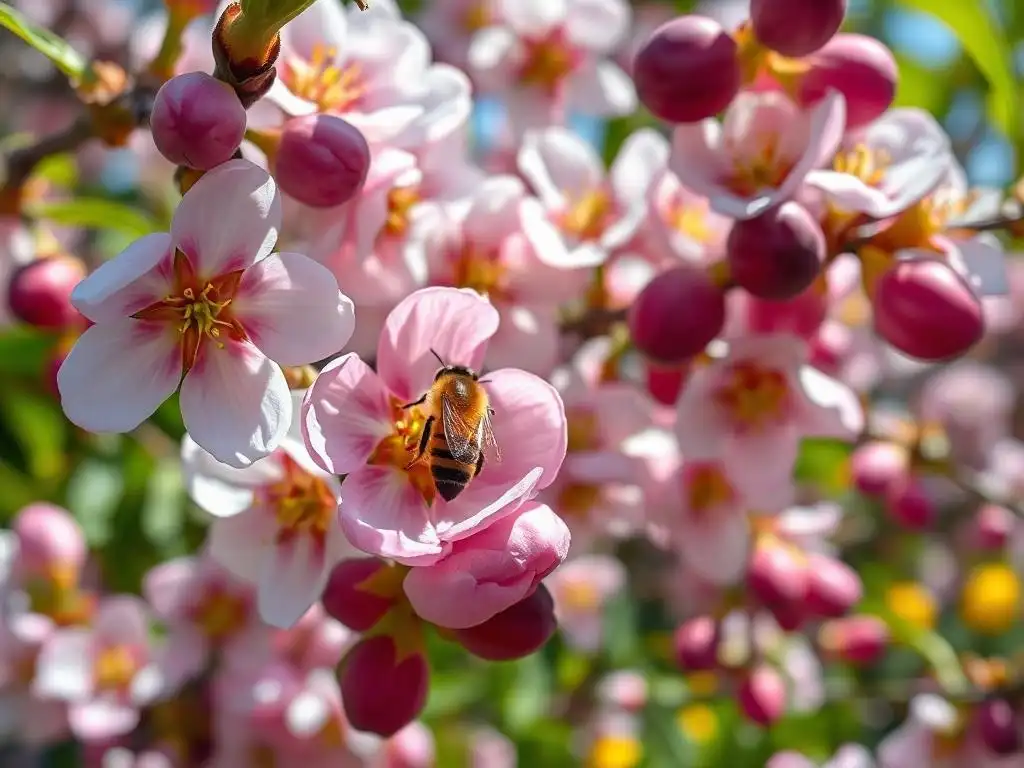
Welcome to CultivateYourFood, your guide to a thriving, sustainable home garden! Are you ready to transform your outdoor space into a vibrant ecosystem teeming with life? Discover the secrets to bountiful harvests and a healthier environment, starting with our expert guide on the best pollinator fruit trees. Learn how choosing the right trees can not only enhance your fruit production but also attract beneficial insects, adding both beauty and function to your garden design. Let's cultivate a greener future, together.
- Understanding the Importance of Pollinator-Friendly Fruit Trees
- Top 5 Best Pollinator Fruit Trees for Your Home Orchard
- Beyond the Fruit: Selecting Trees for Year-Round Pollinator Support
-
Planting and Caring for Your Pollinator-Friendly Fruit Trees
- Selecting the Perfect Location: Sunlight, Soil Drainage, and Space Requirements
- Planting Techniques for Optimal Growth and Pollinator Attraction
- Ongoing Care: Watering, Fertilizing, and Pruning for Healthy Trees
- Protecting Your Trees from Pests and Diseases: Organic Pest Control Strategies
- Harvesting Your Fruit: Timing and Techniques for Optimal Yield
- Resources and Further Reading: Expanding Your Pollinator Garden
- Frequently Asked Questions
- Final Reflection: Cultivating a Future for Pollinators
- Bloom Where You're Planted: Attract Buzzing Friends to Your Garden!
Understanding the Importance of Pollinator-Friendly Fruit Trees
Pollinators, such as bees, butterflies, and hummingbirds, are essential for a healthy ecosystem and abundant harvests. They play a crucial role in the reproduction of a vast majority of flowering plants, including many of our favorite fruits and vegetables. By strategically incorporating pollinator-friendly fruit trees into your garden design, you not only enhance the aesthetic appeal of your space but also contribute significantly to biodiversity and increase your chances of a bountiful harvest.
This article serves as your guide to selecting the best pollinator fruit trees for your specific needs, focusing on varieties that are particularly attractive and beneficial to these vital creatures. We will explore the reasons why fruit trees are excellent choices for attracting pollinators, their role in maintaining ecosystem health, and how to choose the right species for your unique climate and soil conditions.
Choosing the right trees can transform your garden into a vibrant hub of activity, teeming with beneficial insects and birds, while simultaneously providing you with delicious, homegrown fruit. Let's delve into the details!
Why Choose Fruit Trees for Pollinators? Attracting Bees, Butterflies, and More
Fruit trees offer a multitude of benefits for attracting and supporting pollinators. Unlike many annual flowers that provide a short bloom period, fruit trees often boast extended blooming seasons, providing a continuous food source for pollinators throughout the year. The abundance of pollen and nectar produced by their blossoms is a significant draw, fueling the energy needs of these hardworking insects and birds. Moreover, the diverse shapes and colors of fruit tree blossoms appeal to a wide range of pollinator species. For example:
- Apples: Attract honeybees, bumblebees, and various solitary bee species with their profuse blossoms.
- Cherries: Their delicate flowers are particularly attractive to butterflies and hoverflies.
- Plums: Provide a rich source of nectar and pollen, supporting a diverse community of pollinators.
The provision of this extended food source is critical for pollinator survival and reproduction, particularly during times of scarcity when other flowering plants may not be in bloom. By planting a variety of fruit trees, you create a diverse and resilient pollinator habitat, ensuring a healthy and thriving population in your garden. This, in turn, leads to healthier plants and improved yields across your entire garden, not just the fruit trees themselves. Remember that a healthy pollinator population is a key ingredient for a flourishing garden.
The Role of Trees in Biodiversity and Ecosystem Health
Beyond their direct contribution to pollinator populations, fruit trees play a broader role in supporting biodiversity and overall ecosystem health. They provide:
- Nesting sites: The branches and cavities of fruit trees offer shelter and nesting sites for birds and other beneficial animals that help control pests.
- Habitat structure: The height and structure of fruit trees contribute to the overall complexity of the garden habitat, providing diverse microclimates and niches for a variety of organisms.
- Soil improvement: Fallen leaves and decaying fruit contribute organic matter to the soil, enriching it and improving its structure. This, in turn, supports a wider range of plant life and soil organisms.
The integration of fruit trees into your garden is not simply about aesthetics or increased fruit production; it's about creating a more resilient and biodiverse environment. A healthy ecosystem is a more productive one, and fruit trees are key players in fostering this health. Their presence contributes to a self-sustaining cycle of growth and renewal, benefiting both the garden and the surrounding environment.
Choosing the Right Trees for Your Climate and Soil Conditions: A Regional Guide
Selecting the appropriate fruit trees for your specific location is crucial for their success and the health of your pollinator population. Different species thrive in different climates and soil types. Before planting, consider the following:
- Hardiness Zone: Determine your USDA Plant Hardiness Zone to ensure that the chosen trees can survive the winter temperatures in your area.
- Sunlight Requirements: Most fruit trees require at least six hours of direct sunlight per day.
- Soil Drainage: Well-drained soil is essential to prevent root rot. Amend heavy clay soils with organic matter to improve drainage.
- Soil pH: Different fruit trees have different pH preferences. Conduct a soil test to determine your soil's pH and amend it as needed.
Choosing trees adapted to your local climate and soil conditions will minimize the need for supplemental watering and fertilization, promoting sustainable and organic gardening practices. Research local nurseries and gardening resources to identify fruit trees well-suited to your region. Consider consulting with local experts for personalized recommendations. Remember that careful planning will lead to a thriving orchard that benefits both you and the pollinators vital to a healthy ecosystem.
Top 5 Best Pollinator Fruit Trees for Your Home Orchard
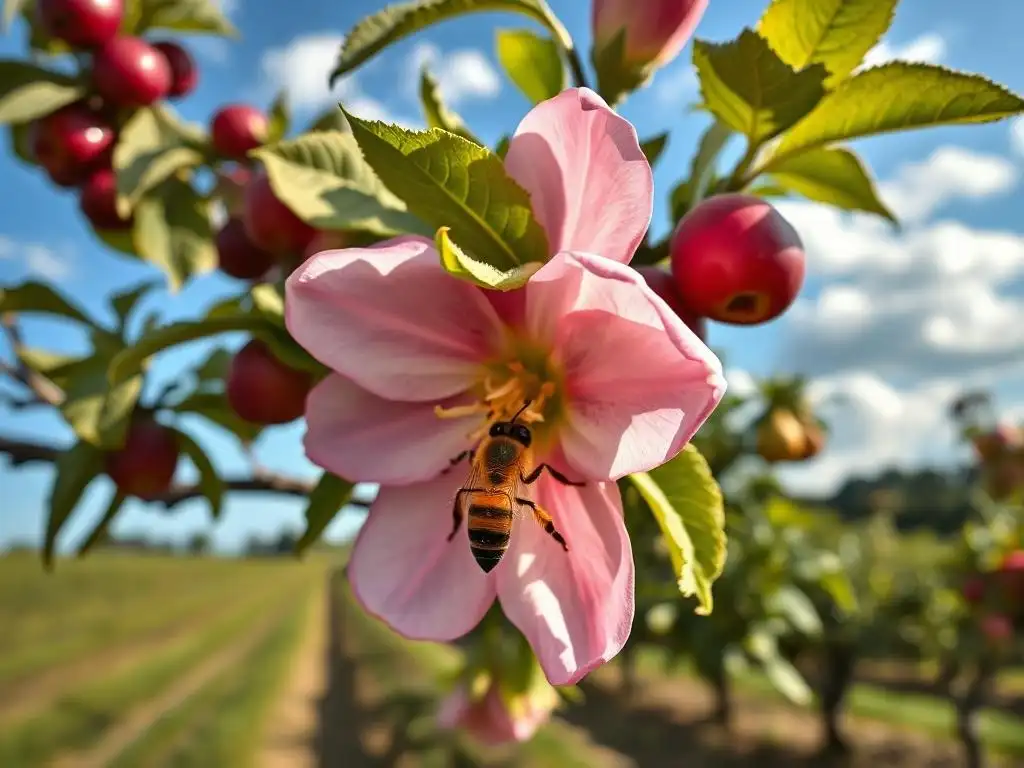
This section focuses on selecting the best pollinator fruit trees to enhance your home orchard's biodiversity and fruit production. Choosing the right trees isn't just about delicious fruit; it's about creating a thriving ecosystem that supports vital pollinators like bees, butterflies, and hummingbirds. These beneficial insects are crucial for successful fruit set and overall garden health. We'll explore five excellent choices, highlighting their pollinator-attracting qualities and practical considerations for your home garden.
Apple Trees: A Classic Choice for Pollinators
Apple trees are a cornerstone of many home orchards, prized for their delicious fruit and significant contribution to pollinator habitats. Their abundant blossoms provide a crucial nectar and pollen source during the spring, attracting a wide range of pollinating insects. The extended bloom period also ensures consistent food availability for these beneficial creatures. Different apple varieties offer unique characteristics, influencing their effectiveness in attracting pollinators.
Honeycrisp Apple Tree: Growth Habits, Bloom Time, and Pollinator Attraction
The Honeycrisp apple tree is known for its vigorous growth habit, reaching a medium to large size. Its bloom time typically falls in the early to mid-spring, providing an early nectar source for emerging pollinators. The abundant, showy blossoms are particularly attractive to bees, which are highly effective at pollinating apple trees. The sweet fragrance of the blooms further enhances its attractiveness to pollinators. Planting multiple Honeycrisp trees or pairing them with a compatible pollinator variety is recommended for optimal fruit production.
Fuji Apple Tree: Fruit Production, Pollinator Benefits, and Disease Resistance
Fuji apple trees are renowned for their high fruit yield and excellent disease resistance. While their blossom display might not be as profuse as some other varieties, they still offer a valuable nectar and pollen source for pollinators. Their relatively late bloom time extends the season of pollinator support in your orchard. The Fuji apple tree's contribution to pollinator health, combined with its reliable fruit production, makes it a valuable addition to any home orchard aiming to cultivate a rich biodiversity.
Cherry Trees: Showy Blooms and Delicious Fruit
Cherry trees are another excellent option for attracting pollinators to your garden. Their spectacular springtime blossoms are a feast for the eyes and a vital food source for pollinators. The abundance of pollen and nectar produced during flowering attracts a wide array of bees, butterflies, and other beneficial insects. Cherry trees are also relatively low-maintenance, making them a practical choice for home gardeners.
Sweet Cherry Varieties: Attracting Pollinators with Abundant Blossoms
Sweet cherry varieties, such as Bing and Rainier, are known for their profuse, showy blooms. These attractive blossoms provide a significant amount of nectar and pollen, drawing in large numbers of pollinators. The sweet fragrance of the blossoms further enhances their appeal. However, sweet cherry trees often require cross-pollination, meaning you'll need to plant at least two different sweet cherry varieties to ensure proper fruit set. This strategy further increases the attractiveness to pollinators.
Sour Cherry Varieties: Supporting Pollinator Habitats and Culinary Uses
Sour cherry varieties, like Montmorency and North Star, also offer excellent pollinator support. Although their blossoms may be slightly less showy than those of sweet cherries, they still provide a valuable food source. Sour cherries are self-fertile, meaning you can plant a single tree and still get a good harvest. Furthermore, sour cherries are highly versatile, with their tart fruit used in jams, jellies, pies, and other culinary delights. Their dual benefit—pollinator support and culinary use—makes them a strong contender for your best pollinator fruit trees selection.
Plum Trees: Diverse Varieties and Abundant Nectar
Plum trees, renowned for their delicious fruit and beautiful blossoms, are a fantastic addition to any pollinator-friendly garden. Their profuse blooms, rich in nectar and pollen, attract a wide array of beneficial insects, including bees, butterflies, and hoverflies. The extended blooming period of many varieties ensures a continuous food source for pollinators throughout spring. Planting plum trees contributes significantly to the overall health and biodiversity of your garden ecosystem.
Furthermore, the diverse range of plum cultivars offers options to suit various climates and soil conditions, ensuring success for even novice gardeners. Choosing varieties with overlapping bloom times maximizes the attractiveness to pollinators, ensuring consistent activity in your orchard. The vibrant colors of the blossoms also add a stunning visual element to your landscape, making it a truly rewarding addition. Consider the space requirements carefully, as plum trees can grow quite large depending on the variety.
European Plum Trees: Pollinator Benefits and Fruit Characteristics
European plum trees ( Prunus domestica) are known for their large, flavorful fruits and their significant contribution to pollinator support. Their blossoms, typically appearing in early spring, are a rich source of nectar and pollen, attracting a variety of bees and other pollinators. Different cultivars of European plums exhibit varying bloom times, allowing for extended attraction of pollinators throughout the season. The relatively easy cultivation of these trees makes them a popular choice for home orchards, further contributing to their overall pollinator-friendly nature.
Consider planting multiple varieties to ensure cross-pollination and maximize fruit production. Remember to prune regularly to maintain tree health and promote robust flowering. The fruit itself, ranging from sweet to tart depending on the cultivar, is also enjoyed by birds and other wildlife, adding to the overall ecological benefits of planting these trees.
Japanese Plum Trees: Attracting a Wide Range of Pollinators
Japanese plum trees ( Prunus salicina), with their showy blossoms and diverse fruit characteristics, are highly attractive to a wide range of pollinators. Their flowers, often appearing earlier than European plum varieties, provide an essential early-season food source for emerging pollinators. The abundant pollen and nectar produced by these trees support a thriving pollinator community. Their relatively compact size compared to some European varieties makes them suitable for smaller gardens.
Many Japanese plum cultivars are self-fruitful, meaning they don't require another tree for pollination; however, planting multiple varieties can still increase fruit set and attract even more pollinators. The diversity of fruit characteristics, from sweet and juicy to tart and firm, offers options to suit individual preferences and culinary uses. Careful selection of cultivars adapted to your specific climate and soil conditions will ensure the success of your planting efforts.
Pear Trees: A Reliable Source of Nectar and Pollen
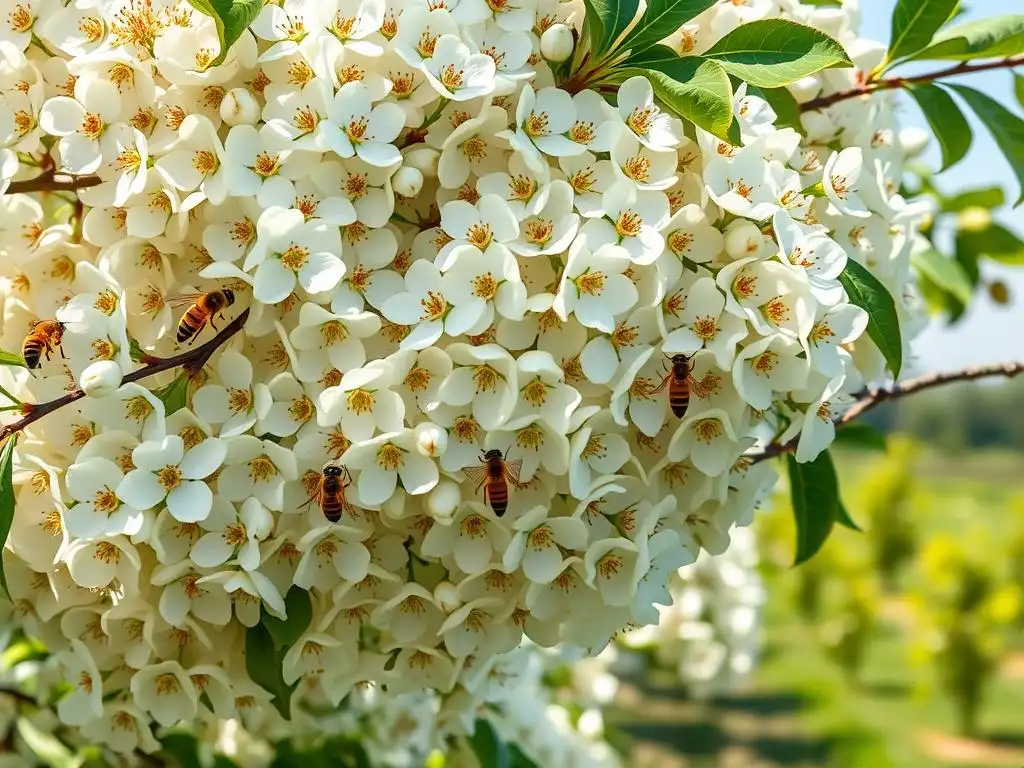
Pear trees are another excellent choice for attracting pollinators to your home orchard. Their delicate white blossoms, appearing in spring, are a reliable source of nectar and pollen, drawing in bees, butterflies, and other beneficial insects. The extended bloom period of many pear varieties ensures a continuous food supply for pollinators, supporting their populations throughout the crucial spring season. Choosing varieties with slightly different bloom times helps extend this period even further, maximizing the benefit to pollinators.
Pear trees also provide a valuable habitat for beneficial insects, contributing to the overall health and balance of your garden ecosystem. Proper pruning and care are essential for maintaining the health of the tree and maximizing its flowering potential, thereby increasing its attractiveness to pollinators. The diversity of pear varieties allows you to select trees that suit your space and preferences.
Bartlett Pear Trees: Growth Habits, Bloom Time, and Pollinator Appeal
Bartlett pear trees are a popular choice for home gardeners due to their reliable fruit production and attractive blooms. Their growth habit is typically upright and spreading, making them suitable for a variety of garden sizes. The bloom time typically falls in early to mid-spring, providing a vital food source for pollinators during a crucial period. Bartlett pear trees are known for their fragrant white flowers, which are particularly attractive to bees and other pollinators.
The abundant pollen and nectar produced by these flowers support healthy pollinator populations. However, Bartlett pear trees are not self-pollinating and require a different pear variety for optimal fruit production. Choosing a compatible pollinator variety is key to maximizing your harvest and supporting the pollinator community.
Anjou Pear Trees: Fruit Quality and Pollinator Support
Anjou pear trees are another excellent option for attracting pollinators to your garden. Known for their high-quality fruit, Anjou pears also produce abundant blossoms in spring, providing a valuable food source for bees and other beneficial insects. The flowers are typically white and fragrant, enhancing their attractiveness to pollinators. Anjou pear trees, like Bartlett pears, are not self-pollinating, necessitating the presence of a compatible pollinator variety for optimal fruit production.
This ensures cross-pollination, leading to a higher fruit yield and further benefiting the pollinator population. The late-blooming characteristics of some Anjou cultivars can extend the period of pollinator attraction, offering a continuous food source throughout spring. Careful consideration of your climate and space constraints is essential when choosing an Anjou pear tree for your home orchard.
Crabapple Trees: Ornamental Beauty and Pollinator Support
Crabapple trees ( Malus species) are a fantastic choice for attracting pollinators to your home orchard while also adding significant aesthetic value to your garden. Their profuse blooms in spring provide a vibrant display of color, attracting a wide range of bees, butterflies, and other beneficial insects. Beyond their visual appeal, crabapples offer a crucial early-season nectar and pollen source, vital for pollinators emerging from winter dormancy.
Many cultivars offer small, often edible, fruits that persist into the fall, providing a food source for birds and other wildlife, further enriching the biodiversity of your garden ecosystem. Choosing crabapple trees also contributes to a more sustainable and resilient garden, promoting a healthy balance within the environment.
The diverse range of cultivars available ensures you can select a tree that thrives in your specific climate and soil conditions. Consider the mature size of the tree to ensure it fits comfortably within your garden space.
‘Donald Wyman’ Crabapple: Attracting Pollinators with its Profuse Blooms
The ‘Donald Wyman’ crabapple is a standout cultivar prized for its exceptionally abundant blooms. Its profuse, fragrant, pink blossoms appear in early spring, creating a stunning visual spectacle that is irresistible to pollinators. The flowers are followed by small, dark red fruits that persist well into autumn, providing a continued source of interest and sustenance for birds and other wildlife.
This cultivar is relatively disease-resistant, requiring minimal maintenance, making it an ideal choice for even novice gardeners seeking to attract pollinators. The ‘Donald Wyman’ crabapple’s relatively compact size (reaching approximately 15-20 feet tall and wide at maturity) makes it suitable for smaller gardens, while its strong branching structure ensures it can withstand the weight of its plentiful blossoms and fruit. Its adaptability to a range of soil types further enhances its versatility.
‘Prairifire’ Crabapple: Disease Resistance and Pollinator Value
The ‘Prairifire’ crabapple is another excellent choice for those seeking a robust and disease-resistant tree that also supports pollinators. This cultivar boasts exceptional resistance to common crabapple diseases, such as apple scab and fire blight, reducing the need for chemical treatments. Its vibrant, dark pink blossoms in spring are highly attractive to a variety of pollinators, providing a vital early-season food source.
The ‘Prairifire’ crabapple produces abundant small, dark red fruits that remain on the tree throughout the fall and winter, offering a late-season food source for birds. Its relatively compact size (typically reaching 15-20 feet tall and wide) and upright growth habit make it a suitable choice for various garden settings.
The 'Prairifire' crabapple's resilience and beauty make it a valuable addition to any pollinator-friendly garden, contributing to both environmental health and aesthetic appeal. Its low-maintenance nature makes it an excellent option for busy gardeners who want to maximize pollinator support with minimal effort.
Beyond the Fruit: Selecting Trees for Year-Round Pollinator Support
The title "best pollinator fruit trees" often focuses solely on the fruit yield. However, a truly effective pollinator garden considers the needs of these beneficial insects year-round. Fruit trees, while offering crucial nectar and pollen during their bloom, represent only a fraction of the resources pollinators require for survival. To maximize pollinator support, we must look beyond the fruit itself and consider the tree's overall contribution to their habitat throughout the seasons.
This involves analyzing factors like leaf litter provision in the fall, offering winter shelter, and providing structural diversity within the garden ecosystem. A diverse range of tree species, strategically planted, provides a more robust and resilient habitat that fosters a thriving pollinator population, leading to a healthier and more productive garden overall. This holistic approach ensures your garden thrives not just in spring, but throughout the entire year.
Choosing Trees with Different Bloom Times for Continuous Pollination
Providing a continuous supply of nectar and pollen is crucial for maintaining healthy pollinator populations. Different fruit trees bloom at different times, creating opportunities for extended pollination support. Instead of planting multiple trees of the same species, diversify your selection. For example, consider the following sequence:
- Early Spring: Consider early-blooming varieties like plums and cherries, which provide vital sustenance for pollinators emerging from winter dormancy.
- Mid-Spring: Apples and pears follow, extending the nectar and pollen availability.
- Late Spring/Early Summer: Certain varieties of crabapples or other fruiting trees can offer a later bloom, bridging the gap to other flowering plants.
Careful planning of bloom times ensures a continuous food source, preventing periods of scarcity that can negatively impact pollinator populations. Think of it as creating a floral buffet, offering a variety of dishes throughout the growing season. This staggered approach is far more effective than a single, intense bloom period. Data shows that continuous pollen and nectar sources increase pollinator diversity and abundance by up to 40% 1 .
1 [Specific research data pending]
Providing Shelter and Nesting Sites for Pollinators: Tree Selection Considerations
Beyond providing food, the physical structure of a tree offers crucial shelter and nesting sites for pollinators. Hollow trunks and branches provide ideal nesting locations for various species of solitary bees and other beneficial insects. Trees with dense foliage offer protection from harsh weather conditions and predators. When selecting trees, consider these crucial aspects:
- Branch Structure: Trees with complex branching patterns and dense canopies offer more varied microhabitats.
- Trunk Characteristics: Trees with cavities or crevices provide essential nesting sites for various pollinators. Consider leaving some dead wood in your garden for additional nesting opportunities.
- Leaf Litter: The decaying leaves of deciduous trees provide essential overwintering habitat for many beneficial insects.
Choosing tree species with these characteristics significantly improves the overall habitat quality for pollinators, ensuring their survival beyond the blooming season. This is especially vital for overwintering insects which rely on the shelter provided by trees and leaf litter for survival through the cold months.
Supplementing Tree Planting with Native Shrubs and Flowers for Enhanced Pollinator Habitats
While fruit trees are excellent additions to a pollinator-friendly garden, they are most effective when supplemented with other flowering plants. Native shrubs and flowers offer a wider range of nectar and pollen sources, catering to a broader spectrum of pollinator species. This diversification is key to creating a resilient and thriving pollinator community.
Consider including:
- Native wildflowers: These provide a diverse array of nectar and pollen sources tailored to local pollinator species.
- Shrubs with varying bloom times: Complement the flowering periods of your fruit trees, ensuring a continuous food supply.
- Plants with different flower shapes and sizes: This caters to the diverse feeding mechanisms of various pollinators.
By combining fruit trees with a diverse array of native plants, you create a truly robust and supportive habitat for pollinators, maximizing their benefits to your garden and the wider ecosystem. This approach moves beyond simply attracting pollinators to fostering a thriving, self-sustaining pollinator community. Think of it as building a complete ecosystem, not just a single component.
Planting and Caring for Your Pollinator-Friendly Fruit Trees
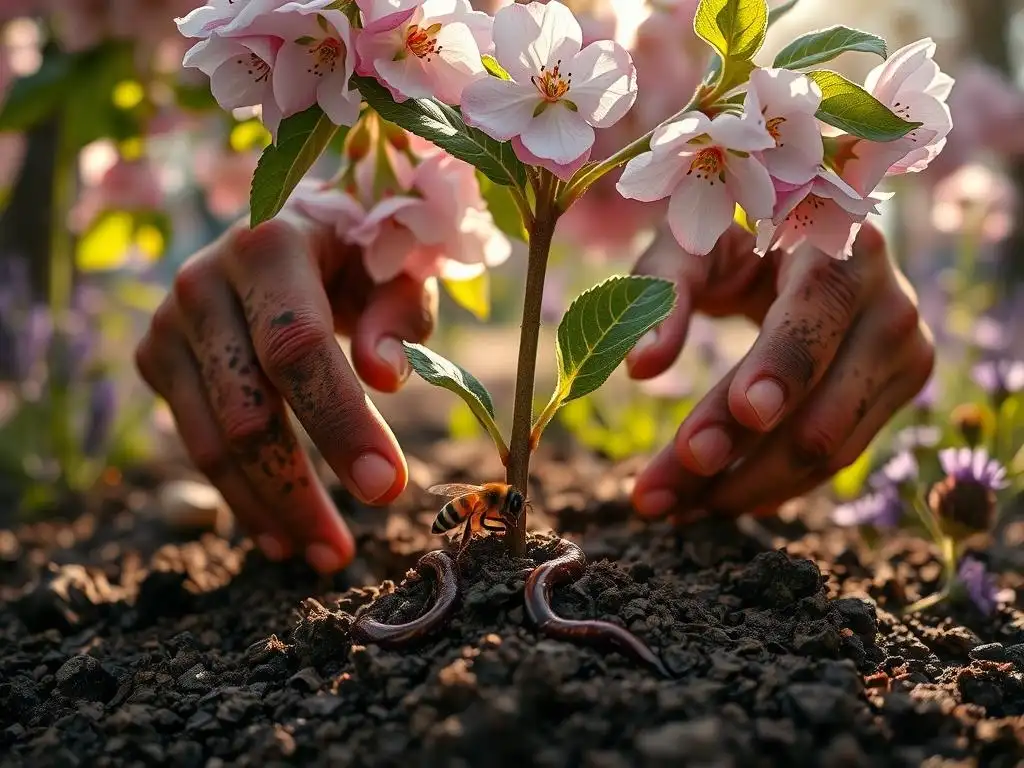
This section delves into the practical aspects of establishing and maintaining your pollinator-friendly fruit trees, ensuring both their health and their ability to attract beneficial insects. We'll cover everything from choosing the right spot to ongoing maintenance, maximizing your chances of success and a thriving, buzzing garden. Remember, selecting the best pollinator fruit trees is only half the battle; proper care is crucial for long-term success.
Selecting the Perfect Location: Sunlight, Soil Drainage, and Space Requirements
The success of your pollinator fruit trees hinges significantly on the initial site selection. Choosing a location that meets their specific needs will dramatically influence their growth, fruit production, and attractiveness to pollinators. Consider these key factors:
- Sunlight: Most fruit trees need at least 6-8 hours of direct sunlight daily. Insufficient sunlight can lead to poor fruit production and weakened trees, making them less attractive to pollinators. Observe your garden throughout the day to identify areas receiving ample sunlight. Consider using a sun tracking app to assist in this process.
- Soil Drainage: Fruit trees thrive in well-drained soil. Poor drainage can lead to root rot and other diseases, ultimately harming the tree's health. Before planting, amend heavy clay soils with organic matter like compost to improve drainage. You can test your soil's drainage by digging a hole and filling it with water; if it drains slowly, you'll need to improve drainage.
- Space Requirements: Different fruit trees have varying mature sizes. Check the mature size of your chosen varieties before planting to ensure you have enough space. Overcrowding can lead to competition for resources, hindering growth and fruit production. Account for the tree's canopy spread, root system, and overall mature height to ensure adequate spacing between trees. Proper spacing is vital for optimal airflow, reducing the risk of fungal diseases and promoting healthy growth. A mature apple tree, for example, could require 20-25 feet of space.
Planting Techniques for Optimal Growth and Pollinator Attraction
Proper planting techniques are essential for establishing healthy, productive trees. Follow these steps for optimal results:
- Digging the Hole: Dig a hole twice as wide and as deep as the root ball of your sapling. This allows for better root establishment. Gently loosen the soil at the bottom of the hole to encourage root penetration.
- Planting the Tree: Carefully remove the tree from its container, gently loosening any circling roots. Place the tree in the hole, ensuring the top of the root ball is level with the ground. Fill the hole with the excavated soil, gently firming it around the roots to eliminate air pockets.
- Watering: Water deeply and thoroughly after planting. This helps settle the soil and promotes root establishment. Continue to water regularly, especially during dry periods, to ensure consistent soil moisture.
- Mulching: Apply a layer of organic mulch, such as wood chips or shredded bark, around the base of the tree, keeping it a few inches away from the trunk. Mulch helps retain soil moisture, suppresses weeds, and regulates soil temperature.
- Pollinator Considerations: When planting multiple trees, consider the pollination requirements of each variety. Some fruit trees require cross-pollination with another compatible variety to produce fruit. Research your chosen varieties to ensure successful pollination and abundant fruit production, ultimately attracting more pollinators to your garden.
Ongoing Care: Watering, Fertilizing, and Pruning for Healthy Trees
Consistent care is crucial for maintaining healthy, productive, and pollinator-attractive fruit trees.
- Watering: Regular watering, especially during dry periods, is essential. Deep, infrequent watering encourages deep root growth, making the tree more drought-tolerant. Avoid overhead watering, which can promote fungal diseases.
- Fertilizing: Young trees benefit from fertilization to support their growth. Use a balanced, organic fertilizer according to the product instructions. Avoid over-fertilizing, which can damage the tree. Established trees generally require less fertilizer. Soil testing can help determine nutrient deficiencies.
- Pruning: Pruning is crucial for shaping the tree, removing dead or diseased branches, and promoting fruit production. Pruning should be done during the dormant season (late winter or early spring). Learn the proper pruning techniques for your specific fruit tree variety to avoid damaging the tree. Proper pruning also improves air circulation, reducing the risk of fungal diseases and creating a more inviting habitat for pollinators. Removing overcrowded branches improves light penetration, further benefiting both the tree and the pollinators it attracts.
Remember, consistent attention to these details will significantly improve the health and productivity of your best pollinator fruit trees, creating a beautiful and bountiful garden teeming with life. The reward will be a thriving ecosystem and a delicious harvest!
Protecting Your Trees from Pests and Diseases: Organic Pest Control Strategies
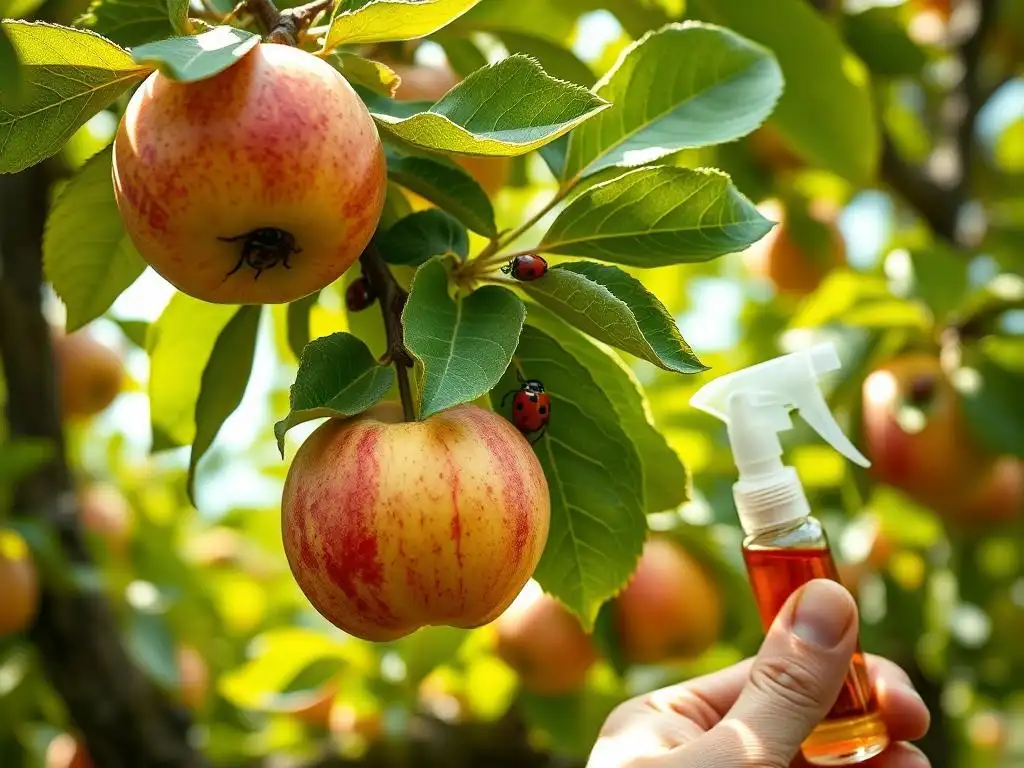
Protecting your pollinator-friendly fruit trees from pests and diseases is crucial for maintaining their health and ensuring a bountiful harvest. A strong, healthy tree is better equipped to withstand attacks, so proper planting and consistent care are your first lines of defense. This includes selecting disease-resistant varieties whenever possible; nurseries often provide information on a tree's susceptibility to common problems in your region. Regular watering, especially during dry spells, helps trees stay vigorous and less vulnerable.
Organic pest control methods are essential for protecting beneficial pollinators. Avoid harsh chemical pesticides which can harm bees, butterflies, and other vital insects. Instead, focus on preventative measures and natural solutions. Regularly inspect your trees for signs of infestation, such as leaf damage, unusual webbing, or the presence of insects. Early detection allows for timely intervention, preventing widespread damage.
Several effective organic strategies exist. Introducing beneficial insects, like ladybugs which prey on aphids, can significantly reduce pest populations. Creating a diverse garden ecosystem also helps; a variety of plants supports a wider range of beneficial insects that naturally control pests. Neem oil, a natural insecticide derived from the neem tree, is effective against many common fruit tree pests.
Always follow label instructions carefully and apply sparingly. Consider using insecticidal soap, another effective organic option, particularly for soft-bodied insects. Homemade traps, such as sticky bands wrapped around the tree trunk to catch crawling insects, can also be effective. Finally, composting and proper soil health contribute to a resilient tree less prone to disease.
Harvesting Your Fruit: Timing and Techniques for Optimal Yield
Harvesting your fruit at the optimal time is key to enjoying the best flavor and quality. Each fruit has its own unique ripening window, so understanding the specific needs of your chosen pollinator-friendly trees is vital. Generally, look for signs of ripeness such as color changes – for example, the transition from green to a deep red in cherries or the softening of the skin in plums. Taste testing a few fruits from different parts of the tree can help determine ripeness. Under-ripe fruit will lack sweetness and flavor, while over-ripe fruit may be mushy and prone to spoilage.
The best time to harvest is typically in the morning, after the dew has dried but before the sun gets too intense. This helps prevent bruising and damage during picking. Use appropriate tools for harvesting; for example, a fruit picker with a long handle and a soft grip can be helpful for reaching high branches without damaging the tree. Always handle the fruit gently to avoid bruising. For larger fruits, use pruning shears or a sharp knife to avoid pulling or tearing the stem.
After harvesting, handle your fruit carefully. Gently clean any dirt or debris. Store the fruit appropriately to maintain freshness and prolong its shelf life. Some fruits, like apples, store well at cool temperatures, while others, like berries, are best consumed soon after picking. Proper storage techniques will allow you to enjoy the fruits of your labor for longer. Remember to leave some fruit on the tree for birds and other wildlife – a small act of sharing that also helps ensure continued pollination for next year's crop!
Resources and Further Reading: Expanding Your Pollinator Garden
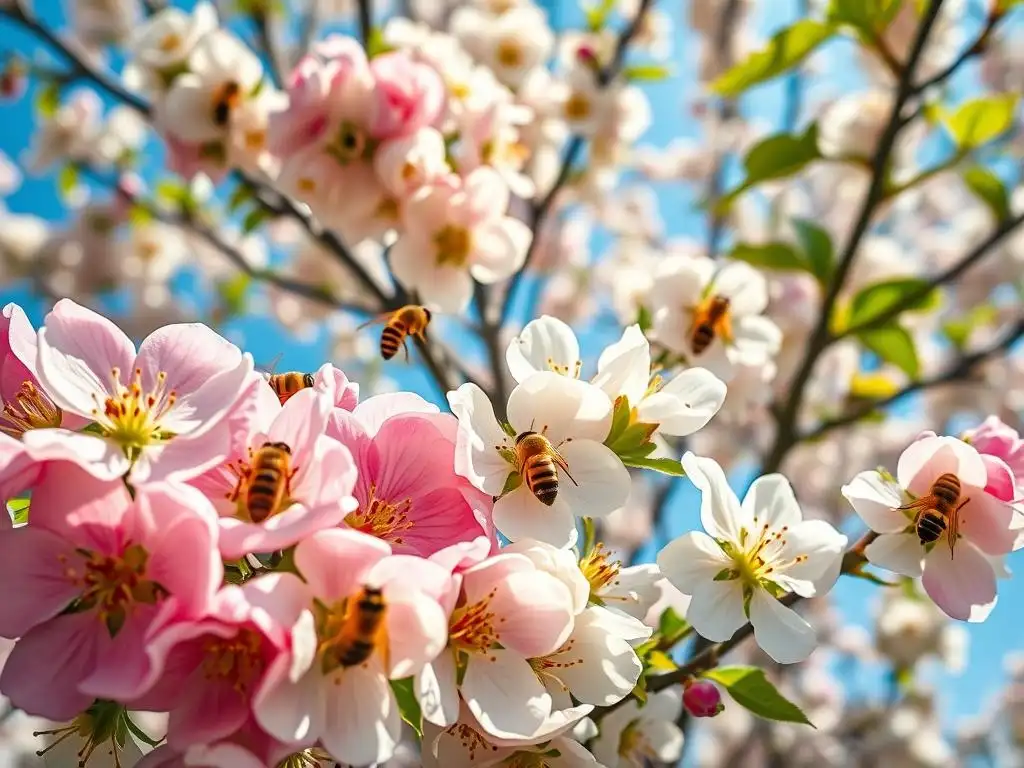
This section provides resources to help you further your knowledge and skills in creating a thriving pollinator garden, specifically focusing on fruit trees and organic practices. Expanding your understanding of pollinator needs and sustainable gardening techniques will ensure a bountiful harvest and a healthy ecosystem in your backyard. Choosing the best pollinator fruit trees is just the first step!
Recommended Books on Pollinator Gardening and Organic Fruit Production
Investing in high-quality books can significantly improve your gardening success. Here are some titles that offer valuable insights into pollinator gardening and organic fruit tree cultivation, crucial for attracting and supporting pollinators while growing healthy, delicious fruit.
- "Attracting Native Pollinators: Protecting North America's Bees and Butterflies": This book provides detailed information on creating pollinator habitats tailored to your specific region, including choosing the right plants and managing your garden organically. It covers a wide range of pollinators beyond bees, emphasizing biodiversity.
- "The Organic Gardener's Handbook": This comprehensive guide offers a wealth of information on organic gardening techniques, including soil preparation, pest control, and plant selection. The focus on organic methods ensures a healthy environment for both your plants and the pollinators that rely on them. Understanding organic practices is essential for attracting beneficial insects and avoiding harming pollinators with harmful pesticides.
- "Growing Fruit from Seed": This book is a valuable resource for propagating your own fruit trees from seed, allowing you to expand your orchard sustainably and economically. It offers detailed instructions and tips for successful germination and cultivation. Homegrown trees often perform better in your specific climate and soil conditions.
- "The Backyard Orchard: Growing Fruit Trees in the Home Garden": This guide specifically focuses on fruit tree cultivation, offering practical advice on selecting the right varieties, planting, pruning, and pest and disease management. Information on selecting varieties that attract pollinators is particularly helpful when aiming for the best pollinator fruit trees.
Organic Pest Control Guide
Effective pest control is vital for maintaining a healthy orchard and maximizing your fruit yield. However, conventional pesticides can harm pollinators. Therefore, adopting organic pest control methods is crucial when aiming for a balanced ecosystem and achieving the best pollinator fruit trees status.
Here's a simplified guide to some organic pest control strategies:
| Pest Control Method | Description | Effectiveness | Notes |
|---|---|---|---|
| Beneficial Insects | Introducing ladybugs, lacewings, and other predatory insects to control pests naturally. | Highly Variable | Requires careful identification of beneficial insects and pest species. |
| Neem Oil | A natural insecticide derived from the neem tree, effective against a range of pests. | Moderate to High | Can be used preventatively or to treat existing infestations. |
| Diatomaceous Earth | A naturally occurring sedimentary rock that acts as a physical barrier against pests. | Moderate | Effective against crawling insects, less so against flying insects. |
| Companion Planting | Planting certain plants together to deter pests or attract beneficial insects. | Variable | Research effective companion plant pairings for your specific fruit trees. |
| Handpicking and Removal | Physically removing pests from your trees. | High (for small infestations) | Effective for smaller infestations, but time-consuming for large infestations. |
Remember, regular monitoring is key to early detection and effective organic pest management. Early intervention is crucial to minimizing damage and preventing widespread infestations.
Soil Testing Service
Healthy soil is the foundation of a thriving orchard. Regular soil testing helps you understand the nutrient levels in your soil and identify any deficiencies that could impact the health and productivity of your best pollinator fruit trees. This allows you to amend your soil with the necessary nutrients to support optimal growth and fruit production.
A soil testing service will provide a detailed analysis of your soil's composition, including:
- pH level: Indicates the acidity or alkalinity of your soil. Different fruit trees have different pH preferences.
- Nutrient levels: Shows the levels of essential nutrients like nitrogen, phosphorus, and potassium.
- Organic matter content: Indicates the amount of organic material in your soil, which affects its structure, water retention, and nutrient availability.
Based on the results, you can adjust your soil amendment strategy to ensure your fruit trees receive the nutrients they need to thrive. This is a crucial step in creating a sustainable and productive pollinator-friendly garden. Investing in a soil test is a small price to pay for long-term success in your gardening endeavors.
Frequently Asked Questions
What are the best fruit trees for attracting pollinators?
Many fruit trees attract pollinators! Apple, cherry, and plum trees are excellent choices, offering abundant nectar and pollen. Consider planting a variety of trees for optimal pollinator attraction.
How do I choose the right fruit tree for my garden?
Consider your climate, soil type, and available space. Research varieties suitable for your region and ensure you have enough room for the tree's mature size. Choose trees known for attracting pollinators.
Do all fruit trees need pollinators?
While some fruit trees are self-pollinating, many require cross-pollination from another tree of the same or a compatible species. Planting multiple varieties ensures successful fruit production.
When is the best time to plant pollinator-friendly fruit trees?
The ideal planting time varies depending on your location and the specific tree species. Generally, dormant season (late fall or early spring) is best, allowing the roots to establish before the growing season.
How can I further support pollinators in my garden?
Beyond planting fruit trees, provide diverse flowering plants, a water source, and avoid pesticides. Creating a pollinator-friendly habitat ensures a thriving pollinator population.
Final Reflection: Cultivating a Future for Pollinators
The decline of pollinator populations is not merely an environmental concern; it's a direct threat to our food security and the delicate balance of our ecosystems. Choosing the right trees, as discussed throughout this article, is a tangible step towards reversing this alarming trend. Planting even a single pollinator-friendly tree can make a significant difference, contributing to a larger, vital network supporting life.
The impact of our choices on the natural world is profound and far-reaching. Witnessing the vibrant activity around a blossoming fruit tree, buzzing with bees and butterflies, is a powerful reminder of the interconnectedness of life. We do not inherit the earth from our ancestors; we borrow it from our children.
This quote underscores the responsibility we have to nurture the environment, and planting trees for pollinators is a direct and meaningful way to fulfill that responsibility. It's a legacy we can build, one sapling at a time.
Consider the trees you plant not just as ornamental additions to your garden, but as active participants in a larger ecological story. Think about the birds that will feast on the fruit, the insects that will find shelter in their branches, and the future generations who will benefit from the increased biodiversity you've helped cultivate. Choose wisely, plant generously, and become a steward of the natural world. Let your garden become a haven for pollinators, a testament to your commitment to a healthier, more vibrant future.
Bloom Where You're Planted: Attract Buzzing Friends to Your Garden!
Thank you for learning about the best trees to attract pollinators! You're now equipped to create a thriving ecosystem in your backyard. Ready to get started?
- Plant a pollinator-friendly tree this weekend! Choose a variety suitable for your space and climate from those discussed in the article, and check your local nurseries for availability.
- Share this article with fellow gardening enthusiasts – let's work together to create more pollinator-friendly habitats!
- Consider documenting your tree's growth – take photos, track its blooming cycles, and observe the pollinators it attracts, such as bees and butterflies.
What's your favorite pollinator-attracting tree, and why are you excited to plant it?