
How to Choose DroughtTolerant Plants for Your Garden: A Comprehensive Guide

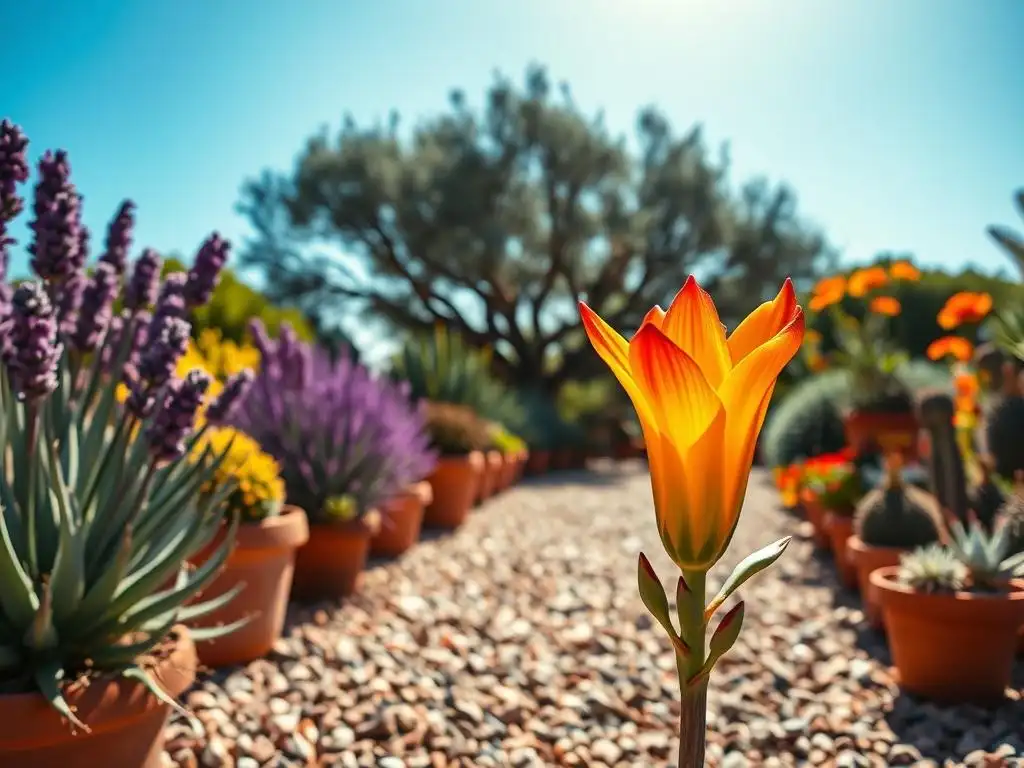
Welcome to CultivateYourFood, your guide to a thriving, sustainable garden! Are you ready to reap the rewards of homegrown goodness, even in the face of challenging conditions? Discover the secrets to a bountiful harvest with our comprehensive guide on the best drought-tolerant garden plants. Learn how to choose the perfect varieties to flourish, even during dry spells, and embark on a journey towards a greener, more resilient garden. Let's cultivate a future where fresh, organic produce is always within reach.
- Understanding Drought-Tolerant Plants: Key Characteristics
- Selecting the Best Drought-Tolerant Garden Plants for Your Climate
- Planting and Caring for Drought-Tolerant Plants: Tips for Success
- Maintaining Your Drought-Resistant Garden: Long-Term Care
- Examples of Exceptional Drought-Tolerant Plants for Your Garden
- Resources for Finding Drought-Tolerant Plants in Your Area
-
Frequently Asked Questions
- What are the benefits of choosing drought-tolerant plants?
- Which are the best drought-tolerant plants for beginners?
- How can I determine if a plant is drought-tolerant before purchasing it?
- What are some strategies for helping established drought-tolerant plants survive extended dry spells?
- Are there any specific considerations for choosing drought-tolerant plants in different climates?
- Final Reflection: Cultivating Resilience, One Drought-Tolerant Plant at a Time
- Unleash Your Drought-Resistant Garden!
Understanding Drought-Tolerant Plants: Key Characteristics
Choosing the right plants is crucial for a thriving, sustainable garden, especially in regions prone to water scarcity. This comprehensive guide will help you select the best drought-tolerant garden plants, enabling you to cultivate a beautiful and productive garden while conserving precious water resources. We'll explore the key characteristics of drought-tolerant plants, how to identify them, and the numerous benefits of incorporating them into your gardening strategy. Learning to cultivate a drought-resistant garden is not only environmentally responsible but also significantly reduces your water bill and simplifies garden maintenance, leaving you with more time to enjoy the fruits (and vegetables!)
of your labor. This guide focuses on practical advice and real-world examples to help you make informed decisions when selecting plants for your specific climate and soil conditions. Let's delve into the fascinating world of water-wise gardening and discover the best drought-tolerant garden plants for your needs.
Defining Drought Tolerance
Drought tolerance isn't simply about surviving a lack of water; it's about thriving despite limited moisture. Plants classified as drought-tolerant possess specific adaptations that allow them to efficiently use and conserve water. These adaptations can include:
- Deep root systems: Many drought-tolerant plants have extensive root systems that reach deep into the soil to access groundwater sources unavailable to plants with shallower roots. This allows them to tap into moisture reserves during dry spells.
- Succulent leaves: Plants with thick, fleshy leaves, like many succulents, store water within their leaves, providing a reserve during periods of drought. Examples include various Sedum species and Echeveria.
- Small or hairy leaves: Smaller leaves reduce the surface area exposed to sunlight, minimizing water loss through transpiration (the process of water evaporation from leaves). Hairy leaves also help to reduce transpiration by trapping a layer of humid air near the leaf surface.
- Waxy leaf coatings: A waxy cuticle on the leaf surface helps to reduce water loss by preventing evaporation. This is a common feature in many Mediterranean climate plants.
- Efficient water-use mechanisms: Some plants have specialized physiological mechanisms that allow them to close their stomata (tiny pores on leaves) during the hottest parts of the day, reducing water loss through transpiration.
Identifying Drought-Resistant Plants
Identifying drought-resistant plants requires understanding your local climate and soil conditions. Consider the following factors when making your selections:
- Native plants: Native plants are naturally adapted to your region's climate and soil, making them ideal choices for drought-tolerant gardens. They require less supplemental watering and are often more resistant to local pests and diseases.
- Plant labels and descriptions: Carefully read plant labels and descriptions, looking for terms like "drought-tolerant," "xeric," or "water-wise." Reputable nurseries and garden centers provide accurate information.
- Research similar climates: If you are unsure about a particular plant's drought tolerance, research plants that thrive in similar climates with comparable rainfall and temperatures.
- Observe established gardens: Visit local botanical gardens or well-established gardens in your area to observe which plants are thriving with minimal watering. This provides a valuable real-world assessment of drought tolerance in your specific environment.
Benefits of Choosing Drought Tolerant Plants
Incorporating drought-tolerant plants into your garden offers a multitude of benefits beyond water conservation:
- Reduced water bills: This is a significant advantage, especially in areas with water restrictions or high water costs. The savings can be substantial over time.
- Less maintenance: Drought-tolerant plants generally require less frequent watering and maintenance, freeing up your time and energy.
- Environmental responsibility: Conserving water is crucial for protecting our environment and mitigating the effects of climate change. Choosing drought-tolerant plants contributes to sustainable gardening practices.
- Increased biodiversity: Native drought-tolerant plants often support local pollinators and beneficial insects, increasing the biodiversity of your garden ecosystem.
- Enhanced garden aesthetics: Many drought-tolerant plants boast beautiful flowers, interesting foliage, and unique textures, adding visual appeal to your garden. They can create stunning landscapes that require minimal upkeep.
Choosing drought-tolerant plants is a smart and sustainable approach to gardening. By understanding their characteristics and selecting appropriate species, you can create a beautiful, thriving garden while conserving water and minimizing your environmental impact. 🌱
Selecting the Best Drought-Tolerant Garden Plants for Your Climate
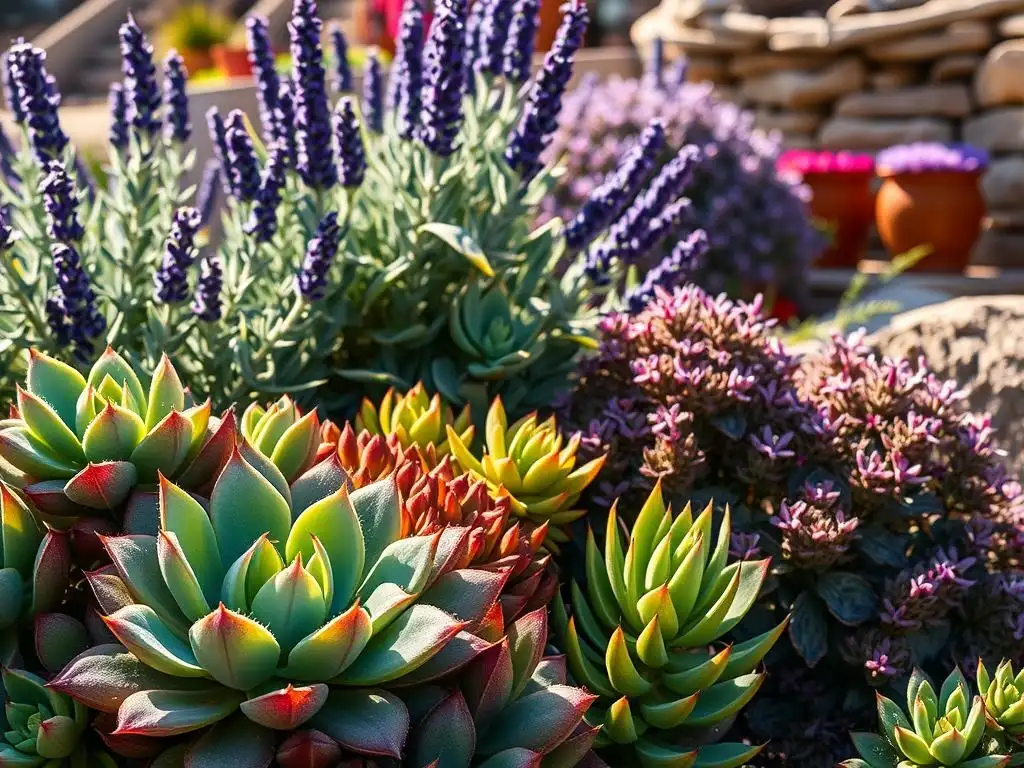
Choosing the best drought-tolerant garden plants for your specific location is crucial for success. Ignoring your unique climate and soil conditions can lead to plant stress, poor growth, and ultimately, failure. This section will guide you through the process of selecting plants perfectly suited to your garden's environment, maximizing your chances of a thriving, water-wise garden. Remember, the key to success lies in understanding your garden's needs and selecting plants that match those needs.
Assessing Your Local Climate and Soil Conditions
Before you even think about plant selection, you need a thorough understanding of your local climate and soil. This involves more than just checking the average rainfall; it's about understanding the nuances of your specific microclimate.
- Rainfall: Note the total annual rainfall, but also consider the distribution throughout the year. Are there long dry spells? How much rain falls during the growing season? This information will heavily influence your plant choices. For example, areas with infrequent, heavy downpours might require plants with deep root systems to access moisture effectively.
- Temperature: Extreme temperatures, both hot and cold, can stress plants even if they are drought-tolerant. Consider the average high and low temperatures during the hottest and coldest months. Some drought-tolerant plants thrive in intense heat, while others prefer milder conditions.
- Sunlight: The amount of sunlight your garden receives directly impacts water needs. Full sun (6-8 hours), partial sun (4-6 hours), and shade (less than 4 hours) each require different plant choices. Many drought-tolerant plants prefer full sun, but some thrive in shadier spots.
- Soil Type: Soil type plays a significant role in water retention. Sandy soil drains quickly, requiring plants with shallow, extensive root systems to capture moisture. Clay soil, conversely, retains water longer, potentially leading to root rot if poorly drained. Knowing your soil type will help you select plants with appropriate root systems. A simple soil test can provide valuable information about your soil's composition, pH level, and nutrient content. This information is key to selecting plants that will thrive in your specific soil conditions.
Choosing the Right Plants Based on Sunlight Exposure and Soil Type
Once you understand your climate and soil, you can start narrowing down your plant choices based on their specific needs. Here's a breakdown by sunlight exposure and soil type:
| Sunlight Exposure | Soil Type | Recommended Plant Types | Considerations |
|---|---|---|---|
| Full Sun | Sandy | Lavender, Yarrow, Sedum, Coneflower | Frequent, shallow watering may be necessary. |
| Full Sun | Clay | Russian Sage, Butterfly Bush, Salvia | Ensure good drainage to prevent root rot. |
| Partial Sun | Sandy | Coreopsis, Daylily, Penstemon | Monitor soil moisture carefully; amend with compost. |
| Partial Sun | Clay | Hosta, Astilbe, Ferns | Good drainage is still important, even in shade. |
| Shade | Sandy | Pachysandra, Ferns, Wild Ginger | Water more frequently than plants in full sun. |
| Shade | Clay | Hosta, Astilbe, Coral Bells | Ensure adequate drainage to avoid waterlogging. |
This table provides a starting point. Many other drought-tolerant plants exist, and the best choice will depend on your specific needs and preferences. Remember to always check the plant's specific requirements before purchasing.
Top Drought-Tolerant Plants for Various Garden Zones
Choosing the best drought-tolerant garden plants also involves considering your hardiness zone. This geographical designation indicates the average minimum winter temperature in your area. Different plants thrive in different zones.
While a comprehensive list for all zones is extensive, here are a few examples to illustrate the concept:
- Zone 7 (mild winters): Consider plants like Lantana, Rosemary, and Potentilla. These plants tolerate mild winters and long, hot summers.
- Zone 4 (cold winters): Choose hardy options like Russian Sage, Coneflower, and Lavender (certain varieties). These plants can withstand colder temperatures.
Remember to research plants suitable for your specific hardiness zone. Local nurseries are an excellent resource for selecting plants adapted to your region's climate. They can provide valuable advice tailored to your local conditions and help you choose the best drought-tolerant garden plants for a thriving, sustainable garden. Don't forget to consider the mature size of plants to ensure proper spacing and avoid overcrowding. Overcrowding can lead to increased competition for resources and make plants more susceptible to drought stress.
Planting and Caring for Drought-Tolerant Plants: Tips for Success
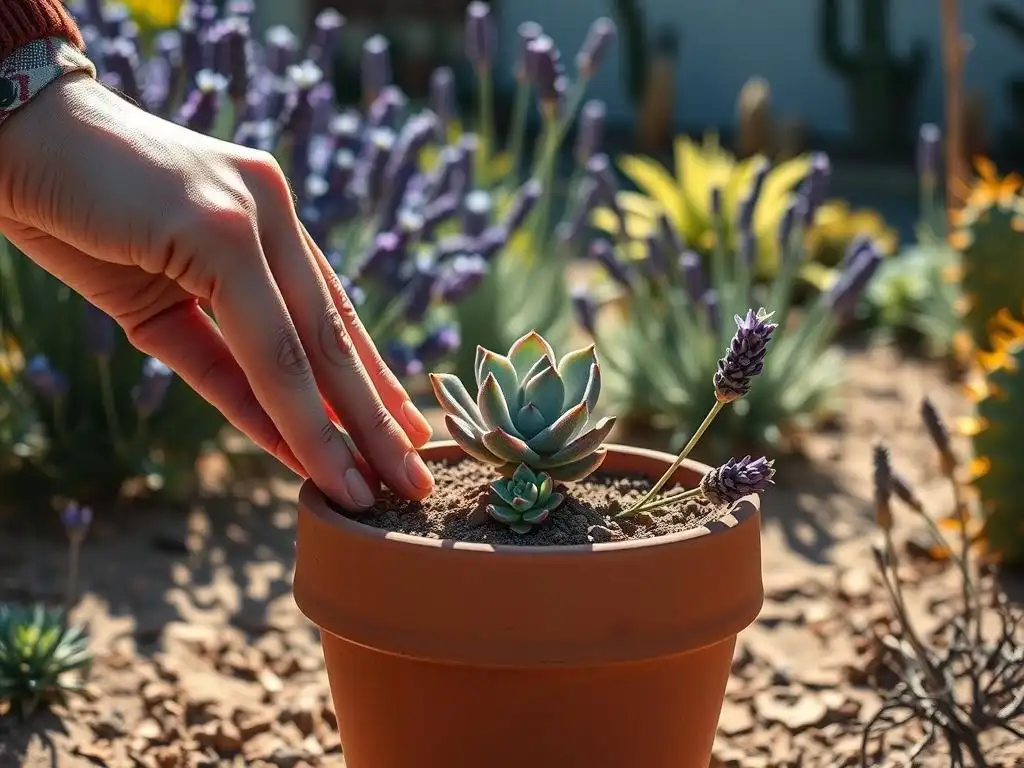
This section delves into the practical aspects of cultivating drought-tolerant plants, ensuring their thriving even in arid conditions. We'll explore soil preparation, planting techniques, and crucial watering strategies to maximize your success in creating a beautiful and resilient garden that conserves water. Remember, choosing the best drought-tolerant garden plants is only half the battle; proper care is equally vital.
Preparing Your Soil for Drought-Tolerant Plants
Optimal soil preparation is paramount for establishing drought-resistant plants. These plants, while adapted to low water conditions, still require well-draining soil that retains some moisture. Poor drainage can lead to root rot, even in drought-tolerant species. Here's how to prepare your soil:
- Testing your soil: Before planting, conduct a soil test to determine its pH and nutrient levels. This will inform you of any amendments needed to optimize conditions for your chosen plants. Sandy soils may require the addition of organic matter like compost to improve water retention, while clay soils benefit from amendments that increase drainage, such as perlite or gypsum.
- Amending the soil: Incorporate plenty of organic matter, such as compost or well-rotted manure. This improves soil structure, aeration, and water retention capabilities. Aim for a soil mix that is rich in humus, promoting healthy root development and resilience to drought stress. The amount of organic matter will depend on your soil's existing composition; sandy soils will require more than clay soils.
- Mulching: After planting, apply a thick layer of mulch (at least 2-3 inches) around the plants, but avoid directly touching the stems. Mulch helps retain soil moisture, suppress weeds, and regulate soil temperature, creating a more favorable environment for your drought-tolerant plants. Organic mulches, such as shredded bark or straw, are ideal.
Proper Planting Techniques for Optimal Growth and Water Retention
The way you plant your drought-tolerant specimens significantly impacts their ability to withstand dry spells. Following these techniques will set them up for success:
- Planting depth: Plant your seedlings or transplants at the correct depth, as indicated on the plant tag or in your gardening guide. Planting too shallow can expose roots to drying winds and sun, while planting too deep can suffocate them.
- Spacing: Adequate spacing between plants is crucial for proper air circulation and to prevent competition for limited resources. Overcrowding can lead to increased stress and vulnerability to diseases. Consult the plant's specific requirements for optimal spacing.
- Root ball handling: When planting container-grown plants, gently loosen the roots around the root ball to encourage outward growth. This helps the roots explore the surrounding soil and access water more effectively. Avoid damaging the roots during this process.
- Backfilling and firming: After planting, gently backfill the hole with soil, ensuring there are no air pockets around the roots. Firm the soil gently to ensure good root contact.
Watering Strategies for Drought-Resistant Plants
Even drought-tolerant plants require careful watering, especially during establishment. The goal is to encourage deep root growth, making the plants more resilient to future dry periods. Here's a strategic approach:
- Deep watering, infrequent watering: Instead of frequent, shallow watering, water deeply and less often. This encourages roots to grow deep into the soil in search of moisture, making the plants more drought-tolerant in the long run. Water until the soil is thoroughly moist several inches down.
- Watering schedule: Adjust your watering schedule based on weather conditions and soil moisture levels. Check the soil moisture regularly by inserting your finger a few inches into the soil. If the soil feels dry, it's time to water.
- Watering techniques: Use a soaker hose or drip irrigation system to deliver water directly to the roots, minimizing evaporation and runoff. Avoid overhead watering, which can lead to fungal diseases and water waste.
- Monitoring plant health: Regularly check your plants for signs of stress, such as wilting or leaf discoloration. These are indicators that your plants may need additional water. However, remember that some slight wilting during the hottest part of the day is normal for drought-tolerant plants. Adjust your watering accordingly. Remember, the key to success is to aim for a balance between providing enough water to establish healthy root systems and avoiding overwatering, which can be detrimental. 🌱
Mulching Techniques to Conserve Moisture and Suppress Weeds
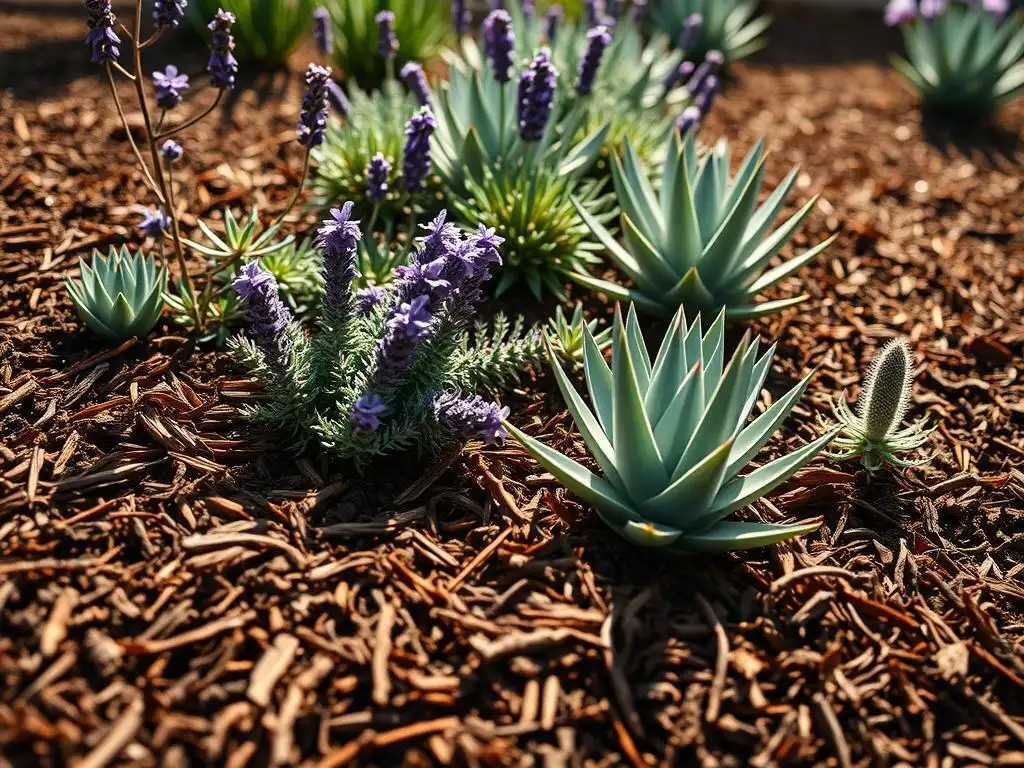
Mulching is a crucial technique for conserving moisture in the soil and minimizing weed growth, both essential for the success of drought-tolerant plants. A good mulch layer acts as a barrier, reducing evaporation from the soil surface. This is particularly important during hot, dry periods when water loss can be significant. The best mulches for drought-tolerant gardens are organic materials that break down slowly, adding nutrients to the soil as they decompose.
Several excellent choices exist, each with its own advantages. For instance, shredded bark offers excellent water retention and weed suppression, providing a visually appealing, long-lasting layer. Straw is another readily available option, offering good moisture retention and weed control, though it may need more frequent replenishment than bark.
Wood chips, often a byproduct of tree trimming, provide similar benefits and contribute to soil improvement over time. However, it's important to note that freshly chipped wood can sometimes tie up nitrogen in the soil initially, so it might be beneficial to add a slow-release nitrogen fertilizer in the first year. Finally, consider using composted materials like well-rotted manure.
This not only conserves moisture and suppresses weeds but also enriches the soil with valuable nutrients, further supporting the health and resilience of your drought-tolerant plants. The ideal mulch depth is generally between 2-4 inches, ensuring effective moisture retention without smothering the plants. Remember to avoid piling mulch directly against the stems of plants, as this can promote rot.
Choosing the right mulch is only half the battle. Proper application is equally vital for achieving optimal results. Ensure the soil is adequately moist before applying the mulch to prevent it from drying out too quickly. Apply the mulch evenly, avoiding gaps that could allow weeds to sprout.
Regularly check the mulch layer throughout the growing season, replenishing it as needed to maintain its effectiveness. By consistently applying these mulching techniques, you can significantly improve the survival rate and overall health of your drought-tolerant garden. This practice is especially important for establishing young plants, giving them the best possible chance to thrive even under dry conditions.
Fertilizing Drought-Tolerant Plants
While drought-tolerant plants are adapted to survive with less water, they still need nutrients to thrive. Over-fertilizing, however, can be detrimental, potentially leading to lush growth that is more susceptible to drought stress. The key is to provide a balanced nutrient supply without encouraging excessive vegetative growth.
Opt for slow-release fertilizers that gradually release nutrients over time, mirroring the slow growth rate often seen in drought-adapted species. This approach minimizes the risk of nutrient burn and provides a consistent supply of essential elements without shocking the plant's system. Granular slow-release fertilizers are a convenient and effective option, while organic options like compost tea can provide a gentler, more natural approach.
The type of fertilizer you choose should be tailored to the specific needs of your drought-tolerant plants. A balanced fertilizer (e.g., 10-10-10) is often a good starting point, providing a mix of nitrogen (for foliage), phosphorus (for root development), and potassium (for overall plant health and disease resistance). However, you may need to adjust the ratio based on your soil test results and the specific requirements of your plants.
For example, plants showing signs of nitrogen deficiency (pale green or yellow foliage) might benefit from a fertilizer with a higher nitrogen content. Always follow the fertilizer label instructions carefully, avoiding over-application, which can damage the roots and harm the plant. Remember that less is often more when fertilizing drought-tolerant plants.
It's better to under-fertilize than to over-fertilize, potentially leading to increased vulnerability to drought stress. Regular soil testing can help you monitor nutrient levels and adjust your fertilization strategy accordingly, ensuring your drought-tolerant plants receive the optimal amount of nutrients for healthy growth without compromising their drought tolerance. This precise approach is key to cultivating a thriving, water-wise garden.
Maintaining Your Drought-Resistant Garden: Long-Term Care
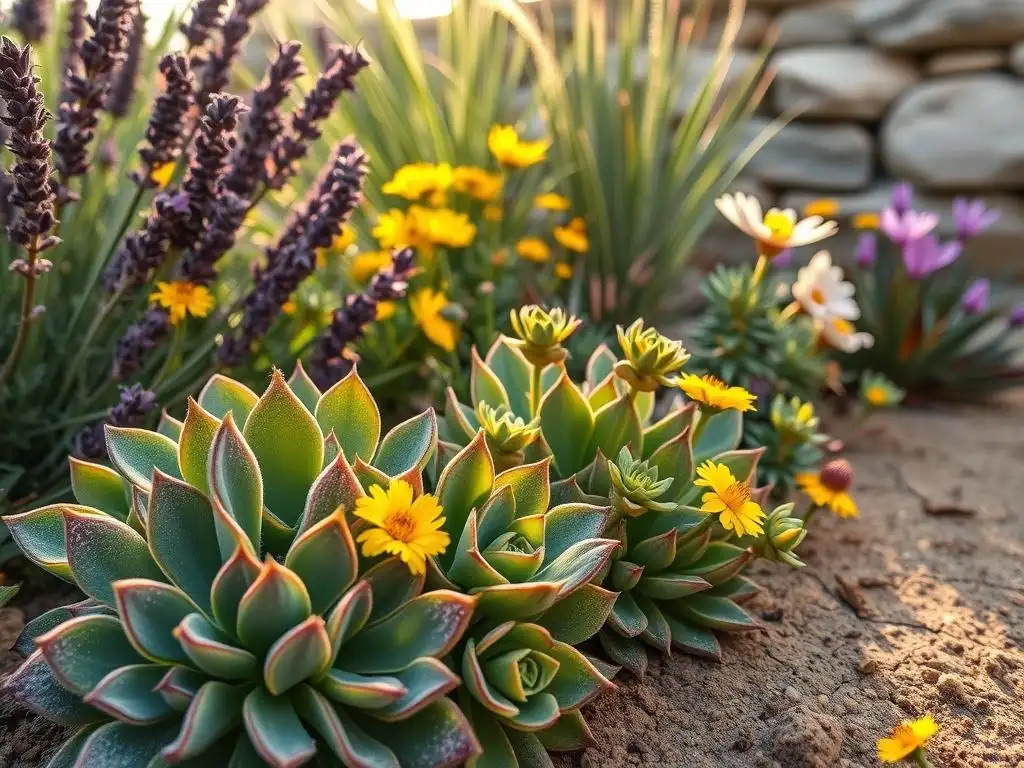
Creating a thriving drought-tolerant garden isn't a one-time effort; it requires ongoing care and attention to ensure the plants' health and longevity. While these plants are designed to withstand dry conditions, neglecting them entirely can lead to decreased vigor and susceptibility to pests and diseases. Proper maintenance is key to maximizing their resilience and beauty, year after year. This section focuses on the essential long-term care practices to keep your drought-resistant garden flourishing.
Dealing with Pests and Diseases in Drought-Tolerant Gardens
Even drought-tolerant plants can fall prey to pests and diseases. The stress of dry conditions can sometimes weaken them, making them more vulnerable. However, proactive measures can significantly reduce these risks. Regular inspection is paramount. Look for signs of infestation such as holes in leaves, wilting, unusual discoloration, or the presence of insects.
Early detection is crucial for effective treatment. For minor infestations, handpicking pests or using insecticidal soap can be sufficient. Always opt for organic pest control methods whenever possible, aligning with the sustainable practices ethos of cultivating your food. For more severe issues, consider consulting a gardening expert for advice on appropriate treatments. Remember, a healthy soil ecosystem can naturally deter many pests. Maintaining healthy soil through composting and avoiding chemical fertilizers strengthens your plants' natural defenses.
Pruning and Deadheading for Healthy Growth and Bloom
Pruning and deadheading are essential maintenance tasks that promote healthy growth and abundant blooms in your drought-tolerant garden. Pruning removes dead, damaged, or diseased branches, improving air circulation and preventing the spread of diseases. It also helps to shape the plants and maintain their desired size, preventing overcrowding. Deadheading involves removing spent flowers, encouraging the plant to produce more blooms.
The best time to prune most drought-tolerant plants is after they have finished flowering, usually in late summer or early autumn. However, some plants may benefit from spring pruning. Always use sharp, clean pruning shears to make clean cuts, minimizing damage to the plant. Research the specific pruning needs of each plant in your garden, as different species have different requirements. Proper pruning techniques conserve water by directing the plant's energy towards healthy growth rather than spent blooms. This contributes to the overall water efficiency of your drought-tolerant garden.
Monitoring Your Plants: Signs of Stress and How to Address Them
Even the most resilient drought-tolerant plants can show signs of stress under exceptionally harsh conditions. Regular monitoring is crucial for identifying these early warning signs and taking corrective action before irreversible damage occurs. Look out for these key indicators:
- Wilting: Even drought-tolerant plants will wilt if they lack sufficient moisture. While some wilting during the hottest part of the day is normal, persistent wilting indicates a problem. Consider providing supplemental watering during prolonged dry spells, focusing on deep, infrequent watering rather than shallow, frequent watering.
- Leaf discoloration: Yellowing, browning, or other unusual discoloration of leaves can signal nutrient deficiencies, disease, or water stress. Address the underlying cause by amending the soil, treating diseases, or adjusting watering practices.
- Slow or stunted growth: Slow growth or stunted development might be a sign of stress from insufficient water, nutrient deficiencies, or pest infestations. Investigate the possible causes and take appropriate remedial action.
- Premature leaf drop: Unexpected leaf drop, particularly during periods of drought, indicates severe stress. Check for pests and diseases and ensure adequate watering.
Understanding your plants' specific needs and promptly addressing signs of stress are vital for maintaining a thriving drought-tolerant garden. By practicing diligent observation and implementing appropriate care, you can cultivate a beautiful and sustainable landscape that thrives even in arid conditions. This proactive approach ensures that your "best drought-tolerant garden plants" truly live up to their name, providing beauty and sustenance with minimal water consumption.
Long-Term Water Conservation Strategies
Implementing long-term water conservation strategies is crucial for maintaining a thriving drought-resistant garden, even after the initial planting phase. These strategies go beyond simply choosing drought-tolerant plants; they involve a holistic approach to water management within your garden ecosystem. One key aspect is optimizing your soil. Healthy soil with high organic matter content retains water more effectively.
Adding compost regularly improves soil structure, allowing for better water infiltration and reducing runoff. This means less frequent watering and a healthier root system for your plants, allowing them to access water more efficiently even during dry spells. Regular soil testing can help you understand your soil's composition and adjust your composting strategy accordingly. For instance, sandy soils benefit from the addition of organic matter like peat moss or composted manure to increase water retention, whereas clay soils might need amendments like perlite or vermiculite to improve drainage and prevent waterlogging.
Another crucial element of long-term water conservation is efficient irrigation. While drip irrigation is excellent for established drought-tolerant plants, consider upgrading to a smart irrigation system. These systems use soil moisture sensors to determine when and how much water your plants need, preventing overwatering and conserving precious resources. This technology minimizes water waste by tailoring watering schedules to the specific needs of your plants, rather than relying on a fixed schedule that may not always be appropriate. The initial investment in a smart system can be offset by significant long-term water savings.
Furthermore, proper mulching is paramount. A layer of organic mulch, such as wood chips or straw, helps retain soil moisture, suppresses weeds (which compete for water), and regulates soil temperature. This reduces evaporation and the need for frequent watering, creating a more stable and moisture-retentive environment for your plants' roots. The type of mulch you choose can also impact its effectiveness; for example, darker-colored mulches absorb more heat, potentially leading to increased evaporation in some climates.
Experimentation and observation are key to finding the best mulch type for your specific garden and climate. Finally, consider rainwater harvesting. Collecting rainwater through rain barrels or other systems provides a supplementary water source for your garden, reducing your reliance on municipal water supplies. This sustainable practice significantly contributes to long-term water conservation and reduces your overall water footprint.
Examples of Exceptional Drought-Tolerant Plants for Your Garden
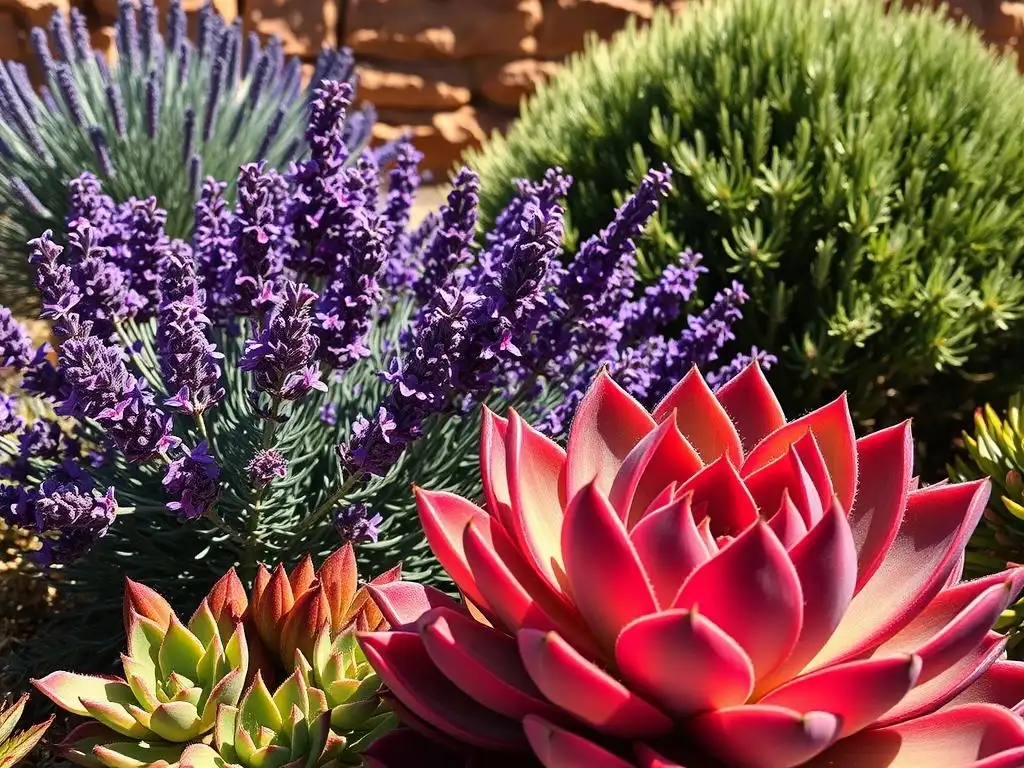
This section delves into specific plant examples that excel in dry conditions, perfect for establishing a thriving, low-maintenance, and water-wise garden. Choosing the best drought-tolerant garden plants requires understanding your specific climate and soil conditions, but the plants highlighted below represent a strong starting point for various garden styles. Remember, even drought-tolerant plants benefit from occasional deep watering, especially during establishment.
Best Drought-Tolerant Flowers
Many beautiful flowering plants are surprisingly resilient to drought. Here are some top contenders for adding vibrant color to your water-wise garden:
- Lavender ( Lavandula species): Known for its fragrant purple blooms and silvery foliage, lavender thrives in full sun and well-drained soil. It's incredibly drought-tolerant once established and attracts beneficial pollinators. Regular pruning encourages bushier growth and more flowers.
- Coneflowers (Echinacea species): These daisy-like flowers are not only beautiful but also attract butterflies and beneficial insects. They tolerate a wide range of conditions, including drought, and require minimal maintenance. Deadheading spent blooms encourages continuous flowering.
- Sedum (Sedum species): Often called stonecrop, sedums are succulents with fleshy leaves and star-shaped flowers. They are exceptionally drought-tolerant and come in a wide variety of colors and sizes, making them versatile additions to rock gardens, borders, or containers.
- California Poppy (Eschscholzia californica): A classic drought-tolerant annual, the California poppy produces bright orange flowers and self-seeds readily, providing a cheerful display year after year with minimal effort. It prefers full sun and well-drained soil.
Top Drought-Tolerant Vegetables and Herbs
While many vegetables need consistent watering, several varieties are remarkably adaptable to drier conditions. These choices can help you maintain a productive garden even during periods of water scarcity:
| Vegetable/Herb | Description | Water Needs | Notes |
|---|---|---|---|
| Tomatoes (certain varieties) | Choose heirloom or determinate varieties known for drought tolerance. | Moderate, but less than most tomatoes | Mulching is crucial to retain soil moisture. |
| Beans (bush beans) | Bush beans generally require less water than pole beans. | Moderate to low | Plant in well-drained soil. |
| Squash (certain varieties) | Choose varieties like zucchini or butternut squash bred for drought tolerance. | Moderate | Mulching and consistent early watering are helpful. |
| Rosemary | This fragrant herb thrives in hot, dry conditions. | Low | Needs excellent drainage. |
| Thyme | Another hardy herb that tolerates drought well. | Low | Prefers full sun and well-drained soil. |
Choosing the best drought-tolerant garden plants among vegetables requires careful consideration of your climate and soil.
Exceptional Drought-Resistant Groundcovers
Groundcovers are essential for suppressing weeds, conserving moisture, and preventing soil erosion. Several excellent drought-tolerant options can significantly reduce your watering needs:
- Creeping Thyme (Thymus serpyllum): A low-growing, aromatic groundcover that forms a dense mat, excellent for pathways or slopes. It tolerates foot traffic and thrives in full sun and well-drained soil.
- Sedum spp. (various creeping sedums): Many sedum species grow low to the ground, creating a beautiful and drought-tolerant carpet. They require minimal maintenance and add texture and color to the garden.
- Yarrow (Achillea millefolium): A hardy perennial with feathery foliage and clusters of small flowers, yarrow is drought-tolerant and attracts beneficial insects. It’s versatile and can be used in borders or as a groundcover.
- Lamb's Ear (Stachys byzantina): This fuzzy-leaved groundcover is incredibly drought-tolerant and adds a unique texture to the garden. It prefers full sun and well-drained soil and is relatively low-maintenance.
These are just a few examples. Researching plants native to your region is crucial for finding the best drought-tolerant garden plants that will thrive with minimal water usage. Remember to consider your specific microclimate and soil type for optimal success. Happy gardening! 🌱
Resources for Finding Drought-Tolerant Plants in Your Area
Finding the best drought-tolerant garden plants for your specific region is crucial for successful gardening with minimal water usage. This section outlines key resources to help you identify and acquire plants well-suited to your local climate and soil conditions. Remember, choosing plants adapted to your area is the cornerstone of water-wise gardening. Don't just pick a plant because it looks pretty; ensure it thrives in your environment.
Local Nurseries and Garden Centers
Your local nursery or garden center is an invaluable resource. Staff are typically knowledgeable about plants that perform well in your specific microclimate. They'll understand the challenges posed by your local soil type, sunlight exposure, and typical rainfall patterns. This localized expertise is often superior to generic online advice.
When visiting, be sure to:
- Ask specific questions: Don't be afraid to ask detailed questions about water requirements, sun tolerance, and pest resistance. Mention your soil type and the amount of sunlight your garden receives.
- Inspect plants carefully: Look for healthy, vigorous plants free from pests or diseases. Avoid plants that appear stressed or wilted.
- Consider native plants: Nurseries often stock native plants, which are naturally adapted to your region and require less water than non-native species. These are often among the best drought-tolerant garden plants for your area.
- Inquire about water-wise gardening practices: Many nurseries offer workshops or consultations on water conservation techniques. This can be incredibly helpful for beginners.
By leveraging your local nursery, you're not just acquiring plants; you're gaining access to a wealth of practical, location-specific knowledge.
Online Resources and Databases
While local expertise is crucial, online resources can supplement your research and broaden your options. Many websites and databases provide detailed information about plant hardiness, water requirements, and suitability for various climates.
However, always cross-reference online information with your local conditions. A plant described as "drought-tolerant" in one region may not perform as well in another due to variations in soil, temperature, and humidity.
Consider using these online tools strategically:
- Plant databases: These databases often allow you to filter plants based on your specific climate zone, soil type, and sunlight exposure. They frequently include detailed information on plant care and maintenance.
- University extension websites: Many universities have extension services that provide reliable information on gardening in your region, including recommendations for best drought-tolerant garden plants.
- Local gardening blogs and forums: These can offer valuable insights and firsthand experiences from fellow gardeners in your area. They often provide practical tips and recommendations based on local conditions.
Remember to critically evaluate online information. Not all sources are equally reliable, so prioritize information from reputable organizations and experts.
Community Gardens and Local Experts
Connecting with your local gardening community can unlock a treasure trove of practical advice. Community gardens often feature a diverse range of drought-tolerant plants successfully grown in your area. Observing these plants firsthand can be incredibly informative.
Furthermore, experienced gardeners in your community can provide invaluable insights based on their own trials and successes. Don't hesitate to:
- Visit community gardens: Observe the plants thriving in your local community garden. Ask the gardeners about their experiences with different drought-tolerant species.
- Attend local gardening workshops: Many communities offer workshops and classes on water-wise gardening. These events provide opportunities to learn from experts and connect with fellow gardeners.
- Join local gardening groups: Online forums and in-person groups can connect you with experienced gardeners who can offer personalized advice and recommendations. They are often a great source of information about the best drought-tolerant garden plants in your specific area.
By engaging with your community, you not only gain practical knowledge but also build valuable relationships with fellow gardening enthusiasts. This collaborative approach can significantly enhance your success in creating a thriving, water-wise garden.
Frequently Asked Questions
What are the benefits of choosing drought-tolerant plants?
Choosing drought-tolerant plants offers several benefits, including reduced water consumption, lower maintenance needs, and a more sustainable garden. They're also often more resilient to climate change impacts.
Which are the best drought-tolerant plants for beginners?
For beginners, lavender, succulents, and certain types of grasses are excellent choices. These plants are relatively low-maintenance and highly adaptable to dry conditions.
How can I determine if a plant is drought-tolerant before purchasing it?
Check the plant tag or online resources for information on its water requirements. Look for descriptions indicating low water needs or tolerance to dry conditions. Consult with your local nursery staff for advice tailored to your region.
What are some strategies for helping established drought-tolerant plants survive extended dry spells?
Mulching around the plants helps retain soil moisture. Consider using drip irrigation for targeted watering, focusing on the roots rather than overhead watering. Avoid over-watering, which can harm the plants.
Are there any specific considerations for choosing drought-tolerant plants in different climates?
Yes, the best drought-tolerant plants vary significantly depending on your climate. Research plants native to your region, as these are naturally adapted to local conditions and water availability. Consider your specific soil type and sun exposure as well.
Final Reflection: Cultivating Resilience, One Drought-Tolerant Plant at a Time
The escalating global water crisis necessitates a fundamental shift in our landscaping practices, demanding that we prioritize drought-tolerant plants not just as a trend, but as a crucial step towards environmental sustainability. Ignoring this reality is no longer an option; the future of our gardens, and indeed our planet, depends on our ability to adapt and embrace water-wise solutions.
The journey towards a more resilient garden, as explored in this guide, is more than just a practical exercise; it's a profound act of connection with the natural world. It's about understanding the intricate dance between plants and their environment, appreciating the beauty of biodiversity, and recognizing the vital role we play in shaping a sustainable future. The glory of gardening: hands in the dirt, head in the sun, heart with nature. To nurture a garden is to feed not just the body, but the soul.
This quote perfectly encapsulates the deeper meaning behind choosing drought-tolerant plants – it's about nurturing both our environment and ourselves.
Now, consider your own garden. What changes can you make today to embrace the principles outlined in this guide? Perhaps it's starting with a single drought-tolerant plant, researching native species suited to your region, or simply becoming more mindful of your water consumption. Every small step you take contributes to a larger movement towards a greener, more resilient future. Let's cultivate a world where beauty and sustainability thrive together.
Unleash Your Drought-Resistant Garden!
Thank you for joining us on this journey to creating a thriving, water-wise garden! You've gained the knowledge to design a beautiful and sustainable outdoor space. Ready to put your new skills to the test?
- Design your dream drought-tolerant garden: Grab a pen and paper, or use your favorite garden design app, and sketch your ideal low-water landscape. Consider the plants discussed and experiment with different arrangements.
- Share your garden vision: Post a picture of your plan on social media—let's inspire each other with creative, water-saving ideas!
- Explore our other resources on sustainable gardening for more tips and tricks to enhance your gardening success.
What exciting drought-resistant plant will be the centerpiece of your new garden design?